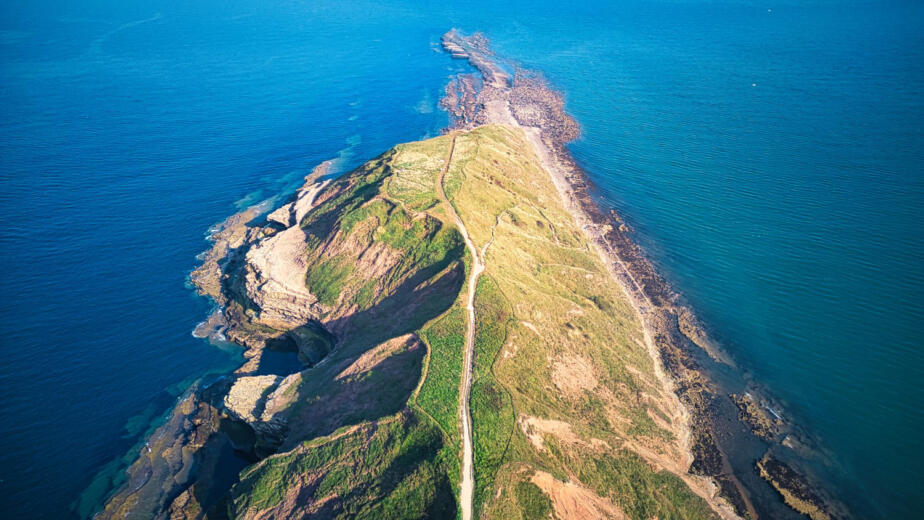
According to KAYAK’s 2026 travel report, 69% of Gen Z and 66% of Millennials say they specifically want to visit places they’ve never seen on their feed before. Search interest in “underrated cities” has spiked 120% year over year. Here are 7 destinations that fit the new “anti-Instagram” criteria — for now.
The 2026 travel pattern has produced something that didn’t exist in any previous era of mass tourism: a deliberate consumer rejection of viral destinations.
According to KAYAK’s “What the Future” 2026 report, 69% of Gen Z and 66% of Millennial travelers say they want to visit places they’ve never seen on their feed before. Travel search queries for “underrated cities” and “non-touristy things to do” have spiked 120% year over year, outperforming traditional bucket-list searches for the first time in digital history. Industry analysts have given this trend several names — “Anti-Instagram travel,” “Algorithm Exit,” “the Influencer Tax breaking point” — but the underlying pattern is the same.
Tier 1 European cities (Amsterdam, Barcelona, Paris) saw a 5% dip in Gen Z arrivals during early 2026, while “secondary cities” and lesser-known capitals saw an 18% surge in solo youth travel. The combination of overcrowding at famous destinations, rising prices driven by tourism saturation, and the cultural exhaustion of seeing the same locations across millions of identical TikTok videos has produced a real consumer movement toward what one industry report called “destinations immune to viral trends.”
Here are 7 destinations that fit the 2026 “pre-viral” criteria. The catch: by writing about them, articles like this one technically contribute to the discovery wave that will eventually compromise the very quality being celebrated. Visit them while the description still applies.
1. Tirana, Albania
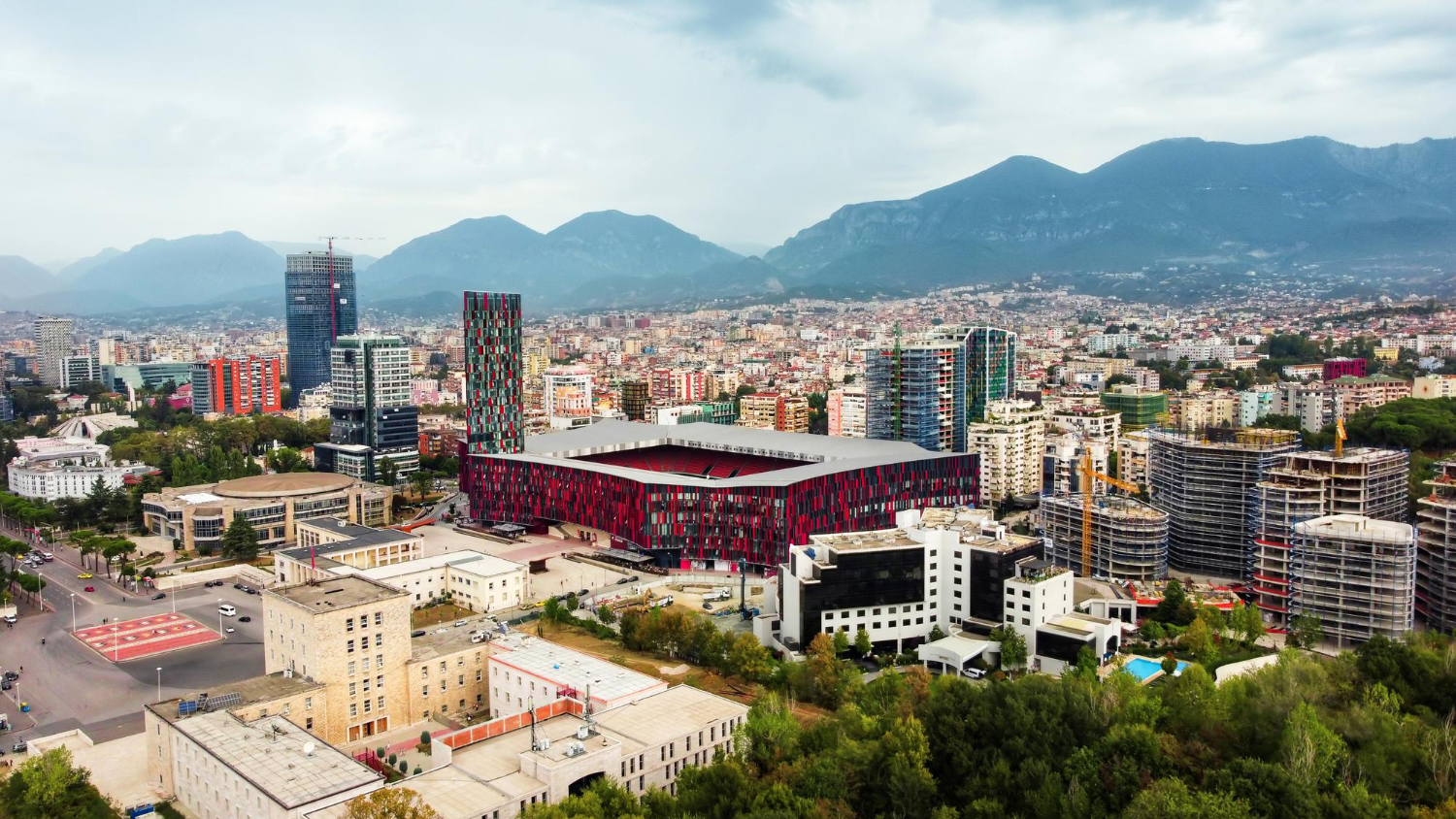
Tirana has become one of the most-discussed “discovery” capitals of 2026. Albania’s capital combines Soviet-era architecture, Italian-influenced café culture, modern street art, and prices that are dramatically lower than anywhere in Western Europe. A full dinner with wine at a quality restaurant runs €15-25 per person. A night in a centrally located hotel costs €40-60.
The genuine appeal beyond price: Tirana feels uncurated. The colorful painted buildings (a 2000s-era beautification project led by then-mayor Edi Rama) coexist with crumbling concrete blocks. The pace is unhurried. The public spaces feel like they belong to locals rather than tourists. Albania has been part of multiple “next big thing” travel lists for years, but the country’s tourism infrastructure has expanded slowly, keeping it ahead of the saturation curve. The 2026 specific appeal: Albania is now in the EU candidate process, with EU accession potentially happening in 2030 — meaning the current pricing window may not last much longer.
Best time to visit: April-June and September-October. Tirana itself is hot in summer, but the season pairs well with the southern Albanian Riviera (Saranda, Ksamil) for beach combinations.
2. Bilbao and the Basque Country, Spain
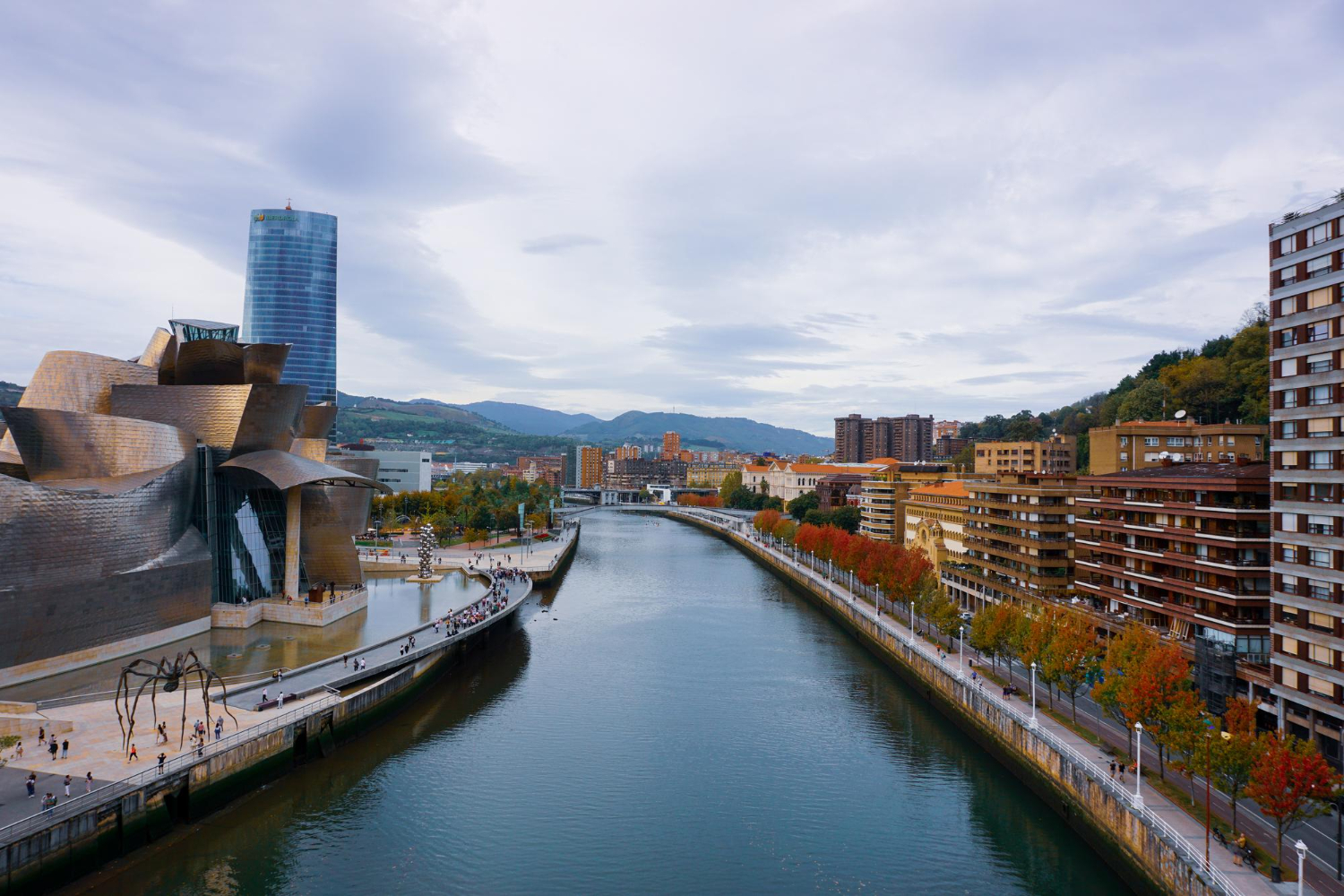
Bilbao has been described as one of Europe’s most underrated cities for years, but it remains genuinely under the radar relative to its quality. The Frank Gehry-designed Guggenheim Museum (opened 1997) anchors a city that has reinvented itself from post-industrial decline into a cultural destination. The surrounding Basque Country includes San Sebastián, which has built one of the most concentrated Michelin star concentrations in Europe relative to its size.
The Basque pintxos culture turns bar-hopping into an art form — small plates at multiple bars, with each establishment having its specialty. The Atlantic coast (rather than Mediterranean) provides rugged cliffs and emerald hills that look completely different from the Mediterranean Spain that most Americans imagine. The Basque language and cultural identity is fiercely distinct, giving the region a “Spain but not the Spain you know” quality that travel writers consistently emphasize.
Best time to visit: May-June and September-October. Avoid August when Spanish vacationers crowd the coast.
3. Tbilisi, Georgia (the country)
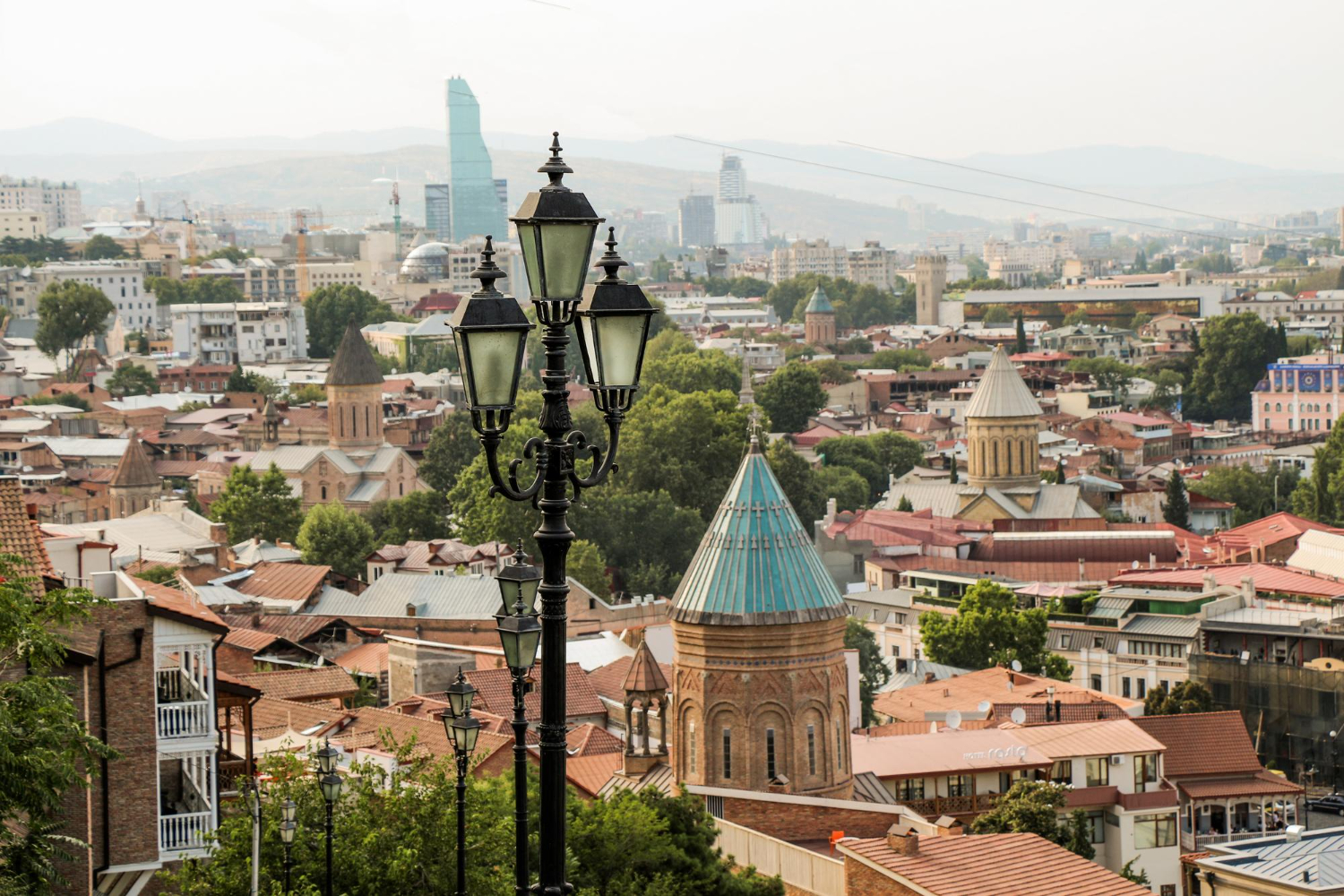
Tbilisi has emerged as a 2026 favorite for travelers seeking destinations that feel genuinely different. The city’s combination of medieval old town, Soviet-era brutalist architecture, modern wine culture (Georgia is one of the world’s oldest wine-producing regions), and surprising affordability has produced a slow-building tourism wave that still hasn’t reached saturation.
Notably, Tbilisi has become a destination for digital nomads taking advantage of Georgia’s exceptionally generous “Remotely from Georgia” visa program (originally launched 2020), which allows remote workers to stay for up to a year with minimal documentation. The cost of living is approximately 60% lower than Western European capitals. Restaurant meals run $5-15. A nice apartment for a month costs $400-800.
The political situation in Georgia has been unstable through 2024-2025 due to ongoing tensions with Russia and EU accession debates. Travelers should check current State Department guidance before planning trips.
Best time to visit: May-June and September-October. Summer is hot; winter is cold and gray.
4. Buenos Aires, Argentina
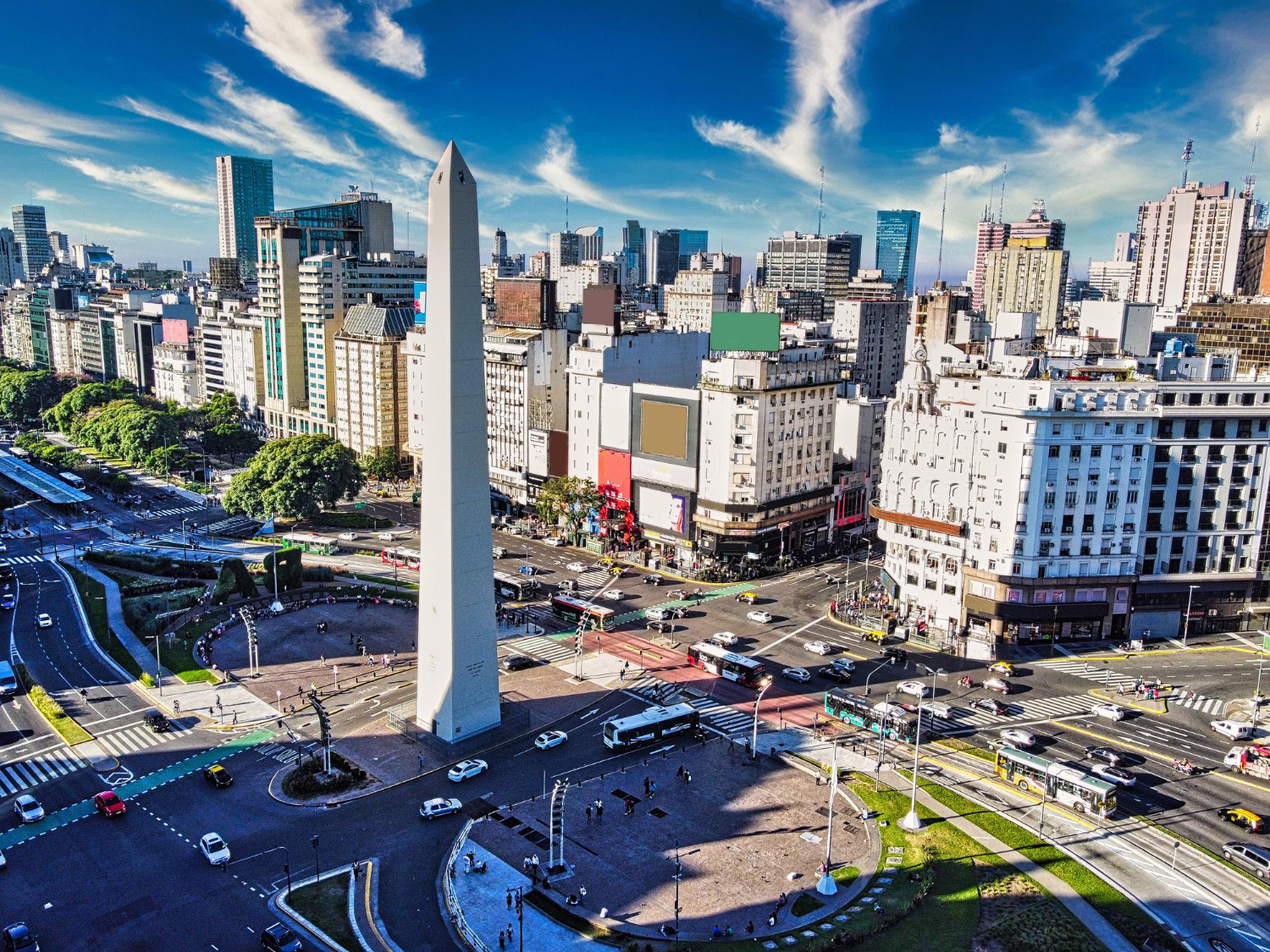
Buenos Aires is on this list with a specific 2026 caveat: while the city itself isn’t undiscovered, the favorable currency exchange rate has made it dramatically more affordable for American visitors than at any point in the past decade. Argentina’s economic instability throughout 2024-2025, combined with the 2024 milei-era currency reforms, has produced a peso exchange rate that makes Buenos Aires feel like a luxury experience at budget prices.
The substantive appeal: Buenos Aires has creative neighborhoods (Palermo, San Telmo, Recoleta), late-night tango clubs, dynamic café culture, world-class steakhouses, and an underground reggaeton scene that has become particularly popular with Gen Z travelers. The colorful murals, bustling markets, and walkable neighborhoods all produce strong content while operating outside the saturated TikTok European-city loop.
Best time to visit: October-November and March-April. The Southern Hemisphere flips the seasons. Avoid June-August when winter cold makes outdoor café culture less appealing.
5. Da Nang, Vietnam
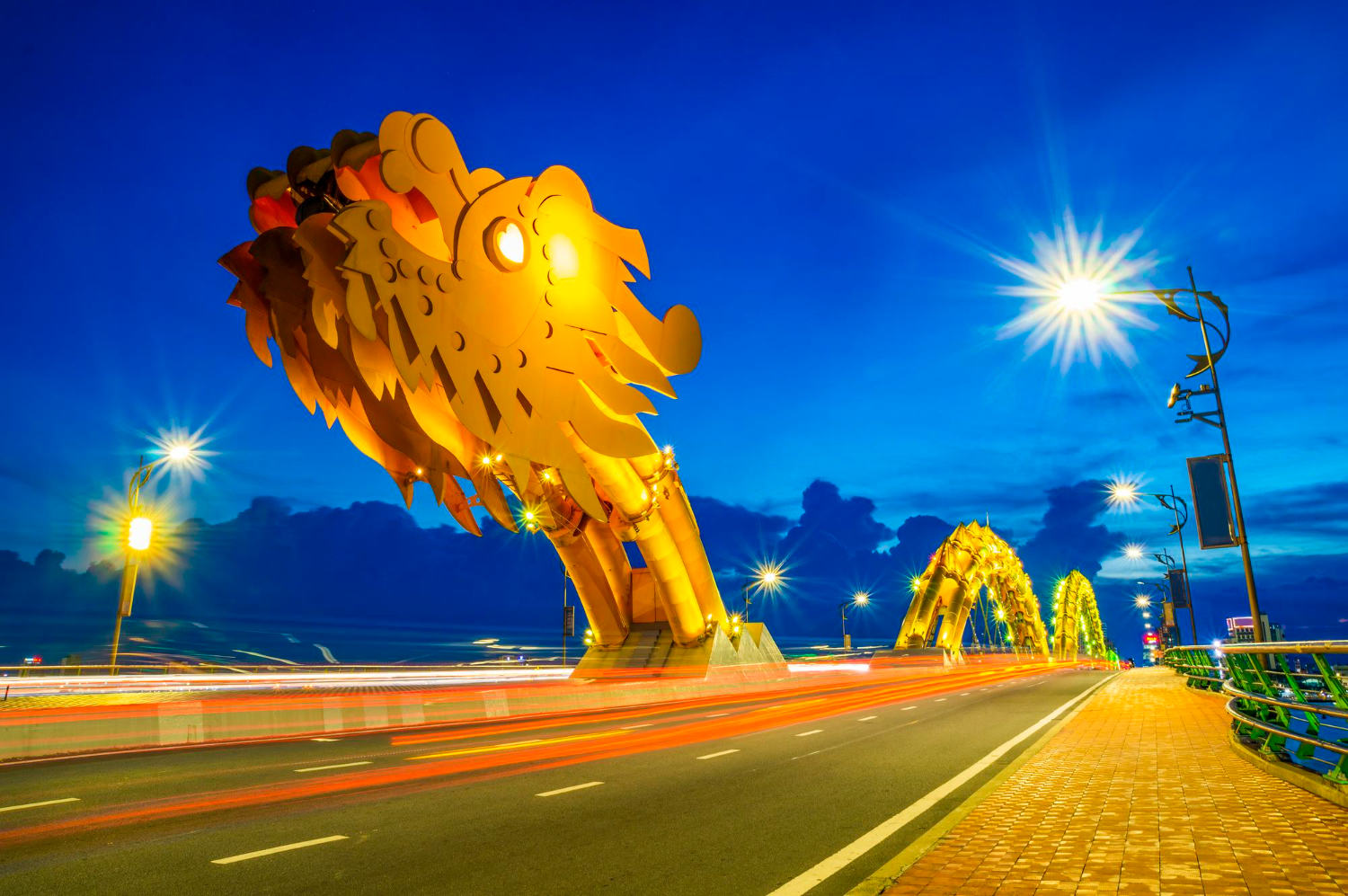
Da Nang has been overshadowed by Hanoi and Ho Chi Minh City in Vietnam tourism for decades, but 2026 has produced a Da Nang-specific surge. The combination of beach culture (My Khe Beach has been ranked among Asia’s best by multiple sources), the nearby UNESCO World Heritage city of Hoi An (30 minutes by car), and the Marble Mountains gives Da Nang access to multiple destination types from a single base.
The 2026 catalyst: Da Nang has substantially developed its tourism infrastructure, with new direct flights from major Asian hubs and a growing English-speaking service economy. Prices remain dramatically lower than Hanoi or Ho Chi Minh City for comparable quality, and the city’s pace is dramatically slower than Vietnam’s mega-cities.
Best time to visit: February-May. Avoid October-December (rainy season) and June-August (extreme heat).
6. Porto, Portugal
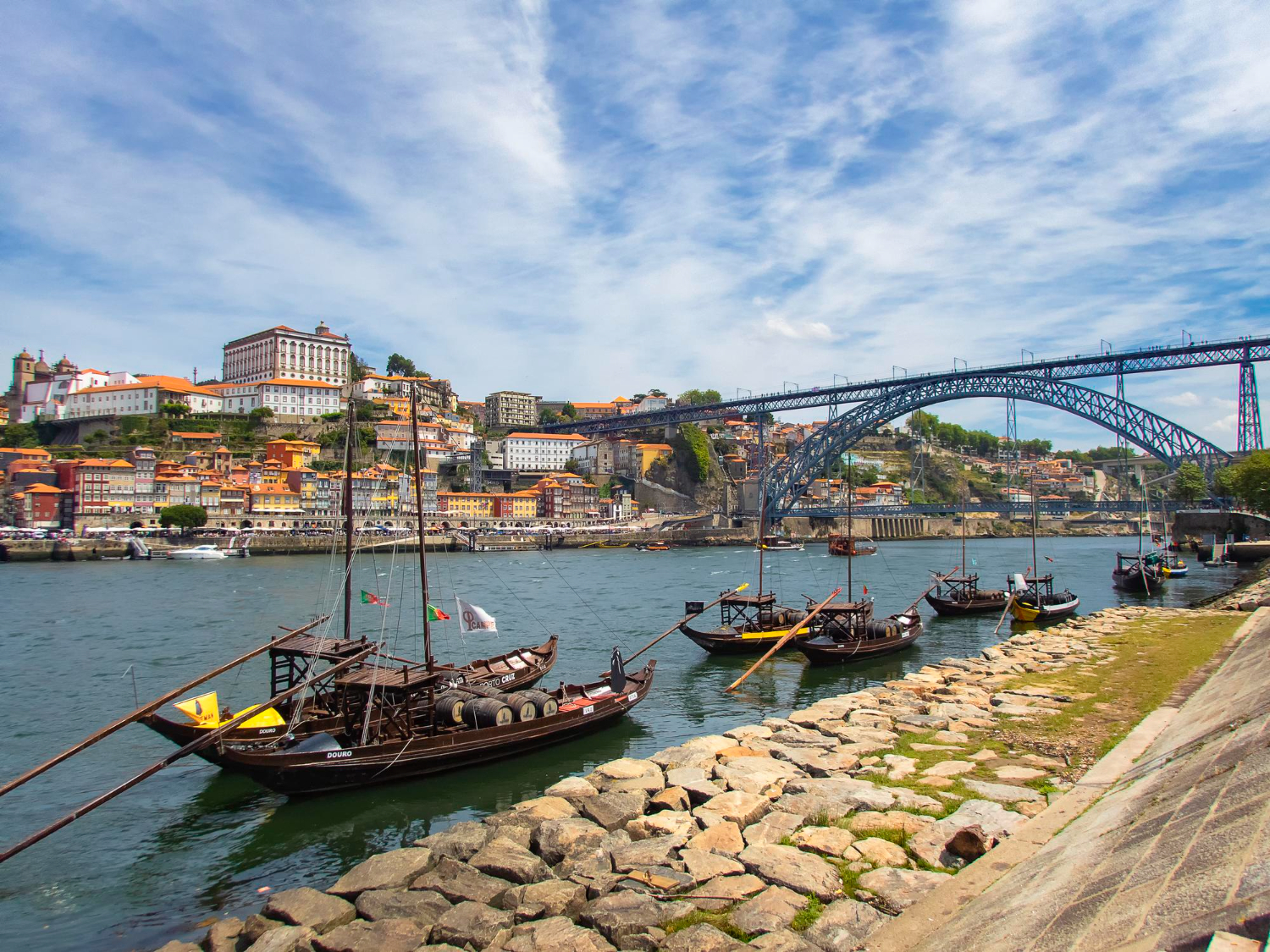
Lisbon has been viral for so long that Porto, Portugal’s second city, has emerged as the “real” Portuguese destination for 2026 travelers seeking pre-viral feel. Porto’s old town is a UNESCO World Heritage Site. The Douro River wine region produces port wine that has been internationally protected since the 1750s. The food scene combines Atlantic seafood, hearty inland cuisine, and prices that remain dramatically lower than Lisbon.
The specific appeal versus Lisbon: Porto is more compact (easily walkable in a day), less crowded with tourists, more architecturally preserved (less new development), and significantly cheaper. The famous azulejo tile work that defines Lisbon visual content is equally present in Porto but appears in unexpected places — old churches, abandoned buildings, residential interiors — rather than as a tourist-targeted display.
Best time to visit: April-June and September-October. Porto’s location near the Atlantic produces unpredictable weather; rain is common throughout the year.
7. Tokyo’s secondary neighborhoods (Yanesen, Kichijoji, Koenji)
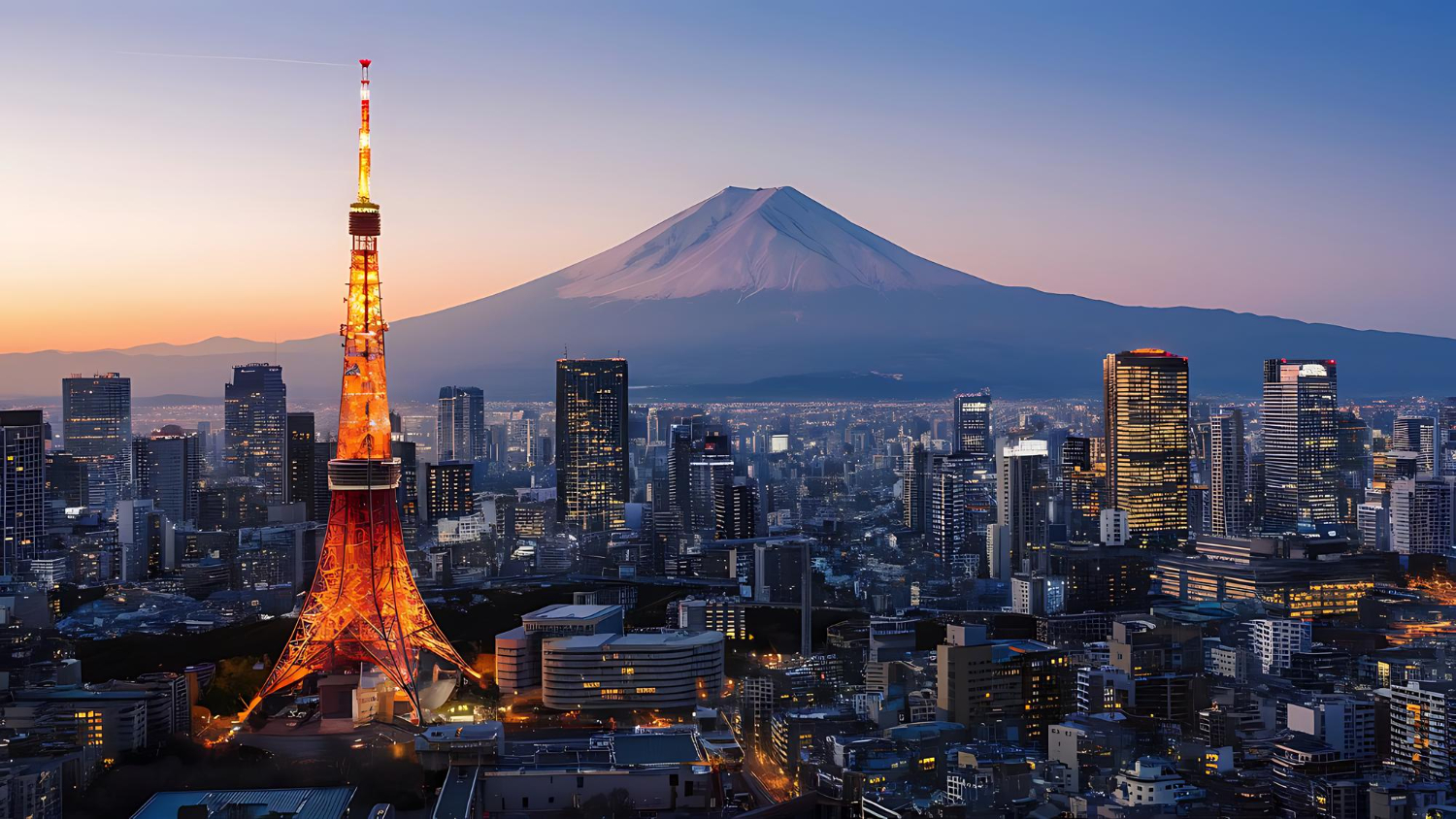
Rather than naming Tokyo (already viral), the 2026 trend among Gen Z travelers is to focus on Tokyo’s secondary neighborhoods — areas with distinct character that haven’t been flattened by tourism the way Shibuya, Shinjuku, and Asakusa have been.
Yanesen (the combination of Yanaka, Nezu, and Sendagi neighborhoods) preserves much of the pre-WWII Tokyo street layout that mostly survived the firebombing. Old wooden buildings, narrow alleys, family-run shops dating to the early 1900s, and a famous cat-friendly cemetery make it feel like stepping into older Japan.
Kichijoji is a 15-minute train ride west of Shinjuku and consistently ranks as Tokyo residents’ favorite neighborhood to live in. The area combines parks, bookstores, vintage shops, and a more local pace.
Koenji is a punk-music-influenced bohemian neighborhood with vintage clothing stores, tiny bars, and a creative scene that hasn’t been displaced by gentrification.
The Tokyo “secondary neighborhoods” approach lets travelers experience the city while bypassing the tourist concentration. This pattern increasingly applies to other major destinations as well — favoring secondary neighborhoods within already-discovered cities rather than abandoning the cities entirely.
What this trend actually represents

The pre-viral destination movement reflects several specific 2026 cultural forces:
Algorithm fatigue. Gen Z travelers have reported in multiple surveys feeling that their feeds have become predictable. The same destinations show up across different creators, with similar shots and similar captions. The “discovery” sensation that made early TikTok travel content compelling has been substantially eroded by saturation.
Performative tourism backlash. Industry research describes a growing rejection of “performative tourism” — trips planned specifically to produce content rather than for personal experience. The “Quiet Travel” movement prioritizes mental presence and personal discovery over the pressure to produce viral content.
Economic reality. Heavily viral destinations have become significantly more expensive due to tourism-driven price inflation. Pre-viral destinations offer significantly better value at the same quality of experience.
Curation crisis. As generative AI and aggressive social media filtering saturate travel imagery, Gen Z travelers report losing trust in “perfect” imagery and gravitating toward destinations with visible, unpolished character. Industry analysts have called this the “off-grid aesthetic” — actively prizing unfiltered authenticity over the manicured aesthetic that defined 2010s-era travel content.
Curated shorter trips. “Nanocations” — short trips of 1-3 days — have replaced longer vacations for many Gen Z travelers. KAYAK reports that 63% of surveyed travelers plan multiple shorter trips in 2026, with 84% preferring smaller towns over major cities.
The practical advice for travelers wanting to experience pre-viral destinations:
Go now. The window for experiencing these destinations as “pre-viral” is genuinely closing. Tirana, Bilbao, Tbilisi, and Da Nang are all on multiple “where to go in 2026” lists in major travel publications. The discovery cycle is shorter than it used to be — destinations move from obscurity to saturation in 2-3 years rather than the 5-10 years that was typical in pre-social-media tourism.
Skip the famous neighborhoods. Even at viral destinations, the secondary neighborhoods often offer the pre-viral experience. Tokyo’s Yanesen, Lisbon’s Marvila, Mexico City’s Coyoacán, and similar areas provide genuine local character within otherwise saturated cities.
Travel during shoulder seasons. April-May and September-October consistently produce better experiences at almost all destinations. Crowds are lower, prices drop 20-40%, and weather is often more pleasant than peak season.
Use AI tools to find genuinely unfamiliar places. AI travel planning tools have become substantially better at surfacing destinations beyond the algorithmic mainstream. KAYAK’s 2026 report shows 41% of Gen Z and Millennials trust AI recommendations more than friends or social media specifically because AI can search broader datasets.
Accept that “discovered” is relative. Every destination on this list is known to someone, has hotel infrastructure, and receives international visitors. “Pre-viral” doesn’t mean “undiscovered” in any literal sense — it means “not yet so saturated that the experience is compromised.” This is a meaningful distinction but a narrow window.
The 2026 anti-Instagram travel trend is real and is changing tourism patterns at scale. Whether it represents a permanent shift or a temporary correction remains to be seen. For travelers in the next 12-24 months, the destinations on this list represent some of the best combinations of quality, affordability, and authentic experience currently available. By 2028, several of them will likely be on the “places ruined by tourism” lists that travel writers also produce. Catching them at the current moment is a real opportunity for those willing to act on it.