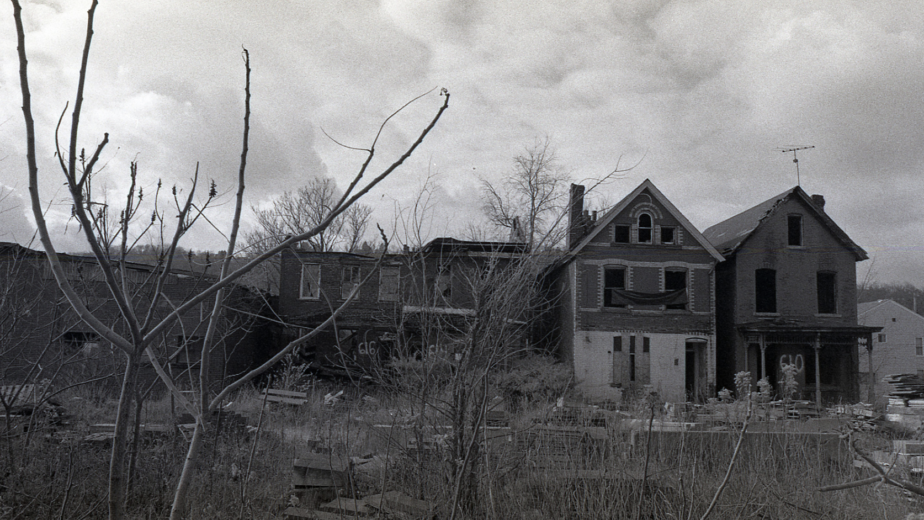
In 1971, the town of Times Beach, Missouri paid waste-oil hauler Russell Bliss to spray oil on its 23 miles of dirt roads to suppress dust. The town didn’t know that Bliss was secretly mixing dioxin — the most toxic chemical compound humans have ever synthesized — into the oil. Eleven years later, after a catastrophic flood spread the contamination, the EPA bought every house in town for $36 million, evacuated 2,000+ residents, and burned the entire town to the ground. Here’s the full story of how a tiny resort town became the largest civilian dioxin exposure in U.S. history.
1: A Newspaper Promotion Town on Route 66 (1925)

Times Beach, Missouri was founded in 1925 as a real estate promotion by the St. Louis Star-Times newspaper. The newspaper had purchased a triangular piece of land along the Meramec River, 17 miles southwest of St. Louis. To boost lagging subscriptions, the company subdivided the property into 6,000 lots measuring 20 by 100 feet each, then sold individual lots packaged with newspaper subscriptions: a 6-month subscription plus $67.50 bought you a riverside lot.
The town never quite became the booming resort the newspaper envisioned. The Great Depression and World War II gasoline rationing reduced summer home demand. By the 1970s, Times Beach had evolved into a lower-middle-class community of approximately 2,000 permanent residents. The town remained on the historic Route 66 — the famous “Mother Road” connecting Chicago to Santa Monica — and the mostly unpaved roads that ran through it.
2: The Dirt Road Problem (1971)
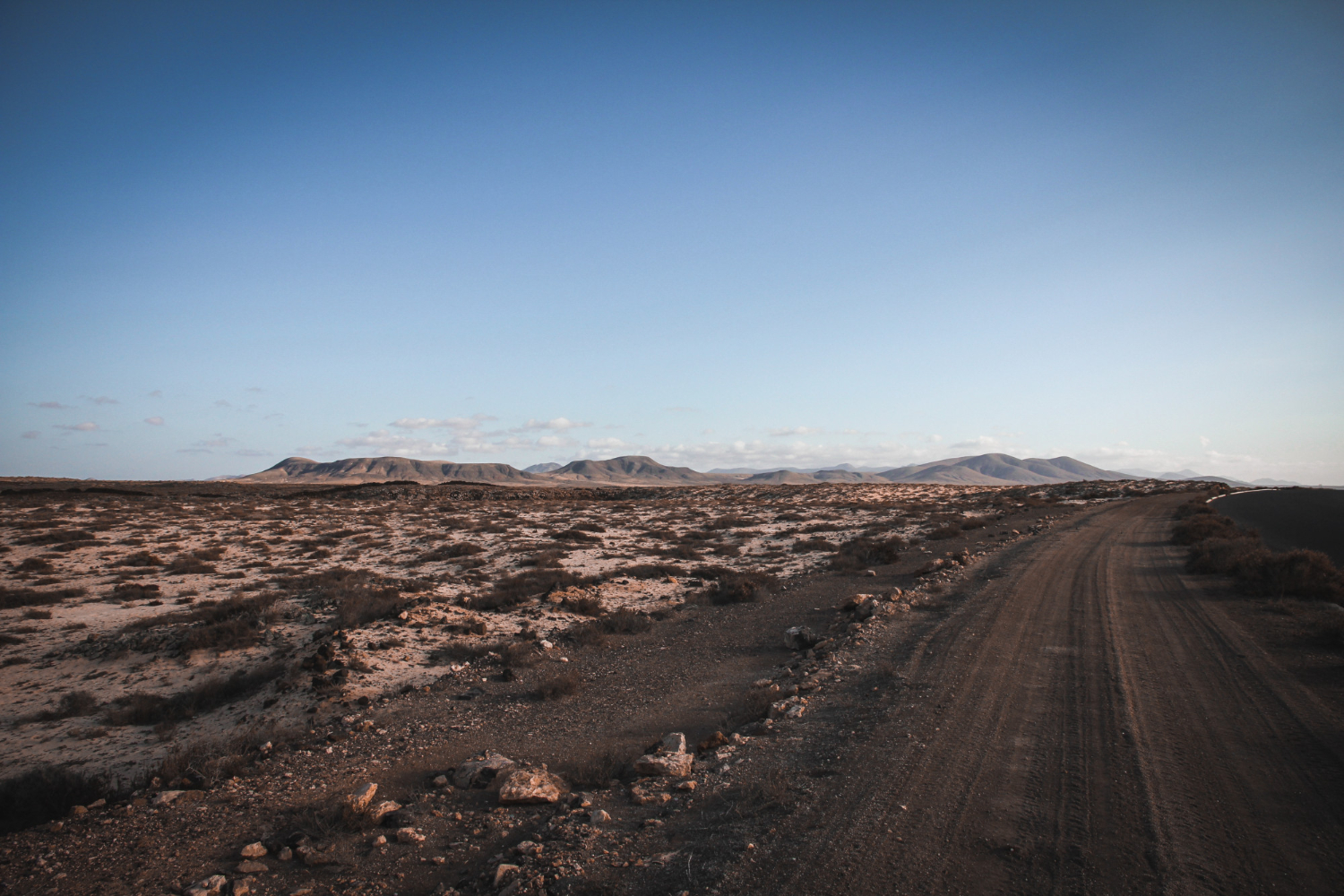
By 1971, Times Beach faced a specific municipal problem common to many small American towns: 23 miles of dirt roads that produced enormous amounts of dust during dry weather. The town lacked funding to pave the roads. The standard solution at the time was to spray waste oil on dirt surfaces to bind the dust and reduce particulate problems.
Times Beach contracted with Russell Bliss, a local waste-oil hauler who specialized in collecting used motor oil from gas stations and other sources, then selling it to municipalities for road dust suppression. Bliss charged the town for spraying — a typical job paying him a few hundred dollars per spraying session. The arrangement was completely standard, fully legal under the regulations of the time, and was repeated across many similar towns throughout Missouri.
Times Beach had no reason to suspect there was anything unusual about Bliss’s operation. He was one of dozens of similar contractors operating across the Midwest.
3: The Secret Bliss Was Hiding

What Times Beach didn’t know — what Bliss himself may or may not have fully understood — was that some of Bliss’s waste oil came from an unusual source. Beginning in 1971, Bliss had contracted with a chemical company called Northeastern Pharmaceutical and Chemical Company (NEPACCO) to dispose of waste materials.
NEPACCO operated a chemical plant in Verona, Missouri that manufactured hexachlorophene — an antibacterial compound used in soaps and various medical products. The manufacturing process produced waste materials, including a thick residue that NEPACCO needed to dispose of. Rather than paying for proper hazardous waste disposal, NEPACCO paid Bliss to take the waste away — Bliss received money from NEPACCO, then mixed the waste into his oil supply, then was paid again by the towns where he sprayed the resulting mixture.
The waste from NEPACCO contained 2,3,7,8-tetrachlorodibenzo-p-dioxin (TCDD), commonly known as “dioxin” — at concentrations later measured at up to 2,000 parts per million. Dioxin is among the most toxic chemicals ever synthesized, with effects measurable at parts per billion concentrations. The same chemical was the toxic component of Agent Orange, the defoliant used during the Vietnam War.
4: The Animals Started Dying (1971)

The first warning came not in Times Beach, but at Shenandoah Stables — one of approximately 25 sites where Bliss had sprayed his oil mixture. Shortly after the spraying, animals at the stable began dying. Over the following weeks and months, more than 40 horses died. Birds, cats, and dogs found near the spray areas also died.
The owner’s six-year-old daughter, who had been playing in the spray areas, became seriously ill. The family contacted the Missouri Department of Health, which contacted the U.S. Centers for Disease Control and Prevention (CDC). Federal investigators began examining the spray sites and tracing the source of the contamination.
The investigation eventually traced the toxic substance back through Bliss to NEPACCO. By 1979, the EPA had identified the basic story. But during the years between 1971 and 1979, Bliss had continued his spraying operations, including in Times Beach.
5: The Children Who Played in Purple-Tinted Oil

Throughout the 1970s, the children of Times Beach played on roads sprayed with Bliss’s oil mixture. The substance had a distinctive purple tint that the children found interesting. They slid on it. They picked up clumps of contaminated dirt. They tracked the oil into their houses on shoes and clothing. The substance was visible enough that residents noticed it but unremarkable enough that no one paid serious attention.
Each spraying involved Bliss covering the roads with substantial amounts of the contaminated oil mixture. The dioxin would bind tightly to the soil, where it would persist for decades — dioxin degrades extremely slowly in soil, with half-lives measured in years. Each subsequent rainfall would spread the contamination slightly. Each summer the dust would carry it into the air. Each winter freeze and thaw would distribute it further.
For 11 years between 1971 and 1982, Times Beach residents lived on top of one of the most toxic chemicals humans had ever synthesized — at concentrations no one yet understood.
6: The Catastrophic Flood (December 1982)
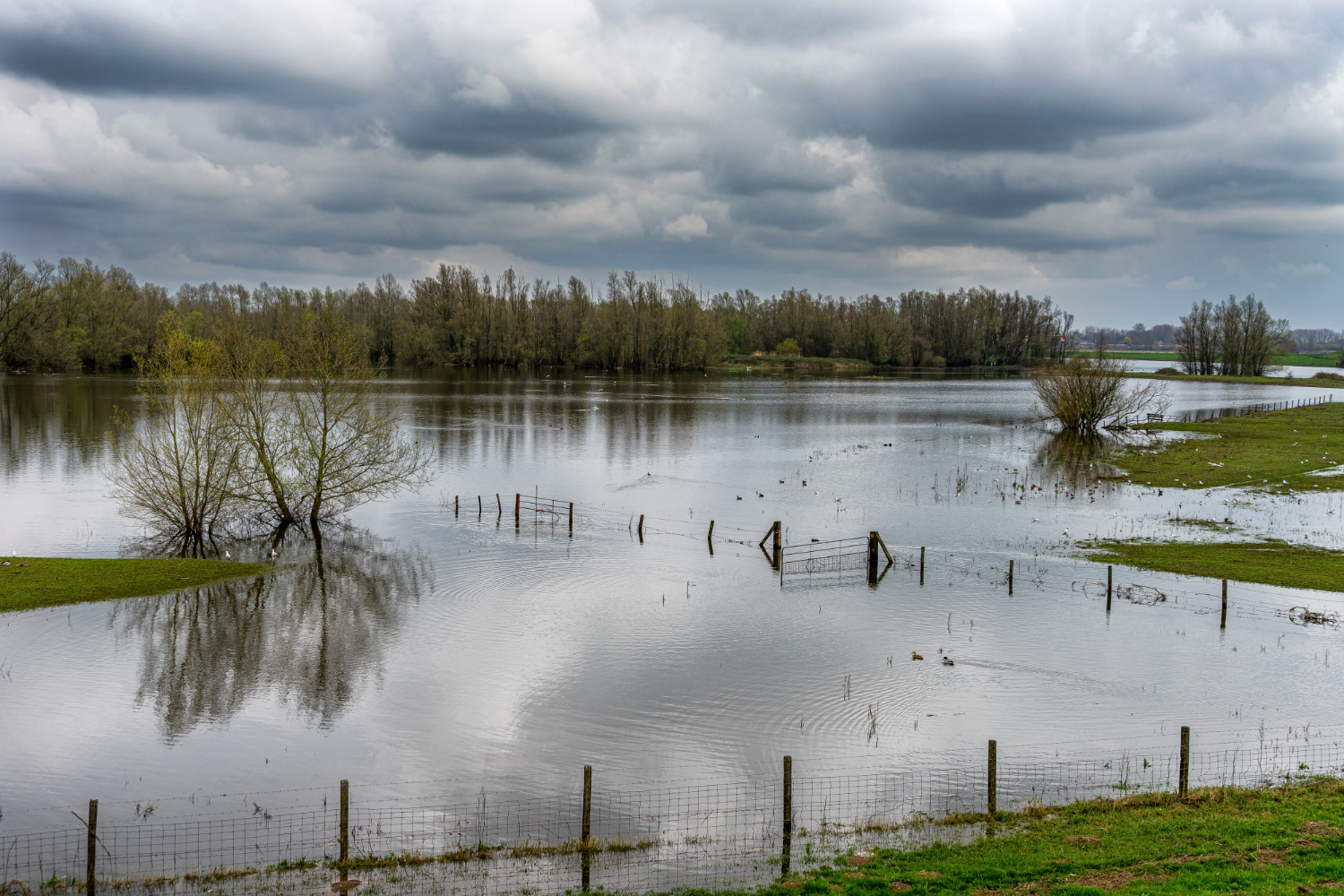
On December 4-5, 1982, the Meramec River experienced its worst flooding in recorded history. The waters rose dramatically, overflowing banks, inundating Times Beach completely. Homes, businesses, and roads were submerged. The flood was a major disaster on its own — but the timing was catastrophic in ways no one immediately recognized.
The EPA had been investigating Times Beach throughout the late 1970s and early 1980s as part of the broader dioxin investigation triggered by the animal deaths at Shenandoah Stables. EPA soil samples taken in November and early December 1982 — just before the flood — had documented dangerous dioxin levels in Times Beach soil. But the results hadn’t been released to residents yet.
When the flood hit, dioxin-contaminated soil was spread throughout the town. Areas that had been only marginally contaminated became more contaminated. Areas that had been safe became contaminated. The flood essentially redistributed the existing contamination across the entire town.
7: “The Town Is Contaminated” (December 23, 1982)
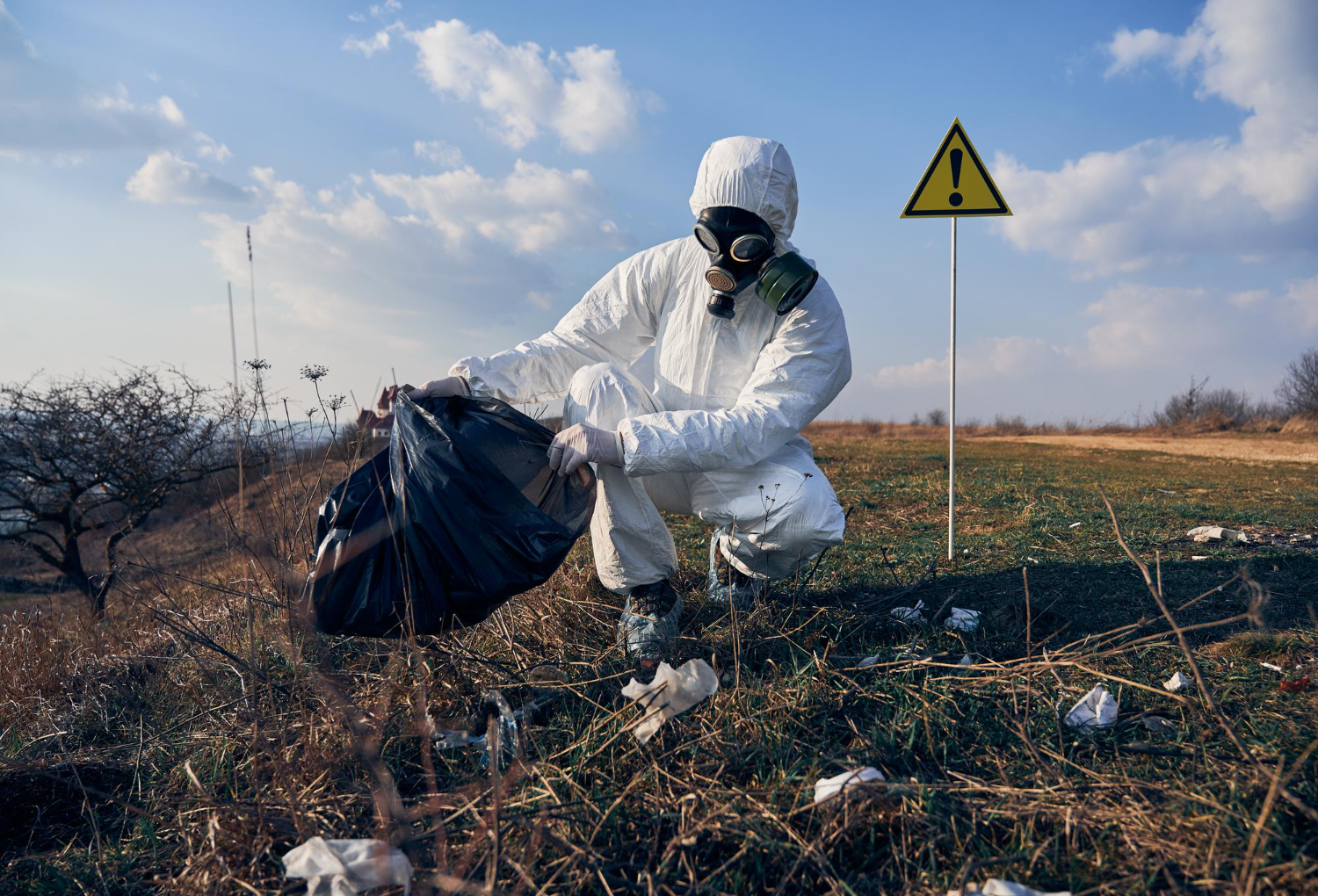
On December 23, 1982 — two days before Christmas — the EPA and Missouri Department of Health informed Times Beach residents that their entire town was contaminated with dioxin and that the levels exceeded what the CDC considered safe. EPA testing had found dioxin levels reaching 127 parts per billion in some samples — far above the 1 part per billion that the CDC considered the maximum safe exposure level.
The announcement was made by EPA Administrator Anne Burford from a locked conference room in a hotel near Times Beach. The press conference was the first official acknowledgment of what residents had been hearing rumors about for months: that their town might be contaminated, that they might need to evacuate, that something was very wrong.
Residents reacted with the panic anyone would feel upon learning their entire community was contaminated with the most toxic chemical humans had synthesized. Every illness anyone had experienced was retrospectively attributed to dioxin. Every miscarriage. Every animal death. Every health complaint of any kind. The town was, in the words of one official, “in a state of complete crisis.”
8: The Federal Buyout Decision (February 1983)

In February 1983, President Ronald Reagan formed the Times Beach Dioxin Task Force, including representatives from the EPA, CDC, FEMA, and Army Corps of Engineers. The task force needed to decide what to do about Times Beach.
On February 22, 1983, the EPA announced it would purchase all 800 residential properties and 30 businesses in Times Beach using $33 million from the newly-created Superfund program. The announcement was made by EPA Administrator Anne Burford. This was the first federal buyout of an entire town in American history.
The buyout was offered at fair market value. Most residents accepted. A few resisted briefly. By the end of 1986, all 2,200 Times Beach residents had been relocated. Only one elderly couple — lifelong Times Beach residents who refused to leave their home — remained until they eventually accepted relocation.
9: The Disincorporation (April 1985)

On April 2, 1985, Missouri Governor John Ashcroft signed an executive order officially disincorporating the City of Times Beach. The municipal government was dissolved. The city ceased to exist as a legal entity. Times Beach became simply a contaminated piece of land controlled by the federal government.
The disincorporation was unprecedented in modern American history. Towns had been abandoned before — economic decline, natural disasters, planned demolitions for dam projects. But the federal government had never before condemned, evacuated, and dissolved an entire town because of environmental contamination. Times Beach became a precedent for similar actions taken at other contaminated sites in subsequent decades.
For the former residents, the disincorporation meant their hometown literally no longer existed. They couldn’t visit. Their addresses no longer functioned. The community ties that had defined the town for 60 years dissolved as people scattered to new homes throughout the St. Louis area and beyond.
10: Burning the Entire Town (1996-1997)

The cleanup of Times Beach took longer than the original timeline anticipated. Various legal battles, technical challenges, and political controversies delayed the actual remediation work. By 1992, the town’s structures had been demolished and the rubble disposed of. But the contaminated soil remained.
In 1996, an incinerator was constructed at the Times Beach site by Syntex (the parent company of NEPACCO). The incinerator was designed specifically to burn dioxin-contaminated soil at temperatures high enough to break down the chemical. From March 1996 to June 1997, the incinerator burned approximately 265,000 tons of dioxin-contaminated soil and debris from Times Beach plus 28 other Missouri sites where Bliss had sprayed his oil mixture.
The total cleanup cost reached approximately $110 million, of which Syntex reimbursed $10 million. The federal government and Missouri taxpayers absorbed the remaining costs. After the incineration was complete, the incinerator itself was dismantled and disposed of. The site was prepared for its eventual conversion into a park.
11: Route 66 State Park (1999)
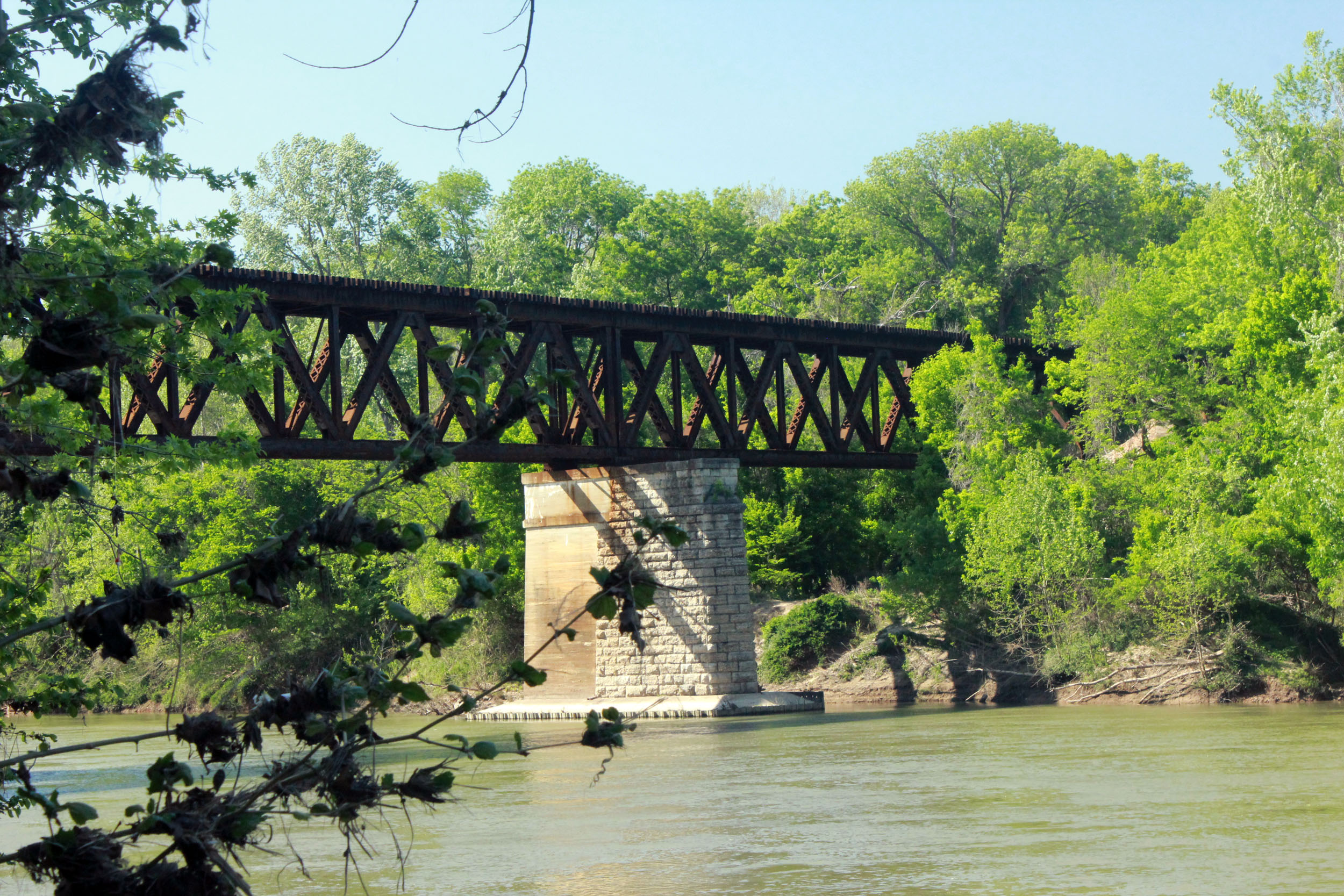
In September 1999, the Times Beach site reopened to the public as Route 66 State Park. The 419-acre park commemorates the famous Route 66 highway that had run through the original Times Beach. The park includes a museum that tells the story of both Route 66 and the Times Beach contamination.
The park’s location is striking: visitors walk on land where 2,000+ people once lived, where children played in dioxin-contaminated dirt, where every structure was eventually demolished and burned. The park is, in a sense, a memorial to the worst civilian dioxin exposure in U.S. history.
In 2001, the EPA officially removed Times Beach from its Superfund National Priorities List, indicating that cleanup was complete. In 2012, the EPA conducted reassessment testing and confirmed that “soil samples from Route 66 State Park show no significant health risks for park visitors or workers.”
12: What Happened to the People Who Made It Happen
Russell Bliss — the waste-oil hauler who actually sprayed the dioxin — was the subject of numerous lawsuits but maintained throughout his life that he hadn’t known what was in the waste he was hauling. He died in 2010 having never faced criminal charges related to Times Beach. Civil lawsuits produced various settlements but no fundamental accountability.
NEPACCO (Northeastern Pharmaceutical and Chemical Company) — the chemical company that produced the dioxin waste — was shut down in 1976. Its corporate parent, Syntex Agribusiness, faced numerous lawsuits and ultimately paid substantial settlements but avoided criminal liability.
The town’s residents — over 2,200 people — relocated to homes throughout the St. Louis area. Many experienced documented health effects including elevated cancer rates, reproductive problems, and various other dioxin-related conditions. Federal compensation programs provided some support but couldn’t fully address the long-term health and social costs.
Anne Burford — the EPA Administrator who managed the initial response — resigned from the EPA in 1983 amid broader controversies about her management. The Reagan administration’s handling of Times Beach contributed to substantial changes in EPA leadership and approach.
The Superfund program itself was substantially shaped by the Times Beach experience. The federal authority to buy out and remediate contaminated sites was substantially expanded in subsequent legislation. Times Beach became the model for similar actions at other heavily contaminated sites including Love Canal, Hanford, and various others.
13: What Times Beach Actually Represents

The Times Beach disaster reveals something specific about how environmental contamination actually unfolds:
The cumulative cost of cheap solutions. Bliss’s spraying cost Times Beach a few hundred dollars per session. The eventual cleanup cost $110 million plus the inestimable costs of relocating 2,200 people and destroying an entire town. Cheap dust suppression turned out to be among the most expensive municipal decisions in American history.
The slow recognition of toxic effects. Eleven years passed between Bliss’s first spraying in Times Beach and the eventual recognition that the town was contaminated. Dioxin’s effects accumulated invisibly during those years while children played in the contaminated dirt and adults walked on the contaminated roads daily.
The compounding effect of secondary disasters. Without the December 1982 flood, the contamination might have remained relatively localized. The flood spread the dioxin throughout the town, transformed a manageable cleanup challenge into a complete evacuation requirement, and forced the unprecedented federal response.
The regulatory gaps that enabled the disaster. Pre-1976 regulations didn’t require waste-oil haulers to track or document the chemicals they were hauling. Bliss could legally accept dioxin-contaminated waste, mix it with motor oil, and spray the mixture on public roads — all without any regulatory oversight. The Resource Conservation and Recovery Act of 1976 closed many of these gaps, but the regulations came too late for Times Beach.
The personal costs that don’t appear in cost-benefit calculations. The 2,200 Times Beach residents lost their homes, their community, their connection to a place where many had spent their entire lives. The financial buyouts compensated for property values but couldn’t compensate for the loss of a place that had defined people’s identities. Many former residents reported lifelong grief over the loss of their hometown.
For visitors interested in seeing what Times Beach has become, Route 66 State Park is open year-round, with a museum that documents both the Route 66 history and the contamination story.
The town the dioxin destroyed exists now only as a state park, photographs, and the memories of the people who lived there before December 23, 1982 — the day they learned that their hometown could no longer exist.