

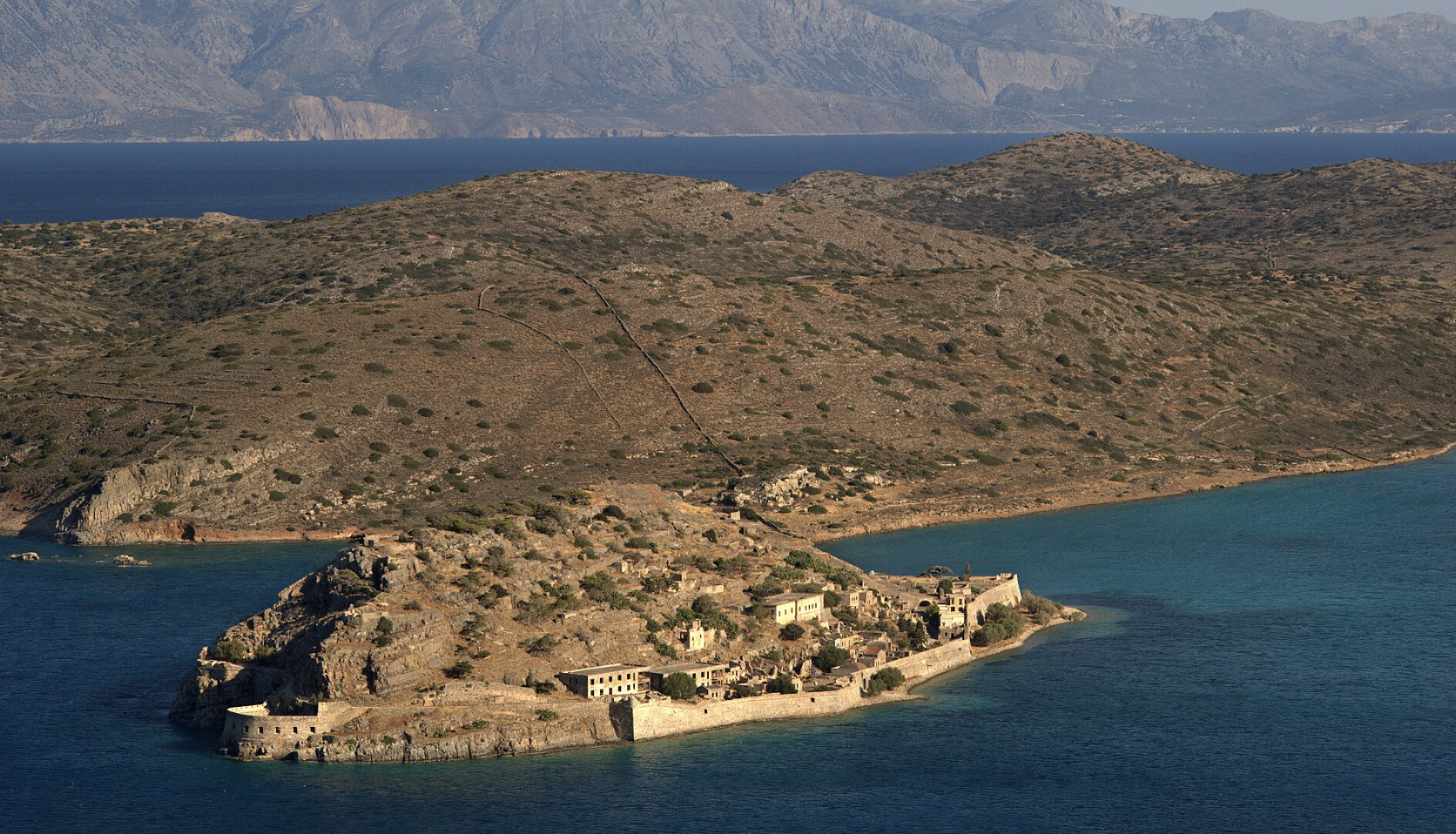
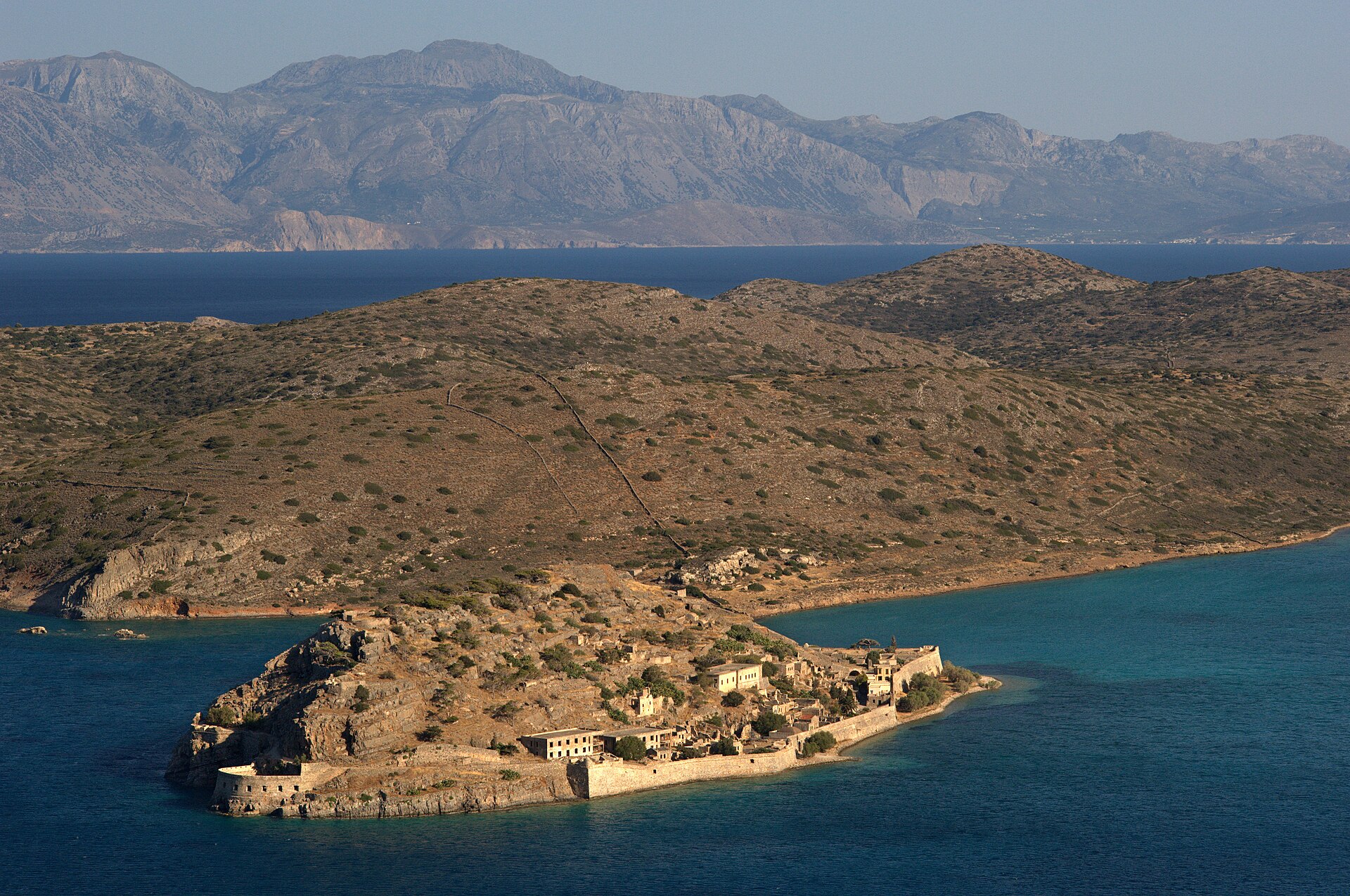
From 1903 to 1957, the tiny Greek island of Spinalonga off the coast of Crete operated as one of Europe’s last leper colonies. Patients arrived through “Dante’s Gate” — a tunnel said to bear the inscription “Leave all hope behind.” Their names were struck from their hometown registries. They were not expected to ever leave. When a cure was finally discovered in 1948, the colony took 9 more years to close. The last priest stayed until 1962 to honor Greek Orthodox burial traditions for the dead. Here’s the full story of one of Europe’s most poignant abandoned places.
1: A Tiny Island With 2,000 Years of History
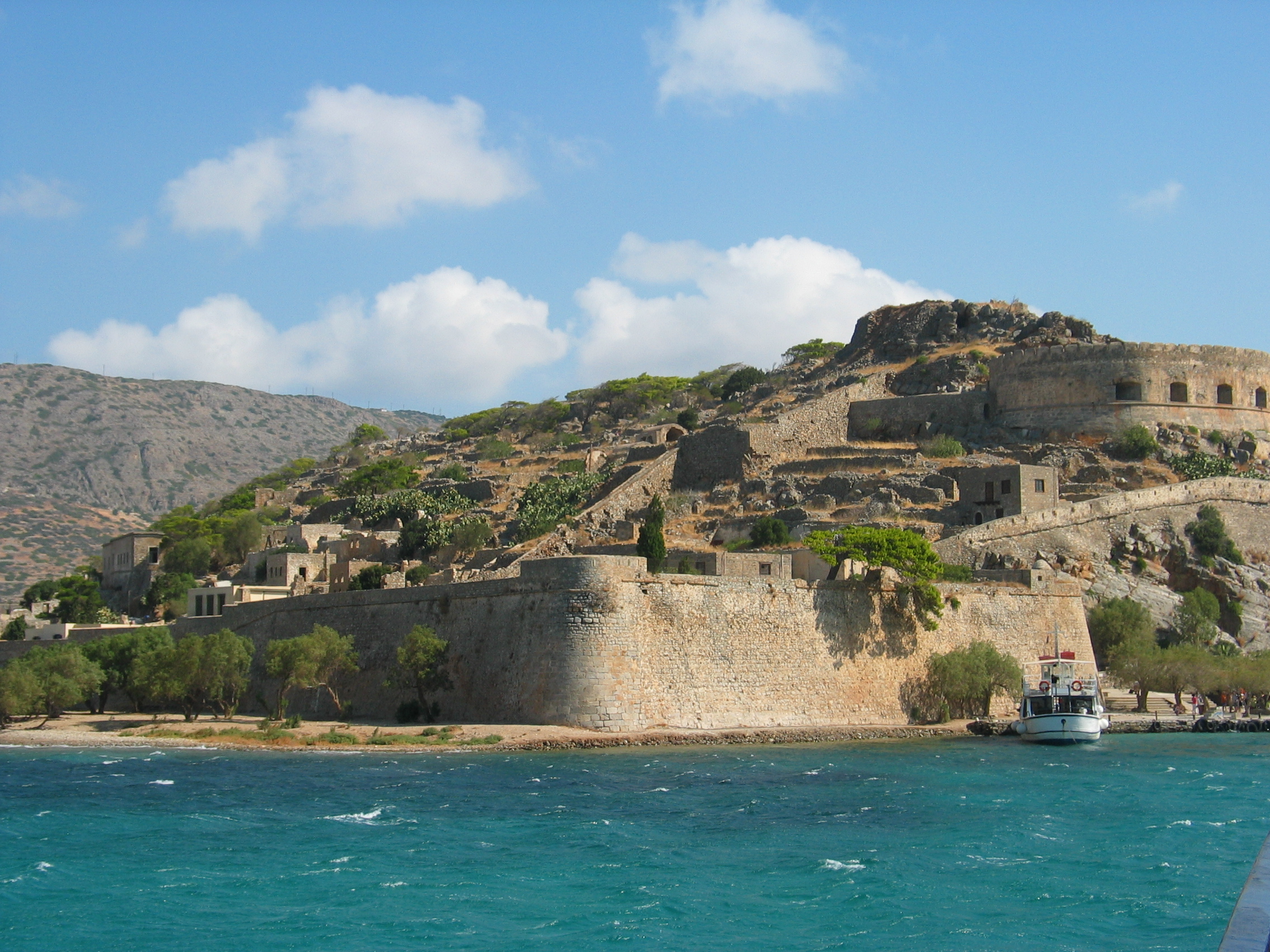
Spinalonga is a small rocky island — just 85 acres — at the mouth of the Gulf of Elounda in northeastern Crete. It sits approximately 200 meters off the coast of the village of Plaka, separated from the much larger Spinalonga peninsula by a narrow channel.
The island has hosted human settlement for thousands of years. The ancient city of Olous (now partially sunken) occupied the adjacent peninsula in classical times. The Venetians built a substantial fortress on Spinalonga itself between 1579-1586 to protect the natural harbor of Elounda from Ottoman attack. The fortress proved extraordinarily defensible — Spinalonga remained in Venetian hands for more than 40 years after the rest of Crete had fallen to the Ottoman Empire.
The Ottomans eventually took the island in 1715. Turkish families settled there. By 1898, when Crete gained independence from the Ottoman Empire, approximately 1,000 Muslim residents lived on Spinalonga.
2: The Decision That Changed Everything (1903)
In 1901, the newly-independent Cretan government faced a problem common to many European nations: how to manage the leprosy patients in their territory. Leprosy (Hansen’s disease) was poorly understood at the time. It was widely believed to be highly contagious. The disfiguring physical effects — particularly on the face and limbs — produced extreme social stigma. Communities throughout Europe demanded that leprosy patients be removed from population centers.
The solution adopted by Cretan authorities was isolation. The government decided to establish a permanent leper colony where patients would be sent for the remainder of their lives. The site chosen was Spinalonga — small enough to be controllable, isolated enough by water to be effective, close enough to the mainland for supplies, and convenient because the existing Turkish residents could be displaced.
The decision was formalized on May 30, 1903. The remaining Muslim residents were forced to leave (most relocated to Turkey under the population exchange arrangements of the era). The island was prepared to receive its new population — leprosy patients from across Crete and eventually from throughout Greece.
3: The First Patients Arrive (October 1904)
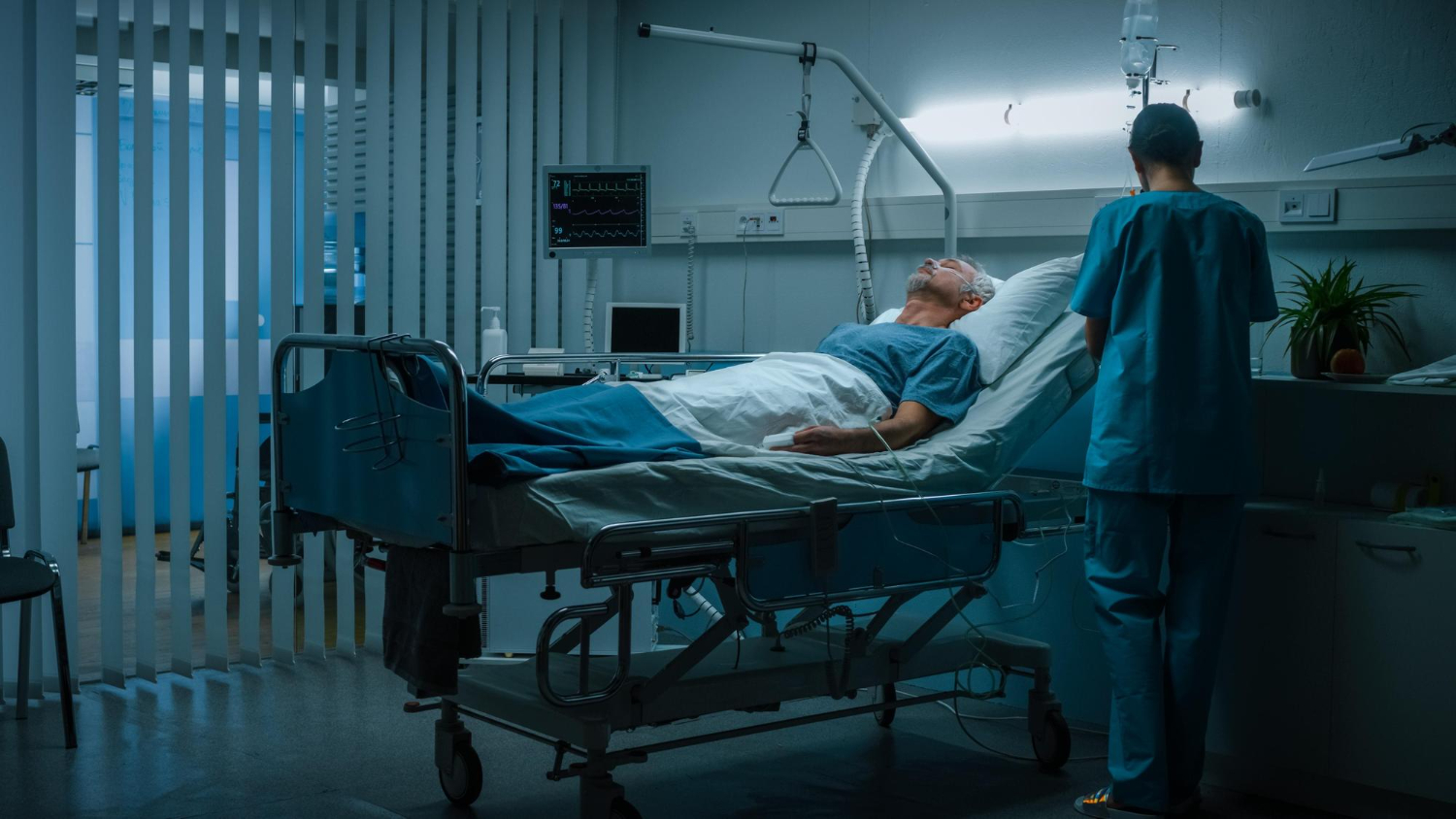
In October 1904, the first 251 leprosy patients arrived at Spinalonga — 148 men and 103 women, transported from various parts of Crete. Some came willingly, having been given few alternatives. Others arrived restrained, having been forcibly removed from their homes by authorities.
The arrival process was psychologically devastating. Patients entered through a southern tunnel that came to be known as “Dante’s Gate” — referencing Dante’s Inferno gate inscription “abandon all hope, ye who enter here.” Some sources record that an actual inscription bearing similar wording was posted at the entrance, though documentation is incomplete. Whether literal or metaphorical, the gate represented the patients’ transition from their previous lives into permanent isolation.
Once on the island, patients had their names struck from the registries of their hometowns. They were considered legally dead by the standard records of their previous existence. Family members were typically told to consider them deceased. Many families never spoke of them again, partly due to genuine grief and partly due to the extreme social stigma associated with having a relative with leprosy.
4: The Conditions That Awaited Them
The early years of the Spinalonga leper colony were brutal. The island had inadequate infrastructure. Fresh water was scarce — the small island couldn’t support a reliable water supply for hundreds of residents. Food production was limited by the rocky terrain. Medical care was minimal. Government allowances were often insufficient to cover even basic needs.
A small daily market was established by people from nearby villages who would travel to the island, leaving supplies on a designated dock area without direct contact with the patients. This commercial arrangement provided the only regular contact between the colony and the outside world.
Greece was struggling financially during this entire period — the Macedonian Struggle, two Balkan Wars, World War I, World War II, and the Greek Civil War all affected government capacity to support the colony. Patients lived in poverty, with inadequate food, limited medical care, and the psychological burden of having been removed from their families and homes for what was assumed to be the rest of their lives.
Many patients had been misdiagnosed. Doctors of the era sometimes confused leprosy with psoriasis, eczema, and various other skin conditions. Some patients sent to Spinalonga didn’t actually have leprosy at all — but once they arrived and were exposed to the actual leprosy patients, they could potentially become infected. The misdiagnosis problem produced both injustice (people imprisoned without disease) and tragedy (people becoming infected through their misdiagnosis).
5: The Population Peak (1933)

By 1933, the colony’s population had grown to 954 inhabitants — the peak. New patients continued to arrive throughout the 1930s, with the population stabilizing around 400 active patients (after deaths reduced the cumulative numbers) through most of the colony’s later years.
Despite the desperate conditions, a remarkable thing was happening: the patients were creating a community. Driven by basic human needs for organization, social connection, and meaning, the residents of Spinalonga had built something resembling normal life.
The community was held together substantially by Epaminondas Remoundakis, a former law student from Athens who had been diagnosed with leprosy in 1936. Remoundakis arrived voluntarily after his sister had been sent to Spinalonga. Despite his own illness (he eventually went blind from the disease in 1947), Remoundakis founded “The Brotherhood of the Sick of Spinalonga” and led efforts to improve conditions. He organized public cleaning, advocated for the patients with mainland authorities, and documented the colony’s life in his memoirs.
6: The Romance and Family Life That Wasn’t Supposed to Happen

One of the most remarkable aspects of Spinalonga is what the residents created in defiance of their circumstances. Despite being in what was essentially a permanent quarantine for an incurable disease, residents fell in love. They married. They had children.
The children of Spinalonga patients were a particularly poignant aspect of the colony. Most were not infected with leprosy (modern understanding shows that leprosy transmission requires extended close contact and that genetic factors substantially affect susceptibility — most people are naturally resistant). The children grew up in the colony, attended its school, and in many cases eventually left for the mainland when they reached adulthood.
These were children born into one of the most stigmatized communities in Europe, growing up in a place specifically designed to isolate the diseased from the healthy world. Their existence was a quiet rebuke to the assumption that the residents of Spinalonga were less than human or unworthy of normal life.
7: The Cure That Came Too Late for Most (1948)

In 1948, the first effective drug treatments for leprosy were developed in the United States. Sulfone drugs (initially Promin, then Dapsone) demonstrated that leprosy could actually be cured rather than just isolated. The discovery transformed the global approach to the disease — but it came after most of Spinalonga’s history had already happened.
For patients who had been on the island for decades, the cure was bittersweet. They could now potentially be treated and return to normal life. But many had been on Spinalonga so long that they had no community to return to. Their families had moved on, sometimes literally treating them as deceased. Their hometowns had registered them as dead. Some had developed disabilities from their disease that meant they couldn’t return to their previous occupations.
The colony began winding down through the 1950s. Patients were treated. Some recovered enough to leave. Others remained too disabled or too socially disconnected to attempt return to mainland life. The population declined gradually as treatment proceeded.
8: The Final Twenty Patients Leave (1957)
In 1957, the leper colony at Spinalonga was officially closed. The last 20 patients — those still requiring care or unable to return to mainland life — were transferred to the anti-leprosy station of Agia Varvara in Attica, near Athens. The colony’s official function ended.
The closure was driven partly by the medical advances that had made continued isolation unnecessary, partly by international advocacy that had documented the inadequate conditions, and partly by changing Greek attitudes toward leprosy patients. A British expert had visited the colony in the early 1950s and written a report criticizing the Greek state for its failure to properly care for the residents. Greek filmmaker Líla Kourkoulákou’s documentary “The Island of Silence” (1959) had brought international attention to the colony’s conditions.
After 53 years of operation — from 1904 to 1957 — Spinalonga’s role as a leper colony was over. The Greek government, in a deliberate decision, destroyed all official records pertaining to the colony’s history. The intent was apparently to spare survivors and their families from continued stigma. The unintended effect was to nearly erase the colony from official Greek history for several decades.
9: The Priest Who Stayed Five More Years (1957-1962)
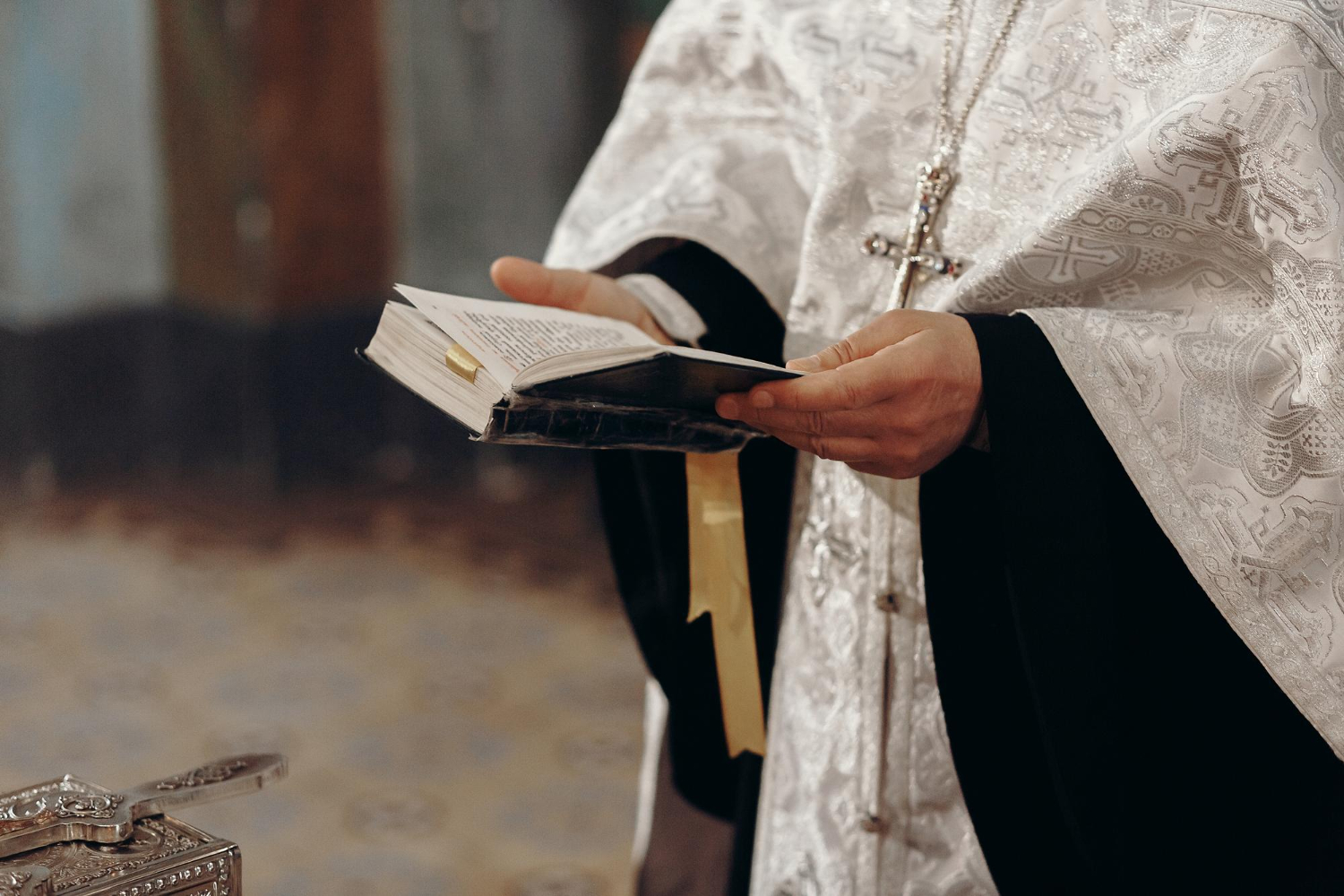
The very last resident to leave Spinalonga was Father Chrysanthos Katsoulogiannakis, a priest who had volunteered to serve at the colony’s church. He had not been infected with leprosy; he had come specifically to provide spiritual care to the patients.
When the colony closed in 1957, Father Chrysanthos chose to remain alone on the island for another five years. His reason was specifically religious: Greek Orthodox tradition requires commemorating a buried person at intervals after death — 40 days, 6 months, 1 year, 3 years, and 5 years. By staying on Spinalonga until 1962, Father Chrysanthos completed the full sequence of commemorations for the patients buried in the colony’s cemetery.
The image of a single priest living alone on an abandoned leper colony, conducting commemoration services for people who had been forgotten by official history, represents one of the most poignant moments in Spinalonga’s story. He left in 1962, finally completing the religious obligations he had taken on by serving the colony.
10: The Decades of Forgetting (1962-1980s)
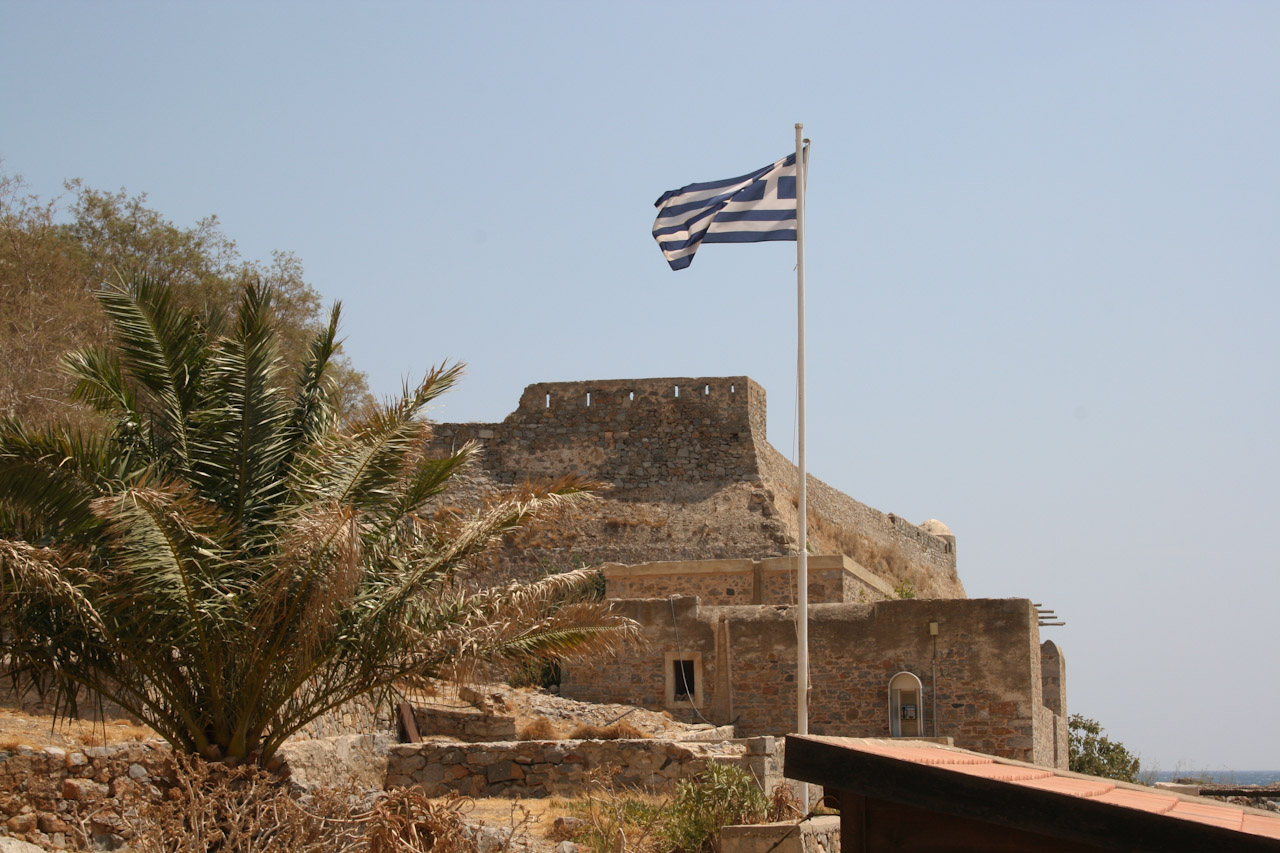
After Father Chrysanthos left in 1962, Spinalonga sat empty. The island was looted. Architectural elements from the colony’s buildings were removed and incorporated into hotels and homes in Elounda and surrounding villages. Without official records (which the Greek government had destroyed), the colony’s history existed only in the memories of survivors and their families — most of whom were reluctant to discuss their experiences due to continuing stigma.
For approximately two decades, Spinalonga was largely forgotten. The Venetian fortress remained as a tourist curiosity, but the leper colony history was rarely mentioned in tourism materials. Visitors who came to see the Venetian ruins typically didn’t know that the abandoned village they were exploring had been an active leper colony just decades earlier.
In 1976, Spinalonga was officially designated as an archaeological site, providing some legal protection. But broader interest in the colony’s history wouldn’t develop until the 1980s and 1990s.
11: The Novel That Changed Everything (2005)
In 2005, British author Victoria Hislop published “The Island,” a novel set in Spinalonga during the leper colony era. The book traced four generations of a Cretan family with ties to Spinalonga, bringing the colony’s human stories to a global audience for the first time.
The novel was a massive international success — selling millions of copies in multiple languages. It produced an enormous surge in tourist interest in Spinalonga. The Greek government’s decades-long erasure of the colony’s history was substantially reversed by the popularity of a novel that took the human stories seriously.
A Greek television series based on the novel further increased public awareness in Greece itself. By the late 2000s, Spinalonga had become one of Crete’s most-visited tourist sites, with hundreds of thousands of visitors annually exploring the abandoned village and learning about the colony’s history.
12: Spinalonga in 2026
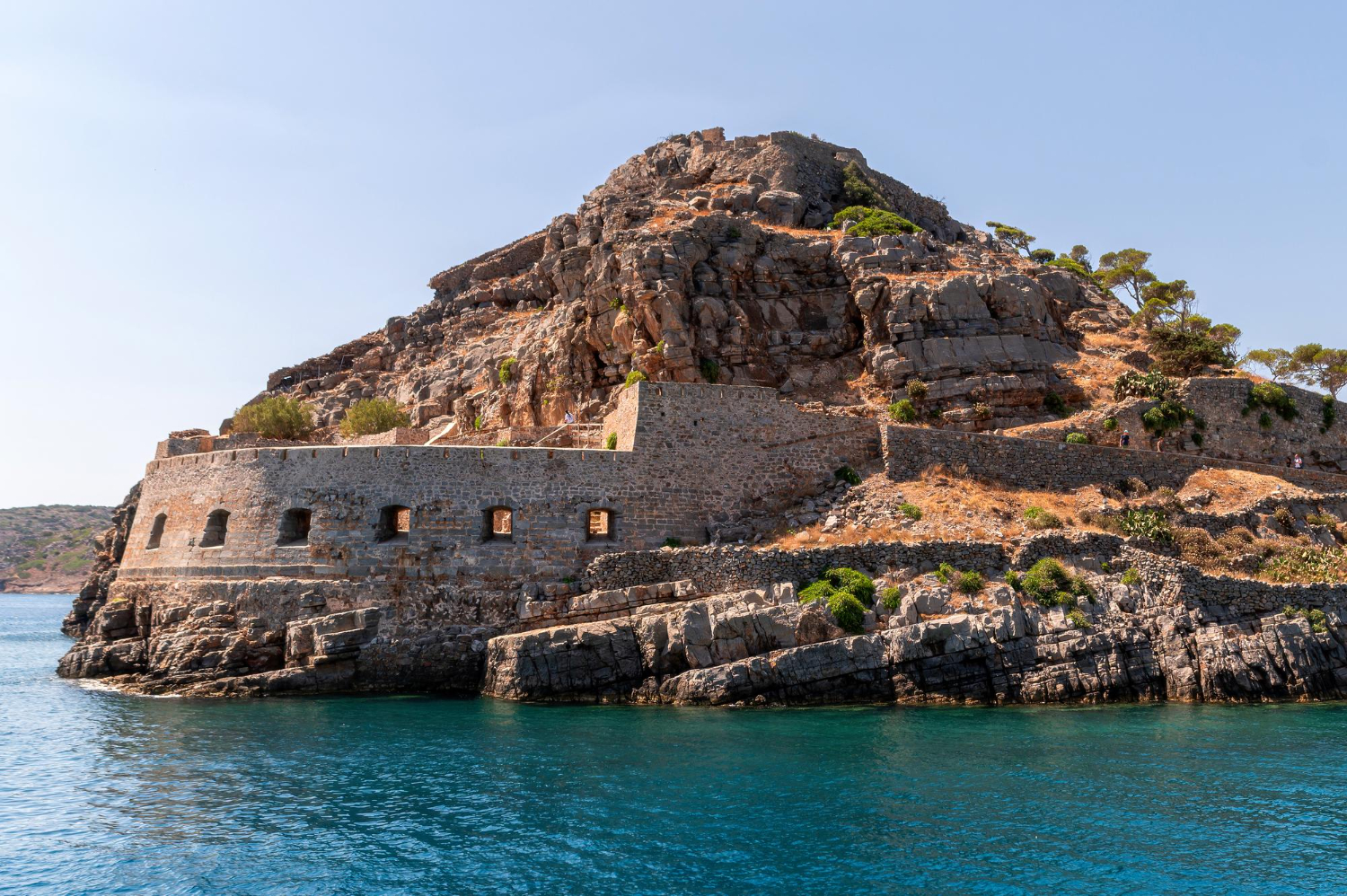
Today, Spinalonga is the second most-visited tourist attraction in Crete (after the Palace of Knossos) and the sixth most-visited site in Greece. Boats run regularly from Plaka (10 minutes), Elounda (30 minutes), and Agios Nikolaos (longer, often combined with swimming and lunch trips).
Some buildings have been restored as museum spaces with photographs, historical documents, and artifacts. The Greek government has invested substantially in preservation, with funding rounds in 2018 and 2023 supporting wall restoration and accessible exhibition spaces. UNESCO has been considering Spinalonga for World Heritage Site designation since 2014.
Boat trips cost approximately €12-16 from various departure points. Island entrance is €20 (€10 reduced). The site is busy during peak summer months — visitors are advised to come in April-June or September-October for better experiences.
13: What Spinalonga Actually Represents
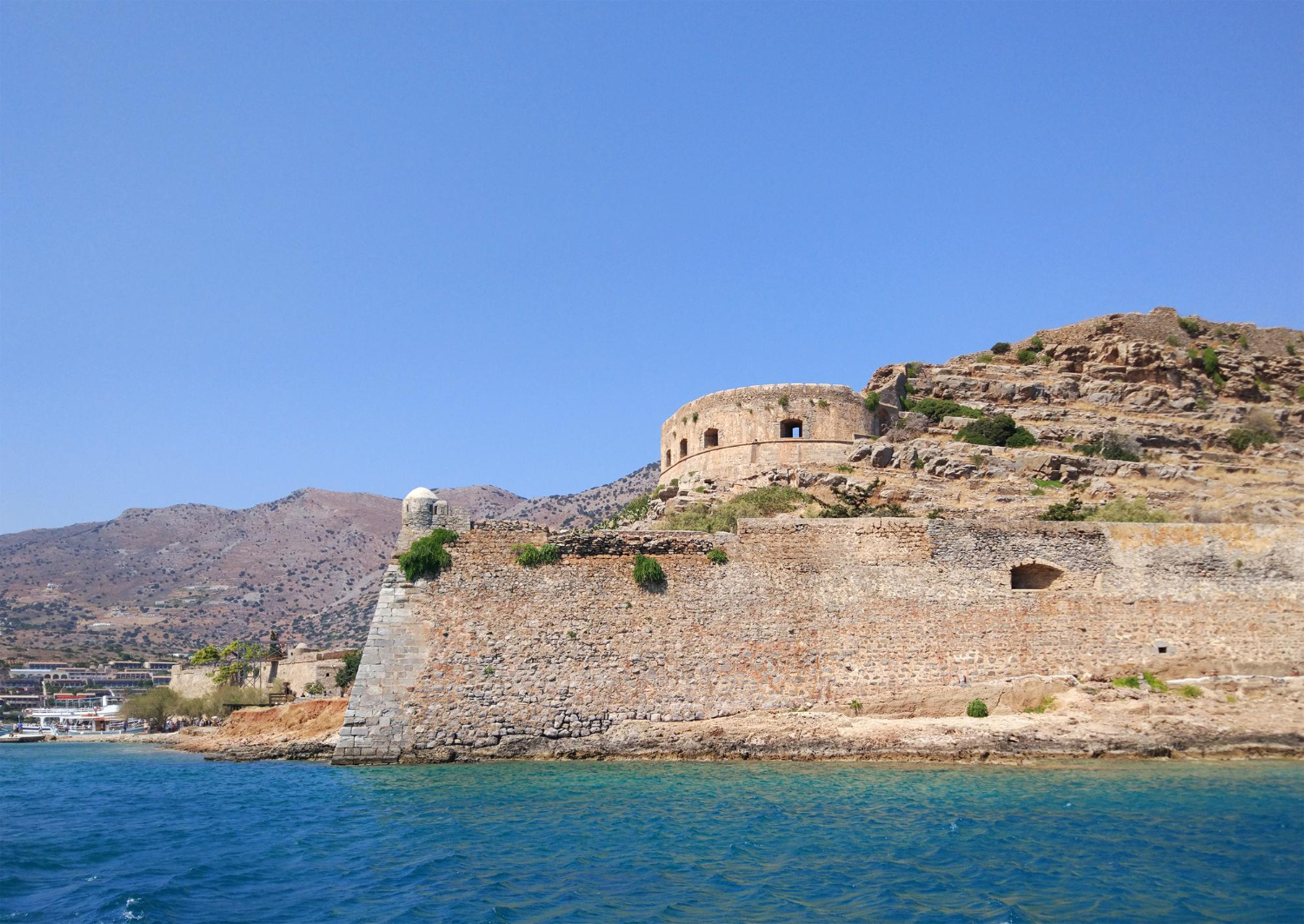
Spinalonga’s story illuminates several specific things about how societies handle disease, stigma, and human dignity:
The cost of misunderstanding contagion. Leprosy was substantially less contagious than commonly believed during the colony’s operation. Most exposed people don’t develop the disease. Modern understanding suggests that the extreme isolation imposed at Spinalonga (and similar colonies worldwide) wasn’t actually necessary for public health protection. The cost — measured in destroyed lives, separated families, and decades of unnecessary suffering — represented a tragic misallocation of medical and social resources.
The persistence of human dignity in extreme circumstances. The Spinalonga residents created marriages, families, schools, religious life, theater, and music despite being in what was supposed to be a death sentence. The community they built was a profound assertion that human dignity persists even under conditions specifically designed to deny it.
The importance of advocacy from within affected communities. Epaminondas Remoundakis — a leper himself — provided the colony’s most effective leadership. His advocacy from within the community produced concrete improvements in conditions. The lesson generalizes: marginalized populations often need leaders who actually share their circumstances rather than well-intentioned outsiders.
The deliberate erasure of difficult history. The Greek government’s destruction of colony records in 1957 represented an attempt to spare survivors from continued stigma but produced the unintended effect of nearly eliminating the colony from public memory. The eventual recovery of these stories — driven by survivor memoirs, scholarly research, and Hislop’s novel — required decades of work to undo the official erasure.
The role of tourism in reviving forgotten history. Spinalonga’s transformation from forgotten archaeological site to major tourist destination has substantially preserved its history for future generations. The tourists who visit in 2026 are part of an ongoing cultural process of acknowledging and remembering what happened on the island.
