

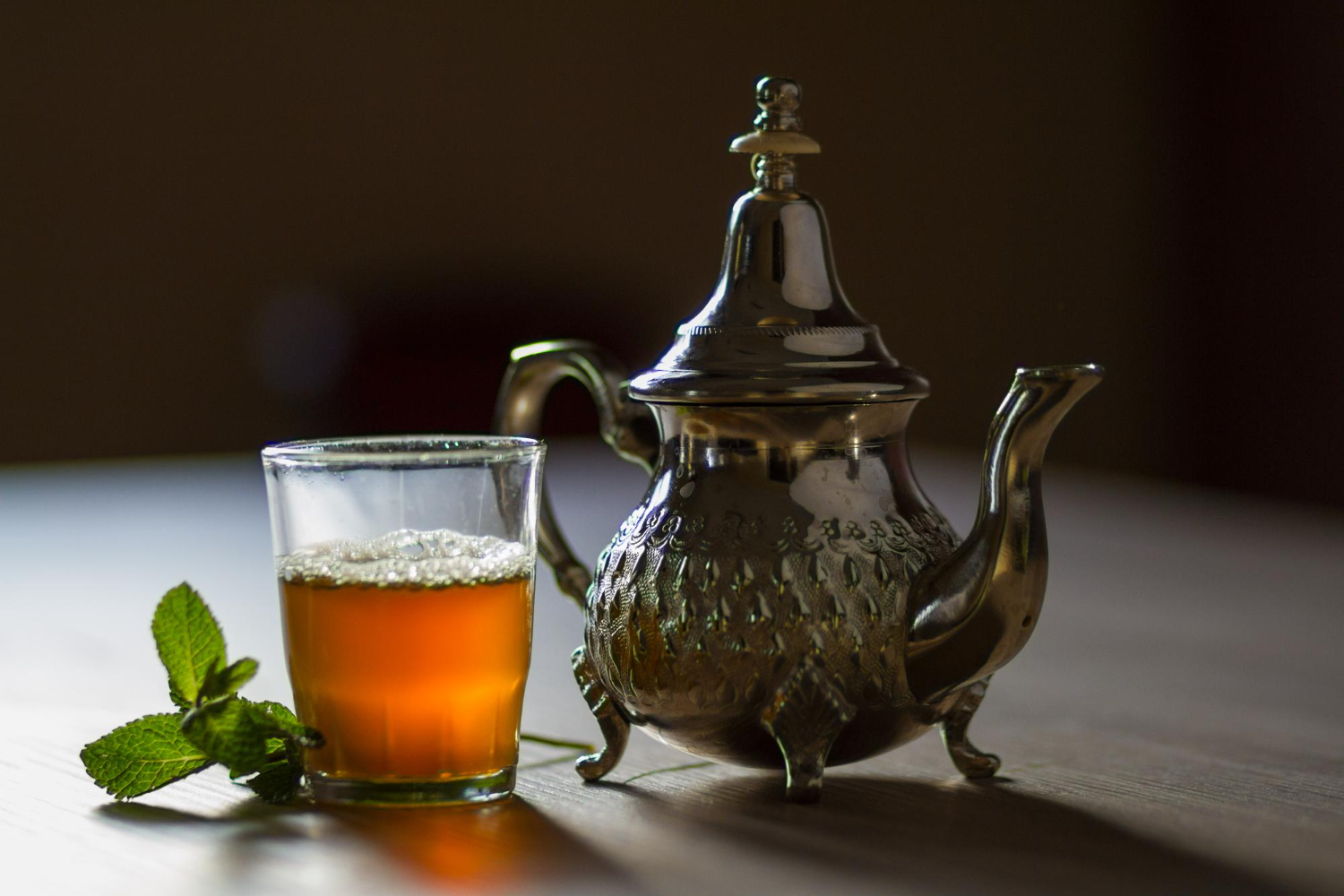
Moroccan mint tea (atay or “Berber whiskey”) is more than just a beverage — it’s substantial cultural ritual involving specific preparation techniques, serving protocols, and social functions that mainstream international tourism substantially abbreviates. The cumulative ceremony involves specific tea selection, traditional metal teapot, distinctive pouring technique from substantial height, three specific serving rounds, and various other elements that traditional Moroccan hosts maintain across generations. Understanding what authentic Moroccan tea ceremony actually involves reveals substantial cultural depth that mainstream tea drinking elsewhere doesn’t approach.
The Moroccan tea ceremony represents specific intersection of hospitality tradition, social ritual, and cumulative cultural practice that has substantially persisted across centuries despite various modernization pressures. Mainstream international restaurants serving “Moroccan mint tea” typically provide substantially simplified versions that lack most of the cumulative cultural elements that define authentic preparation. Understanding actual Moroccan tea tradition matters for travelers visiting Morocco and for anyone seeking to appreciate the cumulative cultural depth of this distinctive practice.
The Specific Tea Used

Authentic Moroccan mint tea uses specific green tea varieties — most traditionally Chinese gunpowder green tea (named for its tightly rolled pellet shape that unfurls during brewing). The cumulative tea selection isn’t accidental — Moroccan traders historically established substantial trade relationships with Chinese tea producers, and the specific gunpowder green tea characteristics work substantially well with the cumulative Moroccan preparation method. Various other green teas can substitute but produce somewhat different results.
The cumulative tea quality matters substantially. Various Moroccan hosts specifically select premium gunpowder green tea for important guests. Lower-quality tea produces substantially less satisfying results despite using identical preparation methods. The cumulative tea-to-water ratio typically uses substantially more tea than mainstream Western tea preparation — Moroccan tea is genuinely strong rather than delicate. The cumulative strength is moderated through the substantial sugar content that defines authentic preparation.
The Specific Mint Variety
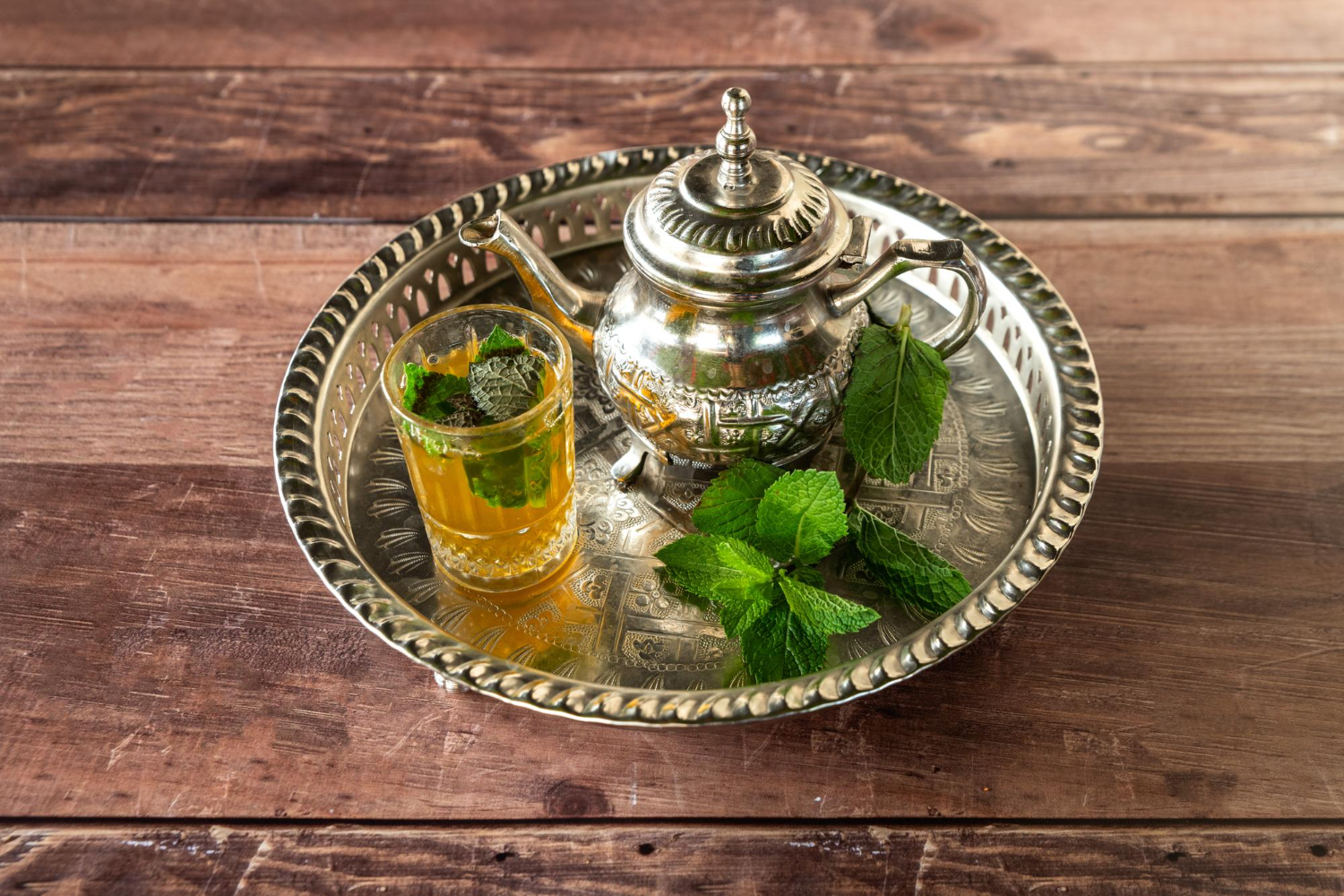
Authentic Moroccan tea uses specifically spearmint (Mentha spicata) rather than the peppermint that mainstream international preparations often substitute. The cumulative spearmint variety has substantially milder flavor that complements the green tea base rather than overpowering it. Moroccan markets feature substantial fresh spearmint sales — bundles of fresh leaves with stems intact that hosts add directly to brewing tea.
The cumulative mint quality matters substantially for authentic flavor. Various Moroccan tea masters specifically select mint with substantial leaf development and specific aromatic intensity. Dried mint substantially diminishes the cumulative authentic experience — fresh mint is genuinely essential for traditional preparation. Mainstream international preparations using dried mint or various other mint varieties produce substantially different beverage despite using same basic recipe elements. Visitors to Morocco can specifically observe how much fresh mint actual preparation uses — typically substantially more than international preparations include.
The Berrad (Traditional Teapot)
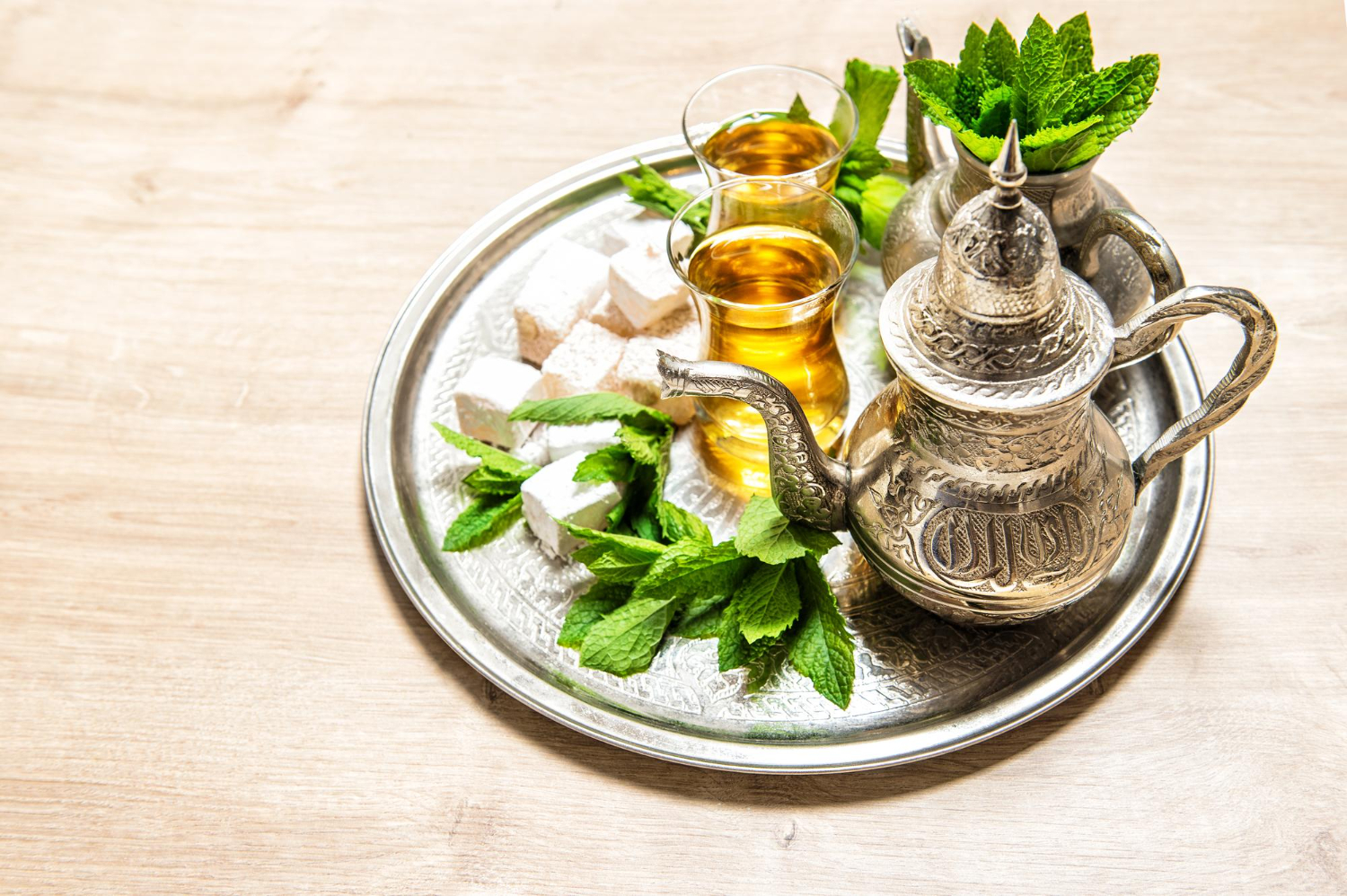
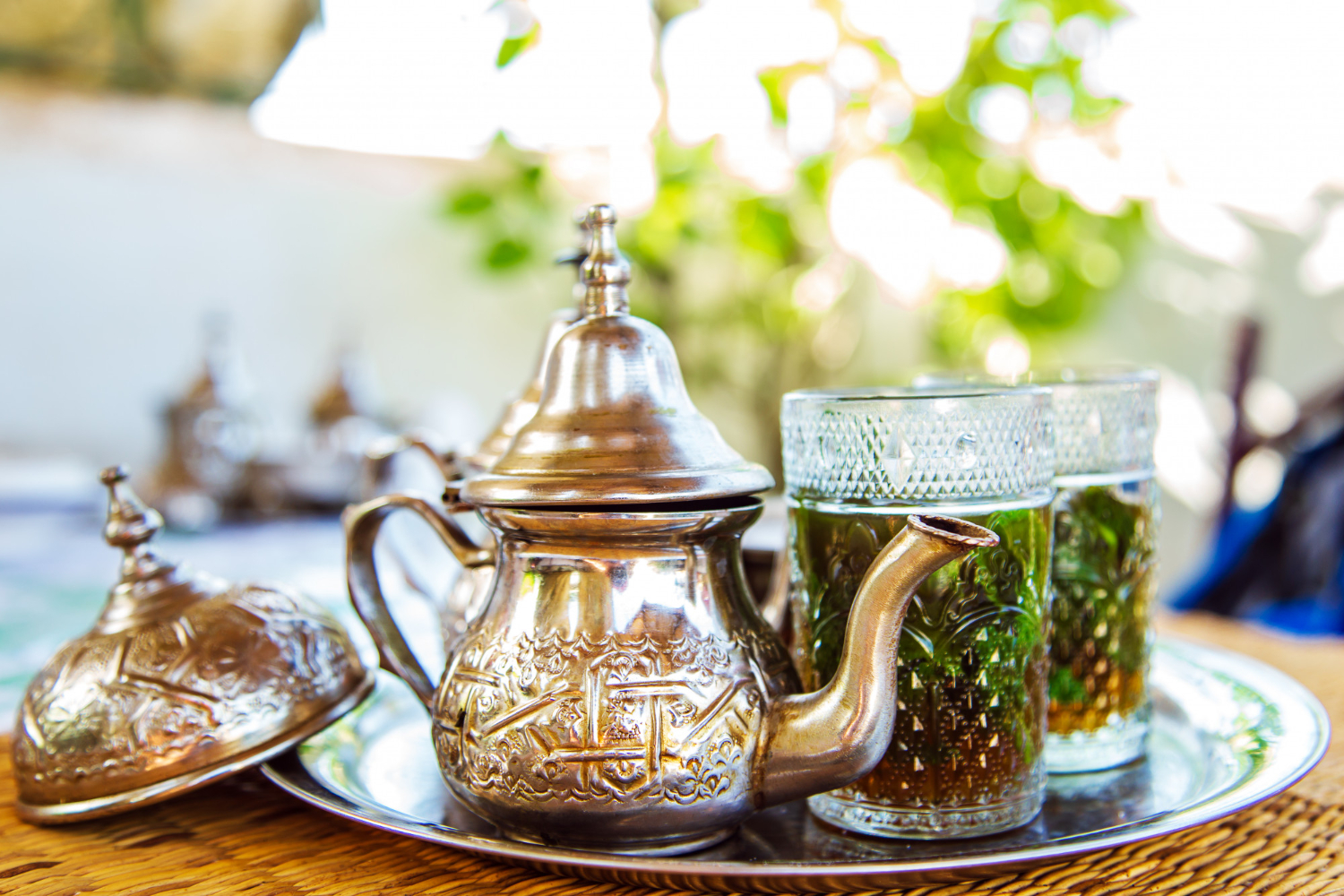
The traditional Moroccan teapot — “berrad” — is substantial metal teapot typically made of silver, brass, or stainless steel. The cumulative teapot has specific design elements: long curved spout that enables substantial-height pouring, substantial handle positioned for two-handed pouring, traditional decorative engravings, specific lid design that retains substantial heat during preparation. The cumulative teapot is genuinely functional rather than decorative — specific design elements substantially affect preparation quality.
The cumulative teapot quality varies substantially by household economic status. Wealthy households may use silver teapots with substantial decorative work; modest households use stainless steel with simpler designs. The cumulative function operates similarly across price ranges, but the cumulative aesthetic experience varies substantially. Various international visitors purchase Moroccan teapots as souvenirs — the cumulative items provide substantial decorative value but require specific preparation knowledge to use functionally.
The Three-Round Tradition
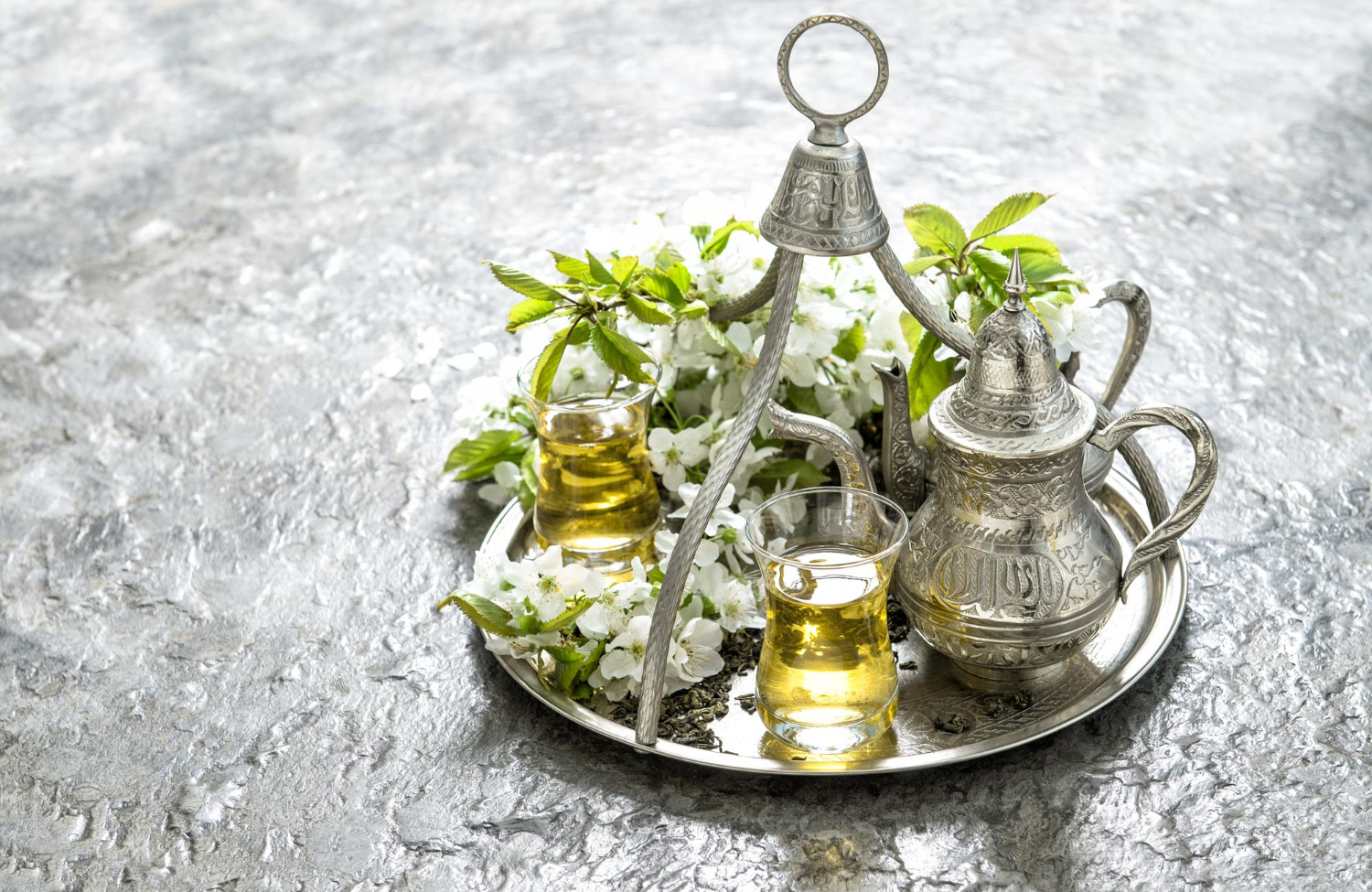
A specific element of authentic Moroccan tea ceremony involves three distinct serving rounds, each with specific characteristics. The traditional Berber saying captures the tradition: “The first glass is gentle like life, the second glass is strong like love, the third glass is bitter like death.” Each round uses the same tea leaves with cumulative steeping producing different flavor profiles across the rounds.
The cumulative three-round tradition serves specific social functions. Each round provides additional opportunity for conversation between host and guests. Departing after only first or second round is substantially impolite — guests should remain through all three rounds when offered. The cumulative time investment substantially exceeds what mainstream Western tea service typically requires — full traditional Moroccan tea service can extend 30-60+ minutes across the three rounds plus surrounding conversation. The cumulative social function genuinely matters more than the beverage itself.
The High-Pour Technique
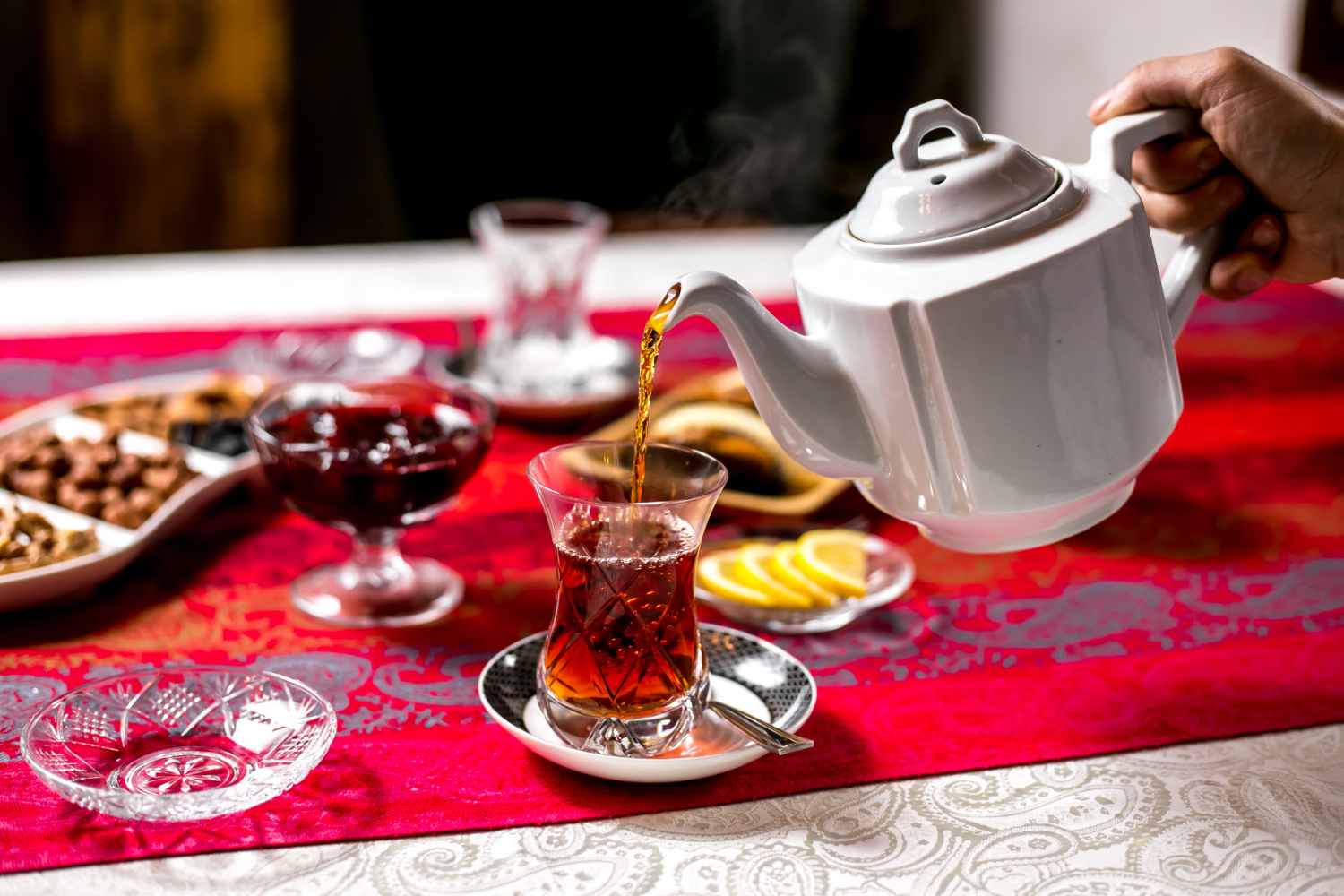
A specific distinctive element of Moroccan tea ceremony involves pouring from substantial height — typically 30+ centimeters above the serving glasses. The cumulative pouring technique serves specific functions: produces substantial foam (essential element of authentic preparation), aerates the tea improving flavor, cools the tea to drinkable temperature without requiring waiting, and provides specific aesthetic display that enhances the cumulative ritual.
The cumulative pouring requires substantial practice. Traditional Moroccan hosts develop specific pouring skills over years of cumulative practice. Novice pourers typically produce substantial mess until developing appropriate control. The cumulative skill represents specific cultural capability that mainstream international tourism substantially underestimates. Various Moroccan restaurants specifically demonstrate the cumulative pouring technique as distinctive cultural element rather than just functional beverage preparation. The cumulative display has substantial entertainment value beyond just the beverage itself.
The Specific Glassware

Authentic Moroccan tea uses specific small glasses rather than mugs or cups. The cumulative glasses are typically small (approximately 100ml capacity), often decorative with painted patterns or gold trim, and specifically designed to retain substantial heat from the hot tea. The cumulative glass size means each “glass” represents relatively small portion — three small glasses across the cumulative three-round ceremony provide modest total tea consumption.
The cumulative glassware quality varies substantially by household. Wealthy households may feature elaborate decorative glasses with substantial individual character. Modest households use simpler designs. The cumulative function operates similarly across variations — what matters is appropriate small size that supports the cumulative three-round tradition. Various international tourists purchase Moroccan tea glasses as souvenirs. The cumulative items provide substantial decorative value plus functional capability for replicating authentic preparation at home.
The Sugar Reality
Authentic Moroccan tea contains substantial sugar — typically substantially more than mainstream international preparations include. The cumulative sugar isn’t just preference — it’s essential structural element that balances the substantial green tea concentration with the fresh mint. The cumulative sweetness can substantially exceed what international visitors initially find palatable, but the cumulative balance is genuinely essential to authentic preparation.
Various Moroccan hosts substantially modify sugar content based on guest preferences — international visitors can typically request less sugar without offense. But the cumulative authentic preparation depends on substantial sugar inclusion. Sugar-free or low-sugar Moroccan tea substantially differs from traditional preparation. The cumulative tradition reflects specific historical economic factors — sugar was substantial luxury during traditional development periods, and substantial sugar inclusion represented hospitality investment in guest comfort. The cumulative pattern continues despite modern abundant sugar availability.
The Hospitality Function
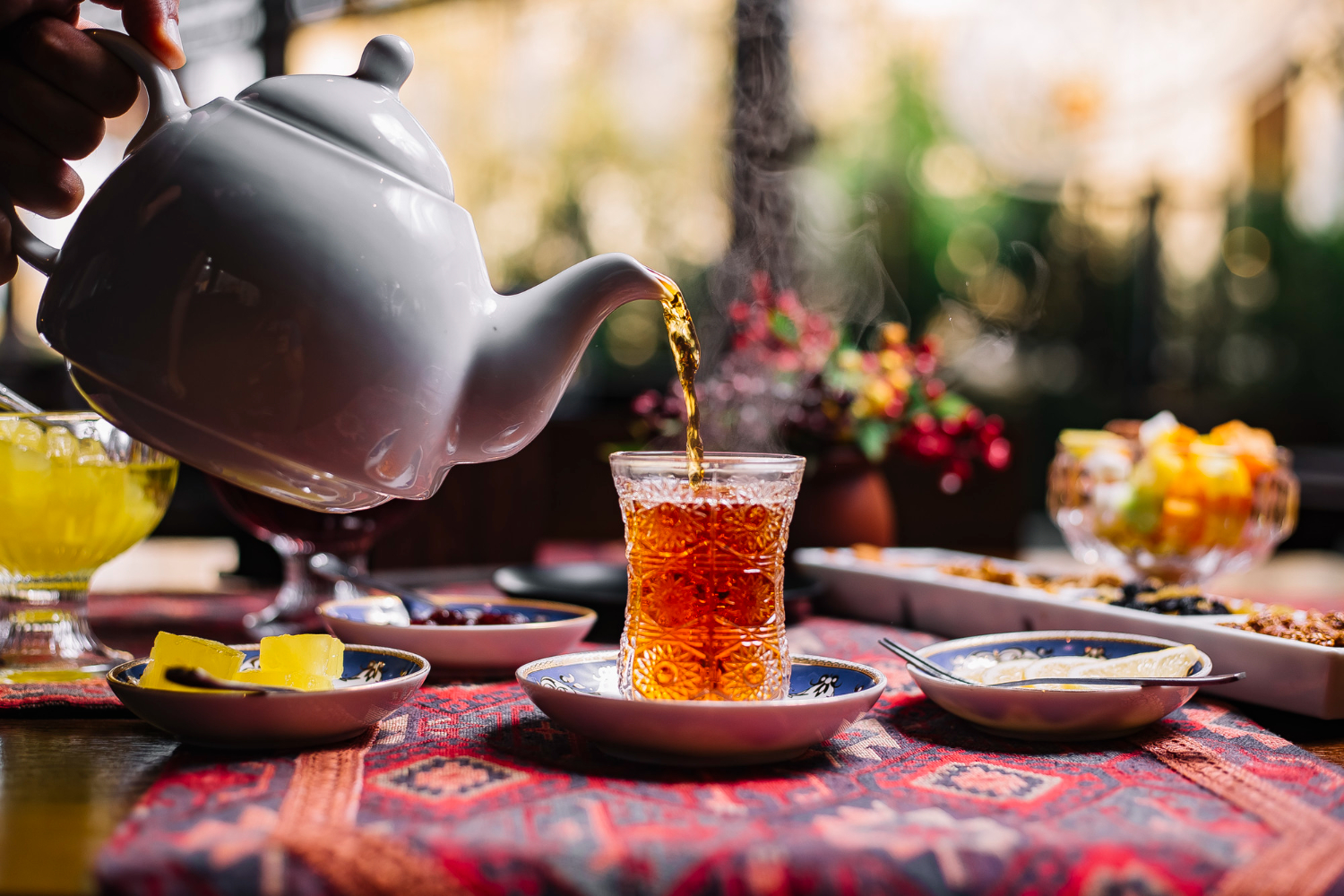
The cumulative Moroccan tea ceremony serves substantial hospitality function beyond just beverage service. Offering tea to guests is essentially obligatory in traditional Moroccan culture. Refusing offered tea is substantially impolite. The cumulative tradition extends to business contexts (Moroccan business negotiations frequently include substantial tea service), family gatherings (extended family social events center on substantial tea consumption), and various other cumulative cultural contexts where tea service represents fundamental hospitality element.
The cumulative tea hospitality has substantial accumulated cultural significance that mainstream international tourism rarely fully appreciates. International visitors who specifically engage with traditional tea service experience substantial cultural depth that observation-only tourism cannot provide. Various Moroccan families welcome international visitors specifically for substantial tea service — providing genuine cultural exchange opportunities that mainstream tourism rarely offers. The cumulative engagement requires substantial time investment but provides cultural experience that exceeds mainstream tourism activities.
What Tourists Typically Do Wrong

Various specific things mainstream international tourists do wrong with Moroccan tea ceremony. Refusing tea when offered (substantially impolite). Leaving after only first round (substantially impolite). Requesting modifications that eliminate essential elements (substantial sugar reduction, peppermint substitution, etc.). Treating the cumulative service as just beverage rather than substantial cultural ritual. Expressing impatience with the cumulative time investment. Various other specific behaviors that reflect inadequate cultural appreciation.
The cumulative mistakes typically reflect inadequate preparation rather than intentional cultural disrespect. International visitors who specifically research Moroccan tea tradition before visiting can substantially improve their cultural experience. Various Moroccan hosts are substantially patient with international visitors unfamiliar with cumulative traditions — but specific appreciation and respect substantially affects host willingness to share authentic experience versus simplified tourist version. The cumulative cultural exchange genuinely benefits both hosts and visitors when international visitors approach the cumulative tradition with appropriate respect and time investment.
What This All Represents

The Moroccan tea ceremony represents specific successful preservation of substantial cultural tradition despite various modernization pressures. The cumulative ritual elements — specific tea selection, fresh mint, traditional teapot, three-round tradition, high-pour technique, specific glassware, substantial sugar inclusion, hospitality function — combine to produce experience that exists nowhere else in quite the same way. The cumulative tradition has substantial historical depth and continues operating actively in 2026 Morocco despite various changes affecting other aspects of Moroccan society. For travelers visiting Morocco, the tea ceremony provides specific opportunity to experience genuinely authentic cultural element that mainstream tourism rarely emphasizes despite its substantial cultural significance. International visitors who specifically prioritize tea ceremony experiences over mainstream tourist activities typically describe Moroccan trips as substantially more meaningful than activity-focused alternatives. The cumulative cultural experience represents specific aspect of Moroccan tradition that has substantially resisted commercialization and modernization. The cumulative tradition will likely persist for decades to come as long as Moroccan families and communities maintain the specific cumulative cultural commitments that have sustained it across centuries.

