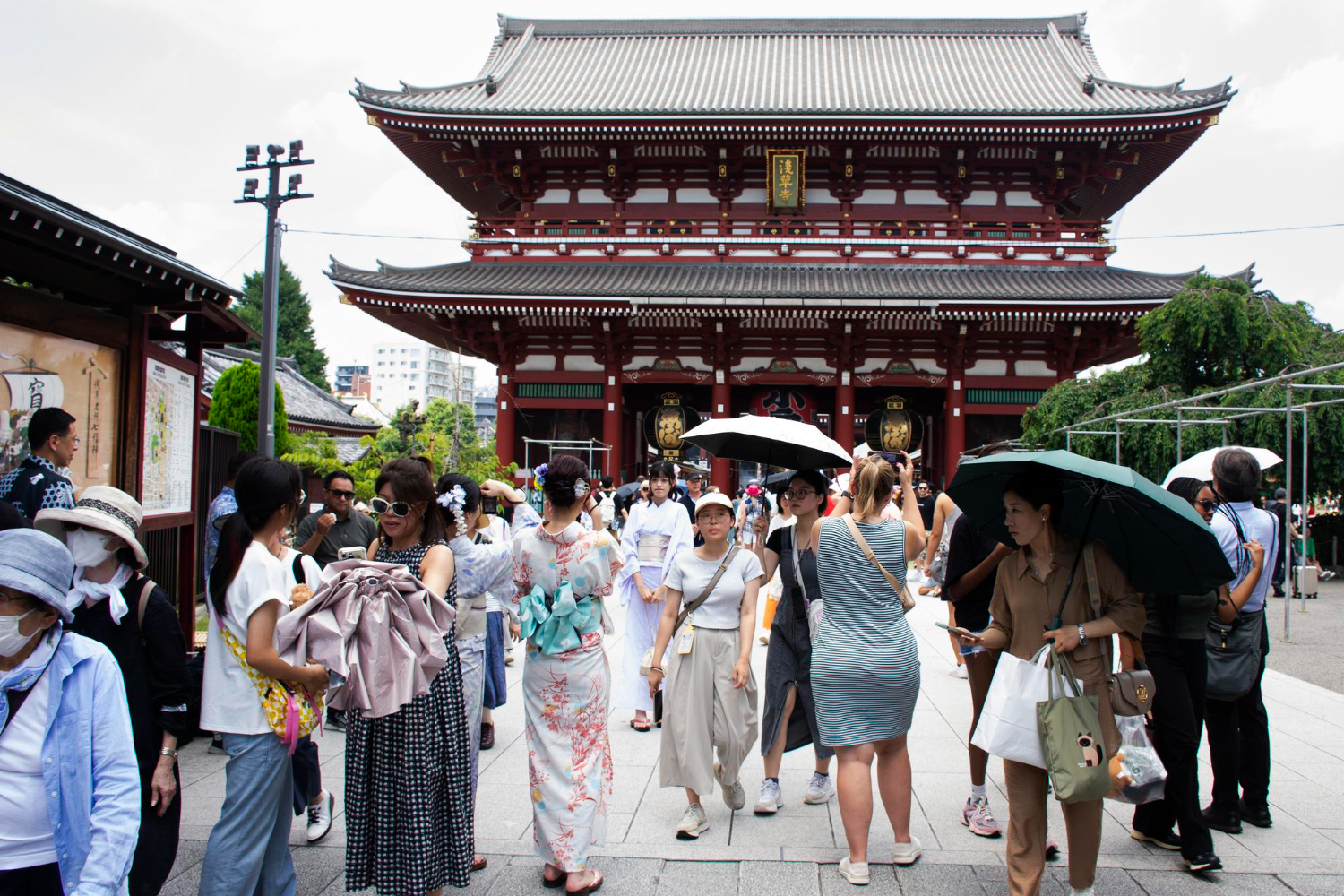
Japan is implementing substantial tourism changes throughout 2026 in response to record visitor numbers (35+ million international arrivals in 2024) and accumulated overtourism concerns. The international departure tax triples from ¥1,000 to ¥3,000 effective July 1, 2026. Tax-free shopping shifts from instant exemption to airport refund system starting November 1, 2026. Kyoto’s accommodation tax adopts tiered structure up to ¥10,000/night starting April 1, 2026. Various visitor caps, photography restrictions, and entry fee increases continue rolling out across popular destinations. Here’s what international travelers actually need to know.
Japan’s tourism policy landscape is undergoing the most substantial changes in decades during 2026. The cumulative changes respond to substantial overtourism pressures that have built across post-pandemic recovery years. Various international visitors planning Japan trips in 2026 should specifically understand the new requirements rather than assuming previous travel patterns continue applying.
The Departure Tax Triples July 1, 2026

The most direct financial impact for international travelers is the International Tourist Tax increase. Effective July 1, 2026, the departure tax triples from ¥1,000 (approximately $6.50) to ¥3,000 (approximately $19.50) per person. The tax applies to everyone aged 2 and older leaving Japan by air or sea regardless of nationality — including Japanese residents and international visitors equally.
The tax is typically included in airline ticket prices rather than collected separately at airports. Visitors planning Japan trips for late 2026 should expect airline tickets departing after July 1 to reflect the substantial increase. Various international travelers can avoid the increase by departing before July 1, 2026 — flights departing June 30 or earlier still operate under the previous ¥1,000 rate. The revenue funds substantial tourism infrastructure improvements including visitor flow management at popular destinations.
The Tax-Free Shopping Reform November 1, 2026
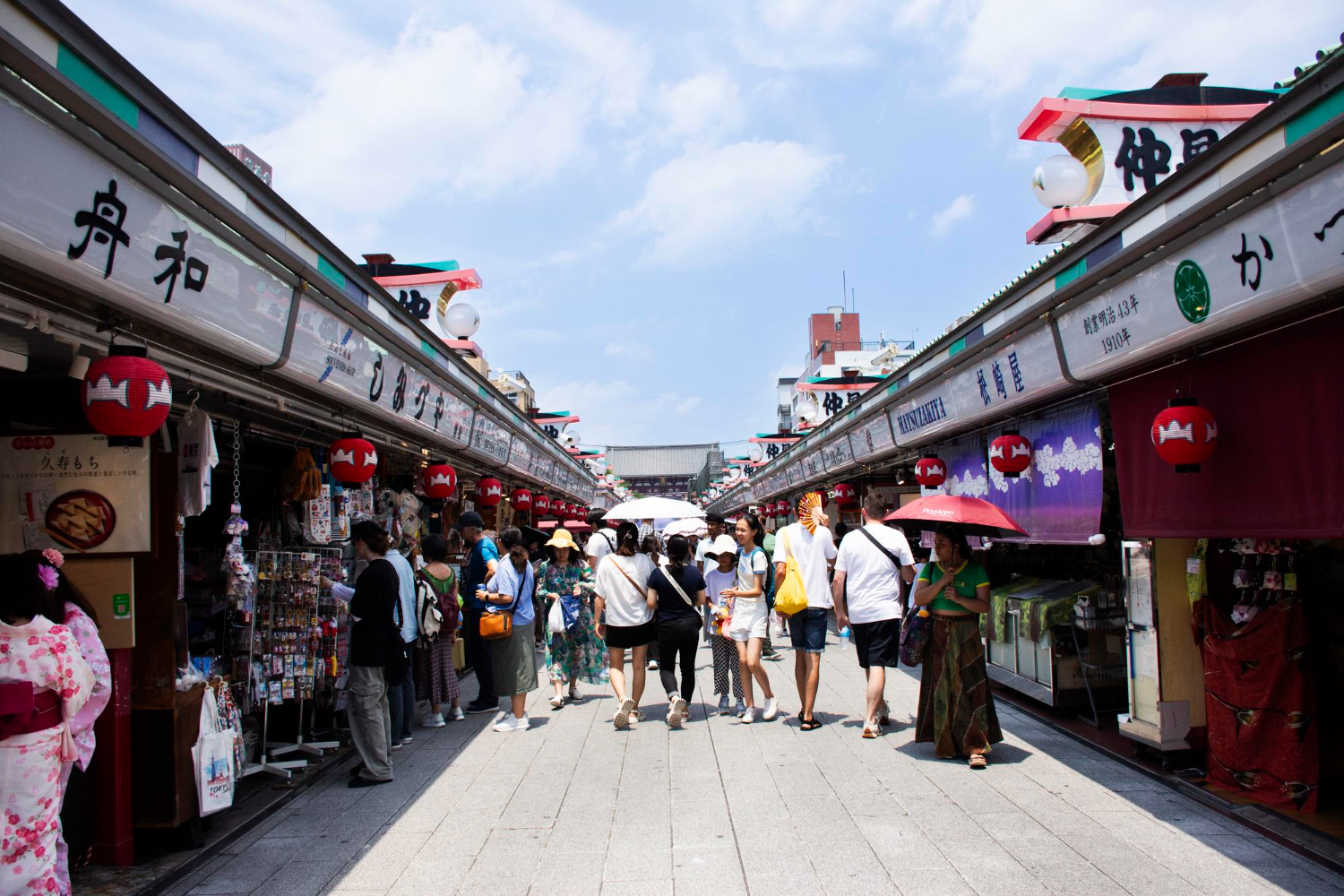
The most operationally substantial change involves tax-free shopping system reform. Starting November 1, 2026, Japan shifts from instant tax exemption to airport refund system. International visitors will pay full price including 10% consumption tax at point of purchase, then claim refunds at airports before departure.
The change addresses substantial tax fraud where tourists claimed exemptions on items they actually consumed in Japan rather than exporting. Various foreign visitors had substantially abused the previous system, costing Japan substantial tax revenue. The new system requires keeping receipts organized, allowing extra airport time for refund processing, and budgeting for full purchase prices rather than tax-exempt amounts. Minimum purchase remains ¥5,000 for tax-free eligibility. Visitors planning major shopping should consider booking trips before November 1, 2026 to use the simpler instant-exemption system.
The Kyoto Accommodation Tax

Kyoto implemented substantially expanded accommodation tax structure effective April 1, 2026. The new system charges ¥200 to ¥10,000 per night depending on accommodation price and category — substantial expansion of the previous tax structure. The new upper band particularly targets luxury accommodations.
The tax aims to address Kyoto’s substantial overtourism through pricing mechanisms while funding city infrastructure for visitor management. Various Kyoto residents have substantially complained about overtourism impacts including crowded streets, overflowing garbage, disrespectful tourist behaviors near sacred sites, and substantially elevated rent driven by short-term rentals. The accommodation tax provides specific revenue mechanism that addresses these concerns while maintaining Kyoto’s tourism appeal. Various other Japanese cities are considering similar tax structures.
The Visitor Caps Reality

Various Japanese tourist destinations have implemented hard daily visitor caps that mainstream international tourists routinely don’t realize until being turned away. Specific destinations with caps include: Arashiyama Bamboo Grove timed entry slots, various Mount Fuji trail access systems, specific Kyoto temple district neighborhood access, and various other locations.
The visitor caps mean that walking up to popular destinations without advance reservation now substantially risks being turned away at entrances. Various international visitors have substantially complained about this experience but the caps continue expanding rather than being eliminated. The Japanese government’s position substantially prioritizes destination preservation over visitor convenience. Visitors specifically planning popular destination visits should reserve timed entry slots weeks ahead of expected visit dates.
The Photography Restrictions
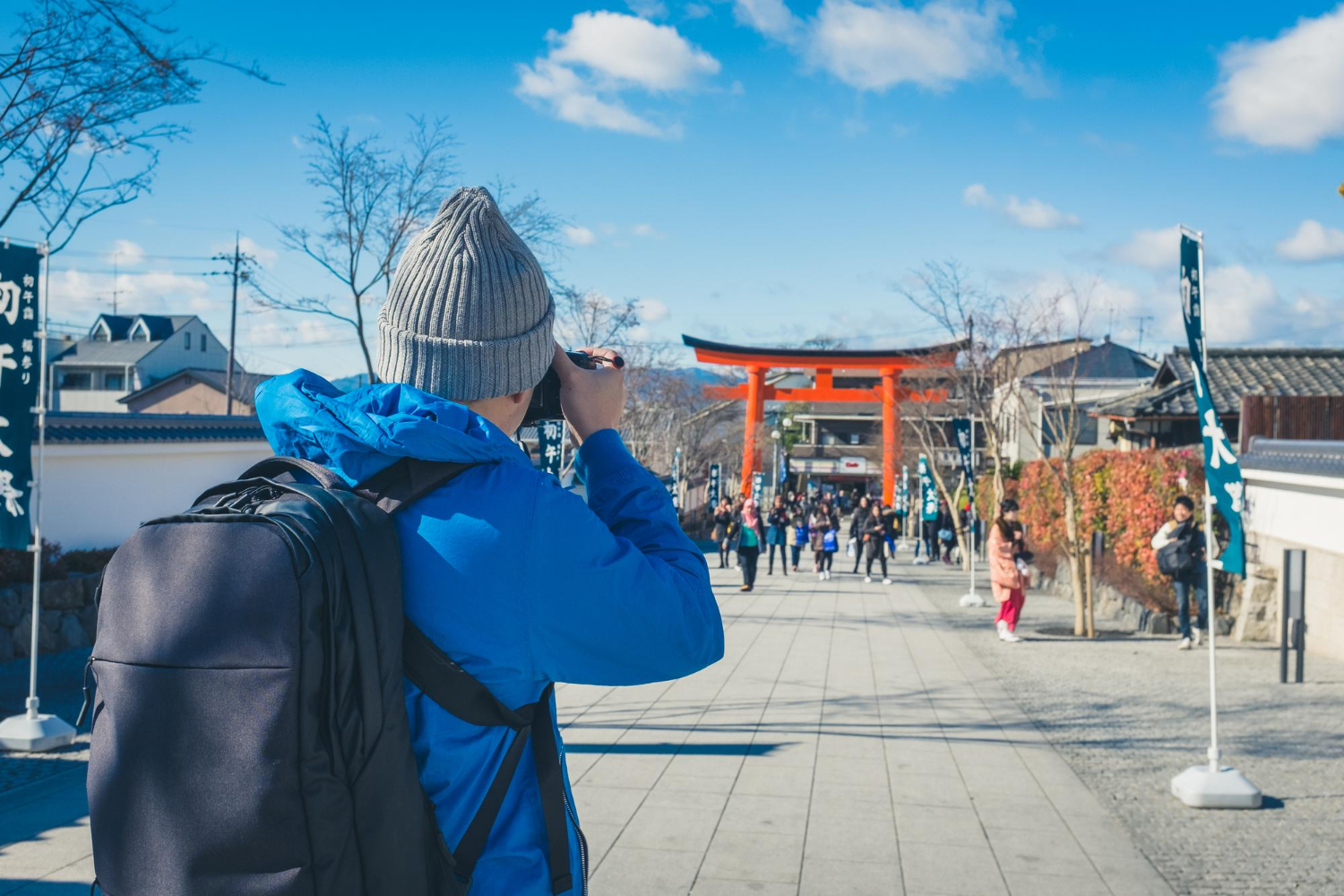
Various Japanese neighborhoods have implemented substantial photography restrictions in residential areas. Kyoto’s Gion district maintains the most well-known restrictions — specific narrow residential alleyways prohibit photography with fines for violations. Various other Japanese cities have implemented similar restrictions in residential areas where tourist photography has substantially disrupted local life.
The restrictions specifically target situations where tourists photograph residents in private contexts (entering homes, going about daily activities, etc.) without consent. Various international visitors have substantially failed to respect residential boundaries, producing substantial neighbor complaints that motivated the formal restrictions. Photography in public areas (streets, temples, gardens, etc.) generally remains permitted, but visitors should specifically respect any posted restrictions and avoid photographing residents in private contexts even when not explicitly prohibited.
The Mount Fuji Trail Fees

Mount Fuji implemented substantial trail access fees effective for 2024 climbing season and continuing through 2026. The fees fund trail maintenance, waste management, and ranger staffing — substantial increase from previous symbolic fees. The cumulative system substantially reduces the substantial environmental damage that previous unrestricted climbing produced.
Various Mount Fuji trail sections have implemented daily climbing limits combined with mandatory advance reservations. Climbers attempting to access trails without reservations face substantial complications. The cumulative system represents substantial Mount Fuji policy shift from open access to managed access. Various climbing season visitors specifically appreciate the improved experience (fewer crowds, less litter, better trail conditions) despite substantial cost increases. The cumulative changes balance environmental protection with continued tourism access.
The Shinkansen Baggage Rules
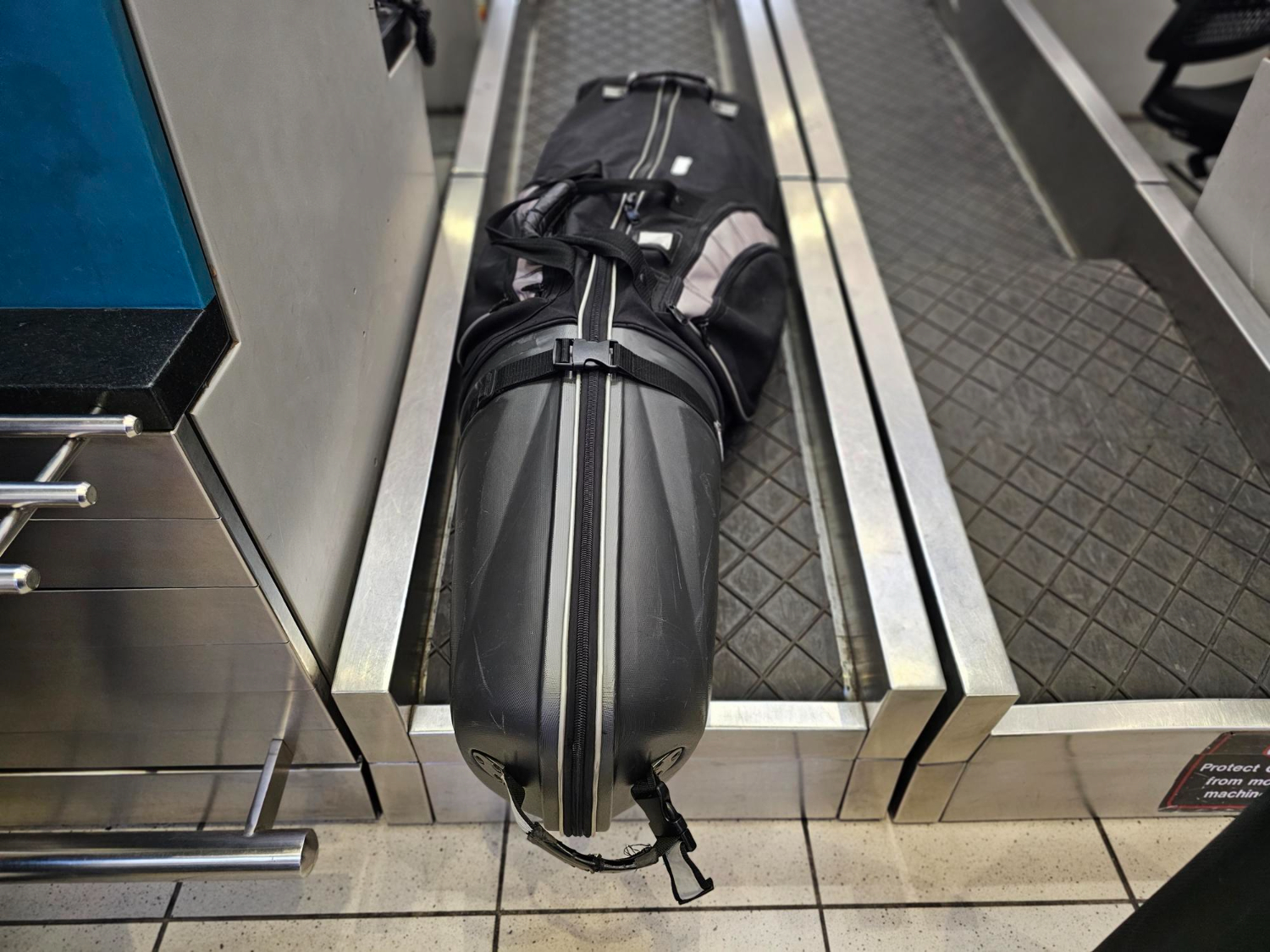
Japan’s Shinkansen bullet trains maintain substantial luggage rules that catch various international visitors unprepared. Bags with total dimensions exceeding 160cm (length + width + height combined) require reserved seats with oversized baggage areas. The rule applies on Tokaido, Sanyo, Kyushu, and Nishi Kyushu Shinkansen lines.
The rule isn’t new for 2026 but enforcement has substantially intensified across recent years. Various international visitors with substantial luggage face complications when not realizing the reservation requirement. Reservations can be made through SmartEX app or at JR ticket counters. Various visitors substantially benefit from booking luggage reservations during initial Shinkansen ticket purchases rather than discovering requirements at stations. Most American-style large suitcases substantially exceed the 160cm threshold — visitors with such luggage should specifically plan for reserved seat requirements.
The Digital Payment Reality

Japan has substantially expanded digital payment infrastructure for 2026. QR code payments (PayPay, Suica, and various others) now operate nationwide. Mobile IC cards (Suica, PASMO) work on essentially all local transit including substantial rural areas that previously didn’t support digital payment.
The cumulative digital infrastructure improvement substantially benefits international visitors. Smartphone-based travel has become practical across essentially all Japanese contexts. The Visit Japan Web (VJW) system supports digital tax-free procedures and various other tourism functions. However, Japan still maintains substantial cash culture in many specific contexts — rural shops, traditional restaurants, smaller establishments often prefer cash. International visitors should specifically carry some cash backup despite the substantial digital payment infrastructure.
The JESTA Future System
Japan plans to implement JESTA (Japan Electronic System for Travel Authorization) similar to U.S. ESTA, UK ETA, and EU ETIAS. The current timeline targets 2028 implementation rather than 2026 — providing substantial time for visitors to plan around the cumulative future requirements. For 2026, no pre-travel authorization is required for most Western visitors (90-day tourist stays remain visa-free).
JESTA when implemented will require online pre-registration before travel with processing fee (specific amount not yet announced). Various visa-exempt nationalities will face the new requirement. The cumulative system follows substantial international trend toward mandatory pre-travel authorization that the U.S., UK, and EU have substantially established. Visitors specifically interested in maximum travel flexibility should consider 2026 and 2027 visits before JESTA implementation potentially complicates spontaneous Japan travel.
What Travelers Should Actually Do
Practical guidance for international visitors planning 2026 Japan trips. Book accommodations specifically for popular destinations 2-4 months in advance due to substantial demand. Reserve timed entry slots for specific attractions weeks ahead of expected visit dates. Pay attention to receipt collection during shopping if visiting after November 1, 2026. Budget for tripled departure tax if departing after July 1, 2026. Reserve Shinkansen luggage space if carrying large bags. Respect photography restrictions especially in residential areas. Plan visits to lesser-known destinations (Kanazawa, Fukuoka, Yakushima, Noto Peninsula) to avoid overcrowded major destinations.
The cumulative preparation substantially improves Japan visit experience. Various traveler complaints about Japan tourism reflect inadequate preparation rather than fundamental destination problems. Japan remains substantially welcoming to international visitors despite the various policy changes. The cumulative changes aim to manage overtourism while maintaining destination quality rather than reducing tourism overall. Visitors who specifically prepare for current requirements typically experience substantially smoother Japan visits than those operating on outdated travel patterns.
What This All Reveals
Japan’s 2026 tourism policy changes represent substantial example of how successful tourist destinations balance growth with sustainability. The cumulative changes acknowledge that substantial tourist numbers have produced substantial negative impacts on residents, environments, and cultural heritage that require specific management responses. Various other tourist destinations face similar challenges and have implemented similar measures with varying success. Japan’s specific approach combines fee structures, visitor caps, photography restrictions, advance reservations, and various other measures rather than relying on any single mechanism. For international visitors, the cumulative changes mean substantial planning requirements that previous travel patterns didn’t include. Visitors who specifically adapt typically experience substantially better trips than those resisting the changes. The cumulative direction will likely continue across coming years as Japan continues balancing tourism growth with destination preservation. Specific implementation details will continue evolving but the basic policy direction (managed tourism rather than open access) appears substantially established. Visitors planning Japan trips in 2027 and beyond should expect continued evolution of specific requirements rather than reversion to pre-2024 patterns.