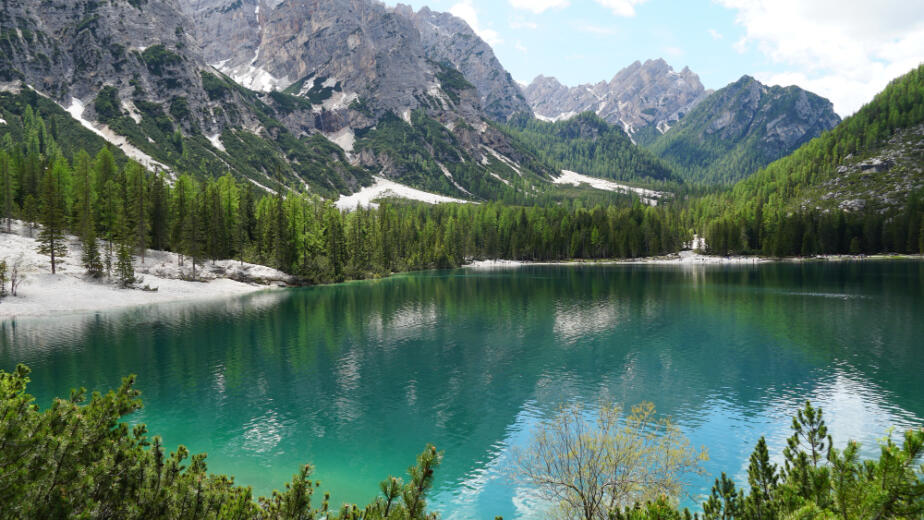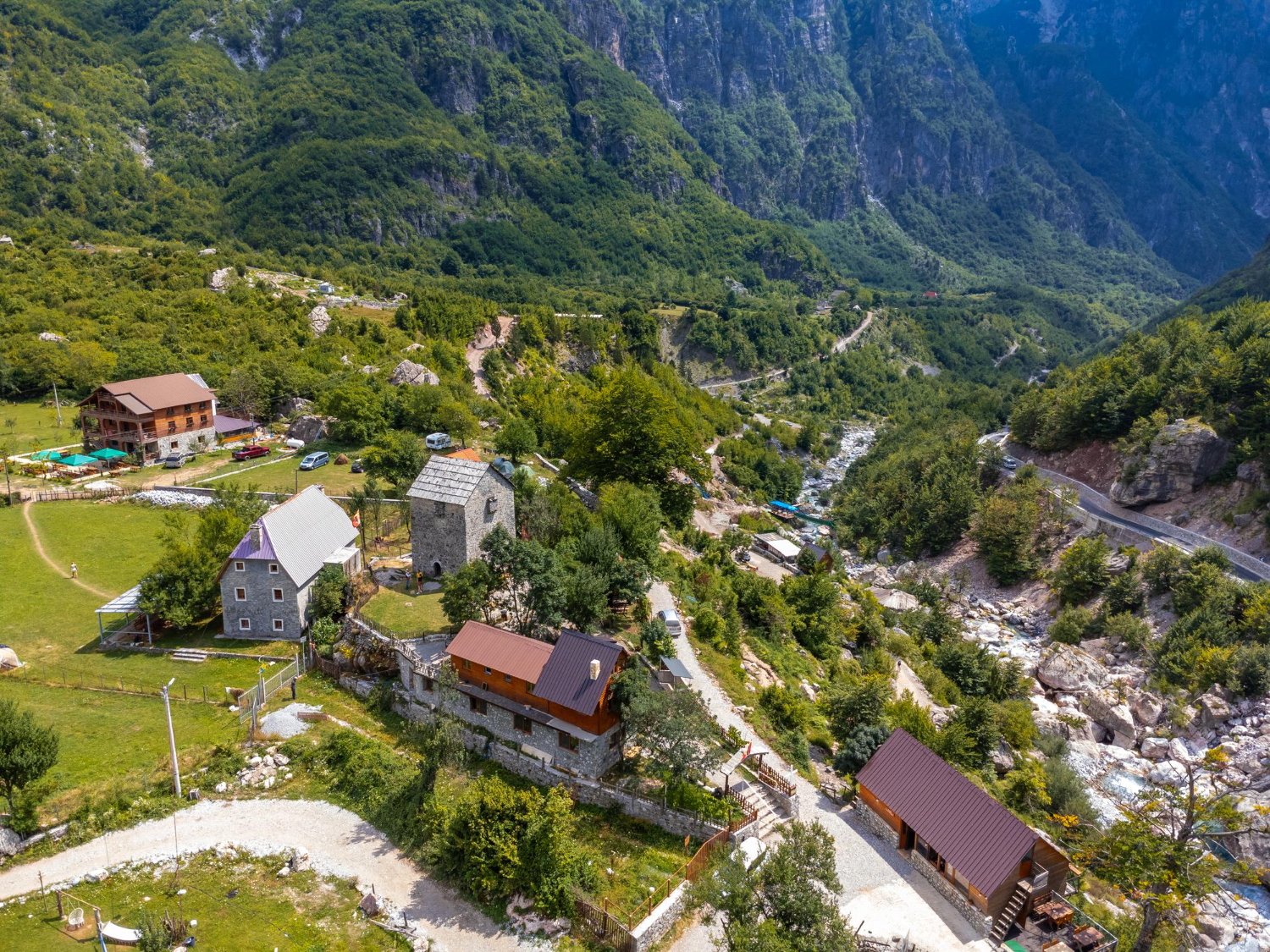
Theth sits in northern Albania’s Albanian Alps (Bjeshkët e Nemuna or “Accursed Mountains”) — substantially remote village of approximately 200-300 permanent residents where traditional Ottoman-era cultural elements have persisted into 2026. The village remained essentially inaccessible until limited road construction in recent decades. Even modern access requires substantial 4-hour drive from Shkodër (Albania’s northern city) over substantially unpaved mountain roads. Various specific cultural traditions including blood feud customs (recently substantially eliminated) and traditional kulla stone tower houses have persisted in Theth across substantial Ottoman, Italian, communist, and post-communist political changes.
Theth represents specific example of substantially preserved Balkan mountain culture that mainstream international tourism rarely encounters despite substantial cultural significance. The combination of dramatic Albanian Alps landscape, traditional architecture, distinctive cultural practices, and substantial isolation produces one of Europe’s most authentic remaining mountain village experiences. Understanding what Theth actually represents reveals substantial Albanian cultural depth that mainstream Balkan tourism rarely emphasizes.
The Specific Geographic Reality
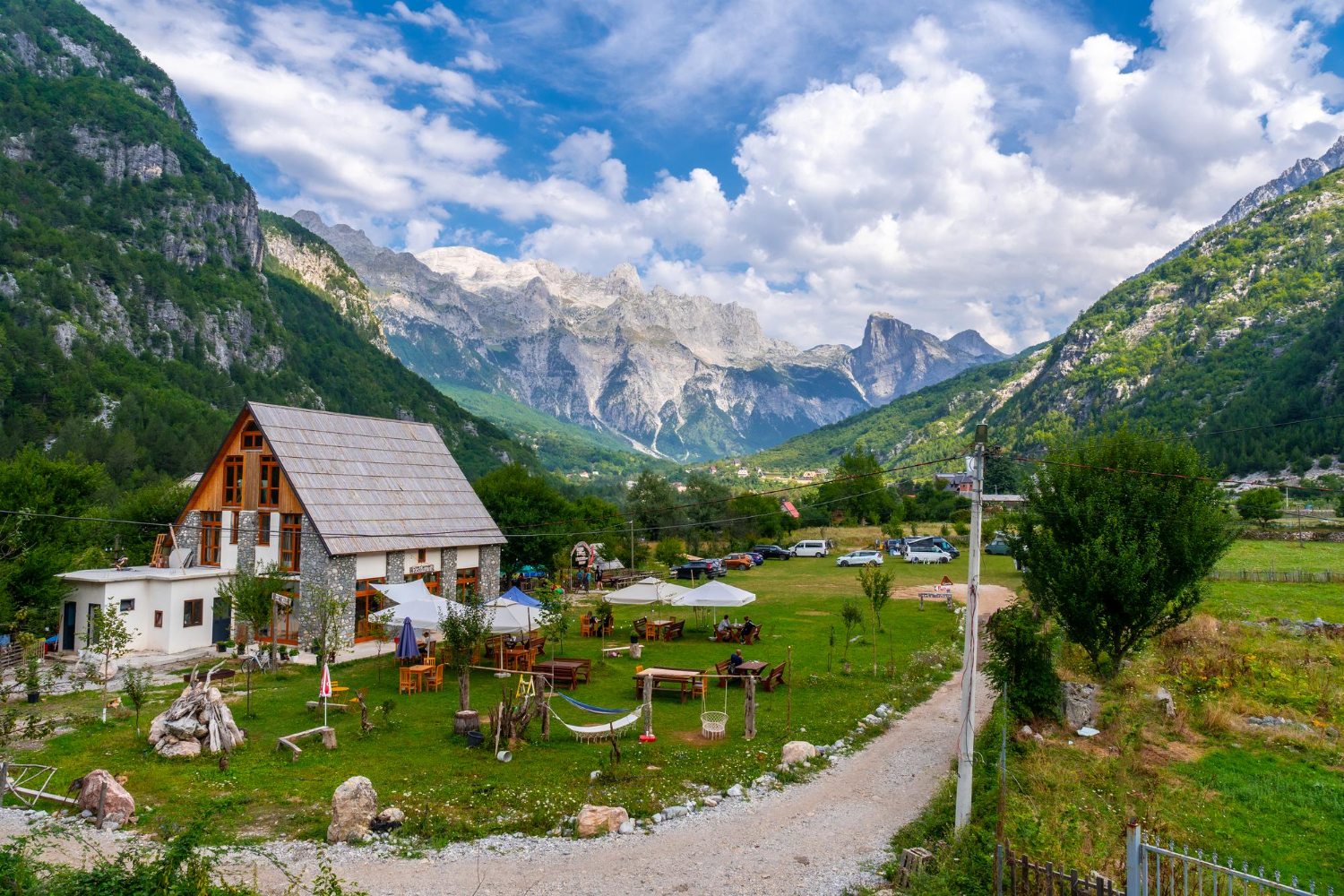
Theth sits at approximately 750 meters elevation in northern Albania’s Albanian Alps region, approximately 75 km north-northeast of Shkodër (Albania’s substantial northern city). The cumulative location is approximately 60 km from the Montenegrin border. Total area: approximately 26 square kilometers including substantial surrounding mountain terrain. Population: approximately 200-300 permanent residents (specific numbers vary substantially by source and season).
The cumulative mountain terrain produces dramatic landscape character. The “Accursed Mountains” name reflects substantial historical reputation as essentially impassable terrain that affected various political and economic developments across centuries. Various peaks in the surrounding region exceed 2,400 meters elevation. The cumulative natural beauty combined with substantial isolation produces specific destination character that mainstream European tourism rarely matches despite substantial visual appeal.
The Pre-2000s Isolation
Until approximately the 2000s, Theth was essentially inaccessible by vehicle. Various winter conditions substantially eliminated access for substantial portions of each year. Residents traveled to and from the village primarily on foot or via mule transport. The cumulative isolation substantially preserved traditional cultural elements that more accessible Albanian villages had substantially modernized away from across recent decades.
The cumulative isolation produced specific cultural preservation effects. Traditional Albanian mountain culture including specific architectural traditions, social customs, religious practices, and various other elements persisted in Theth substantially longer than in more accessible Albanian communities. The cumulative cultural depth represents specific aspect of Balkan heritage that mainstream international tourism rarely encounters despite substantial significance.
The Kulla Tower Architecture
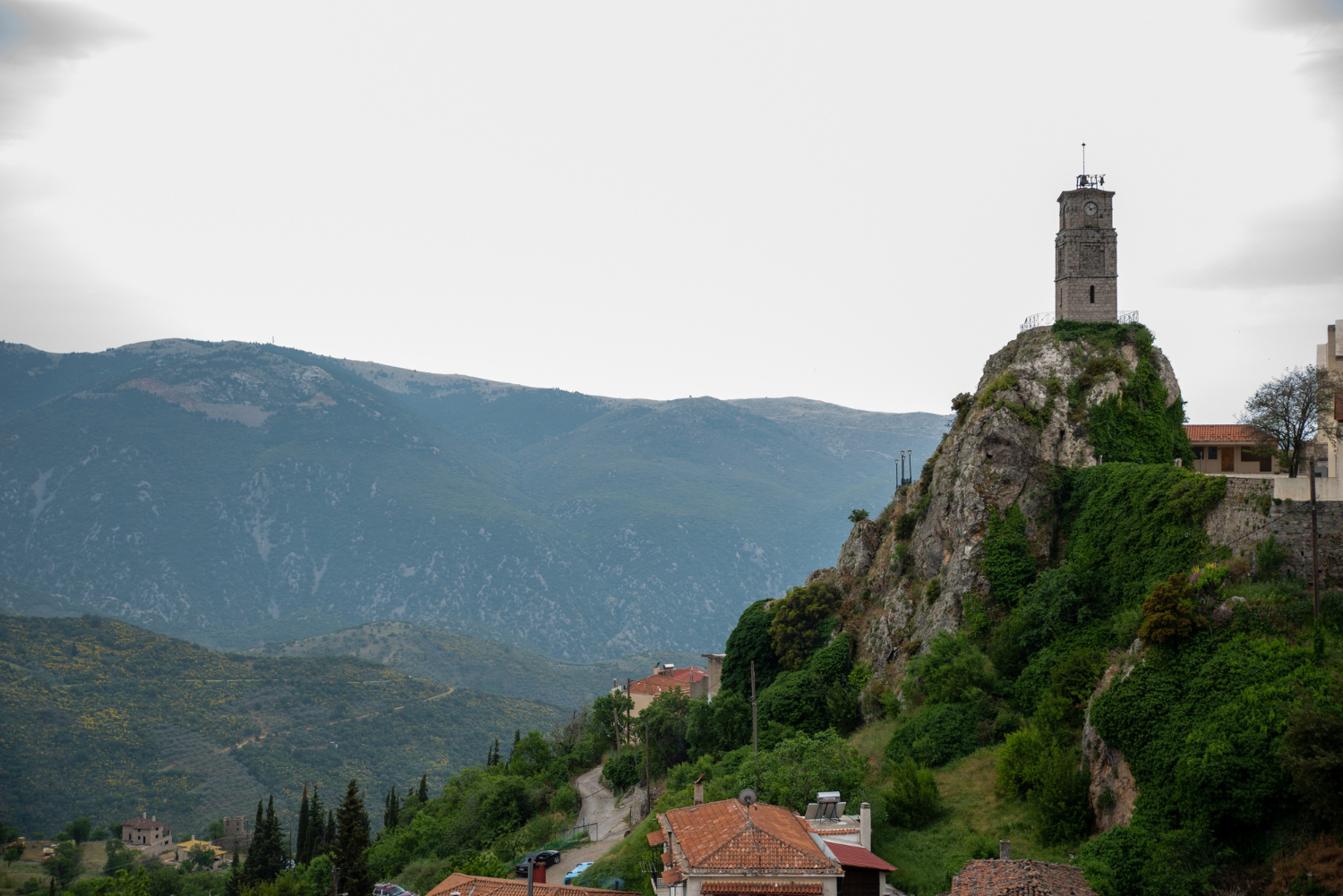
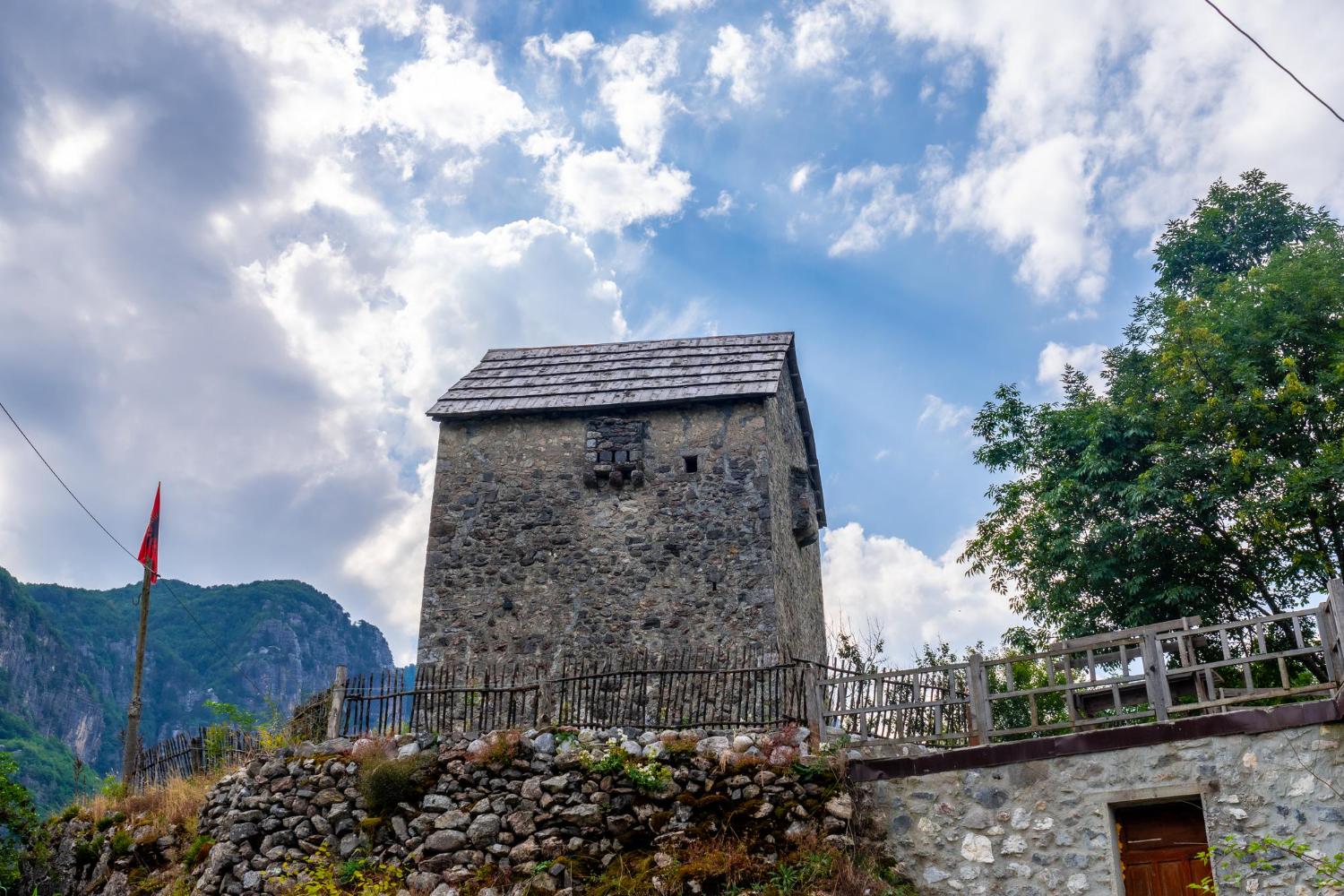
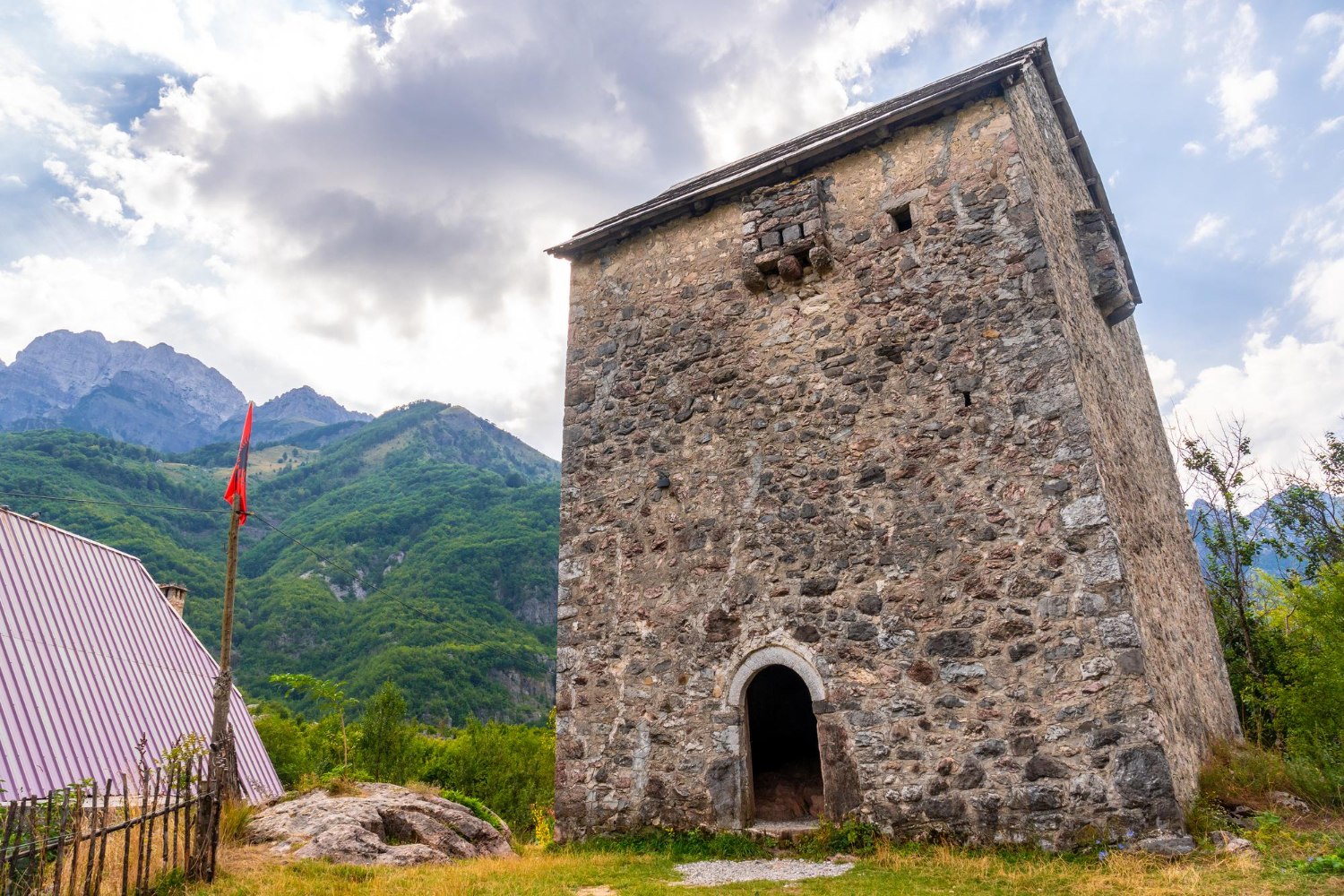
Traditional Theth architecture features distinctive “kulla” (kullë in Albanian) tower houses — substantial multi-story stone structures with specific defensive characteristics. The cumulative buildings typically feature: ground floor for livestock or storage, middle floors for living space, upper floors for grain storage and lookout positions, small windows positioned for defensive purposes, and various other specific elements. Various kulla in Theth date back several hundred years.
The cumulative kulla architecture reflects substantial traditional Albanian mountain culture concerns. Various structures served defensive purposes during cumulative blood feud periods when families needed substantial protection from rivals. The cumulative architectural tradition has persisted in Theth across substantial political and cultural changes. Various specific kulla have been substantially preserved as cultural heritage sites that visitors can examine and sometimes substantially inhabit during accommodation stays.
The Blood Feud Tradition
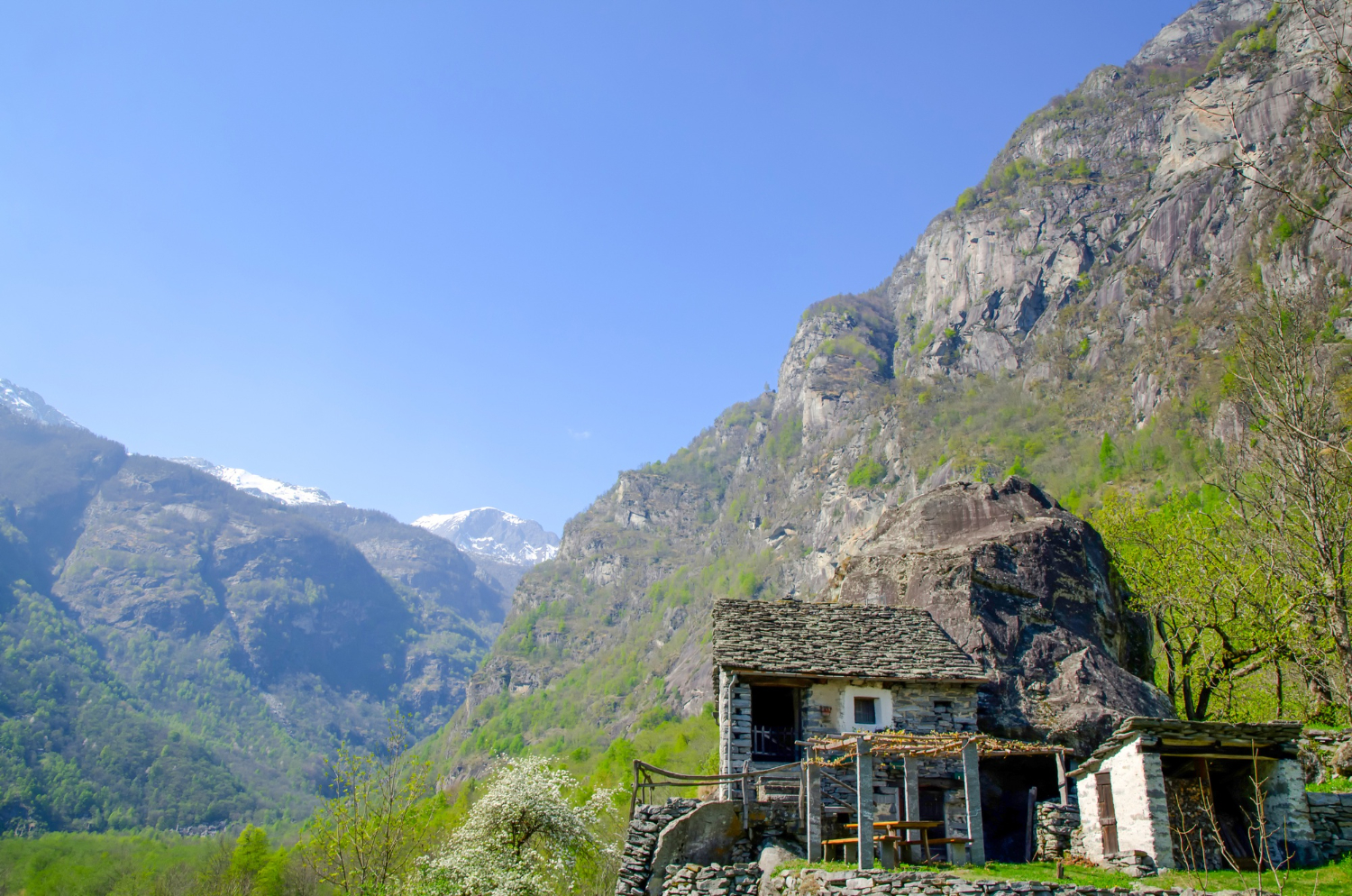
Theth has substantial historical association with the “Kanun” — traditional Albanian customary law that included specific blood feud (gjakmarrja) provisions. The cumulative Kanun governed substantial aspects of Albanian mountain life across centuries — marriage, property, dispute resolution, family honor, and various other elements. Specific Kanun provisions allowed substantial revenge killings for various offenses against family honor.
Modern Albania has substantially eliminated active blood feud practice through various legal reforms and cultural changes. However, the cumulative historical practice represented substantial aspect of Theth and surrounding region culture across centuries. Various visitors specifically interested in cultural anthropology can examine the cumulative historical practices through museum exhibits and various historical sources. The cumulative tradition isn’t actively practiced in modern Theth but represents substantial historical cultural element worth understanding for full appreciation of the cumulative cultural heritage.
The Specific Religious Tradition
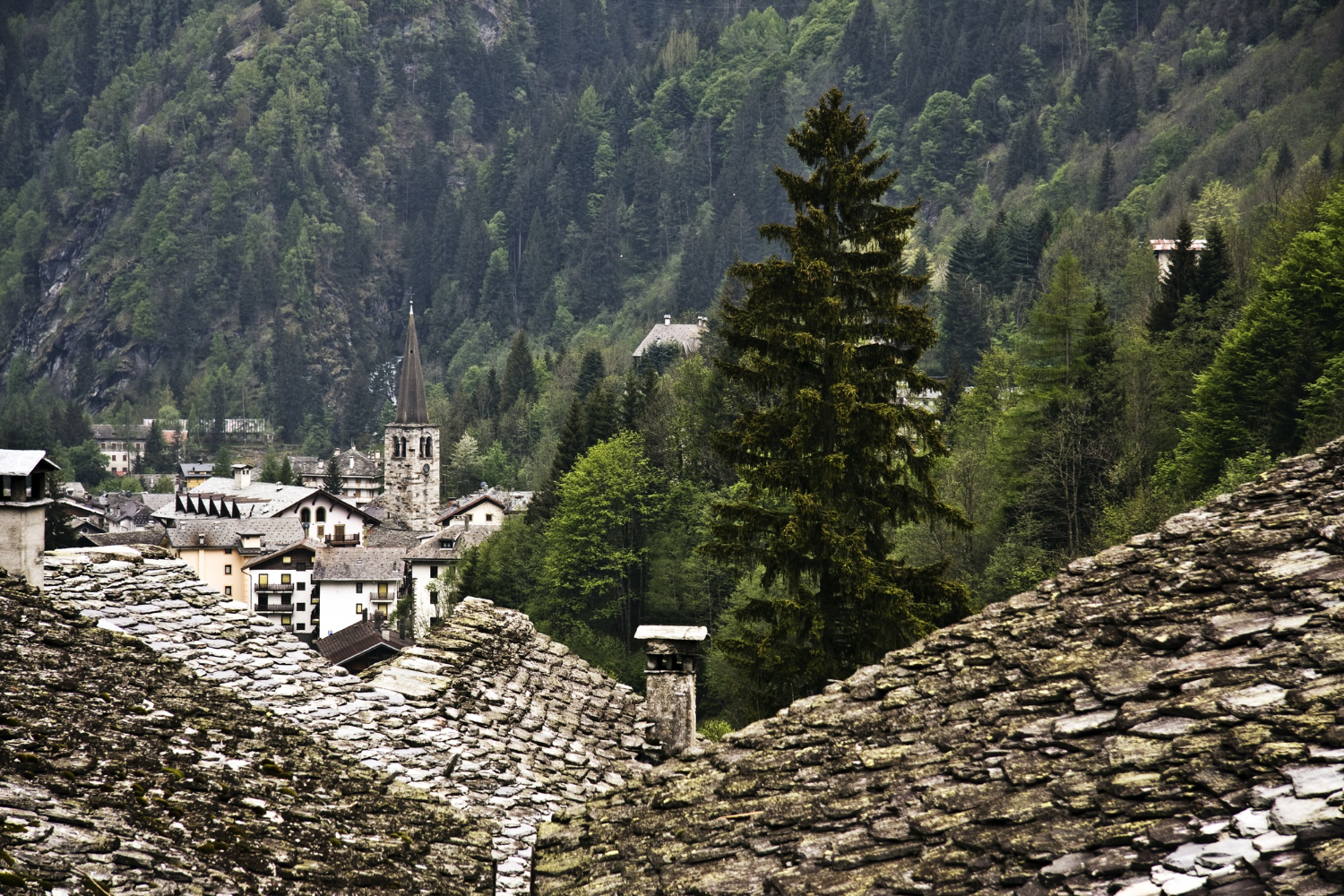
Theth maintains substantial Catholic religious heritage in predominantly Muslim Albania. The cumulative regional Catholic minority traces back to before Ottoman conquest of Albania in the 15th century. Various Catholic communities in northern Albanian mountains maintained their religious identity through substantial Ottoman pressure that converted majority of Albanians to Islam. The cumulative Catholic heritage has persisted into 2026 despite various intervening pressures.
The Catholic Church of Saint Anthony in Theth represents substantial visible Catholic heritage. Various traditional Catholic religious practices continue in modern Theth despite communist-era religious suppression that affected substantial Albanian religious life from 1944-1991. The cumulative religious revival since communist collapse has substantially restored traditional religious practice in Theth and surrounding regions. The cumulative religious dimension adds specific cultural depth that mainstream Balkan tourism rarely encounters.
The Modern Tourism Reality
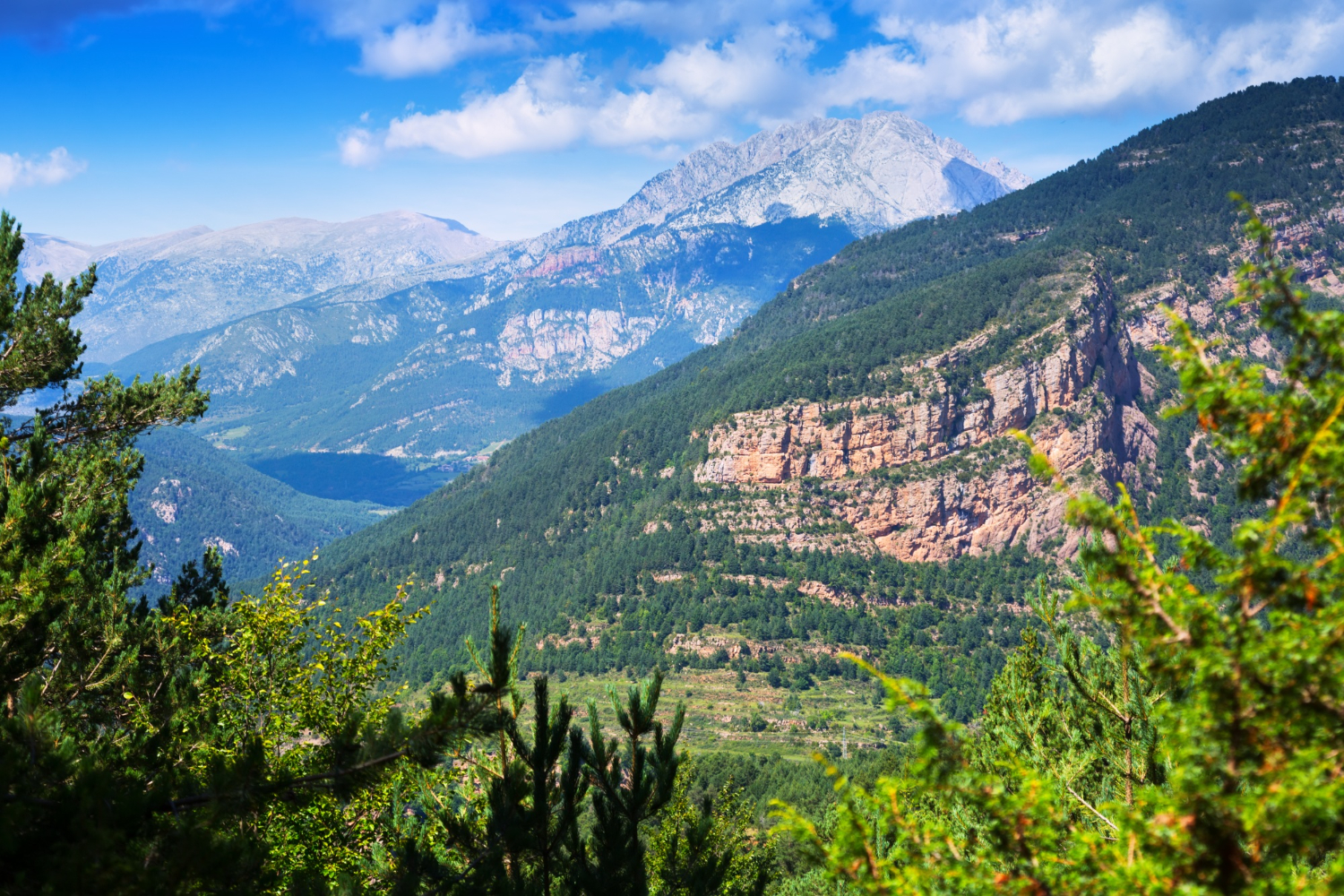
Theth has substantially developed tourism since approximately 2010 as Albanian tourism has substantially grown overall. Various small accommodation options have developed in traditional kulla buildings and newer construction. Local hosts substantially offer traditional Albanian mountain cuisine, guided hiking experiences, and various other tourist services. The cumulative tourism provides substantial economic opportunity for cumulative residents while introducing substantial visitor flow to previously isolated community.
The cumulative tourism produces specific mixed effects. Various economic opportunities substantially benefit residents who previously had essentially no income sources. Various cultural traditions receive international attention that supports preservation efforts. However, the cumulative tourism also produces substantial pressure on traditional community life that residents must specifically navigate. Various other Albanian mountain communities have followed similar tourism development paths with similar results across recent years.
The Hiking Reality
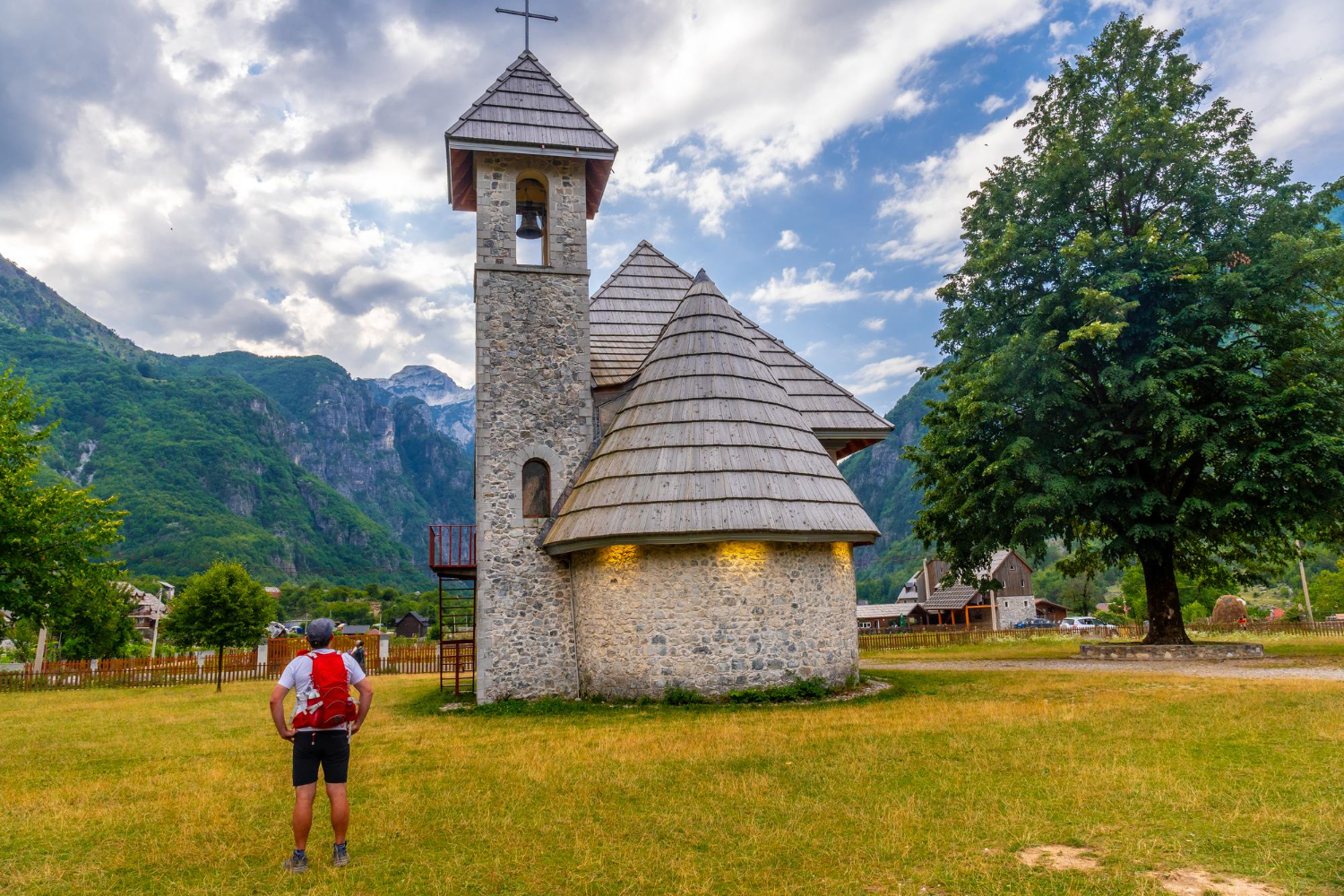
Theth serves as substantial trailhead for Albanian Alps hiking opportunities. The cumulative famous “Theth-Valbona” trek covers approximately 17 km across substantial mountain terrain between Theth and Valbona Valley National Park. Typical hiking time: 6-8 hours each way. The cumulative trek represents specific aspect of growing Albanian Alps hiking tourism that has substantially developed since approximately 2015.
Various other hiking opportunities exist throughout the Theth region. The Blue Eye of Theth (a small but substantial natural pool with cumulative deep blue water from underground spring) represents substantial nearby attraction. Grunas Waterfall provides another substantial natural feature. Various other waterfalls, mountain peaks, and substantial landscape features provide cumulative substantial hiking destinations beyond just the main Theth-Valbona trek.
How to Actually Visit
Practical guidance for travelers planning Theth visits. Access typically from Shkodër via 4-hour drive over substantially unpaved mountain roads. The cumulative drive requires substantial vehicle capability — 4WD substantially recommended though not strictly required during summer dry conditions. Winter access (typically November-April) substantially limited or impossible due to substantial snow conditions.
Accommodation options include various traditional kulla bed-and-breakfasts, family guesthouses, and a small number of more substantial hotels. Typical accommodation costs: €20-50/night per person including breakfast and often dinner with traditional Albanian mountain cuisine. Most visitors plan 2-4 day Theth visits with hiking and cultural exploration. Various guided tours from Shkodër or Tirana provide complete logistics for visitors who don’t manage independent Albanian travel. Best timing: late May through September provides substantially reliable access and weather.
What Theth Actually Represents
Theth represents specific example of Balkan mountain culture that has substantially preserved traditional elements across substantial political and economic changes affecting surrounding regions. The cumulative combination of dramatic landscape, traditional architecture, distinctive cultural practices, and substantial isolation produces destination character that mainstream European tourism rarely matches. For travelers willing to invest substantial logistical effort for Theth visits, the cumulative experience provides substantial cultural exposure that brief European tourism essentially cannot replicate. The cumulative tradition continues evolving — modern tourism, infrastructure improvements, and various other changes substantially affect what Theth currently represents compared to even 10 years ago. But fundamental cultural elements have persisted across substantial Ottoman, Italian fascist, communist, and post-communist periods that substantially transformed surrounding Albanian society. The cumulative future depends on various factors including continued tourism development, infrastructure investments, demographic patterns, and various other elements. Various pressures may substantially affect cumulative patterns across coming decades, but currently Theth represents specific example of authentically preserved Balkan mountain culture that mainstream European travel rarely encounters despite substantial cultural significance.