

US passport processing has substantially shifted across 2024-2026 as the State Department has substantially expanded staffing and online renewal capabilities. Current 2026 processing times: routine 4-6 weeks (significantly improved from 2022-2023 highs of 7-10 weeks); expedited 2-3 weeks with $60 additional fee. Online passport renewal launched September 2024 for eligible applicants represents substantial process change. Various other specific 2026 elements affect American international travel including post-ETIAS Europe access, post-REAL ID domestic travel, and various other specific factors. Here’s what Americans actually need to know.
The US passport landscape has substantially evolved across recent years from substantial 2022-2023 processing crisis (when wait times reached 10+ weeks) through substantial 2024-2026 normalization. Various Americans planning international travel in 2026 should specifically understand current processing realities rather than relying on outdated information from previous years. The cumulative system has substantially improved despite continued substantial planning requirements.
The Current Processing Times

As of May 2026, US State Department processing times are: Routine processing: 4-6 weeks (substantially improved from 2022-2023 highs). Expedited processing: 2-3 weeks with $60 additional fee. The cumulative timelines start when applications arrive at processing centers — adding approximately 2 weeks for mailing each direction means total elapsed time from application to passport receipt typically runs 6-10 weeks for routine or 4-7 weeks for expedited service.
Various specific situations enable faster processing. Same-day to 3-business-day processing available at substantial passport agencies for travelers with documented travel within 14 days (or 28 days if visa is required). Appointments are required with substantial proof of travel including airline ticket. The cumulative urgent service handles substantial emergency situations but requires substantial in-person visits to passport agencies that have limited locations.
The Online Renewal Launch

A substantial 2024-2026 development involves online passport renewal launch. The State Department launched online renewal in September 2024 for eligible applicants. Eligibility requirements: most recent passport issued when applicant was 18+ years old, passport currently valid or expired within past 5 years, no name changes since last passport, no specific complications. Various specific requirements limit cumulative online renewal to substantial portion but not all renewing applicants.
The cumulative online renewal substantially eliminates mailing requirements that previously affected total processing time. Online applicants typically experience substantial processing within standard timeframes plus mailing for completed passport. The cumulative online system represents substantial modernization that mainstream Americans should specifically prioritize when eligible. Various ineligible applicants still must use mail-based DS-82 renewal forms with traditional processing patterns.
The Specific Fee Structure
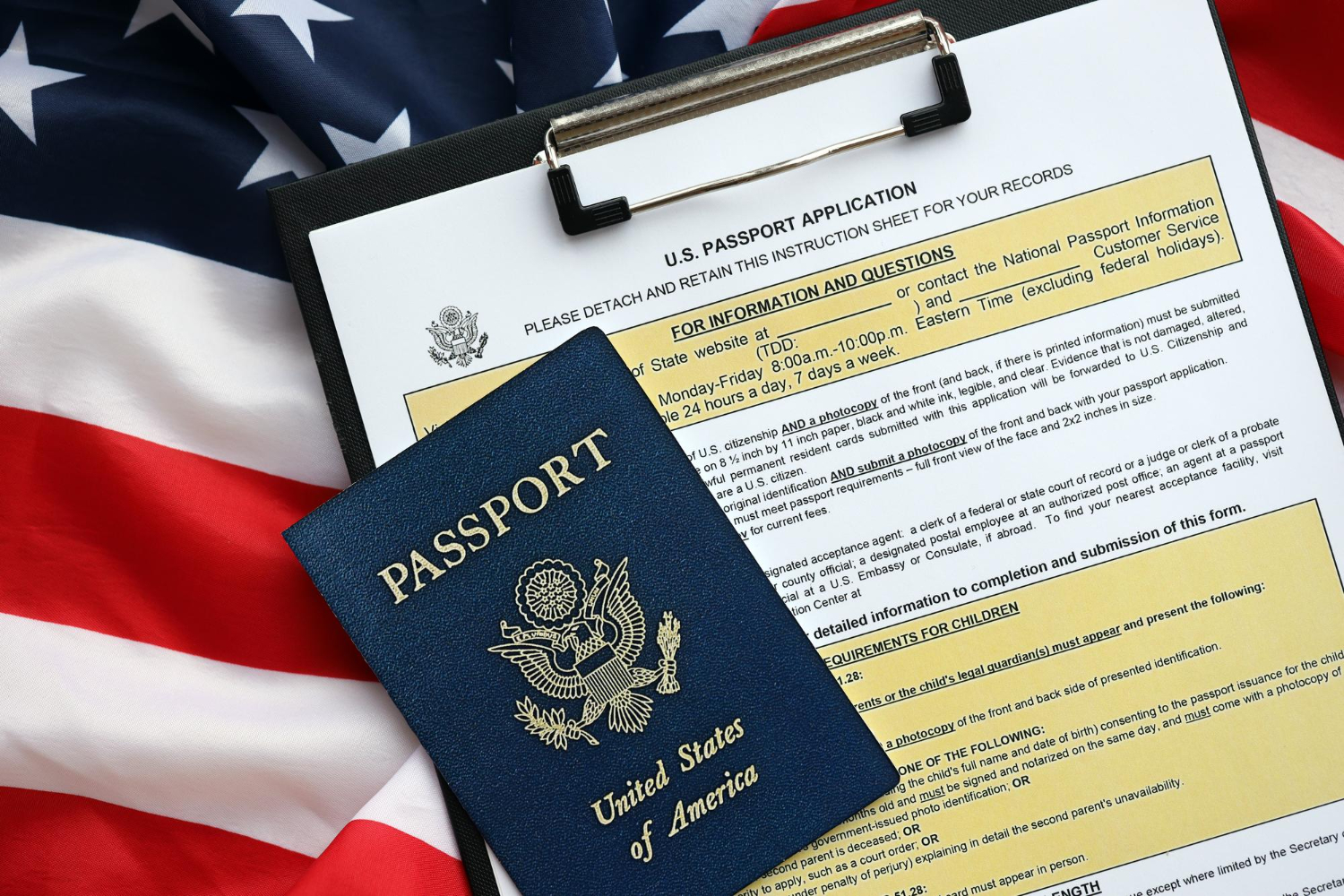
US passport fees as of 2026: Adult passport book new application: $130 application fee plus $35 execution fee = $165 total for first-time adult passports. Adult passport book renewal: $130 application fee only (no execution fee for renewals). Adult passport card: $30 if applying alone, $15 if applying with passport book. Child passport book (under 16): $100 application fee plus $35 execution fee = $135 total. Expedited service: additional $60. Various specific shipping options: additional fees.
The cumulative fees represent substantial increase from historical levels but remain consistent across 2024-2026. Various government services discussions about potential fee increases continue but no substantial 2026 increases have been implemented. Americans planning multiple-family passport renewals should budget approximately $500-700 for typical family of 3-4 passport renewals depending on specific configurations and expedited service usage.
The REAL ID Connection
A specific 2025 transition affected passport relevance for domestic American travel. REAL ID requirements became mandatory for US domestic flights starting May 7, 2025 — meaning standard state driver’s licenses without REAL ID indication are no longer acceptable for boarding domestic American flights. Various Americans without REAL ID-compliant driver’s licenses now use US passports as acceptable alternative identification for domestic travel.
The cumulative REAL ID transition substantially increased passport demand for domestic-only travelers who previously had no specific passport need. Various Americans specifically obtained passports specifically for cumulative domestic flight access despite no international travel plans. The cumulative pattern affected passport application volumes throughout 2024-2025 and continues affecting cumulative demand in 2026. Various State Department processing capacity expanded specifically to handle cumulative additional demand.
The Specific 6-Month Rule

A specific element affecting international travel involves the “6-month rule.” Many countries require passports remain valid for at least 6 months beyond intended travel dates. The cumulative requirement applies regardless of actual trip length — countries that require 6-month validity reject entries from travelers whose passports expire within 6 months even for brief visits. Various specific destinations enforce cumulative requirement strictly with passport rejection at border entry points.
The cumulative 6-month rule affects substantial Americans whose passports approach expiration. Various travelers substantially fail to recognize cumulative rule until being denied boarding for international flights despite passports being technically still valid. Standard guidance: renew passports when they have 12+ months remaining validity to avoid cumulative complications. The cumulative early renewal substantially eliminates risk of cumulative 6-month rule problems regardless of specific destination requirements.
The Specific Country Variations

Various countries have specific passport requirements beyond just the standard 6-month rule. China requires 6-month validity for tourist entries. Japan requires passport validity through stay duration only. Various European countries require 3-month validity beyond intended stays. Various Latin American countries require 6+ month validity. Various other specific requirements apply to various other destinations.
The cumulative country variations affect substantial trip planning. Americans planning multi-country trips should specifically verify cumulative passport requirements for each destination rather than relying on general assumptions. Various specific country requirements vary substantially. The cumulative State Department maintains specific country-by-country information through travel.state.gov website that travelers should specifically consult before international trip planning. Various tour operators handle cumulative passport requirement verification for substantial guided tour participants.
The Specific 2026 International Context

Various 2026 international developments affect substantial Americans planning international travel. EU ETIAS launch (Q4 2026) requires substantial pre-travel authorization for European travel beyond just valid passport. UK ETA already operational since February 2026 requires similar pre-travel authorization for UK visits. Various other countries (Japan with planned JESTA in 2028, various others) follow similar trends toward substantial pre-travel authorization requirements supplementing passport requirements.
The cumulative international changes affect substantial trip planning beyond just passport validity. Americans planning 2026 international trips should specifically account for cumulative additional authorization requirements that previously didn’t exist. Various international travel insurance providers now substantially include cumulative authorization requirements in trip planning advice. The cumulative trend continues with various other countries considering similar systems across coming years.
What Americans Should Actually Do

Practical guidance for American passport management in 2026. Renew passports with 12+ months remaining validity rather than waiting for substantial expiration. Use online renewal when eligible (substantially faster than mail-based alternatives). Plan substantial advance application timing for international trips — minimum 8-12 weeks before intended departure for routine processing. Pay $60 expedited fee when timing is tight rather than risking cumulative delays. Use in-person agency service only for substantial documented urgent travel within 14 days.
The cumulative passport management substantially improves international travel experience. Various Americans face substantial trip complications from inadequate passport planning. The cumulative State Department has substantially improved cumulative processing across 2024-2026 but still requires substantial advance planning rather than last-minute application. The cumulative system rewards substantial proactive management while penalizing substantial procrastination through cumulative delays and expedited fee requirements.
What This All Reveals

US passport processing in 2026 represents substantial recovery from 2022-2023 crisis combined with substantial modernization through online renewal launch and various other operational improvements. The cumulative system functions substantially better than recent years despite continued substantial planning requirements. For Americans planning international travel, the cumulative reality means substantial proactive passport management combined with substantial awareness of cumulative international authorization requirements that supplement traditional passport requirements. Various 2026 changes (post-ETIAS Europe, post-REAL ID domestic, cumulative international authorization expansion, online renewal availability) affect cumulative travel planning in substantial ways that previous years didn’t include. Americans who specifically adapt to cumulative current realities typically experience substantially smoother international travel than those relying on cumulative outdated patterns. The cumulative trend across coming years will likely continue evolving as international authorization systems continue expanding and US State Department continues operational improvements. The cumulative system substantially functions better than recent crisis years but still requires substantial American attention to cumulative planning details that mainstream travel marketing rarely emphasizes despite substantial significance for actual trip success.
