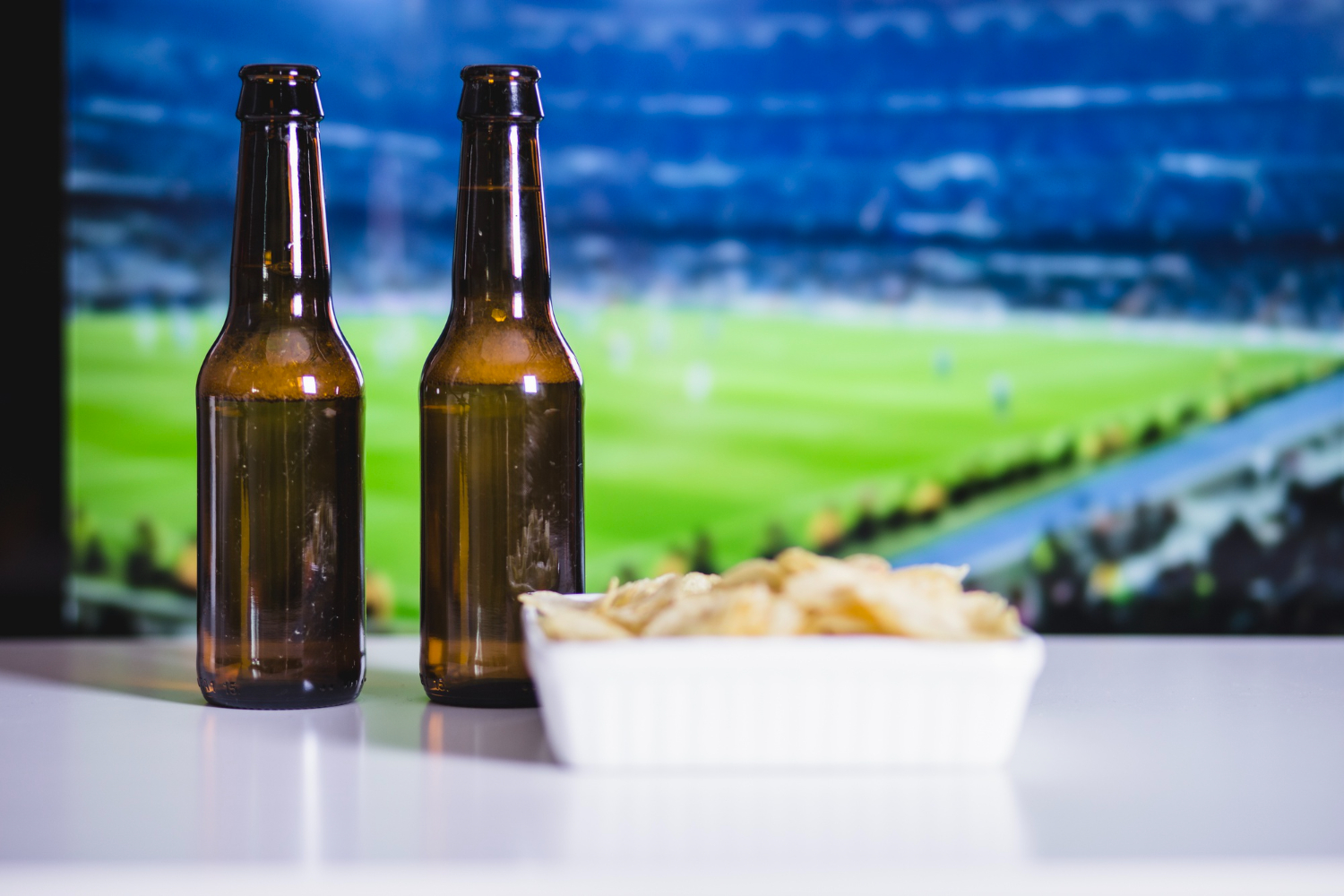
Stadium beer operates substantially differently from beer at standard bars or restaurants despite often featuring same brand names. The cumulative differences trace to specific factors: substantial keg storage conditions, dispensing equipment limitations, specific service speed requirements, supply chain logistics, and various other factors that combine to produce beer substantially different from same-brand alternatives elsewhere. Understanding what makes stadium beer different reveals specific aspects of mass-volume beverage operations that mainstream sports fan discussions rarely emphasize.
The stadium beer experience represents specific intersection of substantial customer demand, operational constraints, supply chain logistics, and various other factors that produce beer substantially different from same-brand alternatives at standard establishments. Sports fans frequently complain about stadium beer quality and pricing despite recognizing the brand names operating at cumulative venues. The cumulative differences aren’t accidental — specific operational factors produce predictable patterns that mainstream stadium operations don’t substantially acknowledge.
The Volume Reality
Major stadium beer operations handle substantially higher customer volumes than typical bar operations. A substantial NFL stadium may serve 20,000+ beers during a single 3-hour game — substantially exceeding what most standard bars serve in entire week. The cumulative volume requirements substantially affect operational decisions including equipment selection, staff training, supply management, and various other factors.
The cumulative volume pressure produces specific quality compromises. Time per customer must be minimized to handle cumulative demand. Equipment operates continuously rather than being properly cleaned between rush periods. Various quality control steps that work in lower-volume bar operations become operationally difficult during cumulative stadium rush periods. The cumulative result: even substantially identical brand operations produce different quality outcomes based on cumulative volume pressures that mainstream fans don’t typically appreciate.
The Keg Storage Reality
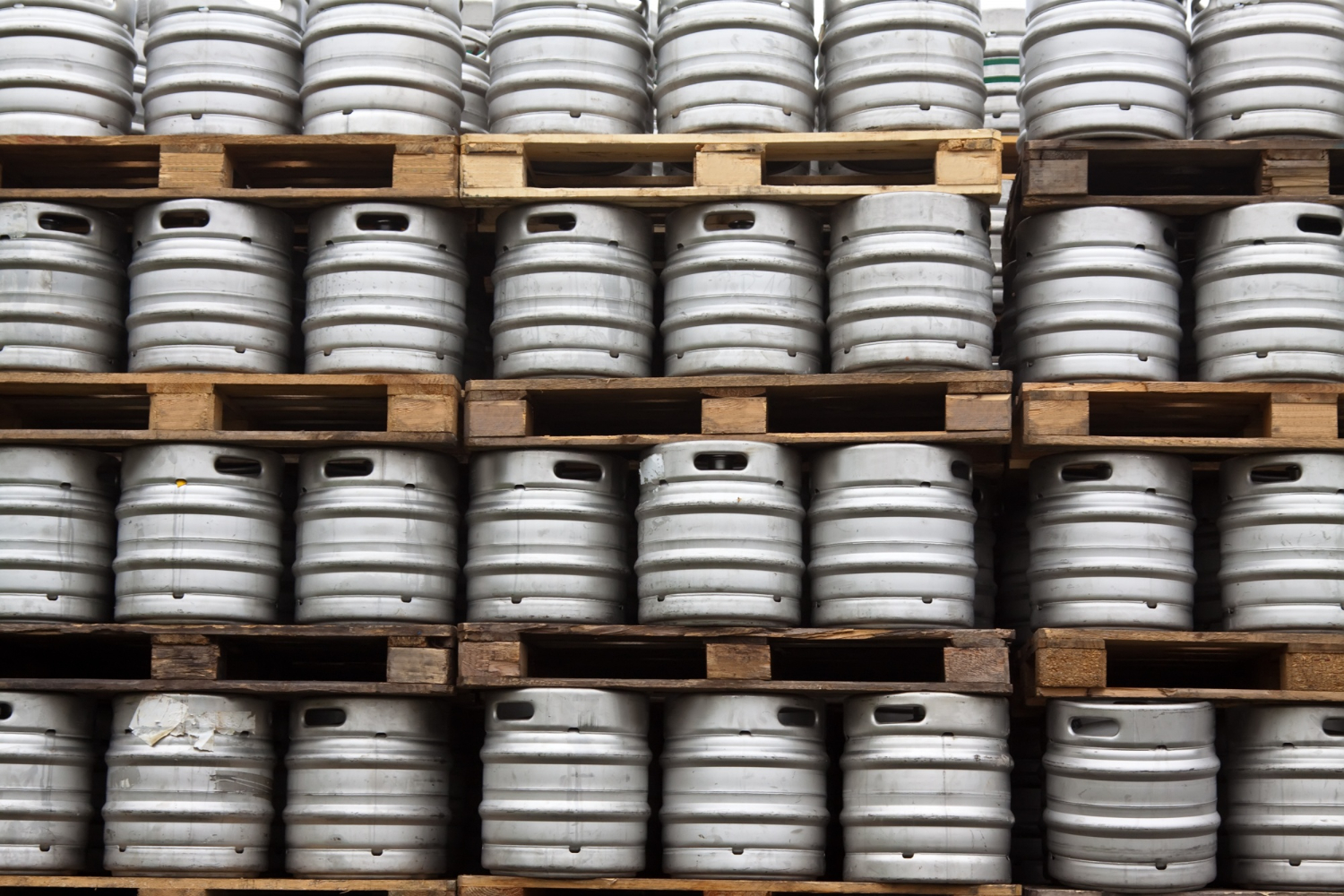
Stadium beer keg storage operates substantially differently from typical bar storage. Various stadiums maintain substantial keg storage facilities that supply multiple distributed dispensing locations throughout the venue. The cumulative distribution requires substantial keg movement, temperature management across substantial distances, and various other logistical factors that affect cumulative beer quality.
The cumulative storage challenges affect beer taste substantially even when high-quality kegs are used initially. Various stadium locations may use kegs that have been substantially handled before reaching cumulative dispensing equipment. Temperature fluctuations during cumulative keg movement substantially affect cumulative beer character. The cumulative result: identical brand alternatives at non-stadium locations may use substantially fresher kegs despite identical brand sourcing. Sports fans experience predictable taste differences based on cumulative supply chain patterns.
The Dispensing Equipment Reality
Stadium beer dispensing equipment faces specific operational challenges that affect cumulative output quality. Continuous high-volume operation produces substantial wear on equipment components. Various specific maintenance procedures that work in lower-volume bar operations become operationally difficult during cumulative stadium rush periods. The cumulative equipment condition substantially affects beer dispensing quality regardless of staff skill or keg quality.
Various beer dispensing equipment components require regular cleaning, calibration, and replacement to maintain optimal output. Beer lines specifically require substantial regular cleaning. Tap equipment requires regular calibration. The cumulative maintenance schedule may be substantially compressed at stadium locations facing constant operational pressure. The cumulative result: equipment that operates technically functionally but at substantially reduced quality compared to better-maintained alternatives. Sports fans experience predictable patterns based on cumulative maintenance reality.
The Speed Service Reality
Stadium beer service substantially prioritizes speed over quality. Various dispensing techniques (substantial tilting of cups to reduce foam, faster pours that affect cumulative carbonation, various other elements) reflect substantial speed optimization rather than cumulative beer quality optimization. The cumulative result: beer dispensed at stadiums substantially differs from beer dispensed with similar equipment at venues prioritizing quality over speed.
The cumulative speed requirements affect substantial beer character. Properly poured beer typically takes 20-45 seconds for substantial single dispensing. Stadium dispensing typically operates at 8-15 seconds per pour to handle cumulative customer volume. The cumulative speed compression substantially affects beer texture, foam quality, temperature, and various other characteristics. The cumulative result is functional beer service that essentially cannot match cumulative quality of slower-paced operations.
The Specific Cup Reality
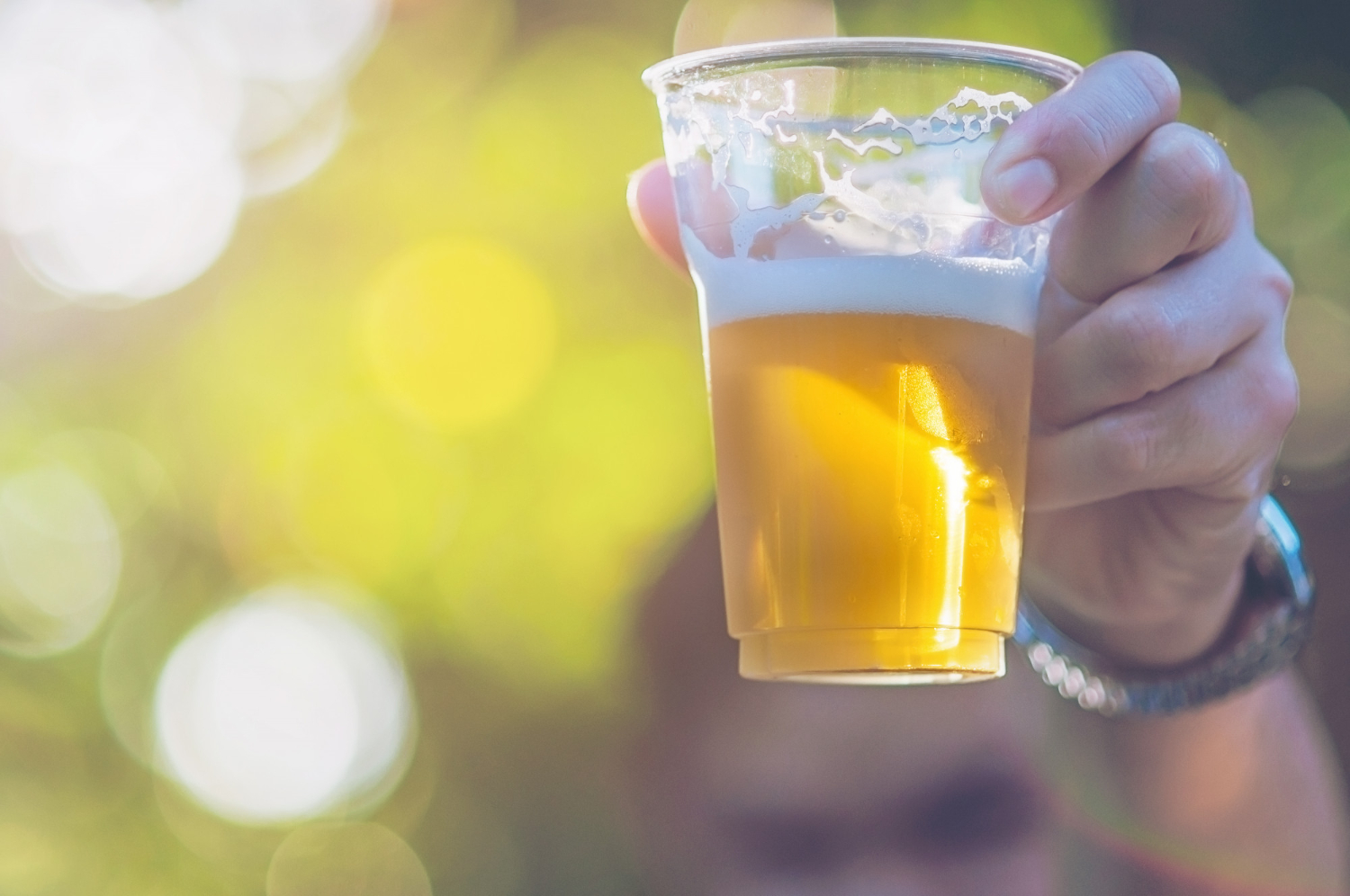
A specific element of stadium beer involves substantial plastic cup usage. The cumulative cups affect beer experience substantially compared to substantial glass alternatives. Various plastic cups don’t maintain substantial temperature as well as glass. The cumulative cups affect taste through various subtle interactions. The cumulative plastic substantially differs from how same beer would taste from substantial glass alternatives.
The cumulative plastic cup usage reflects substantial stadium operational requirements including safety (glass would create substantial injury risk if dropped or thrown), cost (plastic substantially cheaper than glass alternatives), volume (plastic stacking enables substantial inventory storage), and various other factors. Various sports fans substantially accept cumulative plastic cup limitations as condition of stadium beer experience. The cumulative compromise represents specific aspect of stadium beverage operations that mainstream fans rarely substantially question despite affecting cumulative beer experience.
The Specific Watering Concerns
A persistent rumor regarding stadium beer involves substantial watering — claims that stadiums substantially dilute beer to increase profits. Various investigations have substantially failed to confirm widespread stadium beer watering despite substantial fan accusations. The cumulative apparent quality differences typically reflect cumulative operational factors (volume, storage, dispensing speed, equipment maintenance, plastic cups, various others) rather than substantial intentional dilution.
However, various specific stadium incidents have documented cumulative beer dilution problems. Cumulative draft line problems (water contamination from cumulative cleaning processes that weren’t substantially completed) can produce cumulative beer dilution that affects cumulative customer experience. The cumulative incidents are typically operational problems rather than intentional fraud. Various stadiums maintain substantial quality control programs specifically to prevent cumulative dilution incidents that would substantially damage cumulative customer trust and substantial brand relationships.
The Pricing Reality
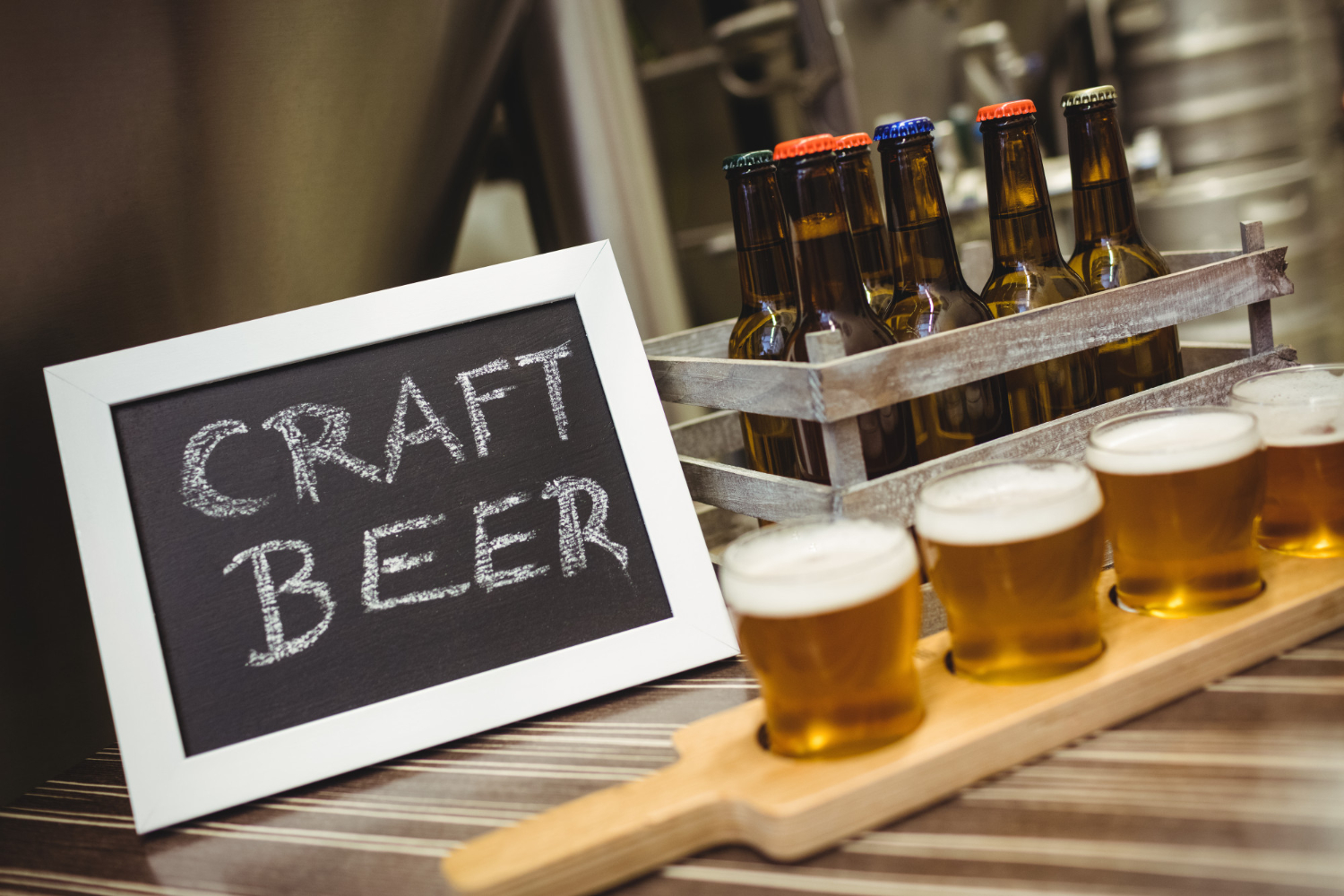
Stadium beer pricing substantially exceeds non-stadium equivalents. Typical cumulative stadium beer prices: $9-15 for standard 16-20 oz cups across major American stadiums. The cumulative pricing represents substantial premium over typical bar pricing ($5-8 for similar beer quantities). The cumulative pricing reflects substantial venue rent costs, exclusive supplier arrangements, captive customer base, and various other factors that mainstream non-stadium operations don’t face.
The cumulative pricing affects substantial customer expectations. Various fans expect substantial quality justified by cumulative pricing but instead receive cumulative quality that doesn’t match cumulative pricing premium. The cumulative pattern produces substantial fan frustration. Various complaints about stadium beverage operations reflect this specific value disconnect — substantial higher prices combined with substantial lower quality. The cumulative reality is substantially structural rather than reflecting specific operational failures — stadium operations operate within cumulative constraints that produce predictable cost-quality relationships.
What Fans Should Actually Do

Practical guidance for managing beer during sports events. Recognize that stadium beer will typically be lower quality than equivalent bar beer regardless of brand. Pre-event consumption at substantially nearby bars provides substantially better quality alternatives. Various stadium clubs/suites/premium areas typically offer substantially better beer quality than general concourse alternatives. Specific cans (rather than draft) typically provide substantially better quality than substantial draft alternatives despite higher specific pricing.
For substantial sports fans, accepting stadium beer as substantial supporter activity rather than substantial beer quality experience produces better outcomes. The combination of volume, storage, dispensing speed, equipment limitations, plastic cups, and various other factors prevents stadium beer from matching cumulative non-stadium quality regardless of cumulative improvement efforts. Fans who specifically prioritize beer quality should plan around stadium beer rather than depending on cumulative quality from cumulative stadium operations.
What This All Reveals

The stadium beer phenomenon represents specific aspect of how mass-volume beverage operations function substantially differently from quality-focused alternatives despite using identical brand names and similar surface appearance. The cumulative differences trace to genuine operational factors — substantial volume, specific logistical challenges, equipment maintenance pressures, plastic cup requirements, speed service expectations, and various other factors that combine to produce predictable quality patterns. For sports fans, the cumulative reality means that stadium beer functions substantially as venue experience rather than substantial beer quality experience. Fans who specifically prioritize beer quality should consider cumulative pre-event consumption at substantial nearby establishments rather than depending on cumulative stadium quality. The cumulative stadium beverage model will likely continue operating within current operational constraints — fundamental changes would require substantial infrastructure investment and operational changes that the cumulative stadium economic model doesn’t readily support. The cumulative reality affects all major stadium beverage operations beyond just beer, with cumulative similar patterns producing similar quality reductions across various beverage categories. Beer provides particularly clear example of these cumulative patterns because beer quality is substantially measurable and substantial fan expectations are substantially developed through substantial cumulative bar culture.