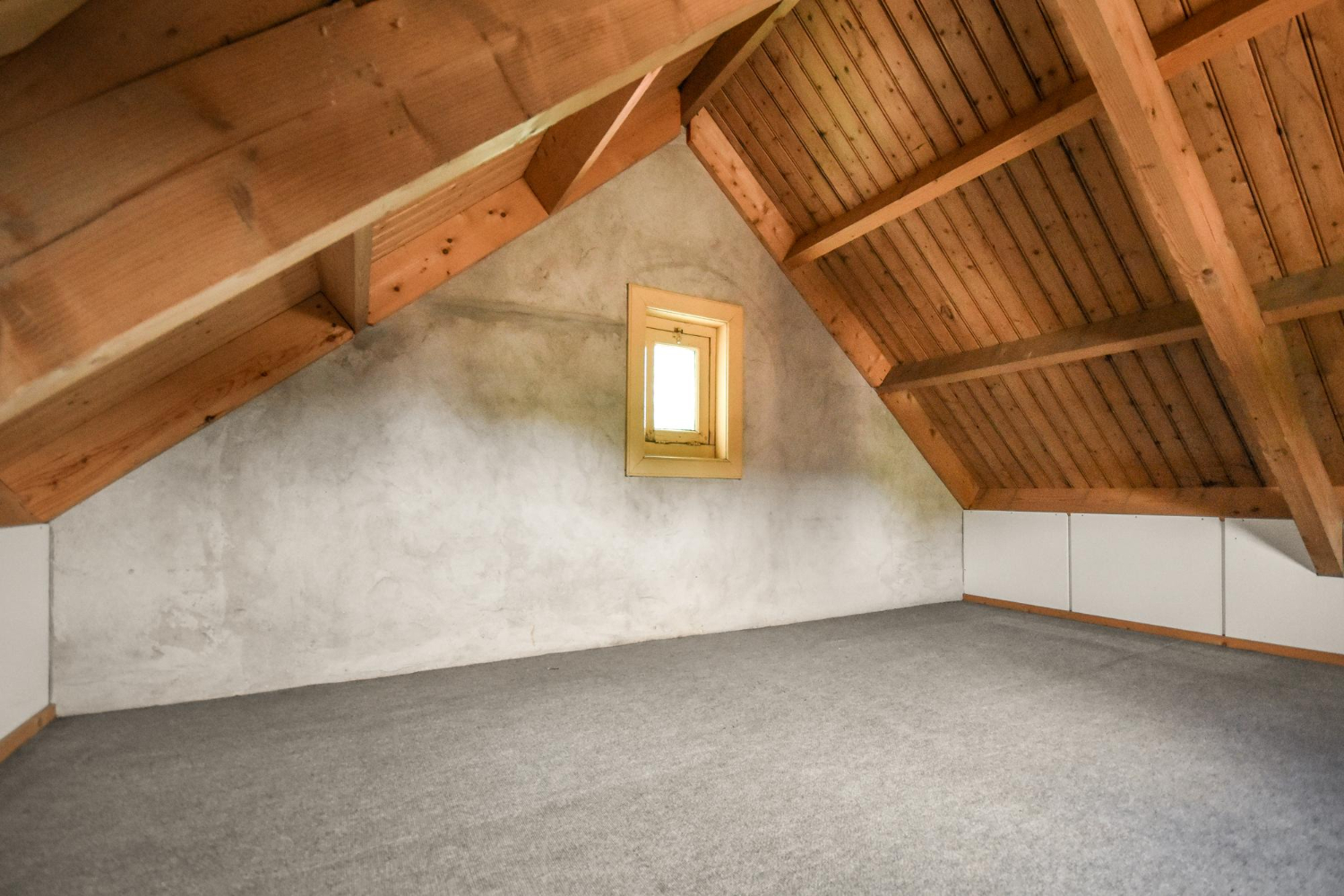
The 1993 American attic served substantial multi-generational storage function with specific items that defined American household culture during peak storage accumulation era. Various boxes of accumulated stuff that families couldn’t bring themselves to discard. Old toys from earlier childhood phases. Christmas decorations. Wedding dress. Specific other items. Walking through what was actually in that 1993 attic reveals substantial transformation in American household storage culture across approximately 30 years — and what has substantially disappeared into landfills, donation centers, or generational distribution.
The 1993 American attic represented specific cultural moment when American households substantially accumulated possessions across multiple generations without the substantial decluttering trends that have substantially affected modern American storage culture. Walking through what was actually in that 1993 attic reveals substantial accumulation patterns that have substantially shifted across approximately 30 years through various cultural, economic, and technological factors.
The Substantial Christmas Decorations
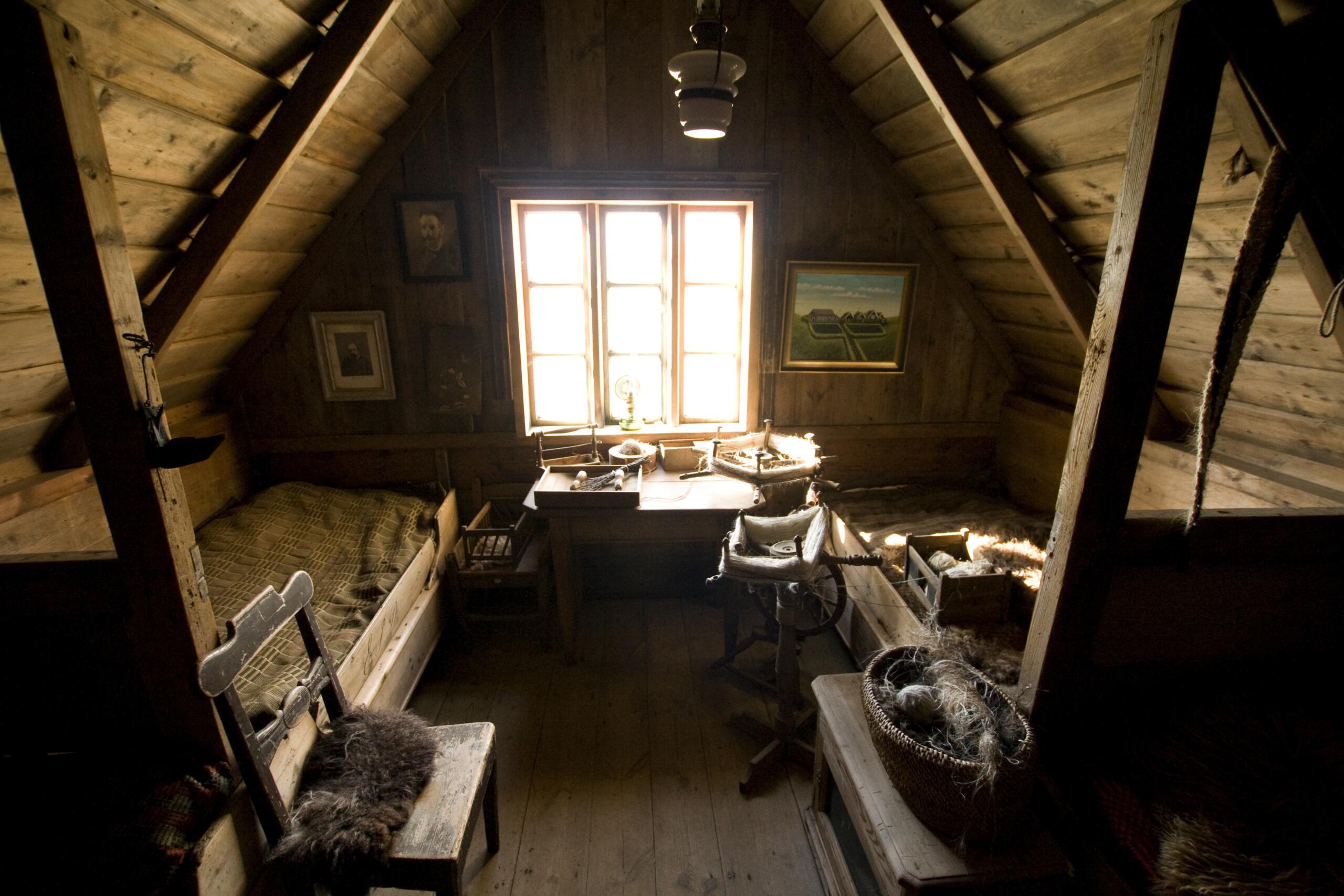
A primary 1993 American attic function involved substantial Christmas decoration storage. Various households maintained substantial decoration collections including: artificial Christmas tree (typically 6-7.5 feet, often stored in original boxes), substantial light strings (incandescent bulbs in various colors), substantial ornament collections (often spanning multiple generations of family ornaments), various decorative figurines, manger scenes, garlands, wreaths, outdoor decorations, gift wrapping supplies stored from previous years, and various other items.
The cumulative Christmas storage typically occupied substantial portion of attic space, accessed annually for substantial decoration display before being returned to attic storage. Various households maintained substantial accumulated decorations across multiple decades. The cumulative tradition has substantially continued in modern American attics but specific items have substantially evolved — LED lights have substantially replaced incandescent strings, various decorations have updated, but basic Christmas attic storage function persists.
The Wedding Dress Storage
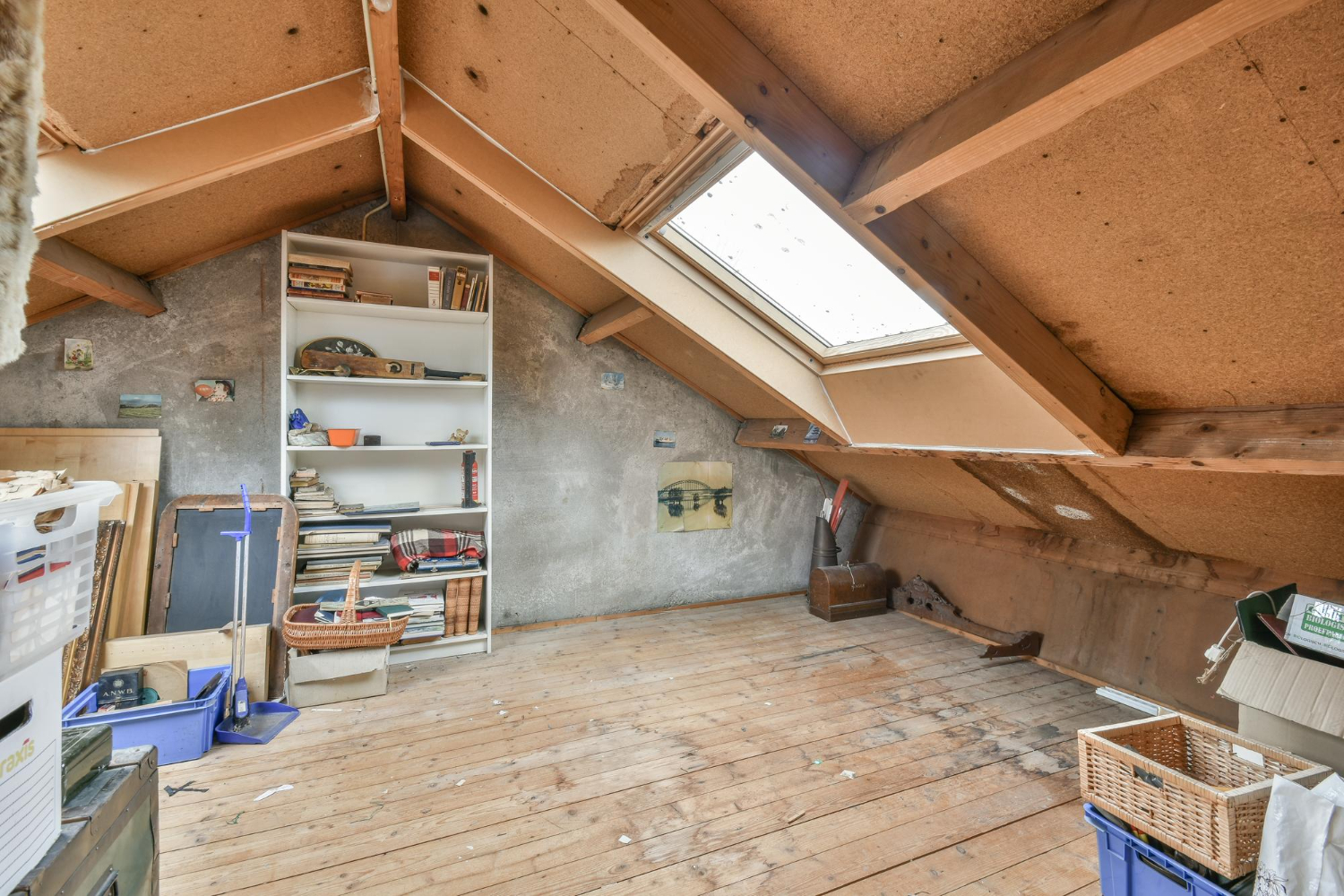
Various 1993 American attics contained substantial wedding dress storage. Wedding dresses typically stored in substantial special preservation boxes (acid-free tissue paper, specific moisture controls, various other elements) that were intended to preserve dresses for future generations or future cumulative reference. Various brides specifically chose preservation services after weddings with substantial expectation that cumulative dresses would be passed to daughters or substantially worn again.
Modern wedding dress storage has substantially declined. Various reasons contribute: substantial dress styles have evolved making cumulative preservation less culturally meaningful, daughters substantially don’t typically wear mothers’ dresses, various other cultural shifts. Various 1993-era wedding dresses still occupy modern American attics decades after being preserved, with substantially uncertain future after cumulative original brides eventually downsize or pass away.
The Substantial Children’s Toy Accumulation

1993 American attics typically contained substantial accumulated children’s toy collections from children who had outgrown them but where parents hadn’t disposed of items. Common items included: Cabbage Patch Kids dolls from 1980s peak popularity, substantial Lego collections, various action figures (G.I. Joe, He-Man, Transformers, various others), various stuffed animals, substantial board games, Atari and early Nintendo gaming systems, various others.
The cumulative toy storage substantially served two functions: potential future use by additional children or grandchildren, plus substantial emotional attachment that prevented immediate disposal. Modern American attics still contain substantial child toy accumulation but cumulative specific items have substantially evolved — 1990s-2000s toys now occupy attic positions that 1970s-1980s toys held in 1993 attics. The cumulative pattern persists across generations.
The VHS Tape Reality
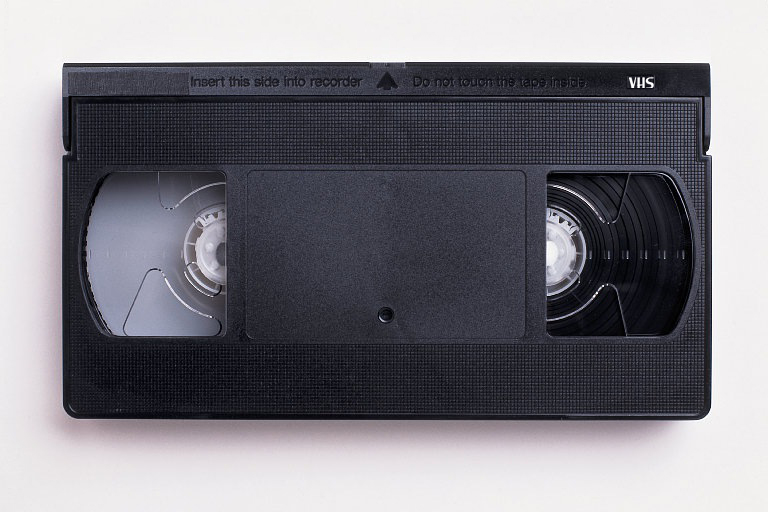
A specific 1993 American attic element involved substantial VHS tape collections that had been substantially displaced from active family room storage. Various households maintained substantial VHS libraries including movies, home videos, recorded TV shows, children’s videos, and various other content. The cumulative collections often exceeded 100+ tapes per household by 1993.
The cumulative VHS tapes have substantially become essentially worthless in modern American attics. Various tapes have substantially degraded through aging. Various playback equipment has substantially disappeared. The cumulative content has substantially transferred to streaming services that don’t require physical media. Many modern American attics still contain substantial 1990s VHS collections that essentially cannot be played without rare equipment retrieval. The cumulative situation represents substantial example of physical media obsolescence affecting household storage value.
The Wedding Photo Albums
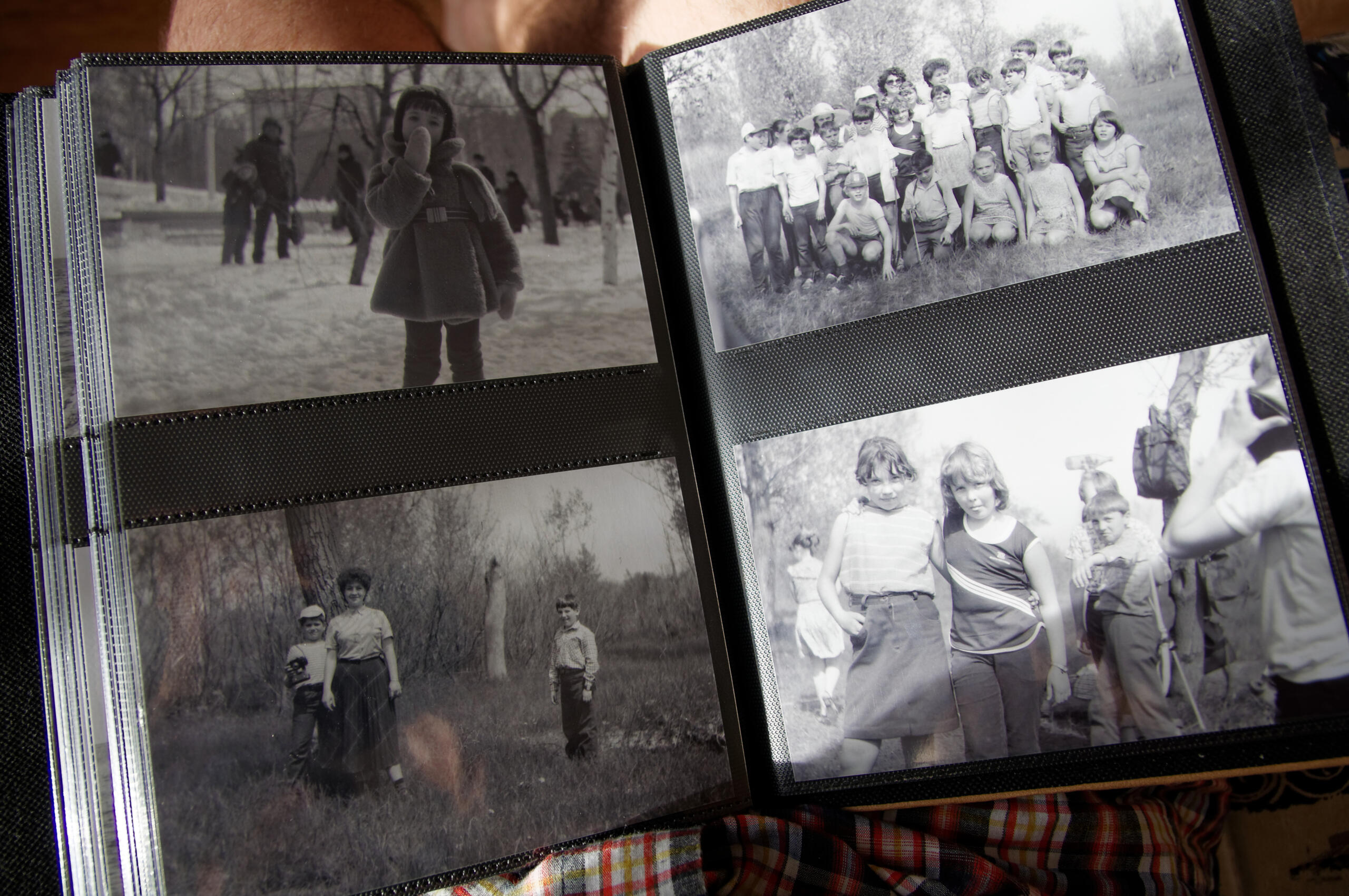
1993 American attics typically contained substantial wedding and family photo album storage. Various households maintained substantial photo album collections from weddings, family events, vacations, and various other occasions. The cumulative albums often exceeded 5-10+ substantial volumes per household. Various households also maintained substantial loose photo storage in shoeboxes, envelopes, and various other containers.
Modern American photo album storage has substantially declined as photography has substantially shifted to digital alternatives. Various households still maintain substantial 1990s and earlier photo albums in attic storage but rarely create new physical photo albums to add to cumulative collections. The cumulative photo storage represents substantial irreplaceable family heritage that mainstream digital alternatives essentially cannot replicate for cumulative emotional significance.
The Substantial Tax Records
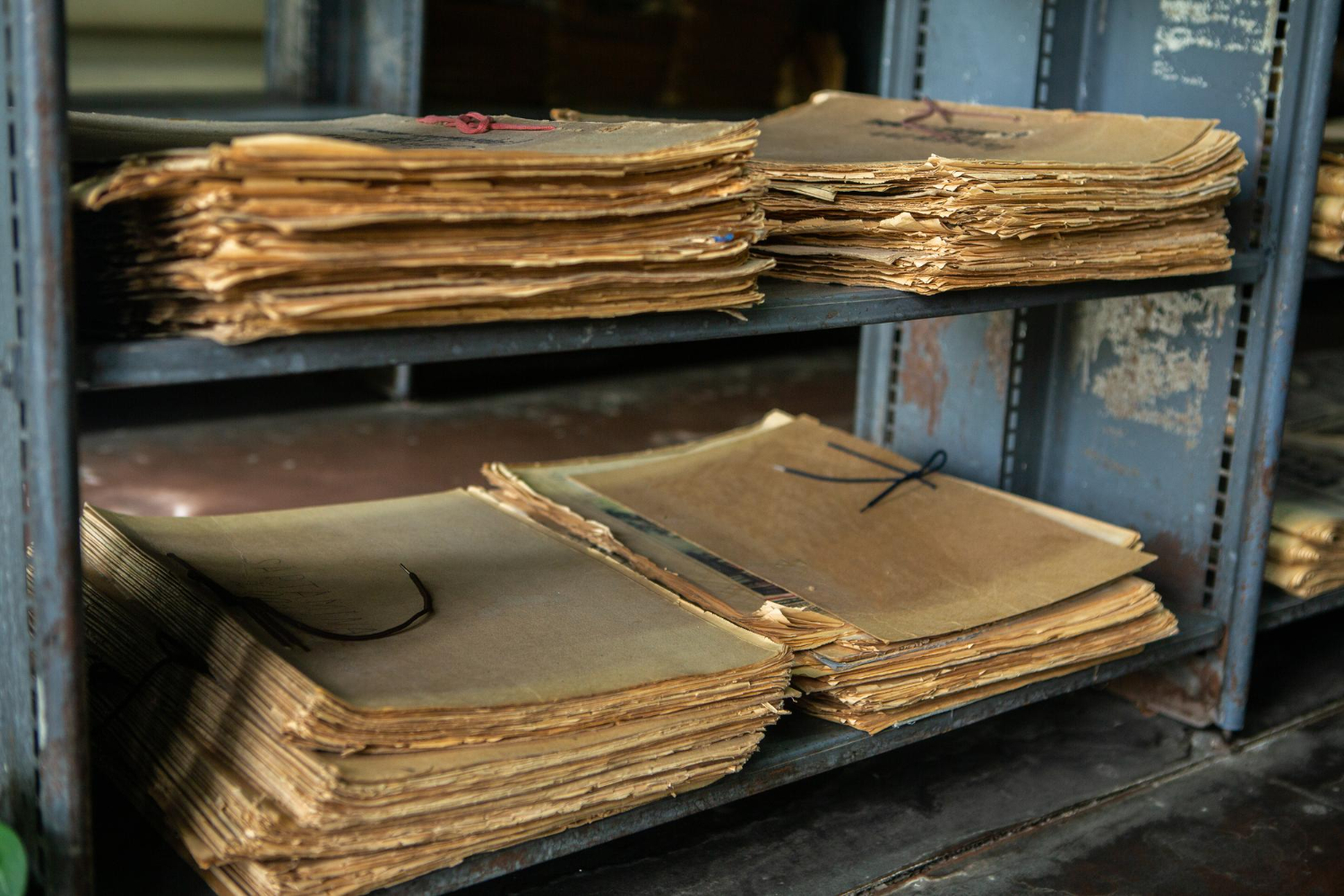
1993 American attics typically contained substantial tax record and financial document storage. Various households maintained substantial filing boxes containing tax returns, bank statements, receipts, insurance documents, mortgage paperwork, and various other financial records. The cumulative documents typically extended back 7+ years per IRS recommendations plus substantial additional accumulated documents that households hadn’t sorted.
Modern American household tax record storage has substantially declined. Various electronic statements have substantially eliminated paper document accumulation. Various scanning and digital storage options have substantially replaced cumulative attic filing. Various households still maintain substantial 1990s and earlier tax records that haven’t been sorted or disposed of. The cumulative document storage represents specific aspect of household administrative culture that has substantially evolved across approximately 30 years.
The Old Furniture
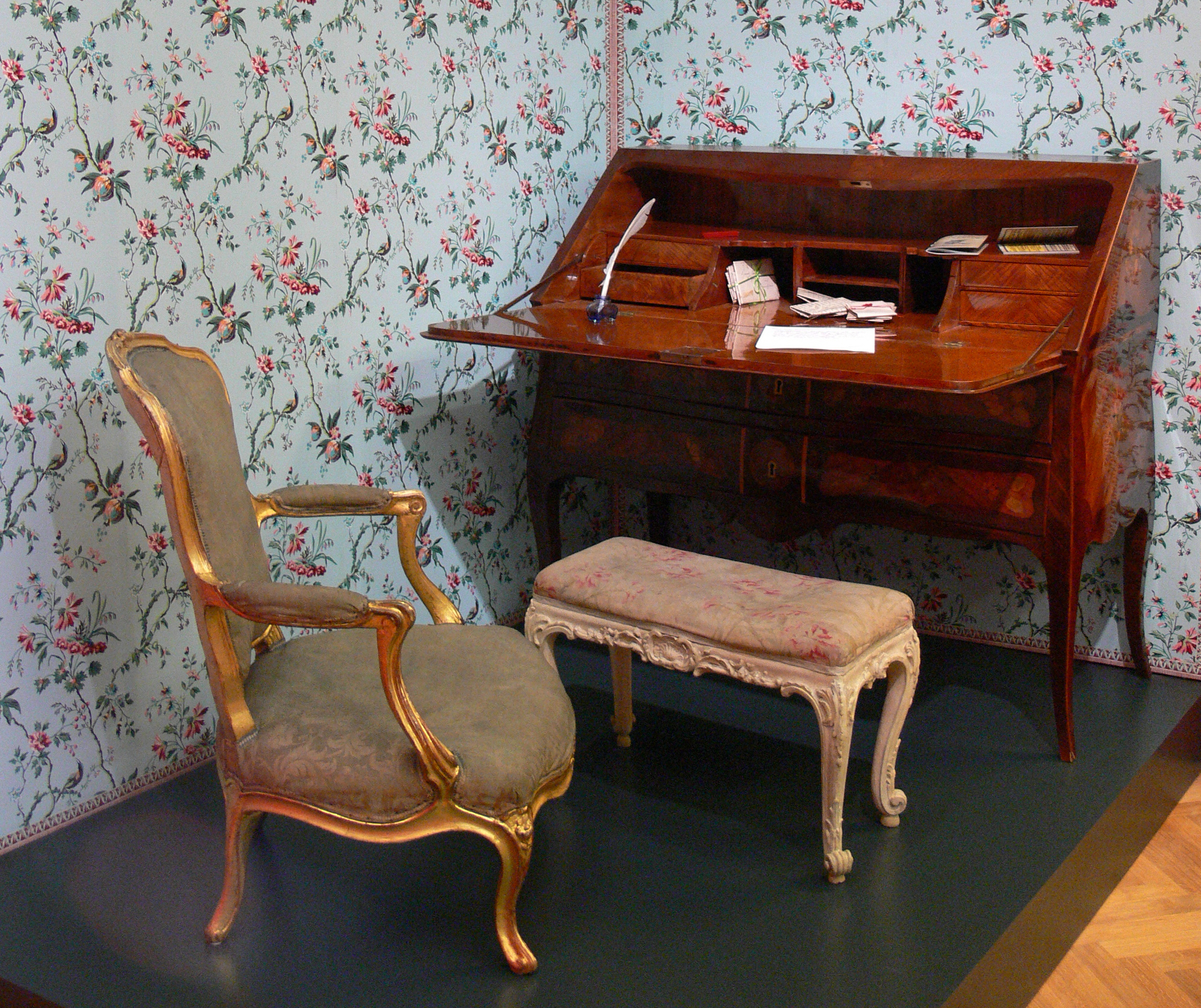
Various 1993 American attics contained substantial furniture storage including: items inherited from grandparents or other family members, items replaced by newer furniture but kept “just in case,” items with substantial sentimental value that didn’t fit current decor, and various other items. The cumulative furniture typically included antique items, baby furniture, various decorative pieces, and various other elements.
Modern American attic furniture storage has substantially continued with cumulative similar patterns. Various households still inherit furniture they cannot immediately use. Various households still store furniture from previous decor phases. The cumulative pattern persists across generations despite substantial decluttering culture that has affected various American households. Some specific 1993-era furniture has substantially become valuable through cumulative antique appreciation while other items remain substantially worthless.
The High School Yearbooks

A specific 1993 American attic element involved substantial high school and college yearbook storage. Various households maintained substantial yearbook collections from multiple family members across multiple years. The cumulative yearbooks typically represented substantial sentimental value despite limited practical use. Various adults specifically retrieved yearbooks during reunions, family conversations, or various other situations.
Modern American yearbook tradition has substantially continued but with various changes. Various high schools have substantially reduced yearbook production. Various digital alternatives have emerged. Various 1993 American adults still maintain their substantial yearbook collections in attic storage. The cumulative yearbooks typically remain substantial family heritage items despite substantially infrequent active retrieval. The cumulative tradition represents specific aspect of American educational culture that has substantially persisted despite various pressures.
The Specific 1980s-90s Magazine Collections

Various 1993 American attics contained substantial accumulated magazine collections from 1970s-1990s. Various households maintained collections of National Geographic, Sports Illustrated, Time, Newsweek, Reader’s Digest, and various other specific publications. The cumulative magazines typically occupied substantial storage boxes despite substantially limited future utility. Various households specifically saved cumulative magazines with intent to substantially reference later.
Modern magazine storage has substantially declined as magazines have substantially decreased in production. Various publications that maintained substantial collections (TV Guide, various others) have ceased publication entirely. Various American attics still contain substantial 1970s-1990s magazine collections that haven’t been sorted or disposed of. The cumulative magazine storage represents specific aspect of pre-internet information culture that has substantially evolved across approximately 30 years.
What This Transformation Reveals
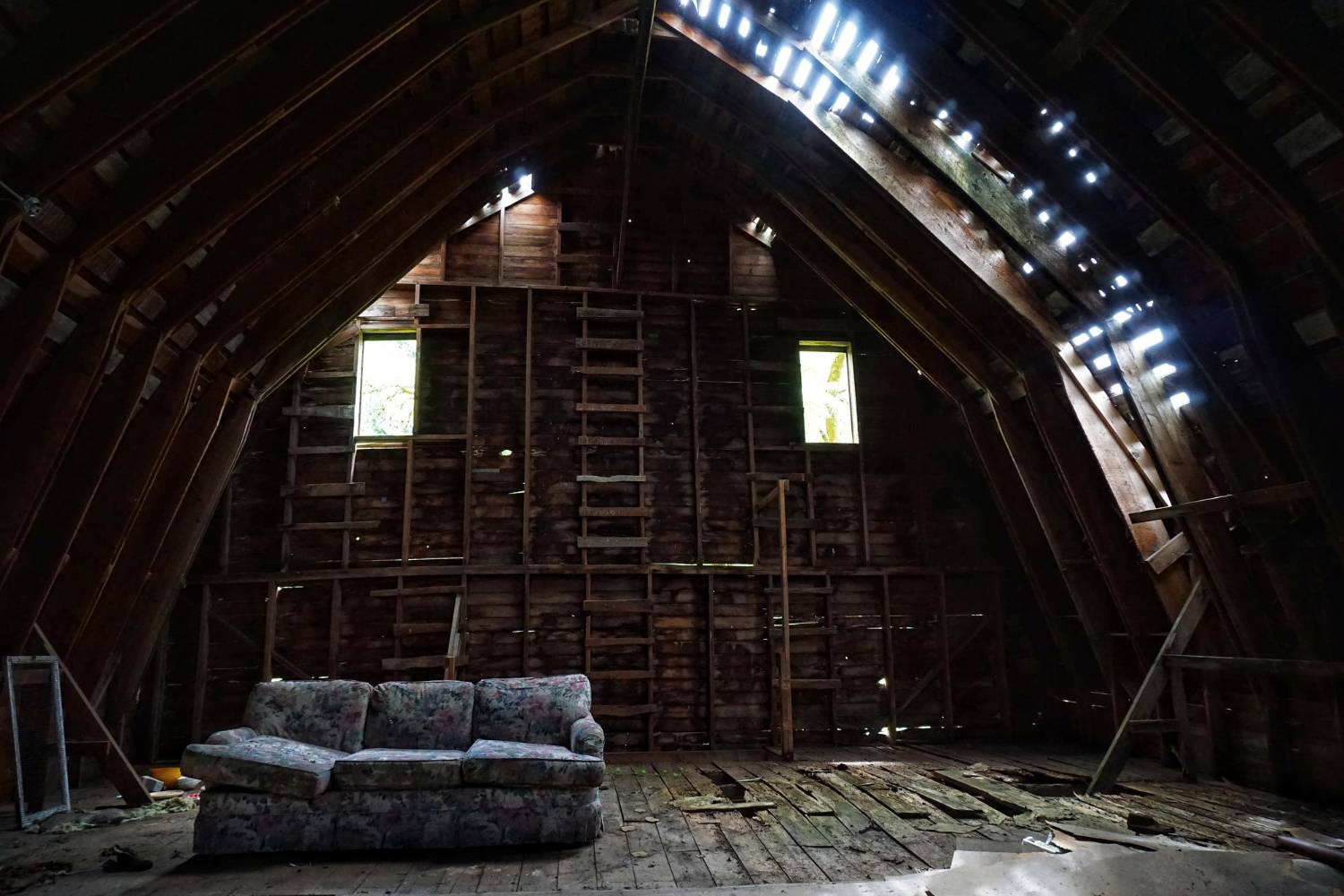
The 1993 American attic represents specific cultural moment when American households substantially accumulated possessions across multiple decades without the substantial decluttering trends that have substantially affected modern American storage culture. The cumulative accumulation patterns have substantially shifted through various Marie Kondo-style decluttering movements, downsizing trends as baby boomers age, generational disposal of inherited items, and various other cultural changes. Many 1993-era American attics have substantially been emptied through various ongoing processes — adult children clearing parents’ homes during downsizing or after deaths, generational transitions, substantial cleaning projects, and various other situations. The cumulative result is substantial flow of 1993-era items through donation centers, estate sales, and various other distribution channels. Various items have substantially gained value through cumulative collector markets while other items have essentially become worthless. The cumulative American attic continues evolving but with substantially different accumulation patterns than 1993 era featured. Modern American attics will likely contain substantially different items 30 years from current 2026 patterns just as current attics differ substantially from 1993 versions. The basic attic function (long-term household storage) persists across cumulative generations, but specific items continue evolving substantially.