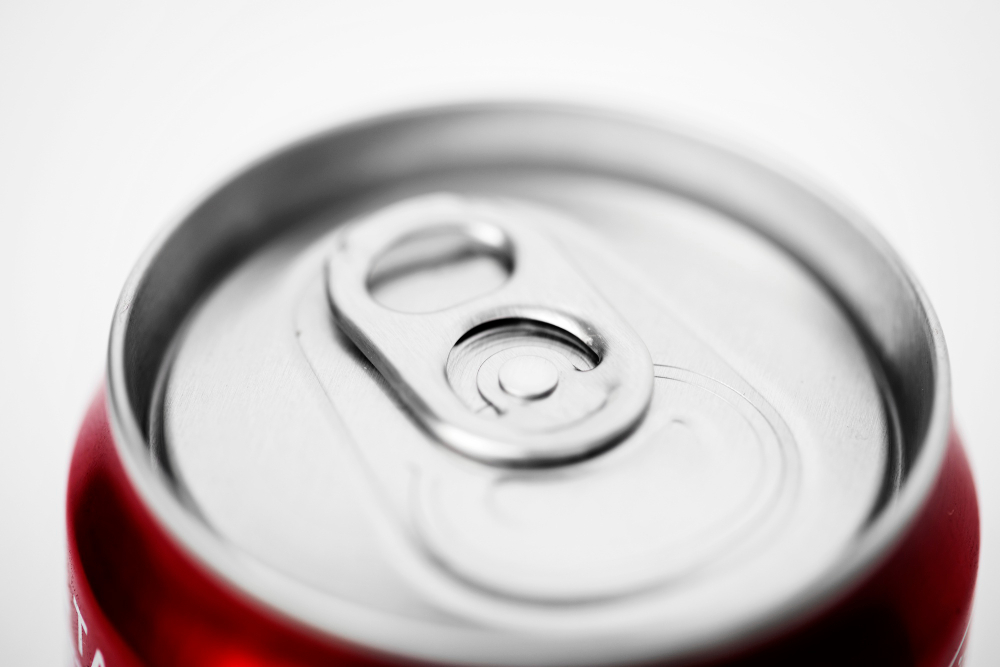
Anybody over a certain age remembers the ring pull coming away in their hand – a small aluminium ring with a sharp tongue attached, which had to be put somewhere, and which in practice went on the ground, into the can, or onto a chain of them that somebody was collecting.
They disappeared, almost entirely, within about a decade. The thing that replaced them is still called a ring pull by half the population despite not coming off, and the reason for the change was not convenience.
Before the Tab There Was a Tool
The first drinks cans could not be opened without equipment. They were steel, with a flat top, and they were opened with a church key – a pointed lever that punched a triangular hole in the lid, and then a second hole on the opposite side so the drink would flow rather than glug.
Every household had one, every bar had several on strings, and anybody who forgot one at a picnic had a problem. Cans carried printed instructions showing the two holes.
That is a poor consumer product. It requires a tool, it requires knowing a technique, and it fails completely if the tool is absent – which is a serious limitation for a drink intended to be bought cold and drunk immediately, away from a kitchen.
Like our content? Follow us for more.
The Pull Tab Solved It and Created a New Problem
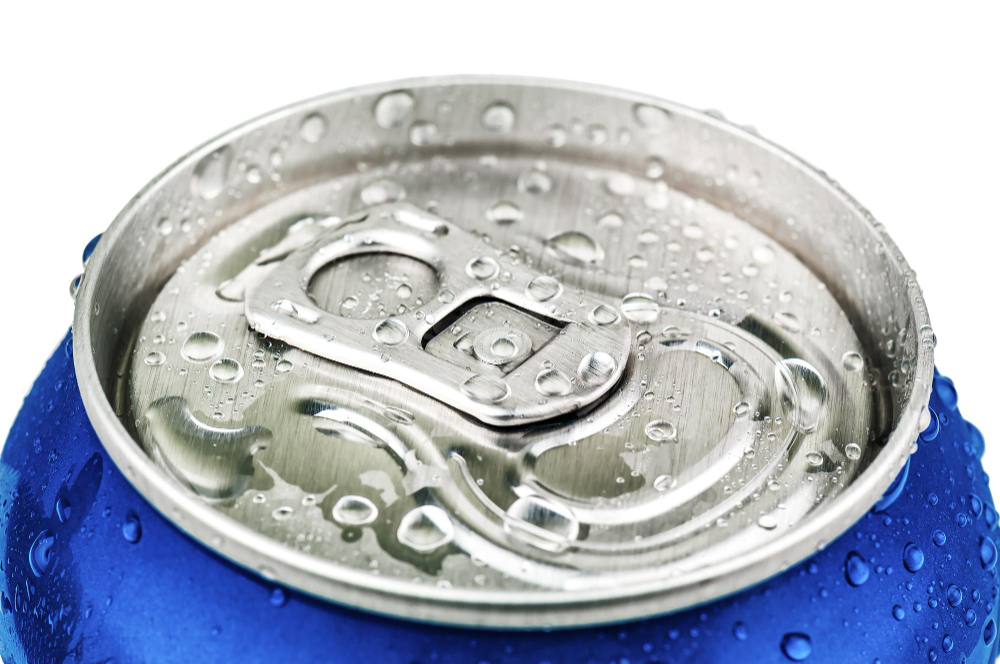
The removable pull tab arrived at the start of the 1960s and was an immediate and enormous commercial success, because it did exactly what it needed to: a can could now be opened by anybody, anywhere, with no tool.
The design riveted a small aluminium ring to a scored section of the lid. Pulling the ring tore the metal along the score and removed the whole piece, ring and tongue together, leaving an opening and leaving the drinker holding a small, sharp, discarded object.
Billions of those were produced every year, and essentially all of them were thrown away immediately and separately from the can. Within a few years they were everywhere – on beaches, in parks, on verges, in rivers, in fields.
The consequences were specific rather than general. Bare feet on beaches and in parks were cut, frequently and badly, because the tongue is sharp and sits edge-up in sand. Livestock swallowed them in grass and silage. There were reports of people swallowing tabs dropped into the can itself, which was the standard advice some people adopted to avoid littering and which turned out to be worse.
The Fix Was to Leave It Attached
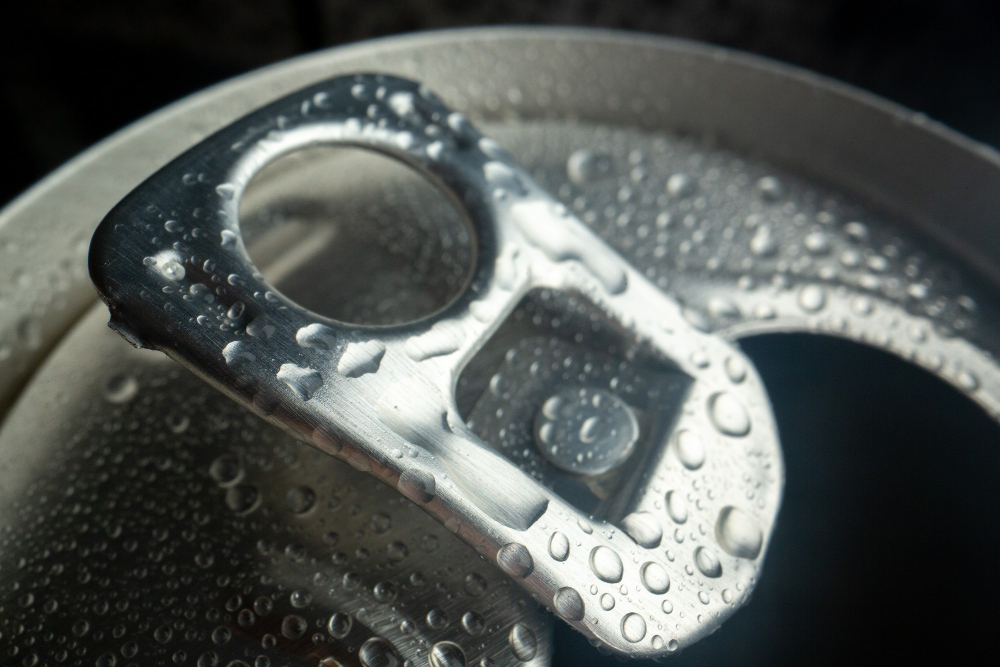
The stay-on tab was developed through the early 1970s and was adopted broadly over the following decade. The principle is simple and the engineering is not.
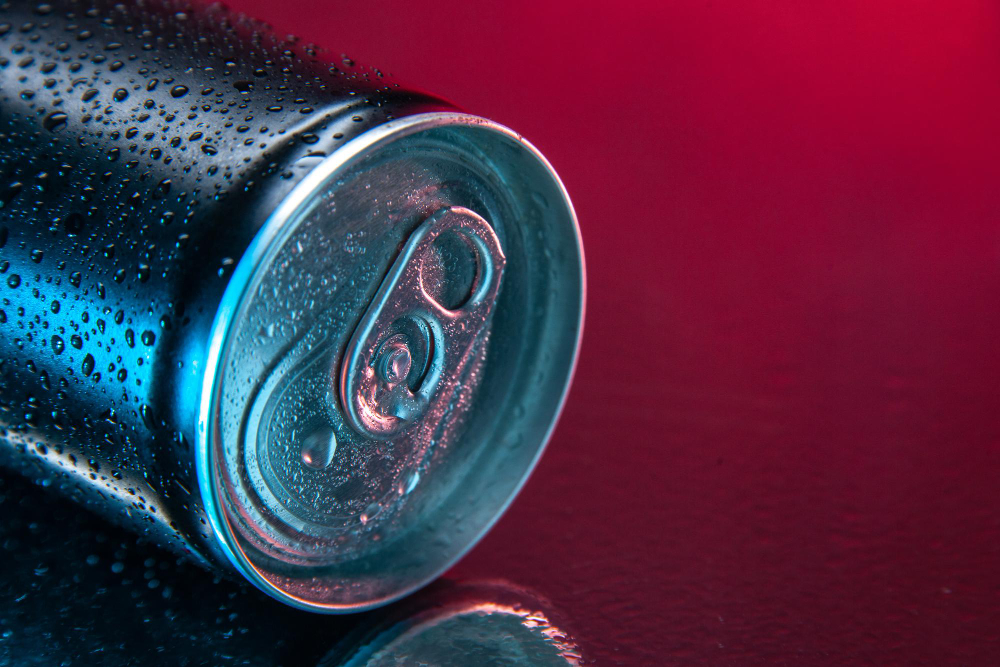
Instead of tearing out a section and removing it, the tab is a lever riveted to the lid. Lifting the near end pushes the far end down onto a scored panel, breaking the score. Pulling further folds that panel inward into the can on a hinge of uncut metal. Nothing separates, the opening is made, and the whole lid remains one piece.
The design had to satisfy several conditions at once. It had to open with a force a child or an elderly person could apply. It had to be strong enough not to open accidentally under internal pressure in transport. The folded panel had to stay out of the way and not foul the drinker. And it had to be manufacturable at enormous speed on existing lines.
It is also why the tab on a modern can is in two stages – the initial lift breaks the score with a crack, releasing pressure, and the second push folds the panel in.
Deposit Schemes and Recycling Did the Rest
The stay-on tab removed the loose object. What removed a great deal of the remaining can litter was a separate development.
Aluminium cans have an unusually strong recycling case: remelting uses a fraction of the energy of producing new metal from ore, the material does not degrade, and the economics are good enough that scrap aluminium has real value. That is why cans are the one piece of household packaging with a reliable second-hand market.
Deposit return schemes, where a small sum is added at purchase and refunded on return, raise collection rates dramatically wherever they are introduced, because they attach a value to an empty container. The effect on litter is measurable and is one of the better-evidenced environmental interventions there is.
The tab being attached matters here too. A can returned with its tab is a slightly heavier and more completely recyclable object, and a tab on its own is too small for most sorting equipment to capture.
The Widget and the Other Things Hiding in Cans
Once the lid stopped being a problem to solve, the can became somewhere to put other engineering.
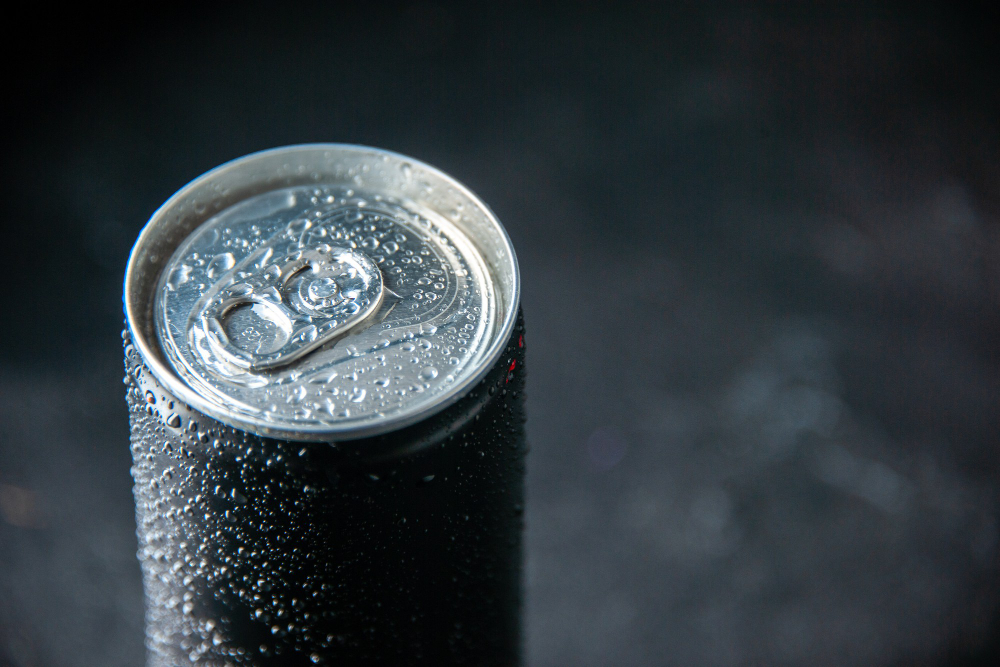
The nitrogen widget, used in cans of certain beers, is a small hollow plastic sphere with a tiny hole in it, sitting loose inside the can. During filling the can is dosed with liquid nitrogen and sealed, and pressure forces beer into the widget. Opening the can drops the pressure instantly, the beer inside the widget is fired back out through the hole in a jet, and that jet knocks tiny bubbles of nitrogen out of solution throughout the drink. The result is the dense fine head that a draught system produces, from a can, with no equipment.
It is a genuinely clever piece of physics hidden inside an object people throw away, and almost nobody who drinks from one has any idea the thing rattling in the empty can is what made the head.
Self-chilling cans, self-heating cans and various pour spouts have all been tried and have mostly failed, because they add cost and complexity to a container whose entire economic logic is being almost free. The widget survived because it does something a can genuinely could not otherwise do.
People Collected Them, and Then Collected the New Ones
There is a curious afterlife worth recording.
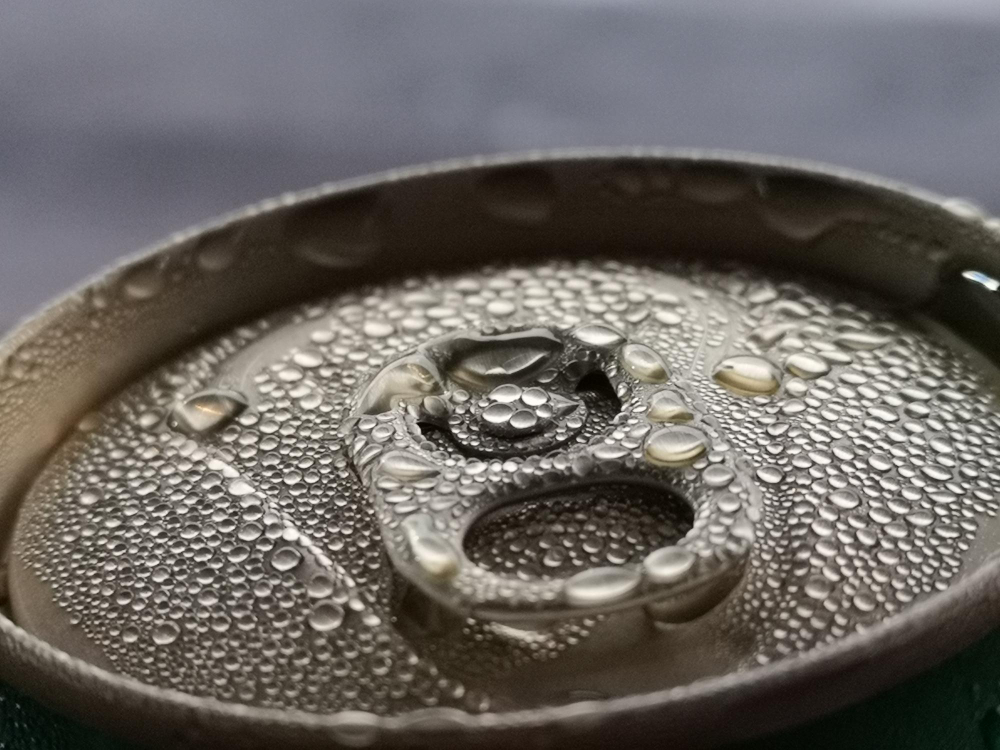
Removable tabs were collected and chained together into enormous loops, hung from mirrors, and worn. That was simply what children did with an abundant free object.
When the tabs stopped coming off, the collecting continued in a modified form, and a persistent story attached itself to it: that collecting tabs from cans could be exchanged for a wheelchair, or for dialysis time, or for some other medical benefit.
The practice is real – several charities do collect tabs and sell them as clean aluminium scrap, and the money funds genuine work. The story around it is not. The tab is a small fraction of the can’s metal, and anybody who wants to help a charity that way does several times more good by donating the whole can, or simply by donating the money.
The reason the tab version persists is that it is a nice idea: a free, discarded thing turning into something valuable. It is a good instinct attached to an inefficient method.
The Can Itself Got Much Thinner
The other thing that happened to the drinks can over the same period is invisible and much larger.
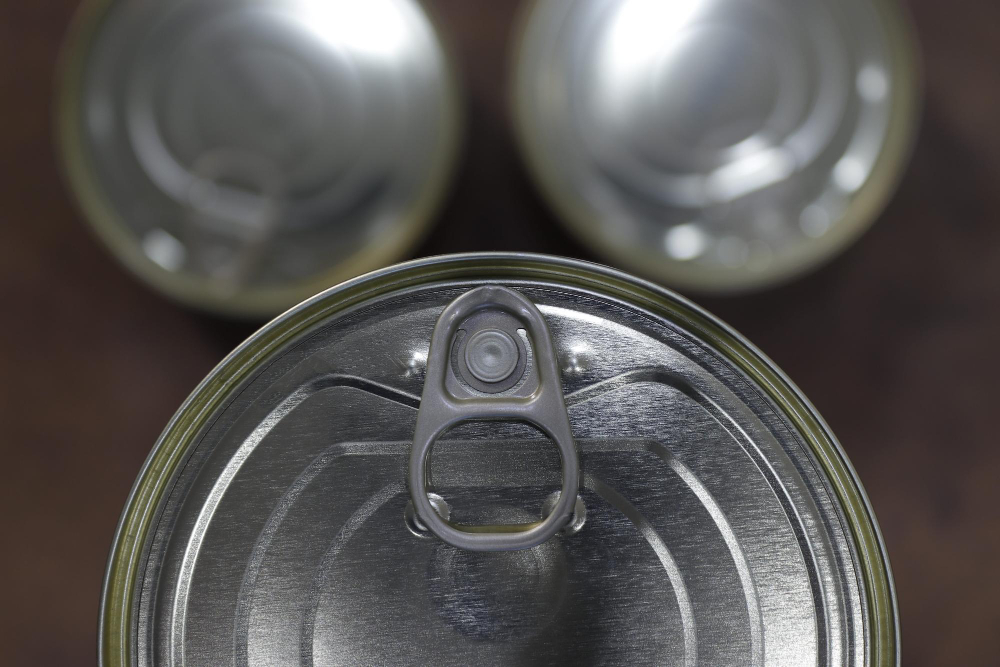
A can in the 1960s was steel, in three pieces, with a seamed side and a separate top and bottom. Modern cans are aluminium, drawn and ironed from a single disc into a seamless body with only the lid added, and the walls are extraordinarily thin – thinner than a human hair in the middle of the wall.
They hold their shape because they are pressurised. An unopened carbonated can is a pressure vessel and is rigid; an empty one crushes in a hand. That is why a can of still drink has to be built differently or filled with a little nitrogen, and why an empty can left in a hot car can deform.
The weight of a can has fallen by a very large proportion over several decades, which saves an enormous amount of metal, energy and transport at the volumes involved. Each reduction was a separate engineering programme, and the fact that the object looks unchanged is the point.
A Problem That Was Actually Solved
It is worth saying plainly that this is a success story, because that is rarer than it sounds.
A product created a specific, visible, injurious form of litter at enormous scale. The industry was criticised, in some places legislated against, and it redesigned the product so the litter could not be produced. The redesign cost money, required new tooling across every plant, and made the can slightly harder to open.
It worked. The loose tab is effectively gone, not reduced. Nobody steps on one on a beach any more, and anybody under about fifty has never seen one outside a photograph.
Compare that with almost every other category of litter and the difference is the design. Reducing bottle litter requires changing behaviour. Reducing tab litter required changing a piece of metal, once, and then the behaviour became impossible.
Which is the lesson that keeps appearing: where a harm can be engineered out of the object, it goes away completely, and where it can only be discouraged, it does not.
Like our content? Follow us for more.