In September 1942, the U.S. federal government forcibly purchased 59,000 acres of farmland along the Clinch River in East Tennessee, evicted the 3,000 families who lived there, and built a city from nothing. By 1945, that city housed 75,000 people and was the fifth-largest population center in the state — but it did not appear on any commercial map and did not officially exist. Workers behind the security fence enriched the uranium that destroyed Hiroshima on August 6, 1945. Most of them did not know what they were building. The gates opened to civilians on March 19, 1949, and Oak Ridge, Tennessee, became a real city. It is still there, and most of the original buildings are still in use.
1. The Land Acquisition
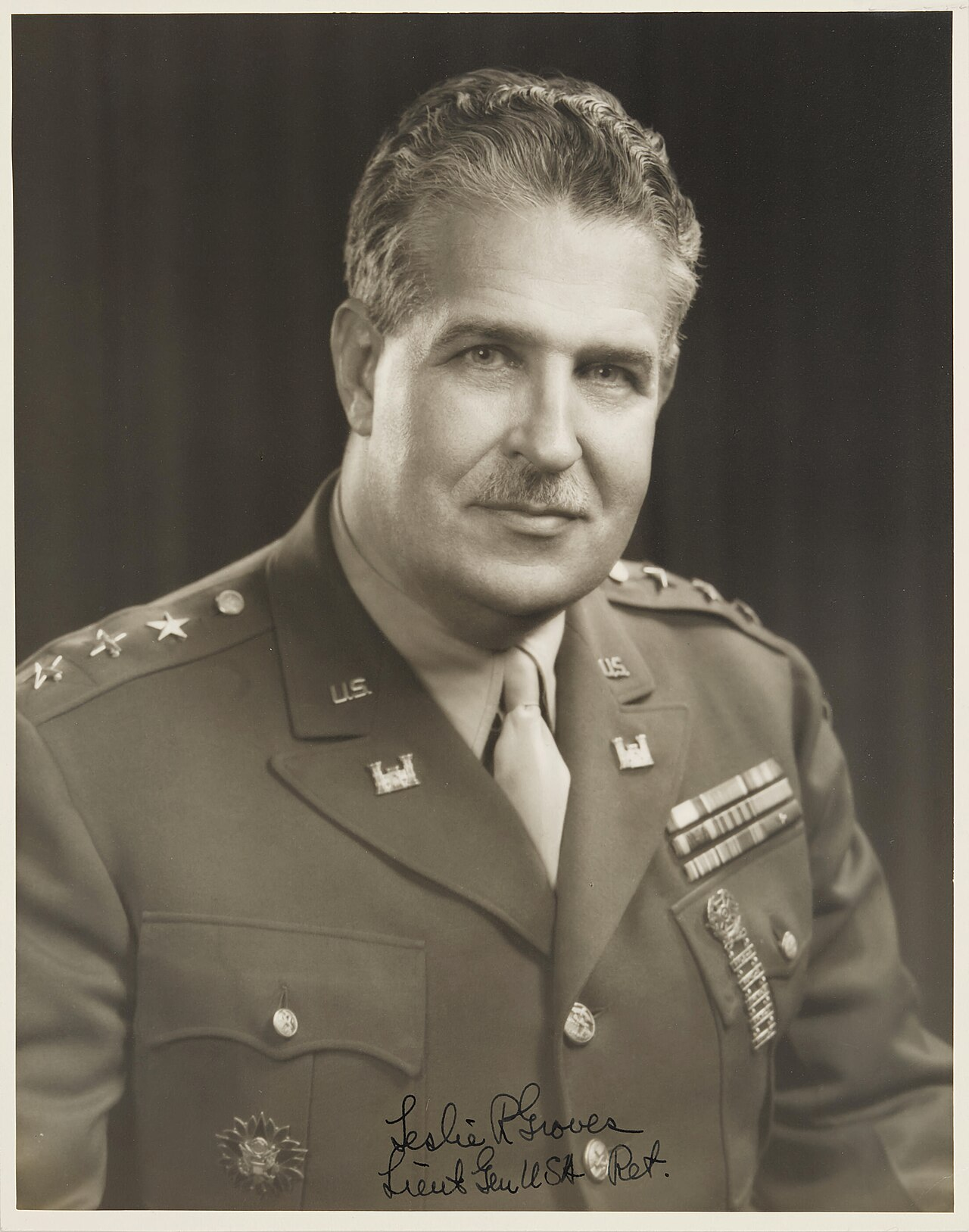
On September 19, 1942, Brigadier General Leslie Groves selected a stretch of farmland along the Clinch River, 25 miles west of Knoxville, as the production site for the Manhattan Project’s uranium enrichment program. Groves had been appointed commander of the Manhattan Project two days earlier. The Army Corps of Engineers began acquiring 59,000 acres in October 1942 under wartime eminent domain authority. According to Atomic Heritage Foundation records, approximately 1,000 to 3,000 farming families were displaced with as little as two weeks’ notice. Anderson County lost one-seventh of its land area and $391,000 in annual property tax revenue. Original residents were allowed to be buried in existing cemeteries within the site, but every coffin was reportedly opened for inspection before burial. The forced evictions created lasting tension between Oak Ridge and the surrounding communities.
2. The Original Name Was Not Oak Ridge
The site was originally designated Site X and then officially named the Clinton Engineer Works after the nearby town of Clinton, Tennessee. The Oak Ridge name was not used internally until 1943 and was not formally adopted as the town’s official name until after the war ended in 1945. The renaming reflected a deliberate choice to make the site sound rural and innocuous rather than industrial — a name that would attract less attention if it appeared in any context that escaped the security perimeter. The architectural and engineering firm Skidmore, Owings & Merrill was hired in late 1942 to design the entire planned city, including residential neighborhoods, schools, churches, commercial buildings, and the security infrastructure. Construction began in early 1943 and ran continuously through the end of the war.
3. The Four Plants
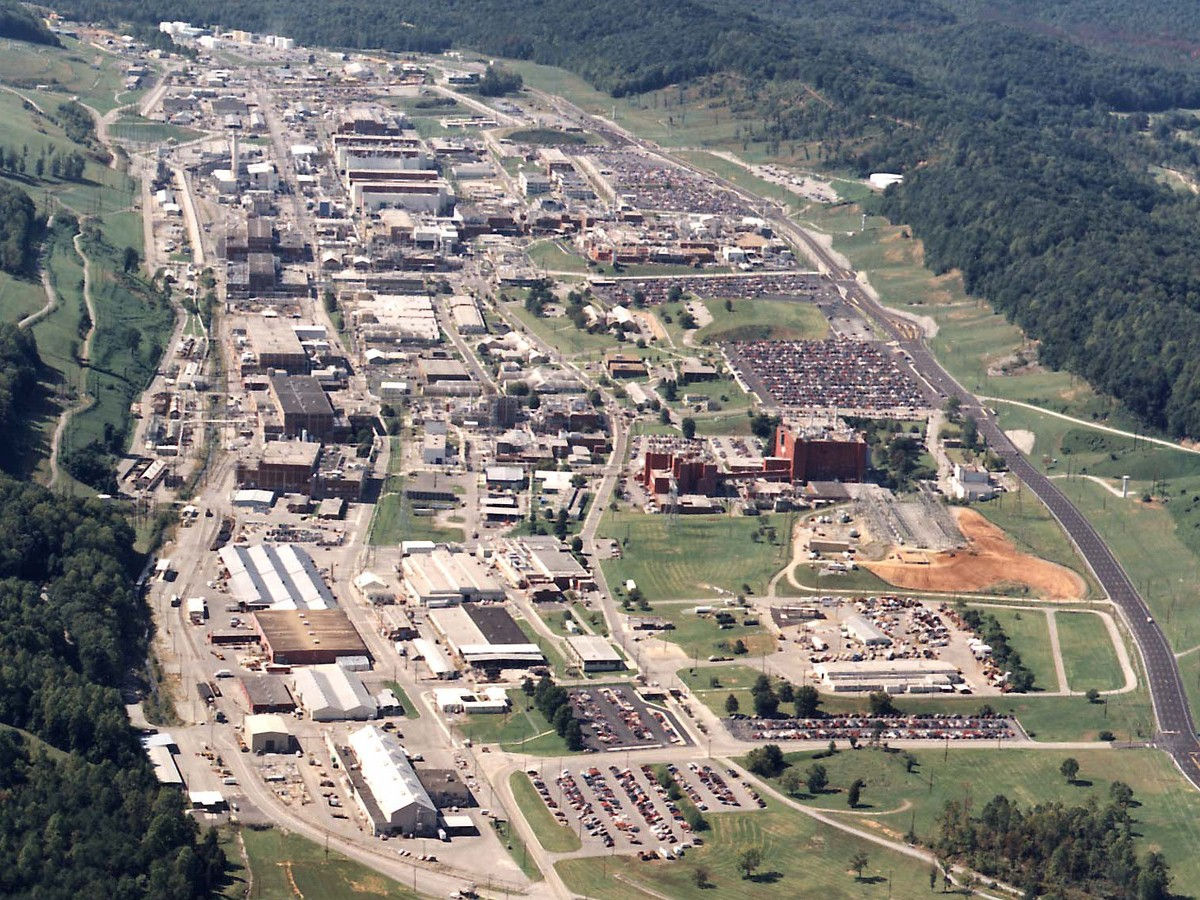
Oak Ridge ultimately housed four major industrial facilities, each given a letter-and-number designation rather than a real name. Y-12 used the electromagnetic separation method to extract uranium-235 from natural uranium and was operated by Tennessee Eastman Company. K-25 used the gaseous diffusion method and was, at the time of construction, the largest building in the world by floor area at 2 million square feet. S-50 used thermal diffusion as a secondary enrichment step. X-10, now Oak Ridge National Laboratory, housed the world’s second graphite nuclear reactor and produced the first plutonium outside a research laboratory. The four plants were deliberately separated by miles of valley terrain to prevent a single industrial accident from destroying the entire project. The natural ridges of East Tennessee provided blast shadows.
4. The Population Boom
Oak Ridge had a population of zero in September 1942 and 75,000 by August 1945. The growth made it the fifth-largest city in Tennessee within three years of its founding, ahead of Chattanooga and behind only Memphis, Nashville, Knoxville, and Birmingham at the time. The newcomers were housed in a combination of prefabricated single-family homes, dormitories, barracks, and pre-fab five-person huts known as hutments, each heated by a central coal-powered furnace. Housing was assigned by job category. White-collar workers received the better houses; African-American workers were segregated into a separate hutment area with no plumbing in many units. The segregated housing arrangements persisted through the entire wartime operation. The Manhattan Project housing policy is now documented in the Oak Ridge African American history archives at the local public library.
5. The Calutron Girls
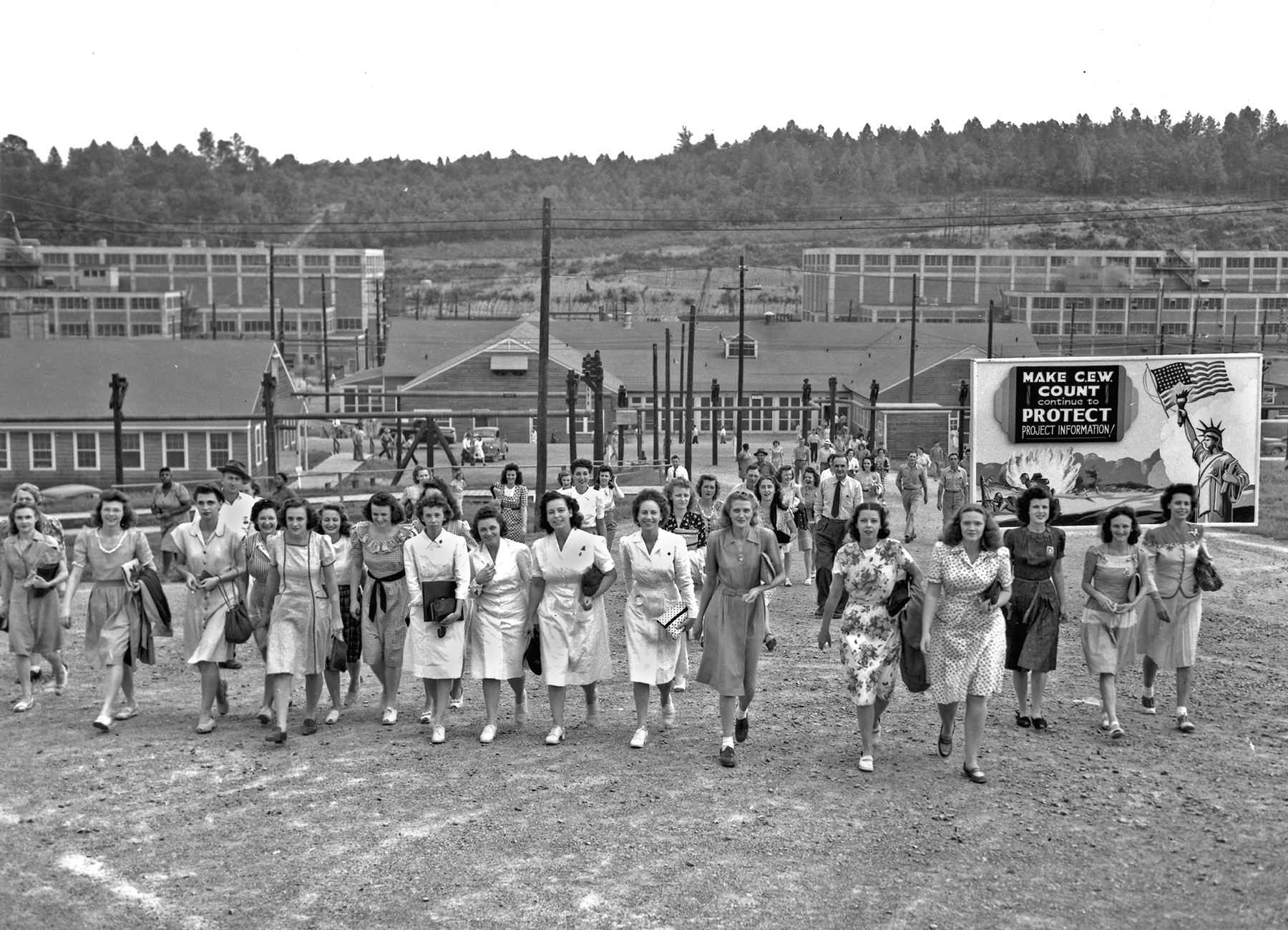
Y-12 employed approximately 22,000 workers at its peak, and a significant portion of the operators of the electromagnetic separation calutrons were young women recruited from Tennessee high schools and women’s colleges. The recruits, who became known as the Calutron Girls, were trained to operate the calutron control panels without being told what the equipment actually did. They watched dials, adjusted controls, and recorded readings. The decision to use minimally trained young women instead of physicists was made by Manhattan Project leadership after testing showed that the Calutron Girls maintained higher production rates than the physicists themselves — the women followed procedures without questioning, while the scientists adjusted settings based on theory. Several Calutron Girls have given oral history interviews to the American Museum of Science and Energy in the decades since.
6. The Secrecy Protocols
Workers at Oak Ridge during the wartime period were required to sign secrecy agreements and were prohibited from discussing their jobs with anyone, including family members and coworkers in different buildings. Signs throughout the town read “Hold Your Tongue. The Job’s Not Done,” “Who Me? Yes You. Keep MUM About This Job,” and “Your Pen and Tongue Can Be Enemy Weapons.” Couples who worked in different facilities at Oak Ridge could not discuss what they did during the day. The standard answer to “What do you do at Oak Ridge?” was “As little as possible.” Mail was censored. Telephone calls were monitored. Workers who broke the secrecy protocols were terminated and removed from the site within hours, often without their families being told where they had gone. The full secrecy structure persisted from 1943 through August 1945.
7. The Public Reveal
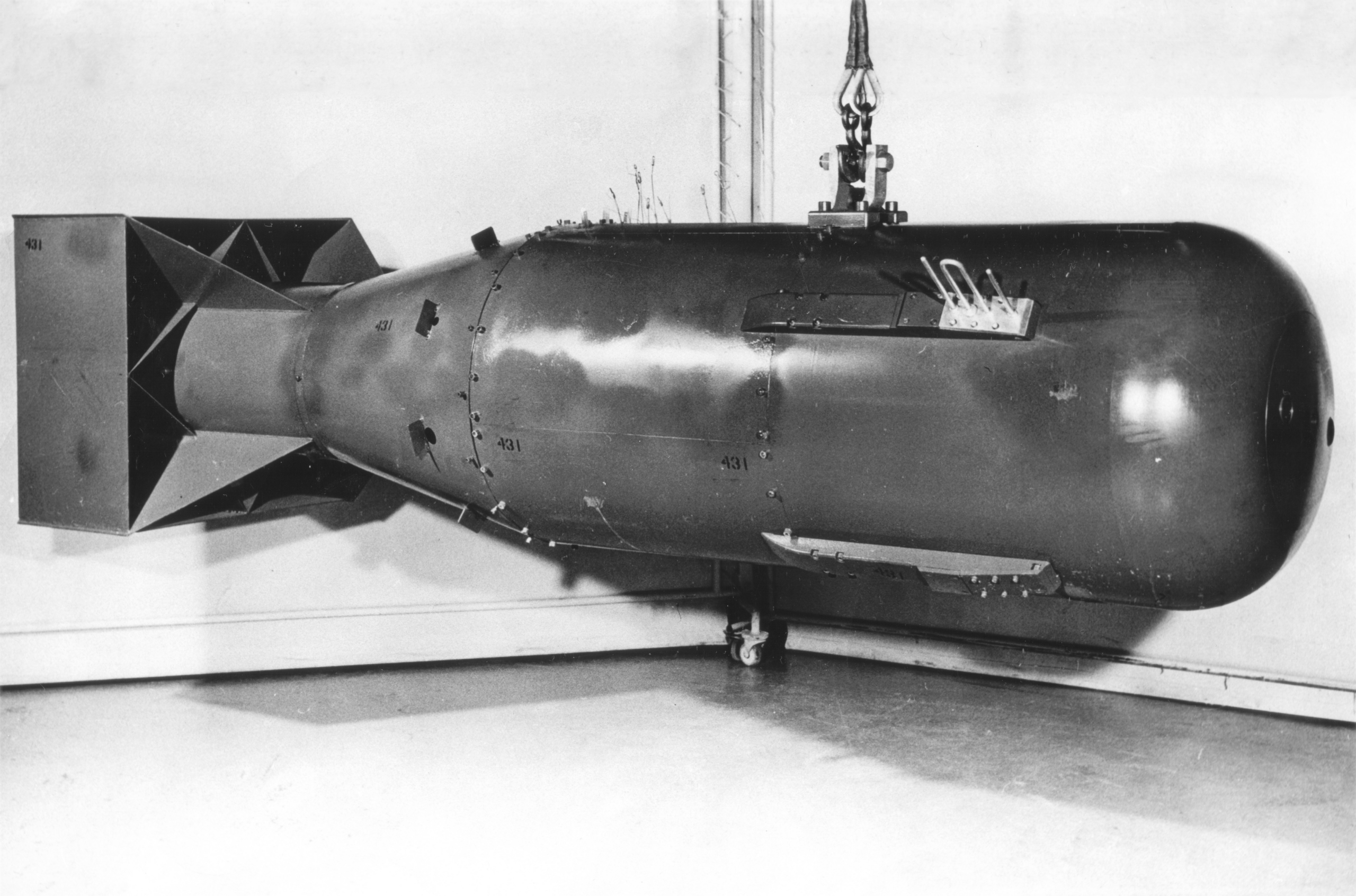
On August 6, 1945, the U.S. dropped the Little Boy uranium bomb on Hiroshima, killing an estimated 90,000 to 166,000 people in the four months following the explosion. The uranium had been enriched at Oak Ridge. President Truman’s statement that day publicly revealed the existence of the Manhattan Project, the role of the secret cities, and the function of Oak Ridge for the first time. Many Oak Ridge workers learned what they had been building from the news, the same way the rest of America did. The Knoxville News-Sentinel’s August 7, 1945 front page carried the headline “Oak Ridge Atomic Bomb Plant Revealed” alongside the Hiroshima coverage. Within weeks, sightseers began driving past the security gates trying to glimpse the previously secret town. The fence remained in place. The town remained classified until civilian access was permitted on March 19, 1949.
8. The Open Gates
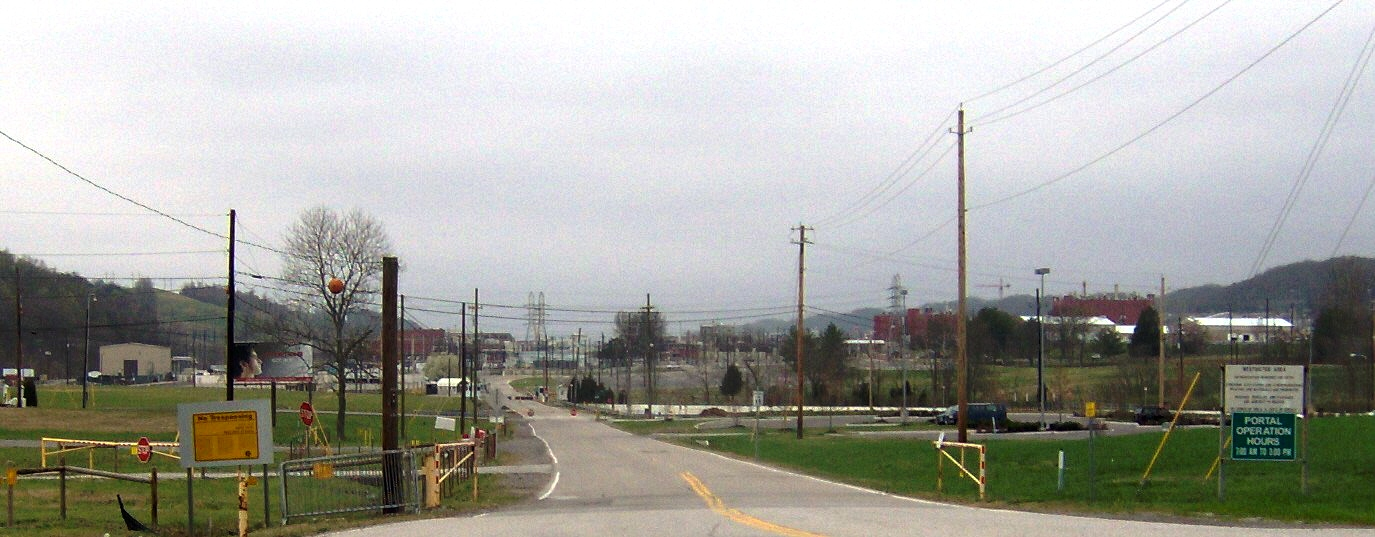
On March 19, 1949, the Atomic Energy Commission opened the security gates at Oak Ridge and ended four years of post-war restricted access. The event was attended by President Harry Truman, Vice President Alben Barkley, and Tennessee Governor Gordon Browning. A motorcade of 250 cars drove through the formerly guarded gates while crowds watched. The opening ended Oak Ridge’s status as a closed federal reservation and converted it into a normal American municipality, though the federal government retained ownership of many residential buildings and continued to operate the nuclear facilities. Oak Ridge was incorporated as a Tennessee city in 1959. The town’s population peaked around 30,000 in the 1950s and has remained relatively stable since. The original “Manhattan District” designation was officially dissolved in 1947 when the Atomic Energy Commission was created.
9. The City That Remained
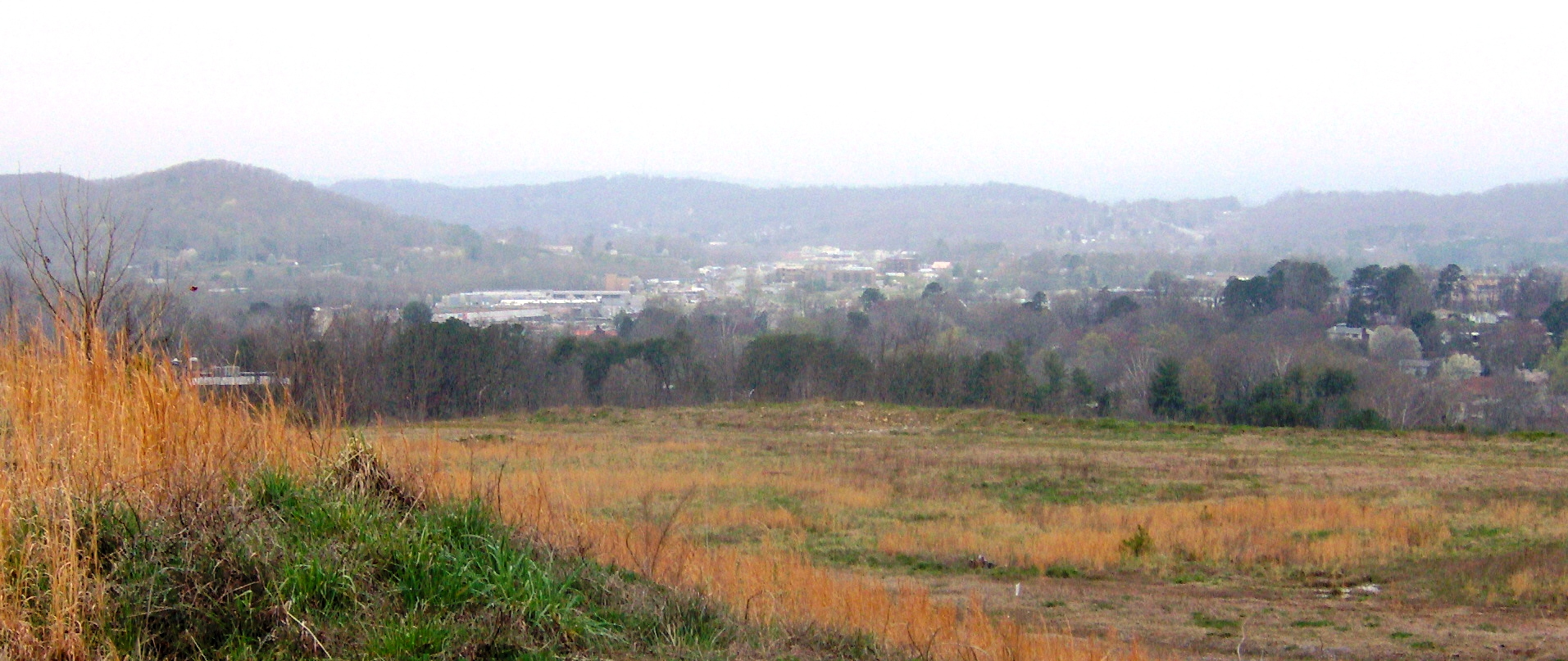
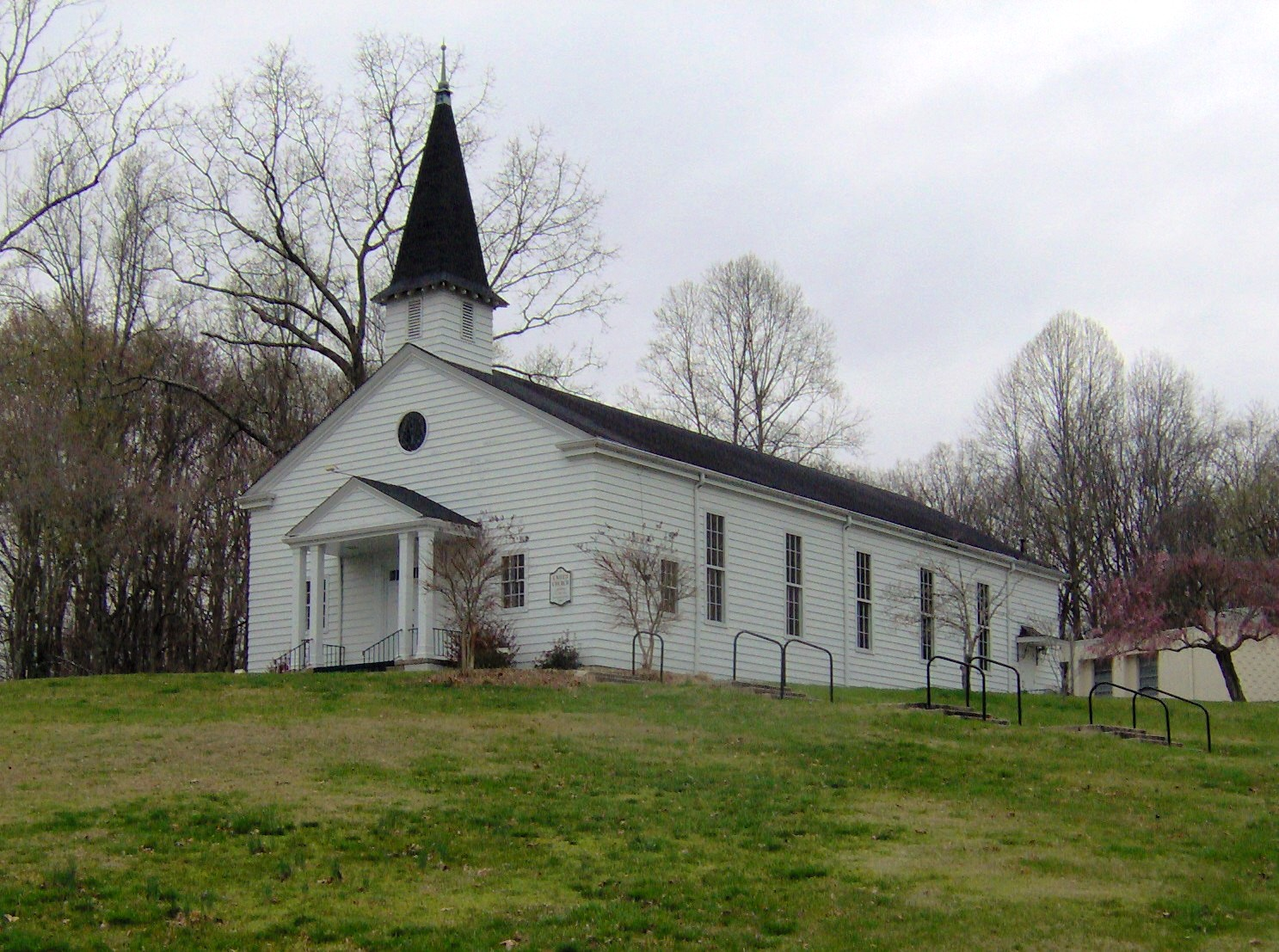
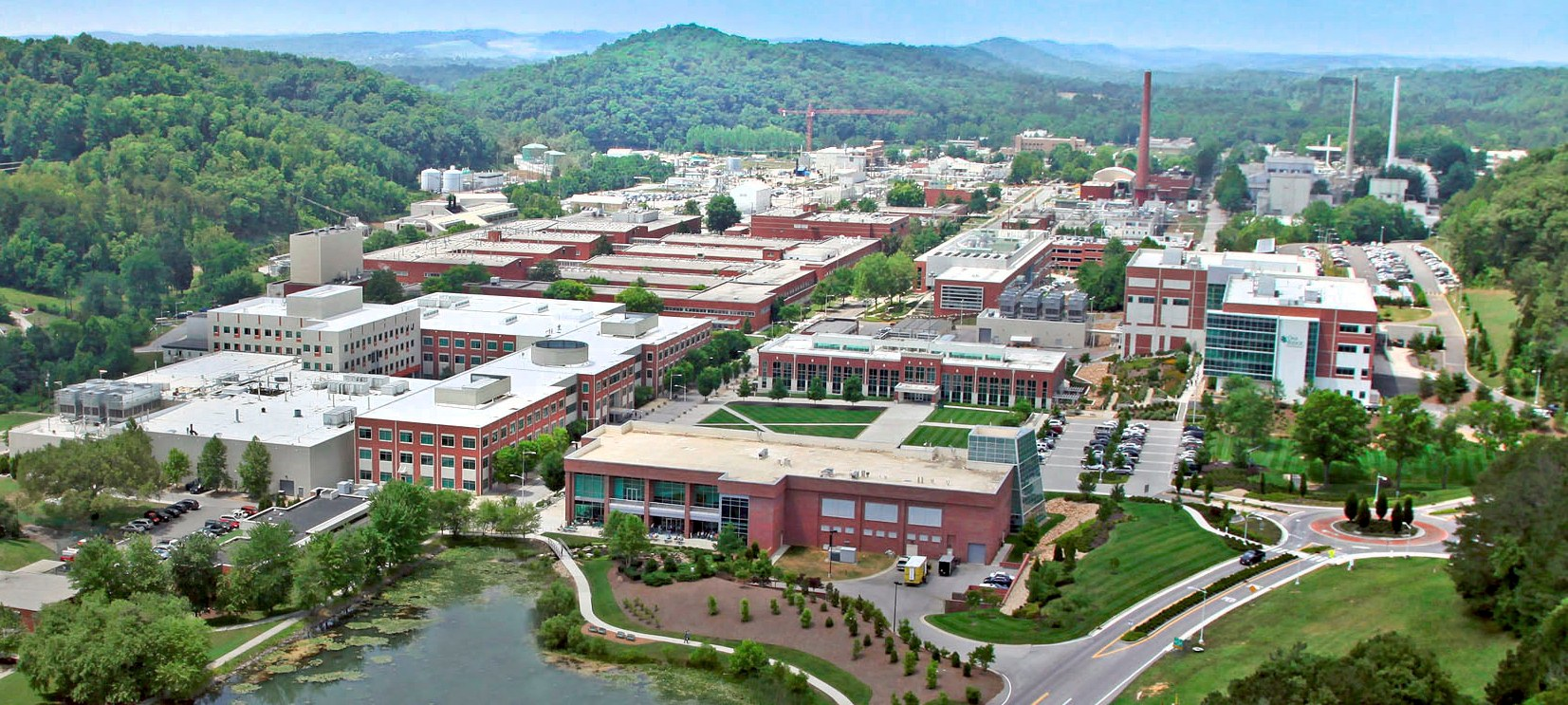
Modern Oak Ridge, in 2026, is a city of approximately 31,402 residents according to the 2020 U.S. Census. The original residential neighborhoods of A-houses, B-houses, C-houses, and D-houses — the prefabricated typology designed by Skidmore, Owings & Merrill in 1942-43 — are still occupied. Many of the original buildings have been remodeled, but the underlying frame structures are still standing eighty-plus years later. The Y-12 National Security Complex still operates as a nuclear weapons production facility under the National Nuclear Security Administration. Oak Ridge National Laboratory continues to operate as one of the largest U.S. Department of Energy science facilities. The community has produced significant numbers of physicists, engineers, and military intelligence personnel since the war, and the local economy remains heavily dependent on federal contracts.
10. The Manhattan Project National Historical Park
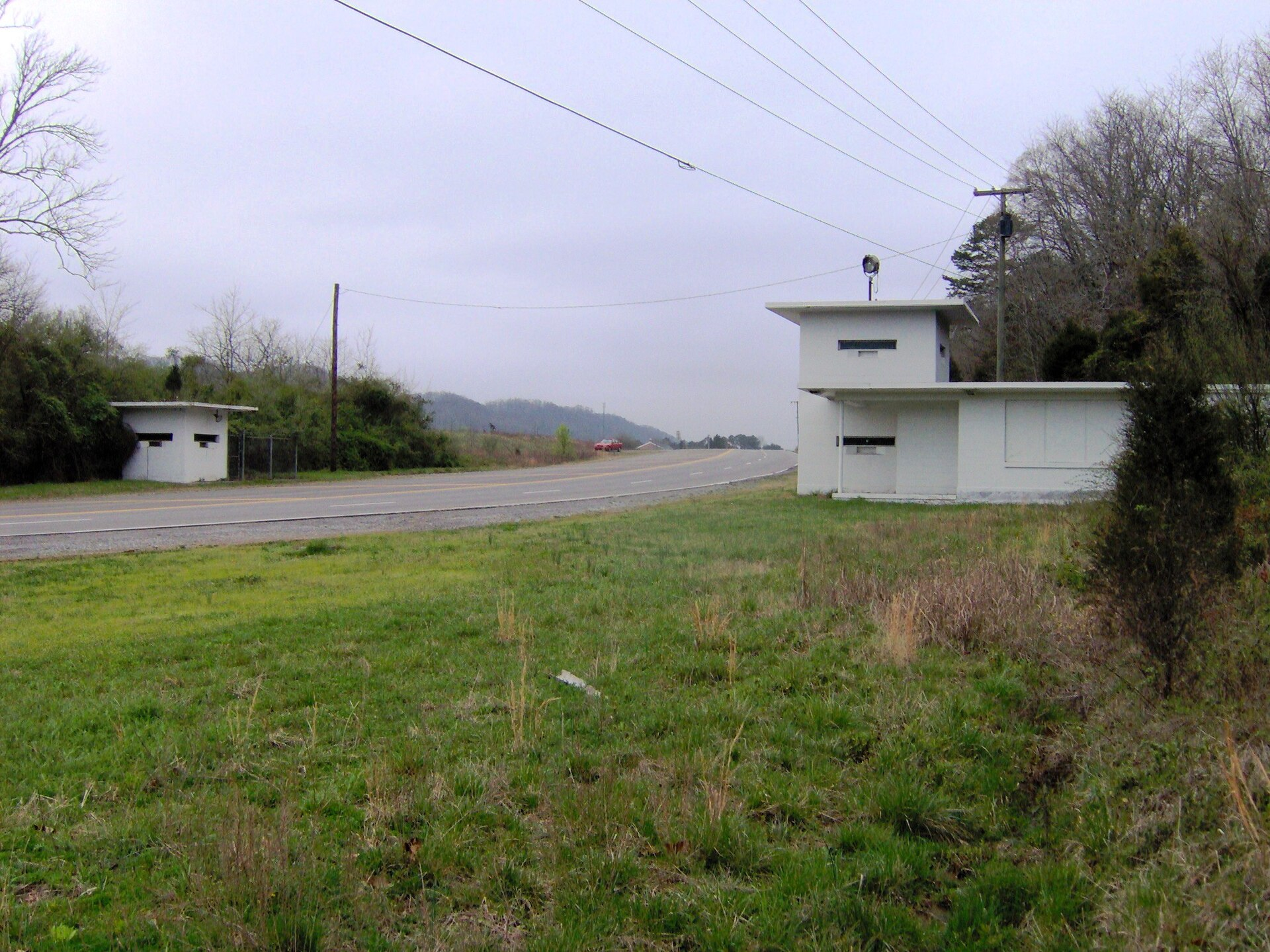
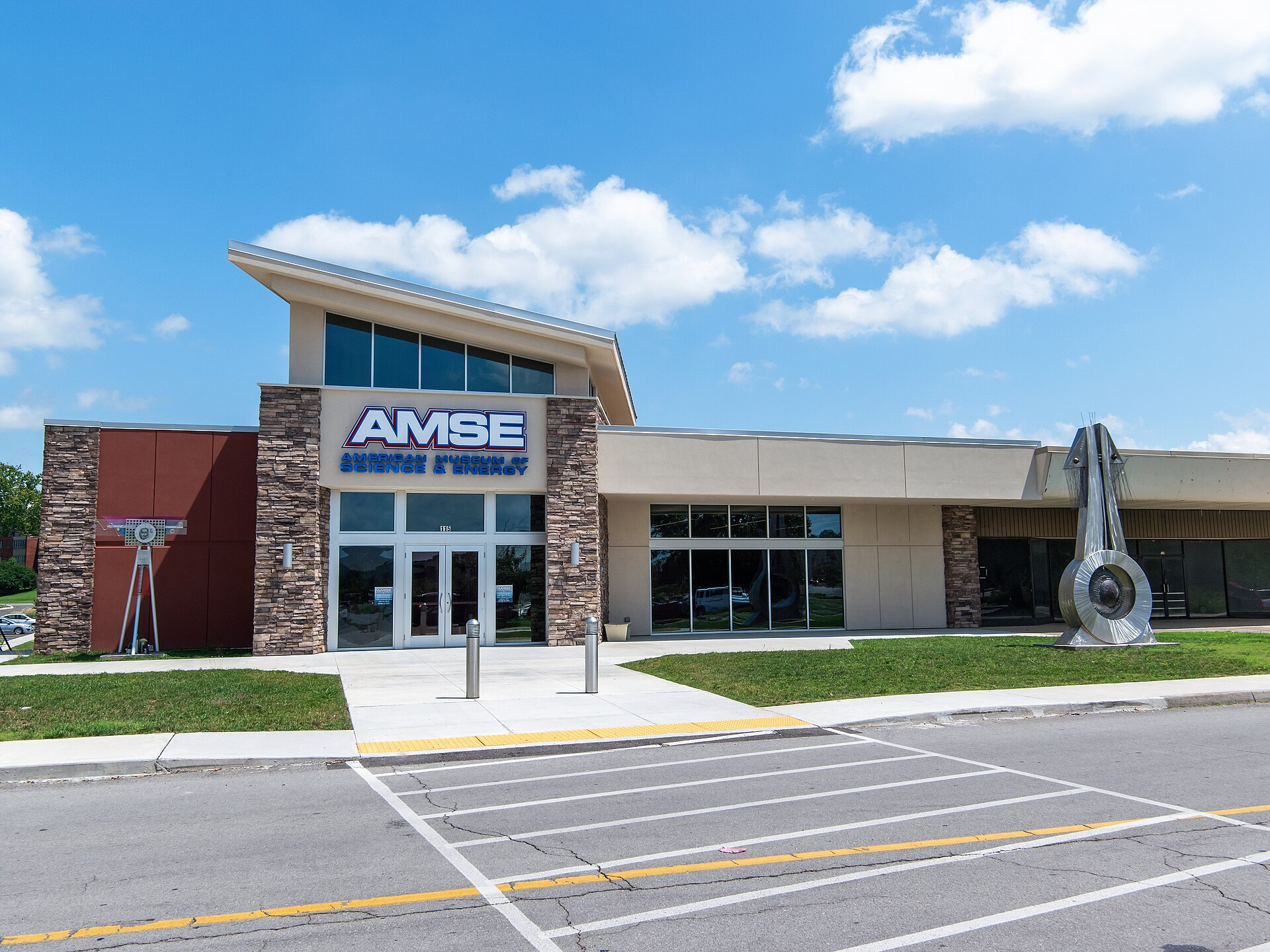
In November 2015, the National Park Service established the Manhattan Project National Historical Park with three sites: Oak Ridge, Tennessee; Hanford, Washington; and Los Alamos, New Mexico. Each site preserves specific Manhattan Project facilities and offers public tours of formerly classified buildings. At Oak Ridge, the X-10 Graphite Reactor — the world’s second nuclear reactor and the first to produce plutonium outside a laboratory — is open to public guided tours by appointment. The Y-12 New Hope Center hosts a public visitor exhibit. The K-25 site, formerly the gaseous diffusion plant, has been partially demolished but includes a visitor center on the original footprint. Roughly 50,000 visitors per year tour the Oak Ridge facilities. The American Museum of Science and Energy, downtown Oak Ridge, holds the largest collection of Manhattan Project artifacts in the United States.
11. Tennessine
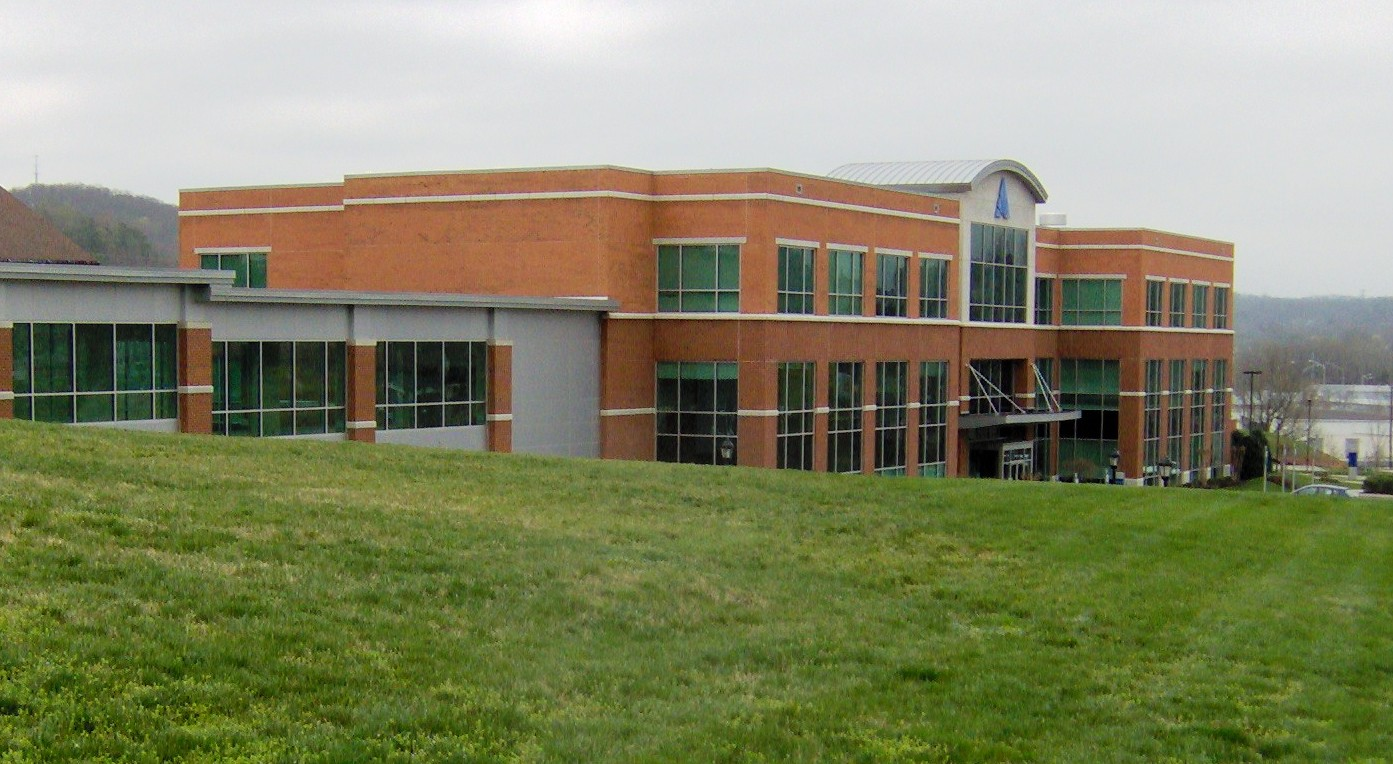
In 2016, the International Union of Pure and Applied Chemistry confirmed the name “tennessine” for element 117 on the periodic table, in recognition of the role Oak Ridge National Laboratory and other Tennessee institutions played in its discovery. Tennessine is one of the heaviest elements ever synthesized and was created through collaboration between ORNL, Vanderbilt University, and the Joint Institute for Nuclear Research in Dubna, Russia. The element’s naming was a formal scientific acknowledgment of the Tennessee role in U.S. nuclear science, beginning with the Manhattan Project and continuing through the postwar Atomic Energy Commission, the Department of Energy, and the present-day NNSA. Tennessine joined a small group of elements named for U.S. locations, alongside californium, americium, and berkelium. The element does not occur naturally and exists only in trace amounts in laboratory settings.
12. What Oak Ridge Represents
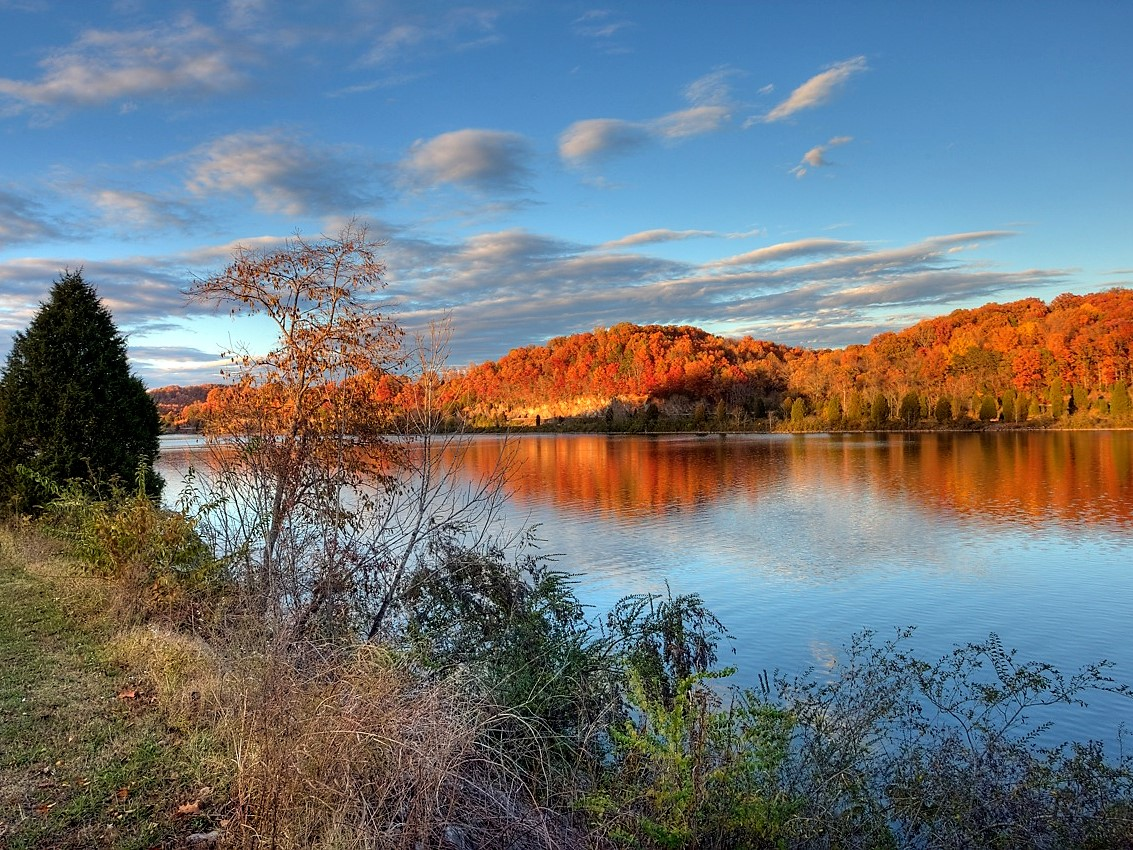
Oak Ridge is the most visible American example of the federal government’s wartime willingness to build entire cities from nothing, displace civilian populations without notice, and operate at scale behind security perimeters that the public was not allowed to know existed. Three such cities were built under the Manhattan Project: Oak Ridge, Hanford, and Los Alamos. All three still operate as nuclear facilities today, eighty-plus years later. The successor agencies — Department of Energy, National Nuclear Security Administration, individual contractor consortia — manage budgets in the tens of billions of dollars annually and employ thousands of cleared personnel. The Cold War civilian-industrial complex began at Oak Ridge in 1942, and it has never been demobilized. The town is still there, still busy, and still partly classified. The civilians who drove past the gates in March 1949 thought they were seeing the end of an emergency. They were not.