Every man in my family’s old photographs is wearing the same thing under his clothes, and you can tell because of the neckline. A row of buttons, a ribbed collar sitting just above the shirt, and a weight to the whole outline that no modern undershirt gives. It is a union suit, it goes from throat to ankle in one piece, and in an unheated house it was not a joke garment. It was the heating system.
One Piece Was the Invention
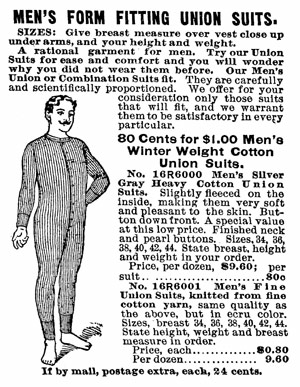
The name is literal. It is a union of two garments that had previously been separate.
Before it, a person wore an undershirt and drawers – two pieces meeting at the waist. The meeting is the problem. Two layers overlapping at the middle either ride up, work down, or bunch, and in every one of those cases you get a band around the waist where there is either nothing or too much.
Joining them removes the join. One garment, cut to the body, with no horizontal seam at the waist and nothing to come untucked. That is the entire innovation, and it is the kind of improvement that sounds trivial until you have spent a winter in a house at forty degrees.
Like our content? Follow us for more.
What It Was Actually Doing
The garment works by trapping air, not by being thick.
Wool and heavy knitted cotton hold a layer of still air against the skin, and still air is a very poor conductor of heat. That trapped layer, not the fibre itself, is what keeps a person warm. Which is why a loose knit can be warmer than a dense woven cloth of the same weight, and why anything that lets that air move – a gap, a draught, a wet patch – destroys the effect locally.
So a one-piece garment that fits closely everywhere and has no openings at the waist is a continuous envelope of trapped air from neck to ankle. The engineering is the same as a modern base layer. The difference is the fibre and the fit.
The Ribbed Knit Was Doing Two Jobs
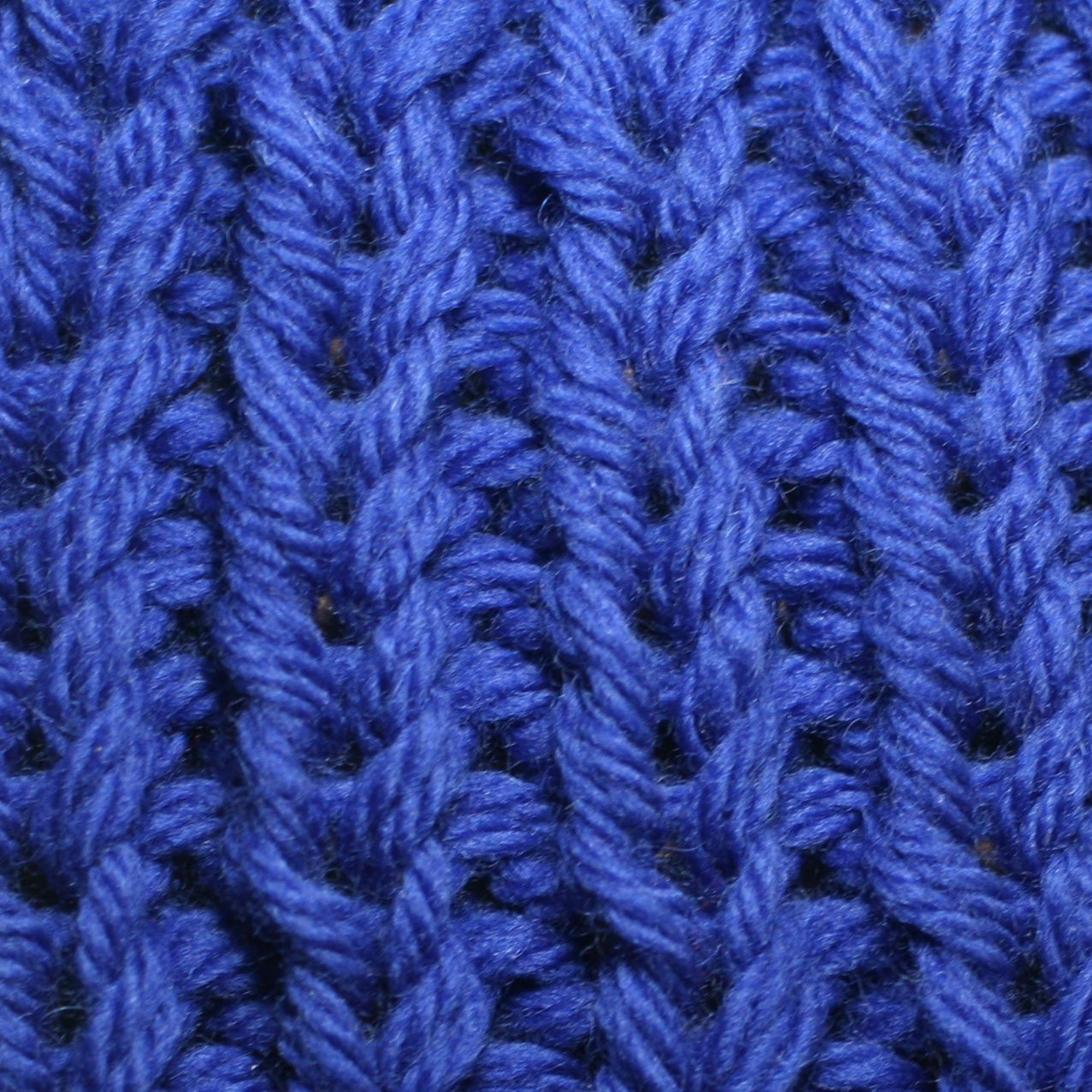
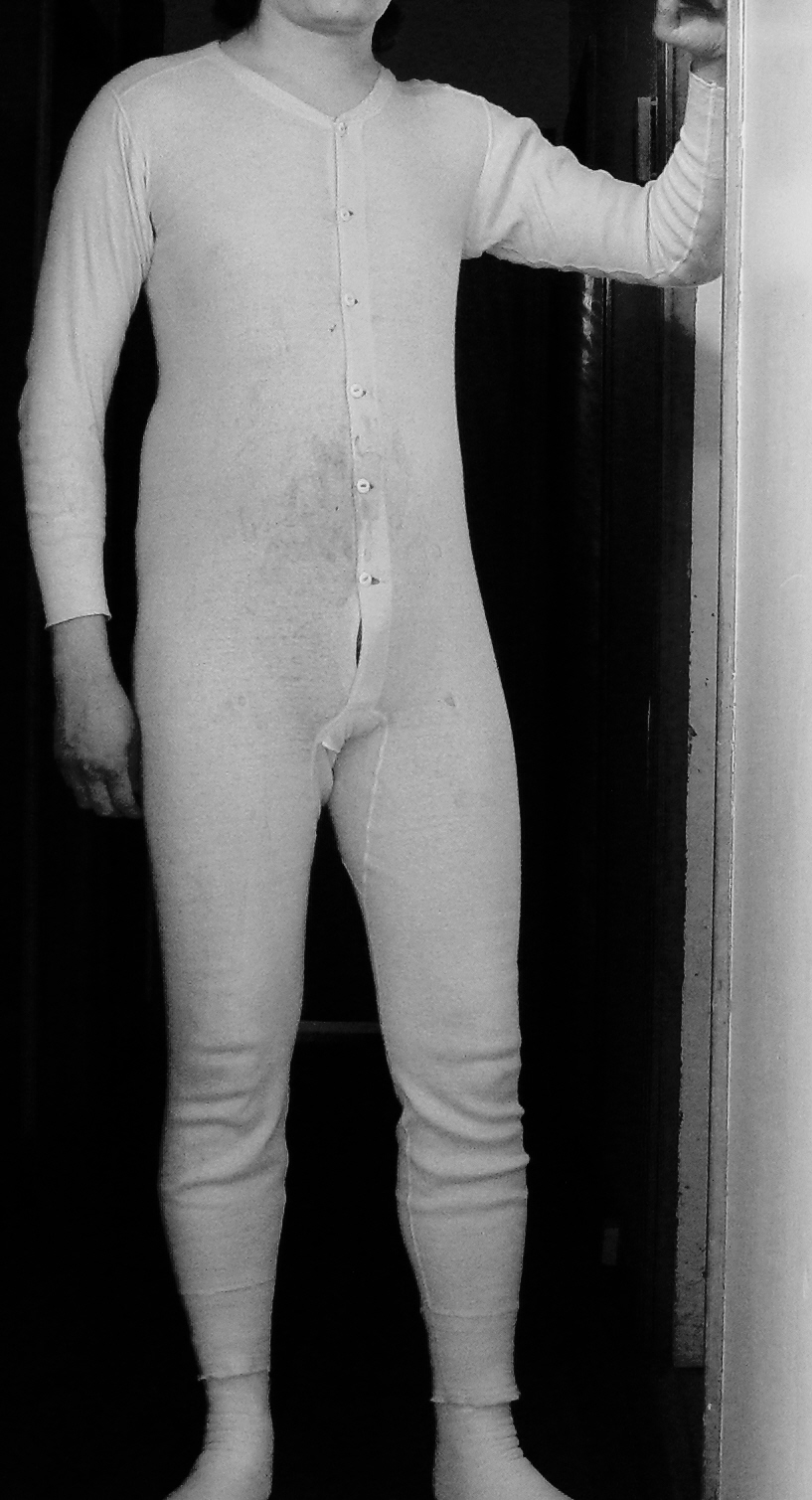
Look at the fabric and you see ribs – alternating raised and sunken lines running down the garment.
A rib knit stretches across its width far more than a flat knit does, and recovers. That means one garment fits a range of bodies, moves with a shoulder and a knee without binding, and comes back to shape after being pulled on. For a mass-produced item sold by rough size through a catalogue, that elasticity is what makes the whole business possible.
The ribs also create channels, which hold more still air than a flat surface would. So the same structure that makes the garment fit is also making it warmer, which is a pleasing piece of accidental efficiency.
The Buttons Ran Down the Front and They Were a Nuisance
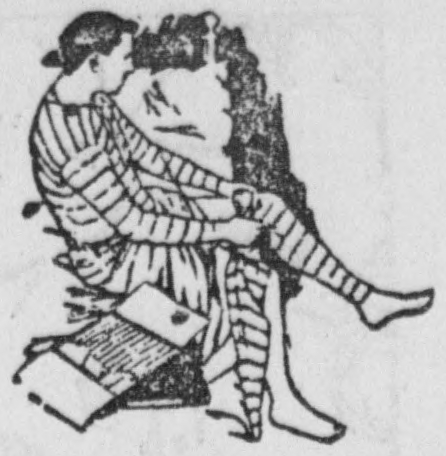
Getting into one is an operation.
The front placket of buttons runs from the neck to below the waist, and the whole garment has to be stepped into and pulled up over the shoulders before anything is fastened. In a cold room, in the dark, this is done quickly and in a specific order that everybody worked out for themselves.
The buttons themselves were the weak point. They pulled off, the buttonholes stretched, and a union suit with a missing button at the chest let air in exactly where it was least wanted. Mending them was a routine job, and a well-worn suit had buttons from several different sources.
The Back Flap Is the Part Everybody Remembers
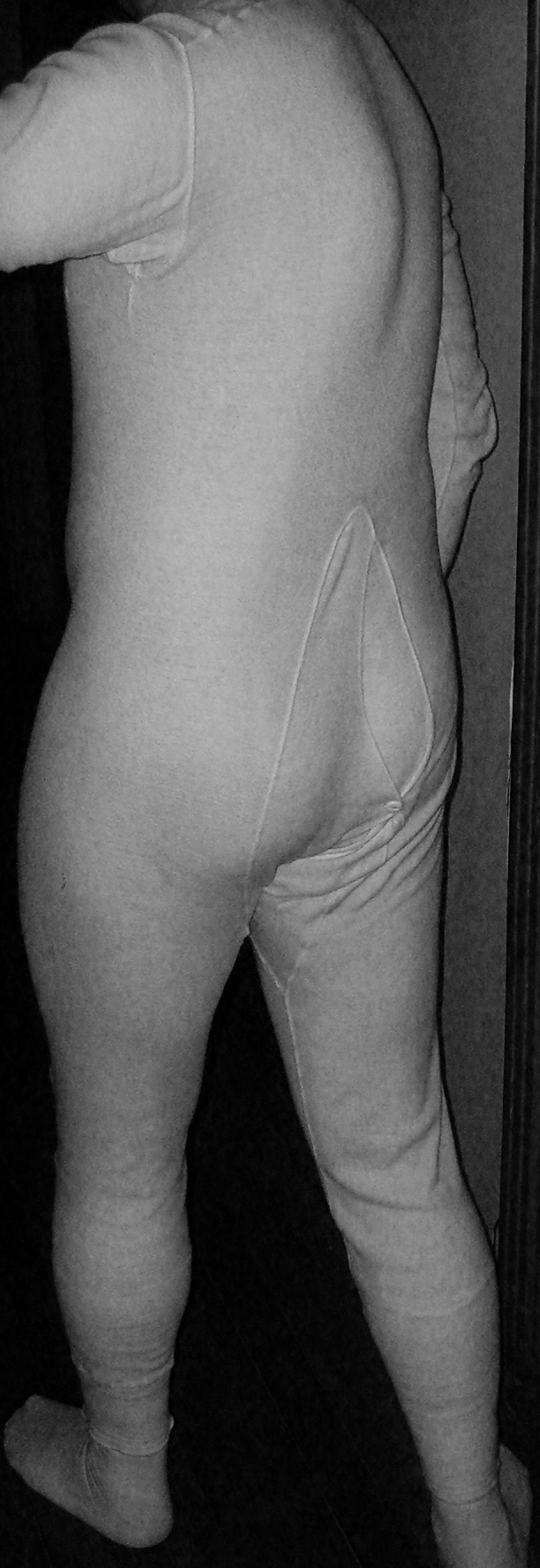
I will deal with this plainly because it is the first thing anybody mentions.
A one-piece garment covering the whole body creates an obvious practical problem, and the answer was a buttoned or overlapping panel at the rear. It is an entirely sensible piece of design, it is the only possible solution short of taking the whole thing off, and it is the detail that has made the union suit a comic object ever since.
The arrangements varied and I will leave the catalogue of them alone. What is worth saying is that the flap is the reason the garment works at all: without it, a one-piece suit would be impractical, and the alternative would have been going back to two pieces and the gap at the waist.
Wool Itched and Everybody Complained
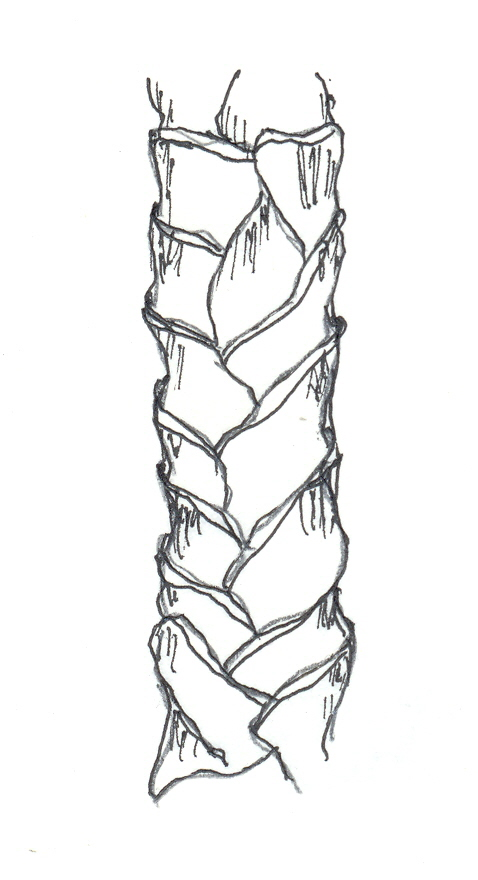
The comfort problem was real and it was not imaginary sensitivity.
Wool fibres are coarse, they have scales, and the ends of them prick the skin – particularly at the neck, the wrists and the backs of the knees. Children hated it, said so constantly, and were told to put up with it, which they did.
Cotton suits existed and were far more pleasant against the skin, and they were also much less warm when damp. So the choice was a garment that was uncomfortable and effective or comfortable and inadequate, and in a cold house the uncomfortable one won. Mixtures were sold for exactly this reason, and the better ones had a softer yarn next to the skin.
It Was Changed Twice a Year, Not Daily
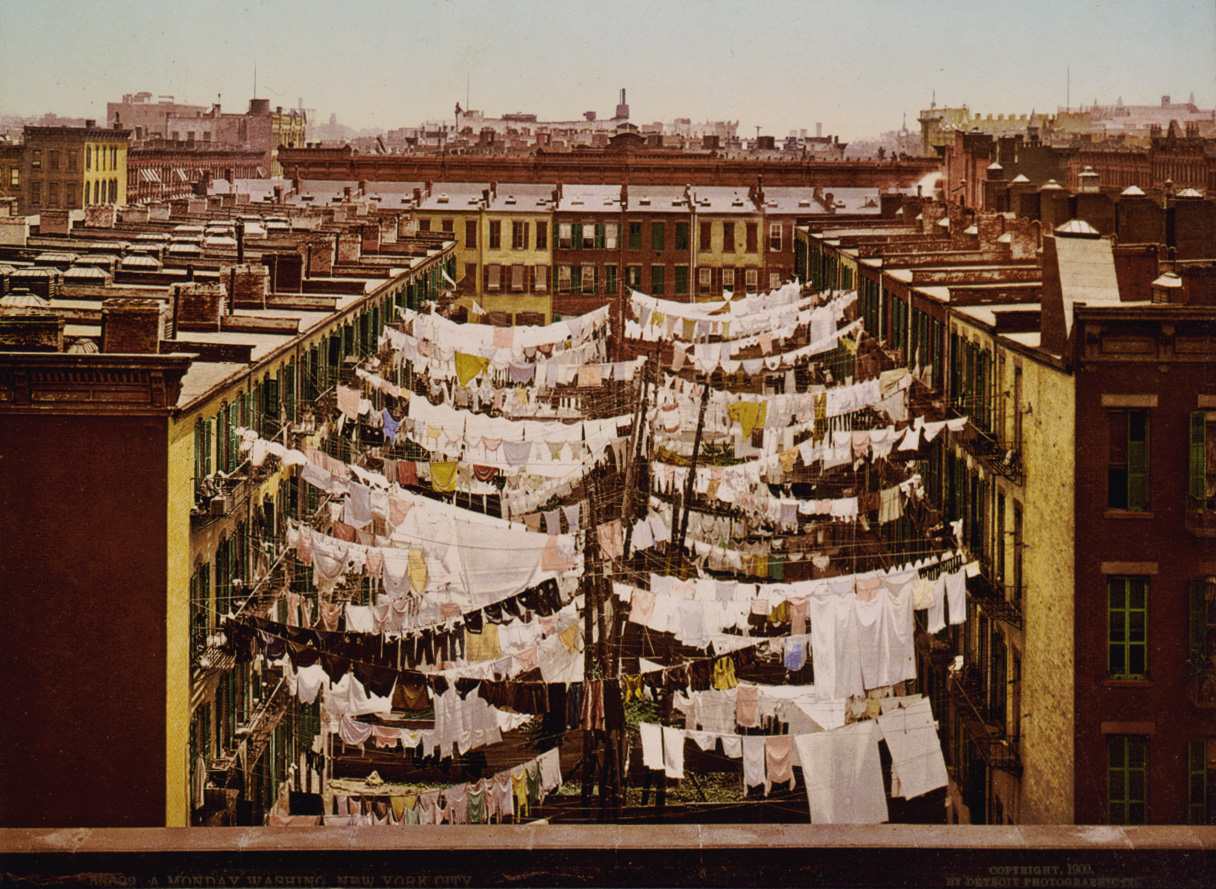
This is the fact that people find hardest to accept, and it needs context rather than apology.
Washing was an enormous labour – heating water, a tub, a board, wringing, and days of drying in winter because there was nowhere warm and dry to hang anything. A heavy wool one-piece garment is the single worst thing in the laundry: it holds water, it takes forever to dry, it shrinks and felts if washed wrong, and it is useless while it is wet.
Most households owned two suits per person and alternated them, so the garment was changed and washed on a cycle of a week or so rather than daily, and the heavy winter suit went on in autumn and came off in spring. People bathed and changed what they could. The suit was the layer that stayed.
I am not going to pretend this was pleasant. It was a consequence of having no hot water on tap and no way of drying anything.
Women and Children Wore Them Too
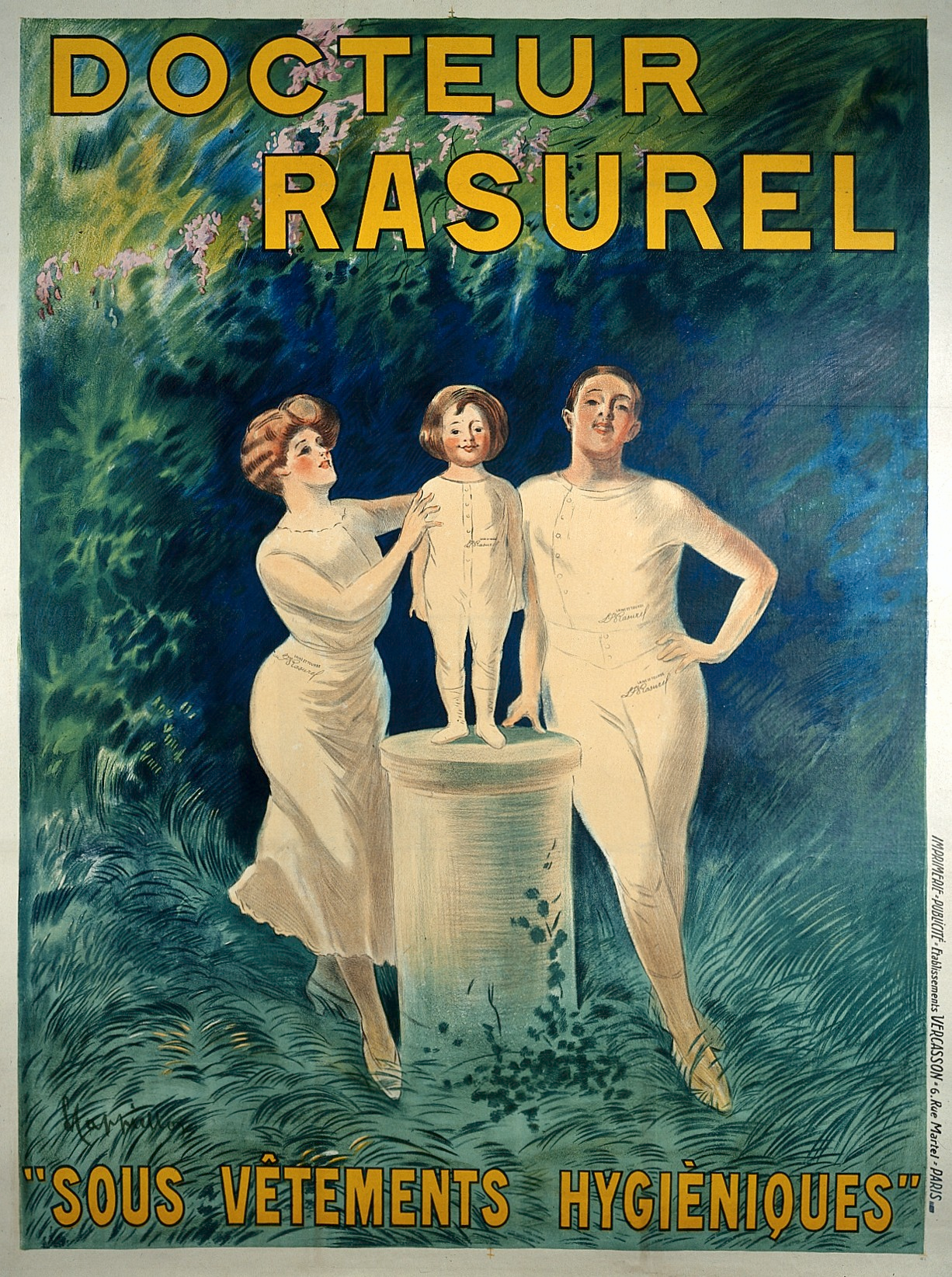
The union suit is remembered as a man’s garment and it was not.
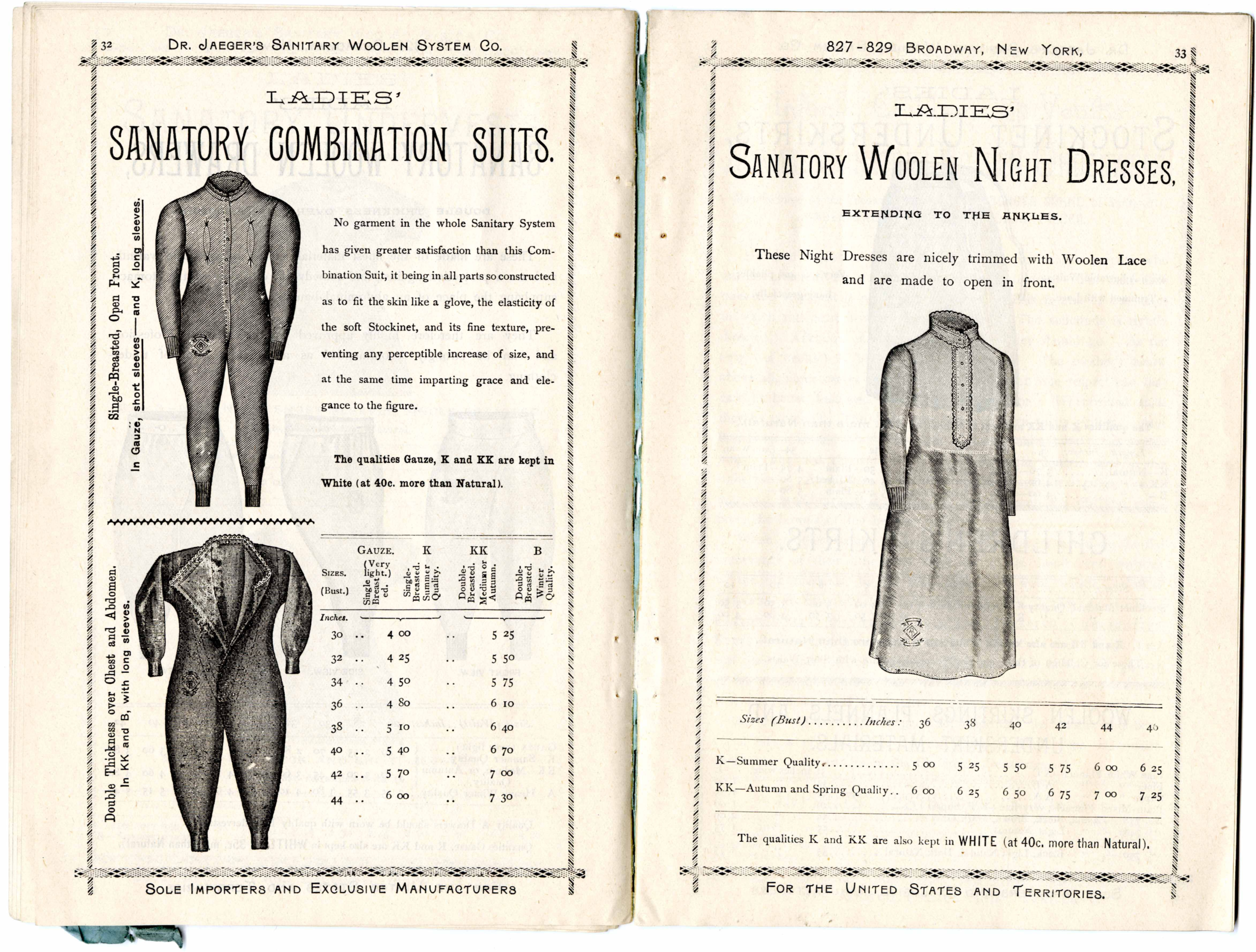
Women’s versions were made and sold in quantity, cut for the shapes that outer clothing of the period required and sometimes with openings and adjustments to suit. Children’s versions were made in every size, frequently with the feet enclosed for the smallest, and with buttons at the waist to carry stockings and other garments – which made the suit the foundation that everything else hung from.
That last point is worth noticing. For a child, the union suit was not merely underwear. It was the structural layer, with other items literally buttoned to it.
Then the House Got Warm
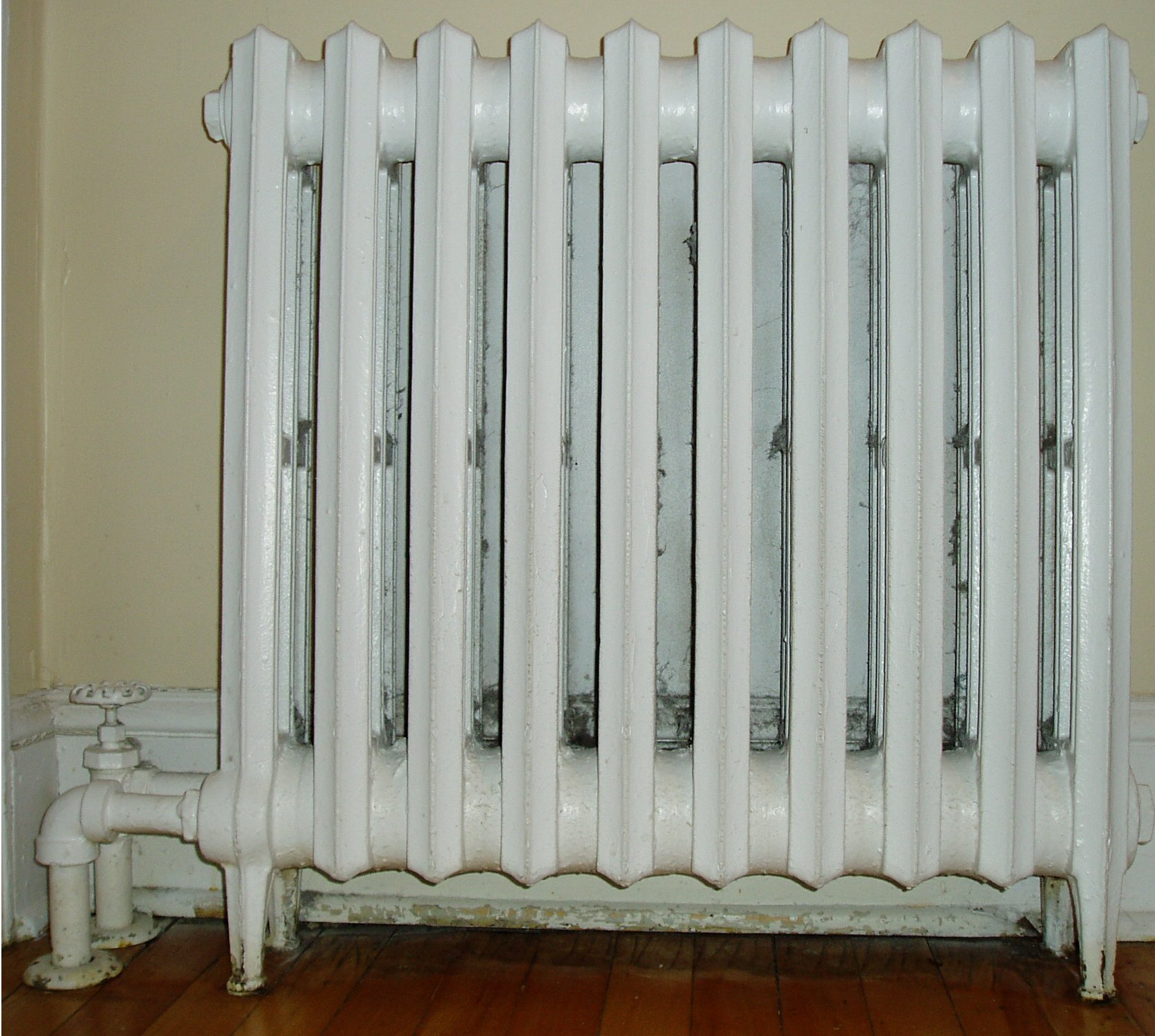
And here is the thing that ended it, which is not fashion.
Central heating removes the reason for the garment. A person who is never cold indoors does not need a continuous insulating envelope under their clothes; they need something thin that manages sweat. The whole specification changes, and heavy wool from throat to ankle becomes not merely unnecessary but actively uncomfortable.
Everything else followed from that. Lighter two-piece underwear came back, because the gap at the waist does not matter when there is no cold to get in through it. Elastic replaced buttons. Synthetic and finer cotton knits replaced wool. The car, with a heater in it, removed the last place a person was reliably cold for an extended period.
The garment survived longest exactly where you would expect: among people who worked outdoors all day in cold weather, where the original problem had not gone away.
It Never Entirely Went
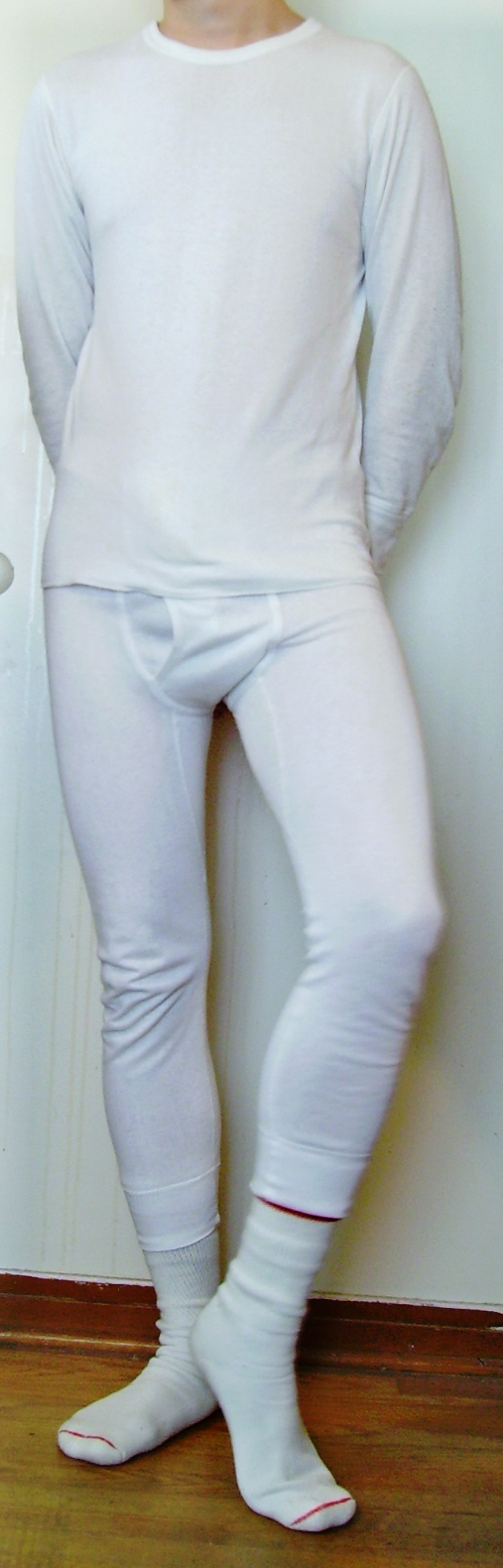
Which is the part I like.
The one-piece insulating base layer did not die. It was re-engineered. A modern set of thermal underwear is the same idea executed with better fibres, and the people who work or play outside in the cold have gone back to one-piece suits more than once, for exactly the reason the union suit existed – because a join at the waist is where the cold gets in.
So the object is comic and the principle is not. Every time somebody puts on a base layer before going out in January, they are using the conclusion that a nineteenth-century knitting mill reached when it sewed an undershirt to a pair of drawers and discovered that the seam you remove is worth more than the fabric you add.
What It Tells You
The reason I think the union suit is worth taking seriously is that it is a piece of personal infrastructure.
In a house that was warm in one room and cold everywhere else, the garment was the part of the heating system that followed you around. It was not a fashion item, it was barely an item of clothing in the sense we mean – it was equipment, bought by rough size from a catalogue, worn for months, mended, handed down, and replaced when it could no longer hold air.
It became a joke because of the flap and because of the itch, and those were both real. But the joke has obscured a straightforward piece of engineering that solved the actual problem people had, which was that for six months of the year, the inside of the house was not much better than the outside of it.
Like our content? Follow us for more.