

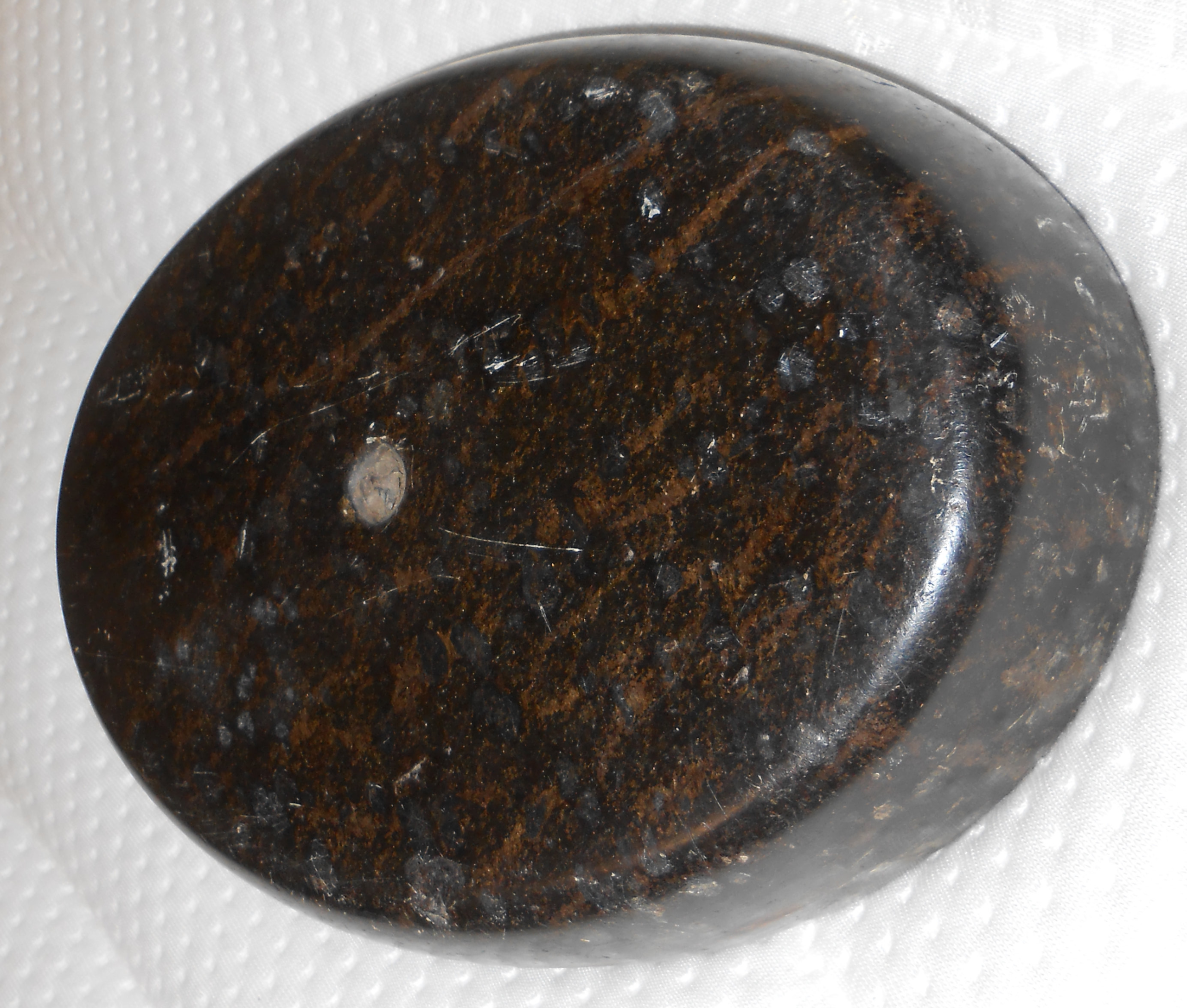
There is a flat grey stone about the size of a book in a box in my family, with a bent wire handle set into one end, and nobody could tell me what it was. It is a foot warmer. You put it on the stove, you wrapped it in a piece of blanket, and you took it with you in an unheated vehicle or an unheated bed. The first time somebody explained this I thought it sounded desperate. Then I looked into why stone and not water, and it turns out to be the better choice.
Nothing You Travelled In Was Heated
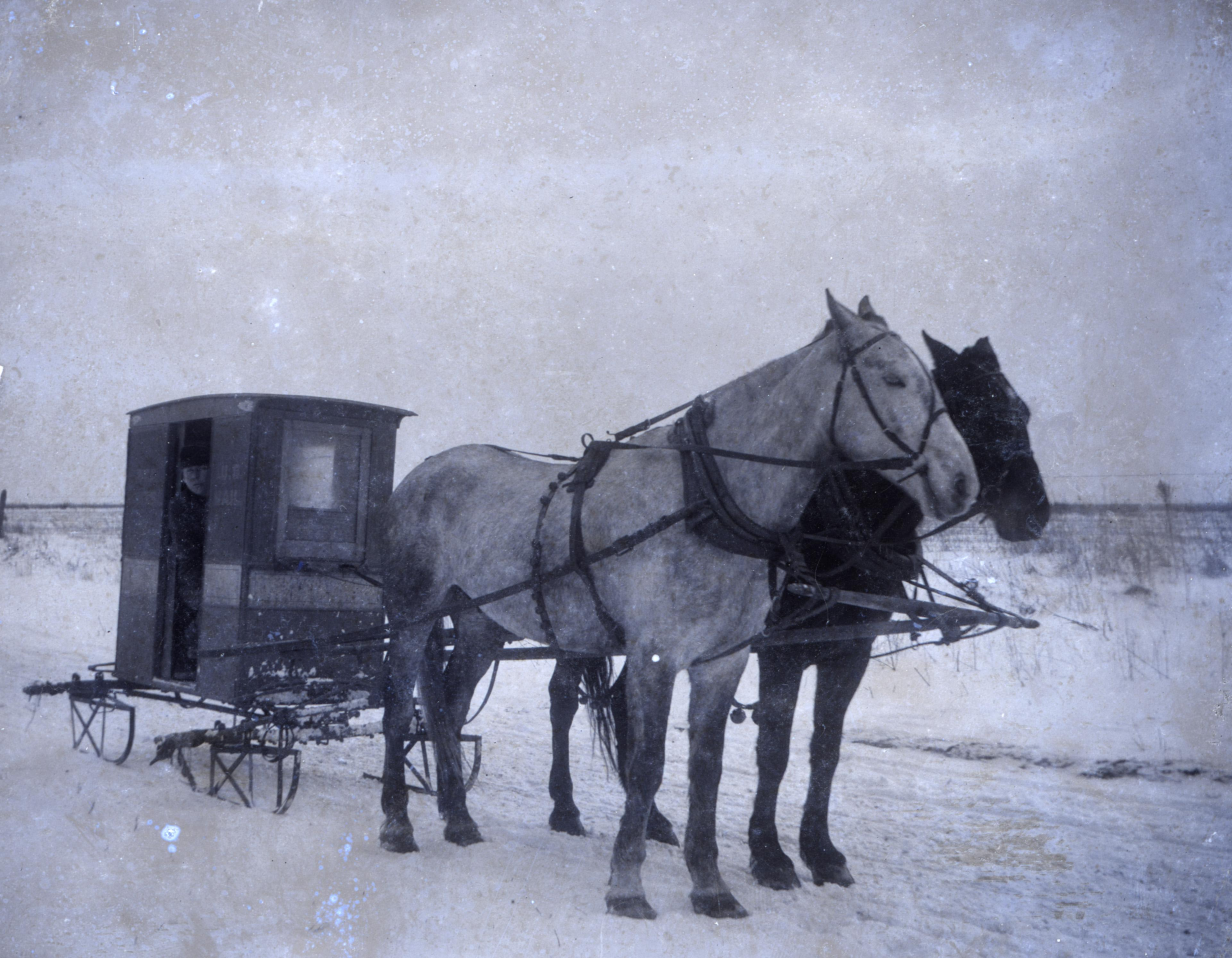
Start with the conditions, because they are easy to underestimate.
A buggy, a sleigh, a wagon or a farm cart has no heat source of any kind. Neither does a church, most of the time. Neither does an upstairs bedroom. A journey of an hour in January in an open vehicle is an hour of sitting still in moving air at whatever temperature the day is, which is the worst possible way to be cold – no exertion to generate heat, and a wind made by your own motion.
So the problem is not keeping a house warm. It is carrying a small amount of heat with you into places that have none and cannot be given any.
Like our content? Follow us for more.
Why Stone and Not Water
Here is the physics, and it is the whole reason the object exists.
Two things decide how much heat something can carry: how much heat it takes to warm it up by one degree, and how hot you can get it in the first place. Water is superb on the first count – it absorbs more heat per pound than almost anything – but it is capped on the second, because above its boiling point it turns to steam and you cannot put it in a container and carry it about.
Stone holds less heat per pound than water. But you can take a stone to a temperature far above boiling, sitting on a stove top or in an oven, with no risk of it changing into something else. The extra temperature range more than makes up for the lower capacity.
And then it gives that heat back slowly, because stone conducts heat poorly. A hot water bottle dumps its warmth quickly and goes cold; a hot stone releases it over hours. Both of those properties – high starting temperature and slow release – come from the material being exactly what it is.
Soapstone Was the Right Rock
Not every stone will do, and the choice was not arbitrary.
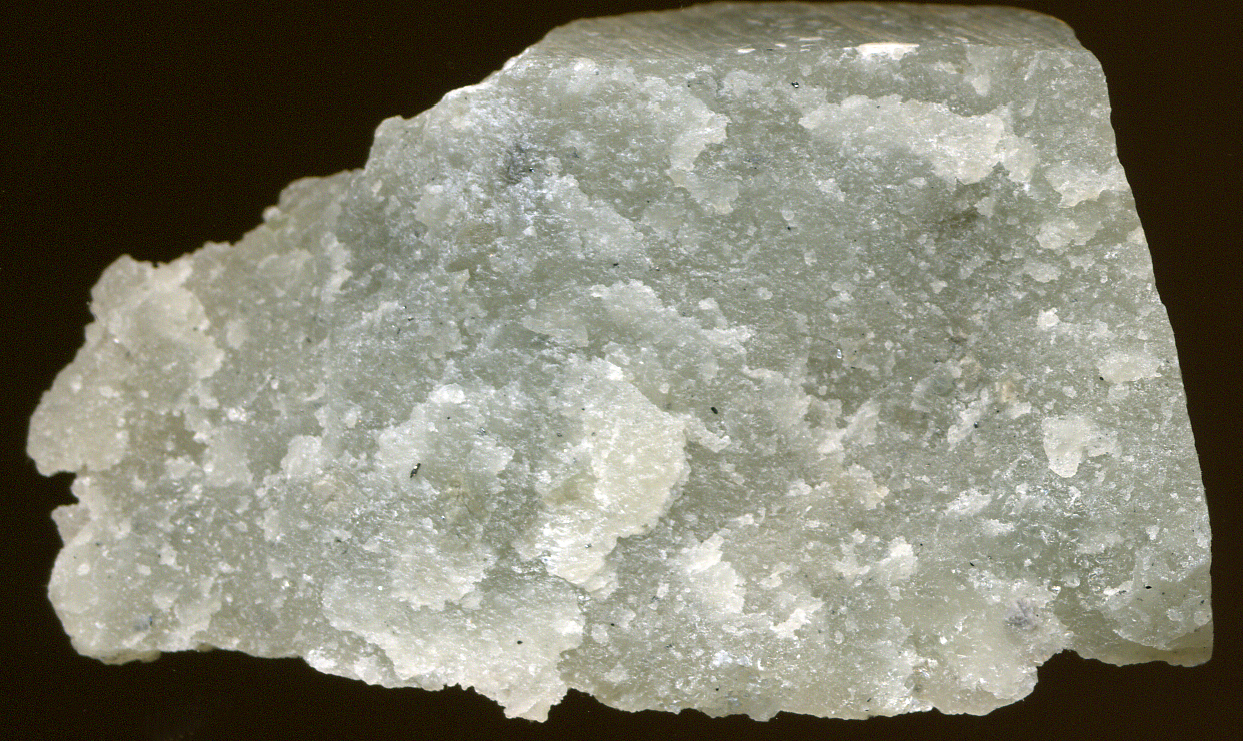
Soapstone is soft enough to be sawn and worked into a flat slab with a hole drilled for a handle, which matters because a usable foot warmer is a shaped object rather than a rock off the ground. It is dense. It resists cracking when heated and cooled repeatedly, which is where most stones fail – a stone with any water in its pores or any weakness in its structure will eventually split from thermal cycling.
It also does not spall or shed grit, so it can be handled, wrapped in cloth and put against a person without making a mess. Those are four separate requirements, and the number of rocks that satisfy all of them is small.
The Wrapping Was Not Optional
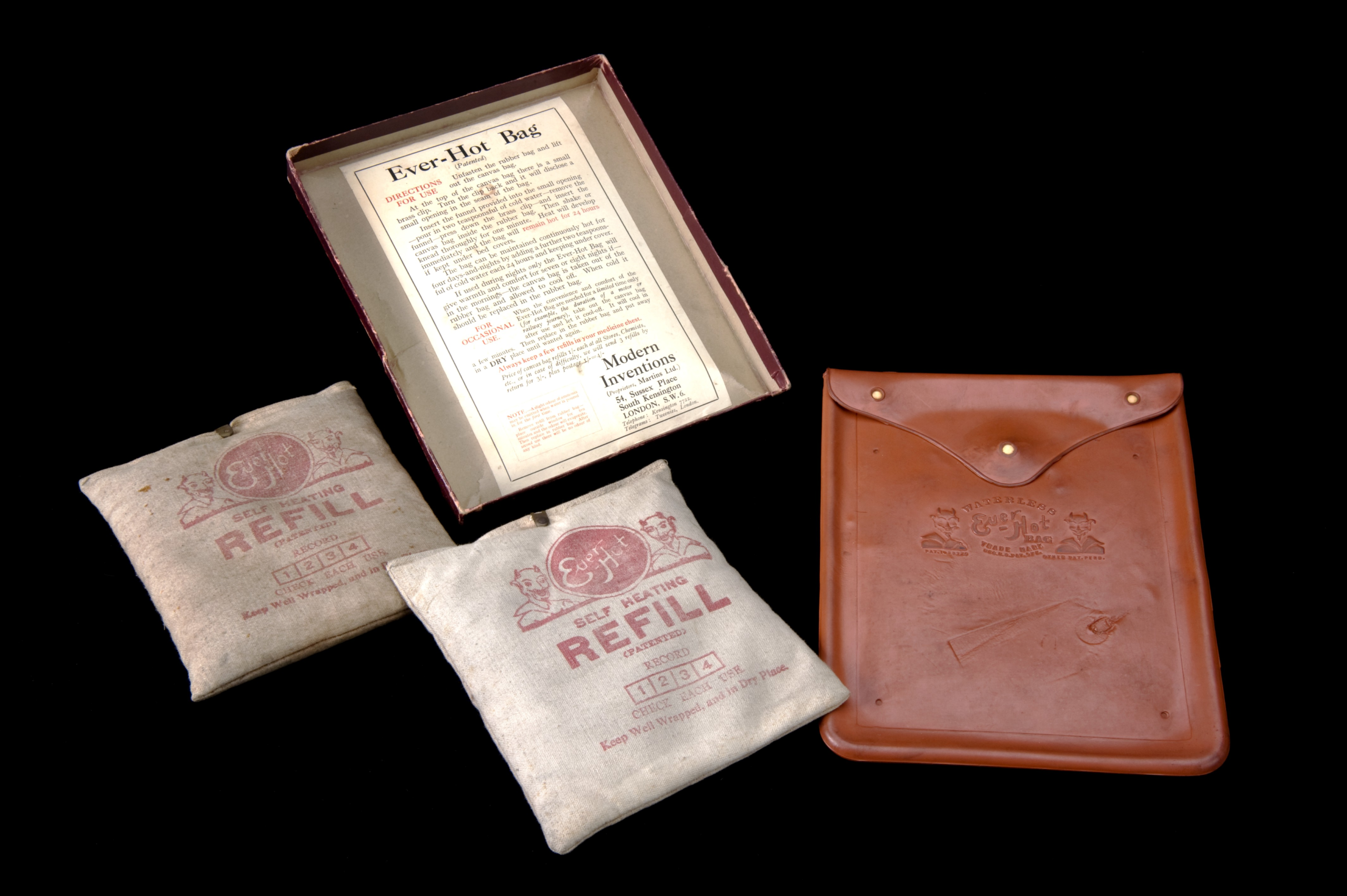
The thing people get wrong about these is the bare stone.
A soapstone off a hot stove is far too hot to touch and would burn skin and scorch cloth immediately. It was always wrapped – in a piece of old blanket, a sewn flannel bag, a towel, or a purpose-made cover with a drawstring.
The wrapping did two jobs. It made the stone safe to handle and to put against a foot, and it slowed the release of heat still further, which extended the useful period. A well-wrapped stone was warm rather than hot for most of its working life, which is exactly what you want from something that has to last a journey.
Children were taught to check it with the back of a hand before putting their feet on it. That is the kind of instruction that gets passed on because somebody got it wrong once.
The Lap Robe Went Over the Top
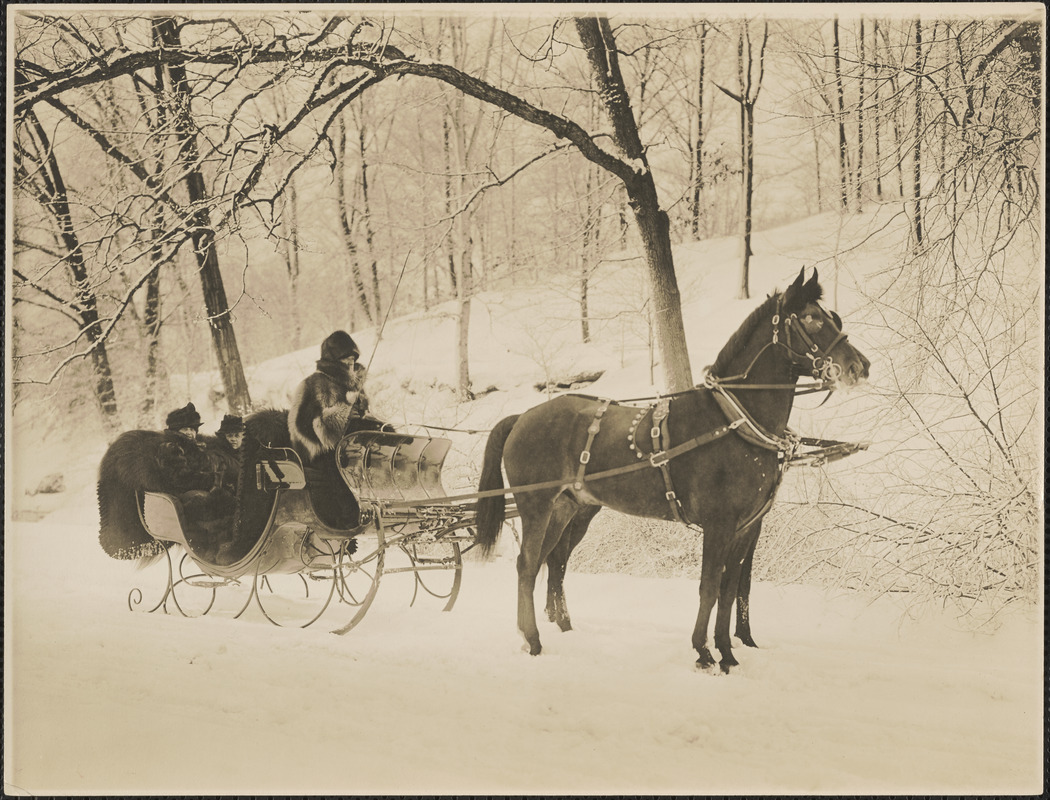
The stone was one part of a system, and on its own it would have done very little.
A buggy carried a heavy robe – a thick blanket, sometimes fur-lined or rubber-backed – that went over the laps of everybody in the seat and tucked down at the sides. The stone went under the feet, inside that enclosure.
Which is the correct arrangement, because heat rises. A warm object at the bottom of an enclosed space warms the air above it, and the robe keeps that air from being stripped away by the wind. Put the stone on top of the robe and it warms the sky. The whole business only works as a closed box with a heat source at the bottom, and everybody who used one understood that without needing it explained.
Bricks and Irons Did the Same Job Worse
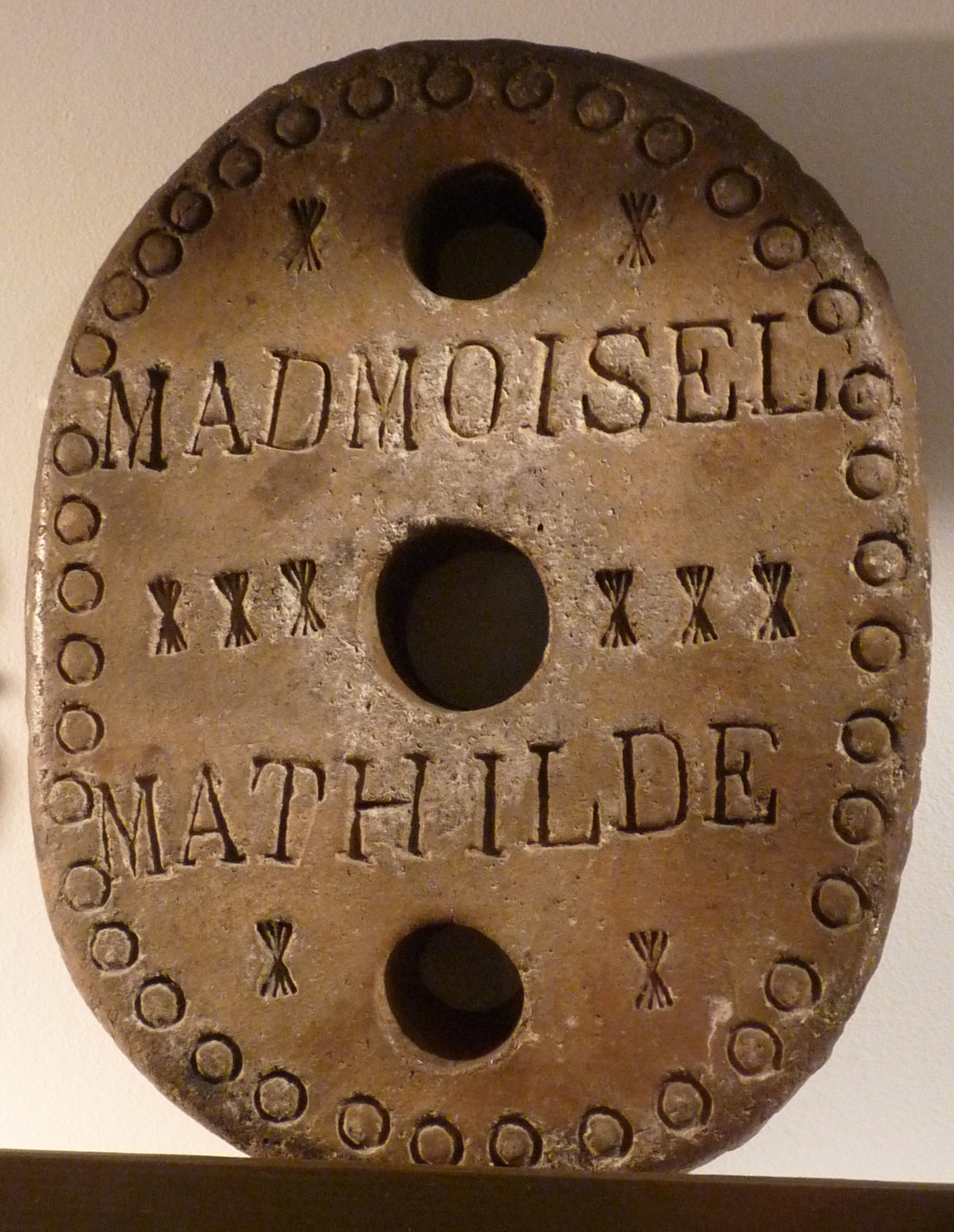
Plenty of households used what they had.
A common brick heated in the oven works on exactly the same principle and was widely used. So was a flatiron, which is dense and holds heat well but is an awkward shape and has a handle that gets dangerously hot. Bags of heated sand, salt or grain were used too, and a bag of hot sand is a genuinely good solution – it conforms to a foot, which stone does not.
But a brick is porous and can crack or crumble, an iron is in use for ironing, and bags leak. A purpose-made stone with a handle outperformed all of them and cost very little, which is why it was the standard answer rather than one of several.
They Were Used in Bed as Much as in Buggies
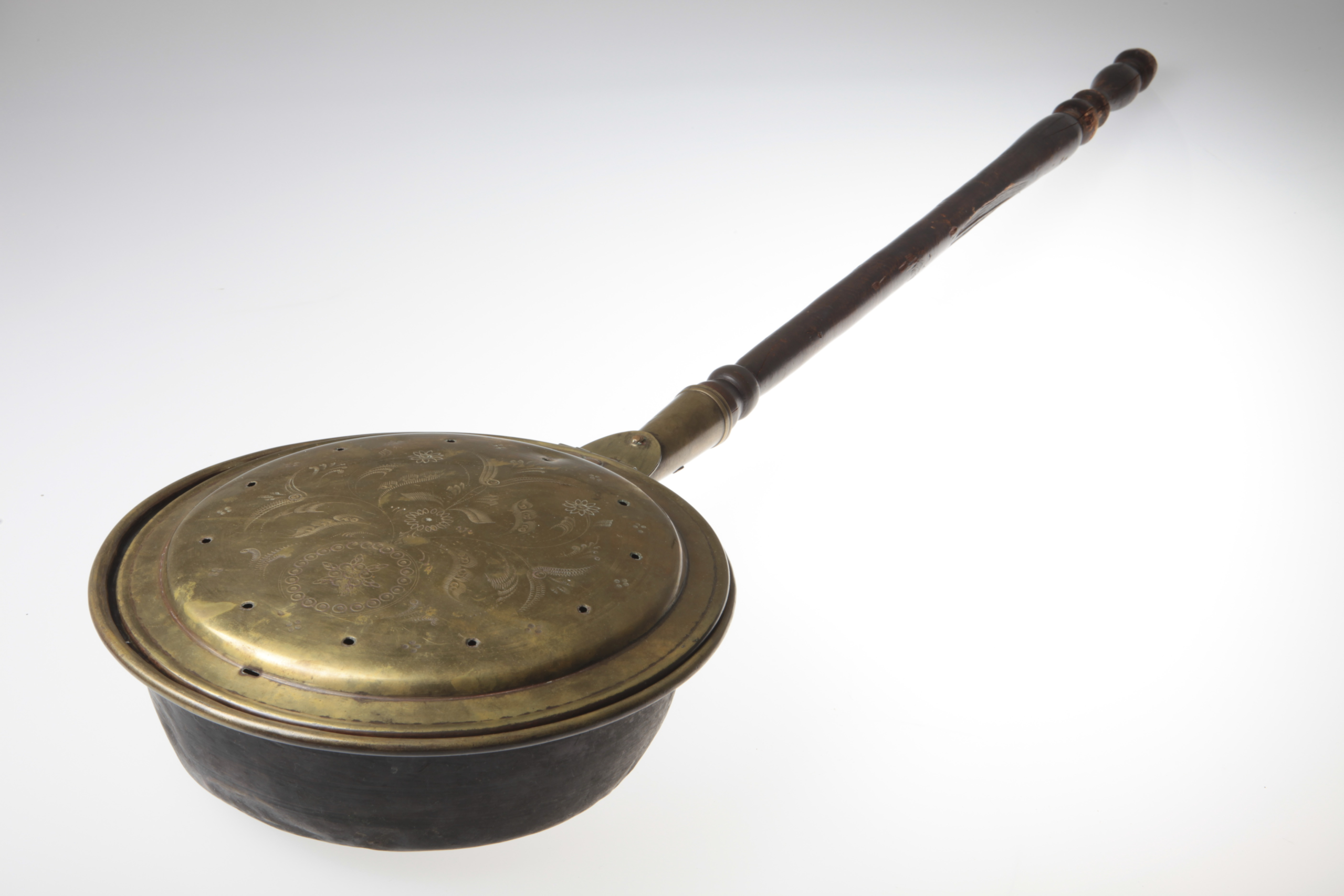
The travelling use is the one that gets remembered, and the domestic use was probably larger.
An unheated bedroom in winter means sheets at the temperature of the room, and getting into a cold bed is genuinely difficult. A wrapped stone put in the bed half an hour before anybody got into it warms the sheets through, and because it releases heat slowly it is still warm at the foot of the bed in the middle of the night.
That is a better match for the material’s properties than the buggy ever was. A journey lasts an hour or two; a night lasts eight, and stone is the one heat source that is still doing something useful at the far end of it.
The Church and the Schoolhouse Version
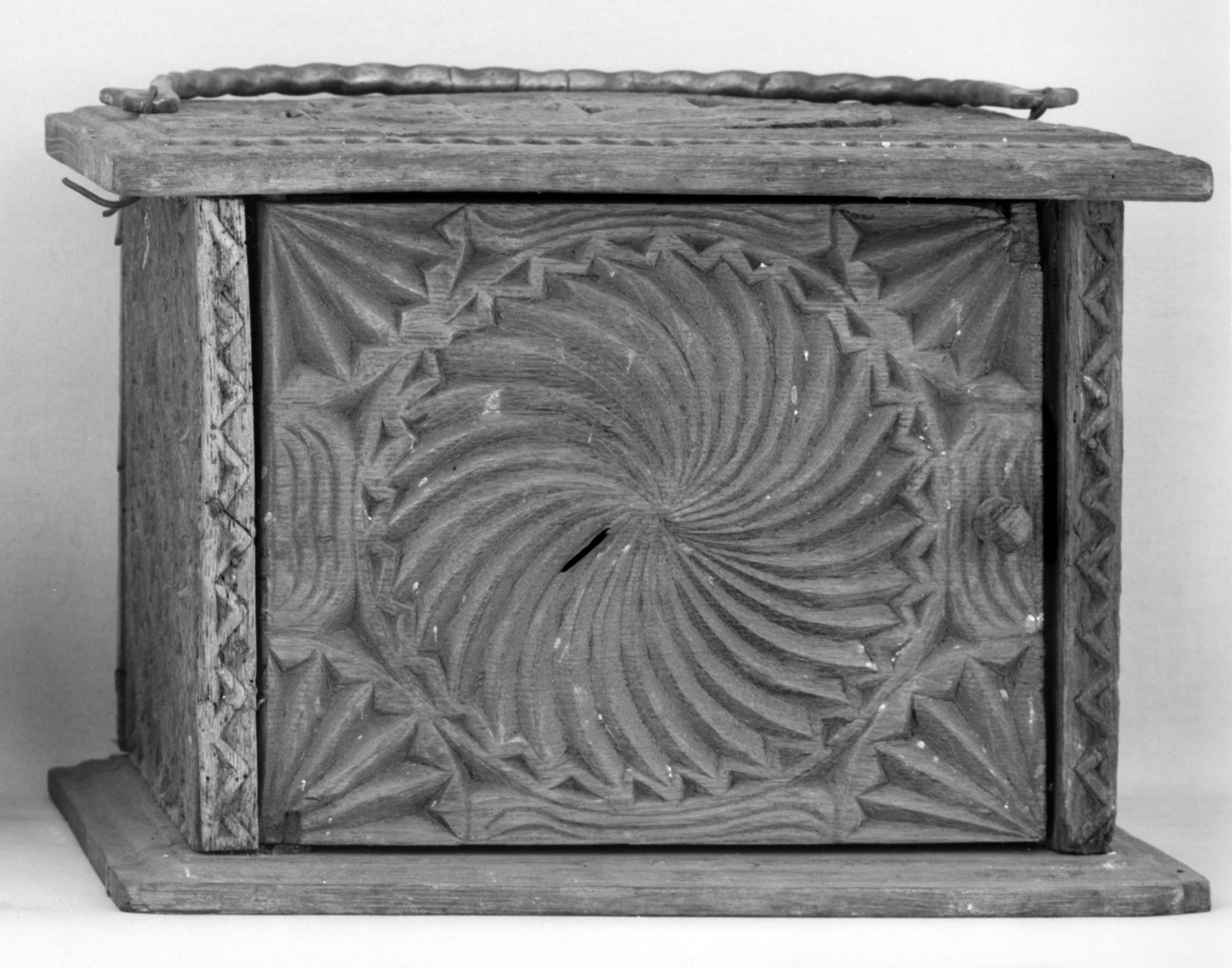
Public buildings had their own tradition, and it ran on the same idea.
A foot stove – a small metal or wood box with a handle, containing a few live coals or a heated stone – was carried into church and set under the feet during a service. Churches were frequently unheated by design, services were long, and the congregation sat still.
I find this a good illustration of how the problem was understood. Nobody expected the building to be warm. They expected to bring their own heat with them, individually, in a container sized for one person, and to take it home again afterwards.
Then the Vehicle Got a Heater
The end of it is completely straightforward.
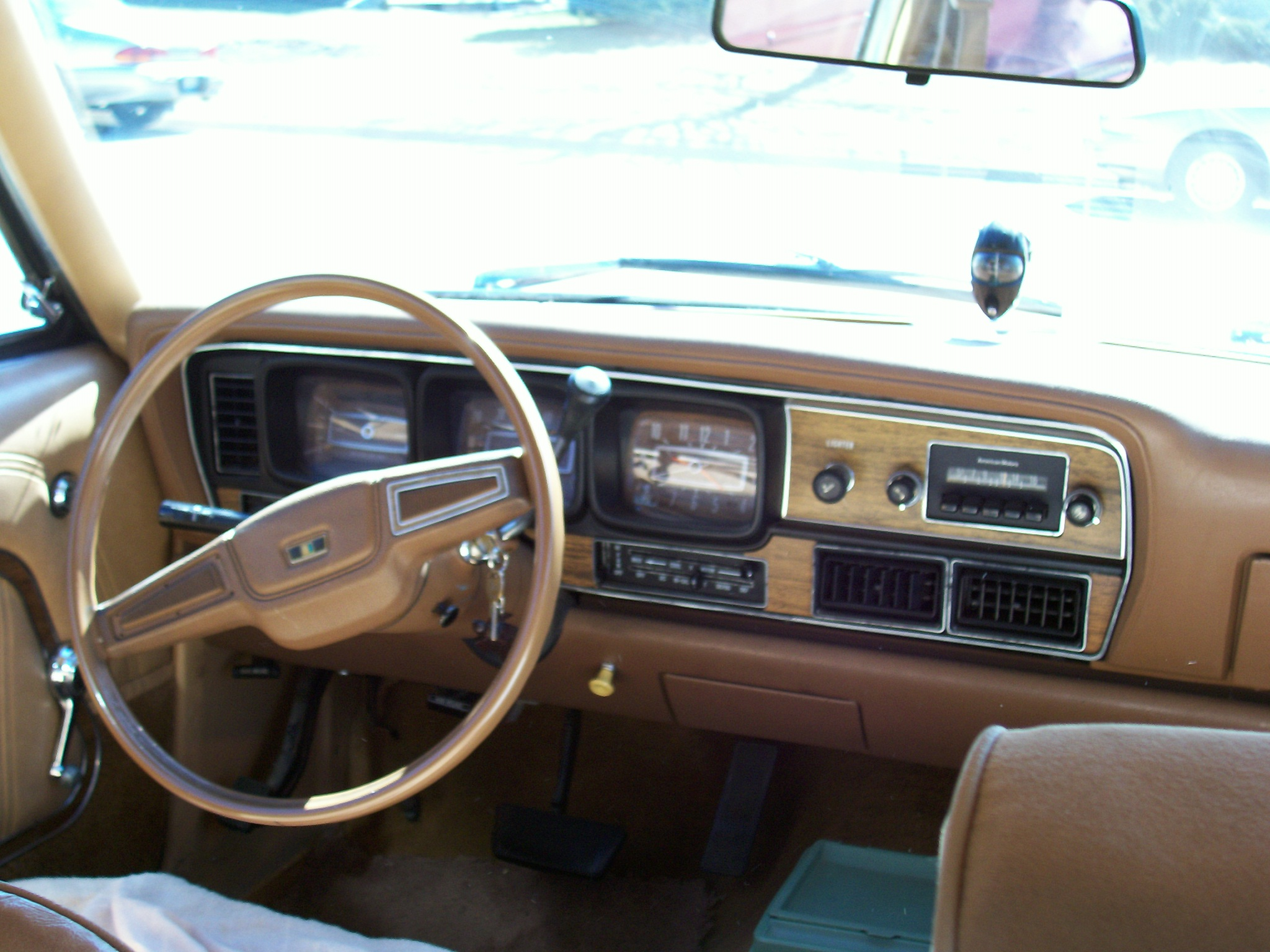
An enclosed car with a heater that runs off the engine’s waste heat makes the whole category pointless. There is no unheated journey left, the vehicle warms up in minutes, and the heat is continuous rather than a declining store you set out with.
The bed went the same way, more slowly, as houses were heated throughout and as the electric blanket and the rubber bottle became cheap. And the church got a furnace.
So the stones were put in boxes, used as doorstops, set out in gardens, and turned up as unexplained flat rocks with a hole in one end – which is how I met mine.
The Material Came Back
The part I find satisfying is that the physics did not go anywhere.
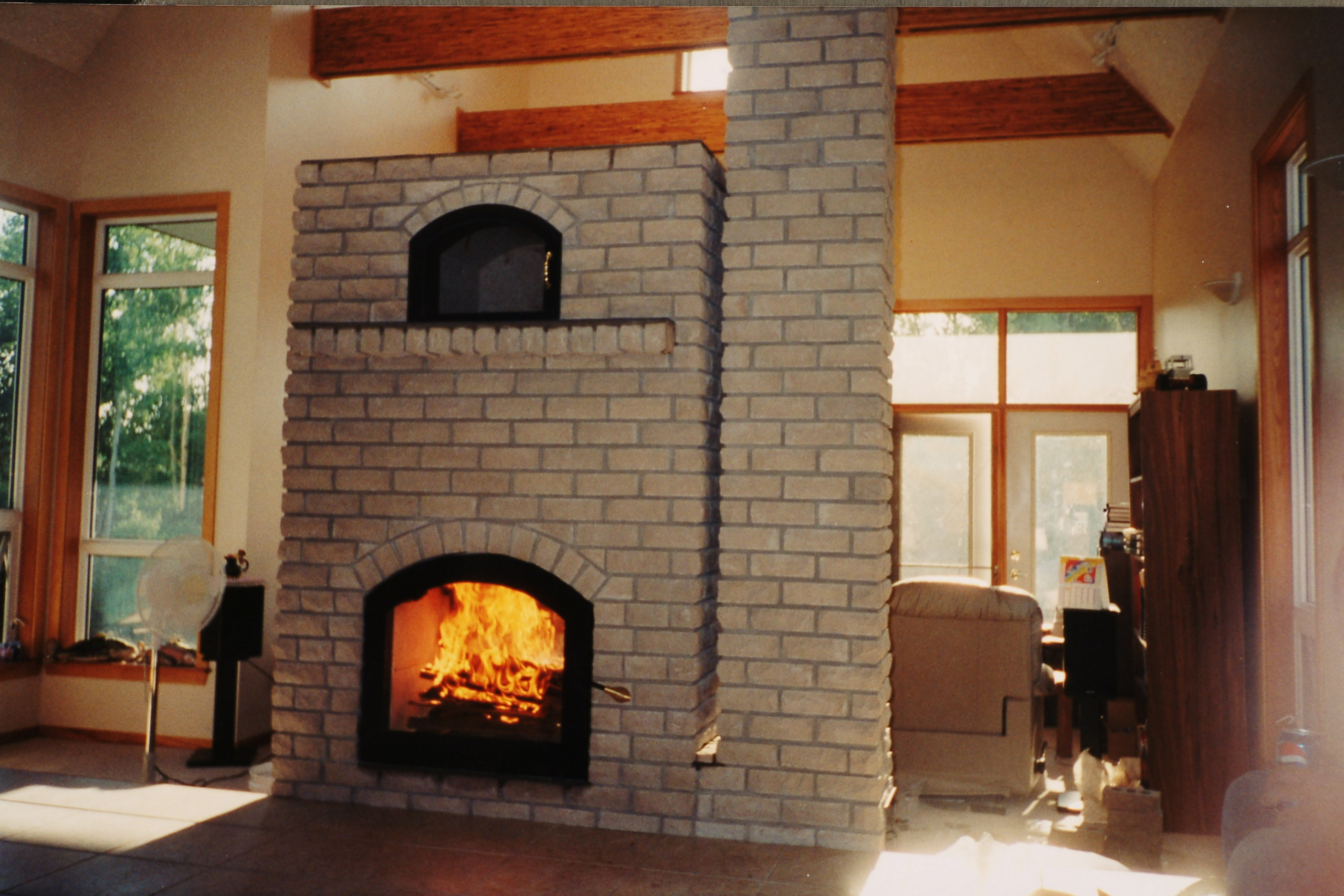
Soapstone is still sold for exactly this property. It is used where a material has to absorb a great deal of heat and release it slowly, and the stones sold now for keeping food warm, for cooling drinks without diluting them, and for lining stoves are relying on precisely the characteristics that made a flat grey slab worth carrying into a sleigh.
Which means the object was not primitive. It was a correct application of a material property, arrived at by people who did not have the vocabulary for specific heat capacity and did not need it, because they had noticed that a stone off the stove is still warm when the coffee has gone cold.
What It Tells You
The reason I keep the stone where I can see it is what it implies about the period.
Somebody in that household looked at the problem of going eight miles to town in January and solved it by storing heat in a rock. Not by heating the vehicle, which was impossible, and not by accepting the cold, but by taking a measured quantity of warmth out of the kitchen stove and carrying it along.
That is a completely rational engineering response, made with the only materials available, and it was so ordinary that nobody thought to write down what the stone was for. Two generations later it was an unidentifiable object in a box – which is, I think, what happens to every solution once the problem goes away.
Like our content? Follow us for more.

