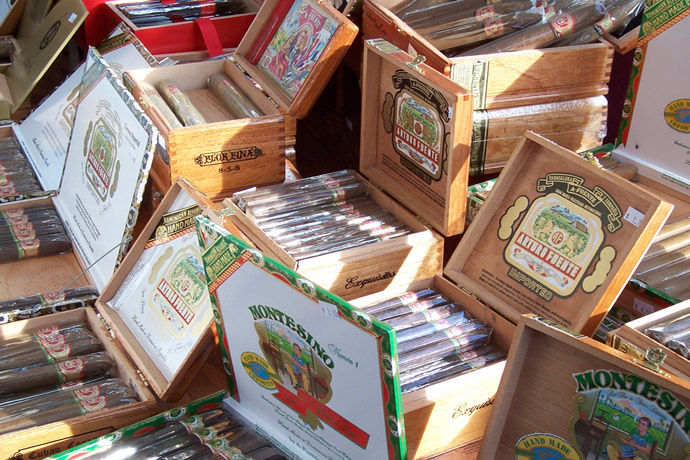
It was a better box than anything being sold as a box, and it was free.
Thin cedar or mahogany, proper corners, a fitted lid, a printed label. Nobody was selling small wooden containers of that standard cheaply, so a household that collected empties had storage better than it could afford to buy.
And the quality was a side effect of tax law. Tobacco was taxed through sealed, stamped, standardised boxes – and a tax stamp across a lid only works if the lid is a real lid and the box cannot be opened and refilled. So revenue administration produced an excellent small hardwood box, in millions, which became worthless the moment it was empty. Here are fifteen things every American household knew.
1. The Box Was Better Than Anything Sold as a Box
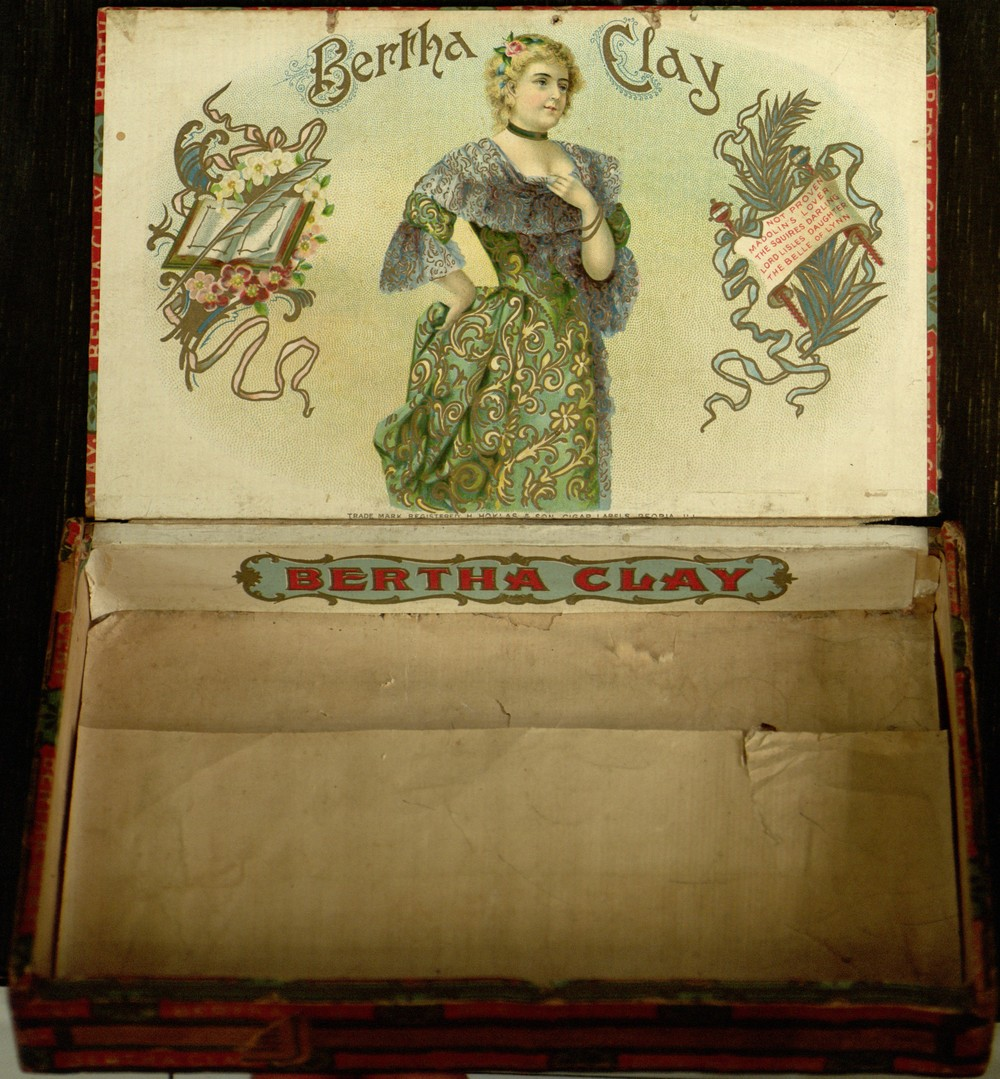
Cigar boxes were made of thin cedar or mahogany, dovetailed or nailed at the corners, with a hinged or sliding lid and a printed paper label – and they were free once empty.
Not applicable; comparable small boxes must be bought.
Start with the quality, because that is the whole reason this object matters. A container made of light aromatic hardwood with proper corners and a fitted lid is a genuinely good box, and nobody was selling anything of that standard cheaply – so a household that acquired them free had storage better than it could afford to buy.
Like our content? Follow us for more.
2. They Were Made Well Because the Law Required It
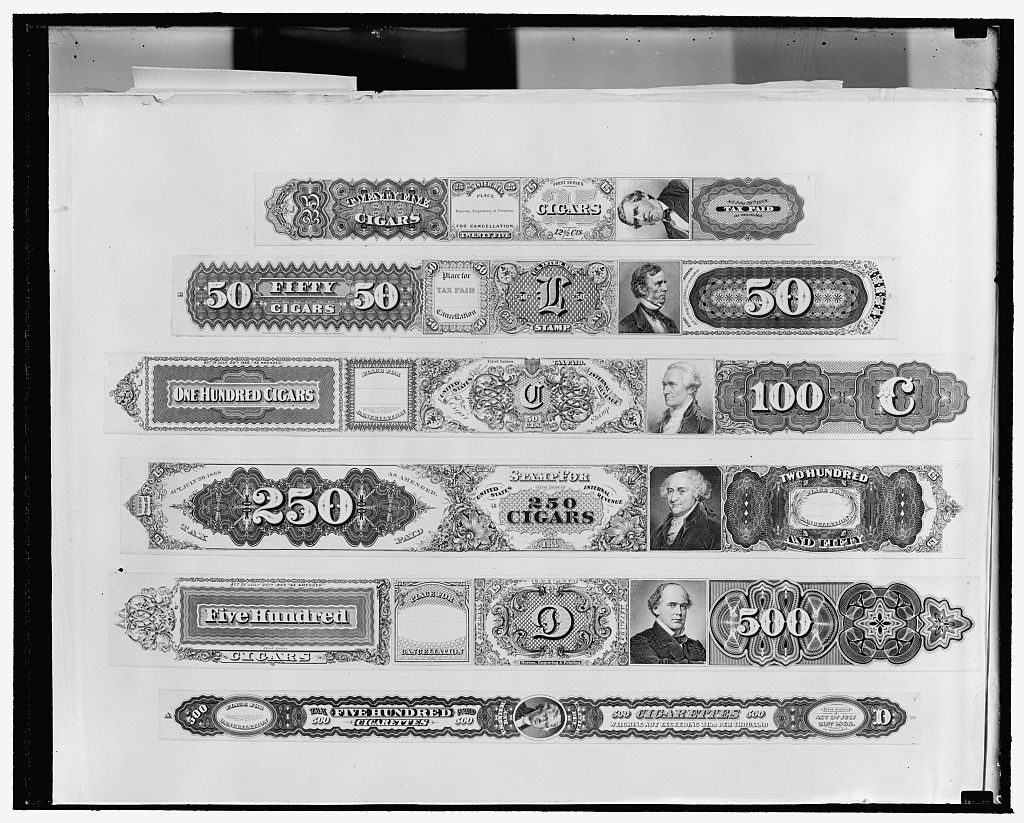
Tobacco was taxed, and the tax was administered through sealed, stamped, standardised boxes – which meant the box had to be a sound container with an intact seal rather than cheap packaging.
Not applicable.
This is the fact that explains the object and almost nobody knows it. The box’s quality is a consequence of revenue administration: a tax stamp across a lid only works if the lid is a real lid and the box cannot be opened and refilled, so the government’s requirements produced a very good small wooden box as a side effect.
3. Cedar Was Chosen for the Cigars and Helped the Box
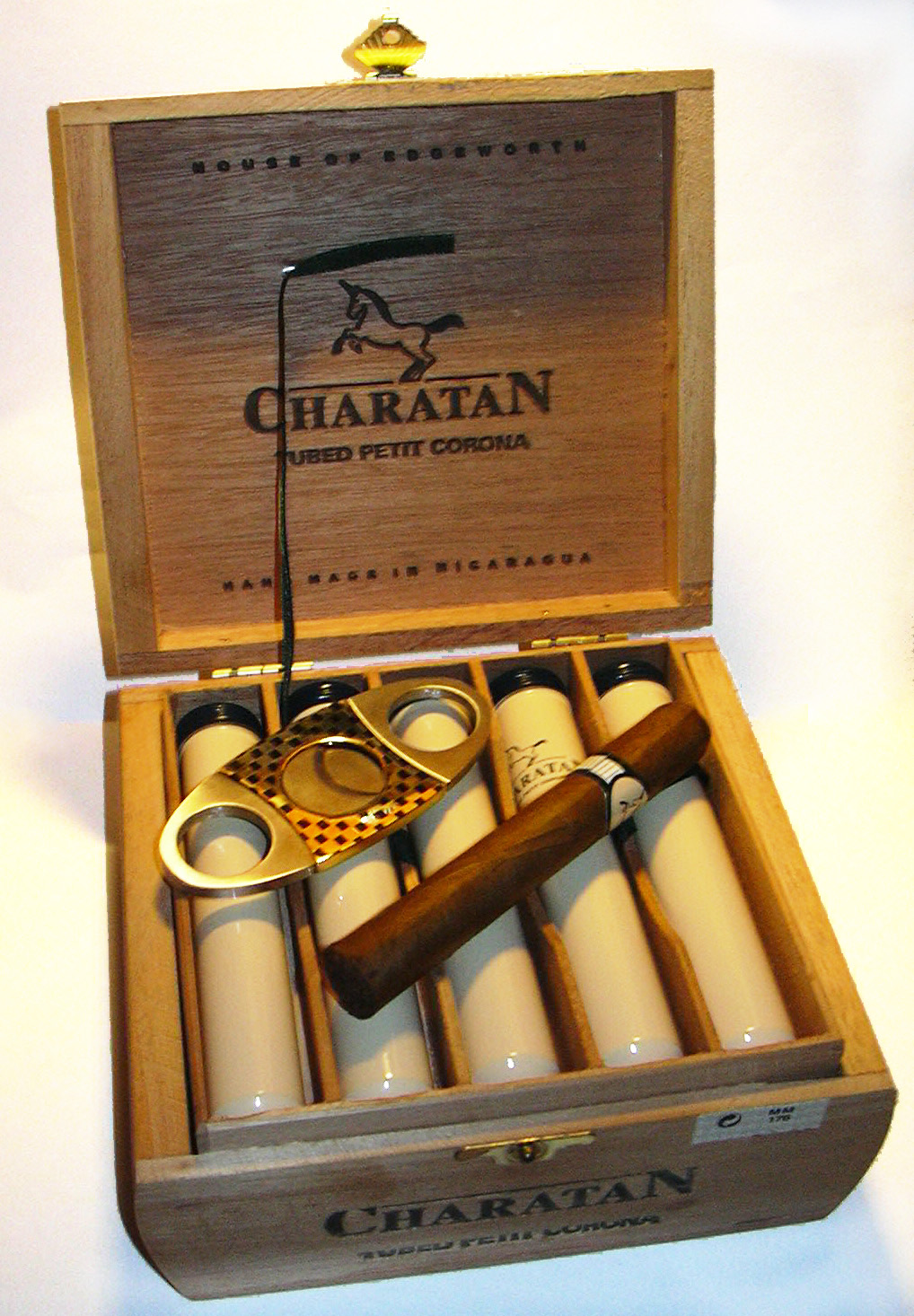
The wood was selected because it does not taint tobacco and because it manages moisture, which also made it pleasant, light and resistant to insects.
Not applicable.
The material choice was made for the contents and benefited everything the box was later used for. A light aromatic wood that does not warp and discourages insects is exactly what you want for storing small valuable things, which the households reusing them had worked out without needing to know why.
4. Every Household Had a Supply
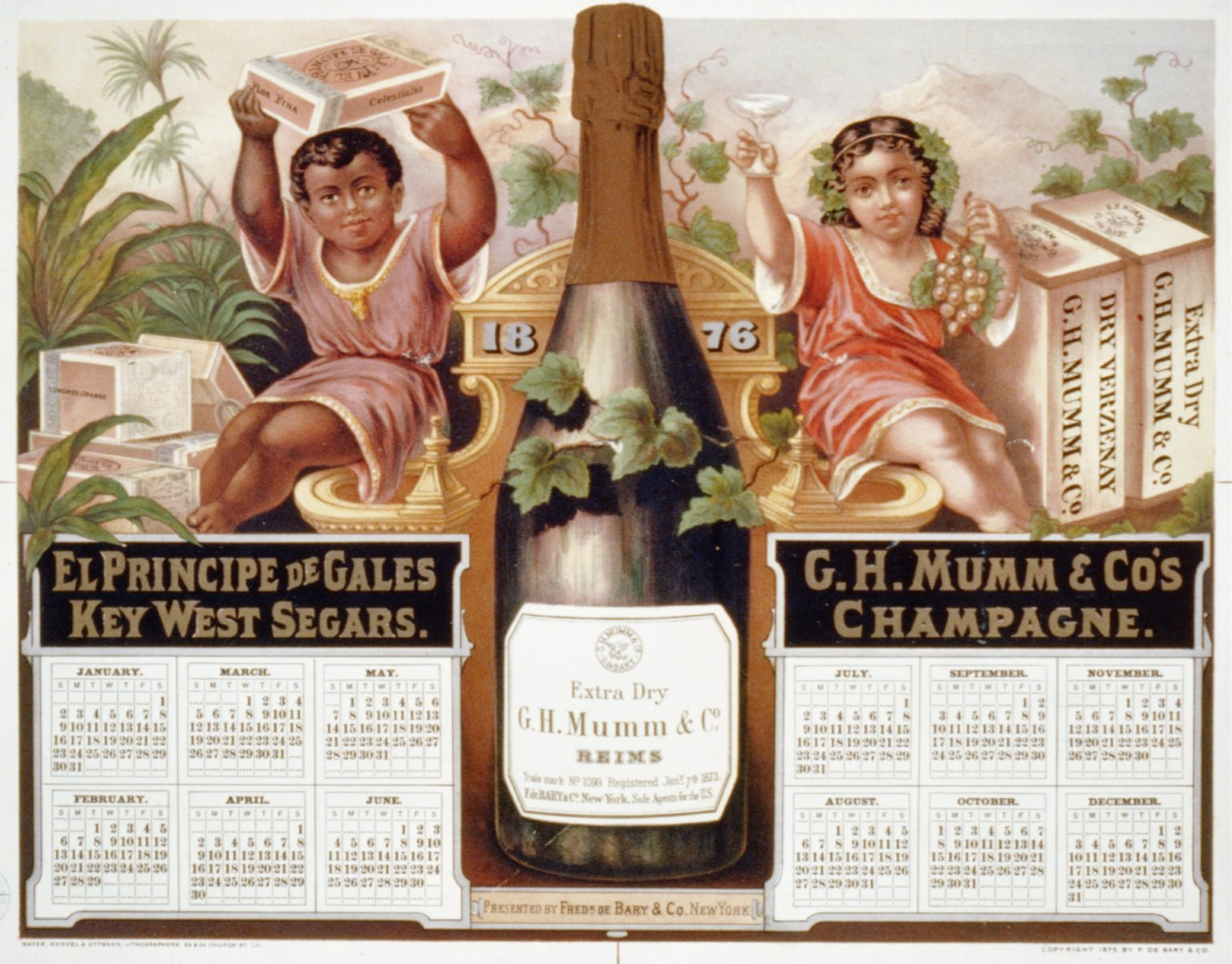
Cigars were smoked in enormous quantities and sold by the box, so empty boxes accumulated everywhere – in houses, in shops, in saloons and in barbershops, free to anybody who asked.
Not applicable.
The availability is the second half of the story. A high-quality container produced in millions and worthless the moment it was empty is an extraordinary windfall for a thrifty society, and the result was that a standard storage unit existed in every American house without anybody having bought one.
5. The Box Became the Standard Unit of Keeping
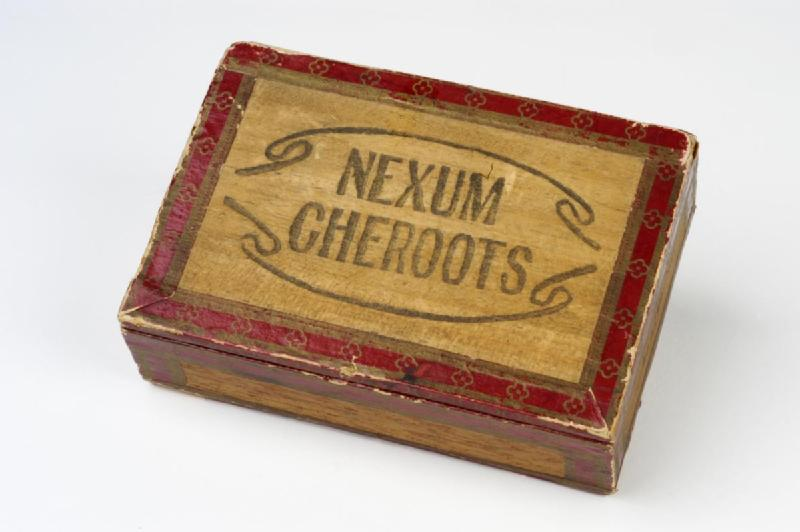
Screws, nails, buttons, thread, keys, fuses, seeds, photographs, letters, coins, fishing tackle and almost anything else small lived in a cigar box.
Plastic containers, purpose-made organisers and drawers.
The universality of the application is what makes this worth a whole file. A society that has a free, consistent, good-quality small container will organise itself around that container – which is why the phrase was understood as a unit of storage and why so many unrelated things were kept in identical boxes.
6. It Was the Workshop’s Filing System
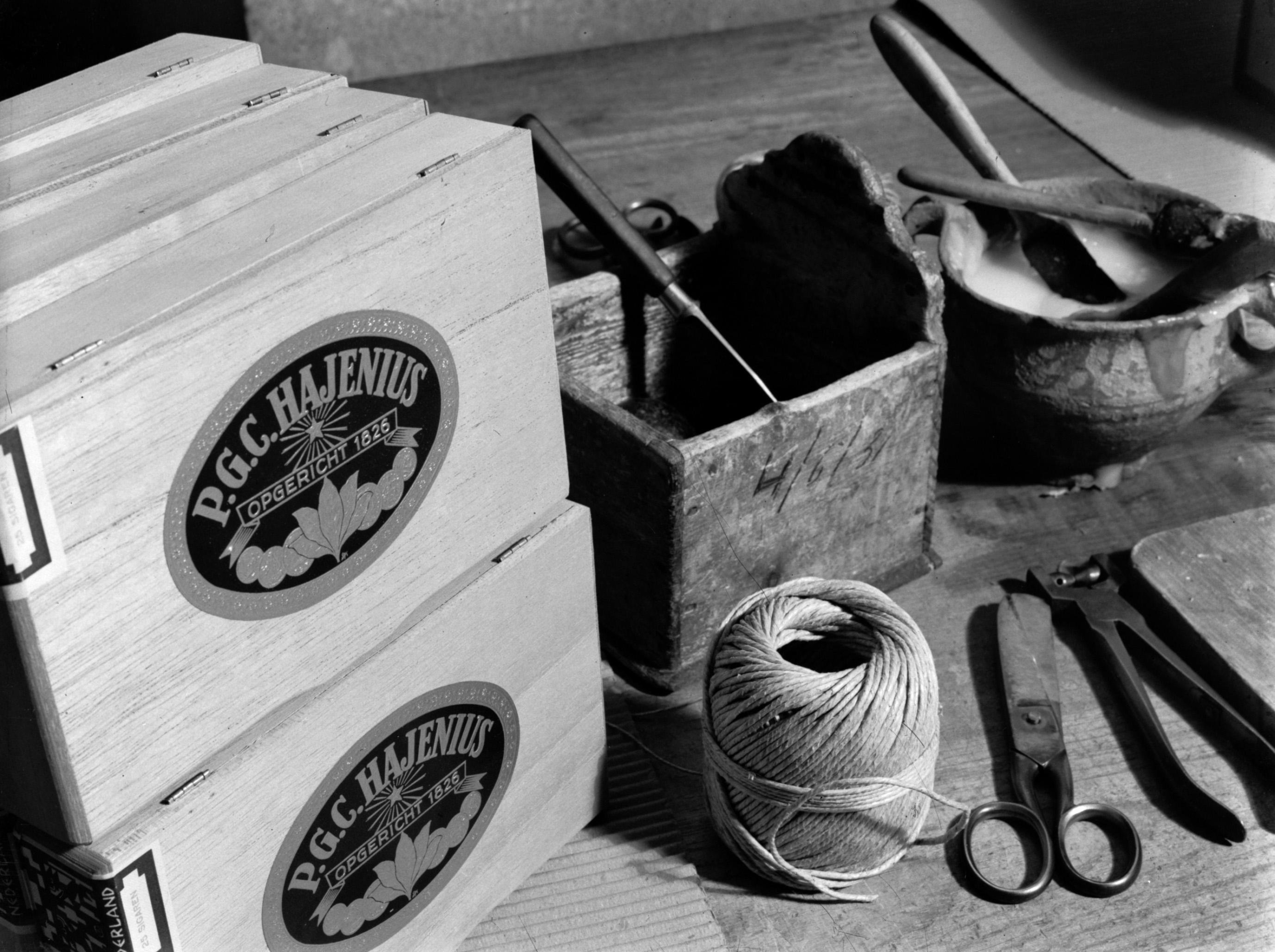
A shelf of boxes, each labelled in pencil on the end, held the sorted small hardware of a shop or a barn.
Parts bins and drawer units.
The labelled shelf is a piece of organisation and it worked well. Uniform boxes stack, sit on a shelf, pull out like drawers and can be written on – which gives a workshop a modular filing system for nothing, and the pencilled ends are frequently still legible.
7. A Child’s Box Was Private Property
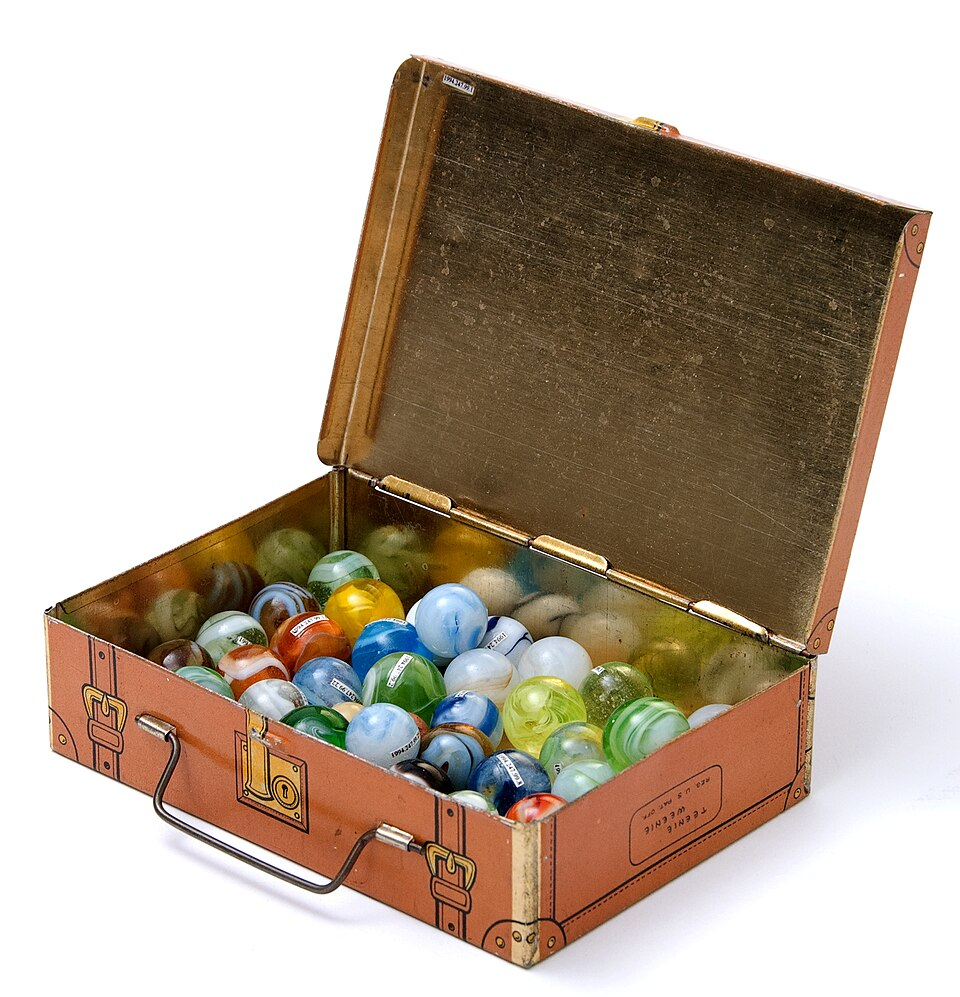
Children were given a box of their own, and what was in it was theirs alone – stones, string, a knife, cards, coins, marbles, things found.
Not applicable.
The privacy is the part people remember most strongly and it is worth taking seriously. In a crowded house where a child had no room, no drawer and no door, a box with a lid was the only space that belonged to them – which turns a free wooden container into something closer to a personal territory.
8. It Was the Standard Material for Making Things
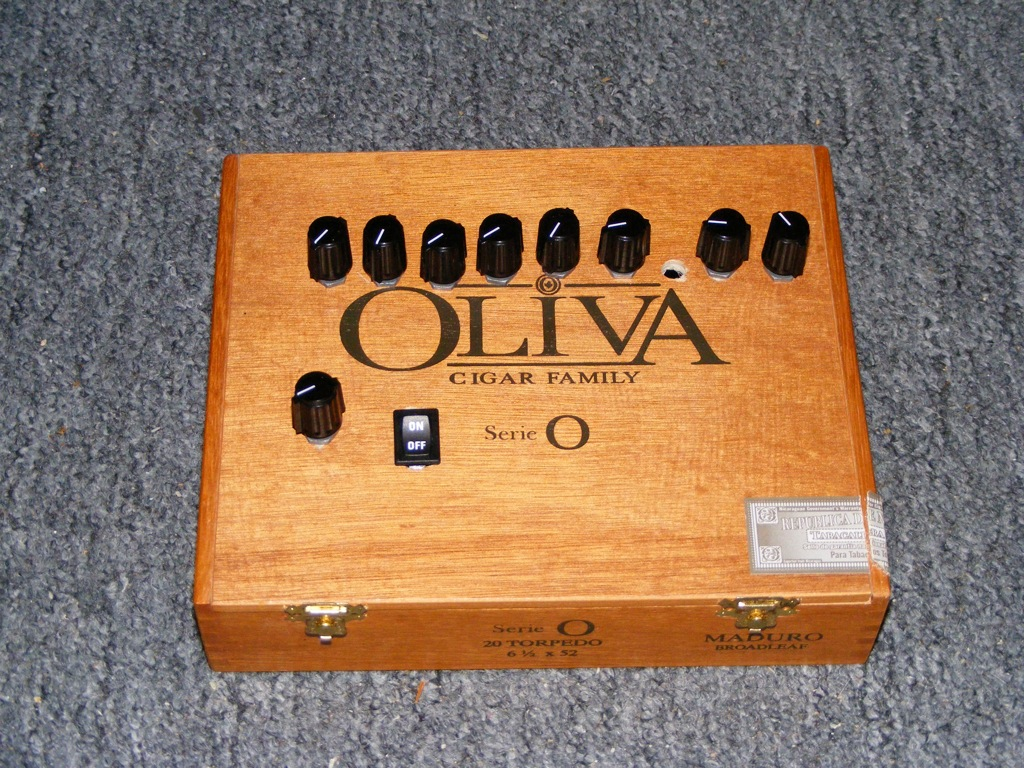
Cigar box wood was thin, soft, flat, straight-grained and free, which made it the obvious material for small homemade objects.
Not applicable in the same way.
Thin free hardwood is the ideal material for amateur making and it was used accordingly. Anything a person wanted to build at a small scale – a shelf, a drawer, a frame, a model, a toy – could be made from cigar box wood, which meant the limiting factor on small projects was ambition rather than material.
9. People Made Instruments Out of Them
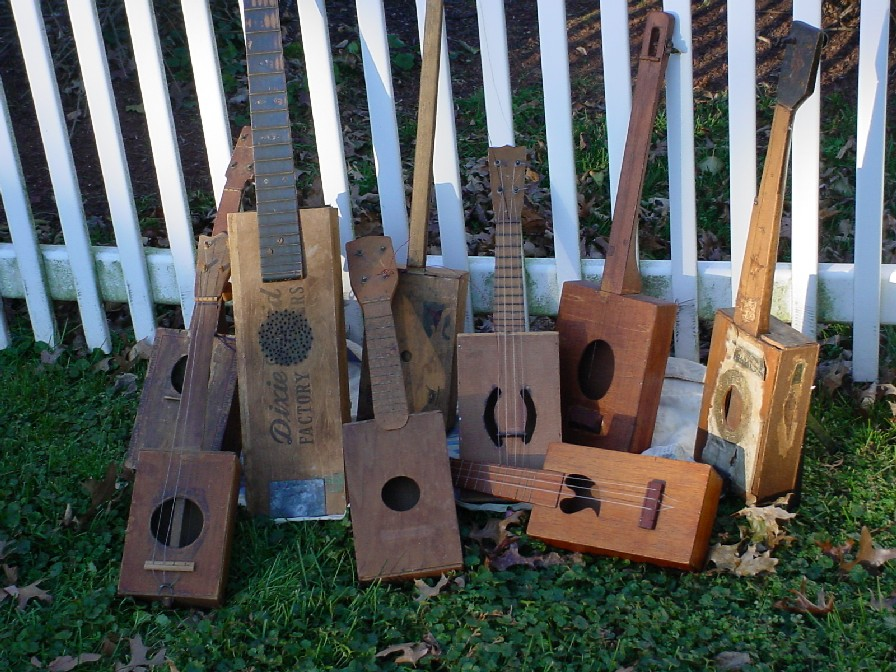
Fretted instruments were built using a cigar box as the body, with a stick for a neck and wire for strings, and the tradition is a real and documented one.
A deliberate revival exists and the instruments are built today.
The instrument tradition deserves its own mention because it is the most striking use of the object. A box that is light, thin-walled, hollow and roughly the right size is an adequate resonating chamber, which means a person with no money could assemble something that genuinely plays out of a discarded container, a stick and some wire.
10. The Labels Were Serious Printing
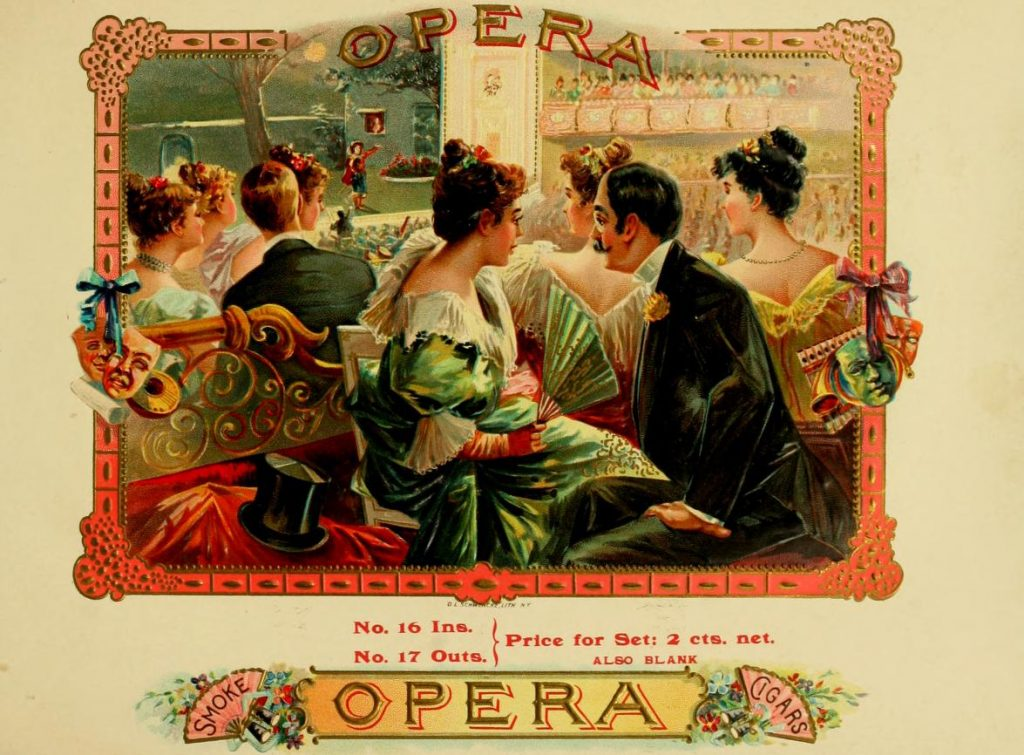
Box labels were elaborate colour lithographs, frequently embossed and gilded, produced to a standard that had nothing to do with the cost of the box.
Not applicable; packaging graphics serve different purposes.
The disproportion between the label and the product is the commercial fact worth noticing. Cigars were sold on brand and presentation in a crowded market, so the printing budget went into an image a buyer saw at the point of sale – and the result is that a free wooden box came with a small piece of genuinely accomplished commercial art on the inside of its lid.
11. They Were Repurposed as Display and Storage in Shops
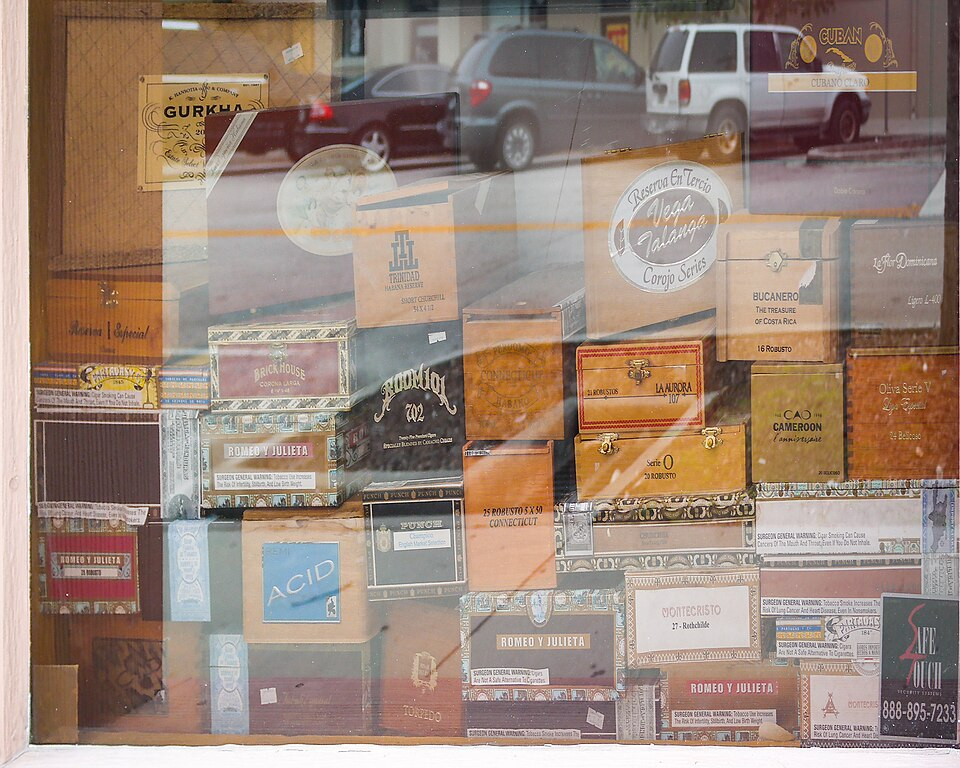
Shops used them for sorting stock, for till drawers, for small displays and for anything that needed a rigid lidded container behind a counter.
Not applicable.
The commercial reuse shows that this was not merely domestic thrift. A business that could buy proper fittings still used cigar boxes, because a free box of consistent dimensions is genuinely the right tool for a great many jobs – which is the clearest evidence of how good the object was.
12. Then Cardboard and Cellophane Replaced the Wood
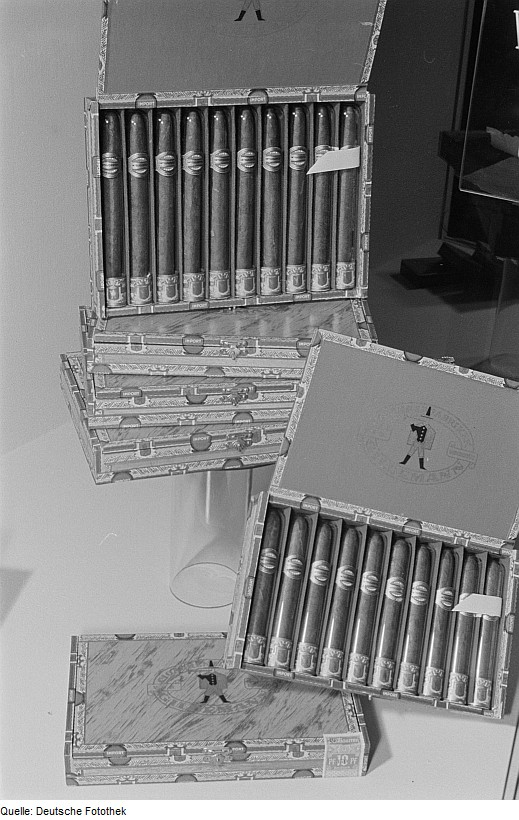
Changes in packaging, in tax administration and in the market moved cigars into cardboard, paper and plastic, and the wooden box stopped being the standard container.
Standard.
The end of the supply is the whole explanation and it came from outside the household entirely. Nobody decided to stop using cigar boxes – the boxes simply stopped arriving, because the industry that produced them as a by-product changed how it packaged its product.
13. Then Cheap Plastic Boxes Filled the Gap
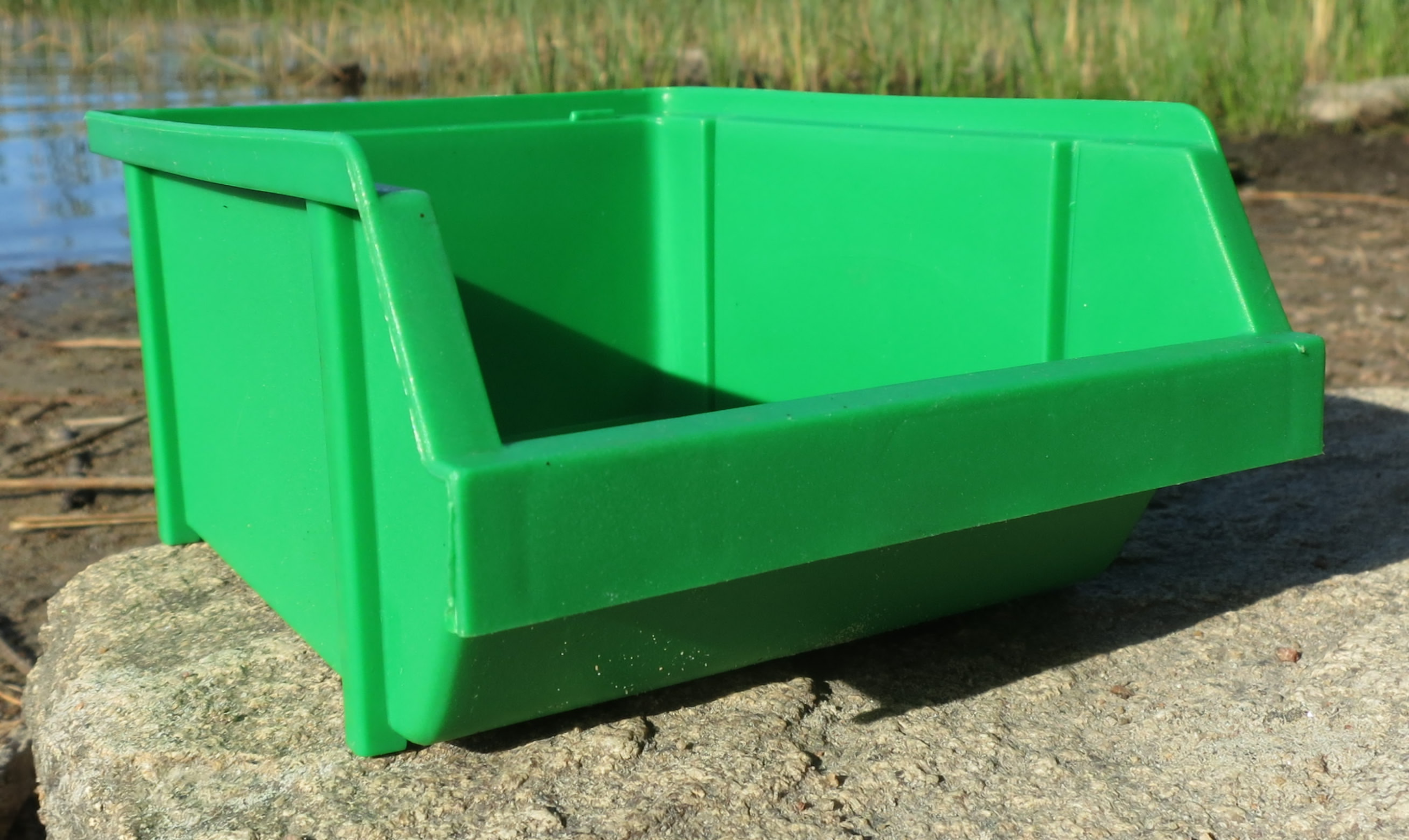
Moulded plastic containers in every size, with compartments, transparent lids and matching sets, took over small storage completely.
Universal.
Plastic is better at the job in most measurable ways and that should be said. It is lighter, waterproof, cheaper, compartmented, transparent and stackable – so the replacement was an improvement, and the only thing it lacks is that it costs money and arrives as a purchase rather than as a windfall.
14. The Surviving Boxes Became Collectable for the Labels
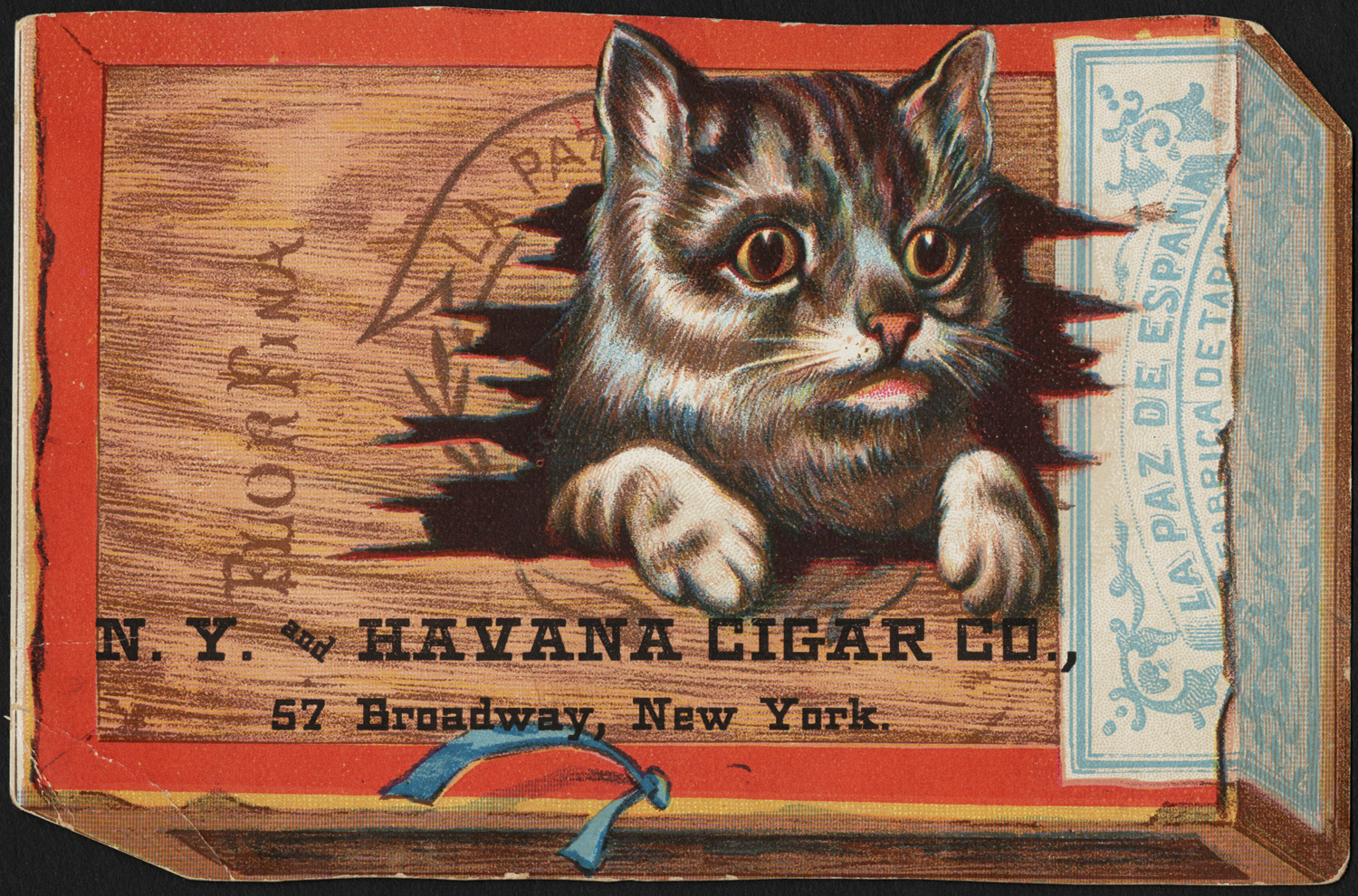
Old boxes are now valued chiefly for their lithographed labels, which are collected, framed and traded independently of the boxes themselves.
A substantial collecting field.
There is a small irony in the final outcome. The box was the useful part and the label was advertising, and a century later the advertising is what people pay for while the box is the part that gets discarded – which is an exact reversal of how any household of the period would have ranked them.
15. And by 1964 the Old Ones Were Already Heirlooms
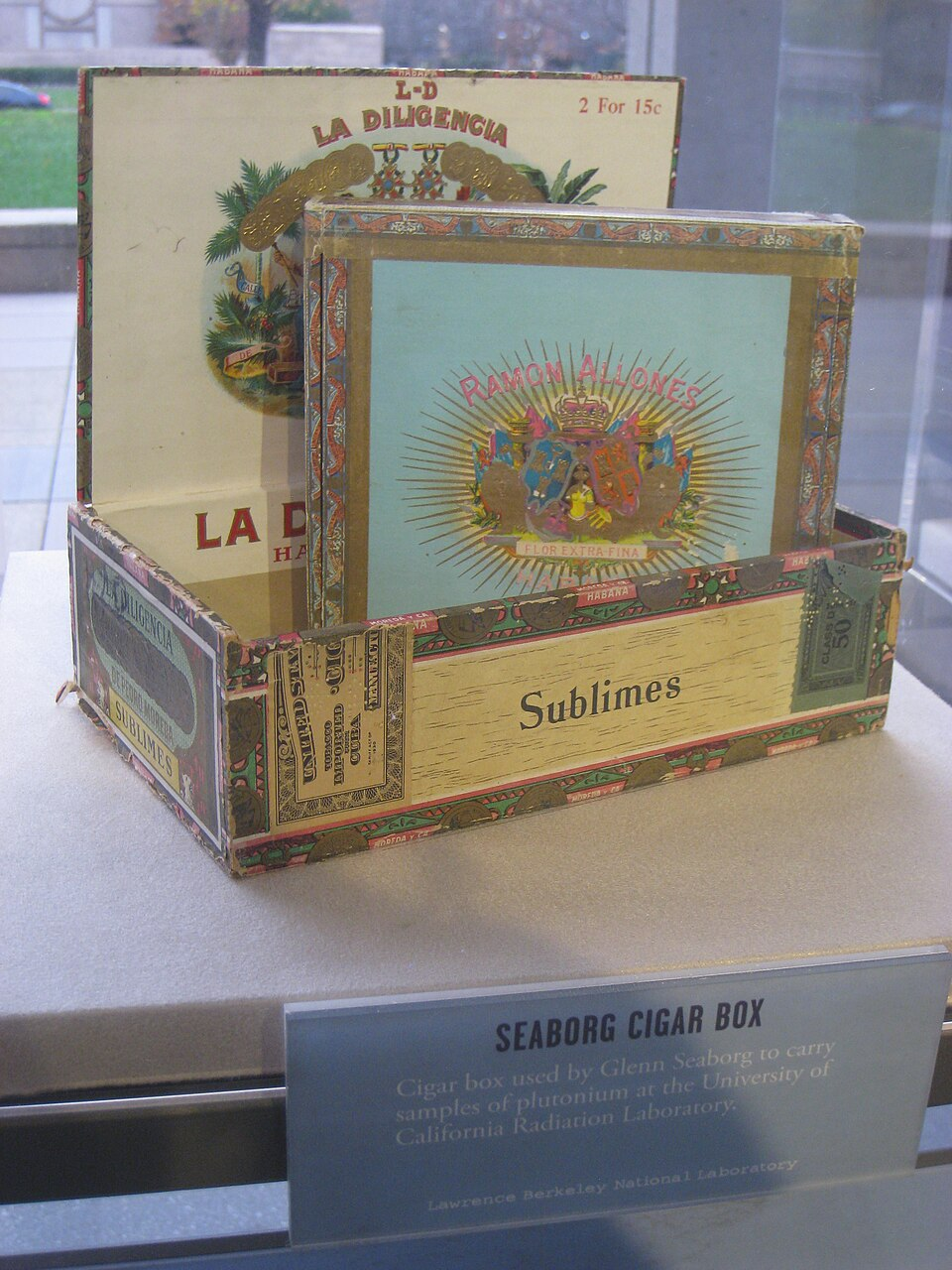
Households still had cigar boxes full of screws and photographs, but they were old boxes, kept and reused for decades, rather than a renewable supply.
Surviving boxes are collected, and the storage function has gone entirely to plastic.
And what deserves the last word is that this was an entire storage economy built on a tax regulation. Because the United States taxed tobacco through sealed standardised boxes, the cigar trade produced millions of well-made small hardwood containers that became worthless the moment they were emptied – and American households absorbed every one of them. They became the unit of keeping for screws, seeds, letters, photographs and coins, the filing system of every workshop, the raw material for every small homemade object, the body of a homemade instrument, and the only private space a child in a crowded house possessed. Not one of those uses was intended by anybody. The boxes were a by-product, the households were resourceful, and when the packaging changed the whole arrangement ended – leaving the labels, which were the one part nobody needed, as the only part anybody now wants.
A Storage Economy Built on a Tax Regulation
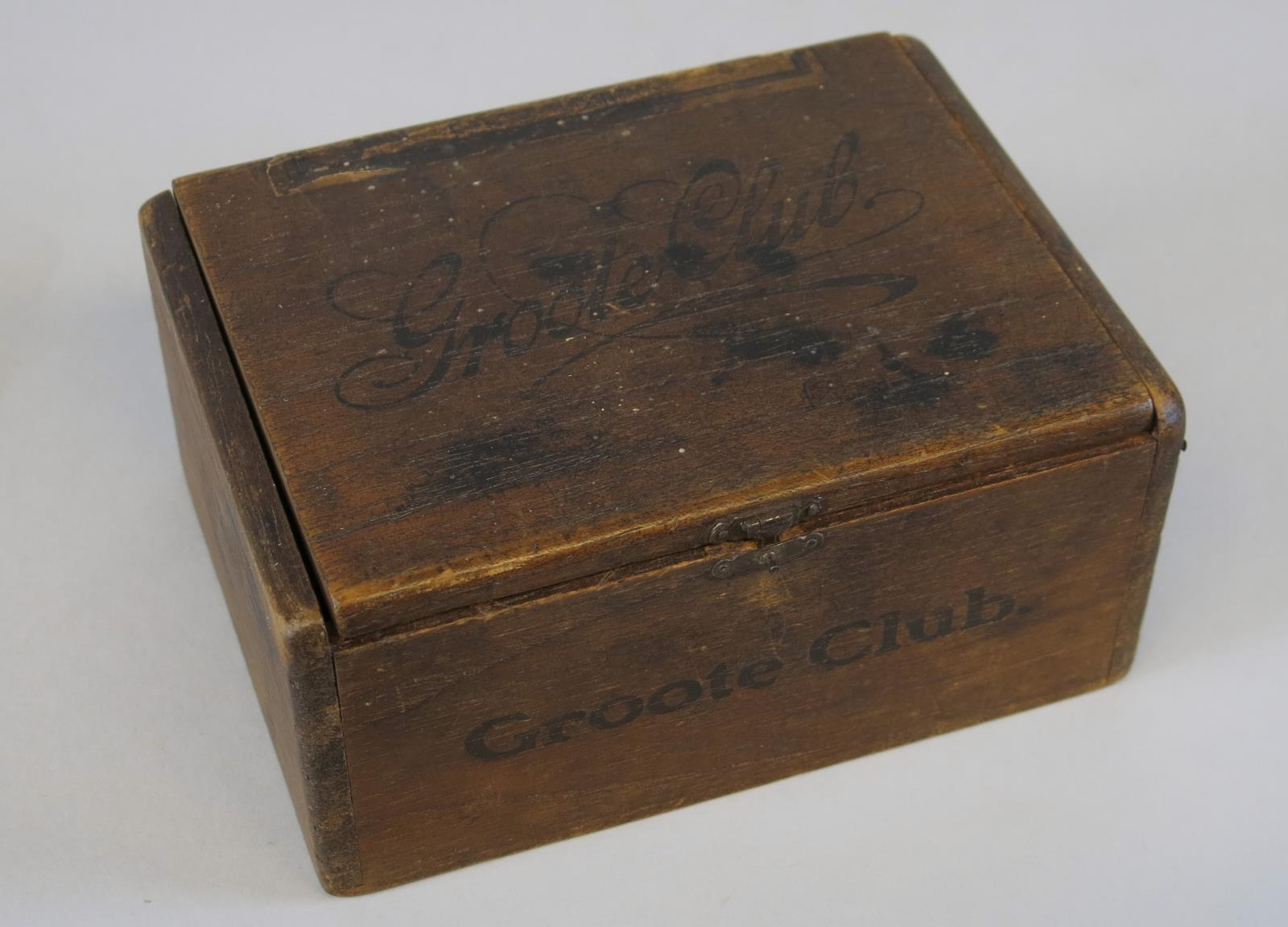
The cigar box is the most useful object nobody ever designed, and the reason it was so good is one almost nobody knows.
It was good because tobacco was taxed, and the tax was administered through sealed, stamped, standardised boxes. A tax stamp across a lid only works if the lid is a genuine lid and the box cannot be quietly opened and refilled – so revenue requirements produced a sound container with proper corners and a fitted top. The box’s quality is a by-product of government bookkeeping.
The wood helped too, and was also chosen for other reasons. Light aromatic cedar and mahogany were used because they do not taint tobacco and because they manage moisture – which happens to be exactly what you want for storing small valuable things, being light, stable and discouraging to insects. The households reusing them had worked that out without needing to know why.
Then the supply. Cigars were smoked in enormous quantities and sold by the box, so empties accumulated in houses, shops, saloons and barbershops, free to anybody who asked. A high-quality container produced in millions and worthless the instant it is emptied is an extraordinary windfall for a thrifty society – and the result was a standard storage unit present in every American house that nobody had bought.
What followed is the interesting part, because a society given a free consistent good-quality container will reorganise itself around it.
Screws, nails, buttons, thread, keys, fuses, seeds, photographs, letters, coins and fishing tackle all lived in cigar boxes. The phrase was understood as a unit of storage, which is why so many unrelated things ended up in identical containers.
In a workshop or barn it was a filing system. Uniform boxes stack, sit on a shelf, pull out like drawers and can be written on in pencil on the end – which gives a shop a modular parts store for nothing, and those pencilled labels are frequently still legible.
For a child it was property. In a crowded house where a child had no room, no drawer and no door, a box with a lid was the only space that belonged to them – stones, string, a knife, cards, coins, things found. That turns a free wooden container into something closer to personal territory, which is why people remember their own box so clearly.
And it was the standard material for making things. Thin, soft, flat, straight-grained hardwood, free – so a shelf, a drawer, a frame, a model or a toy could be built from it, and the limiting factor on small projects was ambition rather than material. Most strikingly, people built fretted instruments using the box as a body, with a stick for a neck and wire for strings: a light, thin-walled, hollow container of roughly the right size is an adequate resonating chamber, which means somebody with no money could assemble something that genuinely plays.
Shops used them too, for sorting stock, till drawers and small displays – which is the clearest evidence of how good the object was, since a business that could afford proper fittings still chose the free box.
The one part that was never useful is the part people now pay for. Box labels were elaborate colour lithographs, embossed and gilded, produced to a standard entirely out of proportion to the cost of the box, because cigars were sold on brand and presentation in a crowded market. A free wooden box therefore came with a small piece of accomplished commercial art inside the lid.
The end came from outside the household entirely. Changes in packaging, in tax administration and in the market moved cigars into cardboard, paper and plastic, and the boxes simply stopped arriving. Nobody decided to stop using them.
Cheap moulded plastic then filled the gap, and it is better at the job in most measurable ways – lighter, waterproof, compartmented, transparent, stackable, available in matching sets. The only thing it lacks is that it has to be bought.
Which leaves a small irony at the end. The box was the useful part and the label was advertising. A century later the advertising is collected, framed and traded while the box is the part that gets thrown away – an exact reversal of how any household of the period would have ranked them.
Not one of the uses this object was put to was intended by anybody. The boxes were a by-product of a tax regulation. The households were resourceful. And when the packaging changed, the entire arrangement ended.
If your family has an old cigar box of screws, read the pencil writing on the end.
Somebody set up a filing system with free boxes and it is still working.
Like our content? Follow us for more.