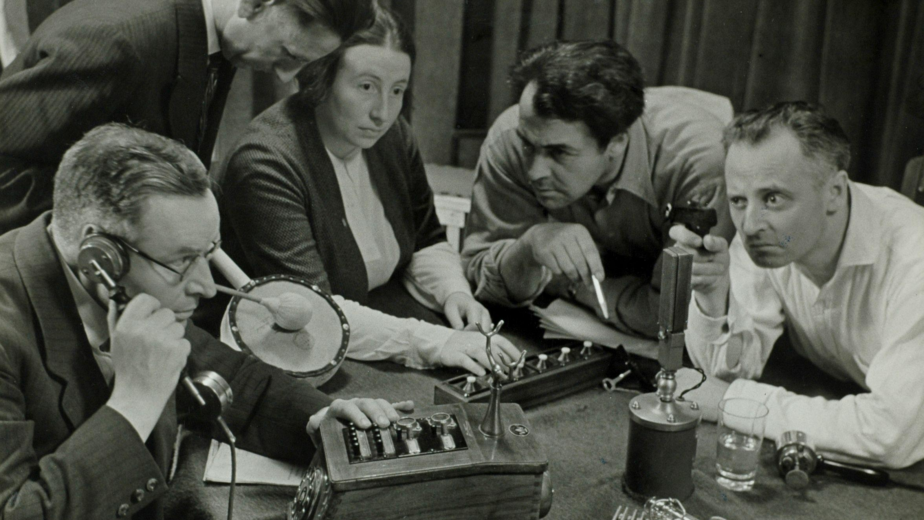
Every generation of parents has its catchphrases, and the moms and dads of the 1970s had a particularly memorable collection. These were the stock sayings used to scold, warn, motivate, and shut down arguments, phrases passed down through generations and deployed at just the right moment. Many have faded from use as parenting styles changed, but for anyone who grew up in the era, just reading them brings Mom or Dad’s voice instantly to mind. Looking back at these classic sayings is a nostalgic delight. Here are fifteen things every American parent said in the 1970s that you rarely hear today, counted down one by one.
1. “Were You Born in a Barn?”

This was the standard scold for leaving a door wide open. It questioned your upbringing in one line.
When a kid left the door hanging wide open, letting in the cold, the heat, or the flies, the inevitable response was, “Were you born in a barn?” The phrase neatly combined a scolding with a jab at your manners, all in one rhetorical question. It usually got the door shut in a hurry. “Were you born in a barn?” is a classic 1970s parent phrase, the go-to scold for a door left open that questioned your upbringing in a single memorable line and remains instantly recognizable to anyone who grew up hearing it.
Like our content? Follow us for more.
2. “I’ll Give You Something to Cry About”
Aimed at a kid crying without good reason, it rarely needed follow-through. The warning alone did the trick.
When a child was crying or fussing without what the parent considered a good reason, out came the classic warning: “Stop crying, or I’ll give you something to cry about.” The threat was usually enough to quiet the tears, and follow-through was rarely required. The phrase was a staple of the era’s parenting. “I’ll give you something to cry about” is a quintessential 1970s parent phrase, the stern warning aimed at unwarranted tears that, more often than not, worked through the threat alone and exemplified the no-nonsense tone of the era’s parenting.
3. “Wait Till Your Father Gets Home”
This deferred discipline to the other parent. The wait was its own punishment.
When a kid misbehaved during the day, a common response was, “Just wait till your father gets home,” deferring the reckoning to the evening. The hours of anticipation, wondering what would happen, were often worse than any actual consequence. The phrase reflected the household roles of the era. “Wait till your father gets home” is a classic 1970s parent phrase, the deferred-discipline warning that hung over a misbehaving kid all afternoon and made the anxious wait a punishment in itself, a saying tied to the family dynamics of the time.
4. “Because I Said So”
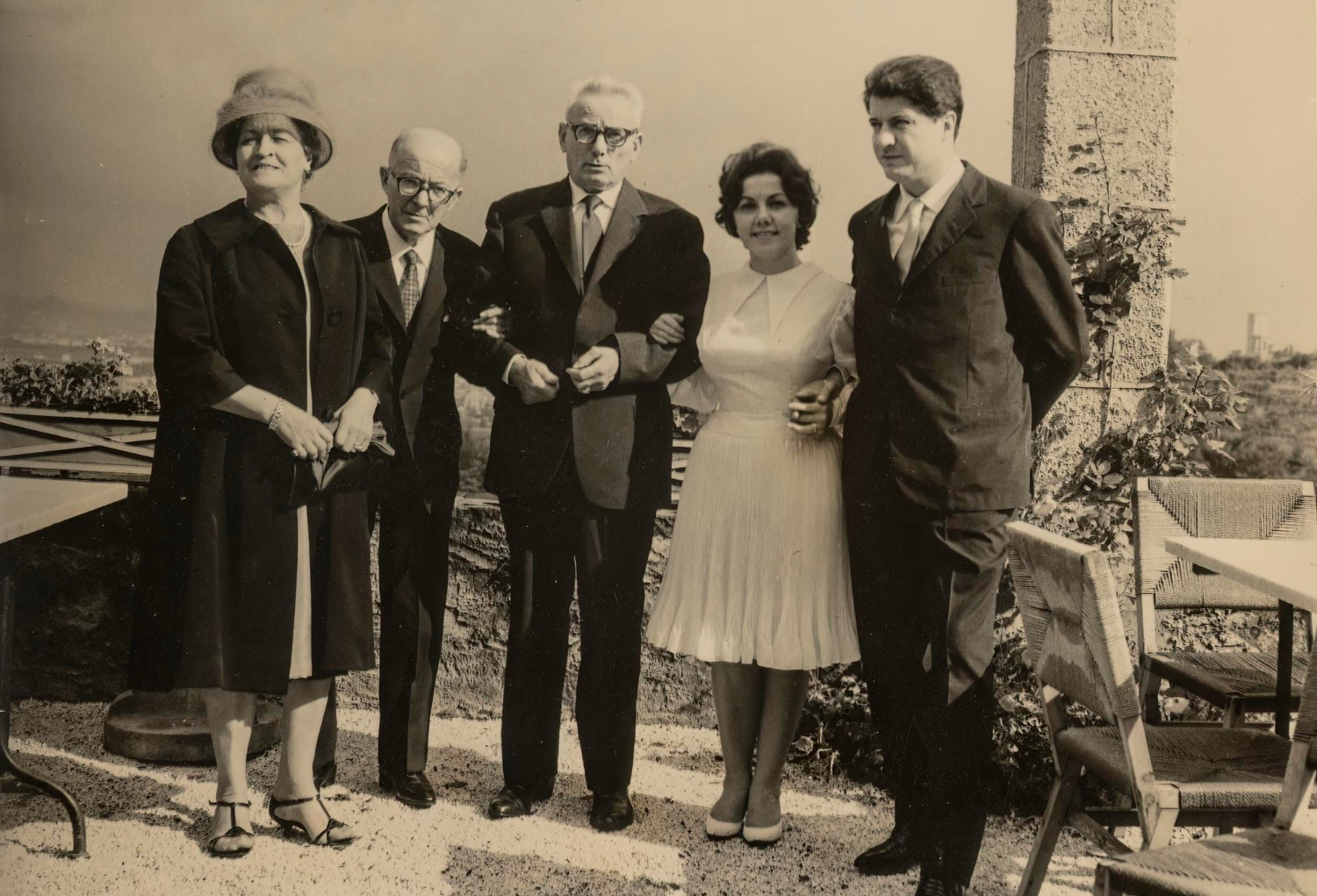
This ended any argument instantly. It was the ultimate non-explanation.
When a kid asked “why?” one too many times, the conversation-ending answer was, “Because I said so.” It offered no reasoning and brooked no further debate, the final word that established parental authority and shut down the negotiation. There was no arguing with it. “Because I said so” is perhaps the ultimate 1970s parent phrase, the conversation-ending non-explanation that asserted authority without justification and remains the definitive comeback to a child’s endless “why,” recognized by every generation since.
5. “Money Doesn’t Grow on Trees”

This was the response to any request to buy something. It taught the value of a dollar.
Whenever a kid asked for a new toy, treat, or gadget, the standard reply was, “Money doesn’t grow on trees.” The phrase reminded children that money was earned through hard work and not to be spent frivolously. It was the era’s go-to lesson in thrift. “Money doesn’t grow on trees” is a classic 1970s parent phrase, the standard response to a child’s request to buy something that drove home the value of money and reflected an era of practical, budget-conscious parenting, a saying still understood by all.
6. “Close the Door, You’re Letting the Bugs In”
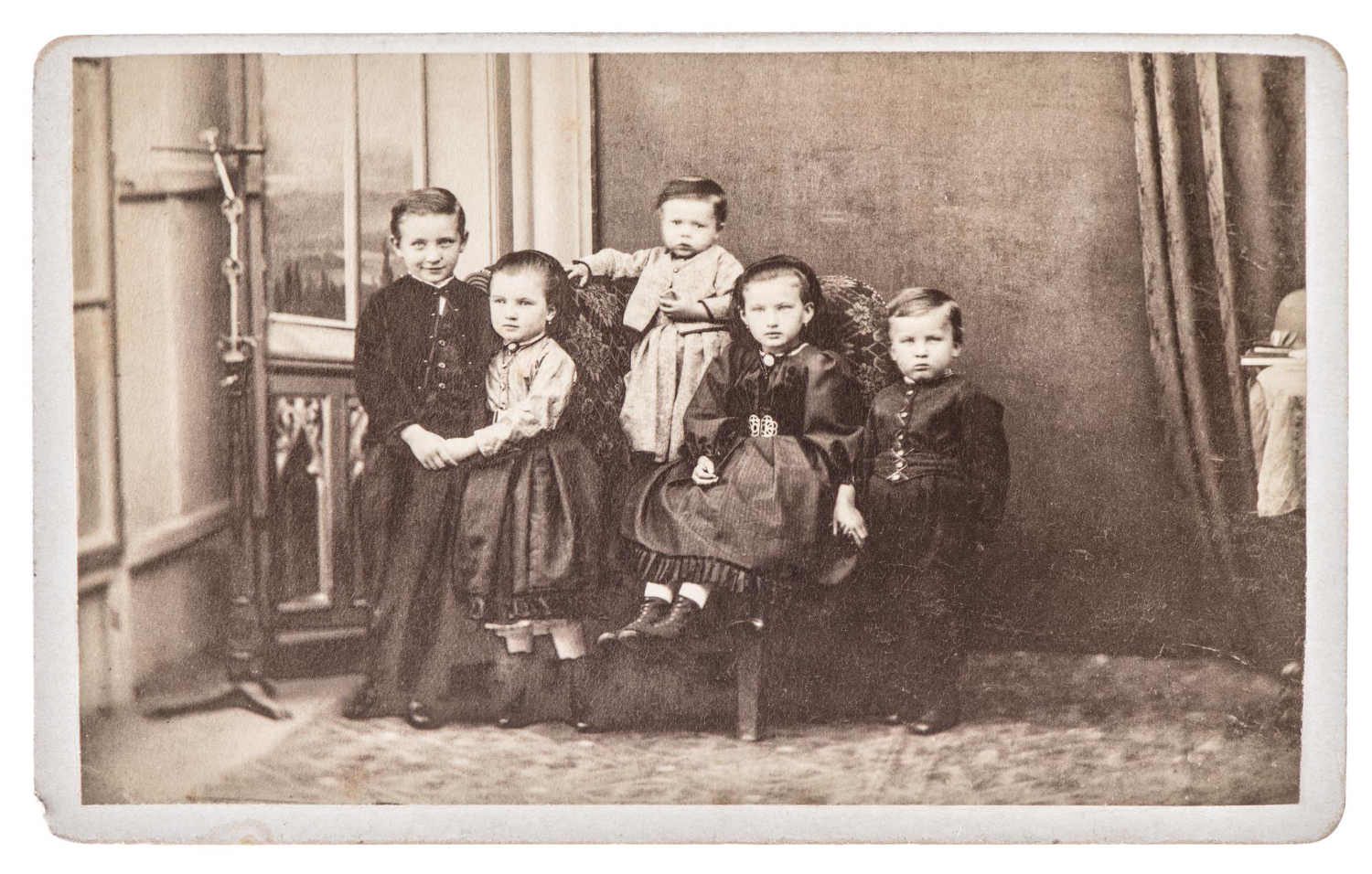
A companion to the barn line, this targeted the open door. It blamed you for every fly inside.
Closely related to the barn question, parents would holler, “Close the door, you’re letting the bugs in!”, or the cold, or the heat, depending on the season. Any pest or draft in the house could be blamed on a kid who failed to shut the door behind them. It was a constant refrain. “Close the door, you’re letting the bugs in” is a familiar 1970s parent phrase, the seasonal scold over an open door that pinned every fly, draft, or escaped bit of air conditioning on a careless kid and echoed through countless households.
7. “If All Your Friends Jumped Off a Bridge, Would You?”
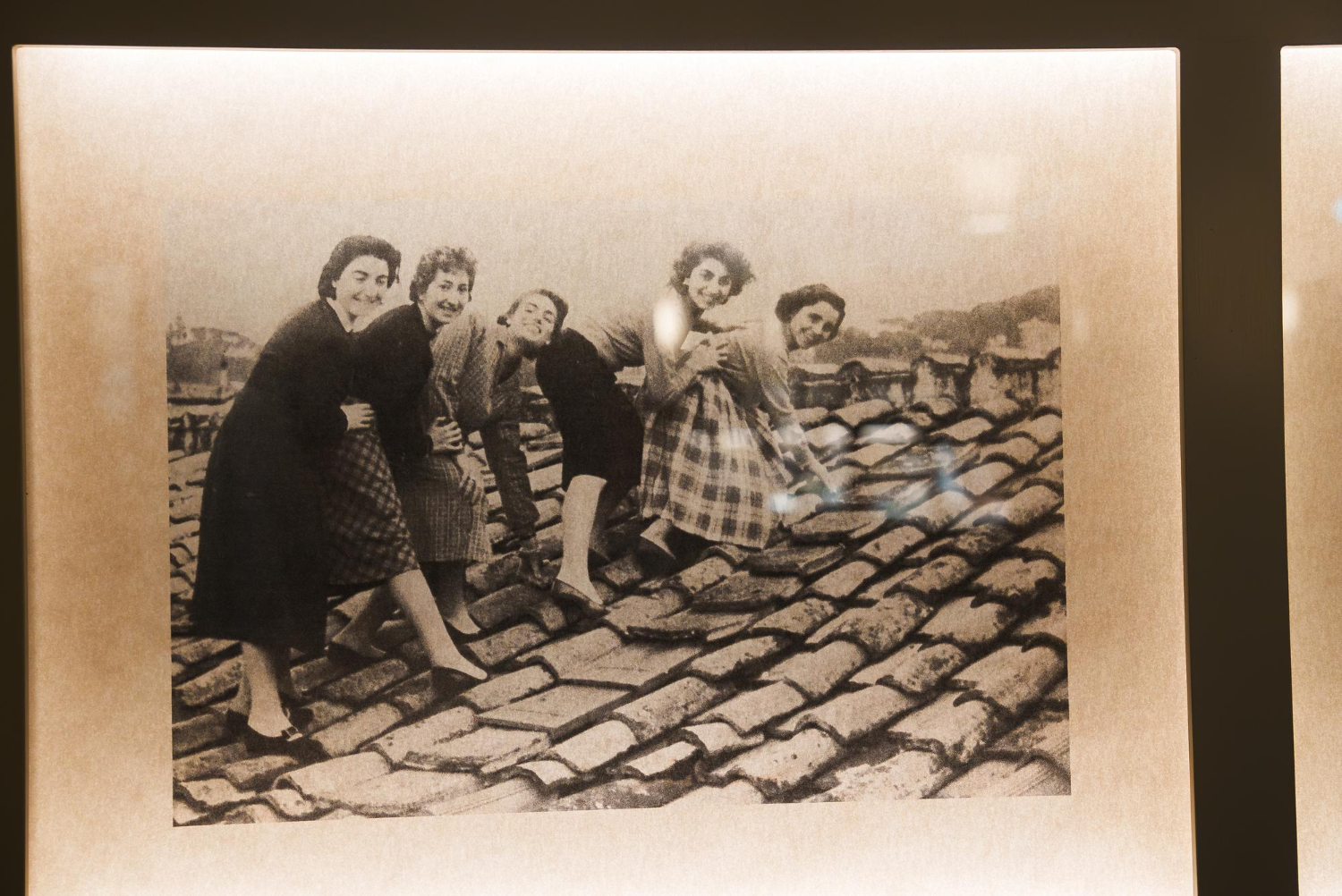
The reply to “but everyone’s doing it,” it skewered peer pressure. It made you think twice.
When a kid justified a request by saying “but everybody else is doing it,” the classic rebuttal was, “If all your friends jumped off a bridge, would you do that too?” The phrase neatly skewered the logic of peer pressure and made you reconsider. It was the era’s lesson in independent thinking. “If all your friends jumped off a bridge, would you?” is a beloved 1970s parent phrase, the sharp comeback to the “everyone’s doing it” argument that taught kids to think for themselves and remains a go-to retort recognized across generations.
8. “I’m Not Made of Money”
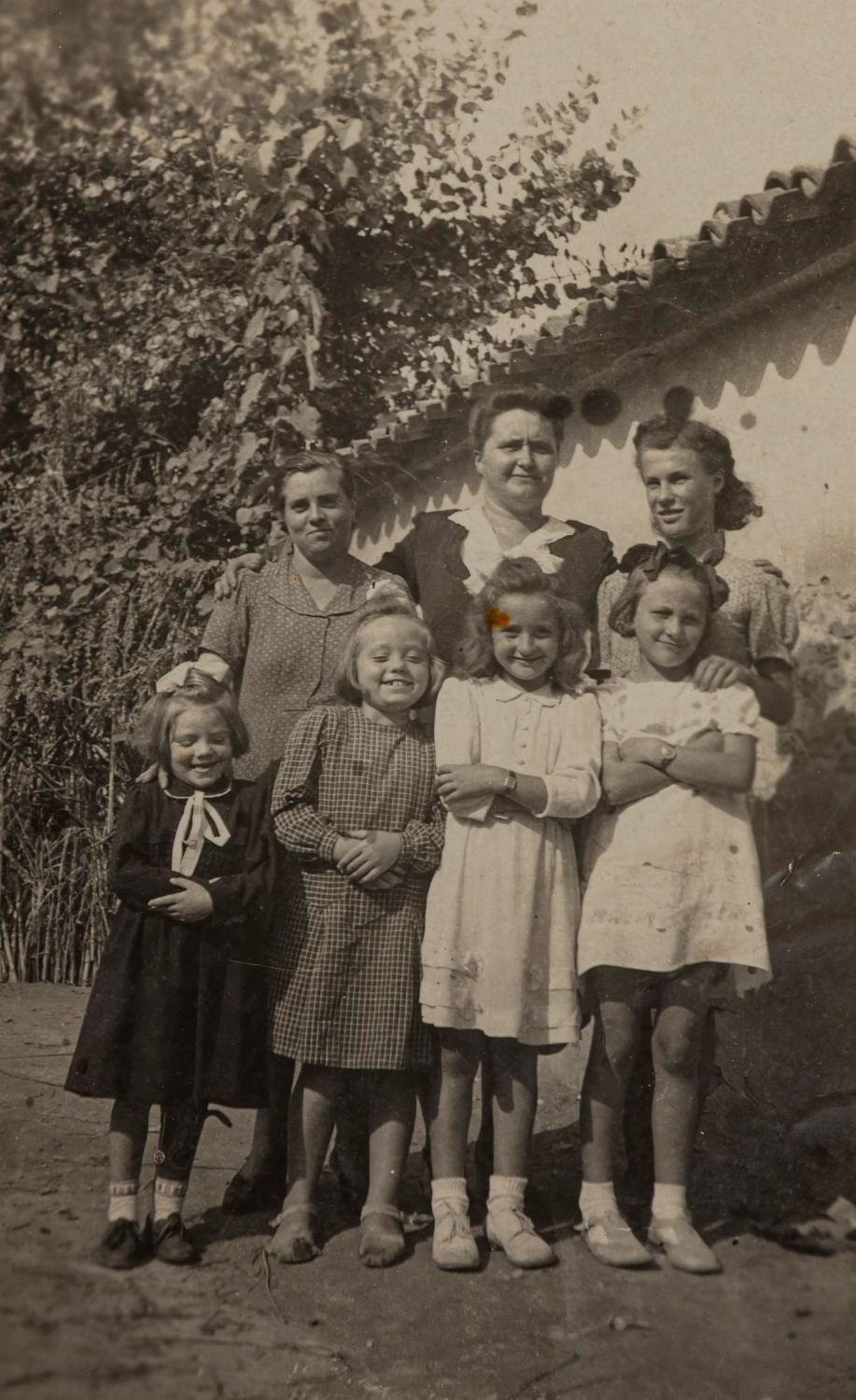
This shut down expensive requests. It emphasized the limits of the family budget.
Another classic response to a kid’s request for something costly was, “I’m not made of money.” Like its cousin about money not growing on trees, the phrase reminded children that the family budget had limits and that not every want could be granted. It put expensive requests to rest. “I’m not made of money” is a classic 1970s parent phrase, the budget-conscious refusal that capped a child’s expensive requests and underscored the financial realities of the household, a saying that reflected the practical thrift of the era.
9. “Eat Everything on Your Plate”
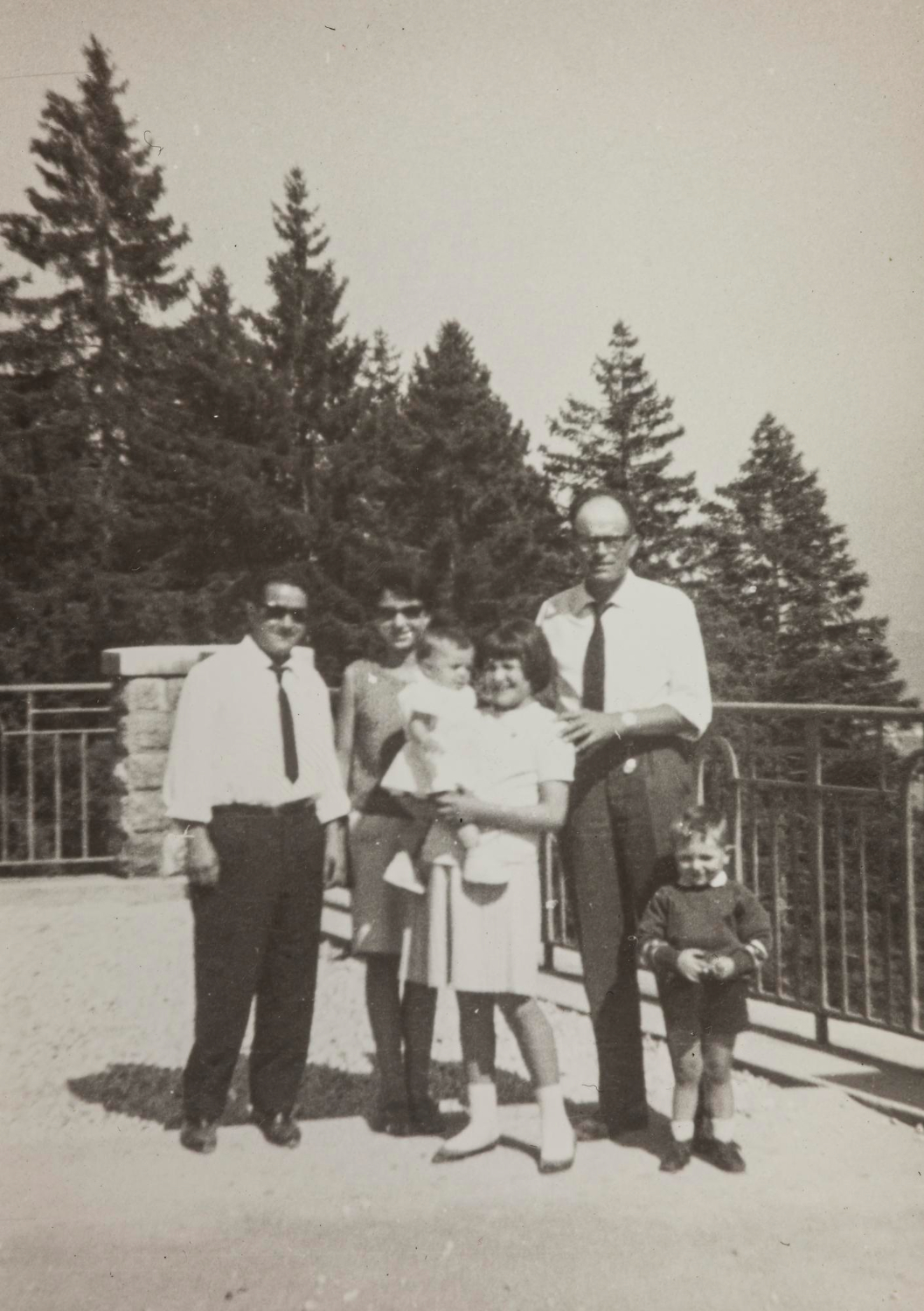
Kids were expected to finish their food. Wasting it was not an option.
At the dinner table, kids were routinely told to “eat everything on your plate,” often with a reminder about those less fortunate. Finishing your meal was expected, and leaving food behind was discouraged as wasteful. The clean-plate rule was a fixture of family dinners. “Eat everything on your plate” is a familiar 1970s parent phrase, the dinner-table directive to finish your food that reflected an emphasis on not wasting a meal and was a near-universal rule at family tables across the era.
10. “Don’t Make Me Stop This Car”
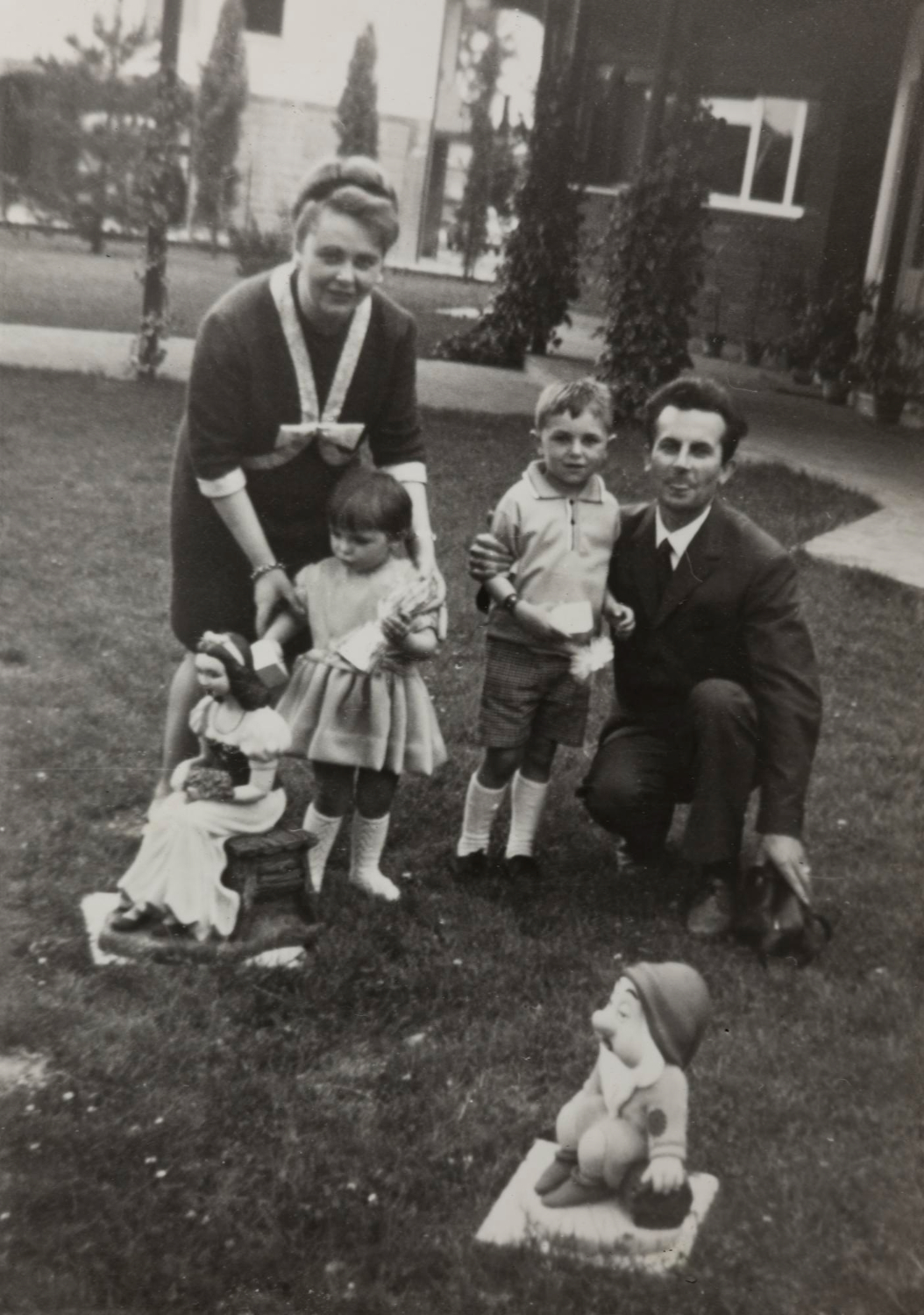
The classic warning on family road trips, it threatened to halt the trip. It usually quieted the back seat.
When the kids in the back seat got too rowdy on a drive, the famous warning came: “Don’t make me stop this car!” The threat to pull over and deal with the chaos was usually enough to restore order, at least temporarily. Every kid knew not to push it too far. “Don’t make me stop this car” is an iconic 1970s parent phrase, the road-trip warning that threatened to halt the journey over back-seat misbehavior and reliably quieted squabbling siblings, a saying etched into the memory of anyone who took family car trips.
11. “You’ll Understand When You’re Older”

This dismissed questions kids weren’t ready for. It was a frustrating but common deferral.
When a kid asked about something the parent didn’t want to explain, the deflection was, “You’ll understand when you’re older.” It dismissed the question without answering it, deferring the explanation to some vague future point. It was frustrating but effective. “You’ll understand when you’re older” is a classic 1970s parent phrase, the deferral that sidestepped a child’s difficult question by promising future understanding, a frustrating but familiar response that parents of the era kept ready for tricky topics.
12. “Turn That Down, You’ll Go Deaf”
Aimed at loud music, it warned of hearing damage. It marked the generation gap.
As kids and teens cranked up their music, parents would shout, “Turn that down, you’ll go deaf!” The complaint about loud music captured the generation gap of the era and the parents’ bafflement at their kids’ taste. It was a recurring household battle. “Turn that down, you’ll go deaf” is a familiar 1970s parent phrase, the recurring complaint about loud music that captured the generational divide of the era and the perennial parental struggle with their kids’ volume, a saying that echoed through many a household.
13. “Go Play Outside”

Kids were sent out to entertain themselves. The outdoors was the default playground.
When kids complained of boredom or got underfoot, the standard solution was, “Go play outside.” Children were simply sent out the door to entertain themselves, expected to roam, invent games, and come back when it got dark. The outdoors was the default playground. “Go play outside” is a classic 1970s parent phrase, the all-purpose remedy for a bored or restless kid that sent children out to amuse themselves and reflected an era when outdoor, unstructured play was simply the expected way to fill a day.
14. “This Is Going to Hurt Me More Than It Hurts You”

A line that preceded discipline, it rarely convinced anyone. The irony was not lost on kids.
Before doling out a punishment, a parent might solemnly declare, “This is going to hurt me more than it hurts you.” Kids were rarely convinced by the sentiment, and the irony was never lost on them. The phrase was a staple of the era’s discipline. “This is going to hurt me more than it hurts you” is a well-remembered 1970s parent phrase, the unconvincing preamble to a punishment that no kid ever quite believed and that has become a classic, gently ironic saying associated with the parenting of the time.
15. “I Brought You Into This World…”

This asserted the ultimate parental authority. It ended the discussion with a flourish.
For the ultimate assertion of authority, a parent might declare, “I brought you into this world, and I can take you out of it,” delivered with enough dramatic flair that everyone knew it was hyperbole. The over-the-top phrase ended any discussion with a flourish. It was all bluster, and kids knew it. “I brought you into this world…” is a memorable 1970s parent phrase, the dramatically over-the-top assertion of authority that capped an argument with theatrical flair and stood as the era’s most colorful, tongue-in-cheek declaration of parental power.
The Soundtrack of a 1970s Childhood
Taken together, these fifteen phrases capture the voice of 1970s parenting, from “because I said so” and “money doesn’t grow on trees” to “don’t make me stop this car” and “go play outside.” They were the stock sayings that scolded, warned, and motivated a generation, and just reading them brings Mom or Dad’s voice instantly to mind.
As parenting styles evolved toward more explanation and negotiation, many of these classic phrases faded from everyday use, replaced by gentler, more reasoned approaches. The result is that you rarely hear these exact sayings today. Yet for anyone who grew up in the 1970s, these phrases are the unmistakable soundtrack of childhood, instantly recognizable and full of memories. Looking back at the things every parent said in the 1970s is a fond, smile-inducing trip down memory lane, a tribute to the catchphrases that defined a generation of American parenting.
Like our content? Follow us for more.