

Over the last few years, countries across Europe and Asia have been forced to rethink what “too many tourists” means. Overtourism isn’t just about crowds, it’s about local housing getting strained, fragile landmarks eroding faster, and communities feeling priced out of their own neighborhoods.
Now, several destinations are finalizing policies for 2026 that could permanently change how people experience travel. Daily visitor limits, cruise-ship bans, and tourism taxes are no longer temporary fixes; they’re becoming the new normal. Here’s what that means for some of the world’s most visited spots.
1. Venice, Italy

Venice has become the global symbol of overtourism. The city’s canals attract over 20 million visitors a year, ten times the number of residents. Starting in 2026, Venice plans to expand its day-tripper fee system and may introduce season-based entry caps for the most crowded months.
Officials say the goal isn’t to scare tourists away but to preserve the city’s infrastructure, which struggles under constant foot traffic and cruise ship arrivals. Travelers can still visit, but booking in advance and avoiding summer weekends will soon be essential. The hope is to make Venice livable again, for locals first, and visitors second.
2. Komodo National Park, Indonesia

Few destinations illustrate the tension between conservation and curiosity as vividly as Komodo National Park. The park is home to the endangered Komodo dragon and delicate island ecosystems that suffer from constant tourist pressure.
Authorities are moving ahead with a new cap of roughly 1,000 visitors per day starting in 2026, paired with higher conservation fees. Drone photography, waste restrictions, and guided-only access may also become mandatory. The goal is to turn Komodo into a model of sustainable wildlife tourism rather than a cautionary tale of overuse.
3. Mount Fuji, Japan

Japan has been candid about its growing struggle with overtourism, and Mount Fuji sits at the center of that debate. In 2024, officials began testing crowd-control measures after record-breaking hiking seasons left trails littered with waste and shelters overwhelmed.
By 2026, Japan plans to expand its paid hiking permit system, enforce stricter caps per trail, and limit overnight stays near the summit. Cameras and digital counters already track foot traffic to prevent congestion. The goal is to restore dignity to the mountain, both a sacred site and a national symbol, by ensuring climbers can actually enjoy it without being packed shoulder-to-shoulder on the path to the top.
4. Barcelona, Spain

Barcelona’s relationship with tourism has become complicated. Nearly 12 million visitors pour in each year, dwarfing the city’s 1.6 million residents. Locals increasingly voice frustration over rent hikes, overcrowded public transport, and short-term rentals eating into housing supply.
Starting in 2026, Barcelona plans to ban new hotel construction in its central districts and restrict licenses for short-term vacation rentals like Airbnb. The city may also expand its tourist tax, especially during summer peaks. Officials hope this will give neighborhoods breathing room and keep tourism focused on culture and heritage, not just beach parties and cheap flights.
5. Amsterdam, Netherlands

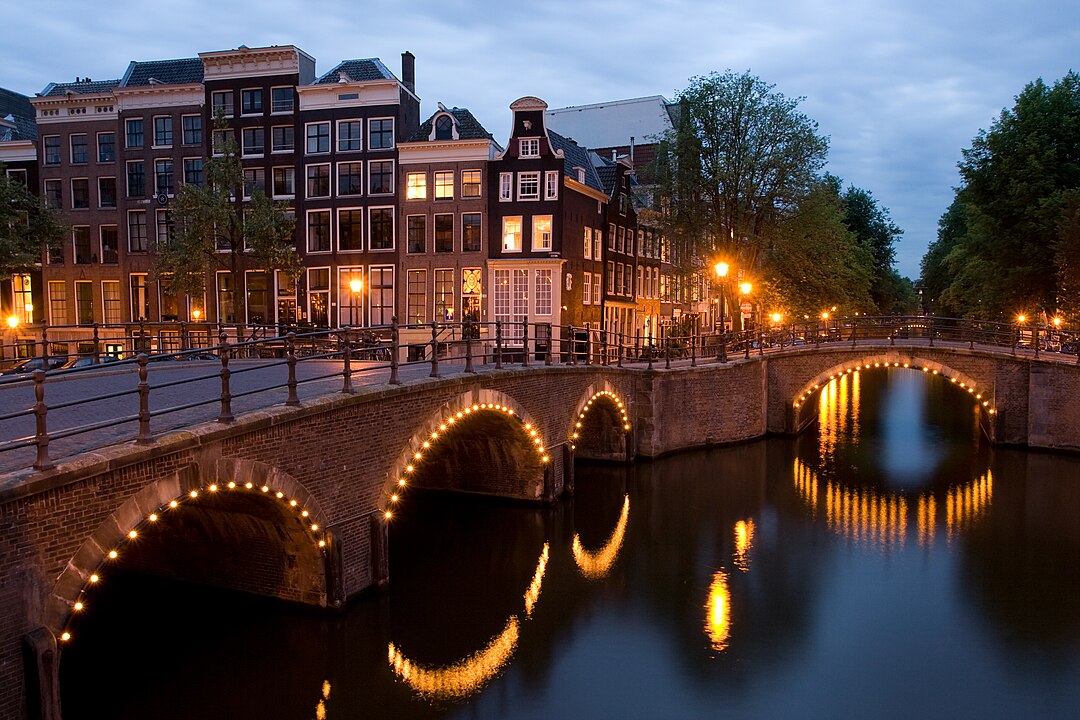
Amsterdam has long flirted with overtourism limits, but the city is now making them official. Local authorities are pushing to cap total overnight stays to around 20 million per year, down from pre-pandemic highs.
In addition, new restrictions on canal cruises, pub crawls, and cannabis tourism are being discussed for 2026. Amsterdam’s “Stay Away” campaign, which targets rowdy weekenders from abroad, reflects a shift in tone: quality over quantity. The idea isn’t to end tourism, but to make it sustainable, respectful, and less disruptive for residents who’ve seen their neighborhoods turn into 24-hour party zones.
6. Machu Picchu, Peru

Machu Picchu is no stranger to visitor caps, but the Peruvian government plans to take regulation even further by 2026. UNESCO has warned that erosion and structural wear threaten the site’s long-term survival, especially as annual visitor numbers surpass 1.5 million.
Peru is developing a timed-entry system with mandatory guided routes and digital tickets to prevent crowd bottlenecks. Drones will also monitor pathways to keep tourists from wandering into fragile areas. The plan aims to strike a balance, protecting an ancient world wonder while keeping its cultural and economic importance alive for locals.
7. Iceland’s Golden Circle

Iceland’s volcanic landscapes and geothermal wonders have drawn millions since social media turned them into must-see destinations. But the small nation, with just over 370,000 residents, is feeling the strain. Roads, restrooms, and natural sites like Gullfoss and Thingvellir National Park are under constant repair from traffic that far exceeds what they were built to handle.
The Icelandic government plans to expand its existing nature preservation fund and is considering entry fees for its most-visited areas by 2026. Limits on tour buses and rental cars in the Golden Circle may also follow. For travelers, it means more structured experiences, still stunning, but managed for balance rather than volume.
8. Yellowstone National Park, USA

Even America’s oldest national park isn’t immune to the pressures of overcrowding. Yellowstone has seen summer attendance spike to record levels, clogging roads and overwhelming campgrounds. Rangers report growing safety concerns as visitors crowd too close to wildlife or step off marked trails.
In response, the National Park Service is testing timed-entry systems similar to those used in Glacier and Arches National Parks. By 2026, these measures could become permanent, especially during peak months. The goal isn’t to lock people out, it’s to keep the experience wild, peaceful, and safe for those who make the trip.
9. Banff National Park, Canada

Banff’s turquoise lakes and dramatic peaks make it one of North America’s most visited natural destinations, but that popularity has come at a cost. Parking lots at Lake Louise overflow before sunrise, and local wildlife corridors have been disrupted by record tourist traffic.
Parks Canada has hinted at stricter entry management in the coming years. A combination of shuttle-only access to popular spots, daily visitor limits, and expanded conservation zones could roll out by 2026. For travelers, it’s a push to explore less-crowded parts of the Rockies, still breathtaking, but far quieter.
