

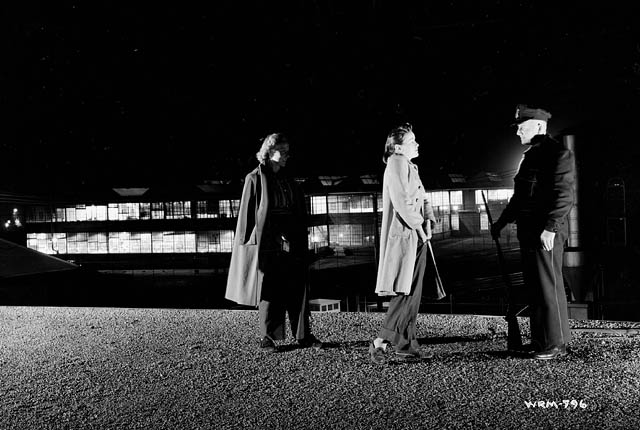
In 1960 a large works, mill or warehouse was protected overnight by one man walking a fixed round, carrying a clockwork drum on a strap that recorded the time he turned a key at each station.
He was alone, in the dark, with no way to call anybody, holding the keys to everything. His main job was not theft – it was fire, because in most of those buildings he was the only detection system there was.
Here are ten things the night watchman did in 1960, and what each one became.
1. He Carried a Clock That Had to Be Wound at Stations Round the Building
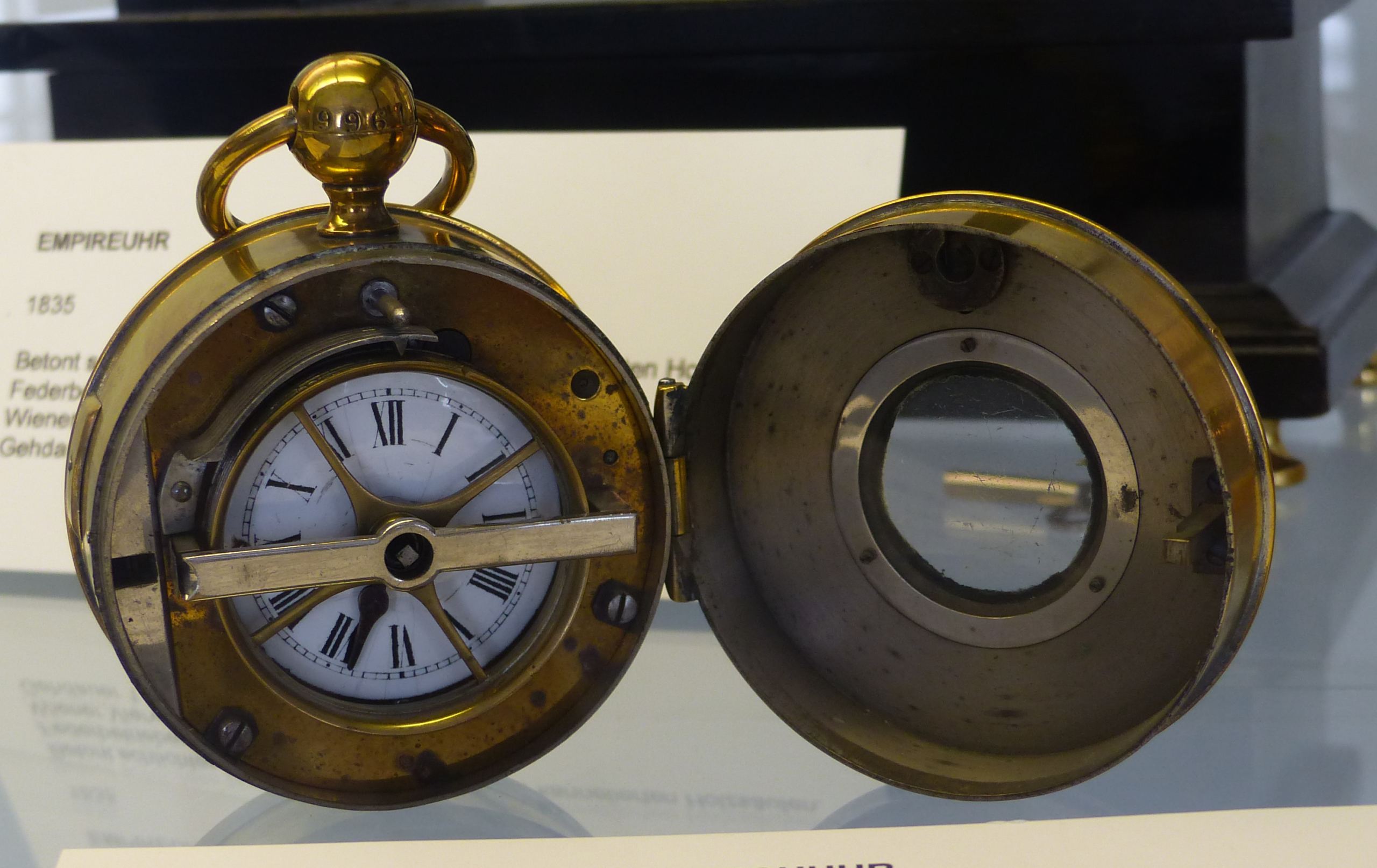
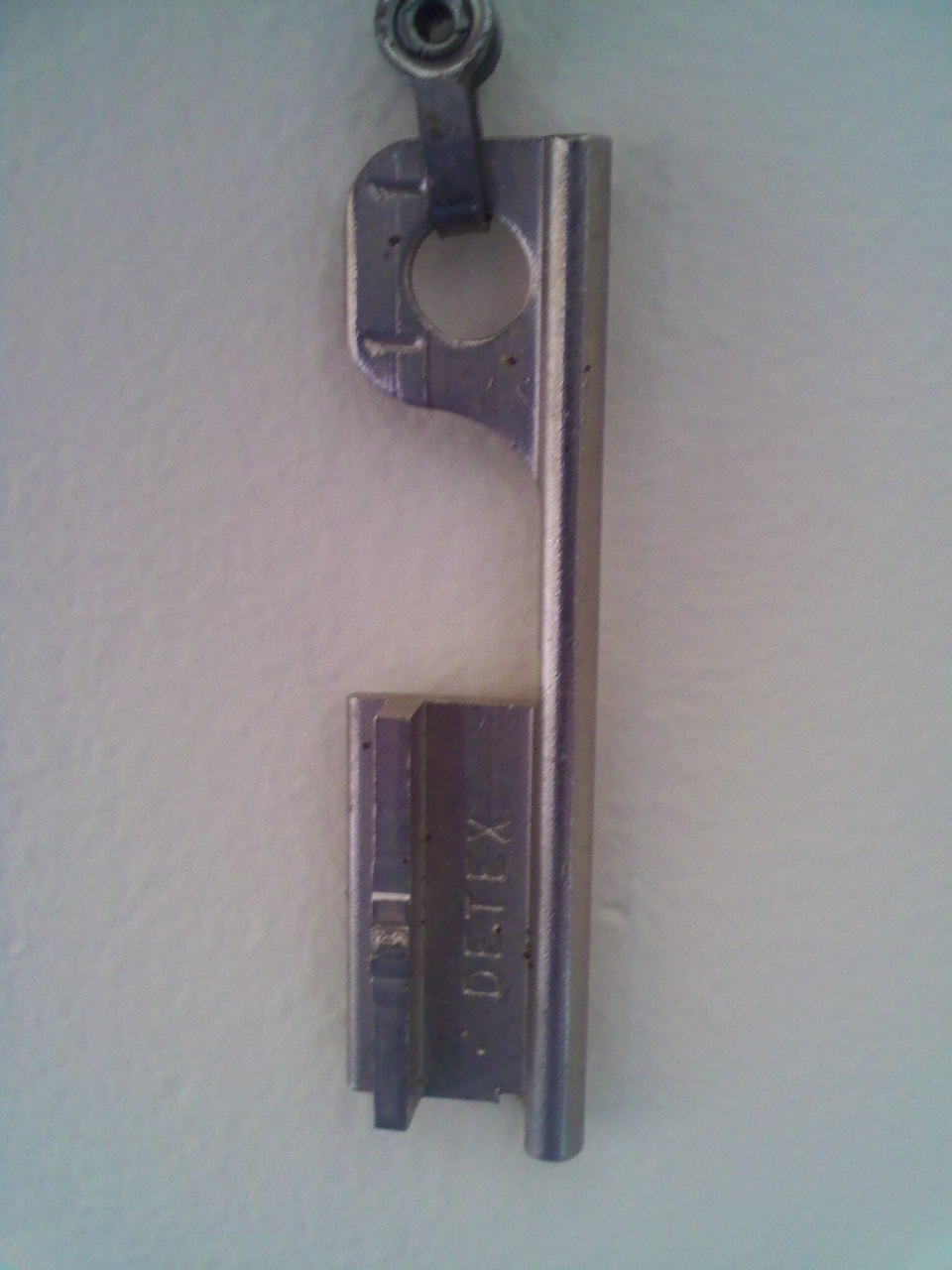
The watchman’s clock was a heavy drum worn on a strap, containing a paper disc and a clockwork movement. At each station on his round a key was chained to the wall; inserting and turning it punched a mark on the disc at the time it was turned.
The disc was the proof. It was removed and read the next morning, and it showed exactly which stations had been visited and when – or which had been skipped, and how long the gaps were. It is a tamper-evident recording device with no electronics, and it is the direct ancestor of every modern guard-tour system, which now use electronic buttons or tags read by a handheld unit and uploaded.
Like our content? Follow us for more.
2. The Round Was Fixed, Timed and Entirely Predictable
The same route at the same intervals through the night, because the clock required the stations to be visited in order and on schedule.
That predictability is now understood as the system’s central weakness, and modern patrolling deliberately randomises routes and timings for exactly that reason – a fixed round tells anybody watching precisely when each part of the building is empty. The old system optimised for proving the watchman had worked rather than for making the building hard to enter, and those are different objectives.
3. He Was Alone in a Large Building All Night With No Way to Call Anybody
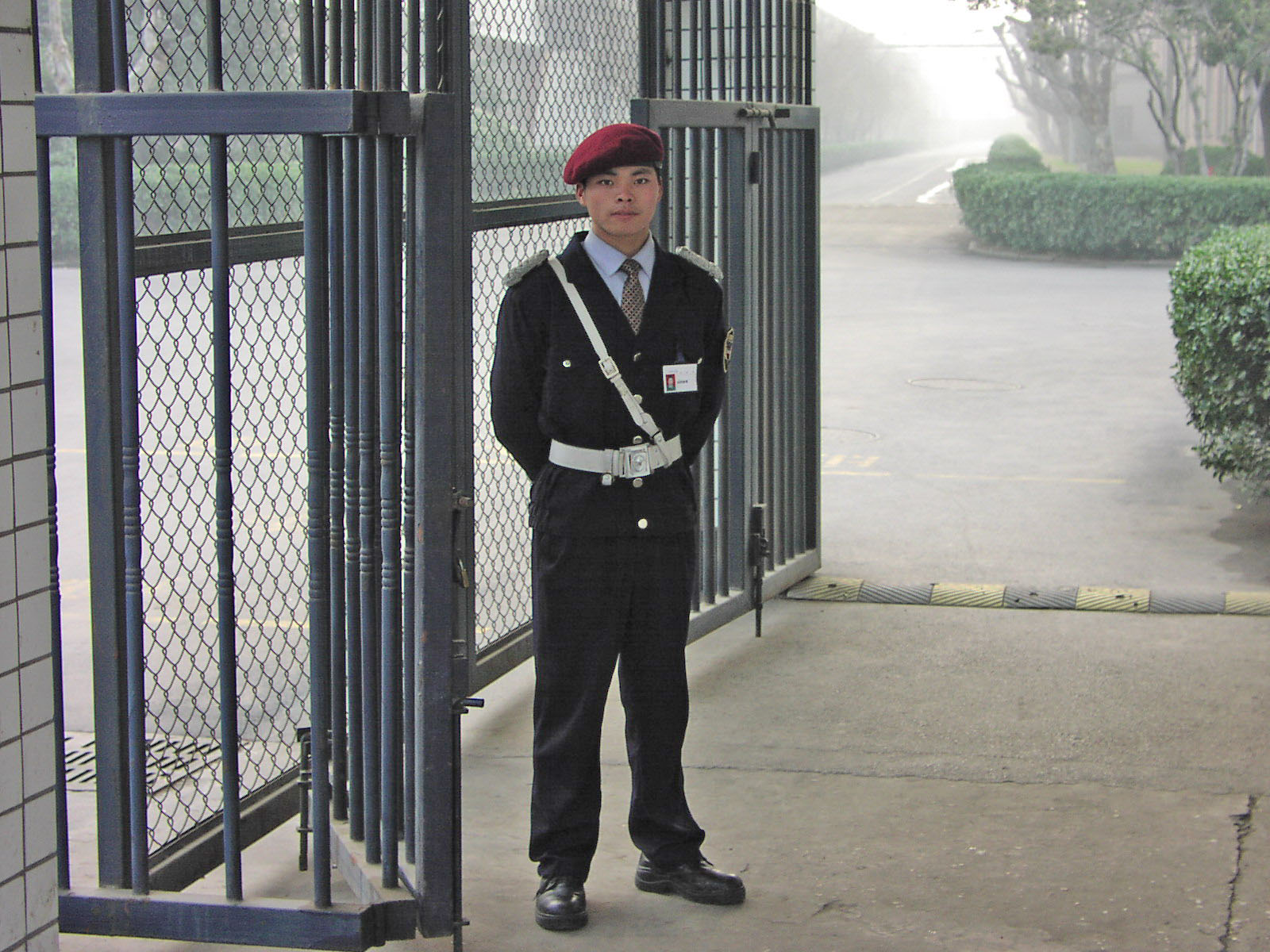
There was no radio, no mobile telephone, and frequently no telephone he could reach from most of his round. If something happened to him – a fall, a collapse, an intruder – nobody would know until the morning or until he missed a scheduled call from a gatehouse.
Lone worker protection is now a defined area of practice with check-in systems, man-down alarms that trigger if a device stops moving or tilts, two-way radio, mobile coverage and monitored alarm receiving centres. A guard who does not respond to a scheduled check now generates a response, which is the single largest change in the safety of the job.
4. His Main Job Was Fire, Not Theft

The historical reason for a night watchman in a mill, works or warehouse was fire. He looked for smoke, checked that furnaces were banked, that nothing had been left running, that fire doors were shut and that the sprinkler valves were open, and in many buildings he was the only detection system there was.
Automatic fire detection changed this completely. Smoke and heat detectors wired to a panel and monitored remotely watch every room continuously, which is something no patrolling person can do. Sprinkler systems act without anybody present. The watchman’s primary function was taken over by a system that is faster, is everywhere at once, and does not sleep.
5. He Was Also the Caretaker, the Boiler Man and the Gatekeeper
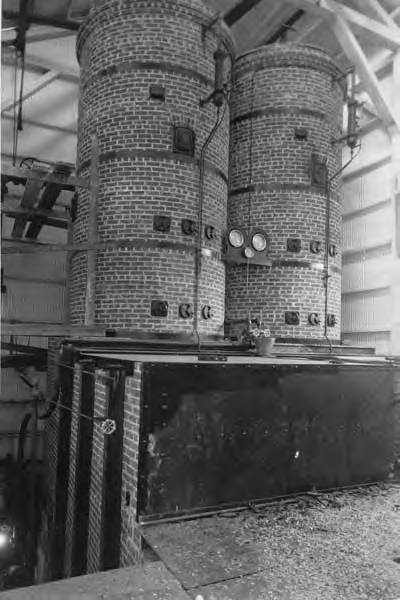
Beyond patrolling, the night watchman frequently tended the boiler, let in and signed for early deliveries, dealt with burst pipes, opened up for the first shift and knew where every stopcock and fuse box was.
Those functions split into facilities management, building services contracts and separate reception or gatehouse roles. The watchman’s real value was that one person knew the whole building intimately at a time when nobody else was in it, and that knowledge is now held in drawings, asset registers and building management systems rather than in a person.
6. Keys Were Physical and He Held All of Them
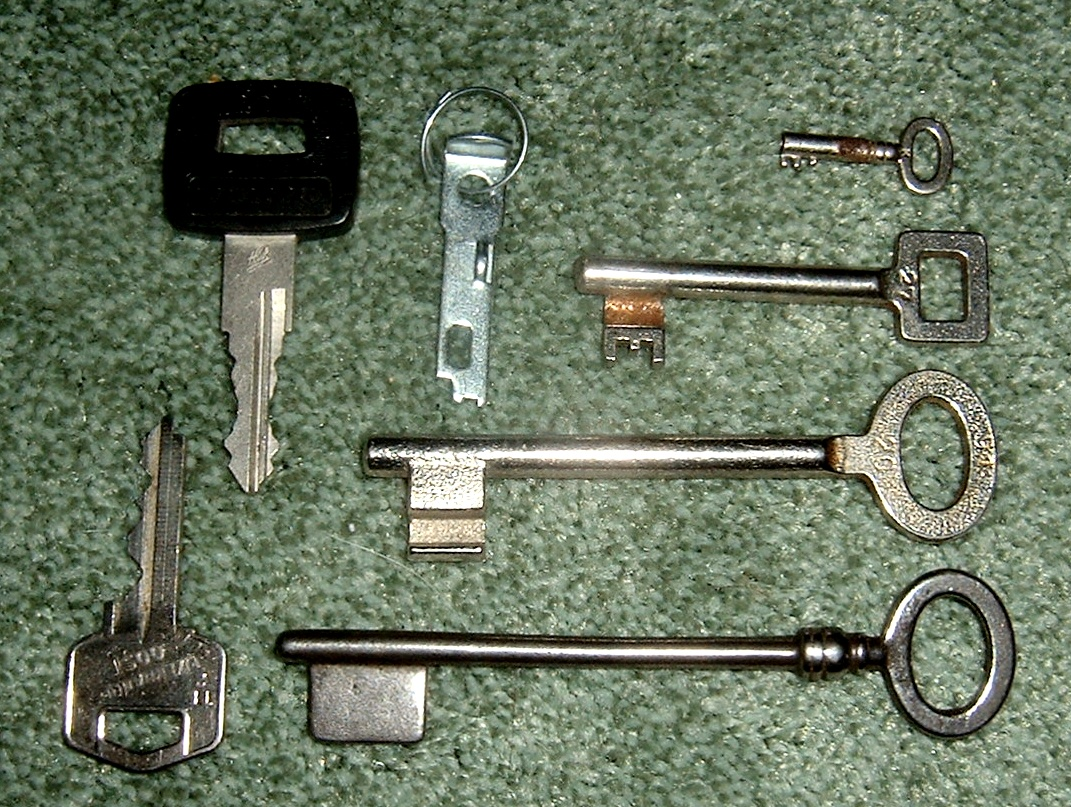
A ring of keys opening everything, carried by one man, with no record of which doors he opened or when beyond his own account and the clock disc.
Electronic access control logs every door, every card and every time, restricts access by zone and by hour, and can be revoked instantly when a card is lost. The change removed a single point of failure and also removed the implicit trust the old arrangement required, which the people who held those keys generally regarded as the point of the job.
7. There Was No Lighting Except What He Carried
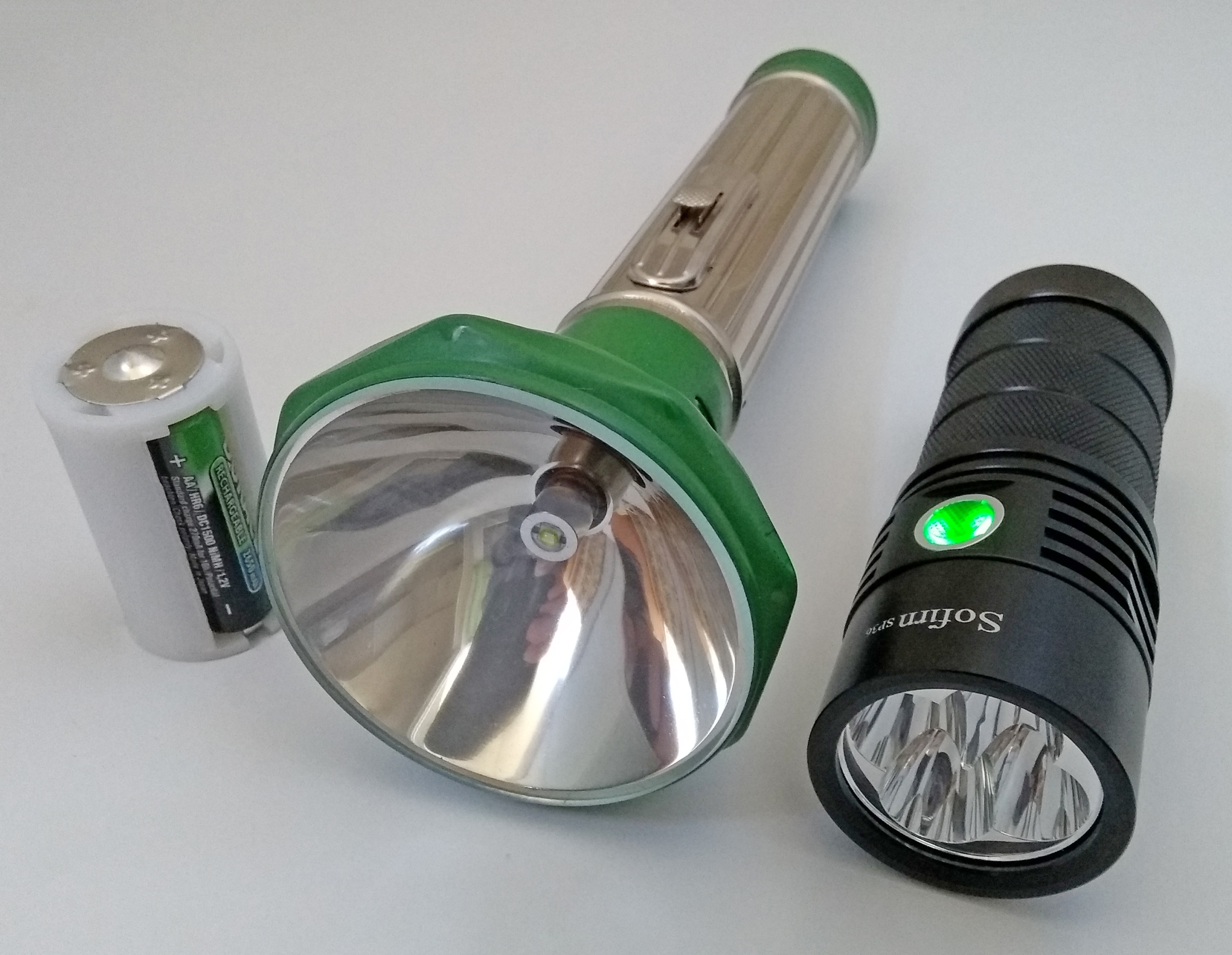
Buildings were unlit at night to save electricity, and the watchman worked by torch and by knowing where things were. He walked through unlit workshops, stores and corridors by memory.
Emergency and security lighting, movement-activated lighting and continuous low-level illumination are now standard, driven partly by safety and partly by the discovery that a lit building is less attractive to intruders than a dark one. The economics changed too – lighting that cost real money to run in 1960 now costs very little.
8. Dogs Were Common and Were Not Always Controlled
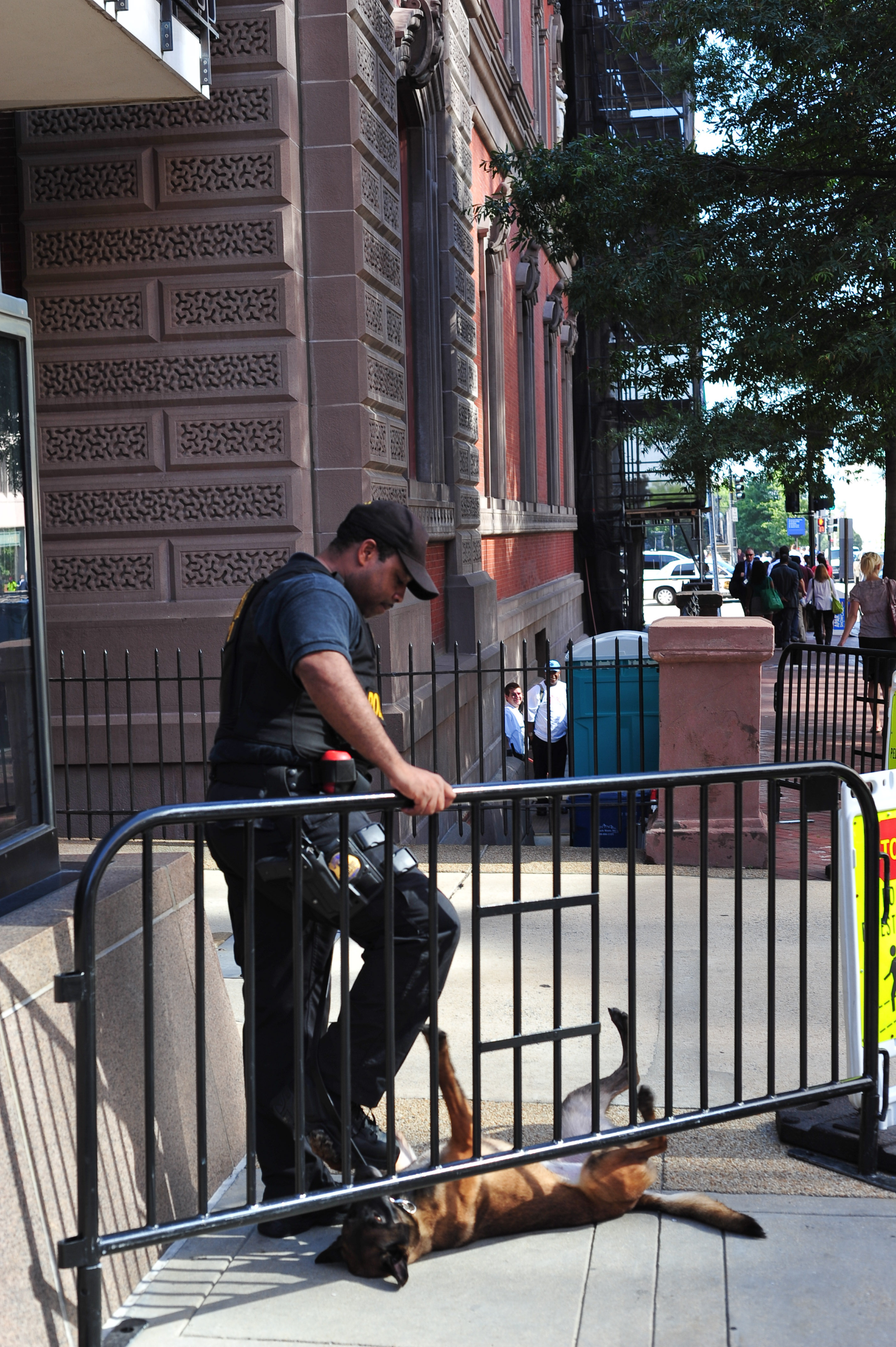
Guard dogs were widely used, kept on site, and in some arrangements loose in a yard overnight with signs on the fence. Training and control varied enormously between operators.
Legislation in many jurisdictions now requires a guard dog to be under the control of a handler or securely confined, following injuries to intruders, to passers-by and to employees. Handler licensing, welfare requirements for kennelling, and liability have between them professionalised the use of dogs and ended the loose dog in a yard.
9. The Job Was Given to Men Who Could Not Do Other Work
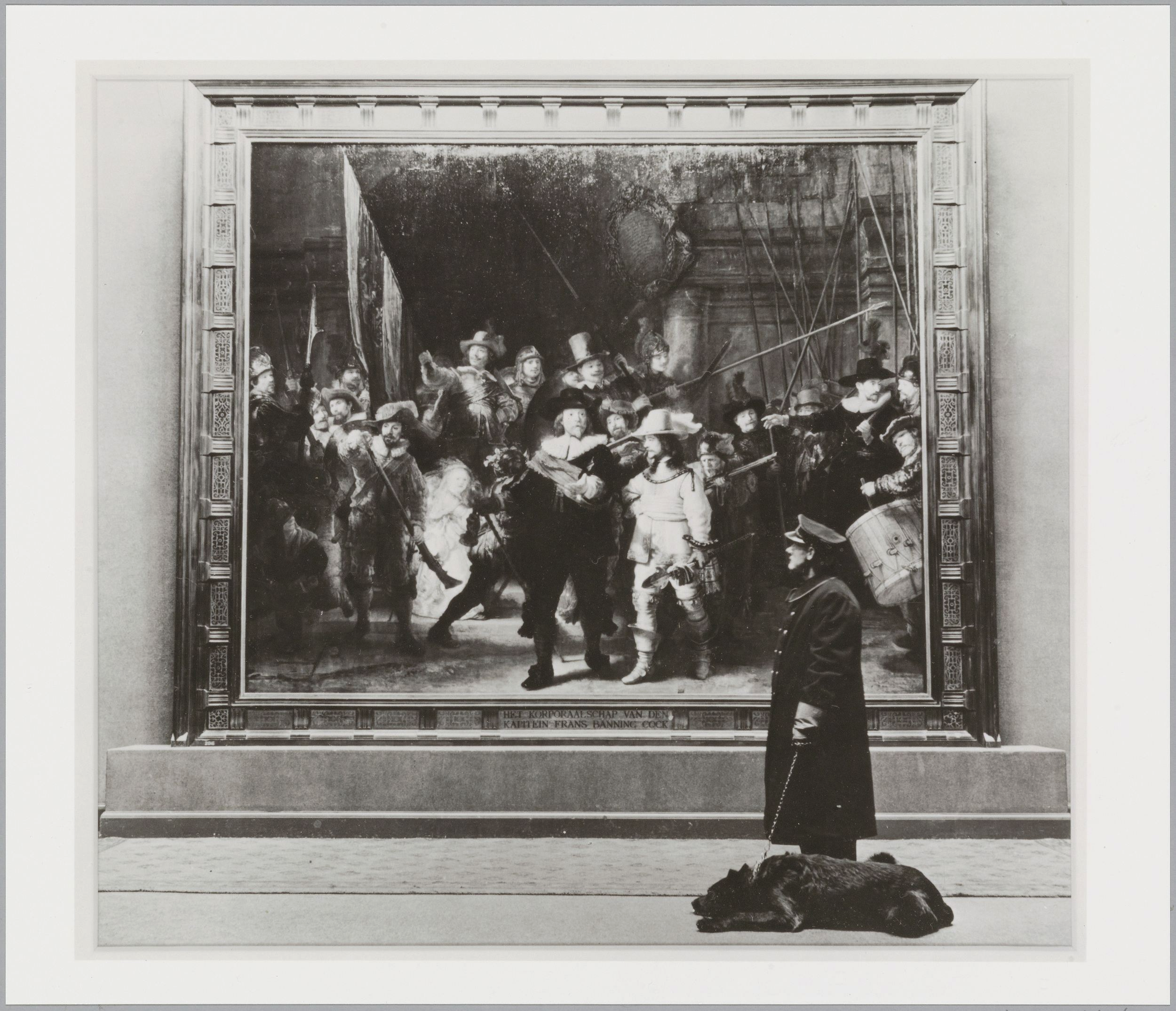
Night watchman was frequently the post given to an older employee, a man injured in the works, or a long-serving worker who could no longer manage a shift on the floor. It was understood as a way of keeping somebody on the payroll with dignity.
That informal arrangement went with the contracting-out of security to specialist companies, which brought licensing, training and vetting requirements that are unambiguously better for the function. What disappeared was an employer’s ability to find a place for somebody who had given thirty years and could not do the heavy work any more – a loss that nobody designed and that the people who remember those men mention immediately.
10. Nobody Vetted Anybody
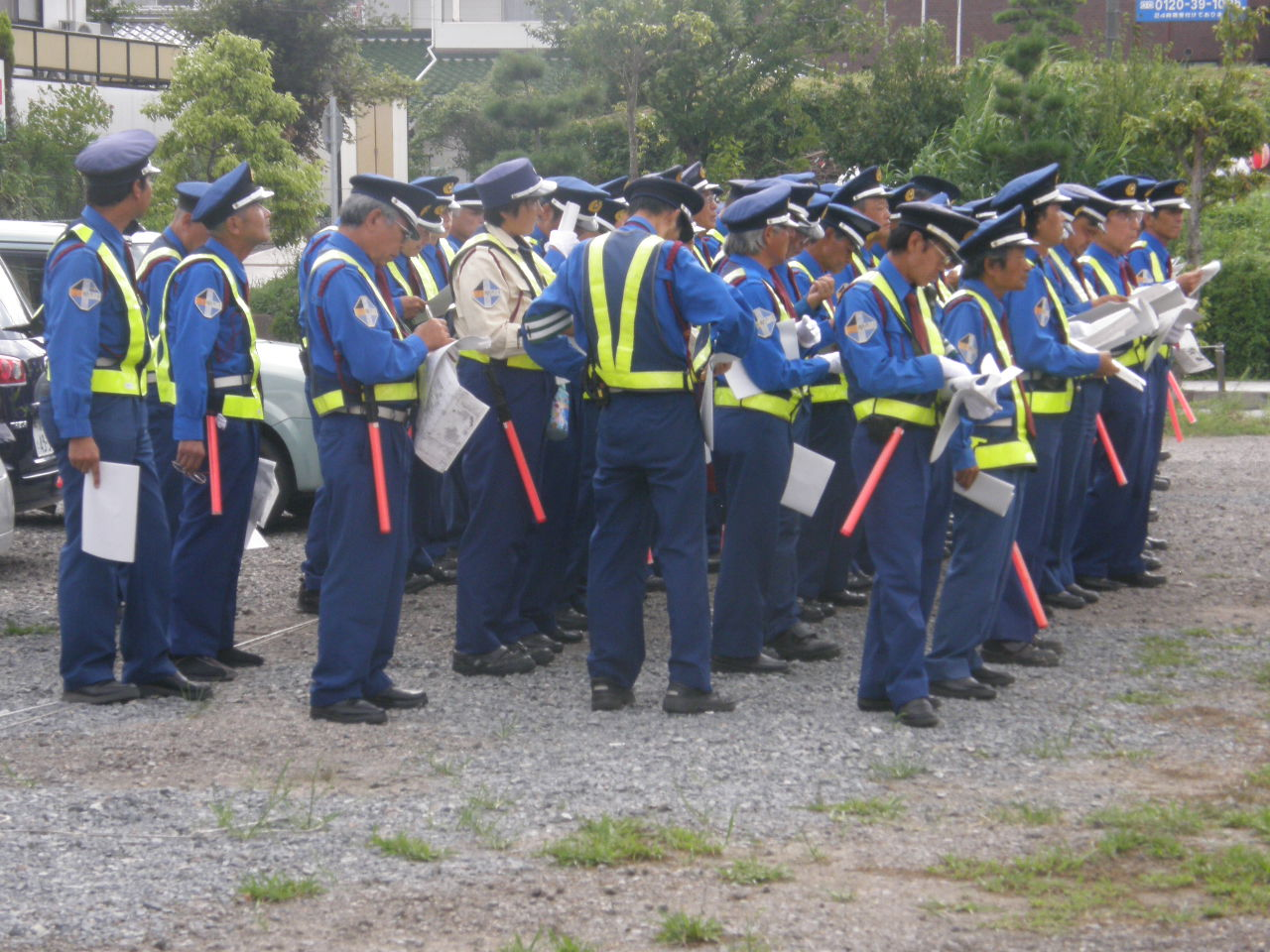
There were no background checks, no licensing of the individual or the employer, no training requirement and no standards. A man was given the keys to an entire works because somebody in the office thought he was reliable.
Licensing of private security operatives, criminal record checking, mandated training and regulation of the companies employing them were introduced in most countries over the following decades. The old arrangement worked as well as it did because it rested entirely on personal knowledge within a small workforce, and it stopped working as soon as the function was contracted out to strangers – which is precisely when the regulation arrived.
The Clock Is the Interesting Part
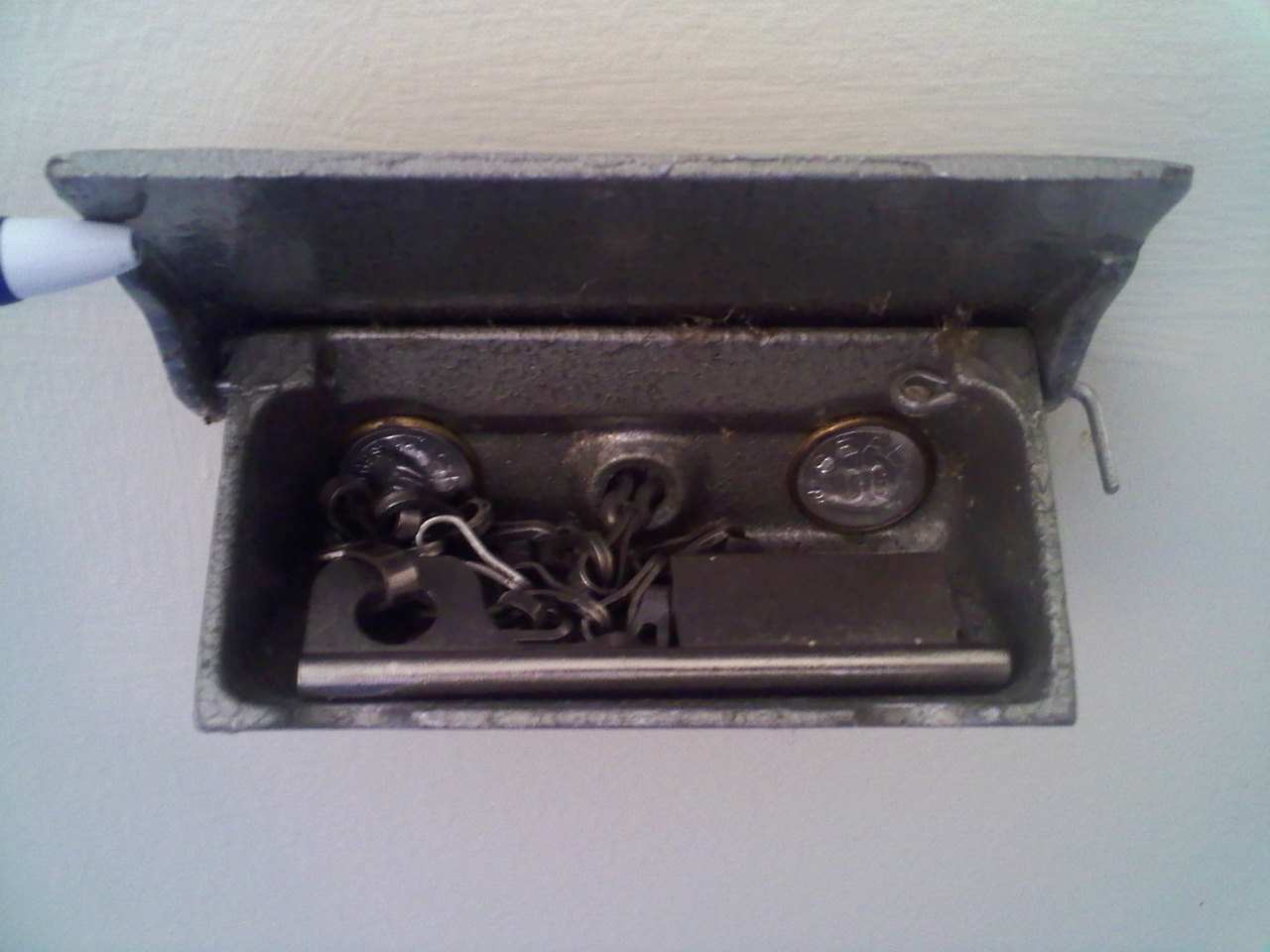
Of everything on this list, the watchman’s clock is the object worth keeping hold of, because it is solving a problem that has not changed at all.
The problem is this: you are paying somebody to do something unsupervised, at night, that produces no output if everything goes well. There is no way to tell from the result whether they did it, because the result of a good night is nothing happening – which is also the result of sleeping in the boiler room.
The clock solves it mechanically. The keys are chained to the walls so they cannot be brought together and turned in a batch. The disc records the time of each turn and cannot be altered without showing it. One sheet of paper, read in the morning, proves the round was walked.
Every modern guard-tour system does exactly the same thing with electronic tags and a handheld reader that timestamps and uploads. The technology is entirely different and the logic is identical, because the underlying problem – proving that unobserved work was actually done – is one of the oldest problems in employing anybody.
The rest of the job went to detectors, alarms and access control, which do it better. The clock is still here, in a different body, because nobody has found another answer to that particular question.
If there was a works in your town, somebody’s grandfather did this after he got too old for the floor.
Which building was it, and is it still standing?
Like our content? Follow us for more.
