In 1955 a canal lock was worked by a man who lived in the cottage beside it, because the job required somebody to be there at any hour a boat arrived.
He wound the paddles by hand against the water, walked the gates open with his shoulder on the beam, checked the levels, greased the mechanisms, recorded the traffic and knew every boat family by name. The boats were carrying coal, and the families carrying it lived aboard in a cabin a few feet across.
Here are eleven things the lock keeper did in 1955, and what each one became.
1. He Lived in the Cottage Beside the Lock and the Job Came With It
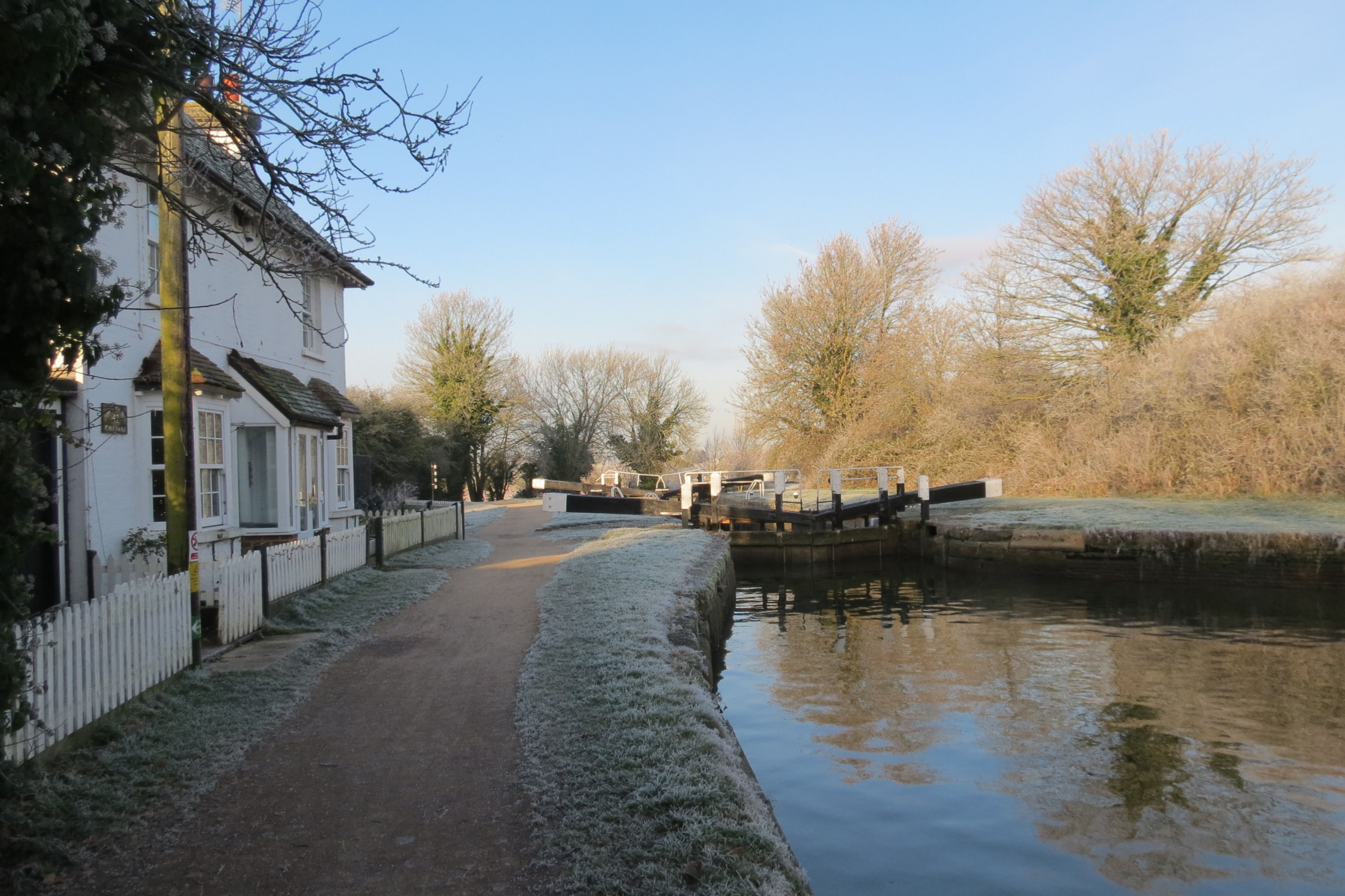
The lock keeper’s cottage stood at the lockside, was tied to the post, and housing was part of the pay. A keeper and his family lived at the lock, which meant he was available whenever a boat arrived, including at night.
Tied housing ended with the job in most places, and the cottages were sold off. They are now sought-after private houses, which is a small irony – a dwelling built to be occupied by somebody required to be permanently on duty is now valued precisely for being beside the water and away from everything.
Like our content? Follow us for more.
2. Boats Came Through at Any Hour and He Got Up
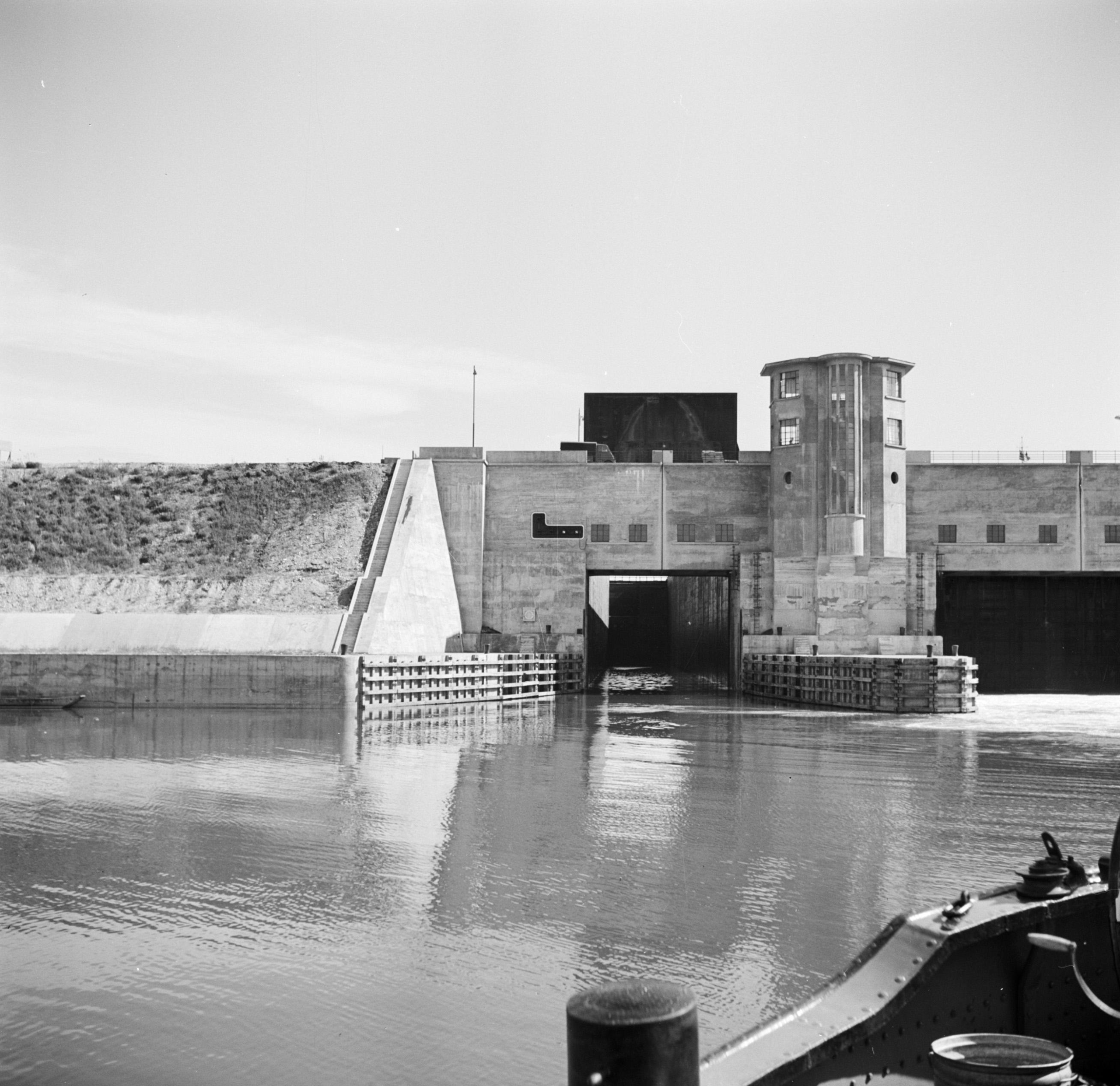
Commercial traffic did not keep office hours. A working boat arriving at two in the morning expected to be passed through, and the keeper came out and worked the lock.
Locks on most surviving navigations are now self-operated by the boaters themselves, with keepers retained only on large, tidal, mechanised or heavily used locks. Operating hours are published, and a boat arriving at night waits. The shift from staffed to self-service is the single biggest change and it happened as traffic went from commercial to leisure.
3. The Lock Was Worked Entirely by Muscle
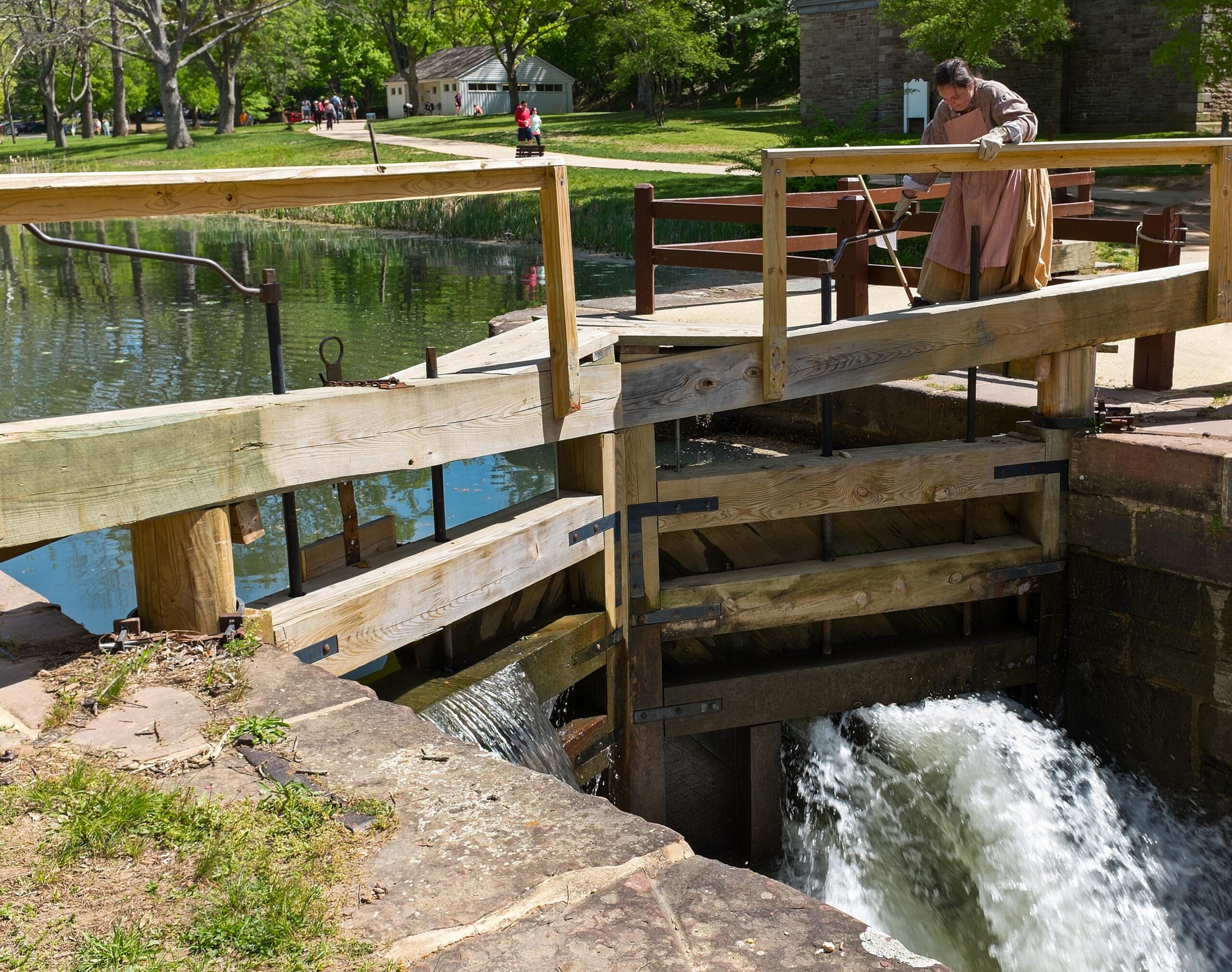
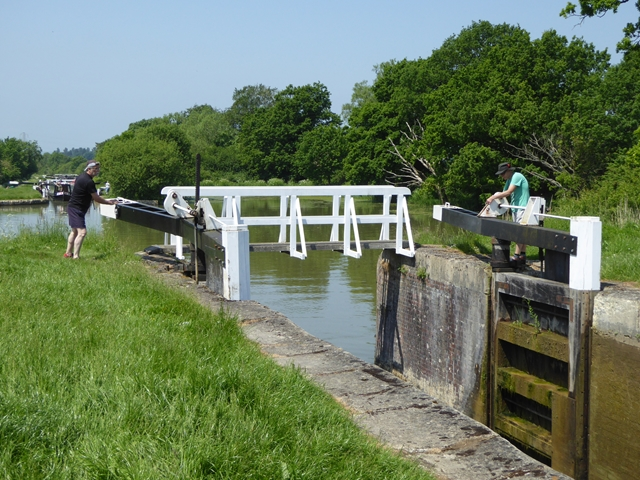
Paddles were raised by winding a windlass on a spindle against the water pressure, and the gates were pushed open with a shoulder against the balance beam, walking them round. On a heavy lock with a strong flow it is genuinely hard work, repeated dozens of times a day.
Hand operation remains the norm on narrow canals and always will, because installing machinery on thousands of rural locks is not economic. What has changed is who does it – the boater rather than a keeper – and that the people doing it are doing a handful of locks on a holiday rather than a hundred in a week for forty years. Hydraulic and electric operation was installed on the larger commercial waterways.
4. He Was Also the Maintenance Man, the Policeman and the Weather Station
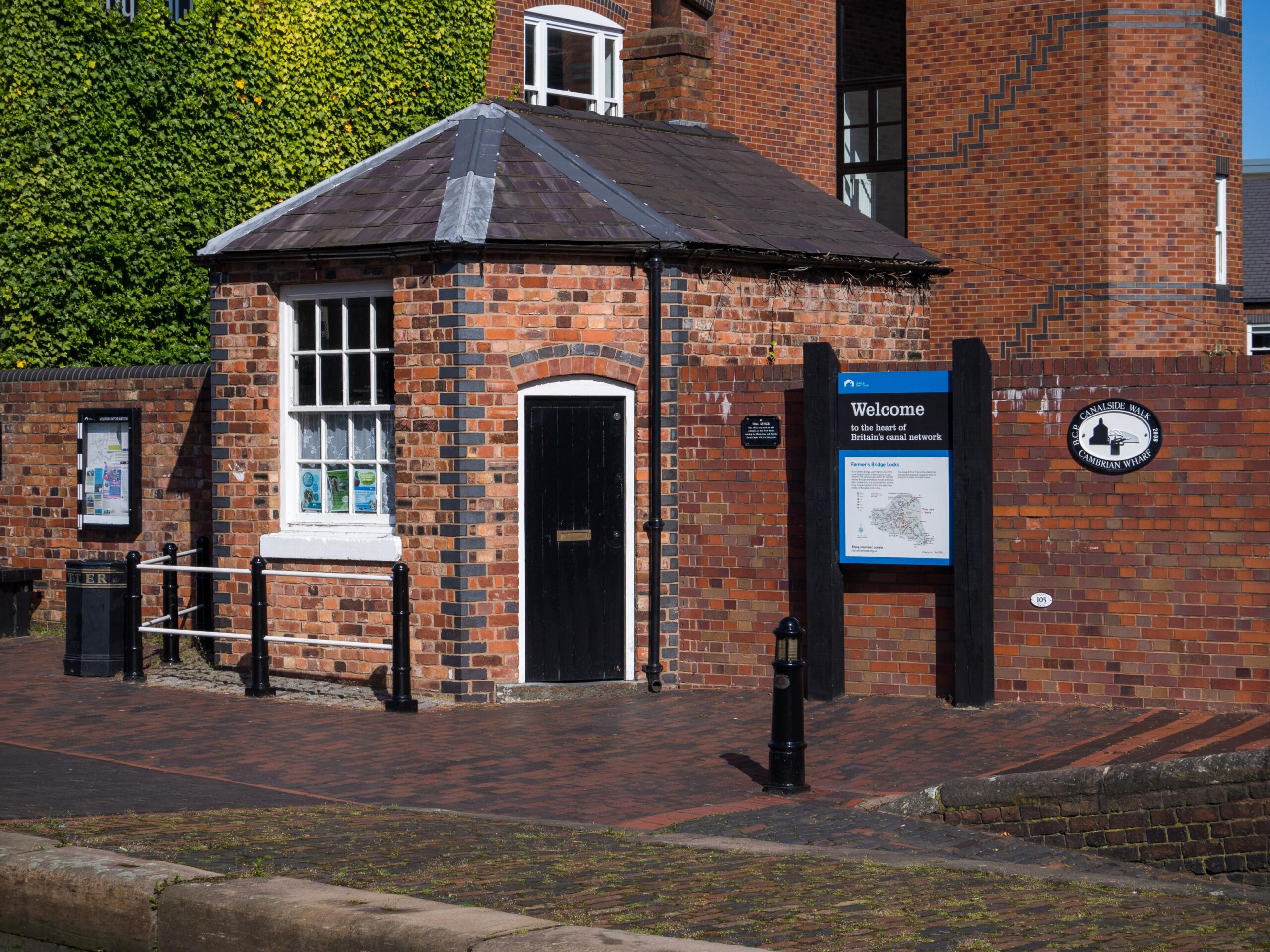
The keeper checked the pound levels, cleared debris from the gates, greased the mechanisms, reported bank slips and leaks, kept an eye on who was moving what, recorded traffic, and in many places read a rain gauge and a water level daily for the navigation authority.
Those functions were split between maintenance teams, remote telemetry monitoring water levels continuously, and enforcement officers covering large areas. The telemetry in particular does something a keeper could not – it watches every pound on the system at once and flags a change at three in the morning, which is how most leaks are now found.
5. The Traffic Was Cargo and the Boats Were Homes
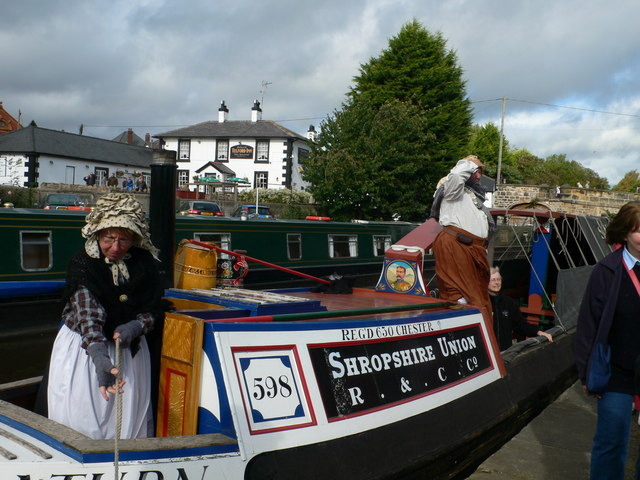
The boats coming through carried coal, timber, grain, stone and manufactured goods, and the families who worked them lived aboard – a cabin a few feet across, with children, moving continuously. The keeper knew the families and the boats by name.
Commercial carrying on the narrow canals effectively ended by the 1960s, unable to compete with road haulage on speed and flexibility. The boating families either took shore jobs or stayed afloat as the leisure use grew. The culture of the working boat people – the decoration, the dialect, the networks – is now documented and preserved by enthusiasts and museums, having been a living way of life within many people’s memory.
6. Children on the Boats Barely Went to School
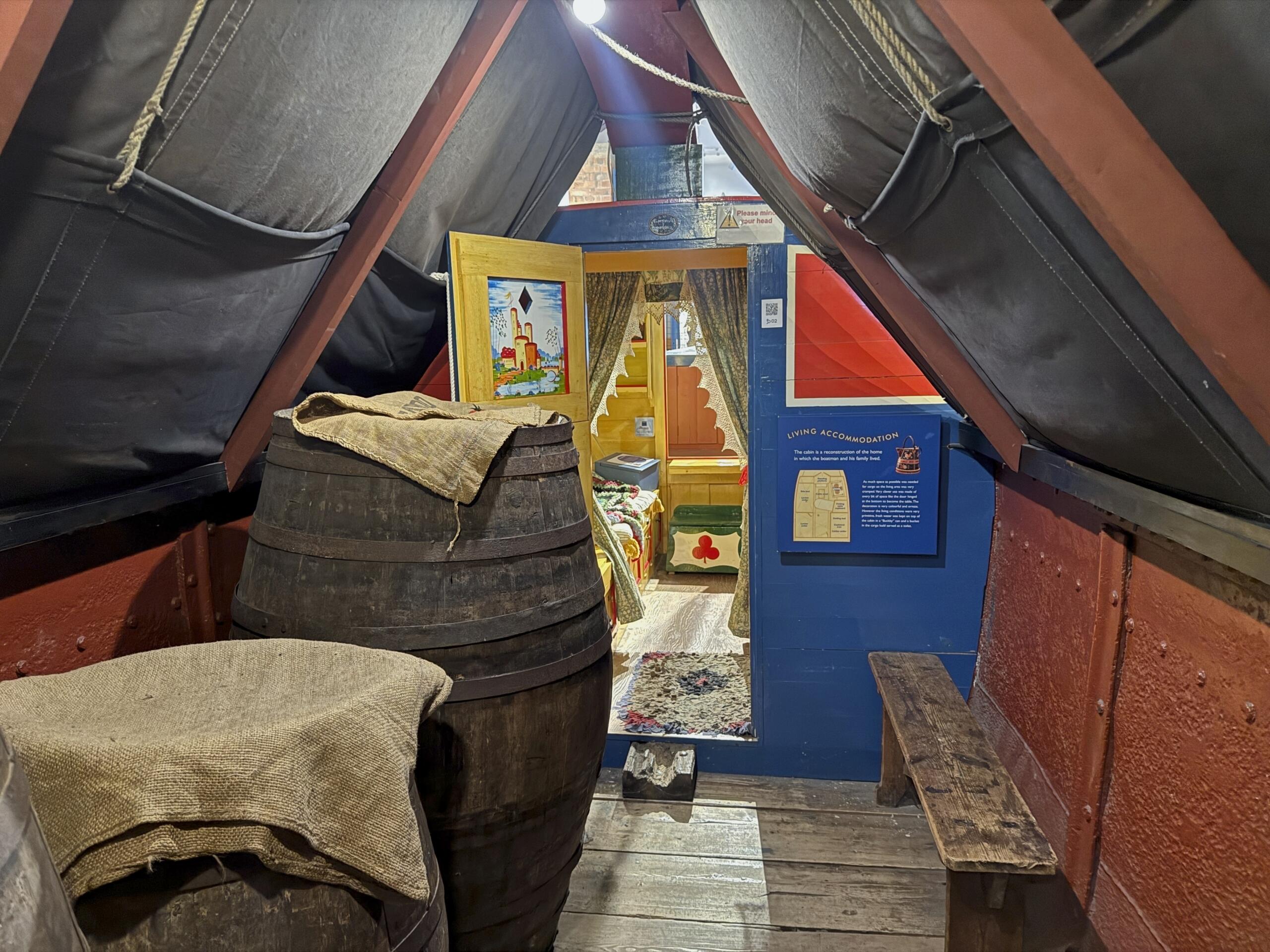
A boat family moved constantly, so the children’s schooling was intermittent at best – a few weeks here, a canal-side school there, and in many cases none at all. Literacy among the boat people was low and was known to be low.
Compulsory schooling and welfare legislation addressed it over decades, and the end of commercial carrying removed the situation entirely. There were canal boat schools and missions set up specifically for these children, which is itself a reminder of how substantial and how separate that population was.
7. Ice Stopped Everything and Was Broken by Hand
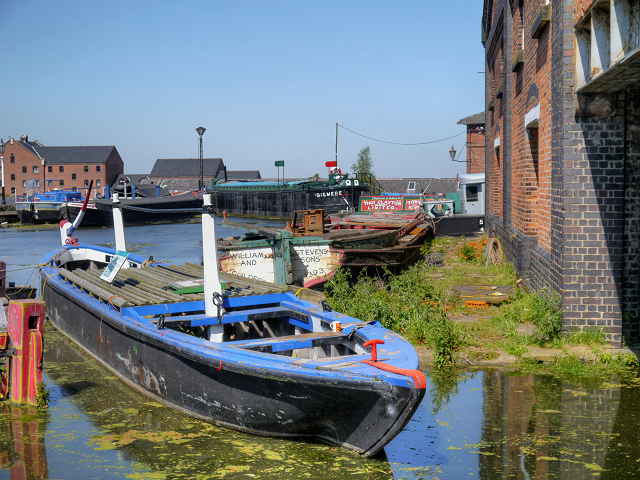
A hard winter froze the canal and stopped trade, which meant no income for the boat families. Ice-breaking boats were hauled through by horses and rocked violently from side to side by men standing on them holding a rail, to break the sheet.
Ice-breaking in that form is gone with the commercial traffic. What remains is the underlying fact that a canal is a shallow, still body of water that freezes readily, and winter stoppages are now scheduled deliberately for maintenance because nobody much is trying to move.
8. Water Was the Whole Problem and Always Has Been
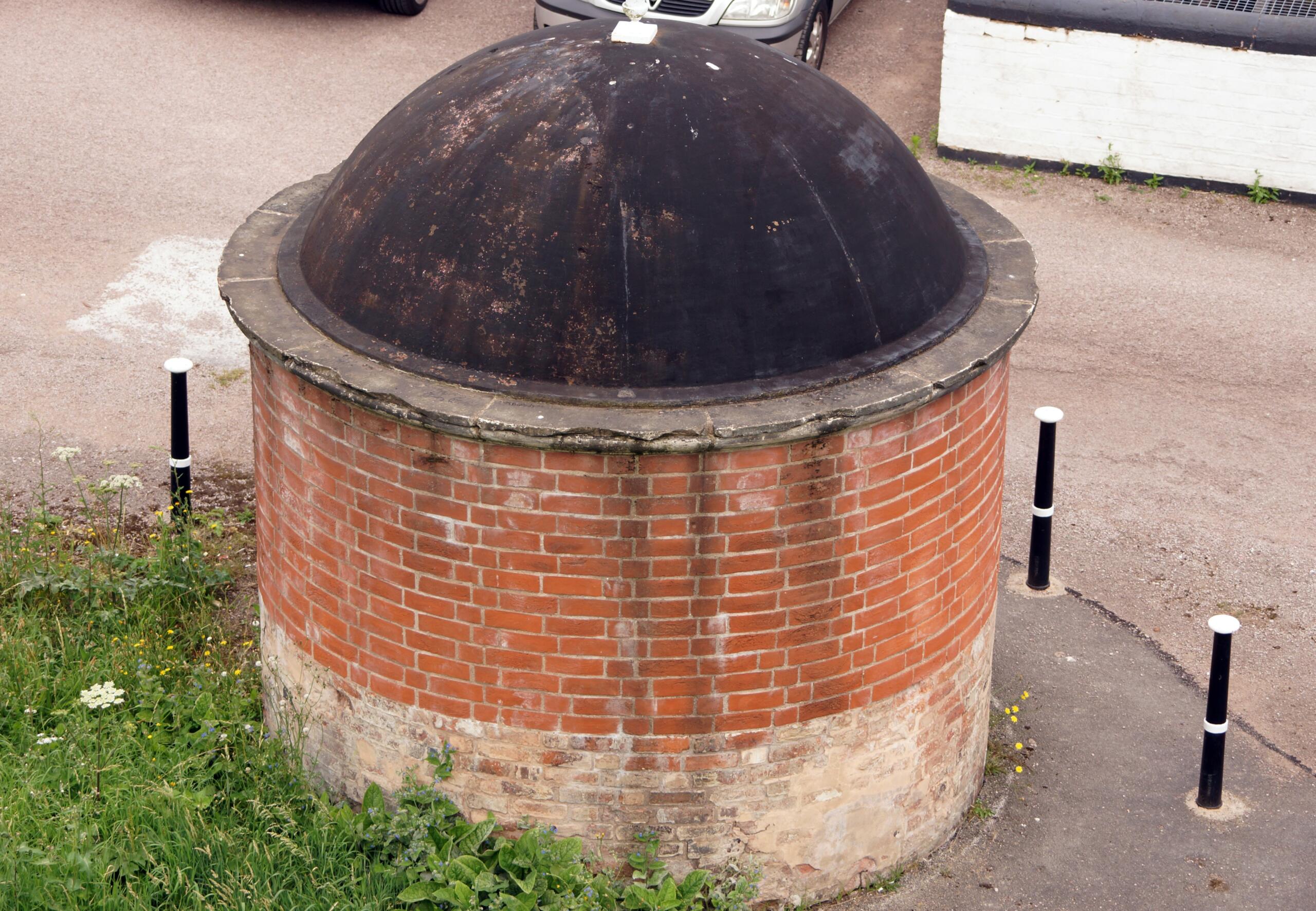
Every boat passing through a lock sends a lockful of water downhill, and a summit level has to be supplied from reservoirs, feeders and back-pumping. The keeper’s job included not wasting water, and sharing locks and refusing unnecessary passages was part of it.
Water supply is still the central engineering constraint of any canal and is now managed with back-pumping, metering and in dry years restrictions on passage or closure of whole sections. Climate variability has made this considerably more acute, and the water a navigation needs is increasingly in competition with every other demand on it.
9. The Horse Did the Pulling and the Towpath Existed for It
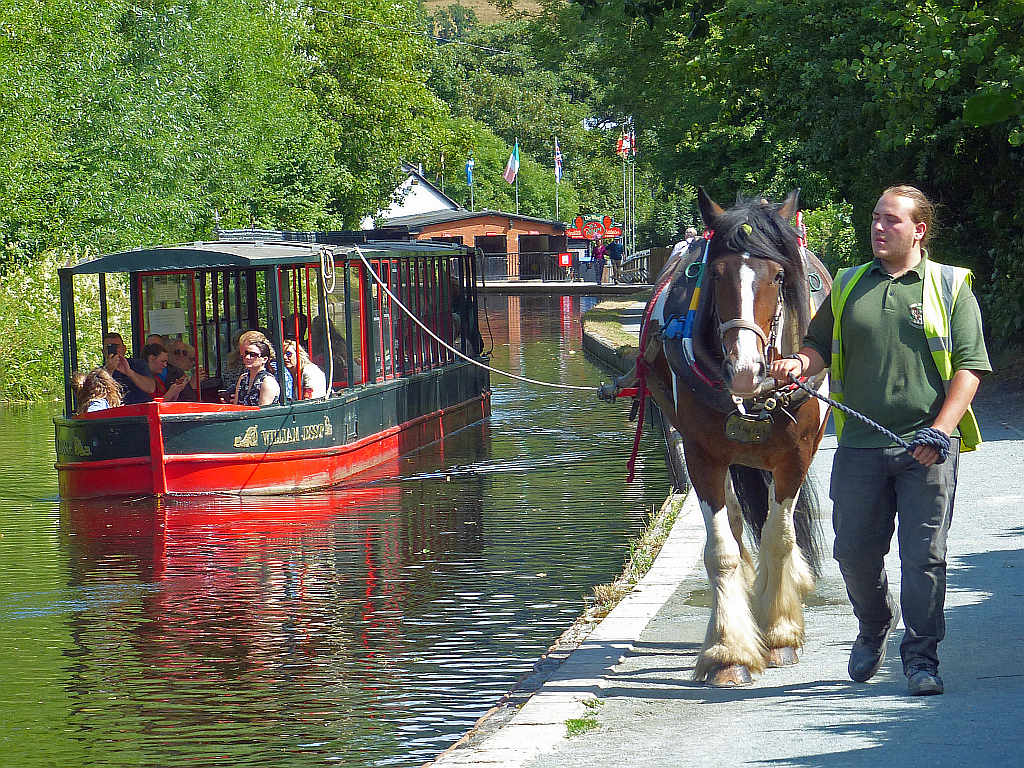
Boats were pulled by a horse walking the towpath, led by a member of the family, with the line passing over bridges and through purpose-built horse tunnels. The towpath, the bridge profiles and the rubbing strips worn into the brickwork all exist because of the rope.
Motorised boats displaced horses from the 1910s onward and the transition was largely complete by the period. The infrastructure survived them and is now used by walkers and cyclists, which is the single largest reason the canals were restored at all – a continuous level path through a landscape is valuable independently of the water beside it.
10. The Canal Was Dying and Everybody Knew It
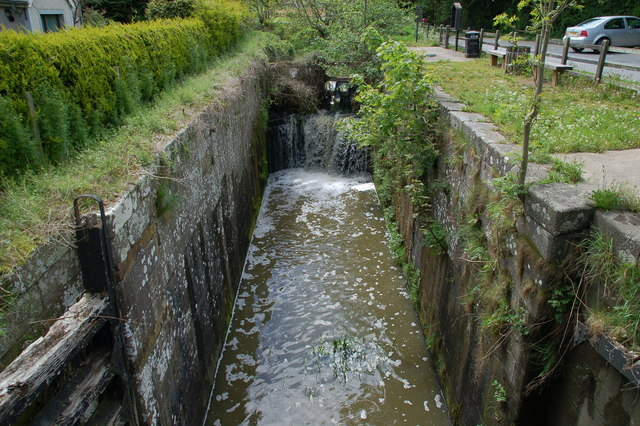
By 1955 commercial traffic had collapsed, maintenance was being deferred, locks and channels were silting, and whole branches were being formally abandoned. The keeper was maintaining an asset that his employer was deciding how to dispose of.
The restoration movement that saved the system was already beginning, driven by volunteers and enthusiasts against the prevailing view that the canals were obsolete infrastructure to be filled in. Over subsequent decades they rebuilt locks, reopened branches and converted a dying freight network into a leisure and amenity system now carrying far more boats than it did at the height of the coal trade – which is one of the more remarkable reversals in the history of any transport network.
11. Nobody Imagined People Would Pay to Do It for Fun
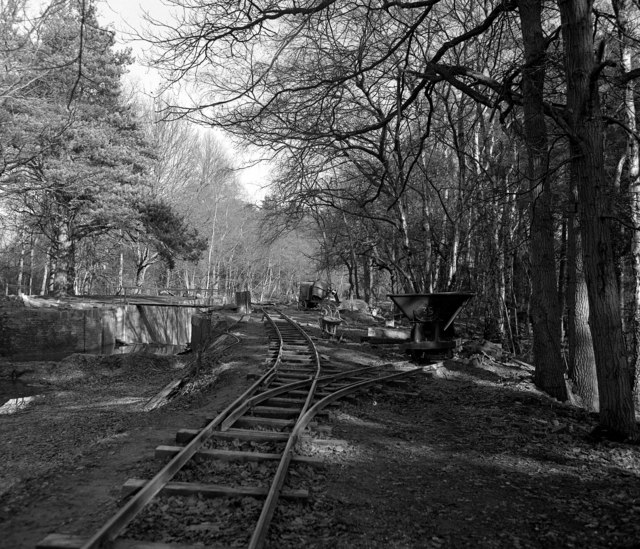
In 1955 a narrowboat was a workplace and a cramped home, and the idea that people would voluntarily spend a holiday working through locks in the rain would have been incomprehensible to the families doing it for a living.
Leisure boating, towpath walking and cycling, canal-side regeneration and waterside property between them now support the network. The restoration was achieved largely by volunteers, and maintenance remains substantially dependent on them and on charitable funding. A system built to move coal is kept open by people who enjoy it, which is both a happy ending and a precarious funding model, and the organisations that run these waterways say so openly.
The Network That Was Saved by Accident
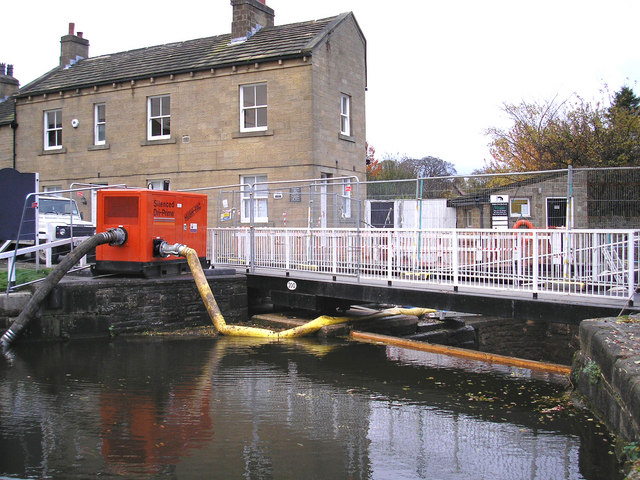
The canals should not exist. By 1955 they had lost the freight traffic they were built for, they were expensive to maintain, and the prevailing official view was that most of them were obsolete and should be abandoned, filled in or sold.
What saved them was a combination of things nobody planned. A small number of enthusiasts campaigned against closures and began restoring derelict sections with volunteer labour, at a point when that looked eccentric. The towpaths turned out to be enormously valuable as continuous level routes through both countryside and cities, independent of the water. The boats turned out to be attractive as holidays once nobody had to work them. And waterside land, which had been industrial and undesirable, became the opposite.
So a freight network was converted into a leisure and amenity network by people who liked it, over about fifty years, largely without public money at the start.
The lock keeper’s job did not survive that. Self-operation by boaters replaced him almost everywhere, telemetry replaced his water-level readings, and maintenance teams replaced his greasing and clearing. His cottage is somebody’s house.
What survived is the thing he was maintaining, which in 1955 looked like the least likely outcome available.
If you have ever done a lock on a holiday, you did by hand exactly what he did a hundred times a week for forty years.
Which canal, and is the cottage still standing beside it?
Like our content? Follow us for more.