

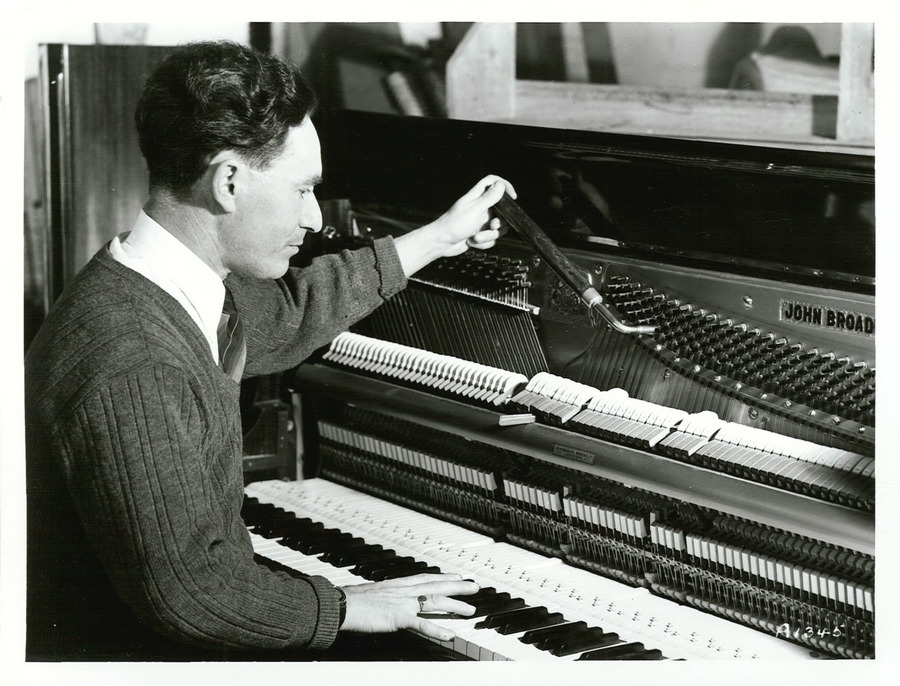
In 1960 almost every house had a piano, and keeping them playable was done by one man with a bag of tools who worked entirely by ear.
He struck a single tuning fork, matched one note to it, and derived the other eighty-seven by listening to the interference between pairs of strings and counting the pulses against the second – a measurement technique that is audible, exact, and requires no equipment at all.
Here are eleven things the piano tuner did in 1960, and what became of each.
1. He Tuned Entirely by Ear, Against One Fork
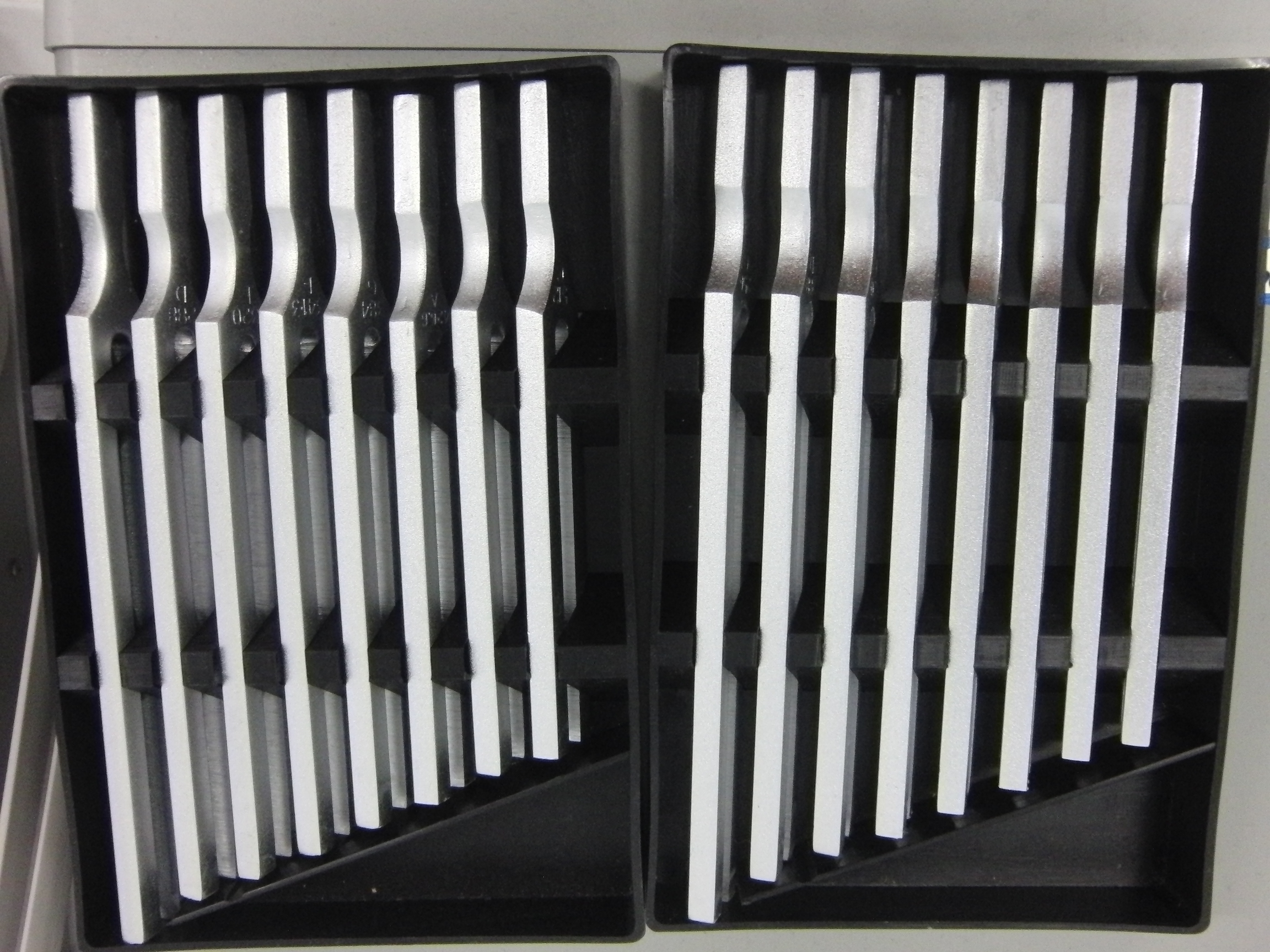
The tuner struck a tuning fork, matched one note to it, and then built the entire instrument outward from that single reference by listening to the interference between notes. No meter, no display, no electronics of any kind.
Electronic tuning devices arrived and are now in general use, and the good ones measure the specific inharmonicity of the individual piano rather than just frequency. A substantial number of professional tuners still work by ear or use a device as a check, because the final judgement is about how the instrument sounds rather than what the numbers say – but the trade is no longer defined by a skill that took years to acquire.
Like our content? Follow us for more.
2. The Whole Job Rested on Counting Beats
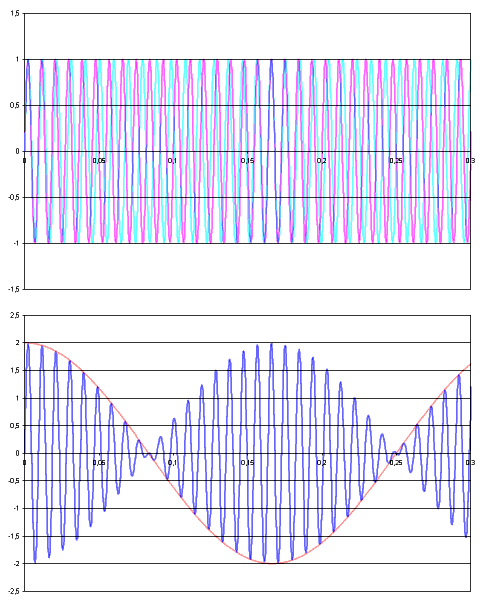
When two notes are slightly out of tune with each other they produce a pulsing in the sound – beats – at a rate equal to the difference in frequency. A tuner sets intervals by listening to those beats and adjusting until the rate is what it should be, counting them against the second.
It is one of the most elegant pieces of practical acoustics in any trade: an audible, countable measure of an error too small to hear directly. The physics has not changed and neither has the method where it is still used. What electronic devices did was remove the requirement to hear it, which widened access to the trade and narrowed what a tuner necessarily knows.
3. A Piano Is Deliberately Tuned Wrong and Always Has Been

Equal temperament spreads the unavoidable mathematical discrepancy between pure intervals across all twelve notes, so that every key is slightly out of tune and all of them are equally usable. A piano tuned to pure intervals in one key is unbearable in another.
This is unchanged and is not going to change, but it is the thing most people find surprising: the instrument is a compromise by design and every note on it is a negotiated approximation. Tuners also stretch the octaves deliberately, tuning the top of the instrument slightly sharp and the bottom slightly flat, because the strings’ physical properties make a mathematically exact octave sound wrong.
4. He Carried the Whole Workshop in One Bag
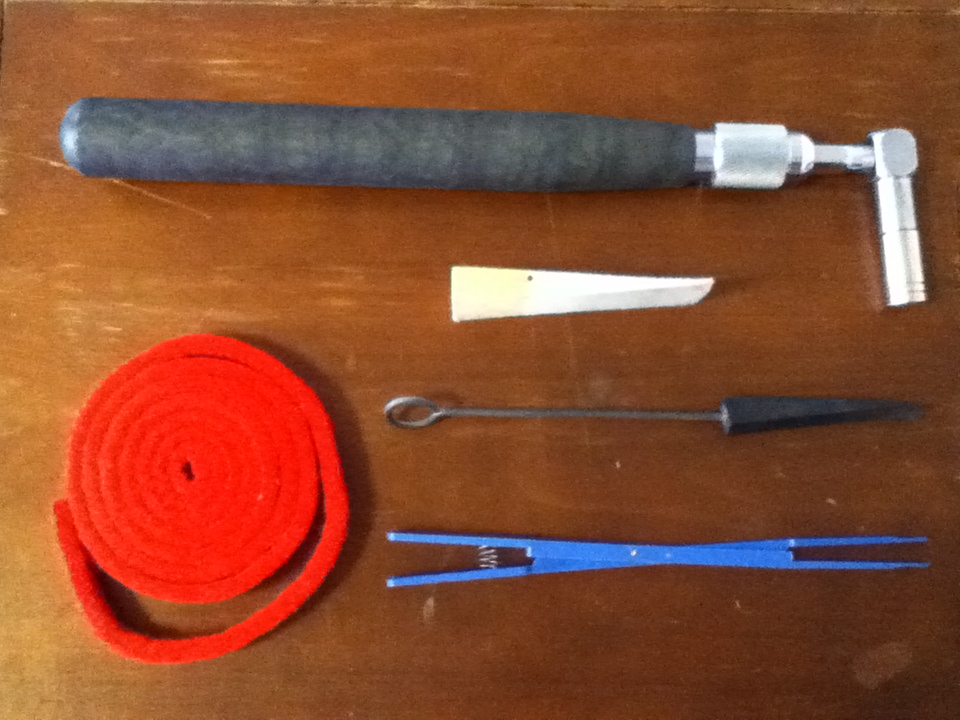
Tuning lever, mutes, felt temperament strip, tuning fork, regulating tools, voicing needles, a small selection of strings, centre pins, bushing cloth, glue and screwdrivers. Everything needed to tune, regulate and make running repairs, in a bag one man carried on a bus.
The kit is essentially the same today, which makes it one of the very few trades in this whole series where the tools have not been replaced. A tuner’s bag in 2026 would be recognisable to a tuner in 1960 with the addition of a tablet. The work is fine, portable and done entirely by hand, which is precisely why it has resisted mechanisation.
5. Almost Every House Had a Piano and Most Were Neglected
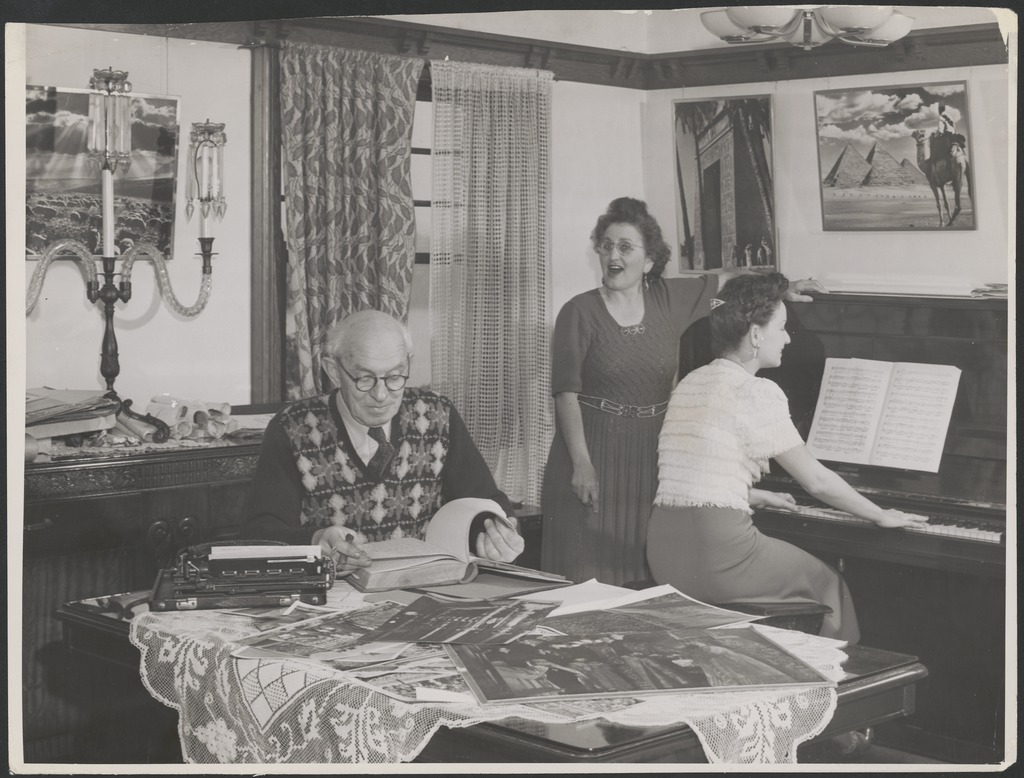
The piano was standard domestic furniture, and an enormous number were decades old, sitting against an outside wall, next to a radiator or a fire, in houses with no humidity control. Many had not been tuned in years and some never had been.
Central heating made it worse before anything made it better, because a heated house with dry air shrinks the soundboard and the pin block and pulls the instrument out of tune faster than an unheated one. Tuners of that generation spent a great deal of their time on instruments that were beyond economic repair, and saying so was a significant part of the job.
6. The Trade Had a Long Association With Blind Practitioners
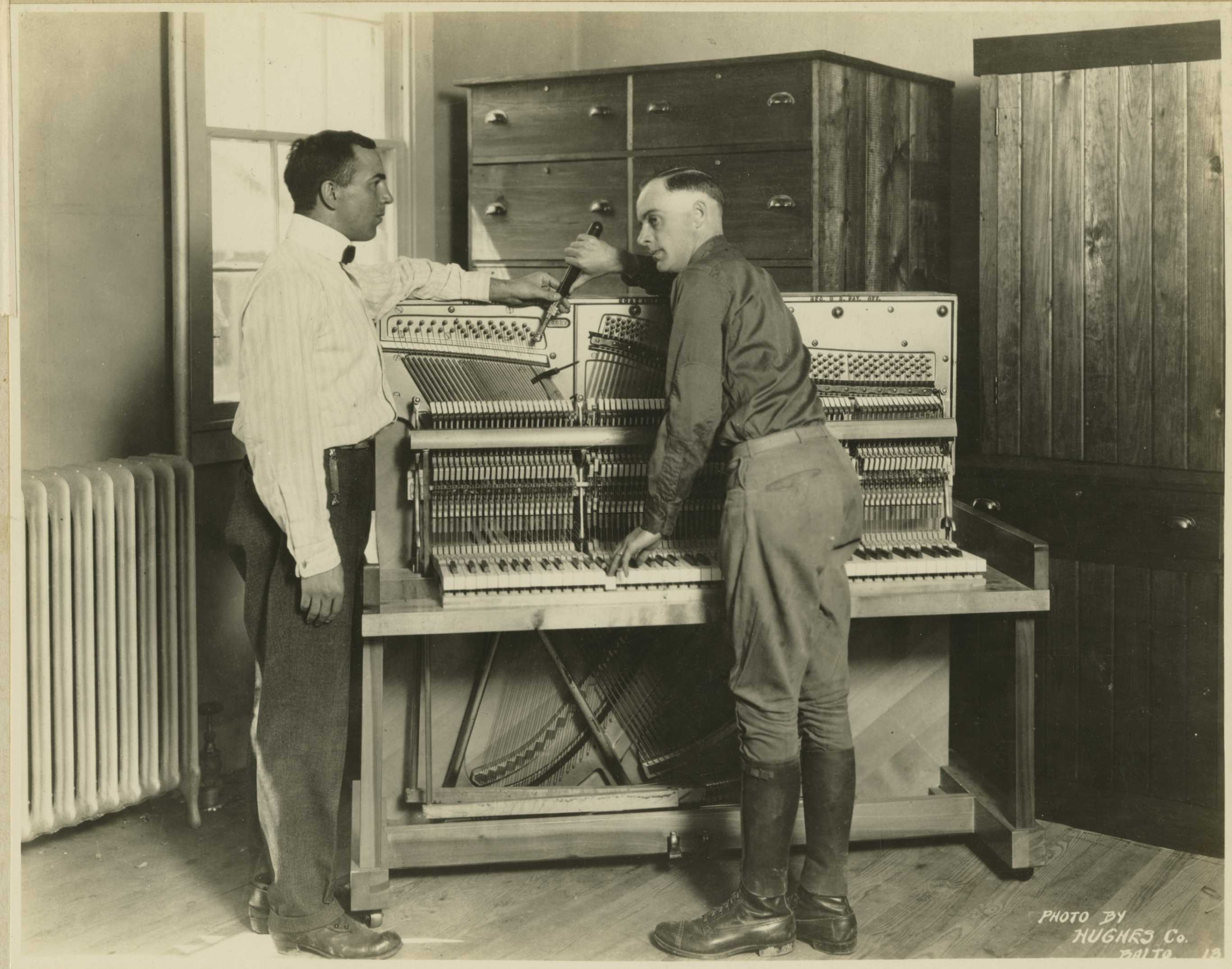
Piano tuning was one of a small number of skilled trades systematically taught to blind people, through dedicated training institutions, from the nineteenth century onward. It suited the work for the obvious reason, and generations of tuners came through those schools.
Those institutions have largely closed or broadened, as blind education moved towards mainstream schooling and a far wider range of occupations rather than a prescribed few. The association persists in the trade’s memory and in a number of practitioners. It is a double-edged history – a genuine route to skilled and respected work, and also a product of an era that decided in advance what blind people would be allowed to do.
7. Regulation and Voicing Were Expected to Come With the Tuning
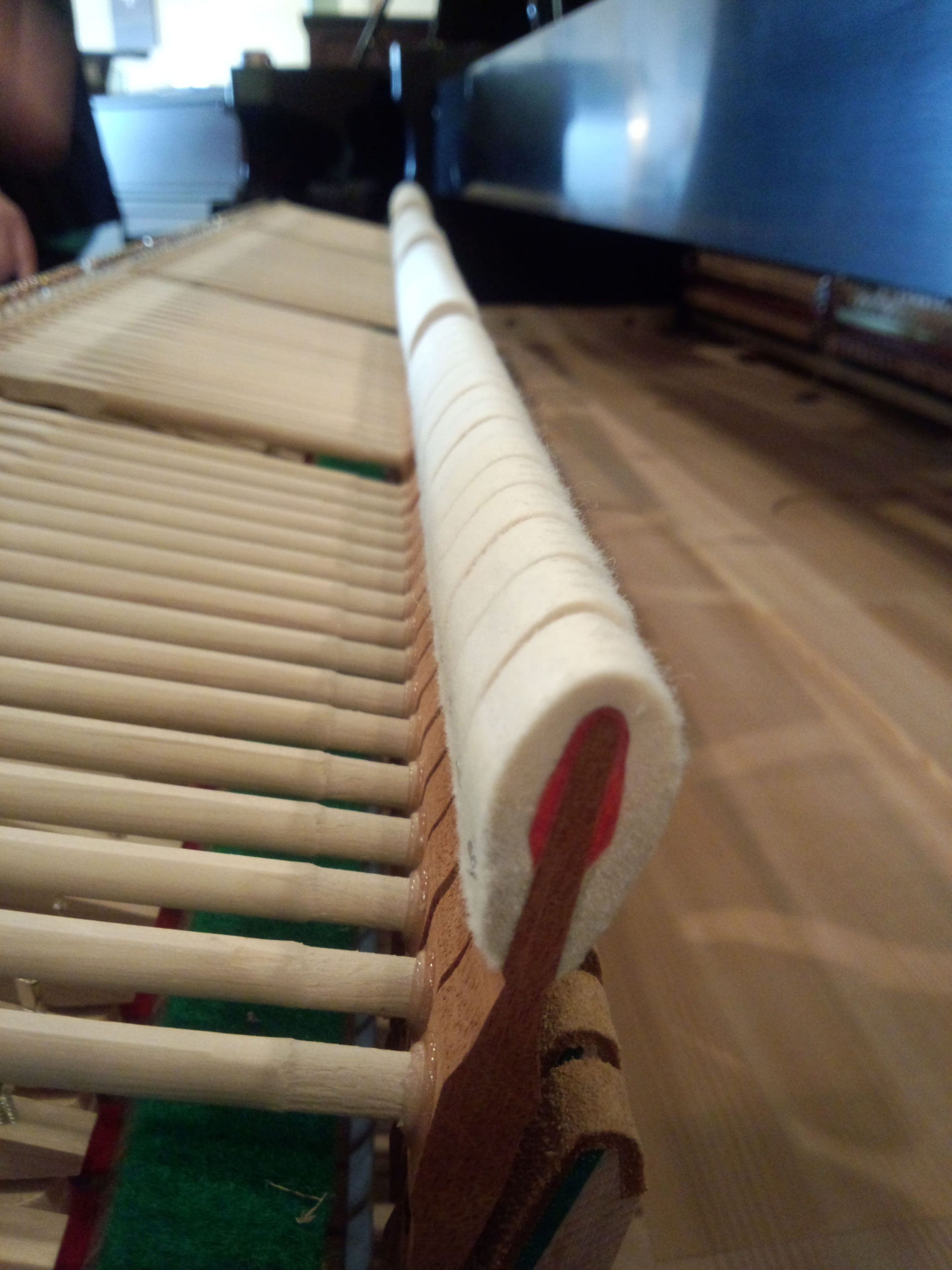
Beyond pitch, the tuner adjusted the action – the depth of key travel, the let-off, the hammer distance – and voiced the hammers by needling the felt to change the tone. A domestic tuning visit frequently included whatever of that could be done in the time.
Those are now frequently separate, chargeable services, and a standard tuning visit is a tuning. The economics changed rather than the practice: the time available for the fee no longer covers it. Most tuners will tell you that regulation matters more to how a piano plays than tuning does, and that almost nobody asks for it.
8. He Was Told Everything, Because He Was in the House for Two Hours
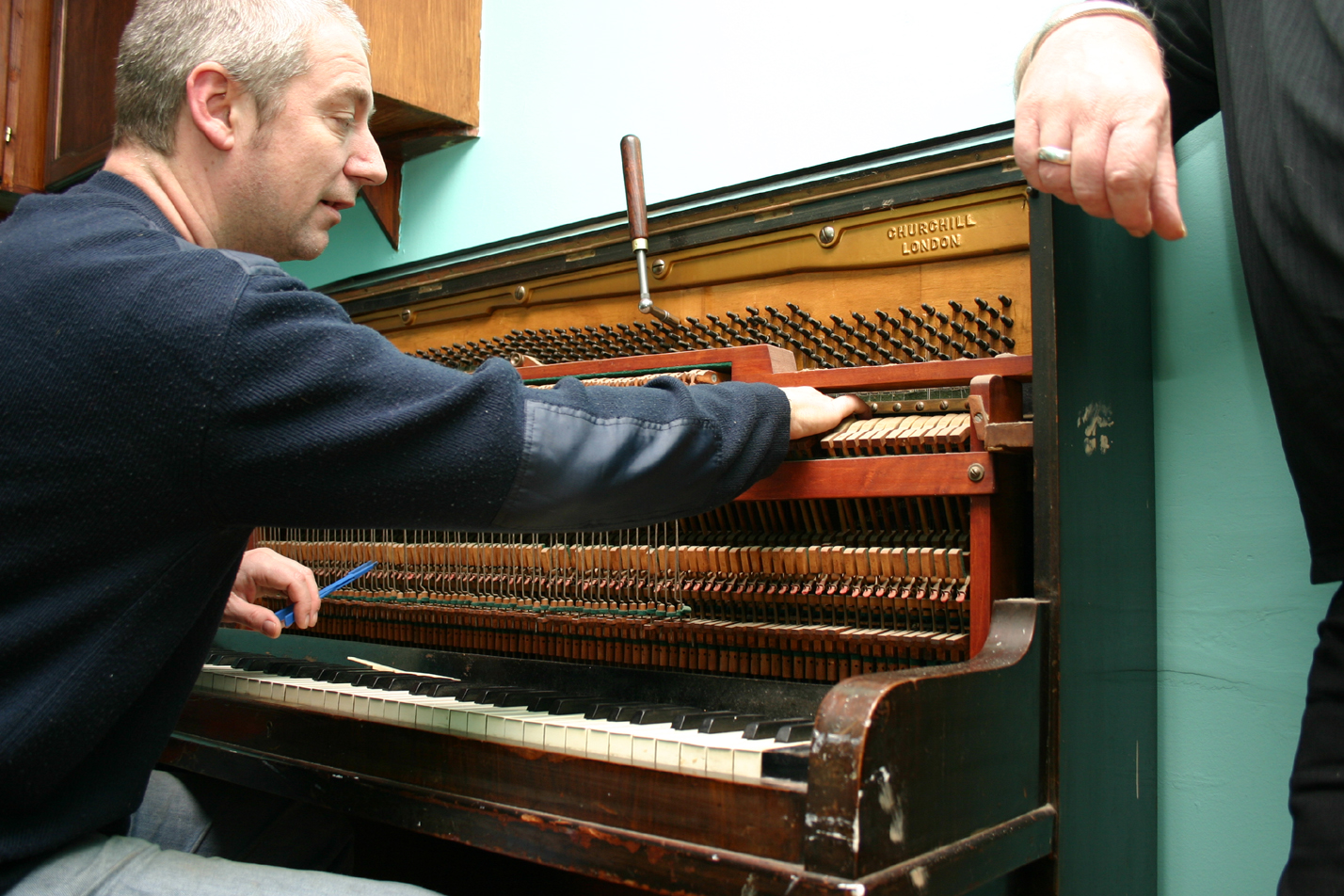
A tuner worked in a family’s front room for an hour or two, alone except for whoever was at home, several times across the years. People talked to him in the way they talk to a hairdresser or a taxi driver – at length, and about things they would not say to a neighbour.
This has not changed at all and every tuner will confirm it. It is a feature of any trade that puts one person in a house for a long quiet period doing something absorbing, and it is the reason the job’s practitioners tend to have an unusually good sense of what is happening in their town.
9. The Instrument Itself Was Usually Second-Hand and Often Free
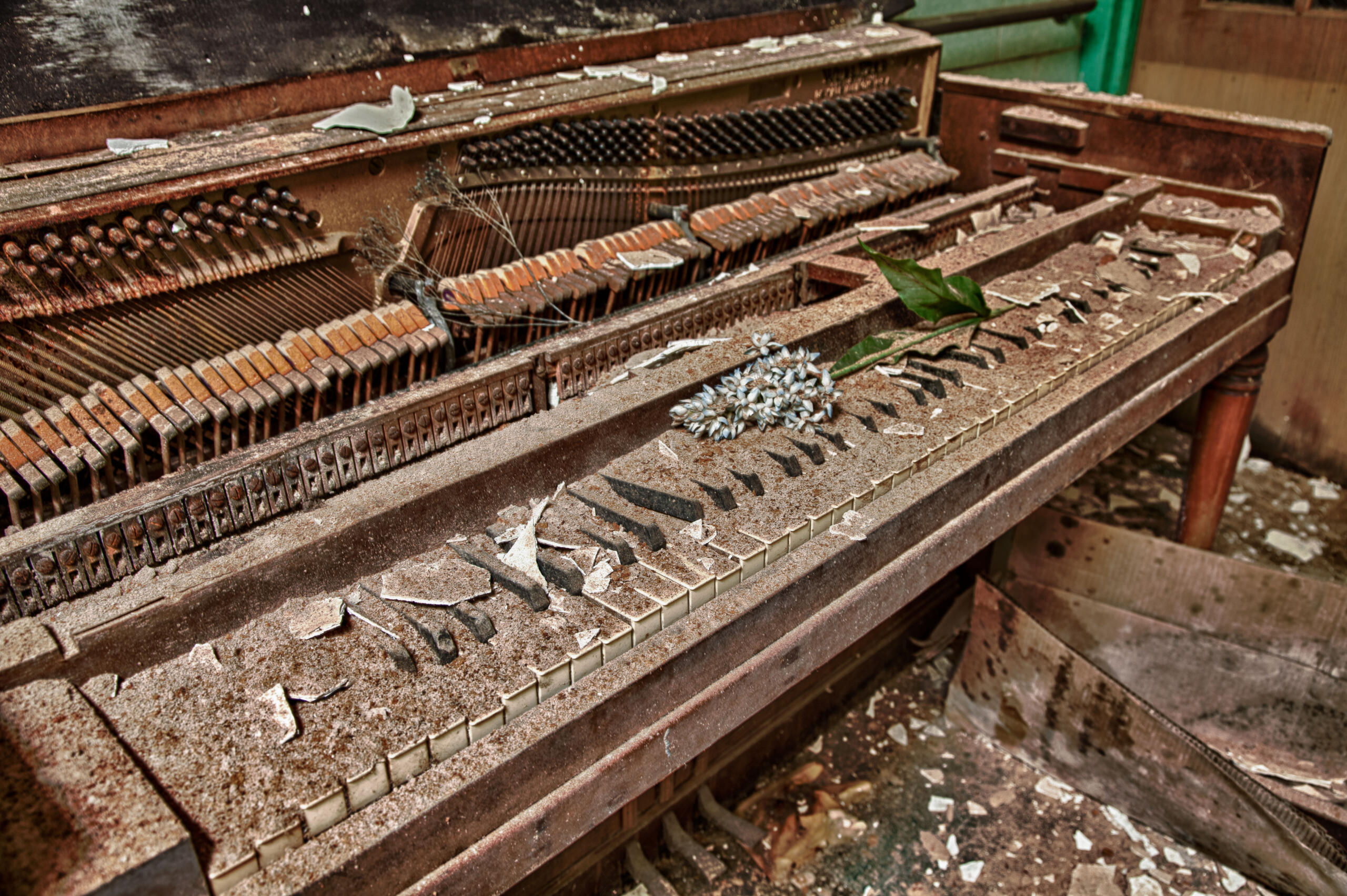
Pianos were heavy, numerous and increasingly unwanted, and a household could frequently acquire one for the cost of moving it. That was already true in 1960 and accelerated afterwards.
It has reached the point where unwanted pianos are a genuine disposal problem – difficult to move, uneconomic to restore, hard to recycle because they combine cast iron, wood, felt, steel wire and historically ivory. Many are broken up. This is a fairly bleak corner of the subject, and it is also why a good restorable instrument is worth identifying rather than assuming an old piano is valuable.
10. Moving One Was a Specialist Job and Still Is
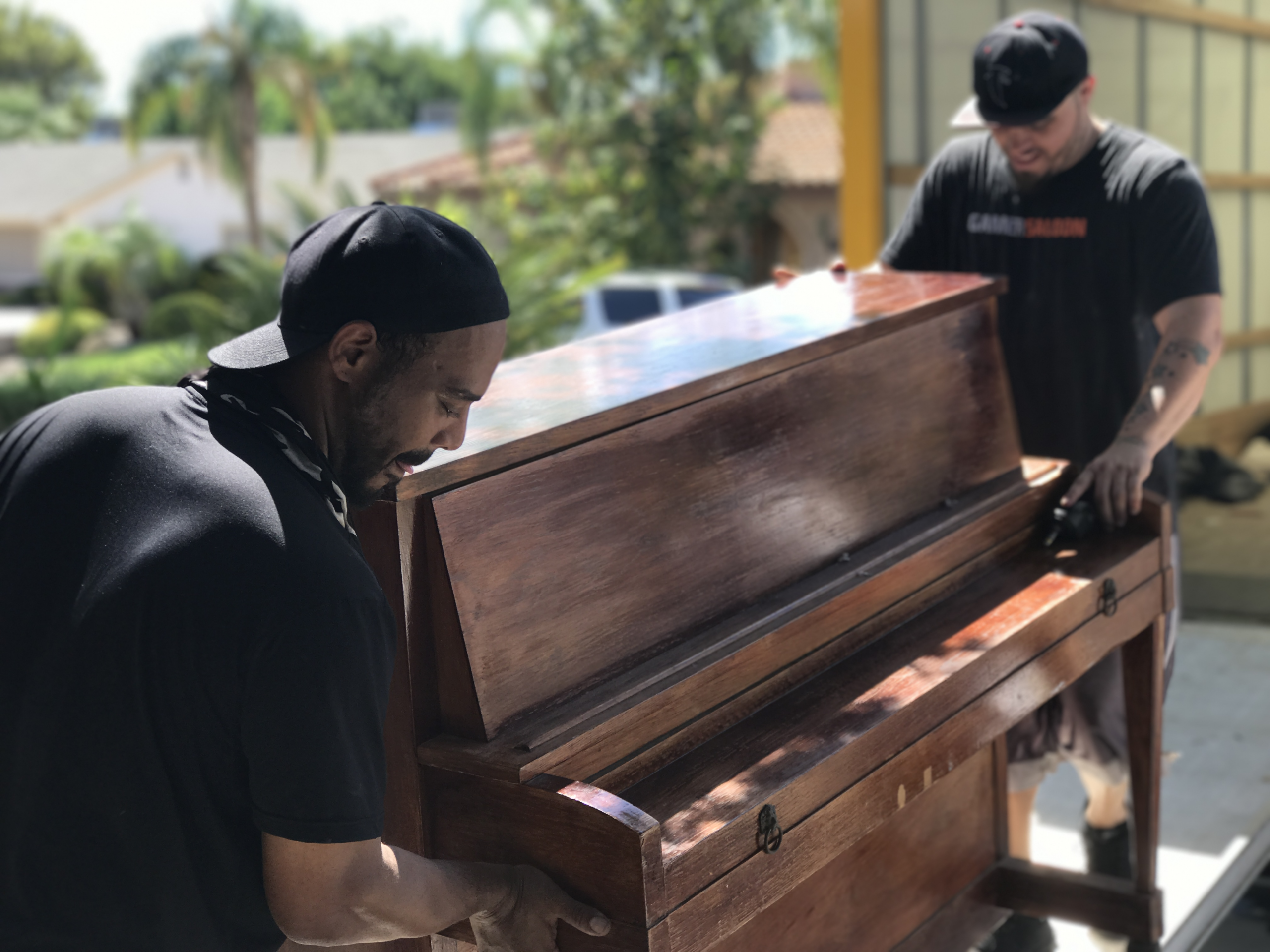
An upright weighs between two and four hundred kilograms and a grand considerably more, with the mass concentrated in a cast iron frame and the whole thing balanced badly. Moving one was done by specialist piano movers with barrows, straps, boards and a great deal of experience about stairs, doorways and the order in which legs come off.
It remains a specialist trade for exactly the same reasons, and it is one of the few domestic moving jobs that general removals firms routinely refuse. The hazard is not the weight alone – it is that the centre of mass is high and off-centre, so a piano that begins to go over cannot be held. Every tuner has an opinion about where an instrument has been put and whether it survived getting there.
11. Nobody Expected the Piano to Leave the Front Room
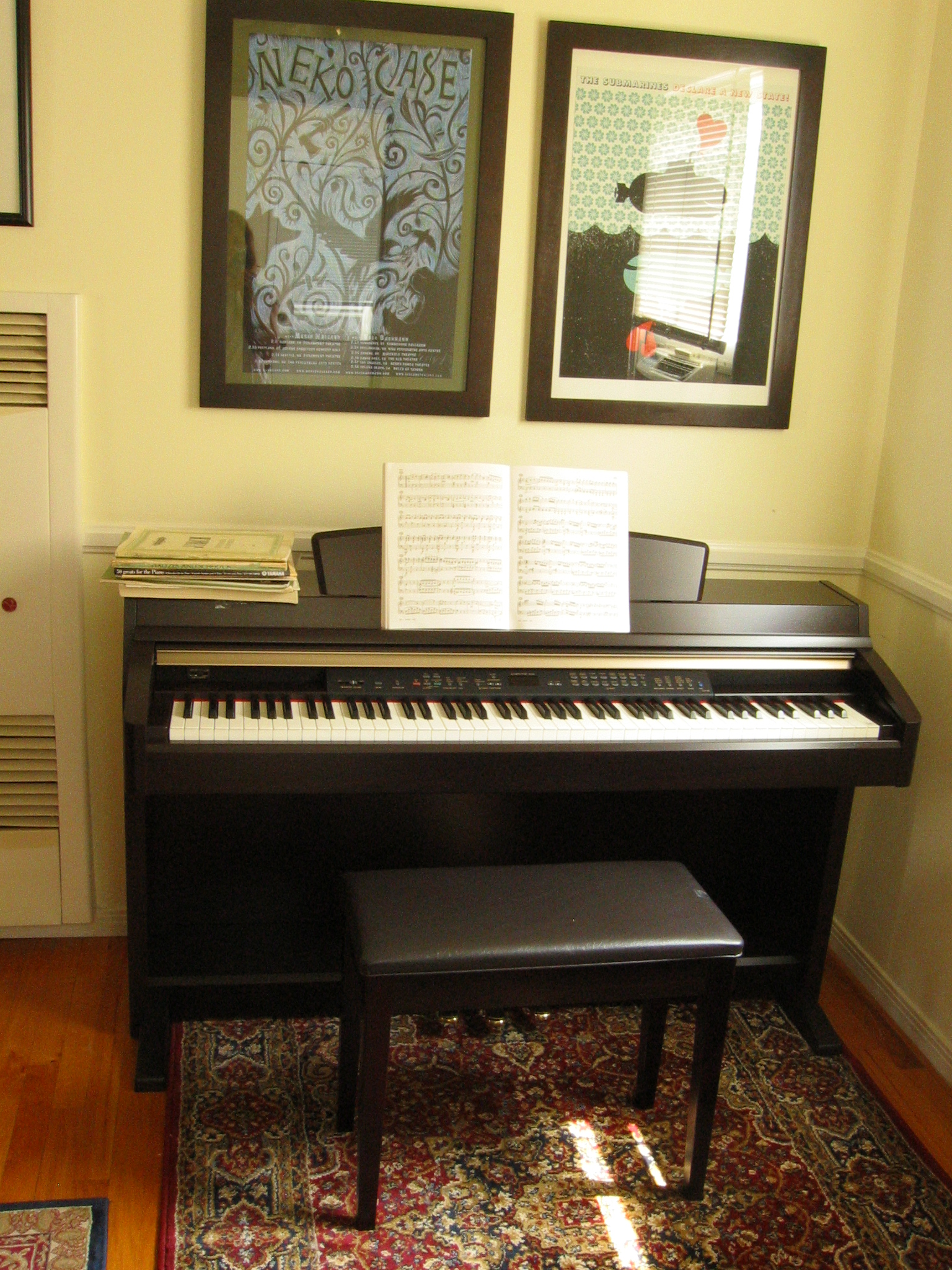
In 1960 the domestic piano was still the default household instrument, children were made to learn on it, and the trade assumed a continuing population of instruments requiring regular attention.
Domestic piano ownership declined substantially as home entertainment changed and as digital instruments arrived that need no tuning, take no floor space, can be played silently through headphones and cost a fraction of an acoustic. The tuning trade contracted accordingly, and the work that remains is concentrated in institutions, teaching studios, serious amateurs and professionals. The trade has not disappeared and reports a shortage of entrants, which is the familiar shape – a smaller trade that cannot find people, doing work that nobody has worked out how to mechanise.
The Trade That Would Not Mechanise
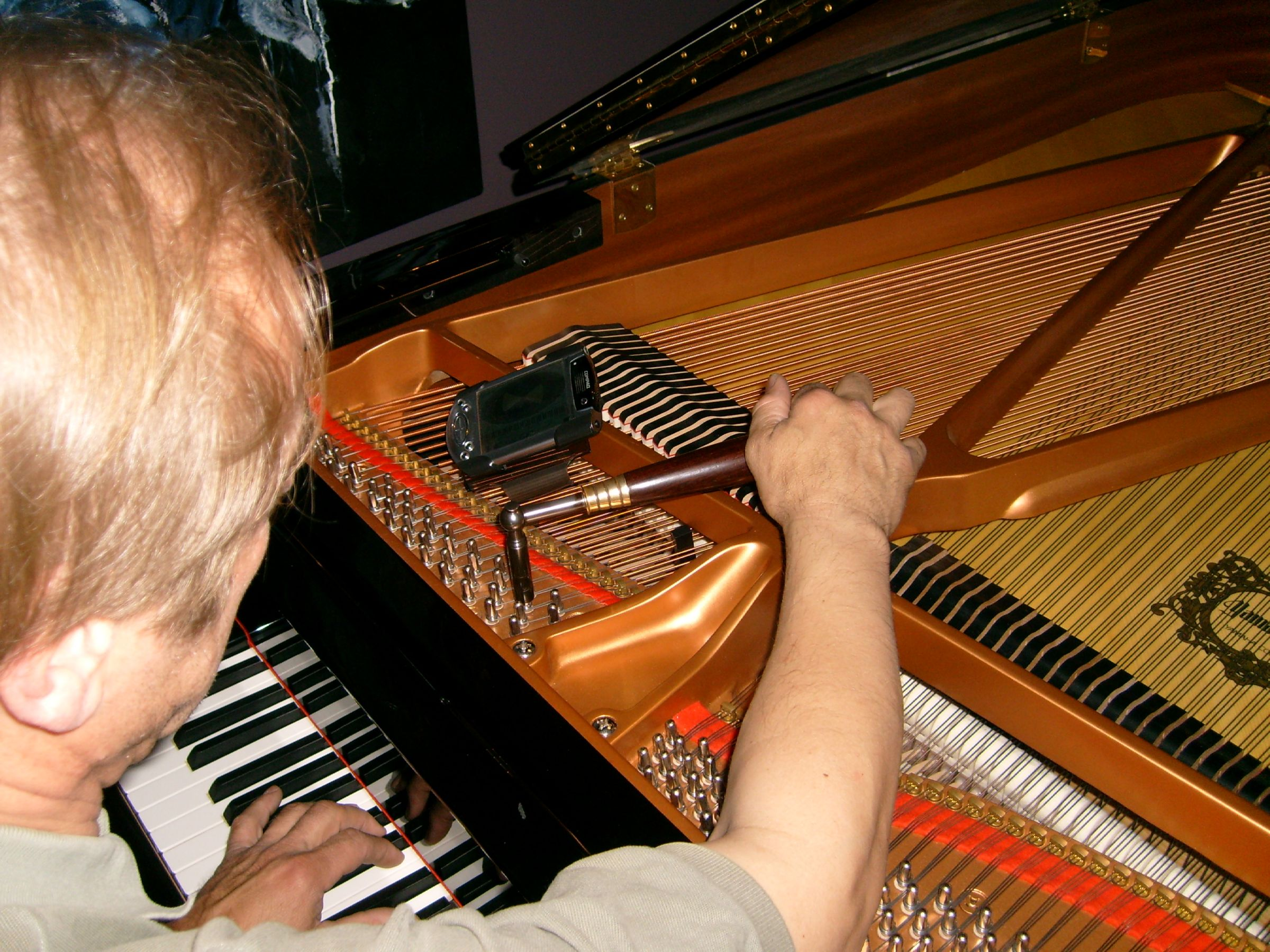
Almost every job in this series was reshaped by a machine. This one largely was not, and the reason is worth understanding.
Electronic tuning devices exist, are good, and are widely used. They did not replace the tuner, because tuning is only part of the job and because the device cannot do the physical work – every one of over two hundred strings has to be brought to pitch by hand, with a lever, on a pin that must be left stable rather than merely correct.
Nor has anything replaced the rest of it. Regulating an action means adjusting dozens of small mechanical relationships by feel. Voicing means deciding how a hammer should sound and then changing the density of felt with needles until it does. Both are judgement applied by hand inside an object that is different from every other object of its type because it is made of wood and is eighty years old.
So the trade survived the technology and is being squeezed by something else entirely: there are fewer pianos. Digital instruments need no tuning at all, domestic ownership has fallen, and a contracting market supports fewer practitioners.
Which produces the odd position the trade is in now. The skill is intact, it is still taught, it is still needed, nobody has automated it, and the trade reports difficulty finding entrants – not because the work went away, but because the instruments did.
If there was a piano in your house growing up, somebody came to tune it and you were told to be quiet.
Do you remember him, and is the piano still in the family?
Like our content? Follow us for more.
