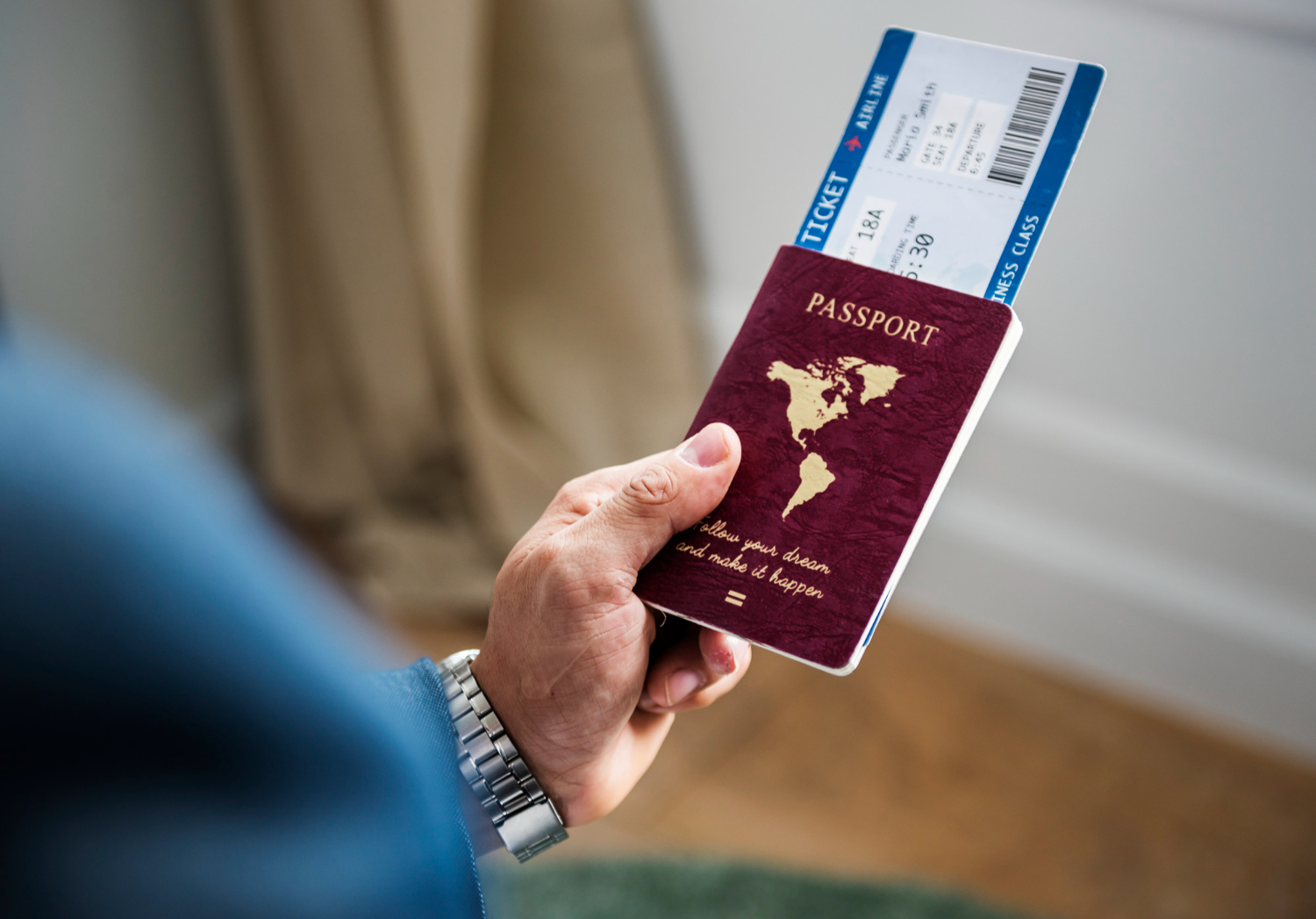
Realizing your passport is missing while traveling abroad triggers genuine panic for most travelers, but a clear, methodical response can resolve the situation considerably faster and with far less added stress. Here are ten things to do if your passport is lost or stolen abroad, counted down one by one.
1. File a Police Report Immediately

Local law enforcement documentation is often required later. Getting this done quickly protects you at every subsequent step.
Reporting a stolen passport to local police as soon as possible creates an official record that embassies, airlines, and insurance companies may all require later in the process, and doing this quickly also protects you if the passport is used fraudulently by someone else. Filing a police report immediately is a foundational first step, official documentation that becomes essential paperwork for nearly everything that follows.
Like our content? Follow us for more.
2. Contact Your Country’s Nearest Embassy or Consulate

Diplomatic missions handle passport emergencies routinely. They can issue emergency travel documents when needed.
Your country’s nearest embassy or consulate is specifically equipped to handle exactly this situation, and staff can issue an emergency travel document or expedited replacement passport, a routine process for consular officers who handle these cases regularly. Contacting your country’s nearest embassy or consulate should happen as early as possible, since replacement processing times vary and starting the process promptly minimizes any resulting travel delay.
3. Gather Any Existing Identification and Documentation

Having backup ID speeds up the replacement process considerably. Photocopies or digital scans prove genuinely valuable in this situation.
Any remaining identification, a driver’s license, a photocopy of the lost passport’s information page, or a digital scan saved to email or cloud storage, can significantly speed up the replacement process at the embassy. Gathering any existing identification and documentation beforehand is exactly why travel experts recommend keeping digital copies of important documents before ever leaving home, a small bit of preparation that pays off enormously in exactly this kind of situation.
4. Notify Your Travel Insurance Provider
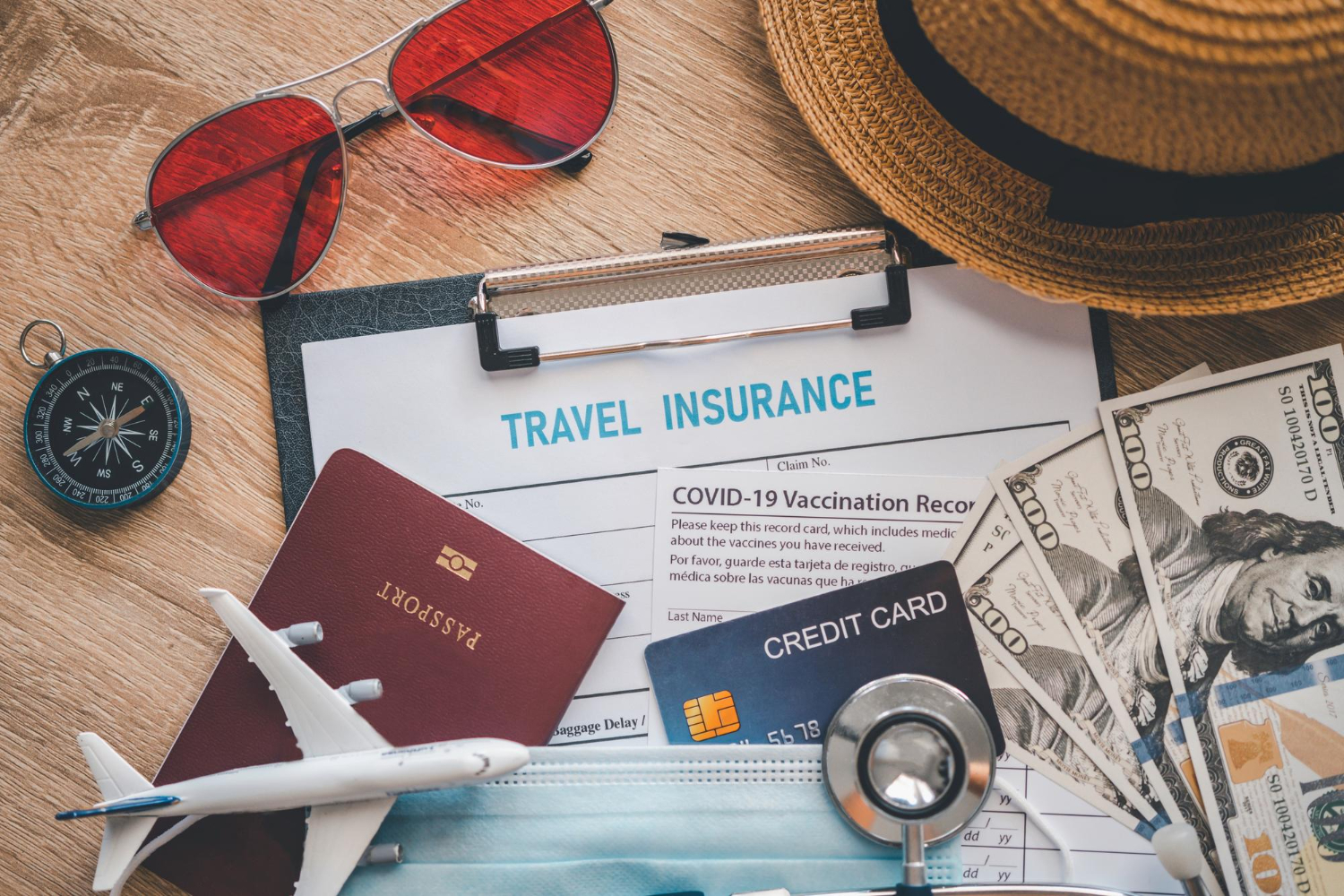
Many policies cover passport-related emergency expenses. Reporting the loss promptly ensures you meet any claim deadlines.
If you have travel insurance, contacting the provider promptly ensures you meet any required reporting deadlines and understand exactly what expenses, replacement document fees, emergency accommodation, or altered travel arrangements, might be covered under your specific policy. Notifying your travel insurance provider early is worth doing even if you’re uncertain about coverage specifics, since many policies do address exactly this kind of travel emergency.
5. Check Whether Your Onward Travel Plans Need Adjusting

Flights and other bookings may require date changes. Confirming this early prevents additional complications down the line.
Depending on how long a replacement document takes to process, you may need to adjust flights, hotel reservations, or other onward travel plans, and checking with your airline about change policies early prevents additional complications from compounding on top of the original document issue. Checking whether your onward travel plans need adjusting is a practical step that keeps the overall disruption as contained as possible.
6. Ask the Embassy About Any Required Exit Visa Considerations
Some countries require specific documentation to exit legally. Confirming this avoids a second complication at departure.
In some countries, exiting legally requires specific documentation beyond simply having a valid passport, and embassy staff can advise whether your emergency travel document will be sufficient or whether additional exit paperwork is needed before you can actually leave. Asking the embassy about any required exit visa considerations avoids the frustrating scenario of resolving the passport issue only to encounter a second, separate complication at the airport.
7. Keep All Receipts Related to the Loss

Replacement fees and related expenses may be reimbursable. Careful documentation supports any later insurance claim.
Keeping careful records of any expenses directly related to the passport loss, replacement document fees, extra accommodation nights, or rebooking charges, supports a smoother insurance claim process later and ensures you have accurate documentation if reimbursement becomes possible. Keeping all receipts related to the loss is a simple habit that costs nothing in the moment but can meaningfully affect what you’re able to recover afterward.
8. Monitor for Any Signs of Identity Theft

A stolen passport carries genuine fraud risk beyond travel disruption. Watching your accounts closely is a sensible precaution.
A stolen passport, as opposed to one simply lost, carries a genuine risk of identity theft or fraudulent use, and monitoring your financial accounts and credit reports closely in the weeks following the incident is a sensible precaution worth taking regardless of how the immediate travel situation resolves. Monitoring for any signs of identity theft protects you well beyond the immediate travel disruption itself, addressing a risk that can surface weeks or months after the original incident.
9. Update Any Travel Companions or Family on the Situation

Keeping others informed helps coordinate practical support. It also ensures someone knows your status if further help is needed.
Letting travel companions and family back home know what’s happening helps coordinate any practical support they might offer, and ensures someone is aware of your situation and location if additional help becomes necessary as the process unfolds. Updating any travel companions or family on the situation is a simple communication step that provides real peace of mind on both ends, particularly during an already stressful situation.
10. Be Patient With the Replacement Process

Emergency documents typically take at least a day or two to issue. Building in flexibility reduces added frustration significantly.
Even an expedited emergency travel document typically takes at least a day or two to process, and building genuine flexibility into your expectations, rather than assuming an instant resolution, meaningfully reduces the frustration of what’s already a stressful situation. Being patient with the replacement process is ultimately the most realistic mindset, since embassy staff are generally working as efficiently as the process allows, even when it doesn’t feel fast enough in the moment.
Turning a Crisis Into a Manageable Detour
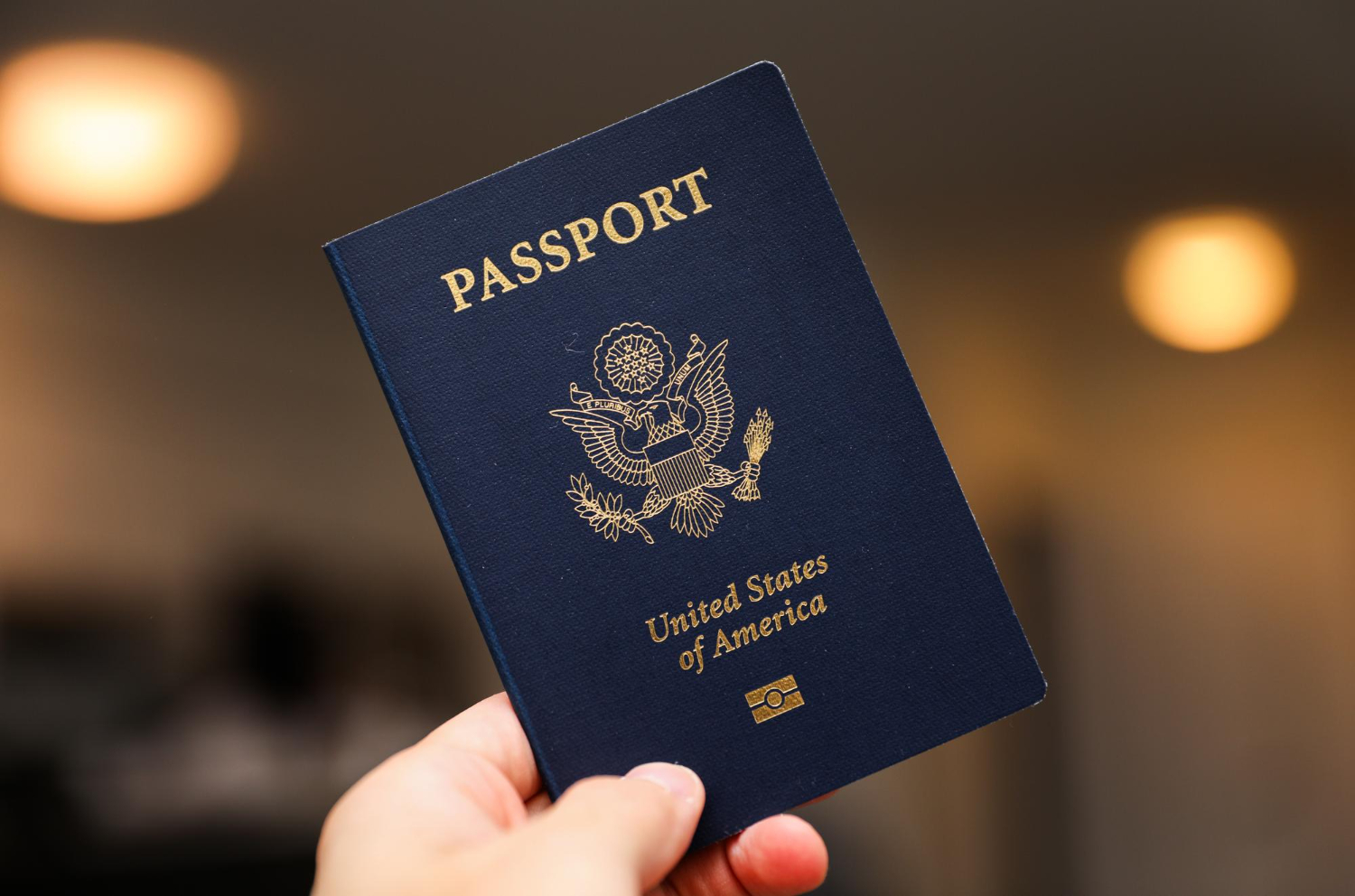
Taken together, these ten steps show that losing a passport abroad, while genuinely stressful, is a well-understood situation embassies and consulates handle routinely, with a clear, methodical path toward resolution. Moving through these steps in order, rather than panicking, is the single best way to get back on track as quickly as realistically possible.
Prevention remains the best strategy of all, keeping a digital copy of your passport’s information page, registering your trip with your embassy where that service is offered, and storing your passport securely while traveling all meaningfully reduce the odds of ever needing this guide in the first place. But if the situation does happen, knowing the correct sequence of steps in advance turns a genuinely alarming moment into a manageable process with a clear, reliable resolution.
It’s also worth remembering that consular officers around the world handle exactly this kind of emergency on a genuinely routine basis, so while the situation feels uniquely stressful in the moment, you’re far from the first traveler they’ve helped through it. Staying calm, working through the steps methodically, and leaning on embassy staff for guidance rather than trying to navigate an unfamiliar country’s bureaucracy entirely alone consistently produces the smoothest outcome. Many travelers who’ve been through this experience later describe it as a genuinely stressful but ultimately manageable detour rather than the trip-ending disaster it initially feels like, a reassuring reminder that this specific problem, however alarming, has a well-established and reliable path to resolution.
Like our content? Follow us for more.