Where you sit on a plane can make a real difference to your flight, affecting everything from how much turbulence you feel to how quickly you can get off the plane at your destination. With a little knowledge of cabin layout and aircraft design, you can pick a seat that suits your priorities, whether that’s a smooth ride, extra legroom, or a quick exit. Here are ten things to know about picking the best seat on a plane, counted down one by one.
1. Seats Over the Wing Offer the Smoothest Ride
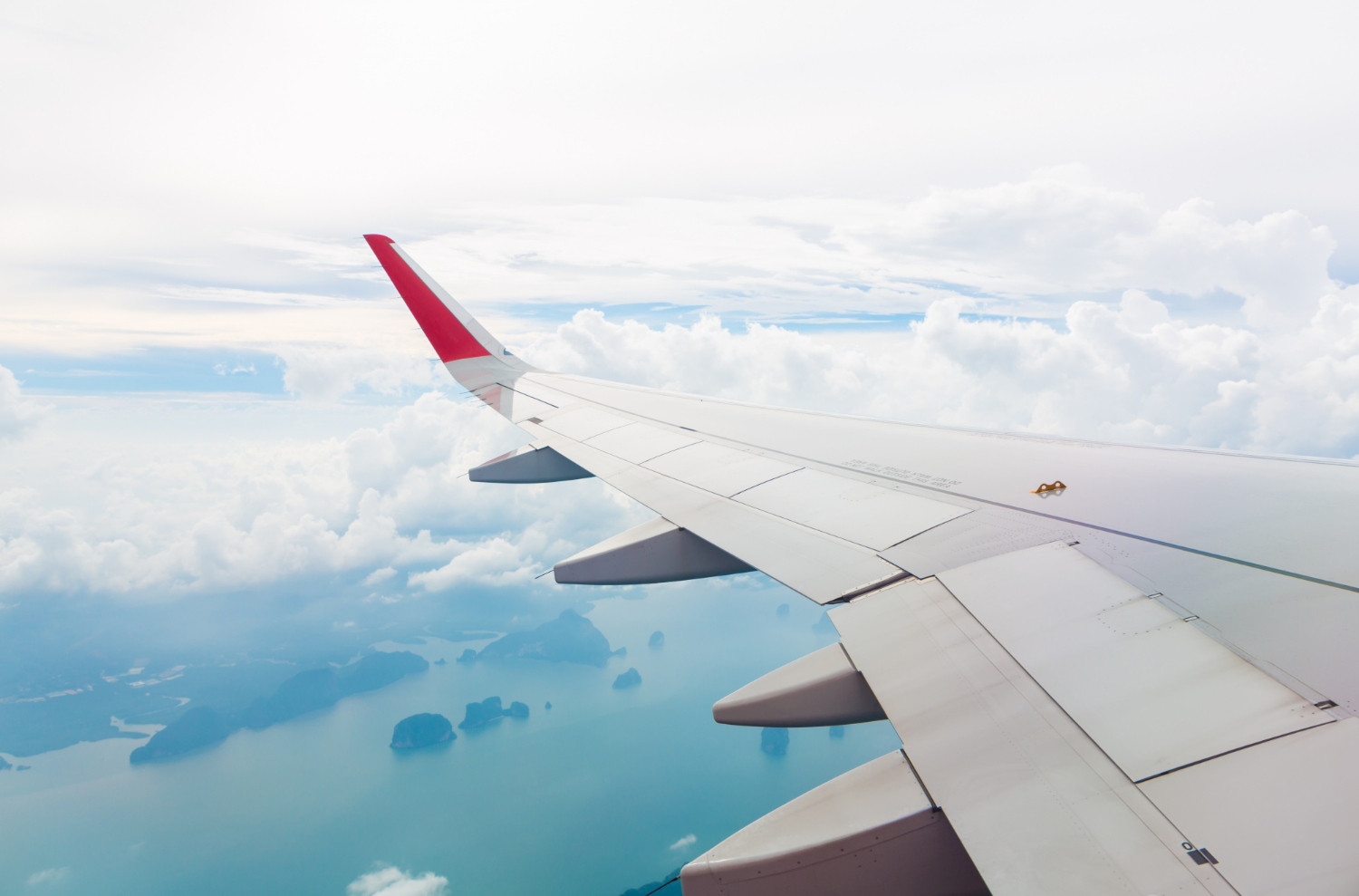
The area over the wing feels the least turbulence. It’s closest to the plane’s center of gravity.
If a smooth ride is your priority, seats located over the wing tend to offer the least turbulence, since this section sits closest to the aircraft’s center of gravity and pivot point, meaning it moves the least during bumps or maneuvers. Nervous flyers in particular often prefer this zone. It’s a physics-based sweet spot. Seats over the wing offering the smoothest ride is a key consideration for anxious or motion-sensitive travelers, the aerodynamic reality that this section of the cabin experiences noticeably less movement than the front or rear, making it a smart pick for a calmer flight experience.
Like our content? Follow us for more.
2. The Front of the Plane Boards and Deplanes Faster
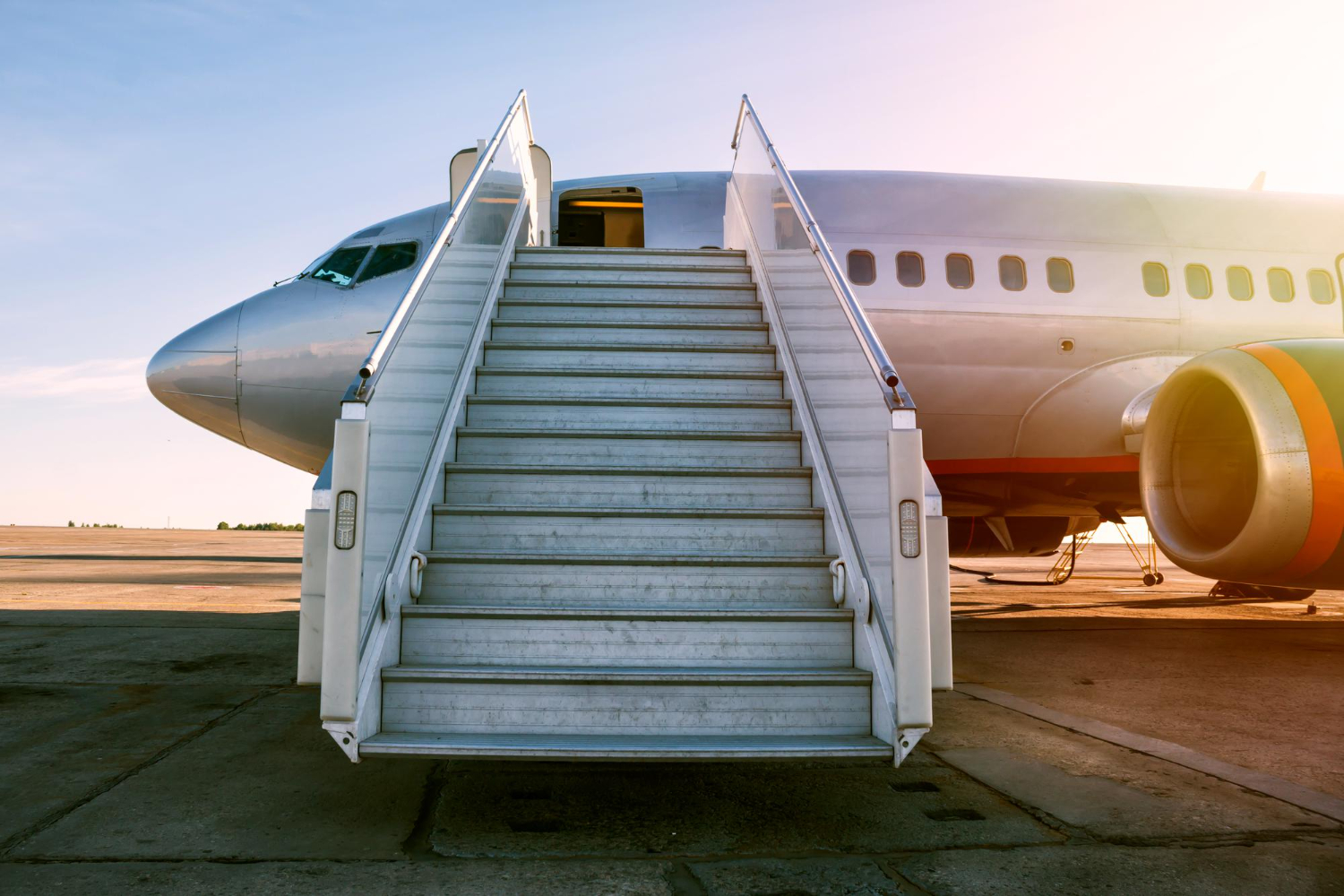
Seats near the front let you off first. It also means boarding earlier in many cases.
Seats toward the front of the plane, close to the main boarding door, mean you’re generally among the first to board and, more importantly, among the first off once the plane lands, which can matter a lot for tight connections. Waiting for dozens of rows to deplane ahead of you eats up valuable time. Front seating saves precious minutes. The front of the plane boarding and deplaning faster is an important practical factor, the seating position that minimizes time spent waiting in the aisle, a genuinely useful advantage for travelers racing to catch a connecting flight or simply eager to be on their way.
3. Window Seats Offer a Wall to Lean On
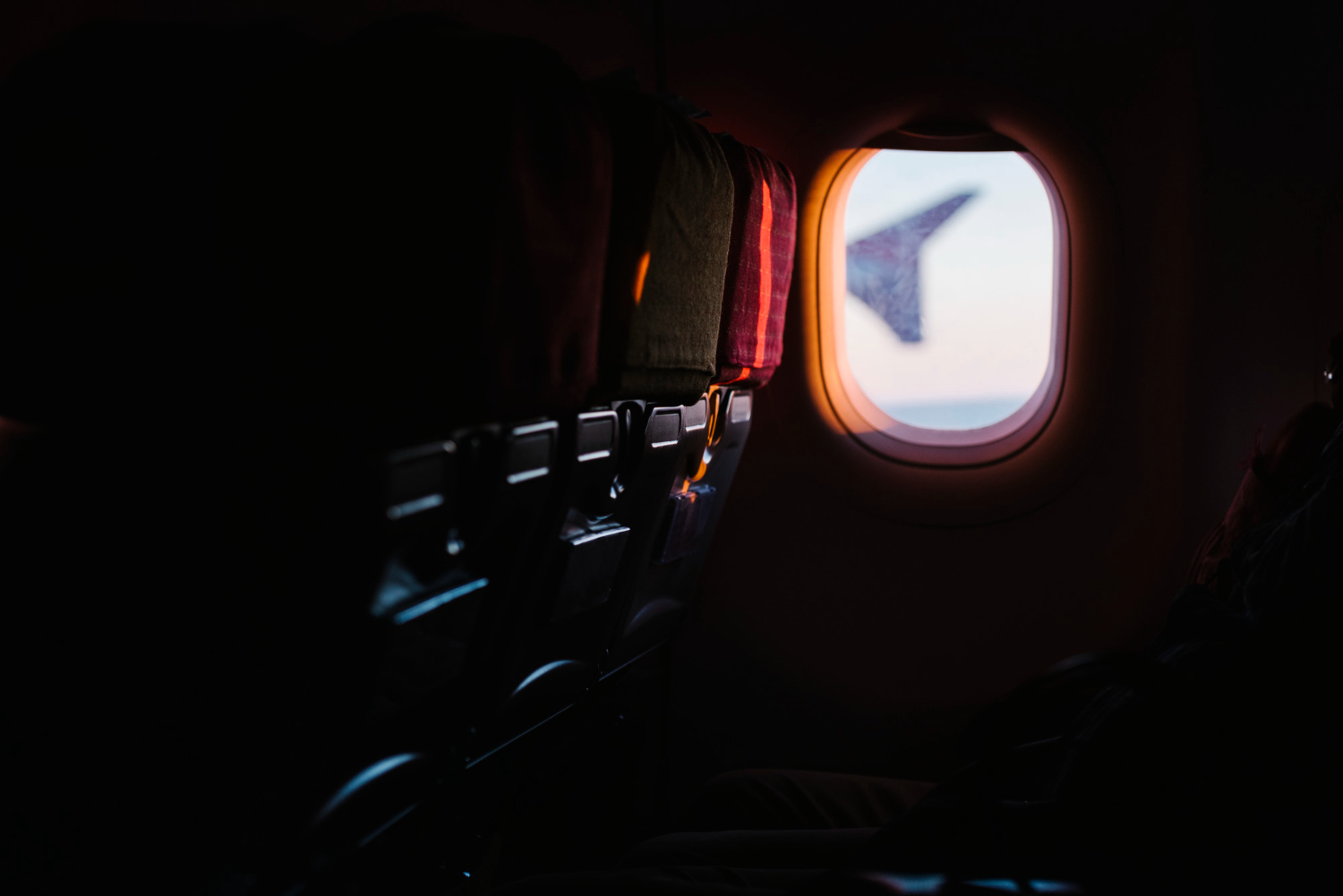
A window seat provides a surface to rest against. It’s ideal for sleeping on a flight.
Window seats come with a built-in advantage for sleepy travelers, a solid wall to lean your head against, rather than relying on an unpredictable neighbor’s shoulder or an uncomfortable, unsupported neck angle. They also offer views and control over the window shade. The trade-off is having to climb over seatmates to reach the aisle. Window seats offering a wall to lean on is a practical perk many travelers value, the built-in support that makes resting or sleeping during a flight considerably more comfortable, a small but meaningful benefit for anyone hoping to catch some sleep in the air.
4. Aisle Seats Offer Easy Access and Legroom to Stretch
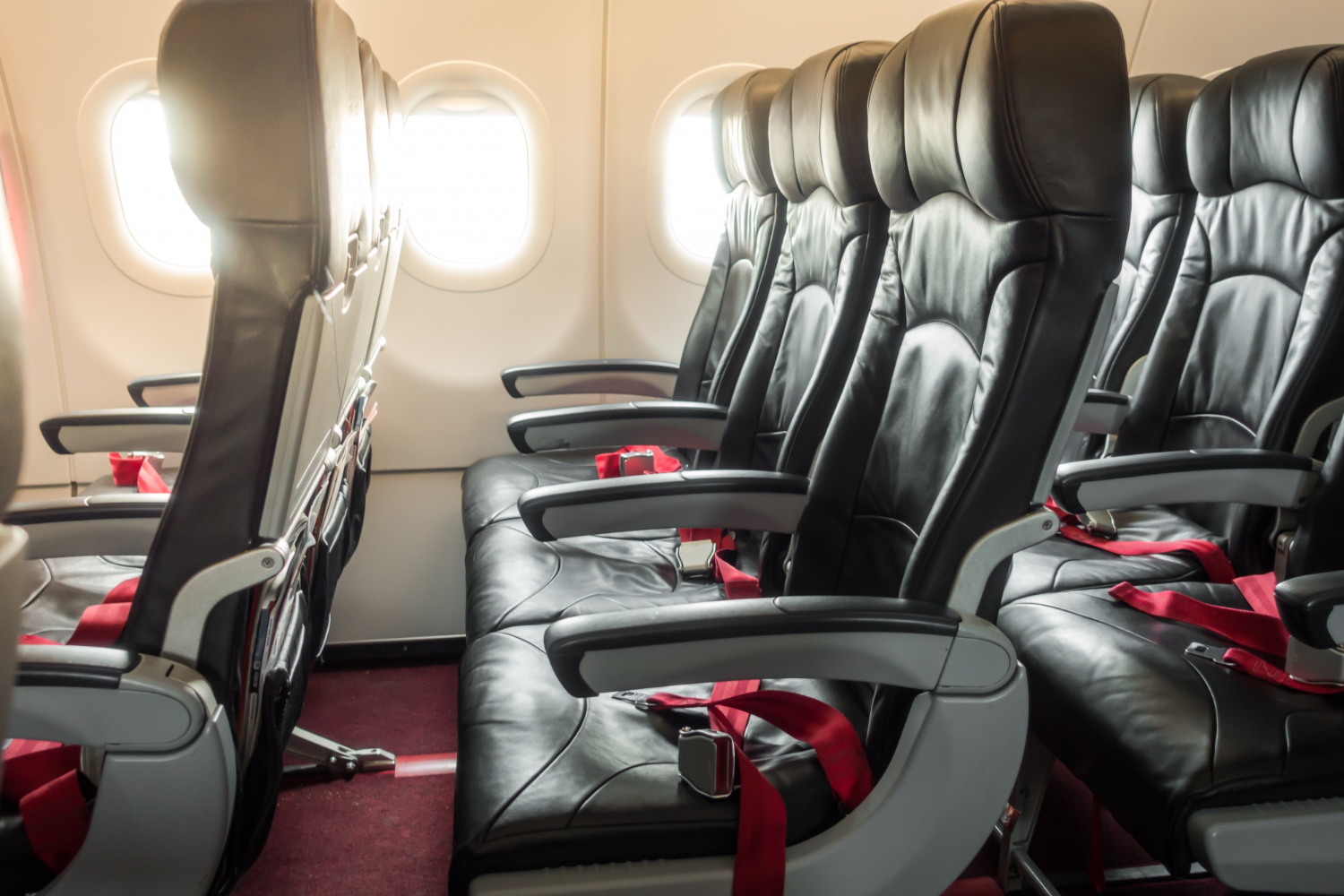
Aisle seats let you get up freely. They offer a bit more room to stretch a leg.
Aisle seats offer the freedom to get up for the restroom or to stretch your legs without disturbing anyone else, a major plus for travelers who don’t like feeling boxed in. Many aisle seats also allow one leg to extend slightly into the aisle space. The trade-off is being bumped occasionally by the passing cart or other passengers. Aisle seats offering easy access and legroom to stretch is a strong choice for travelers who value mobility, the freedom to move around the cabin freely being especially valuable on longer flights where sitting still for hours isn’t appealing.
5. The Middle Seat Has One Underrated Perk
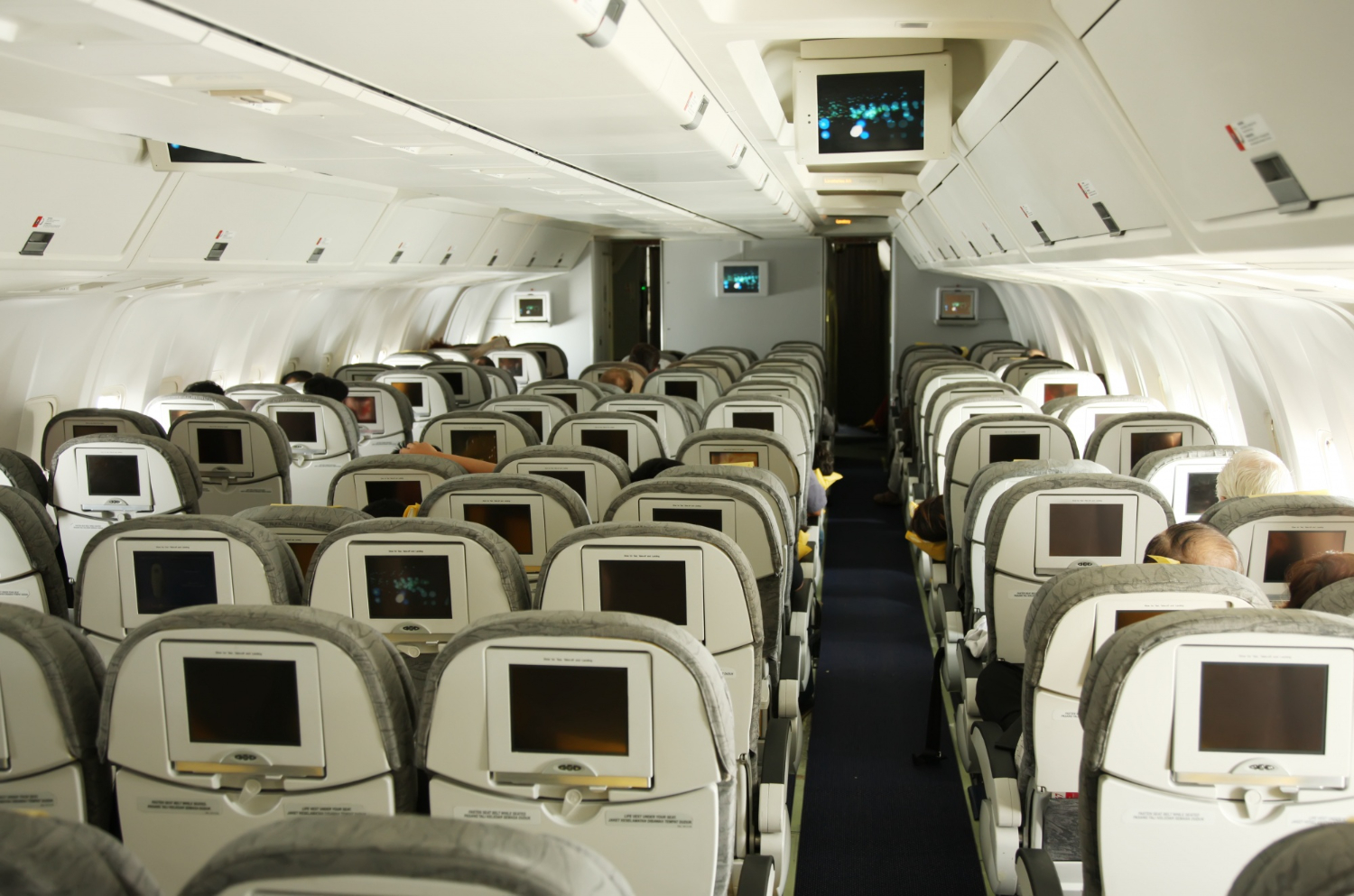
Middle seats often get both armrests. It’s small compensation for a less desirable spot.
The middle seat is nearly everyone’s least favorite, but it does come with one small, underrated perk, unofficial etiquette generally grants the middle-seat passenger both armrests, since window and aisle seatmates already have their own respective advantages. It’s a modest consolation prize. Knowing this can help set fair boundaries. The middle seat’s one underrated perk is a small silver lining worth knowing, the informal armrest etiquette that gives the least popular seat a bit of extra comfort, a minor but genuine advantage for anyone who ends up stuck in the middle on a crowded flight.
6. Seats Near the Engines Tend to Be Noisier
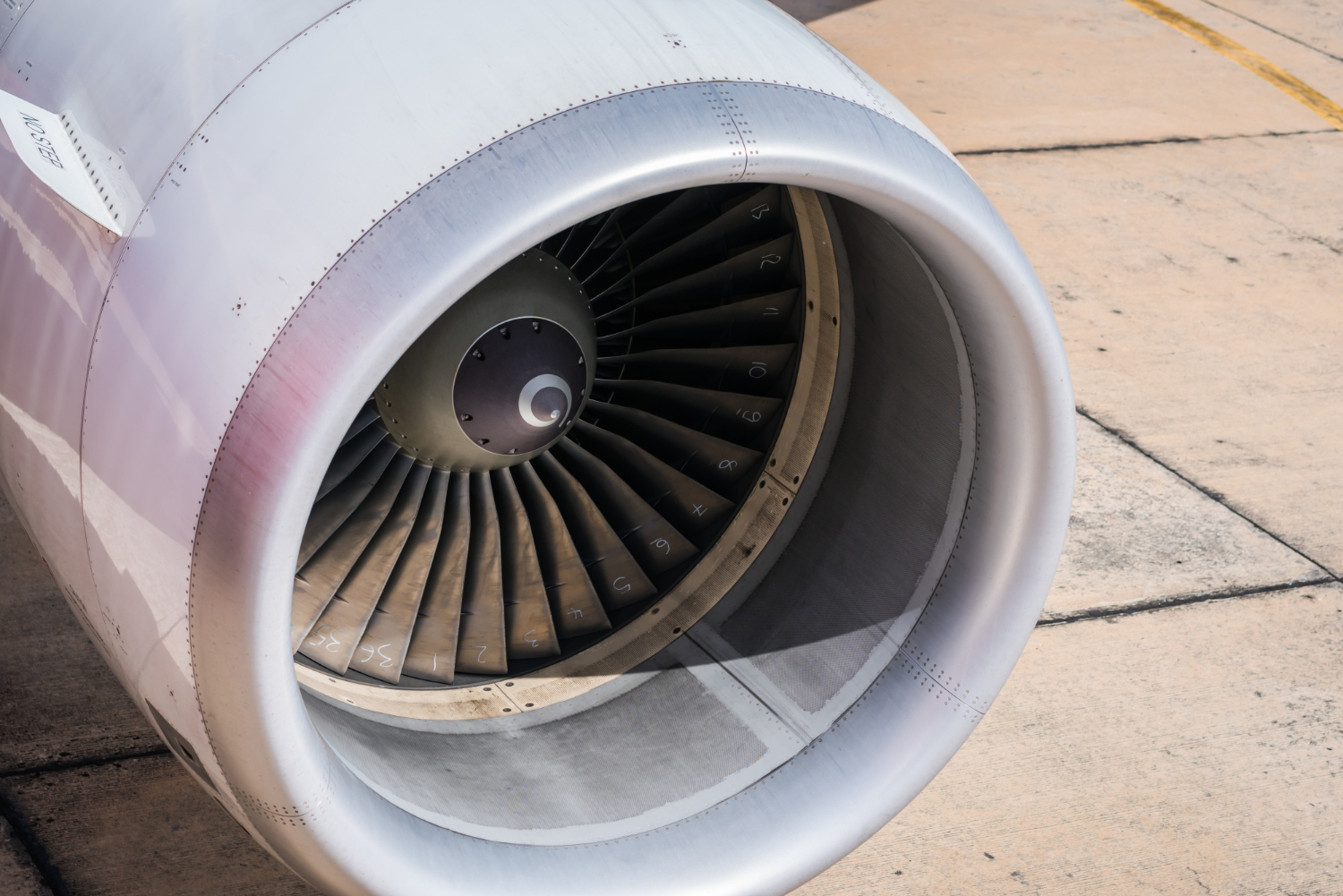
Engine-adjacent rows have more noise. Seats farther from them offer a quieter cabin.
Rows located near the engines, typically over or just behind the wing on many aircraft, tend to be noticeably noisier than seats toward the front or the very back of the cabin. If a quiet flight matters to you, checking a seat map for engine placement before booking is worthwhile. Noise levels can vary meaningfully by row. Seats near the engines tending to be noisier is a useful factor for sound-sensitive travelers, the practical reality that engine placement affects cabin noise levels, making it worth a quick check of the seat map if you want the quietest possible flight.
7. The Back of the Plane Has Trade-Offs
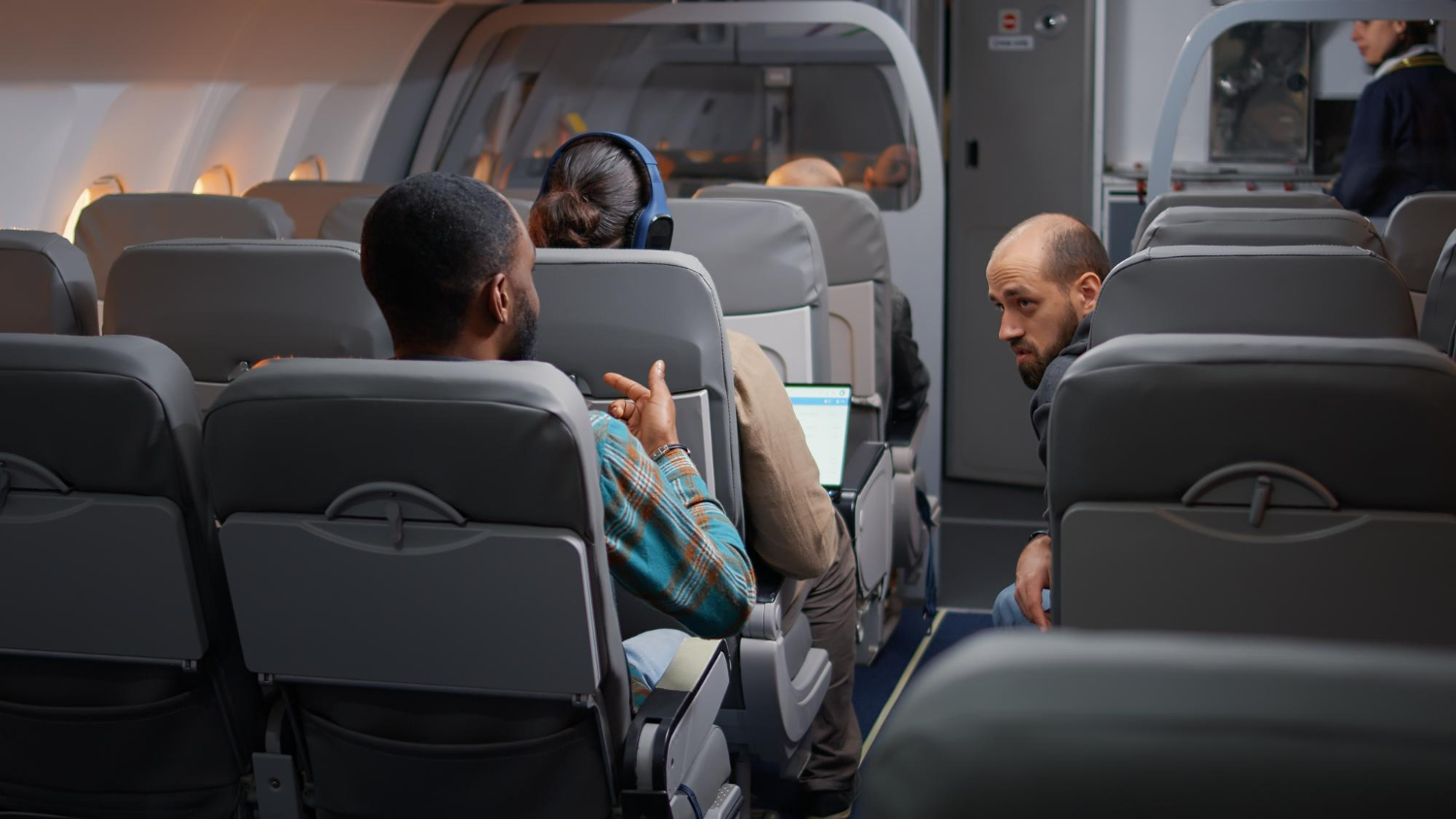
Rear seats board last and feel more turbulence. But they’re often quieter and cheaper.
Seats at the back of the plane come with real trade-offs: they typically board and deplane last, and this section can feel more turbulence than seats over the wing. On the plus side, rear seats are often quieter, since they’re farther from many engine placements, and are frequently among the cheapest fares. It’s a balance of pros and cons. The back of the plane having trade-offs is an important nuance to weigh, the mix of drawbacks and genuine advantages that make rear seating a reasonable choice for budget-conscious or patient travelers, even if it’s not everyone’s first pick.
8. Bulkhead Rows Offer Extra Legroom, With Caveats
Bulkhead seats have more legroom. But they often lack under-seat storage.
Bulkhead rows, positioned directly behind a cabin divider, generally offer noticeably more legroom since there’s no seat in front to encroach on your space. The trade-off is that these seats usually lack under-seat storage, meaning your bag must go in the overhead bin during takeoff and landing, and armrests are sometimes fixed in place. It’s a worthwhile swap for many travelers. Bulkhead rows offering extra legroom with caveats is a useful thing to know before booking, the genuine space advantage balanced against a few practical limitations that are worth weighing based on your own travel habits.
9. Seats Near the Restroom Have a Downside
Proximity to the lavatory means more foot traffic. Odors and noise can also be an issue.
Seats located near a restroom come with a notable downside, near-constant foot traffic and passengers lingering in the aisle waiting their turn, plus occasional noise and odors as the door opens and closes throughout the flight. It’s generally worth avoiding this row if you have a choice. Checking the seat map for lavatory locations helps you steer clear. Seats near the restroom having a downside is a practical thing to watch for when selecting a seat, the combination of noise, traffic, and smell that makes this a spot most experienced travelers try to avoid if any alternative is available.
10. Seat-Map Websites Can Show You More
Third-party seat-map tools reveal aircraft-specific details. They flag which rows to avoid.
Beyond an airline’s own booking page, independent seat-map websites and apps let travelers look up the specific aircraft for their flight and see detailed notes on which seats have reduced recline, misaligned windows, extra noise, or other quirks particular to that plane. Checking one before selecting a seat can help you avoid a nasty surprise. A little research goes a long way. Seat-map websites showing you more is a smart final step in choosing a seat, the extra layer of detail that goes beyond a standard airline diagram, helping travelers make a genuinely informed choice tailored to the exact aircraft they’ll be flying.
Choose Your Seat, Choose Your Flight
Taken together, these ten points show that picking the right airplane seat is about matching the cabin’s layout to your own priorities, whether that’s a smooth ride, a quiet cabin, extra legroom, or a fast exit. A little planning before you fly can make a real difference in how comfortable, and how pleasant, your next flight turns out to be.
There’s no single “best” seat for every traveler, the right choice depends on whether you value speed, comfort, quiet, or a smooth ride most. What matters is knowing the trade-offs of each part of the cabin so you can make a deliberate choice rather than accepting whatever’s left at check-in. With a bit of seat-map research and an understanding of how aircraft design affects comfort, you can turn seat selection from an afterthought into one of the easiest ways to genuinely improve your next flight.
Like our content? Follow us for more.