
Few travel questions cause more quiet anxiety than tipping. Do you leave cash on the table or hand it directly to your server? Is 10 percent generous or insulting? The answer depends entirely on where you are, since tipping customs are shaped by local wages, culture, and history, and what feels natural at home can be completely different abroad. Here are ten things to know about tipping etiquette around the world, counted down one by one. (Customs are general guidelines and can vary by region or establishment; when in doubt, asking locally is always a safe bet.)
1. The U.S. Has an Unusually High Tipping Culture

American tipping norms run high by global standards. Service workers often rely on tips as core income.
The United States has one of the most tip-dependent service cultures in the world, with restaurant tips commonly expected in the range of 15 to 20 percent or more, reflecting a system where many service workers are paid a lower base wage and rely heavily on tips to make up their income. Visitors from many other countries often find this surprising. It’s genuinely built into the compensation structure. The U.S. having an unusually high tipping culture is essential context for international visitors, the reason American tipping can feel steep compared to elsewhere, rooted in a wage system that differs meaningfully from most of the rest of the world.
Like our content? Follow us for more.
2. Japan Generally Doesn’t Expect Tips
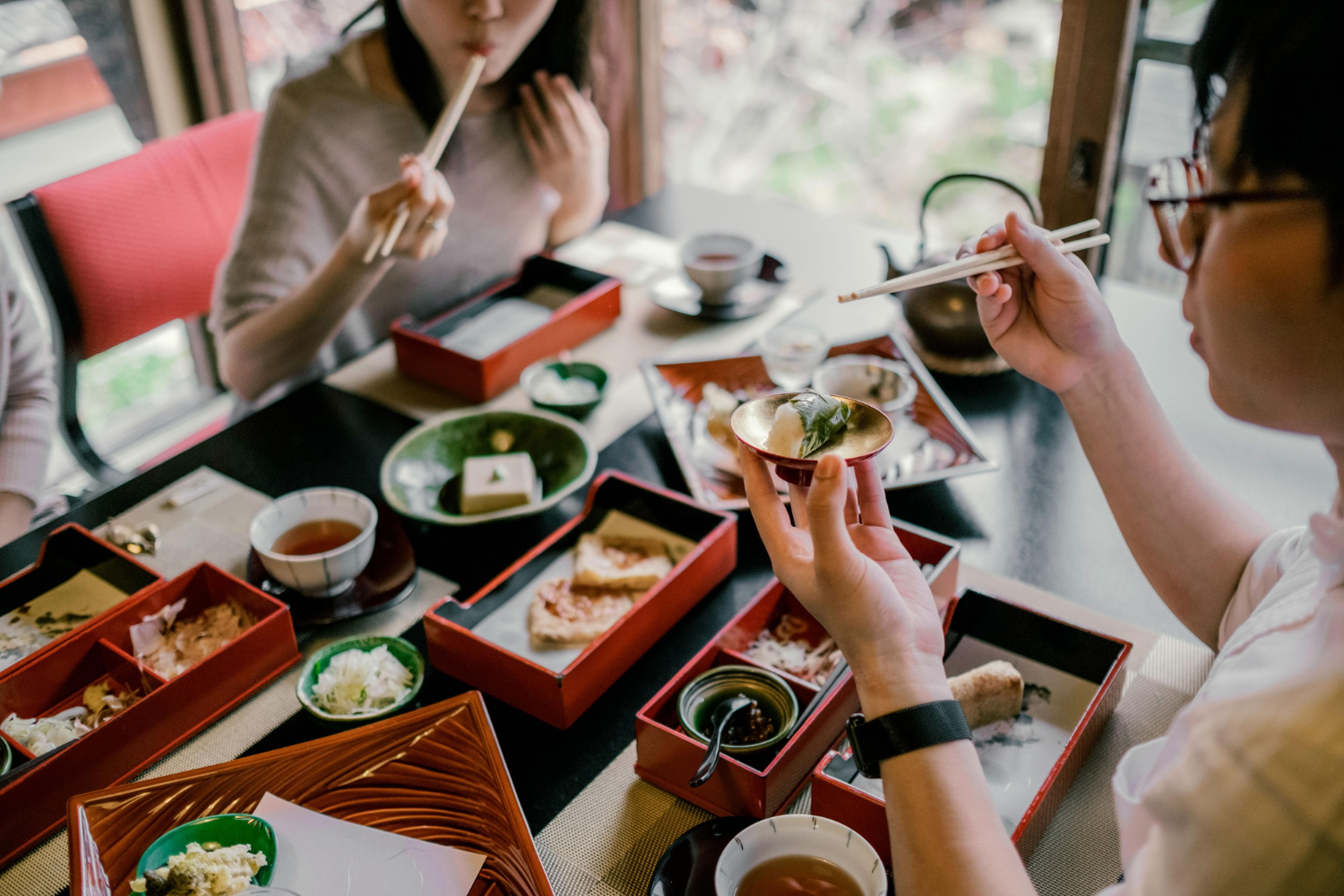
Tipping in Japan can cause confusion or be declined. Excellent service is simply the standard.
Japan is famous for a service culture where tipping isn’t customary and can sometimes cause genuine confusion, staff may politely decline extra money, viewing excellent, attentive service as simply the standard rather than something requiring an extra reward. Leaving cash on a table might even prompt someone to chase you down to return it. It reflects a different cultural approach to service. Japan generally not expecting tips is an important thing for travelers to know, the cultural norm that treats quality service as inherent rather than tip-incentivized, sparing visitors the usual calculations that come with dining out elsewhere.
3. Much of Europe Includes Service in the Bill
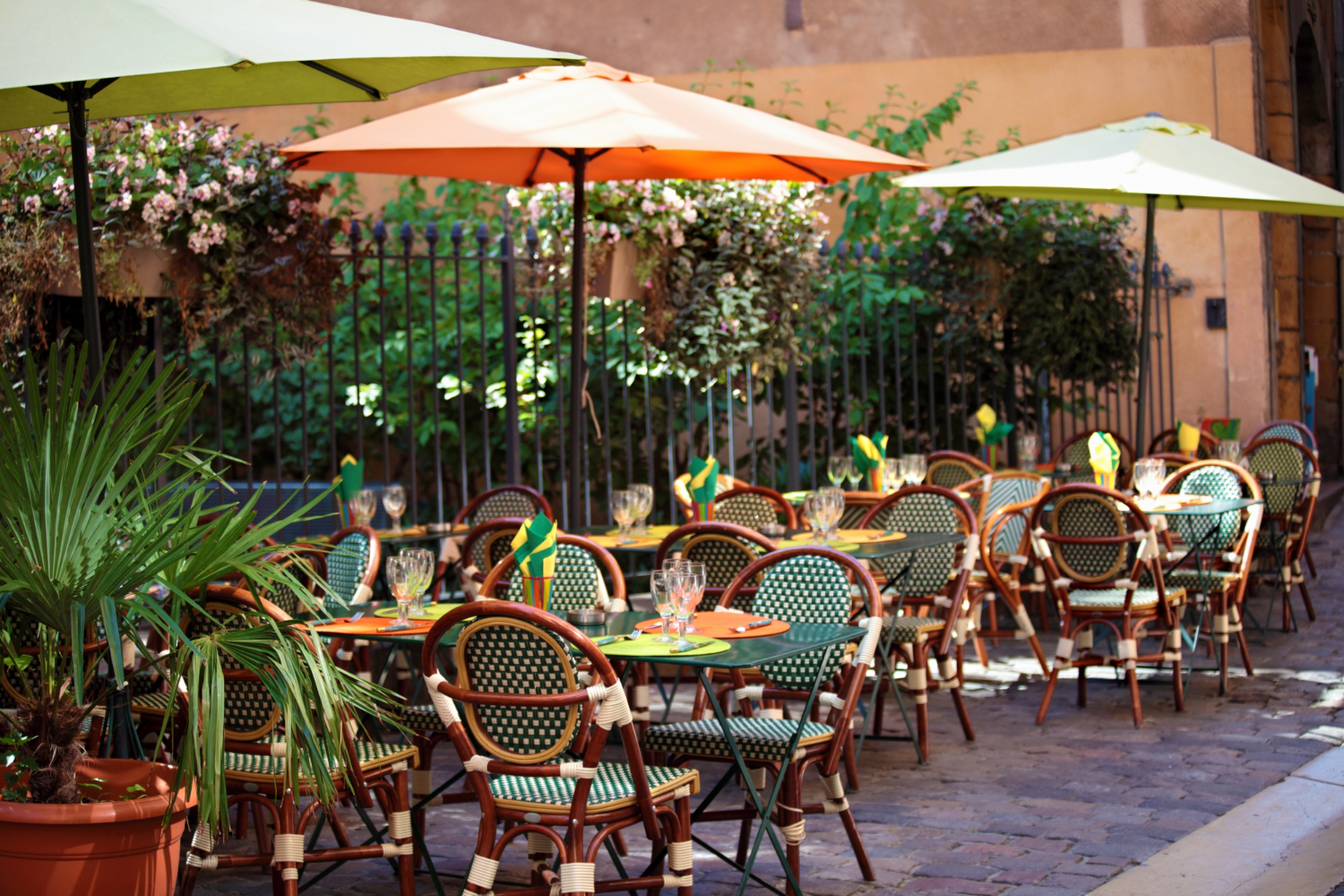
European restaurants often build service into pricing. Extra tipping is optional and modest.
Across much of continental Europe, a service charge is frequently already included in the menu prices or added automatically to the bill, meaning large additional tips aren’t expected the way they are in the U.S. Rounding up the bill or leaving small change for good service is a common, appreciated gesture, but it’s optional rather than obligatory. It’s a fundamentally different system. Much of Europe including service in the bill is a key distinction from American norms, the built-in service charge that shifts tipping from a large, calculated expectation to a small, optional courtesy in many European countries.
4. Tipping Can Be Seen as Awkward in South Korea
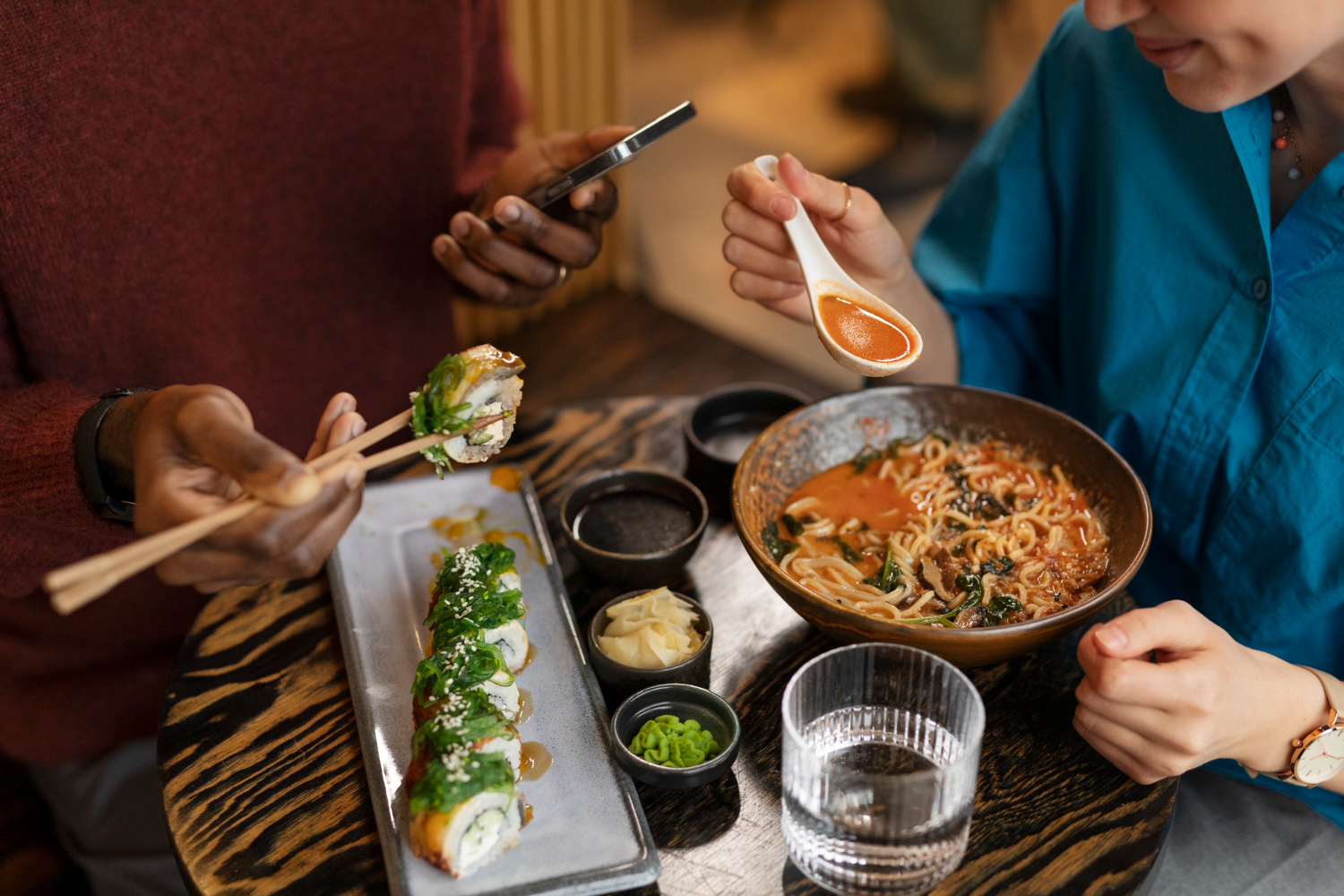
South Korea generally doesn’t have a tipping culture. Offering a tip may cause discomfort.
South Korea largely doesn’t practice tipping, and offering one, whether at a restaurant, in a taxi, or at a hotel, can sometimes create an awkward moment, as service workers may not know how to respond or may politely refuse. Prices are generally understood to already reflect fair payment for service rendered. It’s simply not part of the local custom. Tipping being seen as awkward in South Korea is useful for travelers to understand, the cultural expectation that a fair price already covers service completely, making a well-intentioned tip occasionally more confusing than appreciated.
5. Tipping in China Is Uncommon, Though Changing
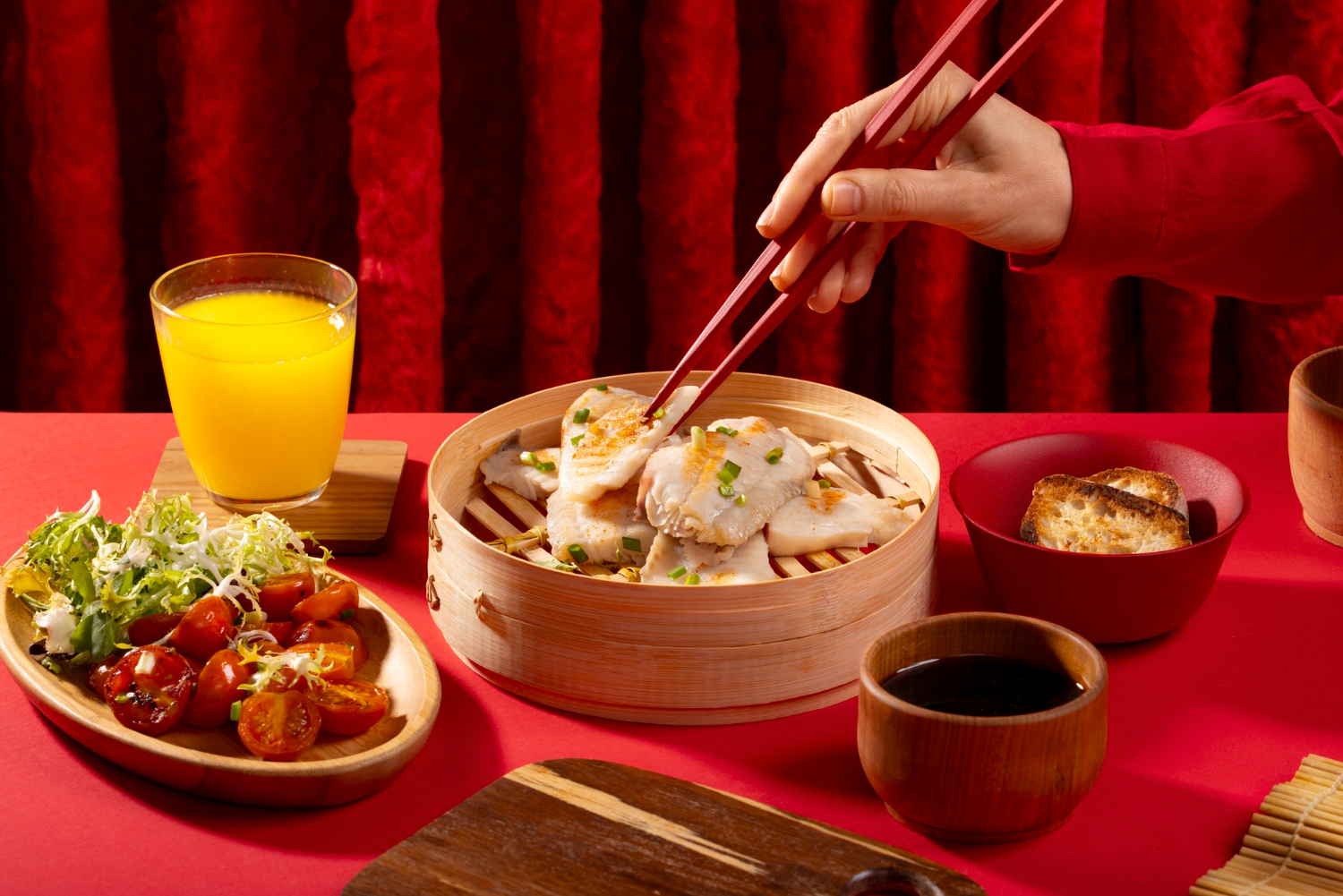
Traditional Chinese custom doesn’t expect tips. Tourist-heavy areas are beginning to shift.
Tipping has traditionally not been part of Chinese culture, with restaurant and service prices generally understood to be complete as listed. In some tourist-heavy areas and international hotels, this is gradually shifting, with tipping becoming more common or even expected in certain settings. It remains a mixed and evolving picture depending on location. Tipping in China being uncommon, though changing, reflects a culture in transition, the traditional norm of no tipping now shifting somewhat in international and tourism-focused settings, making it worth checking local expectations for the specific place you’re visiting.
6. Tipping in Australia and New Zealand Is Modest
Both countries have minimum-wage service jobs. Tipping is appreciated but not obligatory.
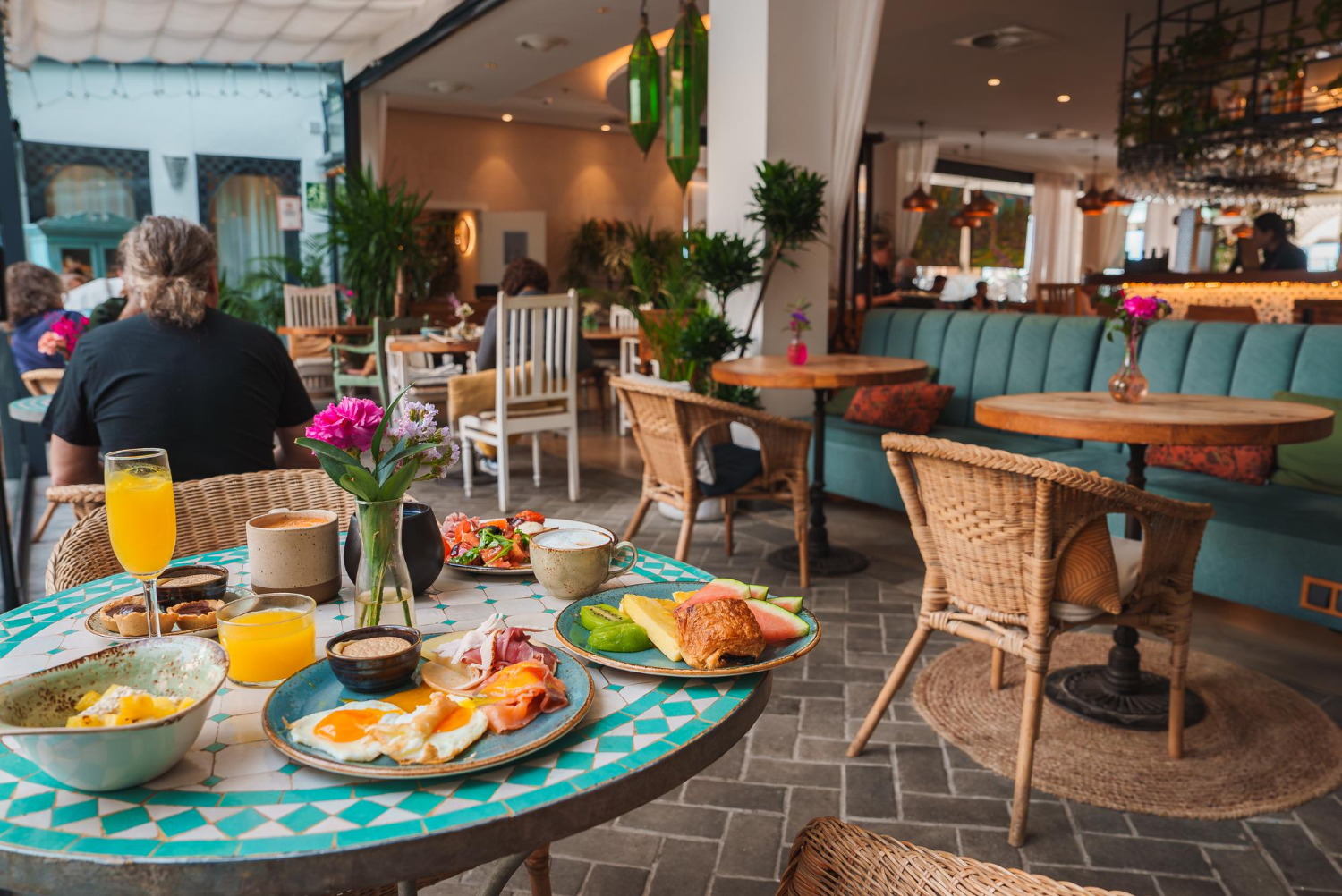
Australia and New Zealand both have strong minimum-wage protections for service workers, meaning tipping isn’t built into the expected income the way it is in the U.S. A modest tip for particularly good service is appreciated but genuinely optional, and many locals don’t tip at all for everyday meals. It’s a relaxed, low-pressure approach. Tipping in Australia and New Zealand being modest reflects their wage structures, the fair baseline pay that removes much of the obligation travelers might feel elsewhere, letting a tip be a genuine, voluntary thank-you rather than a required calculation.
7. The Middle East Often Expects Modest Tips
Gulf countries commonly expect a small tip. It’s often called “baksheesh” in the region.
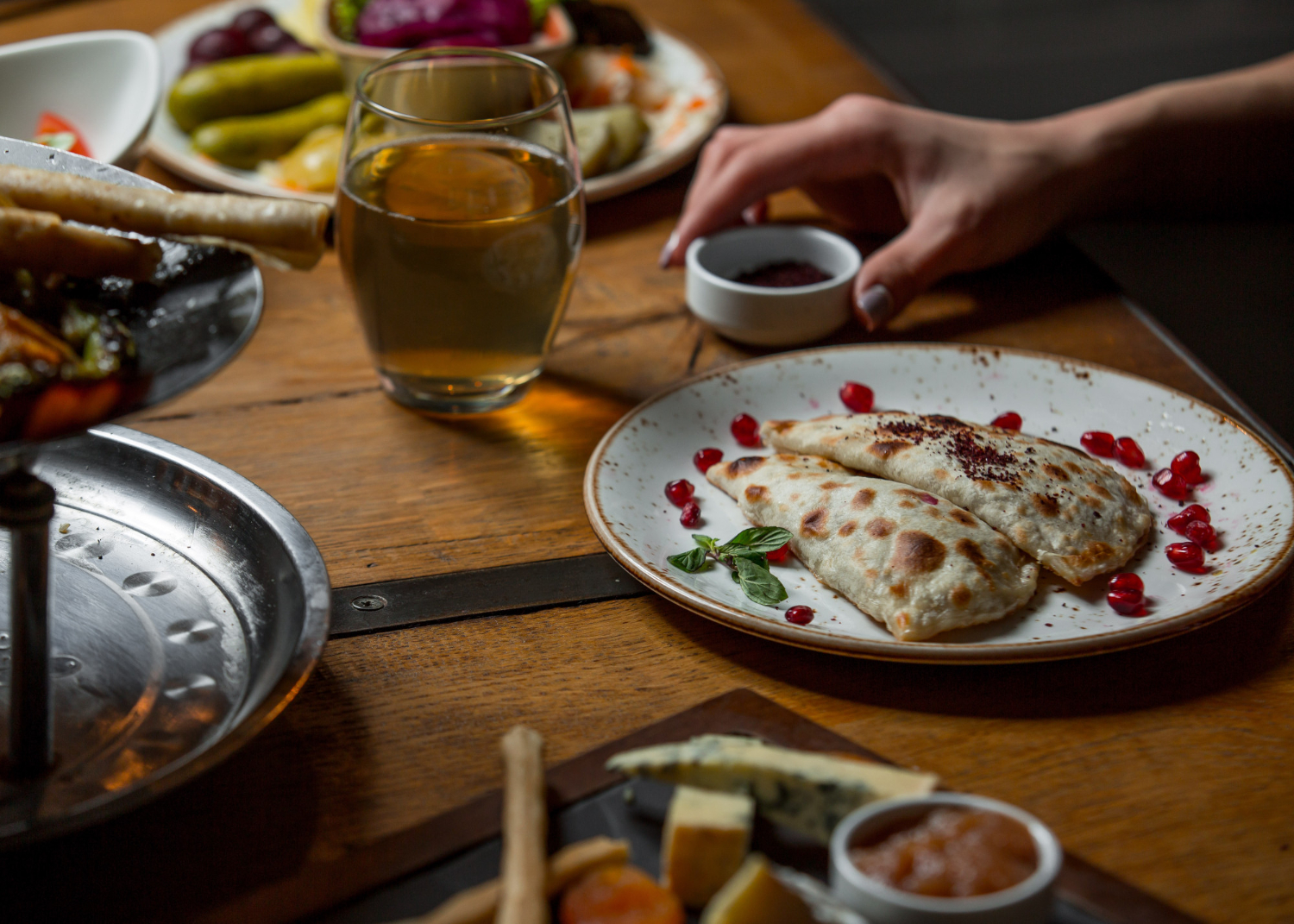
Across much of the Middle East, a modest tip, sometimes referred to as “baksheesh,” is commonly expected for a range of services, from restaurant meals to hotel staff and guides, though the amounts tend to be smaller than typical American tips. It’s viewed as a normal part of hospitality culture. Carrying small local bills for this purpose is a good habit. The Middle East often expecting modest tips is a useful regional pattern to know, the widespread, if modest, expectation of gratuities across the region that reflects deep-rooted hospitality traditions travelers should be prepared to observe.
8. Tipping Guides and Drivers Is Common Worldwide

Tour guides and drivers often rely on tips globally. It’s one of the more universal tipping norms.
One of the more consistent tipping expectations across many countries, tipping-culture or not, involves tour guides and private drivers, who frequently rely on gratuities as a meaningful part of their income regardless of local restaurant norms. A reasonable tip at the end of a tour or transfer is widely appreciated nearly everywhere. It’s one of the safer default assumptions. Tipping guides and drivers being common worldwide is a helpful rule of thumb for travelers, the relatively universal expectation that spans cultures with otherwise very different tipping customs, making it a safe category to budget for on almost any trip.
9. Cash Is Often Preferred, Even Where Cards Dominate

Local tipping customs often favor cash. It ensures the money reaches the intended person directly.
Even in countries where card payments are otherwise standard, cash is often the preferred method for tipping, since it goes directly to the individual worker rather than being pooled, taxed, or distributed through a business’s payment system. Carrying small denominations of local currency specifically for tips is a smart travel habit. It ensures your gratitude reaches the right hands. Cash being preferred, even where cards dominate, is a practical tip for travelers, the reason it’s worth keeping some local small bills on hand, since a card-based tip doesn’t always translate cleanly into the direct, personal gesture that cash provides.
10. When in Doubt, a Quick Local Check Helps

Norms vary even within countries. Asking locally avoids awkward missteps.
Because tipping customs can vary even within a single country, by region, by type of establishment, or by how tourist-oriented a place is, the single most reliable strategy is a quick check with a hotel concierge, local friend, or trusted guidebook before you need to decide. A brief question can spare you an awkward moment either way. It’s a small step that removes the guesswork. A quick local check when in doubt is the most useful overall strategy, the simple habit of asking rather than assuming, which helps travelers navigate the genuine variation in tipping customs with confidence rather than uncertainty.
Tipping With Confidence, Wherever You Go

Taken together, these ten points show that tipping is one of travel’s more culturally revealing customs, shaped by local wages, history, and hospitality norms far more than most travelers realize. Learning the basics before you go can help you tip appropriately, avoid awkward moments, and show genuine respect for the customs of wherever you’re visiting.
There’s no single universal rule for tipping, what’s generous in one country can be unnecessary or even confusing in another, which is exactly what makes it worth a little research before any trip. The good news is that most locals are understanding of visitors navigating unfamiliar customs, and a sincere, well-intentioned gesture is rarely taken the wrong way. With a bit of preparation and a willingness to ask when unsure, tipping can go from a source of travel anxiety to just one more small, thoughtful part of respectful, informed travel.
Like our content? Follow us for more.