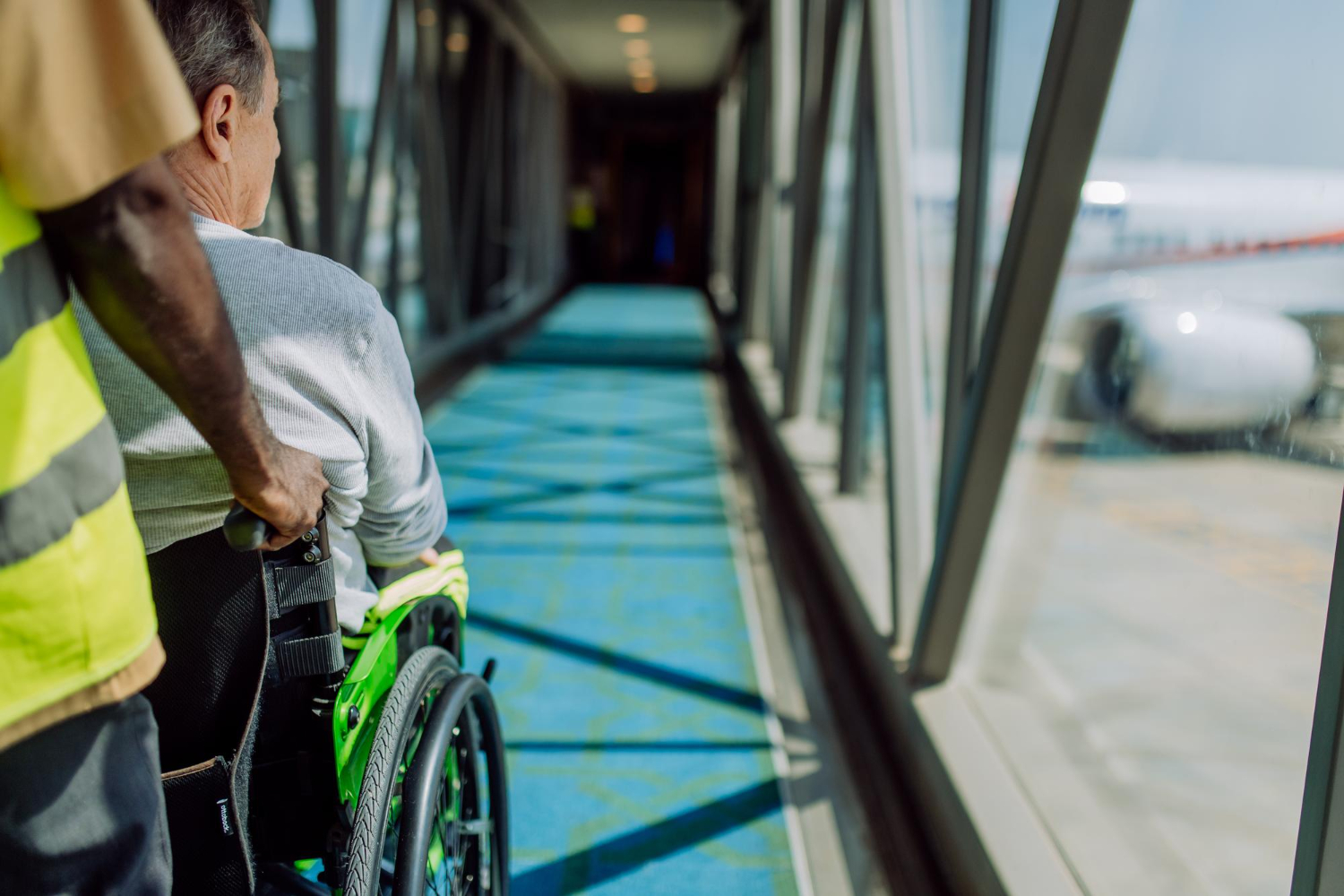
Travel with mobility considerations, whether from a permanent condition, a temporary injury, or simply the practical reality of preferring less walking and fewer stairs, requires more specific advance planning than a typical trip, but it absolutely doesn’t have to mean giving up on ambitious travel plans. A growing number of destinations, airlines, and tour operators have meaningfully improved accessibility in recent years. Here are ten things to know about planning travel with mobility considerations, counted down one by one.
1. Request Airline Assistance Well Before Your Flight
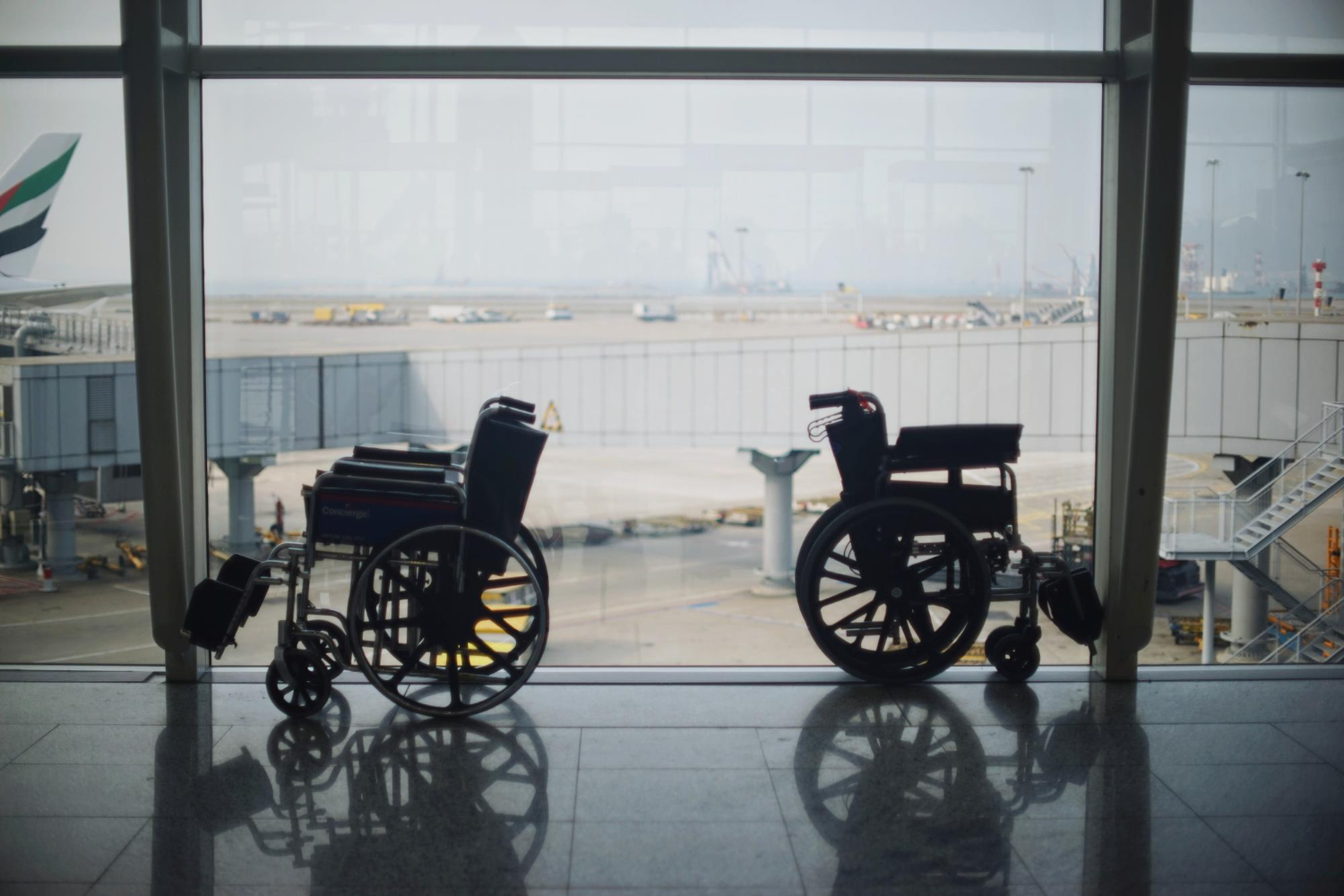
Airlines offer wheelchair and mobility assistance services. Requesting it in advance ensures smoother, better-coordinated help.
Airlines are required to provide wheelchair and mobility assistance for passengers who need it, but requesting this service when booking, or at minimum 48 hours before the flight, gives the airline time to properly coordinate staff and equipment rather than scrambling at the gate. This advance notice generally results in noticeably smoother service. Requesting airline assistance well before your flight is a simple but important step, one that turns what could be a stressful, uncertain process into a properly planned and coordinated one.
Like our content? Follow us for more.
2. Research Specific Accessibility Details, Not Just General Claims

Hotels and attractions may label themselves “accessible” loosely. Confirming specific features prevents unpleasant surprises.
A hotel or attraction advertising itself as “accessible” may mean very different things depending on the property, a single accessible room with a roll-in shower versus simply a ground-floor room with a standard bathroom. Calling directly to confirm specific details, doorway widths, roll-in showers, elevator access, prevents real disappointment upon arrival. Researching specific accessibility details, not just general claims, is essential due diligence, the extra step that ensures a destination or accommodation actually meets your particular needs rather than a loosely defined standard.
3. Look Into City-Specific Accessible Transportation Options

Many cities offer accessible taxi or transit services. Researching these before arrival saves time and frustration.
Many major cities offer wheelchair-accessible taxis, ride-share options, or public transit systems, but availability and how to actually book them varies enormously by destination. Researching these specific options before arrival, rather than trying to figure it out upon landing, saves considerable time and frustration. Looking into city-specific accessible transportation options is a valuable pre-trip research task, one that ensures reliable mobility throughout the destination rather than discovering transportation gaps after you’ve already arrived.
4. Consider a Travel Agent Who Specializes in Accessible Travel

Specialized agents know accessibility details firsthand. Their expertise can save significant research time and prevent mistakes.
Travel agents who specialize specifically in accessible travel often have firsthand, detailed knowledge of which hotels, cruise lines, and tour operators genuinely deliver on accessibility claims, information that can be difficult and time-consuming to verify independently. Their expertise can meaningfully streamline the entire planning process. Considering a travel agent who specializes in accessible travel is worth exploring for a more complex trip, since their specific expertise can prevent costly mistakes and uncover options a general search might miss entirely.
5. Cruise Lines Generally Offer Detailed Accessibility Information
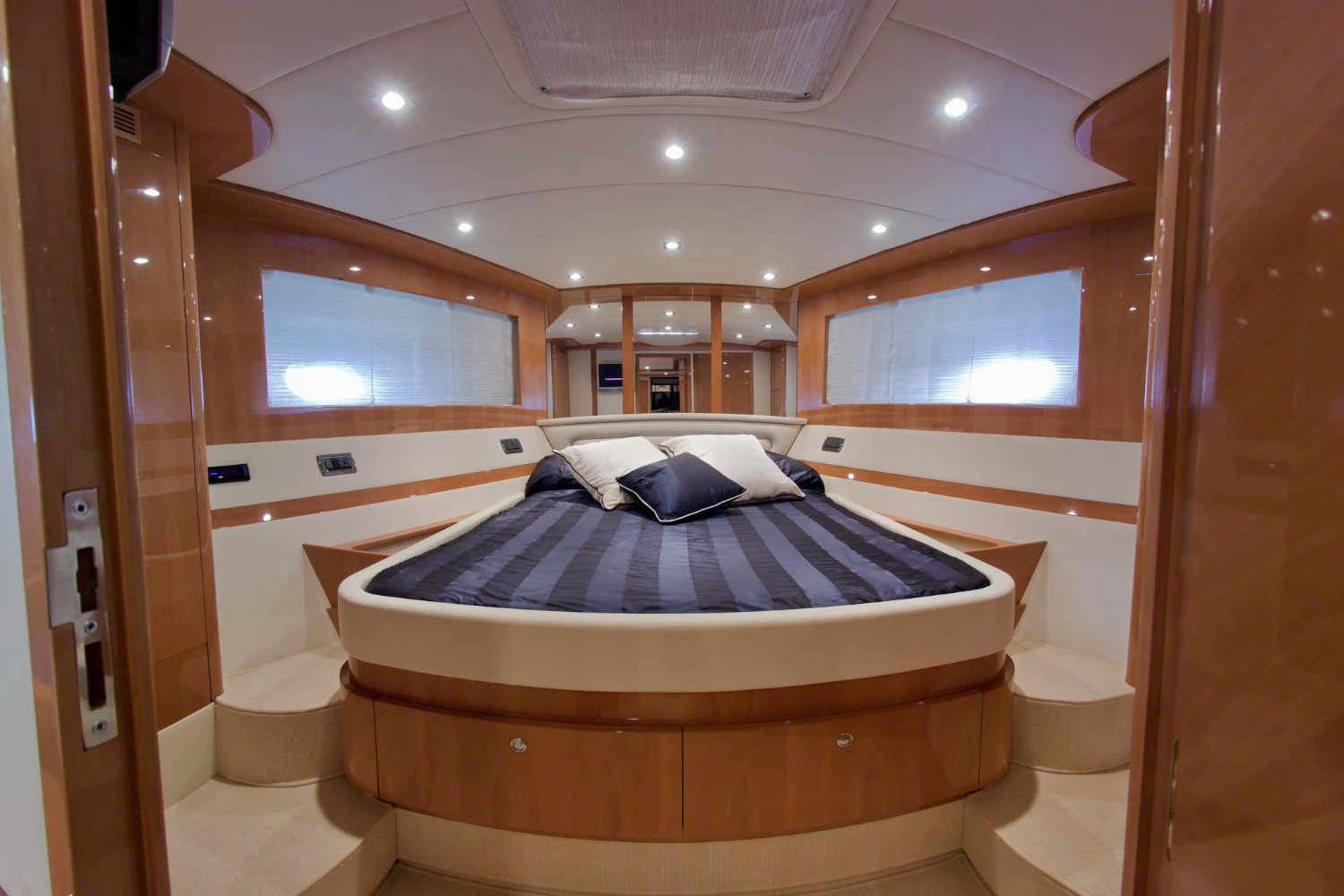
Most major cruise lines provide accessible cabin details. Requesting specifics ensures the right cabin for your needs.
Most major cruise lines offer specifically designated accessible cabins with wider doorways, roll-in showers, and lowered fixtures, along with detailed information about ship-wide accessibility, elevator locations, ramps, and deck access. Requesting this specific information directly from the cruise line, rather than relying on general marketing, ensures the right cabin and itinerary choice. Cruise lines generally offering detailed accessibility information makes cruising a genuinely well-suited option for many travelers with mobility considerations, provided the specific details are confirmed ahead of booking.
6. Pack a Repair Kit for Mobility Equipment
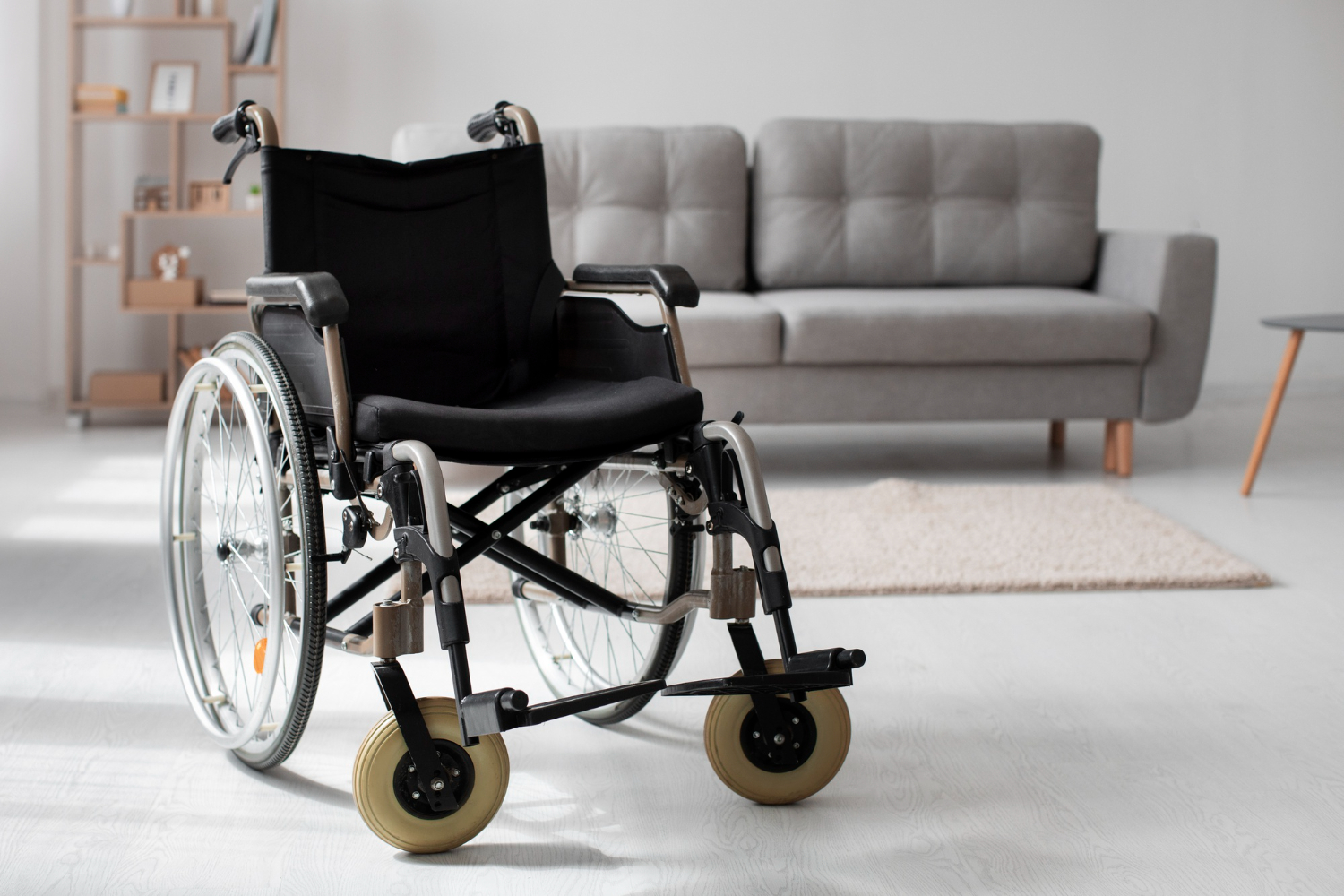
Wheelchairs and mobility devices can be damaged in transit. A basic repair kit provides a valuable safety net.
[IMAGE SUGGESTION] Wikimedia Commons “wheelchair repair kit mobility equipment tools” — CC-licensed image of mobility equipment.
Mobility devices, wheelchairs, walkers, or scooters, occasionally sustain damage during air travel or general wear on a trip, and packing a basic repair kit, along with contact information for the equipment manufacturer, provides a valuable safety net if something breaks unexpectedly. Knowing the exact model and any special handling instructions is also worth having documented. Packing a repair kit for mobility equipment is smart, practical preparation, the kind of backup plan that can prevent a minor equipment issue from derailing an entire trip.
7. Check Whether Attractions Offer Priority or Alternate Access

Many museums and attractions offer accommodations for mobility needs. This can include priority entry or alternate routes.
Many museums, historic sites, and attractions offer priority entry, alternate accessible routes around stairs, or accommodation for standing in long lines, but this information isn’t always prominently advertised and often requires a direct inquiry ahead of the visit. Checking whether attractions offer priority or alternate access before arriving can meaningfully improve the experience, particularly at popular destinations known for long waits or physically demanding layouts.
8. Consider Travel Insurance That Covers Mobility Equipment

Standard policies may not cover specialized equipment. A policy addressing this specifically offers real financial protection.
Standard travel insurance policies don’t always cover the cost of replacing or repairing specialized mobility equipment if it’s lost, damaged, or stolen during a trip, so specifically confirming this coverage, or seeking out a policy that explicitly addresses it, provides real financial protection for what can be a genuinely expensive piece of equipment. Considering travel insurance that covers mobility equipment is a worthwhile detail to verify, since a standard policy’s general terms may not extend to this specific and important category of loss.
9. Build Extra Time Into Every Transition
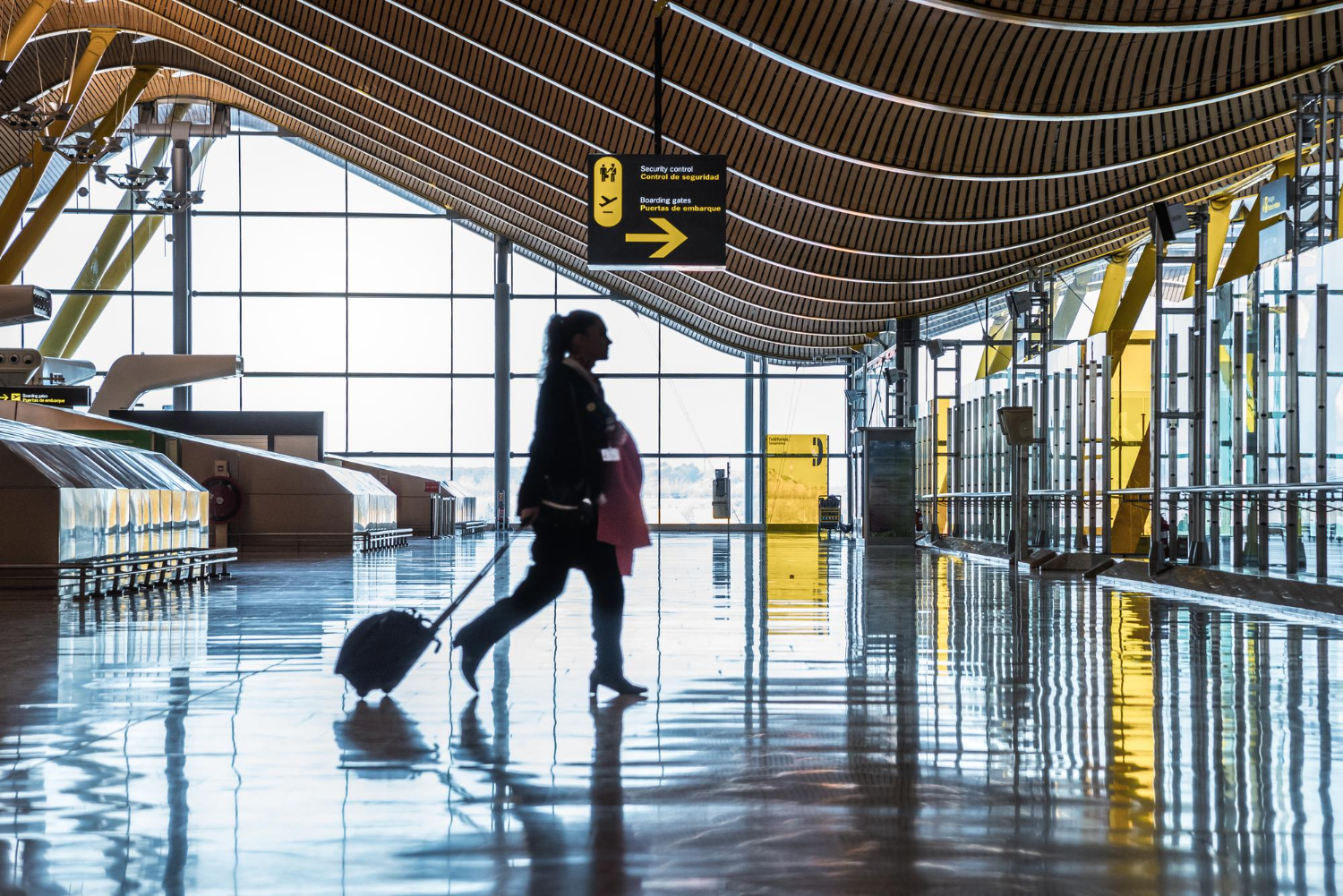
Airports, train stations, and transfers often take longer with mobility needs. Padding the schedule reduces unnecessary stress.
Moving through airports, train stations, and other transit points generally takes longer when mobility considerations are involved, and building in extra buffer time between flights, trains, or scheduled activities reduces the stress of rushing through a connection that simply requires more time to navigate comfortably. Building extra time into every transition is a simple scheduling adjustment with an outsized impact on how relaxed and manageable the overall trip actually feels.
10. Connect With Online Communities for Firsthand Advice

Other travelers with similar needs share genuinely useful, specific tips. Their firsthand experience often beats general guides.
Online communities and forums dedicated to accessible travel offer genuinely valuable, specific firsthand advice from travelers who have navigated the exact destination, hotel, or airline in question, often surfacing practical details that official marketing materials simply don’t mention. Connecting with online communities for firsthand advice can reveal exactly the kind of on-the-ground detail that makes the difference between a good and a frustrating trip.
Ambitious Travel Is Still Very Much Possible
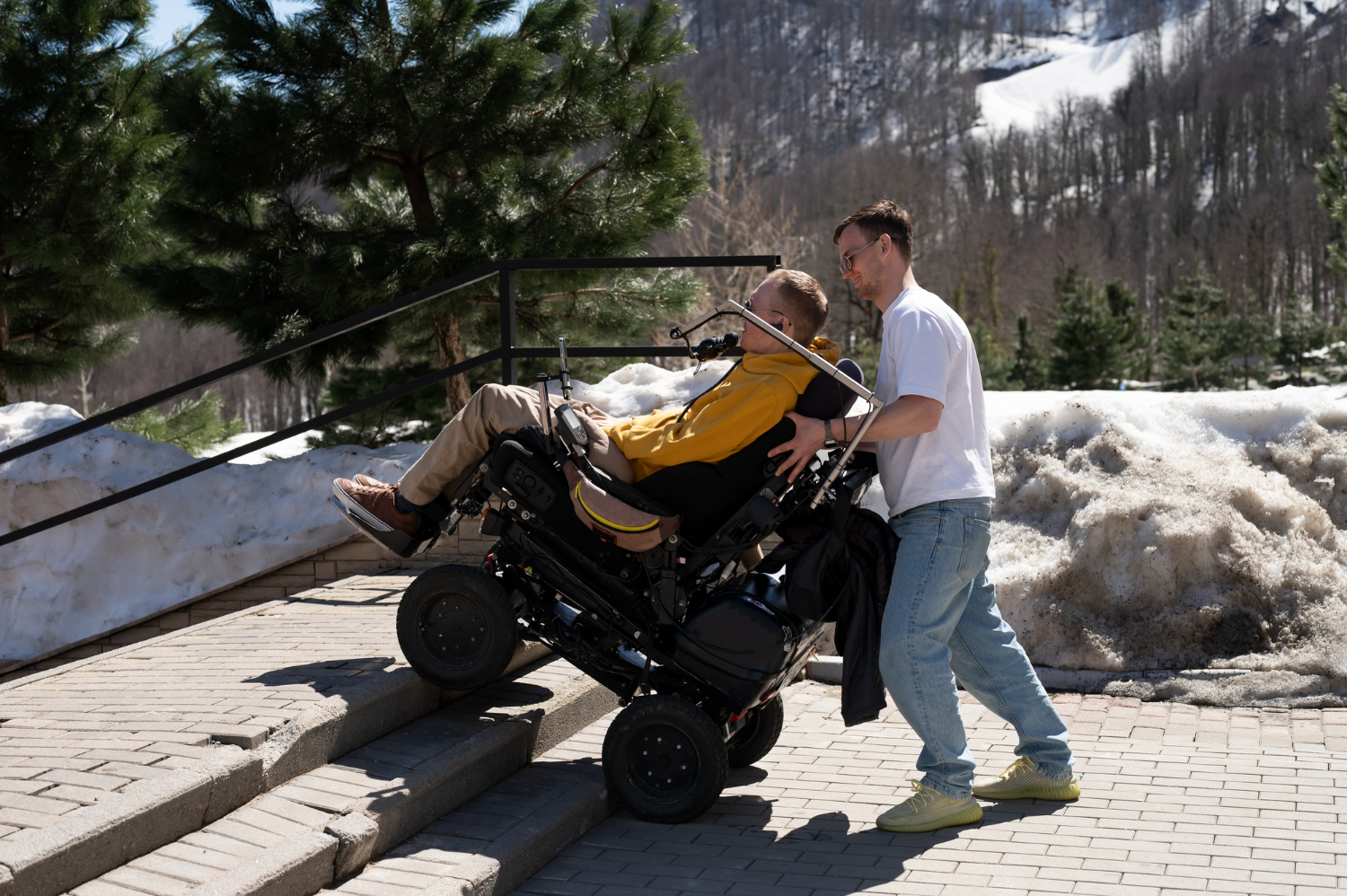
Taken together, these ten points show that travel with mobility considerations, while requiring more specific advance planning, doesn’t have to mean scaling back ambitious travel dreams. Thoughtful research, the right advance requests, and a bit of extra buffer time can open up a genuinely wide range of destinations and experiences.
Accessibility standards and available resources have improved considerably in recent years, and more airlines, hotels, and destinations now offer detailed, verifiable information rather than vague general claims. The key is treating this research as a genuine part of trip planning, not an afterthought, confirming specific details directly rather than assuming general accessibility labels tell the whole story. With the right preparation, mobility considerations can be managed thoughtfully, letting the actual joy of travel remain the focus of the trip.
Like our content? Follow us for more.