

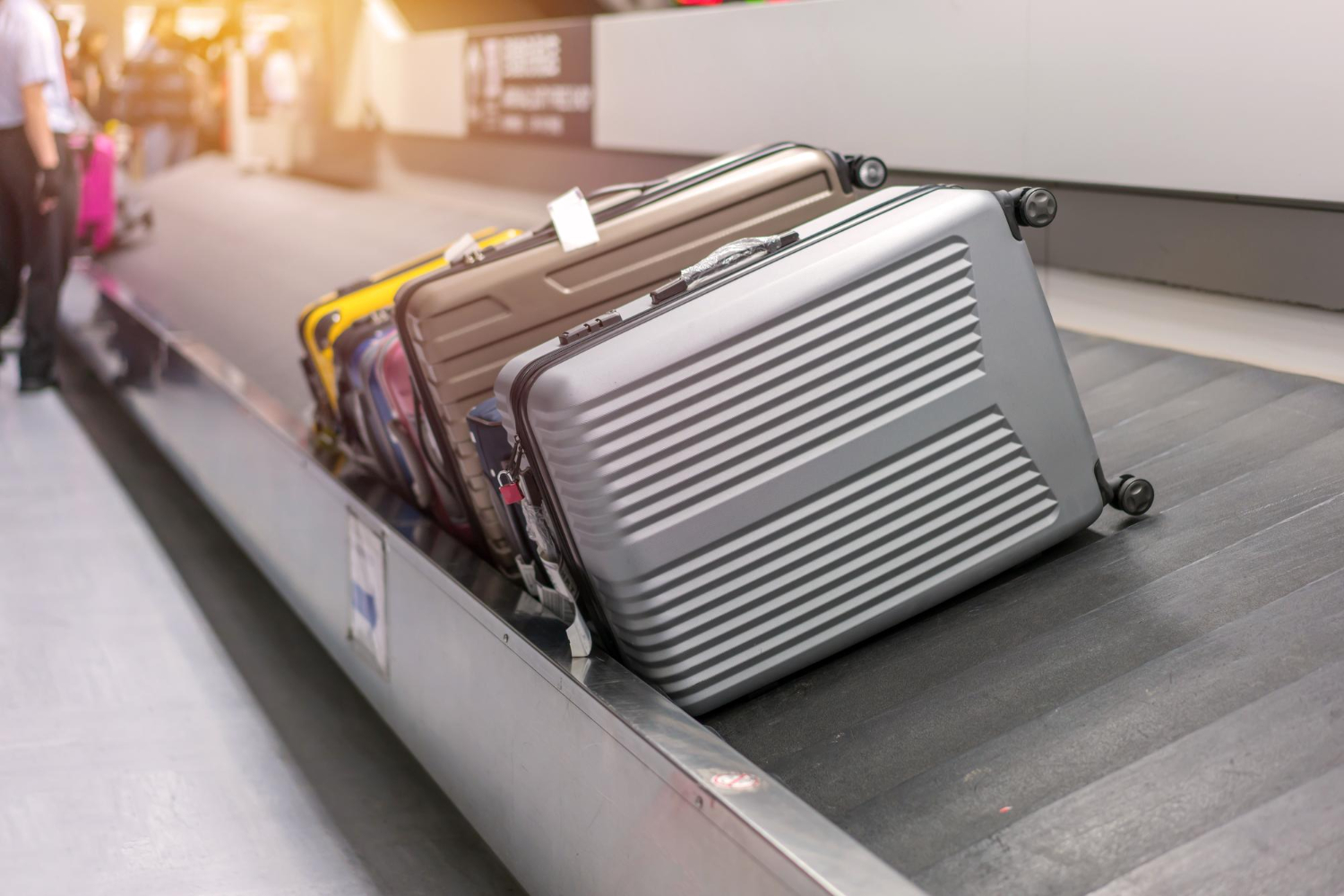
If checking a bag suddenly felt more expensive in 2026, it wasn’t your imagination. In a remarkably coordinated stretch between late March and early April, nearly every major U.S. airline raised checked baggage fees, in some cases for the first time in two years. Here are ten things to know about the 2026 airline baggage fee increases, counted down one by one. (Fees and policies reflect industry reporting as of mid-2026; airline pricing changes frequently, so confirm current rates directly before booking or flying.)
1. Most Major Airlines Now Charge Around $45 for a First Bag
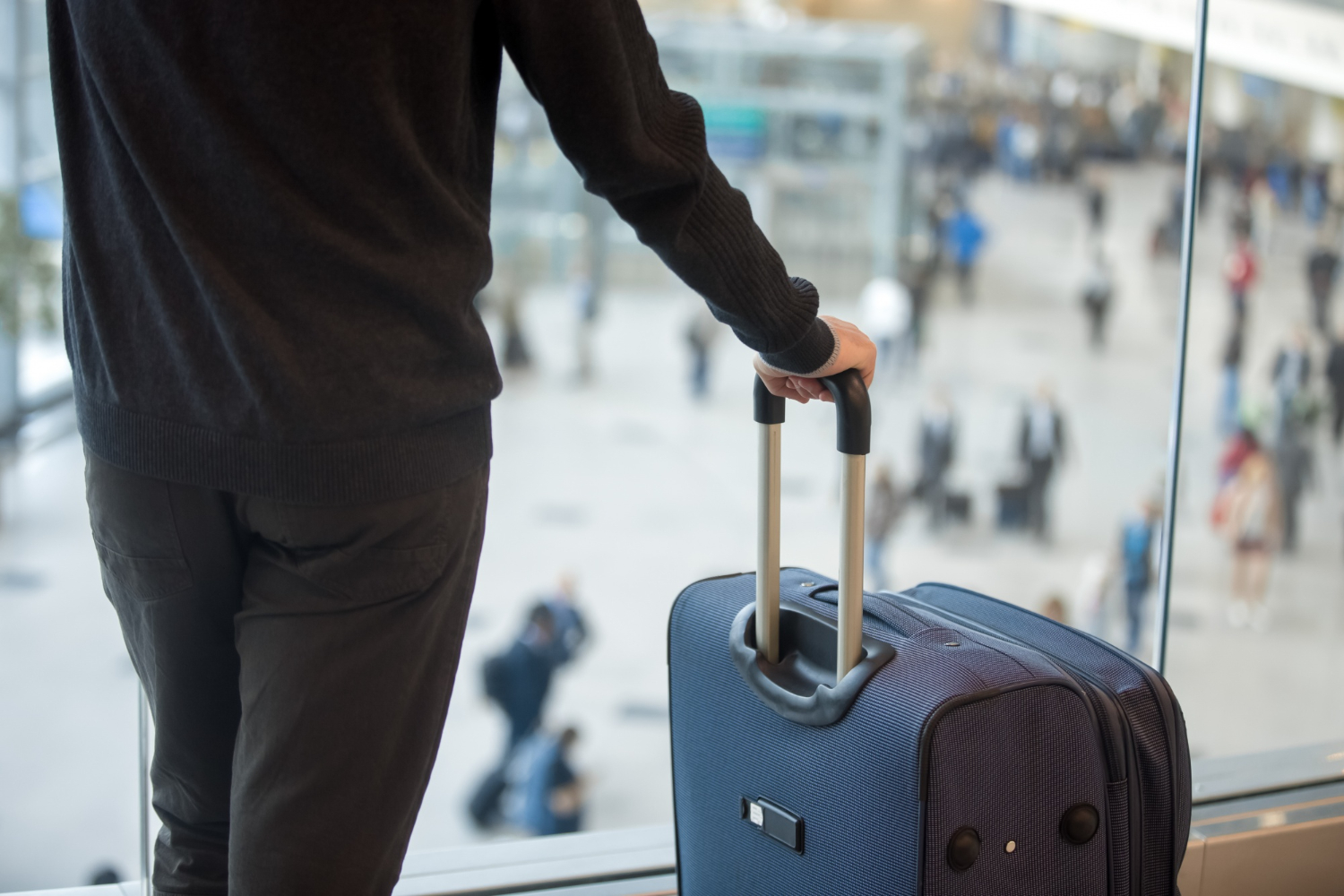
The standard first checked bag fee climbed roughly $10 industry-wide. This brings the typical rate from $35 to about $45.
Across most major U.S. carriers, the standard first checked bag fee rose by approximately $10 in early 2026, moving the typical rate from around $35 to roughly $45 for domestic flights, with the second bag climbing to about $55. A third checked bag now often costs around $200. Most major airlines now charging around $45 for a first bag reflects a genuinely industry-wide shift, a new baseline that travelers should factor into their trip budgeting going forward.
Like our content? Follow us for more.
2. Rising Jet Fuel Costs Are the Stated Driver
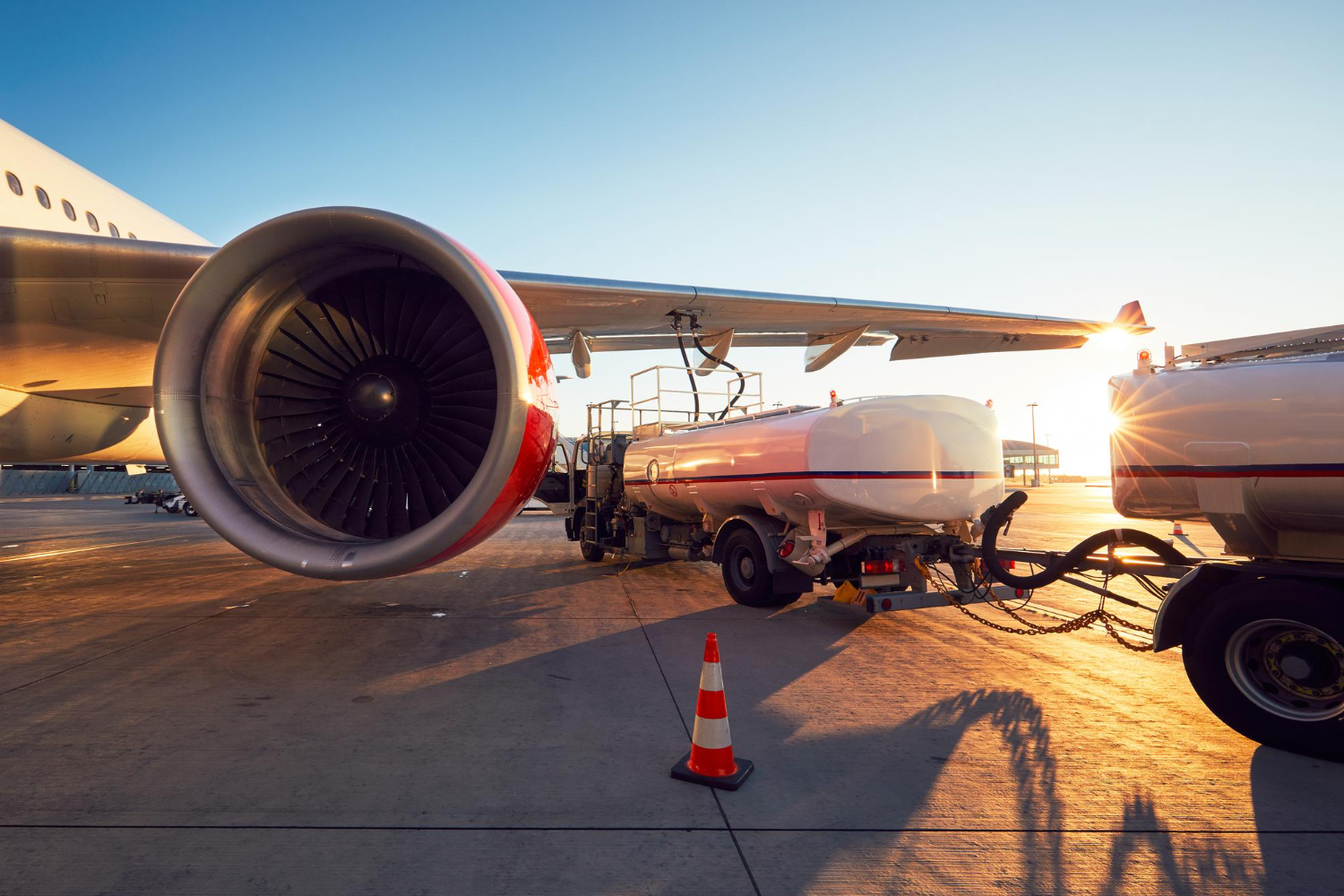
Airlines cited a sharp jet fuel price spike tied to Middle East conflict disruptions. Fuel nearly doubled in a matter of weeks.
Airline executives have pointed to a sharp increase in jet fuel costs, rising from roughly $2.50 to nearly $5 per gallon in major U.S. markets, as the primary driver behind the fee increases, attributing the spike to disruptions in Middle Eastern oil supply routes amid regional conflict. Rising jet fuel costs being the stated driver reflects a real, well-documented cost pressure on airline operations, one that carriers have historically passed along through ancillary fees rather than base fares.
3. Southwest Ended Free Bags in 2025, Then Raised Fees Further in 2026
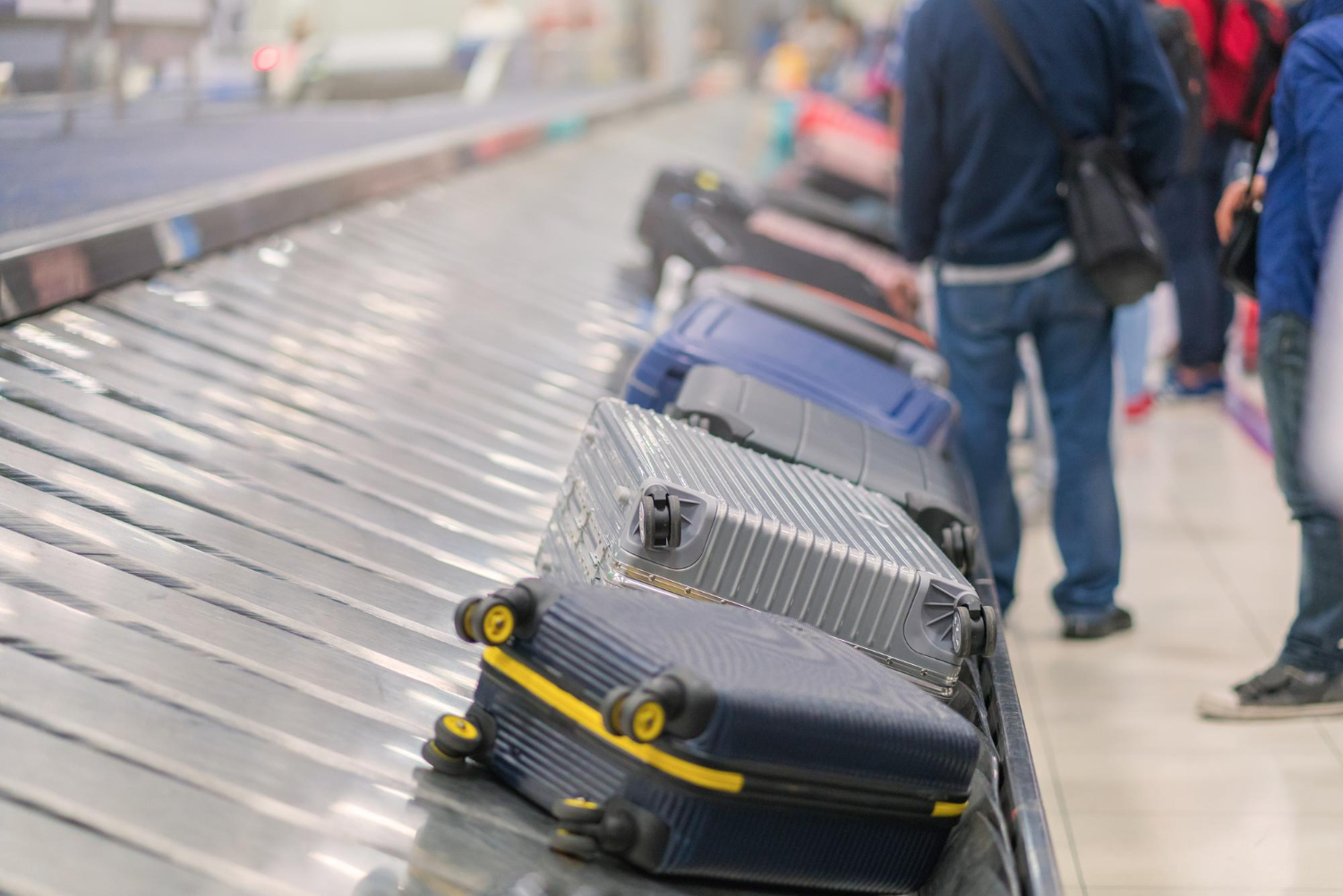
Southwest’s traditional two-free-bags policy ended last year. It then raised its new fees again in April 2026.
Southwest Airlines ended its long-standing policy of two free checked bags for most passengers starting in May 2025, and in April 2026 the airline raised its new baggage fees by an additional $10, bringing the first bag to roughly $45 for most fare types. Only certain premium fares and top-tier loyalty members still receive free bags. Southwest ending free bags in 2025 and raising fees further in 2026 marks a significant shift for an airline long known for its no-fee baggage policy, aligning it with the rest of the industry.
4. Basic Economy Passengers Face Additional Surcharges
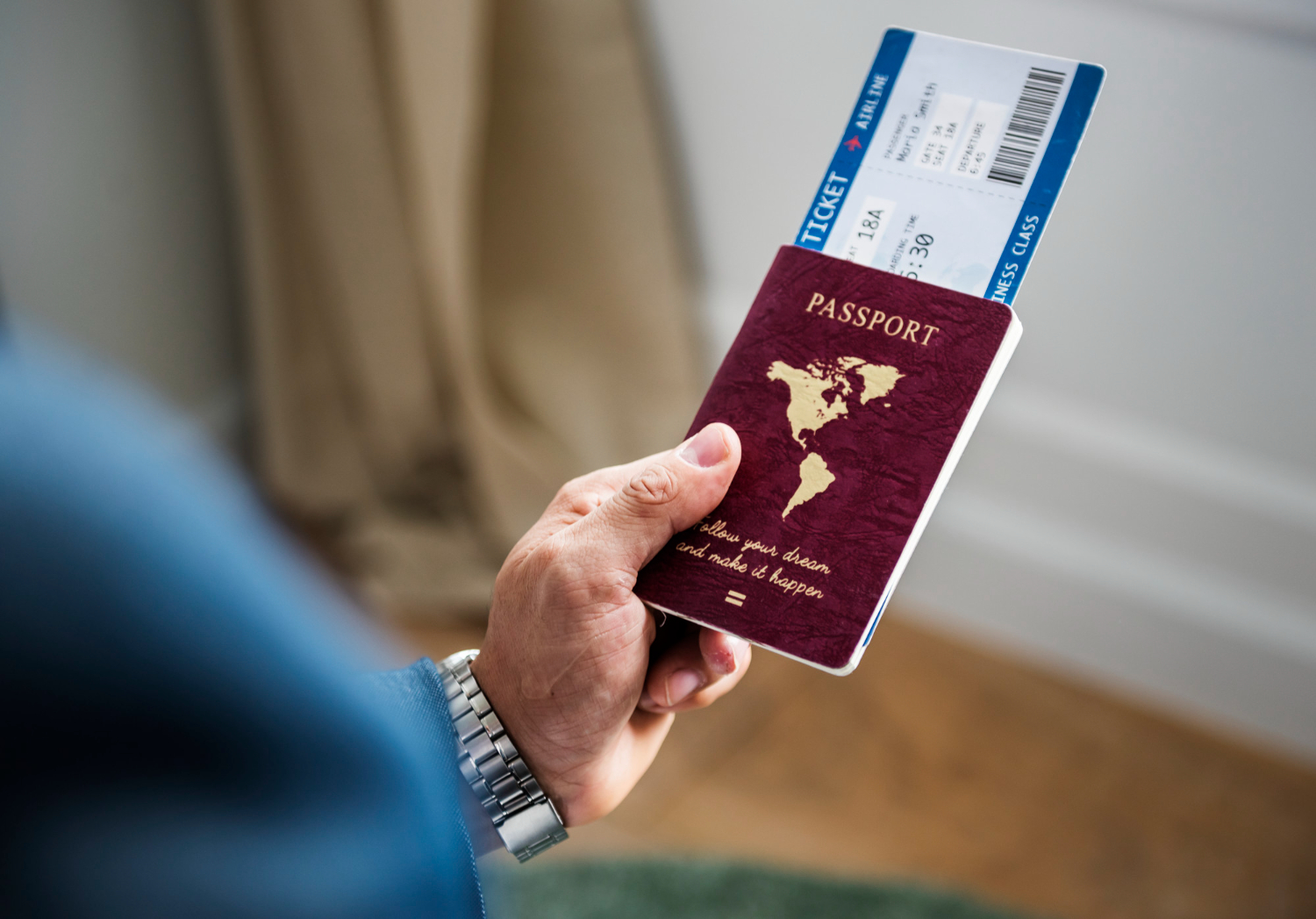
Some airlines now charge extra fees specifically for Basic Economy fares. This further segments pricing by fare class.
Beyond the general fee increases, some carriers have introduced additional surcharges specifically for Basic Economy fare passengers, adding a few extra dollars per checked bag on top of already-higher rates for the airline’s most restrictive, lowest-cost ticket class. Basic Economy passengers facing additional surcharges reflects continued fine-tuning of fare-class pricing, meaning travelers booking the cheapest available fare should factor in potentially higher ancillary costs than standard economy passengers pay.
5. Prepaying Online Often Saves $5 to $10 Per Bag
Booking bags in advance rather than at the airport reduces the fee. Most major carriers offer this modest discount.
Most major airlines offer a modest discount, typically $5 to $10 per bag, for travelers who prepay their checked bag fee online at least 24 hours before departure rather than paying at the airport counter or gate. This small savings adds up meaningfully for families checking multiple bags. Prepaying online often saving $5 to $10 per bag is simple, actionable advice, a small step that reduces the overall cost while also speeding up the airport check-in process itself.
6. Co-Branded Credit Cards Can Waive Fees Entirely

Airline-affiliated credit cards frequently include a free checked bag. This benefit can offset the card’s annual fee quickly.
Many airline co-branded credit cards include a free first checked bag as a standard cardholder benefit, often extending to several companions traveling on the same reservation, a perk that can offset the card’s annual fee within just one or two round trips for a family. Co-branded credit cards being able to waive fees entirely is genuinely valuable given the 2026 fee increases, making this kind of card a meaningfully stronger value proposition than it was before rates went up.
7. Elite Frequent Flyer Status Typically Includes Free Bags
Higher loyalty program tiers usually waive baggage fees. This remains one of elite status’s most tangible benefits.
Travelers who’ve earned elite status within an airline’s frequent flyer program typically receive free checked bags as a core benefit, often scaling with tier level, higher tiers receiving additional free bags beyond the first. Given the 2026 fee increases, this benefit has become noticeably more valuable in dollar terms than it was previously. Elite frequent flyer status typically including free bags rewards genuinely loyal travelers with real, immediate savings that have grown alongside the broader industry fee increases.
8. Ultra-Low-Cost Carriers Raised Fees Even More Dramatically
Budget airlines like Frontier increased bag fees far beyond the legacy carrier average. Their pricing also varies more by route and timing.
While legacy carriers raised fees by roughly $10, ultra-low-cost carriers like Frontier increased their baggage fees far more dramatically, with some reports citing a jump from around $35 to as much as $79 for a first checked bag. These carriers also use more variable, dynamic pricing that shifts by route and how far in advance you book. Ultra-low-cost carriers raising fees even more dramatically means the traditional assumption that budget airlines are automatically cheaper overall deserves real scrutiny once baggage costs are factored into the total price.
9. Long-Haul International Flights Are Often Exempt
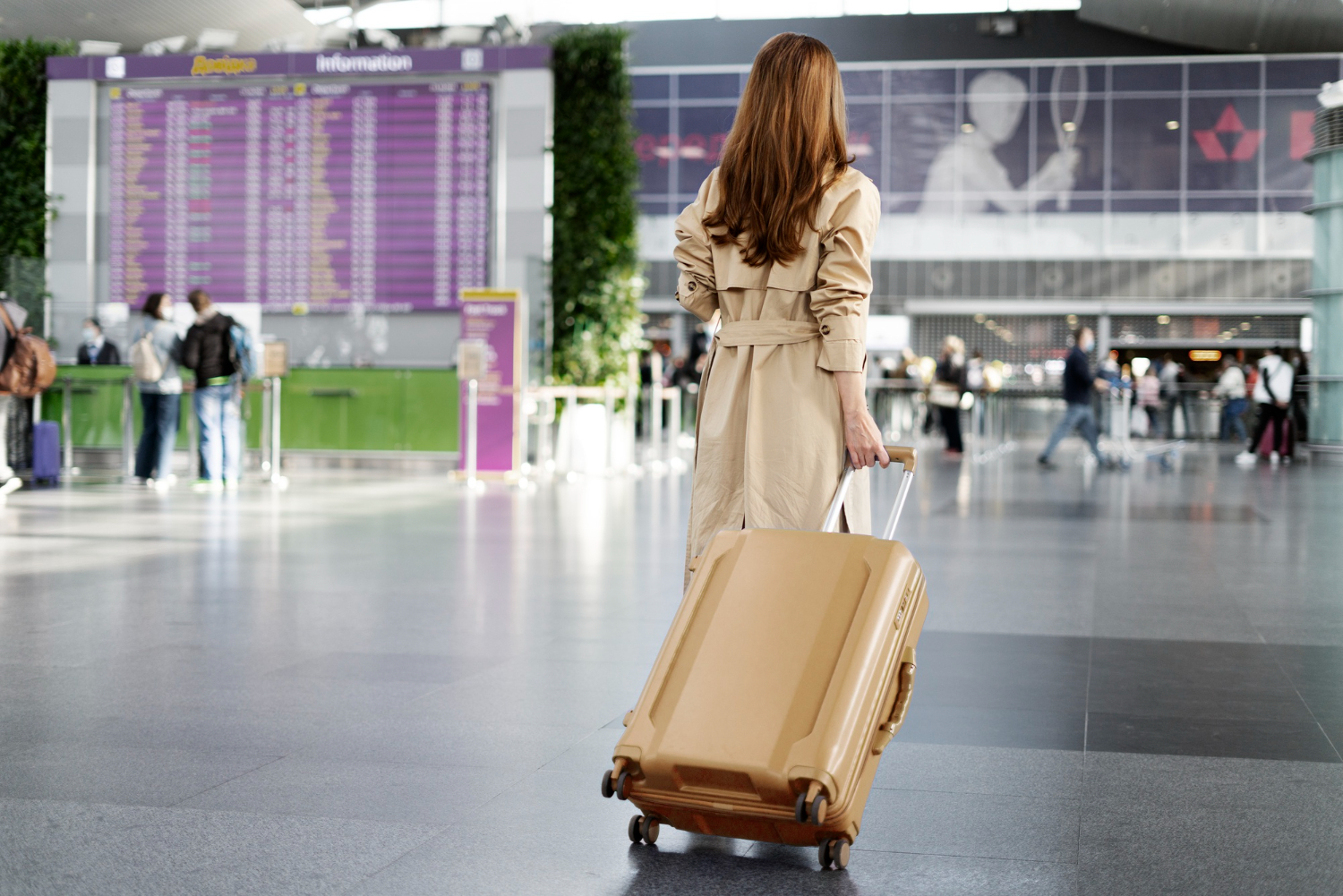
Many carriers’ domestic fee hikes don’t extend to long-haul international routes. A free checked bag often remains standard there.
Several major carriers have confirmed that their 2026 domestic baggage fee increases don’t extend to long-haul international routes, where a free checked bag in standard economy often remains the norm, particularly to destinations in Europe, Asia, and long-haul Latin America. Long-haul international flights often being exempt is important context for travelers planning an overseas trip, since the sting of the domestic fee increases may not apply to the international leg of a journey at all.
10. Analysts Expect the Higher Fees to Be Permanent

Industry history suggests baggage fees rarely decrease once raised. Even if fuel costs ease, the new rates will likely persist.
Financial analysts and industry historians point out that airline baggage fees have never been voluntarily reduced once raised, a pattern dating back to when checked-bag fees were first introduced during a 2008 oil price spike and never reversed even after fuel prices later dropped. Analysts expecting the higher fees to be permanent is a sobering but well-supported prediction, suggesting travelers should plan on the 2026 rates as a lasting new normal rather than a temporary, fuel-driven bump likely to reverse.
Budgeting for the New Baggage Reality
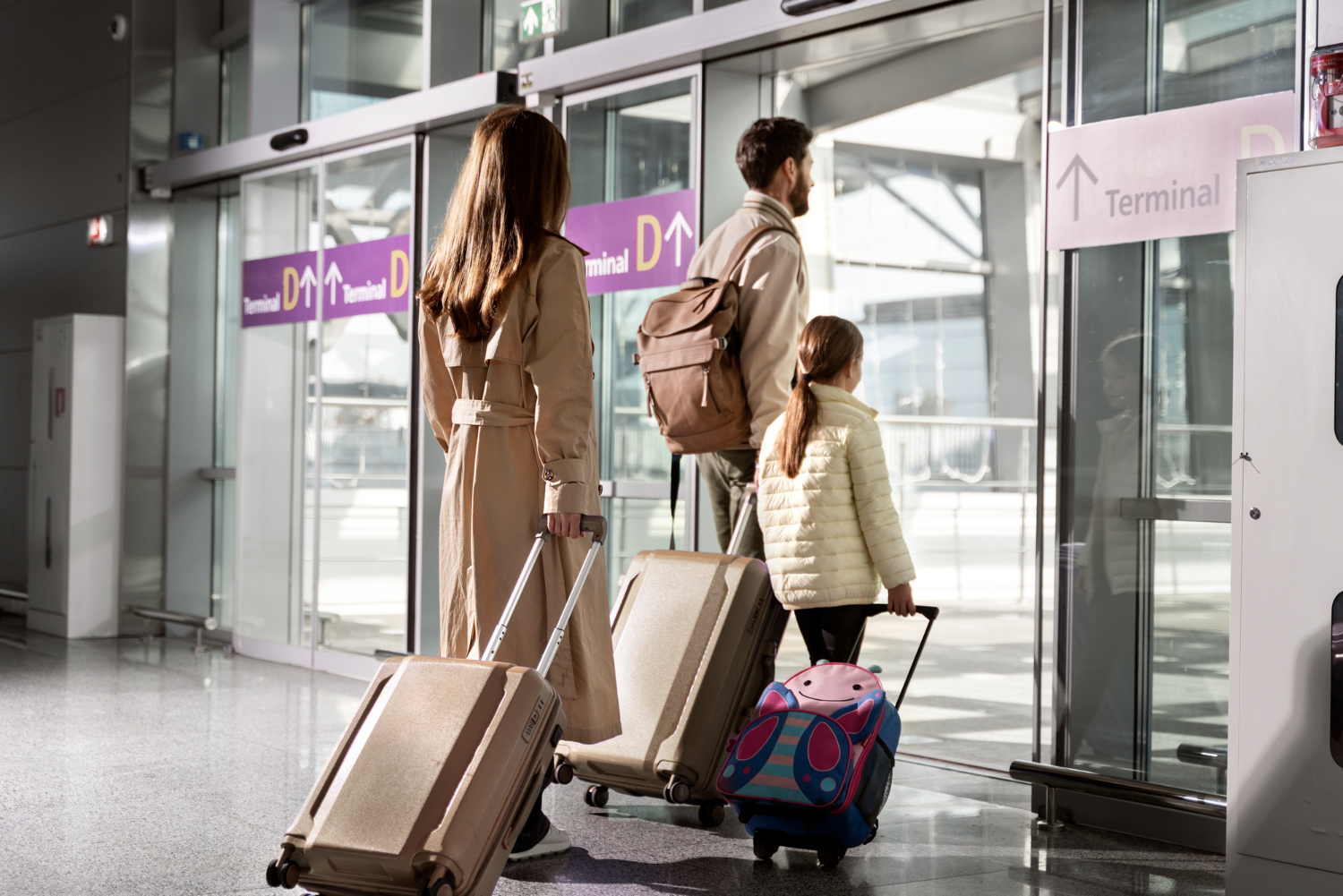
Taken together, these ten points show that 2026’s baggage fee increases reflect a genuine, industry-wide shift driven by real cost pressures, one that’s likely to stick around well beyond the immediate circumstances that triggered it. For travelers, understanding the new rates and the ways to avoid or reduce them has become a meaningfully bigger part of trip budgeting than it used to be.
The most reliable ways to avoid the higher fees remain fairly consistent regardless of which airline you fly: pack carry-on only when possible, prepay for any checked bag well before arriving at the airport, and seriously consider whether a co-branded credit card’s free-bag benefit would offset its annual fee given how often you actually check luggage. For families checking multiple bags across several trips a year, these increases add up to real money, making a bit of upfront strategy considerably more worthwhile than it was before the 2026 hikes took effect.
Like our content? Follow us for more.
