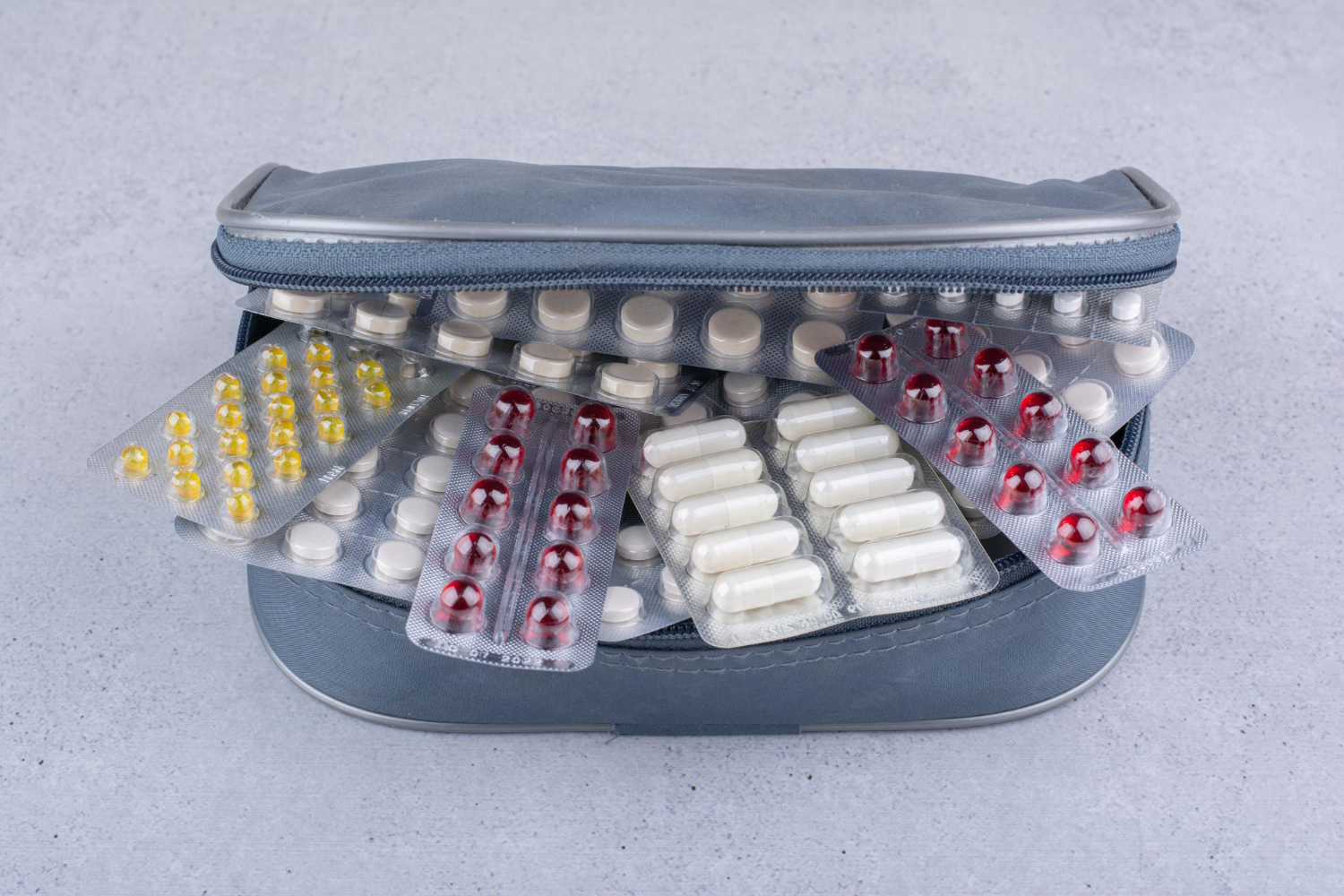
Traveling internationally with prescription medications, whether for a chronic condition or something more occasional, requires more planning than simply packing the pill bottles. Rules vary considerably by country, and a medication that’s perfectly routine in the United States can be restricted or entirely illegal elsewhere. Here are ten things to know about traveling with medications abroad, counted down one by one. (This is general logistical information, not medical advice; consult your physician and pharmacist about your specific situation before any trip.)
1. Keep Medications in Their Original, Labeled Containers
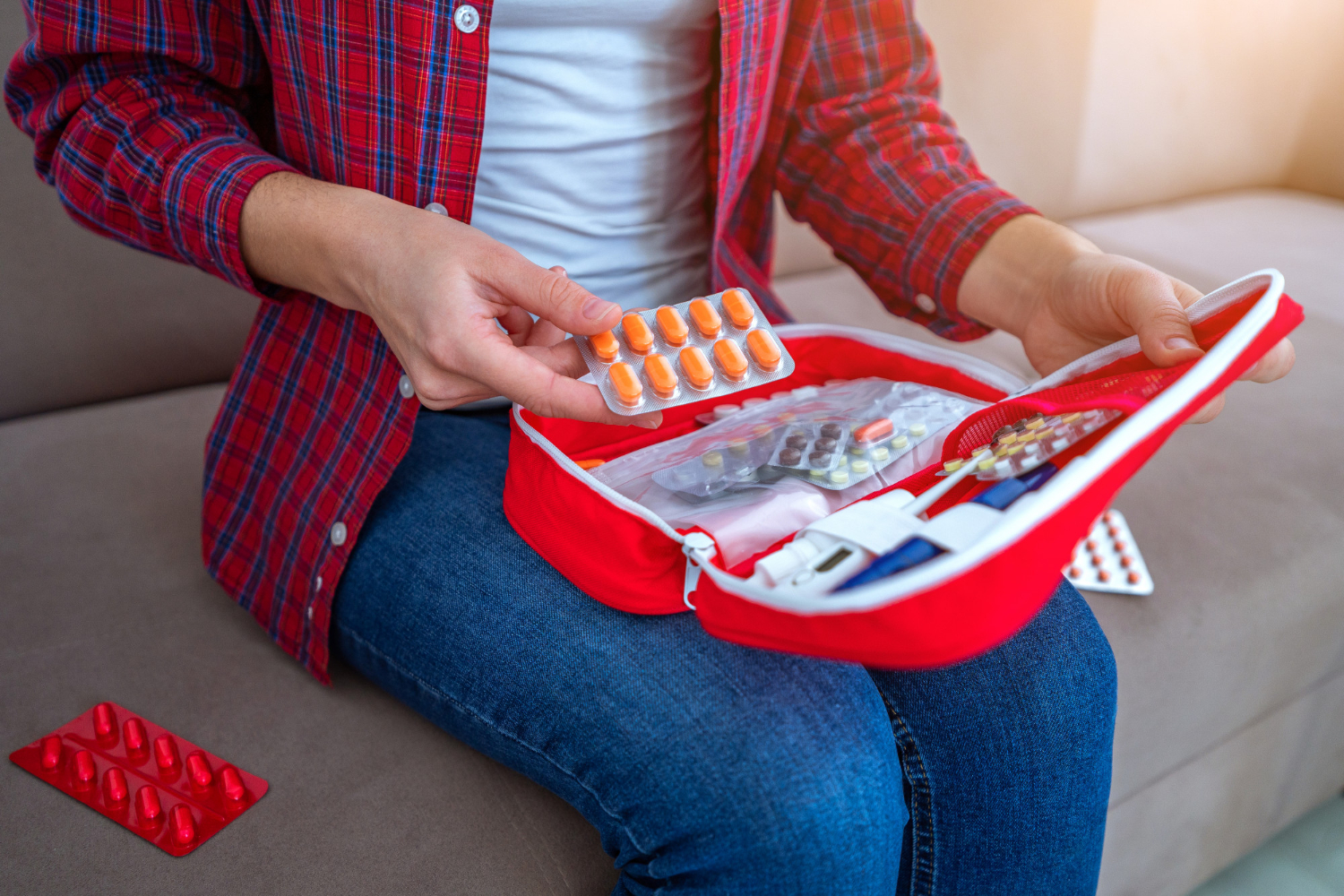
Original prescription bottles clearly identify the medication. This matters considerably at customs and security checkpoints.
Medications should generally travel in their original prescription containers, complete with the pharmacy label showing the patient’s name, medication name, and dosage, rather than transferred into a generic pill organizer for the trip. This labeling can matter considerably if questioned by customs officials or airport security in an unfamiliar country. Keeping medications in their original, labeled containers is a simple but important habit, one that provides clear, immediate documentation exactly when it might be needed most.
Like our content? Follow us for more.
2. Carry a Copy of Your Prescription and a Doctor’s Letter

Written documentation supports your medications’ legitimacy. It’s especially important for controlled substances or injectable medications.
Bringing a copy of the actual prescription, along with a brief letter from your doctor explaining the medical necessity of the medication, particularly for controlled substances, injectable medications, or anything that might otherwise raise questions, provides important backup documentation. Some countries specifically request this kind of letter for certain medication categories. Carrying a copy of your prescription and a doctor’s letter is genuinely valuable preparation, the documentation that can resolve a customs question quickly rather than creating a stressful, drawn-out situation.
3. Research Your Destination Country’s Specific Medication Rules
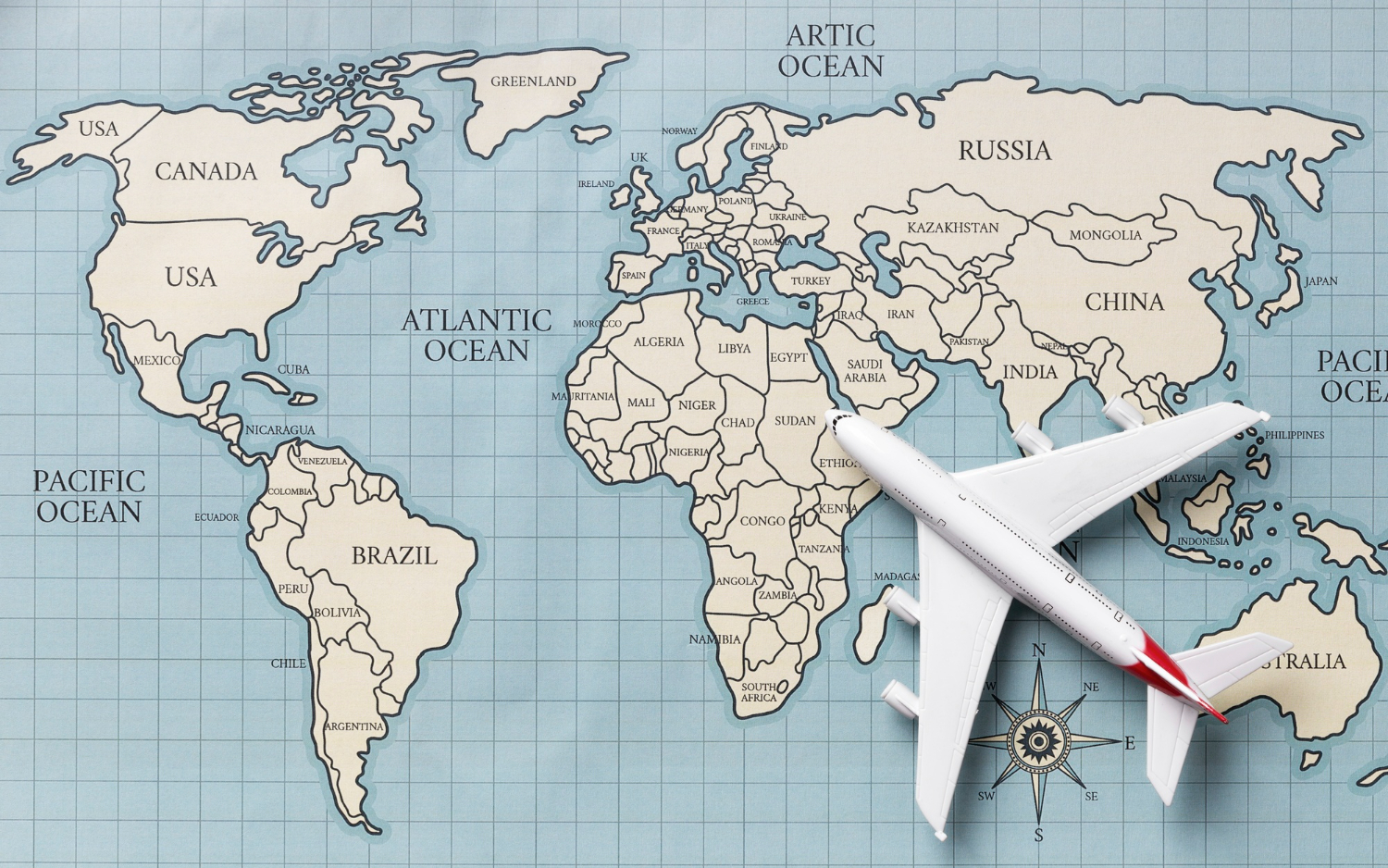
Some countries restrict medications that are routine in the U.S. This varies significantly and is worth checking well ahead of travel.
Certain medications common and legal in the United States, including some prescription stimulants, sedatives, and even certain over-the-counter cold medicines, are restricted or outright banned in specific countries. Checking the destination country’s embassy website or consulting the U.S. State Department’s travel advisories well ahead of the trip can reveal these restrictions before they become a problem. Researching your destination country’s specific medication rules is an essential planning step, one that requires country-specific attention rather than a general assumption that all medications travel freely.
4. Pack Medications in Your Carry-On, Not Checked Luggage

Checked bags can be lost, delayed, or mishandled. Carrying medications on your person avoids a significant risk.
Given the real possibility of checked baggage being lost, delayed, or temporarily separated from a traveler, keeping all medications in carry-on luggage rather than a checked bag protects against a genuinely stressful situation, especially for medications that would be difficult to quickly replace abroad. Packing medications in your carry-on, not checked luggage, is one of the most important and simplest precautions a traveler can take, ensuring essential medication stays with you regardless of what happens to your checked belongings.
5. Bring More Than You Think You’ll Need, Within Reason

Travel delays can extend a trip unexpectedly. A modest extra supply provides a genuine safety margin.
Packing a few extra days’ worth of medication beyond the planned trip length provides a reasonable safety margin against flight delays, itinerary changes, or an extended stay for any reason, without necessarily requiring special authorization for a modest additional amount. Confirming this approach with your pharmacist or physician for your specific medication is worthwhile. Bringing more than you think you’ll need, within reason, is sensible, low-risk preparation that protects against genuinely common travel disruptions.
6. Know the Generic Name, Not Just the Brand Name
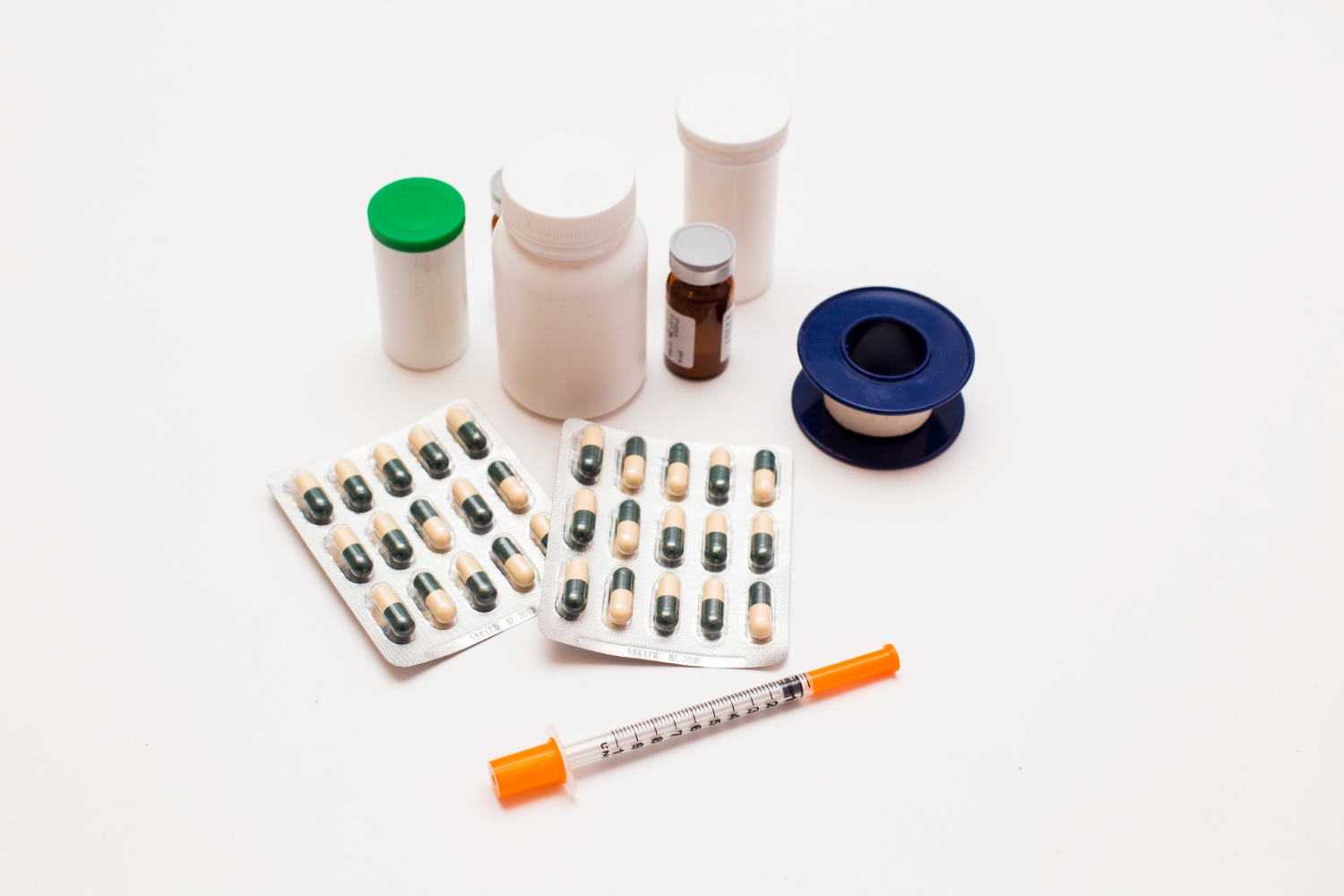
Brand names vary considerably by country. Knowing the generic or chemical name helps if you need a refill abroad.
Prescription medication brand names often differ significantly from one country to another, even when the active ingredient is identical, which means knowing a medication’s generic or chemical name is far more useful than its familiar U.S. brand name if a refill or replacement becomes necessary while abroad. Knowing the generic name, not just the brand name, is a small piece of information with real practical value, the detail that lets a foreign pharmacy correctly identify what you actually need.
7. Understand TSA Rules for Liquid Medications
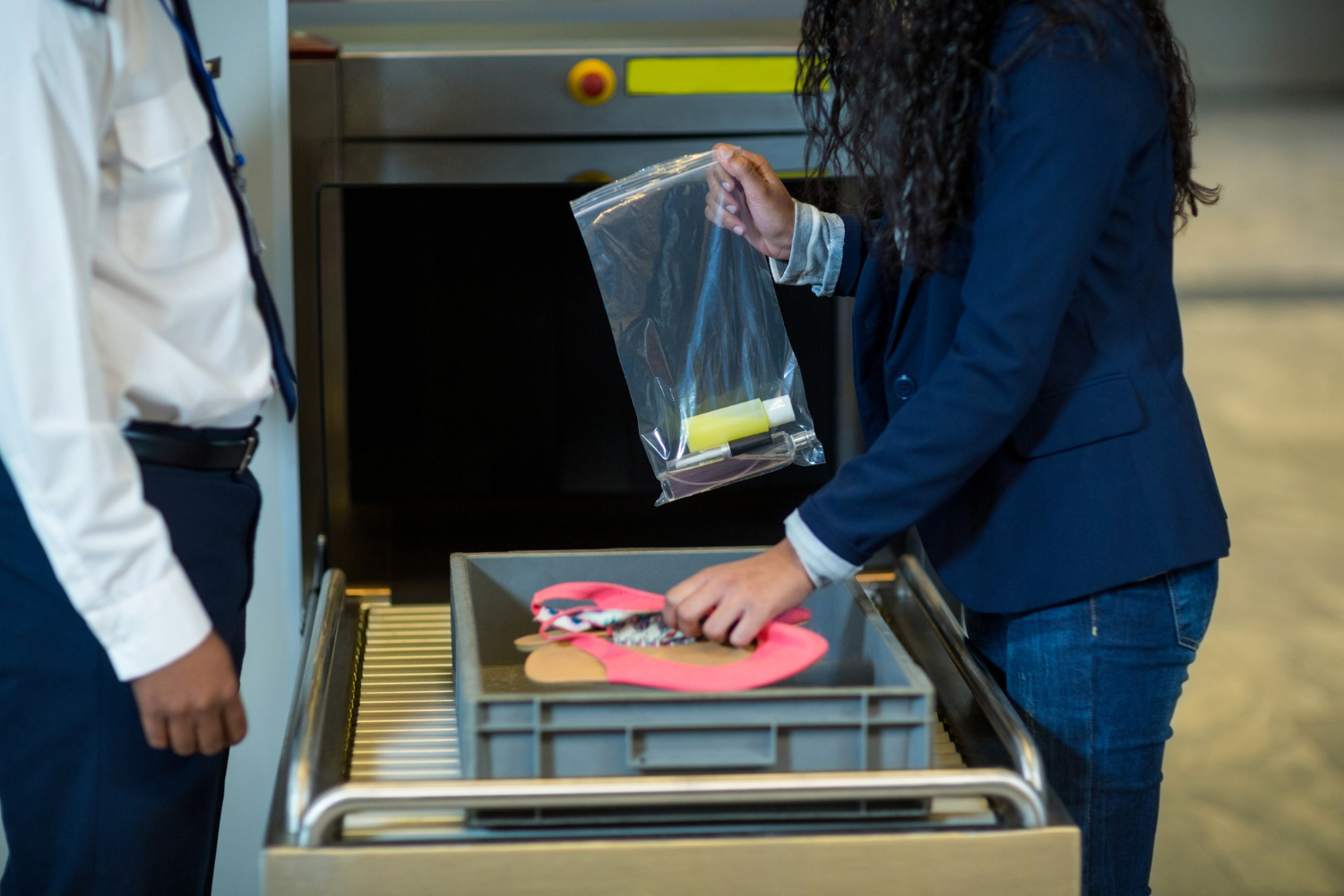
Liquid medications are generally exempt from standard size limits. Declaring them at security streamlines the screening process.
Liquid medications, including many injectable treatments, are generally exempt from the standard carry-on liquid size restrictions, but they should be declared to a TSA officer at the security checkpoint for separate screening rather than placed unannounced in with other carry-on items. This declaration step generally speeds up rather than slows down the screening process. Understanding TSA rules for liquid medications avoids unnecessary confusion or delay at the security checkpoint, since these items are accommodated but do require a specific, simple declaration step.
8. Store Medications Properly for Climate and Time Zone Changes
Heat, cold, and altitude can affect certain medications. Time zone shifts also affect dosing schedules for some prescriptions.
Certain medications are sensitive to extreme heat, cold, or humidity, conditions genuinely possible during travel to a very different climate, so checking specific storage requirements before the trip matters. Significant time zone changes can also affect dosing schedules for time-sensitive medications, a topic worth discussing directly with your physician before departure. Storing medications properly for climate and time zone changes requires some destination-specific planning, ideally worked out with your doctor or pharmacist well before you leave.
9. Register With the State Department’s Smart Traveler Program

STEP registration helps the government reach you in an emergency. It can be useful if a medication-related issue arises abroad.
The U.S. State Department’s free Smart Traveler Enrollment Program lets citizens register their trip details, making it easier for the nearest embassy or consulate to reach them in an emergency, including situations involving a serious medication or health-related issue while abroad. Registering takes just a few minutes online before departure. Registering with the State Department’s Smart Traveler Program is a simple, free precaution, one that provides an additional layer of support specifically designed for American travelers facing an unexpected problem overseas.
10. Locate Nearby Pharmacies and Hospitals Before You Need Them

Knowing where to go in an emergency saves critical time. A little research before the trip pays off if something goes wrong.
Identifying the location of pharmacies and hospitals near your accommodations before you actually need them, rather than searching under stress during an emergency, saves genuinely critical time if a medication-related issue does arise during the trip. Many destination-specific travel apps and guides include this information readily. Locating nearby pharmacies and hospitals before you need them is proactive, sensible preparation, the kind of research that costs almost nothing in advance but can matter enormously in the moment.
Prepared, Not Just Packed

Taken together, these ten points show that traveling internationally with medications requires more than simply packing the right pills, proper documentation, destination-specific research, and smart carry-on habits all play a meaningful role. A little extra preparation before departure can prevent a genuinely stressful situation from developing during the trip itself.
None of this preparation replaces a direct conversation with your prescribing physician and pharmacist, who can address your specific medications, dosing needs, and any destination-specific concerns well before you leave. Rules around medication, customs, and international travel can also change, so confirming current requirements for your specific destination close to your departure date is always worthwhile. With the right documentation and a bit of advance research, traveling with necessary medications can be managed smoothly, letting the actual trip remain the focus rather than a source of ongoing worry.
Like our content? Follow us for more.