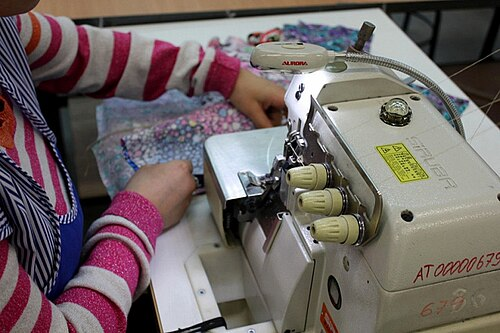
Before ready-to-wear clothing dominated every closet, many American women relied on a neighborhood seamstress or dressmaker, often working from a home studio, for custom-fitted garments, special-occasion dresses, and the kind of tailored alterations that ready-made clothing simply couldn’t offer. Here are eleven things every American neighborhood seamstress and dressmaker had in 1965, counted down one by one.
1. A Dress Form Padded to a Regular Customer’s Exact Measurements
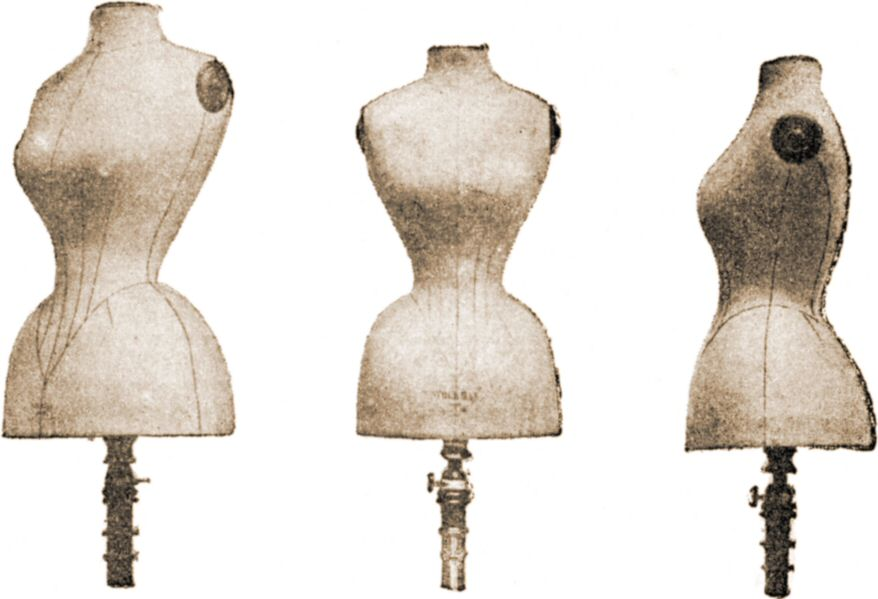
Adjustable forms mimicked a specific client’s body shape. This let the seamstress work accurately even without the customer present.
For her most loyal, regular customers, a dedicated seamstress sometimes padded and adjusted a dress form to mimic that specific woman’s exact measurements, letting her work on a fitting between actual appointments with real confidence in the accuracy. A dress form padded to a regular customer’s exact measurements reflects the genuinely personalized service some seamstresses provided their most loyal clients, a level of individual attention that turned garment-making into something closer to bespoke tailoring than simple sewing.
Like our content? Follow us for more.
2. A Large Table Covered in Pinned Pattern Pieces
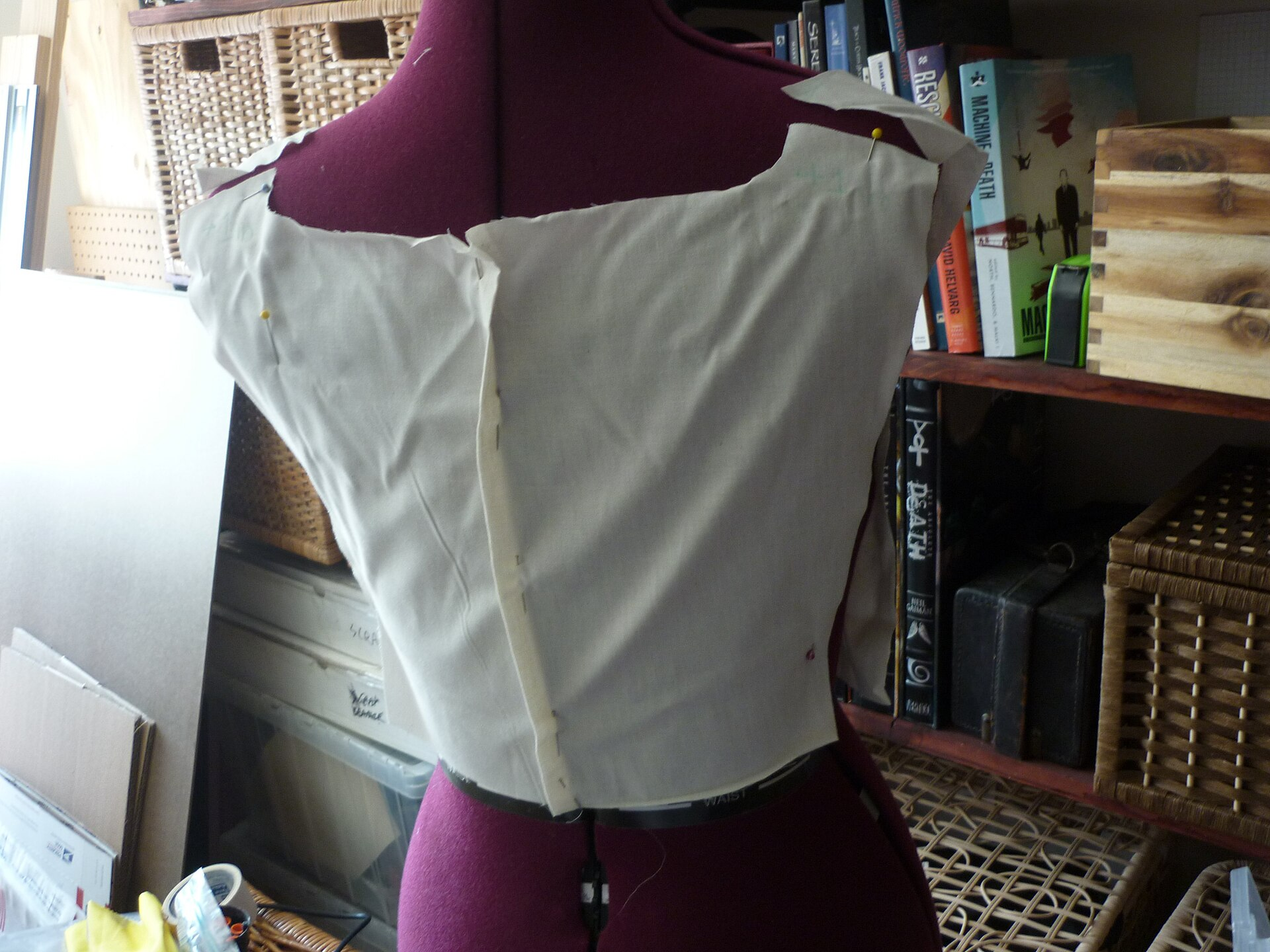
Paper patterns were carefully laid out and pinned to fabric. Precise cutting depended on this careful preparation.
A large cutting table dominated the workroom, covered in carefully arranged paper pattern pieces pinned to fabric, a critical preparation step that determined whether the finished garment would actually fit and drape correctly once assembled. A large table covered in pinned pattern pieces reflects the genuinely meticulous first stage of dressmaking, careful layout work that had to be done right before a single cut of fabric could even begin.
3. A Genuine Skill for Reading a Customer’s Vision From a Photo
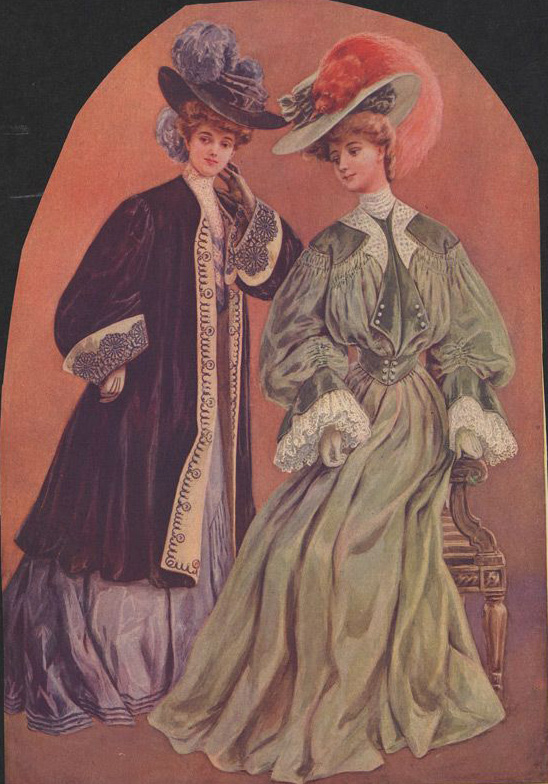
Clients often brought in a magazine clipping or sketch. Translating that image into an actual pattern required real interpretive skill.
Customers frequently arrived with a magazine clipping, a photograph, or simply a rough sketch of a dress they’d seen and loved, and a skilled seamstress needed genuine interpretive ability to translate that inspiration into an actual, wearable pattern suited to the customer’s own body. A genuine skill for reading a customer’s vision from a photo reflects the real creative and technical challenge behind custom dressmaking, expertise that turned a vague idea into a concrete, properly constructed garment.
4. Multiple Fittings Scheduled Before a Garment Was Finished
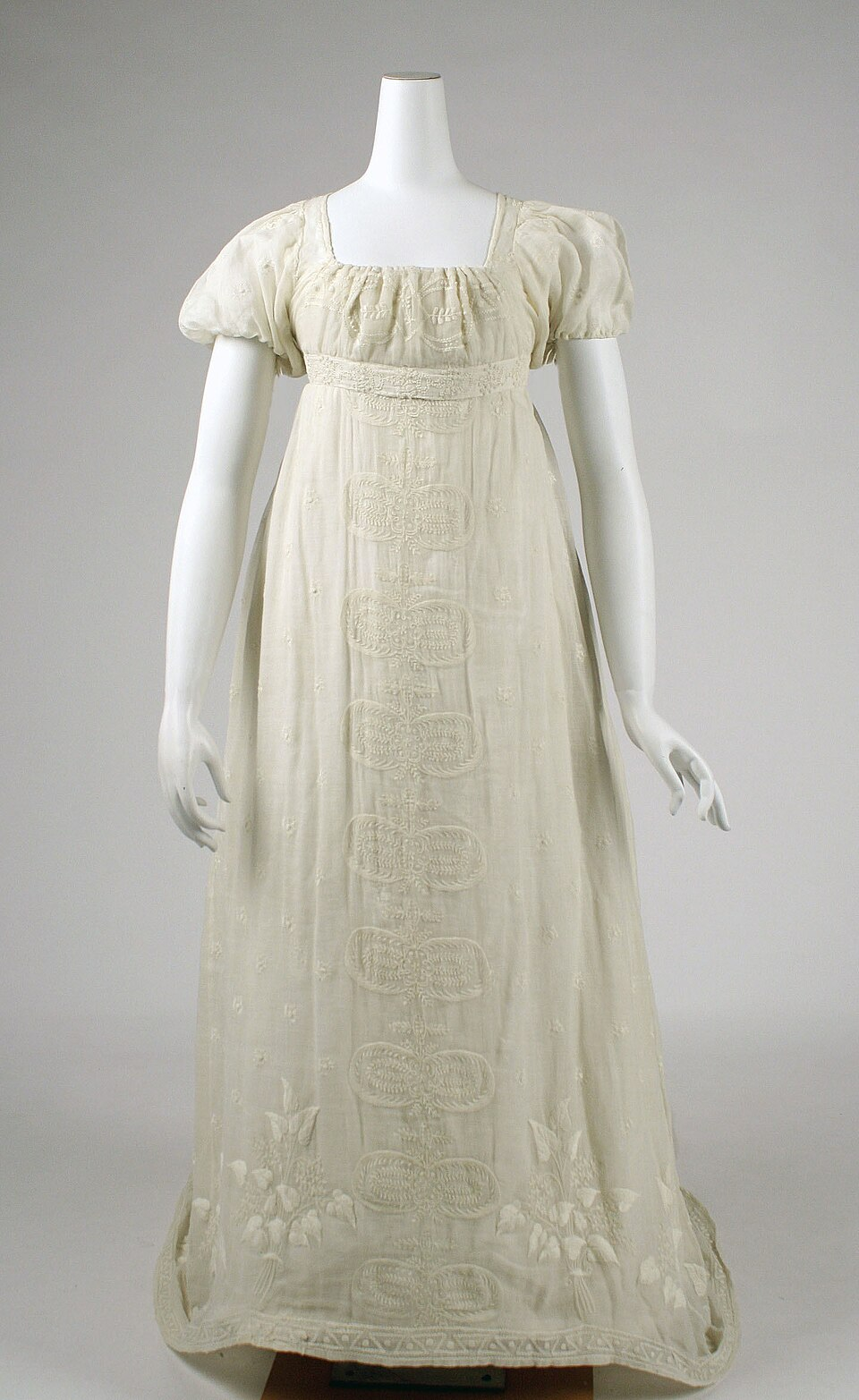
Custom dresses required several in-person adjustments. Each fitting refined the fit a little closer to perfect.
A custom garment typically required several scheduled fittings throughout the construction process, each appointment refining the fit a little further with pins and chalk marks before the seamstress made the actual permanent adjustments. Multiple fittings scheduled before a garment was finished reflect the genuinely thorough, patient process behind quality dressmaking, a series of careful checkpoints that ensured the finished piece fit its owner exactly as intended.
5. A Genuine Trust Extended Weeks Before a Special Occasion
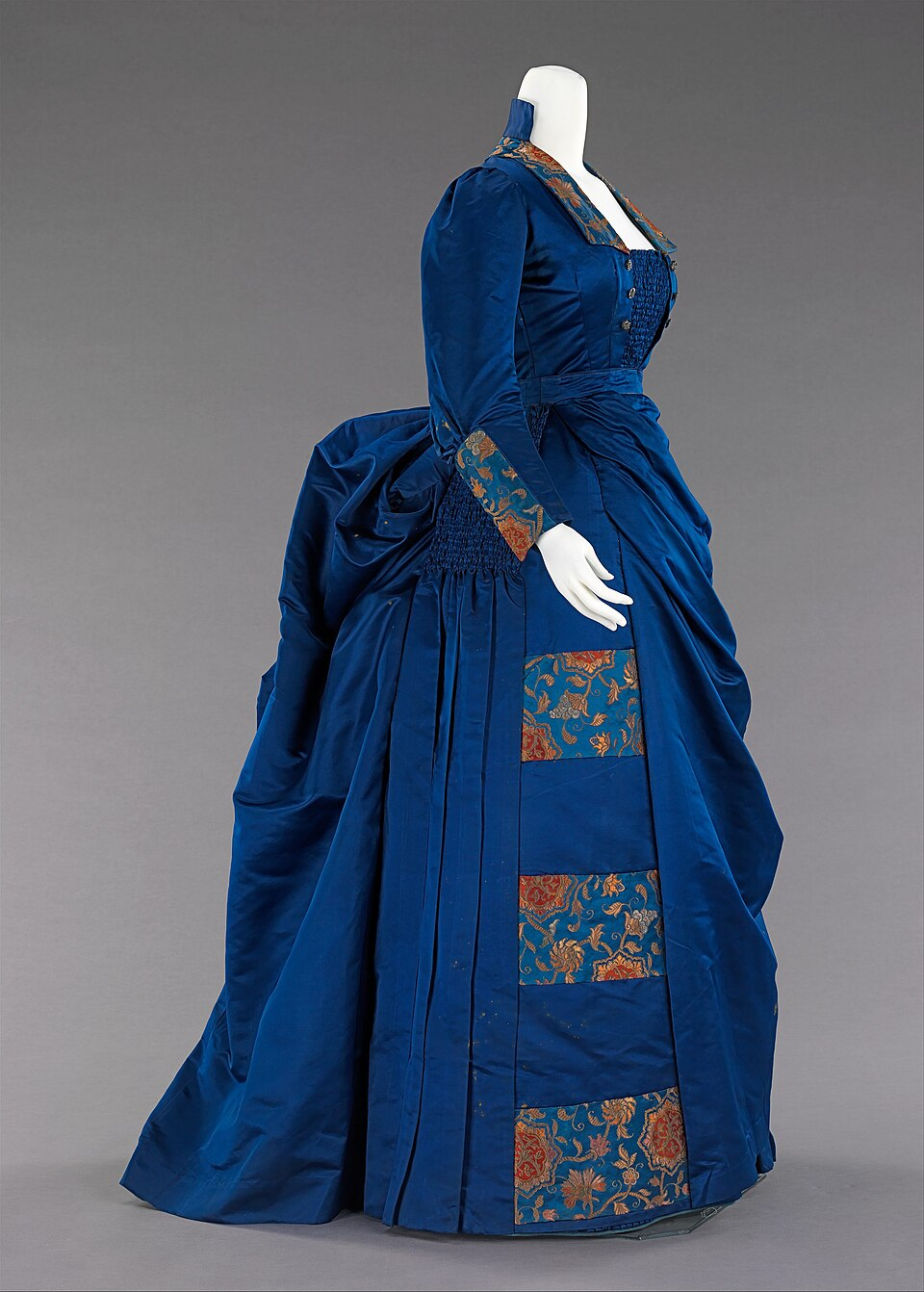
Customers ordered garments well in advance of the event. This required real confidence the work would be completed properly and on time.
Ordering a dress for a wedding, prom, or other significant occasion meant placing genuine trust in the seamstress weeks or even months in advance, confident that the finished garment would be ready, properly fitted, and exactly as envisioned by the time the actual event arrived. A genuine trust extended weeks before a special occasion reflects the real relationship-based nature of the business, confidence built through reputation that made customers comfortable committing to an important garment well ahead of any deadline.
6. A Basket of Notions Including Buttons, Zippers, and Thread
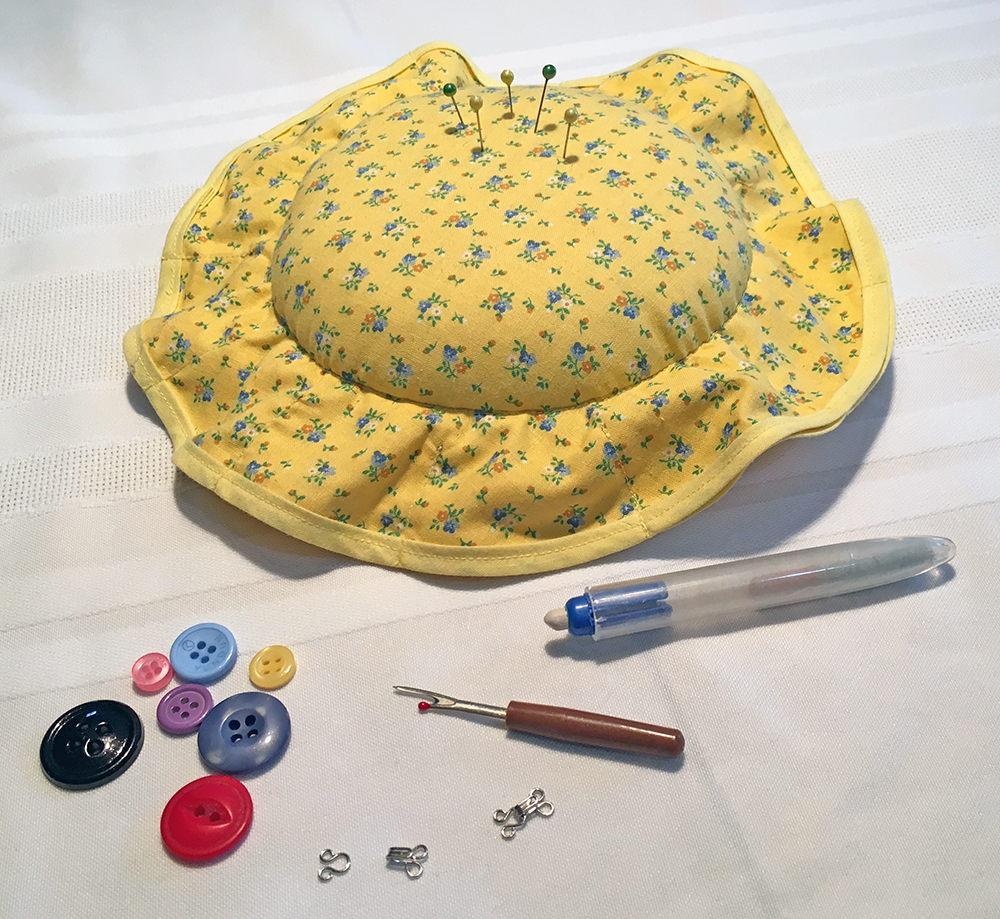
A well-stocked supply of small essential materials sat within easy reach. Matching them precisely to a garment mattered considerably.
A basket or organized set of drawers held an extensive supply of notions, buttons in every size and color, zippers of various lengths, and thread matched precisely to countless different fabric shades, small but essential materials that finished off every garment properly. A basket of notions including buttons, zippers, and thread reflects the genuinely detailed inventory dressmaking required, careful supplies that let the seamstress complete a garment with exactly the right finishing touches rather than an approximate substitute.
7. A Genuine Reputation Built on Discretion About Body Measurements
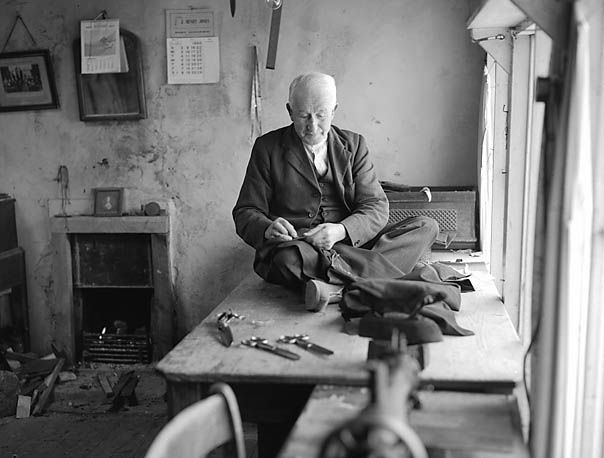
Handling a customer’s private measurements required real professionalism. Confidentiality mattered to the trusted relationship.
Taking and recording a customer’s private body measurements required genuine professionalism and discretion, a sensitive part of the job that the seamstress handled with real care to help customers feel comfortable and respected throughout the fitting process. A genuine reputation built on discretion about body measurements reflects an important, often overlooked dimension of the trade, professional trust that mattered considerably to the overall customer relationship beyond simply the finished garment itself.
8. A Sewing Machine Kept in Constant, Reliable Working Order
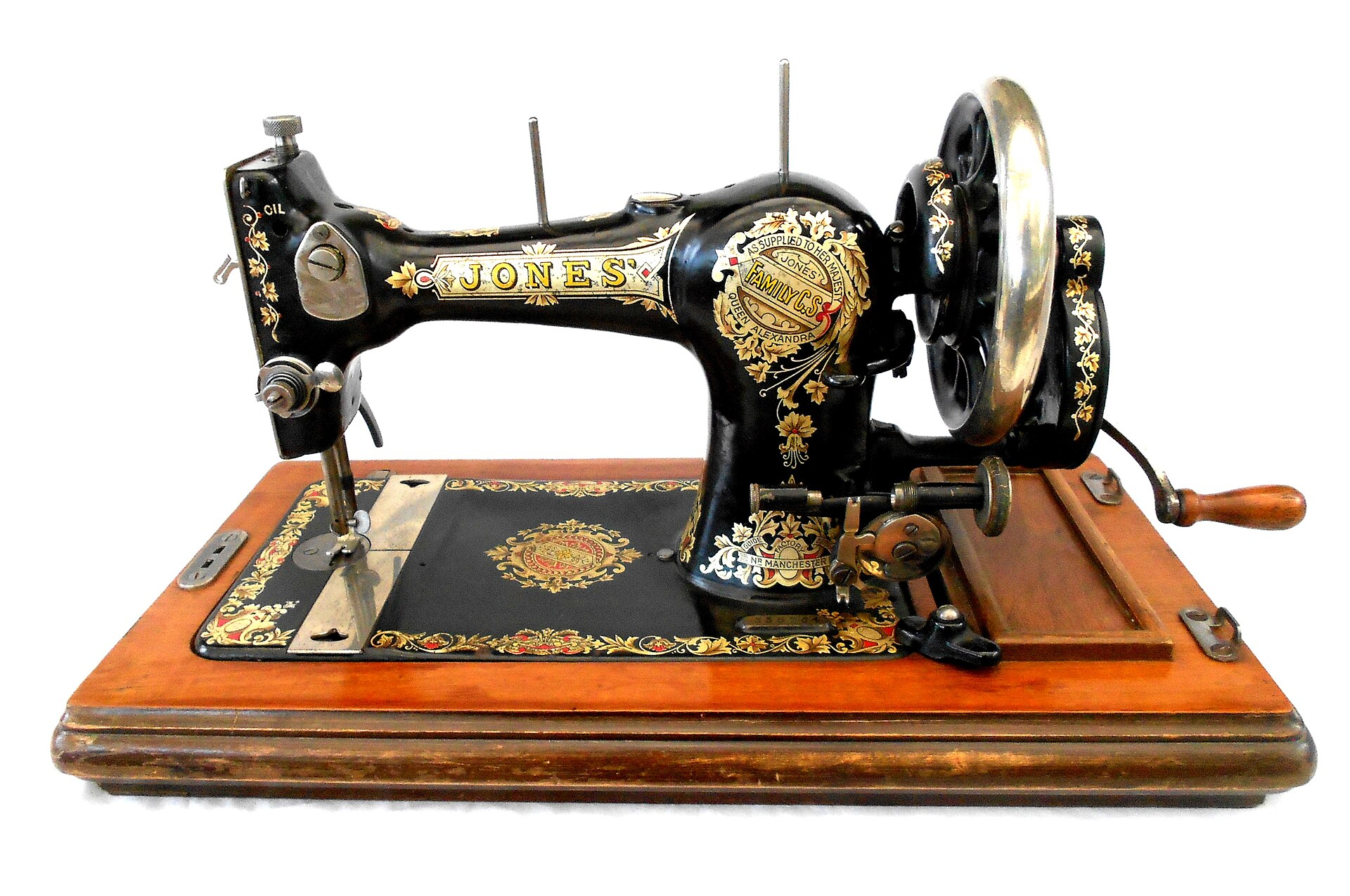
The machine was the seamstress’s essential daily tool. Regular maintenance kept it running smoothly through heavy use.
The seamstress’s sewing machine, used constantly throughout every working day, was kept in reliable working order through regular maintenance, since a malfunction could genuinely disrupt an entire week’s worth of scheduled orders and appointments. A sewing machine kept in constant, reliable working order reflects just how central this single piece of equipment was to the entire business, essential machinery that the seamstress depended on completely for her livelihood.
9. A Genuine Understanding of How Different Fabrics Behaved
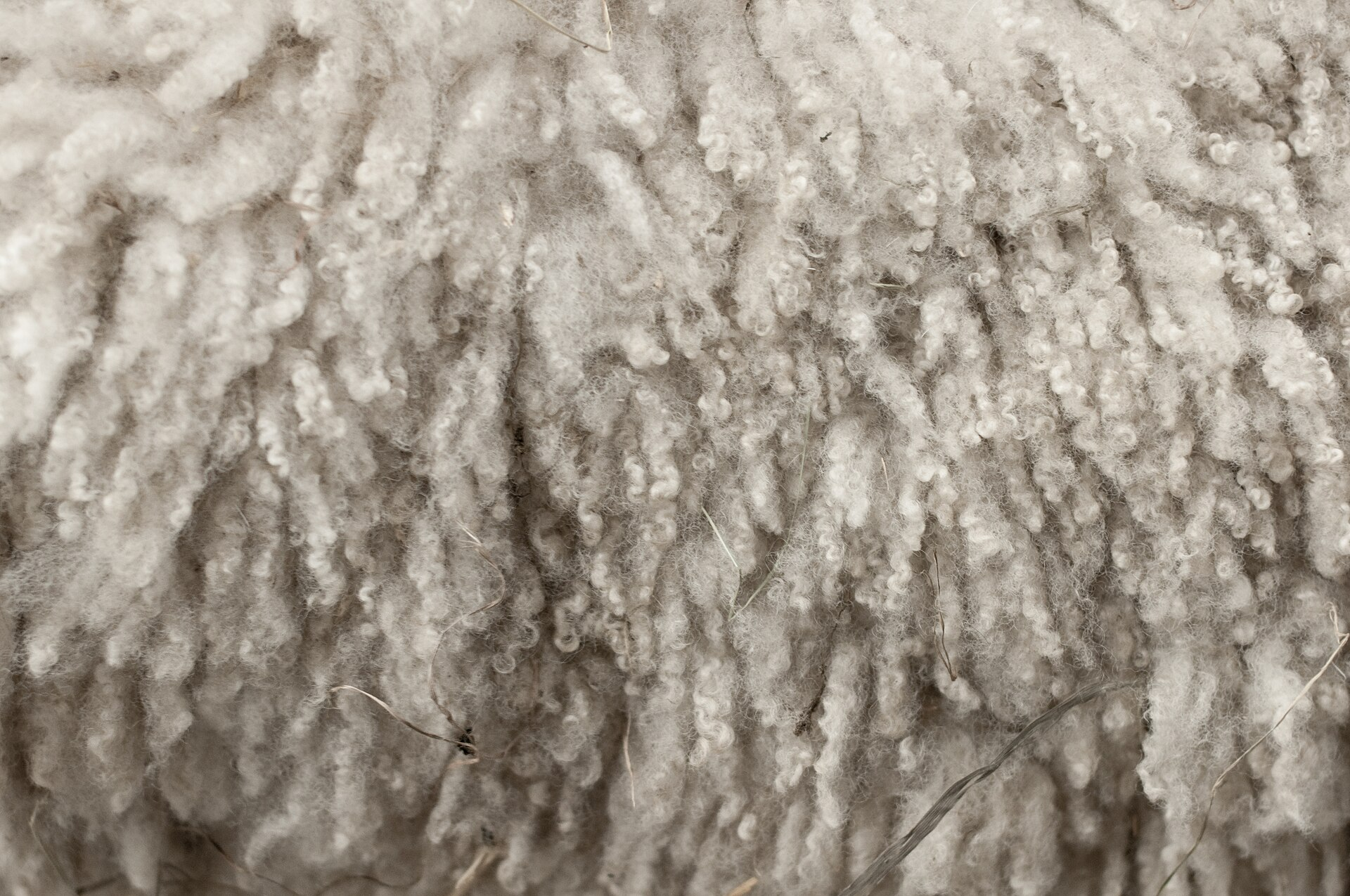
Working with silk, wool, and cotton each demanded distinct techniques. This fabric expertise shaped every construction decision.
A skilled seamstress developed genuine, practical understanding of how different fabrics behaved, delicate silk requiring careful handling, structured wool holding a tailored shape, and lightweight cotton draping differently altogether, knowledge that shaped every construction decision throughout a project. A genuine understanding of how different fabrics behaved reflects the real technical expertise behind quality dressmaking, hands-on knowledge accumulated through years of working directly with an enormous range of different materials.
10. A Genuine Sense of Pride in a Perfectly Fitted Garment
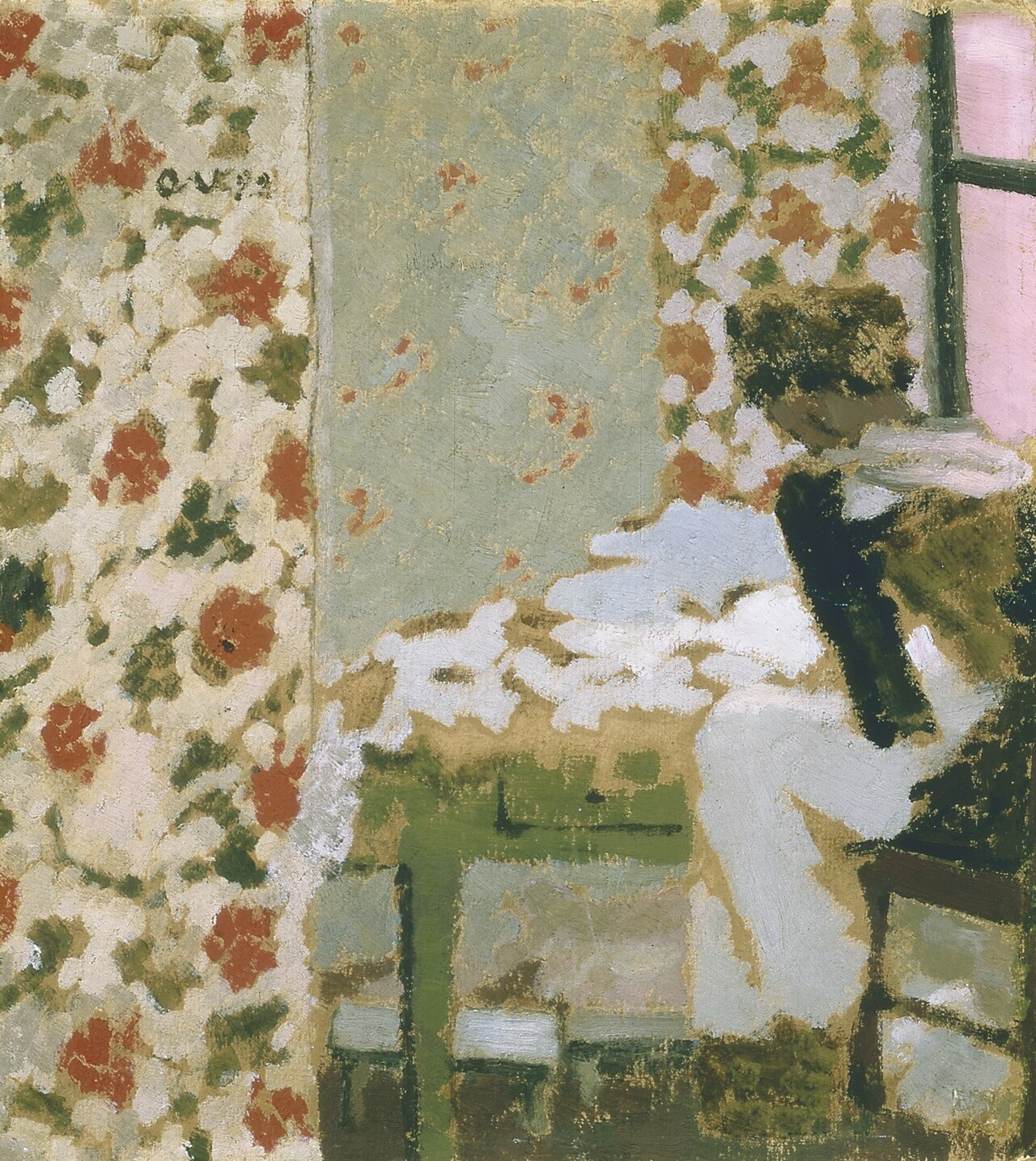
Seeing a customer thrilled with the final result brought real satisfaction. This pride motivated the meticulous, patient work involved.
Watching a customer see herself in a perfectly fitted, custom-made garment for the first time brought the seamstress genuine, real satisfaction, a professional pride that motivated the meticulous, patient work every single project required from start to finish. A genuine sense of pride in a perfectly fitted garment is the emotional heart of the dressmaking trade, satisfaction earned through real skill that made the demanding, detail-oriented work feel genuinely worthwhile.
11. A Genuine Word-of-Mouth Reputation That Built the Entire Business
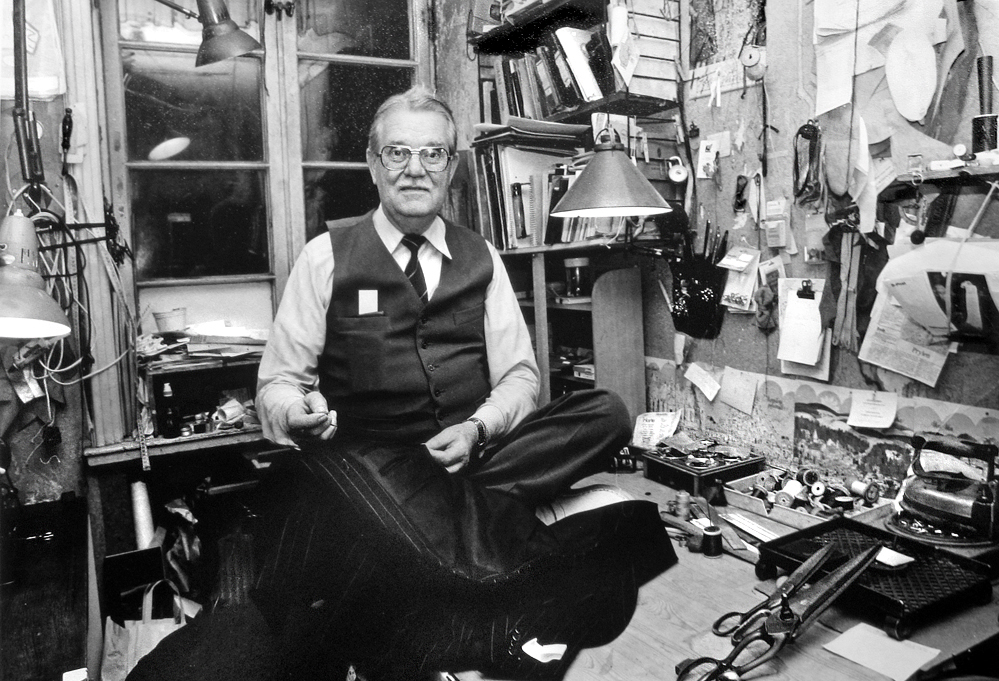
Satisfied customers recommended the seamstress to friends and family. This organic promotion sustained the business for years.
A neighborhood seamstress’s business depended almost entirely on genuine word-of-mouth recommendation, satisfied customers telling friends and family about a dressmaker whose work and reliability they genuinely trusted, organic promotion that sustained a skilled seamstress’s business for years without ever needing formal advertising. A genuine word-of-mouth reputation that built the entire business reflects how deeply trust and quality mattered in this trade, a reputation economy that rewarded consistent, skilled work with a loyal, steadily growing customer base built entirely through personal recommendation.
A Trade Built on Skill, Trust, and Patience
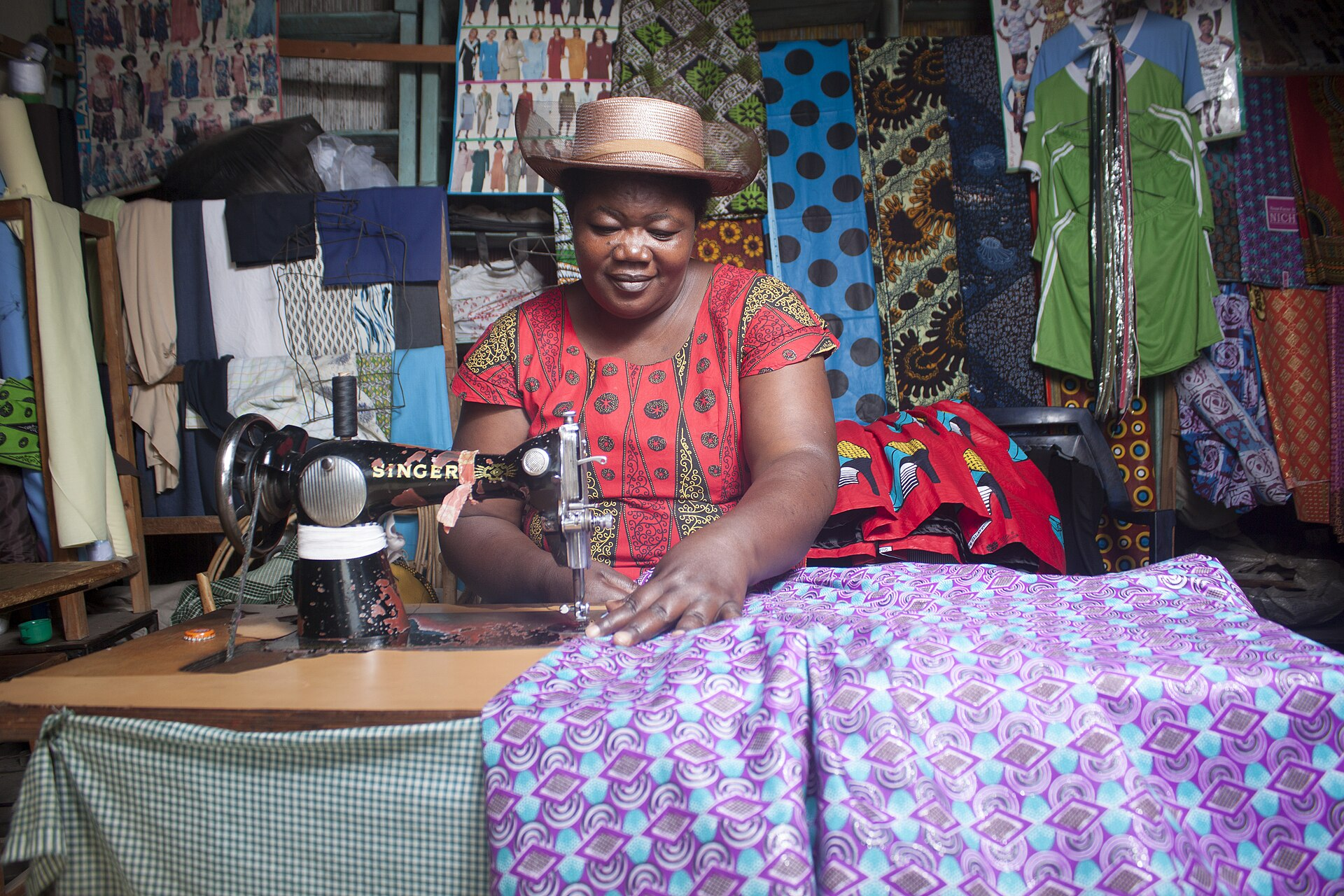
Taken together, these eleven things capture the world of the neighborhood seamstress and dressmaker in 1965, from the padded dress forms and pinned pattern pieces to the multiple careful fittings and the genuine pride taken in a perfectly finished garment. It was a genuinely skilled trade, built on technical mastery, personal trust, and real patience.
The rise of affordable, mass-produced ready-to-wear clothing gradually reduced demand for custom dressmaking across most American households, changing the trade considerably even as skilled seamstresses continue serving customers who value custom fit and genuine craftsmanship today. The change reflects broader shifts in American fashion and manufacturing more generally. Yet for those who remember multiple fittings for a special-occasion dress, or still own a beautifully custom-made garment from that era, these details bring it all back: the pinned pattern pieces, the careful fabric selection, the genuine pride visible on the seamstress’s face at the final fitting. Looking back at the neighborhood seamstress of 1965 is a warm tribute to a genuinely skilled, deeply trusted American trade.
Like our content? Follow us for more.