

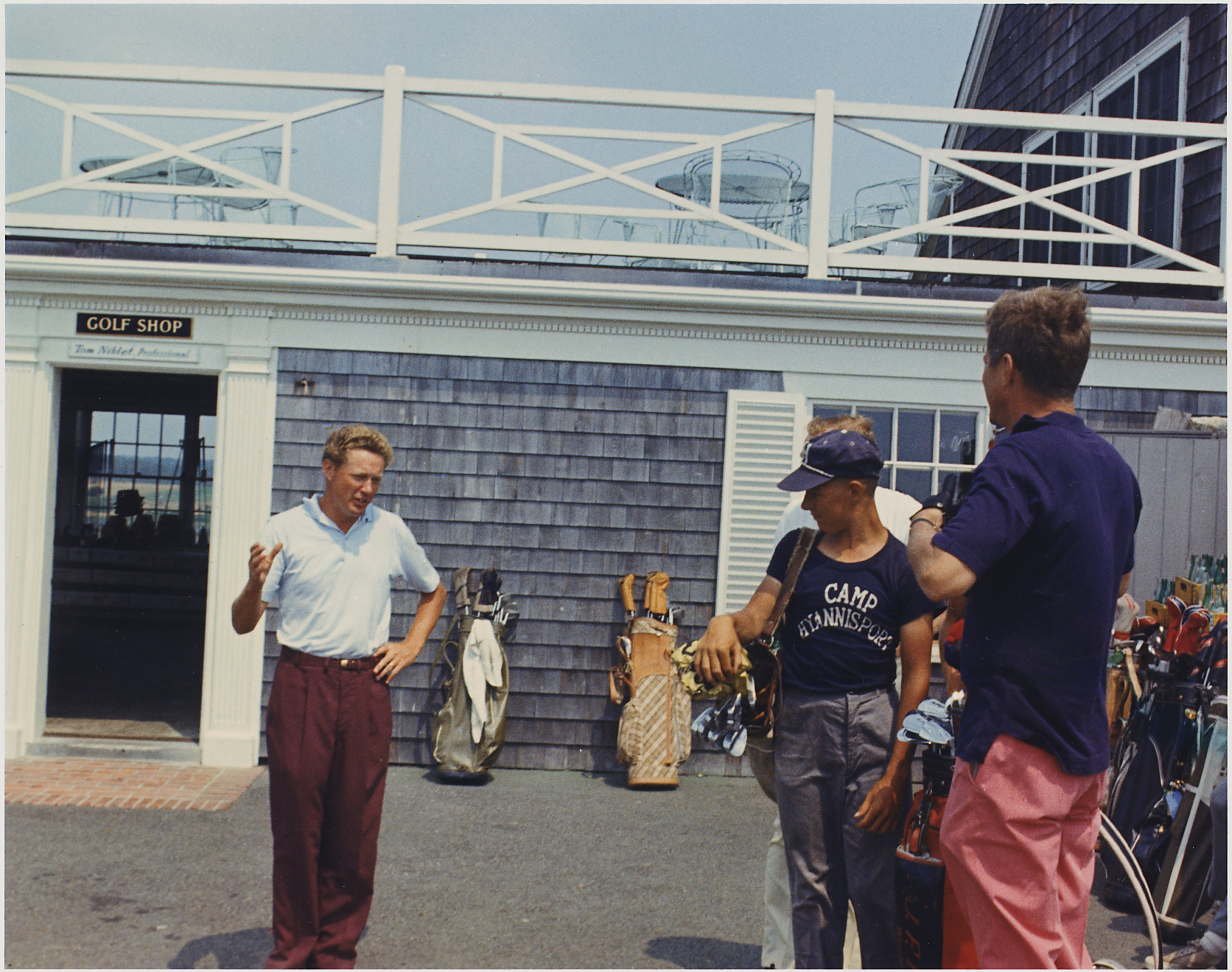
Caddying in 1962 was one of the great summer jobs, and almost every element of it is now impossible. A boy of twelve or fourteen turned up at dawn, waited for a man with absolute discretion to assign him a round, carried one bag or two for eighteen or thirty-six holes, and was paid in cash by a stranger whose generosity depended on how he had putted.
It was also, for a particular kind of child, the only way into a game and a world he had no other route into – and a substantial number of people who made their lives in golf started in the caddie shack.
Here are twelve things that were ordinary for a caddie in 1962, and what became of each.
1. The Bags Were Carried, Both of Them, for Eighteen Holes
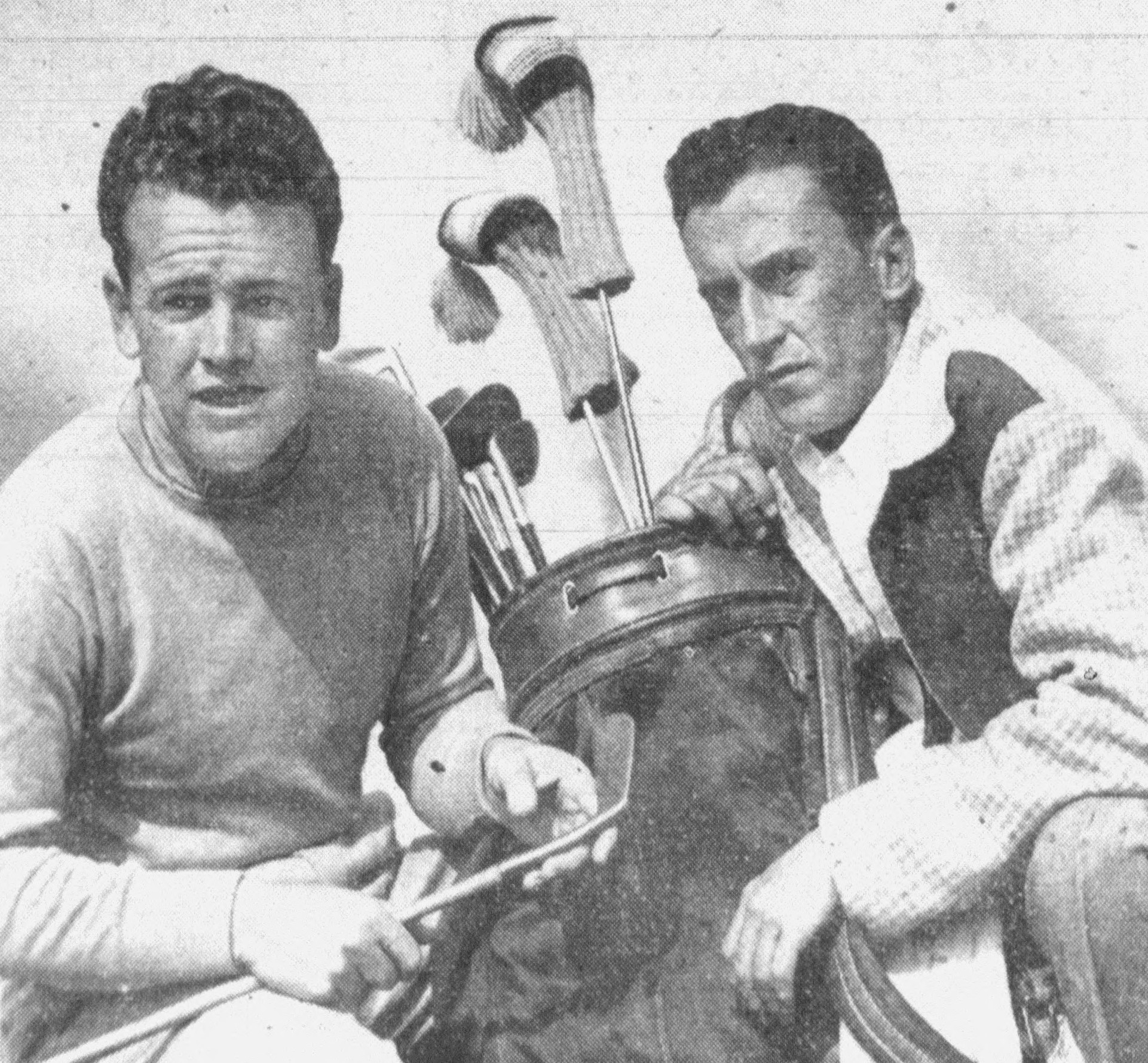
A caddie carried the bag on his shoulder, and a strong one carried two – one on each shoulder, for a double loop of thirty-six holes in a day. A tour-weight bag with a full set, balls, umbrella and waterproofs is a serious load, and the course was walked at the players’ pace in whatever the weather did.
Golf carts existed by 1962 and were spreading fast, which is what ended the job at most clubs. The arithmetic was simple and nobody pretended otherwise: a cart generates revenue for the club, a caddie generates revenue for the caddie. Walking caddies survive at a small number of clubs that have made a point of keeping them, and at those clubs it is now a skilled, well-paid adult job rather than a boy’s summer work.
Like our content? Follow us for more.
2. The Caddies Were Mostly Teenagers and They Were Not Employees
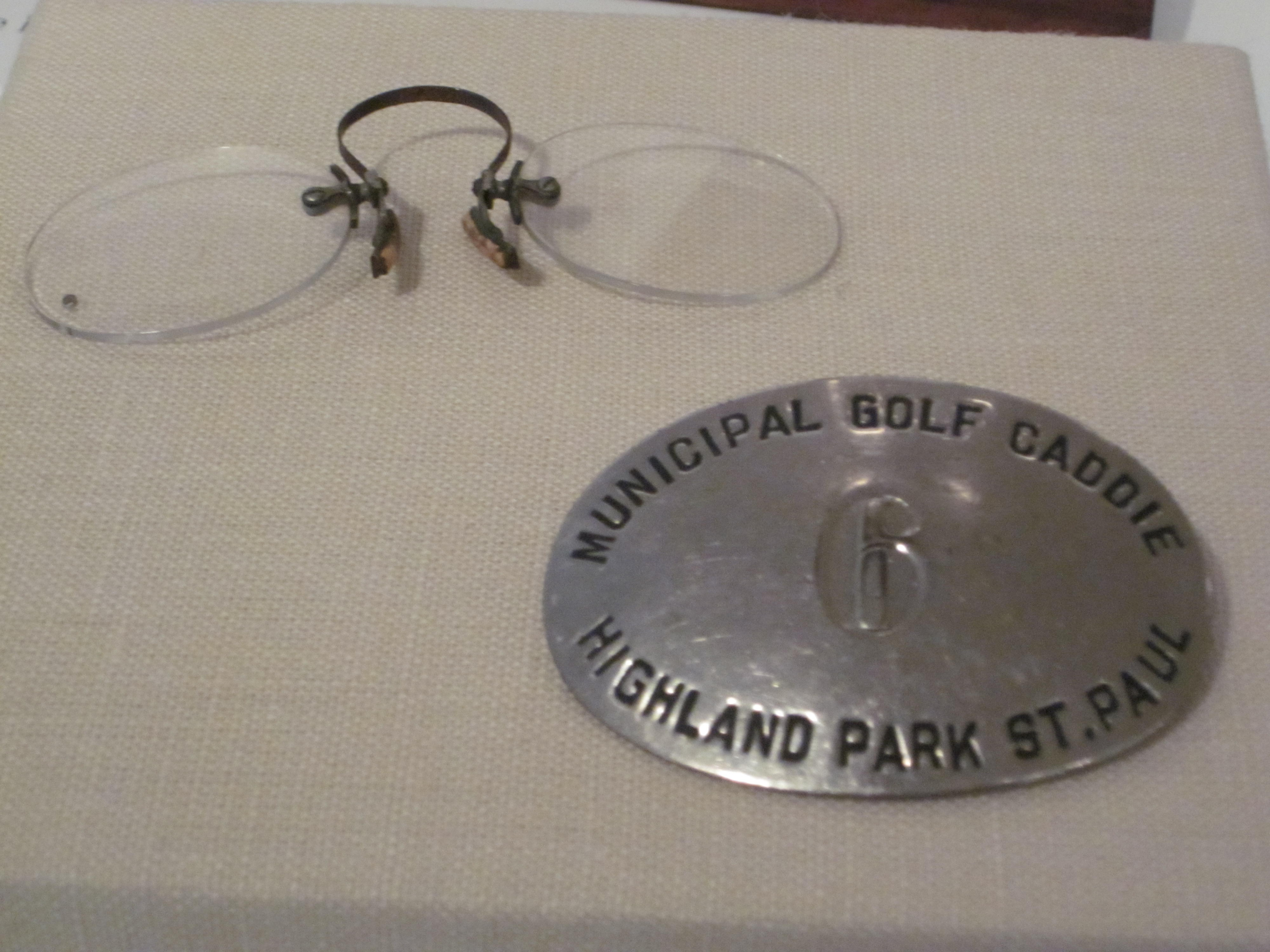
A caddie was typically between twelve and eighteen, was not on the club’s payroll, had no contract, was paid in cash by the player at the end of the round, and had no entitlement to anything if nobody wanted a caddie that day. He arrived in the morning and waited.
The whole arrangement is now impossible. Employment classification, minimum wage, working hours restrictions for minors, insurance and child protection requirements between them make an unsupervised cash-paid teenage workforce waiting around for piecework unworkable. Clubs that still use caddies employ them properly, and the ones who are still school-age work under the same restrictions as any other young worker.
3. You Got to the Course at Dawn and Might Go Home With Nothing

Caddies assembled at the caddie shack early and waited for the caddiemaster to assign them. Assignment was entirely at his discretion, and it followed a hierarchy of experience, favouritism and who had brought him something. A boy could wait five hours and be sent home unpaid.
The caddiemaster was one of the last examples in ordinary life of a single individual with absolute, unreviewable discretion over whether somebody earned that day. It produced the virtues people remember – learning to show up, learning who to be useful to – and it was also straightforwardly arbitrary, and in many clubs it was the mechanism by which Black and immigrant caddies got the worst loops or none.
4. The Caddie Shack Was Unsupervised, and That Was the Appeal

A shed or a basement room with benches, a card game, cigarettes, and a social order enforced by the older boys. Adults did not go in. Everything a twelve-year-old learned about gambling, swearing and hierarchy in a working environment, he learned in there.
Every account of caddying mentions the shack before it mentions the golf, and almost every account mentions the fighting, the hazing of new boys and the money changing hands over cards. Modern caddie programmes have a supervised space, a code of conduct and an adult in the room, for reasons nobody has to explain. Much of what people value about the experience happened in the room that could not exist now.
5. You Were Expected to Read the Green and Keep Your Mouth Shut
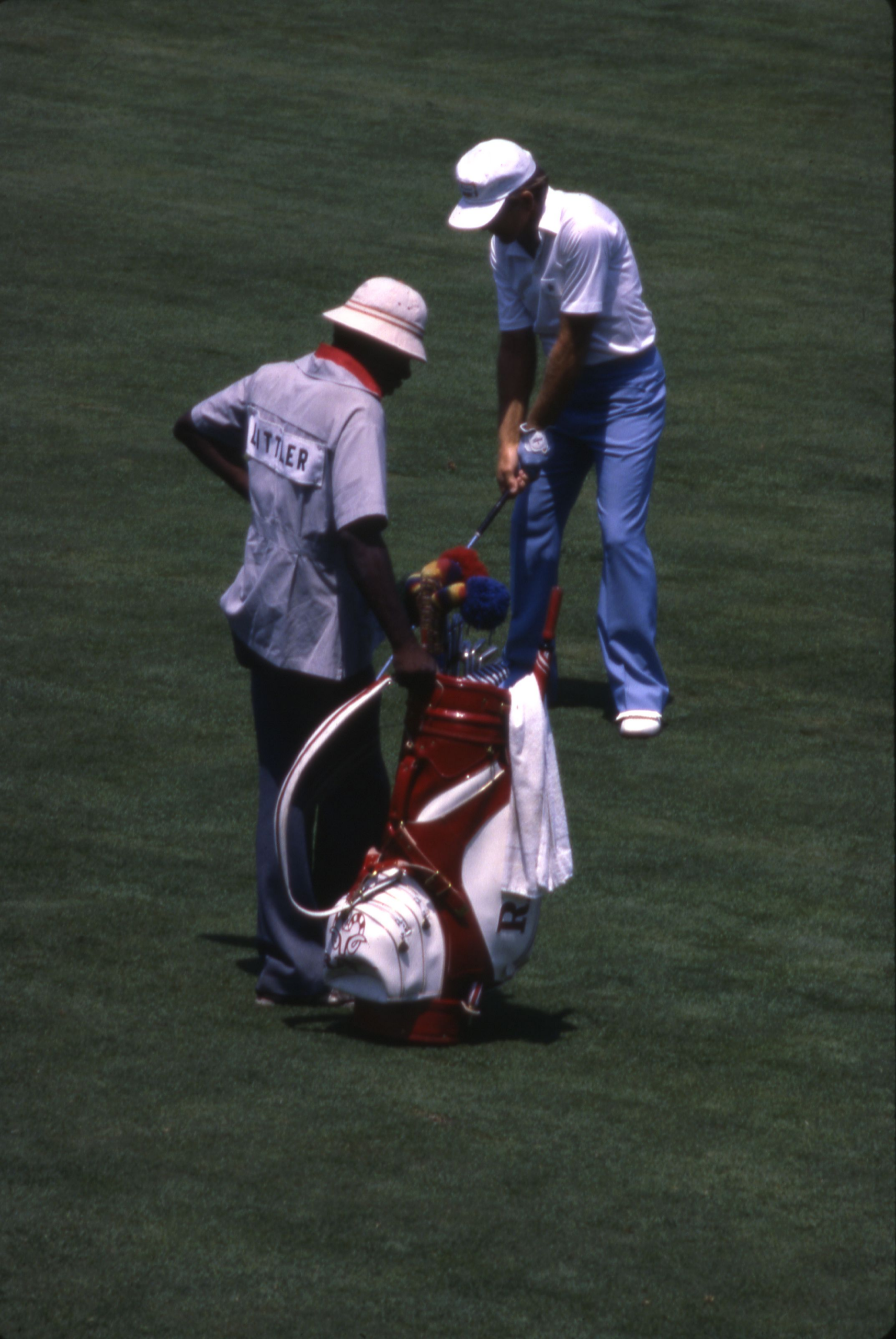
A good caddie knew the yardages before rangefinders existed, could read the break on a green his player could not, knew which club suited the lie, and knew precisely when to offer that knowledge and when to say nothing. The skill was judgement about the player as much as about the course.
This part has survived and intensified. A professional tour caddie is now a highly paid specialist with a yardage book, green-reading data, a percentage of the player’s winnings and in many cases a coaching role. The job did not disappear – it bifurcated, into an elite profession at the top and almost nothing at club level.
6. Tipping Was the Wage and It Depended on the Round
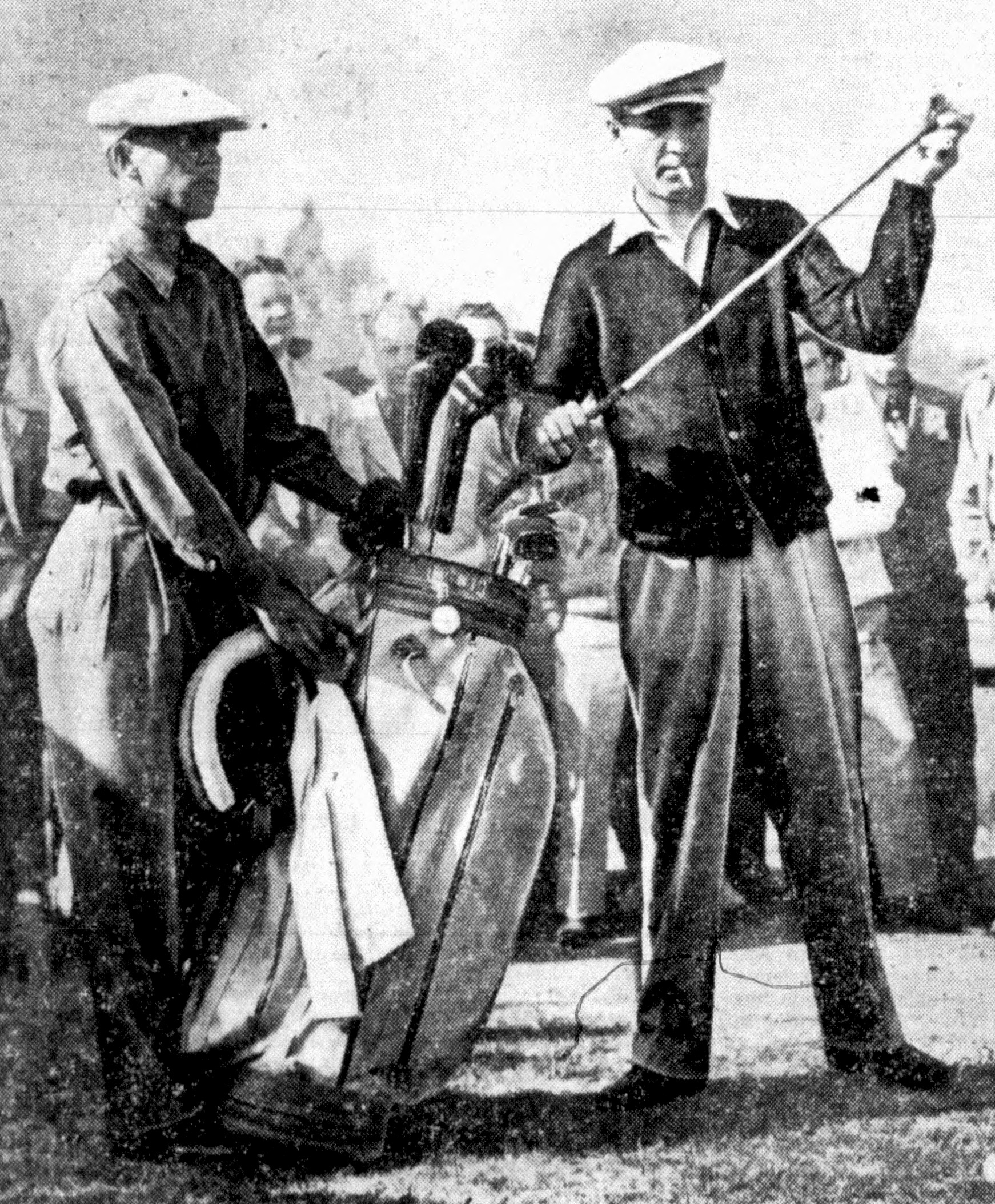
The rate was understood but the actual money depended on how the player had scored, how he felt about it, and whether he had won his bet. A caddie who had done everything right could be paid badly because his man had three-putted, and there was no appeal.
Making a worker’s income depend on the mood of the customer is now confined to a narrow and shrinking set of occupations, and it is contested in all of them. Caddie fees at clubs that still have them are set rates with a tip on top, which is the arrangement every caddie of 1962 would have signed for immediately.
7. Caddying Was How Working-Class Boys Got Into Golf at All
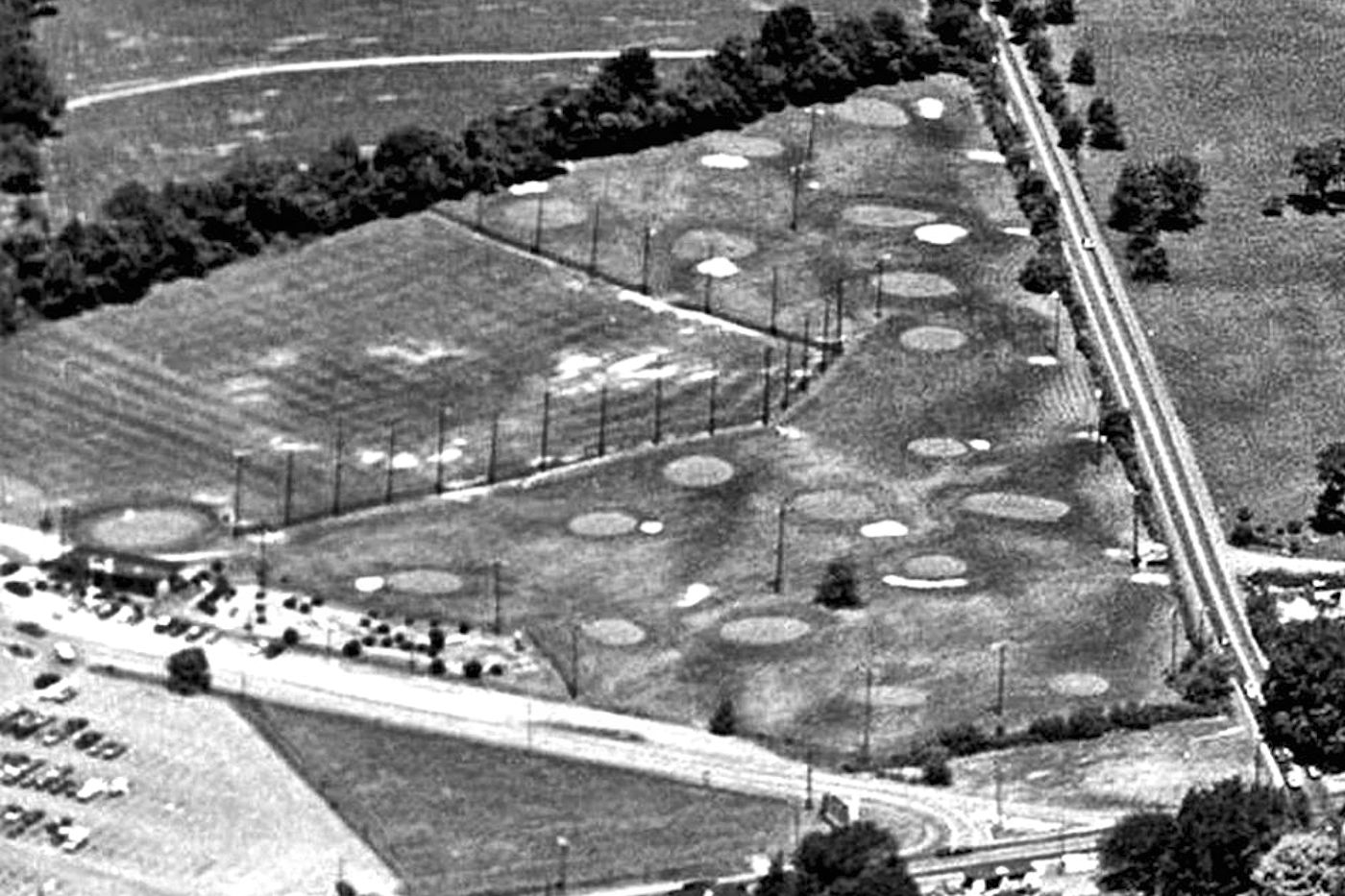
The caddie was frequently the only person at the club who had not paid to be there. Many clubs allowed caddies to play on a Monday, which was the single route by which a boy with no money learned the game properly – and a remarkable number of significant golfers, teachers and club professionals came out of exactly that arrangement.
Caddie Monday has largely gone with the caddies. The replacement routes – junior programmes, public courses, school teams, scholarship funds including several run by caddie associations – are better organised, better supervised and more open on paper. But the specific thing caddying did, which was to put a working-class child inside a private club for eight hours a day with a reason to be there, is not really replicated by anything.
8. The Club Was Segregated and the Caddies Often Were Not
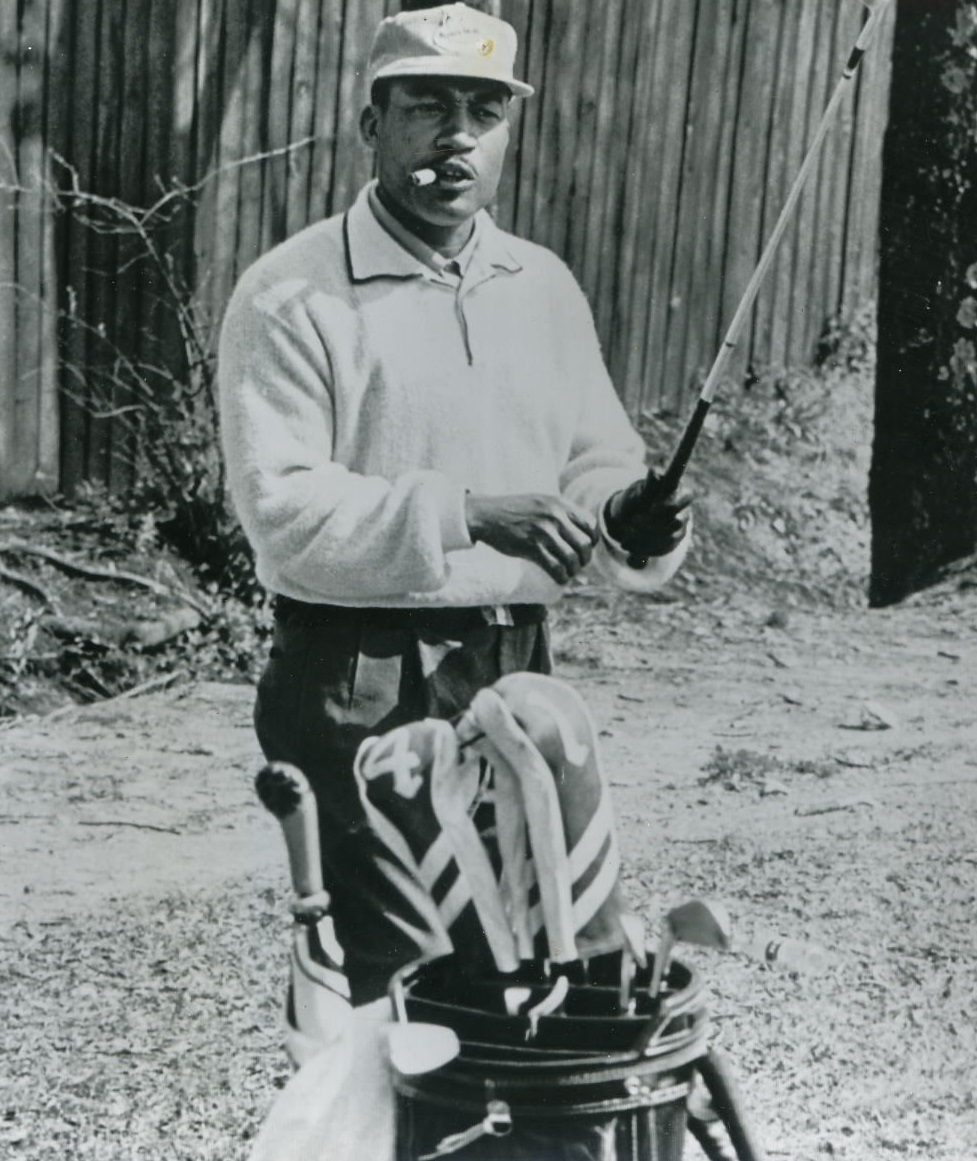
A great many clubs in 1962 excluded Black and Jewish members outright, formally or by practice, while employing Black caddies. The man reading the green was welcome on the course only while carrying a bag, and the clubhouse, the dining room and the locker room were closed to him.
This is the hardest fact in the history of the job and it should not be softened. Golf’s integration was slow and contested at every level, including at the professional tours, and the restrictions on membership at some private clubs persisted for decades after they became indefensible. The caddie ranks are where a lot of Black golfing talent of that era was contained, which is part of why so much of it is undocumented.
9. A Forecaddie Stood in the Landing Zone and Watched Balls Come In

On blind holes a forecaddie walked ahead and stood in or near the landing area to mark where drives finished. He was positioned, deliberately, where the balls were going to land, and his job was to watch them arrive.
Golf balls hit by amateurs do not go where intended, which is the whole reason the job existed and also the reason it is no longer done that way. Head injuries from golf balls are serious. Forecaddies still work on some courses and at tournaments, but positioned with distance, cover and a radio, and the practice of standing a teenager in a landing zone to improve pace of play has gone.
10. The Equipment Was Wood, Steel and Leather, and You Cleaned It
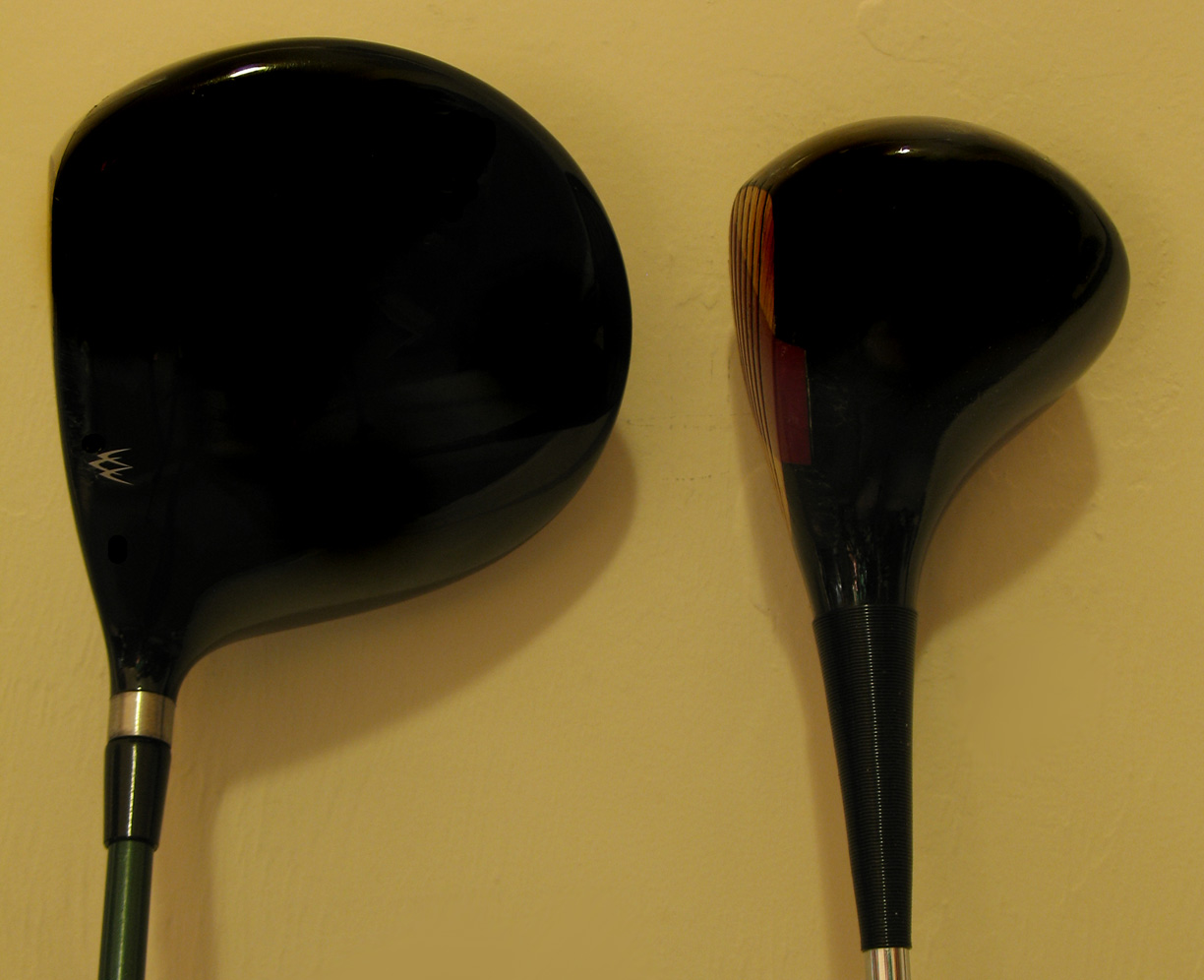
Persimmon-headed drivers that required oiling and could not be left wet, forged blade irons that rusted, leather grips that hardened, and a canvas bag with no stand. Part of the job was cleaning clubs after the round, drying them properly, and knowing which ones would be ruined by neglect.
Metal woods, cast cavity-back irons, synthetic grips and waterproof bags removed the maintenance entirely. A modern set tolerates being left in a wet car boot for a week. The caddie’s role as the custodian of a delicate and expensive set of equipment went with it, and so did a body of practical knowledge about wood, leather and rust that nobody needs any more.
11. Caddies Walked the Course Before Anybody Else Was Awake

Experienced caddies learned the course by walking it at dawn – pin positions, overnight pin moves, where the ground was soft, which greens had been cut and which had been rolled, how the wind sat in a particular corner at eight in the morning.
That information is now printed, measured and distributed. Yardage books, GPS, laser rangefinders and daily pin sheets give any player what used to be a caddie’s private stock of knowledge, accumulated by being there. It is better information and it is available to everybody, which is the fair trade and is also exactly why the caddie’s edge disappeared.
12. Everybody Assumed Boys Would Always Want the Job

In 1962 the caddie shack filled itself. There was no recruitment, no programme and no pay scale, because there was a queue. Golf was expanding, clubs were full, and a boy who wanted summer money walked up and joined the queue.
Two things ended that. The cart removed the demand, and the alternatives improved – the same teenager could earn more, in a shift he could predict, at a fast food counter or a supermarket, without a five-hour wait for a loop that might not come. By the 1980s most clubs had stopped trying. The programmes that have revived caddying since have had to build a genuine case for it, with pay, structure, scholarships and supervision, and the ones that do it properly have waiting lists again.
What the Cart Actually Did
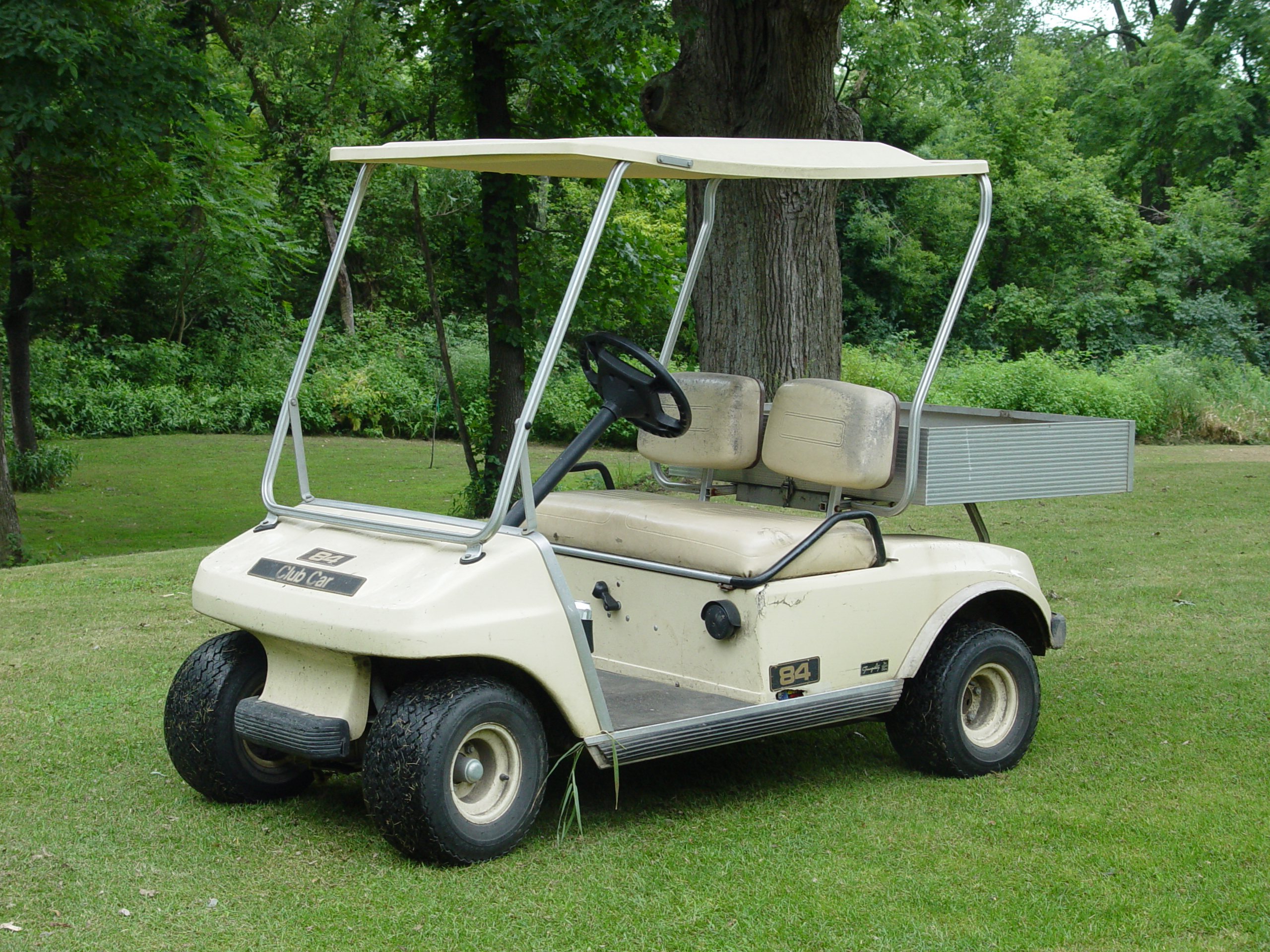
The golf cart is usually blamed for ending the caddie, and it did, but not for the reason people assume. It was not that players preferred riding. It was that the cart made money for the club.
A caddie fee goes to the caddie. A cart rental goes to the operation, requires no roster, no caddiemaster, no shack and no liability for a teenage workforce, and generates revenue on every round whether anybody wants it or not. Once a club had bought a fleet, the fleet had to be used to pay for itself, and the economics pointed one way.
What was lost is worth being precise about. The carrying is not missed by anybody who did it. The waiting, the arbitrary assignment, the dependence on a stranger’s mood, the segregation and the unsupervised shack should not be missed either.
What is missed is the thing underneath all of it: a job that put working-class children inside an institution that would never otherwise have let them through the gate, taught them a game they could not afford, and let a few of them turn it into a career. The modern caddie programmes that work are the ones that understood that was the point, and rebuilt it with the rest left out.
If you looped as a kid, the caddie shack is almost certainly the part you would tell somebody about first.
Which club was it, what was the going rate for eighteen holes, and did they let you play on Mondays?
Like our content? Follow us for more.
