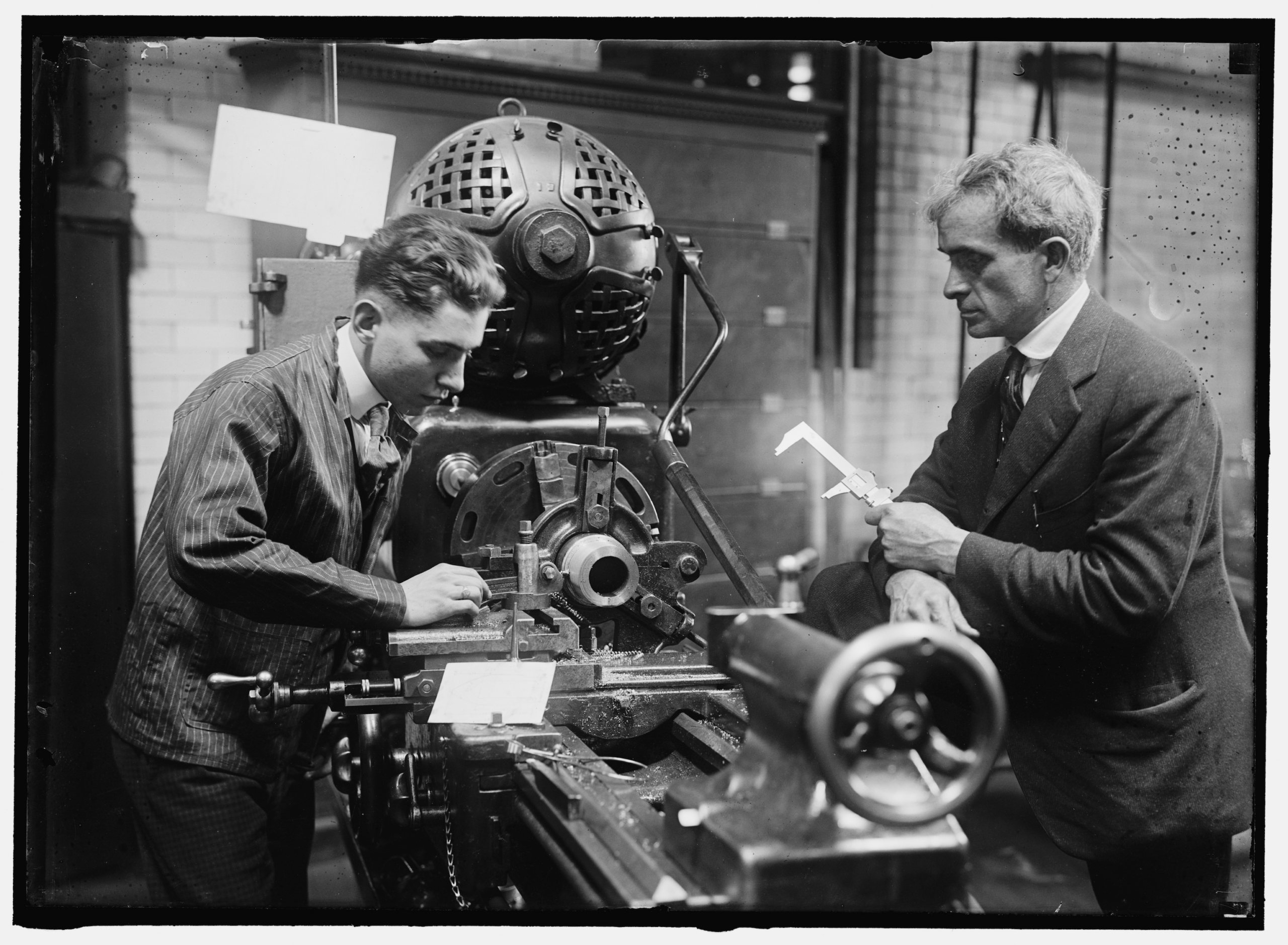
An apprenticeship in the machine trades in 1965 was a four-year indenture at deliberately low pay, served in a shop where the training was informal, the guarding was minimal and the knowledge was transferred entirely at the discretion of whichever journeyman you happened to be standing next to.
It produced some of the most skilled manual workers in industrial history, and it also wasted a great deal of talent, excluded almost everybody who was not somebody’s nephew, and damaged a lot of hearing, eyes and hands.
Here are eleven things an apprentice went through in 1965, and what each one became.
1. You Signed On for Four Years and the Pay Was Deliberately Poor

An apprentice machinist signed an indenture for a fixed term, typically four years, at a percentage of the journeyman rate that stepped up each year – often starting near half. The low pay was understood as the price of the training, and it was explicit rather than disguised.
The bargain only works if the training is genuinely worth the forgone wages and if the qualification is portable at the end, and in the machine trades it was both. What broke the model was not the pay but the length: a four-year commitment made at eighteen stopped being a plausible proposition as employers stopped offering thirty-year careers, and apprenticeship numbers in the trades fell sharply through the 1980s and 1990s before a partial revival.
Like our content? Follow us for more.
2. You Swept the Floor for Months Before You Touched a Machine
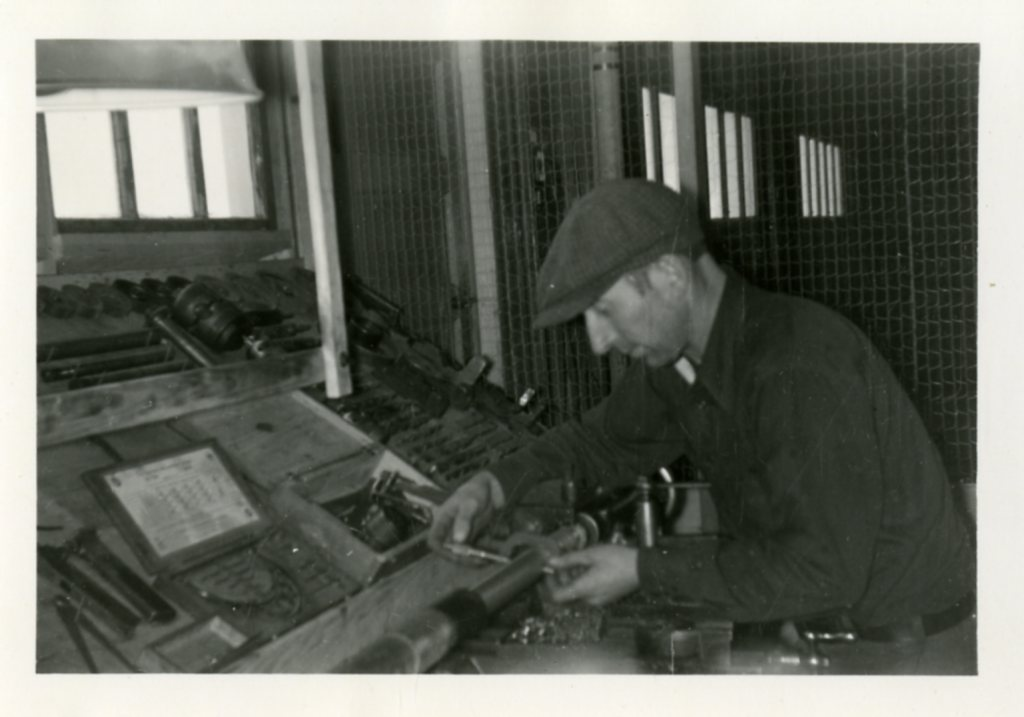
The first year was sweeping, fetching, deburring, cleaning machines, carrying stock, sorting the scrap bin and watching. A new apprentice was not permitted near a lathe or a mill until the toolroom had decided he was worth the time, and that decision was made by the men, not by a training plan.
There was a real pedagogy hidden in it – a boy sweeping under a machine for six months absorbs how it sounds, what swarf should look like, how a setup goes wrong – and there was also a lot of free labour. Modern apprenticeships are structured, with logged competencies, college day release and a defined progression, which is more accountable and loses the osmosis.
3. Everything Was Measured by Hand and Trusted Absolutely
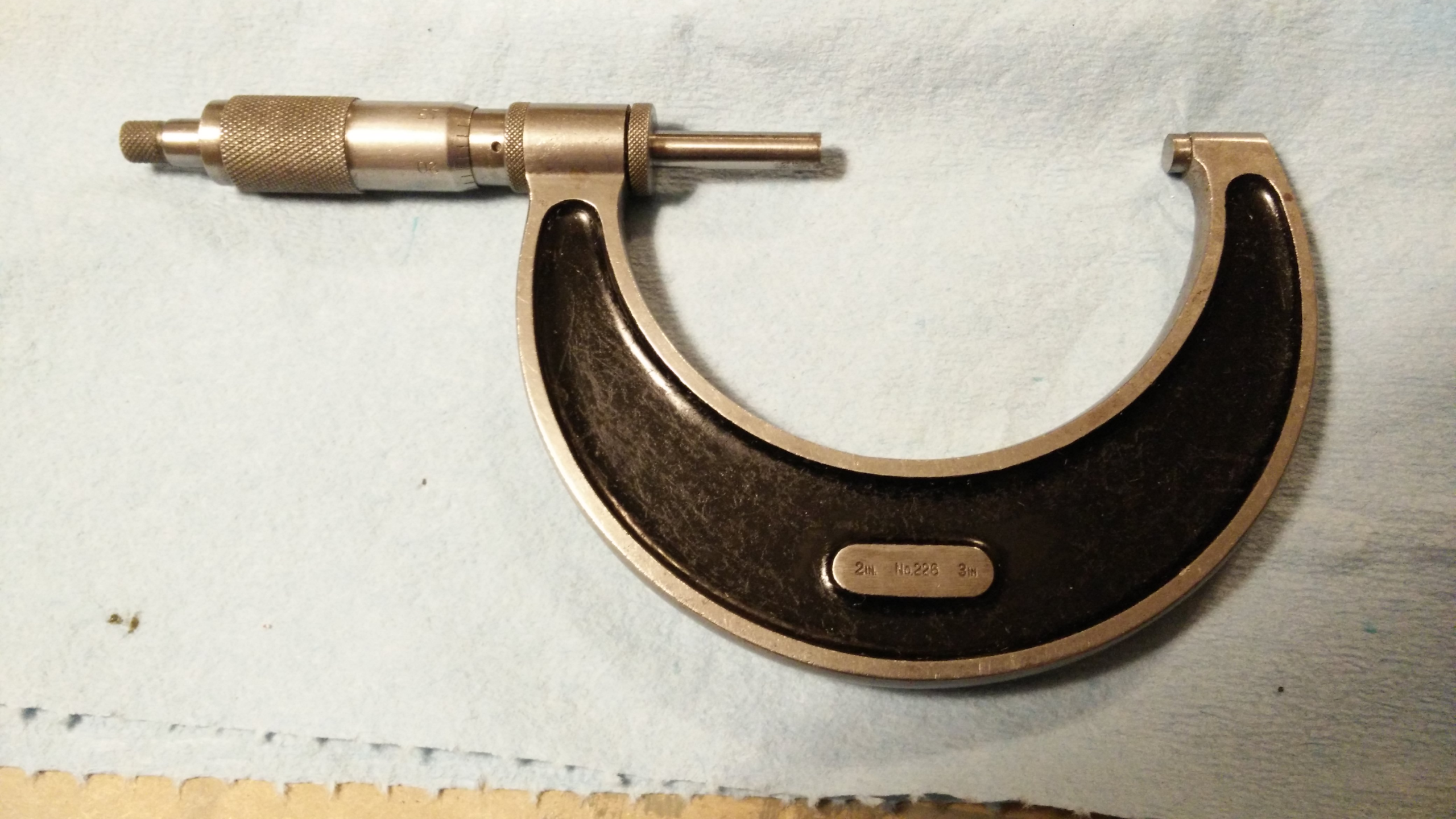
Micrometers, vernier calipers, dial indicators, slip gauges, a surface plate and a scribing block. An apprentice learned to read a vernier to a thousandth, to feel the correct pressure on a micrometer thimble, and to know when his own measurement was lying to him.
Coordinate measuring machines, digital calipers, laser scanning and in-process probing have taken over the volume work and are more accurate and far faster. But the hand skills persist at the top of the trade, because a toolmaker who cannot feel a thousandth cannot tell when the machine is wrong – and the machine is sometimes wrong. This is one of the few items on the list where the old skill is still deliberately taught.
4. There Were No Guards, No Glasses and a Lot of Swarf
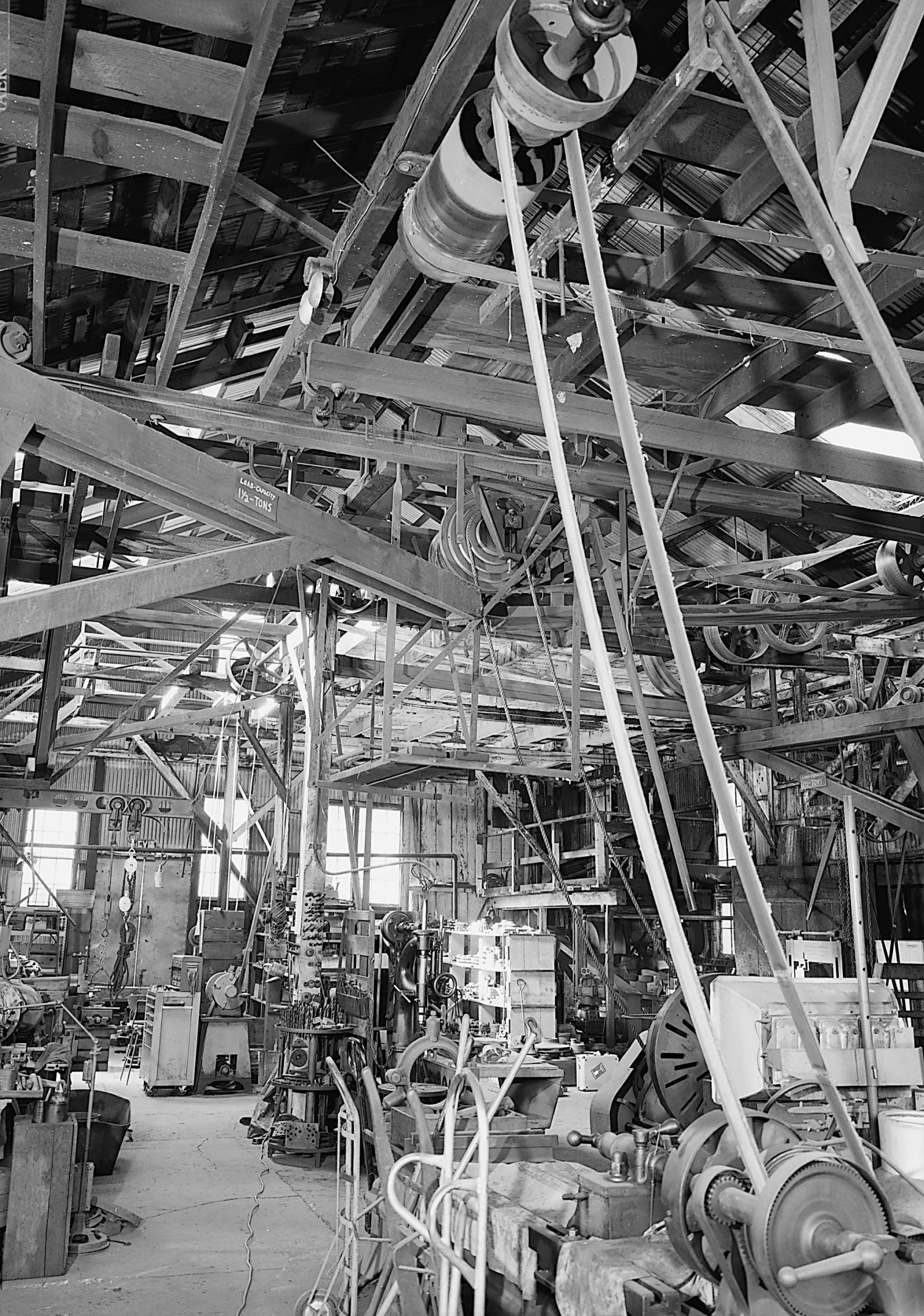
Open belt drives overhead, unguarded chucks, no interlocks, and metal chips flying from every cutting operation. Eye protection was available and frequently not worn. Men cleared swarf from a running machine with their hands or a rag, and reached into a chuck to brush it clear.
Eye injuries and hand injuries in machine shops were extremely common and are the reason guarding, interlocks and mandatory eye protection became non-negotiable through the 1970s. Modern machining happens inside an enclosure with the door shut, and the operator cannot open it while the spindle is turning. The change is entirely engineering rather than exhortation, which is why it worked.
5. Cutting Fluid Went on Your Hands All Day
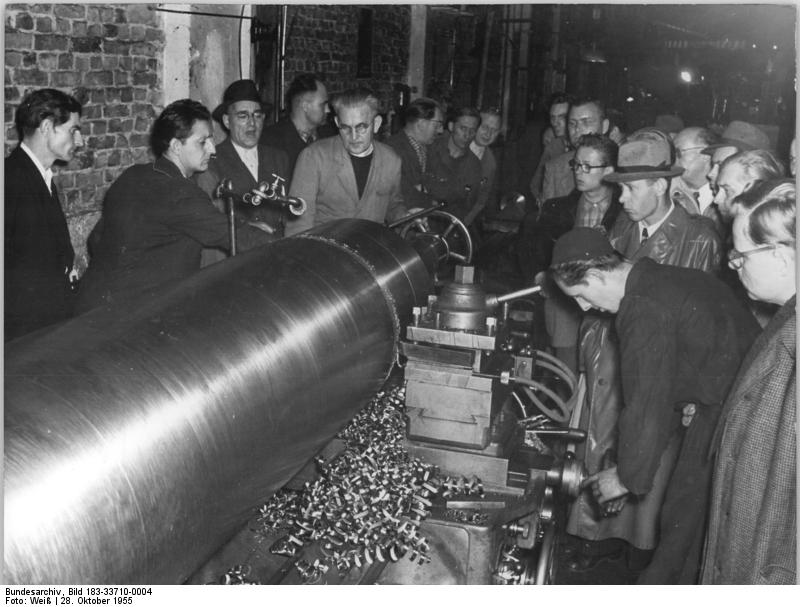
Soluble oil coolant was pumped over the cut, splashed everywhere, and soaked into clothing and skin for a shift at a time. Men wiped their hands on their overalls and ate their sandwiches. The tanks were topped up rather than changed and went sour over weeks.
This is included as workplace history. Prolonged skin contact with machining fluids, and the mists they generate, became a recognised occupational exposure with controls – enclosed machining, mist extraction, fluid management, barrier creams and gloves, and in many shops a requirement to wash before eating. Anybody with an exposure history or a current skin or breathing problem from their own work should take it to a doctor and to their employer, not to a list of old practices.
6. The Noise Was Constant and Hearing Protection Was Nowhere
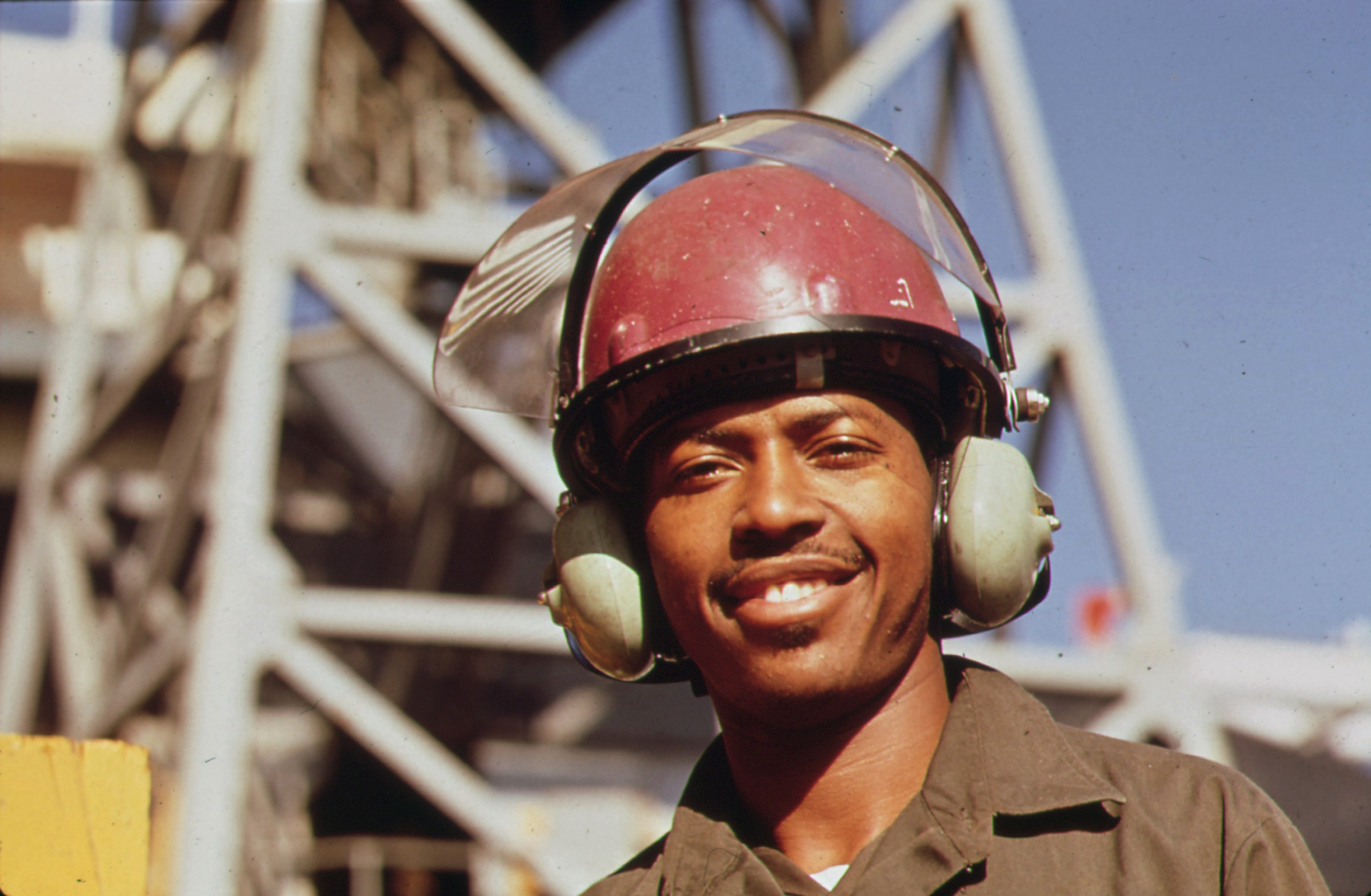
A shop full of lathes, mills, shapers, planers, power hacksaws and an overhead line shaft is loud all day, with the hammer blows and air blasts on top. Nobody wore anything in their ears, and the older men spoke loudly.
Hearing conservation programmes – measured exposure, provided protection, periodic testing – came with the general industrial regulation of the 1970s. It is remarkable how uniformly this one item appears in every trade in this period and how uniformly it was ignored, given that the solution had been available and cheap for decades.
7. You Made Your Own Tools and Kept Them
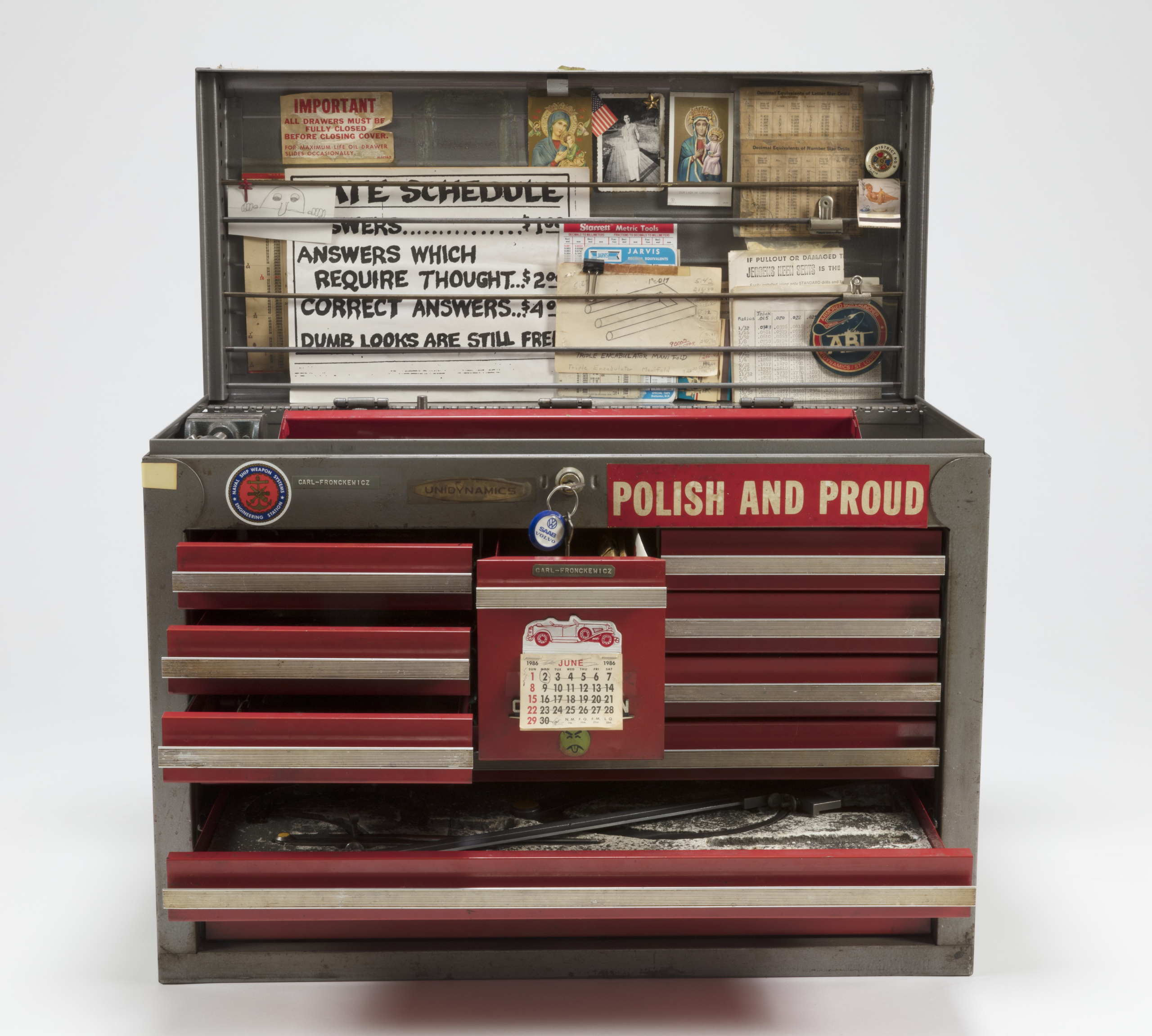
An apprentice made his own toolbox, his own scribers, his own clamps, a surface gauge, a set of parallels, and a test piece to prove he could hold a tolerance. The toolbox went with him for his whole career and was frequently the first thing a new employer looked at.
Making the tools was the examination: a hand-cut dovetail, a lapped surface, a thread cut to gauge. The practice persists in good apprenticeships for exactly this reason – you cannot fake a test piece. What has gone is the economic logic of a personal tool kit built over four years, because a modern shop supplies the tooling and the inserts are consumable.
8. The Journeymen Taught You and Could Also Make You Miserable
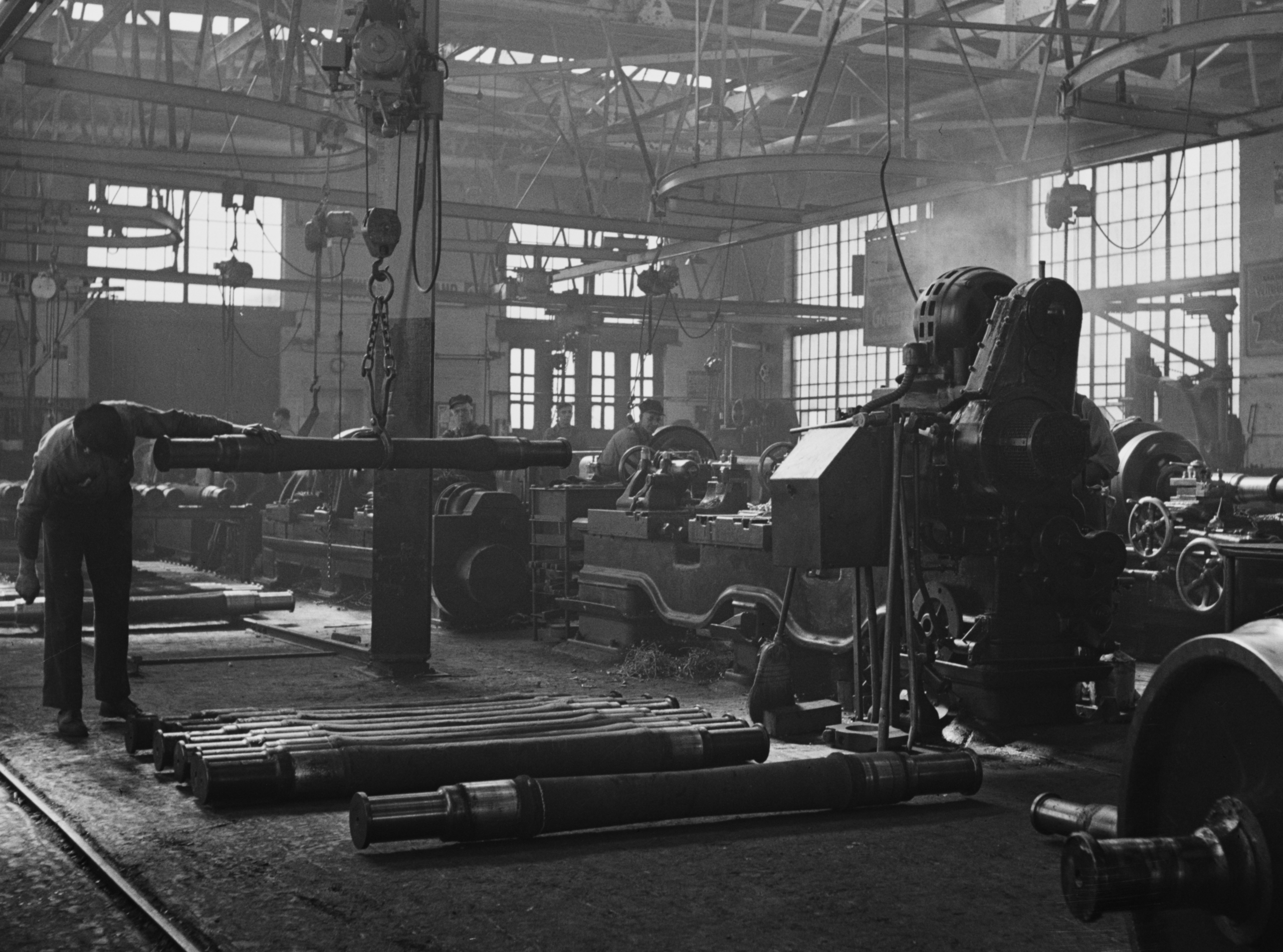
Instruction was informal, unpaid and dependent on which man you were put beside. A generous journeyman made a tradesman of you. A resentful one gave you nothing, sent you for a left-handed spanner, and let you ruin a job to teach you a lesson about ruining jobs.
Hazing and deliberate withholding of knowledge were both common, and the latter was partly rational – a man who had spent fifteen years acquiring a skill was being asked to give it away to somebody who would eventually compete with him. Structured apprenticeship with assigned, trained mentors and documented competencies exists primarily to remove that lottery, which is a real improvement that old hands describe as softness.
9. Drawings Came in Blueprint and You Read Them or You Were Finished
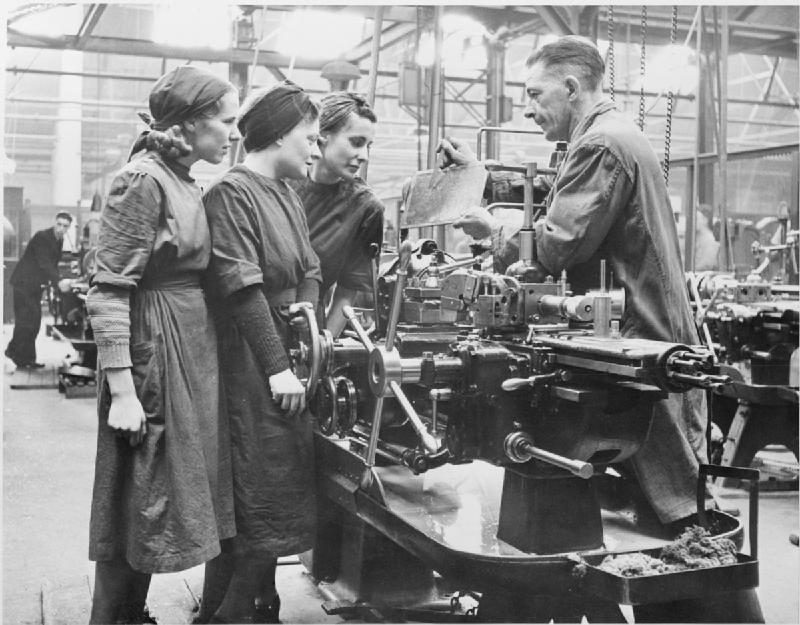
Working from a drawing – interpreting views, sections, tolerances, surface finish symbols and geometric tolerancing – was the core intellectual skill of the trade, and it was taught by being handed a drawing and expected to produce the part. An apprentice who could not read a drawing had no future regardless of how well he could turn.
Drawings are now models. A modern machinist works from a 3D file that drives the toolpath, with the dimensions embedded rather than interpreted, and the skill has shifted towards programming, work-holding strategy and process planning. Drawing interpretation is still taught because somebody has to verify the part, but the generation that could read a complex blueprint cold is thinning out fast.
10. The Trade Was Closed, and That Was the Point
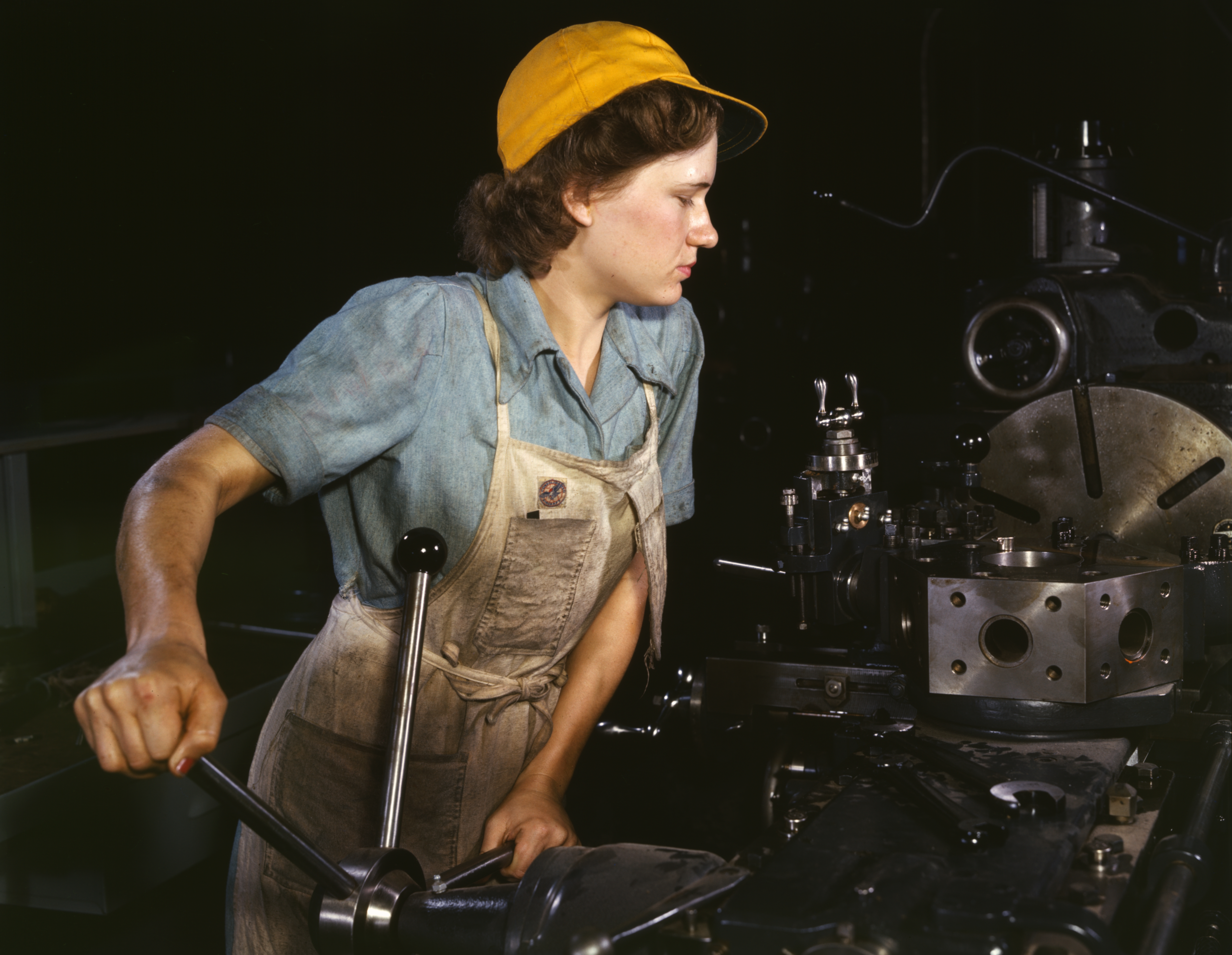
Entry was controlled – by the union in organised shops, by the employer elsewhere, and in both cases by who you knew. Apprenticeships were scarce, allocated to sons and nephews, and almost entirely closed to women and heavily restricted for Black workers in much of the country.
Scarcity was the mechanism that protected the wage, and it was the mechanism that excluded people, and those are the same mechanism. Federal action on apprenticeship discrimination from the 1960s onward, consent decrees in several trades and sustained litigation opened entry substantially. The trades remain heavily male and the industry now has a shortage of skilled machinists rather than a queue, which is the exact reverse of 1965 and has done more to open the door than any amount of goodwill.
11. Nobody Said the Word Computer
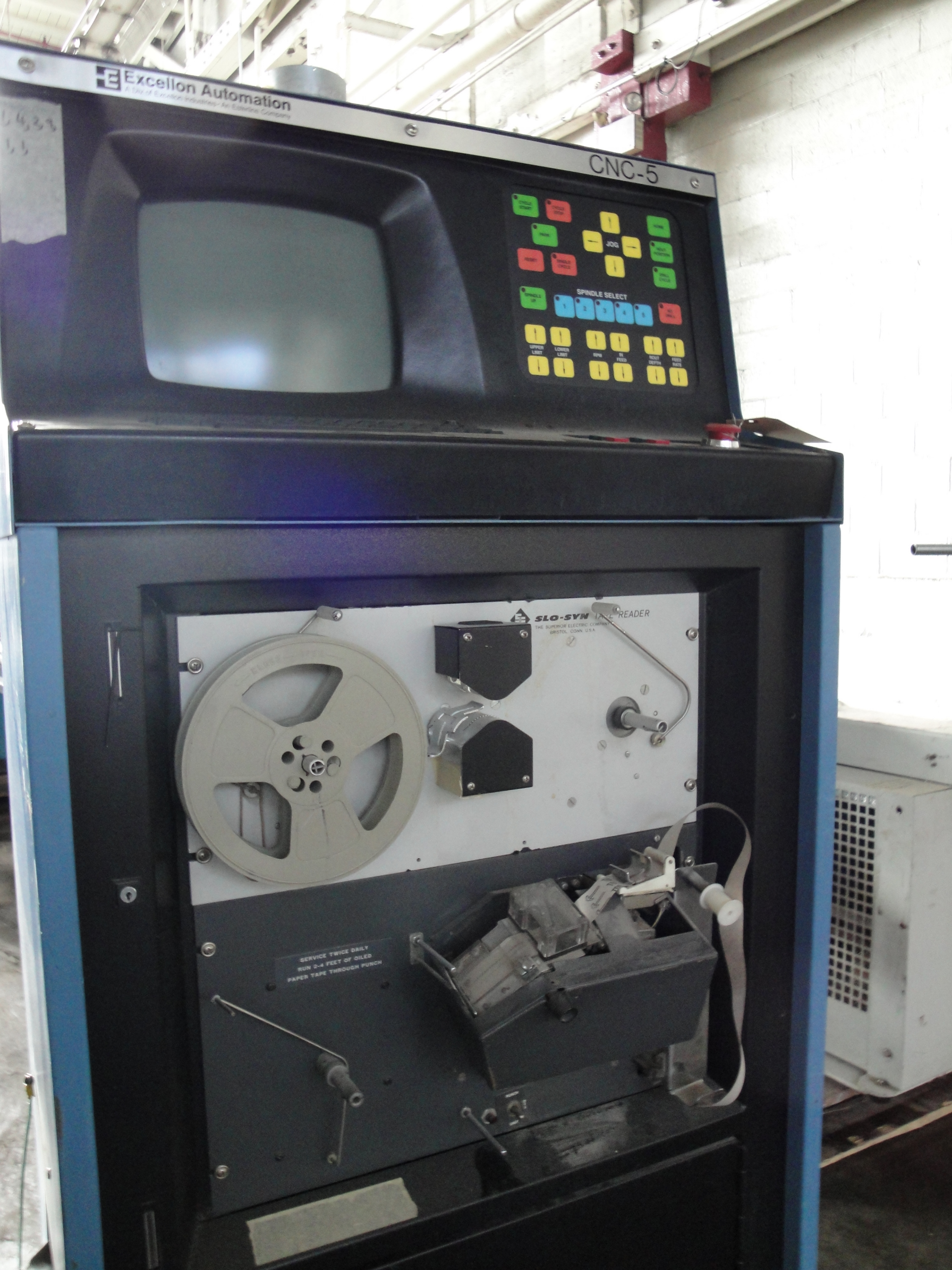
In 1965 numerical control existed, was expensive, and was found in aerospace and a handful of large shops, read from punched tape. The ordinary jobbing machine shop ran manual machines operated by skilled men, and the idea that the machine would hold the tolerance rather than the man was not part of the trade’s self-image.
Computer numerical control changed what the skill is rather than removing it. A modern machinist programs, sets up, selects tooling and work-holding, proves the first part and manages process capability – more technical than the old job in several respects and less physical. What genuinely went is the premium on manual dexterity, and with it the particular pride of a man who could hold a tenth of a thousandth with his hands on the wheels, which was the whole status system of the toolroom.
What the Trade Looks Like Now
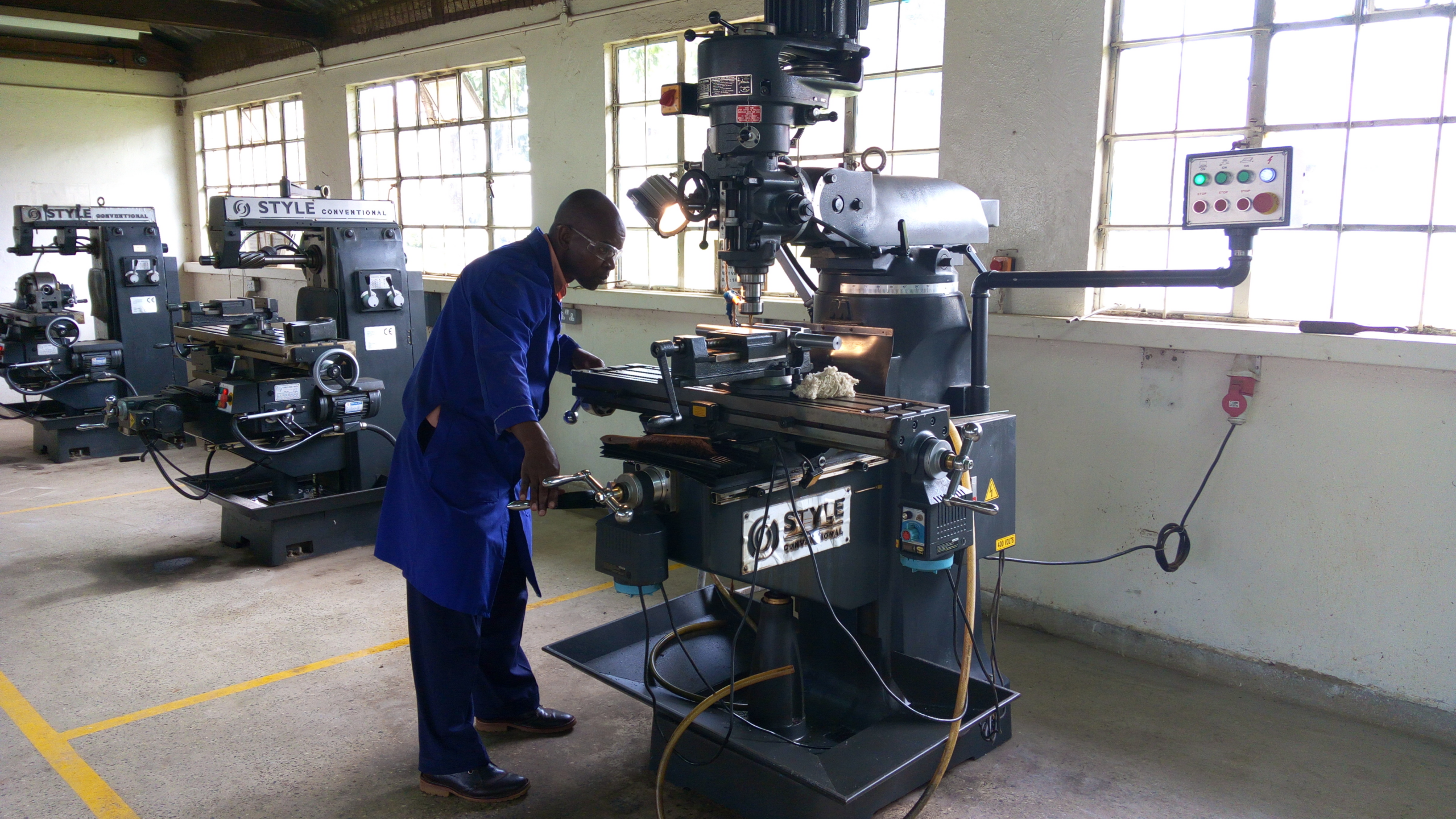
The machine trades are one of the few places on this list where the work got better and the jobs did not disappear. There are fewer machinists than in 1965, but the shortage is of people rather than of work, and a qualified machinist is one of the more secure and better-paid skilled positions available without a degree.
The job changed in three ways. The machines became enclosed and interlocked, which removed almost all the physical risk. The skill moved from the hands to the setup and the program, which made it less about dexterity and more about planning. And the training became structured – logged, examined, portable, and open to anybody who applies rather than to anybody who is related to somebody.
What the old hands say was lost is the depth. Four years beside one journeyman in one toolroom, making your own tools and ruining your own work, taught a kind of knowledge that a competency log does not capture, and nobody has worked out how to put that back into a system that also has to be fair, safe and finish on time.
The honest summary is that the modern apprenticeship is a better deal and a shallower education, and the trade is still arguing about the exchange rate.
If you served one, the item everybody mentions first is the toolbox you made and whether you still have it.
What shop was it, how long was the indenture, and what was your test piece?
Like our content? Follow us for more.