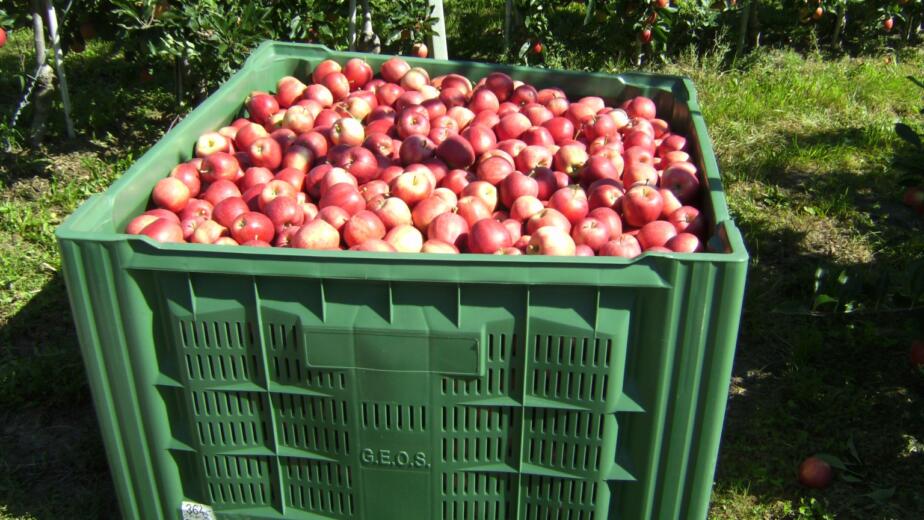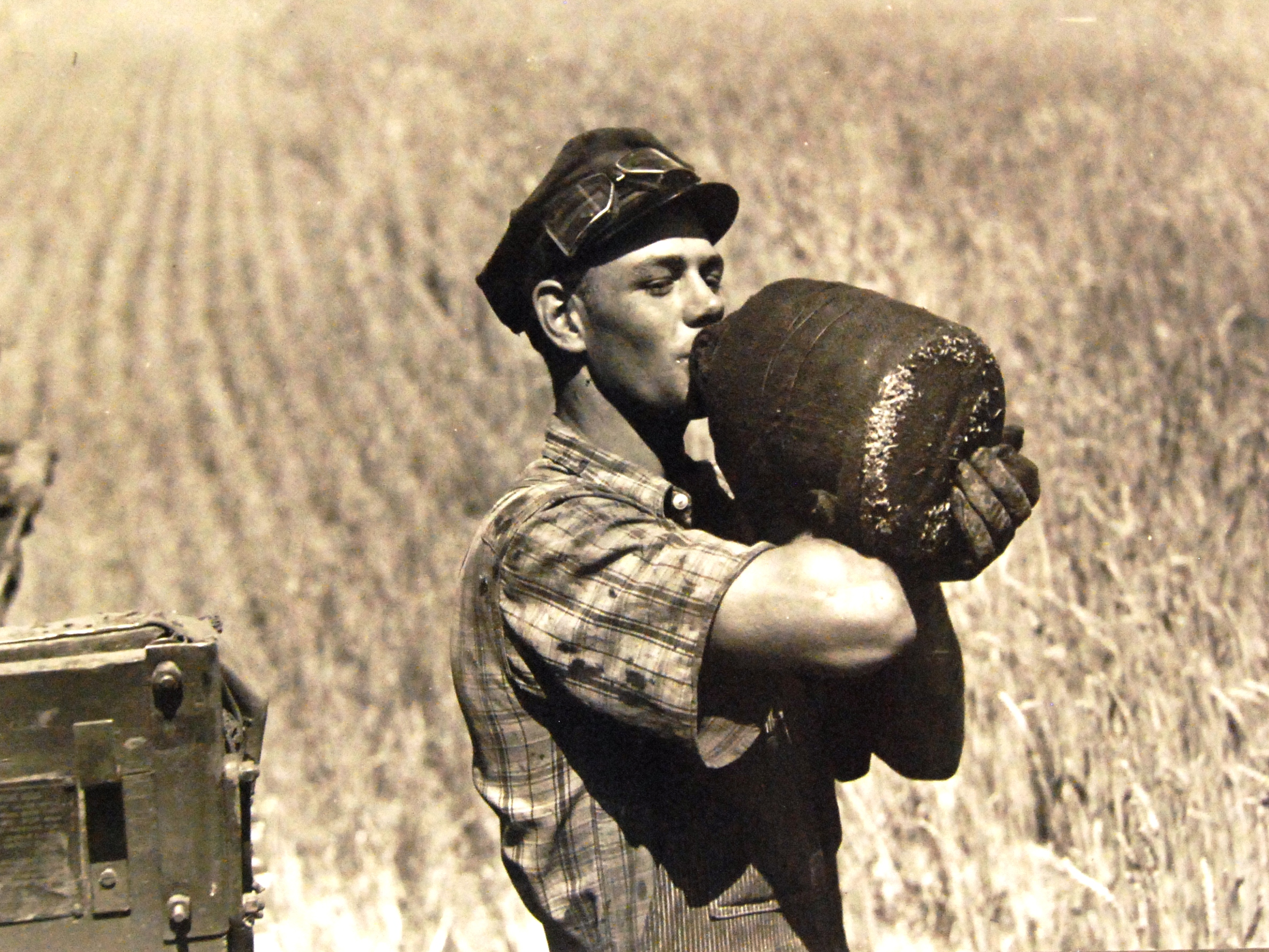
In 1964 the jug taken out to an American hayfield was a glass or stoneware jug sewn into a burlap sack, soaked wet and set in the shade, where evaporation held it cool for hours.
And what was in it was almost never plain water. It was water with cider vinegar and molasses and ginger. Or heavily sweetened cold tea. Or thin oat water with a pinch of salt. Because everybody knew that plain cold water was the wrong thing for a working person in heat – which is not true, and which produced behaviour that was very nearly right.
Everybody drank from the same dipper. Some of them drank hot coffee in July on purpose. Here are twelve things every field worker knew.
1. The Jug Was Wrapped in Wet Burlap
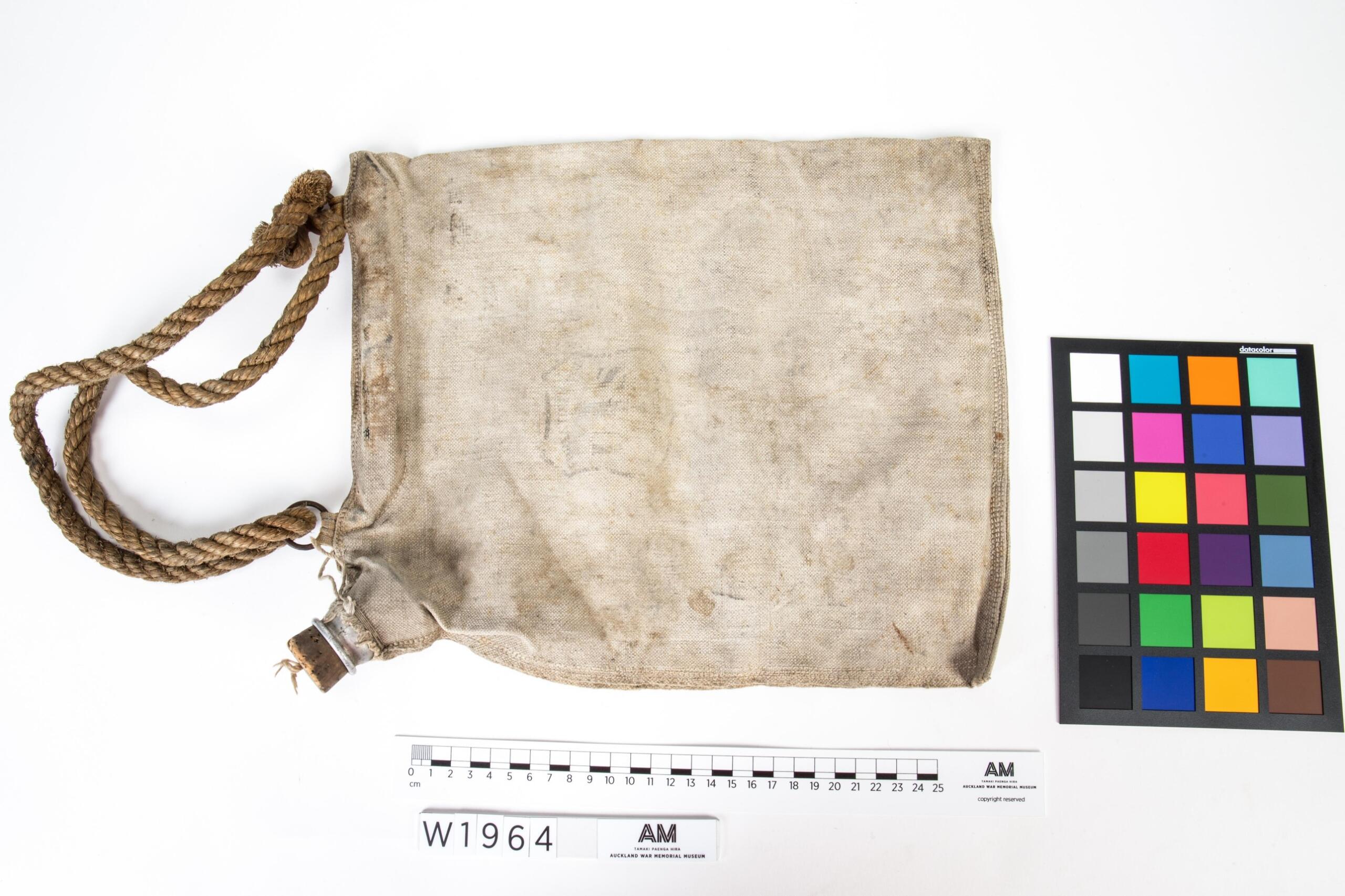
The water jug taken to the field was a glass or stoneware jug sewn into a burlap sack, soaked with water before it went out and set in the shade – with evaporation from the wet cloth keeping the contents cool for hours.
Insulated coolers and vacuum bottles, which hold a temperature far better and require nothing to be kept wet.
The wet burlap is genuinely good engineering and it is worth understanding. Evaporating water carries heat away, so a wet jacket in moving dry air will hold a jug well below the air temperature – which is the same principle behind every evaporative cooler ever built, applied with a sack and some string.
Like our content? Follow us for more.
2. Nobody Carried Plain Water if They Could Help It
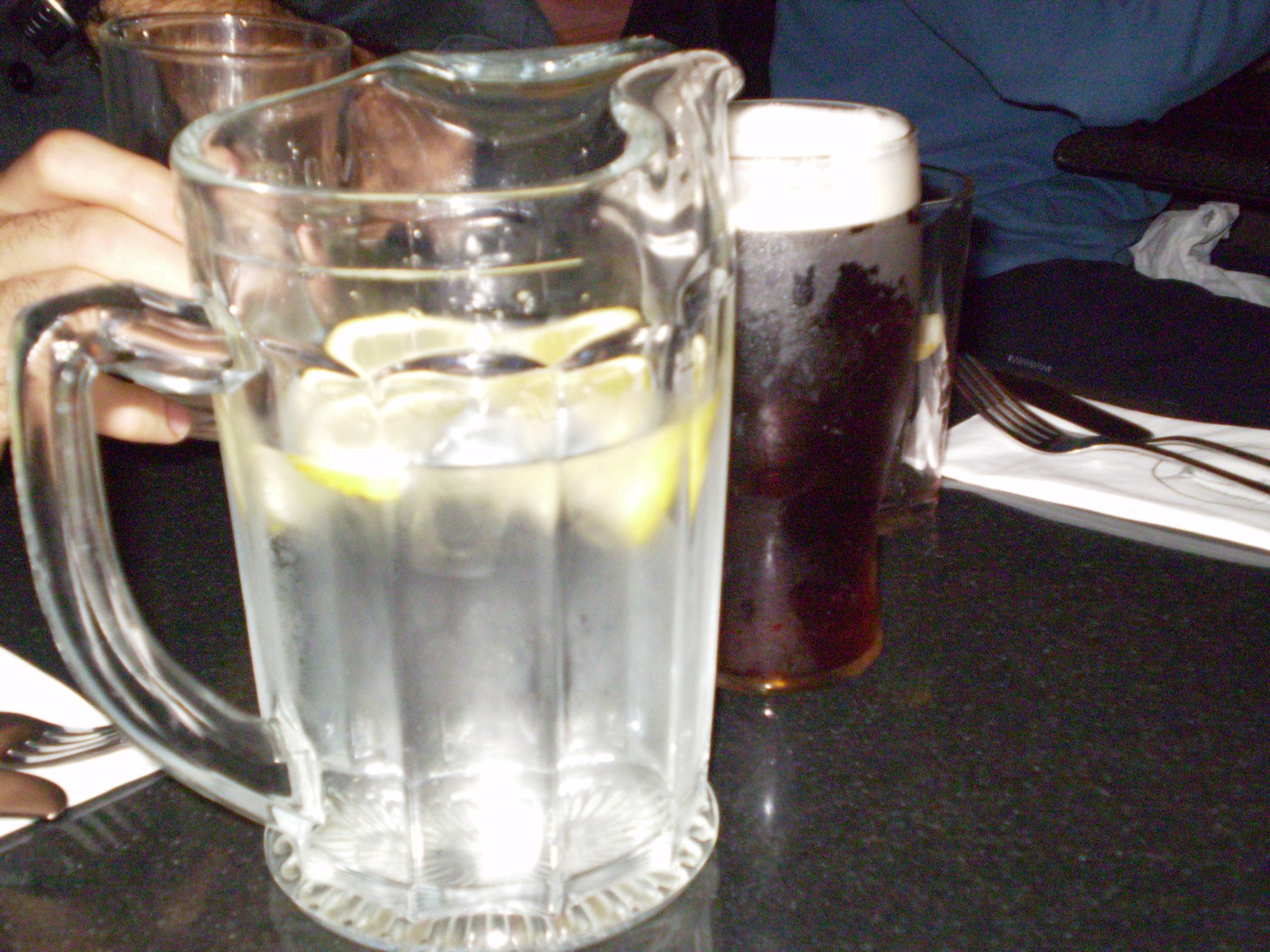
Field drink was flavoured – vinegar and sweetening, cold tea, lemonade, oatmeal water, molasses water – on the firm understanding that plain cold water was not the right thing for a working person in heat.
Water, commercial sports drinks and soft drinks, with the flavoured farm preparations almost entirely gone.
That preference is the whole subject of this list and it was universal. Across an enormous range of American farm country, in different regions with different crops and different ethnic backgrounds, people independently arrived at the same conclusion: you add something to the water before you take it to the field.
3. The Vinegar Drink Had a Dozen Names
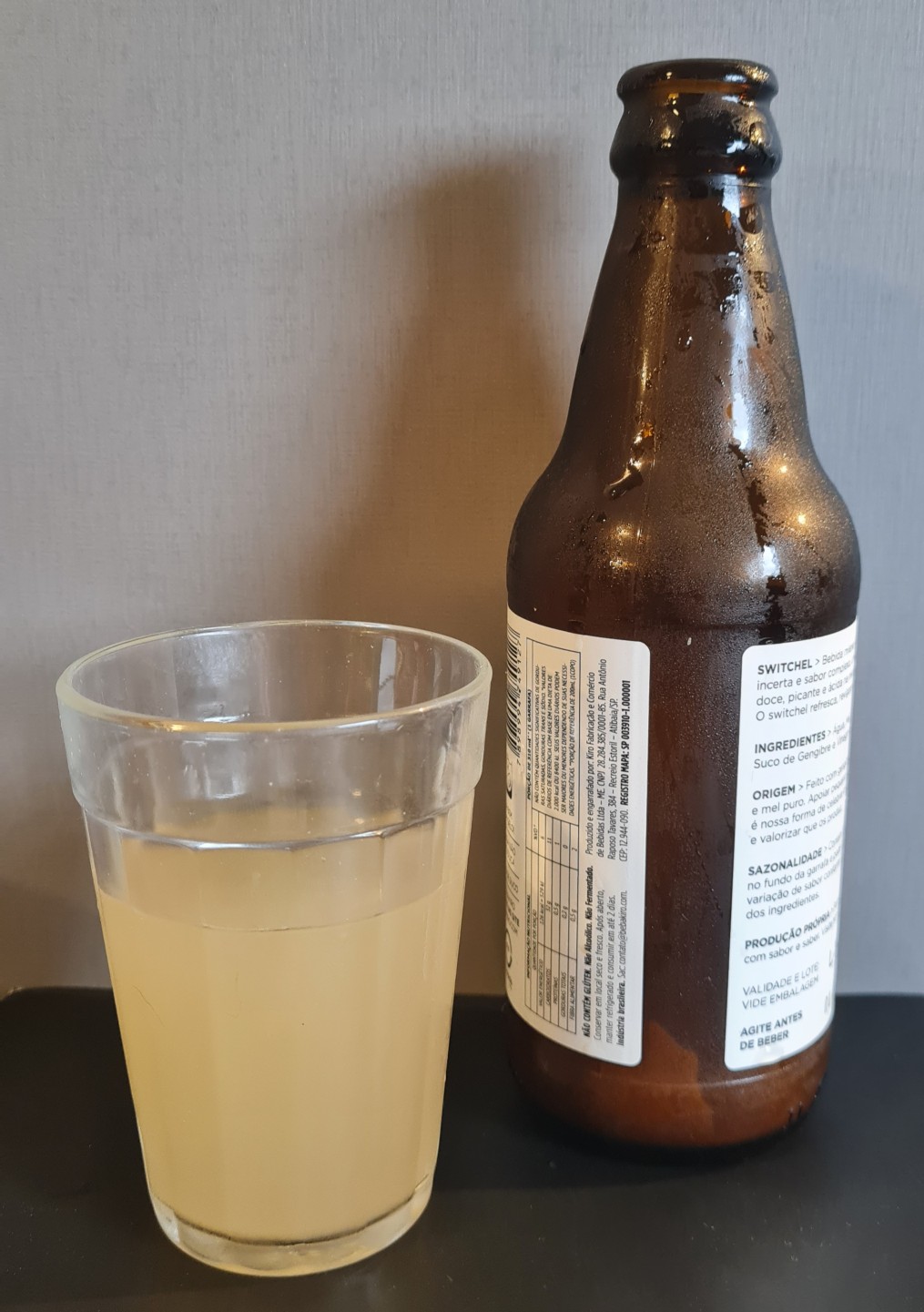
Water, cider vinegar and a sweetener – molasses, sorghum, honey, maple or plain sugar – often with ginger, mixed in a jug and taken to the field, known by different names in different places.
Essentially gone from working use, with a small revival as a novelty and a health drink under its oldest name.
The formula is remarkably consistent across regions that had nothing to do with each other, which tells you it was arrived at by result rather than by fashion. Sour, sweet, cold and slightly sharp is a combination people found they could keep drinking in heat – and keeping drinking was the entire point.
4. The Reason Given Was Wrong and the Behaviour Was Right
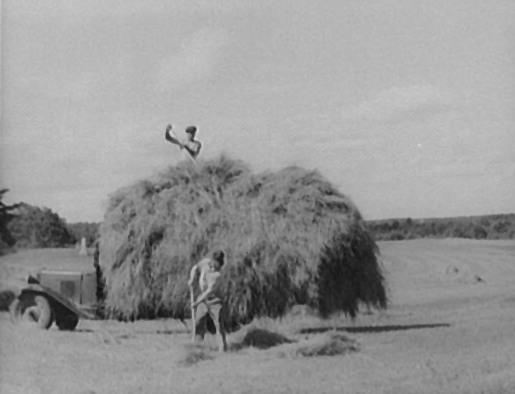
The stated reason for not drinking plain cold water was that it would harm an overheated person – cramp them, shock them, make them sick – which is not how any of that works.
Current guidance on fluids in heat, which is specific, evidence-based and freely available, and which anybody working in heat should be following rather than any folk rule.
But look at what the wrong explanation produced. It made people sip a cool, slightly sweet, slightly sour drink steadily through the day instead of gulping a lot of very cold water occasionally – and that is a considerably better pattern of behaviour, arrived at through a mechanism that was completely mistaken.
5. Sweetening Was Not for the Taste
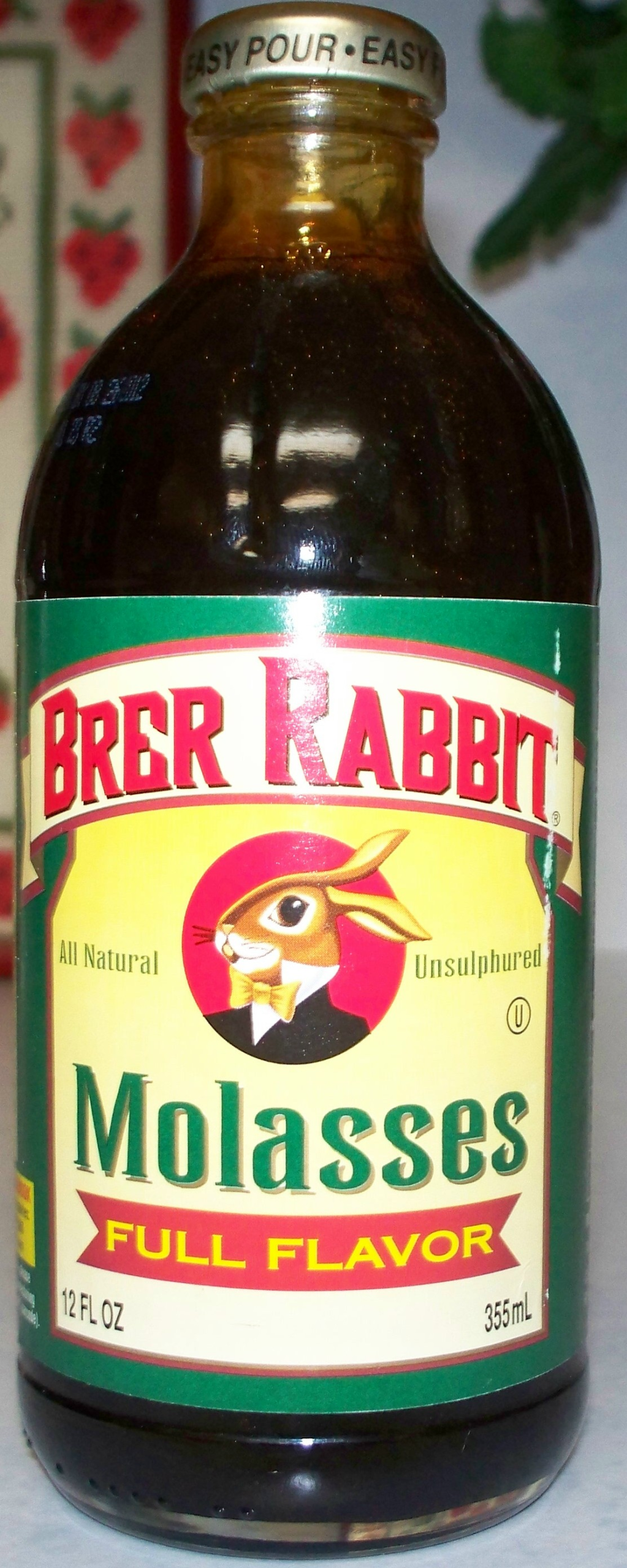
The sugar, molasses or sorghum in a field drink was understood as something that helped a working person keep going, rather than as a flavouring – and the amount was not small.
Carbohydrate in sports drinks, formulated deliberately and labelled, on an explicit and well-documented rationale.
People had worked out by result that sweetened drink helped during long physical work, without any theory of why. Molasses and sorghum also carry minerals that refined sugar does not, which means the traditional version was doing more than the sweetness alone – though no household was choosing it for that reason.
6. Oatmeal Water Was a Real and Widespread Thing
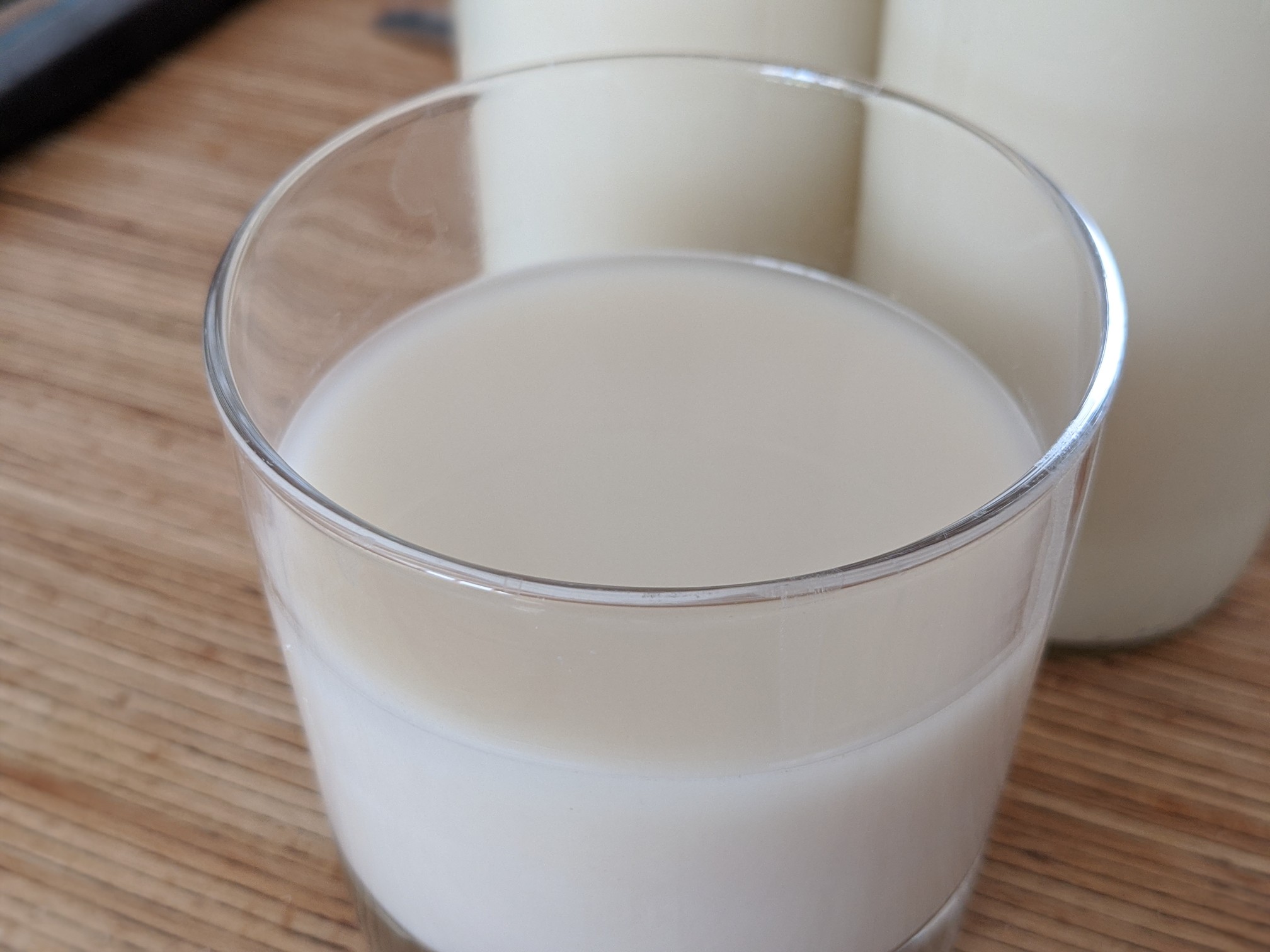
Oatmeal or oat flour stirred into water, sometimes with sweetening and a little salt, taken cold to the field – thin, slightly cloudy, and regarded as more sustaining than water.
Gone from field use, and now present in a different form as commercially produced oat drinks sold for other reasons entirely.
Oat water appears independently in farming and labouring traditions across several continents, which is a strong signal. When people doing heavy physical work in widely separated places all arrive at thin oat drink, they are responding to something real about what it does.
7. Sweet Tea Was the Field Drink Across Whole Regions
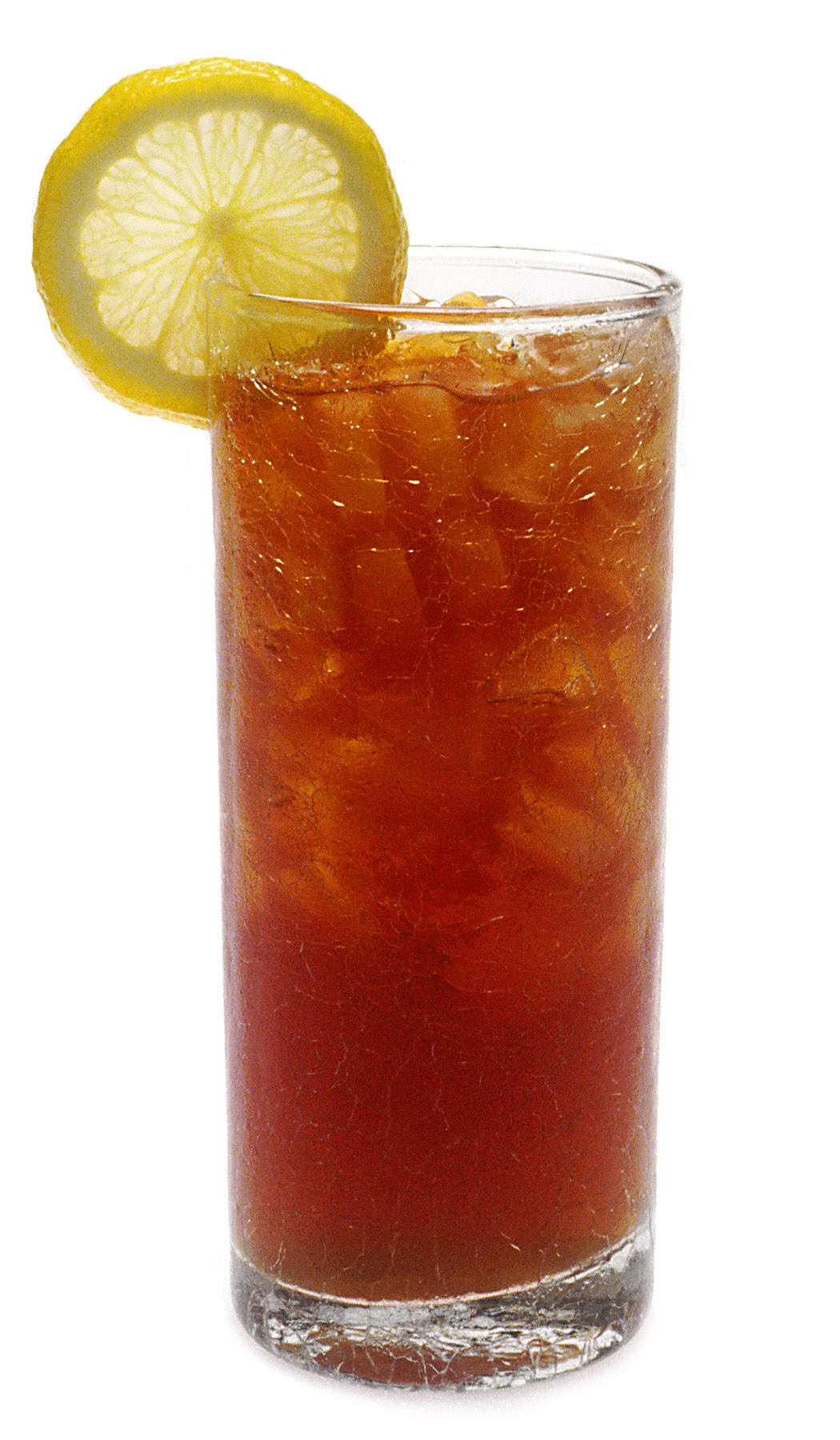
In a large part of the country the jug held cold tea, heavily sweetened, sometimes with lemon – made in quantity in the morning and taken out at mid-morning and again in the afternoon.
Still enormously popular as a beverage, with the field-work context largely detached from it.
Sweet tea’s association with hot regions is not a coincidence or purely a matter of taste. It is cold, it is sweet, it has caffeine, it can be made in volume cheaply, and it keeps for a day – which is a precise match to the requirements of outdoor work in a hot climate.
8. The Jug Had a Place and Somebody Was Sent For It
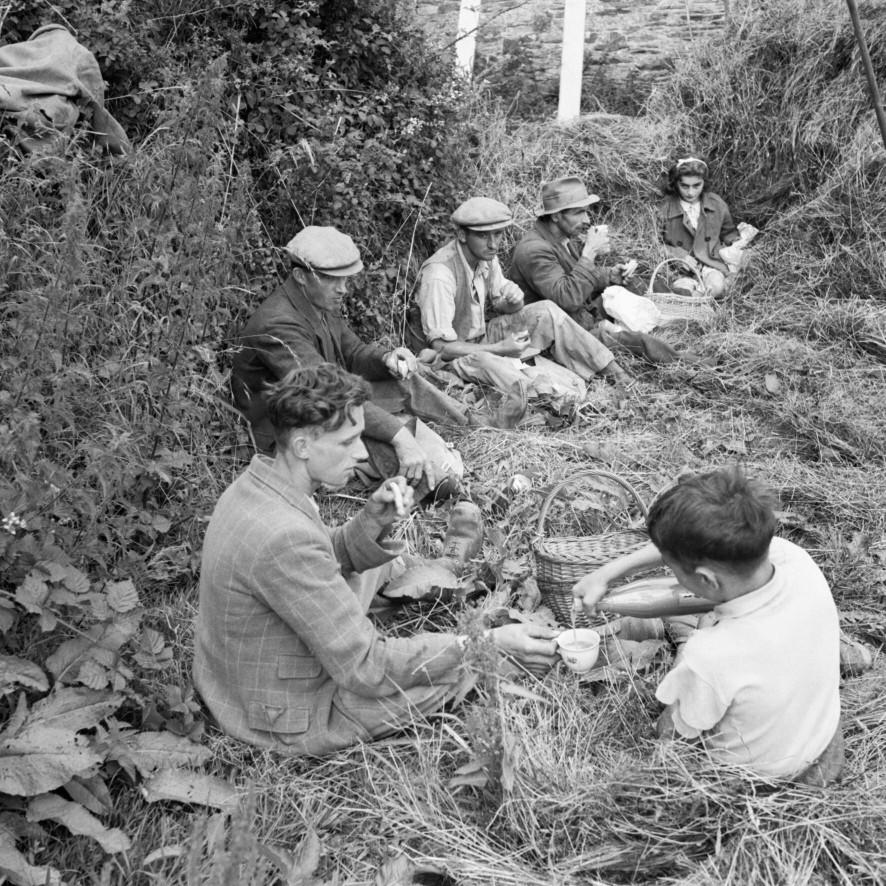
The jug sat in a fixed spot – under a wagon, in a fencerow, at the end of the row, in the shade of a tree – and sending a child to fetch it or refill it was a recognised job.
Water carried individually by each person in their own bottle, with the common supply and the errand both gone.
The shared jug in a fixed place structured the working day and that is easy to miss. Going to the jug was the break, everybody went to the same place, the stops happened together, and the whole crew’s rhythm was organised around a container sitting under a tree.
9. Everybody Drank From the Same Dipper
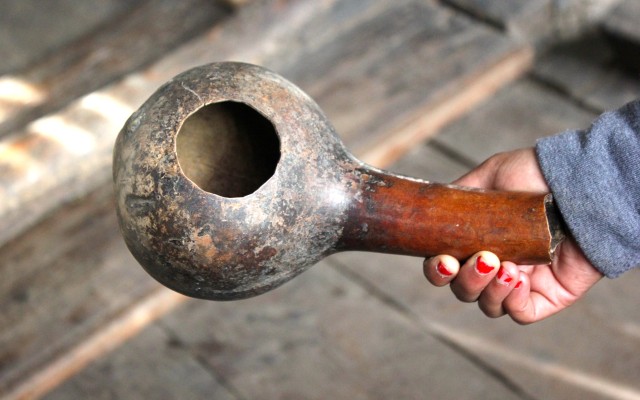
A common dipper, cup or the jug itself went from mouth to mouth around the whole crew and the whole family, all day, without anybody thinking about it.
Individual containers universally, with the common drinking vessel eliminated in every setting.
The common dipper was a real and well-understood route for transmitting disease, and getting rid of it in fields, schools and public buildings was one of the plain public health wins of the twentieth century. It is also the single detail from this whole list that modern readers find hardest to believe.
10. Hot Coffee in Hot Weather Was Normal
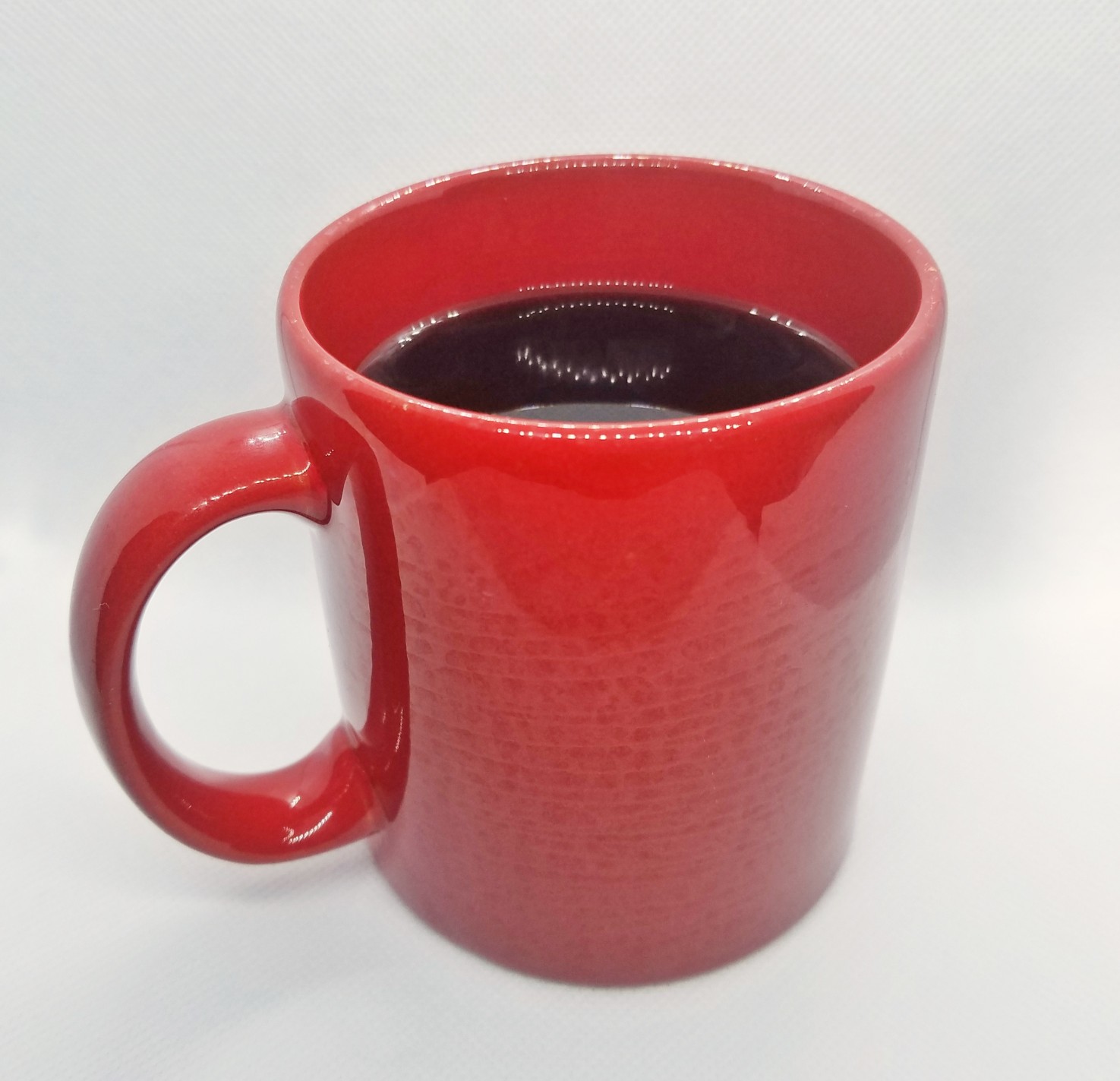
A great many field workers drank hot coffee at mid-morning in high summer, and defended the practice, and were not being perverse about it.
Iced coffee and cold drinks, with hot coffee in heat now a minority habit explained as personal preference.
There is more to this than stubbornness. A hot drink prompts sweating, sweating is how a body sheds heat, and in dry conditions where that sweat can evaporate the net effect is not what you would assume – which is a question still studied and still not entirely simple.
11. Nobody Drank Enough and the Consequences Were Visible
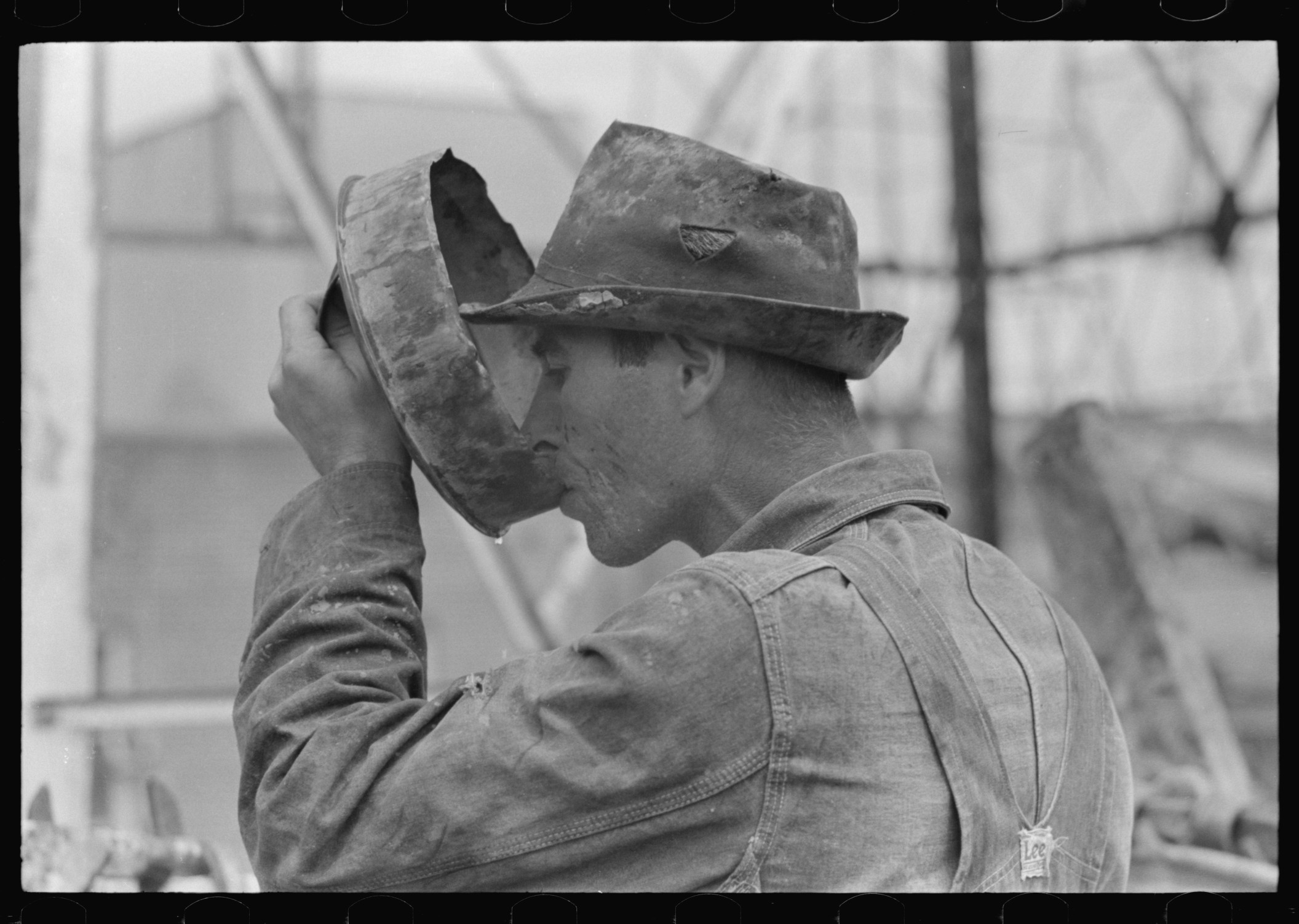
Despite all of it, field workers habitually drank less than they needed in heat, and the results – headaches, exhaustion, people having to stop and sit in the shade – were treated as an ordinary part of a hot day’s work.
A recognised occupational hazard addressed through specific guidance on fluids, rest and shade, with outdoor heat exposure now a subject of serious attention.
Treating it as ordinary is the part that has changed and should have. The symptoms people accepted as what a hot day felt like were a recognisable problem with a known response – and this piece deliberately gives no guidance on any of it, because anybody working in heat should be following current authoritative advice.
12. Then the Sports Drink Industry Reinvented the Jug
In 1964 the drink taken to an American hayfield was water, cider vinegar and molasses with ginger, or sweetened cold tea, or thin oat water with a pinch of salt – preparations arrived at by trial and error across generations, with no theory behind them and a completely mistaken explanation attached.
Commercially formulated drinks containing water, carbohydrate, sodium and other electrolytes, developed through research, labelled precisely and sold everywhere – which is, in its essentials, the same idea.
And the convergence is the genuinely interesting thing here, provided it is not overstated. What the old field drinks had in common was water, a meaningful quantity of sugar, something sour to keep it drinkable in quantity, and in the molasses and oat-and-salt versions some mineral content including sodium. A modern sports drink contains water, carbohydrate, sodium and other electrolytes, with the proportions established by research and printed on the label. Those are recognisably the same components, reached twice by completely different routes – once by generations of people noticing what let them keep working through an afternoon, and once by laboratory work on exactly that question. The farm version was imprecise, inconsistent from one household to the next, and attached to an explanation about cold water harming a hot body that was simply false. The commercial version is measured and correct about why. But the behaviour the false explanation produced was close to right: sip something cool, slightly sweet and slightly sour, steadily, all day, rather than gulping very cold water occasionally. People got to a reasonable practice by an unreasonable argument, which happens more often in the history of ordinary knowledge than anybody likes to admit. Two clear improvements came with the change and both deserve saying. The common dipper is gone, which removed a genuine disease route. And the symptoms of working too long in heat without enough fluid, which a 1964 field crew treated as simply what a hot day felt like, are now understood as a hazard with specific current guidance attached – guidance this piece deliberately does not attempt to summarise, and which anybody working outdoors in heat should be reading instead.
They Invented the Sports Drink and Got the Reason Wrong
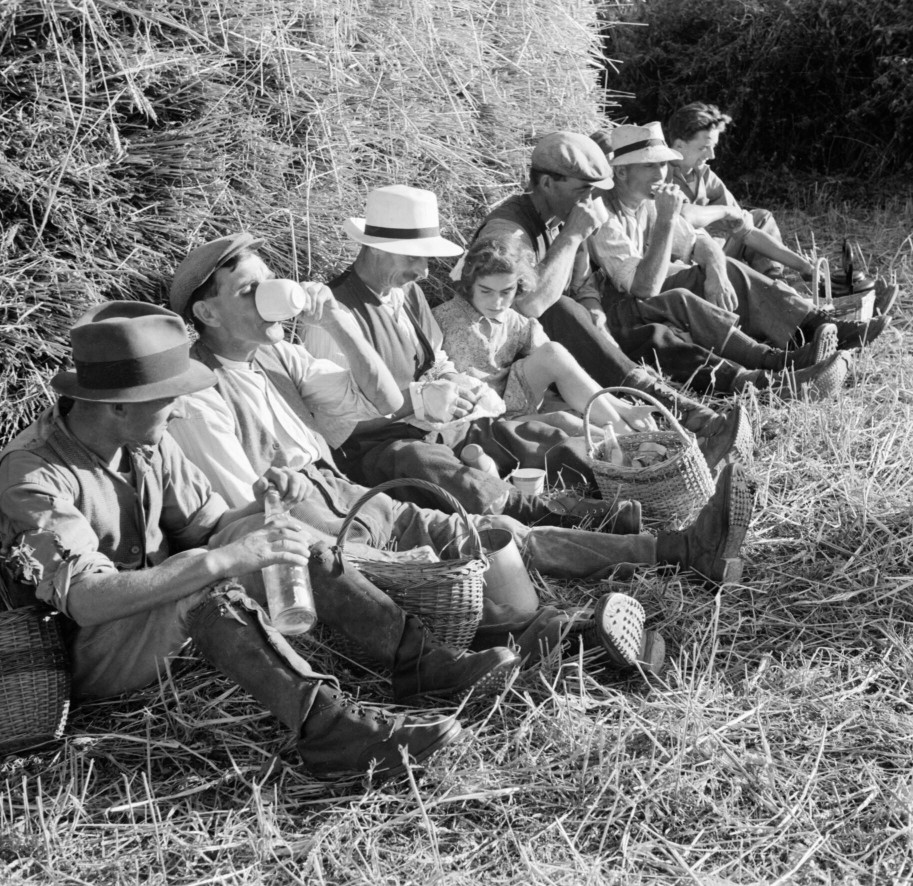
Set a 1964 field jug next to a modern sports drink and the resemblance is hard to miss.
The farm versions varied by region and household, but the common elements are consistent: water, a meaningful quantity of sugar in some form, something sour to keep it drinkable in quantity, and – in the molasses, sorghum and oat-with-salt versions – some mineral content, sodium included.
A commercial sports drink contains water, carbohydrate, sodium and other electrolytes, in proportions established by research and printed on the side of the bottle.
Those are recognisably the same components, arrived at twice by entirely different routes. Once by generations of people in hayfields, tobacco patches, cane rows and harvest crews noticing what let them keep going through an afternoon and what did not. And once by laboratory work addressing precisely that question, several decades later.
That convergence is worth noticing without being oversold. The old drinks were imprecise and inconsistent – one household’s vinegar and molasses jug was nothing like another’s, nobody measured anything, and the sodium content in particular was accidental where it existed at all. The modern product is measured, consistent, and correct about why it works. This is not a story about ancestral wisdom beating science.
It is a story about something more common and more interesting, which is people getting to a reasonable practice by way of a completely wrong argument.
Because the stated reason for all of this was that plain cold water would harm an overheated person. Cramp them. Shock them. Make them ill. That belief was universal, it was taught to children, it was defended vigorously, and it is not how the body works.
Now look at the behaviour it produced. Instead of gulping a lot of very cold water occasionally, people sipped a cool, slightly sweet, slightly sour drink steadily through the whole working day, in small amounts, every time they passed the jug. Which is – broadly, allowing for enormous variation in the drinks themselves – closer to a sensible pattern than the thing the false belief was steering them away from.
They were right about the practice and wrong about everything underneath it. That happens constantly in the history of ordinary practical knowledge and it tends to get edited out, because a story about people arriving at a decent habit through a mistaken theory is less satisfying than a story about either wisdom or ignorance.
Two things did change for the better and they should both be stated plainly.
The common dipper is gone. A single cup or jug passed mouth to mouth around an entire crew and family, all day, every day, was a genuine and well-understood route for transmitting disease, and removing it from fields, schools, railway stations and public buildings was one of the quiet, unambiguous public health victories of the twentieth century. Nobody should be sentimental about the dipper.
And the symptoms of working too long in heat without enough fluid – the headache, the exhaustion, having to stop and sit in the shade until it passed – were accepted in 1964 as simply what a hot day felt like. They are now understood as a recognisable hazard with specific, evidence-based guidance attached to it. That guidance exists, it is freely available, it is considerably better than any folk rule, and this piece deliberately does not try to summarise it. Anybody working outdoors in heat should be reading the current advice rather than anything in a nostalgia article.
What is worth keeping from the old jug is the wet burlap, which was always the cleverest part. Evaporation carries heat away, so a soaked sack around a jug in moving air holds the contents well below the air temperature, for hours, using nothing but water and string.
That one they got entirely right, including the reason.
If you ever carried the jug out to a field, you remember how heavy it was and that the burlap was always soaking.
And you drank out of the same dipper as everybody else and never once thought about it.
Like our content? Follow us for more.