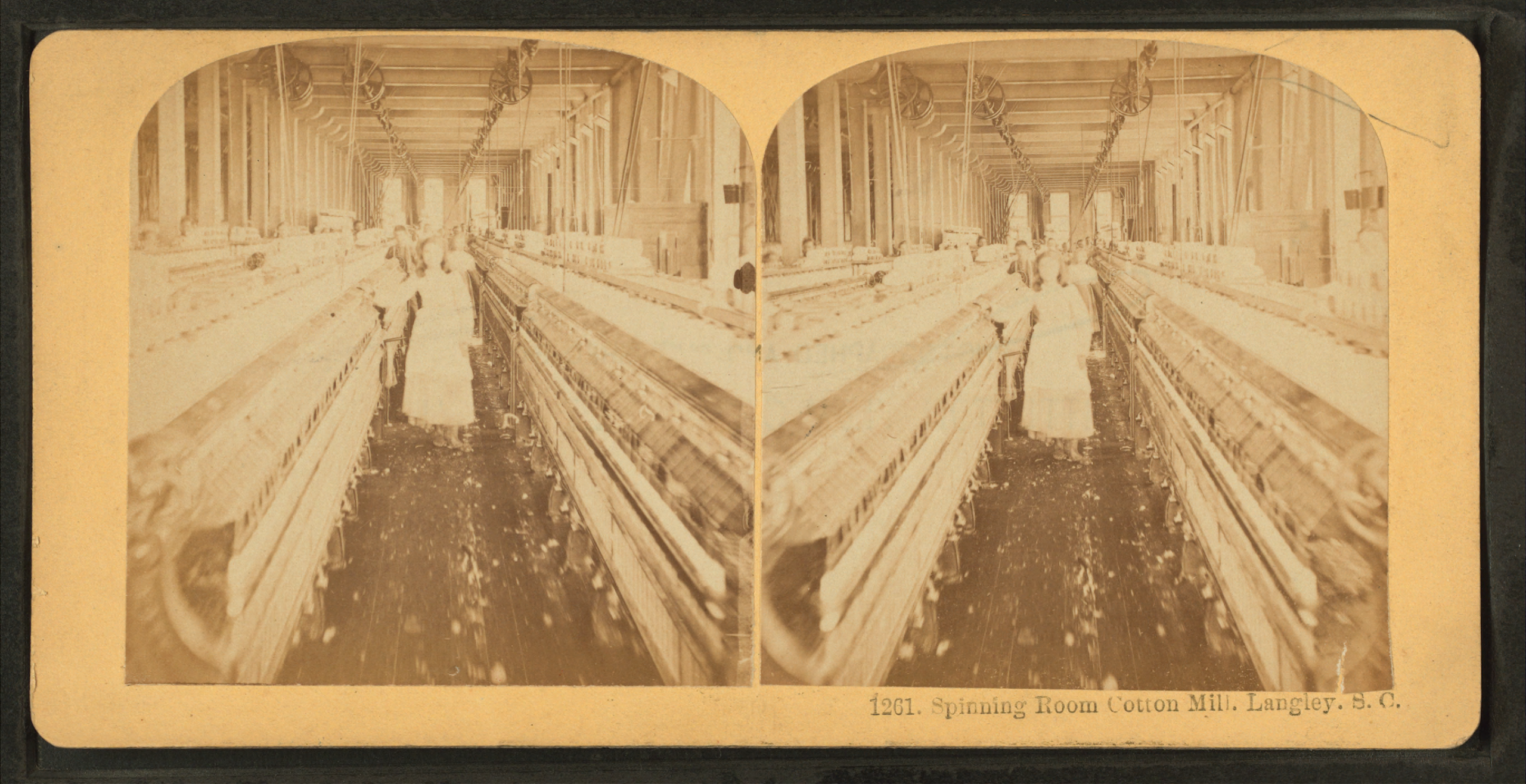
In 1955 the cotton mill was the largest employer across a wide band of the Southern states, and in hundreds of towns it was the only one. The mill owned the houses, sounded the whistle that woke the village, and employed three generations of the same family on different shifts in the same building.
The work was loud enough to deafen, dusty enough to damage lungs, and paid by the piece at a rate the company could cut. It was also, for a great many families who had come off hard farmland, a substantial improvement on what they had left.
Here are twelve things that were ordinary in a mill in 1955, and what became of each.
1. The Company Owned Your House and the Rent Came Out of Your Pay
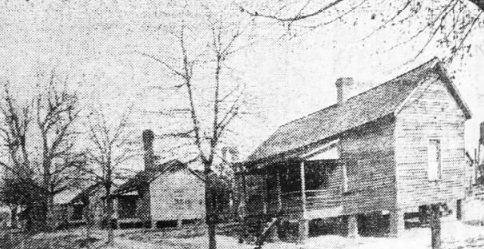
Mill villages were built by the mill – rows of identical frame houses, a company store, a school, a church building, a ballfield and sometimes a doctor. Rent was deducted before you were paid. Losing the job meant losing the house in the same week.
The mills sold off village housing in large numbers through the 1940s and 1950s, converting tenants into owners, often on favourable terms and often because the company wanted out of the landlord business. Those streets still exist across the Carolinas, Georgia and Alabama, recognisable at a glance by the identical house plan repeating for half a mile, and now owned by people with no connection to any mill.
Like our content? Follow us for more.
2. Cotton Dust Filled the Air and the Windows Stayed Shut
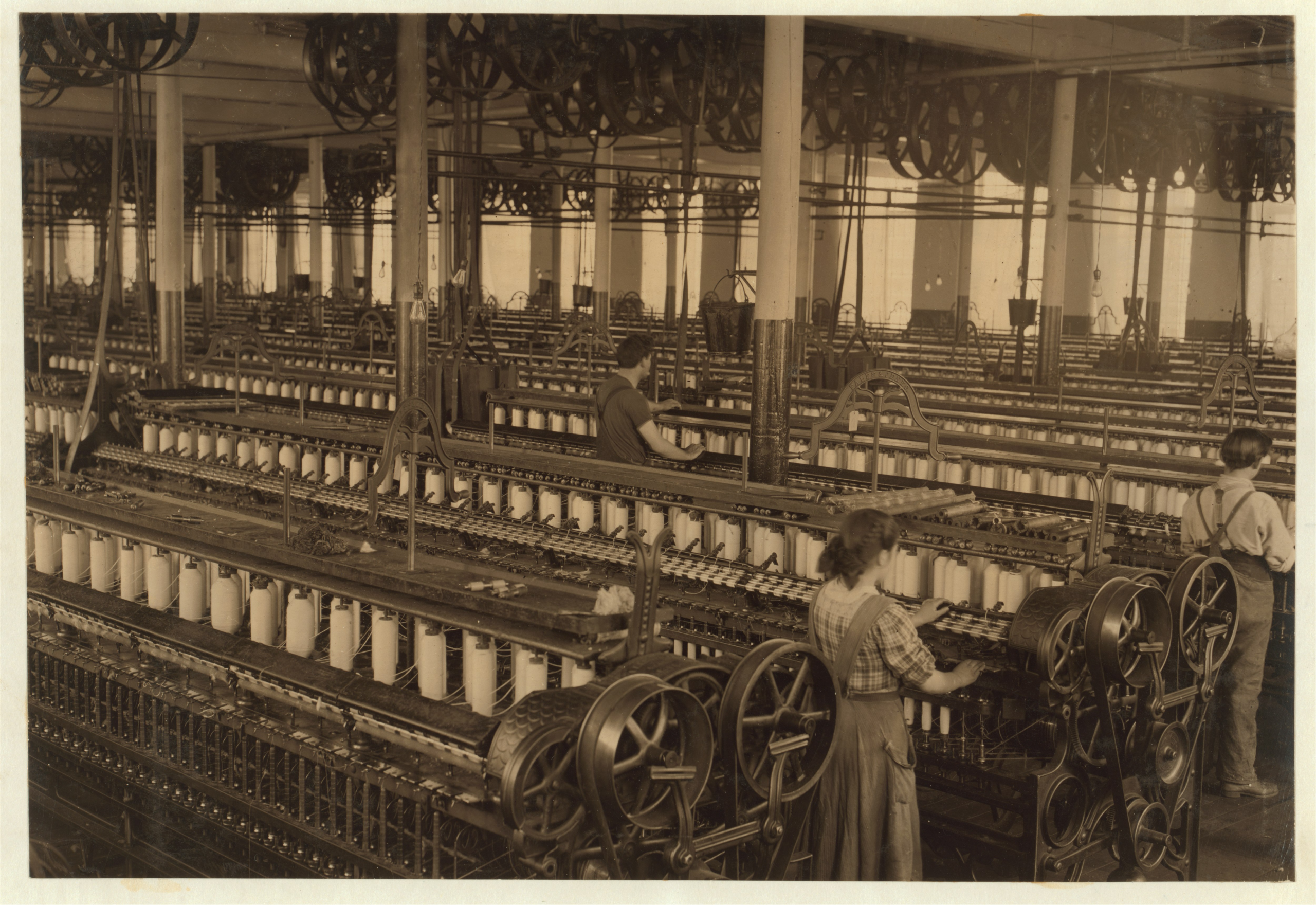
Carding and spinning rooms were thick with airborne cotton fibre. Humidity was kept deliberately high, because cotton thread breaks in dry air, so the rooms were hot and wet as well as dusty, and the windows were kept closed to hold the humidity in.
This is occupational history, not health guidance. The respiratory disease associated with cotton dust exposure was described in Britain long before it was accepted in the United States, where the industry disputed it into the 1970s. A federal cotton dust standard was issued in 1978, upheld by the Supreme Court in 1981, and the combination of dust limits, ventilation and enclosed modern machinery has transformed the exposure. Anybody with mill work in their own history should raise it with a doctor rather than with an article.
3. Children Worked the Floor, and Their Grandchildren Remembered It
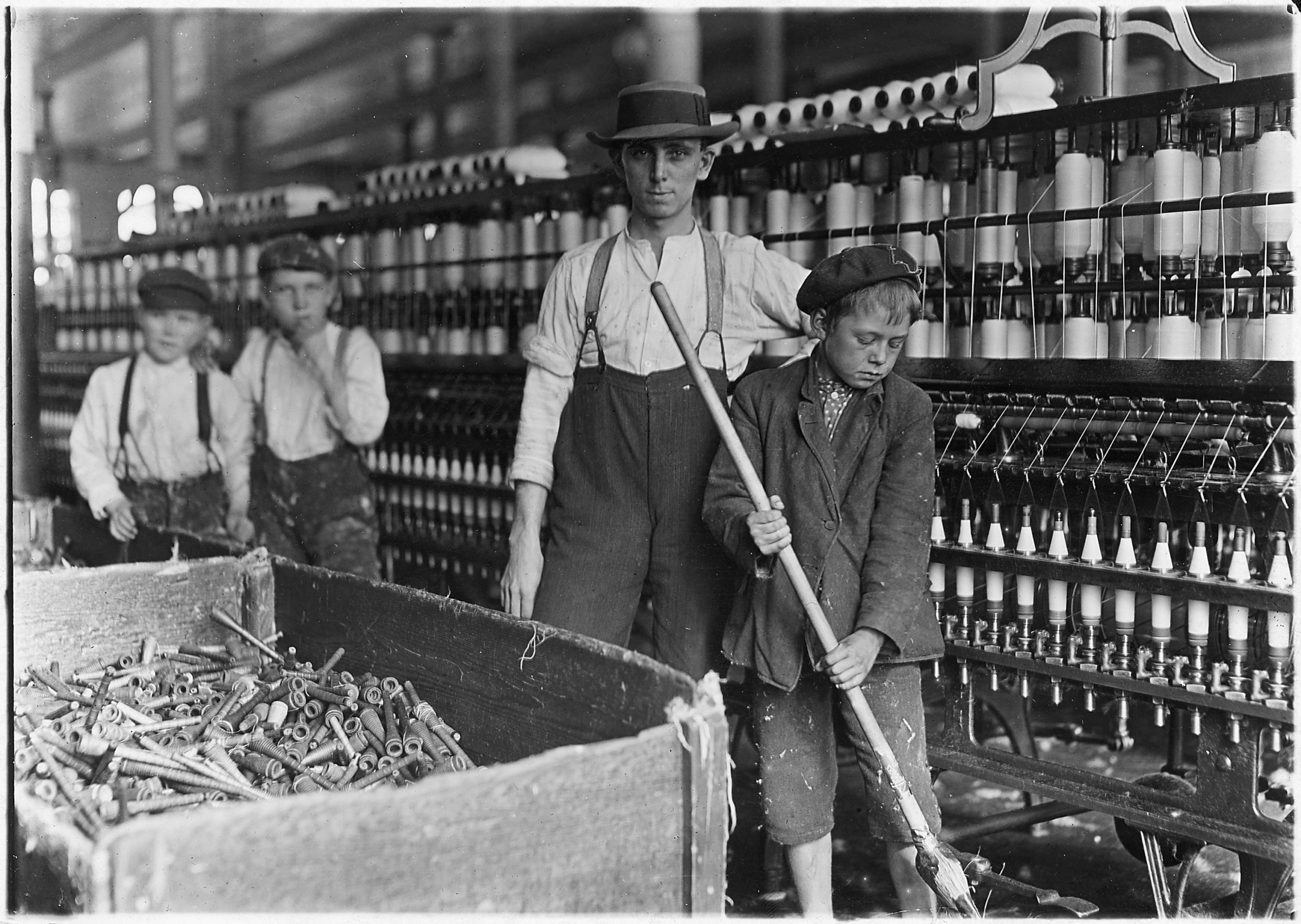
By 1955 child labour in the mills was finished, but the older hands on the shift had started as doffers and sweepers at eight, nine or ten years old – small children who could reach between the frames to replace full bobbins because adults could not fit.
The photographs taken in Southern mills in the 1900s and 1910s are among the most consequential documentary images ever made, and they were commissioned specifically to change the law. Federal child labour restrictions came with the Fair Labor Standards Act in 1938 after earlier attempts were struck down. Again the timescale is the striking thing: a fifty-year-old spinner in 1955 had been in the mill for forty years.
4. The Noise Made Everybody Deaf and They Called It Mill Ear
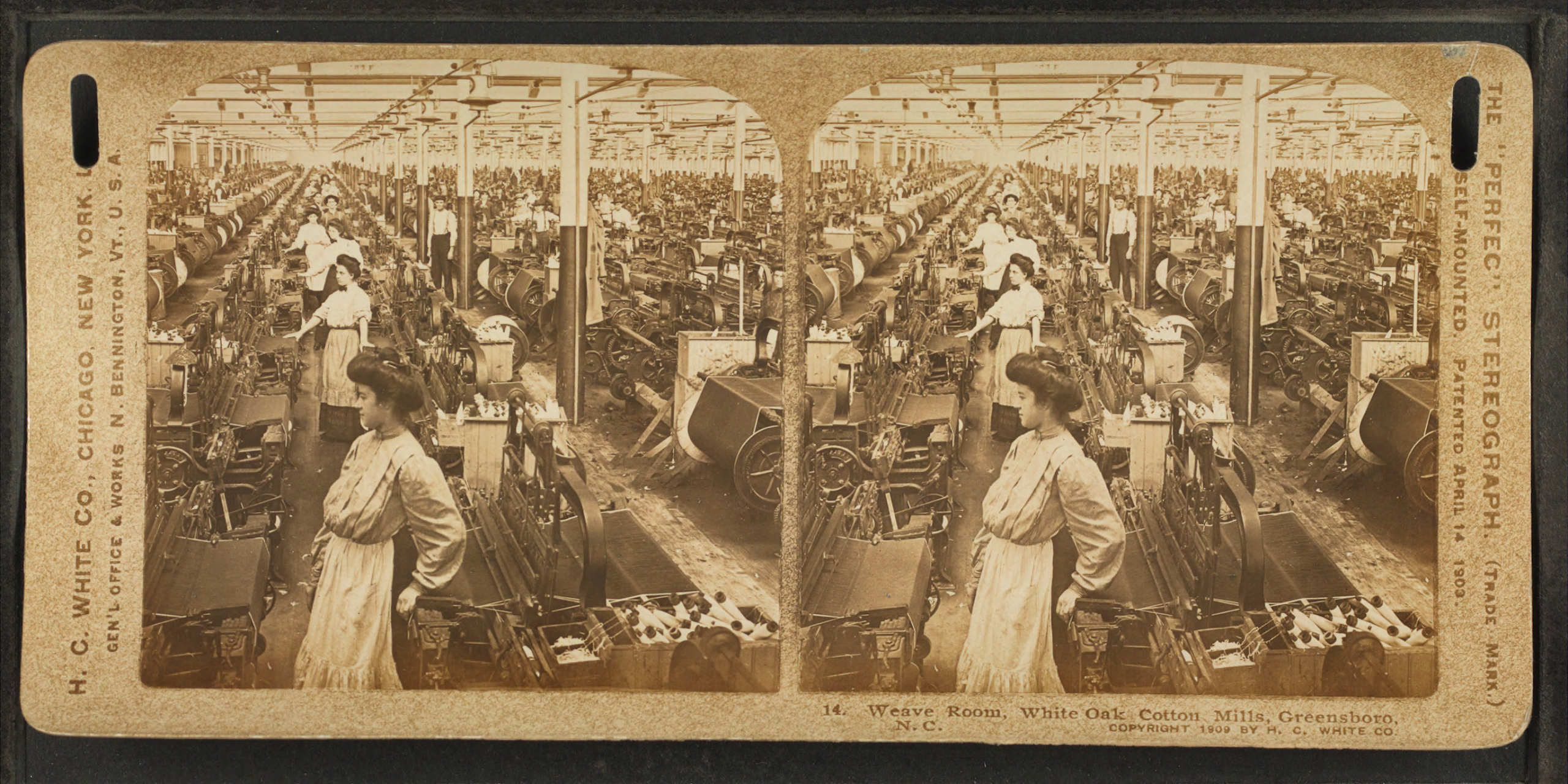
A weave room with a hundred looms running is one of the loudest industrial environments there has ever been. Workers lip-read as a matter of course, and a particular flattened way of speaking was recognisable in mill towns. Hearing protection was essentially unknown.
Occupational hearing conservation programmes – measured exposure, mandatory protection, audiometric testing – arrived with the broader workplace regulation of the 1970s. Modern weaving uses enclosed air-jet and rapier machines in rooms that are still loud but no longer destructive, with protection worn as standard. The generation that worked the old looms lost their hearing comprehensively and permanently.
5. You Were Paid by the Piece and the Rate Kept Being Cut
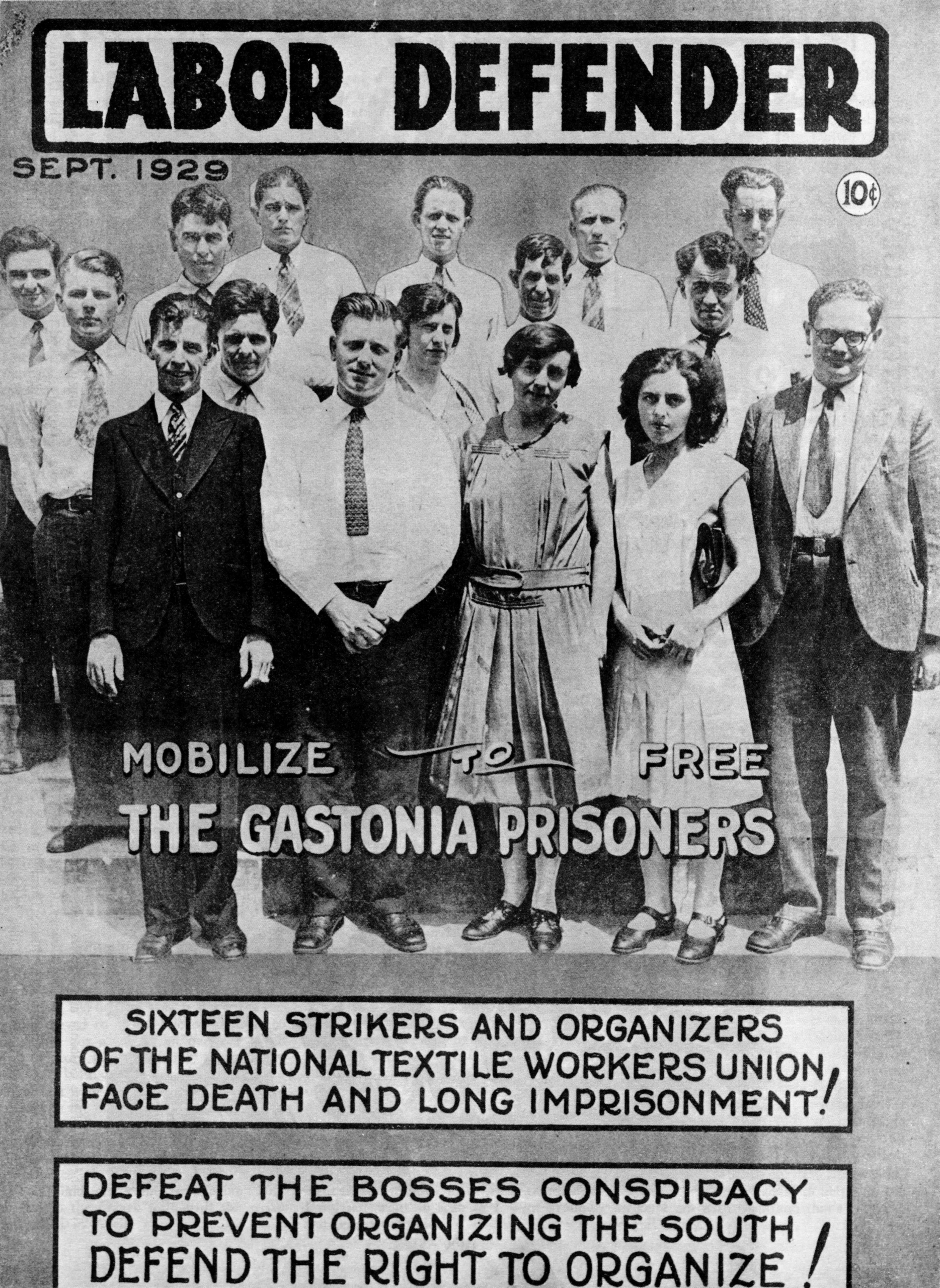
Pay was tied to production – pounds of yarn, yards of cloth – and the rate per unit was set by the mill and periodically reduced, so that producing more earned the same money. Workers called this the stretch-out, and it was the single greatest source of industrial conflict in the Southern textile industry.
The stretch-out meant adding looms to a weaver’s assignment and speeding the machinery while holding pay flat, and it was the direct cause of the enormous textile strike of 1934, which involved hundreds of thousands of workers across the South and was broken. Modern mills run on hourly and salaried pay with engineered machine assignments, and the specific grievance has gone – but the outcome of 1934 is a large part of why Southern textiles stayed largely non-union for the rest of the century.
6. Lint Settled on Everything and the Sweepers Never Stopped
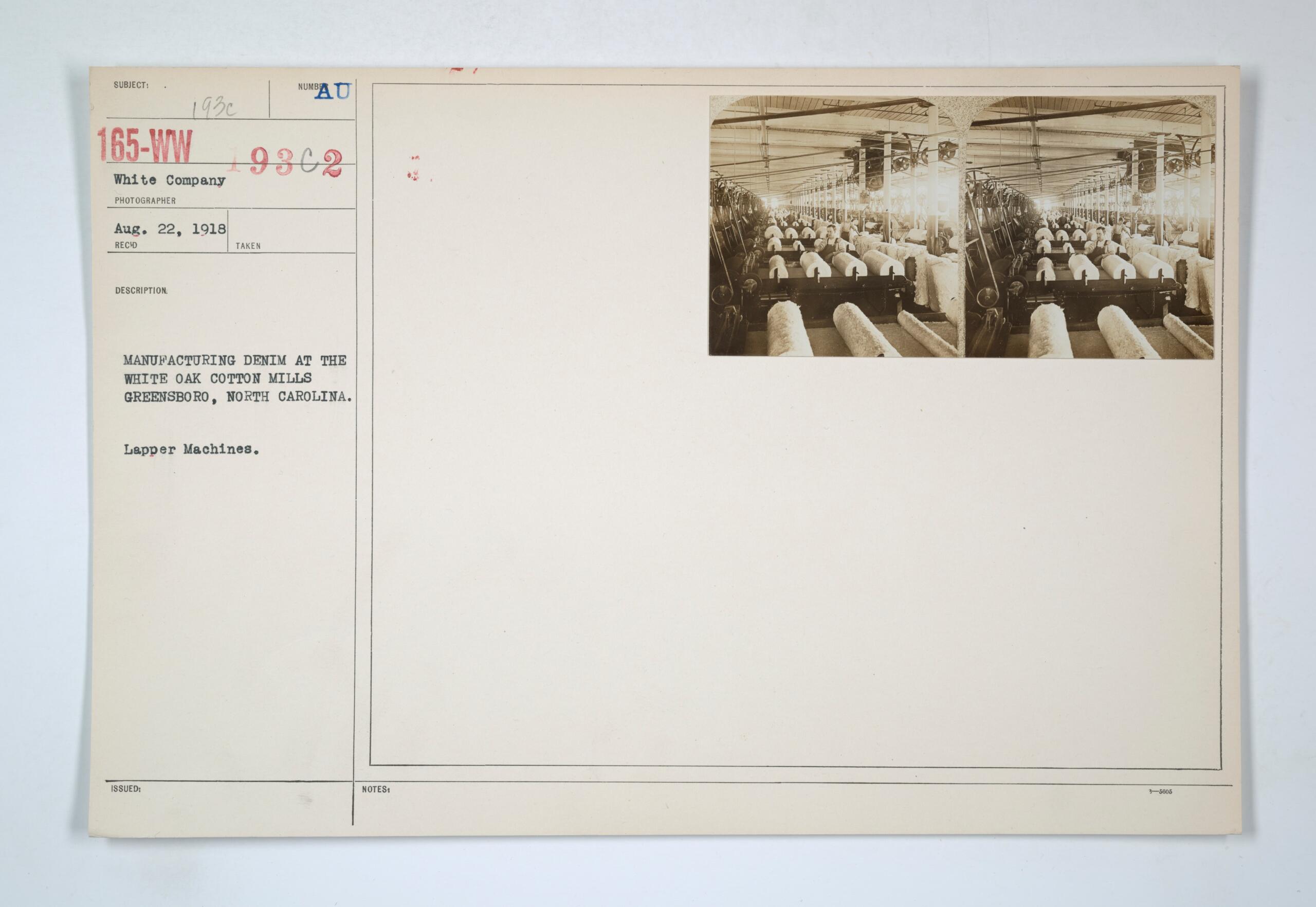
Cotton fly drifted constantly and settled on machinery, floors, rafters and people. Workers came out with it in their hair and eyebrows, which is where the term lint-head came from, used as an insult against mill families by people in the same towns.
Fire was the serious consequence rather than the cosmetic one: accumulated lint is highly combustible, and mill fires were frequent and destructive. Modern plants run continuous extraction and filtration systems that collect the fibre at source, both for the dust standard and because recovered fibre is worth money. The insult has faded with the industry, though people whose parents worked in the mills remember exactly who used it.
7. The Mill Whistle Governed the Entire Town
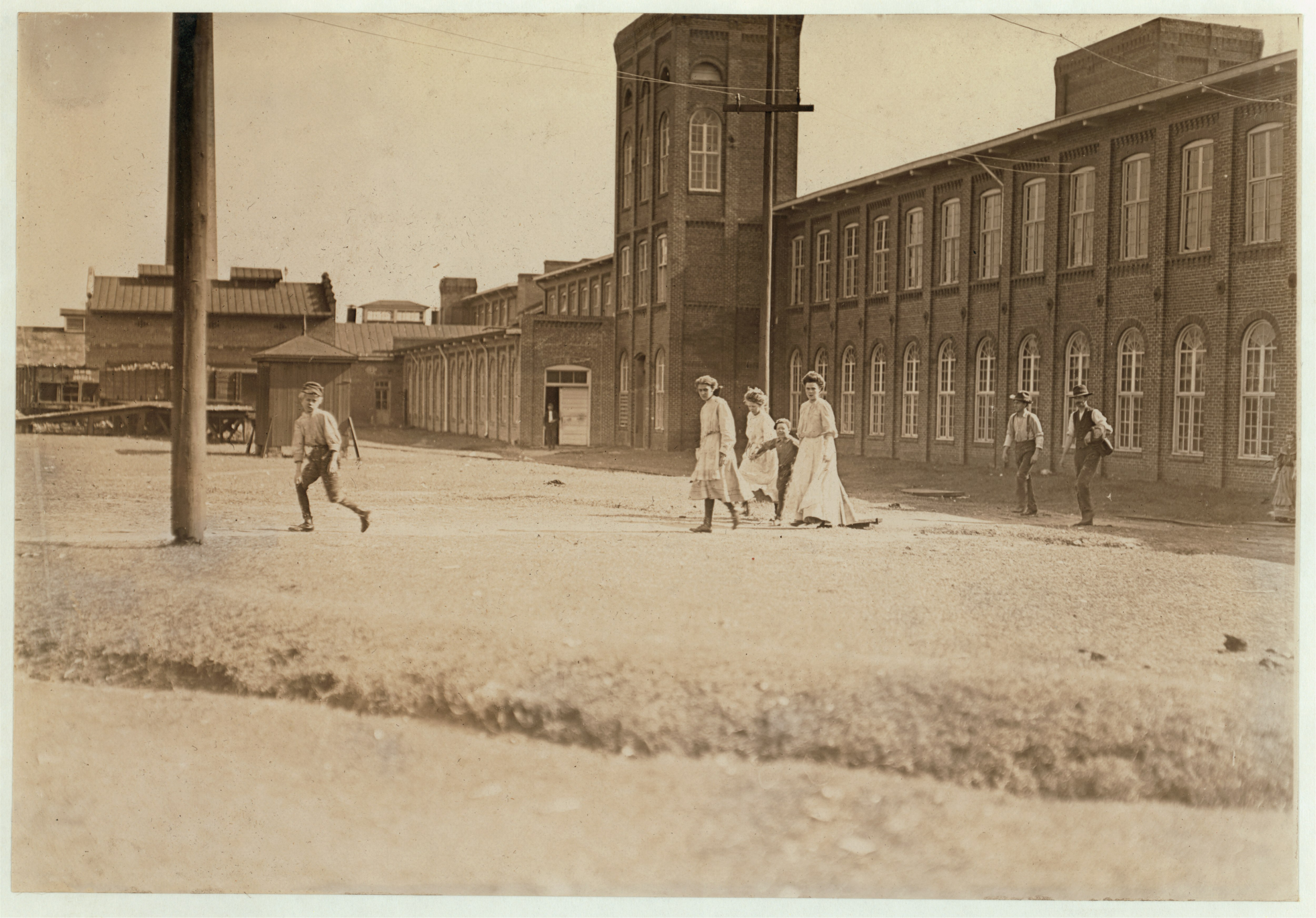
The whistle woke the village, started and ended each shift, called workers back from dinner and announced a shutdown. Clocks were set by it. Schools scheduled around it. In a village where everyone worked for one employer, one whistle organised several thousand lives.
Shift notification now reaches individual workers on individual devices, which is more accurate and vastly less communal. The disappearance of the whistle is the change former mill villagers mention most often as marking the end of the old order – not the closures themselves, but the morning the whistle did not sound.
8. Women Held Most of the Jobs and None of the Promotions
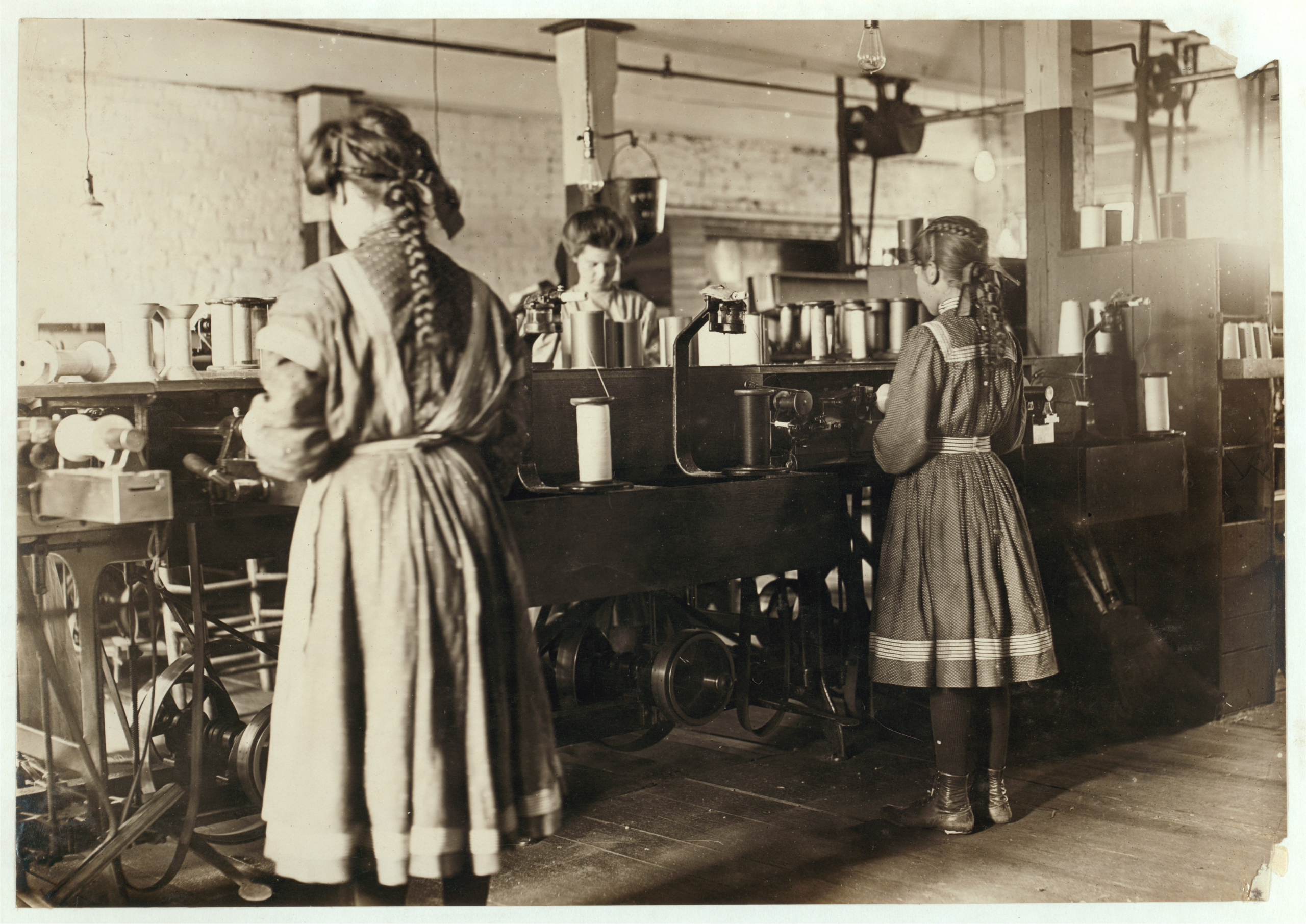
Spinning, spooling and winding were overwhelmingly women’s work and had been since the industry began. Women made up a very large share of the workforce. Supervision, maintenance, the machine shop and management were almost entirely closed to them, and so were the better-paid weaving and loom-fixing grades in many mills.
Title VII of the Civil Rights Act of 1964 made the formal barriers unlawful, and litigation through the 1970s opened the skilled and supervisory grades. The transformation in textiles is substantial and is partly obscured by the fact that the industry’s employment collapsed at the same time, so the opportunities arrived in a shrinking workplace.
9. The Mills Were Segregated by Law and Then by Practice
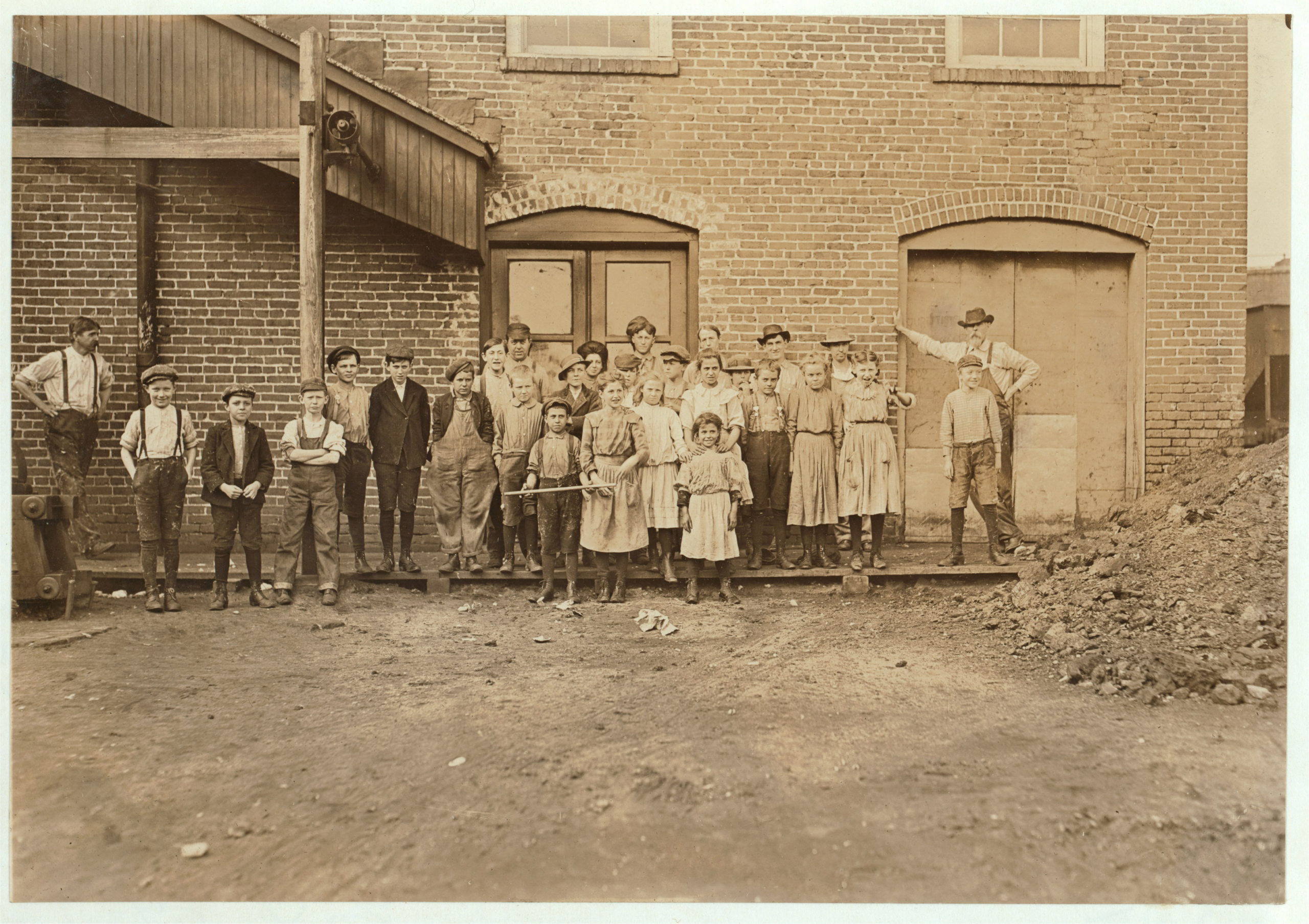
Production jobs in Southern textile mills were effectively closed to Black workers for the first half of the twentieth century – the industry was one of the most thoroughly segregated in the region, and Black employment was confined largely to yard work, opening rooms, cleaning and warehousing.
Textiles became one of the significant test cases of federal employment law. Title VII, executive orders on federal contractors and a series of major lawsuits opened production and skilled work through the later 1960s and 1970s, and Black employment in the industry rose sharply. It is a genuine instance of law changing an industry’s composition, and it happened in the decade before that industry began closing its plants.
10. Everybody in Three Generations of Your Family Worked There
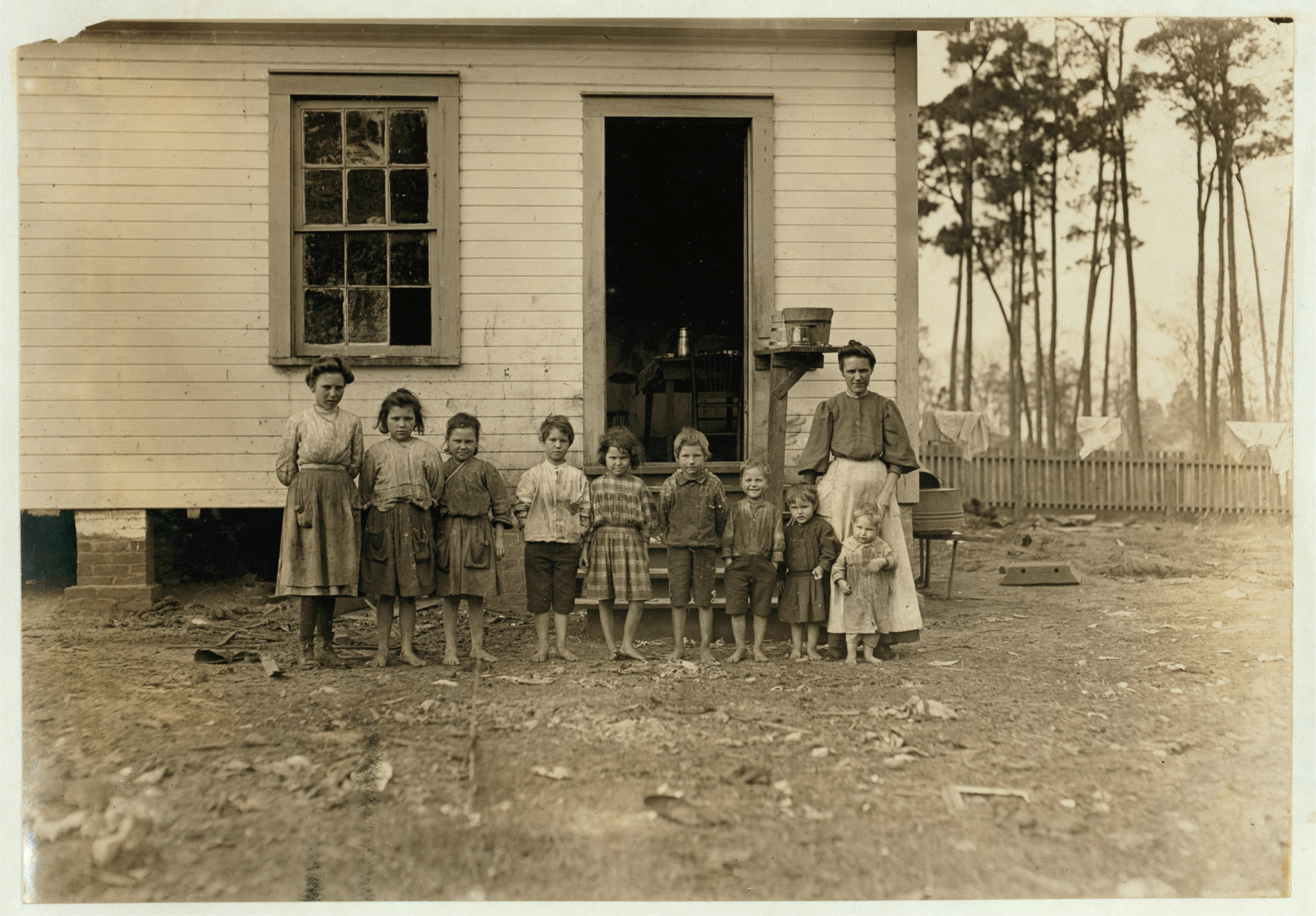
A mill hired the family, not the individual. Husband, wife, grown children and in-laws worked different shifts in the same building, and the household income was assembled from several small wages rather than one adequate one.
The arrangement is why the villages were so cohesive and why the closures were so devastating – a plant shutting did not remove one income from a household, it removed four. When a mill closed in a one-mill town there was frequently nothing else within commuting distance, and the effect on those communities is still visible in the economic data decades later.
11. A Loom Fixer Was the Aristocracy of the Floor
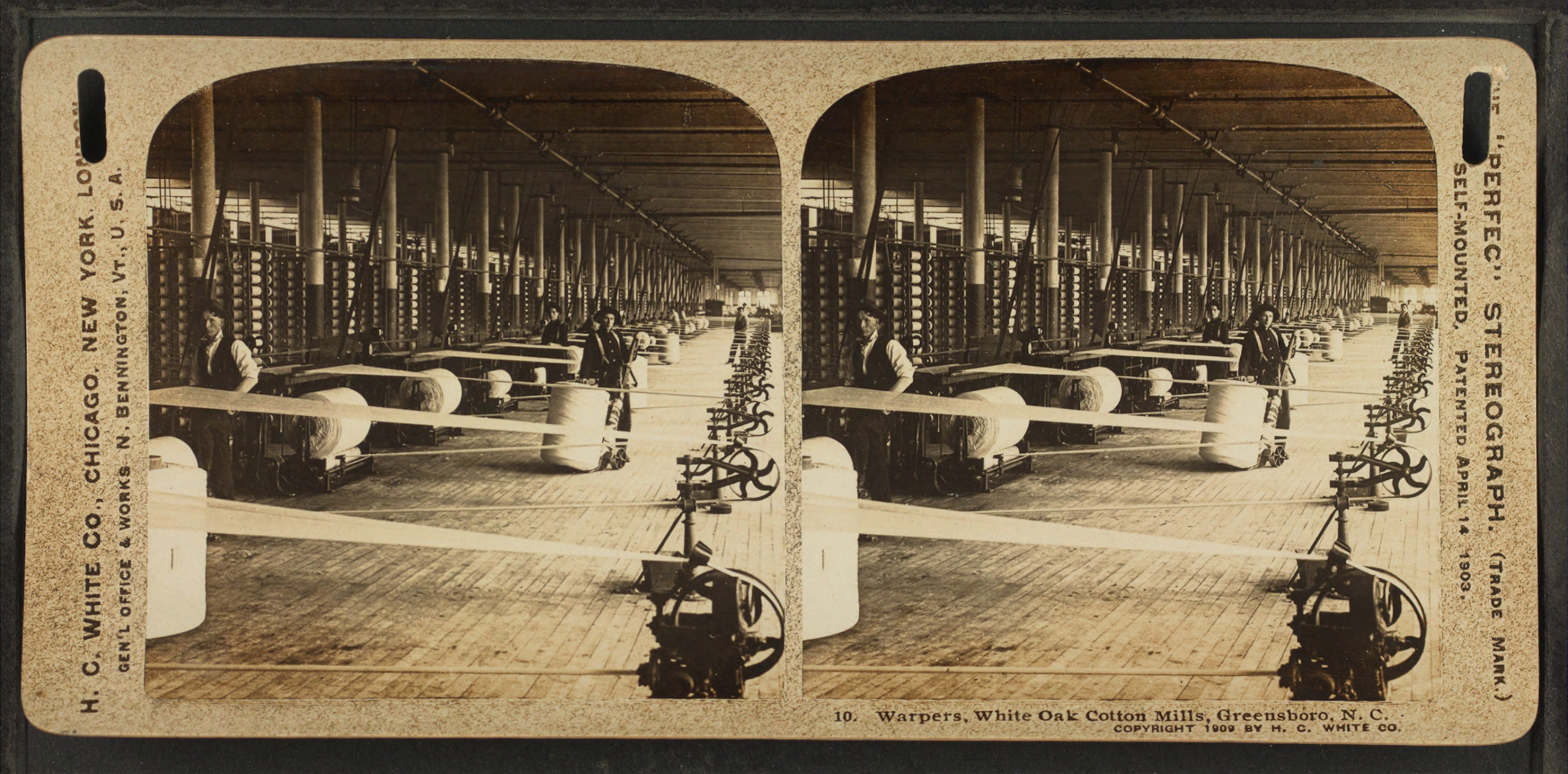
The loom fixer kept a bank of looms running, diagnosed faults by sound, and was the most skilled and best paid man on the production floor. The job was learned entirely by working alongside somebody who already had it, over years, and it was handed down within families.
Modern textile machinery is electronically monitored and modular, diagnosed by a readout and repaired by replacing an assembly, which is faster and more reliable and requires a different kind of technician. The loom fixer’s particular skill – identifying one failing machine among a hundred by ear, across a weave room – has no modern application and no way of being taught.
12. Nobody Imagined It Would Move to the Other Side of the World
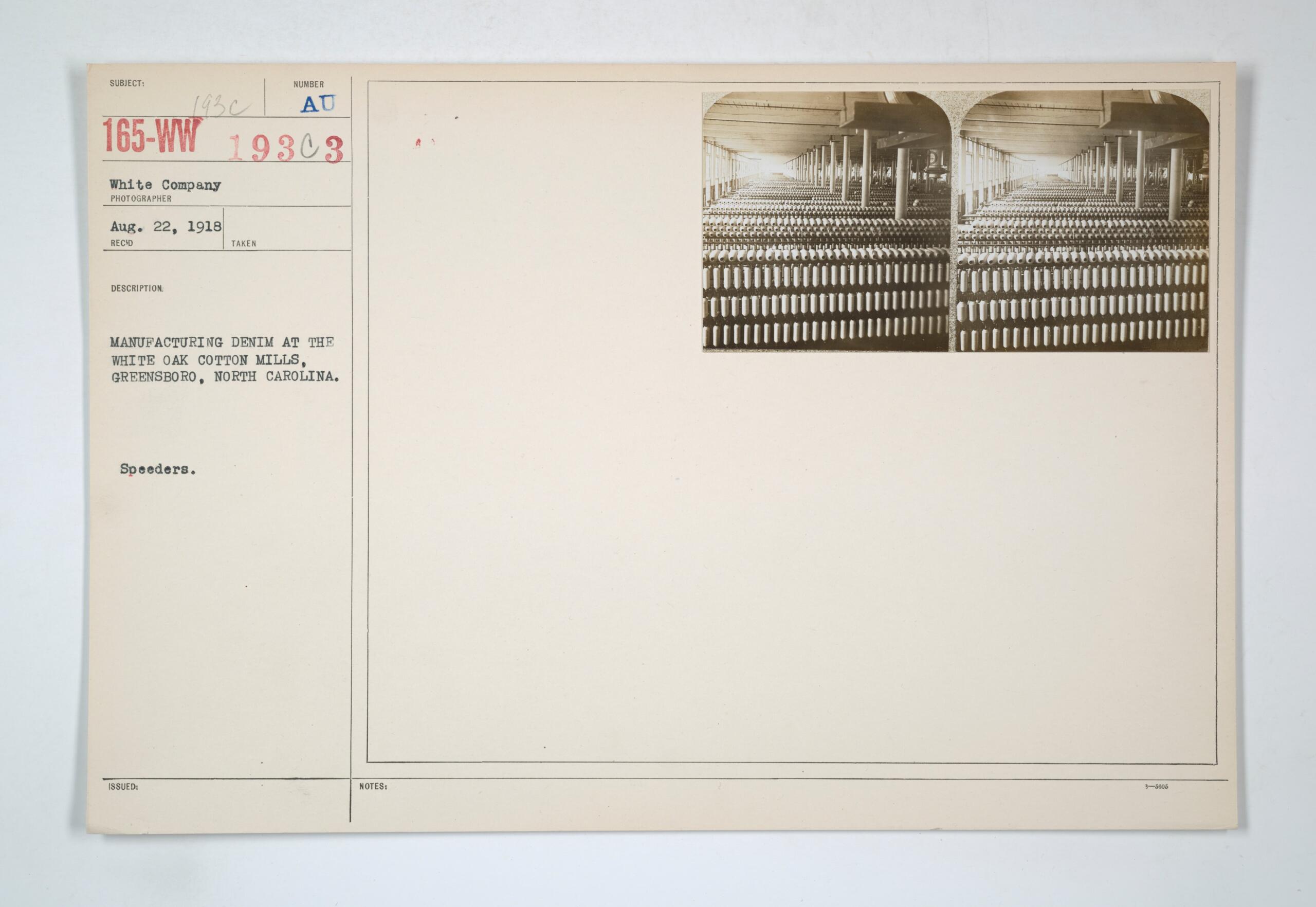
In 1955 the Southern textile industry was expanding, having already taken the business from New England, and the mills were understood as permanent fixtures. The idea that cloth for the American market would be woven in Asia was not part of anybody’s planning.
Employment in the industry fell by the great majority over the following five decades, through import competition, trade liberalisation culminating in the end of the global quota system in 2005, and automation that cut the labour needed per yard enormously. Textile manufacturing in the region has not disappeared – it is smaller, far more automated, and concentrated in technical and industrial fabrics – but the mill village economy is gone completely, and it went inside one working lifetime.
What Happened to All of It
Three separate stories ran at once, and they are usually told as one.
The working conditions were reformed. Cotton dust limits, hearing conservation, machine guarding and enforceable inspection arrived through the 1970s, and the modern plant is a genuinely different environment. That reform was resisted hard by the industry and won anyway.
The workforce was opened up. Segregation in production work and the exclusion of women from skilled and supervisory grades were dismantled by federal law and litigation through the 1960s and 1970s, in what is one of the clearer examples of employment law changing who actually holds the jobs.
And the jobs left. Import competition and automation together removed the great majority of textile employment in the region over five decades, with the end of the global quota system in 2005 as the final step. Both of the first two stories were real improvements, and they arrived just as the thing being improved was leaving.
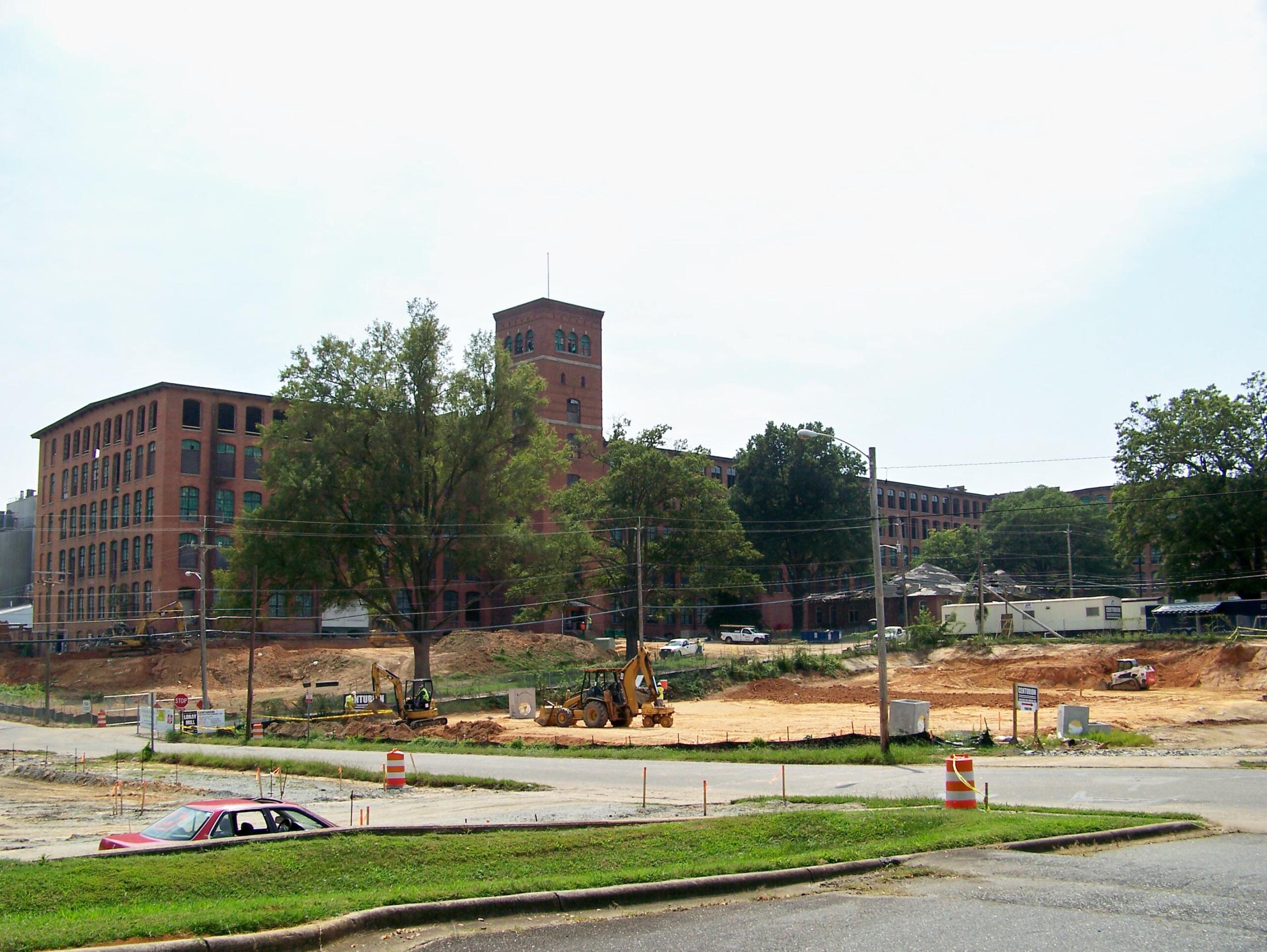
What is left is the villages – identical houses in long rows across the Carolinas and Georgia, a brick mill building converted to flats or standing empty, and families who can still tell you which shift their grandmother worked.
If you grew up in one of those villages, the whistle and the lint in your mother’s hair will need no explanation.
Which mill, and what has the building become?
Like our content? Follow us for more.