In 1955 coal mining employed hundreds of thousands of people and killed several hundred of them a year. The work was done largely by hand, the roof was held up by timbers a miner set himself, and until recently he had been paid only for the coal he loaded and not for the work of staying alive.
It was also the centre of a whole civilisation – company towns, union halls, whistle codes, and families four generations deep in the same seam.
Here are fifteen things that were ordinary in a mine in 1955, and what each of them became.
1. You Were Paid by the Ton, Not by the Hour
Under the tonnage system a miner was paid for the coal he loaded, which meant that every task not involving loading coal was unpaid. Setting timbers, laying track, shovelling rock, clearing a fall, travelling to the face – none of it earned anything. A man who spent a shift making his section safe earned nothing that day.
This is the single most consequential fact about the old mines, because it built a financial penalty for safety directly into the pay structure. A miner who took the time to prop a roof properly was paid less than one who did not. The shift to day wages, driven by the union through the 1940s and 1950s and completed in most operations by the 1960s, removed that incentive, and it is one of the clearest examples anywhere of a payment system killing people.
Like our content? Follow us for more.
2. You Bought Your Own Tools, Powder and Lamp Oil
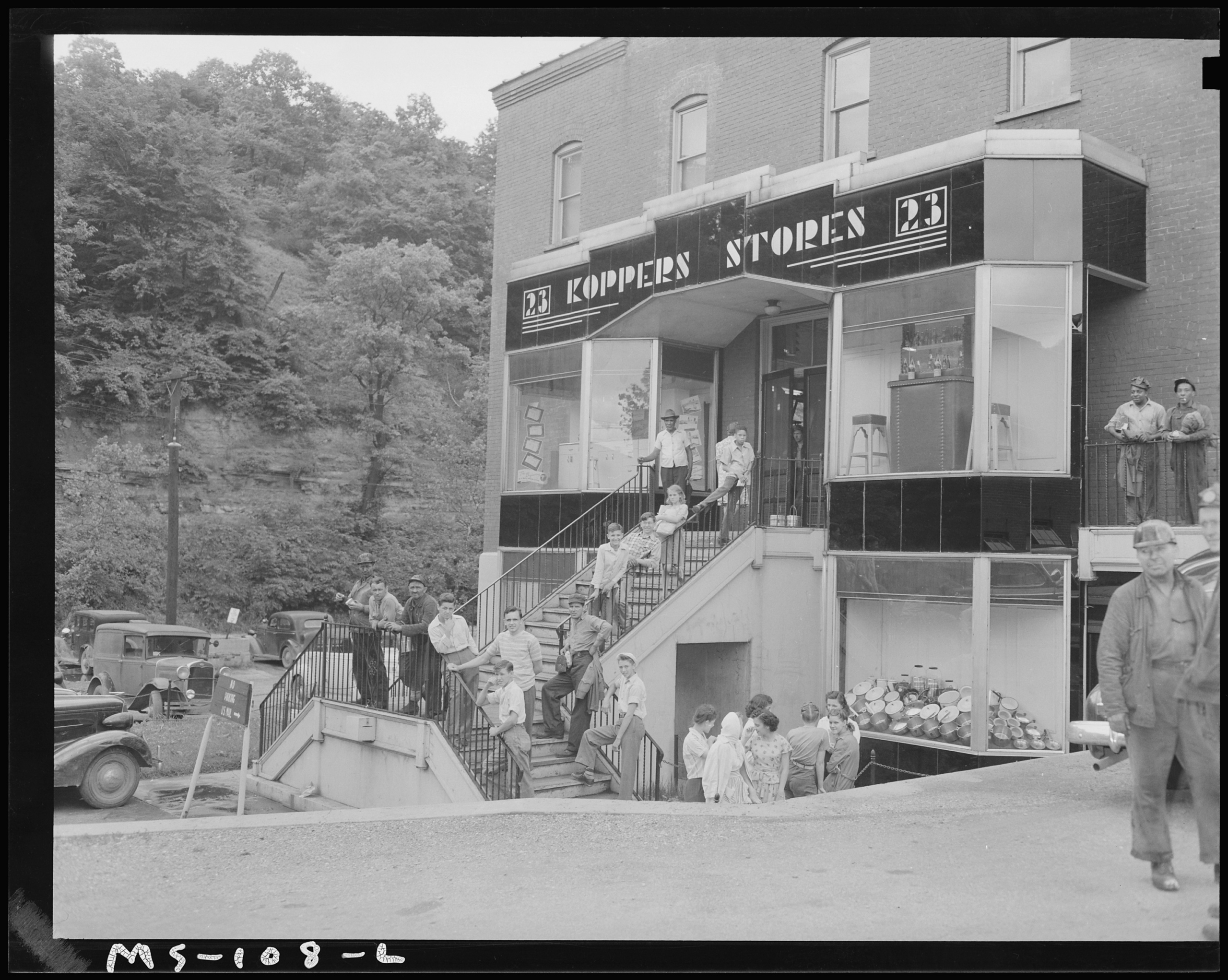
The company sold the miner his picks, his shovels, his blasting powder, his fuses, his carbide and his lamp parts, and deducted the cost from his pay. He also paid rent on a company house and bought food at a company store, frequently in company scrip rather than currency.
The arithmetic could leave a man owing money at the end of a month in which he had worked every day. The practice was curtailed by federal and state legislation and by union contract through the 1930s and 1940s, though scrip and company stores persisted in pockets into the 1950s. Modern operations supply all equipment, and the idea of charging a worker for the means of doing the job survives only as a story that younger relatives struggle to believe.
3. The Canary Was Real, and So Was Everything It Meant
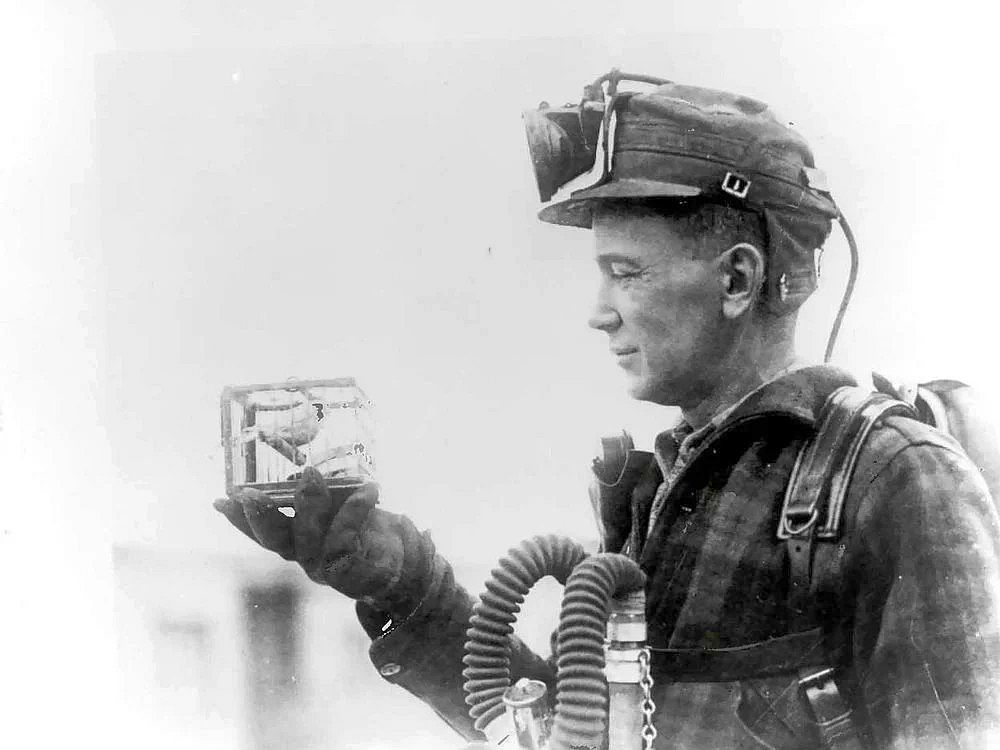
Caged canaries were genuinely used to detect carbon monoxide, because a small bird succumbs to it well before a man does and shows distress first. Mine rescue teams carried them, and the practice continued in some places into the 1980s.
It worked, which is the uncomfortable part. Electronic gas detection replaced it with instruments that are more sensitive, continuous, and able to measure several gases at once, and the canary became a figure of speech. The deeper point is what its presence says about the atmosphere a man was expected to work in: a workplace where the alarm system is a dying animal is a workplace nobody would now be permitted to enter.
4. Roof Support Was the Miner’s Own Judgement and His Own Problem
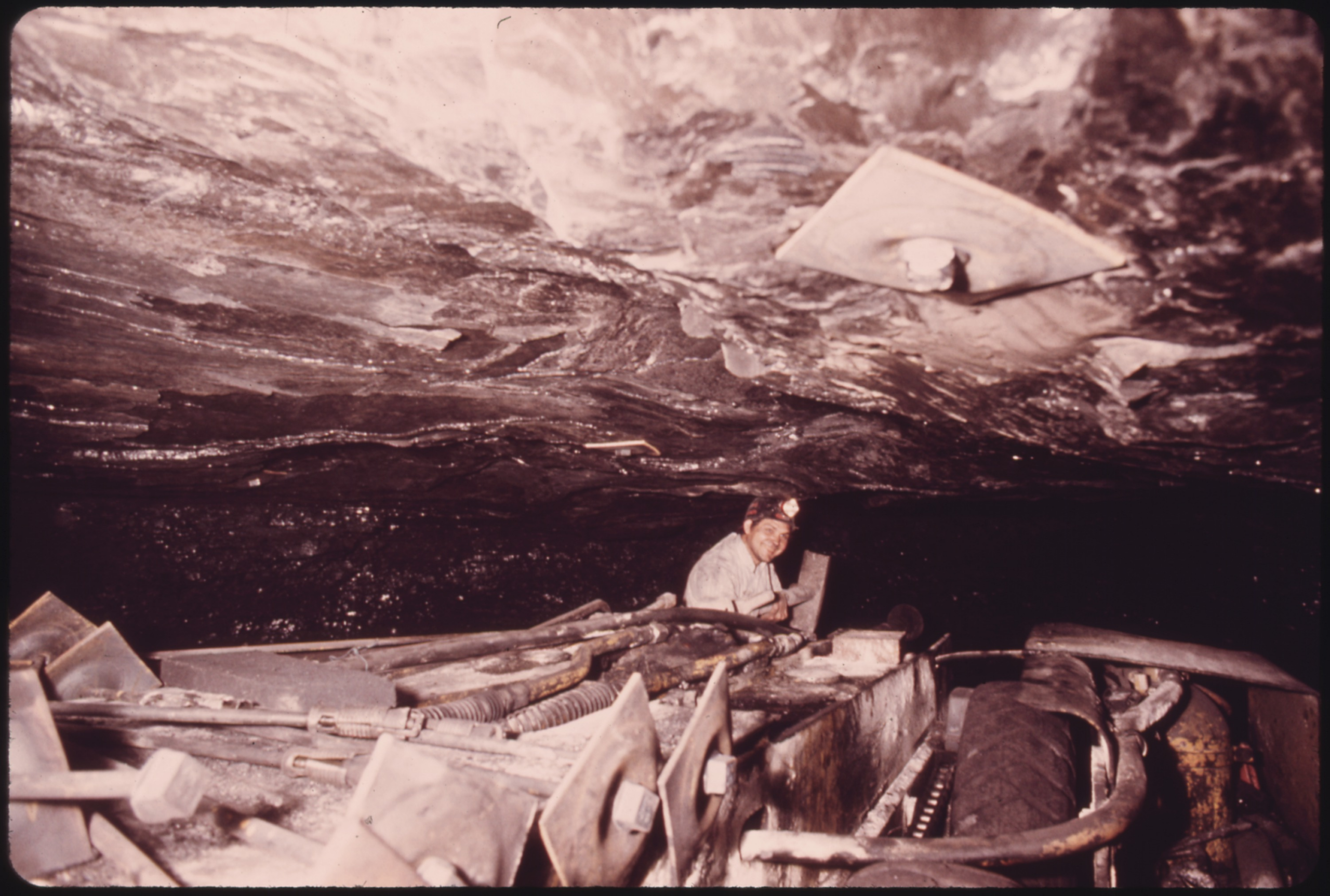
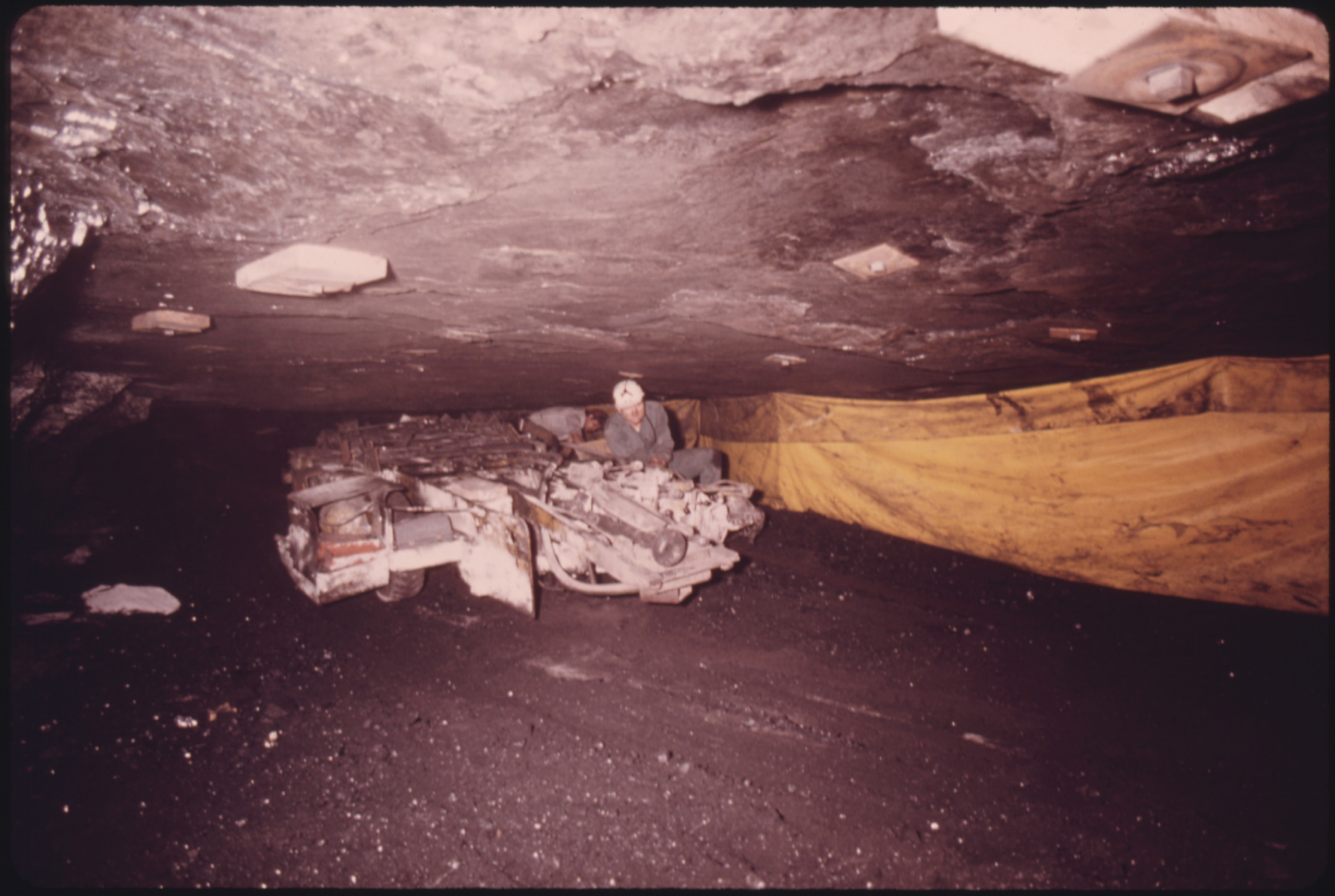
Under the room-and-pillar method a miner cut coal and set wooden timbers to hold the roof, deciding himself how many and where. The quality of that judgement was the difference between going home and not. Roof falls were, by a wide margin, the largest single cause of death underground.
Roof control is now an engineered system with a federally approved plan for each mine, roof bolting machines that install steel bolts into the strata rather than props beneath it, and operators who are not permitted to work under unsupported roof at all. The transfer of that decision from an individual’s eye to an engineering plan is probably the largest single reason underground mining deaths fell by more than ninety percent over the following decades.
5. The Coal Dust Was Simply Part of the Job
Dust filled the air at the face, coated everything, and was breathed for a full shift with no respirator and no ventilation standard worth the name. Men came up black and blew black into a handkerchief for hours. The connection to lung disease was known to miners long before it was formally accepted.
This is included as occupational history. The Federal Coal Mine Health and Safety Act of 1969 established dust exposure limits, mandatory sampling, chest examinations and a compensation programme, and limits have been tightened since. The disease it addresses has not been eliminated and has risen again in some regions. Anybody with mining exposure in their own or their family’s history should take that to a doctor, not to an article.
6. Children Had Worked There, and Everybody’s Father Remembered It
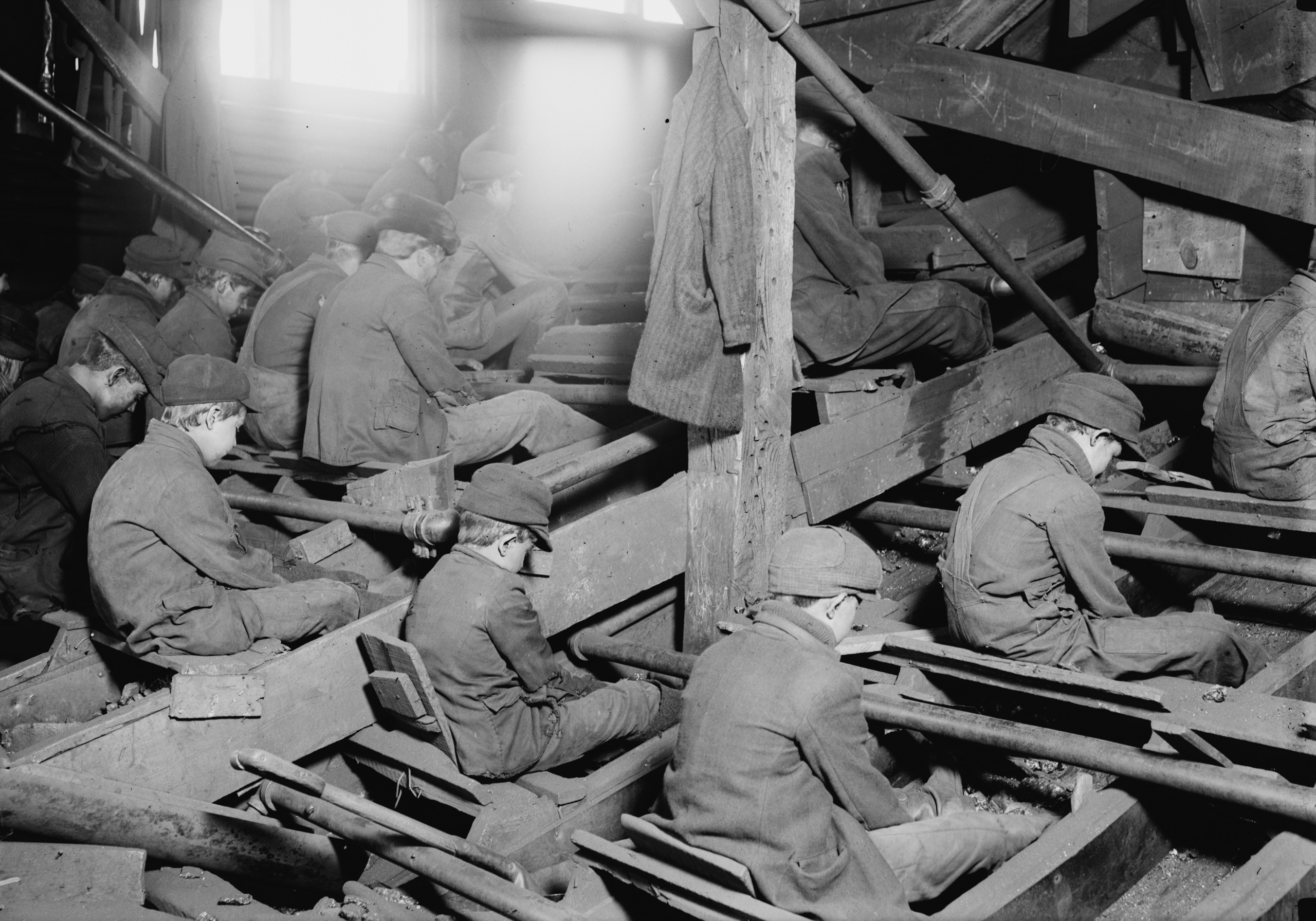
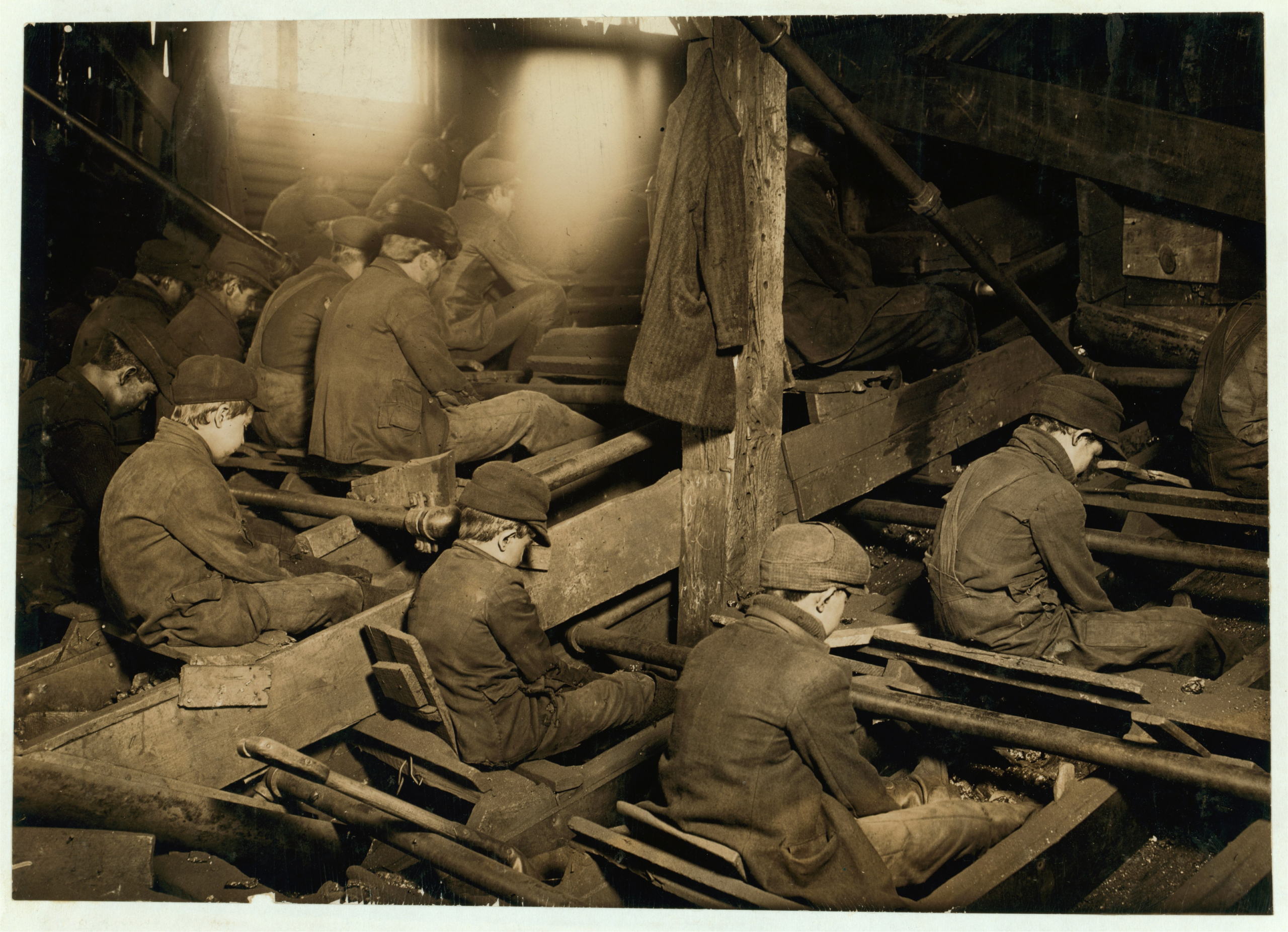
In 1955 child labour underground was gone, but the men on the shift had fathers or uncles who had started at ten or twelve as trappers opening ventilation doors or as breaker boys picking slate out of coal by hand in the open air, ten hours a day for pennies.
The breaker boys are among the most photographed workers in industrial history, and the photographs did real political work. Federal child labour restrictions arrived with the Fair Labor Standards Act in 1938, and mining had been regulated earlier in several states. It is worth holding the timescale clearly: a miner of fifty in 1955 was the son of a man who had gone underground as a child, which is one generation, not a distant past.
7. The Company Owned the Town, the House and the Shop
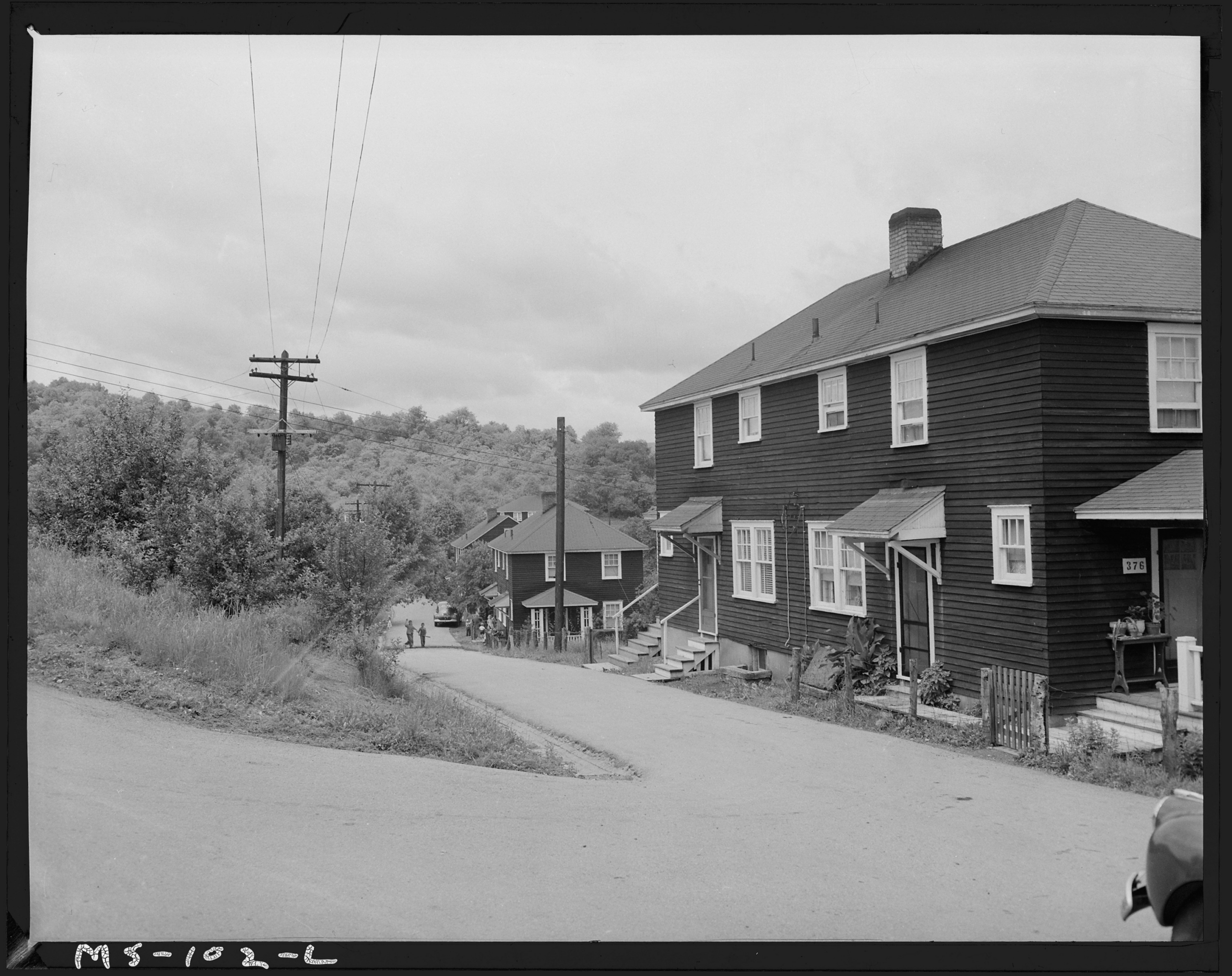
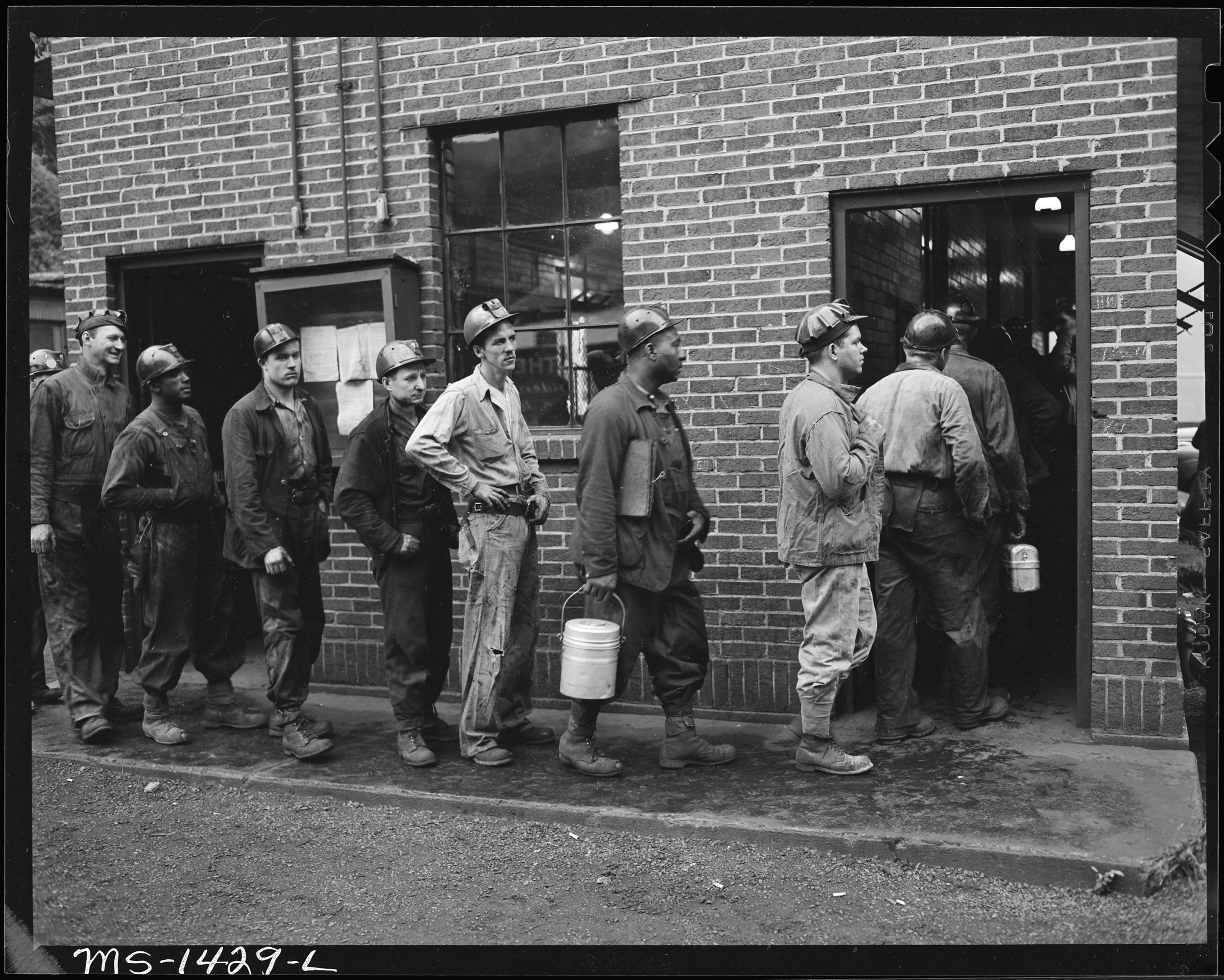
Company towns supplied the house, the store, the school, the doctor, the church building and sometimes the police. Rent and purchases were deducted at source. A man sacked from the mine lost his home in the same conversation, and a man who organised lost both faster.
Company ownership of housing was progressively sold off from the 1930s through the 1950s, and the coal camps became ordinary towns with ordinary mortgages, which is a smaller change than it sounds and a vast one in practice. The consequence that outlived it is geographic: hundreds of settlements exist in places where nobody would site a town for any reason other than a seam that has since been worked out.
8. Getting to the Face Took an Hour and Was Not Paid
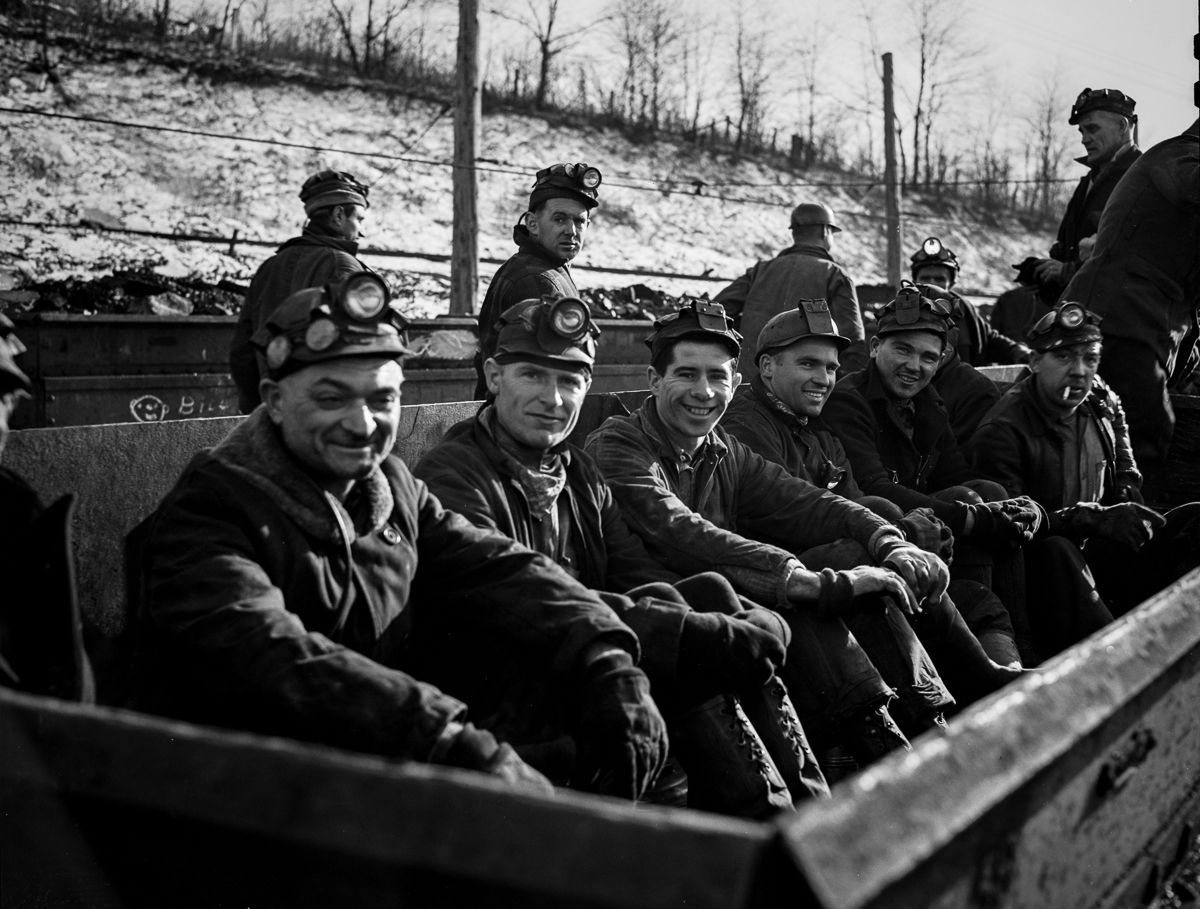
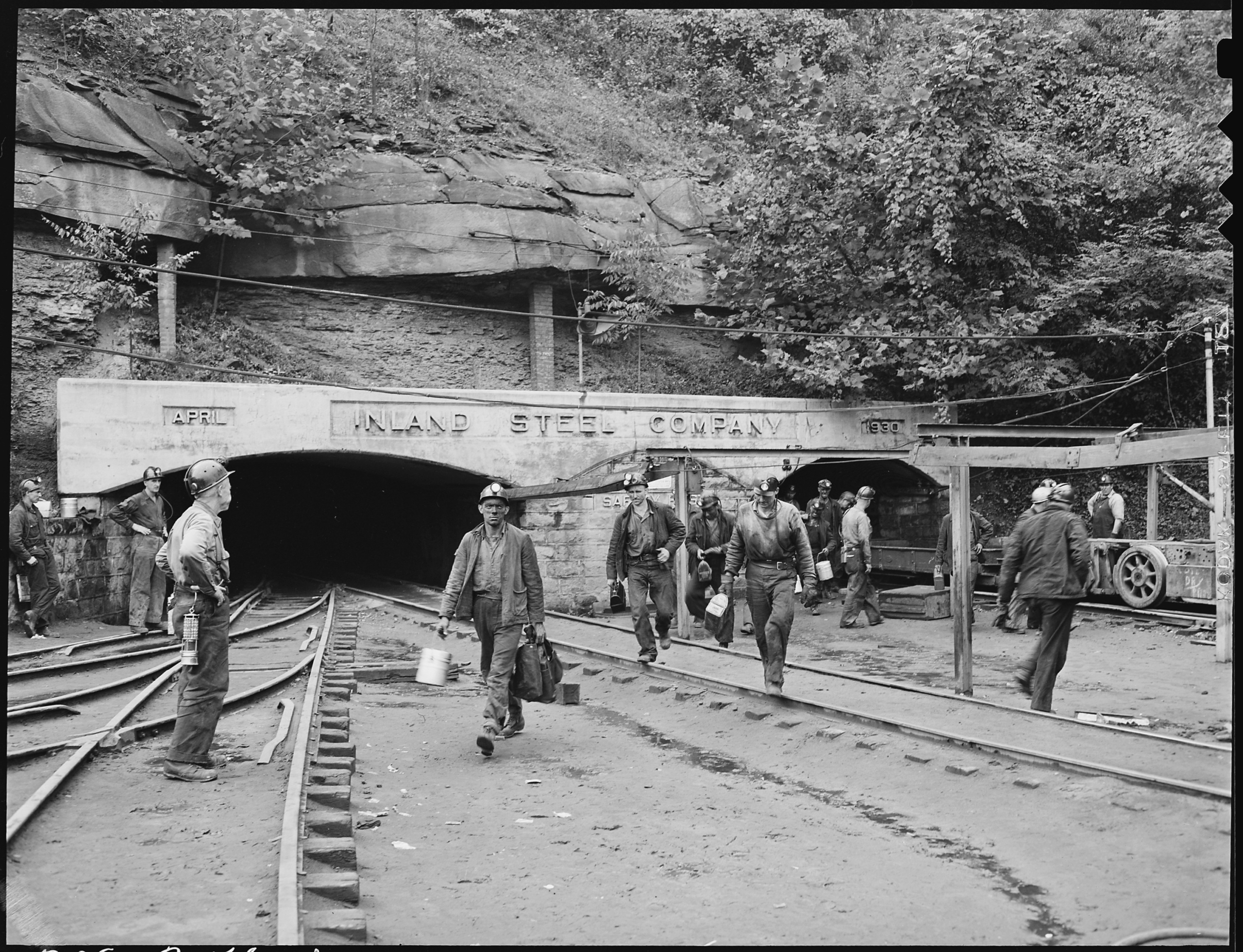
A man walked or rode a mantrip into the mine, sometimes for miles, hunched in a low car on the same track the coal came out on. Under tonnage pay that travel was unpaid, and the shift was measured from the face, not from the portal.
Portal-to-portal pay – the principle that a worker is paid from the moment he enters the workplace – was a central union demand and was won in the 1940s. It sounds like an accounting technicality and it added effectively an hour or two of paid time to every shift. Modern underground transport is faster, properly engineered and designed to carry people rather than to carry coal with people squeezed in.
9. Rescue Was Volunteers From the Next Shift
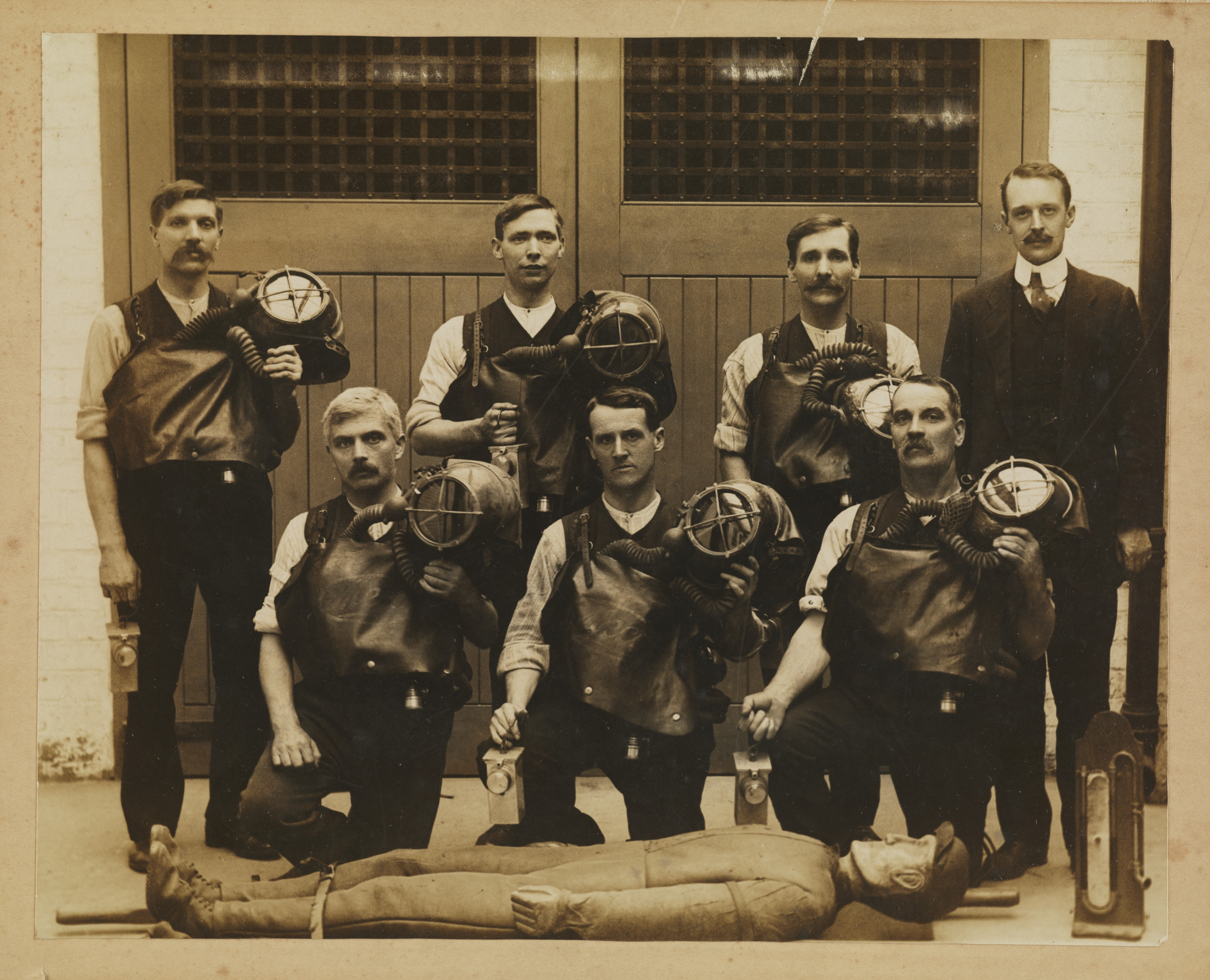
When something went wrong, the men who went in were other miners – the crew coming off shift, neighbours, brothers. Breathing apparatus was limited and in short supply. Mine rescue teams existed and were skilled, but a disaster drew in whoever was at the portal.
Mine rescue is now a trained, equipped, regularly drilled and legally required capability, with teams that compete in formal competitions to maintain skills and with mandated response times. The old arrangement produced extraordinary courage and a great many secondary casualties, because untrained men entering an atmosphere that has just killed somebody is how a disaster’s toll doubles.
10. Everybody in Town Knew the Whistle Code
The mine whistle carried across the valley and the pattern meant something specific – shift change, no work tomorrow, or an accident. Women came out of their houses and counted the blasts. The sound of the wrong signal emptied every kitchen in the camp towards the portal.
Nothing in modern working life broadcasts to a whole community like that. Notification now runs through designated channels to designated people, which is better in every way and removes the particular horror of an entire town finding out simultaneously and then waiting at a gate for hours to learn whose family it was. Every mining community has that scene in its collective memory, usually attached to a specific date.
11. Ponies Lived Underground and Many Never Came Up
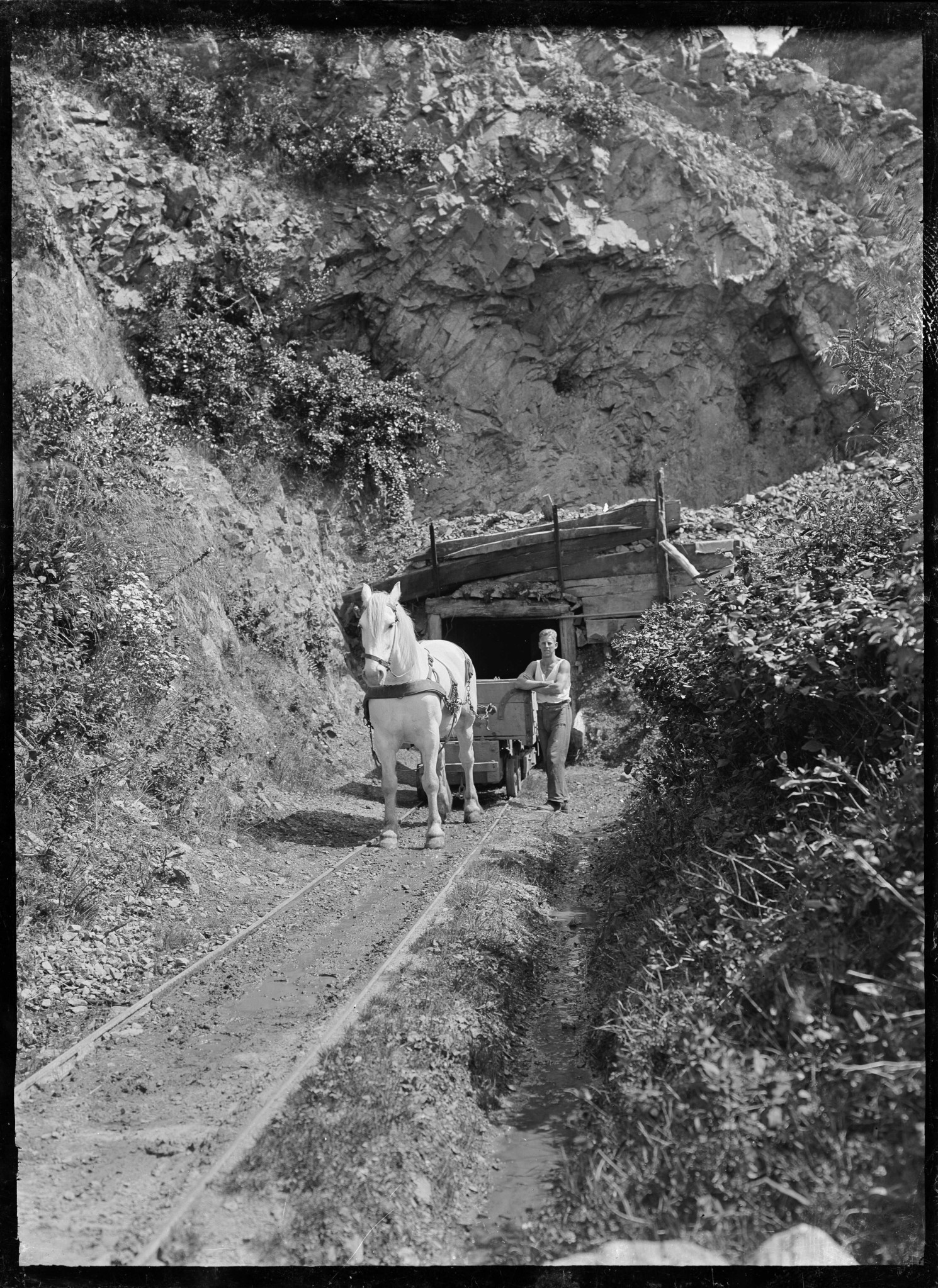
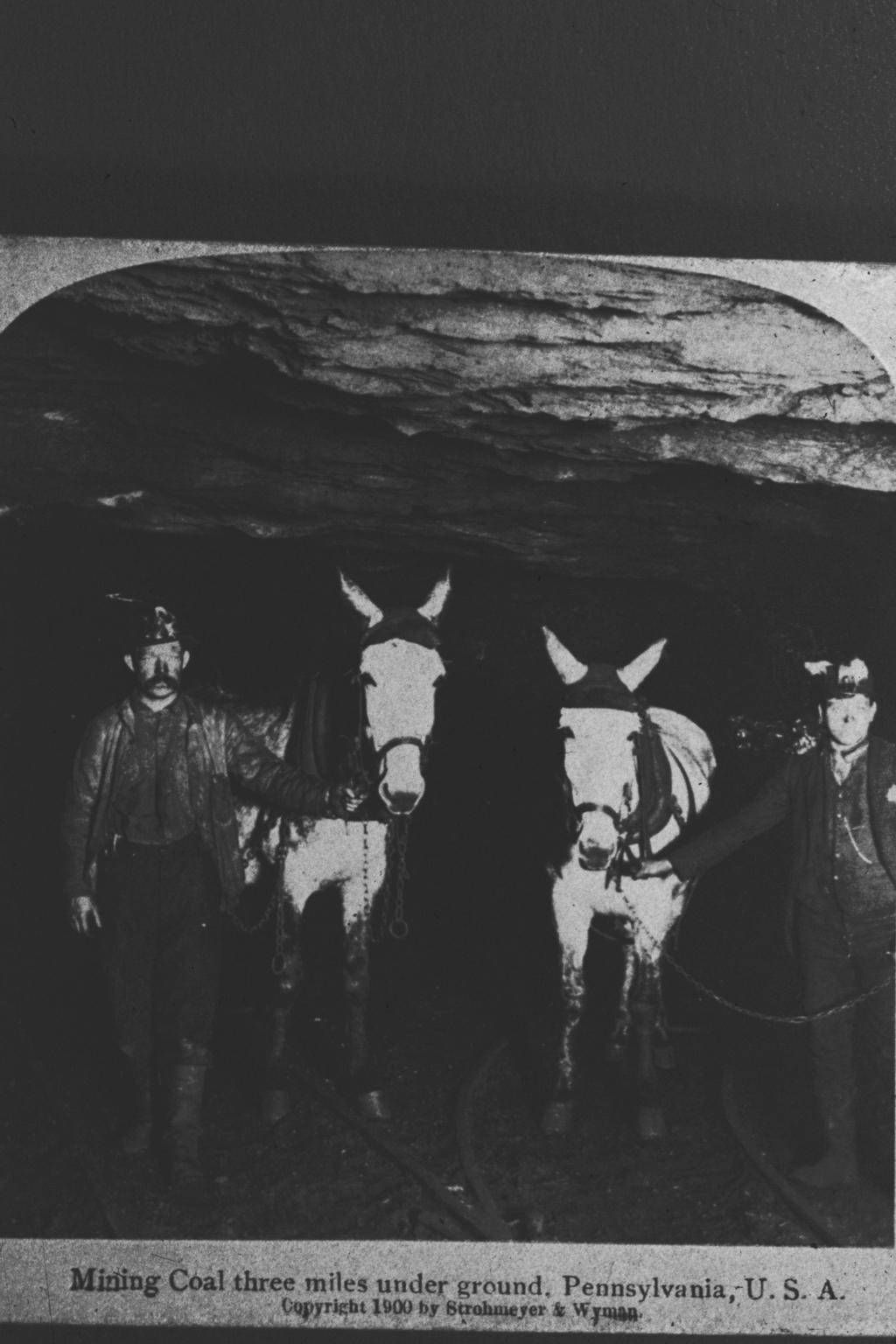
Pit ponies hauled coal cars along the underground roads, stabled below in some operations and brought to the surface only during extended shutdowns. They knew the routes, counted the loads, and refused to move for an overloaded car.
Mechanical haulage displaced them through the middle of the century, and the last working pit ponies in the industry had gone by the 1970s. They were, for what it is worth, generally well treated – a pony was expensive and a miner worked alongside the same animal for years – but the animals worked in the dark for their whole lives, and nobody proposes bringing the arrangement back.
12. A Mine Could Catch Fire and Be Left to Burn
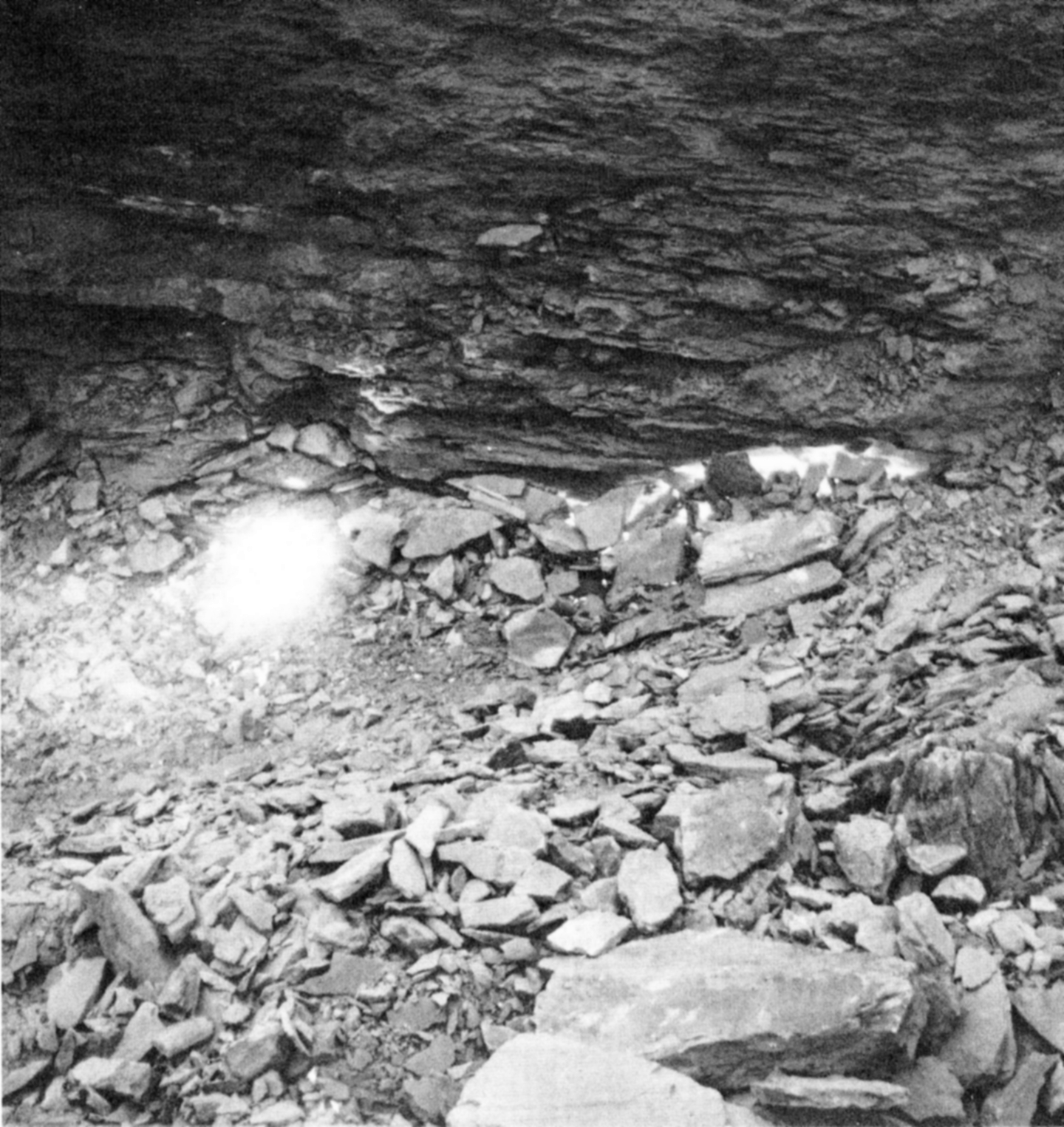
An underground coal fire, once established, is close to unstoppable. The response was frequently to seal the section, or the mine, and let it burn, which could continue for decades. Several fires started in that era are still burning.
Fire prevention and suppression are now engineered into the mine plan from the outset, with belt monitoring, fire-resistant materials, inert gas injection and sealed-area monitoring. The legacy fires remain the clearest physical evidence of the old approach, and at least one has outlasted the town above it. The economics were brutal and simple: a sealed section was cheaper than a fought fire, and the cost of the smoke was not on the company’s books.
13. The Union Was the Only Institution That Was On Your Side
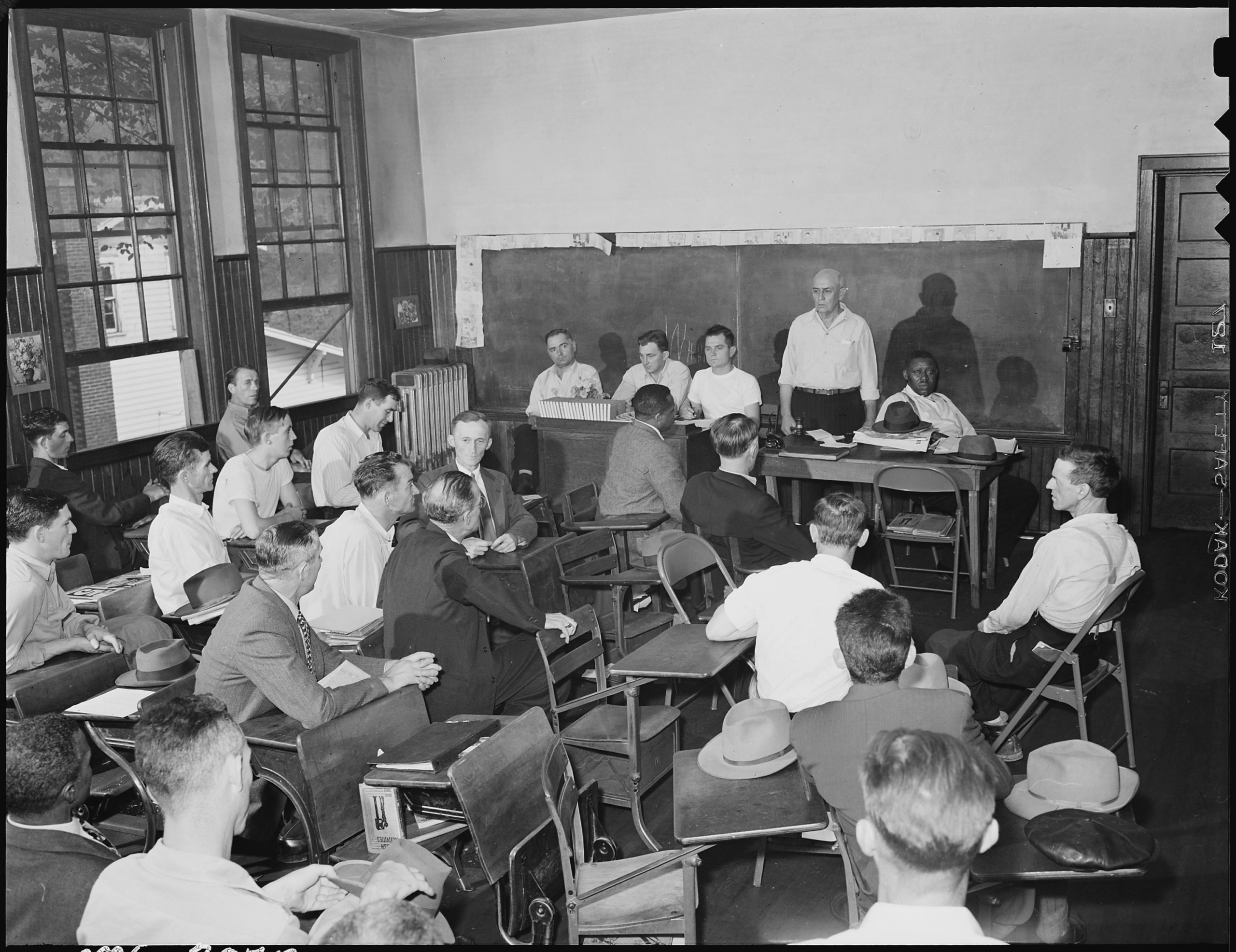
By 1955 the United Mine Workers had won day wages, portal-to-portal pay, a welfare and retirement fund financed by a royalty on every ton produced, and a network of union-built hospitals. For a mining family the union was the pension, the doctor and the only counterweight to the company.
The miners’ welfare and retirement fund, financed per ton, was a genuinely innovative arrangement and it paid for medical care in places that had none. The subsequent history of coal employment, mechanisation and company bankruptcies put severe strain on those obligations, and the pension position of retired miners has been a recurring matter of federal legislation. The institution that delivered the single largest improvement in the items above is also the one whose decline is most felt.
14. Mechanisation Was Arriving and Was Understood as a Threat
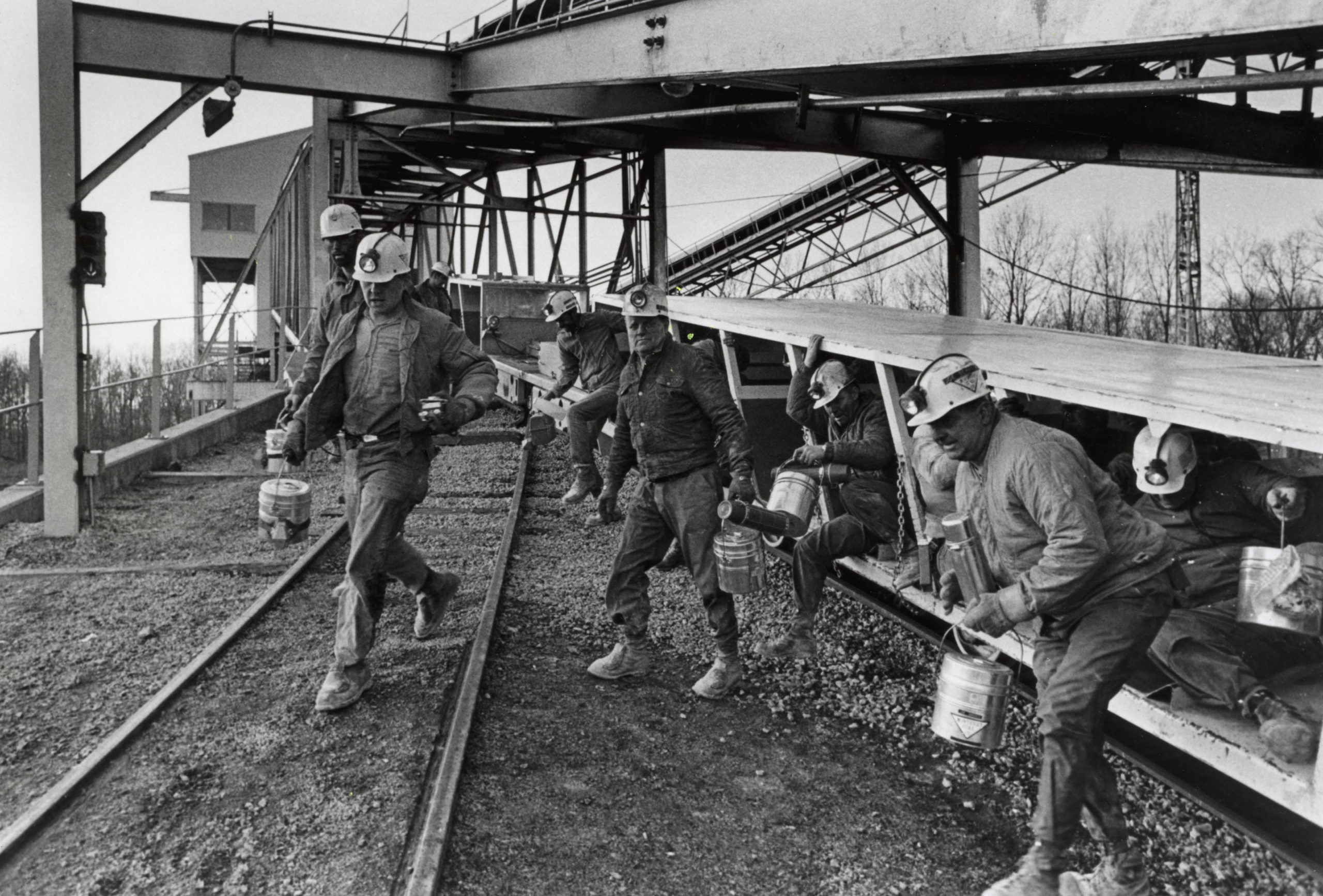
The continuous miner – a machine that cuts and loads coal in one operation – was spreading rapidly through the 1950s, and every man watching it work could do the arithmetic. One machine and a small crew replaced a large number of hand loaders.
The union made a deliberate choice to accept mechanisation in exchange for high wages and the welfare fund for the men who remained, rather than resisting it. Coal output per worker rose enormously; employment fell from hundreds of thousands to a fraction of that over the following decades. It is the same arithmetic as the steel minimill and the container port, and the miners in 1955 saw it coming more clearly than most.
15. You Washed at Home in a Tub, in Front of Everybody
Bathhouses existed at larger operations but a great many men came home black. The water was heated on the stove and the tub sat in the kitchen, and the miner’s wife scrubbed his back because the coal dust did not come off any other way. Children remember the colour of the water.
The company bathhouse, where it existed, was one of the genuinely valued facilities, and its spread through the 1950s and 1960s changed domestic life in those towns more than almost anything else – it ended the laundry, the water-heating and the tub, and it kept the dust out of the house. It is also the detail that comes up first when people who grew up in a coal camp describe their childhood, which says something about how much of that work came home.
What the Numbers Did
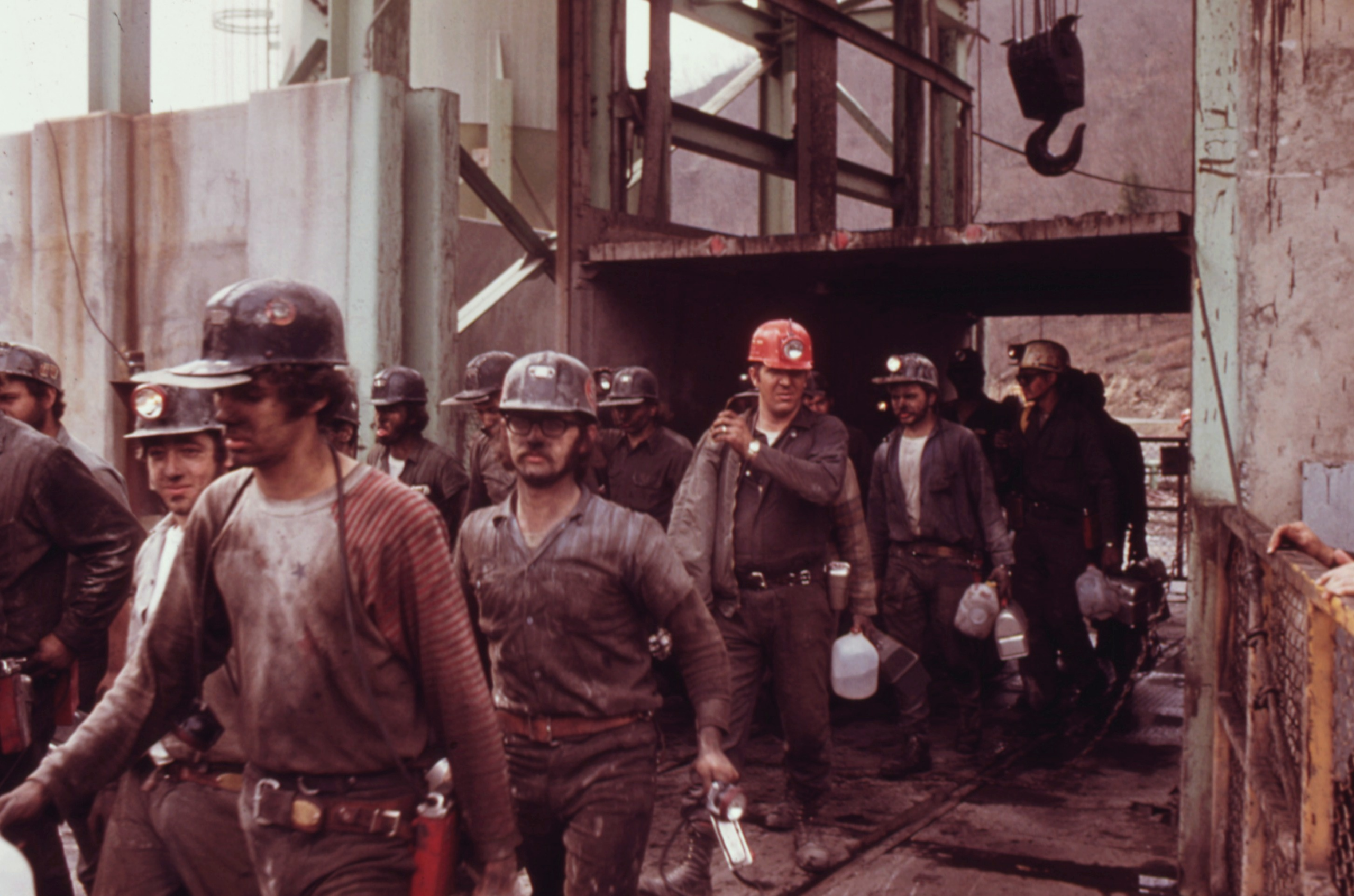
Underground coal mining in the United States killed around a thousand people a year in the 1920s, several hundred a year in the 1950s, and now kills a very small number annually. That is not a gradual cultural improvement. It is the result of specific, identifiable changes, and the order they arrived in matters.
Day wages came first and removed the financial penalty on safety. Portal-to-portal pay followed. Then the 1969 Federal Coal Mine Health and Safety Act, strengthened in 1977, brought dust limits, mandatory inspections, roof control plans, enforceable penalties and a federal agency to apply them. Roof bolting replaced timber. Electronic gas detection replaced the bird. Trained rescue teams replaced volunteers.
Mechanisation did two things at once: it made each remaining job far safer, and it removed most of the jobs. Output per worker rose by an enormous multiple while employment collapsed, which is why the mining towns emptied even in years when the coal was still selling.
The men in those photographs were not reckless and they were not ignorant. They were working inside a payment system and a legal structure that made the dangerous choice the rational one, and that is what got changed.
If your family came out of a coal town, the whistle and the tub in the kitchen are probably the two things on this list you already knew.
Which seam, which county, and is anybody still there?
Like our content? Follow us for more.