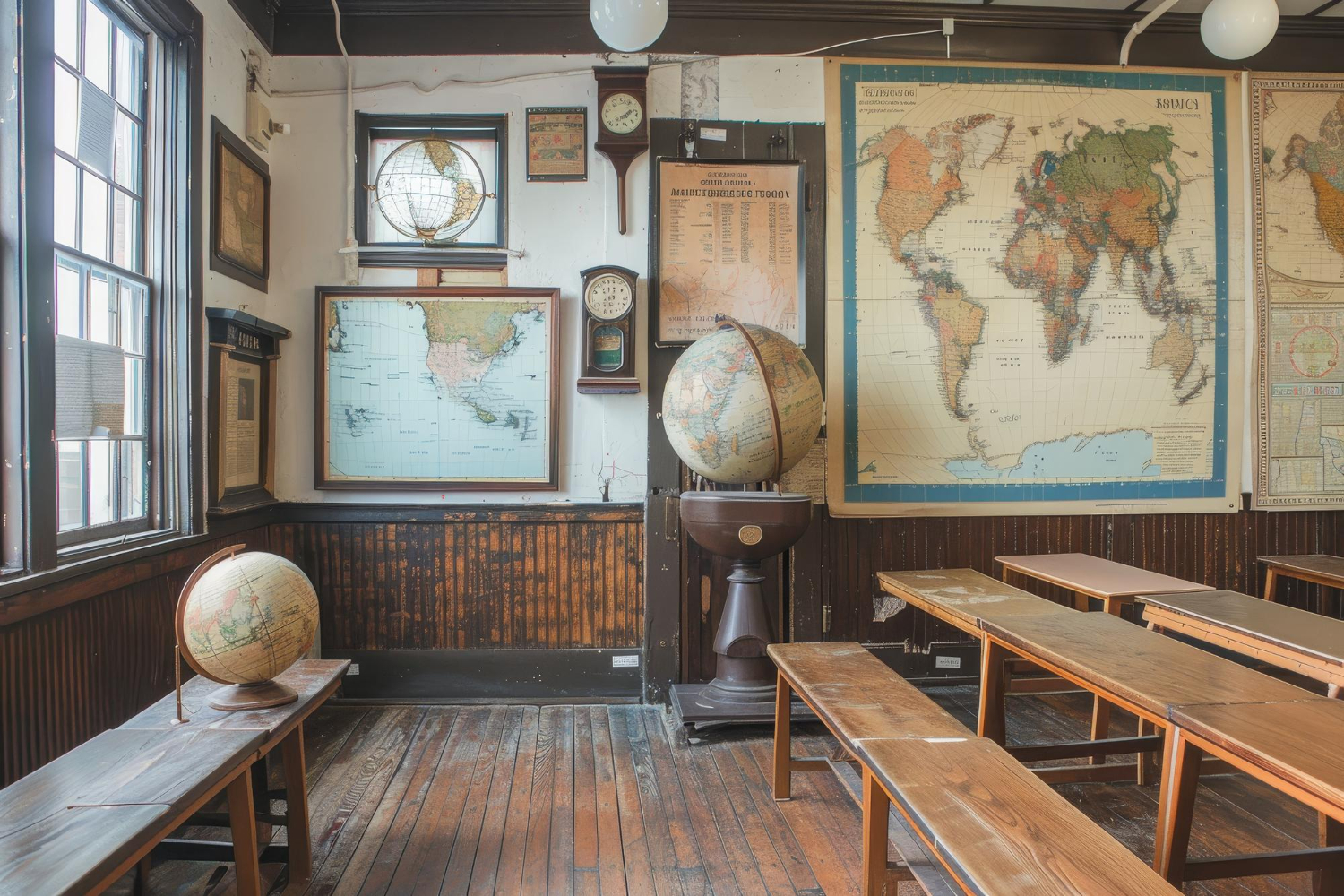
The American classroom of 1974 contained objects, practices, and substances that have been entirely removed from modern schools — some for genuine safety reasons, some because the law changed, and some because the culture shifted. The teacher had a paddle. The mimeograph machine filled the room with solvent fumes. Asbestos lined the ceilings, and lead paint covered the walls. Students were sorted, disciplined, and exposed to things that today’s schools, codes, and laws would never permit. None of it seemed remarkable at the time — it was simply what an American classroom was. The transformation over the following half-century, driven by safety research, court decisions, and changing educational philosophy, has been so complete that a 1974 classroom would today be a compliance nightmare. Here are thirteen things found in essentially every American classroom in 1974 that would be banned or removed today.
1. The Paddle for Corporal Punishment
The 1974 American classroom frequently had a paddle — sometimes displayed openly — used to administer corporal punishment for misbehavior. Paddling students was legal and routine across much of the country. Corporal punishment has since been banned in public schools in the majority of states, and the open paddling of students that was normal in 1974 would today result in criminal charges and lawsuits in those states. The dramatic legal shift away from physical discipline is among the largest changes in American education.
Like our content? Follow us for more.
2. Asbestos in the Ceilings and Floors

The 1974 American classroom was built with asbestos throughout — ceiling tiles, floor tiles, pipe insulation, and sprayed-on fireproofing. The dangers were not seriously addressed until the Asbestos Hazard Emergency Response Act of 1986 required schools to inspect for and manage asbestos. The 1974 classroom’s casual, ubiquitous asbestos would today trigger immediate abatement requirements. Generations of students and teachers spent their days surrounded by a material now treated as a serious hazard requiring licensed removal.
3. The Mimeograph Machine and Its Fumes
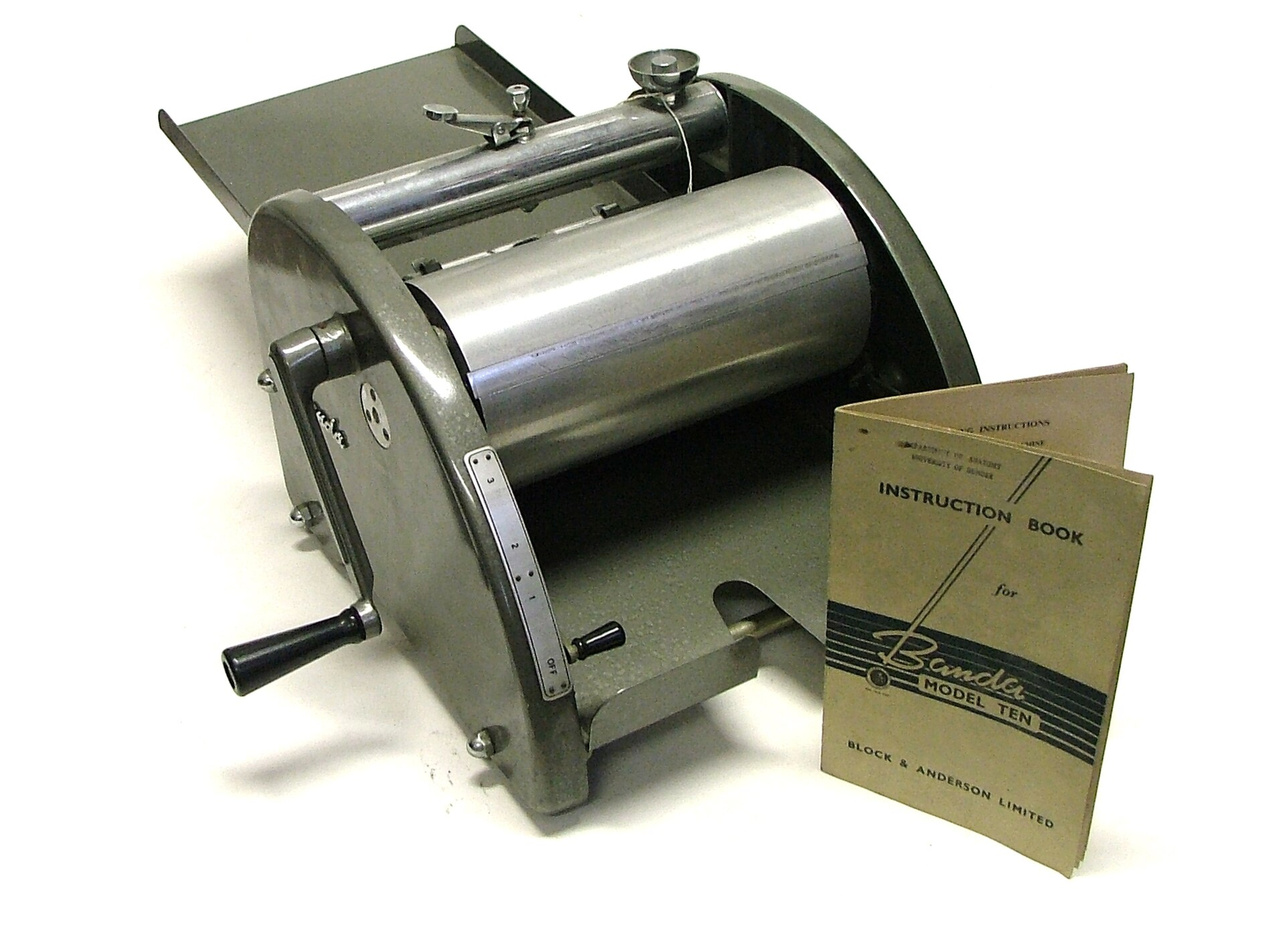
The 1974 classroom relied on the mimeograph or spirit duplicator — the “ditto” machine — which produced purple-inked copies using solvents that gave the freshly-printed worksheets their famous smell that students would sniff. The solvent fumes filled poorly-ventilated rooms. The technology disappeared with the rise of photocopiers, and the practice of handing children solvent-soaked papers to inhale would not meet modern standards. The smell of the fresh ditto is a vivid 1974 classroom memory attached to a now-obsolete and chemically-questionable machine.
4. Lead Paint on Every Surface
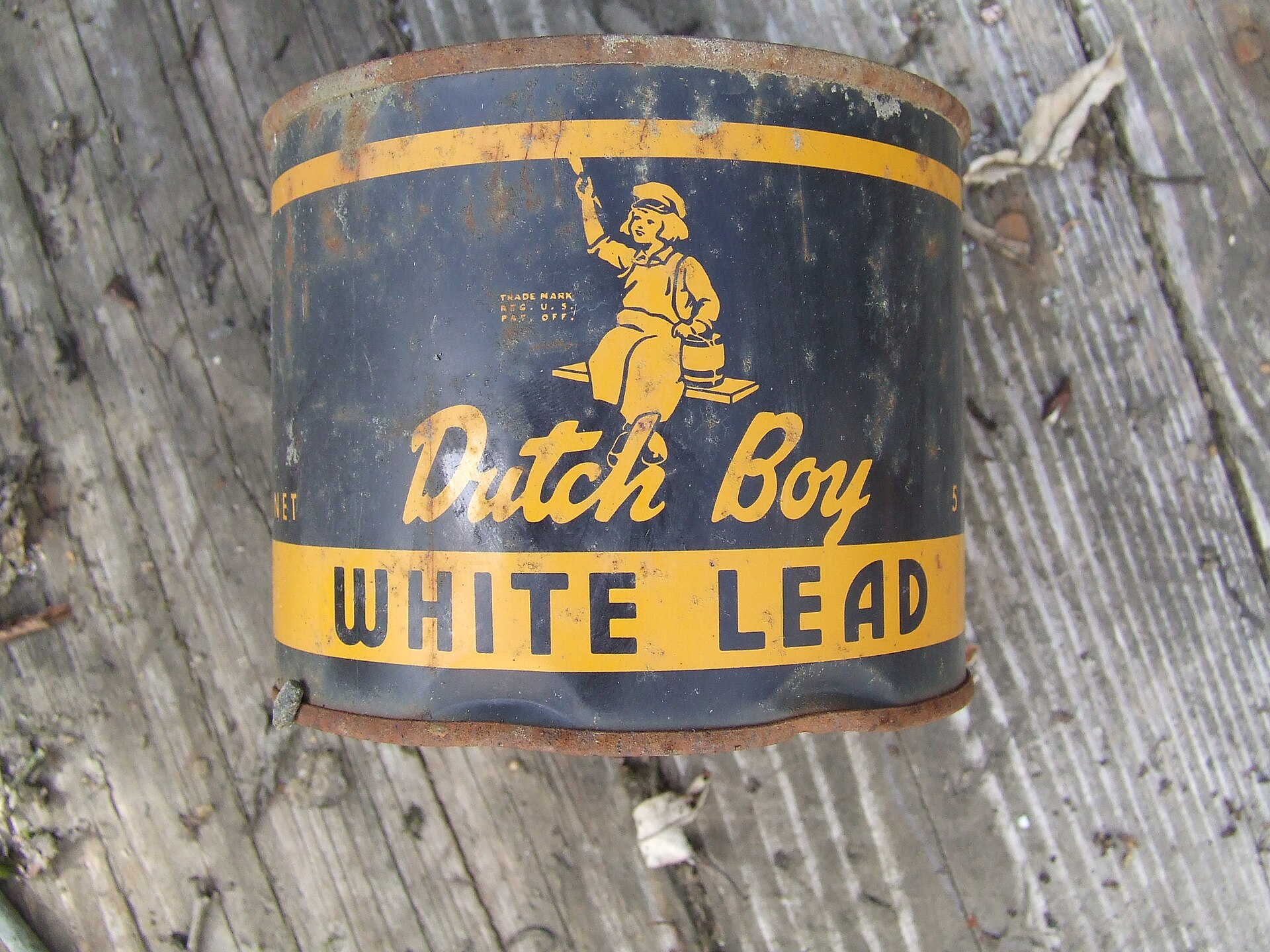
The 1974 American classroom was painted with lead-based paint, which was not banned for such uses until 1978. Walls, trim, doors, and windows in older school buildings were coated in it, and deteriorating lead paint in schools remains a documented hazard in old buildings today. The 1974 classroom’s lead paint, particularly dangerous to children, would fail every modern standard, and remediation of lead paint in old school buildings is an ongoing and expensive concern.
5. Smoking Areas — and Smoking Teachers
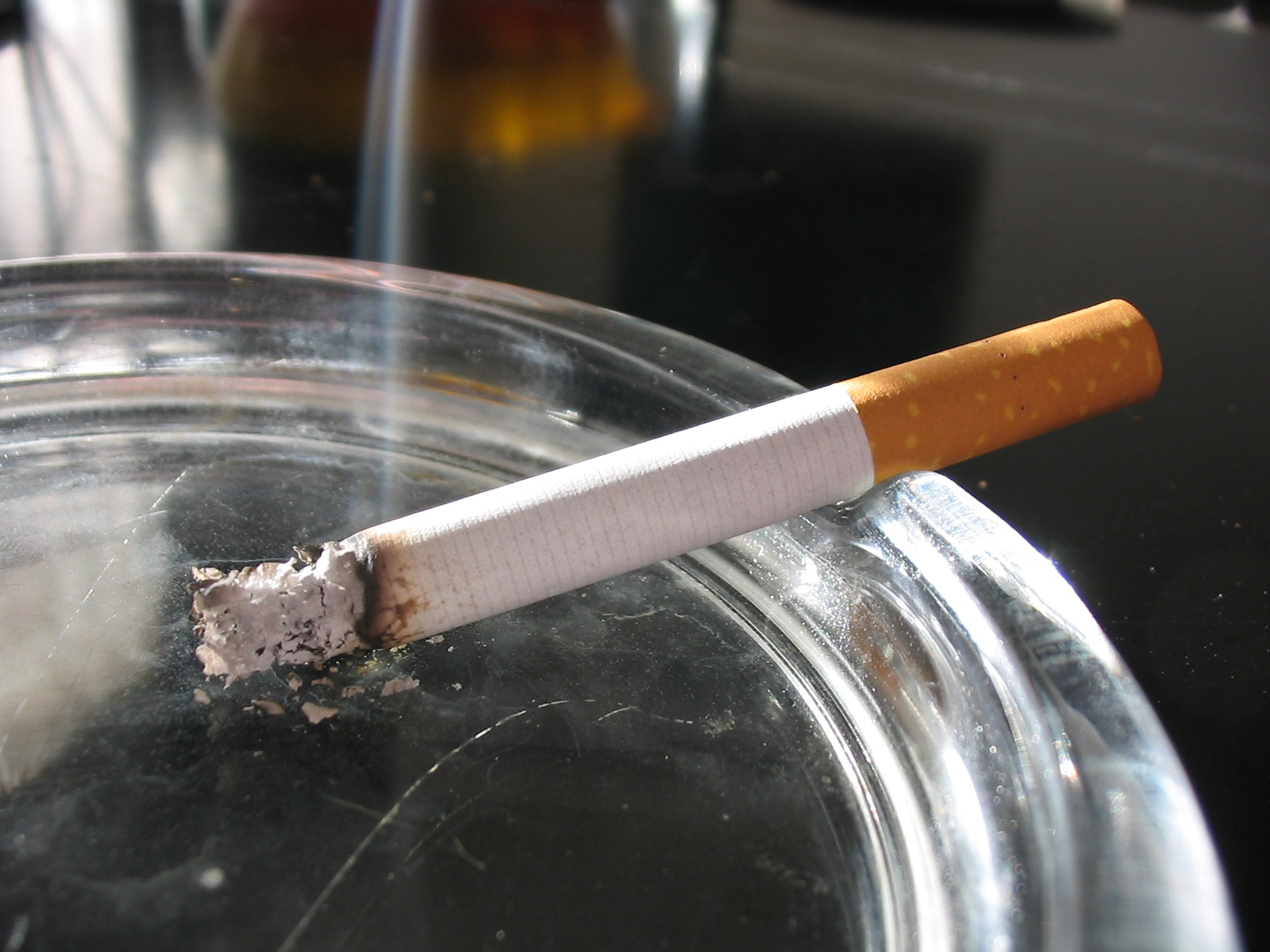
The 1974 American school frequently had a teachers’ lounge where smoking was normal, and some high schools even had designated student smoking areas. The smell of cigarette smoke drifted through parts of the building, and teachers sometimes smoked in or near classrooms. Smoking is now banned entirely on school grounds, and the idea of a smoke-filled teachers’ lounge or a sanctioned student smoking area is genuinely shocking by modern standards. The 1974 acceptance of smoking in schools has vanished completely.
6. The Mercury Everywhere
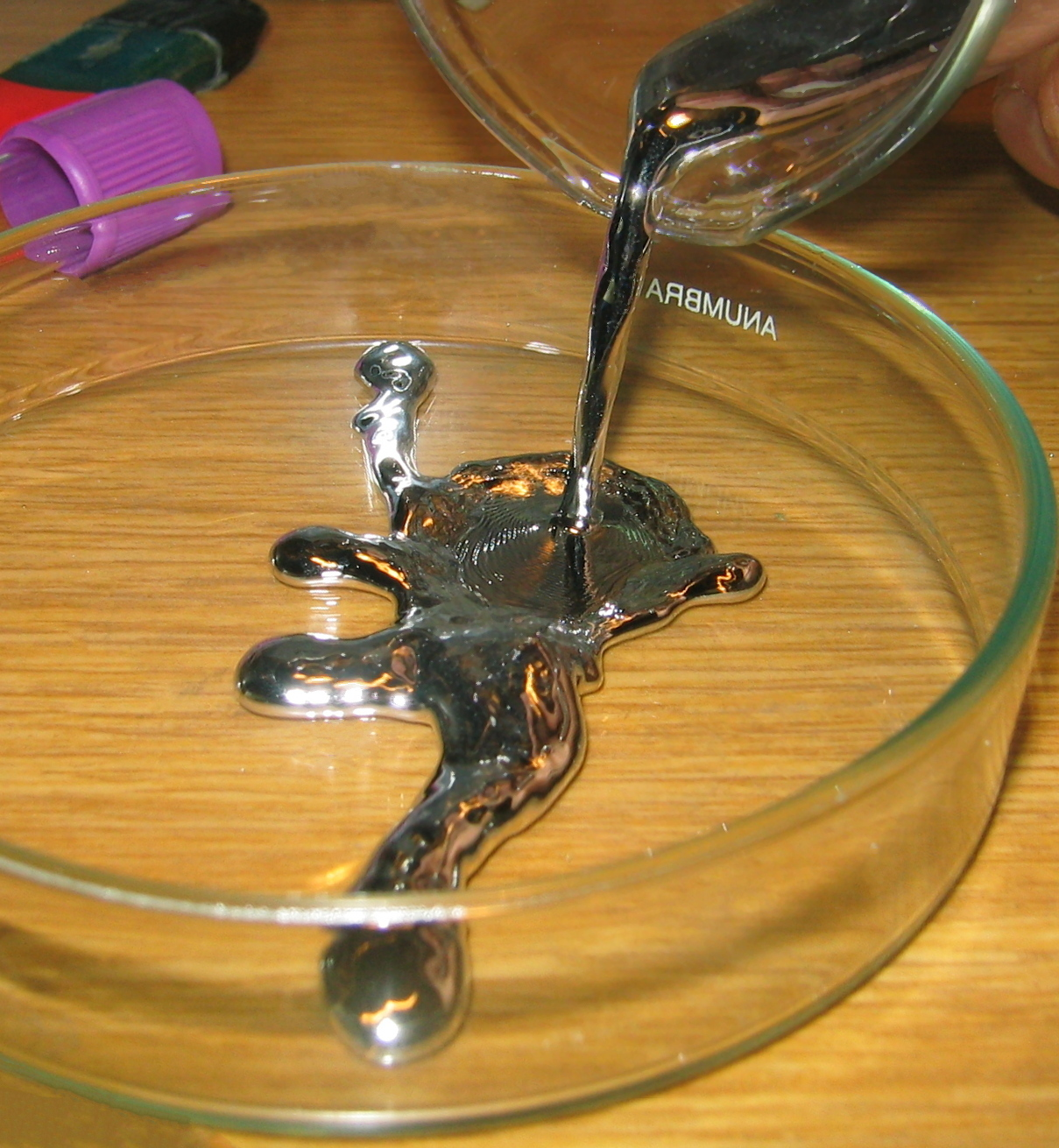
The 1974 science classroom kept open mercury for experiments, mercury thermometers, and mercury in various instruments — and students sometimes handled the liquid metal directly, rolling the fascinating silver droplets across desks. A broken thermometer was cleaned up casually. Mercury is now treated as a hazardous material requiring special handling, and a mercury spill in a modern school triggers evacuation and professional cleanup. The 1974 casual presence of handleable mercury in classrooms is now unthinkable.
7. Dodgeball and Genuinely Rough P.E.

The 1974 physical education class featured dodgeball and other games that have since been removed from many schools as too aggressive or exclusionary, along with rope climbing, the presidential fitness tests, and contact games played on hard surfaces with minimal safety consideration. Many of these activities have been banned or heavily modified in modern schools over injury and inclusion concerns. The 1974 P.E. class, where students hurled balls at each other and climbed ropes to the gym ceiling, reflects a vanished approach to physical education.
8. The Overhead Projector and Film Strip Projector
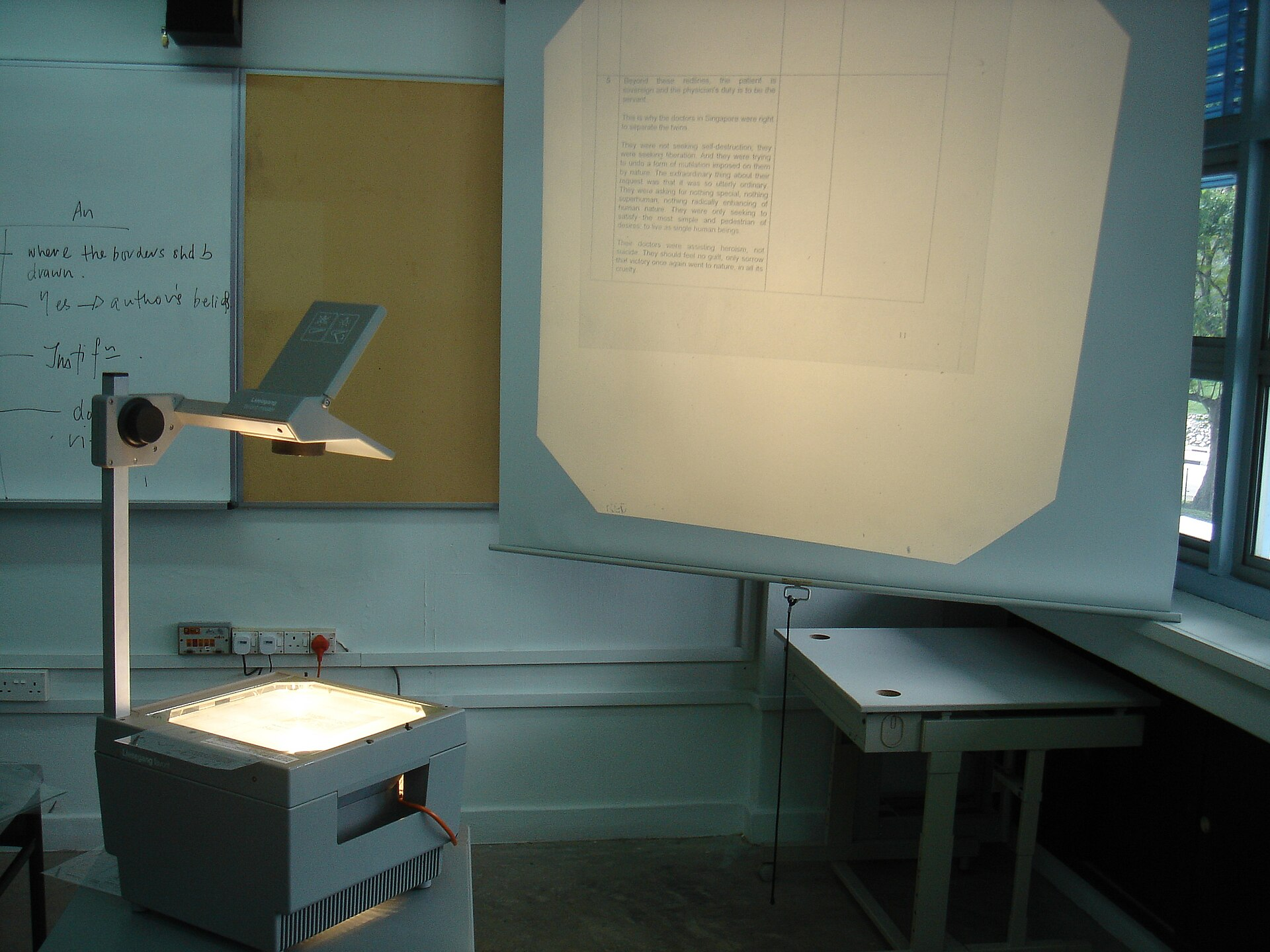
The 1974 classroom’s primary technology was the overhead projector and the filmstrip projector with its accompanying record or cassette that beeped to signal advancing the frame. While not dangerous, these defining 1974 technologies have been entirely removed and replaced by digital displays. The specific experience — the teacher writing on transparency film, the darkened room and the beep of the filmstrip — has vanished completely from the modern classroom, a marker of how thoroughly the room’s technology transformed.
9. Open Shelves of Now-Restricted Chemicals
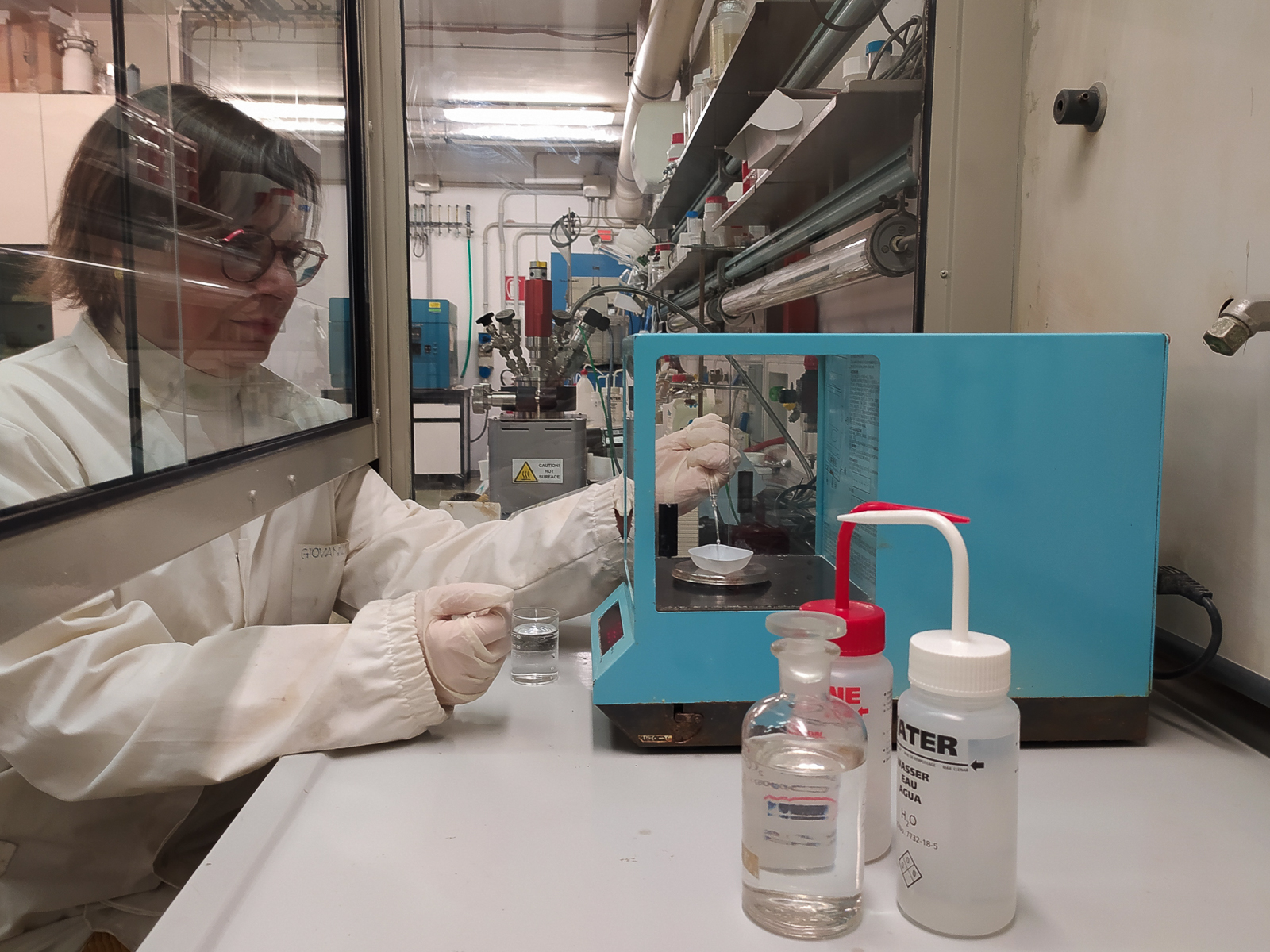
The 1974 high school chemistry lab kept chemicals on open shelves that modern safety standards have heavily restricted or removed entirely — substances now considered too hazardous for student handling. Experiments were performed with minimal protective equipment, frequently without goggles, gloves, or fume hoods. Modern lab safety requirements, chemical restrictions, and liability concerns have transformed the science classroom. The 1974 lab, with its accessible dangerous chemicals and casual safety practices, would fail every modern inspection.
10. No Accommodations and Open Tracking
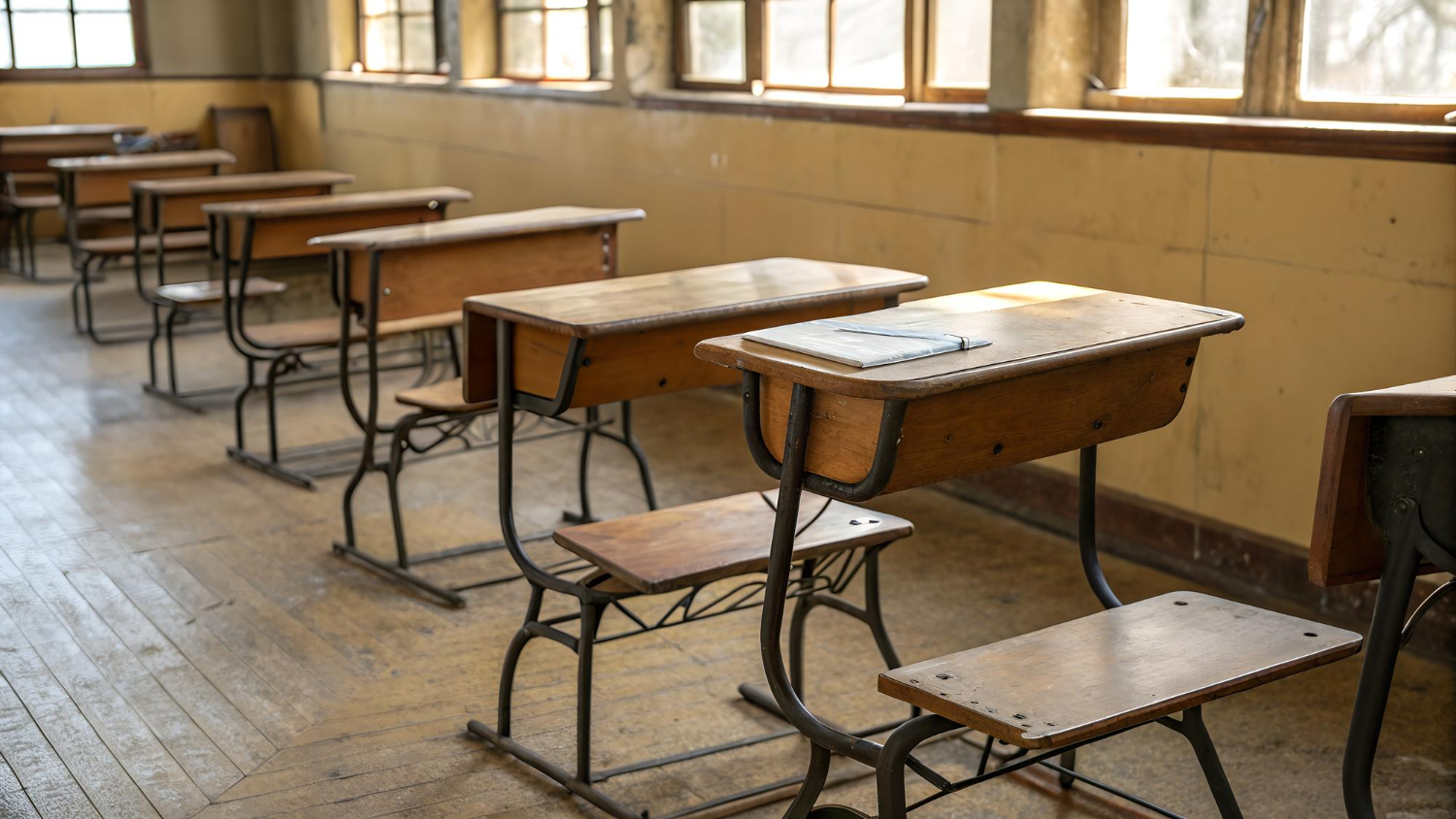
The 1974 American classroom operated before the major disability-rights education laws — the Education for All Handicapped Children Act passed in 1975. Students with disabilities were frequently excluded, segregated, or unaccommodated, and students were openly sorted into ability “tracks” in ways modern education has largely rejected. The 1974 classroom’s lack of accommodations and its open, sometimes stigmatizing tracking practices would violate modern law and educational philosophy. This legal and cultural shift fundamentally changed who American classrooms serve and how.
11. The Single Wall-Mounted Pencil Sharpener and Other Hazards
The 1974 classroom contained an array of small hazards now reconsidered — the hand-crank metal pencil sharpener, scissors and paper cutters with exposed blades, glass aquariums, and heavy metal-and-wood furniture with sharp corners. The large guillotine-style paper cutter, operated by students, is a particular example of equipment now restricted or removed over injury concerns. The 1974 classroom’s collection of sharp, heavy, and pinch-prone equipment reflects a era with far less focus on eliminating minor injury risks.
12. Religious and Patriotic Practices Since Restricted
The 1974 American classroom frequently included practices since restricted by court decisions — organized prayer, religious instruction, and certain mandatory patriotic exercises that subsequent legal rulings limited or prohibited in public schools. The legal landscape around religion and compelled speech in public schools shifted substantially. Practices that were routine in many 1974 classrooms have been constrained or removed by the courts, changing the daily rituals of the public-school day.
13. The Locked Cloakroom and Casual Confinement
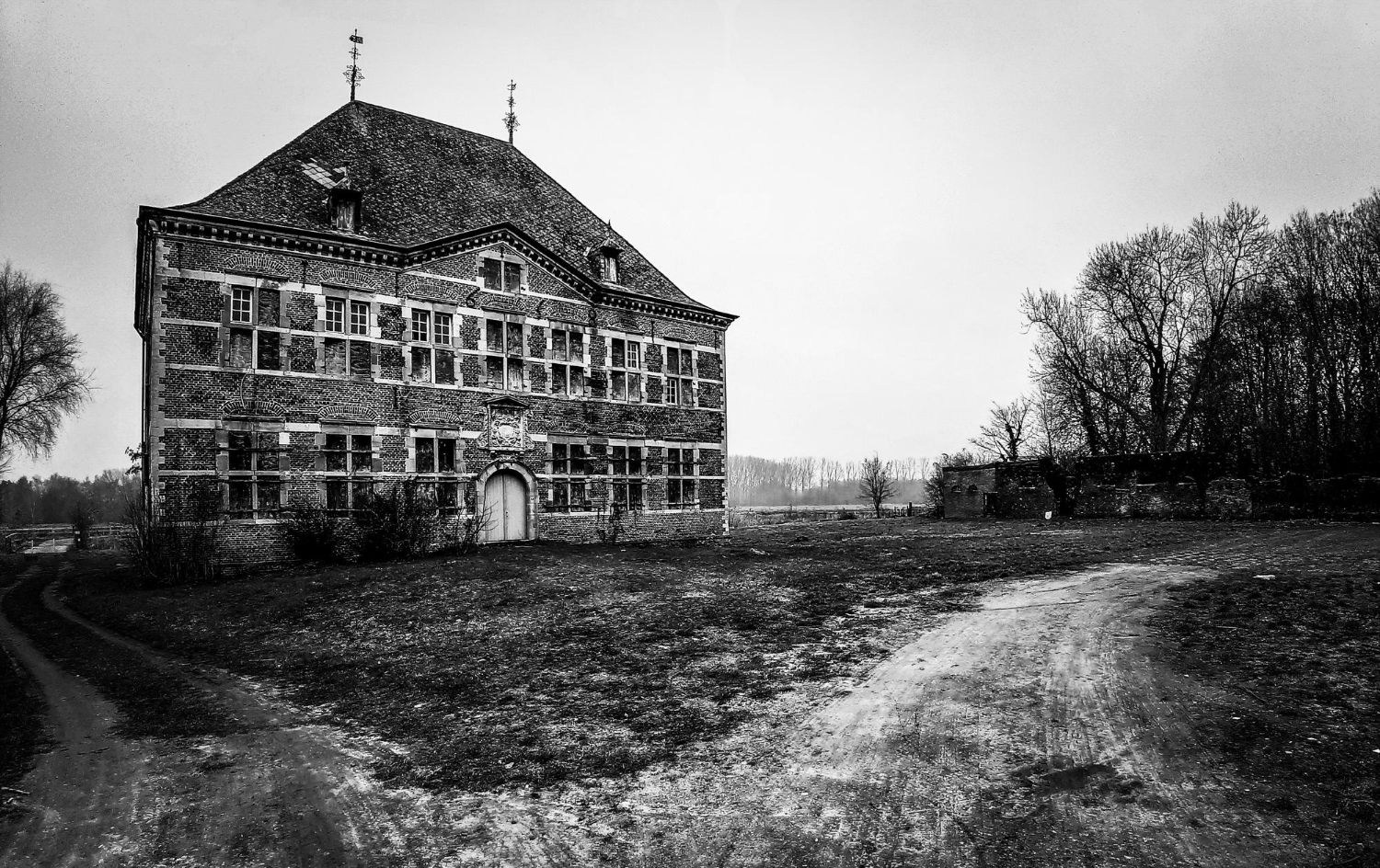
The 1974 classroom sometimes used the cloakroom or hallway as a place to confine misbehaving students, and disciplinary practices included forms of isolation and public humiliation — standing in the corner, wearing a sign, being sent to the cloakroom — that modern educational standards and student-dignity concerns have largely eliminated. The 1974 acceptance of confining or publicly shaming children as routine discipline has been substantially rejected, part of the broader transformation of how schools handle behavior.
How Completely the Room Changed
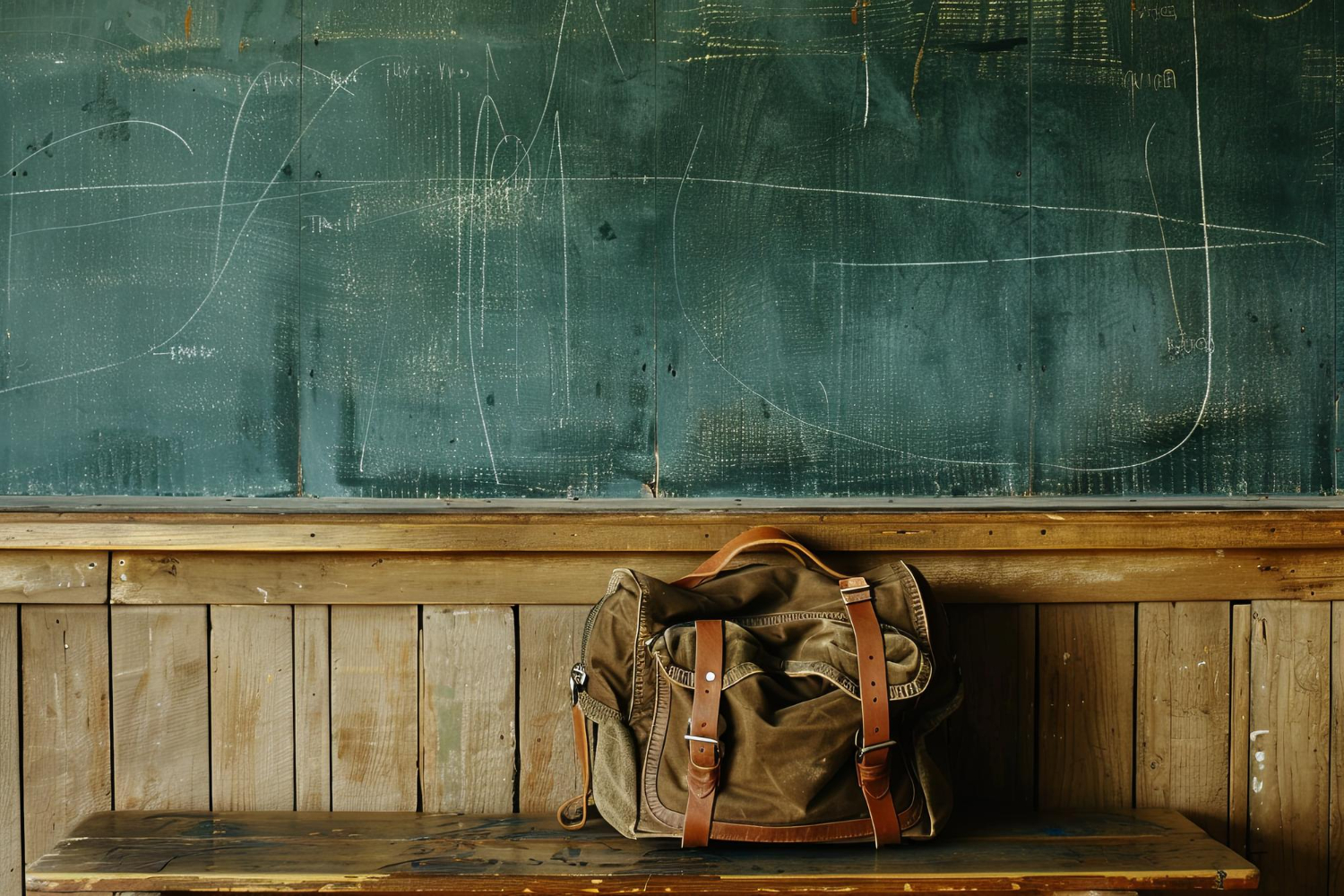
What’s striking about the 1974 classroom isn’t any single hazard but how thoroughly every dimension of it has been transformed — the building materials, the discipline, the technology, the chemistry, the legal framework, and the basic ethics of who belongs there and how they should be treated. The changes came from different directions and for different reasons. Some were driven by safety science — the asbestos, the lead, the mercury, the open chemicals were genuinely dangerous, and removing them prevented real harm. Some were driven by the courts — corporal punishment limits, school-prayer rulings, and disability-rights law fundamentally changed what schools could legally do. Some were driven by evolving ethics — the rejection of public humiliation, the inclusion of students once excluded, the abandonment of casual confinement reflect a changed understanding of children’s dignity. Taken together, they mean that an adult who attended an American school in 1974 sat in a room that would today be simultaneously a safety violation, a legal liability, and an ethical problem. None of this was apparent at the time, which is precisely the point: the 1974 classroom represented the settled, unquestioned normal of its era, just as today’s classroom represents ours. The transformation is a reminder of how much of what feels permanent and obvious about institutions is, in fact, simply the temporary consensus of a particular moment.
Like our content? Follow us for more.