

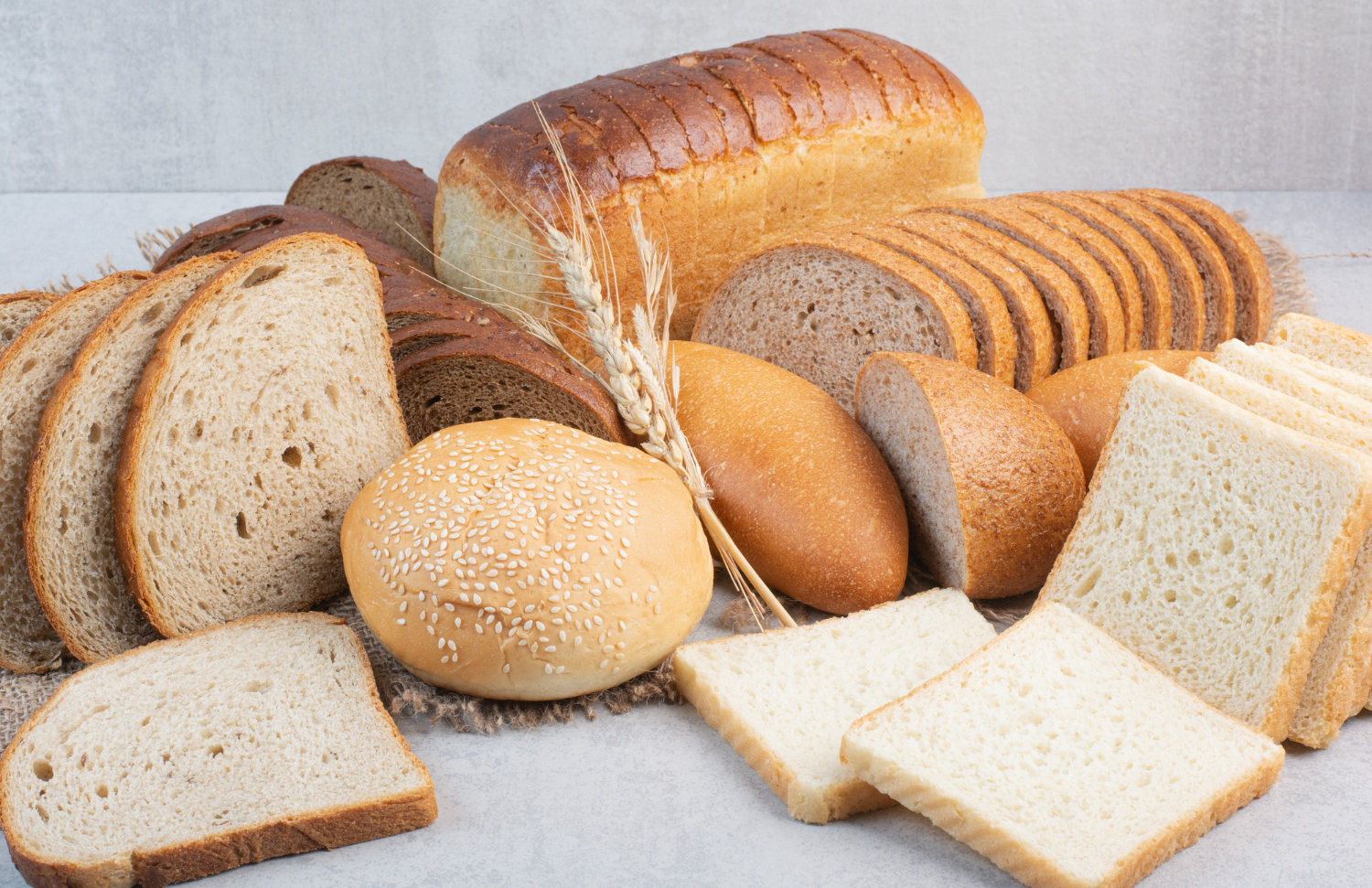
What separates these is mostly how they are baked — in a clay oven, on a hot stone, in a steam-injected chamber, or in a pan — and which grain was available. Here are fifteen from around the world.
1. Baguette — France
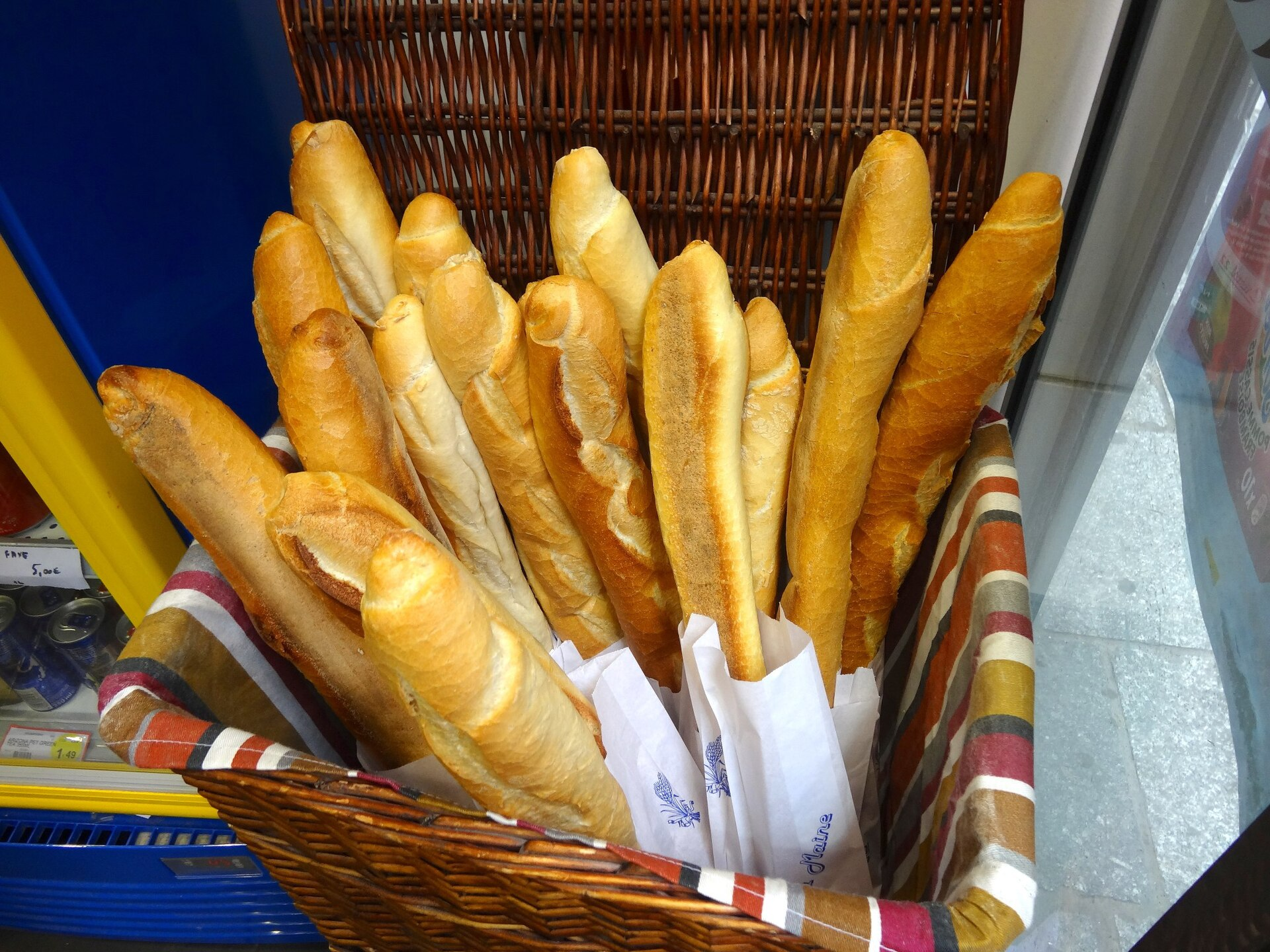
A lean dough of just flour, water, salt and yeast, baked with steam to produce a crackling crust and an open, irregular crumb.
It stales within hours, which is why it is bought daily rather than weekly, and that short life is a consequence of having no fat in it. The baguette is the bread that proves four ingredients are enough.
Like our content? Follow us for more.
2. Injera — Ethiopia and Eritrea
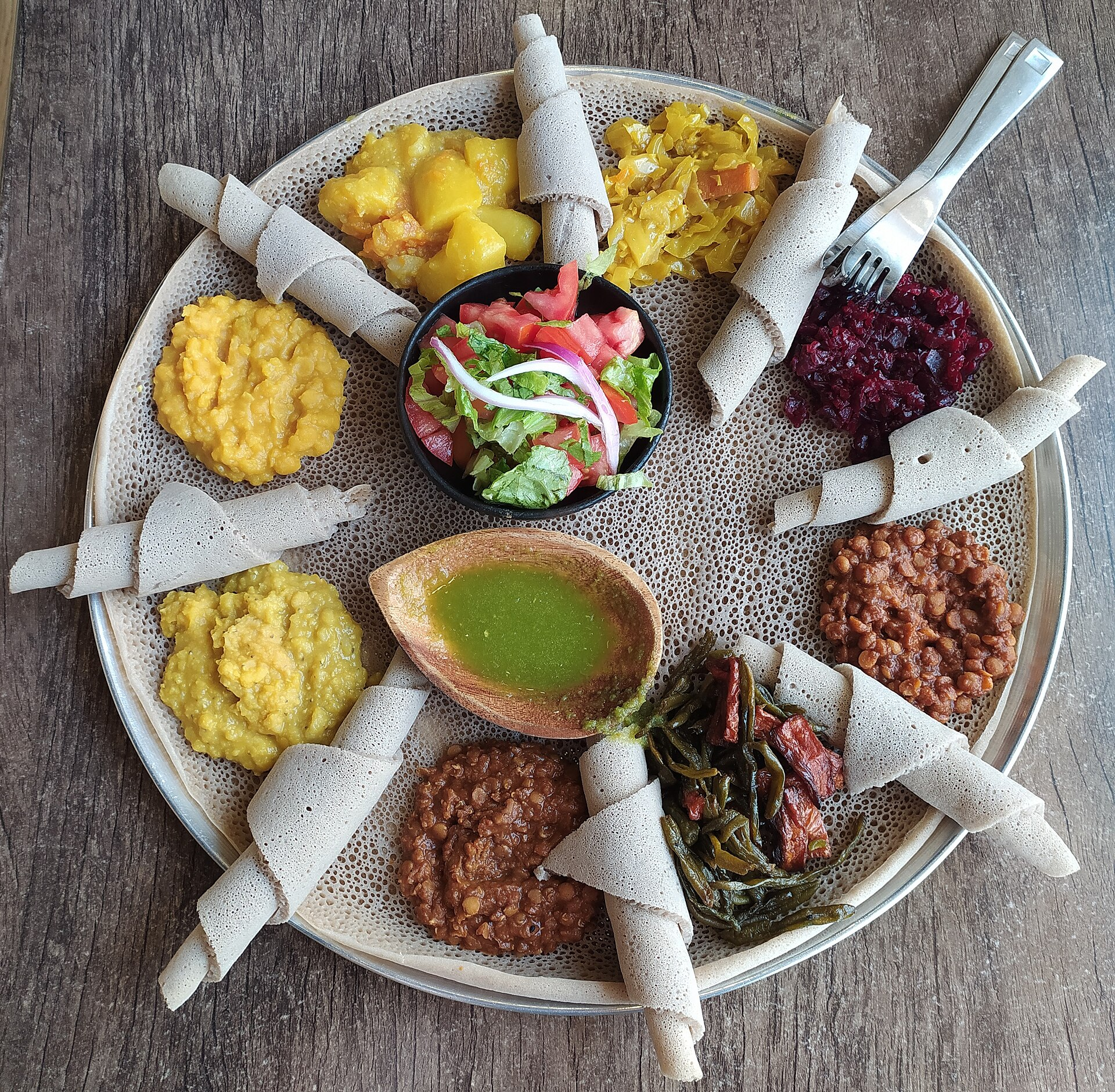
A large, soft, spongy flatbread made from fermented teff batter, cooked on one side so the surface fills with small holes.
It functions as plate, utensil and food at once, with stews served directly onto it and torn pieces used to scoop. Injera is the bread that replaces the cutlery.
3. Naan — South Asia
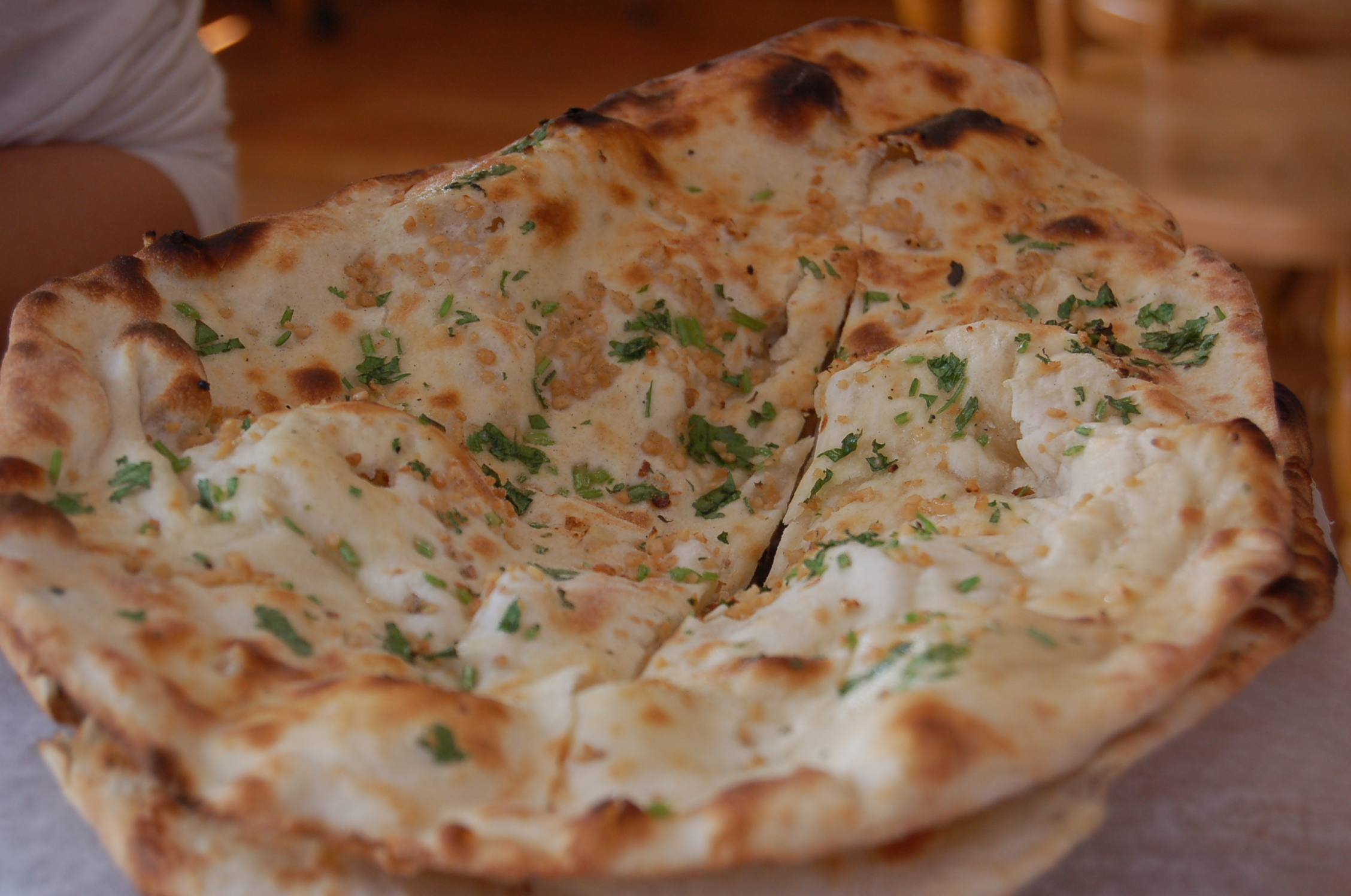
A leavened flatbread slapped onto the wall of a clay tandoor, where fierce heat cooks it in a couple of minutes and blisters the surface.
The tandoor is what makes it, which is why home versions in a pan are never quite the same. Naan is the bread defined by the oven rather than the dough.
4. Pumpernickel — Germany
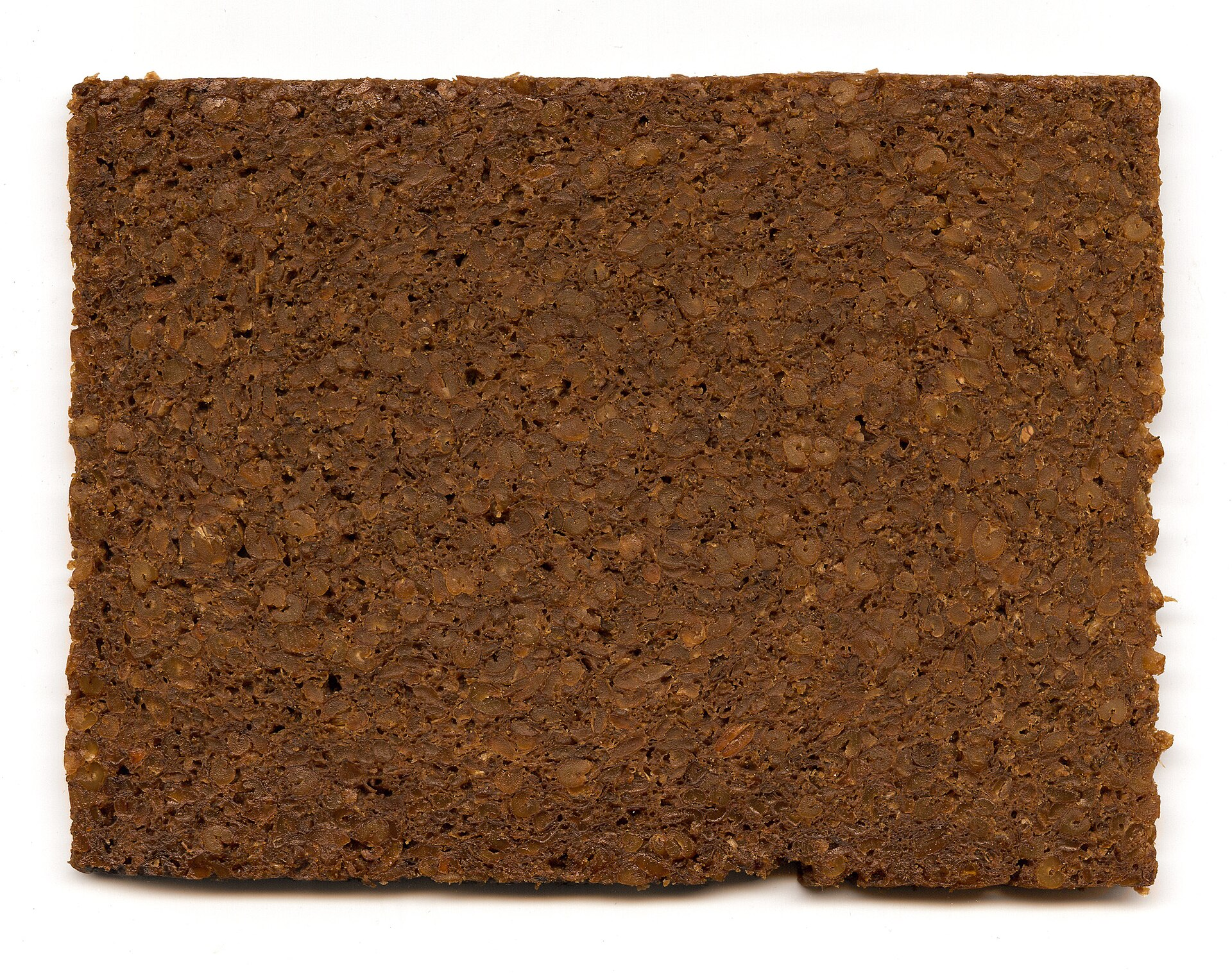
A dense, dark rye baked very slowly at low temperature for many hours, which darkens and sweetens it through a chemical browning reaction rather than added colour.
It keeps for a remarkably long time and is sliced very thin. Pumpernickel is the bread that gets its colour from patience.
5. Focaccia — Italy
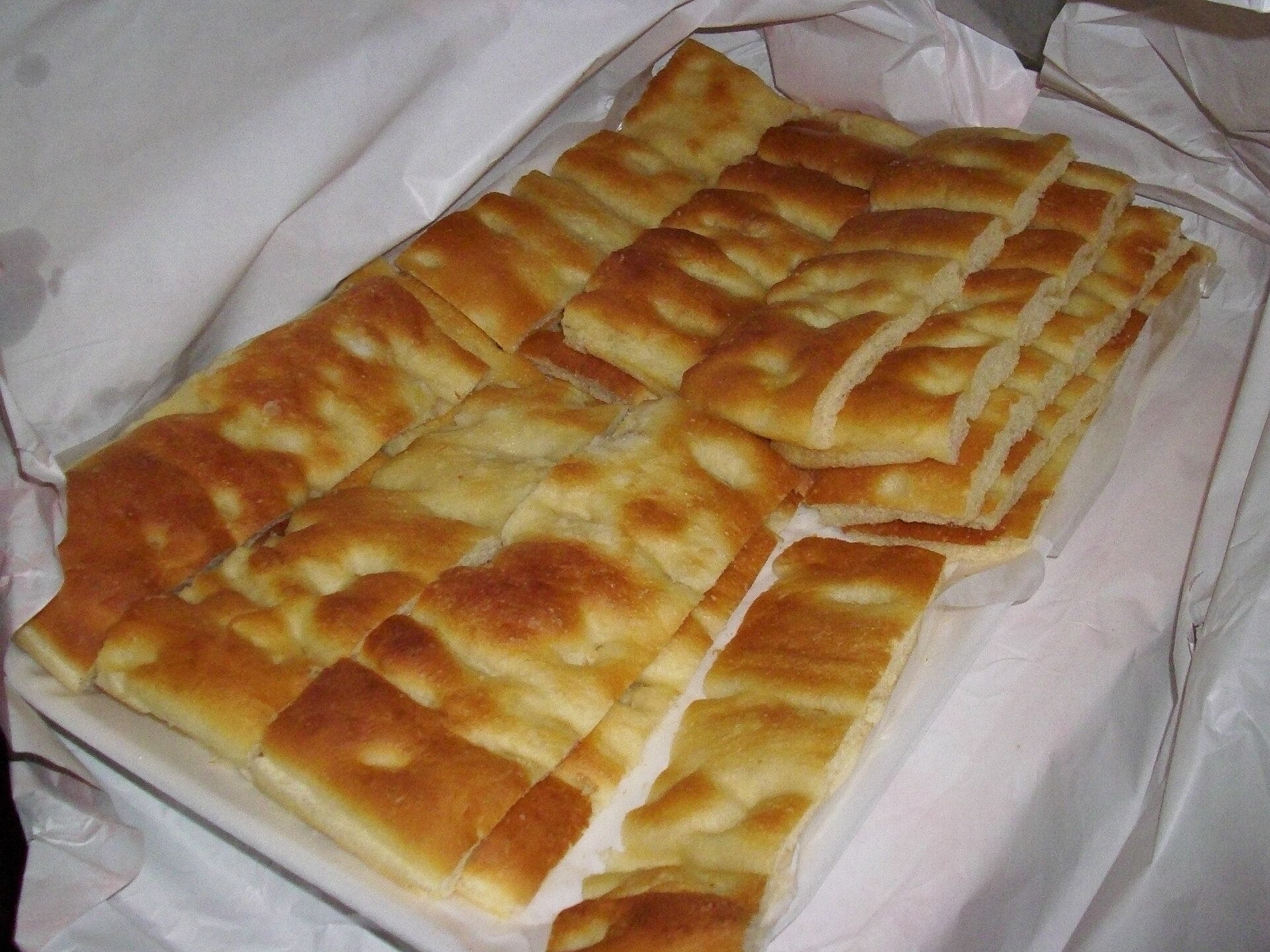
A flat, oil-rich dough dimpled with the fingertips before baking, so the hollows hold olive oil and salt.
The dimpling is structural as well as decorative, preventing the dough from rising into a dome. Focaccia is the bread you are supposed to press holes into.
6. Bagel — Poland and the Jewish Diaspora
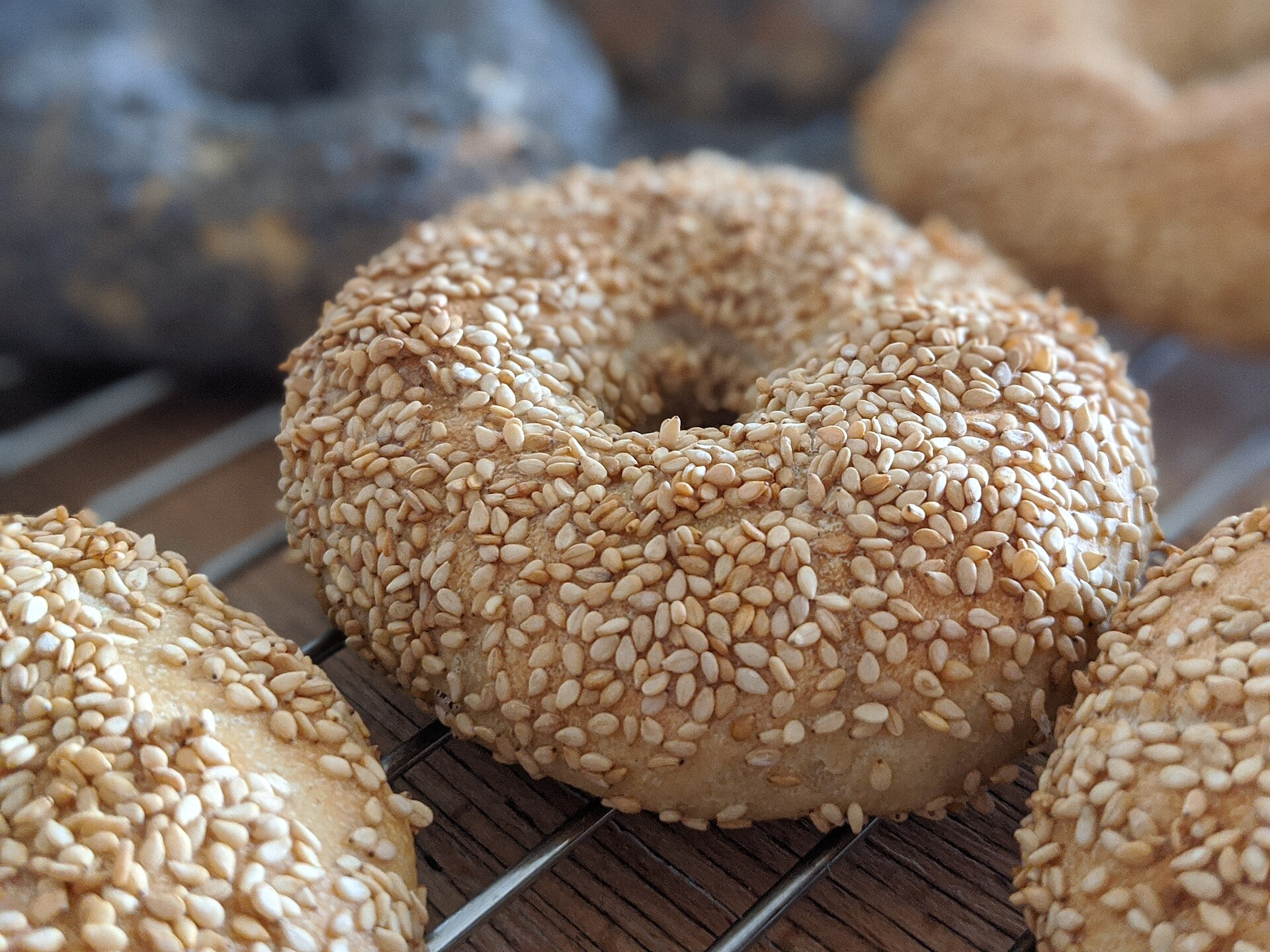
A stiff, low-hydration dough shaped into a ring, boiled briefly and then baked, which sets the crust and produces a dense chew.
The boiling step is the whole difference between a bagel and a bread roll with a hole in it. The bagel is the bread that goes in water before it goes in the oven.
7. Pita — Eastern Mediterranean
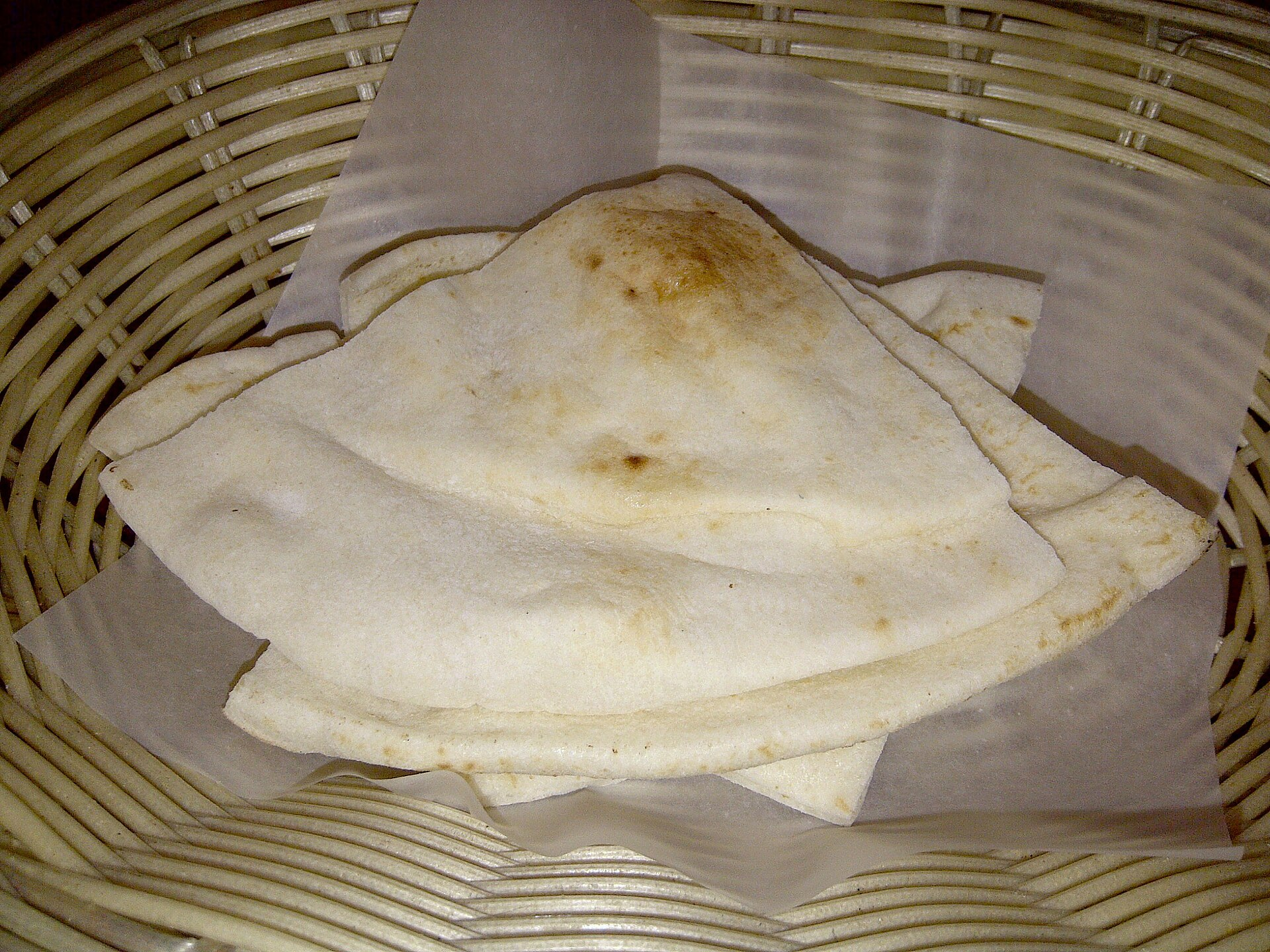
A simple flatbread baked at very high heat so steam inflates it violently, separating it into two layers and leaving a pocket.
The pocket forms in seconds and collapses as it cools. Pita is the bread that inflates like a balloon and then deflates into a pouch.
8. Rugbrød — Denmark
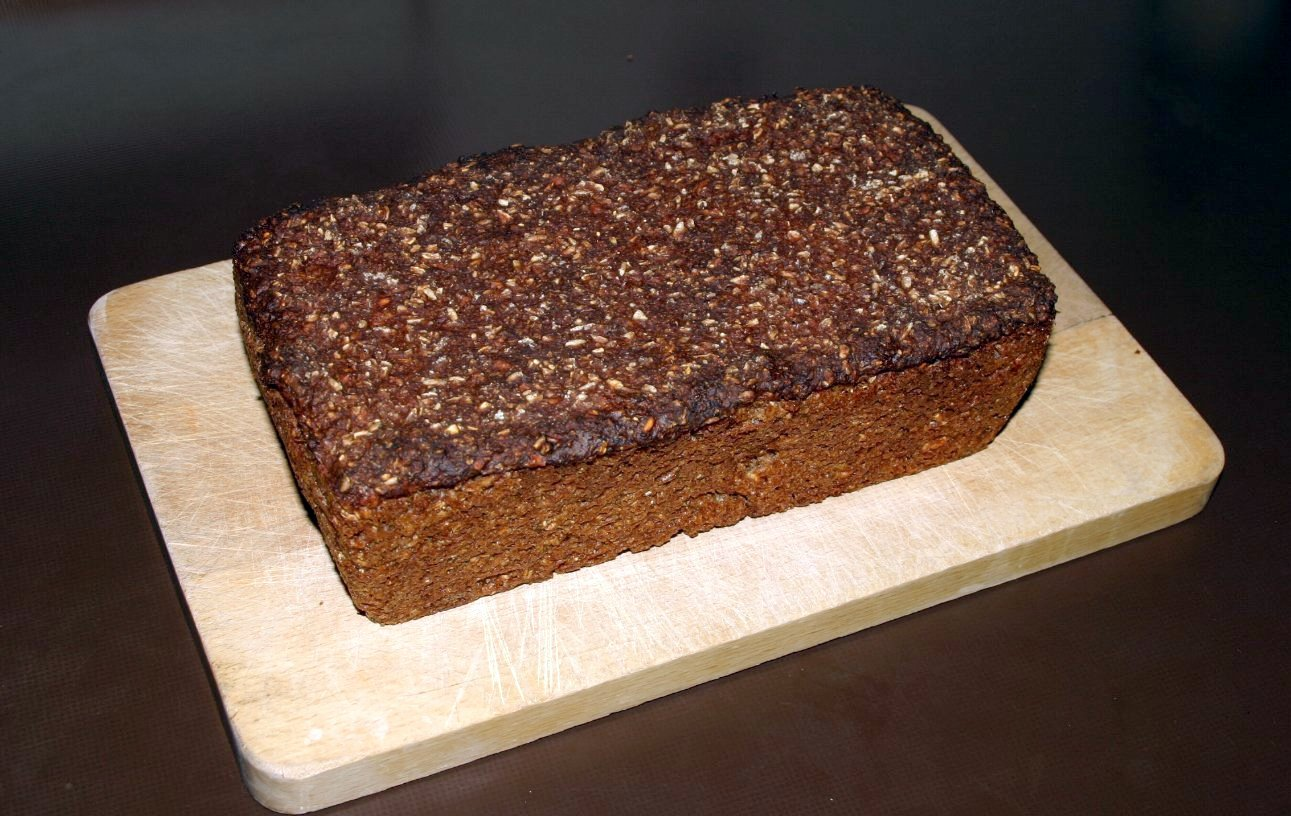
A very dense wholegrain rye, packed with seeds and cracked grain, baked in a tin and sliced thin for open sandwiches.
It is nothing like a soft sandwich loaf and is treated as a base rather than a filler. Rugbrød is the bread built to hold a topping rather than surround one.
9. Pão de Queijo — Brazil
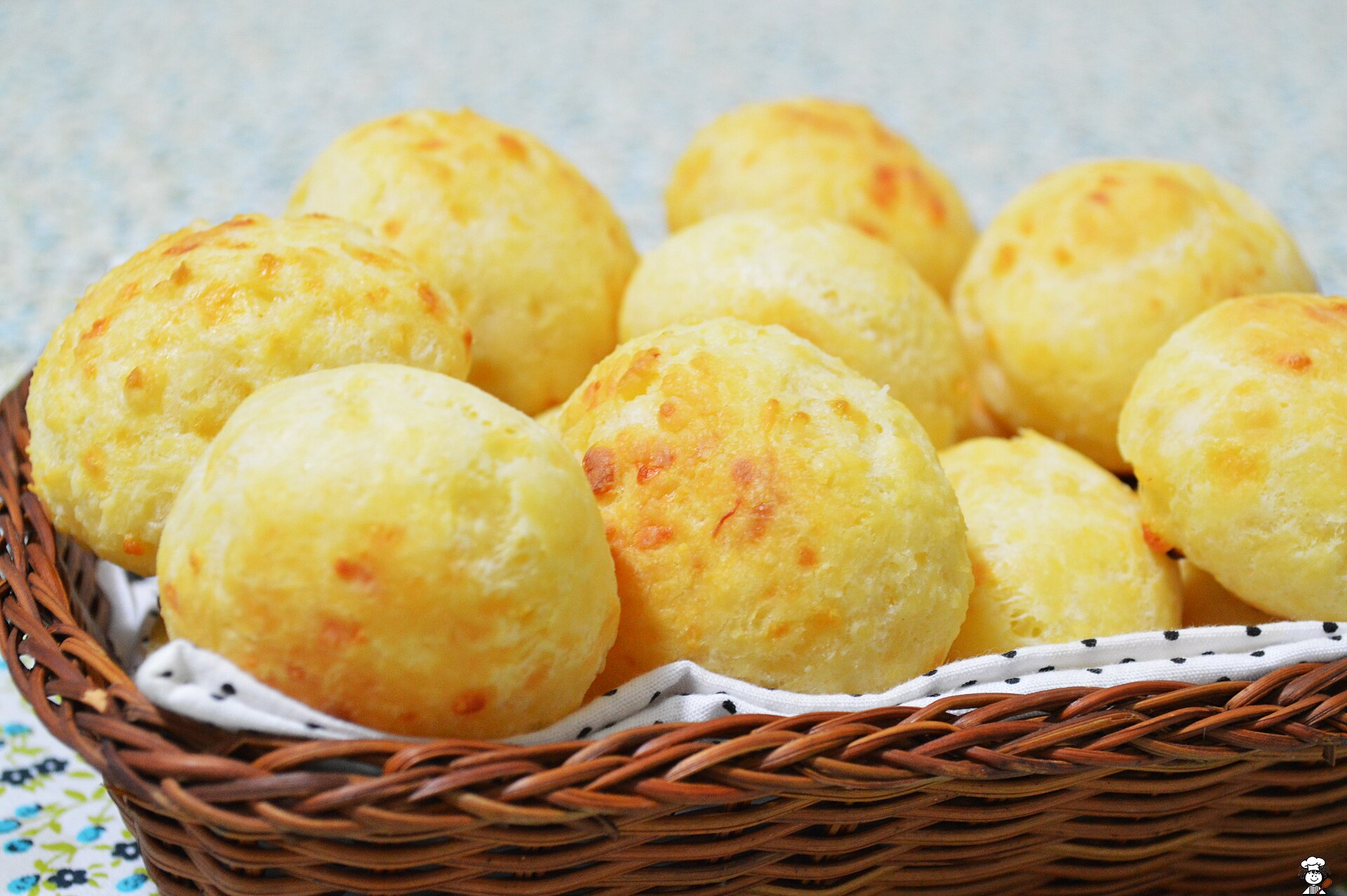
Small, hollow, chewy rolls made from cassava starch and cheese, with no wheat flour at all.
The texture comes from the starch rather than from gluten, which is why they are elastic rather than crumbly. Pão de queijo is the bread that contains no wheat and behaves nothing like bread.
10. Sangak — Iran
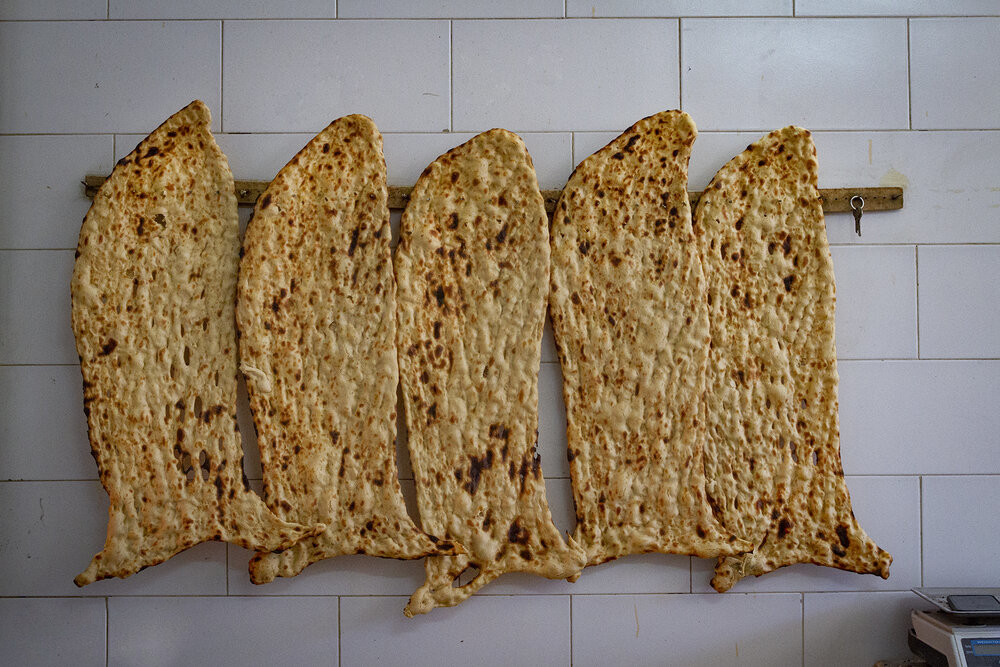
A large flatbread baked on a bed of hot pebbles, which leaves the underside dimpled and unevenly blistered.
The stones distribute heat and create the surface texture, and the loaves are long enough to be carried draped over an arm. Sangak is the bread baked directly on stones.
11. Challah — Jewish Tradition
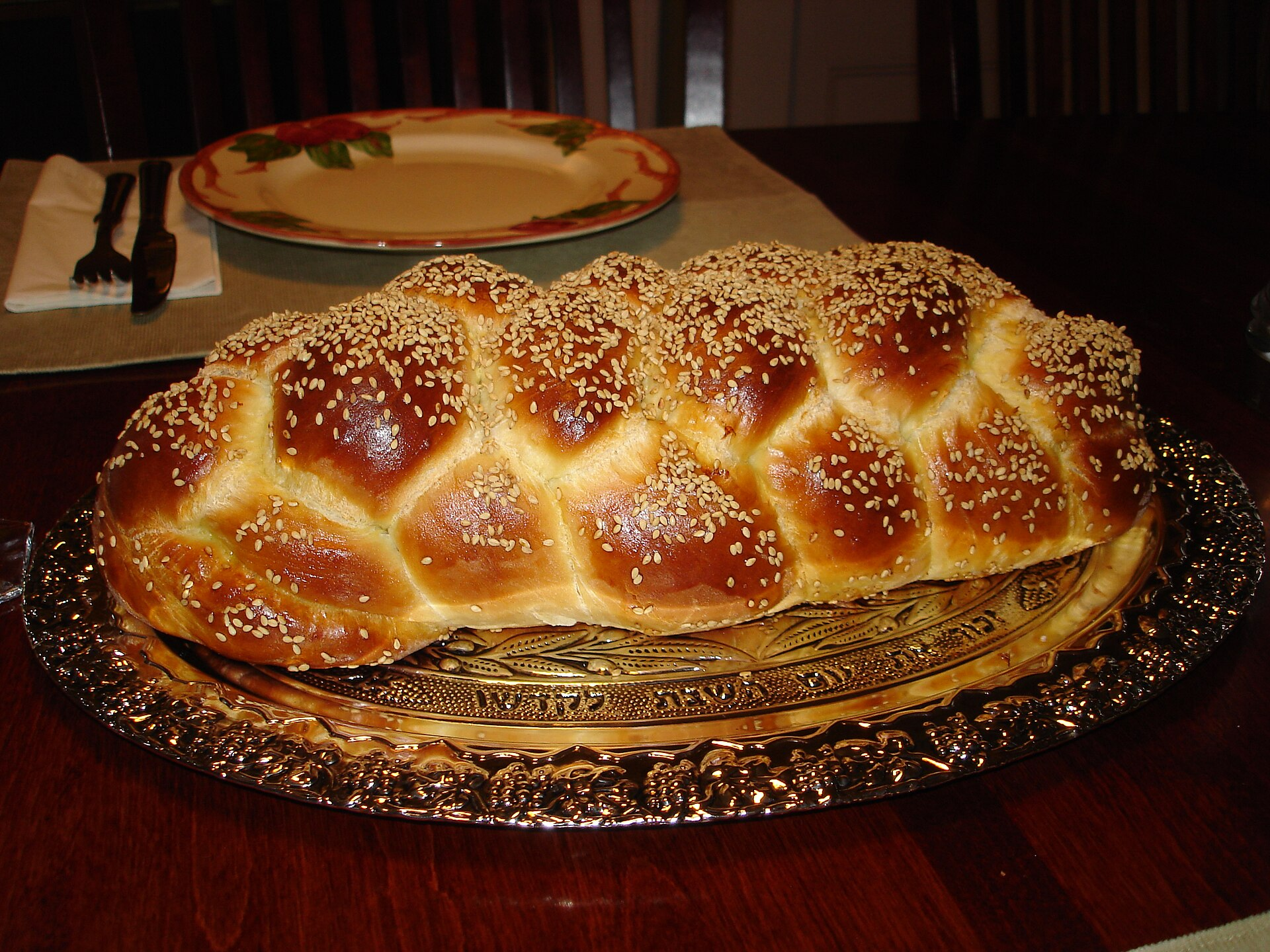
An enriched egg dough, braided before baking, producing a soft golden crumb and a glossy crust.
The braid is traditional and the number of strands varies, and the loaf is central to particular occasions. Challah is the bread where the shape carries meaning.
12. Roti and Chapati — South Asia
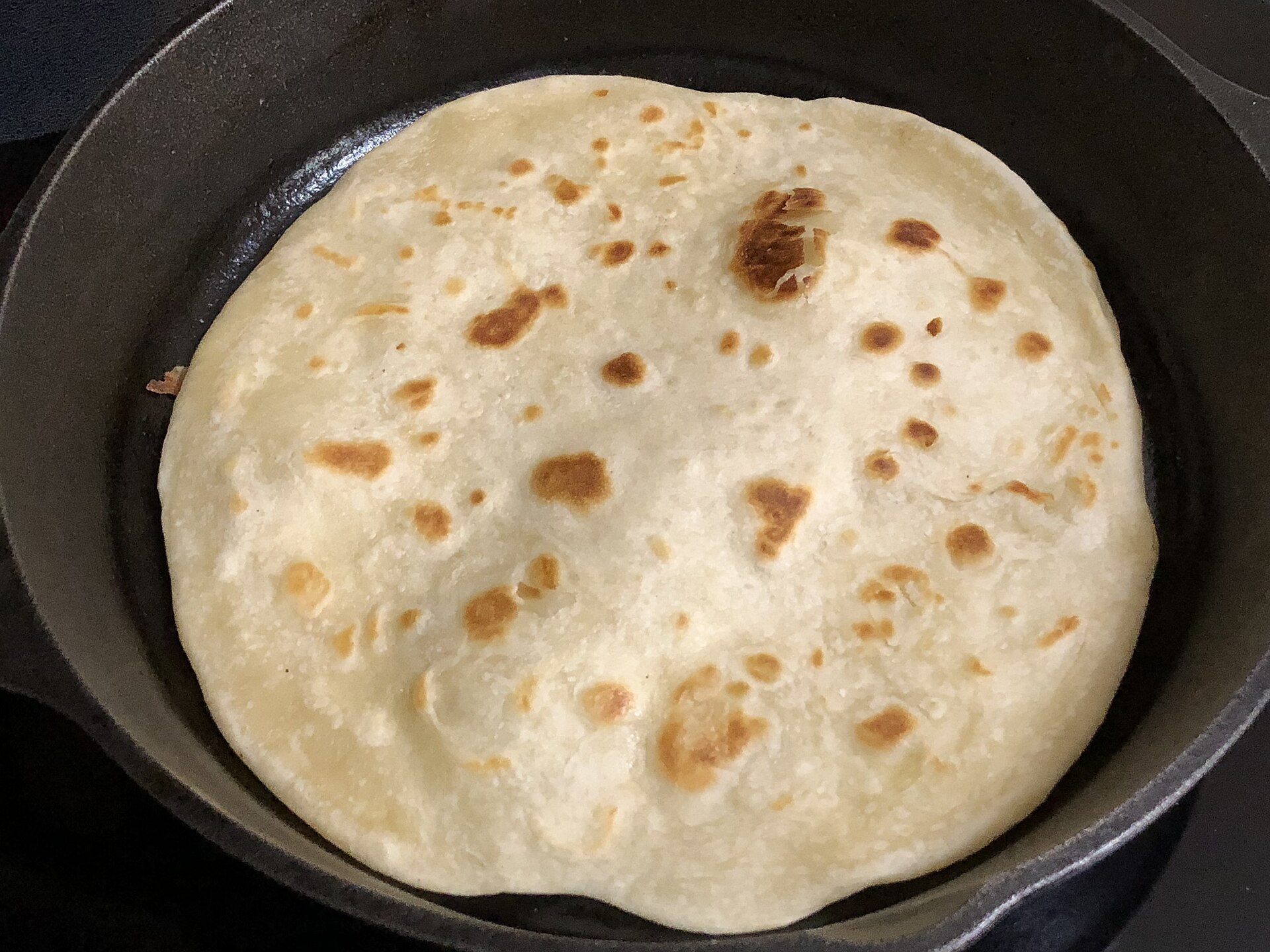
Unleavened wholemeal flatbreads cooked quickly on a hot dry griddle, often finished directly over a flame so they puff.
They are made fresh at each meal rather than baked in advance, which is a different relationship to bread entirely. Roti is the bread made minutes before it is eaten.
14. Bao and Steamed Breads — China
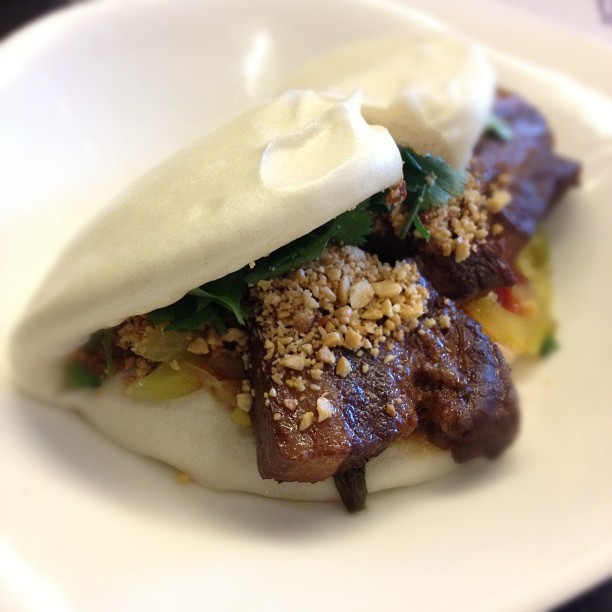
Soft, white, leavened breads cooked in steam rather than dry heat, producing a pillowy texture and no crust at all.
Steaming keeps the surface moist, which is why they are pale and cushiony instead of browned. Steamed bread is the loaf that never meets a hot oven.
15. Soda Bread — Ireland
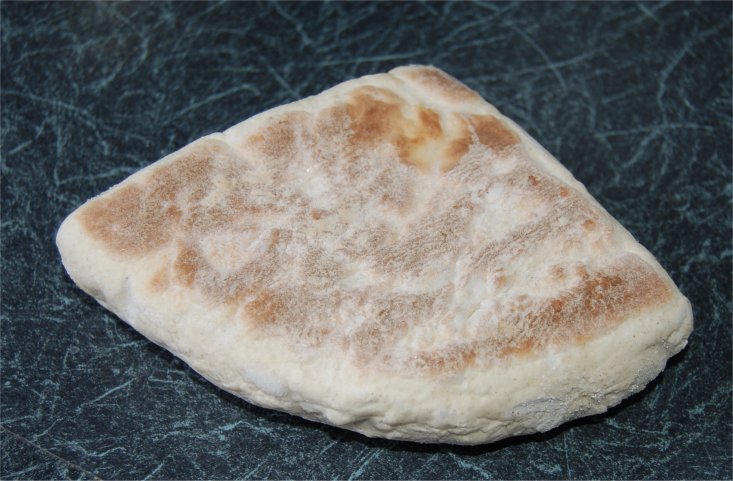
Leavened with bicarbonate of soda reacting with buttermilk rather than with yeast, so it needs no proving and goes straight into the oven.
That makes it the fastest bread on this list, achievable within an hour from a standing start. Soda bread is the loaf that skips the waiting entirely.
Four Ingredients, Endless Answers
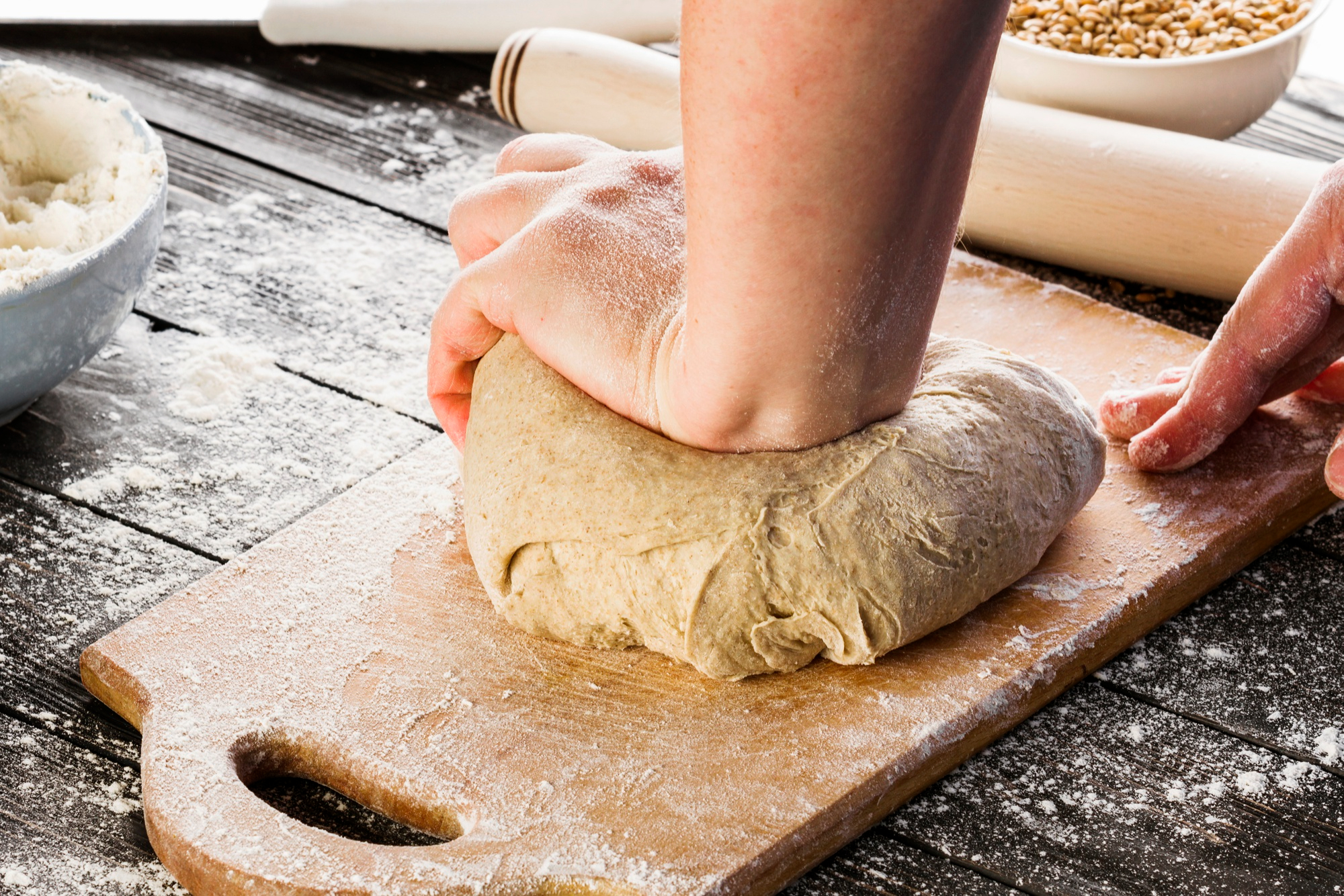
Grain, water, salt, heat. What differs is which grain was available, what the oven looked like, and whether anyone had time to wait for it to rise.
Several of these are within reach of a domestic oven, and the ones that are not — the tandoor breads, the stone-baked loaves — are worth seeking out from a bakery that has the right equipment. If you make one, pick the technique furthest from your habits: boil it, steam it, bake it on stones, or skip the yeast altogether.
Like our content? Follow us for more.
