The question worth asking about any spoon dish is what would be lost with a fork, and the answer is almost always the same: the ratio between the liquid and everything in it. Here are fifteen.
1. Anything Where the Liquid Is the Point
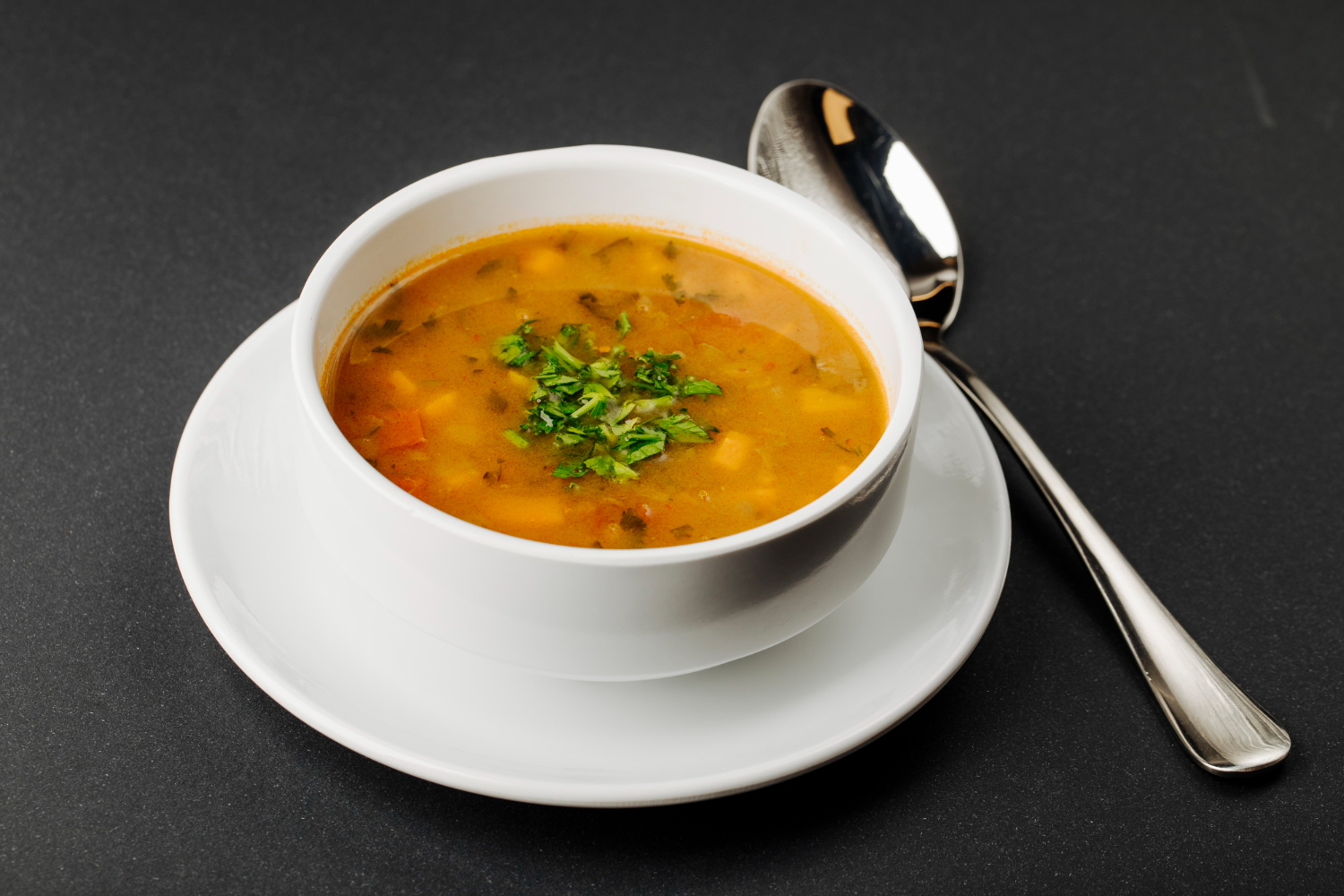
A great many dishes consist of solid components suspended in a broth that is doing most of the flavouring, and eating only the solids misses the dish entirely.
A fork removes the components and leaves the reason they were cooked. Liquid-led dishes are the ones where the implement determines whether you have eaten the food at all.
Like our content? Follow us for more.
2. Grain With Sauce Through It
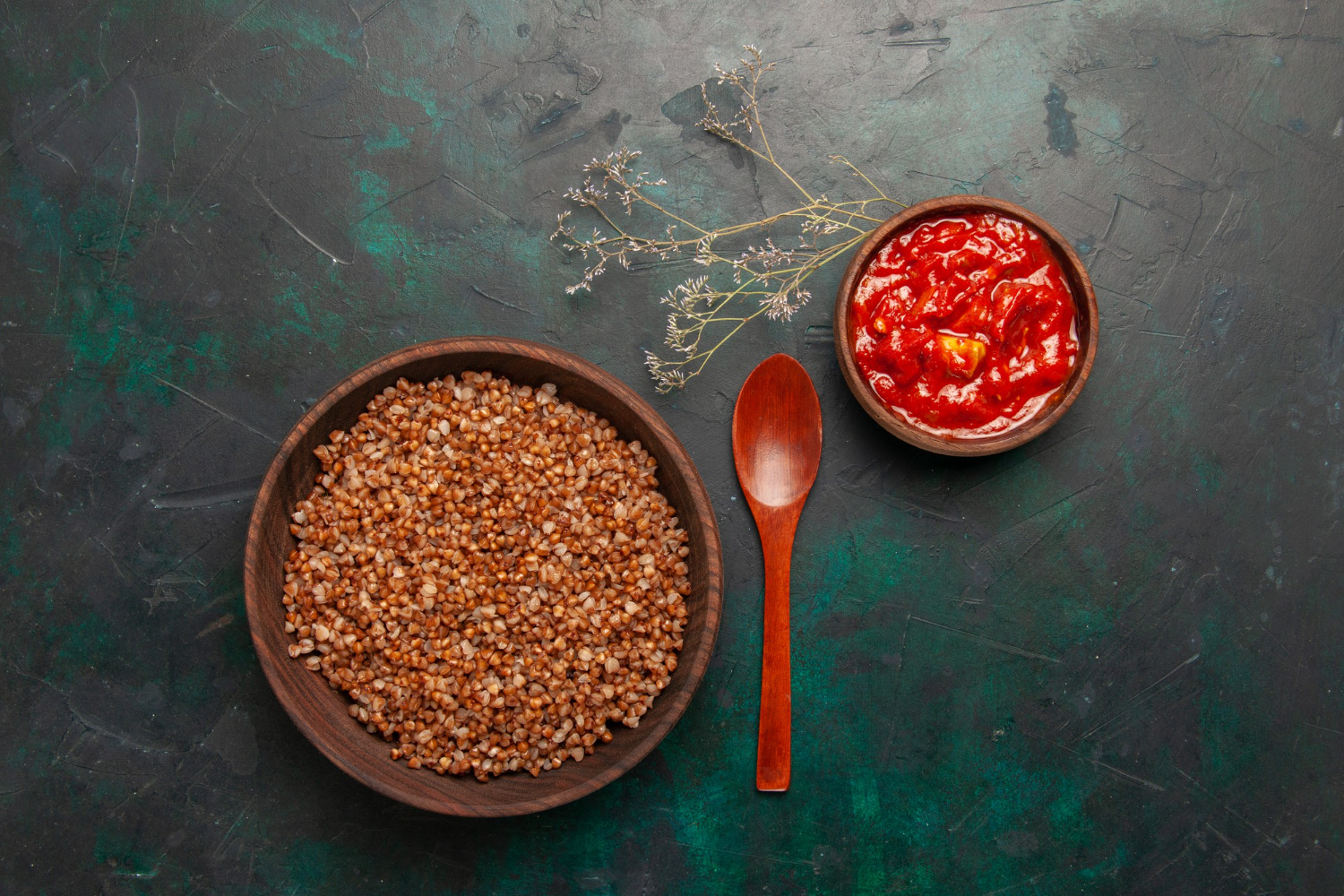
Where a grain has absorbed a sauce rather than sitting beside it, the two are no longer separable and must be lifted together in whatever proportion the bowl offers.
Trying to eat the grain and the sauce separately is impossible by then. Absorbed-sauce grain dishes are the ones where the spoon takes both because nothing else can.
3. Set Puddings and Custards
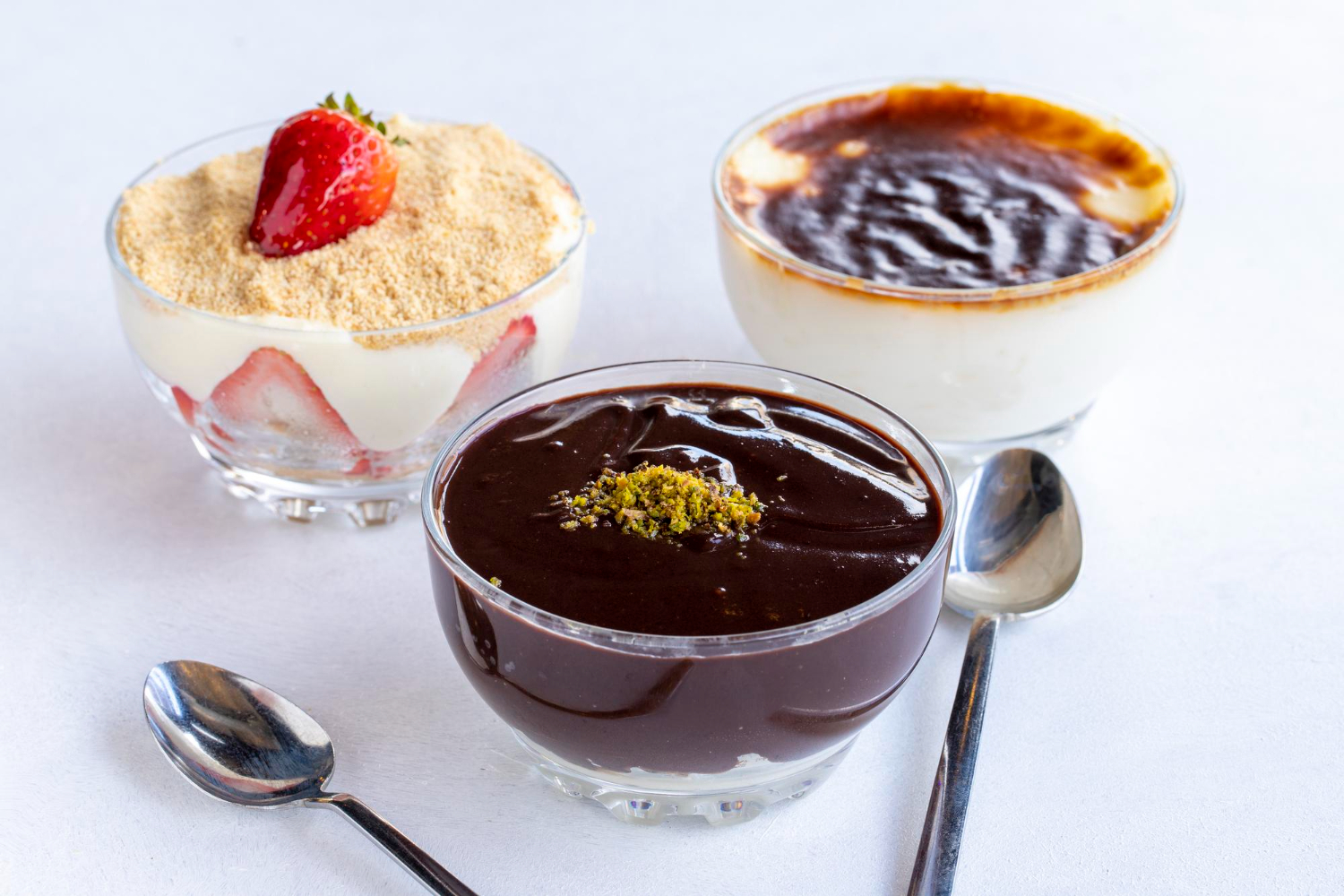
A set preparation is cut by a spoon edge and lifted in one motion, which is why the same spoon does both jobs and a knife would be absurd.
The surface tension of the set matters and a fork simply breaks it. Set puddings are the dishes where the spoon is a cutting tool as well as a carrier.
4. Layered Dishes Eaten Vertically
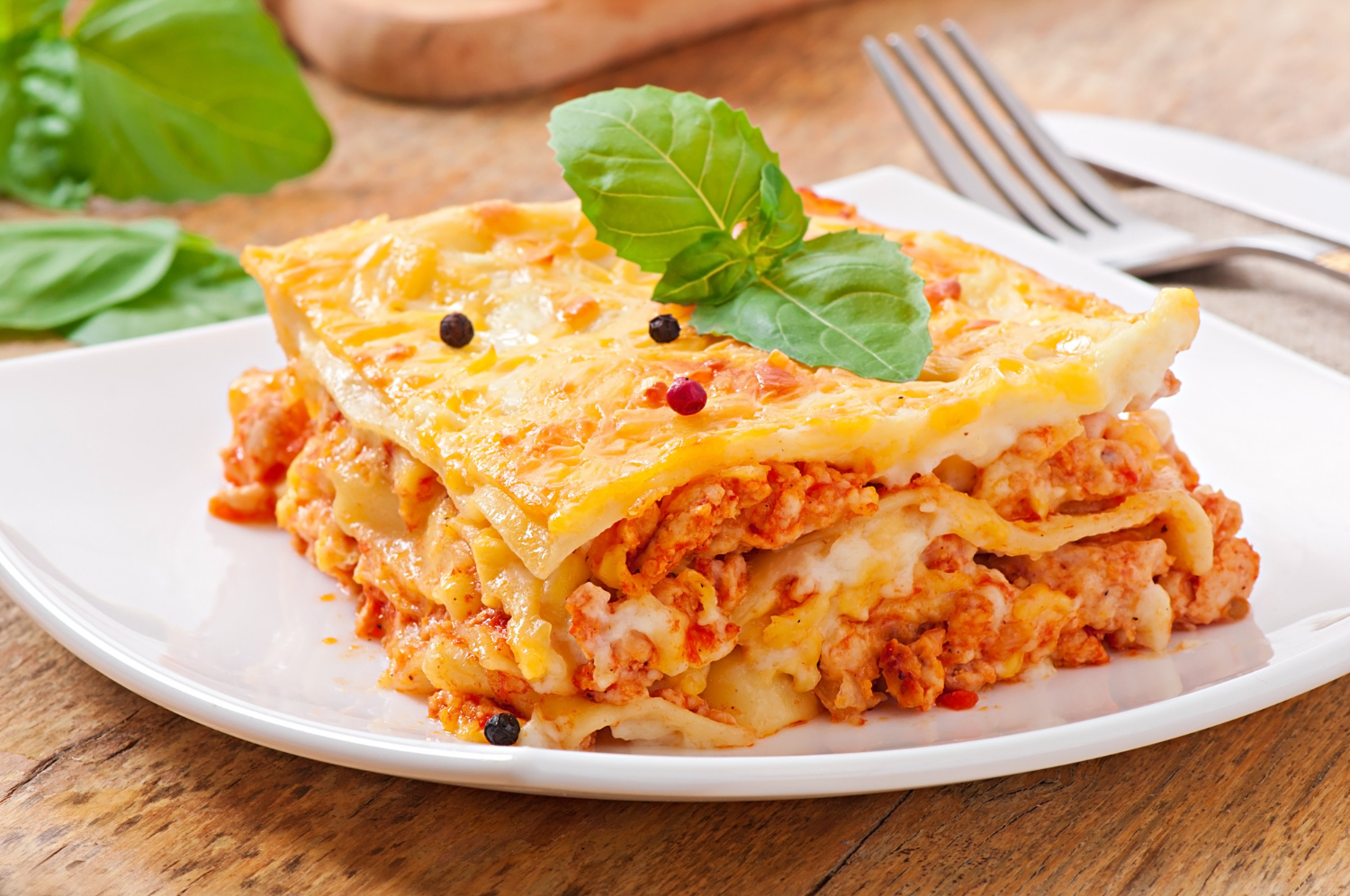
Where a dish is built in strata, the correct mouthful contains all the layers in the proportion they were assembled, which requires cutting straight down and lifting.
Eating one layer at a time is a different and lesser dish. Layered dishes are the ones where the spoon has to go all the way to the bottom.
5. Shaved Ice and Frozen Preparations
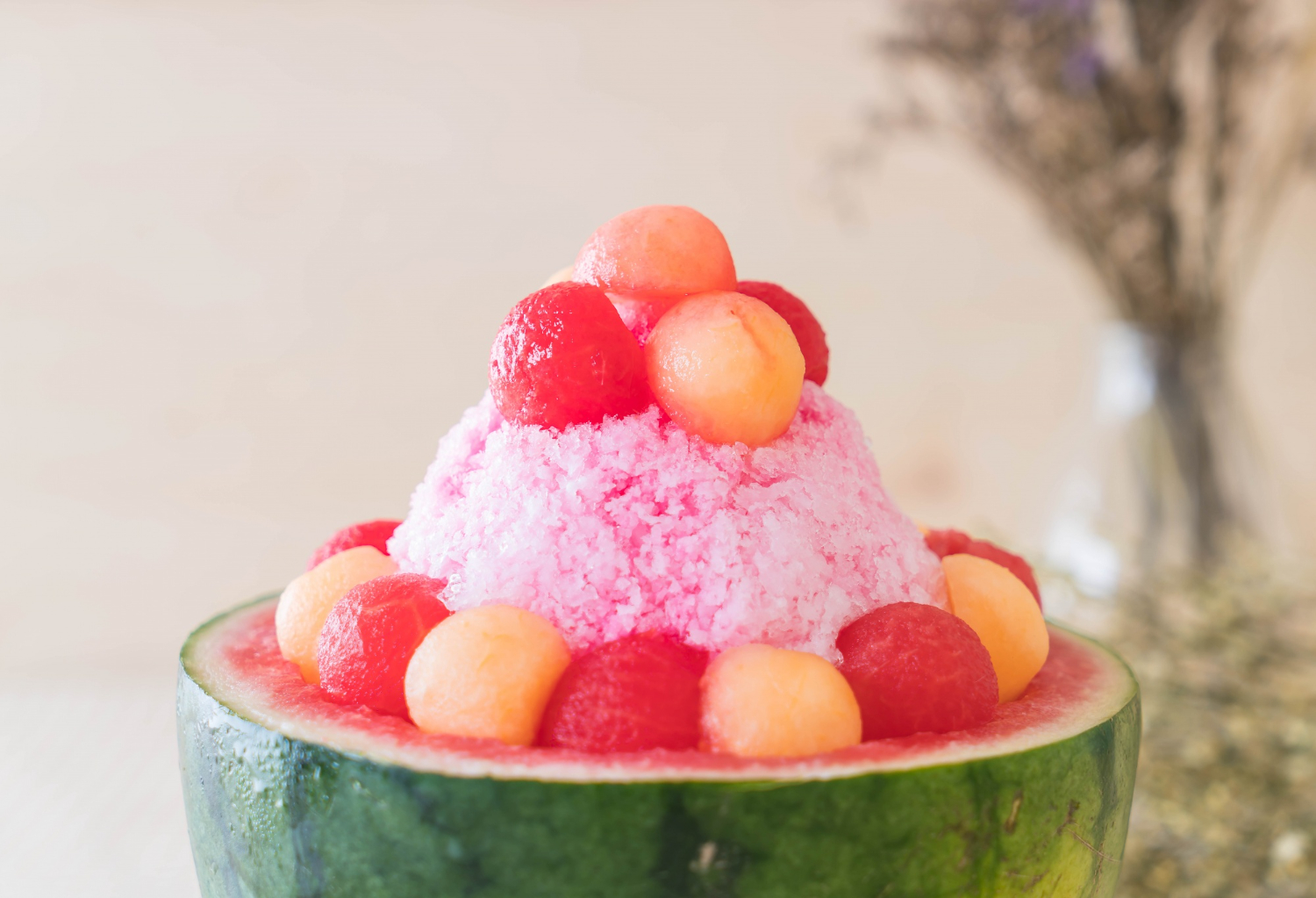
Frozen dishes are scraped rather than pierced, and the spoon is shaped to shave a surface rather than to spear anything.
A fork slides off entirely. Frozen dishes are the ones where the implement is doing mechanical work on a hard surface.
6. Dishes With Components of Different Weights
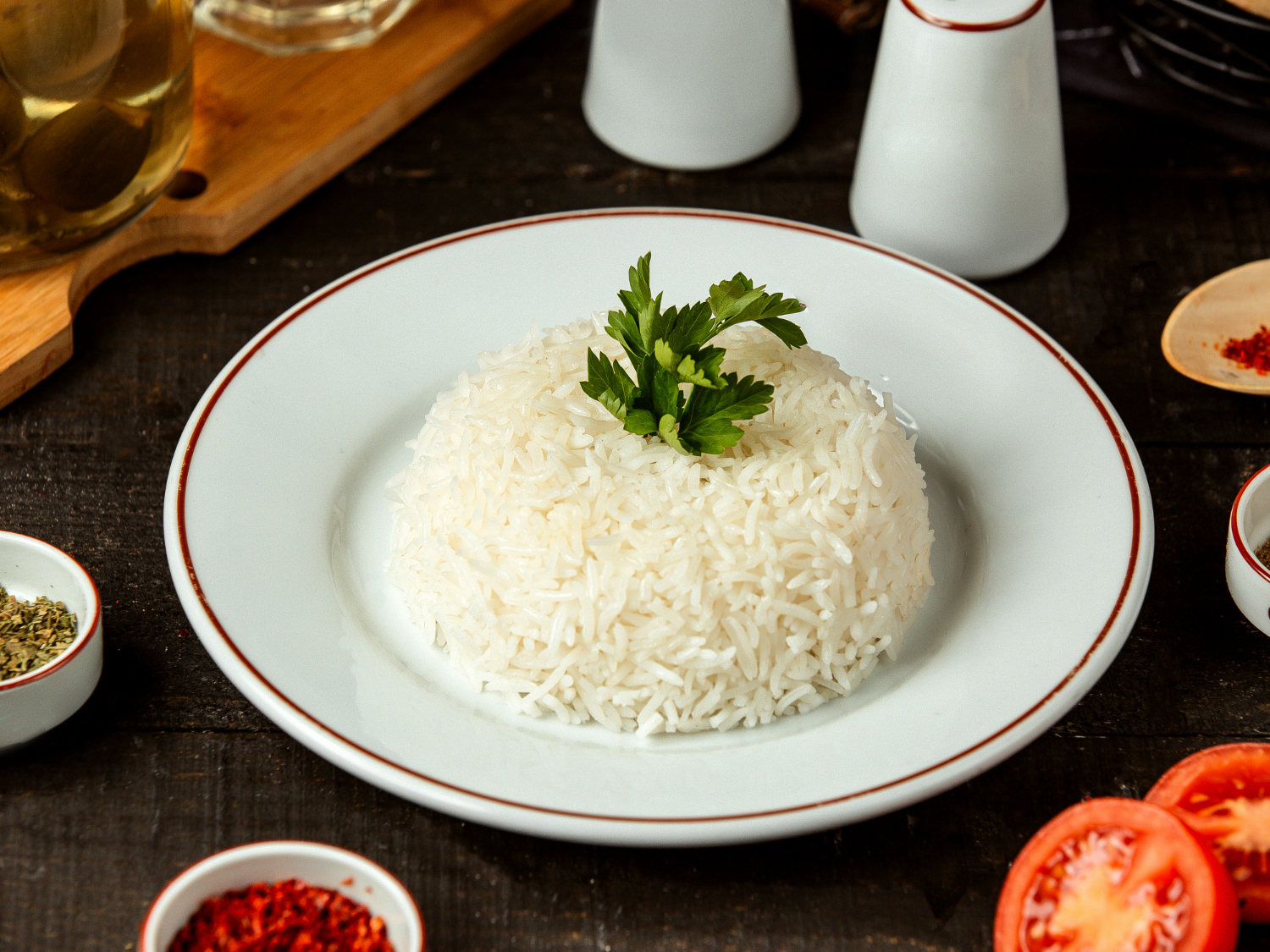
Where heavier ingredients sink and lighter ones float, a level spoon lifted from mid-depth takes a representative sample and any other approach takes only one stratum.
The bowl is doing the sorting and the spoon is undoing it. Mixed-density dishes are the ones where a level scoop is the whole technique.
7. Things Too Hot to Eat Any Other Way
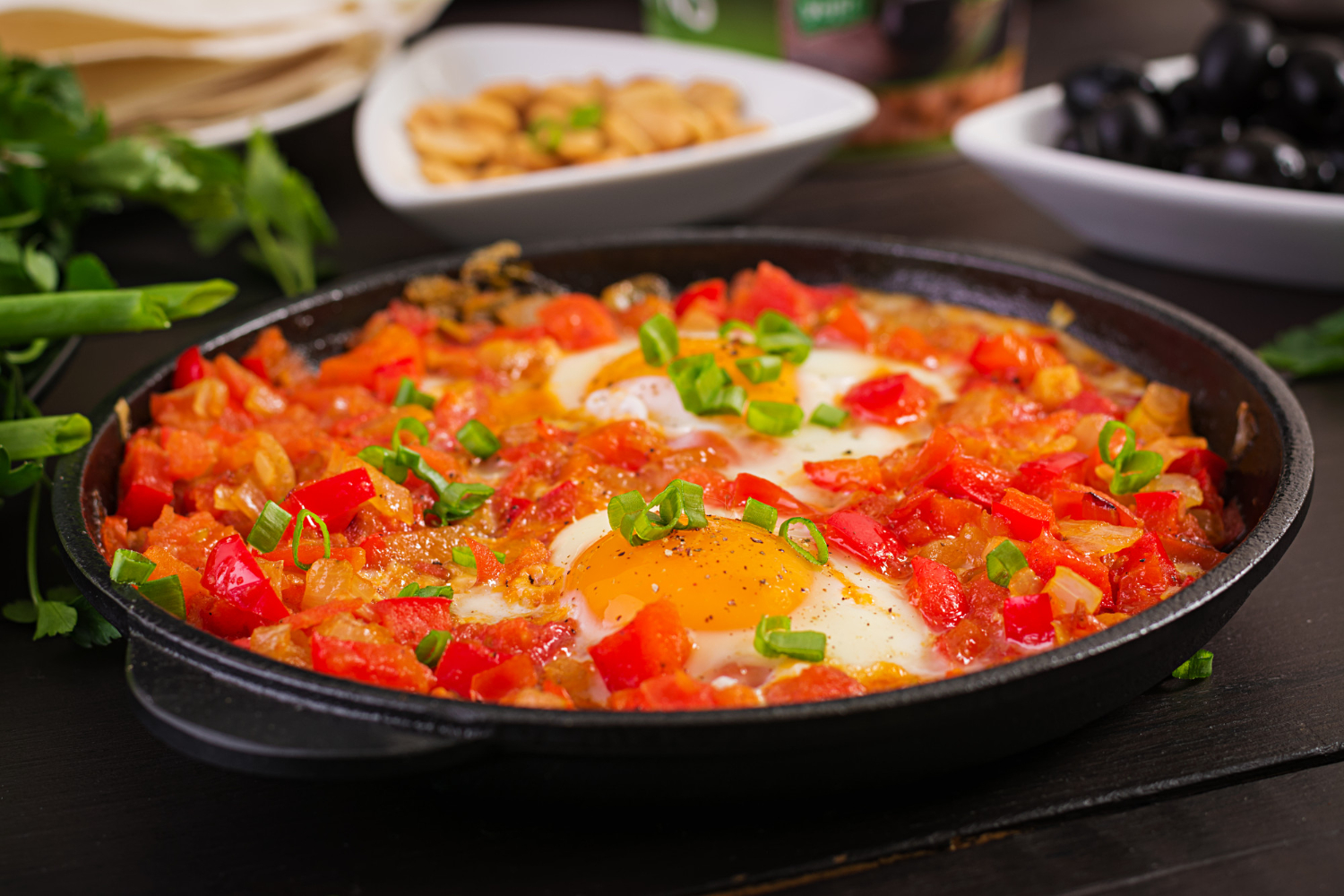
A spoon holds a small, controlled quantity that cools in transit, which is the only practical way to eat something served near boiling.
It paces the meal by physical necessity rather than by manners. Very hot dishes are the ones where the spoon is a temperature control device.
8. Dips, Pastes and Spreads Lifted From a Communal Bowl
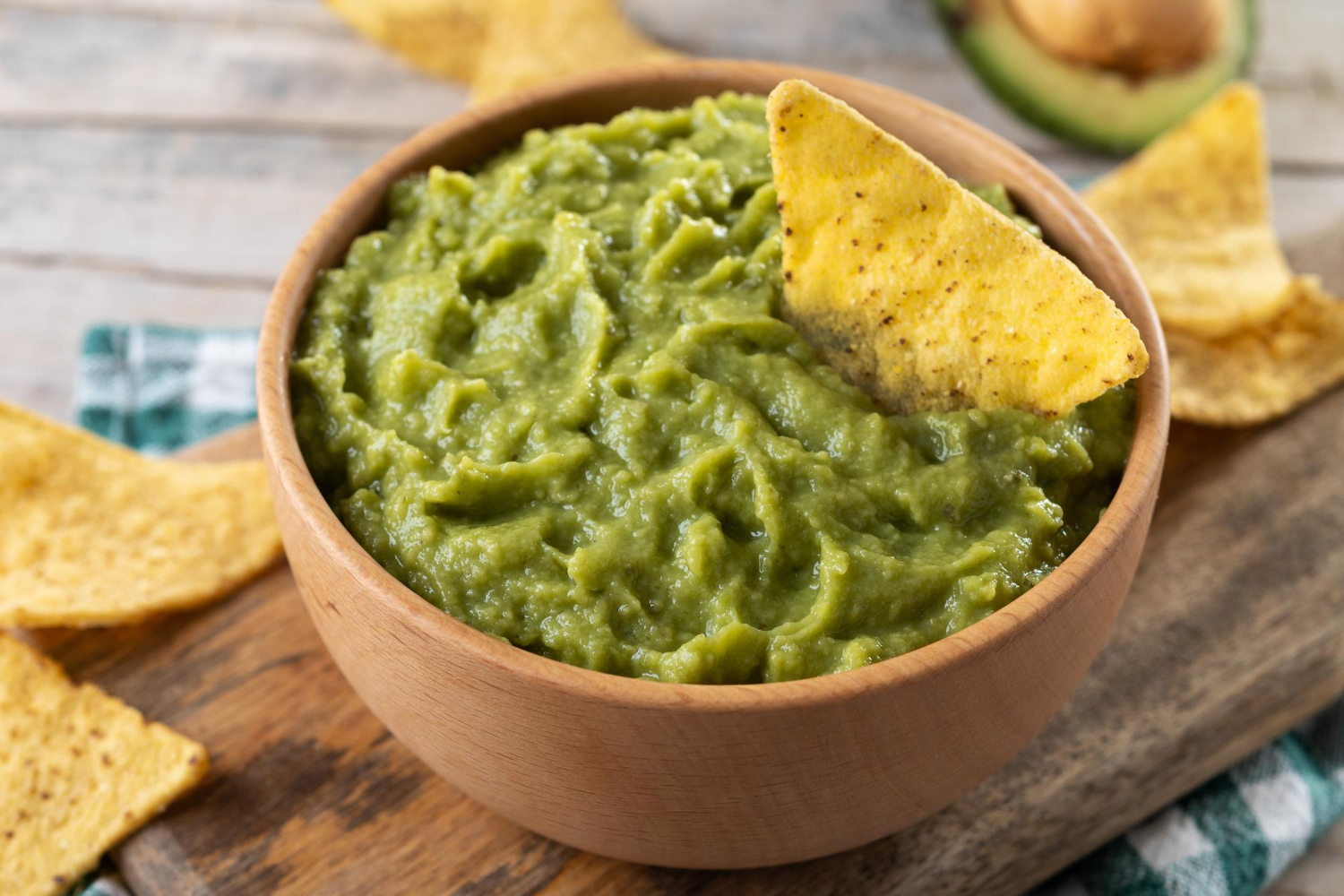
Where something thick is served centrally, a spoon transfers a portion to a plate without anyone touching the shared vessel with anything they have eaten from.
That is a hygiene convention encoded in an implement. Communal thick dishes are the ones where the serving spoon exists for a social reason.
9. Preparations Served in Their Cooking Vessel
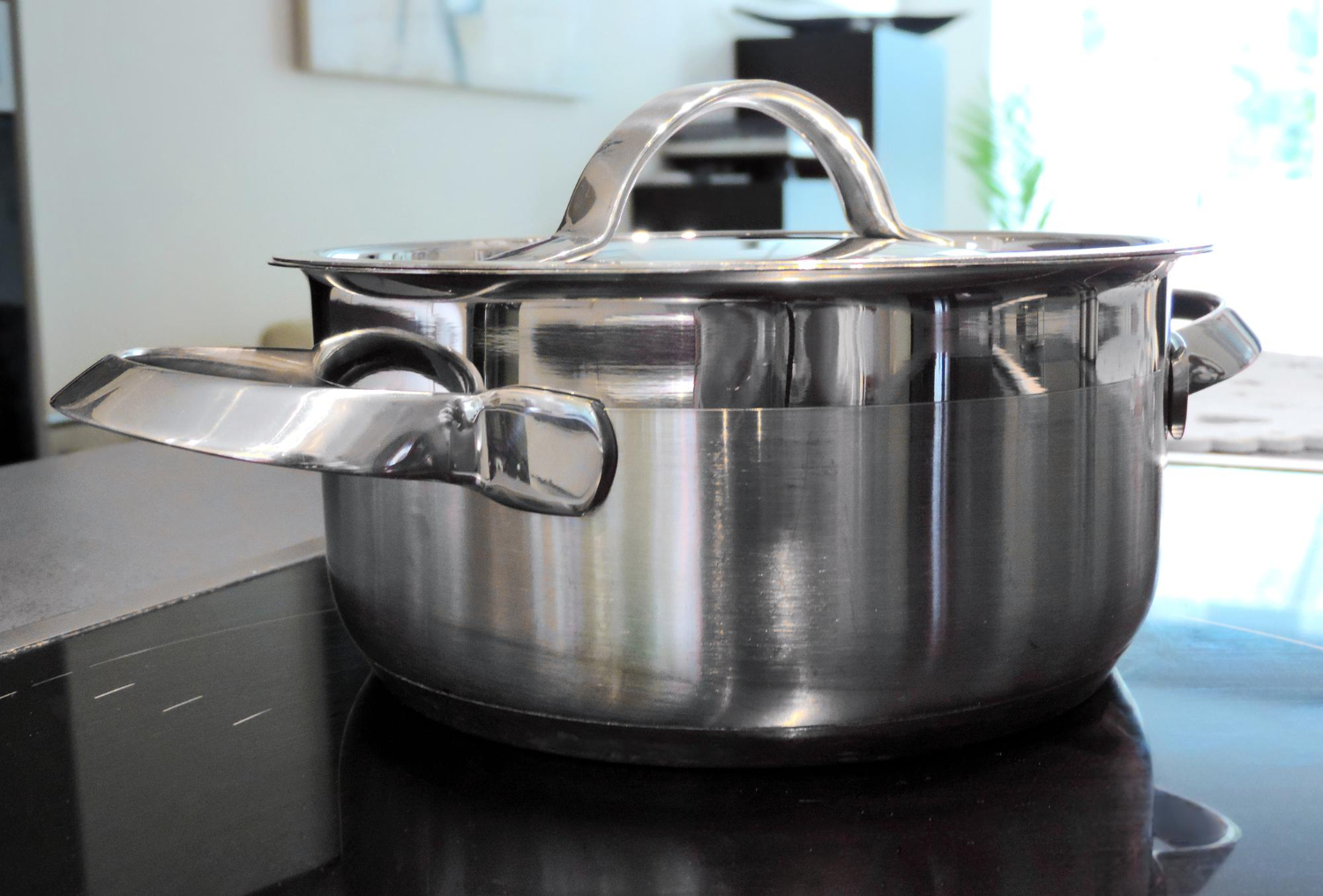
Where a dish arrives in the pot it was cooked in, the spoon reaches the base and the corners in a way no other implement manages.
The best part is frequently at the bottom. Vessel-served dishes are the ones where the spoon is the only tool that gets everything.
10. Broths Drunk and Spooned in Alternation
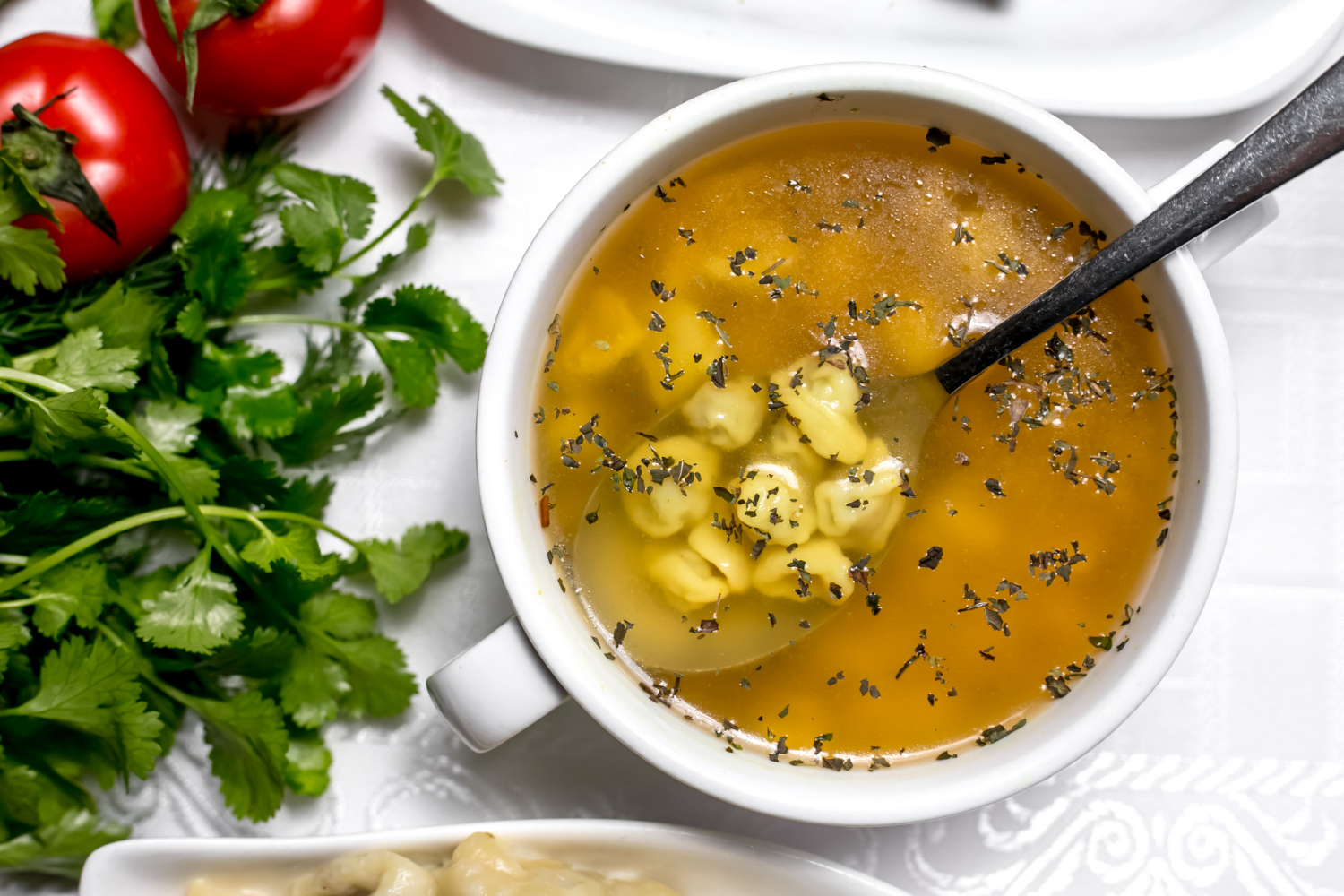
Several traditions involve lifting the bowl to drink the liquid and using a spoon or utensil for the solids, alternating between the two.
Both actions are correct and the sequence is learned. Drunk-and-spooned dishes are the ones with two accepted techniques in one meal.
11. Soft Preparations That Cannot Be Speared
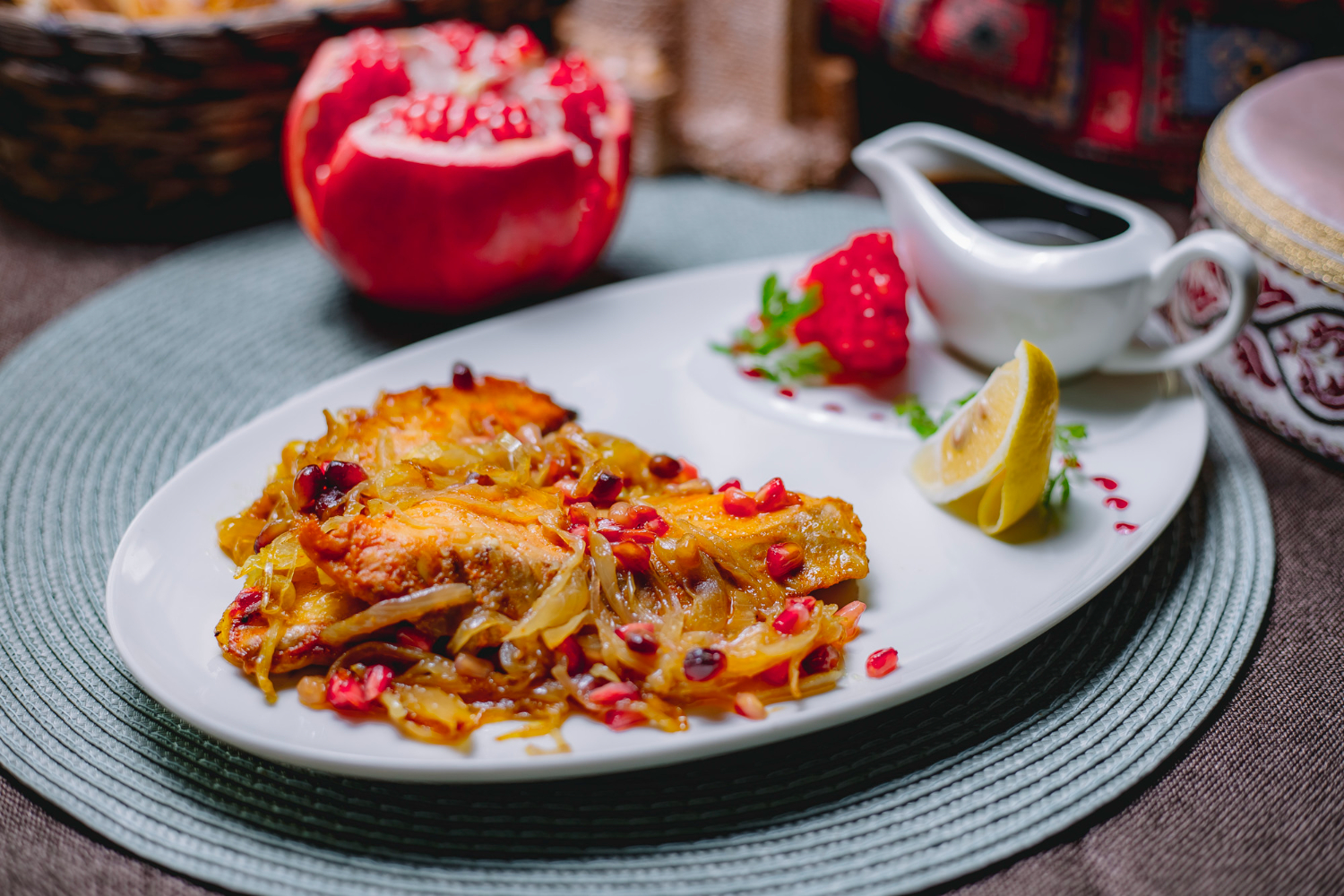
Anything of a texture that a fork would simply pass through requires a carrier rather than a piercing implement.
This covers a very wide range of dishes across a great many cuisines. Unspearable foods are the ones where a fork has nothing to grip.
12. Dishes With a Purpose-Made Spoon
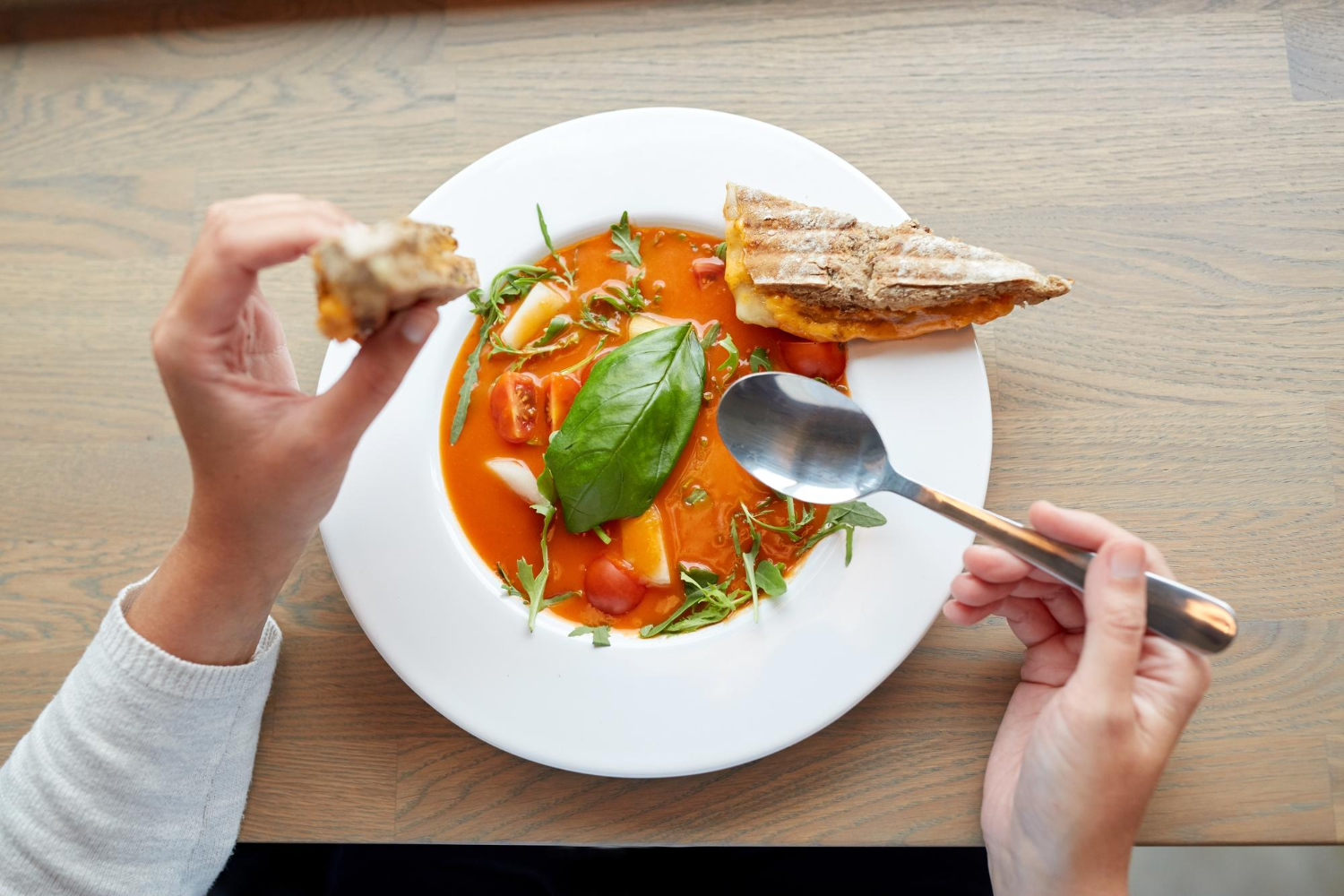
A number of traditions use a spoon of a specific shape, depth or material for one dish, because a general-purpose spoon performs it worse.
Flat, deep, wooden, perforated and long-handled versions all exist for reasons. Purpose-made spoons are the cases where the implement was designed around the food.
14. Anything Eaten From a Shared Central Dish
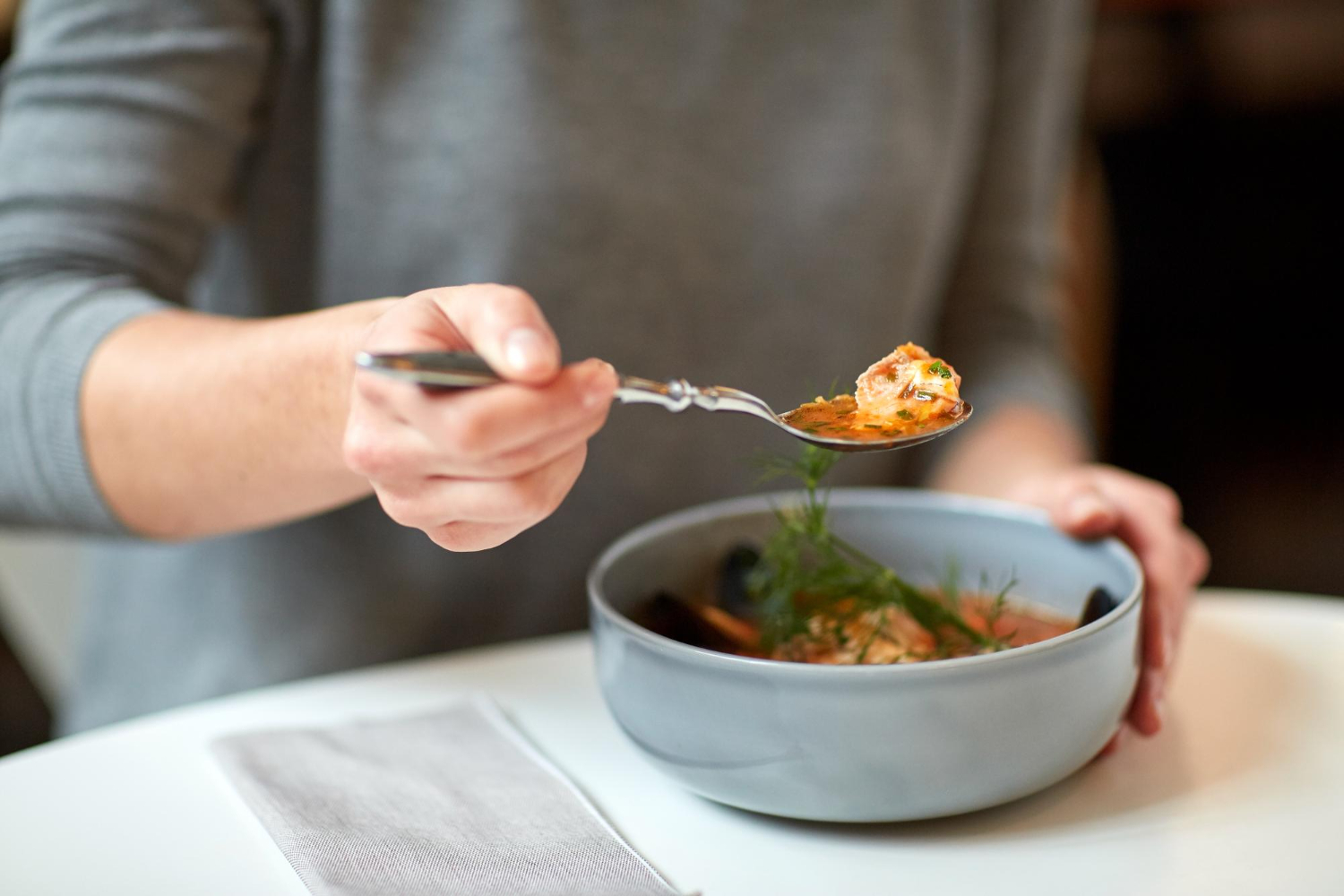
Where several people eat from one vessel, a spoon lets each person take a portion cleanly and in the quantity they want without disturbing the rest.
The alternative arrangements are messier and slower. Shared central dishes are the ones where the spoon manages a social problem.
15. The Last of It
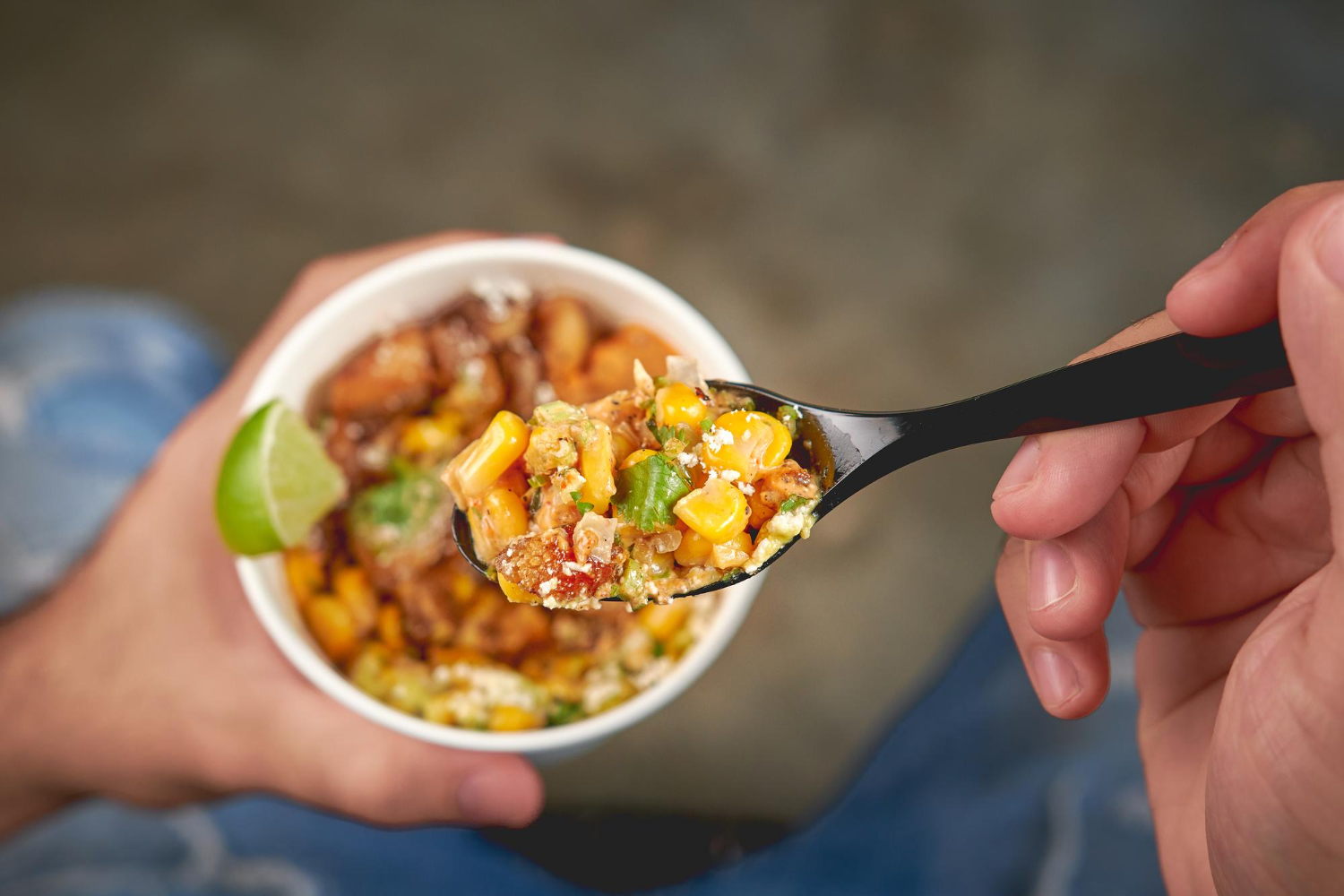
The real advantage of a spoon is that it finishes a dish completely, reaching the residue at the base that every other implement leaves behind.
That residue is frequently the most concentrated part of what was cooked. Finishing the bowl is the spoon capability nothing else replicates.
Liquid and Solid, in the Right Proportion
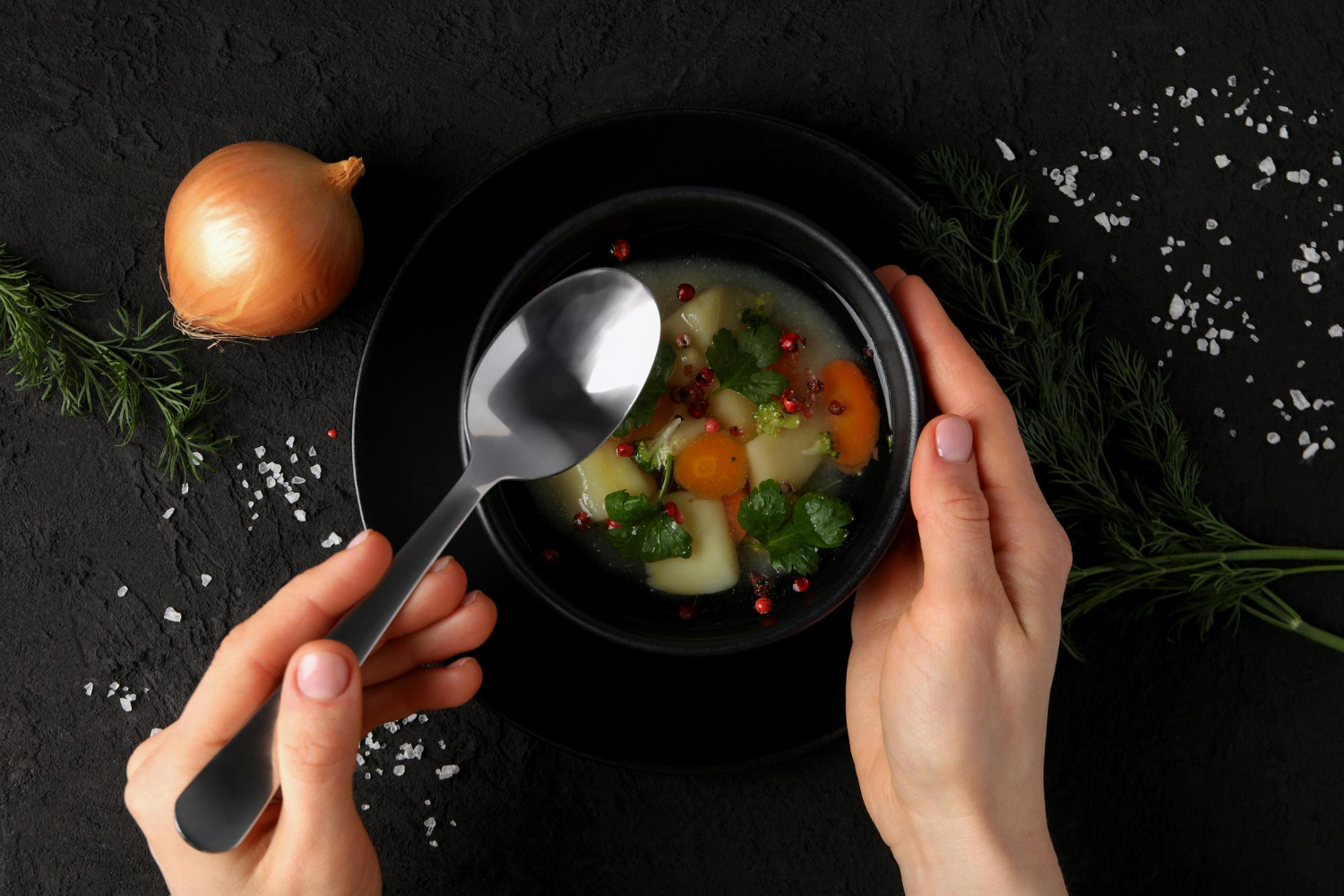
Every dish here depends on capturing two things together in a fixed ratio, or on lifting something no other implement can grip. The spoon is not a simplified fork; it does a different job.
It is worth noticing how much design has gone into an object most people never think about. Depth, edge, bowl shape, handle length and material are all variables, and traditions that developed independently arrived at different answers for different foods – because a spoon for a thin broth and a spoon for a set pudding are not doing remotely the same thing.
Like our content? Follow us for more.