


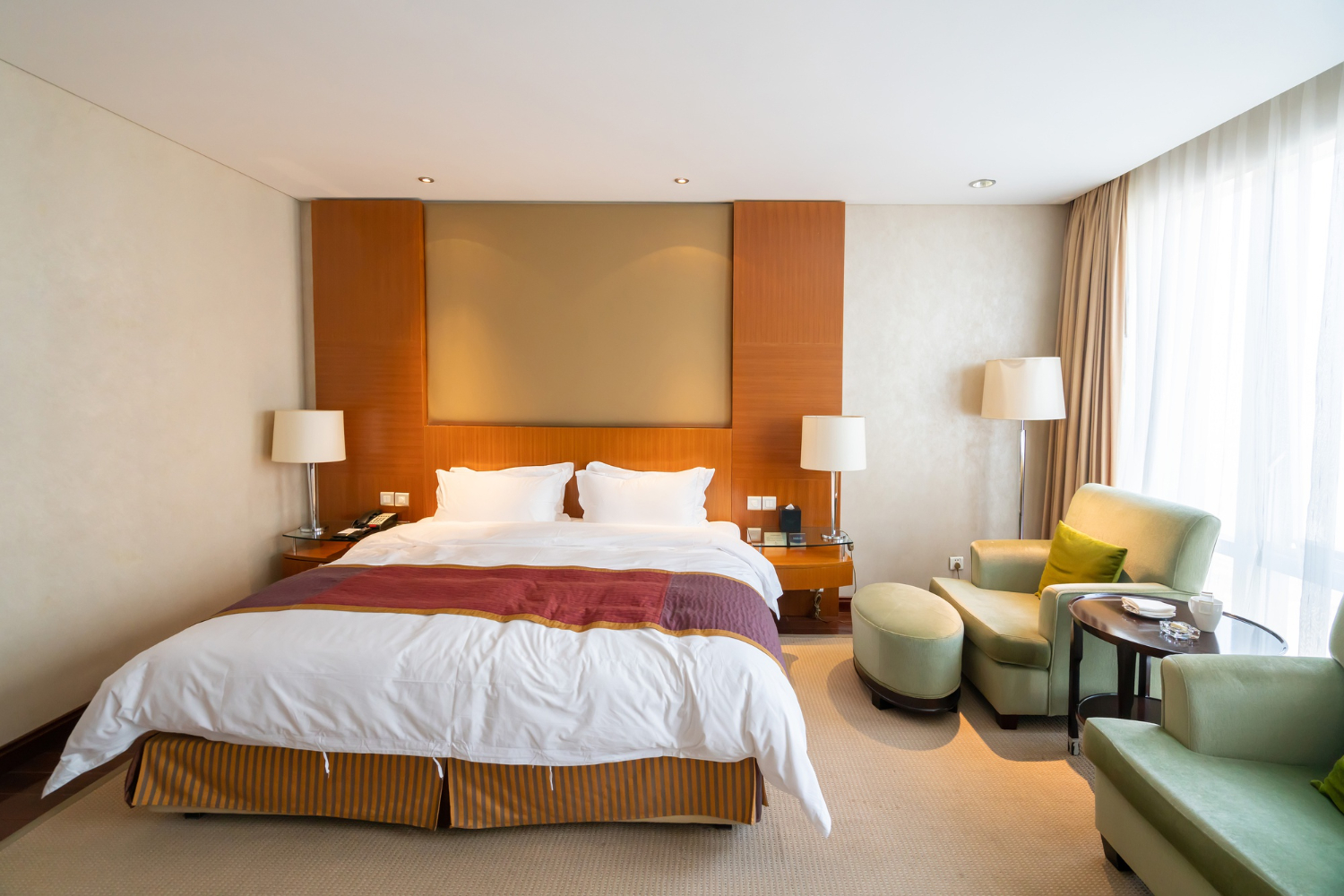
From the smell of overpowering air freshener to suspicious dark spots near mattress seams, these are the warning signs that frequent travelers, hotel staff, and pest-control experts say to watch for the moment you enter a hotel room.
Booking a hotel in 2026 is harder than it used to be. Online listings can hide significant problems behind professional photography. Cancellation windows have tightened. Hotels are short-staffed. Reviews can be manipulated. The result is that experienced travelers have developed mental checklists they run through both before booking and during the first five minutes after arriving in a room. Most of these checks take seconds. Catching a red flag early — before you’ve unpacked, before you’ve slept on the bed — can save you from significant hassle, financial loss, or in the worst cases, a bedbug infestation you take home with you.
Here are 15 of the most-cited red flags, drawing on interviews with hotel housekeeping managers, pest-control entomologists, and frequent business and leisure travelers.
1: A booking.com or Hotels.com rating below 8.3
This is the single most-cited “before you book” red flag. According to former Booking.com data scientists quoted in industry coverage, internal data suggested that hotels with ratings below 8.3 had dramatically higher rates of guest complaints, bedbug reports, and serious cleanliness issues. Many experienced travelers refuse to book any hotel rated below 9.0, especially in unfamiliar cities. This isn’t snobbery — the rating distribution genuinely correlates with actual guest experience.
2: Listings with no exterior or neighborhood photos
If a hotel’s online listing shows only generic interior photos with no exterior shots and no street/neighborhood views, that’s deliberate. The hotel is hiding something — either a rough exterior, a problematic neighborhood, or proximity to something loud or unpleasant. Frequent travelers always check Google Maps Street View before booking to verify what the hotel actually looks like and what surrounds it.
3: Reviews that suddenly trend negative

A hotel’s overall rating reflects years of accumulated reviews. The most recent month of reviews is what reflects current management quality. Look specifically at the last 30 days. If you see patterns like “used to be great,” “under renovation,” or “new management — service has declined,” skip the hotel. These are the strongest leading indicators that a previously good hotel has recently degraded.
4: Overpowering air freshener smell on arrival

The single strongest red flag in the first 60 seconds after entering your room. As multiple travel writers and hospitality experts have noted, hotels deploy aggressive air fresheners to mask other smells — typically mold, sewage, mildew, or old cigarette smoke. A genuinely clean, well-maintained room shouldn’t smell like anything in particular. If you walk in and the room smells like a Lysol bomb went off, request a different room or different hotel immediately.
5: Dark brown or reddish spots near mattress seams or headboard

This is the most important physical check, and it should be done in the first three minutes after entering a room — before you put luggage on the bed. Pull back the sheets. Look at the mattress seams, the underside of the mattress edge, the headboard joints, and the box spring. According to Dr. Jim Fredericks, board-certified entomologist and senior vice president of public affairs at the National Pest Management Association, signs of a bedbug infestation include “small reddish brown to black fecal spots on mattresses, upholstery, or furniture, especially near cracks and crevices.” Live bedbugs are reddish-brown and visible to the naked eye. If you see either fecal spots or actual bugs, leave the room immediately and request a different room — ideally in a different section of the building.
6: Drinking glasses without paper covers

The drinking glasses in hotel bathrooms are supposedly cleaned between guests. The reality, according to multiple hospitality industry exposés, is that many hotels — particularly smaller properties without on-site kitchens — wipe glasses with rags rather than properly washing them. Travel writer Geoffrey Morrison has recommended at minimum rinsing and sniffing any hotel drinking glass before using it. The presence of paper cap covers on glasses is a small positive signal that the glasses were at least handled after washing.
7: Visible mold around bathroom caulking or grout
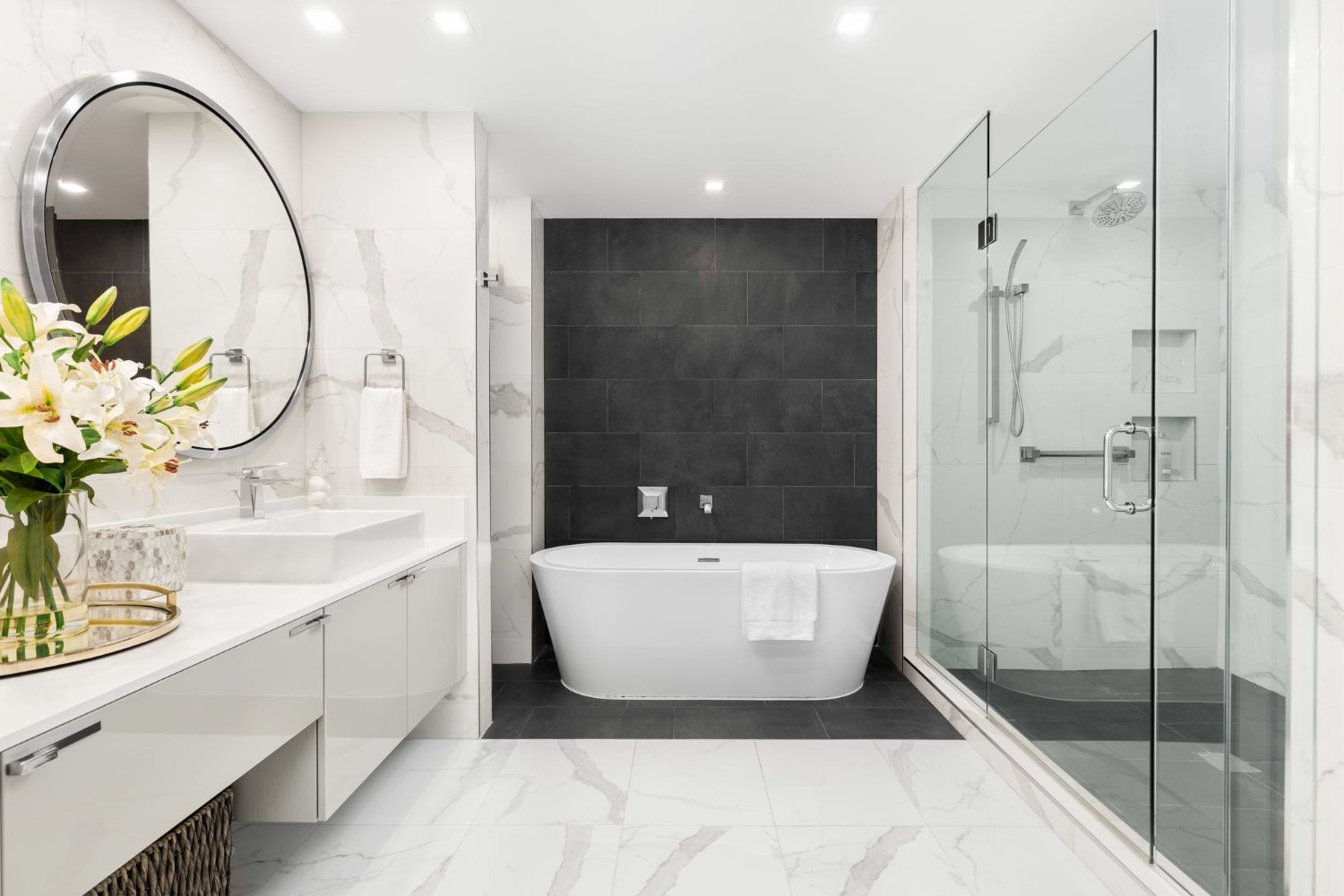
Black mold around the shower caulking, grout lines, or ceiling corners is a visible sign of inadequate maintenance and potentially serious moisture problems. Most professional hotel housekeeping cleans this regularly. Mold visible in the first room you’re shown often means the hotel has either a chronic moisture problem or a cost-cutting maintenance approach that affects more than just the bathroom.
8: Hotel-rate listings advertising hourly rates
This is straightforward but worth saying explicitly: a hotel that advertises hourly rates at the front desk is not a hotel you want to stay at as a regular traveler. The clientele and management priorities are different from standard travel-oriented hotels. Look for hotels that advertise nightly rates clearly and consistently.
9: Stained or visibly worn carpet at the room entryway
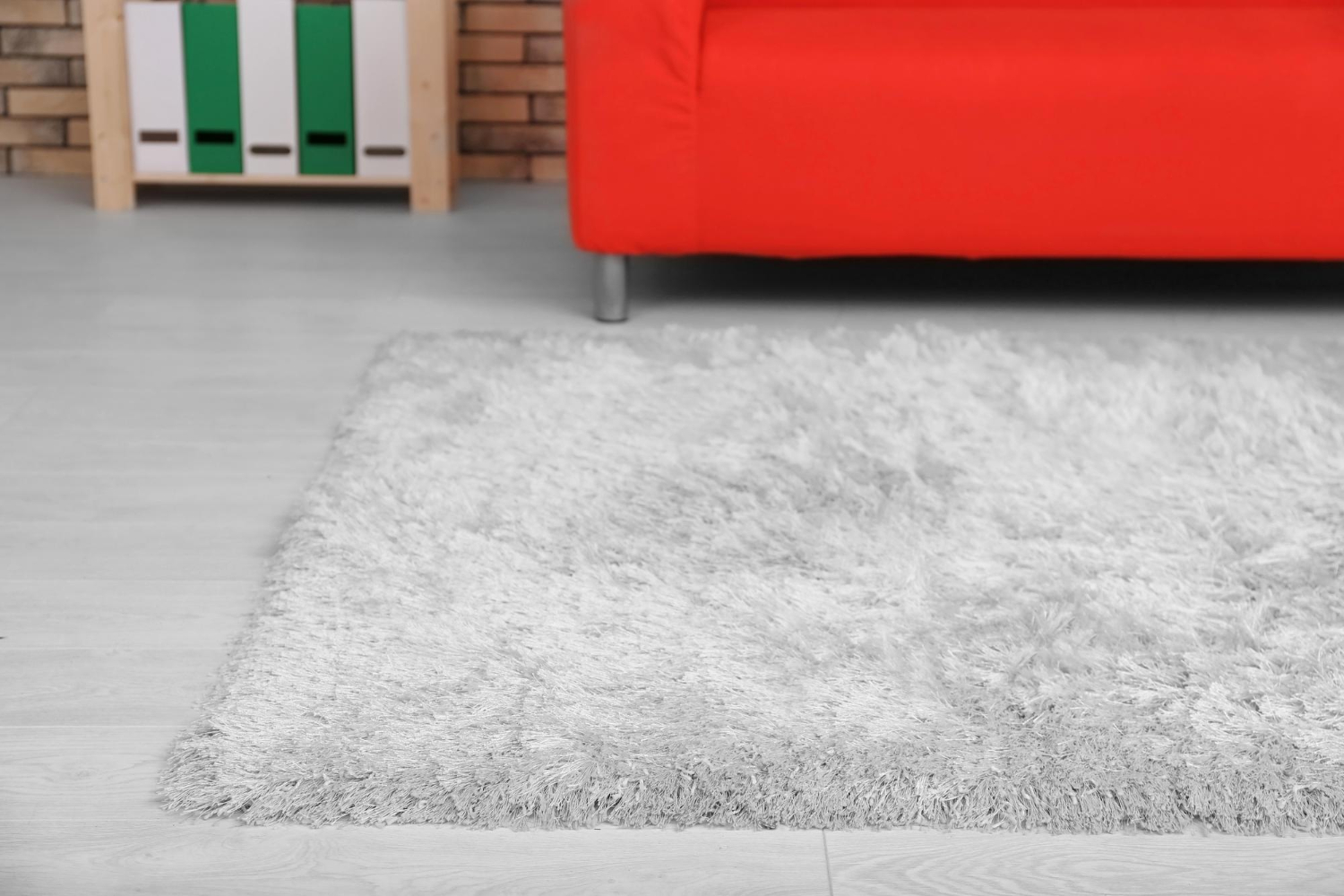
The first 18 inches of carpet inside the room door is the highest-traffic area and the first thing you see. Stains, threadbare patches, or visible damage in this zone signals two things: the hotel doesn’t replace carpet on a reasonable cycle, and housekeeping doesn’t deep-clean. Both predict broader maintenance issues throughout the property.
10: Difficult or evasive communication before booking

If you email a hotel with a question and either don’t get a reply or get a reply that doesn’t actually answer your question, that’s a meaningful signal about how they’ll handle problems during your stay. Hotels that respond promptly and clearly to pre-stay inquiries tend to handle in-stay issues the same way. Hotels that are vague or unresponsive before you’ve paid them money will be even less helpful afterward.
11: Excessive hidden fees only revealed at booking confirmation
In 2026, many hotels — particularly in resort destinations — advertise low base rates and then add substantial “resort fees,” “destination fees,” “amenity fees,” or “Wi-Fi fees” at the booking confirmation step. These can add $25-$75 per night to the actual cost. Hotels that conceal full pricing this way are signaling something about their business approach. Look for hotels that show full pricing upfront. If a hotel’s price seems too good compared to others in the area, the gap is almost always made up in fees.
12: Construction visible nearby on Street View
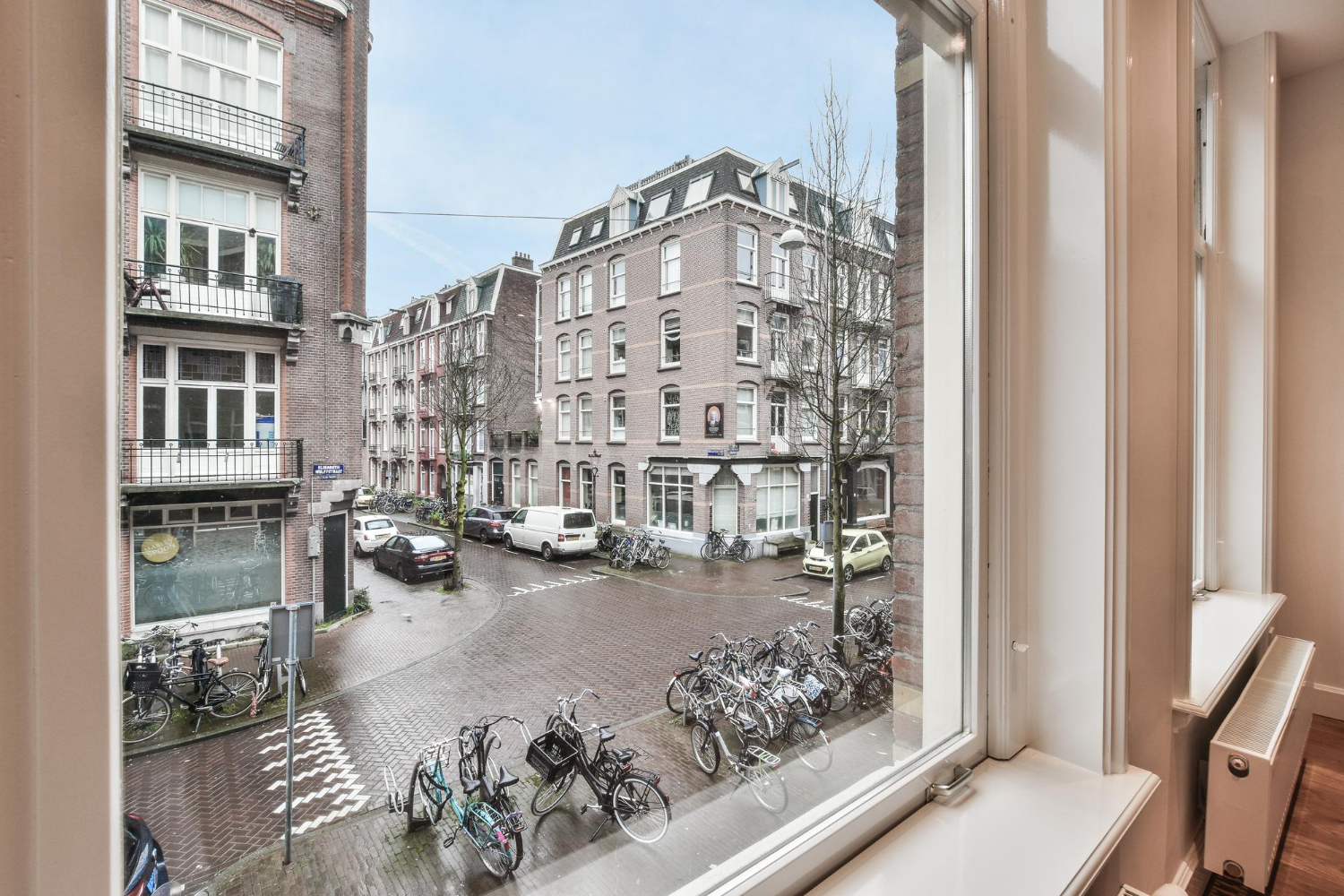
Even when a hotel itself looks fine, ongoing construction within a block or two can produce 6 AM jackhammer wake-ups, blocked street access, dust, and parking complications. Always check Google Maps Street View before booking. If you see signs of active construction, email the hotel directly to ask about timeline and noise mitigation. Many hotels won’t proactively disclose nearby construction.
13: Outdated or non-existent hotel website and social media

In 2026, even small independent hotels have functional websites and active social media. A hotel whose website was clearly built in 2015 and hasn’t been updated, or whose social media accounts haven’t posted in over a year, is signaling either neglect, financial distress, or imminent closure. None of those produce good guest experiences.
14: Late check-in or unusually early check-out times

Standard hotel check-in is 3-4 PM. Standard check-out is 11 AM-12 PM. A hotel with a 5 PM or later check-in or a 9 AM check-out is often signaling that housekeeping is severely understaffed and needs maximum time to clean rooms between guests. This usually correlates with reduced overall cleaning standards. The same understaffing that requires expanded turnaround time tends to mean rooms are cleaned less thoroughly than at properly-staffed hotels.
15: Bedbug reports on the Bedbug Registry or pest tracking sites
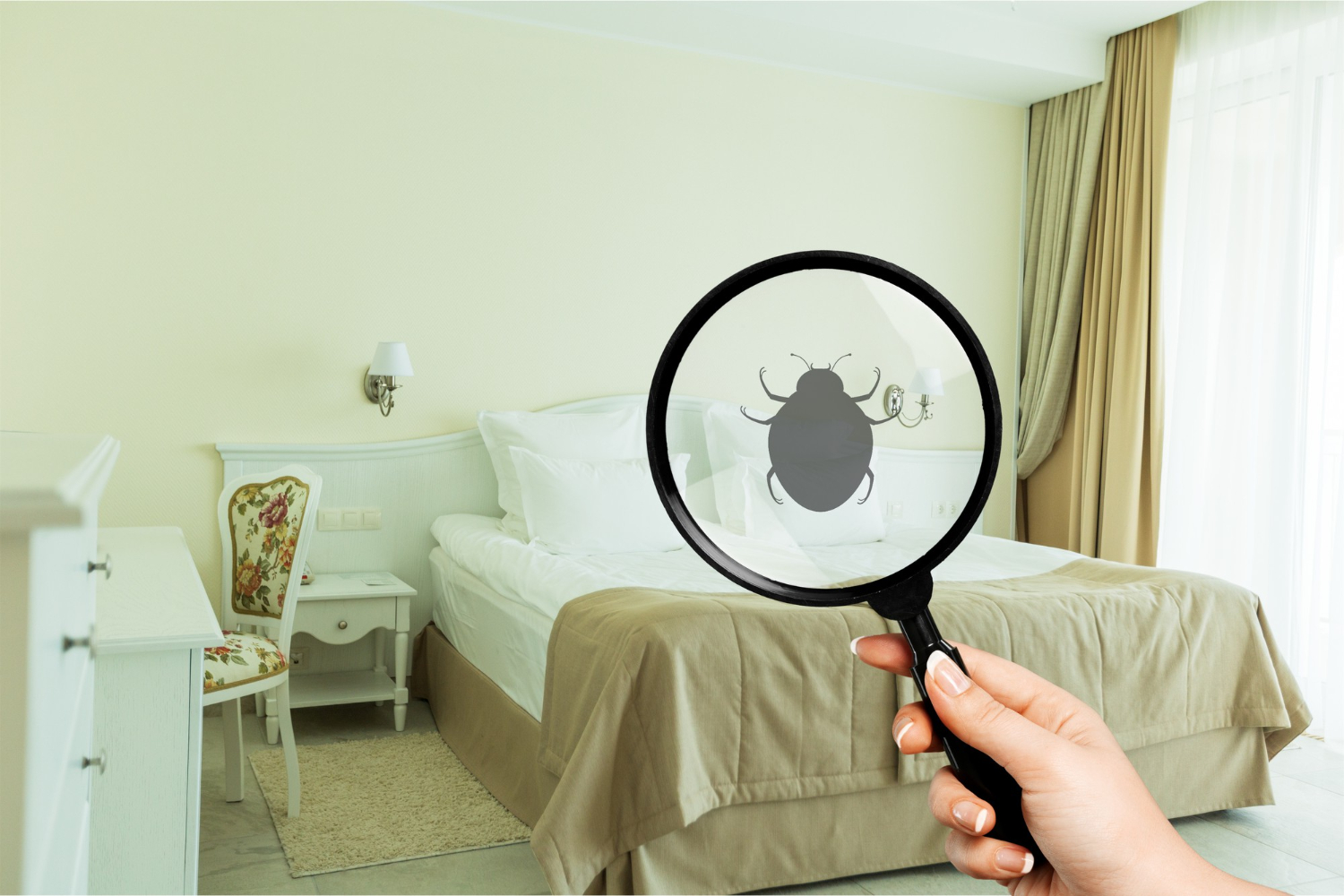
Several websites maintain user-submitted databases of hotel bedbug reports. The Bedbug Registry (bedbugregistry.com) is the most-cited. A single bedbug report doesn’t necessarily mean the hotel currently has a problem — bedbugs can be brought in by any traveler at any time. But multiple recent reports (within the last 6-12 months) at the same hotel indicate a chronic issue that the hotel hasn’t successfully resolved. Always check before booking.


