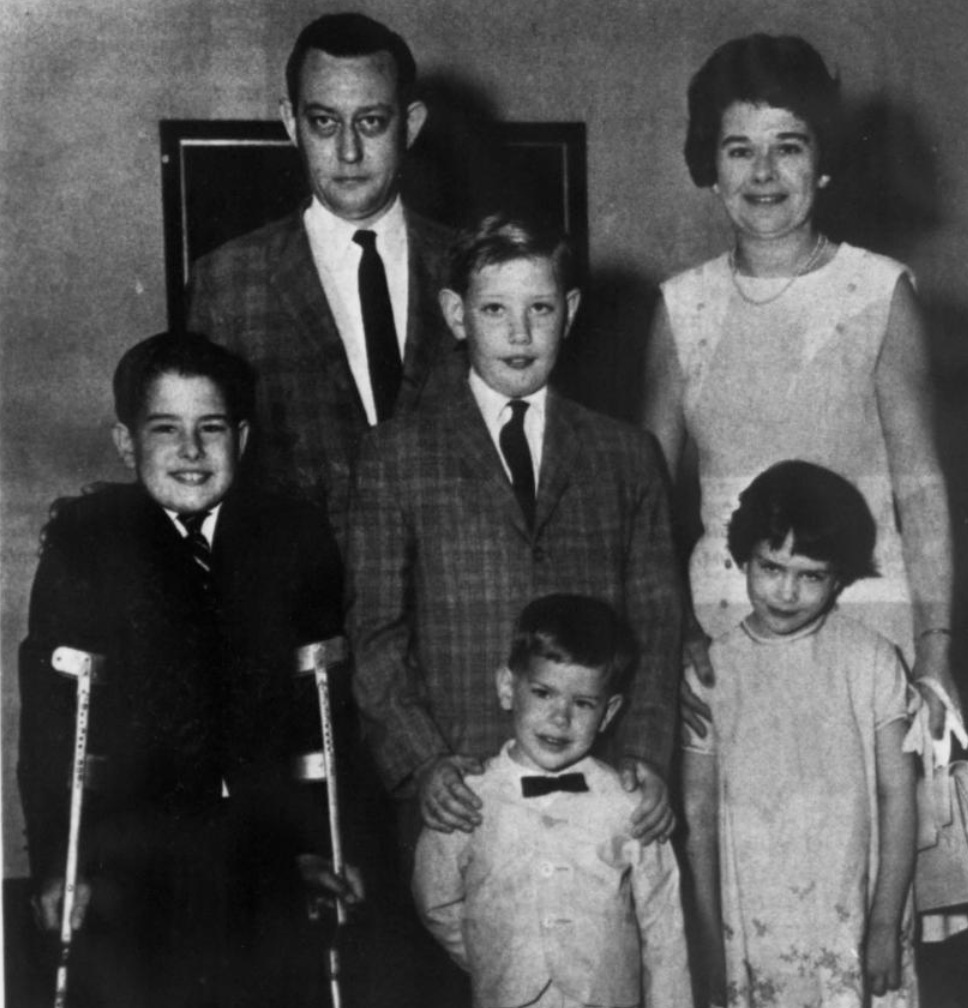
In 1968 this was one of a very short list of things that a specific adult sat down and deliberately taught a specific child. It could not be explained in words, it could not be demonstrated face to face without reversing, and it could not be learned at a distance – so it was taught with one person standing directly behind another, reaching around, working on a collar they could not see properly, saying almost nothing useful. The whole lesson took about ten minutes and was repeated until it stuck. Here are fifteen things every father did teaching a son to tie a tie in 1968, and why the skill faded so quickly once the occasions for it did. It was needed far more often than people now remember. School, church, visiting, photographs, weddings and funerals between them produced an occasion once or twice a week for a great many boys, which is why learning it was treated as urgent rather than as an accomplishment. Nobody wanted to go on standing in a hallway with their chin up while somebody else did it for them.
1. It Was Taught Standing Behind You

The instruction was delivered with the teacher standing at the learner’s back, reaching around, working on the learner’s own collar.
The position is the whole reason the lesson worked. Taught face to face, every movement is reversed, and a child trying to mirror an adult’s hands produces a knot that comes out backwards – so the teacher had to stand behind and effectively do it for them.
It also made the lesson physically close in a way very little else was. A father or an uncle standing directly behind a boy, arms around his shoulders, concentrating on something under his chin, is a configuration that occurred in almost no other circumstance.
Like our content? Follow us for more.
2. Nobody Could Explain It in Words
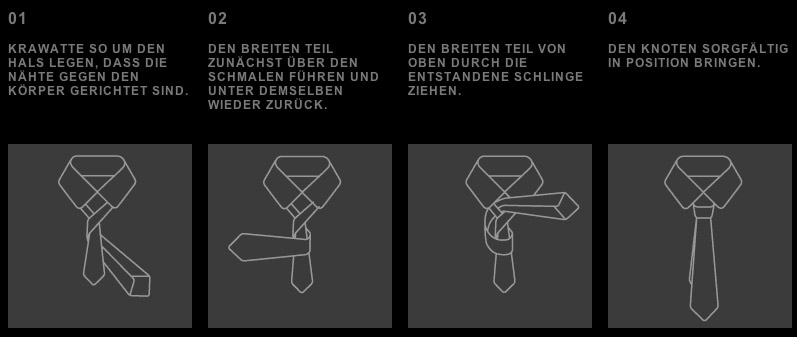
Every attempt to describe the sequence verbally failed, and everybody fell back on demonstration.
The failure of language here is genuinely interesting. The movements are simple, there are only a handful of them, and almost nobody who can do it can say how – which puts it in the same category as tying a shoelace or riding a bicycle.
That made the teaching entirely physical. The instruction consisted of doing it slowly several times and then letting the learner try, which meant it could only be transmitted in person and never at a distance.
3. It Was Learned on Somebody Else’s Neck First
A great many boys learned the movements on an adult standing in front of them before ever attempting their own.
The intermediate step solved the reversal problem from the other direction. Working on somebody facing you is easier than working on yourself because you can see what you are doing, and the sequence transfers afterwards with surprisingly little difficulty.
It also meant the first successful attempt was frequently on a father. A boy who had got it right on somebody else had an entirely different kind of success to report than one who had managed it in a mirror.
4. The Mirror Was Essential and Also the Problem
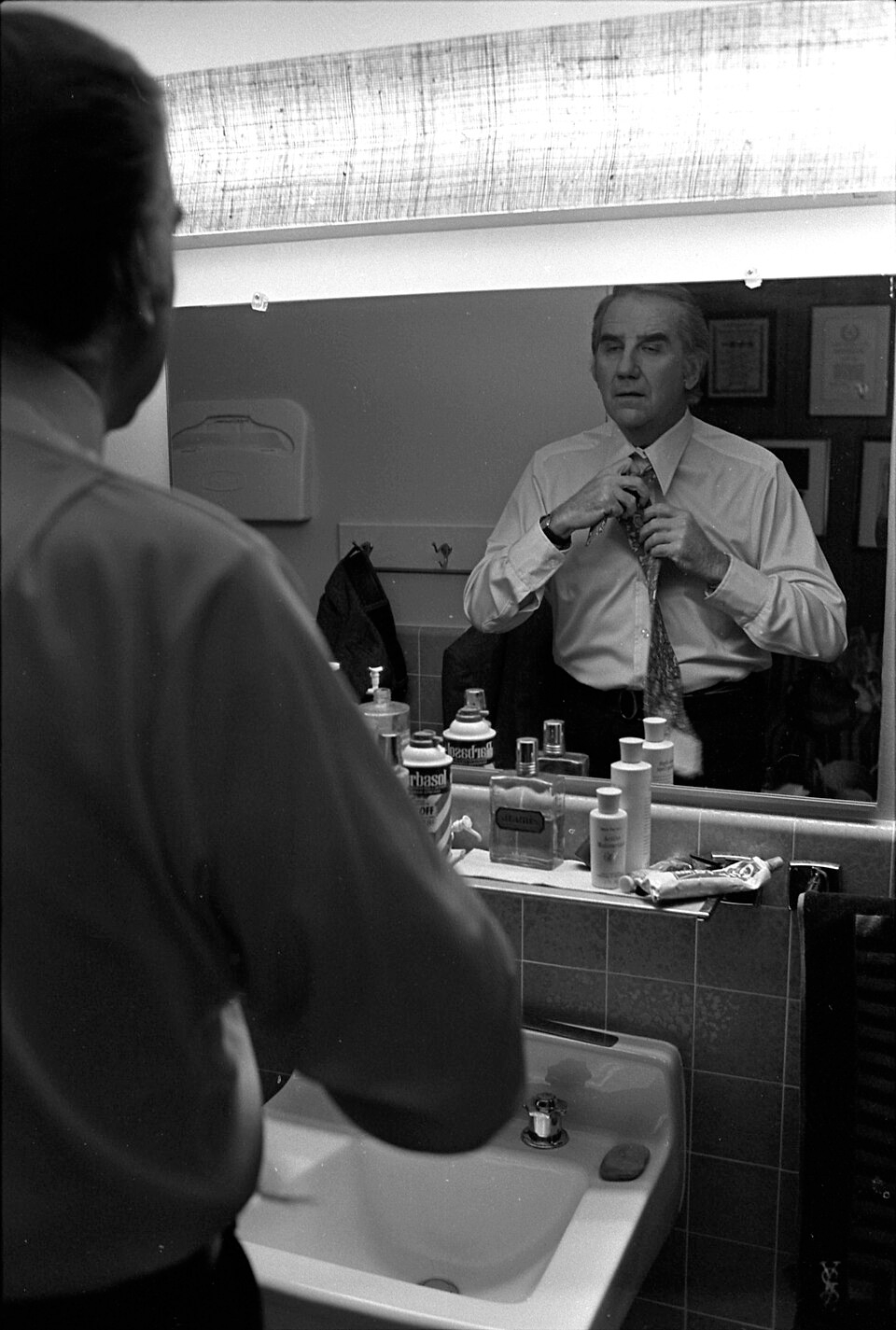
Learning alone required a mirror, and a mirror reverses everything, which is the single largest obstacle in the whole business.
The difficulty is not trivial and it defeated a great many people. A sequence of movements learned in reflection has to be unlearned and reversed before it can be performed without one, and plenty of men spent decades unable to do it except in front of glass.
Some never got past it at all. A man who can only tie one in a mirror is a man who cannot do it in a car, in a hurry or in somebody else’s house, which is a limitation with real practical consequences.
5. The Length Was Never Right the First Time
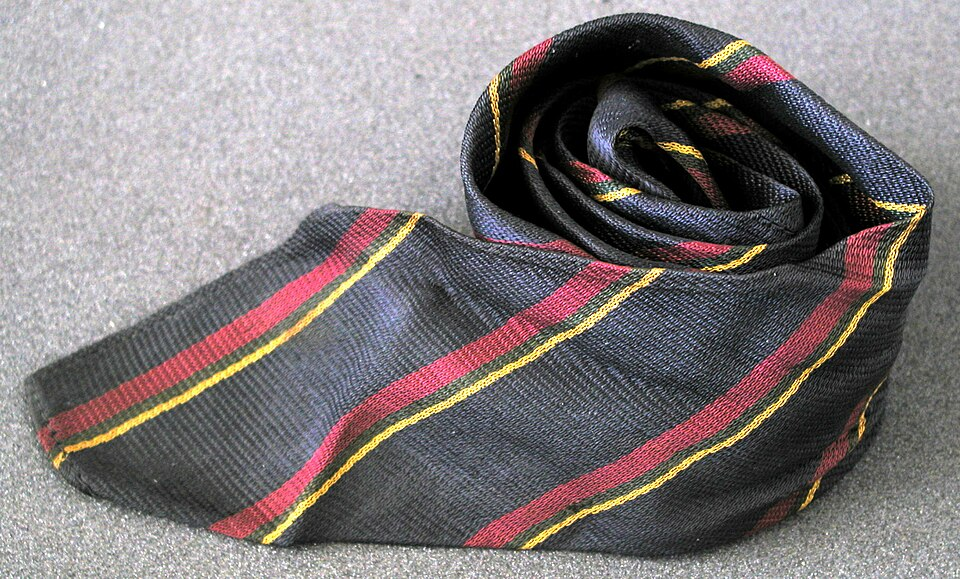
The two ends had to finish at particular points, and getting that wrong meant starting again.
The adjustment is the part nobody warns you about. The knot itself can be perfect and the result still wrong, because the whole thing depends on where you start, and the only way to find out is to finish and look.
Learning the starting point took longer than learning the knot. Everybody eventually developed a sense of where to begin, worked out entirely by trial and error and never transferable to anybody else because it depended on their own proportions.
6. There Was More Than One and People Were Partisan

Different knots existed, people had firm views, and the view was almost always inherited from whoever taught them.
The partisanship was unreasonable and universal. A man who had been taught one method at twelve generally regarded the alternatives as unnecessary, and almost nobody learned a second one voluntarily later in life.
It was also a reliable family marker. A son tied his the way his father did, which means the knot travelled down households in the same way as handwriting, accents and the way people answered the telephone.
7. It Was Required Far More Often Than People Remember
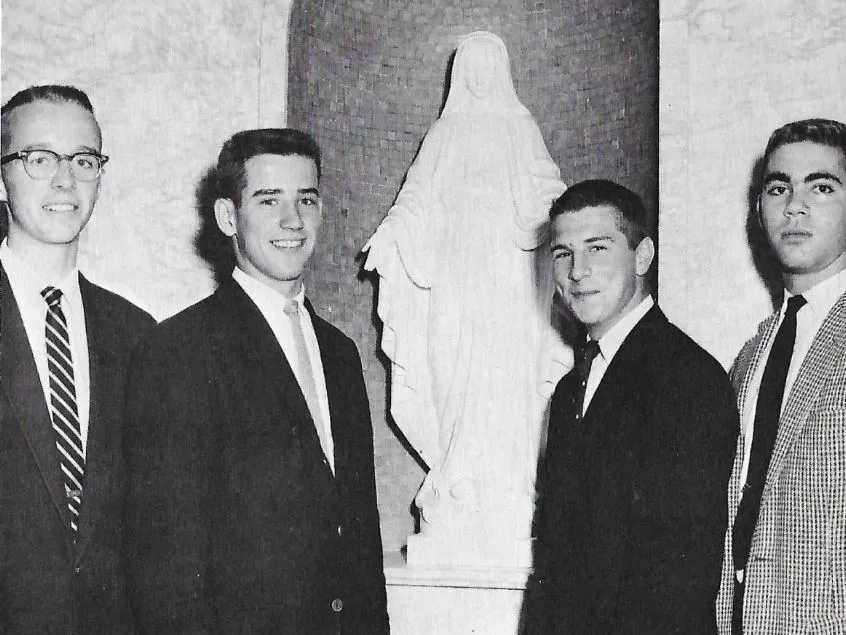
School, church, visits, photographs, funerals, weddings and a great many ordinary occasions all called for one.
The frequency is the thing that is hardest to convey now. A boy in 1968 might need to do this once or twice a week, which is why learning it was urgent rather than optional, and why nobody was content to have a parent do it indefinitely.
The volume also explains the speed people developed. Somebody doing it twice a week for forty years can complete the whole sequence in about six seconds without looking, which is a skill acquired entirely through repetition nobody was conscious of.
8. The Clip-On Was the Available Alternative and Was Judged
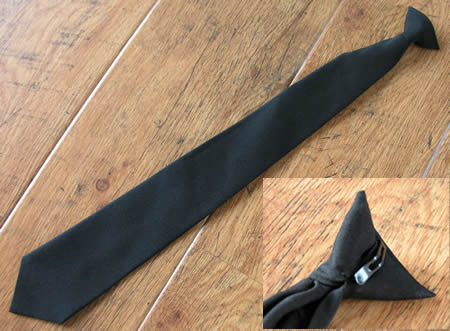
A pre-formed knot on a clip existed, was widely used by younger children, and was universally understood to be temporary.
The judgement was conducted entirely by children. Adults were mostly indifferent, and it was other boys who established that there was an age past which it became unacceptable – which is a standard nobody wrote down and everybody knew.
The transition had no fixed point. A boy moved from one to the other when he decided, or when somebody said something, and the day he first wore a real one was remembered in a way the clip-on years were not.
9. Getting It Done For You Was the Thing You Were Trying to Escape

Standing still while somebody else tied it was the position every boy was attempting to leave behind.
The motivation was almost entirely about that. The knot itself is of no interest to a twelve-year-old, and the reason for learning it was to stop having to stand in a hallway with their chin up while somebody else worked on them.
Which makes the learning a small independence transaction. Every skill of this kind transfers one task from an adult to a child, and the child’s interest in acquiring it is usually in inverse proportion to how much they enjoy having it done for them.
10. The Loosening on Arriving Home Was Its Own Ritual

Pulling it loose on arriving home was a recognised and widely shared gesture.
The action marked a transition more clearly than almost anything else in the day. A loosened tie is a visible statement that whatever required it is over, and the gesture was made by men coming through doors across the country every evening at roughly the same hour.
Children copied it immediately. A boy who had been wearing one all day pulled it loose in the hallway exactly as he had seen done, which is how a great many adult mannerisms are actually acquired.
11. Nobody Ever Untied It Properly
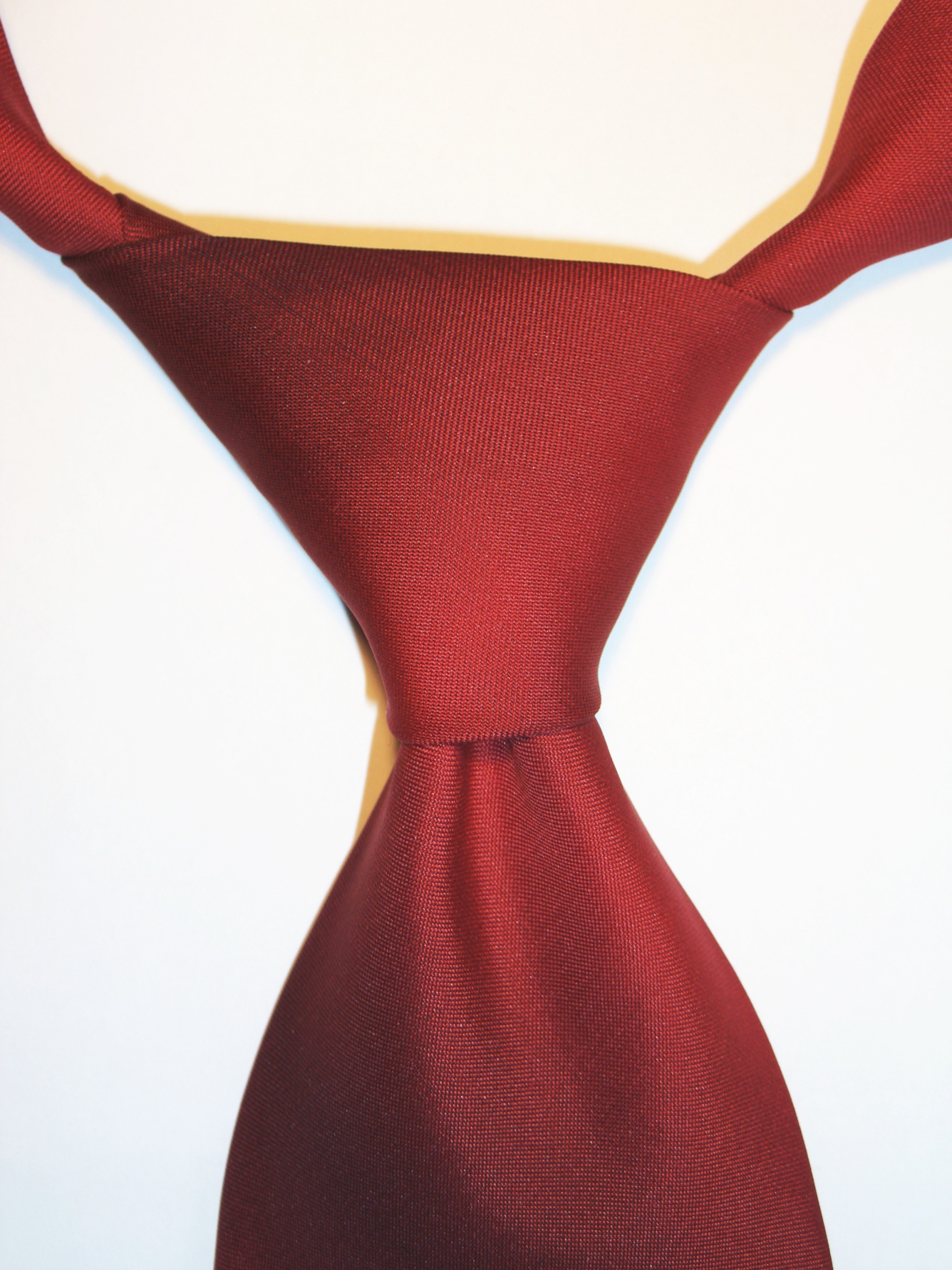
The knot was loosened, pulled over the head and left tied, and it was frequently put on the same way the following morning.
The shortcut was close to universal and is slightly scandalous to anybody who cares about such things. A tie treated this way holds a permanent crease and eventually ruins itself, and everybody did it anyway.
It also meant the knot survived unexamined. A tie left tied for weeks was being worn by somebody who had not performed the sequence in all that time, which is one reason the skill faded faster than the frequency of wearing would suggest.
12. It Was One of a Short List of Things Fathers Specifically Taught
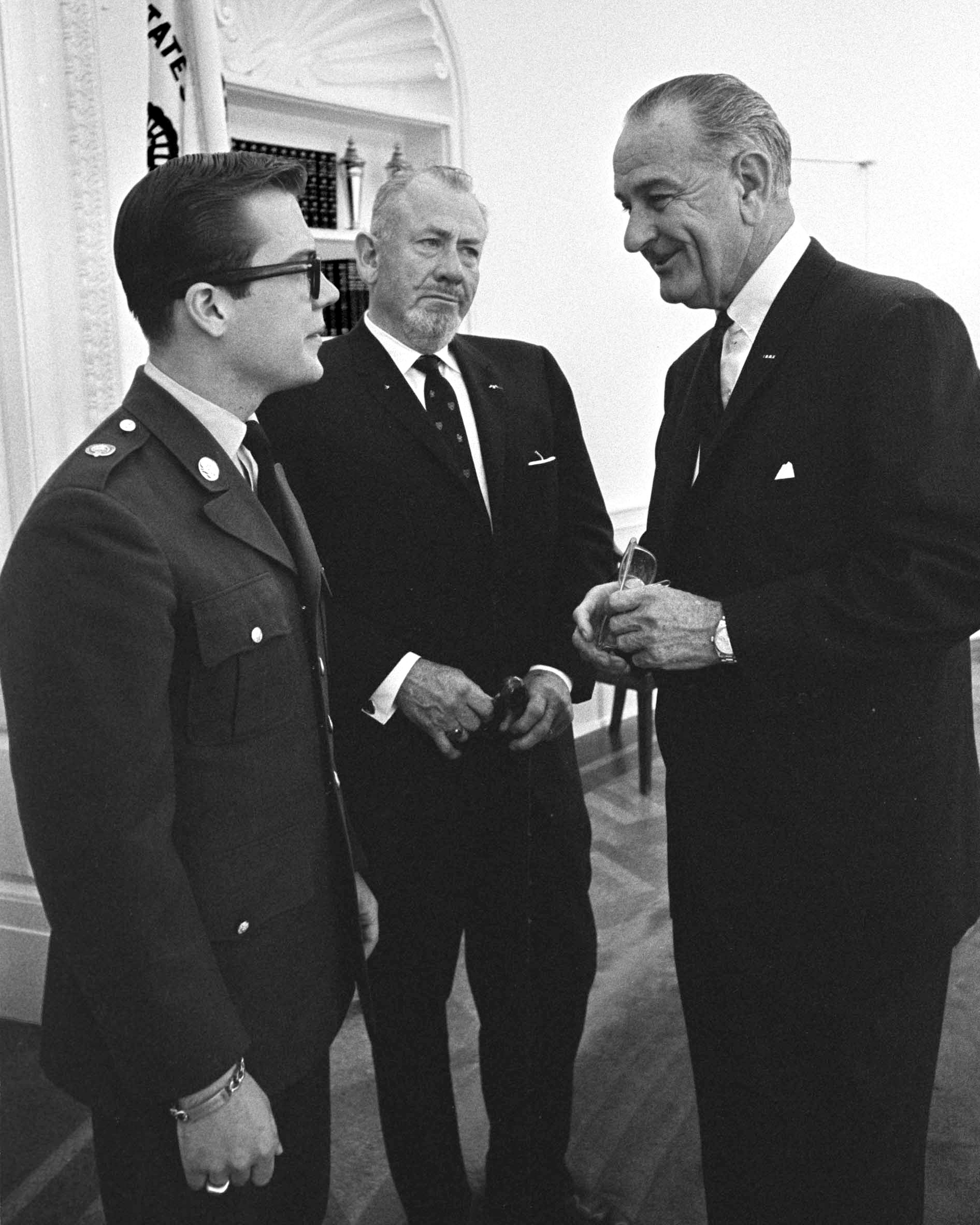
Along with a handful of other practical skills, this one was reliably transmitted from one particular adult to one particular child.
The specificity is worth noticing. Most of what a child learns at home is absorbed rather than taught, and this is one of the few things that involved a designated teacher, a designated learner and an occasion on which it happened.
That is why the memory is so often attached to a person. People do not generally remember who taught them to use a knife and fork, and a remarkable proportion of people can name exactly who stood behind them and when.
13. Girls Learned It Too and It Is Rarely Mentioned

Plenty of households taught daughters as well, for school uniforms, for work and for the practical reason that somebody has to be able to help.
The omission from most accounts is a reporting failure rather than a historical one. The skill was useful to anybody who might ever need to assist somebody else with one, and households that thought about it taught everybody.
It also travelled sideways. A sister who could do it became the person a brother went to when the adult who normally did it was not available, which is a small piece of household competence that rarely gets recorded.
14. Forgetting It Was Entirely Possible

Somebody who had not done it for a year frequently found that they could not, and had to be shown again.
The fragility of the skill surprises people. A sequence held entirely in the hands and never in words degrades when it is not used, and relearning it as an adult is both easy and quietly embarrassing.
The usual solution was to ask. A man who could not remember asked somebody who could, which meant the same lesson – one person standing behind another, reaching around – was delivered to adults as well as children.
15. Then the Occasions Stopped Requiring One

Dress codes relaxed across schools, workplaces and almost everywhere else, and the need fell away faster than almost anybody predicted.
The decline removed the reason rather than the knowledge. A skill needed twice a week is maintained automatically and a skill needed twice a year is not, and the transmission broke within a generation because there was nothing left to practise on.
What went with it is the lesson. One person standing directly behind another, reaching around to work on something under their chin, saying nothing useful, doing it slowly four times and then letting go – which is a form of teaching that almost nothing else in a household ever required.
Why This One Was Taught and Almost Nothing Else Was
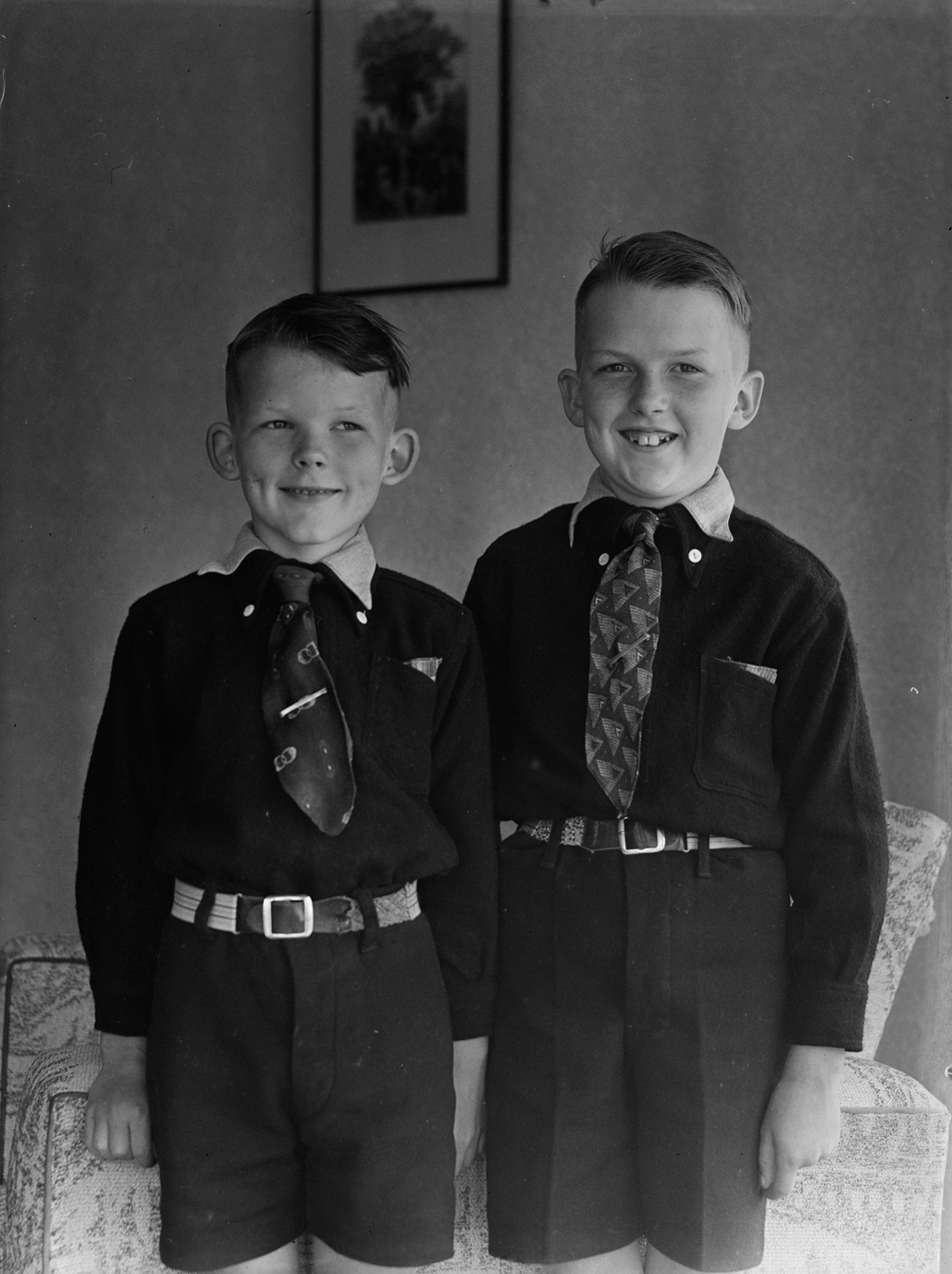
Read in order, the fifteen describe something unusual in a household: a skill with a designated teacher, a designated learner and an identifiable occasion. Most of what children absorb at home is picked up rather than taught, which is why almost nobody can say who taught them to use a knife and fork. A remarkable proportion of people can name exactly who stood behind them for this one, and roughly when. That is a direct consequence of the mechanics. The sequence cannot be put into words by anybody who can perform it, it reverses when demonstrated face to face and it reverses again in a mirror, which leaves exactly one workable method – an adult behind a child, reaching around, doing it slowly several times and then letting go. A skill that can only be transmitted in that configuration is a skill that produces a memory of a person rather than a memory of a technique. There is one more thing the mechanics explain, which is why the skill is so easy to lose. A sequence that was never held in words is held only in the hands, and hands forget what they are not asked to do. A man who went a year without needing one frequently found that he could not, and had to be shown again – which meant the same lesson, in the same configuration, was quietly delivered to adults as often as to children. That is also why the transmission broke so completely once the occasions went: there was nothing left to practise on, and a skill nobody practises is a skill nobody can pass on.
The knowledge did not disappear because anybody stopped valuing it. It disappeared because the occasions did. A skill required twice a week maintains itself without effort and one required twice a year does not, and once schools, offices and most of the rest of ordinary life stopped asking for it there was nothing left to practise on and nothing to transmit. What went with it is the lesson itself: one person standing directly behind another, reaching around to work on something under their chin, saying nothing useful, doing it slowly four times and then letting go – a form of teaching that almost nothing else in a household ever required, and that nothing has replaced.
Like our content? Follow us for more.