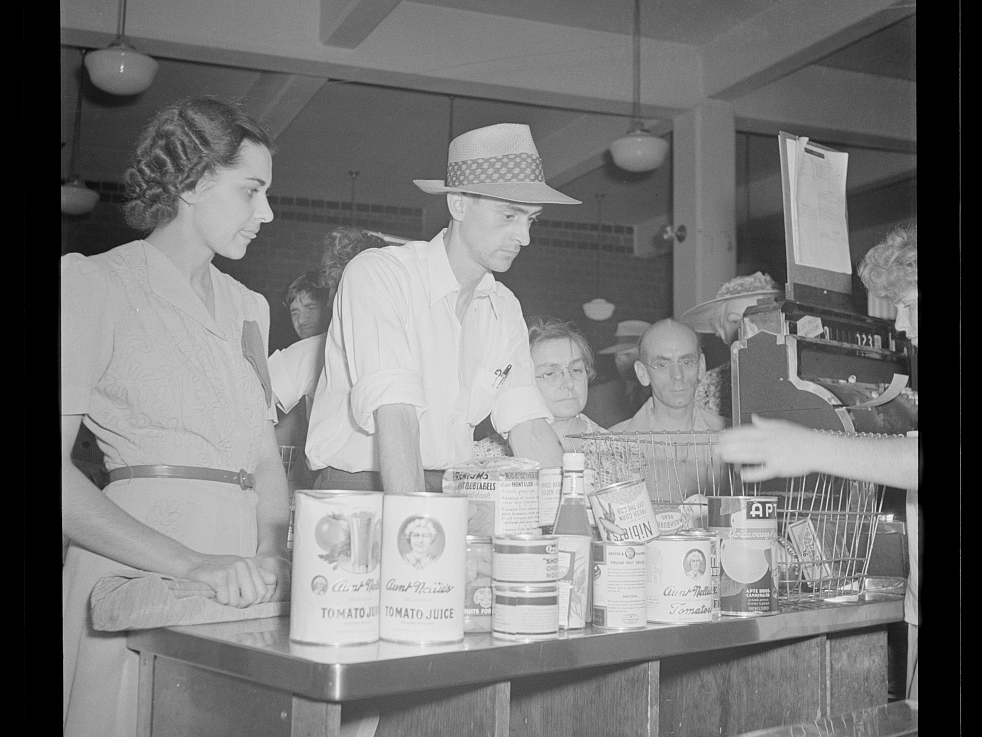
The shopkeeper took your money, set it on the ledge of the drawer where you could see it, and then counted coins back into your hand out loud, one at a time, until the total reached what you had handed over. In 1964 that was how nearly every purchase ended, and almost nobody under forty has ever seen it done.
Nothing in the Transaction Calculated Anything
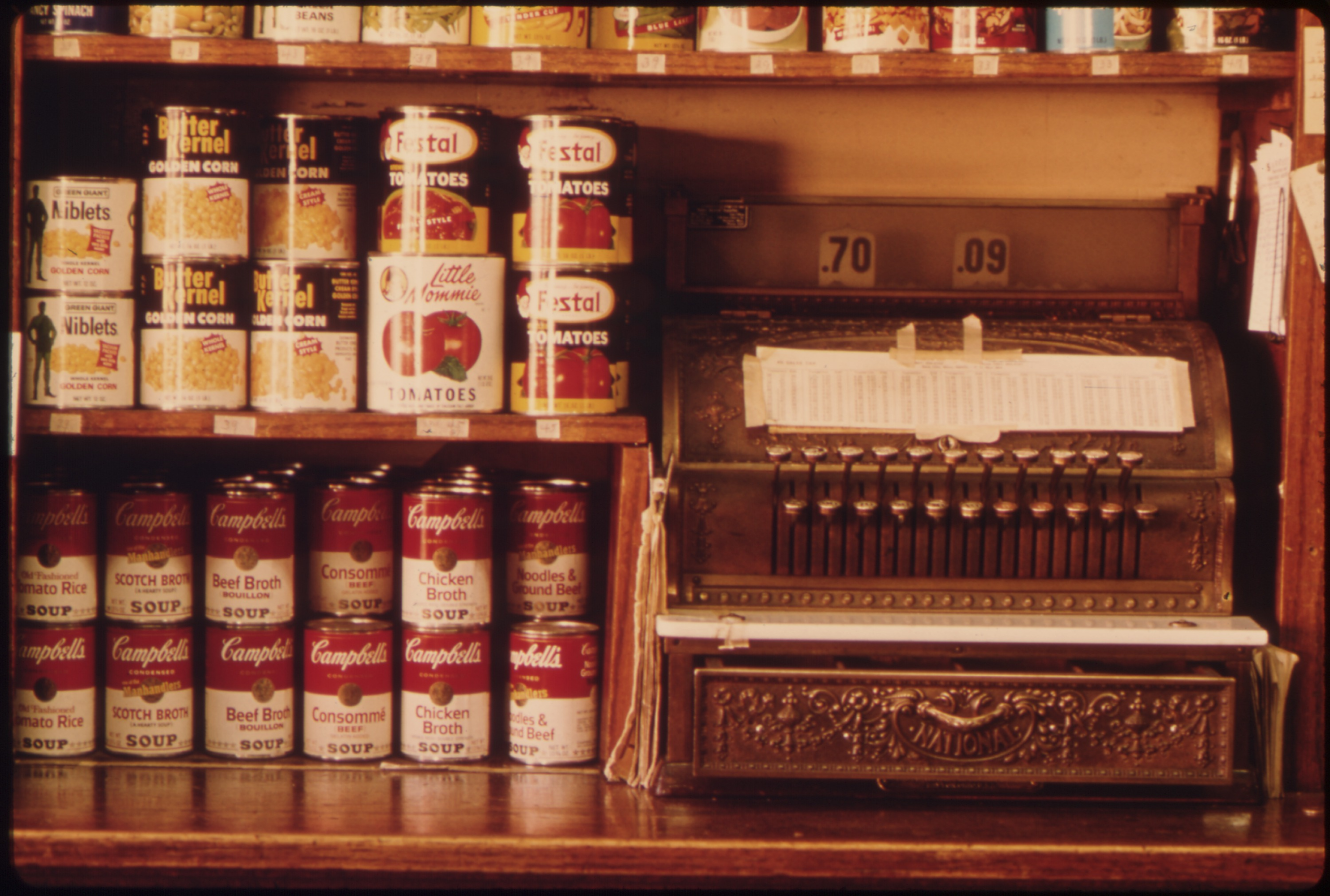
The drawer was a drawer, the ledger was written afterwards, and the subtraction happened entirely inside somebody’s head.
That is the fact everything else rests on. A mechanical register recorded a sale and opened a drawer; it did not work out what you were owed, so the arithmetic was done by a person standing in front of another person, at speed, repeatedly, all day.
Like our content? Follow us for more.
The Counting Method Avoided Subtraction Altogether

Rather than working out the difference, the shopkeeper began at the price and added coins until reaching the sum handed over.
This is the genuinely clever part and most people have never noticed it. Counting up converts a subtraction into a sequence of small additions, and small additions can be done aloud, in order, with no working out and no opportunity to go wrong unnoticed.
Saying It Out Loud Was the Verification
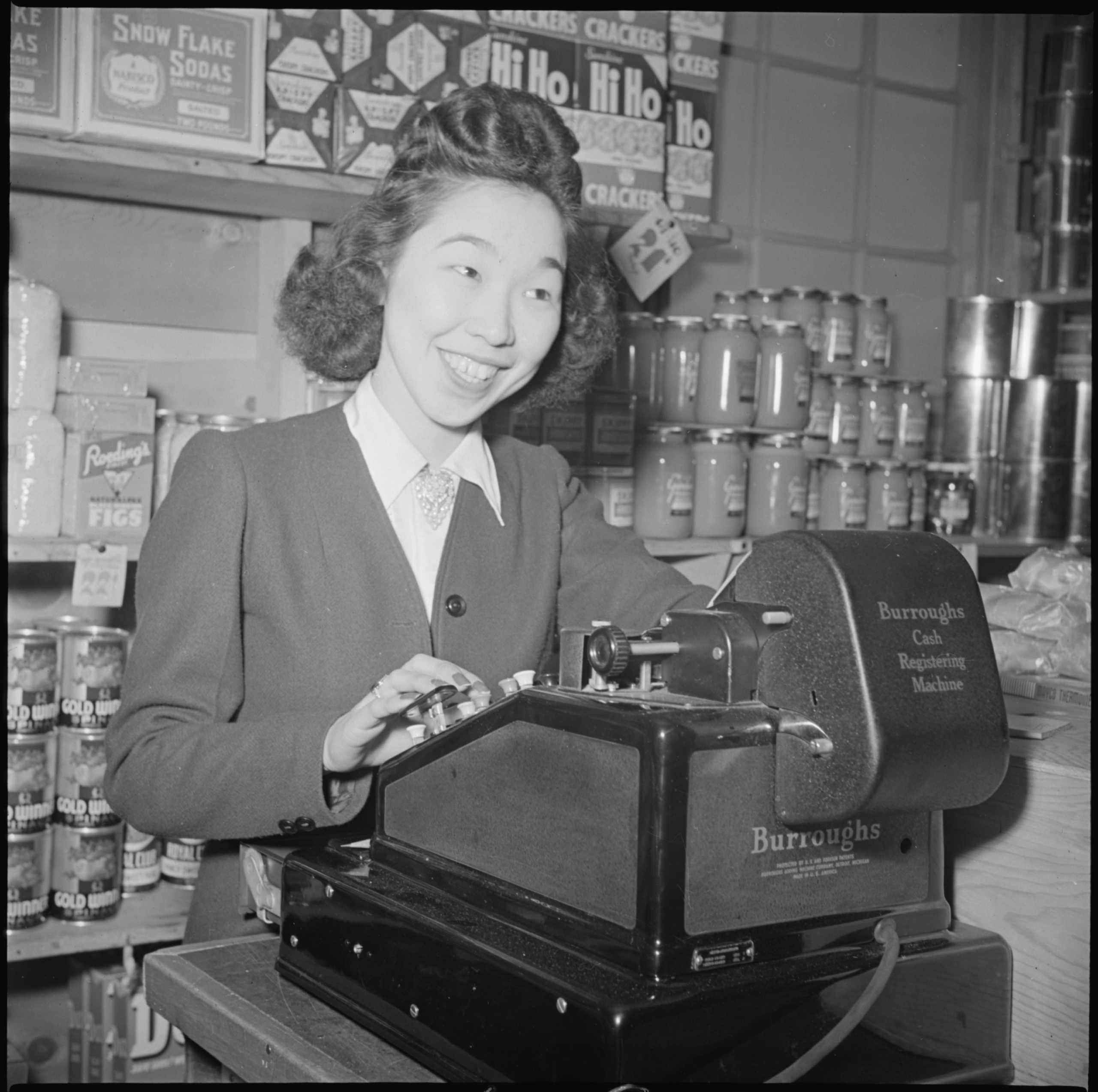
Each coin was named as it was placed in the customer’s hand, so both people heard the same running total arrive at the same answer.
The procedure is a checking mechanism disguised as politeness. An error made silently is discovered later by somebody annoyed about it; an error made aloud in front of the person affected is caught immediately by whoever notices first, which is a far better system than either party checking alone.
The Money Stayed Visible Until the Count Finished
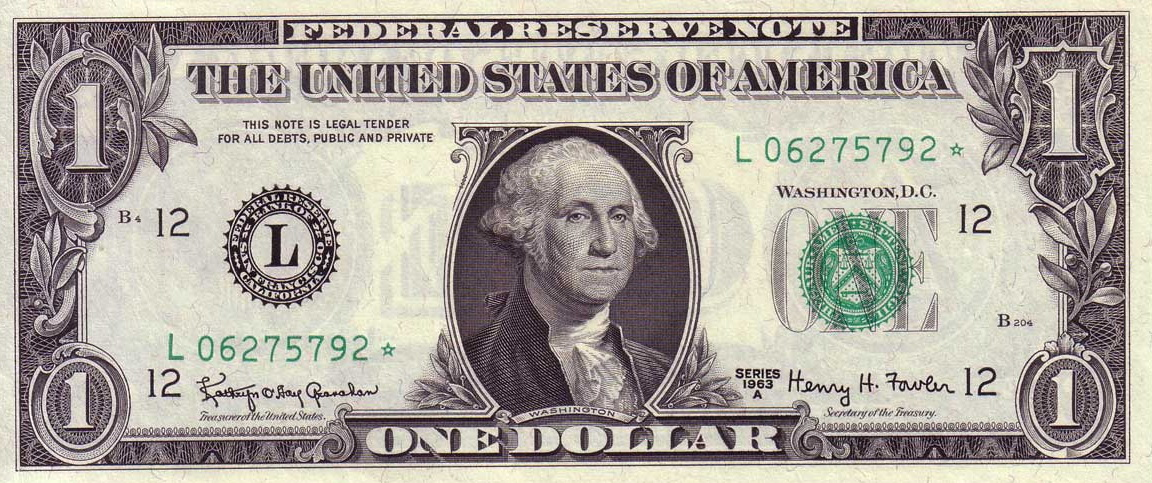
The note you handed over was placed on the drawer or held up rather than put away, and only went in once you had your change.
The practice exists to settle one specific argument before it can happen. A customer who believes they handed over a larger note and a shopkeeper who believes otherwise have no way to resolve it once the note is in the drawer, so the note stays out until the question cannot arise.
Children Were Sent to Shops Alone and Had to Manage It
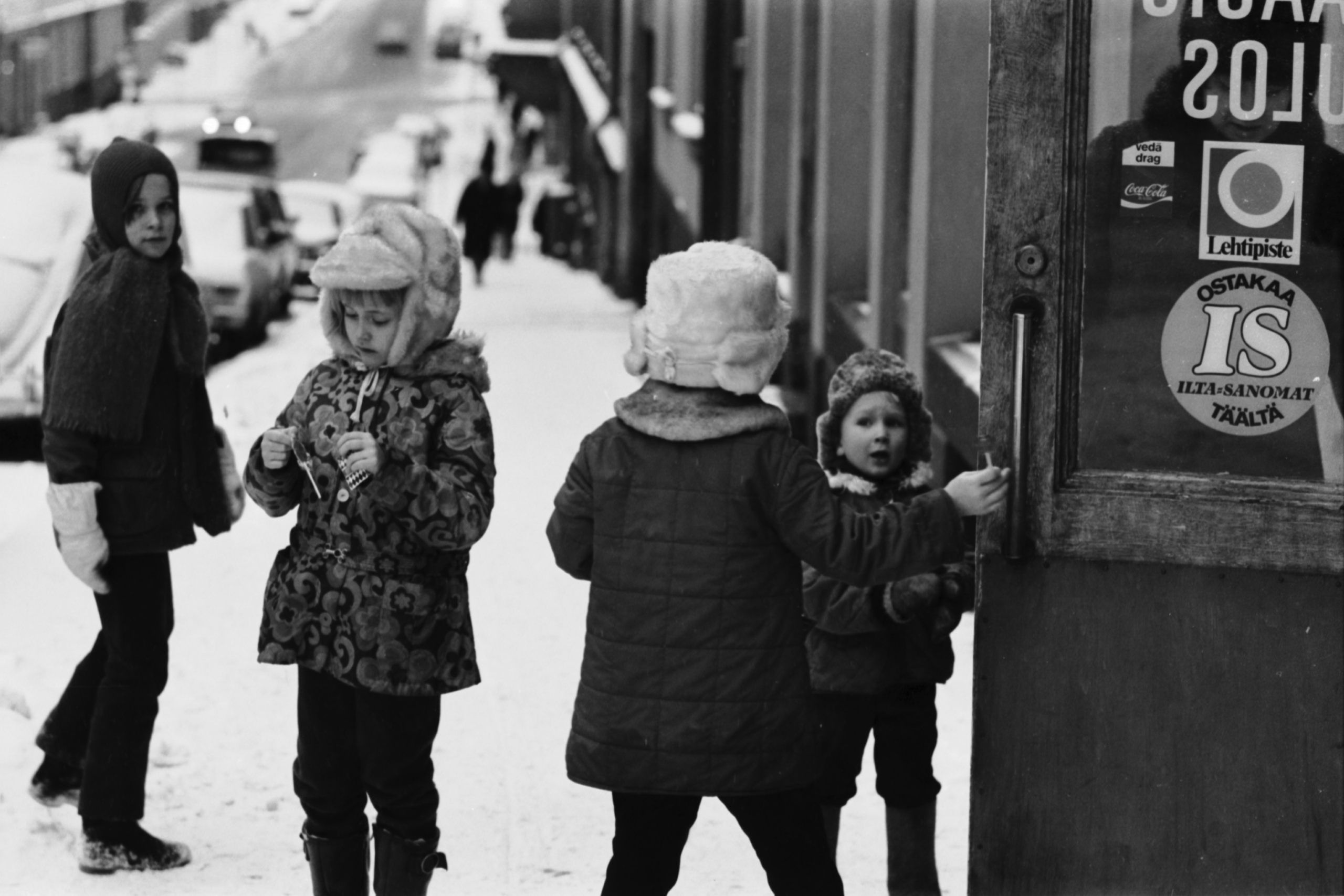
A child sent for something with money in their fist had to hand it over, take the change, check it and bring the right amount home.
Which made the counting a piece of public education nobody had designed. The child was on the receiving end of a demonstration of mental arithmetic several times a week, performed slowly, aloud, by an adult who expected them to follow along.
Getting It Wrong at Home Was the Real Test
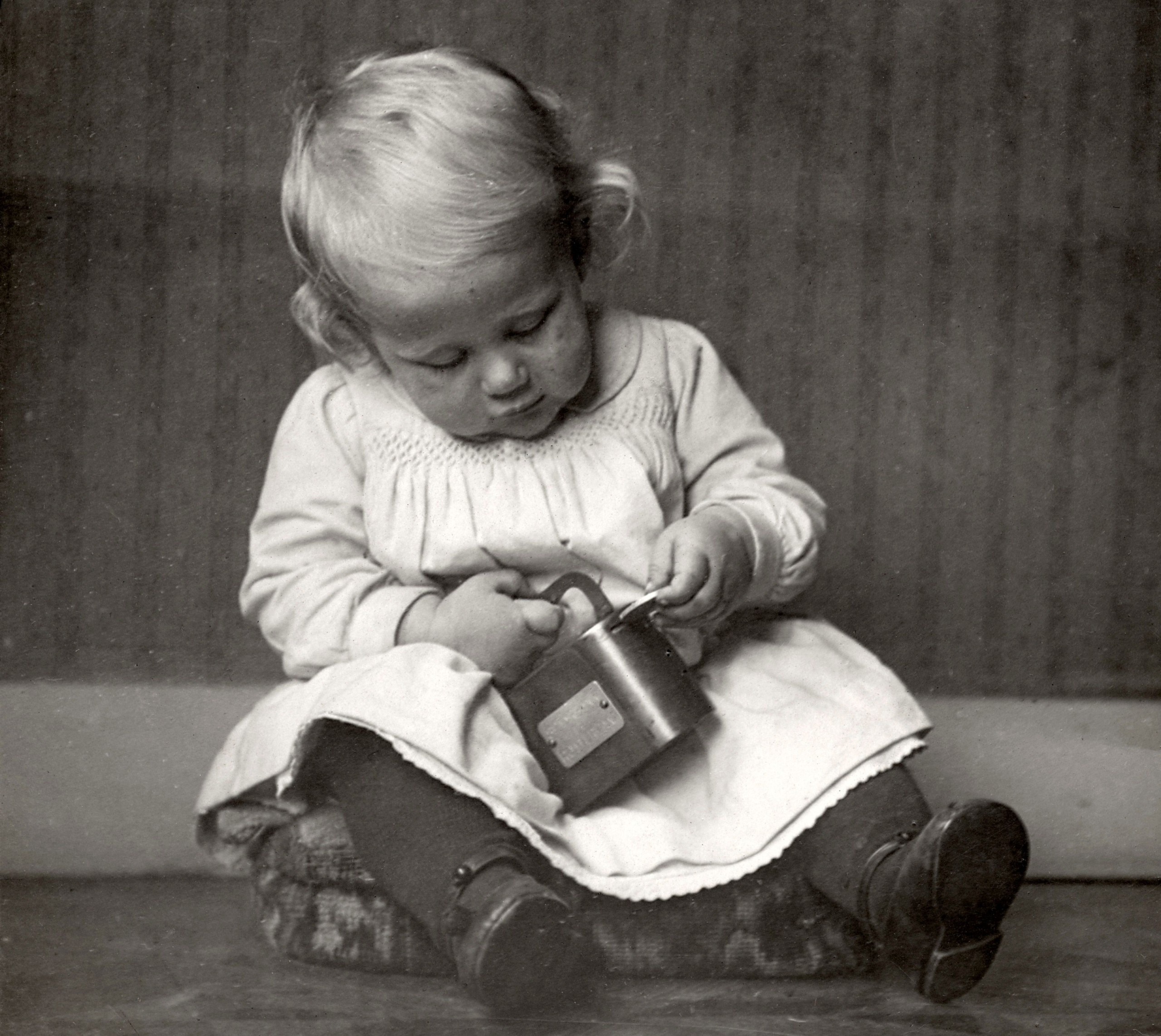
The change was counted again on the kitchen table against the price, and a shortfall had to be explained.
The second audit is the part that made children careful. The shop count was somebody else’s arithmetic; the kitchen count was yours, and the difference between the two was a problem you owned by the time you got through the door.
Small Denominations Did Real Work

The lowest-value coins were used constantly, because prices landed on them and a count up to the next unit needed them.
Their importance is easy to underestimate from a distance. A pricing system that routinely ends in small amounts requires those amounts to exist in quantity in every till, and a shopkeeper short of them had a genuine operational problem rather than an inconvenience.
The Coins Themselves Were Heavier and More Various
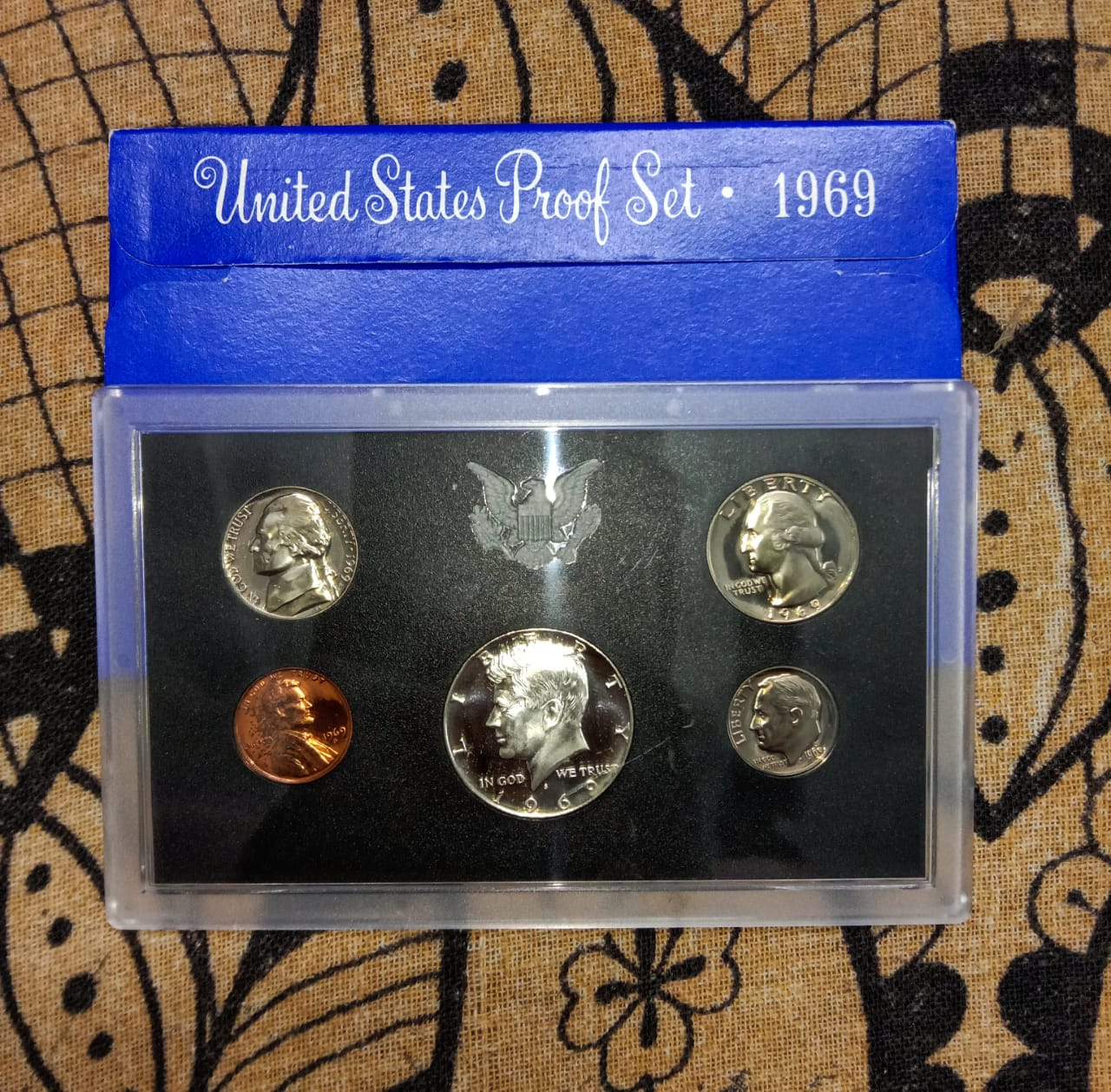
A handful of change contained several distinct sizes and weights, and people identified coins by feel in a pocket without looking.
That tactile familiarity is a lost skill rather than a lost object. Anybody who handles the same set of coins every day for years can sort them blind, which is why the business of producing the exact amount could be conducted largely by touch while the conversation carried on.
Running Out of Change Could Stop a Shop
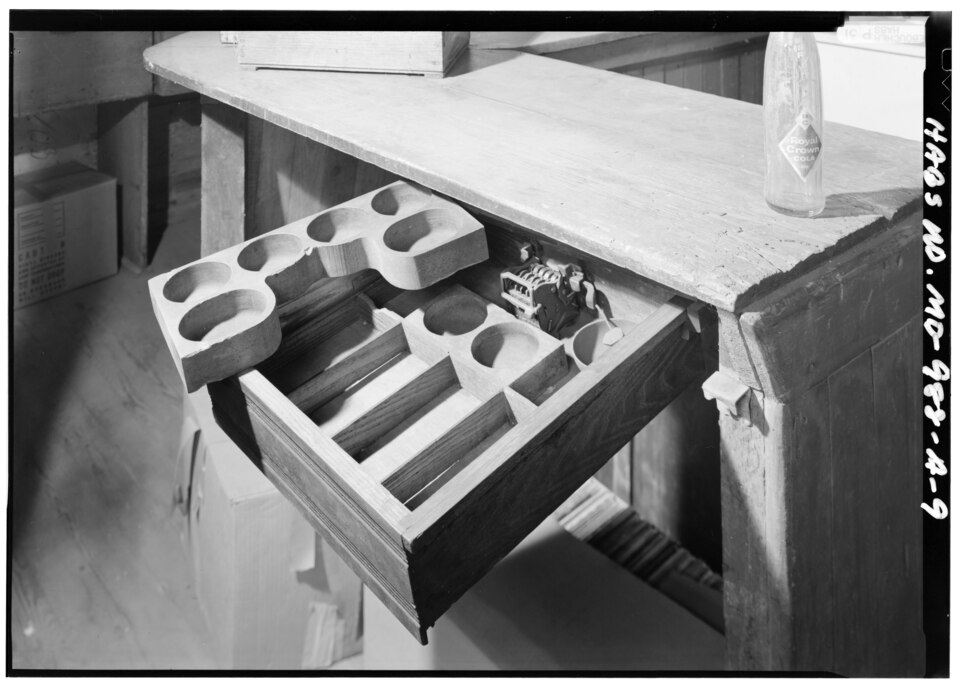
A till with no small coins cannot complete a sale, and a busy morning could exhaust them.
That vulnerability shaped daily practice more than anybody admits. Shops opened with a float assembled deliberately, traded coins with neighbouring businesses when they ran low, and a customer with the exact amount was genuinely welcome rather than merely convenient.
Exact Change Was a Social Courtesy
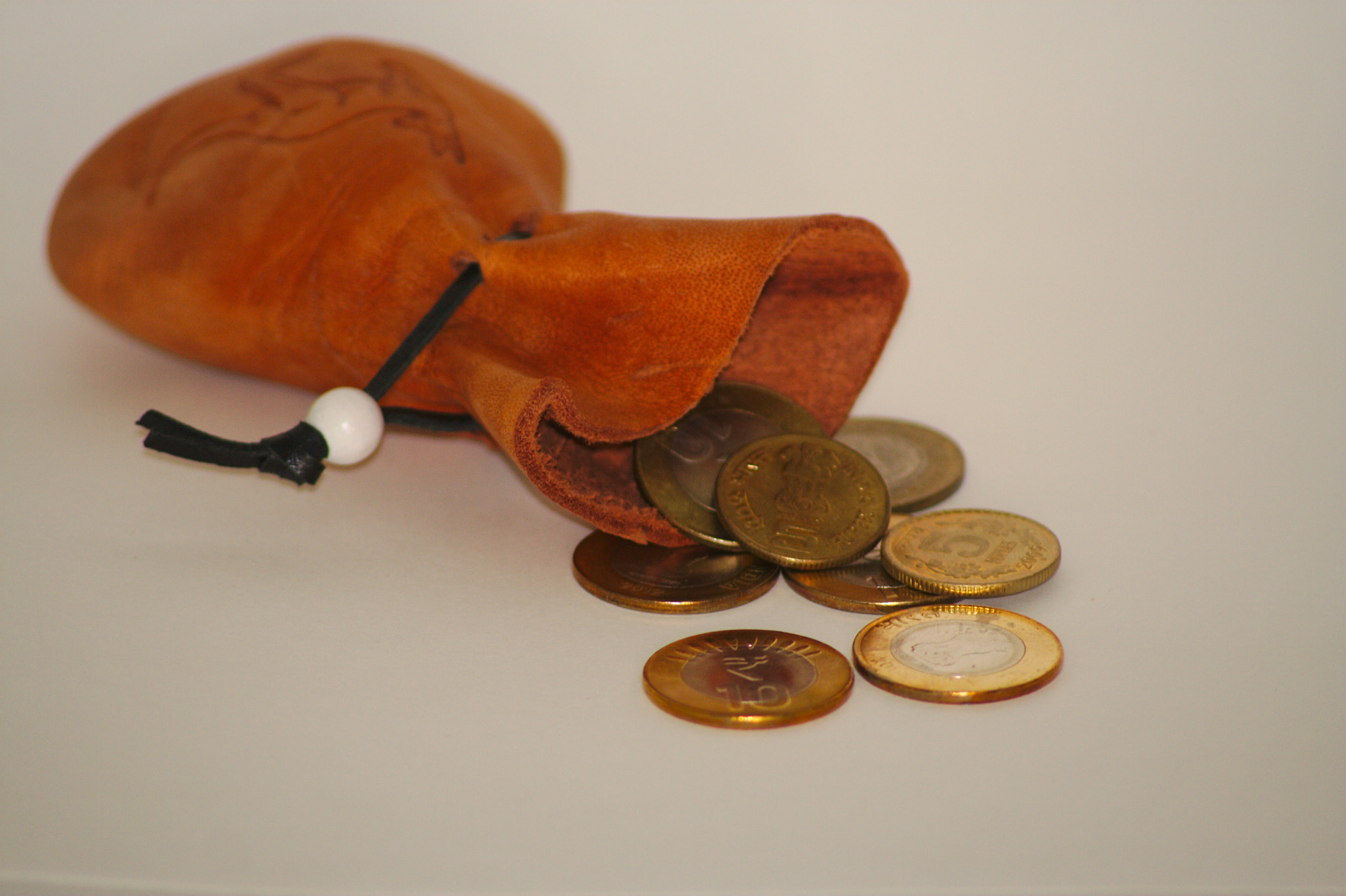
Producing the precise amount was regarded as a small act of consideration, and people took visible trouble over it.
The habit tells you how tight the coin supply felt. People do not rummage for ninety seconds to save somebody else an inconvenience unless the inconvenience is real, and the digging in the bottom of a handbag was a response to a genuine constraint.
The Count Set the Pace of the Queue
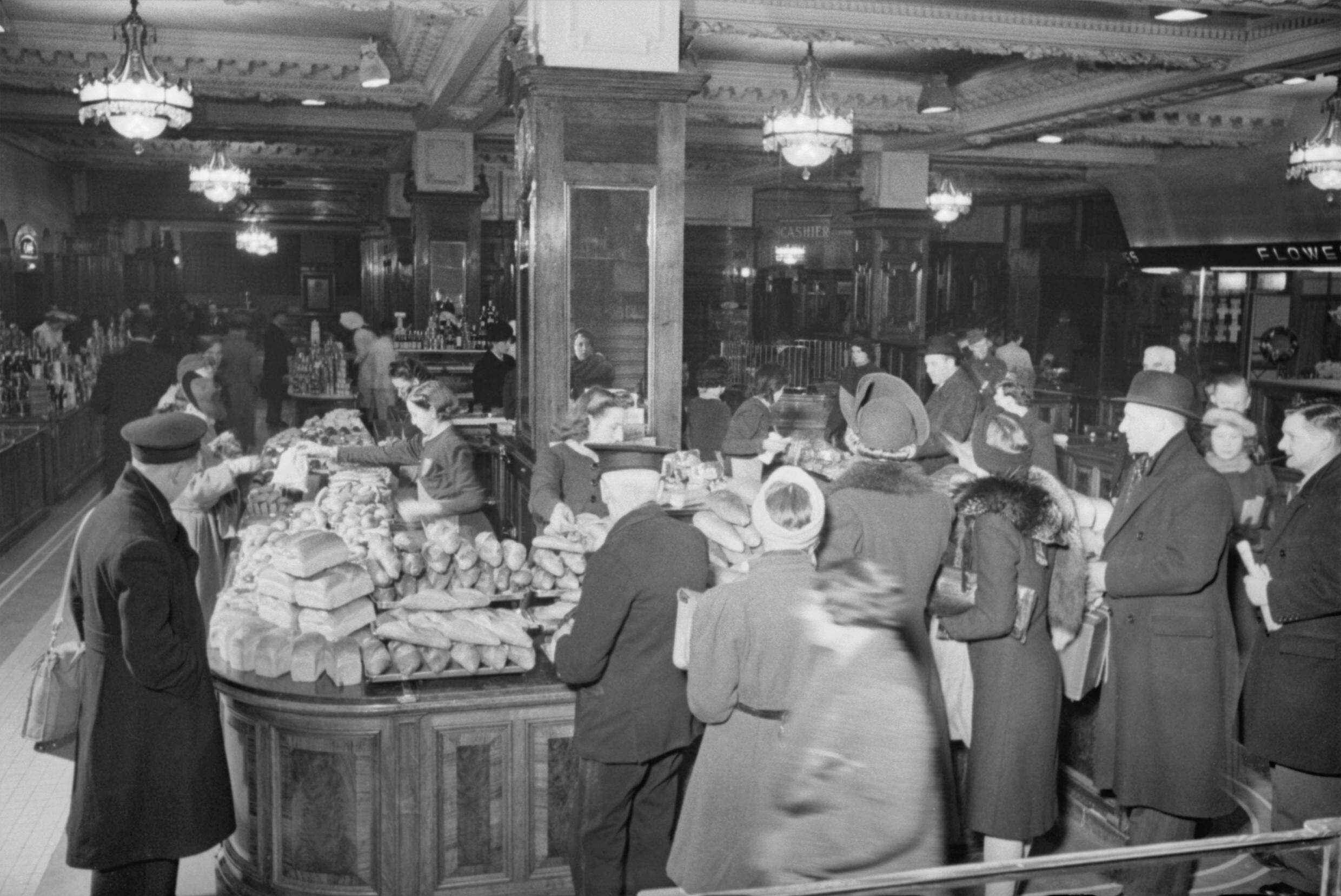
Every transaction took as long as it took to count, which meant the queue moved at the speed of mental arithmetic.
The timing is why shops felt different. A queue that advances at the pace of a person counting aloud is a slower queue, and the people in it stood there long enough to see every transaction in front of them completed in full.
Watching the Person Ahead Was Normal
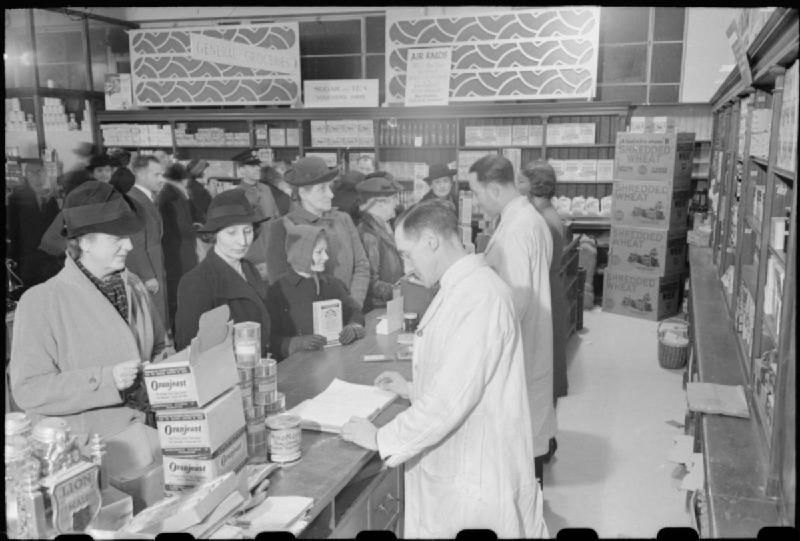
You saw what they bought, what they paid and what they got back, because all of it happened in the open.
That openness is the part most unlike now. A transaction conducted entirely aloud in a small shop is a public event, and a regular customer’s purchases were known to everybody in the queue behind them without anybody intending it.
The Shopkeeper Knew Your Arithmetic
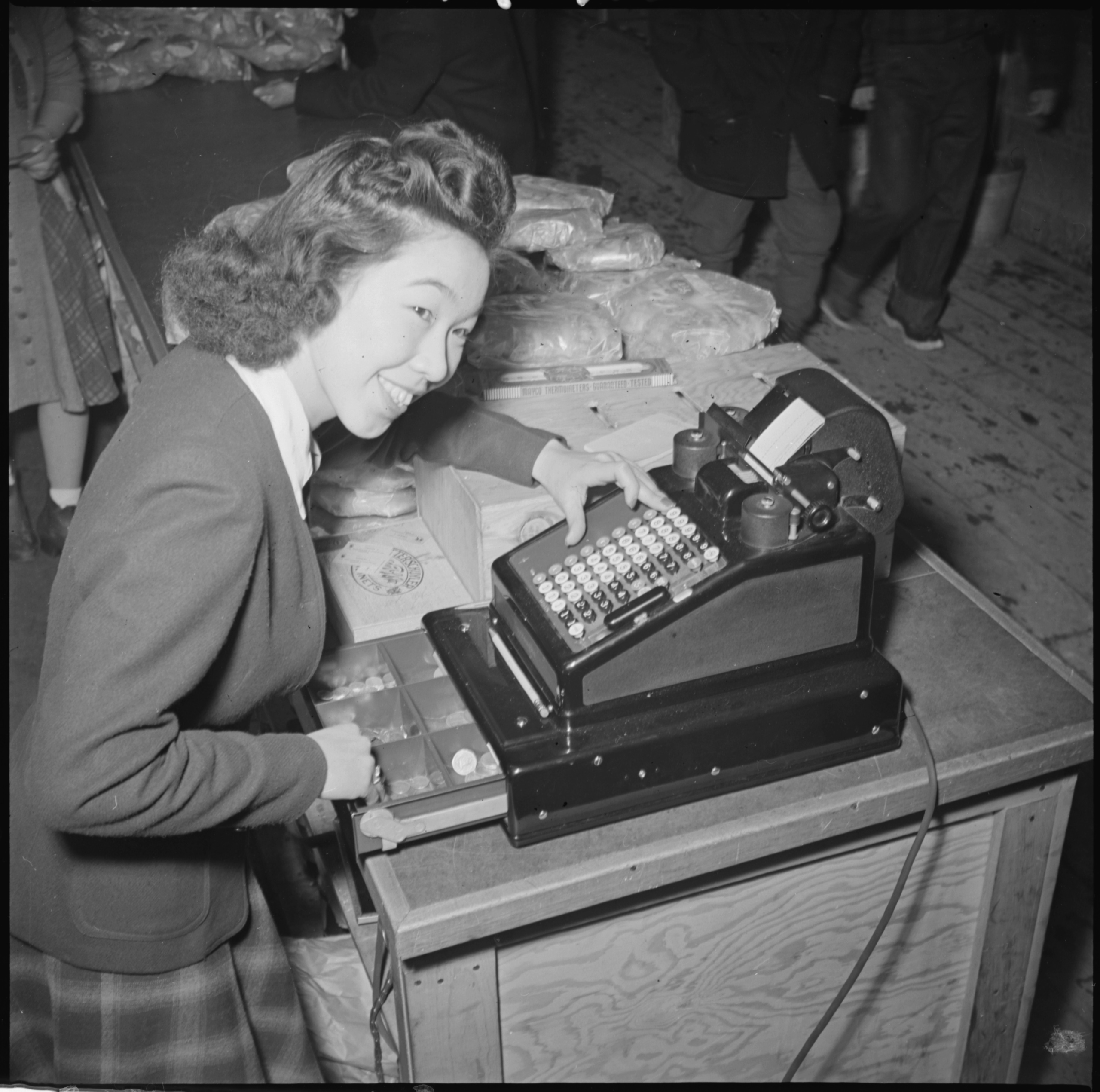
Somebody who counts change into the same hands every week forms a reliable impression of who can follow it and who cannot.
Which produced a quiet accommodation that is rarely recorded. The count was slowed for some customers and sped up for others, and an older person or a small child was given time that a hurried adult was not, without anything being said about it.
Short-Changing Was the Obvious Risk and the Method Answered It
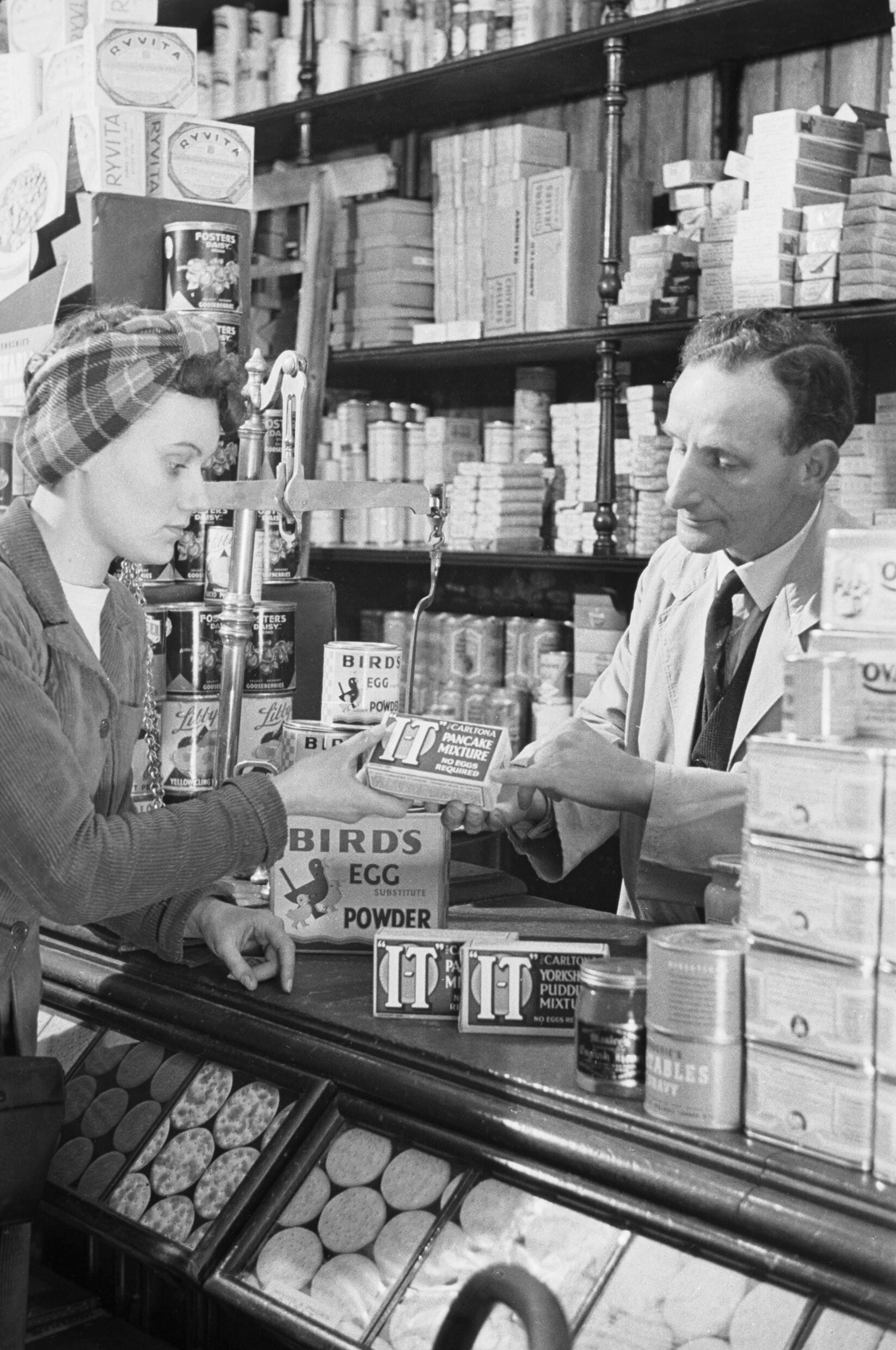
The entire procedure is built to make deliberate error hard to execute and easy to detect.
That is not an accident and it is the best argument for the method. A count delivered aloud, coin by coin, with the original note still visible, leaves almost nowhere for a deliberate shortfall to hide, which is precisely why the convention was universal rather than optional.
Honest Mistakes Were Common and Expected
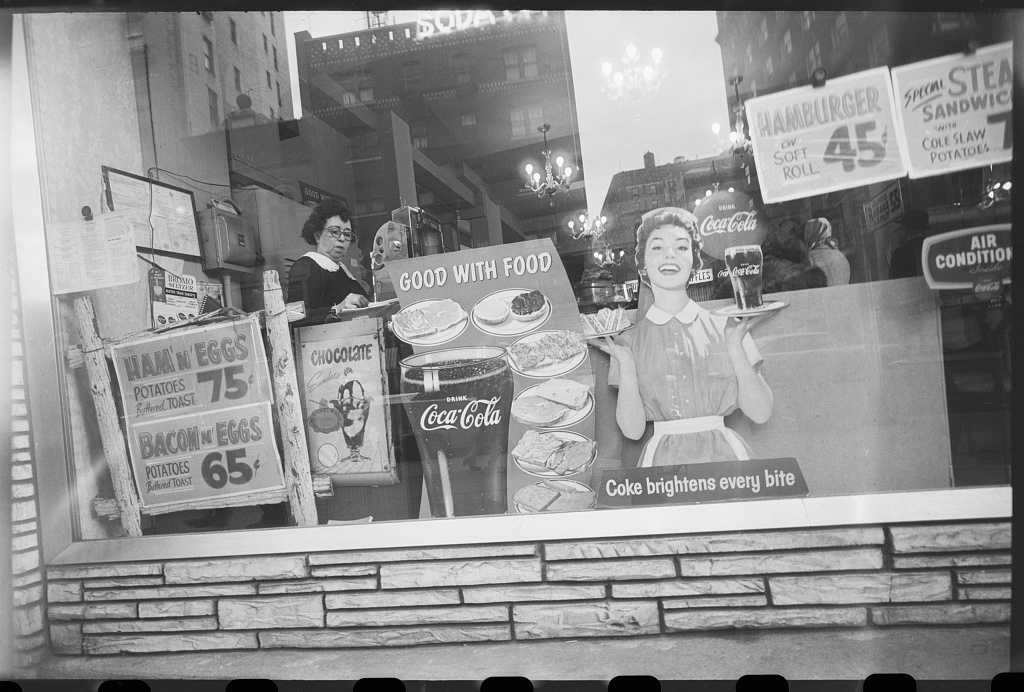
Fast mental arithmetic repeated hundreds of times a day produces errors, and everybody involved knew it.
The tolerance for this is the civilised part. A system that assumes human error and builds in an immediate public check treats a mistake as a thing to be caught rather than a thing to be punished, which is why most discrepancies were resolved at the counter in ten seconds.
Tills Had No Receipt Worth Keeping
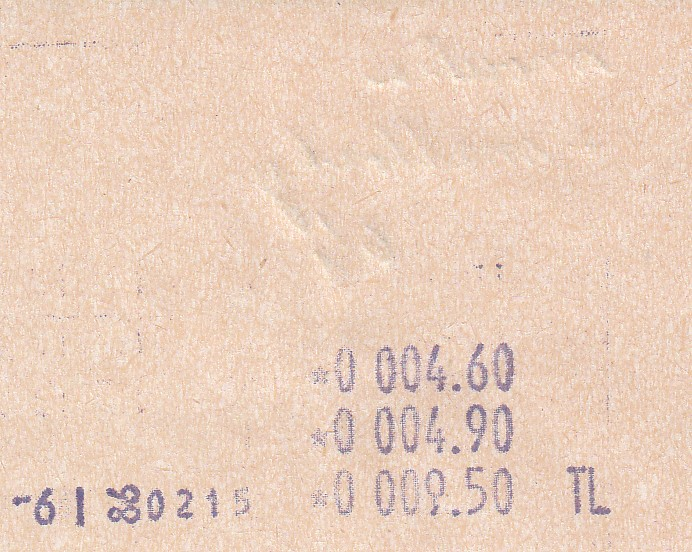
What came out, if anything, was a total on a narrow strip with nothing itemised on it.
So the count was the receipt. Without a printed list of what you bought at what price, the only record of the transaction being correct was the spoken sequence you had just heard, which puts considerable weight on it having been said out loud.
Learning to Count Change Was a Job Requirement
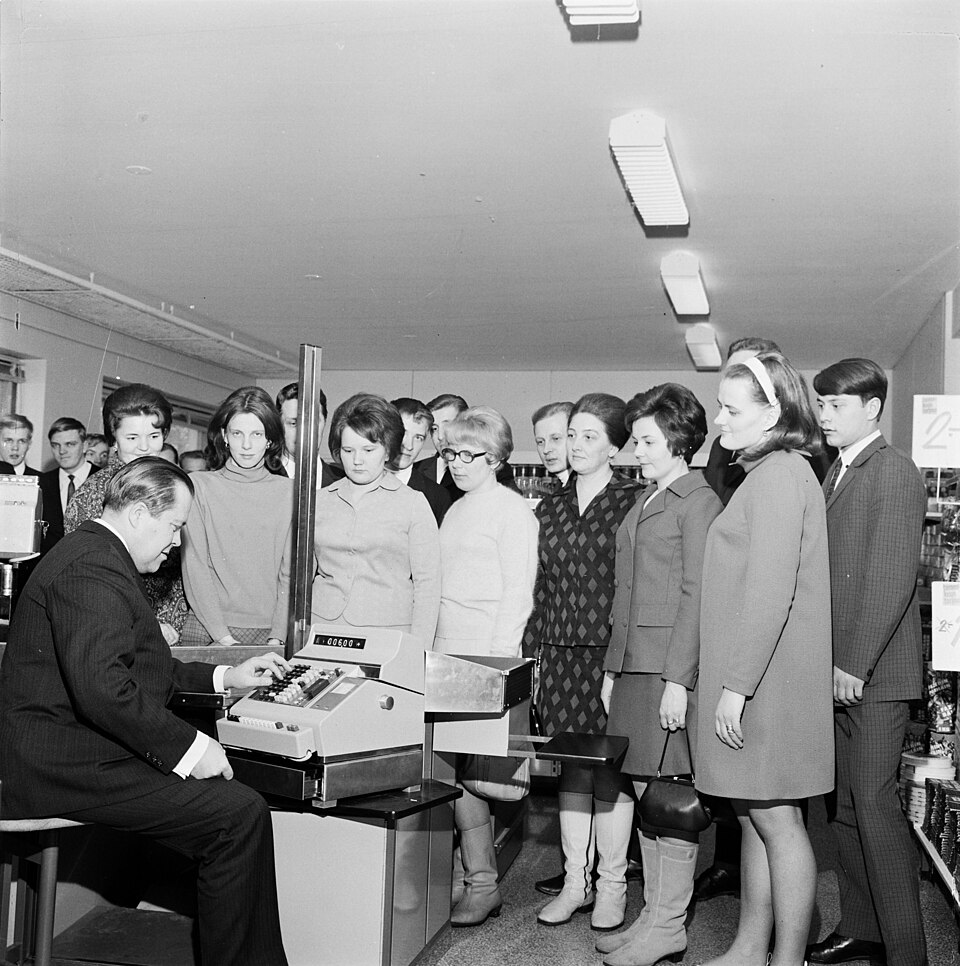
Anybody working behind a counter had to be able to do it quickly and under pressure, and it was the first thing taught.
The skill was genuinely a barrier to employment. A person who could not count up reliably in front of an impatient queue could not hold a counter job, which made this one of the few pieces of school arithmetic with an immediate and visible occupational payoff.
The Counter Was Built for the Procedure
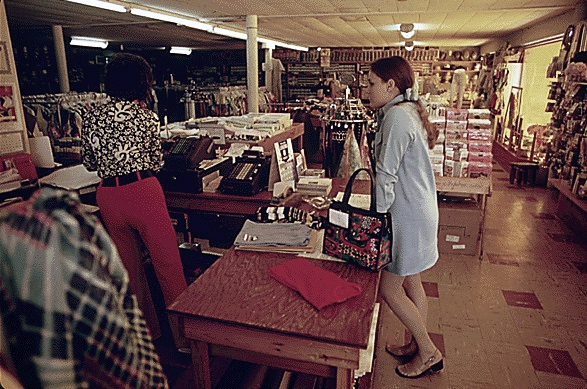
A flat ledge at the right height, a drawer that opened towards the shopkeeper and a clear space between the two parties were all arranged around a transaction conducted by hand.
Furniture follows practice, which is why the fittings look odd once the practice goes. A counter designed so that two people can both see a note resting on a surface is solving a problem that no longer exists, and the shape survives in places long after the reason for it has been forgotten.
Then the Register Started Doing the Sum
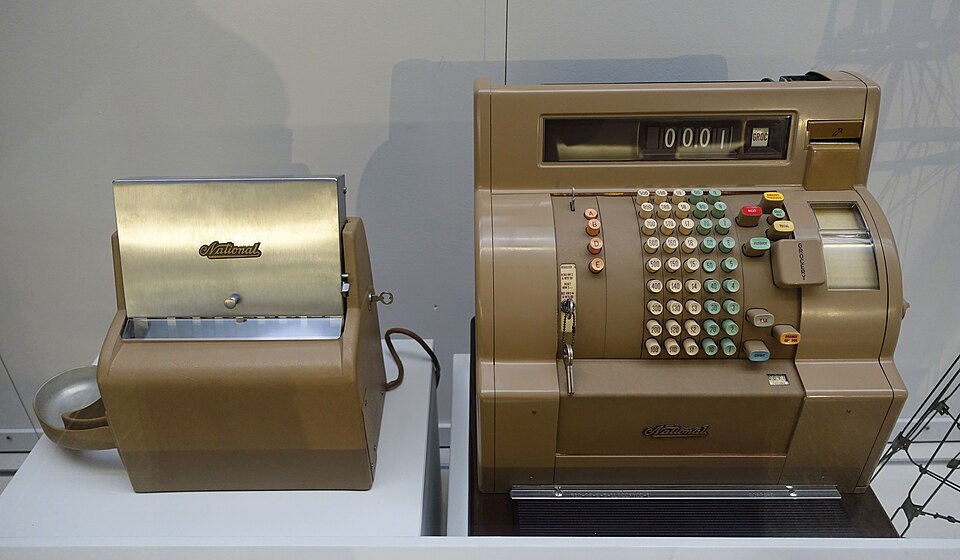
Machines that calculated the change due removed the arithmetic from the person and put it on a display.
The change was more profound than it looked. Once a machine states the amount, the count is no longer producing the answer – it is only delivering it, and a procedure that exists to verify a calculation loses its reason to exist the moment the calculation is done elsewhere.
Then Counting Back Stopped Being Taught
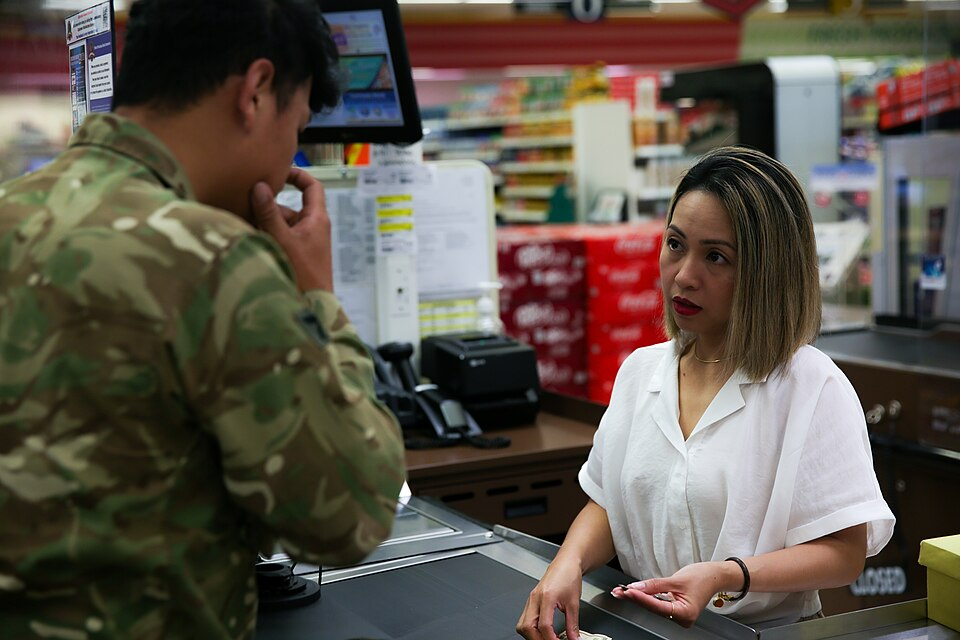
With the figure on a screen, the coins could simply be handed over in a single movement, and within a generation the method had largely gone.
Nobody abolished it. A skill that is no longer necessary stops being passed on, and it disappears not through a decision but through two successive cohorts of counter staff who were never shown it and never needed to be.
And Then the Coins Themselves Became Optional
Cards and then phones removed physical money from a growing share of purchases entirely.
Which closed the question for good, and the loss is not really about arithmetic. What went with it was a small, repeated, public demonstration that the sum was correct – conducted aloud, in front of both parties, by somebody who could be contradicted – and the replacement is a figure on a screen that nobody says, nobody hears and nobody is in a position to check at the moment it matters.
Like our content? Follow us for more.