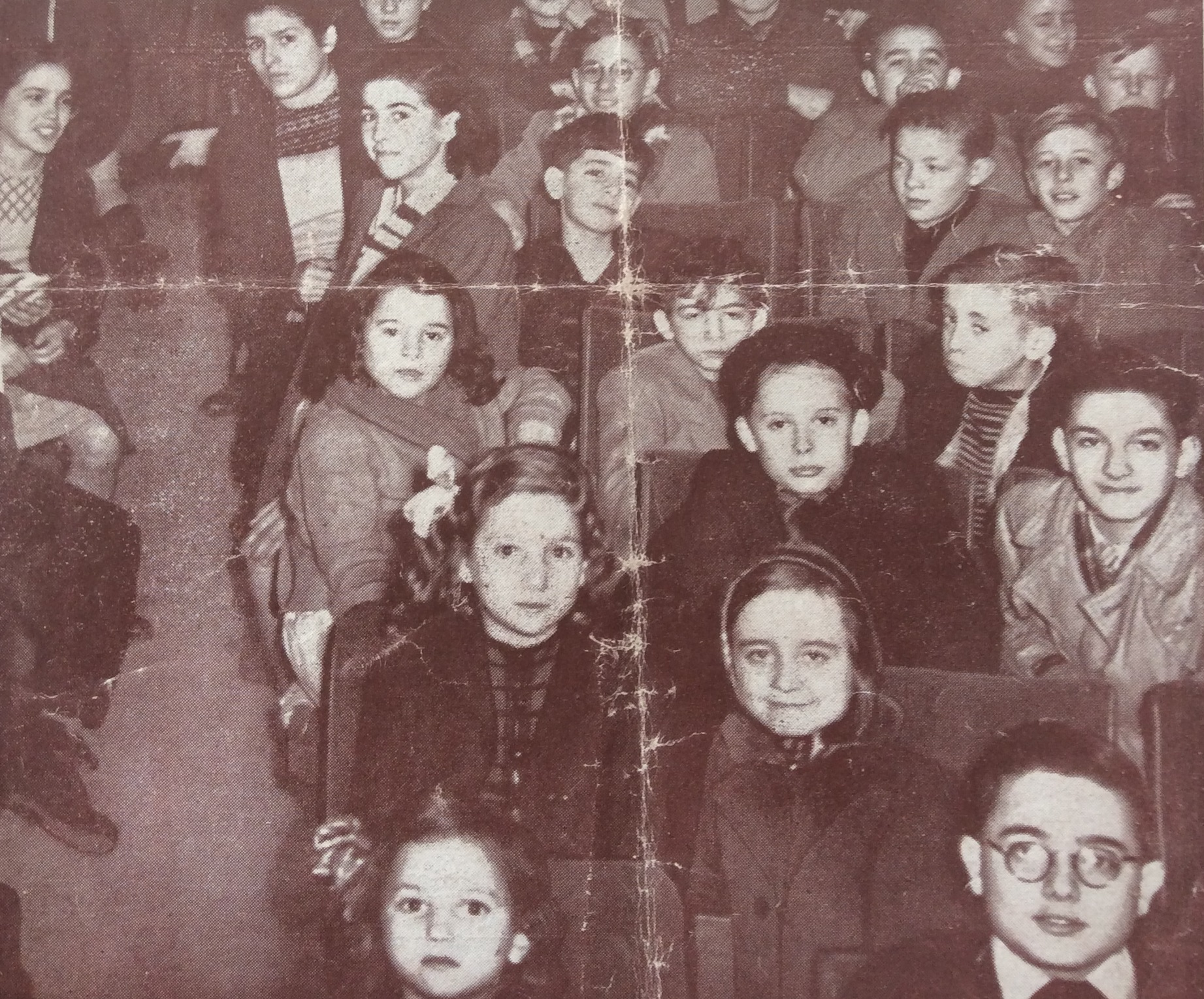
You were handed a coin at the door, you went in at noon, and you did not come out until the middle of the afternoon. In 1964 the Saturday matinee was not an outing a family arranged. It was a place children went by themselves, in large numbers, every single week, and the entire thing was built around that fact.
The Audience Was Children and the Programme Knew It
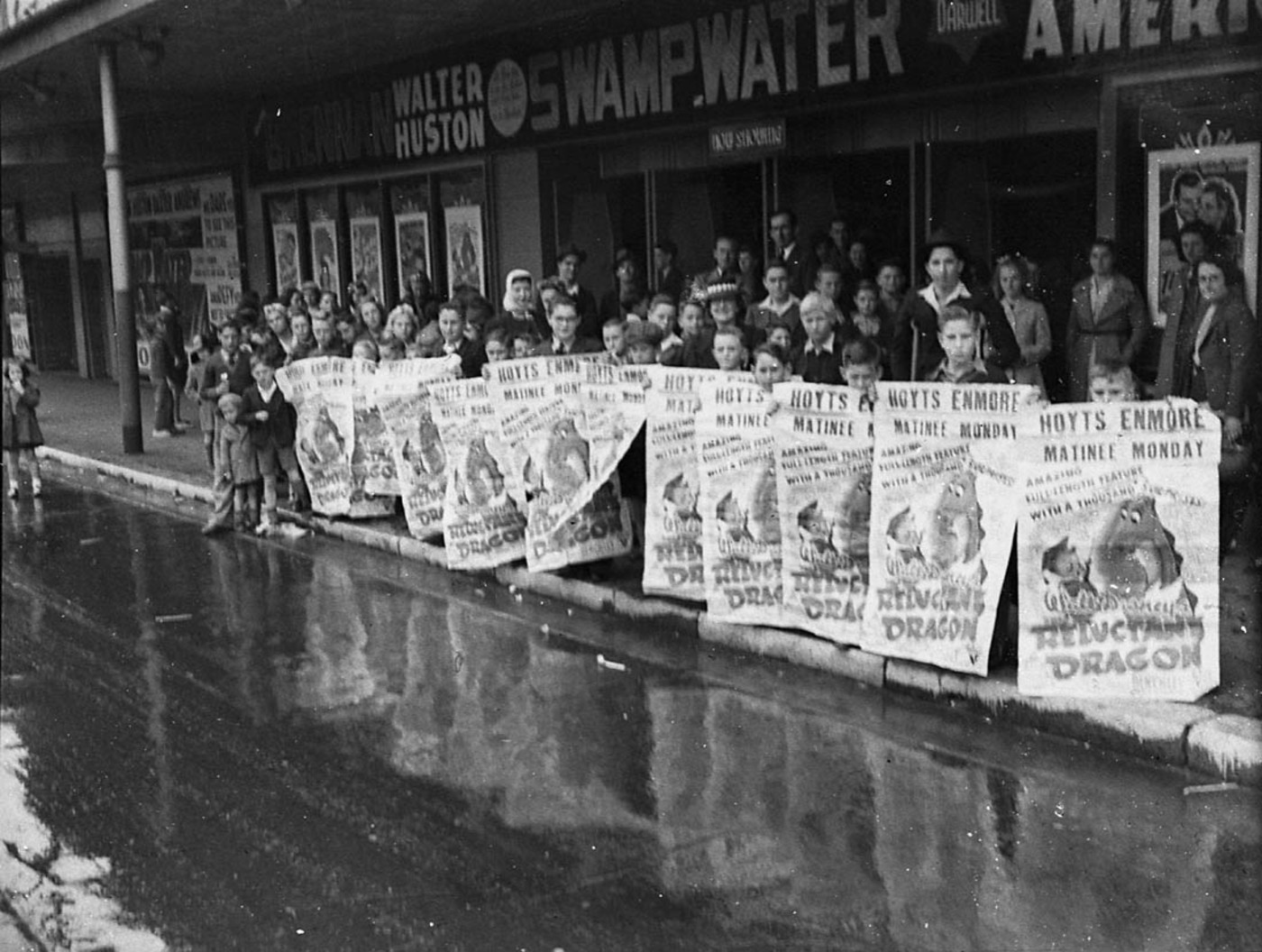
The Saturday showing was scheduled, priced and assembled for an audience that was almost entirely under fourteen, which made it unlike every other screening in the week.
That is the whole premise. A programme aimed at adults has to be tolerable for children who have been brought along; a programme aimed at children does not have to consider adults at all, and the difference in what got shown was total.
Like our content? Follow us for more.
It Was Cheap Because It Had To Be

The price was set at a level a child could cover out of what they had, because a child with no money is not an audience.
The pricing is the hinge of the whole arrangement. A matinee priced for a parent’s wallet becomes a family outing a few times a year; a matinee priced for a child’s own pocket becomes a weekly habit, and the second fills a room fifty-two times instead of four.
Parents Were Not There and That Was the Attraction
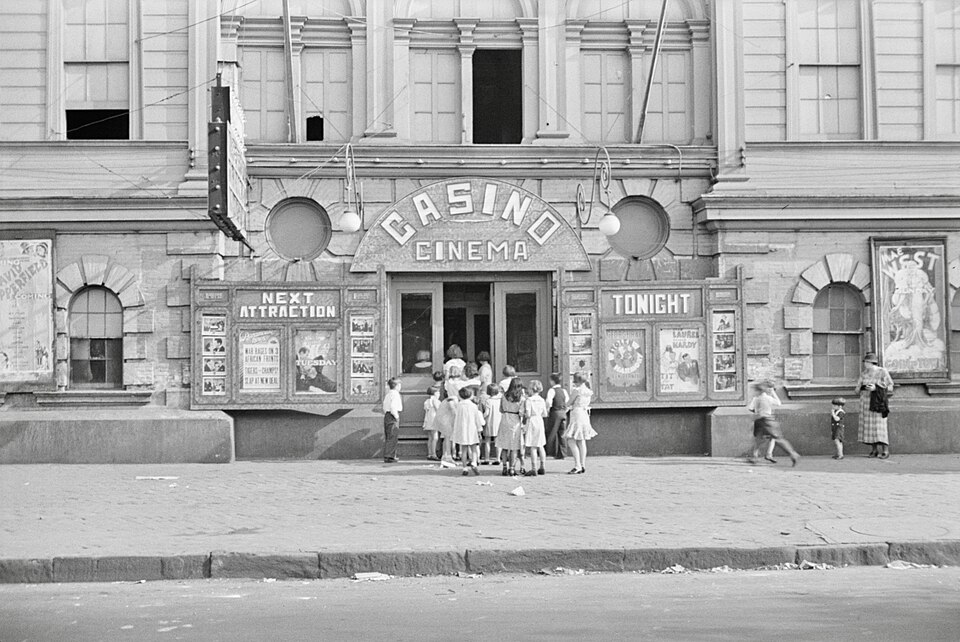
Children arrived alone or in groups, sat where they liked, and were answerable to nobody they knew for several hours.
This is the part that gets understated. For a great many children it was the first regular experience of being somewhere without an adult who knew them, which is a genuinely significant thing to hand a nine-year-old once a week.
The Programme Was Long on Purpose
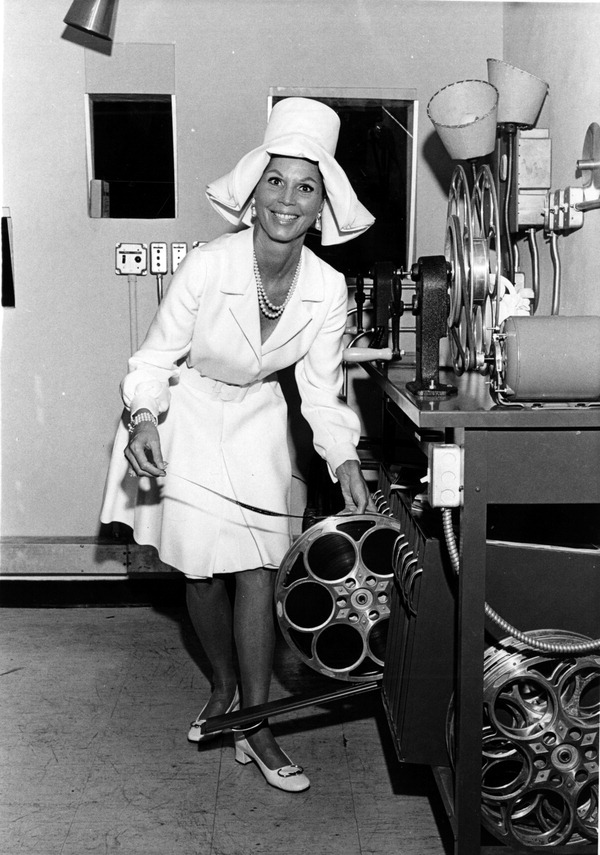
A cartoon, a serial, a short, perhaps a newsreel and then a feature made an afternoon rather than a showing.
The length was doing a specific job. A cheap ticket that buys ninety minutes is entertainment; a cheap ticket that buys most of an afternoon is something closer to childcare, and both sides of the transaction understood that perfectly well.
The Serial Was the Clever Part

A continuing story shown in short weekly instalments, each ending at the worst possible moment.
It is one of the most effective pieces of audience design ever used on children. A story that stops mid-fall guarantees that the same child comes back the following Saturday, which turns a one-off purchase into a standing commitment with no further persuasion required.
Everybody Had Seen the Same Thing by Monday
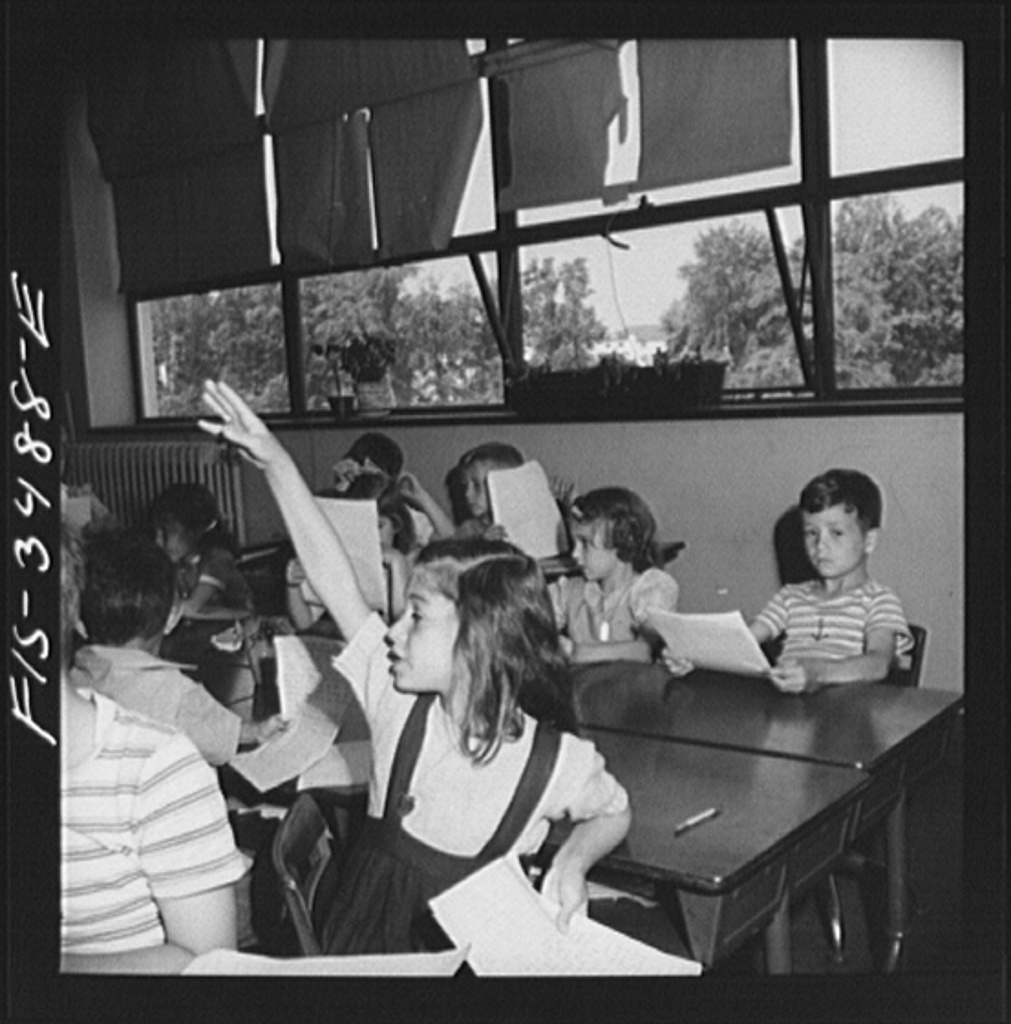
Because the whole school went to the same showing on the same afternoon, Monday morning conversation started from a shared experience.
The synchronisation is what made it culturally powerful rather than merely popular. A shared text that every child in a town encountered at the same hour produces a common vocabulary, and that common vocabulary was renewed weekly without anybody organising it.
The Noise Was Part of the Event
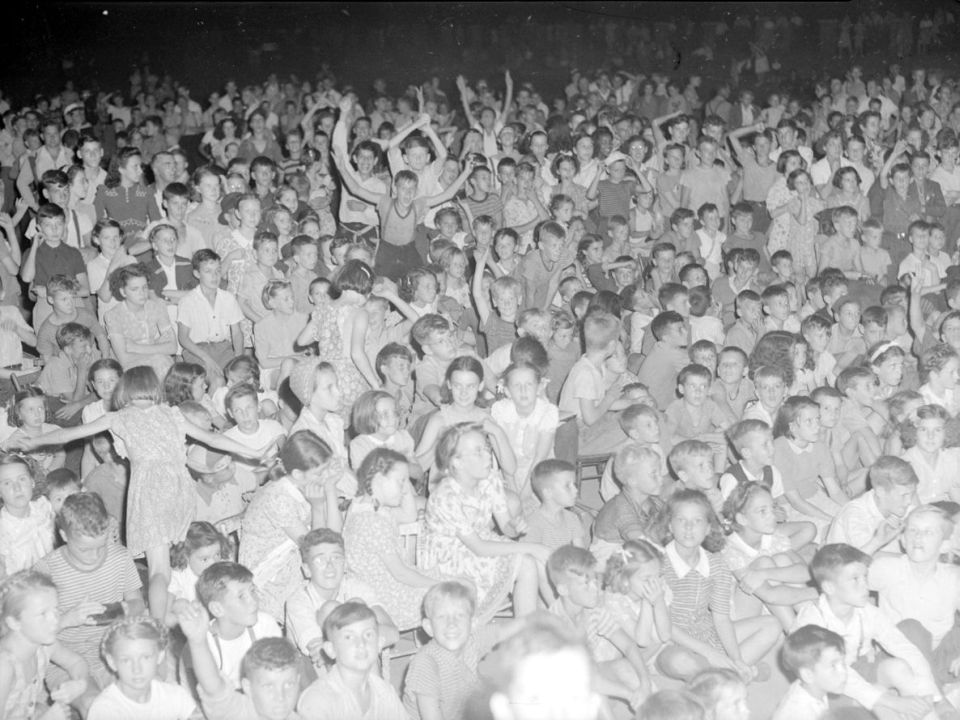
Children shouted at the screen, cheered, booed and reacted out loud, and nobody expected otherwise.
That is a different relationship with a film than the one adults had. The matinee was not a quiet room where a story was received; it was a loud room where a story was participated in, which is why people who remember it remember the crowd as vividly as the pictures.
There Was Always Somebody Keeping Order
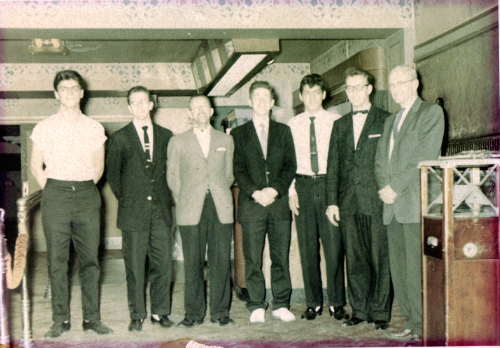
A member of staff walked the aisles with a torch, and the hierarchy of the room was entirely clear.
The supervision is the piece that made the whole thing possible. Hundreds of unaccompanied children in a dark room requires somebody visibly in charge, and the figure with the torch was the reason parents were willing to send a child at all.
Getting Thrown Out Was a Real Risk
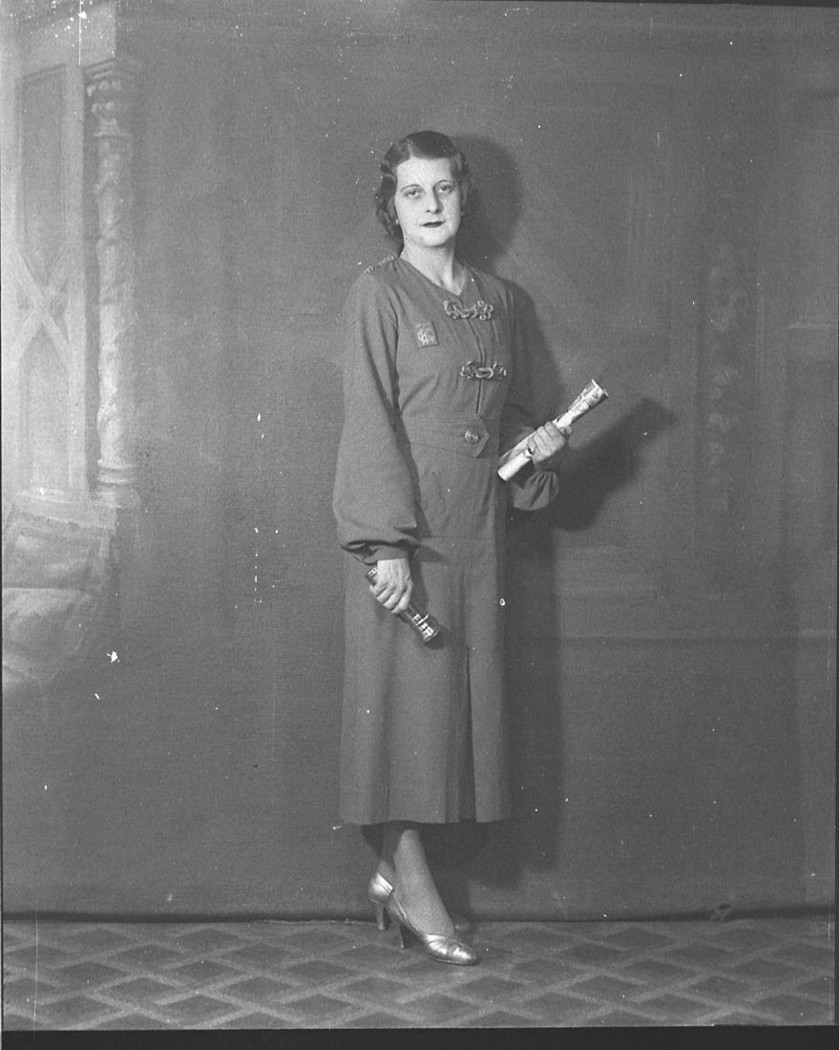
Behaviour past a certain point ended your afternoon, and the sanction was applied in front of everybody.
The enforcement mattered more than the rules. A child removed from a dark room in the middle of a serial, in view of the entire school, had received a punishment far more effective than anything the situation warranted – which is exactly why it rarely had to happen twice.
Seats Were Claimed by Arrival Time
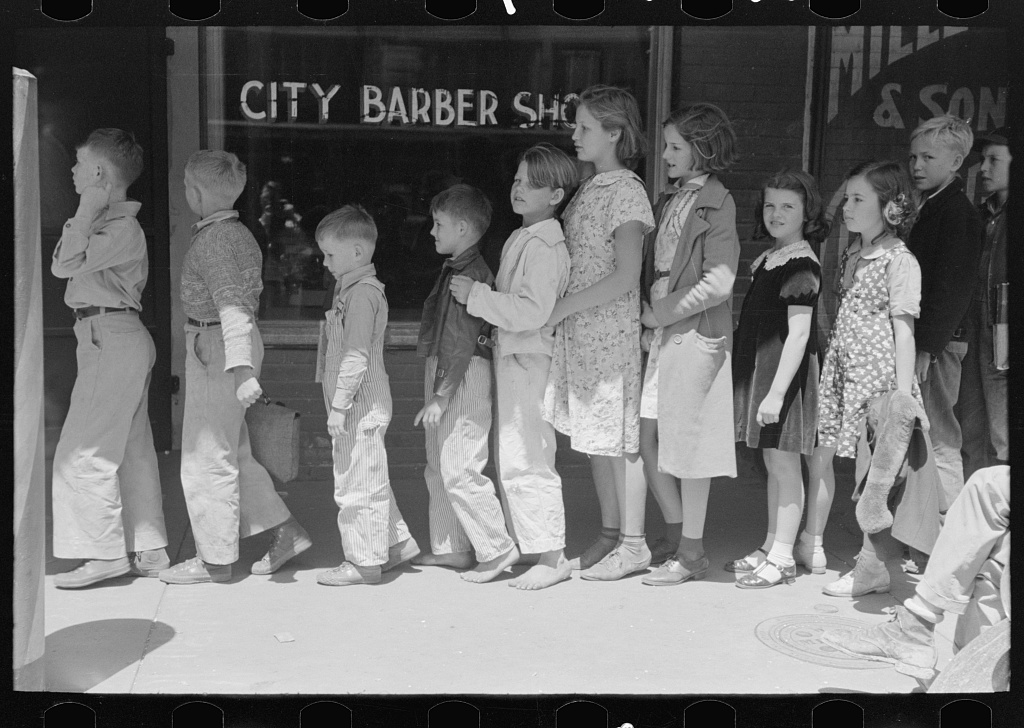
There was no allocation, so where you sat was determined entirely by when you got there and who you came with.
Which made arrival a small strategic problem. The best seats were a finite resource distributed by queue position, and children worked out very quickly that leaving home twenty minutes earlier was worth more than any amount of negotiation inside.
The Front Rows Belonged to the Youngest
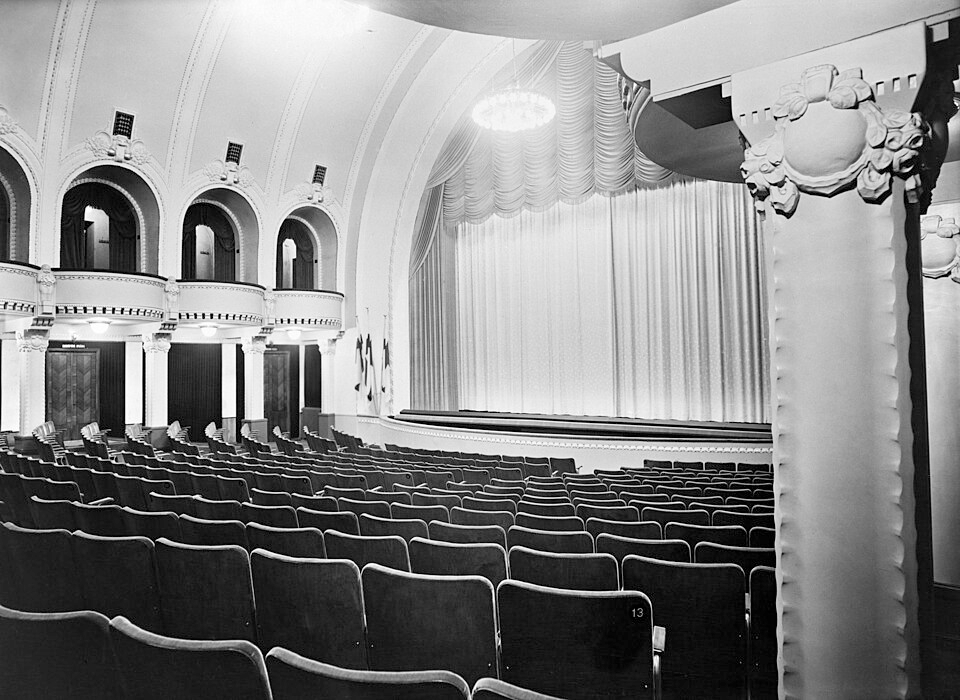
Older children took the middle and back, and the youngest ended up close enough to the screen to have to tilt their heads back.
The geography was never formalised and never varied. A room full of children sorts itself by age without discussion, and the uncomfortable front rows went to whoever had the least standing to object.
What You Bought at the Counter Was the Second Decision

The money question was not simply the ticket; it was how much was left afterwards and what it went on.
That split is the first budgeting problem many children ever faced. A fixed sum with two competing calls on it, decided alone and with no possibility of appeal, is a complete lesson in trade-offs delivered weekly to an audience of eight-year-olds.
Older Siblings Were Sent as Escorts
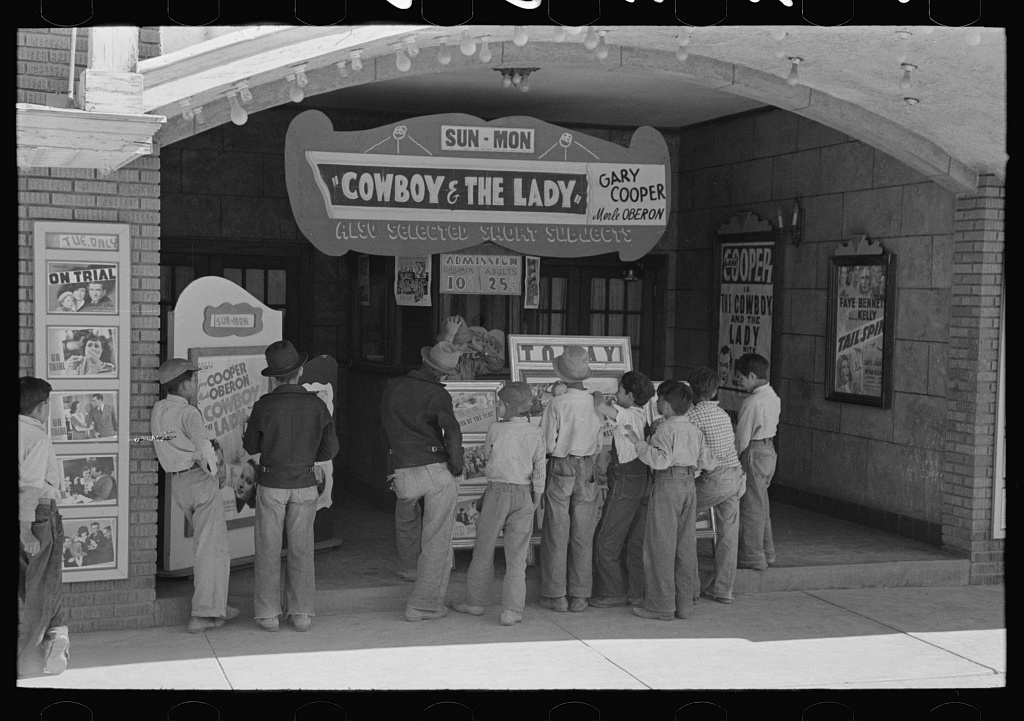
A younger child was admitted to the arrangement by being attached to an older one, who was made responsible and resented it.
The delegation is a familiar household solution. The older child’s permission to go alone was conditional on bringing the younger one, which transferred the supervision problem downwards at no cost to anybody except the older child.
The Walk There and Back Was Half of It
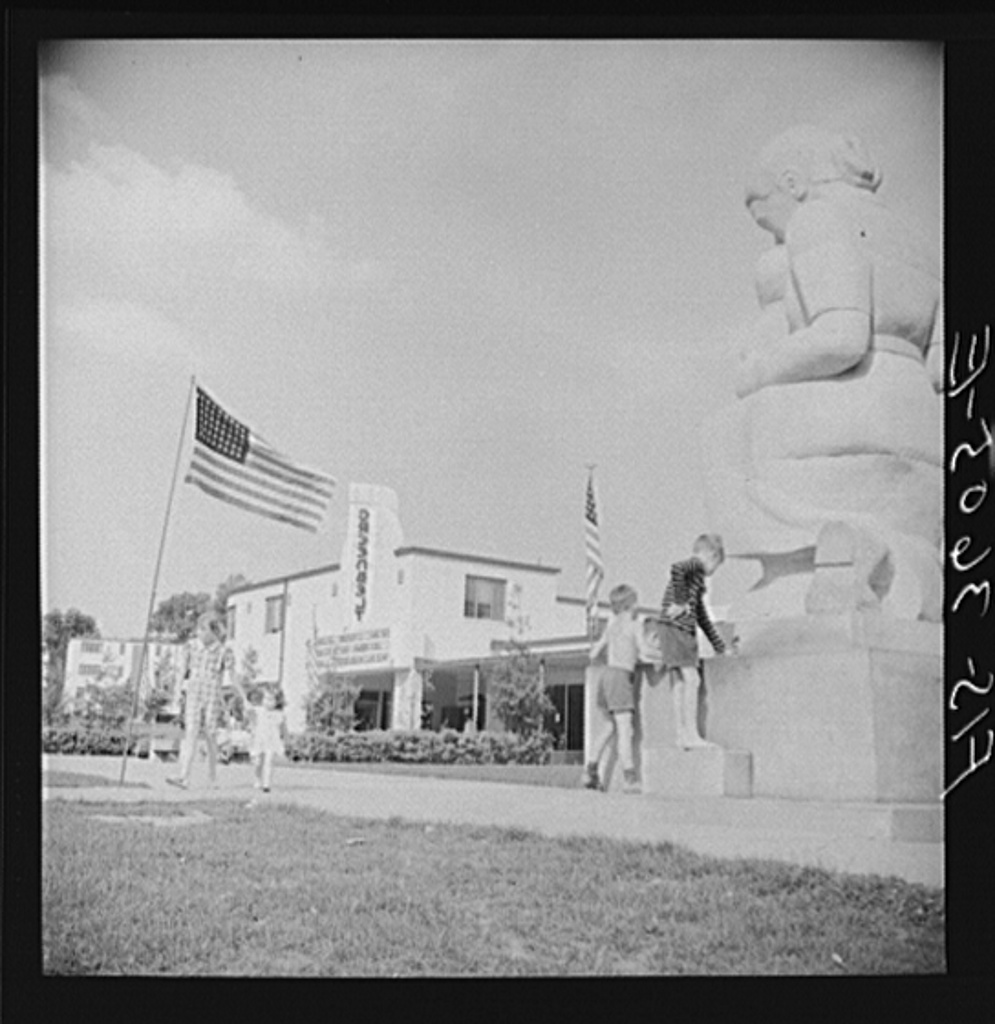
Children travelled to the cinema in groups on foot or by bicycle, and the journey had its own rules and its own conversation.
That is why the memory is never only about the film. An afternoon that begins with a walk, proceeds through three hours of shared experience and ends with a walk back arguing about what happened is a social event with a film inside it.
The Films Were Often Old and Nobody Minded
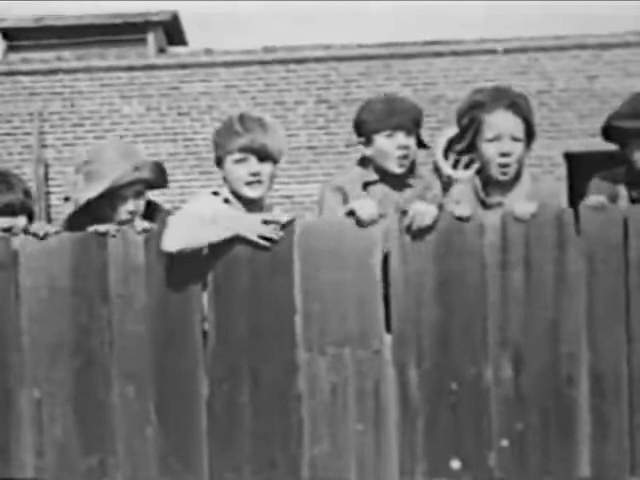
Matinee programmes drew heavily on material that had already had its run, because the audience had not seen any of it.
The economics are obvious once stated. A child of nine has no memory of anything from five years earlier, so a film that has exhausted its adult audience is entirely new to the room, and the cost of showing it is a fraction of the cost of anything current.
The Club Format Made It Membership
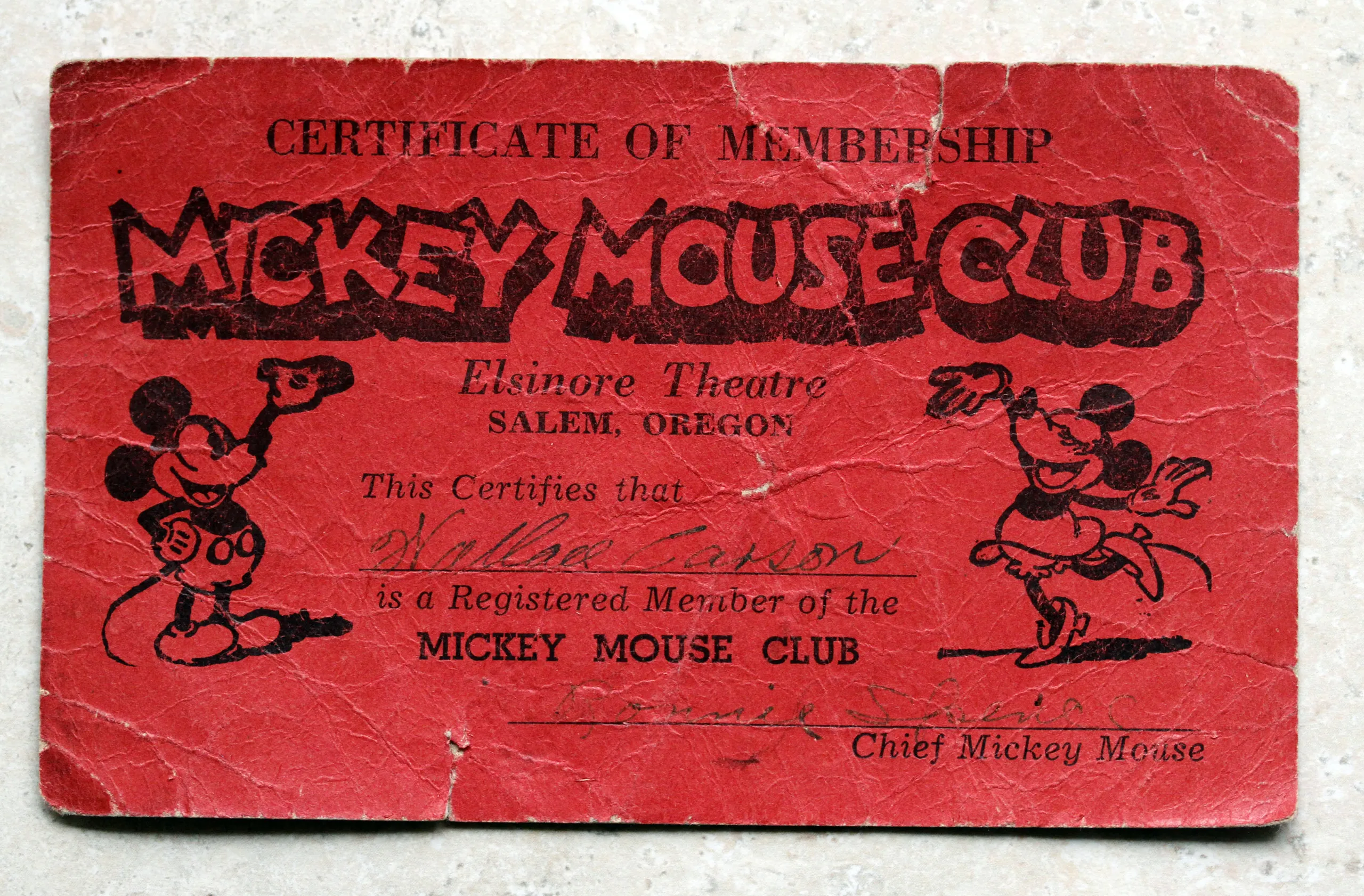
Many matinees ran as clubs with cards, songs, birthdays read out from the stage and a sense of belonging to the thing.
The device was shrewd and it worked. Attending becomes less a purchase and more an affiliation, and a child who believes they belong to something turns up on a wet Saturday when a child who is merely buying a ticket stays at home.
It Was the Only Place Children Were the Majority
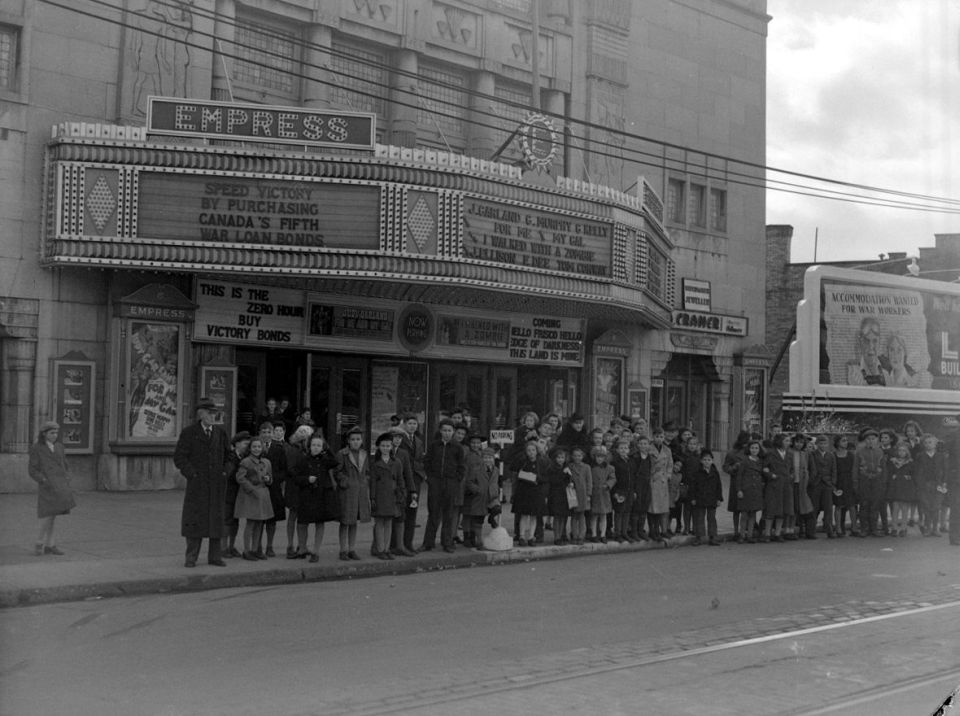
School was run by adults, home was run by adults, and the matinee was a large public space in which children overwhelmingly outnumbered them.
That inversion is the thing that made it feel different, and children registered it without being able to name it. The building behaved differently when the audience was mostly nine-year-olds, and everybody in the room knew the room was theirs that afternoon.
Then Television Offered the Same Thing for Nothing
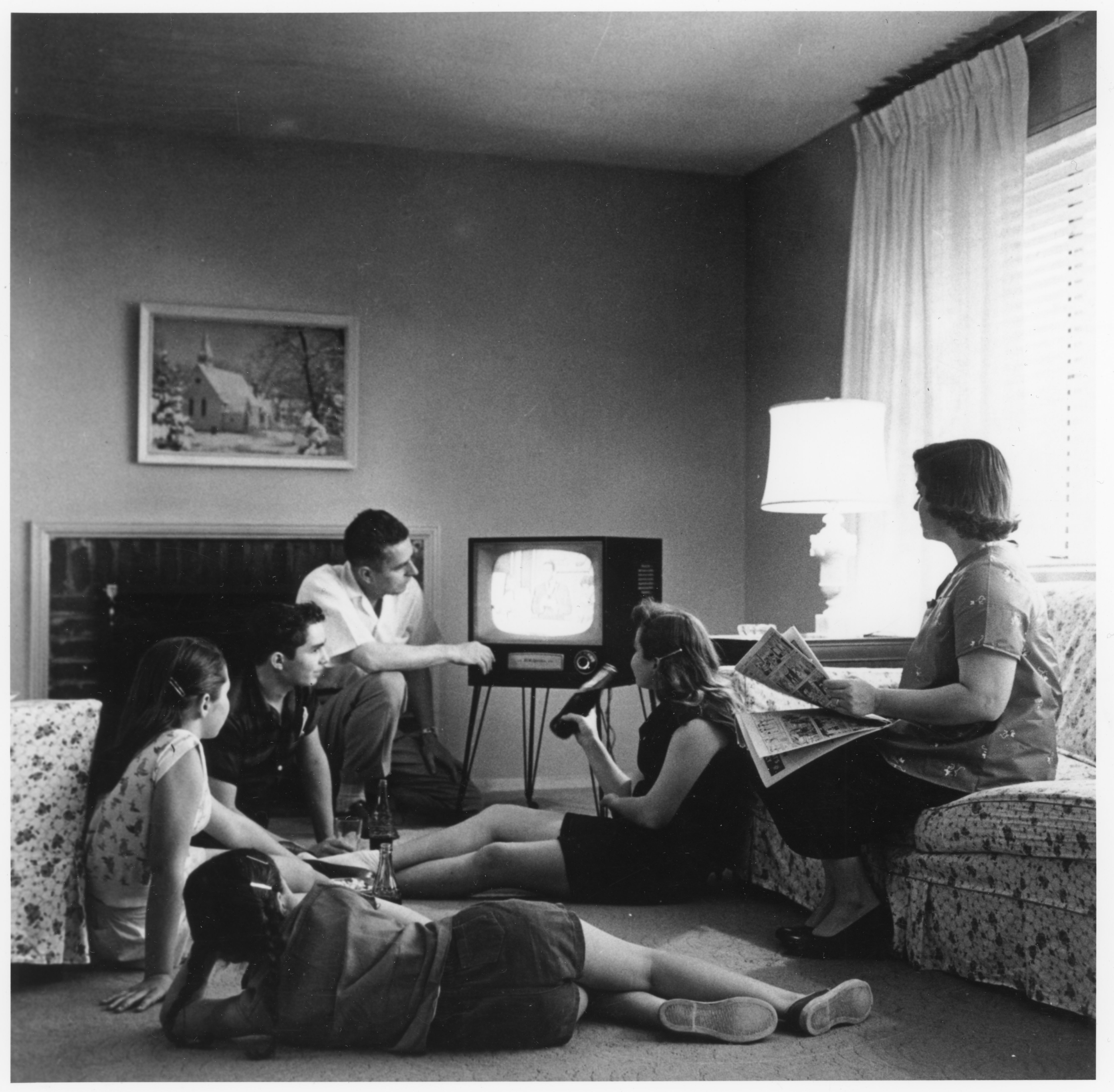
Programming aimed squarely at children, available at home, at no additional cost and with no journey involved.
The competition was close to unanswerable on convenience. What television could not reproduce was the crowd, the independence and the walk – but those are things a parent weighing a Saturday afternoon does not necessarily count, and the habit eroded from the edges.
Then the Single-Screen Building Became Uneconomic
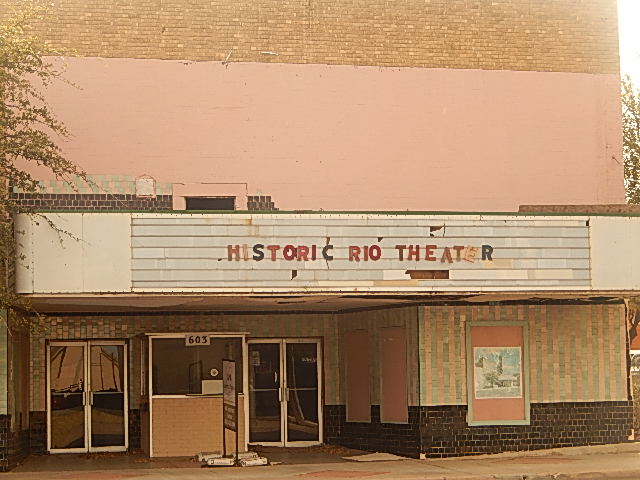
Large single-auditorium cinemas gave way to smaller multiple screens, and an enormous room full of cheap child tickets stopped making sense.
The structural change removed the venue rather than the appetite. A matinee only works in a building large enough that a room full of low-priced tickets still pays, and the building type that allowed it stopped being built.
And Children Stopped Being Sent Out Alone
Expectations about unaccompanied children changed substantially, and an arrangement whose entire premise was dropping a nine-year-old at a door for three hours no longer matched how families organised a Saturday.
That is the honest end of it, and it has nothing to do with films. Everything that made the matinee what it was depended on children being sent somewhere by themselves in large numbers at the same time – the independence, the crowd, the shared Monday conversation, the seat claimed by arriving early, the serial that guaranteed you came back. Remove the premise and what remains is simply a screening, which is a thing that still exists and is not the same at all.
Like our content? Follow us for more.