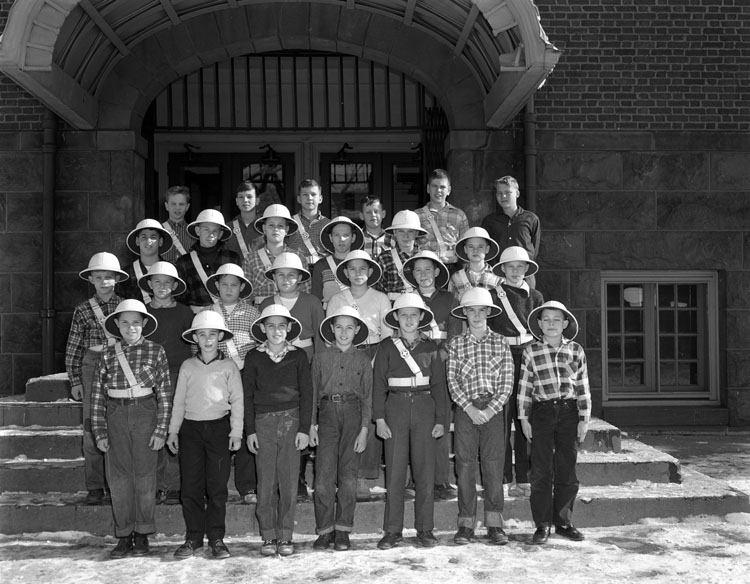
In 1966 a school with several hundred children arriving at the same moment solved the supervision problem by recruiting from the only surplus available to it, which was the children themselves. A pupil was issued a belt, given a corner and expected to stop people – including adults – and be obeyed. The authority was entirely fictional and it worked completely, because an entire neighbourhood had agreed to behave as though it were real. Here are fifteen things every school did with the safety patrol in 1966, and why the arrangement held as long as it did. The commitment involved was not nominal. A post had to be occupied before the first arrivals and again when school let out, in whatever the weather happened to be doing, which meant leaving home twenty minutes earlier than everybody else and standing alone on a corner until anybody turned up. Nobody was paid, nobody was excused for rain, and the entire value of the arrangement consisted in the holder being there every single time. That is a serious obligation to hand a ten-year-old, and the striking thing is how reliably ten-year-olds met it.
1. Children Were Given Actual Authority Over Other Children
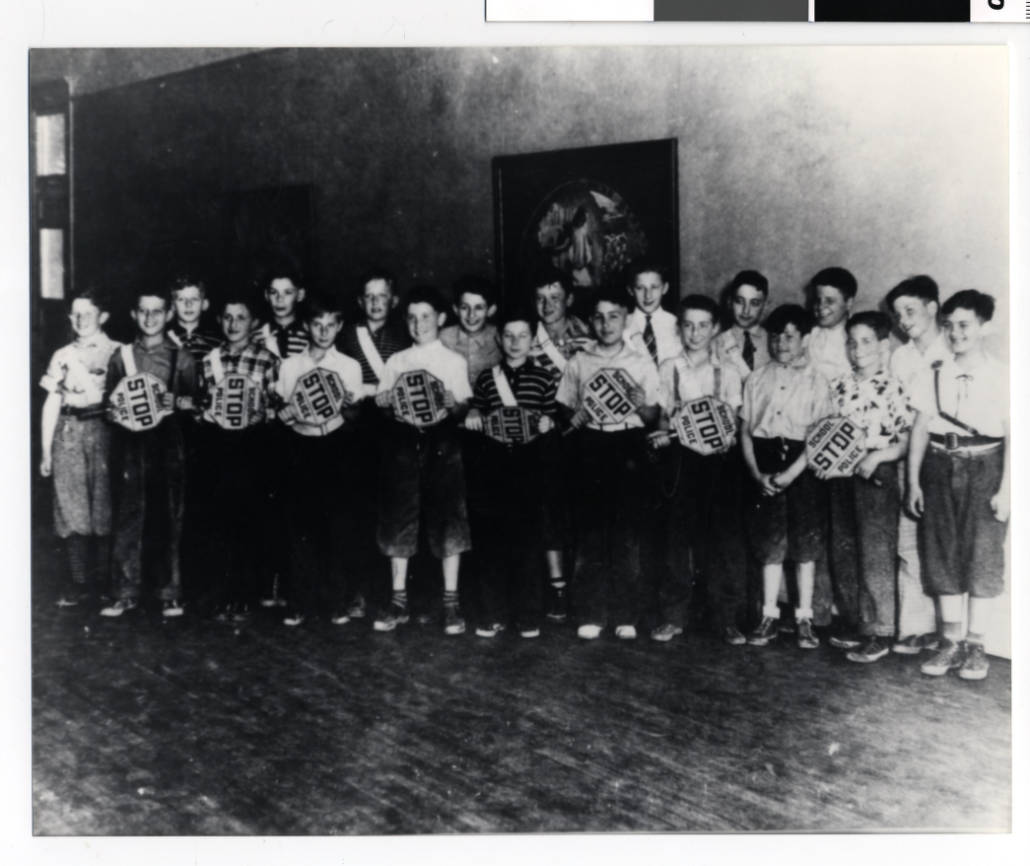
A pupil was issued a belt, a badge and a post, and was expected to stop people and be obeyed.
The delegation is the thing that looks most remarkable now and it was entirely deliberate. A school with hundreds of children arriving and leaving at the same two moments has a supervision problem no realistic number of adults can solve, so it recruited from the only available surplus.
The authority was real within very narrow limits. A patrol member could hold a line, stop a group and report somebody, and could do nothing else at all – which is precisely the kind of bounded power that can safely be handed to an eleven-year-old.
Like our content? Follow us for more.
2. The Belt Was the Entire Uniform and It Was Enough
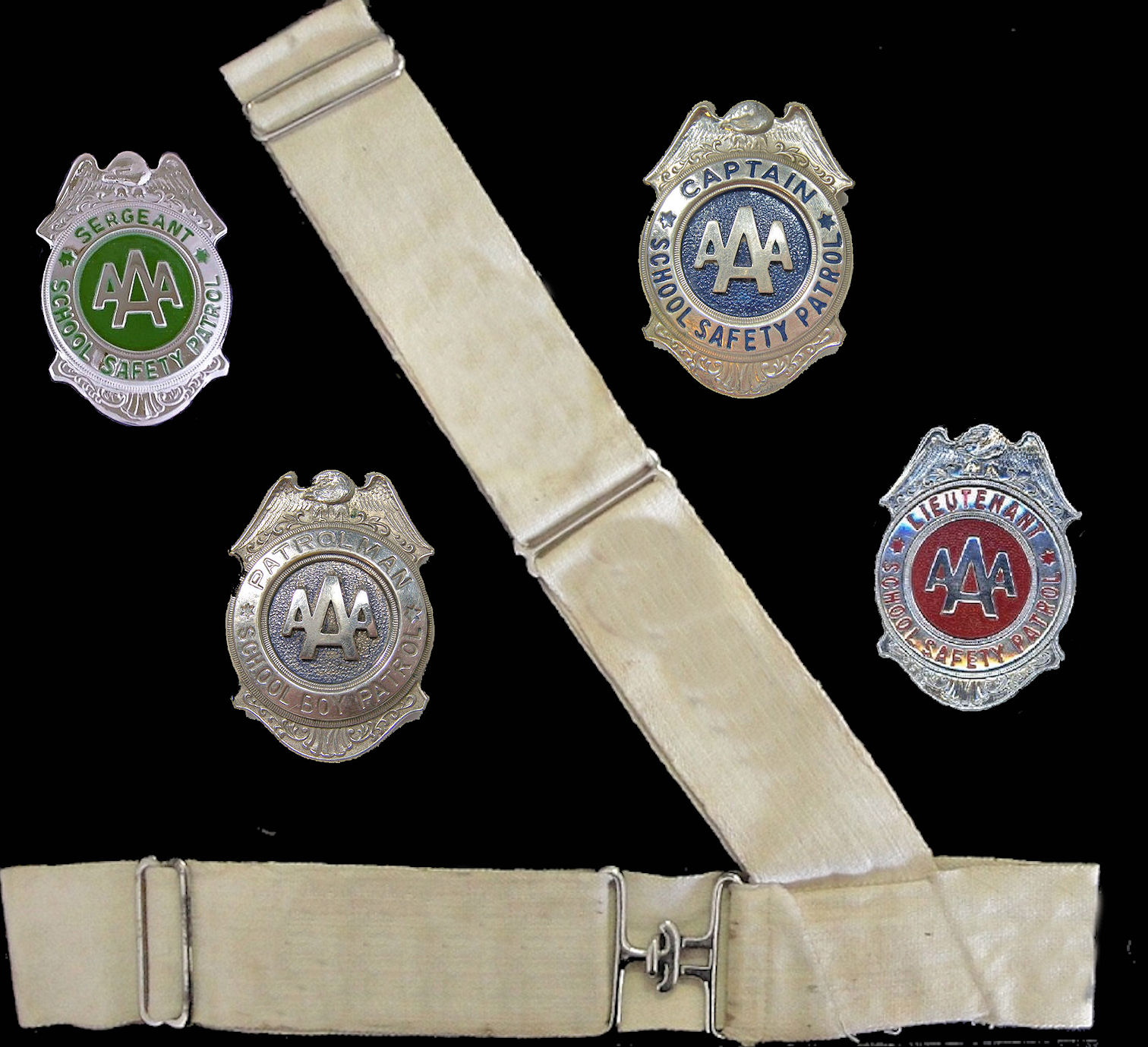
A wide sash worn across the chest and around the waist, usually in a bright colour, was the whole of it.
The design did a great deal of work for a single strip of fabric. It was visible from a distance, it could not be mistaken for ordinary clothing, it fitted anybody, and it could be handed to a different child the following term without any alteration.
Putting it on changed the wearer visibly. Children who had been indistinguishable from everybody else thirty seconds earlier behaved differently once they were wearing it, which is a straightforward demonstration of what a uniform actually does.
3. Selection Was Competitive and Mattered Enormously
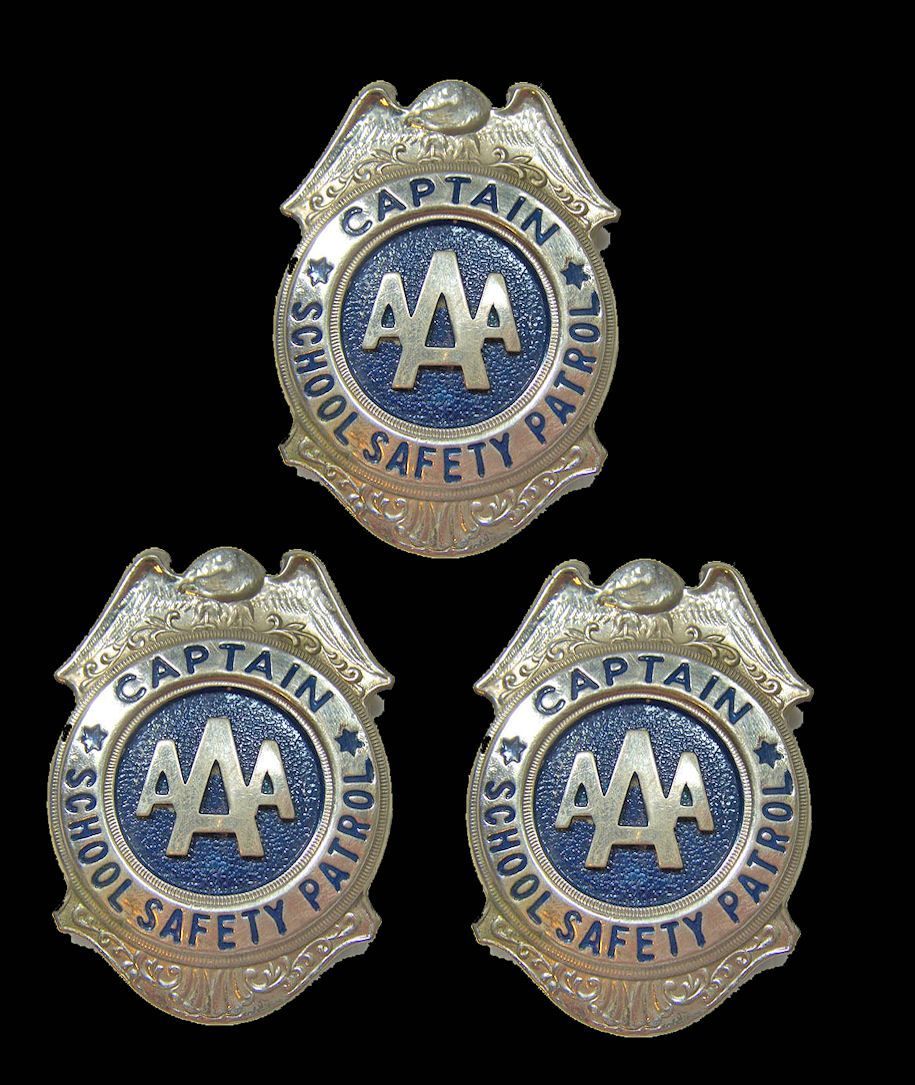
Being chosen was a genuine distinction, and the criteria were reliability and conduct rather than anything a child could practise.
The basis of selection is what gave it weight. A role awarded for being trusted cannot be obtained by effort in the weeks beforehand, which means the appointment was a public verdict on a child’s entire record up to that point.
Not being chosen registered too. A child who expected it and did not get it had received a judgement nobody would explain, and some of them remember it a great deal more clearly than those who were appointed.
4. The Post Was Held in All Weather
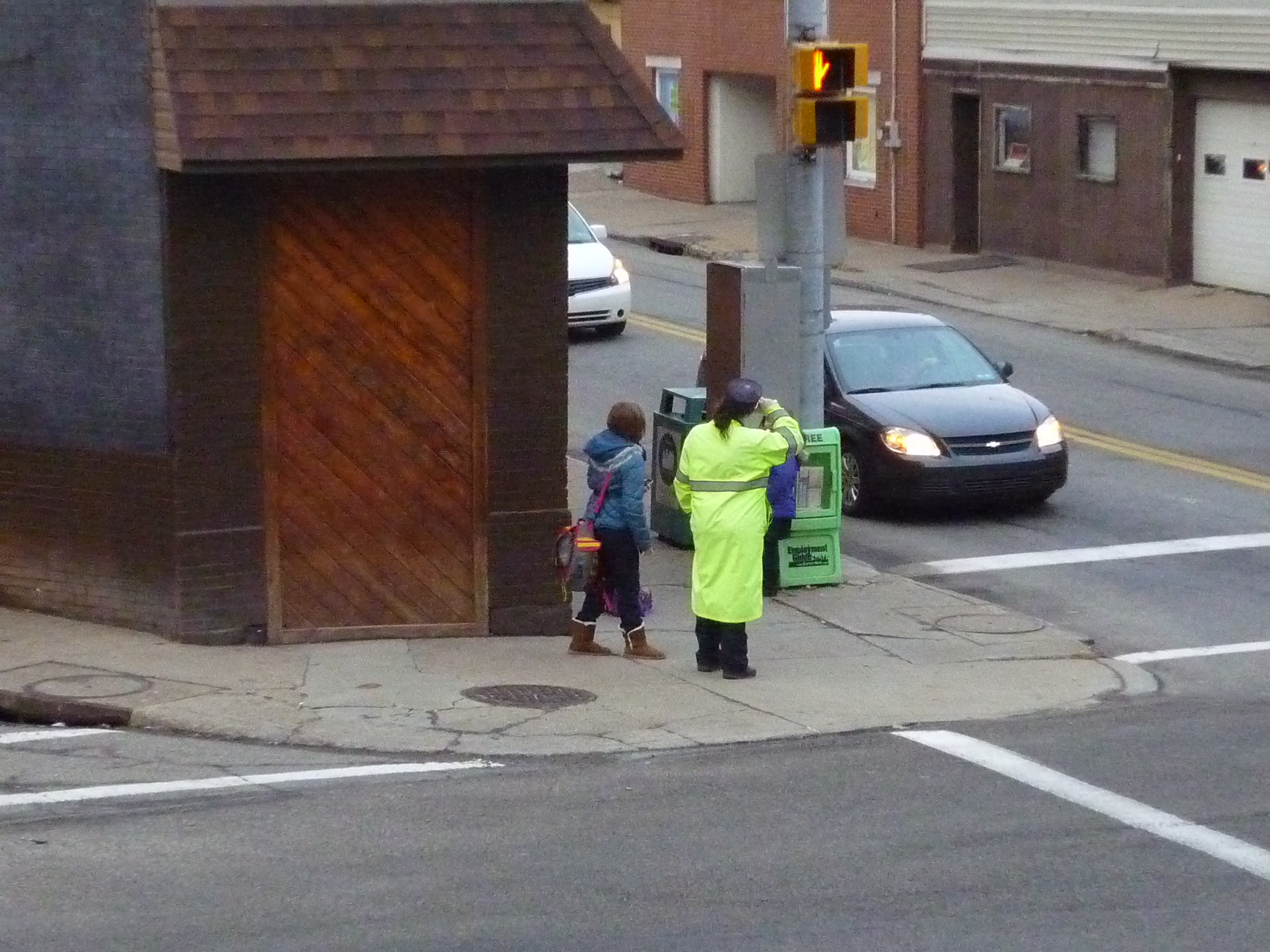
Rain, cold and dark were not grounds for abandoning a crossing, and the duty was performed regardless.
The commitment required was substantial for a child. Arriving early, standing outside for twenty minutes before school and again afterwards, every day, in whatever the weather was doing, is a genuine obligation rather than a ceremonial one.
The reliability was the point of the whole thing. A crossing that is only covered on pleasant mornings is not covered at all, and the children who did it understood that their value consisted almost entirely in turning up.
5. It Required Being Early Every Single Day
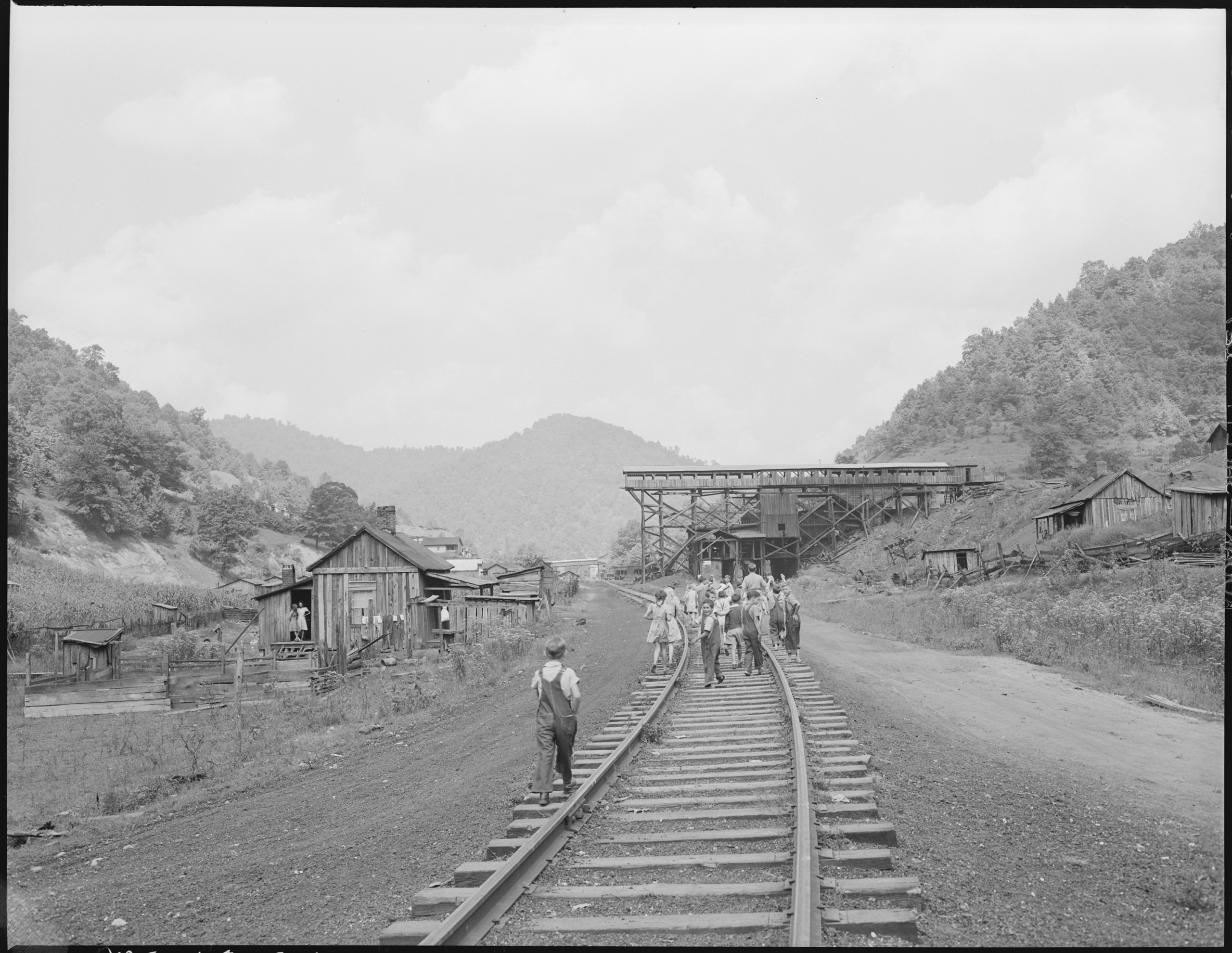
The post had to be occupied before the first arrivals, which meant leaving home considerably earlier than anybody else.
The scheduling consequence fell on the whole household. A child on duty had to be out of the door twenty minutes earlier, which rearranged somebody else’s morning as well as their own.
It also meant arriving alone. A patrol member walked to school ahead of everybody they knew and stood by themselves until the first children appeared, which is a surprisingly solitary start to a day for a ten-year-old.
6. The Adult Crossing Guard Was a Fixed Figure
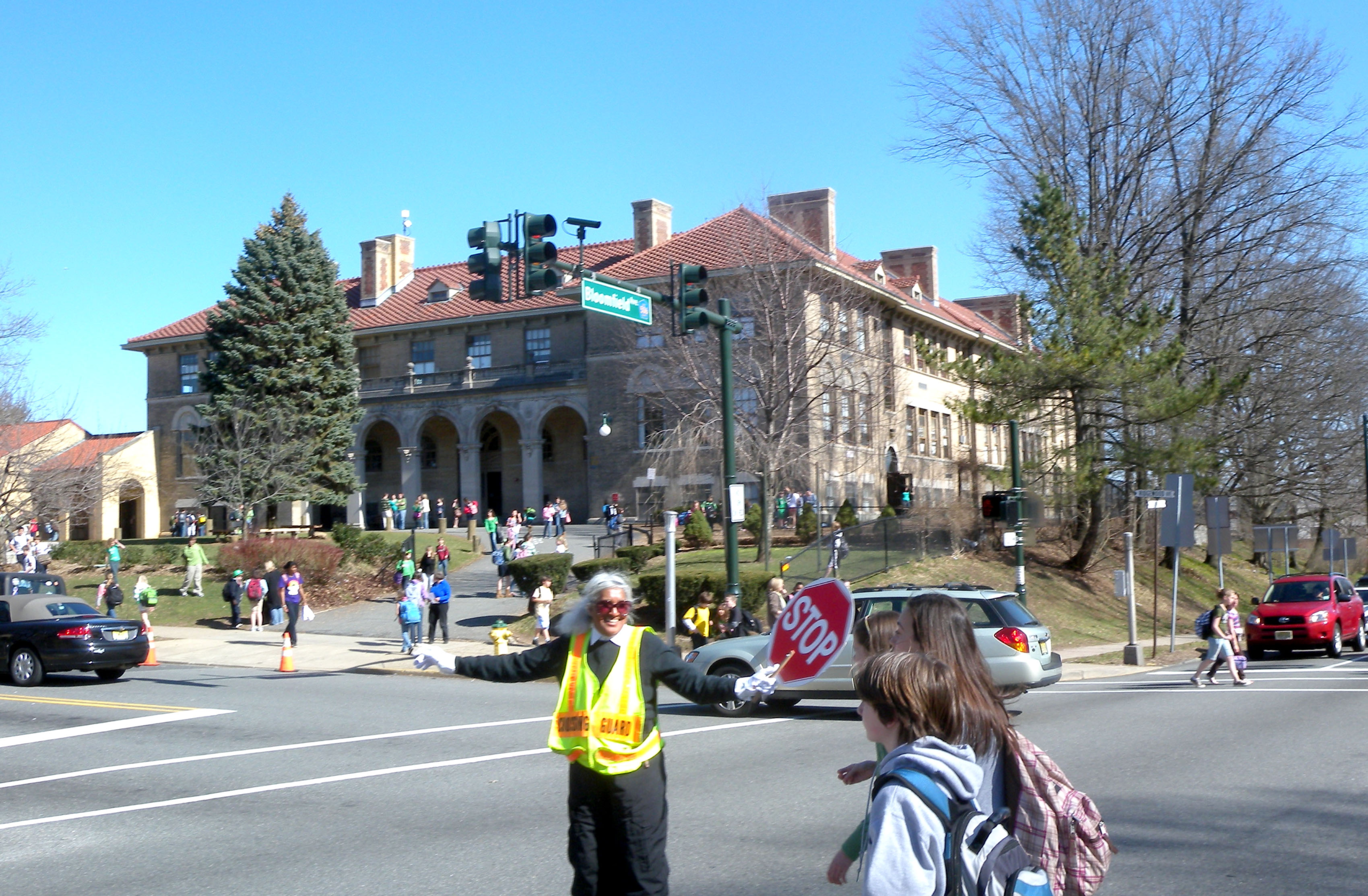
Where an adult held the crossing, the same person stood in the same place twice a day for years.
The continuity made them a landmark rather than an official. Children who passed the same person every morning for four years knew them in a way they did not know most adults, and the relationship was conducted entirely in thirty-second instalments.
They also knew everybody. Somebody who sees several hundred children twice a day for a decade accumulates an informal knowledge of a neighbourhood that nobody else has, and they noticed when a child who always came past did not.
7. The Job Was Mostly Holding People Back
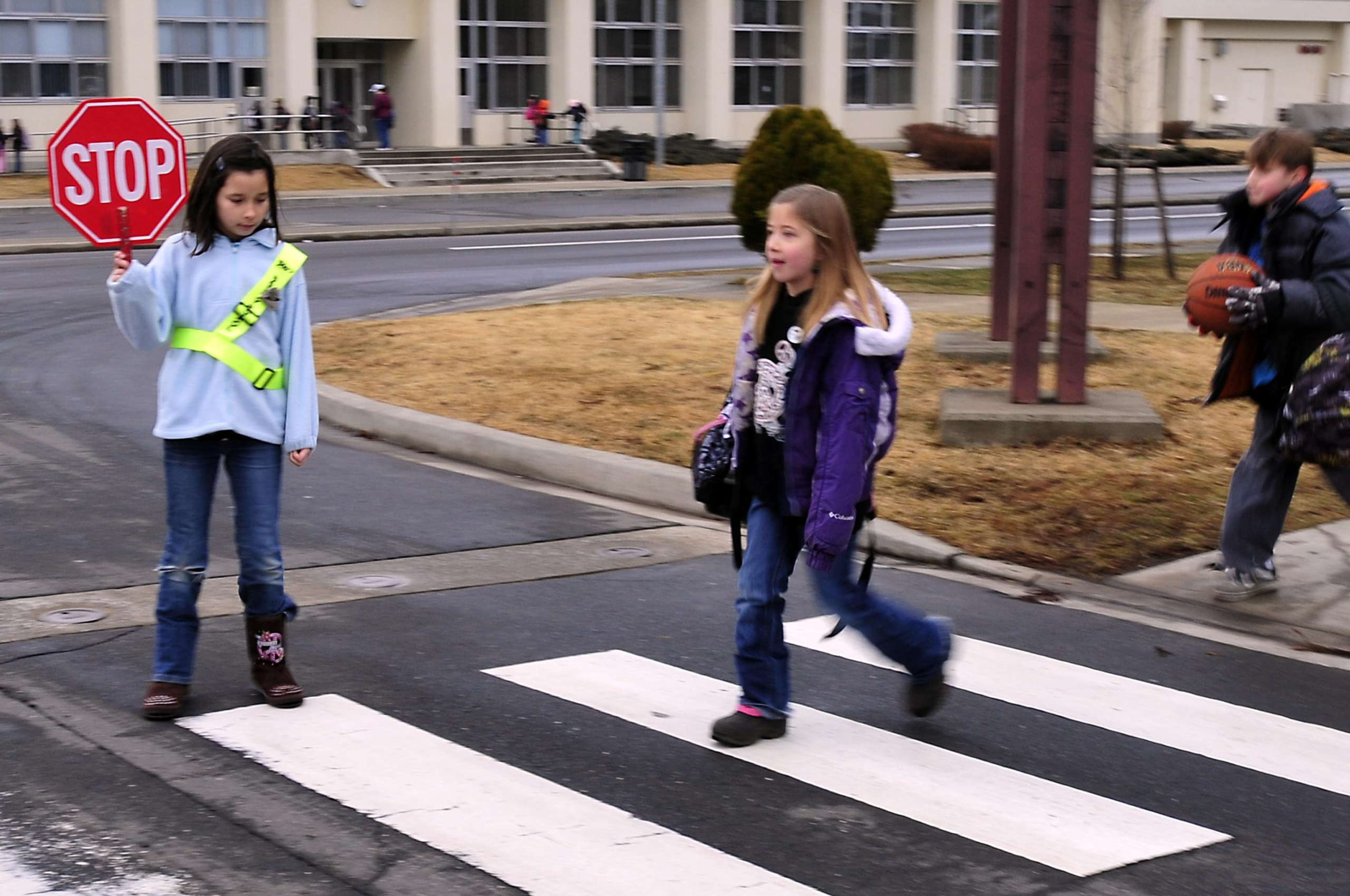
The active part of the role was stopping children from moving, not helping them to move.
The emphasis is the opposite of what people assume and it is the correct one. A crossing is dangerous because children arrive at it moving quickly and in groups, so the useful intervention is almost entirely about delay.
That made the role socially awkward. A child whose entire function is to prevent their contemporaries from doing what they want is in an uncomfortable position, and holding a line against people you have to sit next to afterwards takes a certain amount of nerve.
8. Being Reported Was a Real Consequence
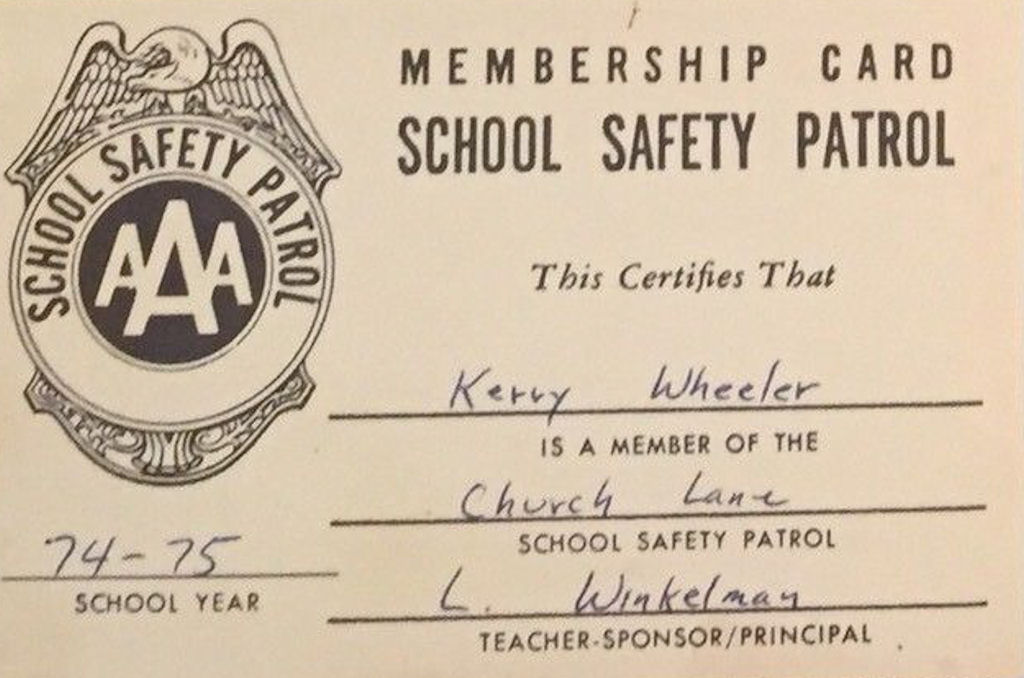
A patrol member could name somebody, and the name went to an adult who acted on it.
The mechanism gave the role teeth and was used sparingly by most holders. A child with the power to report another child has an obvious temptation, and the great majority of them used it rarely, mostly because they understood exactly what it would cost socially.
The occasional abuse was remembered for years. A patrol member who reported freely acquired a reputation that long outlasted their term, and the correction came from their contemporaries rather than from any adult.
9. The Whistle Was the Most Coveted Item
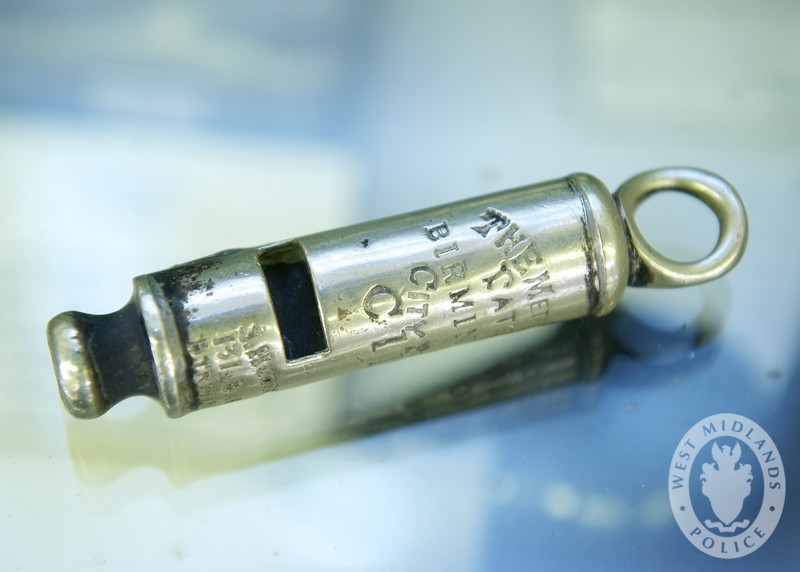
Where one was issued, it was regarded as the single best part of the entire arrangement.
The appeal is immediate and obvious. An object that produces a loud noise, that a child is specifically authorised to use and that other children must respond to is close to the ideal possession for an eleven-year-old.
Restraint was the first thing anybody learned. A whistle used constantly stops working as a signal, and every holder discovered within about a week that its power depended entirely on not using it.
10. Adults Obeyed Them Too and That Was Astonishing
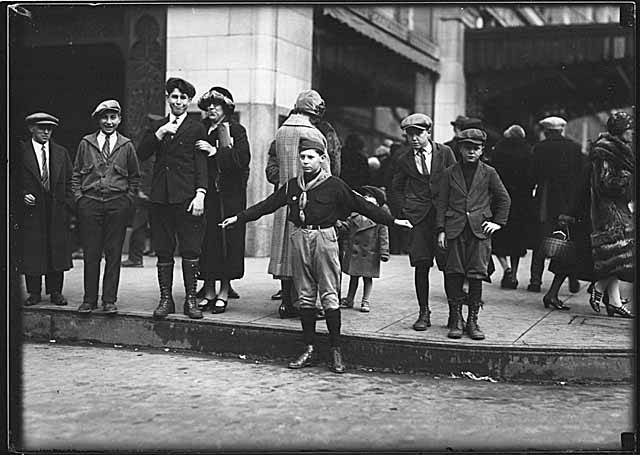
A grown-up who stopped for a child holding a line was handing over authority, briefly and in public.
The inversion is the thing patrol members remember most vividly. Nothing else in a child’s life in 1966 involved an adult doing what they said, and the first time it happened was genuinely startling to the child it happened to.
Most adults understood what they were doing. Stopping for a child in a belt costs nothing and reinforces the whole arrangement, and the ones who refused were undermining something they probably had not thought about for more than a second.
11. The Role Was Someone’s First Serious Responsibility
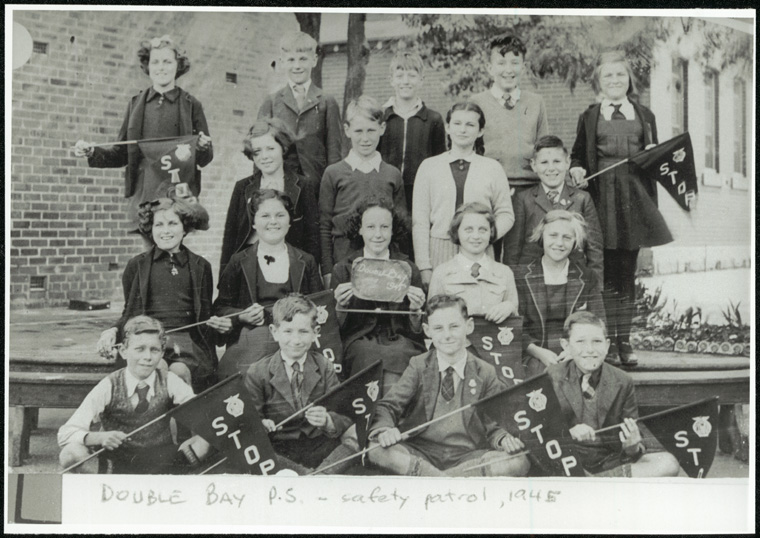
It was frequently the first thing a child had been given where failing would have actual consequences for other people.
The weight of that is easy to underestimate. Most responsibilities given to a ten-year-old are symbolic, and this one was not – a post left unoccupied meant children crossing unsupervised, and the holder knew it.
It changed some of them permanently. A child who discovers that they can be relied upon has learned something about themselves that is very difficult to learn any other way, and plenty of people trace a great deal back to a strip of fabric and a corner.
12. There Was a Badge and People Kept It
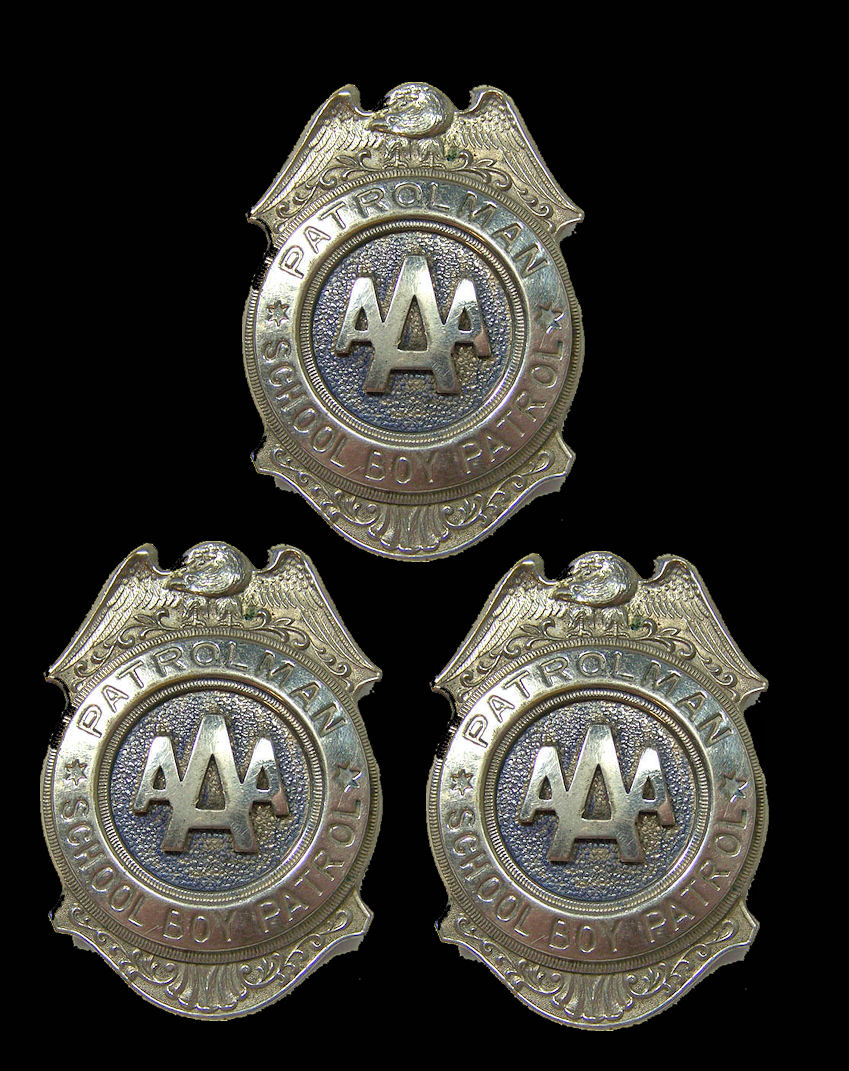
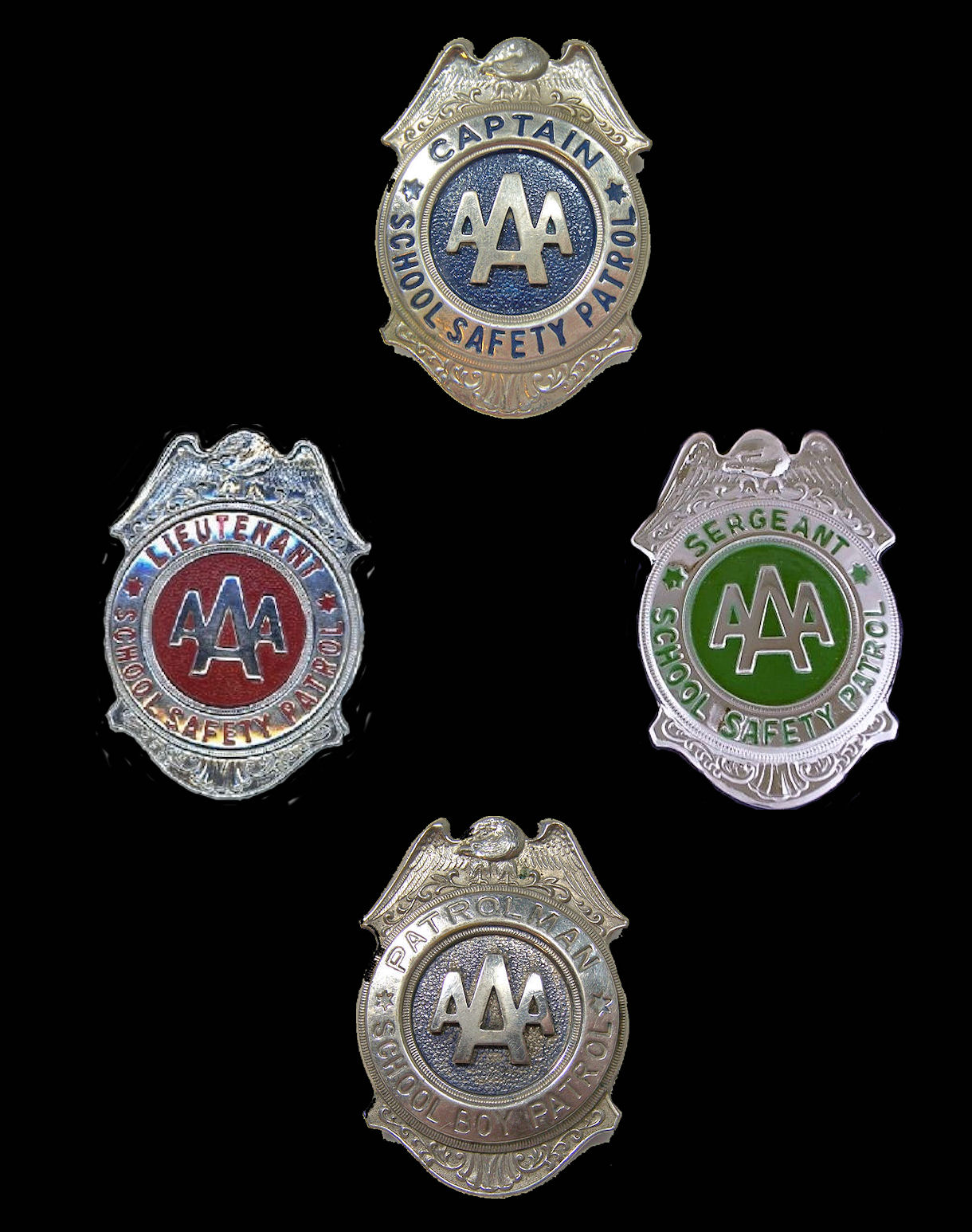
A small metal or cloth badge went with the role and a remarkable number of them survived in drawers for decades.
The retention says more than the object does. A badge is worth nothing and was not meant to be kept, and the fact that so many were is the clearest evidence of what the appointment meant to the people who received it.
It was also the only physical record. Nothing else about the role was documented anywhere a child could keep, so the badge is the sole surviving proof that somebody once stood on a corner every morning for a year.
13. The End of Term Meant Handing It Over
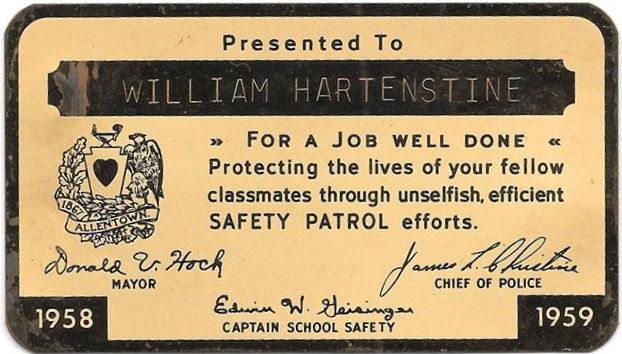
The belt went back and was issued to somebody else, usually in front of everybody.
The transfer was deliberately public and did two jobs at once. It acknowledged the outgoing holder and it established the incoming one, and it made clear that the authority belonged to the role rather than to the person.
Giving it up was harder than expected. A child who had been visible and useful for a year returned to being one of several hundred, and the adjustment took longer than anybody warned them it would.
14. The Whole System Rested on Nothing But Agreement
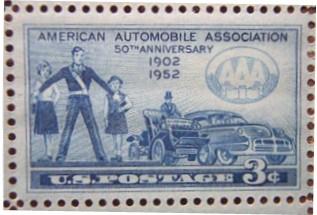
A child in a belt had no power whatsoever beyond everybody’s willingness to treat the belt as meaning something.
The fragility is the most interesting feature of the arrangement. Nothing prevented anybody from simply walking past, and the reason it worked is that an entire school, and most of the adults in a neighbourhood, had collectively agreed to behave as though it did not.
That agreement was maintained by adults deliberately. Teachers who backed up a patrol member and drivers who stopped were investing in a fiction that protected children, and the fiction held for exactly as long as the investment continued.
15. Then the Walk to School Largely Stopped
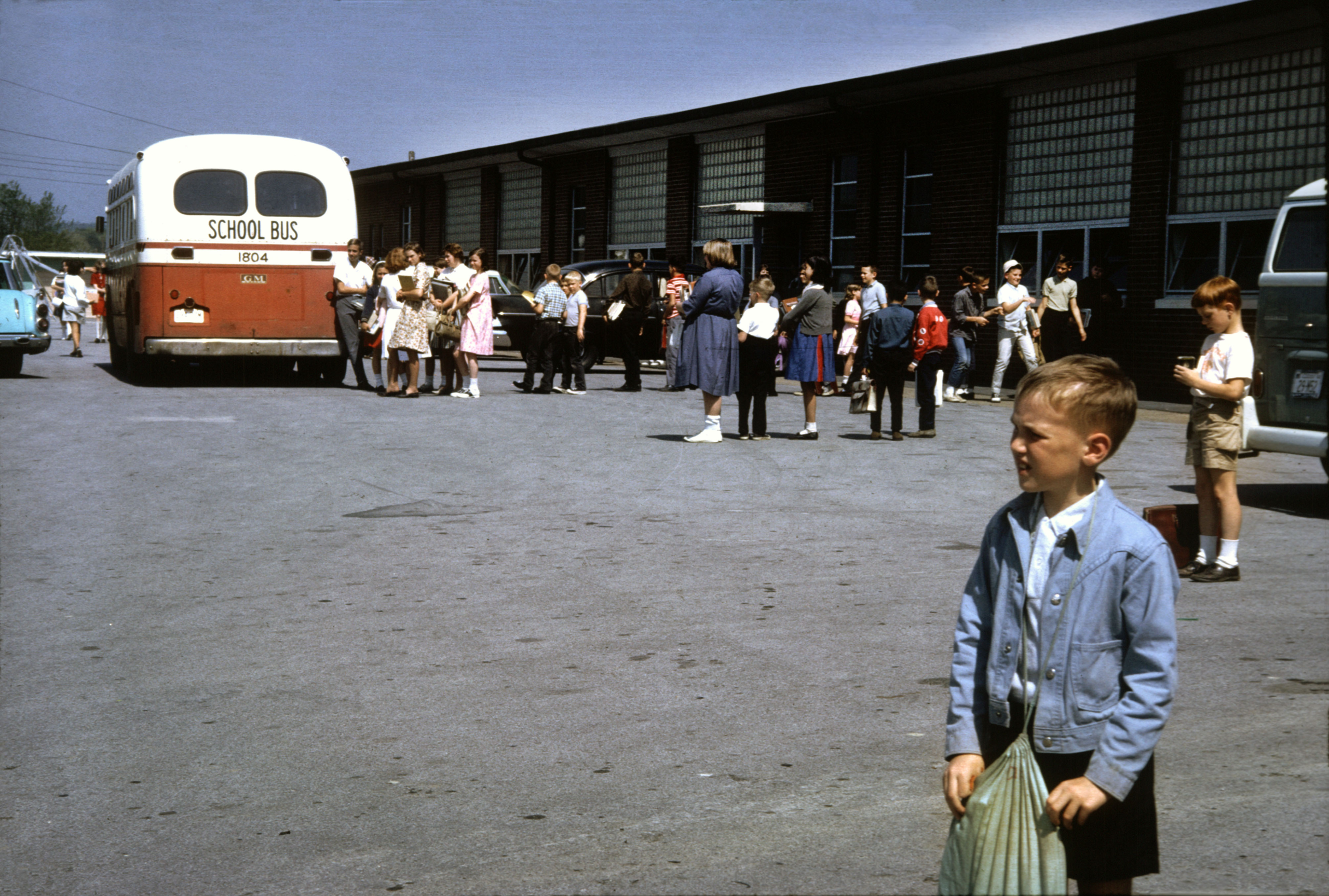
More children arriving by car, fewer walking, liability concerns and professional crossing staff all reduced the need and the appetite for it.
The decline in walking is the cause, and it removed the problem rather than the solution. A crossing that two hundred children use on foot needs managing; one that forty use does not, and the whole structure that managed it became unnecessary.
What went with it was a job. Not a chore and not a token, but a post that had to be occupied in the rain by a ten-year-old who left home twenty minutes early, held back their own friends, was obeyed by adults, and kept the badge in a drawer for the next fifty years.
What a Strip of Fabric Was Actually Doing
Read in order, the fifteen describe an authority structure with nothing behind it. A child in a belt could not compel anybody. Nothing stopped a driver, a parent or another pupil from walking straight past, and the only reason none of them did is that a school, a street and most of a neighbourhood had collectively decided to treat the belt as meaning something. That agreement was maintained deliberately: teachers backed up patrol members, adults stopped when they did not have to, and the whole fiction held for exactly as long as people kept investing in it. What it bought was a crossing covered twice a day, every day, in all weather, by somebody who left home twenty minutes early to be there – at no cost, and with a side effect nobody planned, which was a ten-year-old discovering that they could be relied upon. The selection is the other half of it, and it is the part that explains why the badges are still in the drawers. The role could not be earned by effort in the weeks beforehand, because it was awarded for being trusted, which meant the appointment functioned as a public verdict on a child’s whole record up to that point. There was no other moment in a child’s life in 1966 that delivered a judgement of that kind out loud. Being chosen was the clearest possible statement that the adults running a building had decided you were reliable, and a surprising number of people have never stopped referring back to it.
The system did not fail; its problem disappeared. A crossing used by two hundred children on foot needs managing and a crossing used by forty does not, and as walking to school declined the entire structure built around it became unnecessary. What went with it was not a chore or a token but a genuine post – held in the rain, by somebody small, who had to hold back their own friends and was obeyed by adults who could have ignored them. The badges are still in the drawers. Almost nothing else about the arrangement survives at all.
Like our content? Follow us for more.