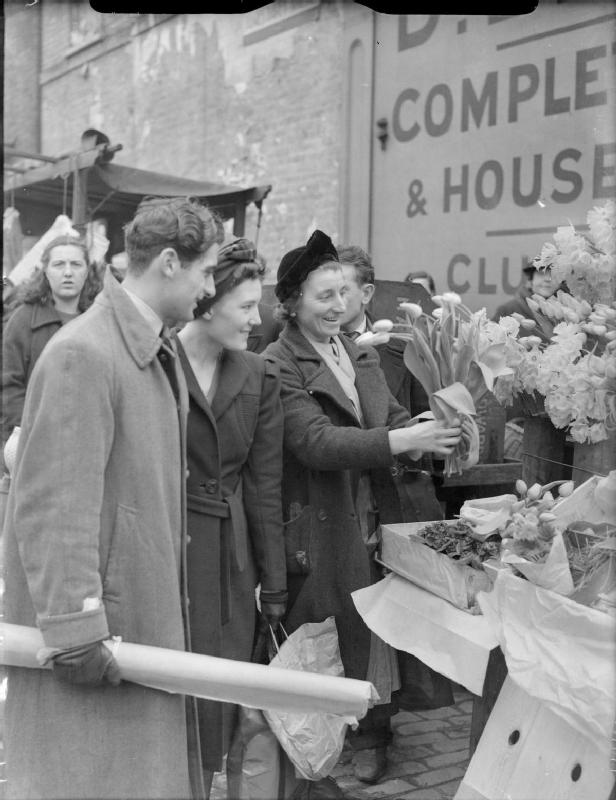
In 1960 a wholesale flower market opened at three in the morning, because flowers cut in the night had to be bought, carried, arranged and in a shop window before anybody came in.
Porters carried the stock on their heads in towers of baskets. Growers stood beside what they had cut and sold it themselves. Prices were shouted and collapsed towards the end of the morning. There was no refrigeration anywhere in the chain, and everything had been grown within a morning’s journey.
Here are fifteen things that happened at the flower market in 1960, and what each one became.
1. Trading Started at Three in the Morning and Was Over by Breakfast
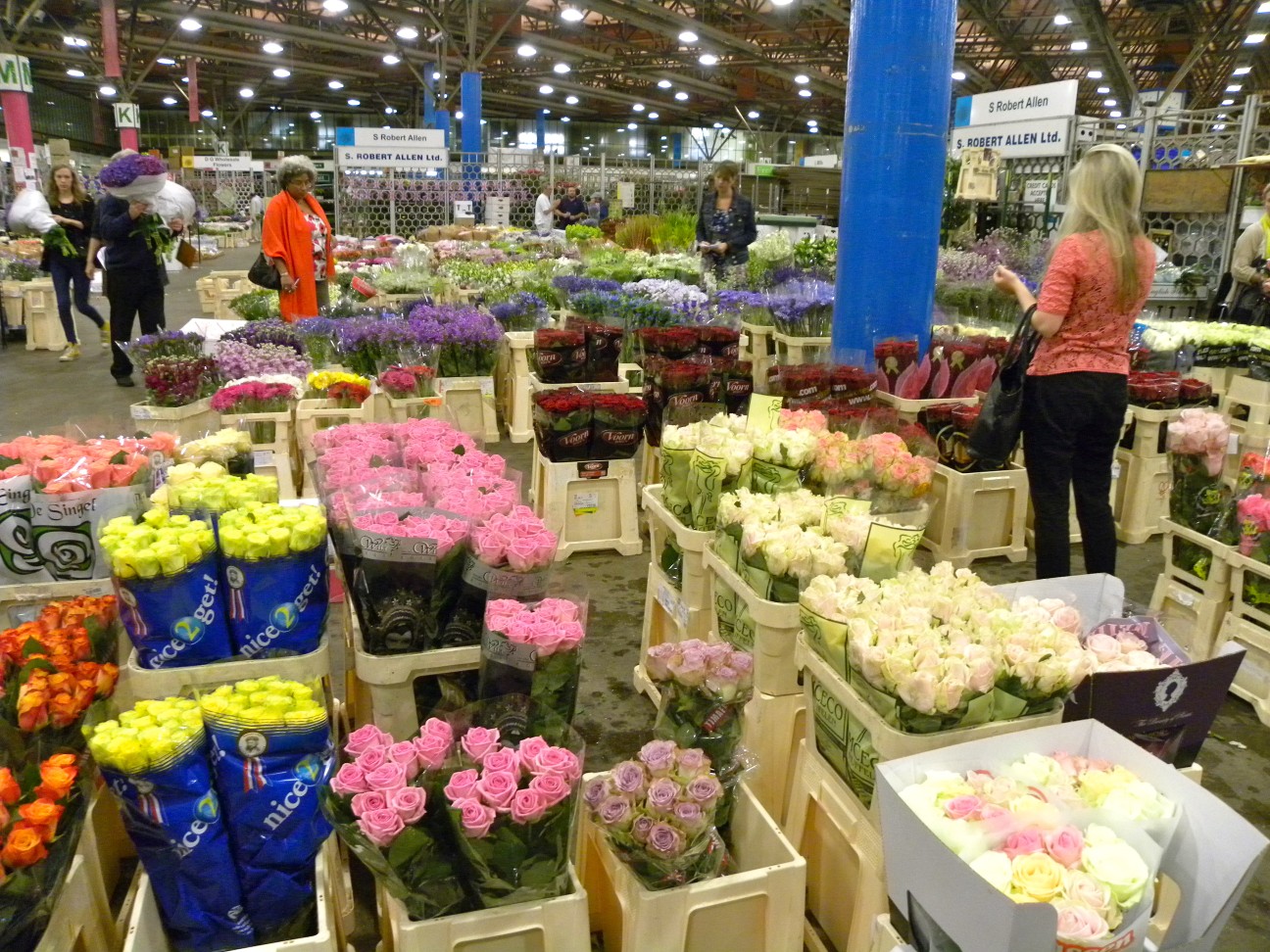
The market opened in the small hours because flowers had to be bought, carried, arranged and in the shop before customers arrived. Growers delivered overnight, buyers arrived at three or four, and by eight the floor was being swept.
Early starts persist in wholesale flower markets and always will, because the product has to reach a shop the same morning. What has changed is the chain – a great deal of buying is now done online or by standing order against a specification, with the physical market serving independents and specialists rather than the whole trade.
Like our content? Follow us for more.
2. Porters Carried Baskets Stacked on Their Heads
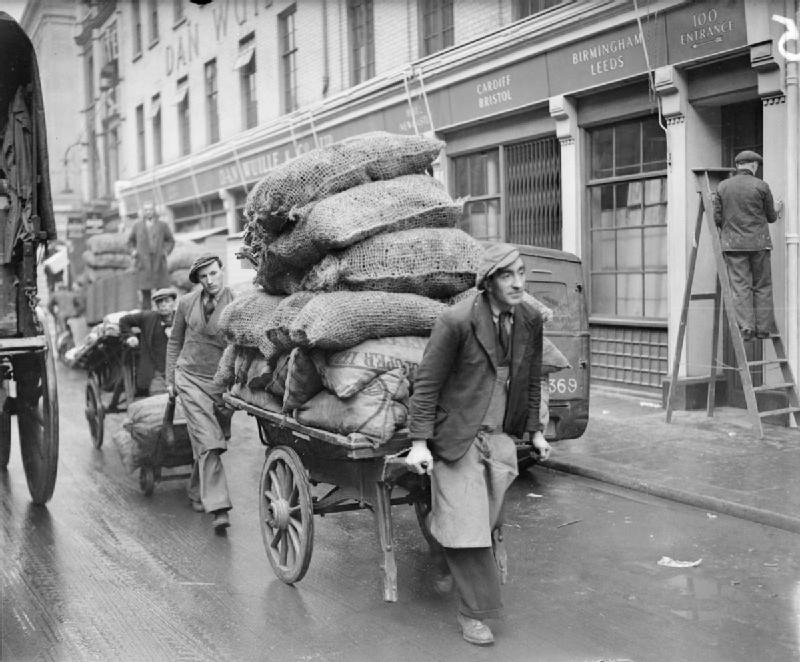
Market porters moved stock by carrying it, and in the flower and produce markets the characteristic method was a tower of shallow baskets balanced on the head, sometimes six or eight high, walked at speed through a crowded floor.
It is a genuine skill, it was a recognised trade with its own licensing in some markets, and it was also a spinal injury waiting to happen. Pallets, cages, forklifts and roll containers replaced it entirely. Photographs of the head-carrying porters are among the most reproduced images of market life and the practice ended within a generation of the camera finding it interesting.
3. Everything Was Grown Within a Morning’s Journey
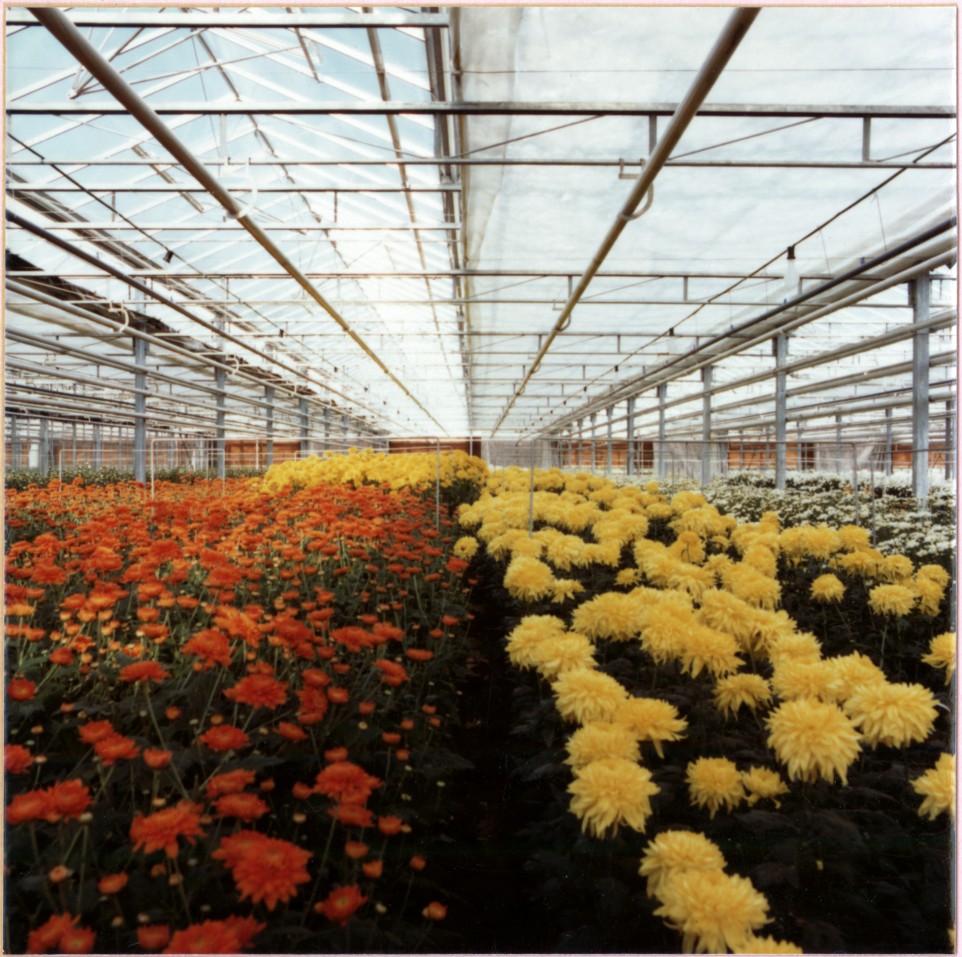
Flowers came from market gardens and nurseries in the surrounding counties, and the available range was whatever the local climate produced in that season. Out of season meant unavailable, not expensive.
Air freight changed the trade completely. Cut flowers are now grown at scale in equatorial highlands and in heated glasshouse regions, flown in overnight, and available in any season anywhere. The local market gardens that supplied the market mostly went, and the range available to an ordinary customer expanded enormously – which is the same trade-off that happened to vegetables.
4. The Cold Chain Did Not Exist
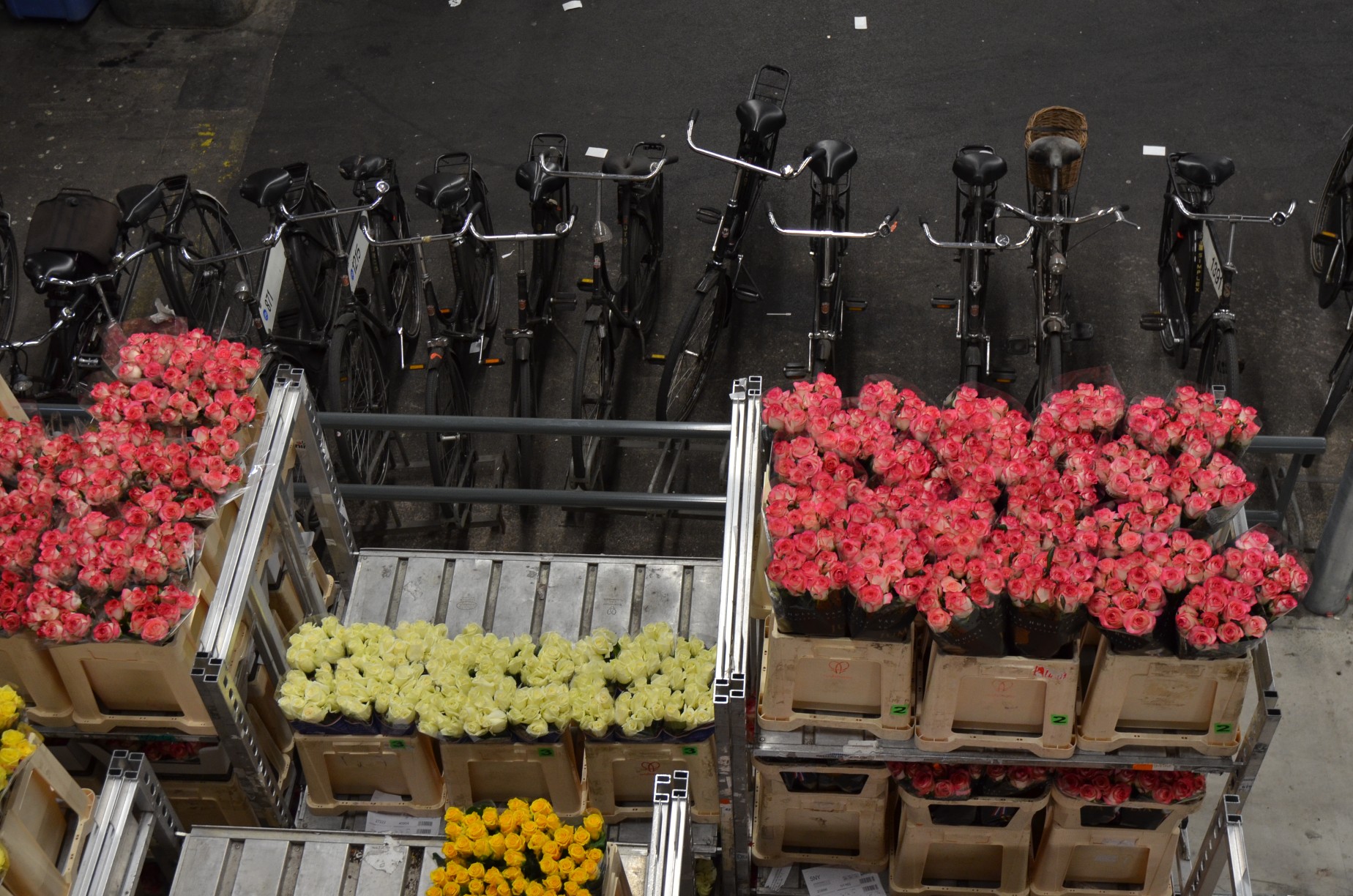
Cut flowers deteriorate with warmth and with time, and in 1960 there was no refrigeration through the chain. Stock was moved fast because speed was the only preservation available, and losses were simply absorbed into the price.
Refrigerated transport, chilled storage, controlled-atmosphere containers and treatment of stems with hydrating and preservative solutions now hold flowers for far longer, which is what makes intercontinental supply possible at all. The modern chain is engineered around temperature from the moment of cutting, and a break in it is the usual reason flowers arrive looking tired.
5. Prices Were Set by Shouting and Changed Minute to Minute
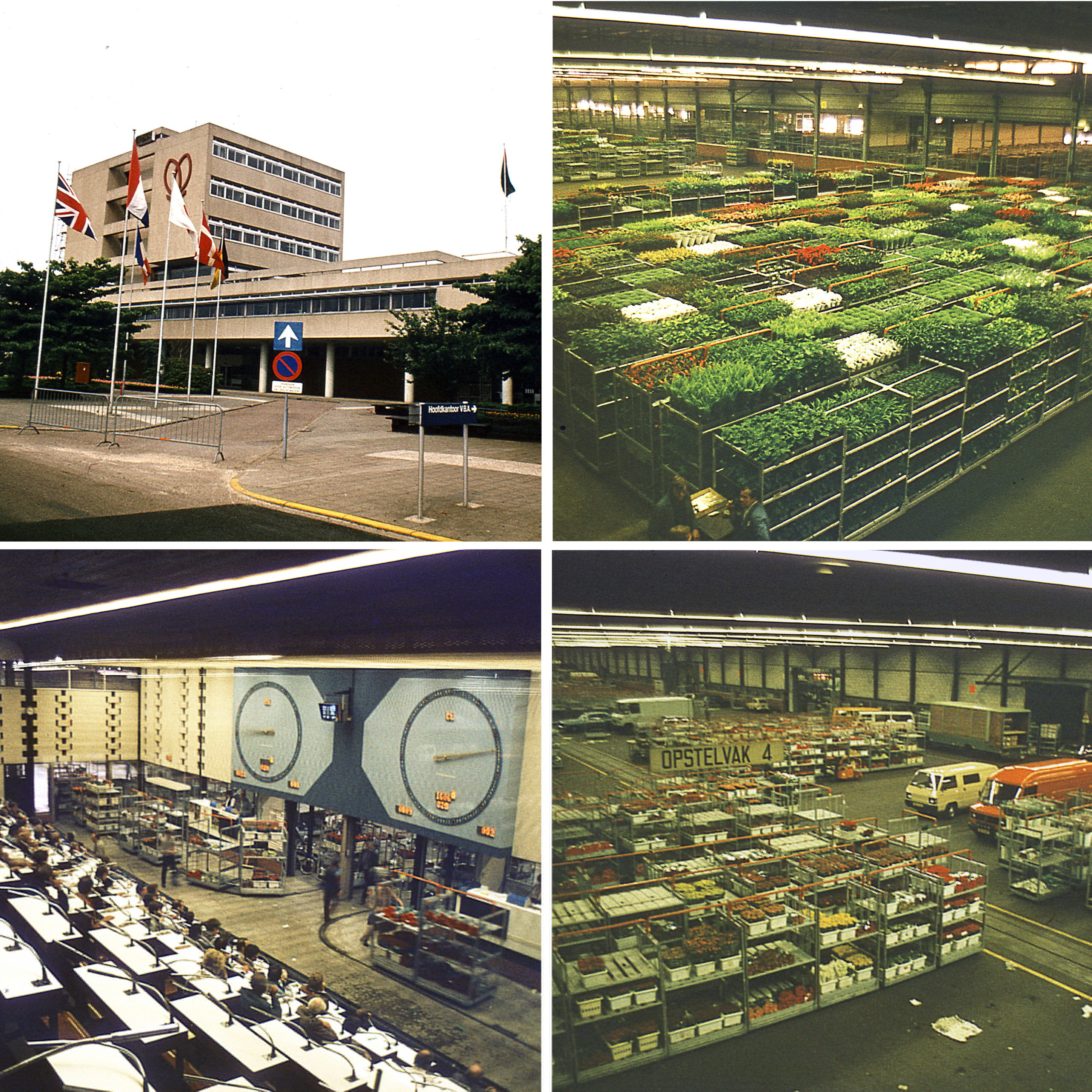
Wholesale prices were negotiated face to face on the floor, moved with supply and demand through the morning, and collapsed towards the end as sellers cleared perishable stock rather than carry it home.
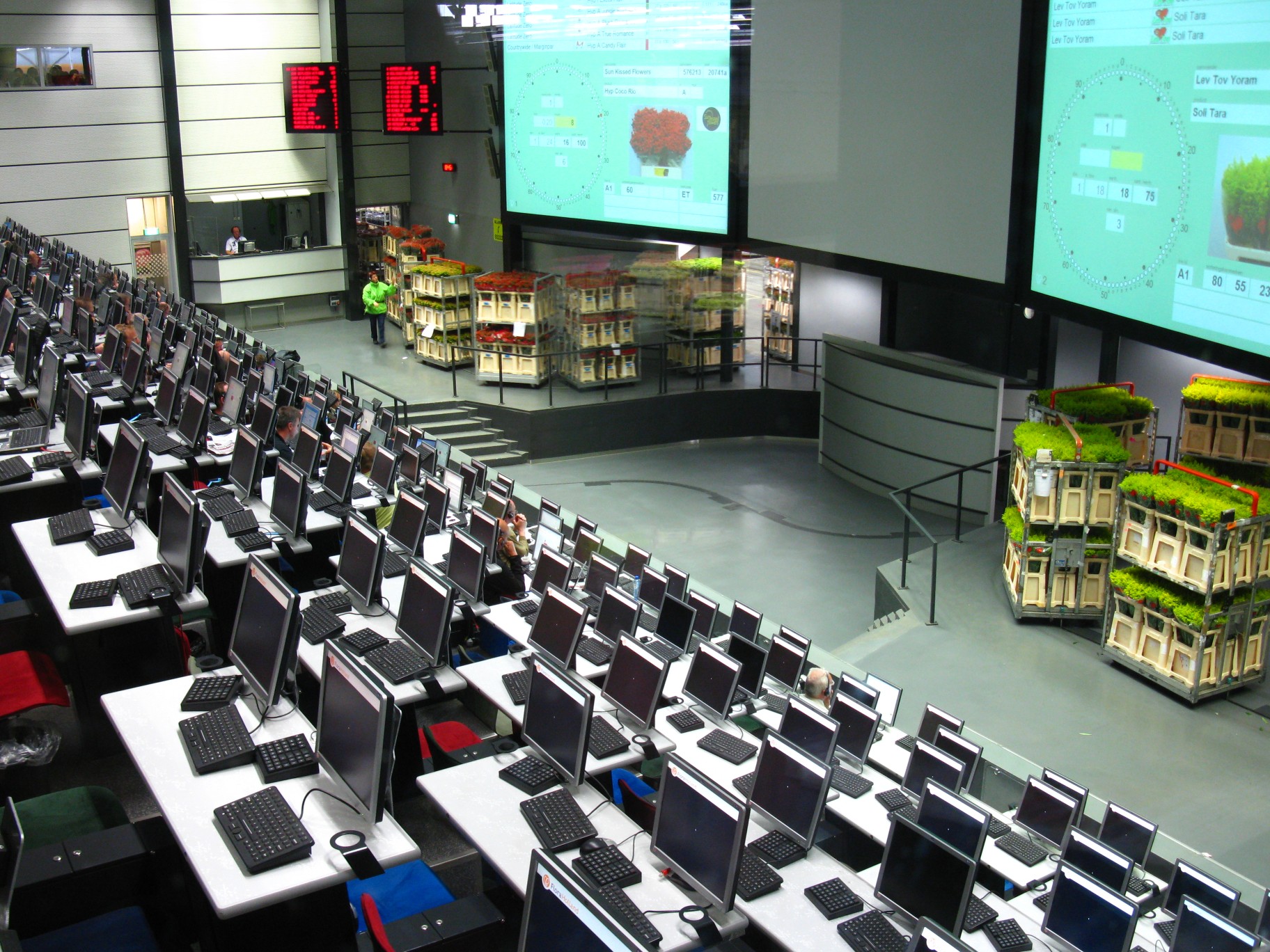
Clock auctions, electronic trading and contract growing replaced a great deal of that. The large flower auctions now sell enormous volumes by descending-price clock, which is fast, transparent and entirely unlike shouting at each other – and the end-of-morning collapse, which was the independent florist’s opportunity, has largely gone with it.
6. The Market Was in the Middle of the City and Was Strangling It
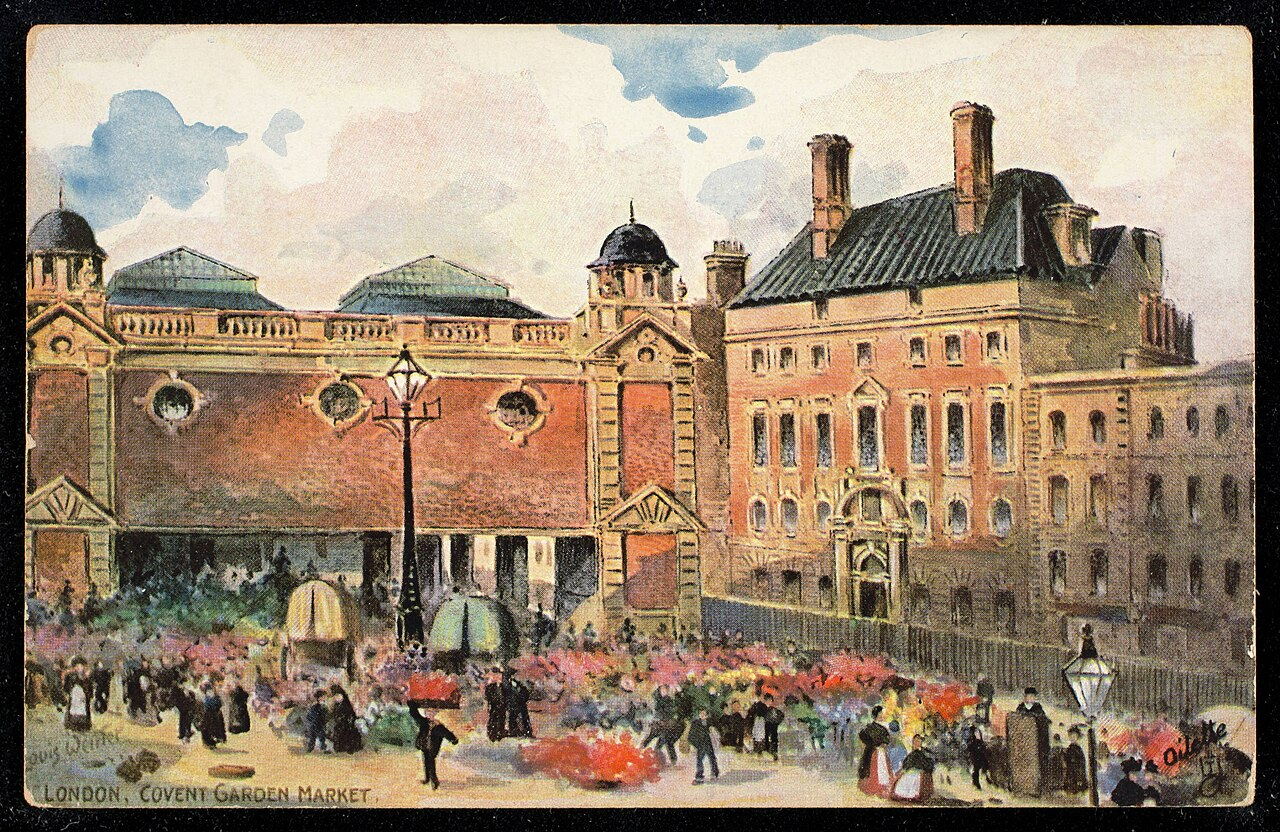
Historic wholesale markets occupied central sites because they predated motor transport and had been built where the carts could reach. By 1960 that meant articulated lorries delivering to narrow streets in the small hours in the middle of a city, with nowhere to turn and nowhere to park.
Almost every major central market was relocated to a purpose-built site with road access, loading bays, cold storage and space, usually against considerable opposition from traders who understood exactly what leaving the historic site would cost them in passing trade and identity. The vacated buildings became some of the most celebrated conversions anywhere – which is a consolation to everybody except the traders who moved.
7. The Trade Ran on Credit, Trust and a Notebook
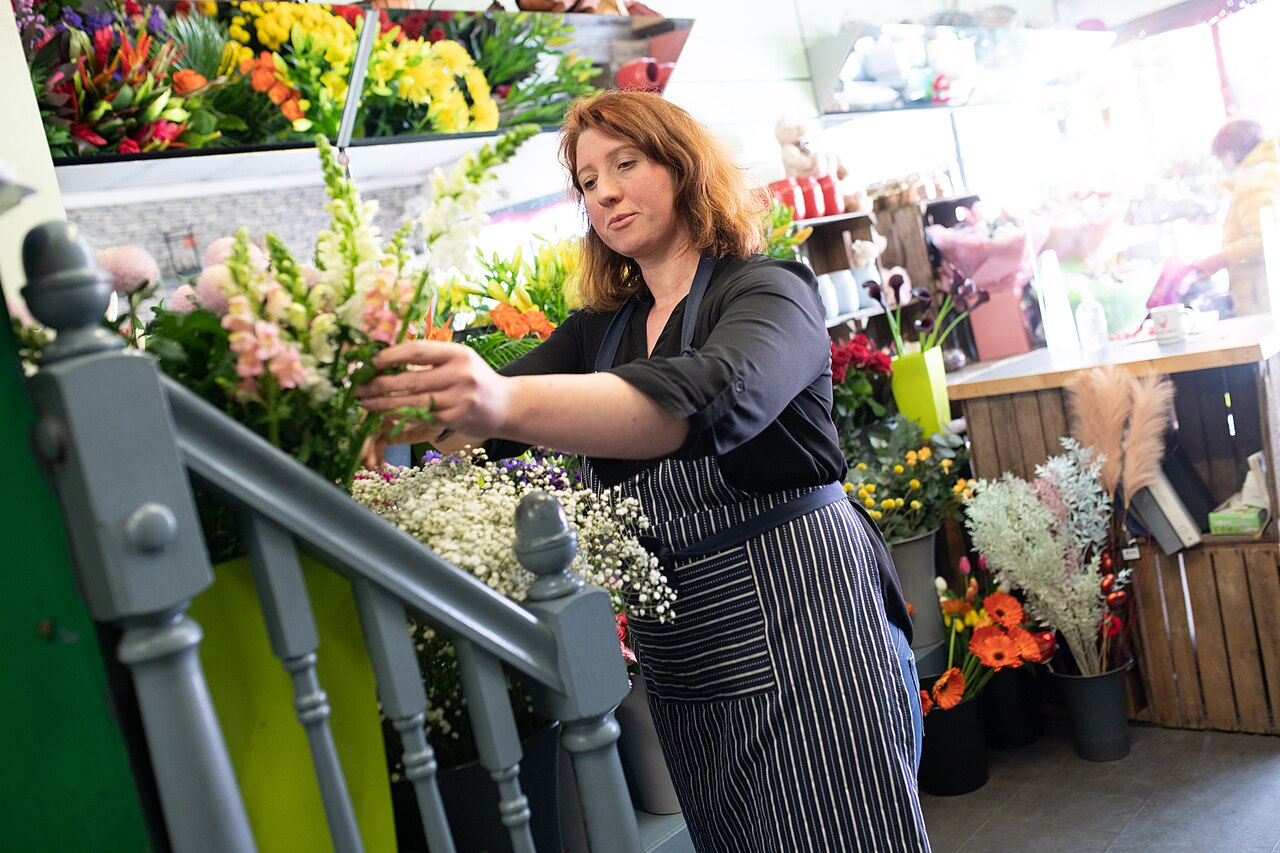
A buyer’s word was the transaction. Stock left with the buyer and was paid for later, accounts were settled weekly, and a seller’s protection was knowing who could be trusted. A new buyer with no reputation bought for cash.
Credit checking, formal terms and in some markets licensing of buyers replaced the notebook, and the collapse of a large buyer no longer takes several growers down with it. The informal system worked because the community was small and permanent, and it stopped working as soon as the trade became national and the faces changed.
8. Growers Brought Their Own Stock and Stood Behind It
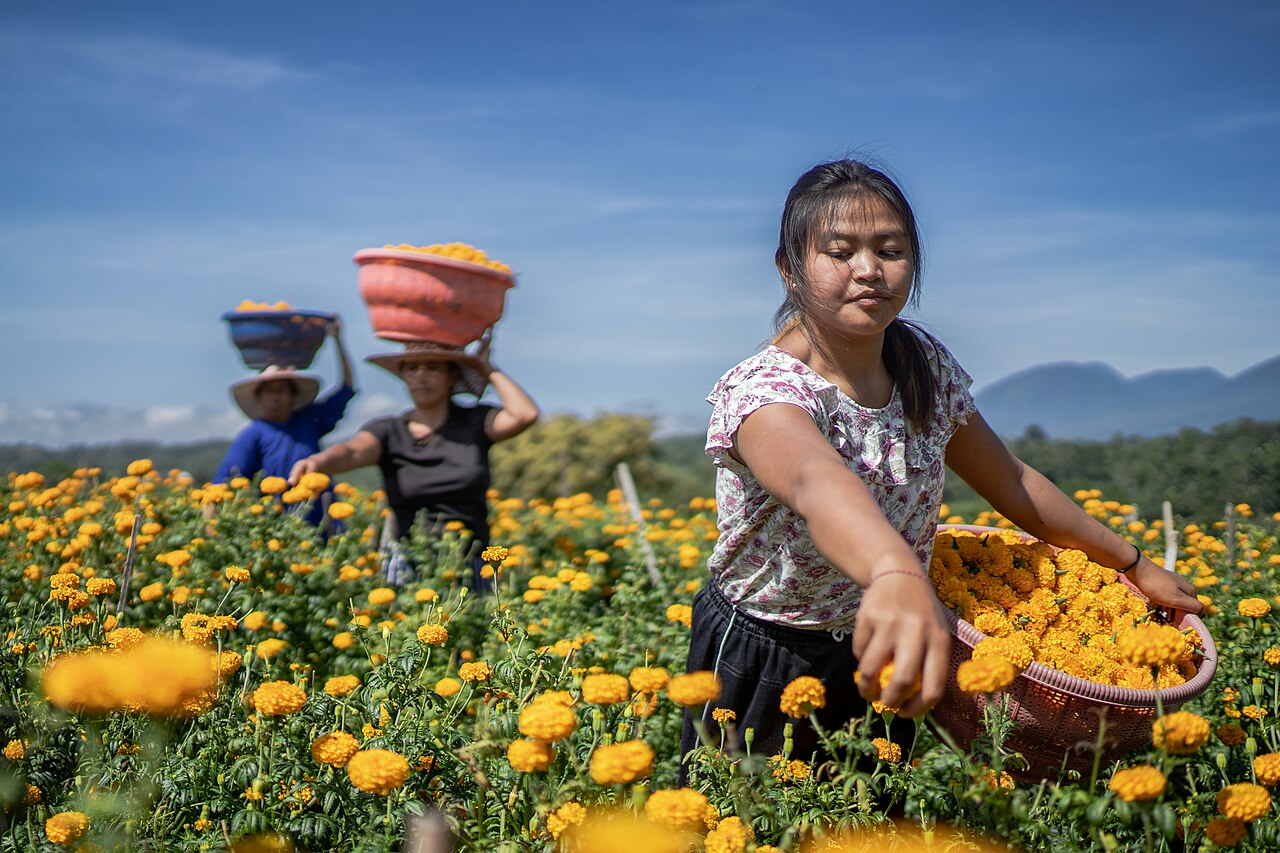
A nurseryman arrived with what he had cut that night, stood beside it, sold it himself and answered for its quality. Buyer and grower knew each other, and a grower’s reputation was attached to his name on the floor.
Consolidation of growing, the arrival of imports through agents and the scale of modern supply broke that direct link almost entirely. A florist buying today is generally buying a specification from a supplier rather than a crop from a person, and the traceability that was obvious when the grower was standing there now has to be built deliberately into the paperwork.
9. Flowers Were Seasonal and Weddings Were Planned Around Them

What could be had in February was entirely different from June, and anybody planning an occasion worked with what the month allowed. Florists’ skill lay substantially in knowing what would be available and building designs around it.
Year-round availability of almost everything removed that constraint and with it a body of practical knowledge. It also removed a genuine pleasure – the first of something arriving each year was an event in the trade and for customers, and a product available every week is not an event. Seasonal buying has returned as a deliberate choice among some florists and customers, for cost, for scent and for environmental reasons.
10. The Work Was Wet, Cold and Done Standing Still
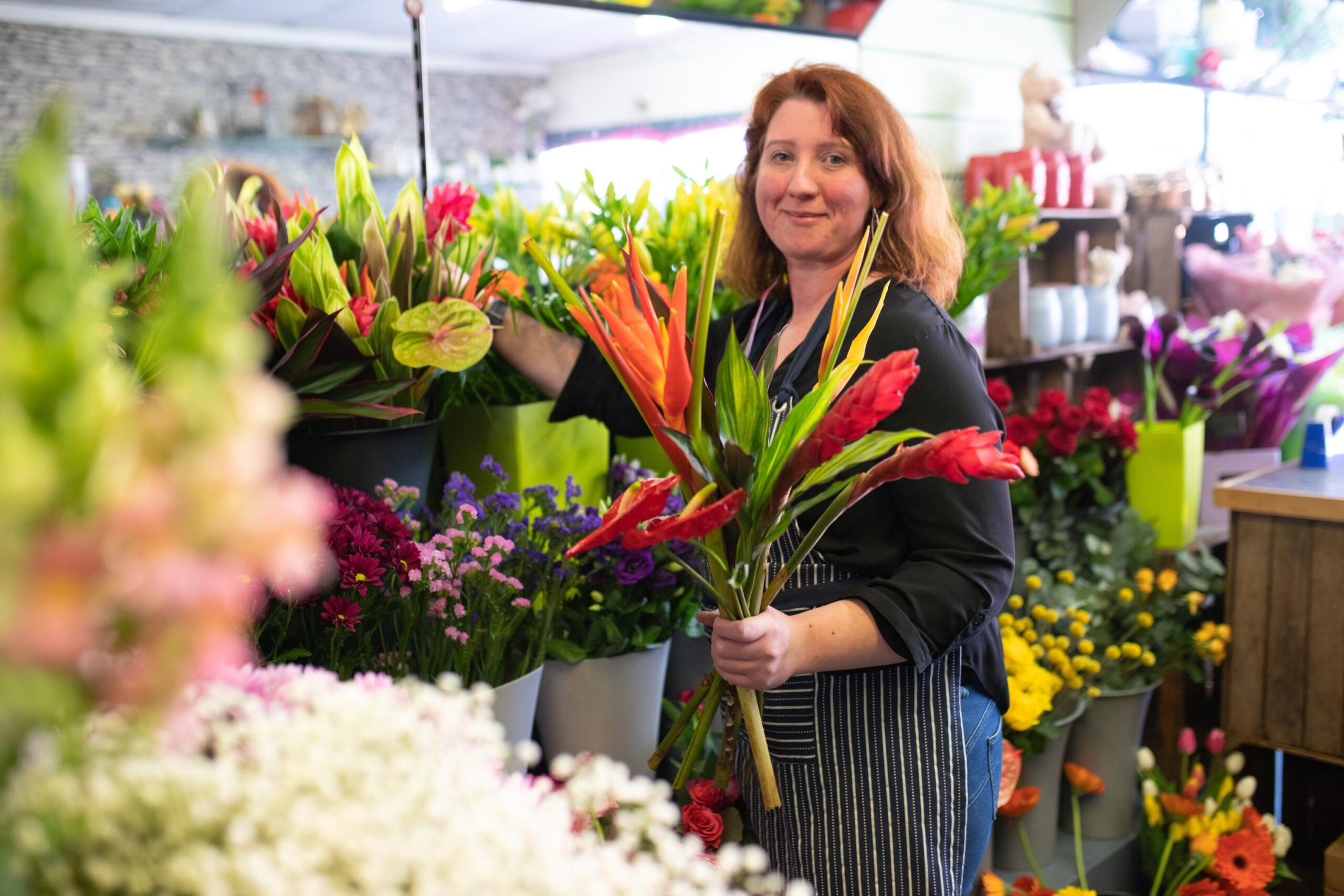
A flower market floor is cold by design, wet from the buckets and the washing down, and the work is standing in it for five hours in the middle of the night. Porters moved; sellers and buyers stood.
Flooring, drainage, lighting and heating in purpose-built markets improved it, and chilled areas are now properly chilled rather than merely cold. The fundamental arrangement – nocturnal, cold, wet and standing – has not changed and is why the trade has always had difficulty recruiting, which is the same problem fish and meat markets have for the same reasons.
11. Nobody Thought Supermarkets Would Sell Flowers
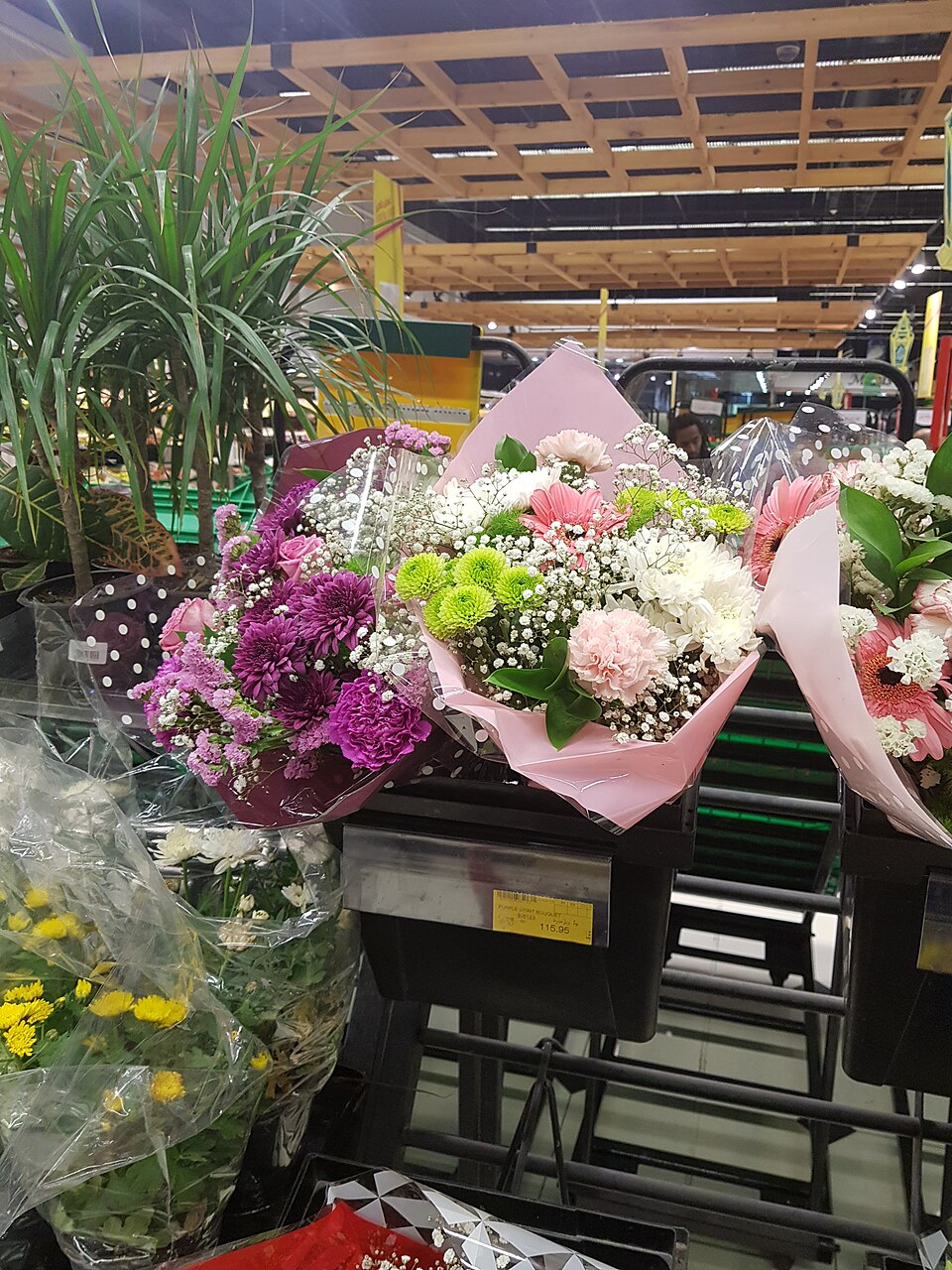
In 1960 flowers were bought from a florist or a street seller, and the idea that a grocery chain would sell them in volume beside the vegetables was not part of anybody’s planning.
Supermarket flower sales grew to dominate the volume market, bought on long contracts directly from large growers and importers, bypassing the wholesale market entirely. That took the everyday bunch away from the independent florist and left them the occasions – weddings, funerals, events – which are higher value, more skilled and far less frequent. It is the same hollowing-out that happened to the butcher, the baker and the greengrocer.
12. The Street Seller Was Part of the Same Economy
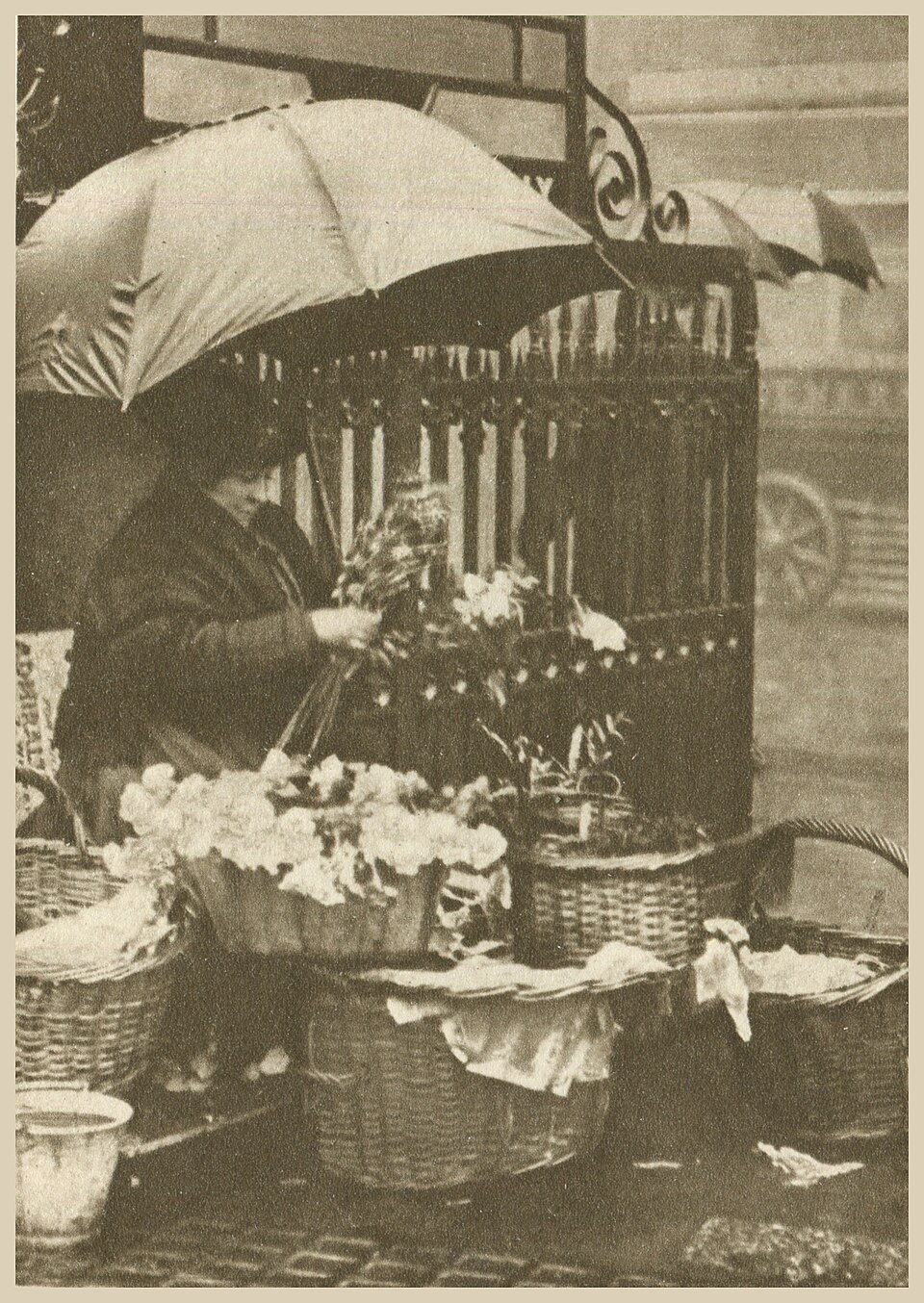
Flower sellers worked pitches at stations, outside theatres and on corners, buying at the market in the morning and selling through the day. The pitch was an asset, frequently inherited, and the trade was a recognisable part of city life.
Licensing, rents, station redevelopment and the arrival of cheap flowers in every shop reduced the street pitch almost to nothing. The remaining sellers are generally in long-established locations with a loyal trade. The relationship between the wholesale market at four in the morning and a bucket of roses outside a station at six is one of those economic chains that was completely visible then and is now invisible.
13. Funerals and Weddings Were the Trade’s Backbone and Still Are

Occasion work – wreaths, sprays, bouquets, church flowers – was the florist’s real income, and it required genuine skill in construction as well as design: wiring, binding, foam, frames and the technical business of making something that holds its shape for a day.
This is the part of the trade that survived every pressure, because it cannot be bought off a shelf and requires somebody to make it. Funeral and wedding work remains the core of independent floristry, the construction skills are still taught and assessed, and the material has changed – away from wired foam towards compostable methods – more than the craft has.
14. Scent Was a Buying Criterion and Then Stopped Being One

Buyers at the market judged stock partly by smell, and scent was a selling point that customers expected from roses, pinks, stocks and lilies.
Breeding for transport, vase life, stem length and uniformity has, in a great many commercial varieties, come at the expense of scent – which is a well-known and frequently lamented consequence of selecting for a flower that has to survive a flight and a week in a shop. Scented varieties exist, are generally more delicate and more expensive, and are one of the main reasons a specialist florist’s stock smells different from a supermarket’s.
15. Nobody Measured the Cost of Getting It There
In 1960 a flower travelled a few dozen miles in an unrefrigerated van, which was simply how it worked and was not something anybody accounted for.
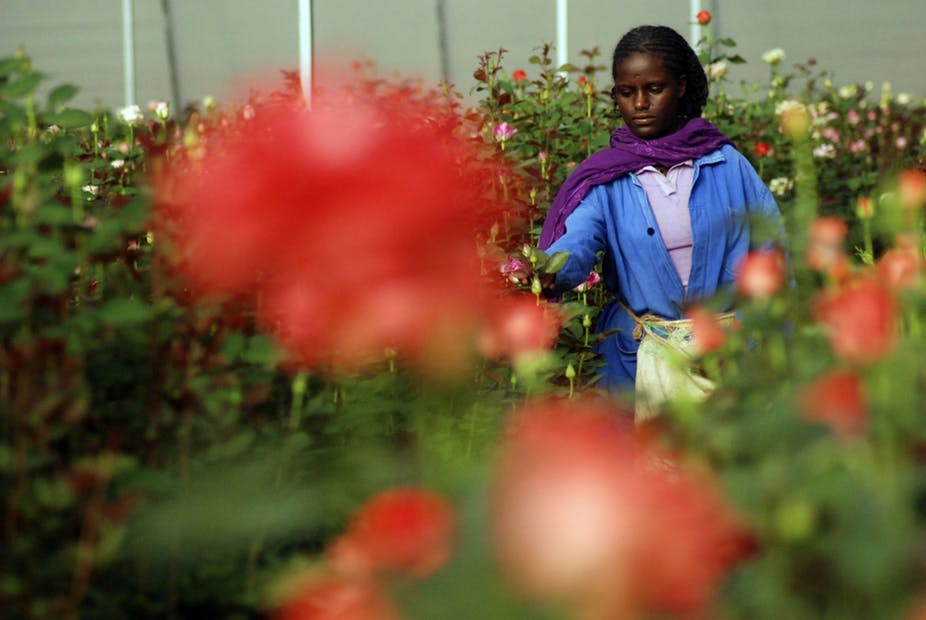
The environmental accounting of cut flowers is now genuinely contested and the answer is not the obvious one. Air-freighted flowers from a sunny climate can have a lower total footprint than locally grown ones from a heated glasshouse, depending on the energy source, the season and the mode of transport – which makes “local” an unreliable proxy for “better” in this particular trade. Sea freight, improved cold chain and renewable-powered growing are all changing the figures, and the honest position is that it depends on specifics that the label does not tell you.
What the Aeroplane Did
Every change on this list follows from one development, and it is not refrigeration or the wheeled pallet.
It is the ability to fly cut flowers across the world overnight.
Before that, a flower market sold what could be grown within a morning’s journey, in season, and the whole trade was shaped by it – the local market gardens, the seasonal expertise, the grower standing beside his own crop, the collapse in prices at the end of a morning because the stock would not keep, and the fact that February and June were different trades.
Air freight removed the geography and the calendar at the same time. Flowers are now grown where the light and the labour are cheapest, flown in, and available in any season. The range available to an ordinary customer is vastly greater than anything a 1960 florist could offer, and the price in real terms is lower.
What went with it was the local growing, the direct relationship between the person who grew it and the person who sold it, and the seasonality that gave the trade its rhythm. The supermarket contract then took the everyday volume and left the independent florist the weddings and the funerals.
The cold chain, the pallet and the relocated market are all consequences rather than causes. Everything in this trade changed because the product stopped being perishable in the way it had always been perishable.
If you ever went with somebody to buy at a market at four in the morning, the cold and the smell are what you remember.
Which market, and is the building still standing?
Like our content? Follow us for more.