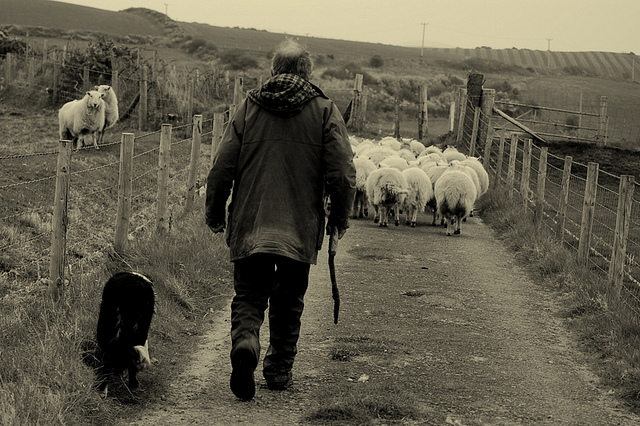
In 1955 a hill shepherd lived out on the ground for six weeks at lambing, gathered a whole hill with two dogs and a whistle, carried everything up and down on his back or on a pony, stood all day in a sheep dip soaked to the skin, and dug ewes out of snowdrifts by knowing where they would have sheltered.
His wage included a cottage and the right to run his own sheep with the farm’s flock, and the flock’s knowledge of its own ground was the farm’s most valuable asset.
Here are sixteen things the hill shepherd did in 1955, and what each one became.
1. He Lived Out on the Hill for Weeks at Lambing
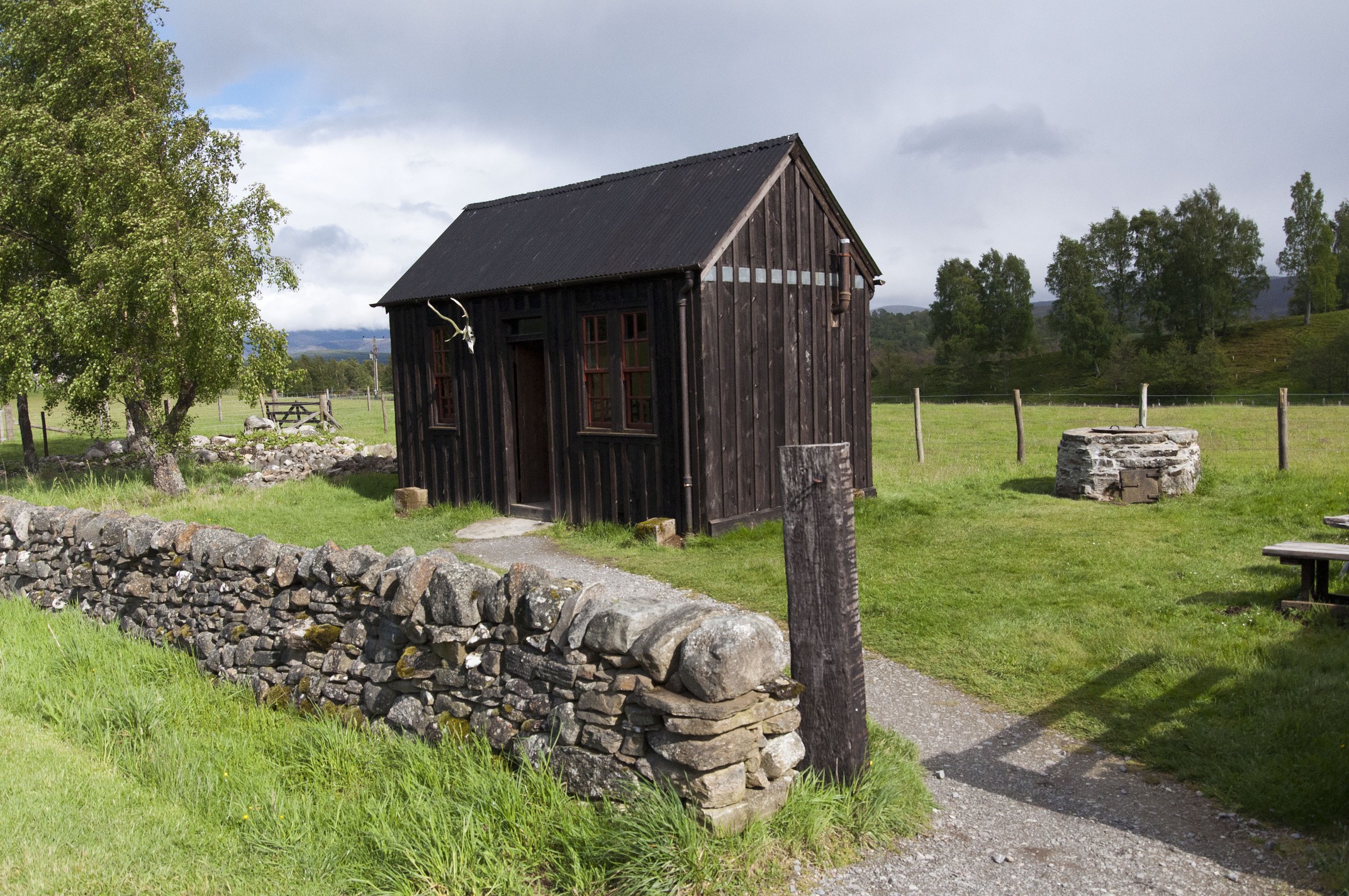
Lambing on open hill ground meant being there. A shepherd moved into a hut, a bothy, a caravan or a shed near the flock for the duration, slept in snatches, and went round the ewes through the night with a lantern.
Lambing sheds, cameras in the pens, better handling systems and all-terrain vehicles have brought a great deal of it indoors and within reach of a house. Hill flocks still lamb outside and somebody still has to go round them, but the weeks of living out in a hut with no contact have largely gone – and so has the specific exhaustion of six weeks on broken sleep that the generation who did it describe.
Like our content? Follow us for more.
2. The Dog Was the Entire Technology
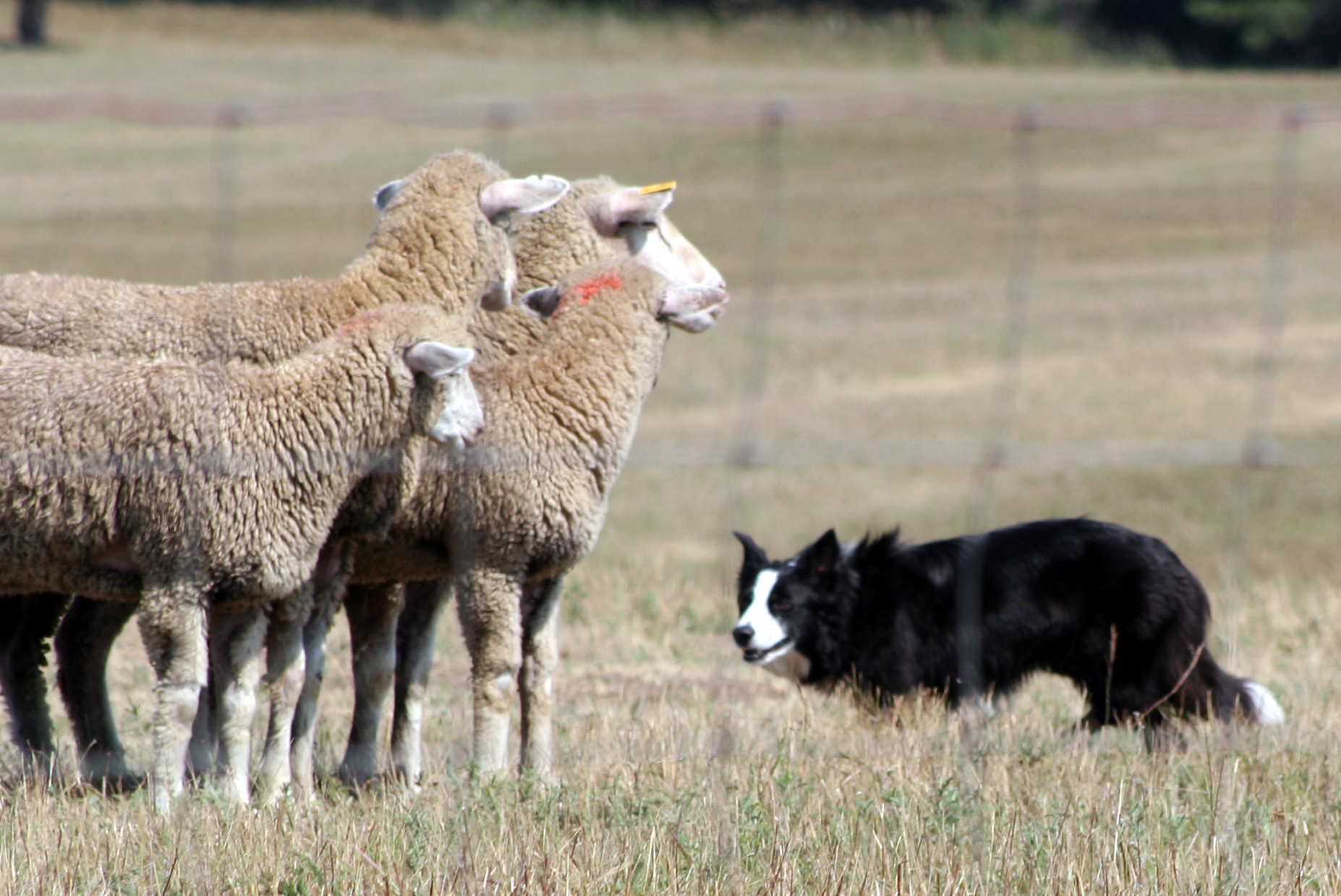
A shepherd’s working capacity was determined by his dogs. One man with two good dogs could gather a hill that would otherwise need twenty people, and the dogs were trained by one person over years to respond to whistle and voice at a distance of half a mile.
The dog remains irreplaceable and nothing has come close to displacing it, which makes it one of the very few technologies in this whole series that is unchanged. What has been added is transport – quad bikes and all-terrain vehicles let a shepherd cover ground faster – and the dog still does the part no machine can do, which is move animals by being where they can see it.
3. Gathering a Hill Took a Day and Everybody Came
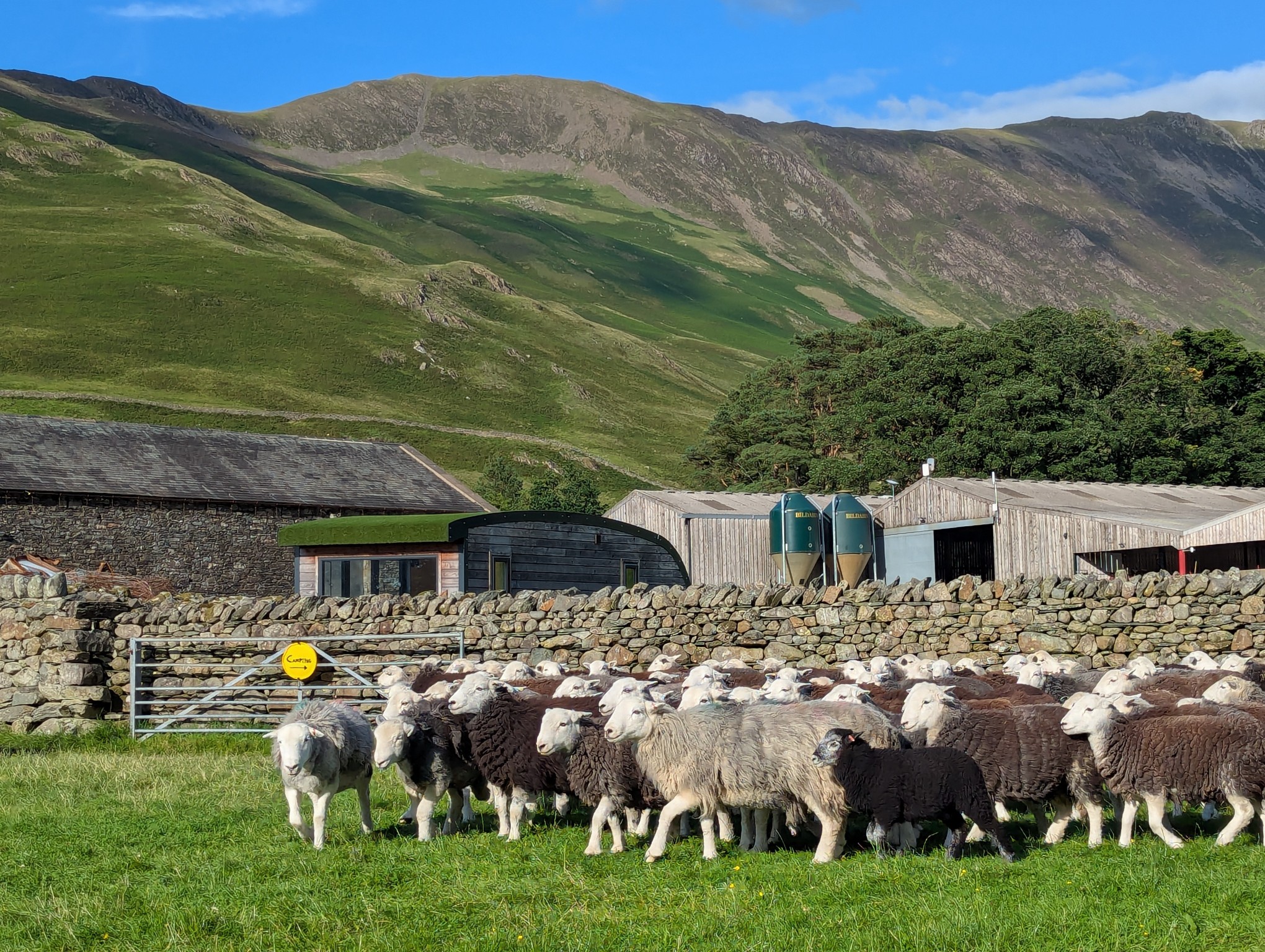
Bringing a hill flock down for shearing, dipping or sale was a communal event. Neighbouring shepherds and farmers came with their dogs, the hill was walked in a coordinated sweep from the tops down, and the favour was returned when their turn came.
Communal gathering persists in hill farming communities and is one of the stronger surviving forms of agricultural mutual aid. What has reduced it is the number of people available – fewer farms, fewer shepherds, fewer family members on the holding – and in some areas the gather now depends on contractors and volunteers rather than on neighbours with their own flocks.
4. Shearing Was Done by Hand With Blades Before It Was Done With Machines
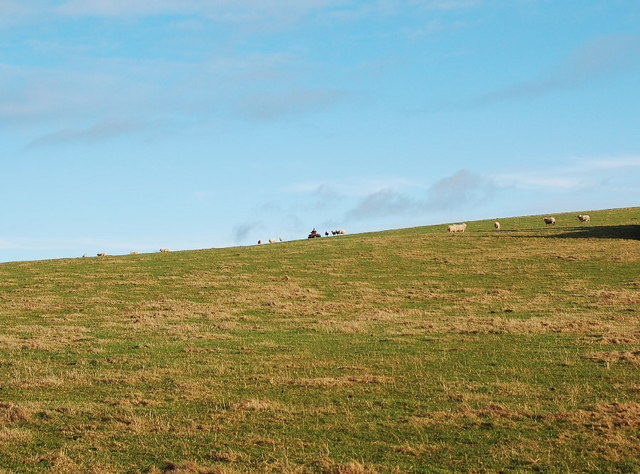
Hand shears – two blades on a sprung bow, worked by the whole hand – were still in use alongside machines in 1955, particularly on hill flocks where leaving a longer stubble protects the sheep from weather. A skilled hand shearer worked bent over a sheep all day.
Machine shearing dominated and the work became a specialist contracting trade, frequently done by travelling teams working to a tally. Blade shearing survives for specific purposes and as a competitive discipline. The posture is the thing that has not changed – shearing is done bent over with the sheep held between the legs, and it does identifiable damage to backs over a career.
5. Dipping Was Compulsory and Nobody Wore Anything
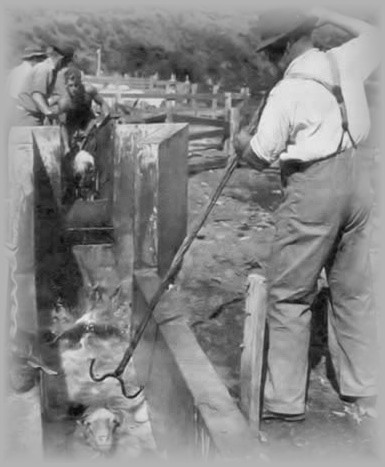
Sheep were run through a dip to control external parasites, and the shepherd stood in the race pushing them under with a crutch, soaked to the skin in the dip solution, frequently all day, with no gloves, no waterproofs worth the name and no respirator.
This is included as occupational history. The compounds used in sheep dips over the following decades became the subject of substantial concern among farming communities, several were withdrawn or restricted, and handling requirements, protective equipment and disposal controls were introduced. Anybody who worked with dips and is concerned about it should raise it with their own doctor – this is not the place for it.
6. Everything Was Carried on a Back or a Pony
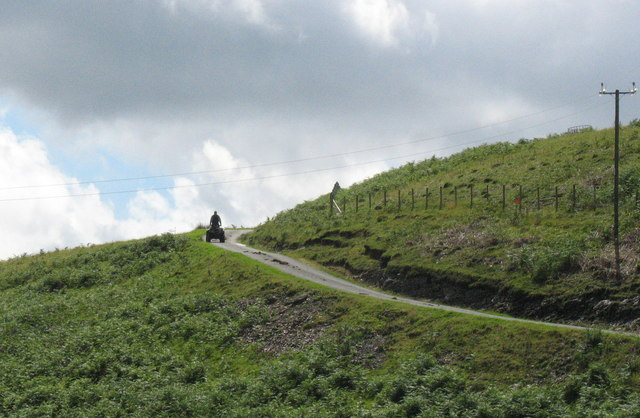
Feed, fencing, salt licks, a sick lamb, a dead ewe, tools and the shepherd’s own food went up and down the hill on his back, on a pony, or on a sledge. There was no vehicle that would go where the sheep were.
All-terrain vehicles and quad bikes transformed hill farming more than any other single piece of equipment, and they brought their own problem – quad bike accidents are among the leading causes of death in agriculture, through rollovers on slopes and riders without helmets. The machine that removed the carrying introduced a hazard that the carrying did not have.
7. He Knew the Ground and the Flock by Sight
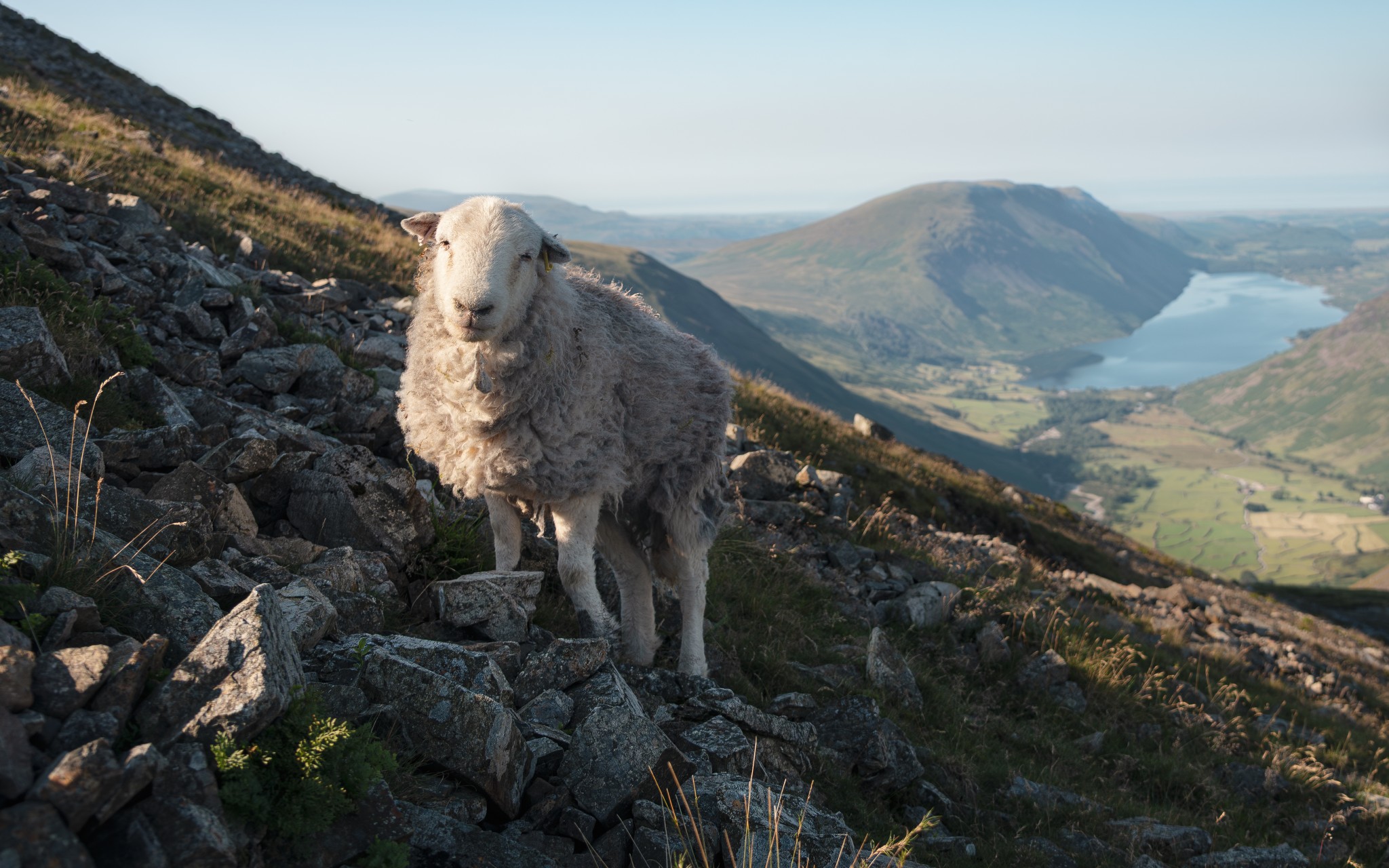
A hill shepherd knew where each group of ewes grazed, which gullies they sheltered in, where they would be in a storm, and could recognise individual animals among several hundred. The flock was hefted – the ewes knew their own ground and passed that knowledge to their lambs – and that knowledge was the farm’s real asset.
Hefting is genuinely irreplaceable and is the reason hill flocks cannot simply be sold and replaced – a new flock put on the hill does not know where to shelter or graze and has to learn it over generations. It is also why the loss of flocks in disease outbreaks is so serious. Electronic identification now tracks individuals, which is a different kind of knowledge and does not tell anybody where a ewe will be when the weather turns.
8. Pay Was Partly in Kind and Included Grazing Rights
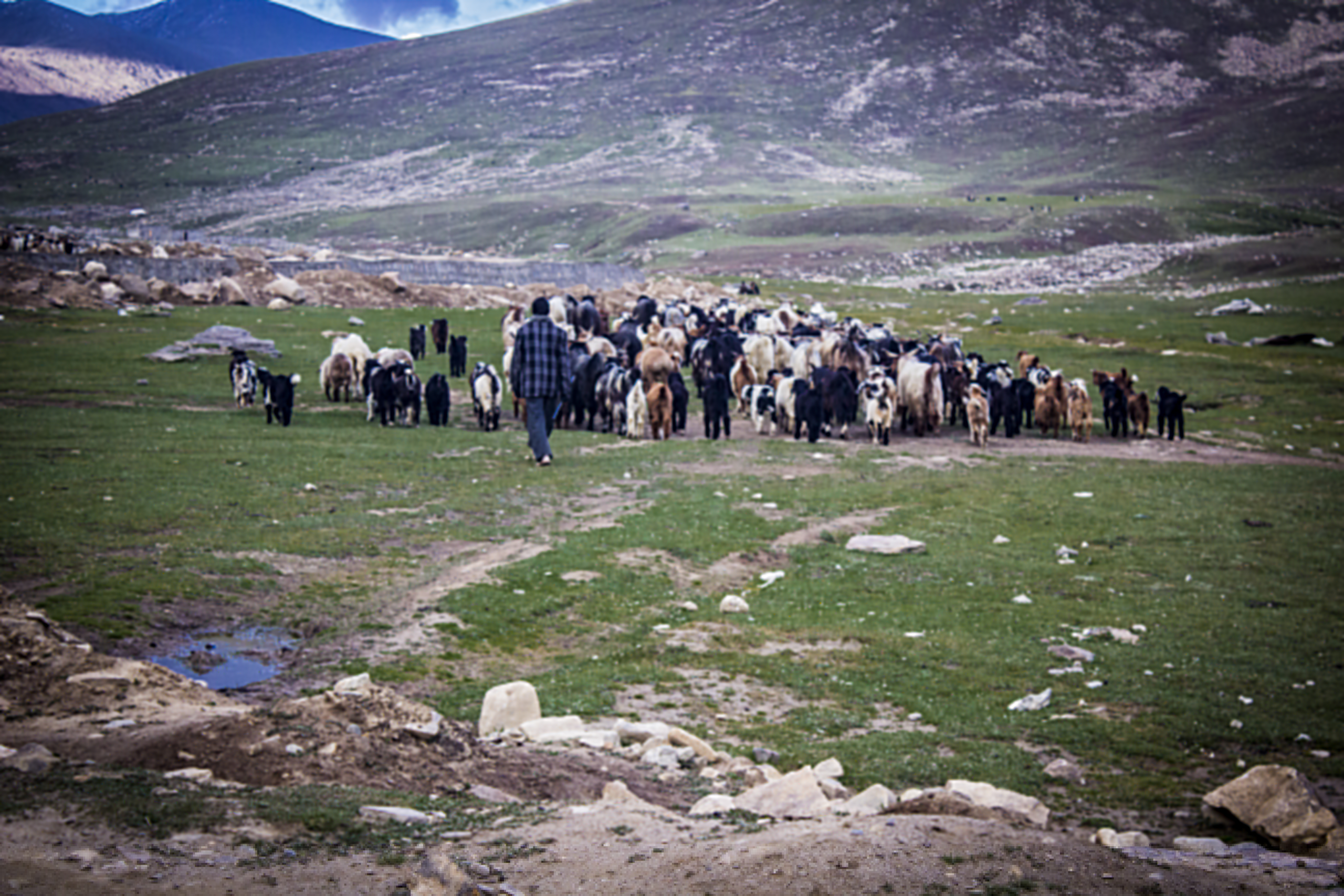
A shepherd’s wage frequently included a cottage, fuel, and the right to run a number of his own sheep with the farm’s flock. Those sheep were his pension and his independence, and the arrangement bound him to the place.
The pack, as the shepherd’s own sheep were called in some regions, has largely gone, along with tied cottages and payment in kind generally. Wages are now money, which is clearer and fairer and removes an arrangement that could be used to keep a man where he was. It also removed the route by which a shepherd could gradually build a flock of his own and become a farmer.
9. Winter Could Bury the Flock and He Dug Them Out
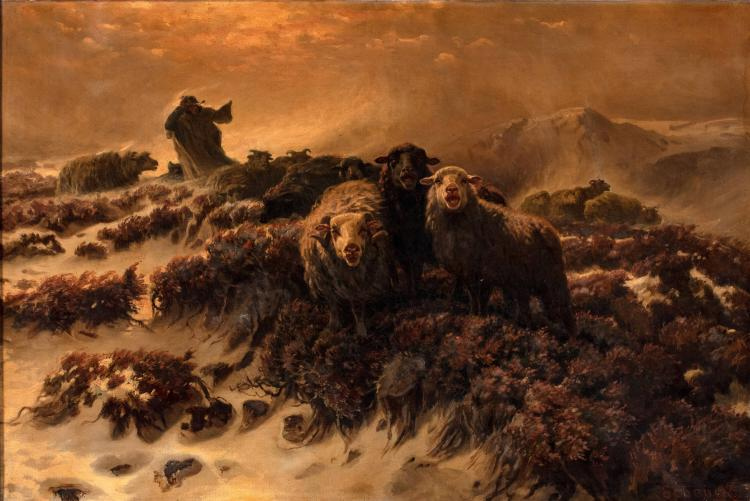
Sheep caught in drifting snow survive for a surprising time in the air pocket under it, and finding them was done by the shepherd walking the ground with a dog, with a long pole, reading where the drifts had formed and where animals would have sheltered.
The method has not changed and still depends on somebody who knows the ground. What has changed is that catastrophic winters are better forecast, flocks are brought down earlier, and the losses are insurable. The severe winters of the period killed enormous numbers of sheep and broke farms, and the memory of particular years is still a reference point in hill farming families.
10. There Was No Veterinary Help Within Reach
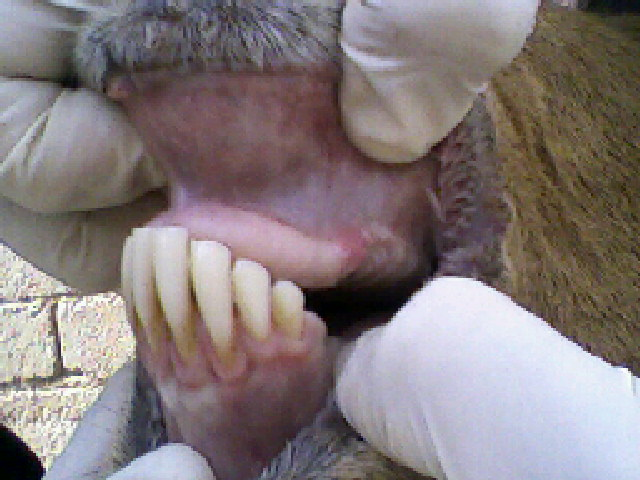
A shepherd dealt with lambing difficulties, injuries, illness and foot problems himself, with what he carried, because the vet was hours away and the animal was on a hill. He learned it from the man before him.
Veterinary access improved, and flock health planning, vaccination programmes and prescribed medicines have made a great deal of it preventable rather than treatable. Shepherds still handle the great majority of routine work themselves and always will, now within a framework of prescribing rules, withdrawal periods and record keeping that did not exist. This is noted as professional history and nothing here is guidance about any animal.
11. Wool Was Worth Money and Then Was Not
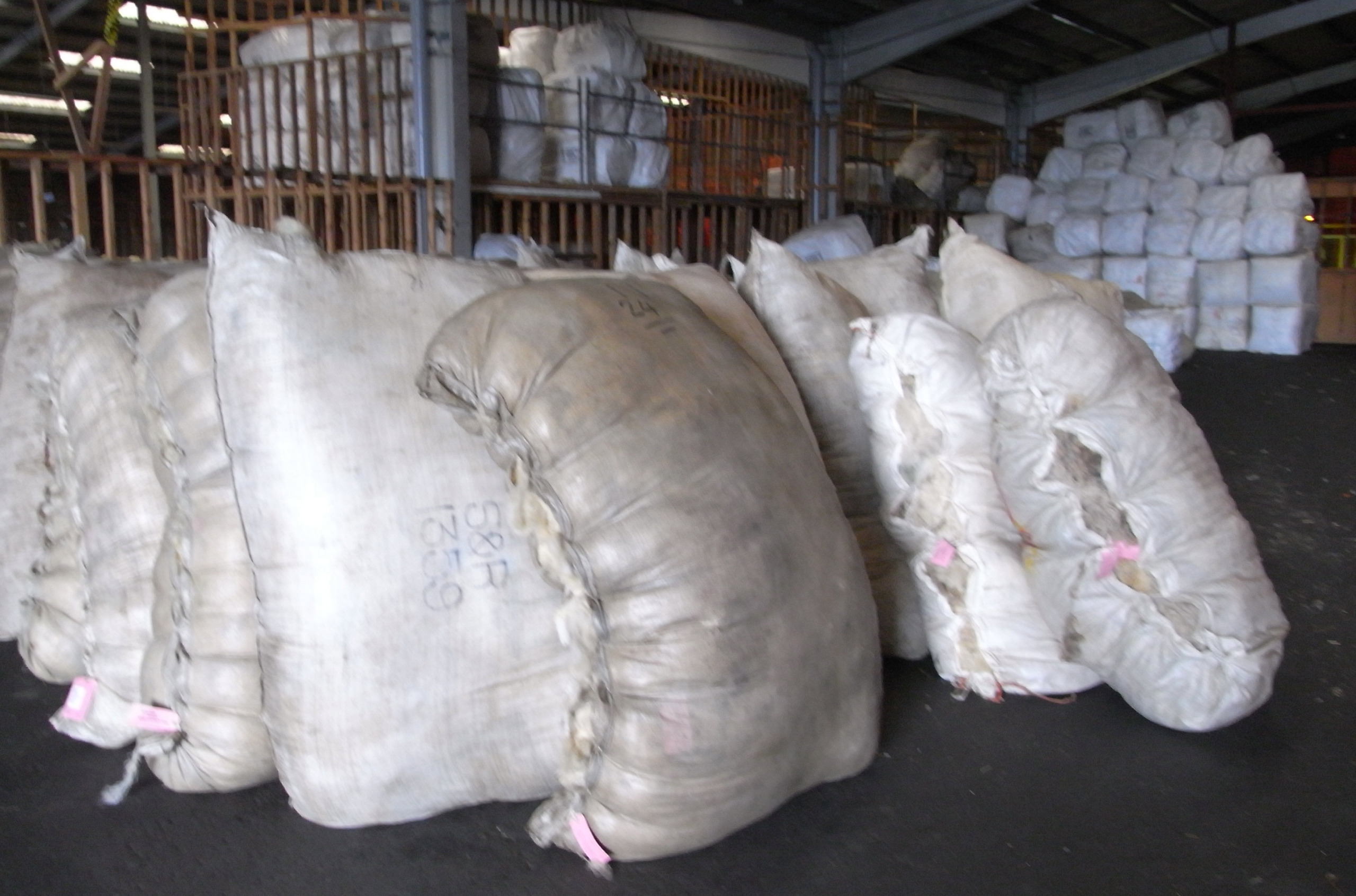
In 1955 the fleece was a meaningful part of the income from a sheep, sold through a marketing board, and the clip paid for the shearing several times over.
Wool prices collapsed in real terms over the following decades under competition from synthetic fibres, to the point where the clip in some years has not covered the cost of shearing – which means shearing is now done for the animal’s welfare rather than for the product. That inversion is one of the most striking economic facts in modern sheep farming and it has removed one of the two reasons the animal was kept.
12. The Hills Were Full of People and the Flocks Were Smaller
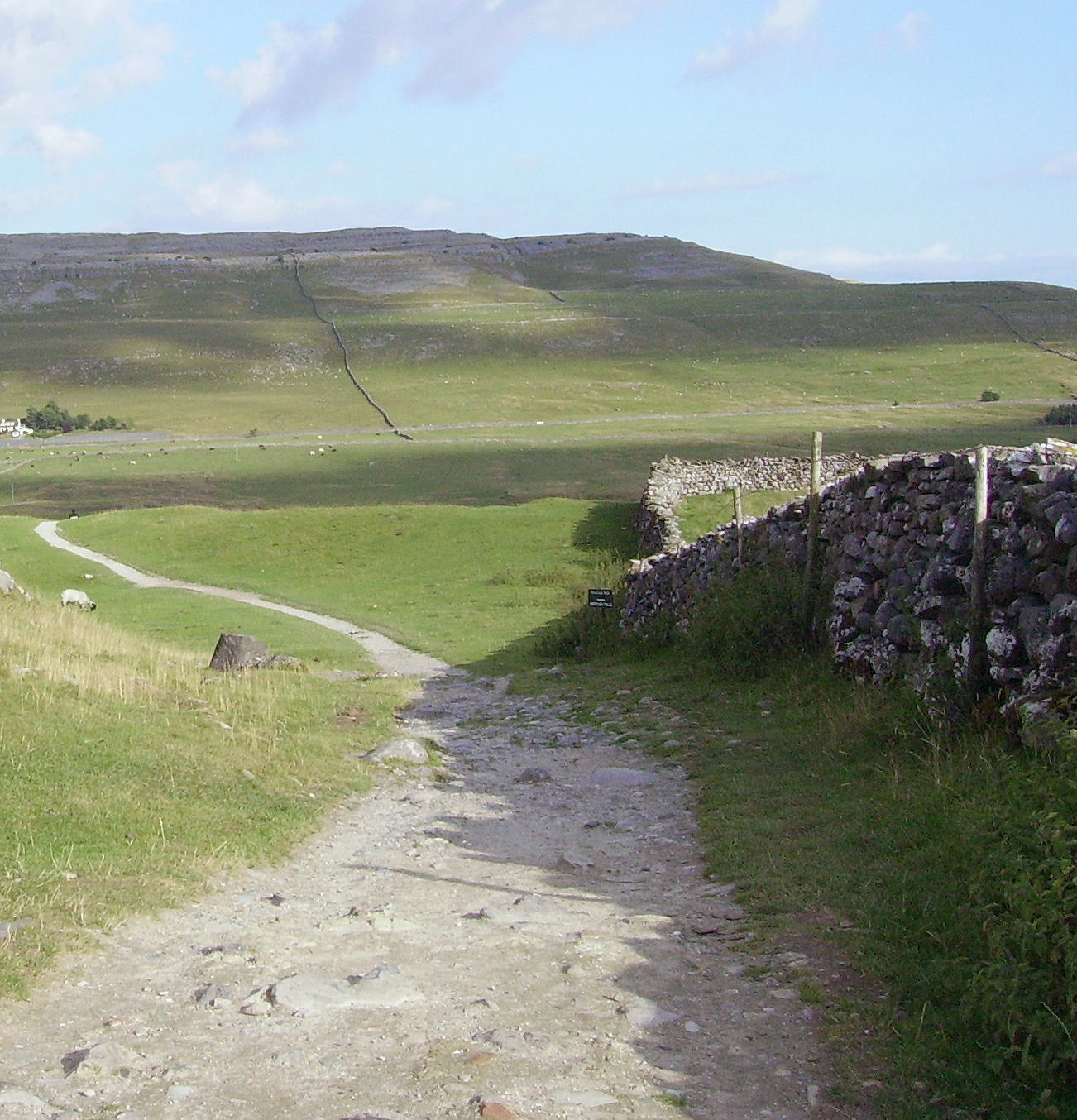
Hill farming in 1955 supported far more households on far smaller holdings, with more shepherds, more farm workers and more family members working the ground. The glens and dales had populations that the land no longer carries.
Consolidation into fewer and larger units, mechanisation, and the simple arithmetic of what a hill holding earns have emptied a great deal of that country. The schools, shops, chapels and post offices went with the people. It is the same depopulation that took the grain elevator towns and the mill villages, happening in a landscape where it is more visible because the buildings are still standing on their own.
13. Nobody Was Paid for the Landscape
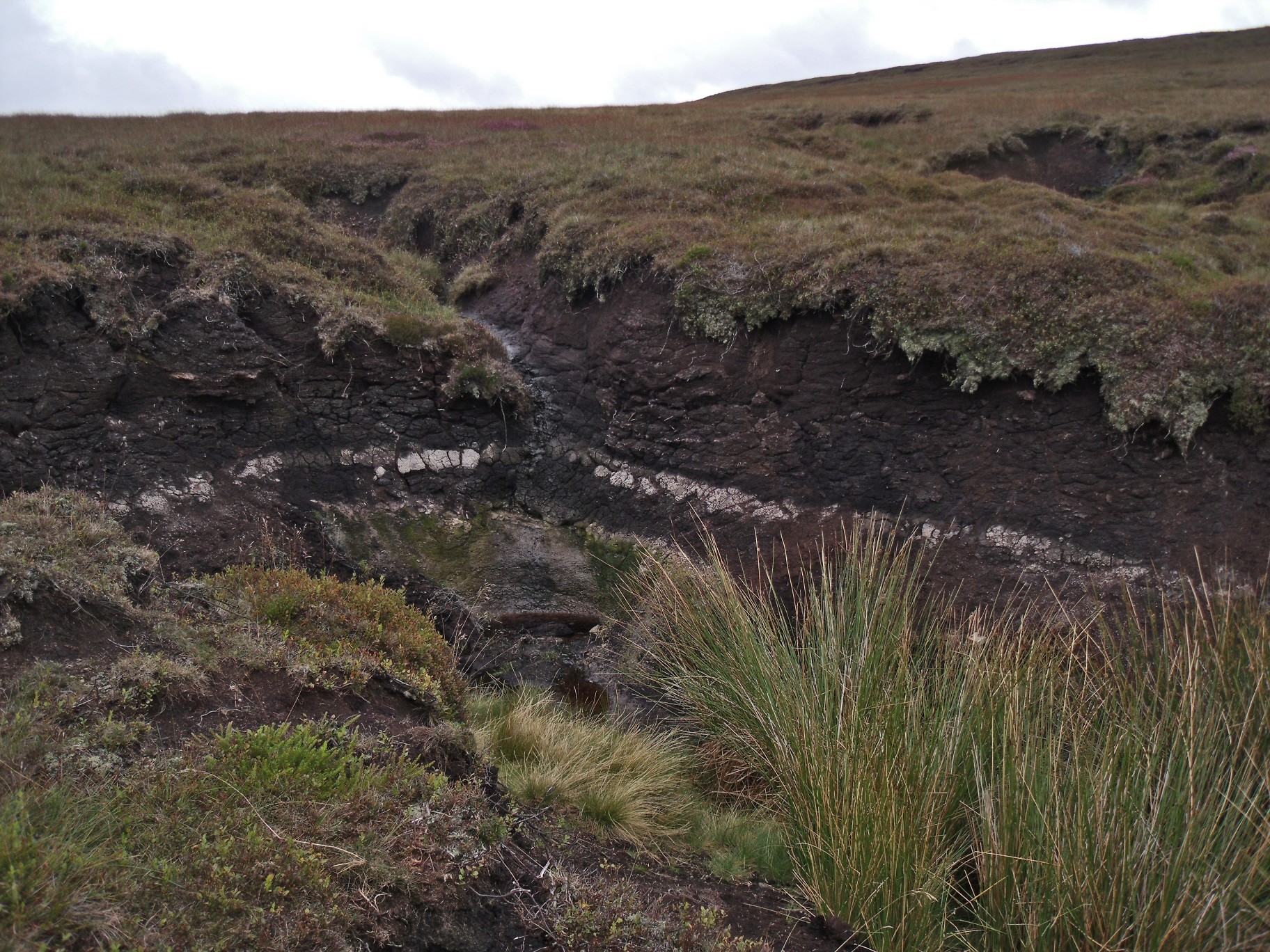
The shepherd’s job was to produce lambs and wool. The appearance of the hill, the condition of the habitat, the drystone walls, the water quality and the carbon in the peat were not anybody’s business and were not valued by anybody.
Agricultural support has shifted substantially towards paying for environmental outcomes – habitat condition, peatland restoration, tree planting, water quality, access – which has changed what a hill farm is for and is the subject of intense and continuing argument within farming. A great many hill holdings now earn more from public environmental payments than from livestock, which is a complete inversion of the 1955 position.
14. The Knowledge Was Passed Down and Is Now Taught
Shepherding was learned by working alongside somebody for years – reading weather, reading sheep, training a dog, knowing the ground. There was no course and no qualification, and a shepherd’s standing came from what the neighbours had seen him do.
Agricultural colleges, apprenticeships and formal qualifications now exist, and they are a genuine route in for people without a farming family, which the old system essentially excluded. What cannot be taught on a course is the ground – every hill is different, hefting is specific to that hill, and a new shepherd anywhere still has to learn the place from whoever knows it.
15. Nobody Expected Anybody to Watch It on Television
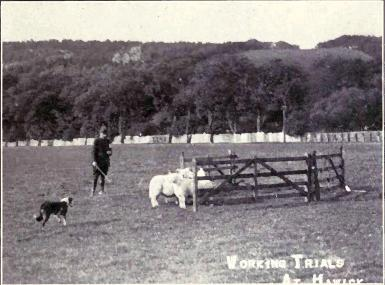
In 1955 hill shepherding was a hard, poorly paid, largely invisible job done by people the rest of the country did not think about.
Sheepdog trialling on television, a sustained publishing success in rural memoir, and social media accounts run by working farmers have made the work unexpectedly visible and in places genuinely popular. That visibility has brought real benefits – public understanding, direct sales, agritourism – and it coexists with an industry whose economics remain extremely difficult. Being widely admired and barely profitable at the same time is the position a great many of these trades have ended up in.
16. The Crook Was a Tool and Not a Symbol
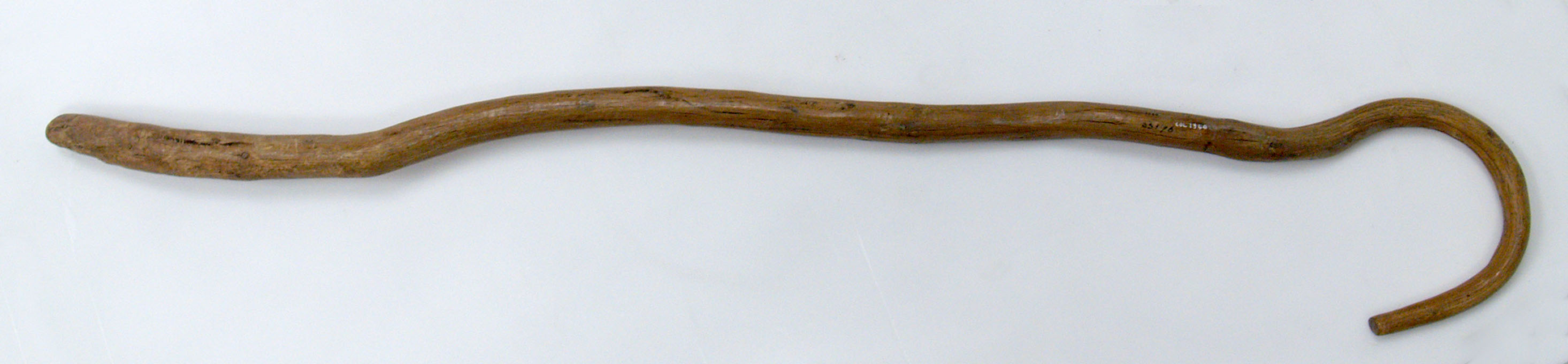
The shepherd’s crook was working equipment – used to catch a sheep by the neck or the hind leg, to lean on while standing for hours, and to test ground and snow. They were made to the user’s height, frequently by a local stickmaker, and a good one lasted a lifetime.
Crooks are still made, still used and now also collected and shown competitively, with stickmaking a recognised craft. The working use has reduced because handling systems and races catch sheep more efficiently than a man with a crook. It remains the clearest example of an object that became a symbol of an occupation while still being a perfectly functional tool, which is unusual – most of the others on these lists became symbols only after they stopped working.
The Two Things That Did Not Change
Almost every trade in this series lost its core skill to a machine. Hill shepherding lost a great deal of its labour and almost none of its skill, and two things in particular are exactly what they were.
The dog is the first. One person with two trained dogs can gather ground that would otherwise need twenty people, and nothing has been invented that does it. Drones have been tried and move sheep badly. Vehicles cannot go where the sheep are. The dog works because the sheep can see it and respond to it as a predator, and that relationship cannot be synthesised. It is the oldest working technology still in front-line use in any industry.
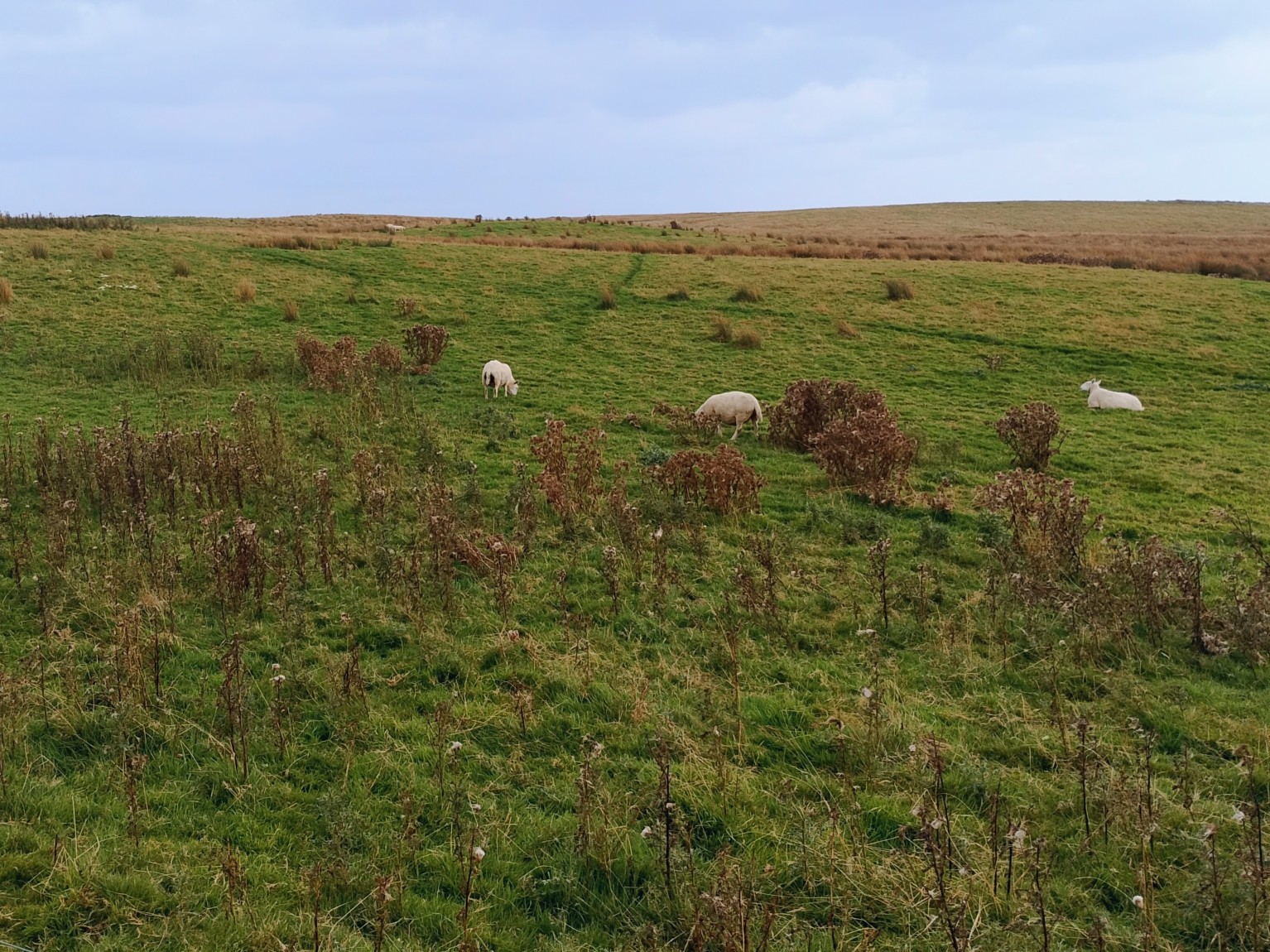
The second is hefting – the flock’s own knowledge of its ground, passed from ewe to lamb over generations, which tells them where to graze and where to shelter when the weather turns. It is not in any record, it cannot be bought, and a hill restocked with strange sheep is a hill that has lost something it takes decades to rebuild.
What changed is the economics around both. Wool stopped paying for the shearing. Support payments moved towards habitat rather than livestock. The hills emptied of people. And the job became admired at roughly the same rate as it became unviable.
So the shepherd on a quad bike with a phone in his pocket is doing the same work with the same dogs on the same ground as the man in the hut in 1955, for an entirely different set of reasons.
If your family farmed a hill, the lambing weeks and the gather are the two things everybody talks about.
Which hill, and are the sheep still on it?
Like our content? Follow us for more.