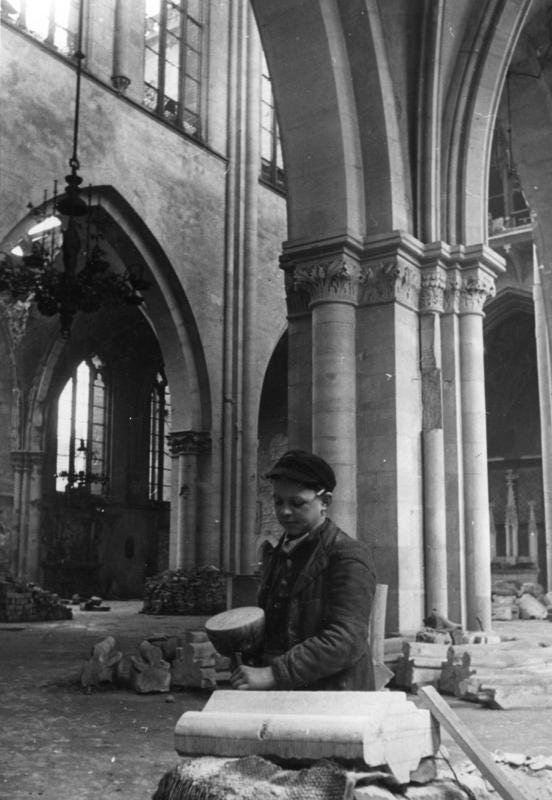
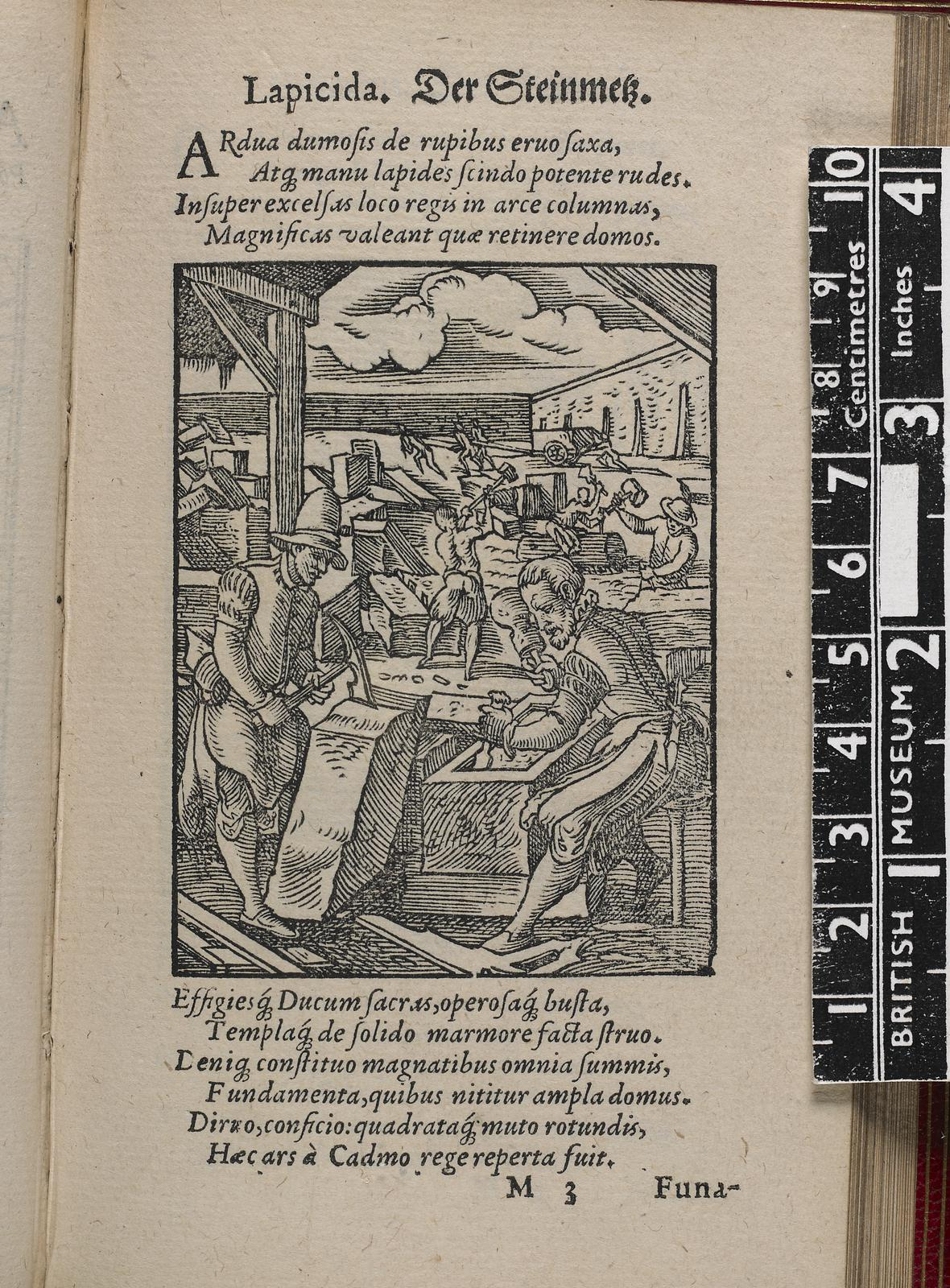
In 1960 a stonemason cut stone by hand at a bench with a mallet and chisel for a full working day, in a dry enclosed workshop full of the dust it produced, and then went out and set the stone he had cut at height on a scaffold.
He read full-size drawings, cut templates from zinc, mixed lime mortar from quicklime with bare hands, knew the local stone and which way up it had to be laid, and cut a personal mark on the hidden bed of every stone so he would be paid for it.
Here are twelve things the stonemason did in 1960, and what each one became.
1. He Cut Stone by Hand With a Mallet and a Chisel All Day
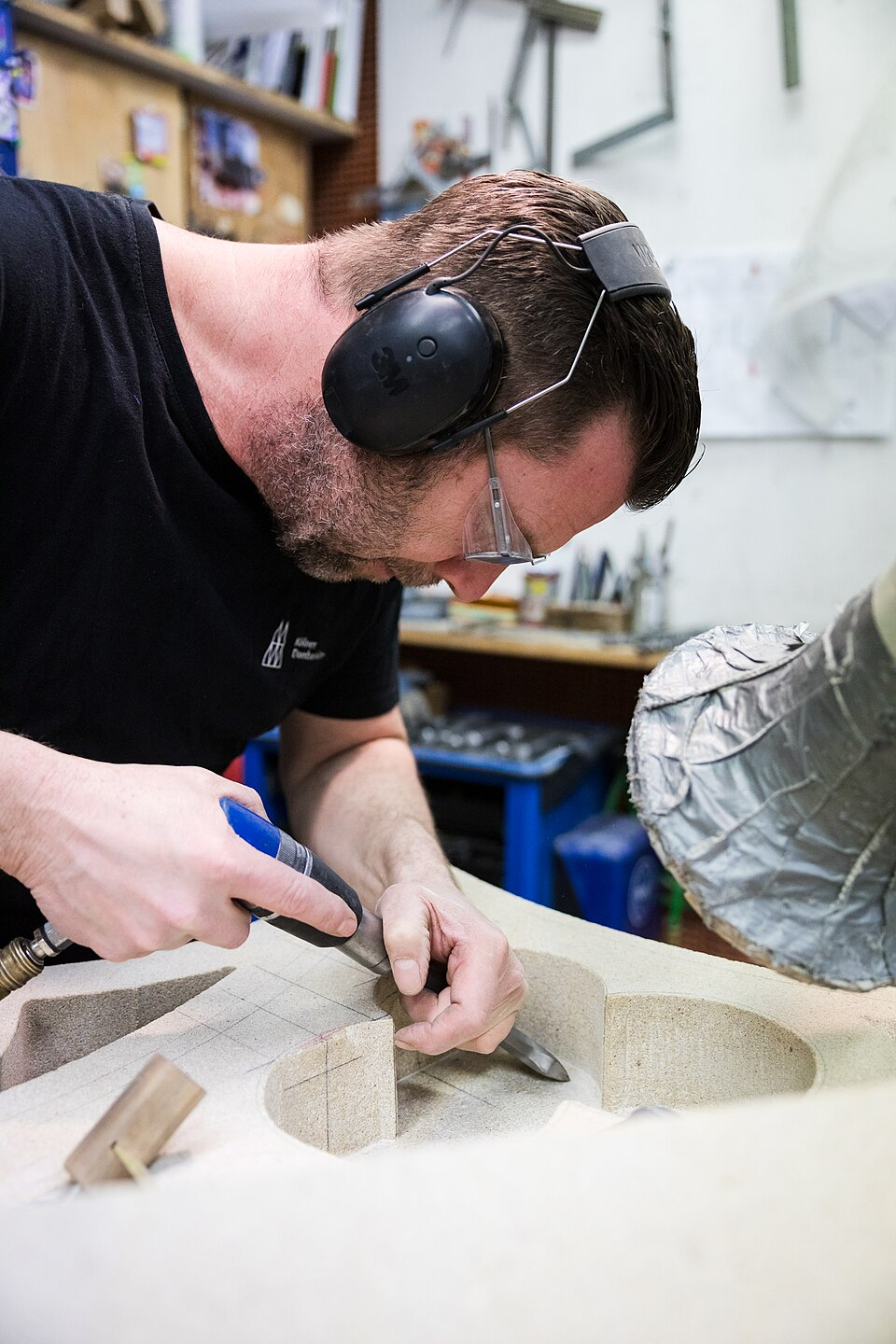
A banker mason worked at a bench – the banker – with a mallet and a range of chisels, removing stone by striking, for a full working day. Roughing out, then working to a line, then finishing the face, all by repeated impact transmitted through the arms.
Pneumatic hammers, saws, and now computer-controlled cutting machines do the bulk removal, and a mason finishes by hand. The change is substantial and the trade regards it as entirely welcome – the machine does the part that wears out a body and the person does the part that requires judgement. Hand cutting is still taught because a machine cannot work on a wall or match a weathered profile.
Like our content? Follow us for more.
2. Silica Dust Filled the Workshop and Nobody Thought About It
Cutting and dressing stone generates fine dust, and the dust from sandstone and granite contains crystalline silica. A banker shop in 1960 was dry, enclosed and full of it, and the men worked without masks.
This is included as occupational history. Respirable crystalline silica is now a recognised occupational hazard with exposure limits, and control is through water suppression at the cutting point, local extraction, enclosure and respiratory protection. The dust is the reason the modern workshop looks and sounds completely different. Anybody with that work history should raise it with their own doctor rather than with an article.
3. The Mason Set the Stone He Had Cut, at Height, on Scaffolding
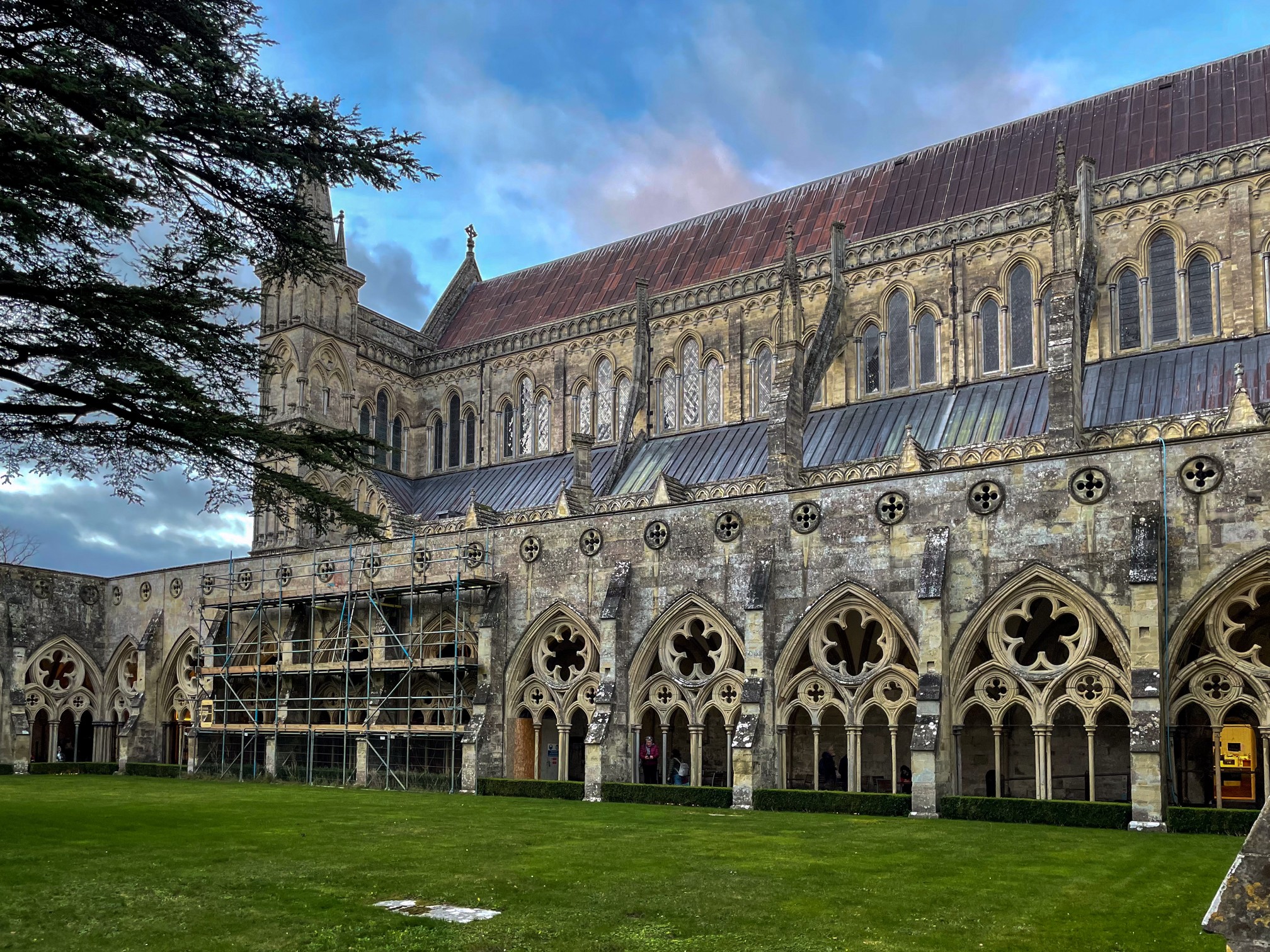
Banker masons cut and fixer masons set, and in smaller firms the same man did both – meaning a day at the bench and then days on a scaffold lifting and bedding stones into a wall, pointing and finishing in position.
Mechanical lifting – cranes, telehandlers, vacuum lifters and stone-handling trolleys – removed most of the manual lifting, which matters because building stone is heavy enough that two men handling a block repeatedly is a predictable injury. Scaffolding standards, edge protection and lifting plans transformed the rest.
4. Drawings Came Full Size on Paper and Were Scribed Onto Zinc
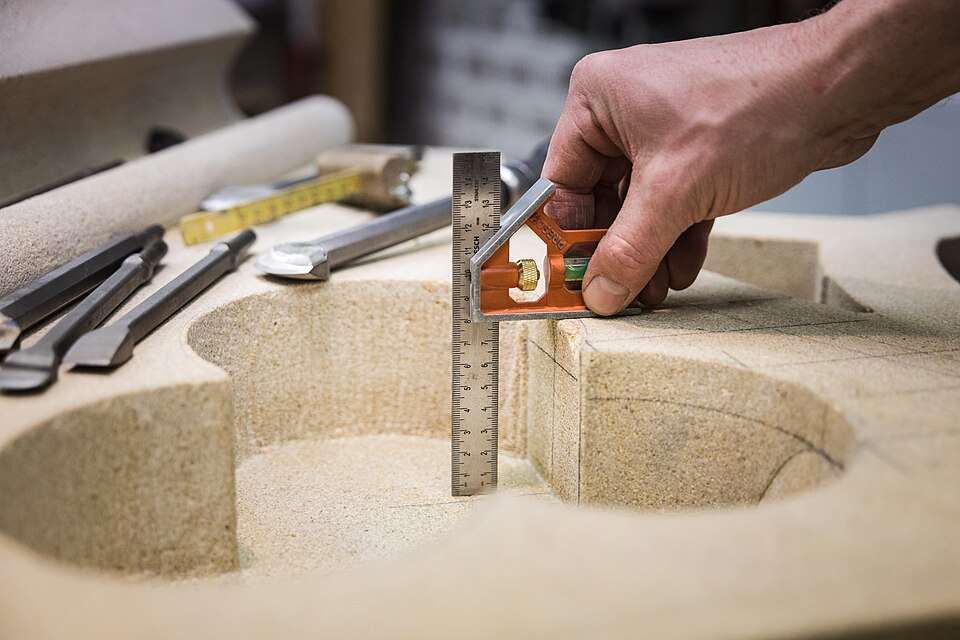
Complex work – a window tracery, a moulding, an arch – was set out full size on a drawing, and templates were cut from zinc sheet or plywood and used to check the stone as it was worked. A mason read the geometry and transferred it with templates and a square.
Digital measurement, photogrammetry and computer modelling now produce the templates, and in some cases cut the stone directly. The geometric skill behind it – setting out an arch, developing a curved moulding, working out the shape of a stone that meets two curved surfaces at an angle – is still taught and is genuinely difficult, and is the part of the trade that surprises people who assume it is manual work.
5. Every Region Built in Its Own Stone and the Mason Knew It
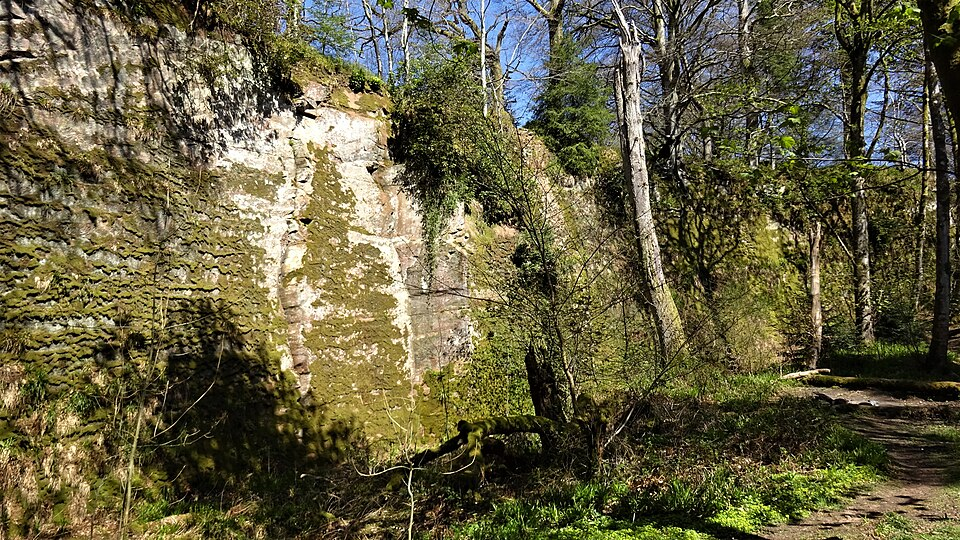
Buildings were made of what the ground nearby provided, and a mason worked in the local stone – its bedding planes, how it weathered, which way up it had to be laid, how it cut, and which quarry’s beds were sound.
Transport made any stone available anywhere, and a great deal of modern building uses imported stone or reconstituted and cast products. For repair work the local knowledge is essential and has become a specialism – matching a replacement stone to a weathered wall requires knowing the original quarry, and a substantial part of conservation masonry is finding or reopening the right one.
6. Laying a Stone the Wrong Way Up Destroyed It
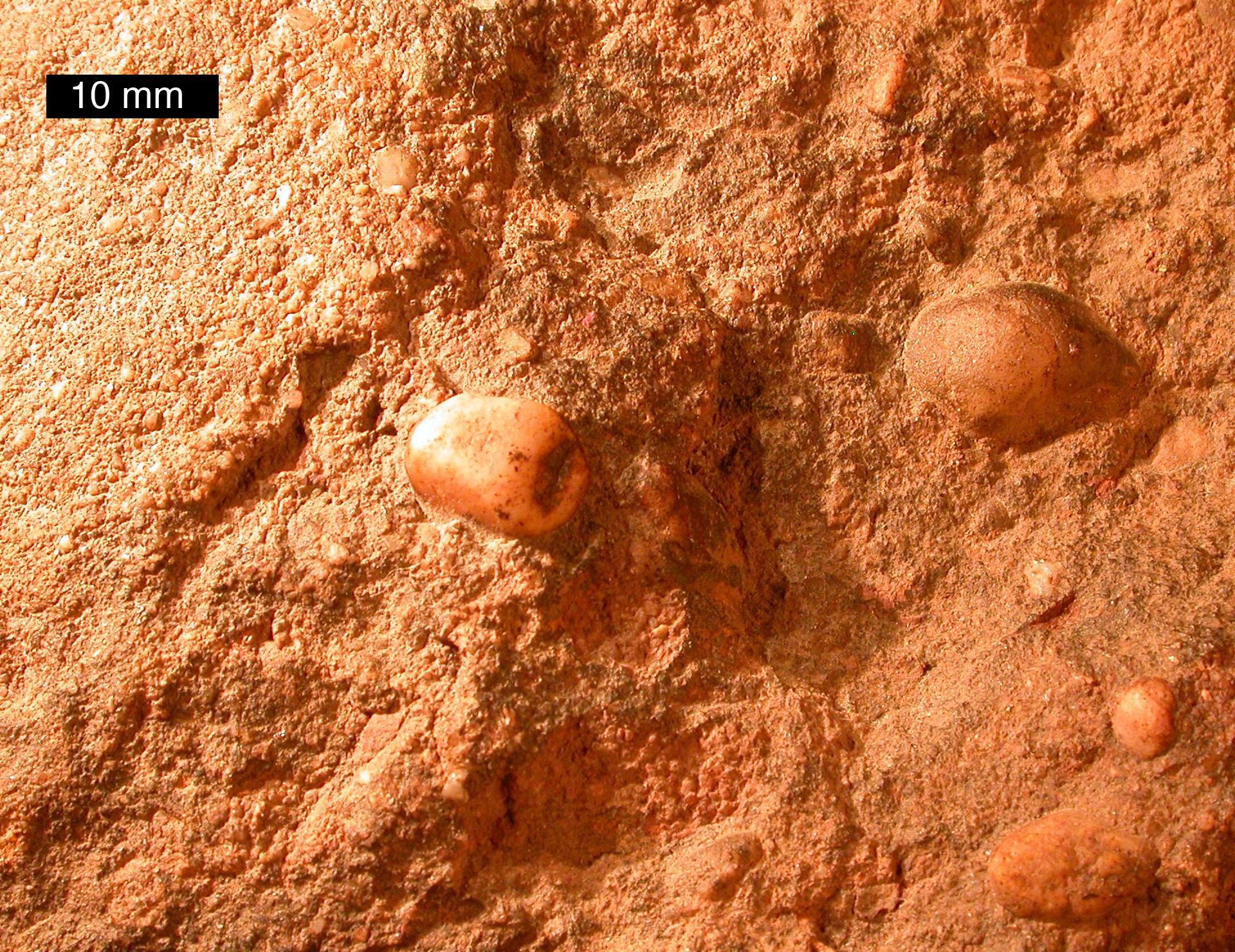
Sedimentary stone has bedding planes, and it must be laid with the beds horizontal as they formed. Set face-bedded, with the planes vertical and parallel to the wall face, weathering causes the stone to shed in sheets from its surface.
This has not changed and is not going to. It is a piece of knowledge that is invisible in a finished wall and decides whether it survives two centuries, and face-bedded stone is one of the most common faults a conservation surveyor finds in Victorian work – which tells you that even when the knowledge existed it was not always applied.
7. Lime Mortar Was Mixed on Site From Slaked Lime
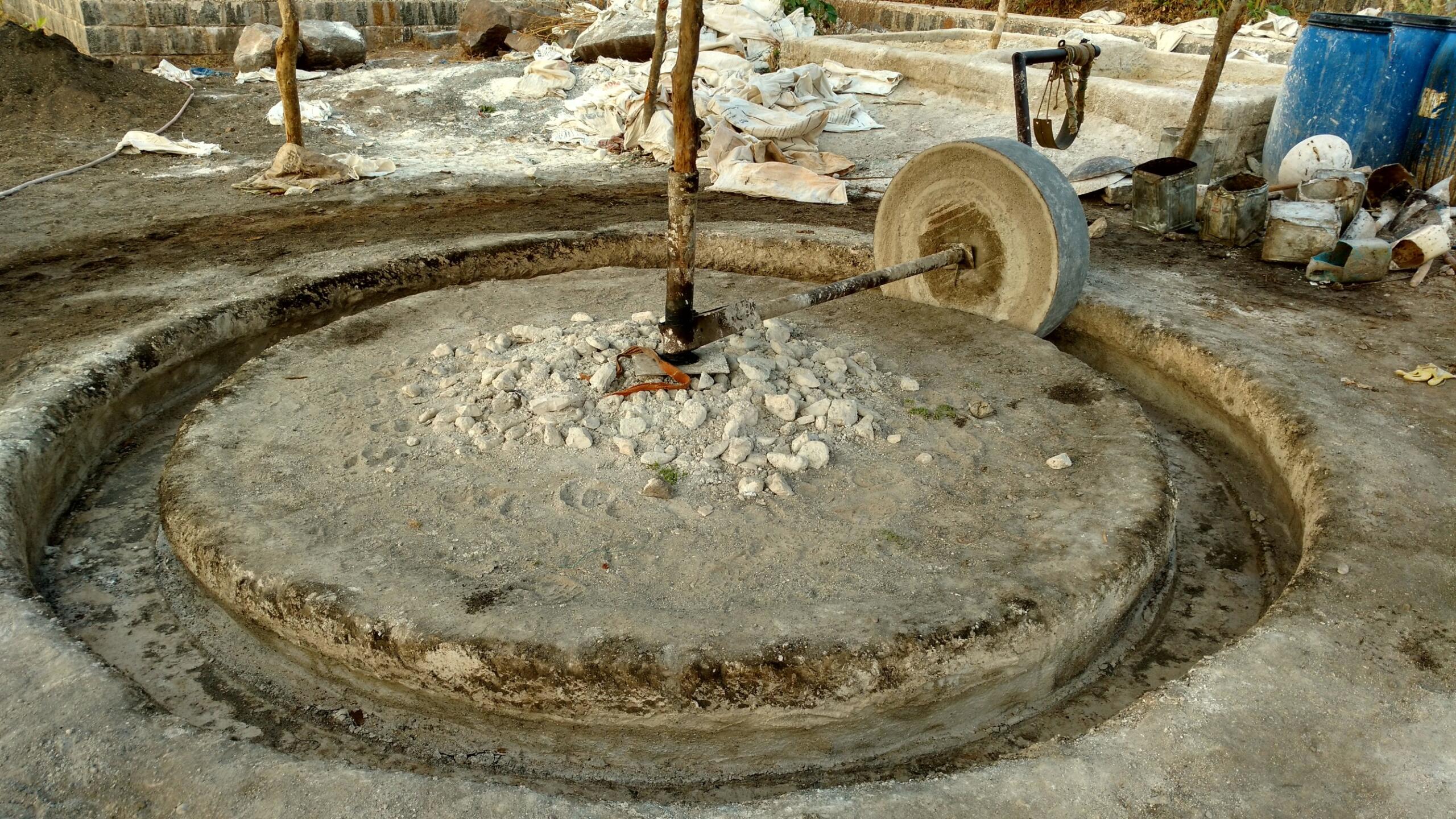
Mortar was lime-based, slaked on site, mixed with sand to a specification the mason judged, and worked soft enough to let the wall move and breathe. Quicklime is caustic and was handled by men with no gloves and no eye protection.
Cement mortar displaced lime through the twentieth century because it is faster, stronger and more predictable, and the consequences for historic buildings were serious – a hard mortar in a soft wall forces moisture and movement through the stone instead of the joint, and causes the stone to fail. Lime has been comprehensively reinstated in conservation work, and handling quicklime is now a controlled operation with full protection.
8. The Apprenticeship Was Years and Started on Rough Work
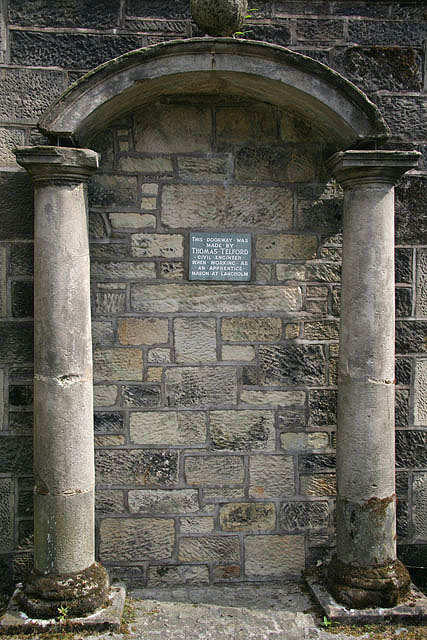
An apprentice spent the early period on simple squared blocks, cleaning, and carrying, before being trusted with mouldings and far later with carving. Progression was slow and the sequence was fixed.
Formal apprenticeships and specialist heritage training programmes now exist and are oversubscribed, which is a reversal from a long period when the trade could not recruit. Conservation masonry in particular has become a recognised specialism with its own qualifications, driven by the sheer quantity of historic stone building requiring repair and the shortage of people able to do it.
9. Carving Was a Separate and Senior Discipline
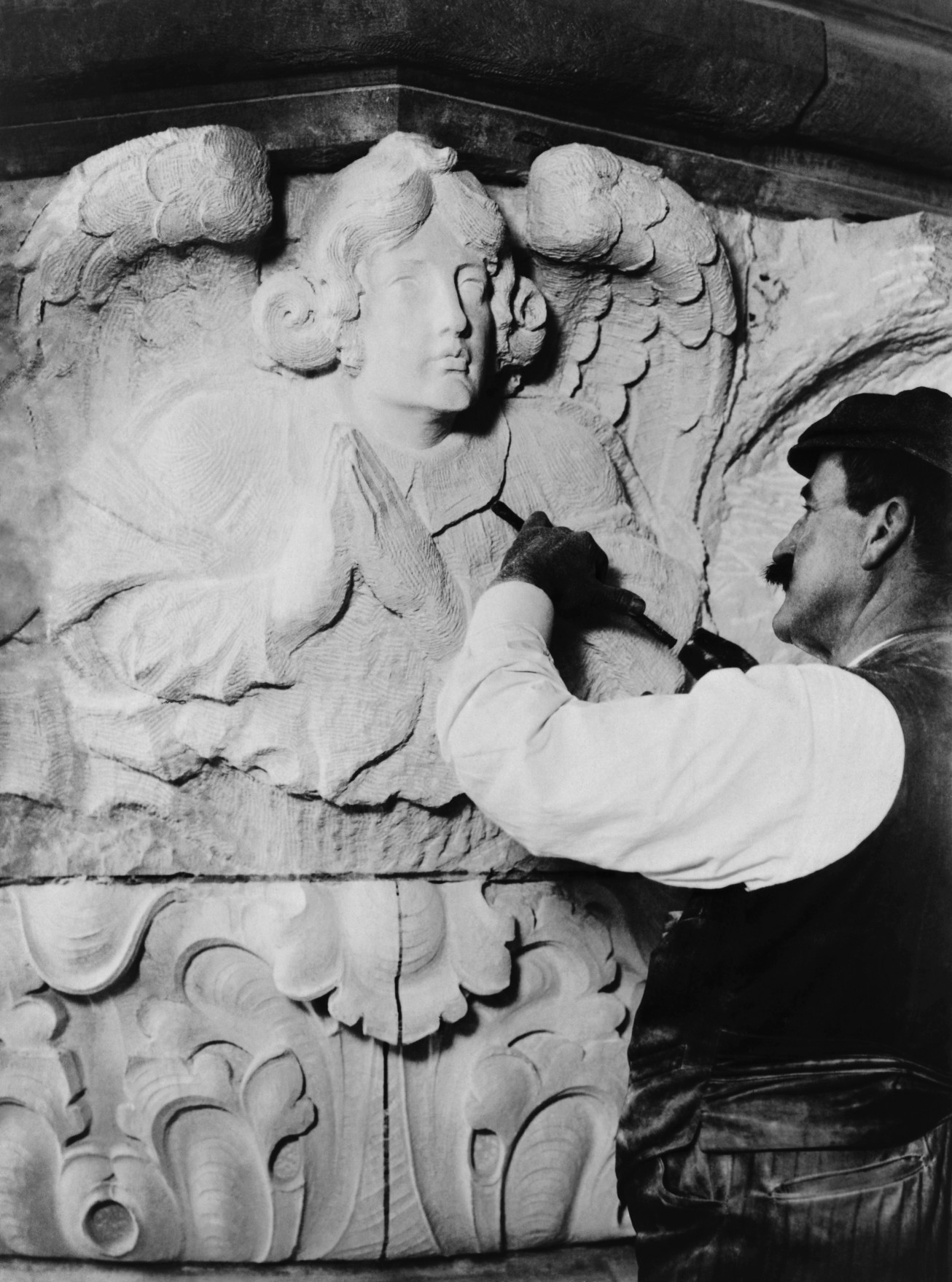
An architectural carver – working figures, foliage, heraldry and ornament – was a different and more senior trade than a banker mason, trained longer, and in cathedral work employed continuously because the building never stopped needing repair.
Cathedral and major church workshops still employ carvers continuously for exactly that reason, and they are among the few permanent full-time positions in the craft. The work is unchanged in method, and the carvers will tell you that the main difference is that a modern one is photographed and recorded while a medieval one is anonymous.
10. Replacing Weathered Stone Meant Matching It by Eye
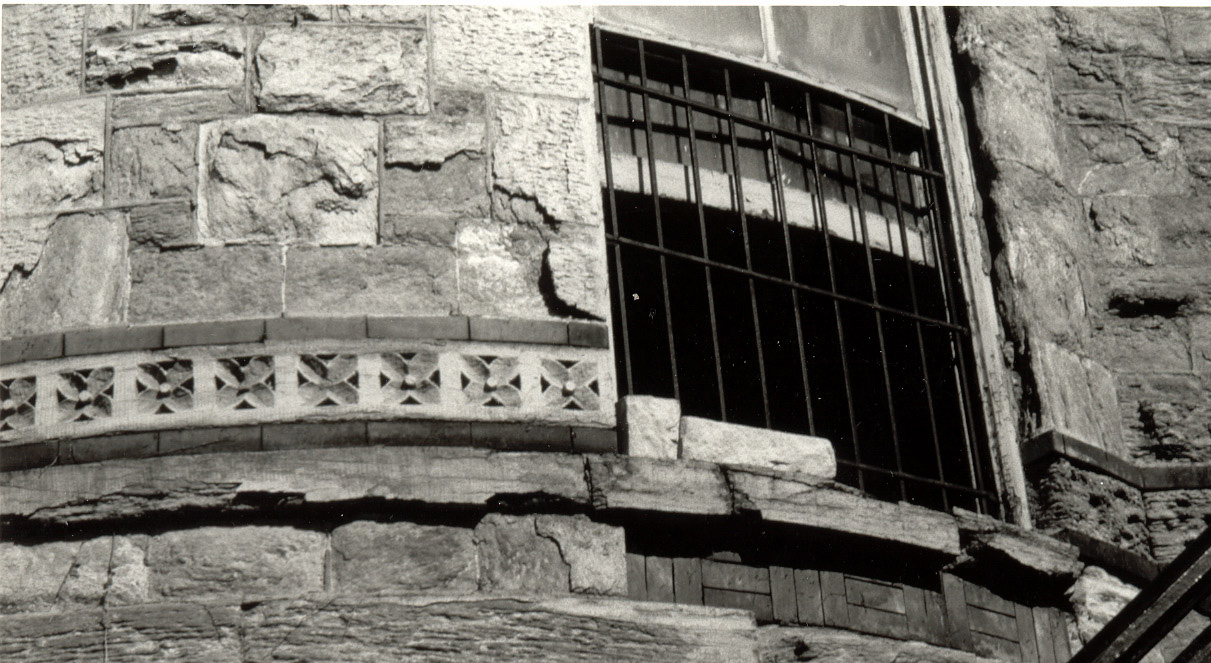
Repairing a facade meant deciding which stones had failed, cutting out and replacing them, and matching the new work to the old in colour, texture, tooling and profile – by eye, by knowledge of the stone, and by hand finishing to the same tool marks.
Matching is now supported by petrographic analysis identifying the original stone, quarry records, and in some cases reopening a historic quarry specifically to supply a repair. The judgement about how much to replace, how far to match the weathering, and whether to repair or leave is a conservation philosophy question as much as a technical one, and is argued about continuously.
11. The Trade Thought Stone Building Was Finishing

By 1960 new construction had moved decisively to steel, concrete, brick and glass. Stone was becoming a cladding rather than a structure, and the trade was widely expected to decline to almost nothing.
It declined and then found an entirely different market. The accumulated stock of historic stone buildings – churches, cathedrals, civic buildings, bridges, walls – requires continuous repair, and as heritage protection expanded through the later twentieth century the demand for people who could do that repair properly grew rather than shrank. The trade survived by becoming a conservation craft rather than a construction one.
12. Nobody Was Recording Who Did What
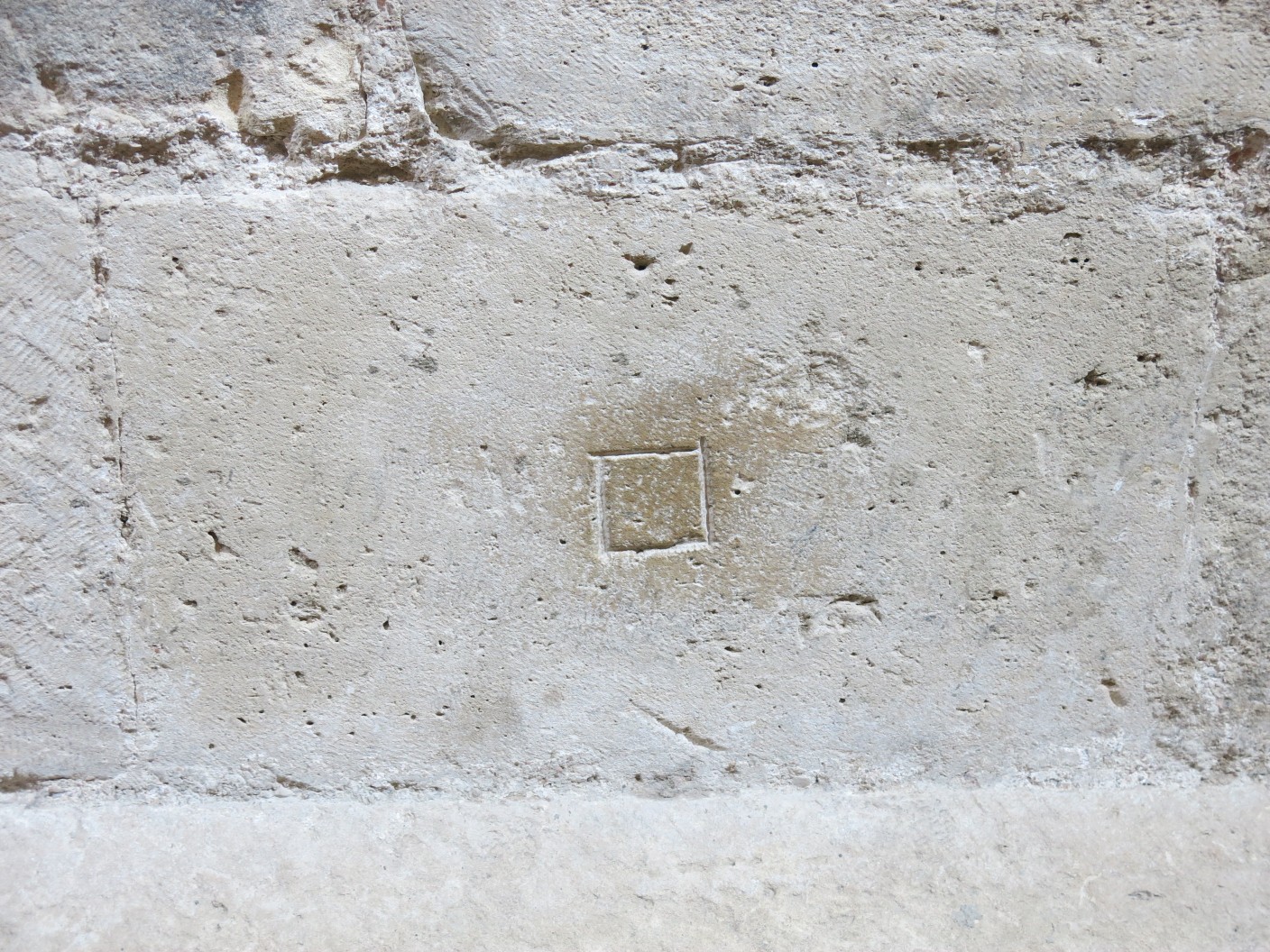
A mason’s work was anonymous. Banker marks – a personal symbol cut on the hidden bed of a stone – were used to identify whose work it was for payment, and they are frequently the only record that a particular person existed.
Those marks are now a serious subject of archaeological study, and tracing one mason’s marks through a building can reconstruct how long he worked there and on what. Modern work is documented, drawn, photographed and attributed. The banker mark is a small and rather moving thing – a private signature on a face nobody was ever meant to see, which is now the only surviving trace of the person who cut it.
The Trade That Was Saved by Old Buildings
Stonemasonry should have ended. By 1960 new buildings were steel, concrete, brick and glass, stone had become a thin cladding hung on a frame rather than a structure, and everybody in the trade could see where it was going.
What saved it was the accumulated stock of everything built before. Churches, cathedrals, civic buildings, bridges, walls, terraces and monuments, built of stone, all weathering continuously and all requiring repair by somebody who understands how the material behaves.
As heritage protection expanded through the later twentieth century – listing, scheduling, grant funding, conservation requirements in planning – that repair work became both obligatory and specified. It is not enough to patch a historic wall; it has to be done with the right stone, the right mortar, the right tooling and the right philosophy, and that requires a trained mason.
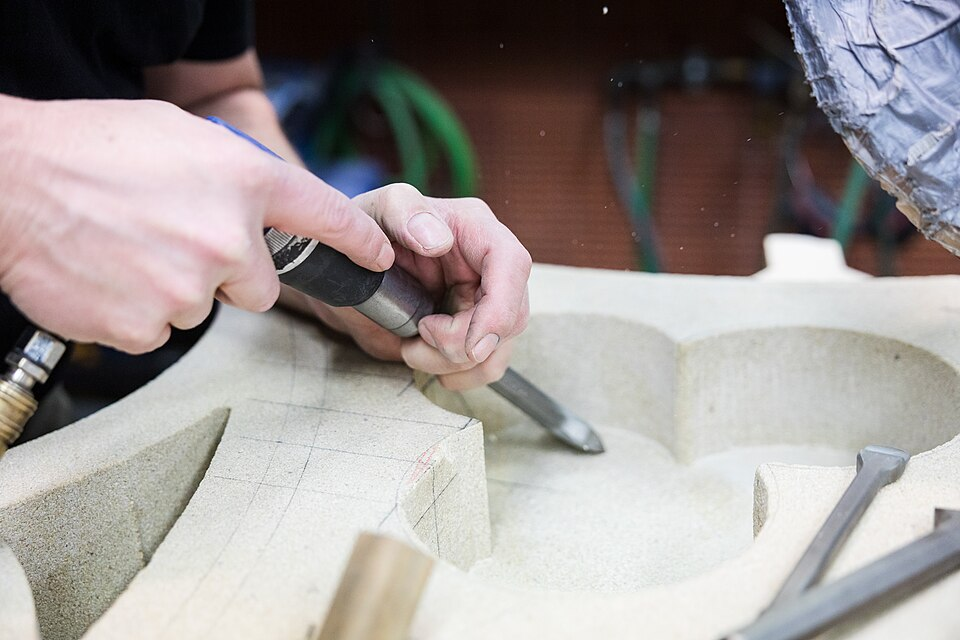
So the trade inverted. In 1960 it was a construction craft in decline. It is now a conservation craft with more work than it has people, formal qualifications, cathedral workshops employing carvers permanently, and quarries reopened specifically to supply repairs.
The skills are the 1960 skills, taught the same way, and the thing that changed is that the country decided the buildings were worth keeping – which is the only reason anybody still needs somebody who knows which way up a stone goes.
If there is a cathedral or an old civic building near you, somebody is working on it right now with a mallet and a chisel.
Which building, and has anybody ever shown you the masons’ marks on it?
Like our content? Follow us for more.