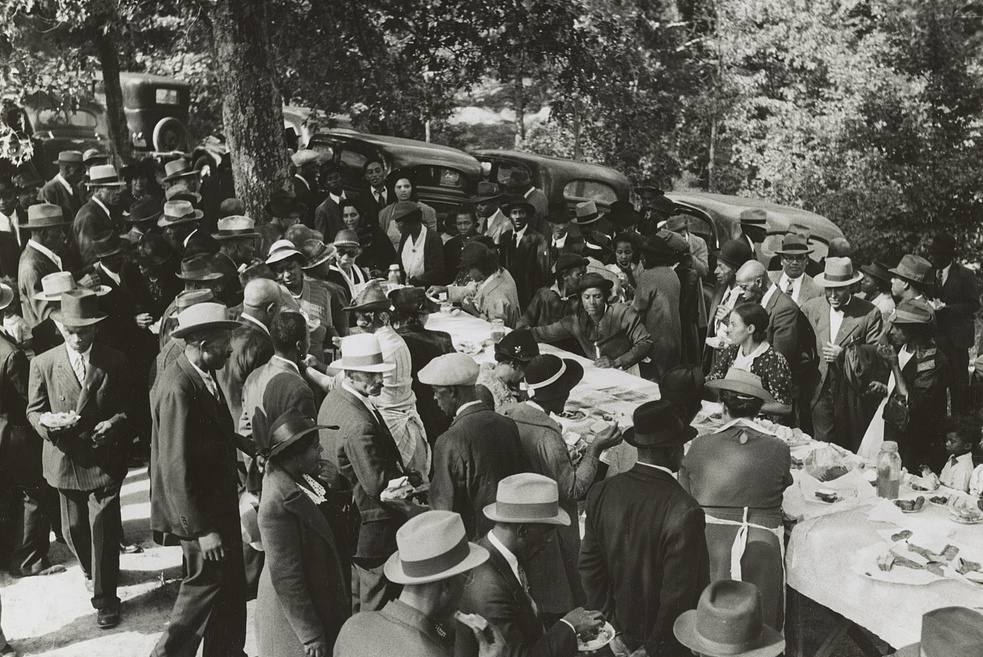
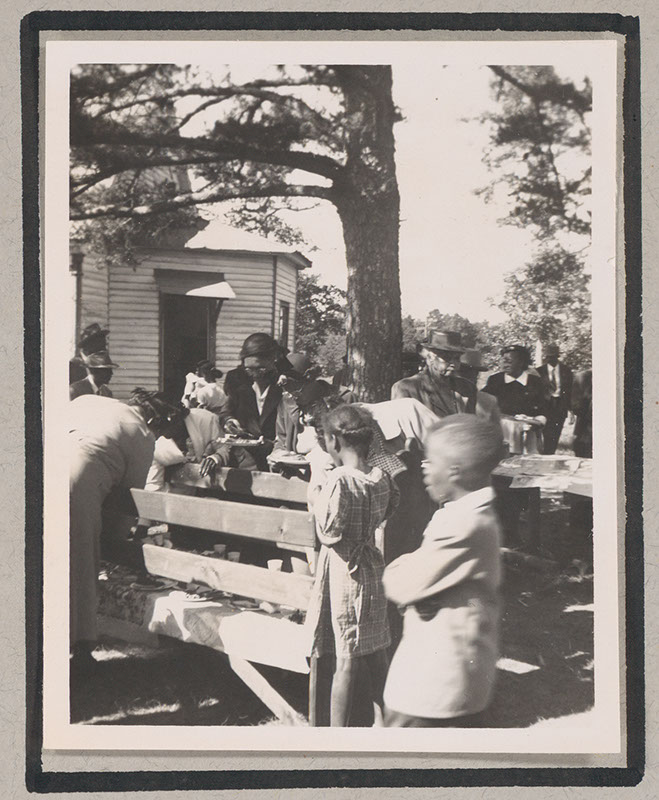
In 1964 dinner on the ground meant exactly that. Long boards across sawhorses, or permanent plank tables built under the trees, or cloths spread on the grass – because the meeting house held the community standing up and had nowhere to feed them.
Forty households arrived with whatever they had made, with no coordination at all, which produced eleven cakes and no bread one year and the reverse the next. Everybody knew whose dish was whose, which made the table a public ranking of the cooks that was discussed for decades.
And the women who had cooked it, carried it, served it and would wash up afterwards ate last. Here are sixteen things every community knew.
1. It Was Called Dinner on the Ground and It Was Outdoors
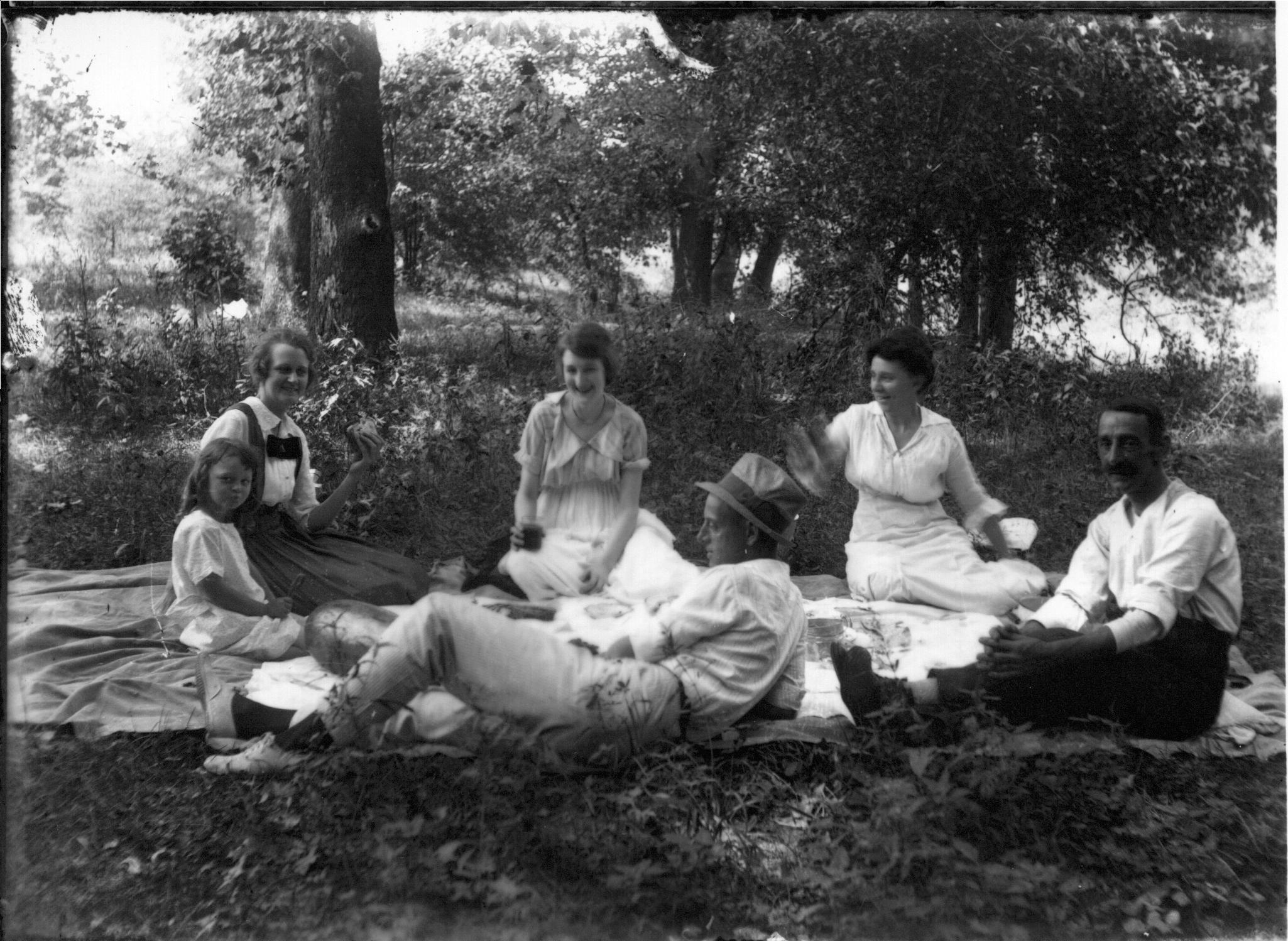
The meal happened outside – on long boards laid across sawhorses, on plank tables built for the purpose, on tablecloths spread on the grass under trees – because no building in the community was large enough to seat everybody at once.
Fellowship halls, rented halls, catered events and indoor dining rooms, with outdoor community meals now a deliberate choice rather than a necessity.
The name is literal and it records a building constraint rather than a preference. A congregation or a neighbourhood that numbered in the hundreds had a meeting house that held them standing up and nowhere at all to feed them, so the meal went outdoors and stayed there as a tradition long after halls existed.
Like our content? Follow us for more.
2. The All-Day Meeting Was the Occasion
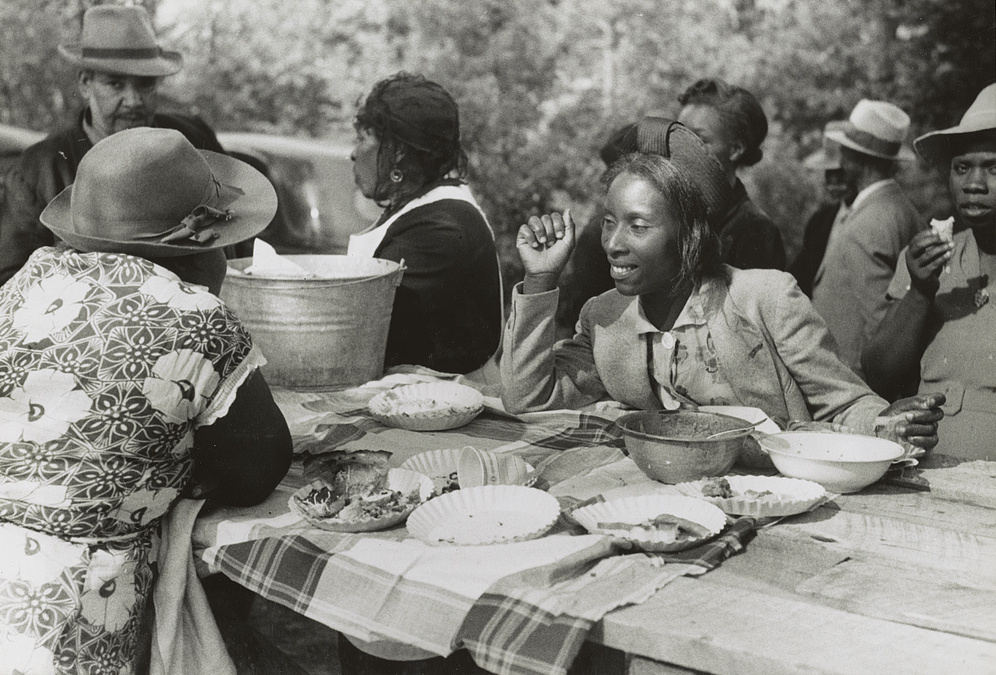
These meals attached to all-day gatherings – a long morning session, the dinner in the middle, and an afternoon session afterwards – which is why the food had to be substantial enough to carry people through a second half.
Shorter single-session events with refreshments afterwards, and the all-day format surviving in specific communities and at annual homecomings.
The structure explains the quantity. People had travelled some distance by wagon or on foot or later by car over poor roads, they were not going home in between, and the organisers knew that an afternoon session after an inadequate dinner would not hold anybody.
3. Every Household Brought and Nobody Was Assigned
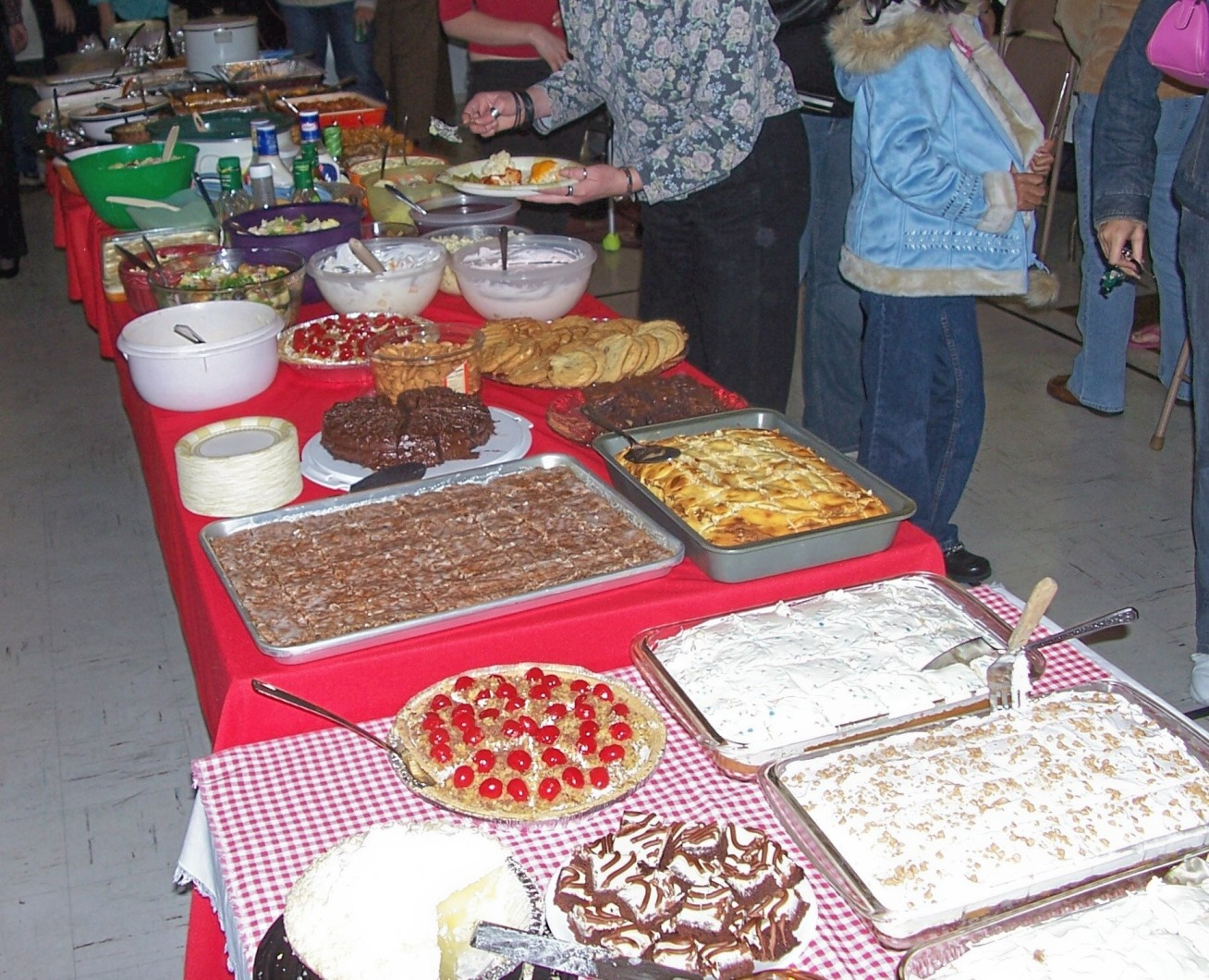
Families arrived with whatever they had made, with no coordination of any kind – which meant eleven cakes and no bread one year and the reverse the next.
Sign-up sheets, assigned categories, coordinating applications and division by dish type.
The absence of coordination is the thing people find hardest to believe and it worked anyway, for a structural reason. A large enough number of independent contributors produces a reasonable distribution by accident, and a shortfall in one category simply meant less of that and more of something else, which nobody minded.
4. The Dishes Were Known and Attributed
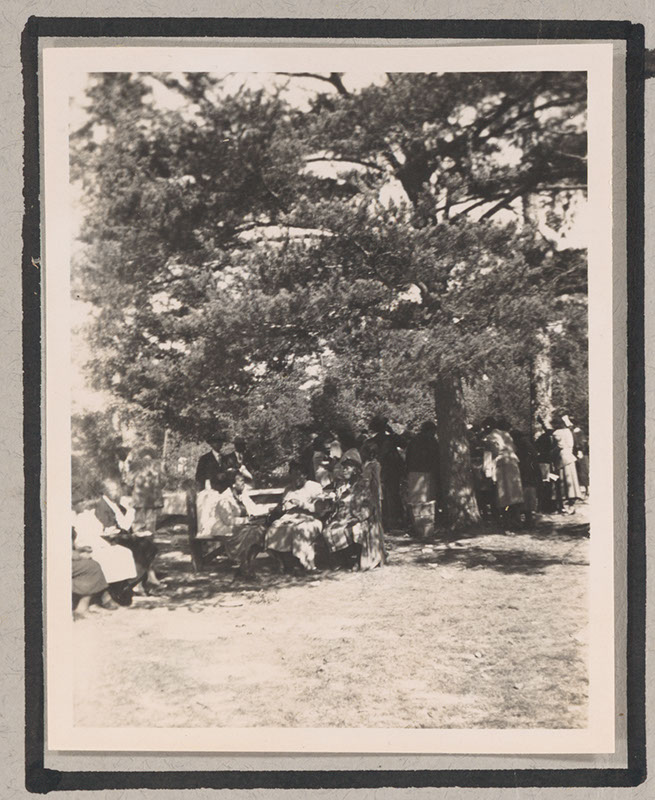
Everybody knew whose dish was whose, which meant the table was a public ranking of the cooks in the community – and that ranking was stable, acknowledged and discussed for decades.
Much weaker, with purchased and catered food common and attribution frequently unknown.
That attribution was the entire social engine of the occasion. A woman whose dish emptied first had a result; a woman whose dish came home half full had a different one. Nobody said anything about it directly and everybody knew the standings precisely.
5. The Order of Eating Was Fixed and Hierarchical
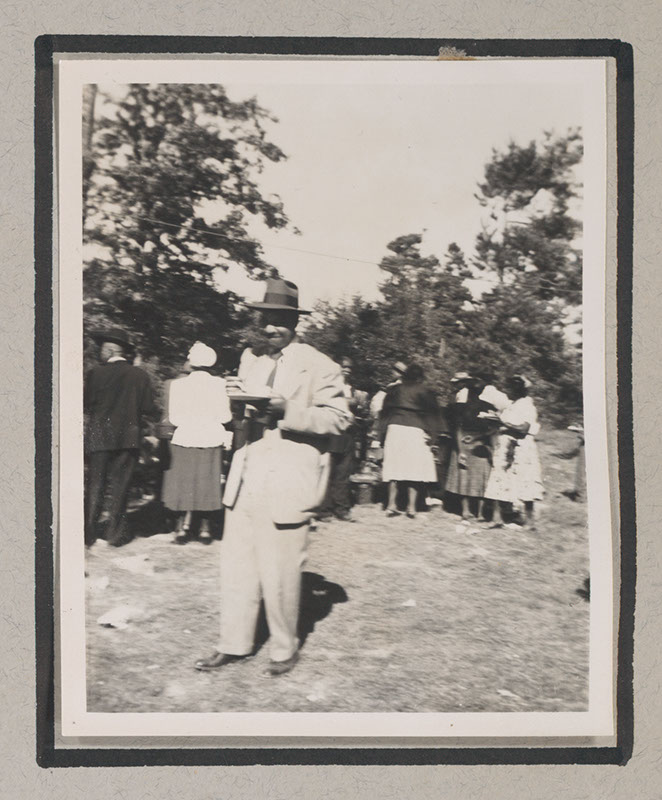
Visiting speakers and dignitaries ate first, then the men, then the children, then the women who had organised and served the whole thing – who ate last, from what was left, standing up, in many communities.
Buffet service with everybody in one queue, and the serving work distributed much more broadly.
That order is the part of the memory that deserves stating plainly rather than being smoothed over. The people who had cooked the food, carried it, set the tables, served it and would wash up afterwards were the last to eat it, and in a great many places that was simply the arrangement.
6. The Food Sat Out for Hours in the Heat
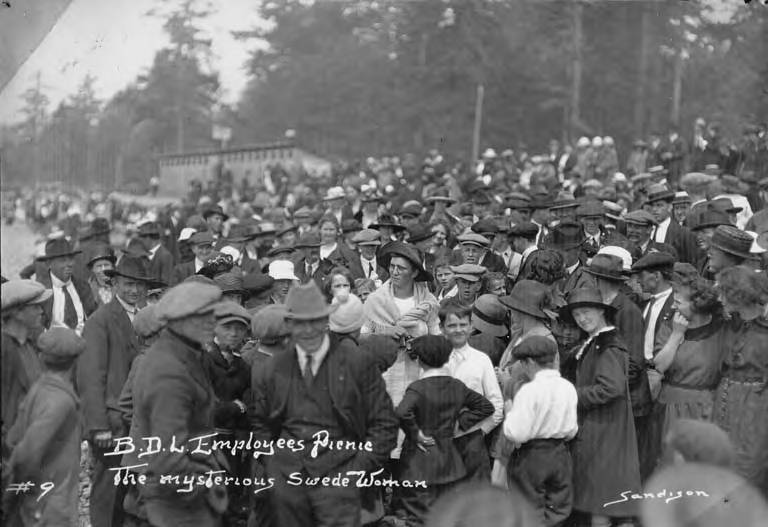
Dishes were set on the tables well before the meal and stayed out through it, covered with cloths or newspaper against flies, in whatever temperature the day supplied.
Coolers, ice, chafing dishes, shortened service windows and food safety guidance that is specific and freely available – which is what anybody organising a community meal should be working from.
This piece states that the practice existed and gives no procedure, time, temperature or guidance of any kind. Food safety at gatherings is a matter for current authoritative sources, and the historical arrangement is recorded here as history rather than as a model.
7. The Fried Chicken Was the Fixed Point
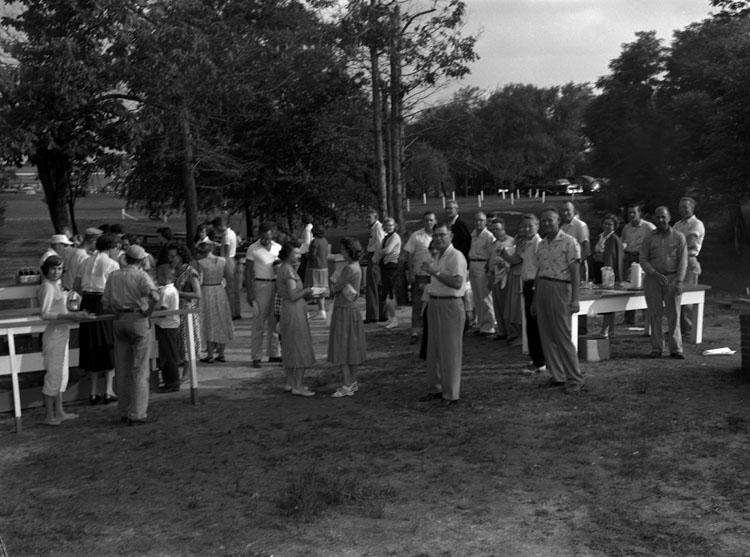
Across an enormous range of American communities the same dish anchored the table, cooked at home in the morning, carried in a covered pan or a shoebox, and eaten at ambient temperature by everybody.
Still common, frequently purchased, alongside a much wider range of dishes reflecting far more varied communities.
Its universality is a function of the format rather than of taste. A dish that is good cold, that transports without spilling, that needs no reheating, that can be cooked in quantity and that everybody will eat is close to the ideal contribution – and that is a short list.
8. Pie Was the Measure of the Whole Thing
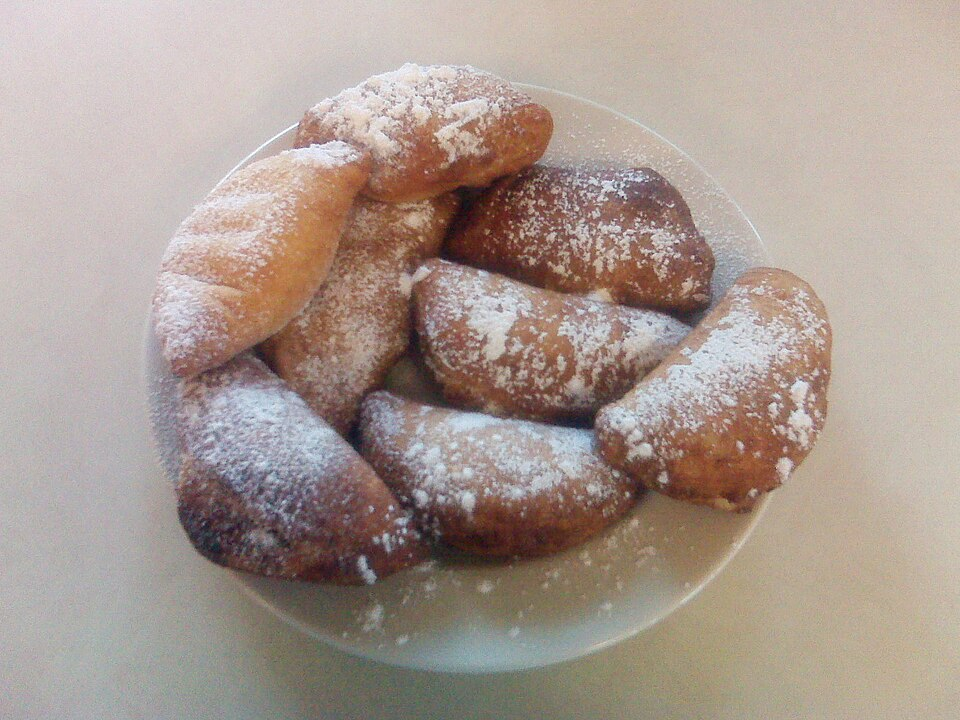
Desserts occupied their own table or their own end, in numbers out of proportion to everything else, because every household brought one and nobody wanted theirs to be the modest offering.
Still true wherever the format survives, and the most reliable feature of any American covered-dish meal.
The dessert surplus is a predictable consequence of unassigned contribution. Nobody competes to bring the bread, everybody competes to bring the cake, and the result every single time is a table that is short of vegetables and alarmingly long on pie.
9. Children Ate Outdoors and Then Vanished
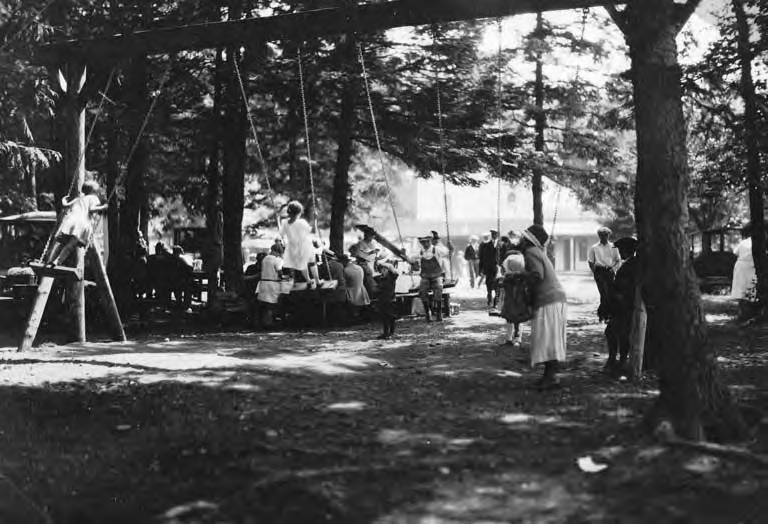
Children were fed early or late depending on local custom, at a lower table or sitting on the grass, and then disappeared for the whole afternoon into whatever the grounds offered.
Supervised areas, organised activities and children kept considerably closer.
The disappearance was expected and nobody counted heads. A gathering of a hundred adults on a piece of ground with trees, a creek and outbuildings constituted a child’s afternoon with no planning required, and the only rule was being present when it was time to leave.
10. The Tables Were Built and Then Left Standing
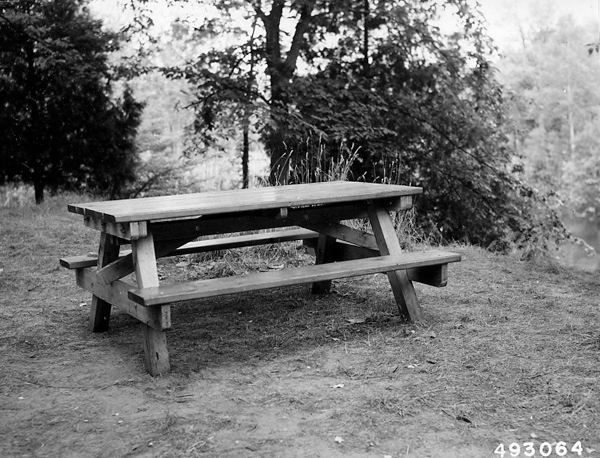
Many grounds had permanent plank tables under the trees, built by the men of the community and maintained year to year specifically for this purpose.
Mostly gone, with the surviving examples now listed as historic features and frequently the last physical evidence that these gatherings happened.
Those tables are the most durable trace of the practice and they are easy to walk past. A row of weathered plank tables under old trees beside a small building is not picnic furniture – it is purpose-built infrastructure for feeding a community outdoors, and it tells you the gatherings were annual and expected.
11. Somebody’s Particular Dish Was Requested Every Year
Certain cooks were asked specifically to bring a particular thing, every year, by name, and refusing was not really available.
Not applicable in most places.
Being the person who brought the thing is a form of standing that modern community life rarely produces. It meant a woman had one dish that was hers by public consent, that she made for the same occasion for thirty years, and that everybody looked for when they arrived at the table.
12. Washing Up Happened in Tubs Outside
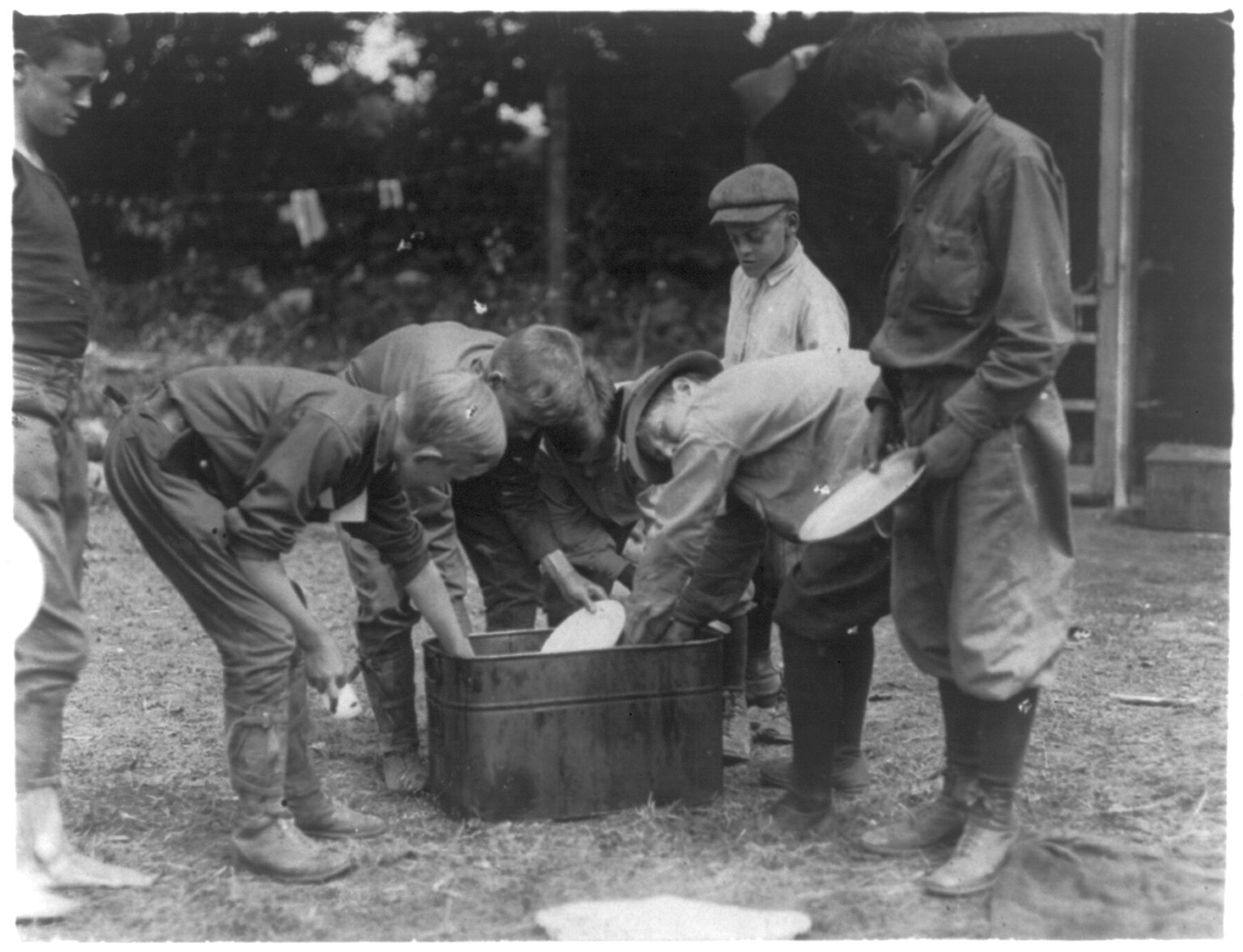
Afterwards came the dishes – in galvanised tubs of heated water carried from a stove or a fire, done by the same women who had cooked, with the children recruited to carry.
Disposable service ware, commercial kitchens with dishwashers and much lighter cleanup.
The cleanup was a second complete job after a first one and it is almost never mentioned in accounts of these occasions. Several hundred plates, bowls and dishes washed in tubs outdoors is an afternoon of work performed by people who had already cooked since dawn.
13. Everything Went Home in Identifiable Containers
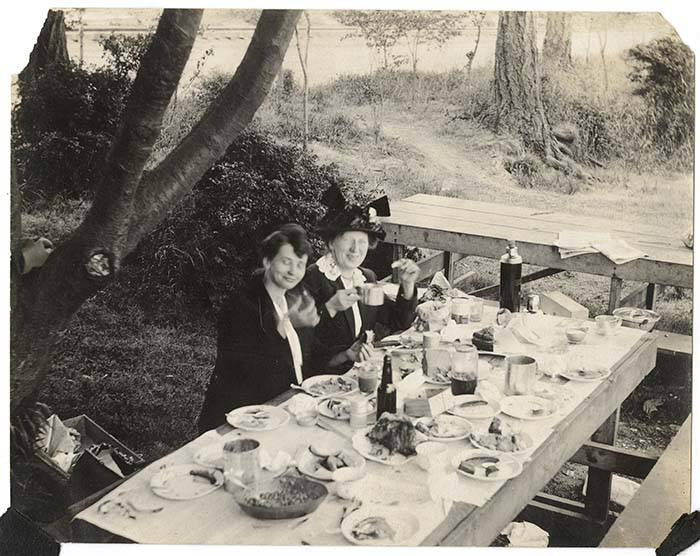
Dishes, pans, crocks, cake tins and baskets had to find their owners afterwards, which meant names scratched on bottoms, initials on lids, distinctive cloths and a general ability to recognise whose was whose.
Disposable containers and purchased trays, which has eliminated the problem entirely.
That recognition was part of the community’s working knowledge. Being able to identify forty households’ dishes by sight is a specific piece of local literacy, and the orphaned pan that nobody claimed was a standing minor mystery of every gathering.
14. The Whole Thing Was Free and That Was the Point
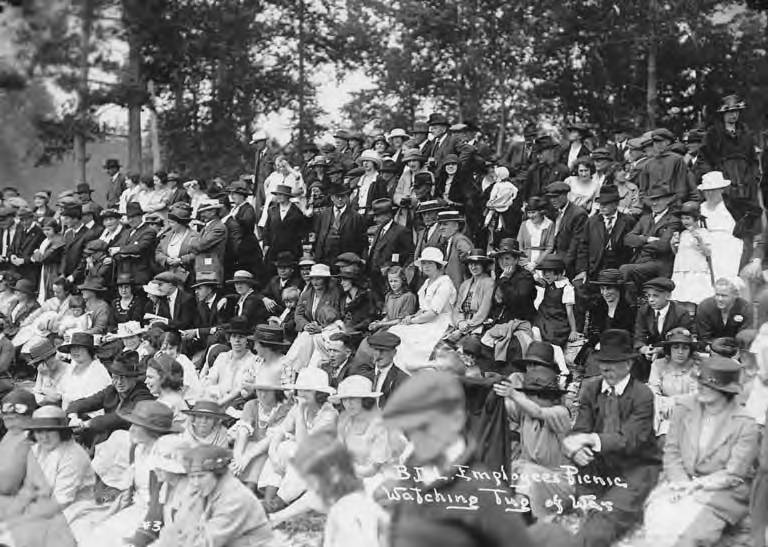
Nobody paid, nobody collected, no tickets were sold and no money changed hands – the entire cost was distributed across the participants in the form of the food they brought.
Ticketed dinners, catered events, donation baskets and paid admission are all common.
Free at the point of consumption with the cost spread by contribution is a genuinely clever arrangement, and it has one critical property: a household with nothing to bring could still come and eat. Nobody checked, nobody counted, and nobody could tell who had contributed what – which is a form of discretion that a ticket destroys.
15. The Grounds Had Water and That Decided the Location
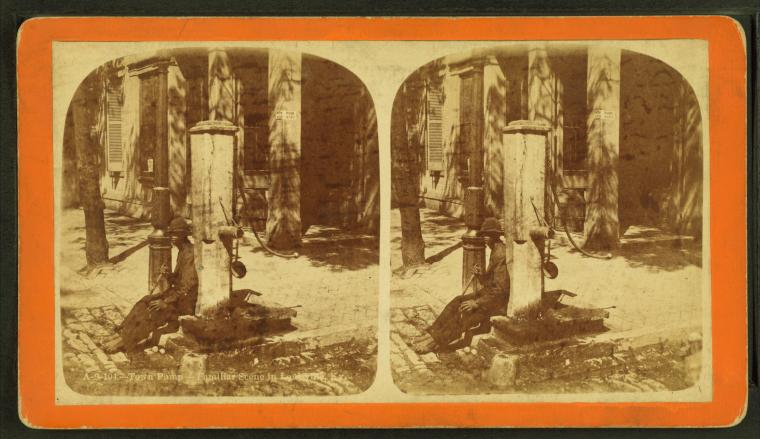
These gatherings happened where there was a spring, a well, a pump or a creek, because feeding and watering several hundred people and their horses required a supply – which is why the sites are where they are.
Not a constraint, with piped water, bottled water and vehicles that do not need watering.
Water explains the geography of the whole tradition. A great many of these grounds were chosen generations earlier for a spring that is still there, which is why the old meeting houses, the plank tables and the shade trees are so frequently found together at a particular spot and not anywhere nearby.
16. Then the Hall Got Built and Everybody Went Inside
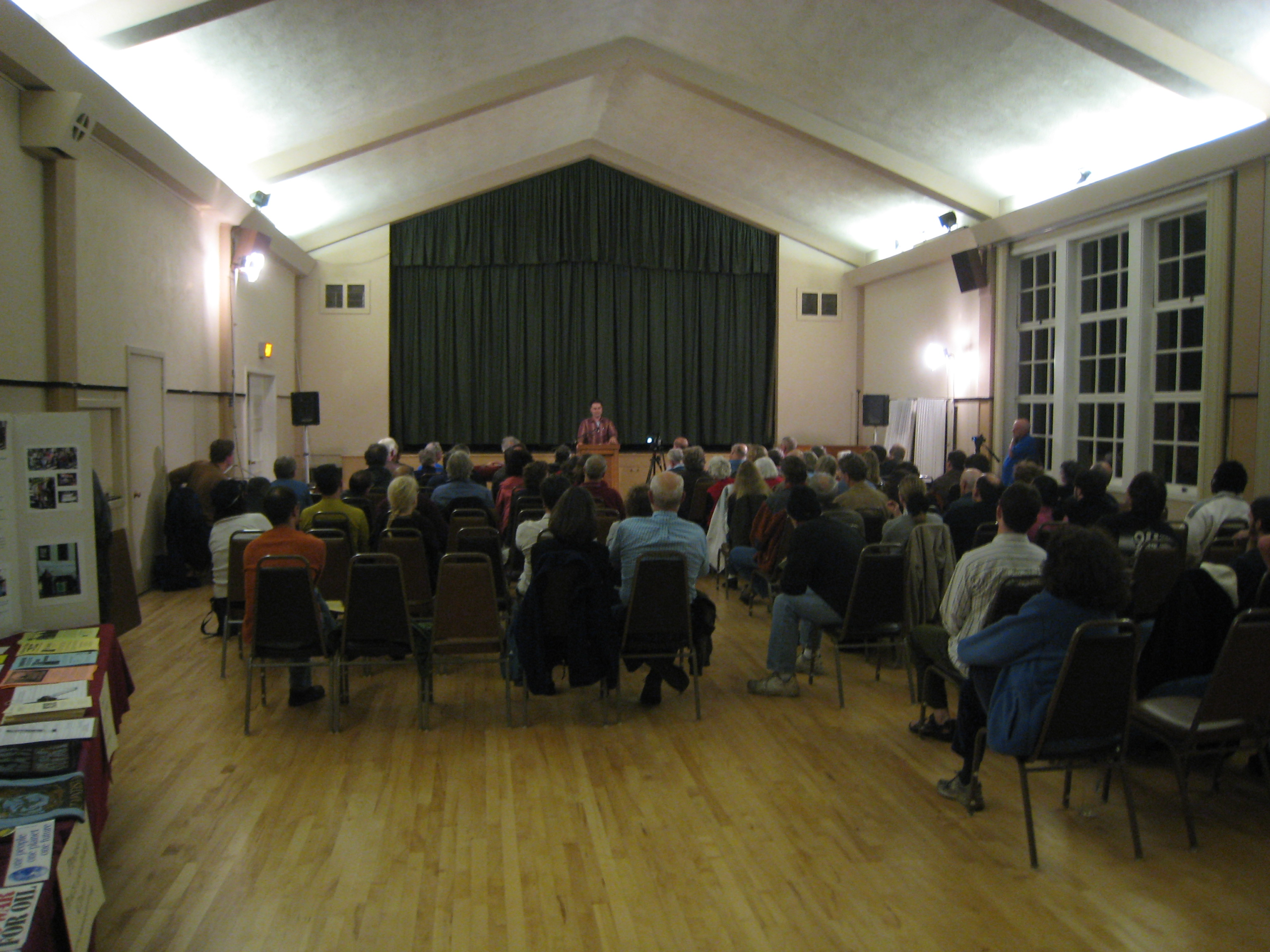
In 1964 dinner on the ground meant long plank tables under trees, forty households’ dishes arriving uncoordinated, the cooks eating last from what was left, and several hundred people fed for nothing on a piece of ground chosen for its spring.
Indoor halls with kitchens, tables, air conditioning, refrigeration, dishwashers and running water – which is better in every practical respect and which changed the occasion into something else.
And the thing that interests me about this one is that the building did it, which nobody intended. A fellowship hall with a proper kitchen is an unambiguous improvement: the food is kept cold until it is served, the cleanup is manageable, nobody is standing in the sun, the weather cannot cancel anything, and the women who did all the work can sit down at a table like everybody else – which addresses the single most indefensible feature of the old arrangement. Nobody should want the serving order of 1964 back. But a hall seats a fixed number of people, which the outdoors does not, so a gathering that had been limited only by how many could be fed became limited by how many chairs there were. A hall has a kitchen, which concentrates the food preparation in the hands of whoever is in it rather than distributing it across forty households. A hall is bookable, which makes the occasion schedulable and therefore one event among many rather than the event of the year. And a hall is enclosed, which means the children are inside it. Every one of those is a reasonable consequence of a sensible building, and together they converted a once-annual gathering of an entire community on a piece of open ground – with its own purpose-built tables, its own spring, its own hierarchy and its own forty-household division of labour – into a church supper. The plank tables are still out there under the trees at a great many American sites, unused, which is the only remaining evidence of how many people used to come.
The Fellowship Hall Was an Improvement and It Ended the Thing
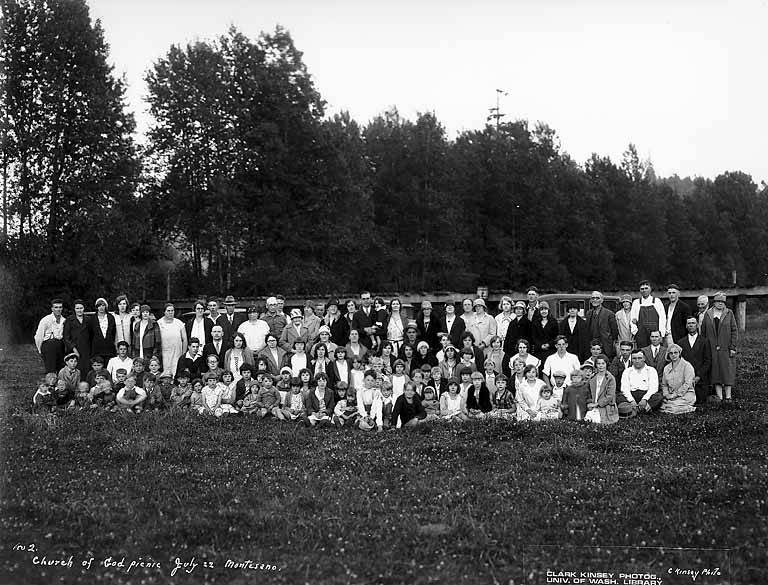
This is a case where the thing that killed a tradition was a building, and the building was a good idea.
Consider what a fellowship hall with a proper kitchen actually solved. Food could be kept cold until it was served instead of standing on a plank table in July heat under a cloth. Washing up moved from galvanised tubs outdoors to a sink and eventually a dishwasher, which removed an entire afternoon of heavy work performed by people who had already been cooking since before daylight. Nobody had to stand in the sun. Rain could not cancel anything. There was running water, so the gathering no longer had to happen at a spring.
And decisively, everybody could sit down. Which fixed the single most indefensible feature of the old arrangement.
Because the serving order needs saying plainly. Visiting speakers and dignitaries ate first. Then the men. Then the children. Then, in a great many communities, the women who had cooked the food, carried it, laid the tables and served it – who ate last, from what was left, standing up, before starting on several hundred dishes in tubs of water they had heated themselves. Nobody should want that back, and the hall is the reason it ended.
So the building was right. What it did to the occasion was not intended by anybody.
A hall has walls, which means it seats a fixed number. The outdoors does not. A gathering that had been limited only by how much food forty households could produce became limited by how many chairs the hall held – and the number of chairs is always smaller than the number of people who would have come.
A hall has a kitchen, which concentrates the cooking. Once there is a kitchen with equipment in it, the food is increasingly prepared by whoever is in the kitchen rather than by forty separate households bringing forty dishes. That is more efficient and better organised and it removes the thing that made the table work: the public, attributed, unassigned contribution of every family in the community, with everybody knowing whose dish was whose.
A hall is bookable, which makes the occasion schedulable. An event you can hold any Saturday becomes one event among many. The thing that happened once a year on a particular piece of ground, that people travelled to and arranged their year around, becomes a church supper.
And a hall is enclosed, which means the children are inside it. The old arrangement put a hundred adults on open ground with trees and a creek and outbuildings, and the children disappeared into that for an entire afternoon with nobody counting heads. That does not happen in a room.
There is one more loss worth naming because it is the least obvious. Nobody paid. No tickets, no collection, no money. The whole cost was distributed as food, which meant a household with nothing to bring could still arrive and eat, and nobody checked, nobody counted, and nobody could tell who had contributed what. That discretion is destroyed by a ticket, and it was a real feature rather than an accident.
The permanent plank tables are still standing under old trees at a great many American sites – weathered, unused, frequently the last physical evidence that these gatherings happened at all. They were purpose-built, by the men of the community, and maintained year to year for an occasion that needed them.
Count the tables and you can work out how many people used to come.
If you were at these, you remember the dessert table and you remember who always brought the thing everybody wanted.
And you remember that the women who cooked it were still standing when everybody else had finished.
Like our content? Follow us for more.