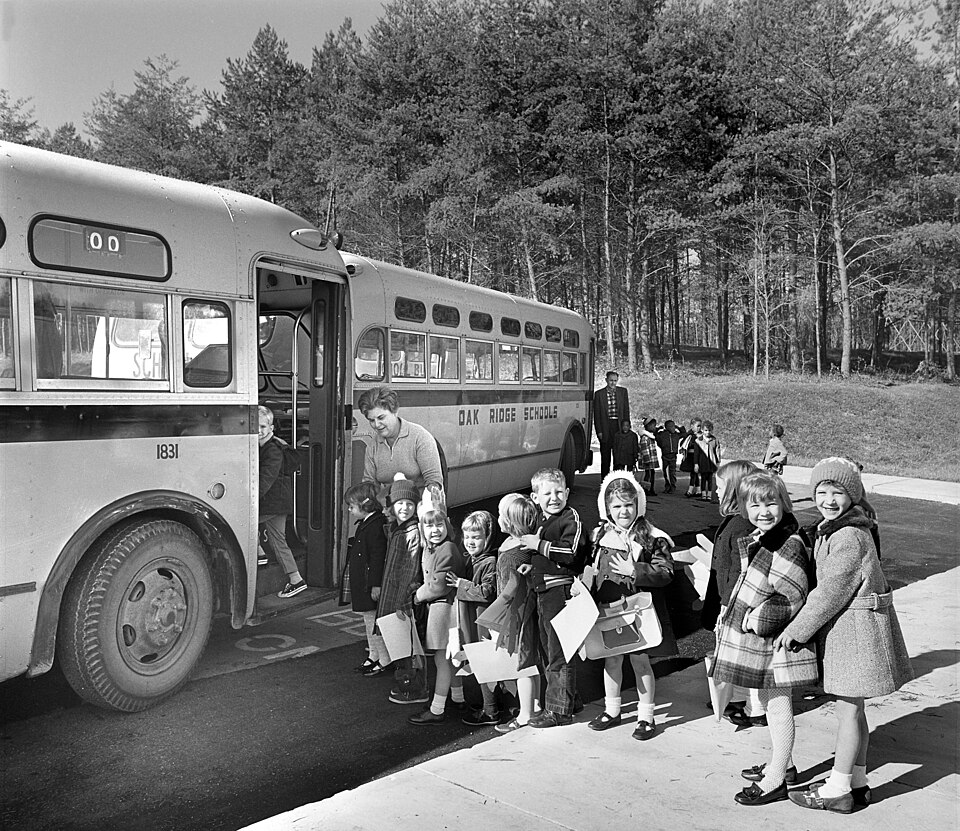
In 1968 the journey to school was frequently the longest uninterrupted stretch of a child’s day. It happened in a fixed group, in a confined space, with one adult facing the other way, and nobody scheduled a single minute of it. What developed inside that hour was a complete social system with its own geography, its own hierarchy and its own economy – none of it written down, all of it understood by everybody on board, and almost none of it visible to any parent or teacher. Here are sixteen things every American kid knew about that journey in 1968, including the parts nobody should be sentimental about.
1. The Stop Was a Place With No Sign on It
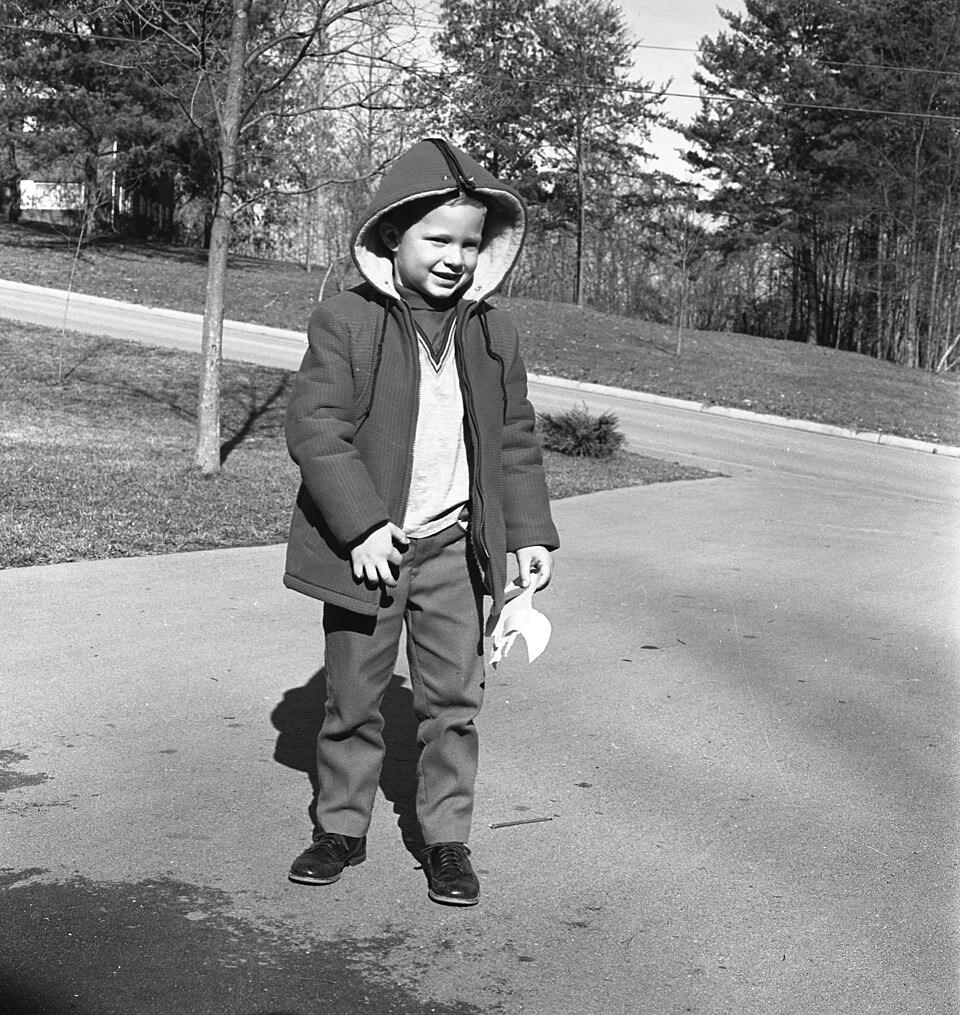
Children gathered at a corner, a gate or the end of a lane that had been designated by custom rather than by anything marked on the ground.
The informality is the first surprising thing. A pickup point known to the driver, the parents and the children but indicated by nothing physical is a piece of local knowledge, and a child who did not know where to stand simply would not be collected.
It also made the stop a daily meeting with no adult present. Ten minutes every morning in which a fixed group of children assembled in the open air with nobody supervising is a social institution in its own right, and most of what happened there was never reported to anybody.
Like our content? Follow us for more.
2. Waiting in Weather Was Part of It
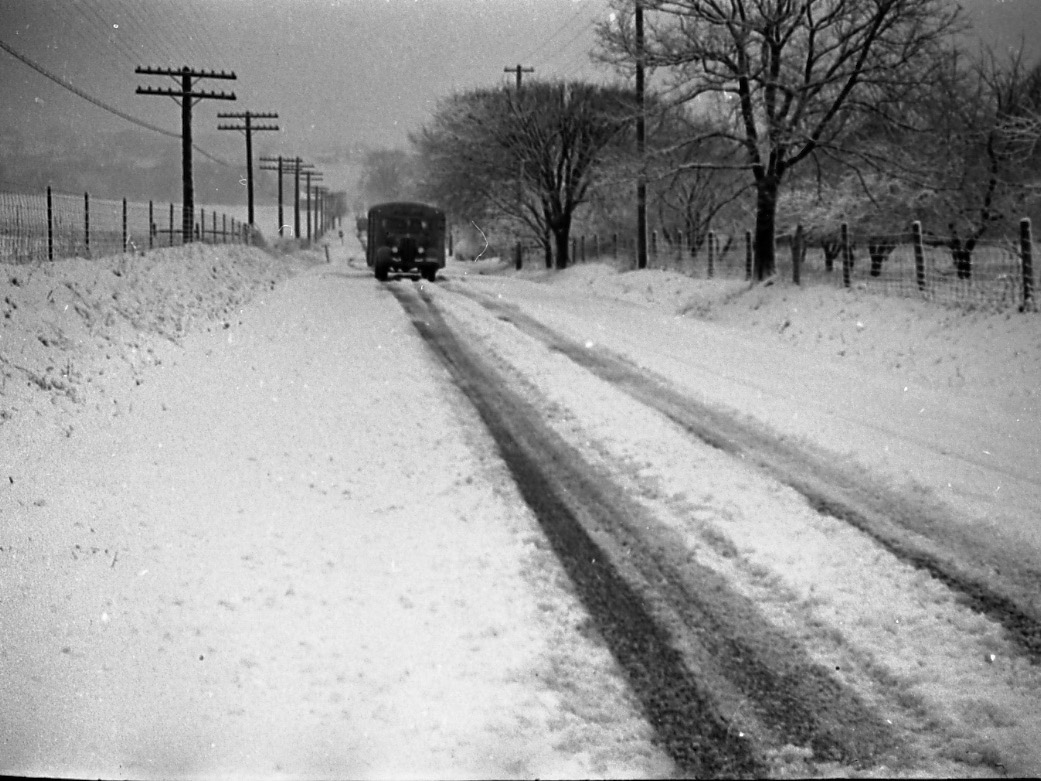
There was no shelter at most stops, so rain, cold and dark were simply conditions of the journey.
The absence of provision is easy to misread as neglect and was nothing of the kind. A stop serving four children does not get a building, and the alternative was walking considerably further in the same weather, which is what the bus existed to prevent.
It produced its own local solutions. A sympathetic household near a stop whose porch was available, a hedge that broke the wind, a particular doorway – every route had them, and they were known to the children and to nobody else.
3. The Driver Was a Fixed Point in the Year
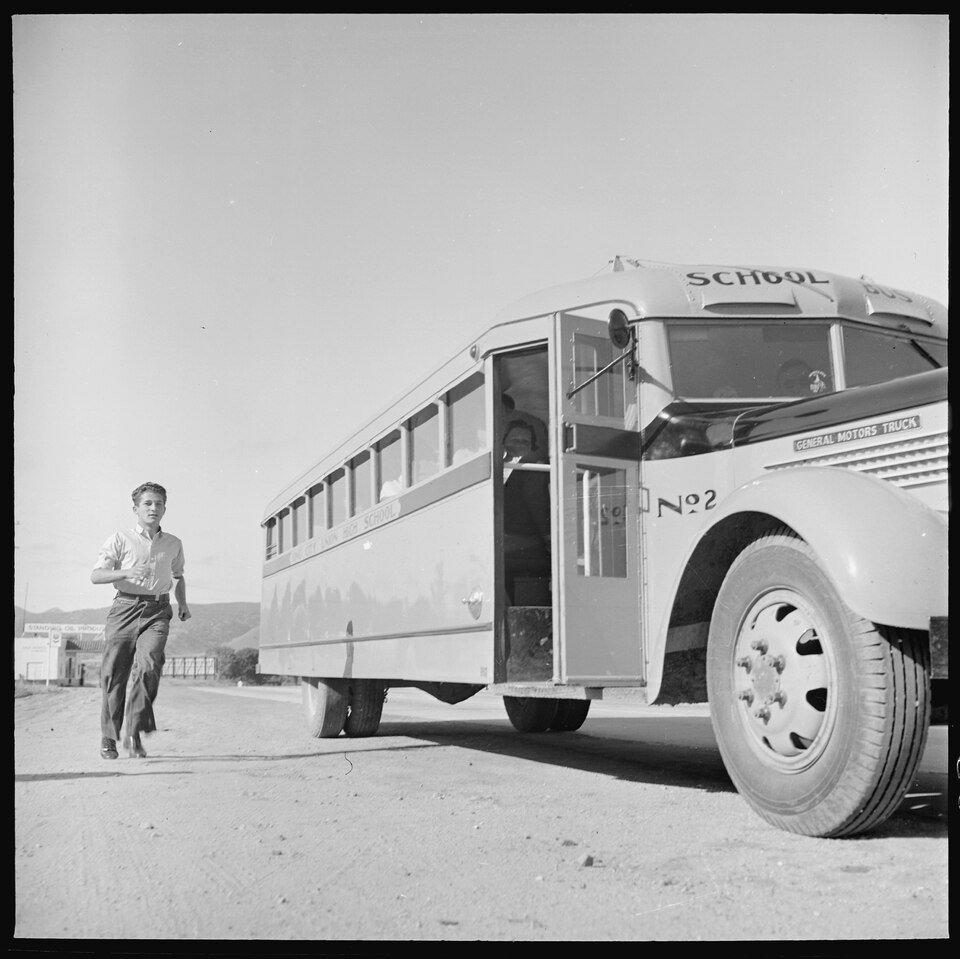
The same person collected the same children every morning for an entire school year and frequently for several.
That continuity matters more than it sounds. An adult who sees a child twice a day, every day, for years, in a context with no parents and no teachers present, occupies a position that no other adult in that child’s life occupies.
Drivers were accordingly remembered with unusual precision. People who cannot recall a single teacher’s name will produce a driver’s without hesitating, which says something about how much weight a daily repeated encounter carries.
4. Where You Sat Was the Entire Social Order
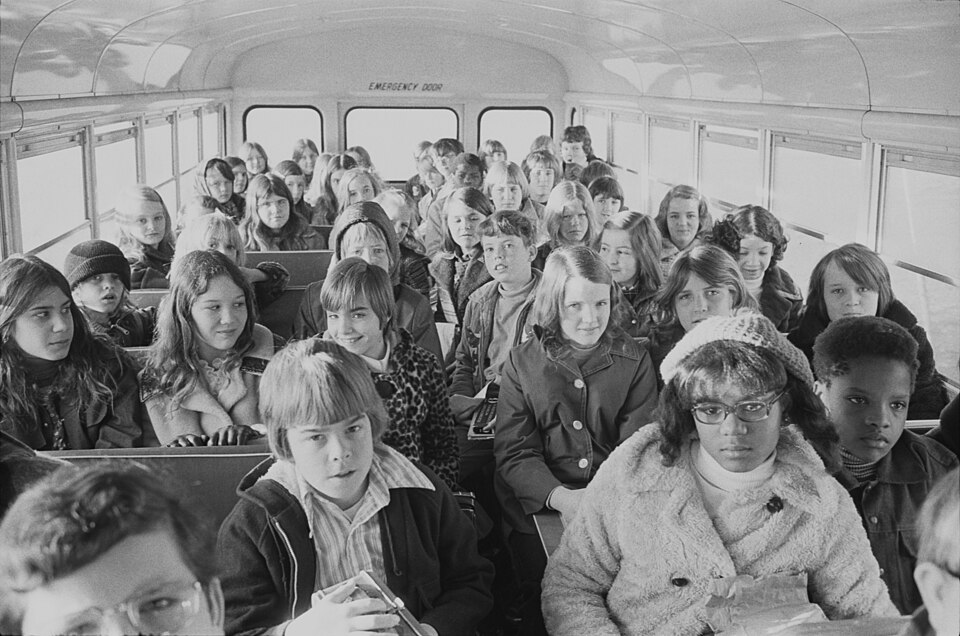
The back was contested, the front was safe, and a child’s position in the vehicle corresponded almost exactly to their position in the school.
The geography was never formalised and never varied. Older children took the back because it was furthest from the driver, younger children took the front because it was safest, and the middle was where the negotiation happened.
Moving back was a promotion that had to be earned over years. A child who attempted it early was returned to the front by the existing occupants without any adult involvement, which is a reasonably pure example of a hierarchy enforcing itself.
5. Your Seat Was Yours and Everybody Knew It
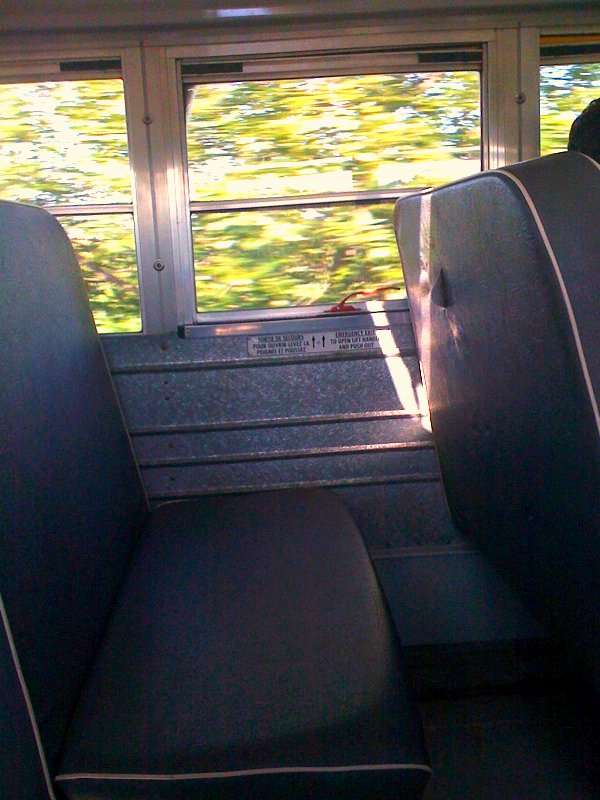
Within a fortnight the entire vehicle had allocated itself, and the arrangement held for the rest of the year.
Nobody assigned these places and nobody wrote them down. A group of thirty children in a confined space settles into a stable arrangement within days and then defends it, which is behaviour that requires no instruction from anybody.
A new child arriving mid-year faced the obvious difficulty. Every seat already belonged to somebody by convention, and finding a place involved working out which conventions were soft and which were not, with no map and no explanation.
6. The Journey Was Long and Mostly Dull
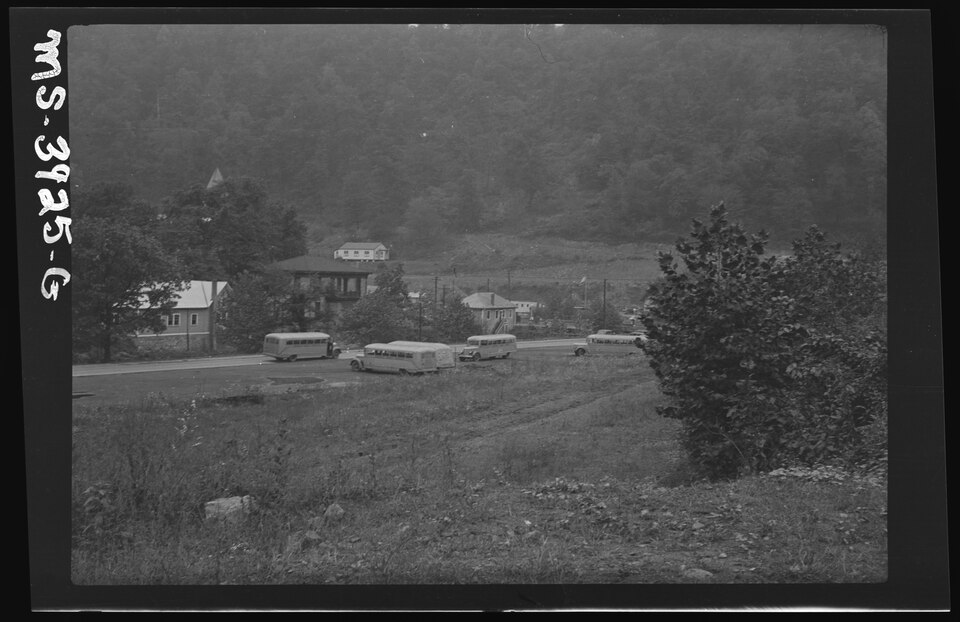
A route collecting from scattered stops took far longer than the distance suggested, and most of it was spent doing nothing.
The duration is the fact that produced everything else. An hour a day, twice a day, in a fixed group with nothing scheduled is an enormous quantity of unstructured time, and children filled it with conversation, games, arguments and sleep.
The children collected first had the worst of it. Being at the start of the route meant the longest journey, which is a cost imposed entirely by where a family happened to live and borne without any possibility of appeal.
7. Homework Got Done on the Way In

A great deal of work was completed on a moving vehicle in the twenty minutes before arrival.
The conditions were terrible and the work got done anyway. A bouncing surface, poor light and somebody talking in the next seat is not a study environment, and a remarkable quantity of schoolwork was nonetheless produced under exactly those conditions.
It also created a reliable market. A child with completed work and a child without it, in a confined space, with twenty minutes remaining, is an economy, and the terms of exchange were well understood by everybody on board.
8. Singing Happened and Nobody Started It
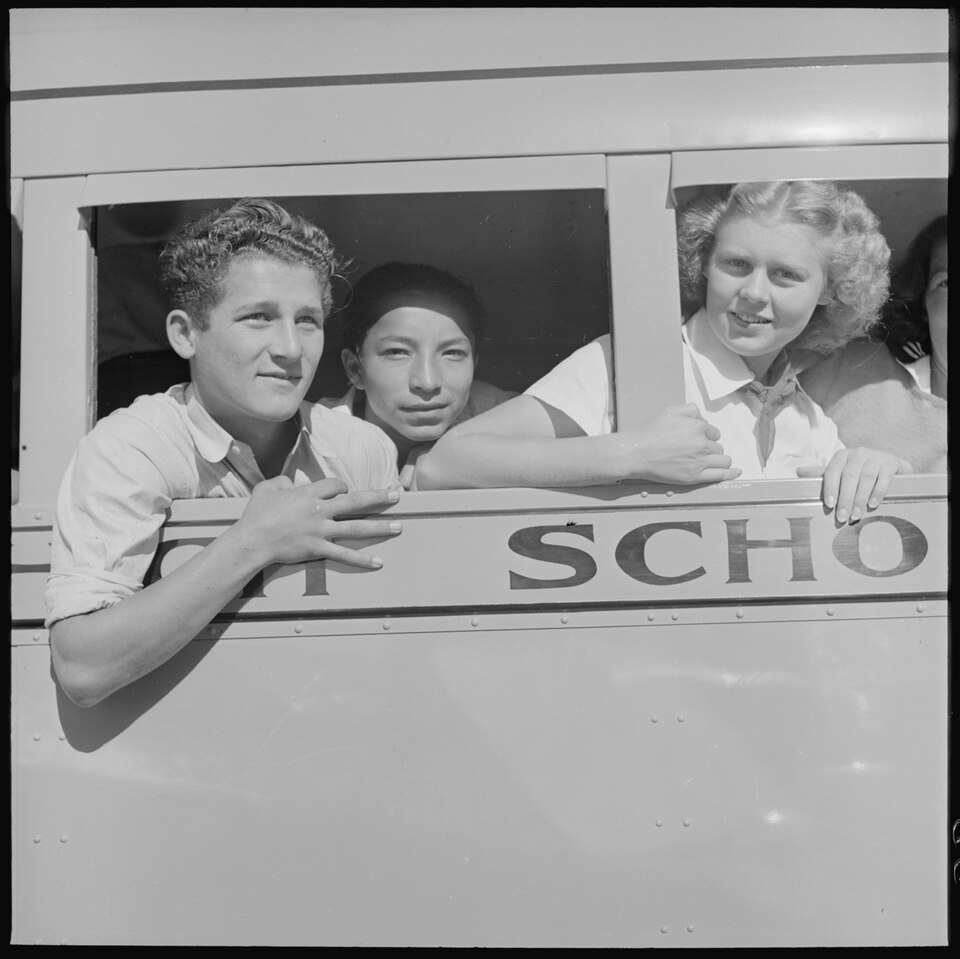
Songs went round the vehicle, usually repetitive, usually counting down something, and frequently to the visible dismay of the driver.
The spontaneity is the interesting part. Nobody organised these and nobody had to; a confined group with nothing to do and a shared repertoire will produce singing, and the same songs travelled between schools and across years without ever being taught.
They were also a form of collective behaviour with no leader. A song that thirty children join without anybody calling for it is a demonstration that the group could act as one, which is precisely why drivers found it unnerving.
9. The Windows Were the Entertainment
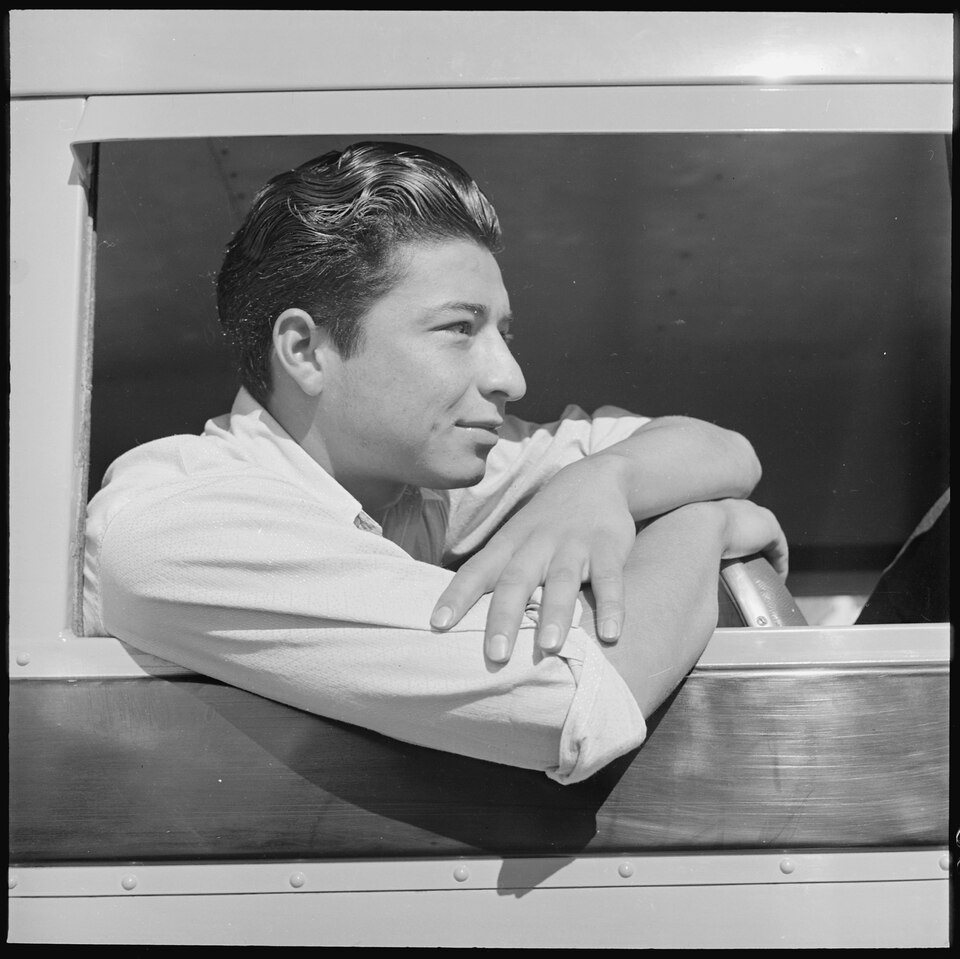
Watching a familiar route change with the seasons, twice a day, for years, is a kind of attention nobody has to that landscape now.
The repetition produced genuine expertise. A child on the same route for four years knows every building, every field, every gap in a hedge and exactly when each one appears, which is a detailed knowledge of a few miles that almost nobody acquires any more.
It also made change visible. A house painted, a tree down, a building going up – the route was observed so regularly that any alteration registered immediately, and the children on board were the first to notice.
10. The Back Row Was Rough and the Front Knew It
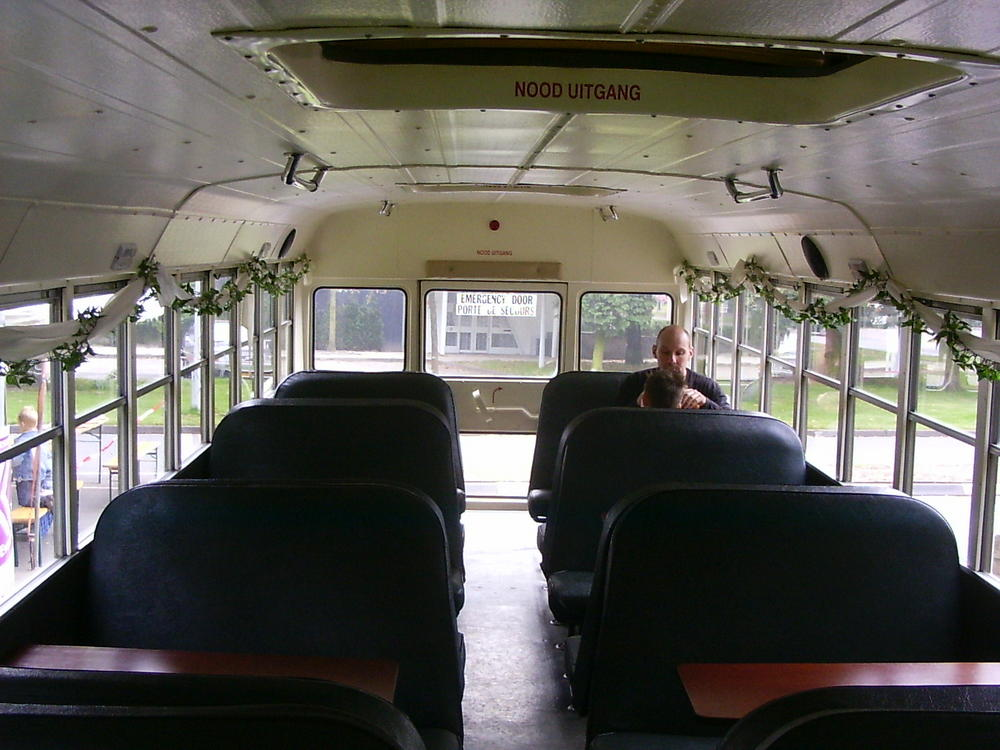
What happened at the back was out of the driver’s sight and was understood by everybody on board to operate under different rules.
This is the part of the subject that is usually either exaggerated or left out, and the honest position is in between. Thirty children in a vehicle with one adult facing forwards will produce behaviour that adult does not see, and most of it was ordinary noise rather than anything worse.
It did mean that a child having a bad time had limited recourse. The driver was occupied, no other adult was present and the journey could not be left, which is a real feature of the arrangement and not one anybody should be nostalgic about.
11. The Mirror Was the Only Supervision
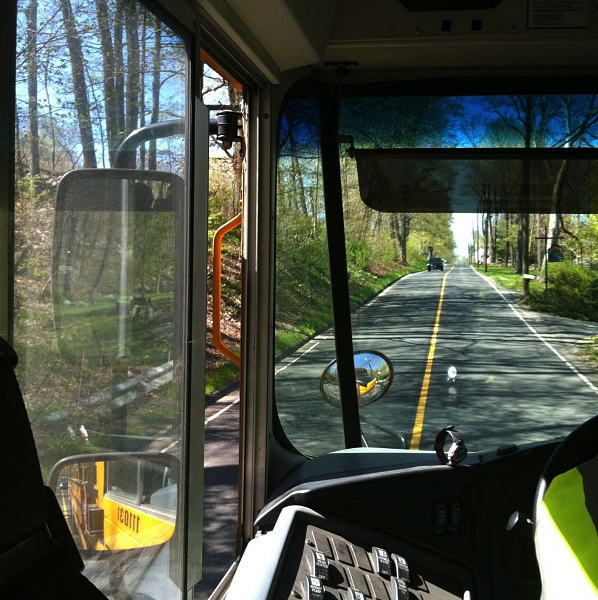
A single adult facing away from thirty children, with one angled mirror, was the entire oversight of the journey.
The arrangement placed an unreasonable load on one person. Somebody responsible for a vehicle, a route, a timetable and the conduct of thirty children simultaneously is being asked to do two jobs, and the driving had to come first.
Drivers developed methods accordingly. The stop at the side of the road, the long silence, the threat of a report – a repertoire built entirely from experience, because nobody had trained anybody to manage a crowd from a seated position with their back to it.
12. Missing It Was a Genuine Catastrophe
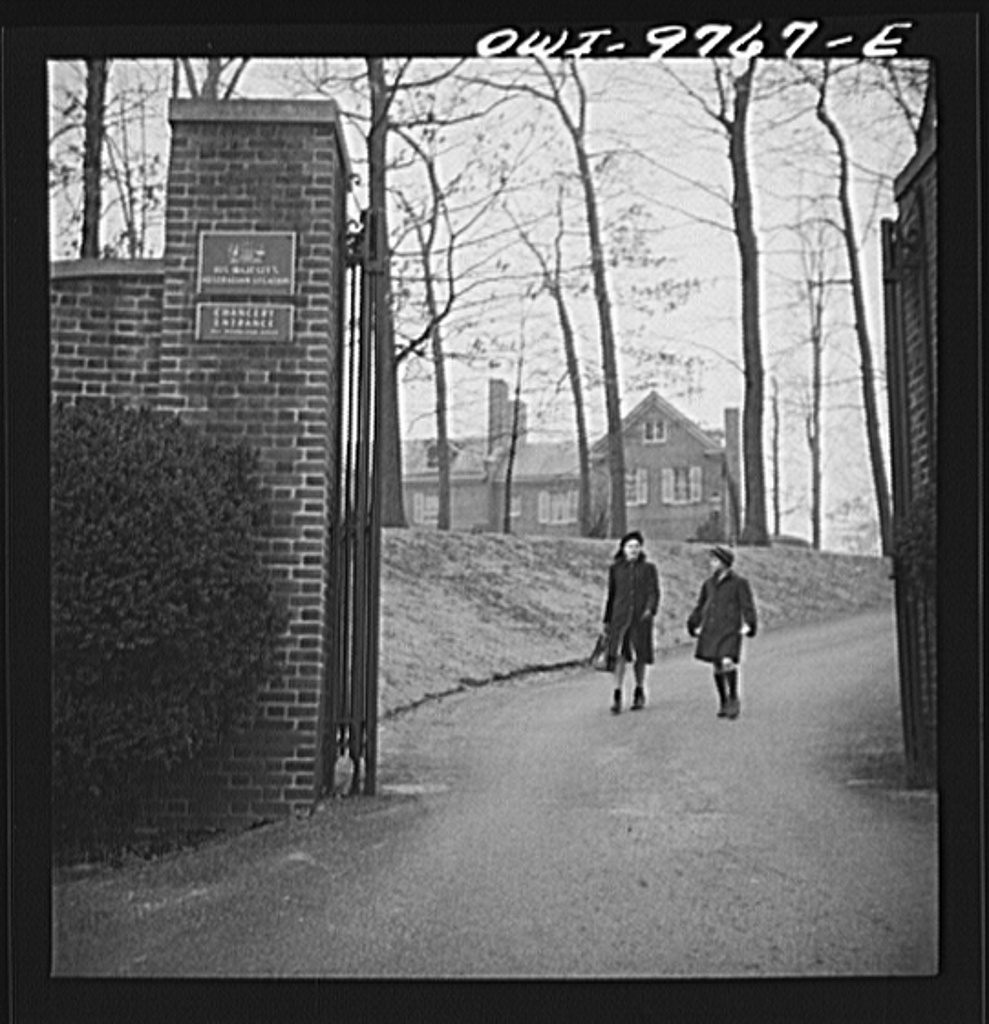
A bus that had gone was gone, and the consequences fell on a household that might have no other way of covering the distance.
The stakes explain the punctuality. A missed bus could mean a parent losing a morning’s work or a child not getting to school at all, and children internalised a seriousness about time that had nothing to do with the school’s own rules.
It also produced the running figure. Anybody who travelled this way remembers sprinting towards a stop, and remembers at least one occasion when a driver waited who did not have to.
13. Snow Days Were Decided by the Route
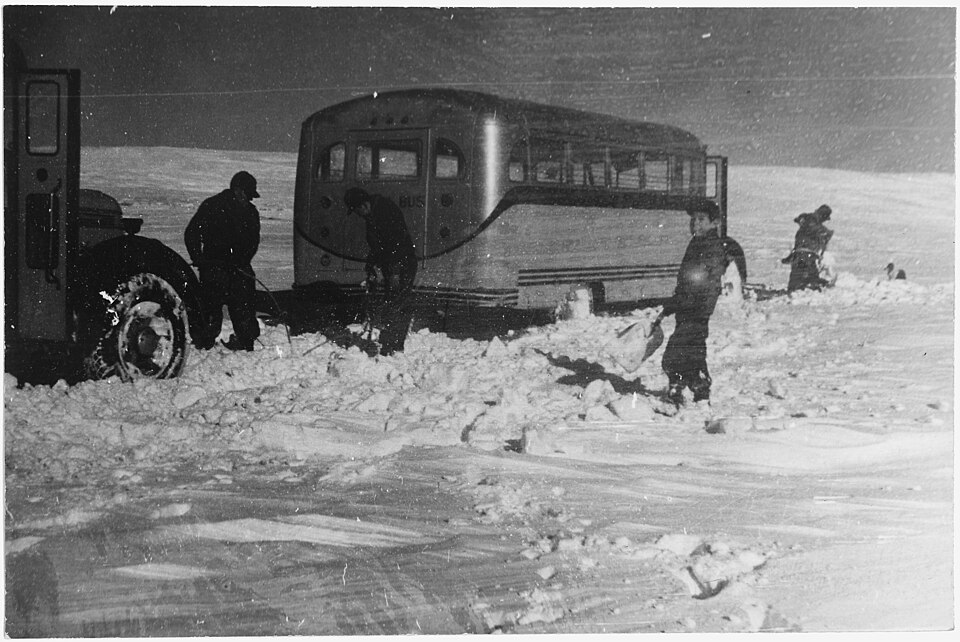
Whether school happened at all frequently depended on whether the vehicles could get round, rather than on conditions at the building.
That dependency is rarely noticed and it is structural. A school that collects its pupils from twenty miles of road is a school whose operation is determined by the worst stretch of that road, which puts the decision in the hands of the transport rather than the educators.
Children knew this and watched accordingly. Weather was assessed in terms of a specific hill, a specific bend or a specific lane, because those were the places that decided whether anybody was going anywhere.
14. The Afternoon Journey Was Completely Different
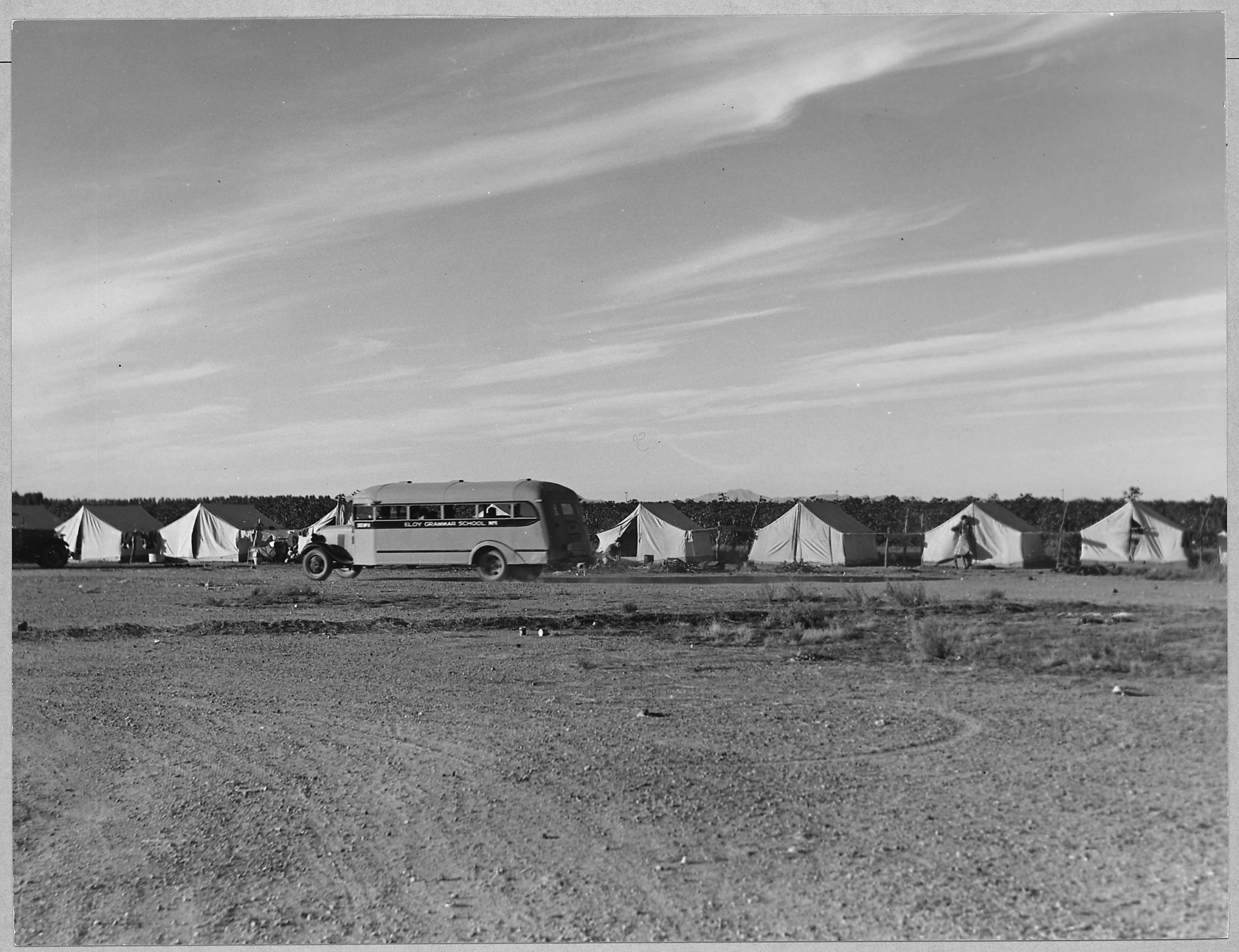
The morning was quiet and reluctant; the afternoon was loud, released and considerably harder to manage.
The contrast was absolute and every driver will confirm it. Children travelling towards an obligation behave differently from children travelling away from one, and the same thirty people in the same seats produced two entirely different vehicles.
The afternoon was also where the day got processed. Whatever had happened was discussed, rehearsed and settled on the way home, which means a good deal of a child’s social life was conducted in a moving vehicle between four and five o’clock.
15. Being Dropped Off Last Was a Specific Loneliness
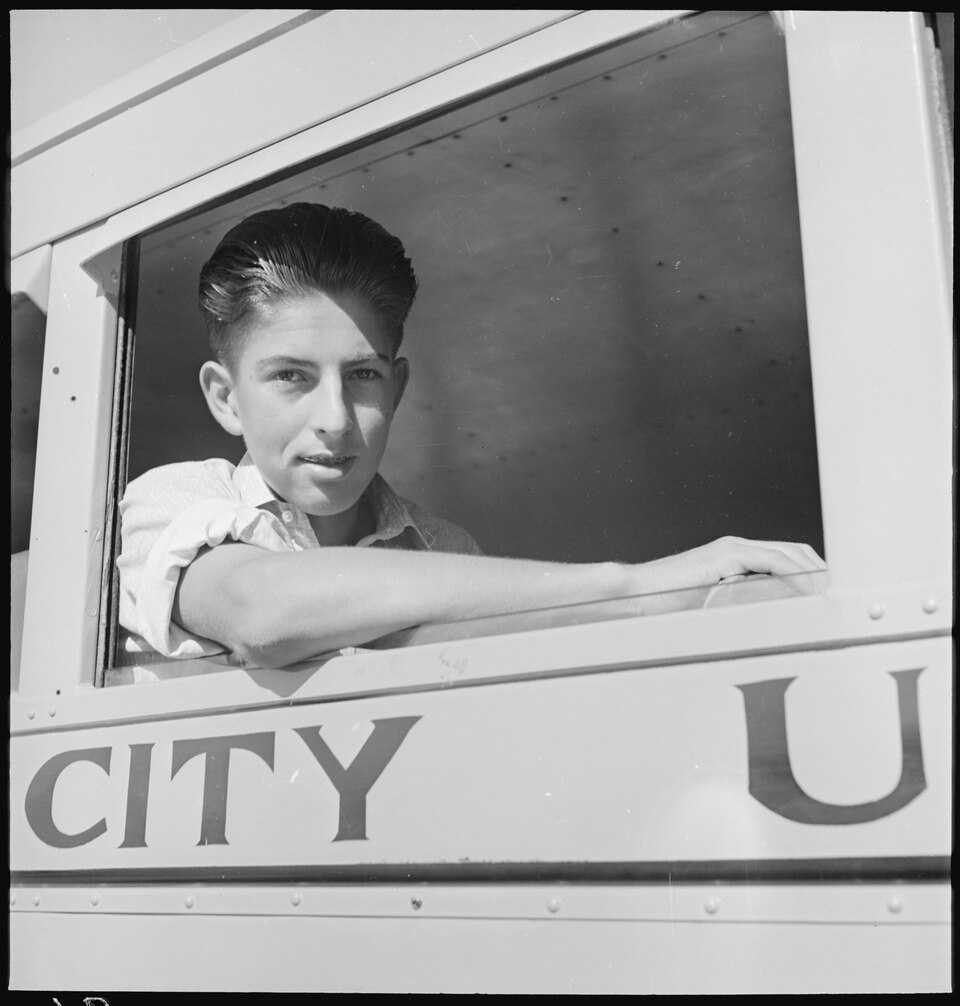
The final children on a route travelled the last stretch in a nearly empty vehicle, often in the dark.
The experience is remembered by everybody it happened to. A space that has been full of noise for forty minutes and is now almost silent, with the same driver and one or two others, is a distinctive ending to a day and an oddly peaceful one.
It also produced the only real conversations with the driver. A child alone at the front of a quiet vehicle for ten minutes, every day, for a year, is in a position to talk to an adult in a way that almost no other part of their life allowed.
16. Then the Routes Changed and the Journey Got Shorter
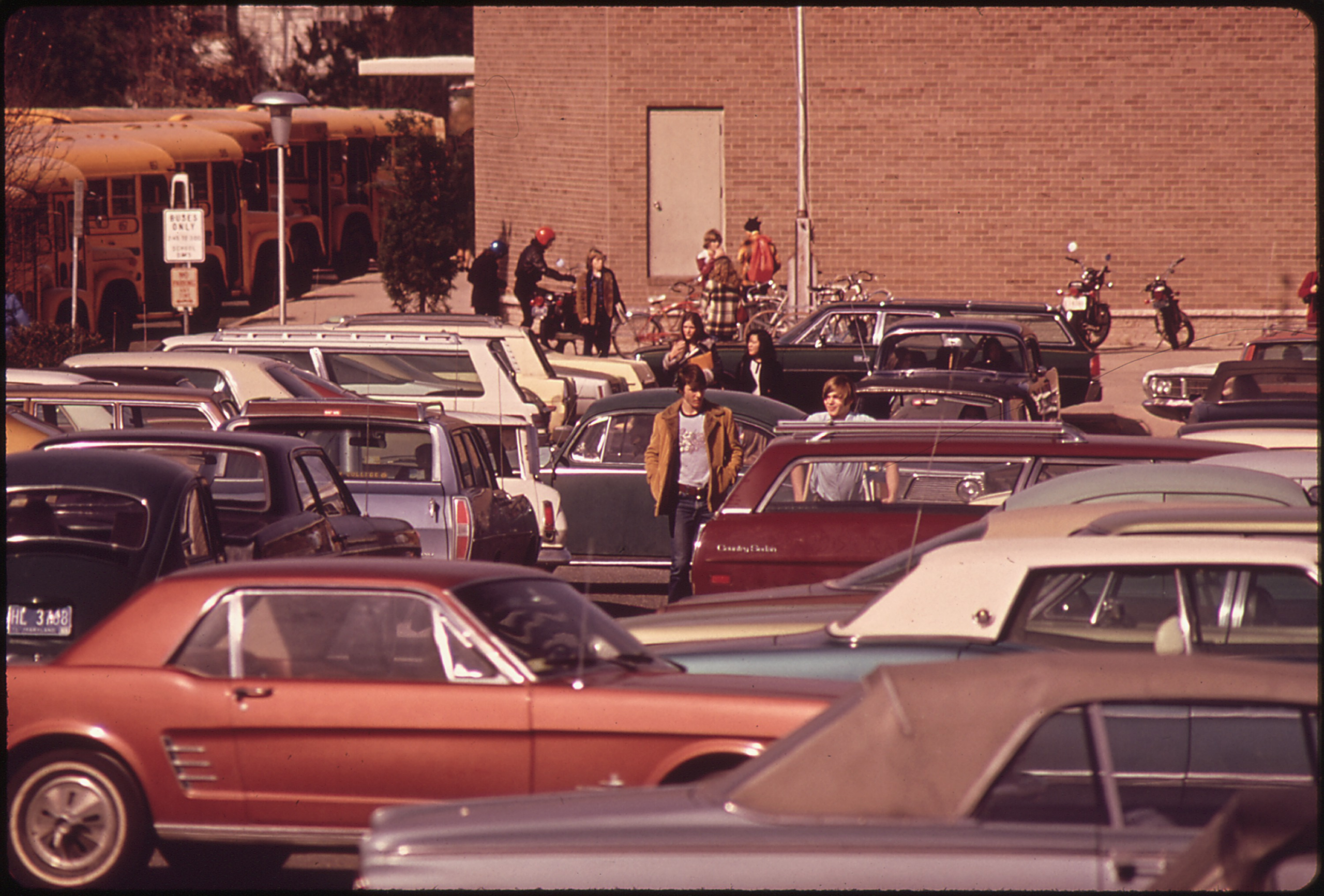
Consolidation, new roads, different catchments and more families driving children directly all reduced the time spent on board.
The shortening removed the thing that made it matter. A fifteen-minute journey is transport; an hour each way with the same thirty people for four years is a shared life, and the difference between those two is not a matter of degree.
What survives is the vehicle without the institution. The buses still run and children still ride them, but the stop with no sign, the unsupervised ten minutes before it arrived, the seat that was yours by convention and the last quiet stretch home with the driver are all features of a journey that was simply much longer than anybody would design now.
What an Hour a Day Actually Built
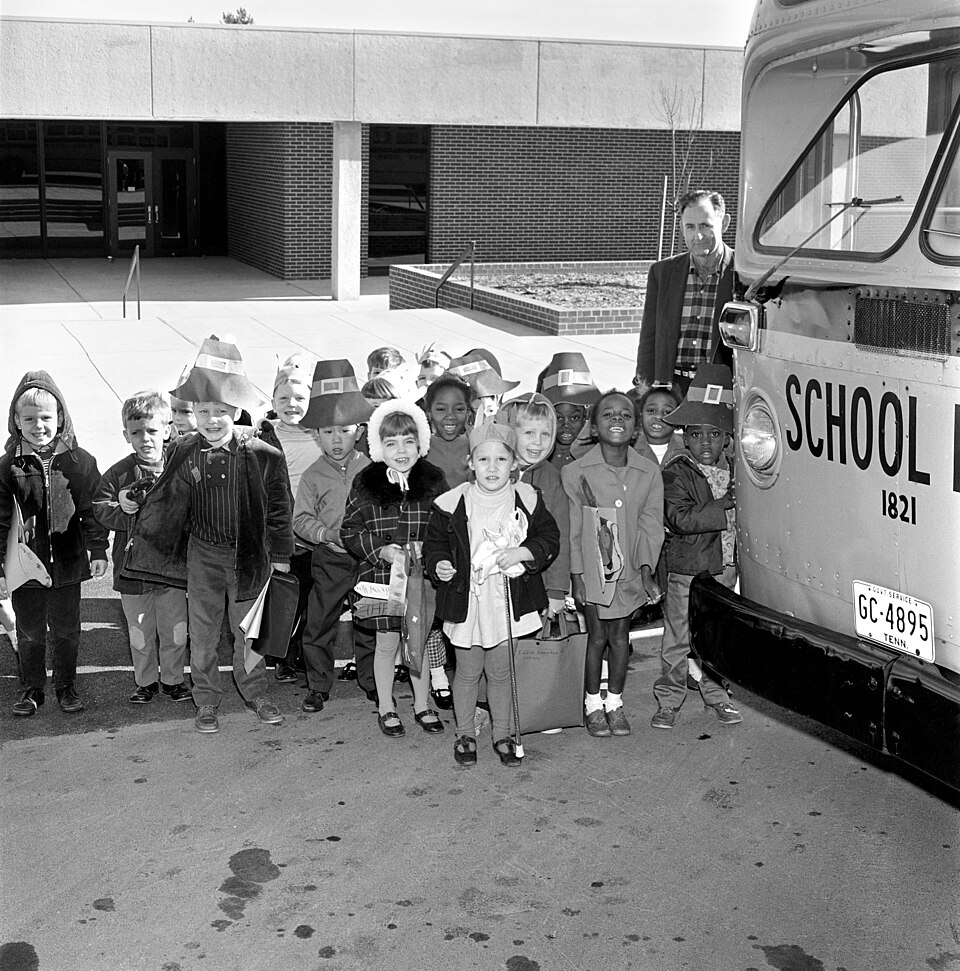
Read together, the sixteen are not really about a vehicle. They describe a daily unsupervised assembly of the same thirty people, lasting years, with a stable internal order that nobody imposed and nobody recorded. The seating hierarchy, the stop with no sign, the songs that nobody started, the homework economy in the last twenty minutes, the windows watched so closely that a felled tree registered immediately – every one of these is a consequence of duration. Put children together for two hours a day with nothing planned and they will build something; the only question is what, and the answer in this case was an entire parallel institution running alongside the school and invisible to it.
The honest account includes the part that is less comfortable. One adult facing forwards is not supervision, the back of a vehicle operated under its own rules, and a child having a difficult time had nowhere to go and no way to leave. That is a real feature of the arrangement and not something to be sentimental about. What has gone alongside it is the duration itself – and with the hour went the stop with no sign, the ten unsupervised minutes before the bus arrived, the seat that was yours by convention, and the last quiet stretch home when the vehicle was nearly empty and the only adult who saw you twice a day finally had time to talk.
Like our content? Follow us for more.