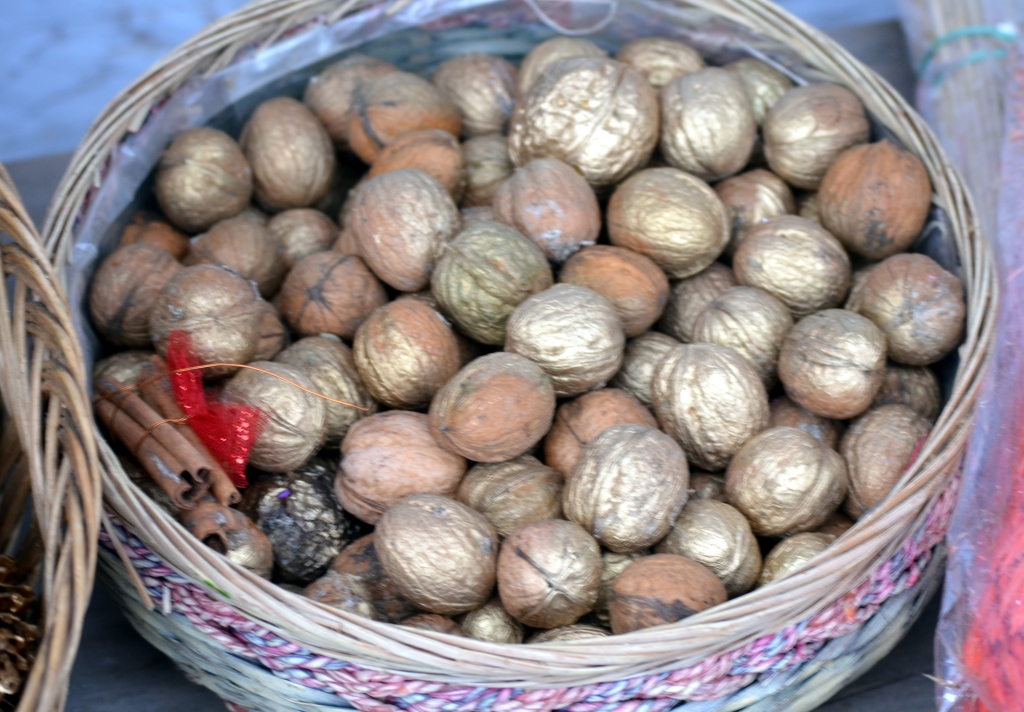
A bowl of nuts in the shell sat out in the parlour all winter, with the cracker and the picks beside it.
That has vanished so completely it needs stating as a fact rather than a memory. Unshelled nuts were a standing feature of a room in the cold months, available to anybody passing – which made eating them an activity rather than a snack, and gave the evening something to do.
The shell is why it worked. An intact shell is a rigid sealed container that excludes light, moisture and most air, which is exactly what a fatty kernel needs, and it arrives attached to the product at no cost whatever. Nuts kept for months with no other preparation because they came with their own packaging. Here are sixteen things everybody once knew.
1. A Bowl of Nuts Was a Winter Fixture in Every Parlour
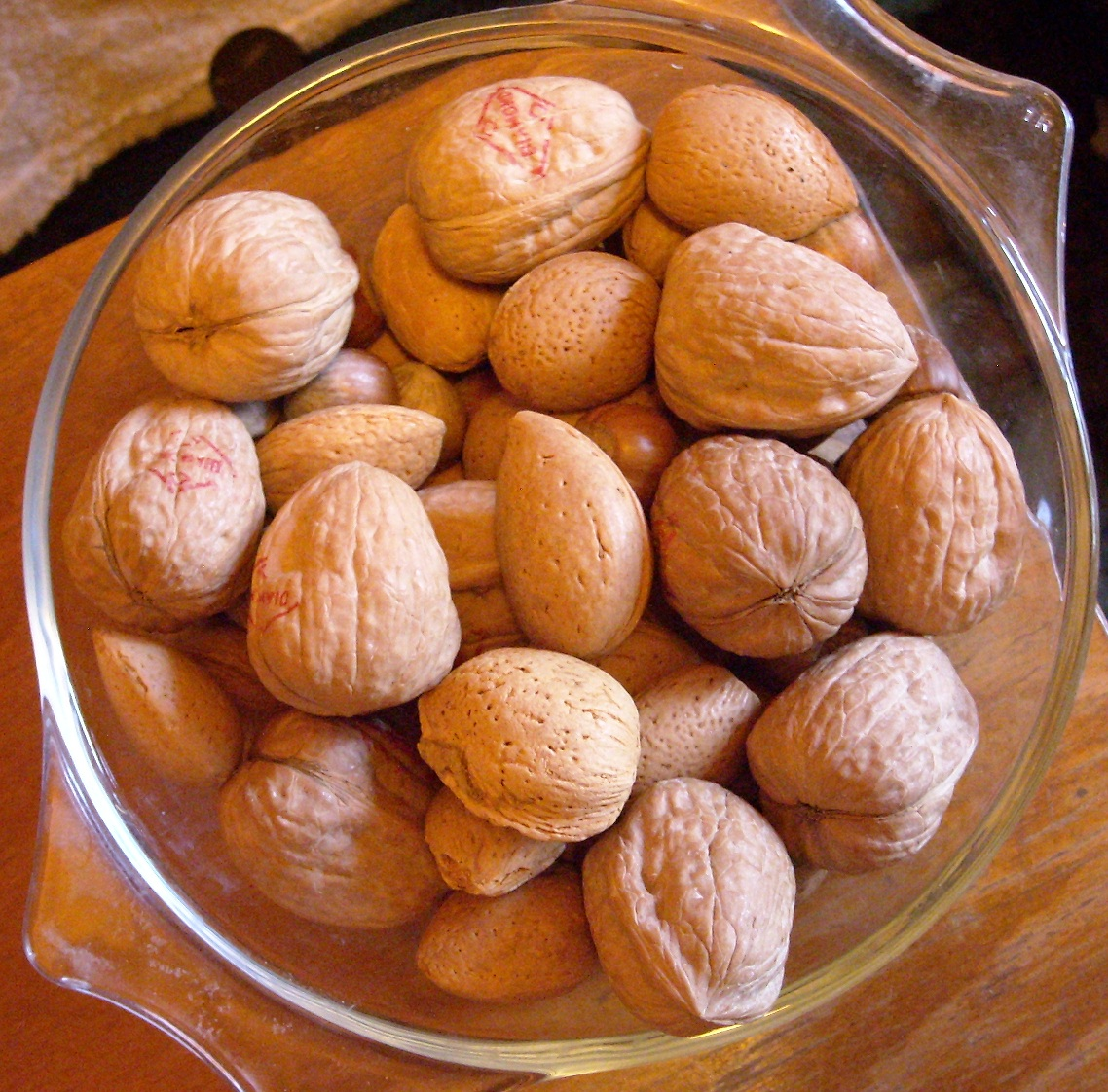
Nuts in the shell sat out in a bowl through the cold months, with the cracker and the picks lying beside them.
Shelled, in a sealed bag, bought when wanted.
Start with how ordinary this was, because it has disappeared completely. A standing bowl of unshelled nuts was a normal feature of a room in winter, available to anybody passing, which made eating them an activity rather than a snack.
Like our content? Follow us for more.
2. The Shell Was the Packaging and It Was a Good One
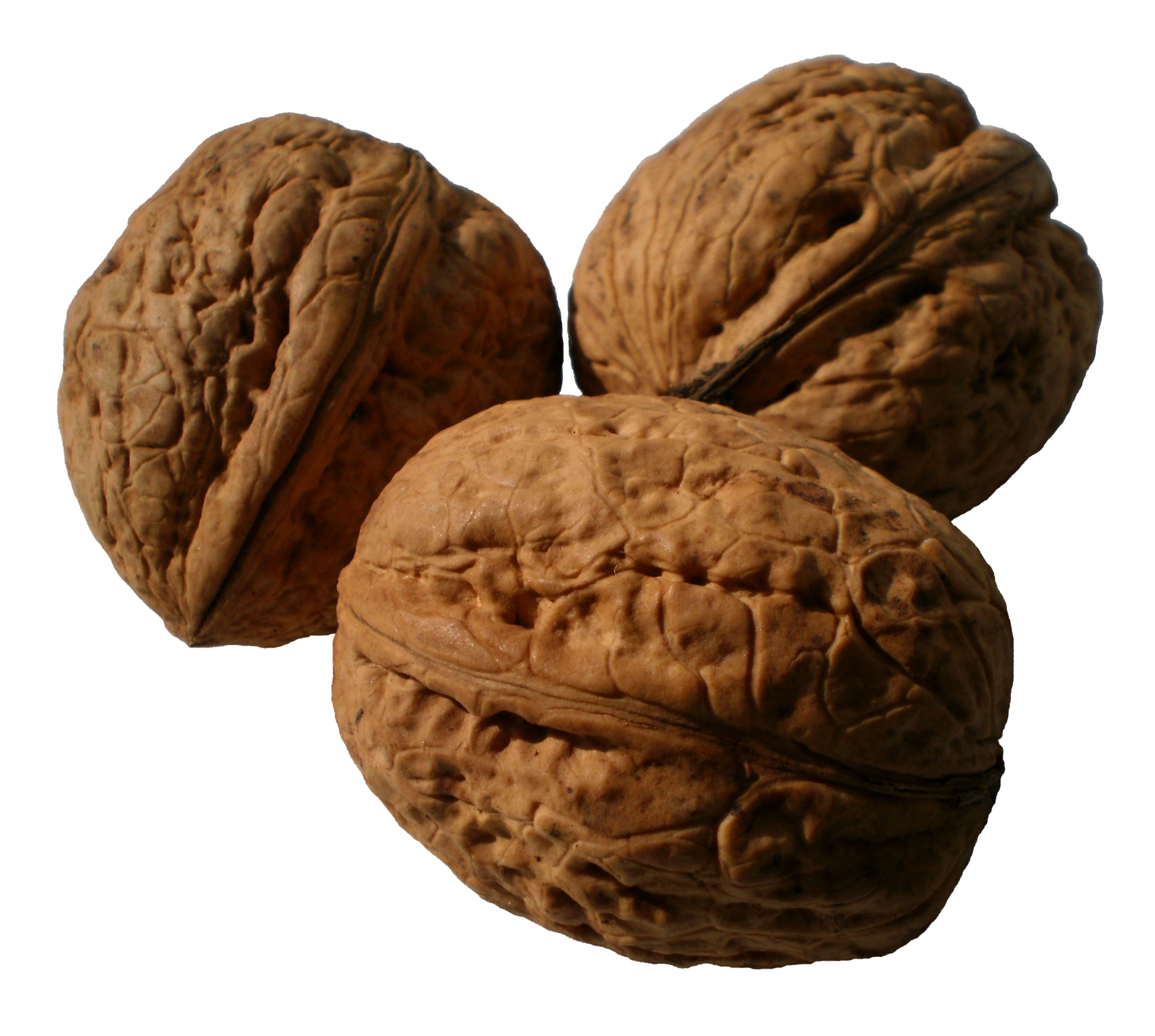
An intact shell keeps the kernel inside it dry, dark and protected from air, which is why nuts kept for months without any other preparation.
Vacuum packing and refrigeration.
The shell deserves recognition as a storage technology and it is a very effective one. A sealed rigid container that excludes light, moisture and most air is exactly what a fatty kernel needs – and it arrives attached to the product at no cost.
3. A Cracker Is a Lever, and the Hinge Position Is the Design
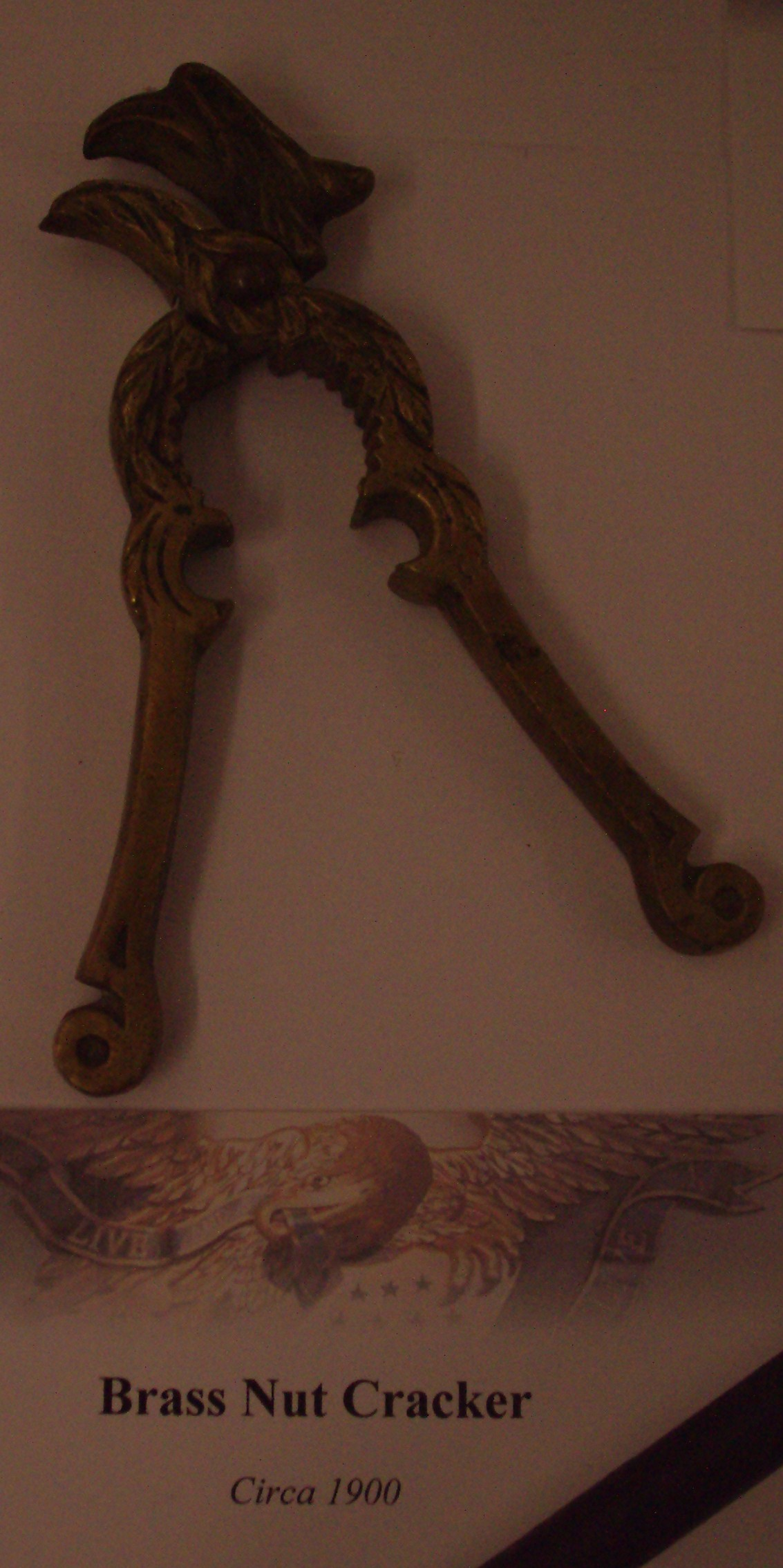
The two arms pivot at one end, so the squeezing force at the nut is multiplied by the ratio of the arm length to the distance from the hinge.
The same mechanics.
The mechanics are worth spelling out because the whole object is one principle. Put the nut close to the hinge and the hand’s effort is multiplied enormously, which is why the cradle sits where it does rather than at the tip.
4. The Trick Was Cracking Without Crushing
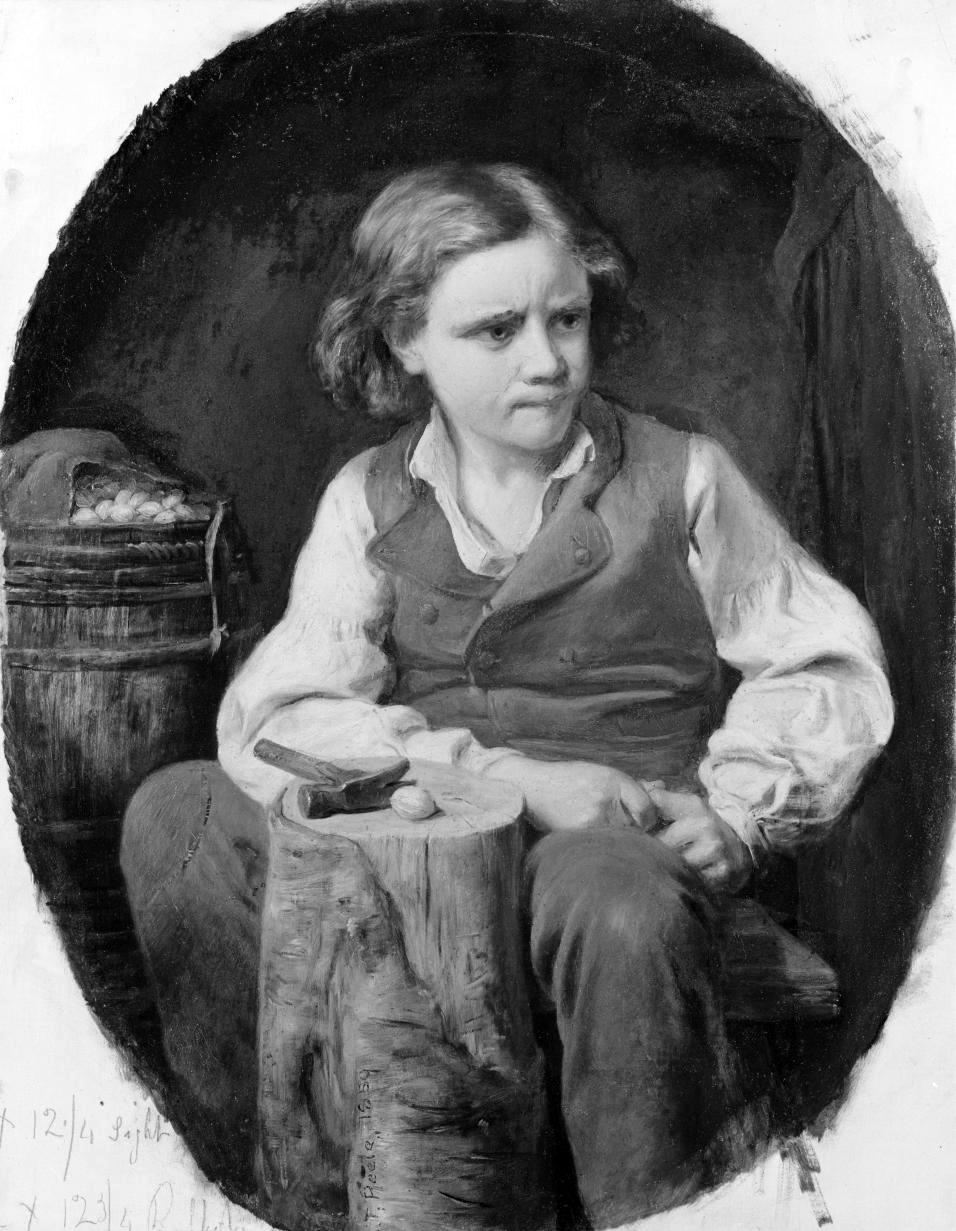
Too little force left the shell intact and too much turned the kernel to fragments, so the squeeze was applied gradually and stopped at the sound.
Not applicable.
This is the skill the object demanded and it is a matter of listening rather than looking. The shell fails suddenly and audibly while the kernel is still whole, so the correct moment to stop is announced – and anybody who kept squeezing past it got crumbs.
5. Different Nuts Needed Completely Different Approaches
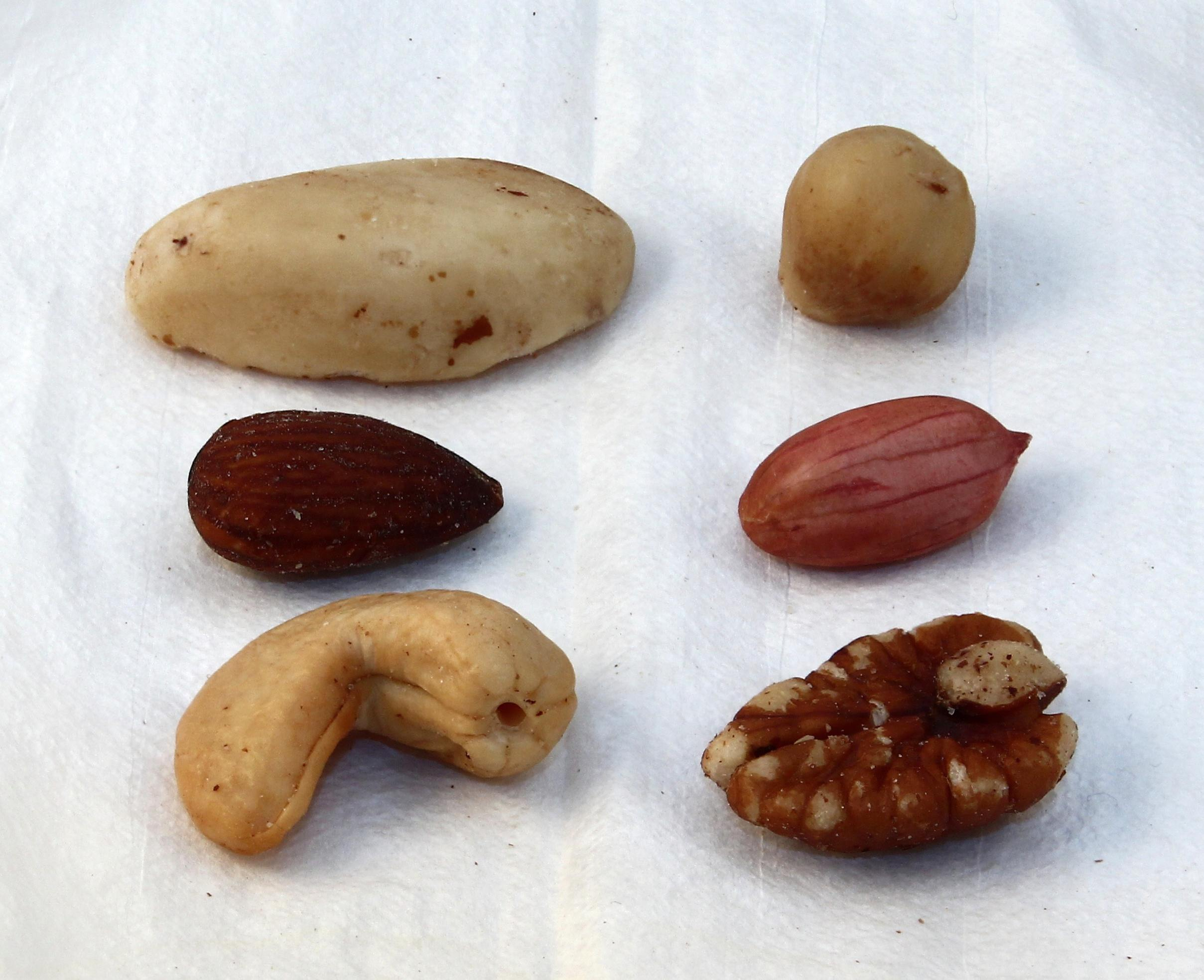
Thin shells split under almost no pressure while thick ones needed a great deal, and some separated cleanly while others had to be picked out of a chambered shell.
Not applicable.
The variety is what made a bowl of mixed nuts interesting and it required knowledge. Each kind has its own failure behaviour, so a person reaching into the bowl was choosing not just a flavour but a difficulty.
6. The Picks Did the Half of the Job Nobody Remembers
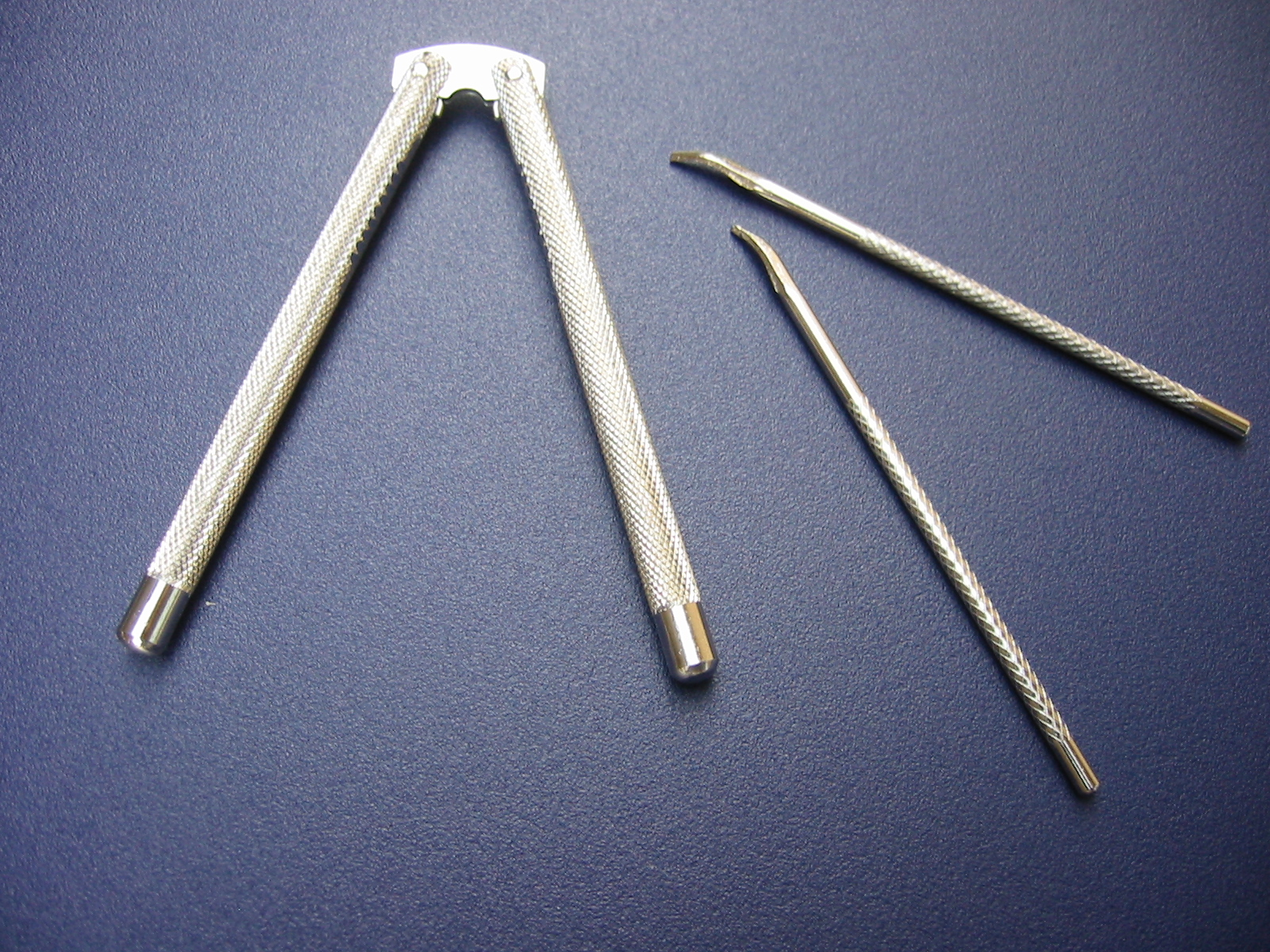
Slim pointed tools were needed to get kernel fragments out of the internal divisions of a cracked shell.
Not applicable.
The picks are the forgotten half of the equipment and they are what the time actually went into. Cracking takes a second; extracting the pieces from a divided interior takes several minutes, which means the cracker was the quick part.
7. Some Nuts Were Cracked With a Hammer on a Flat Iron
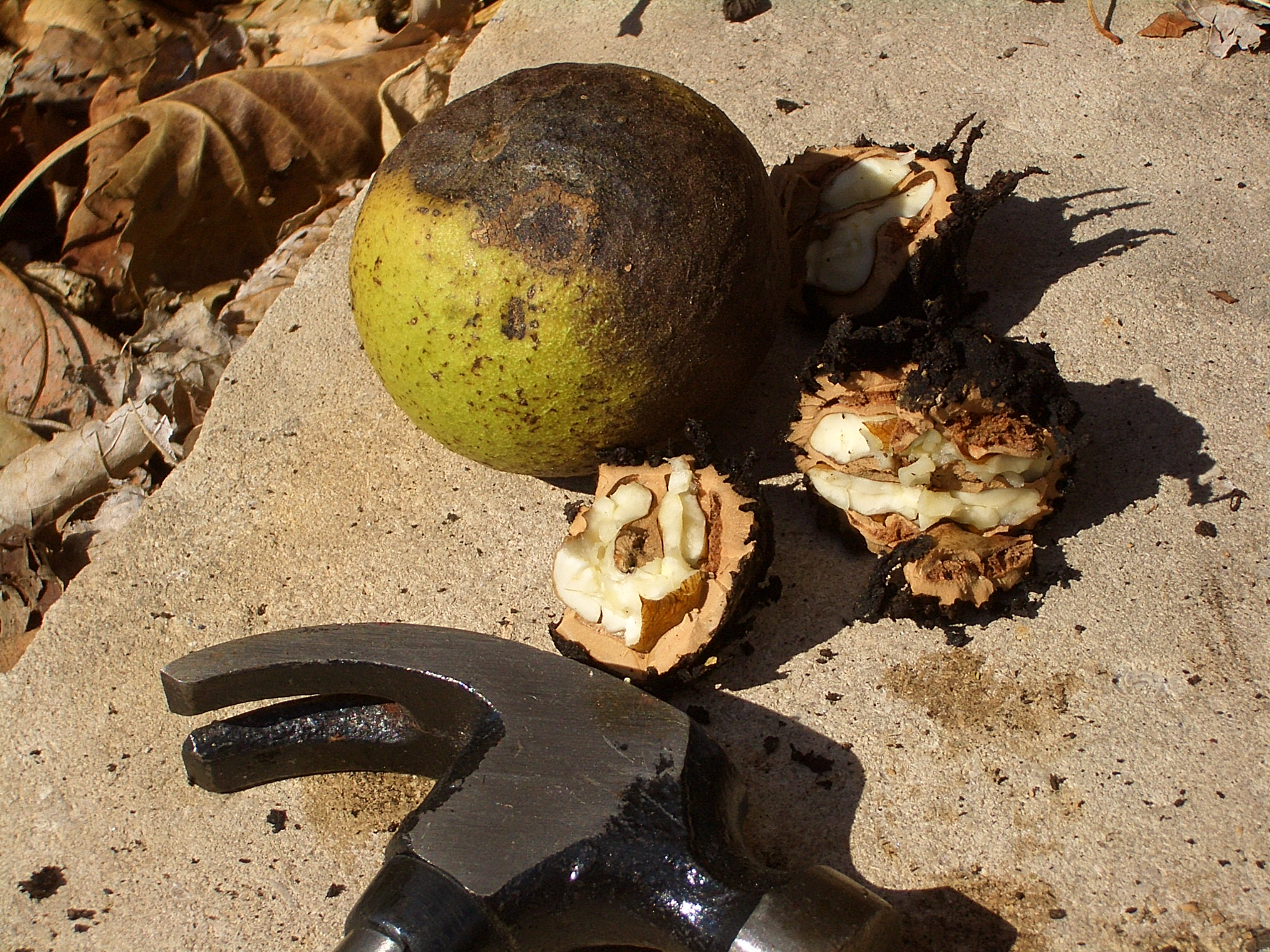
The hardest shells defeated an ordinary cracker, and were dealt with by placing them on a heavy flat surface and striking them.
Mechanically shelled before sale.
The hammer method is the honest admission that the lever was not always enough. A shell strong enough to resist a hand-powered lever needs impact rather than pressure, and the result is a less controlled break that produces smaller pieces.
8. The Shells Went Straight Into the Stove
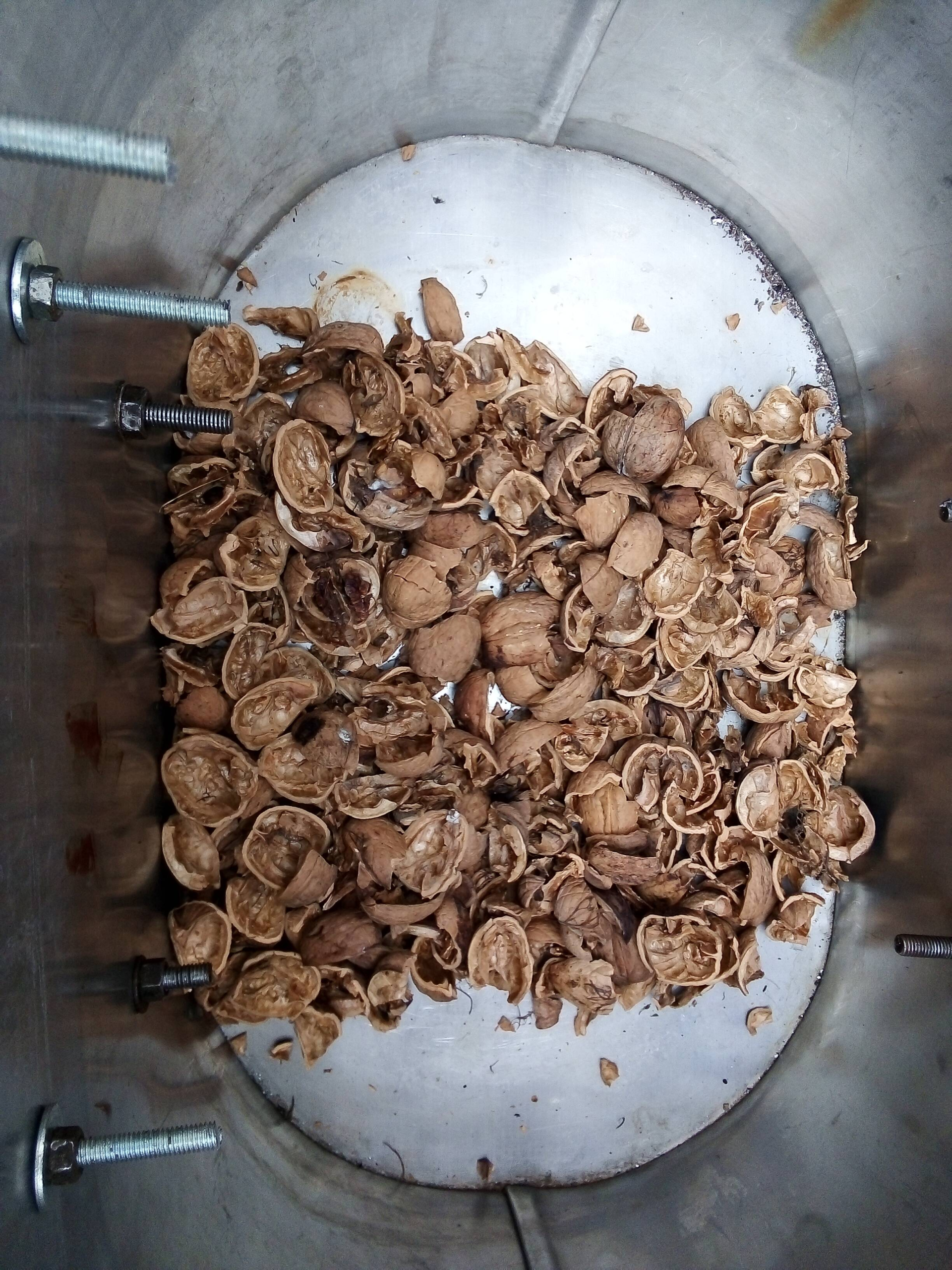
Discarded shells were burned as fuel or kindling, which disposed of the waste and returned something useful from it.
Composted or thrown out.
Burning the shells closes the loop and it was automatic. A dry fibrous material with nothing else to recommend it is exactly what belongs in a firebox, so the by-product of the evening’s eating went into the thing that was heating the room.
9. Gathering Them Was a Family Expedition in the Fall
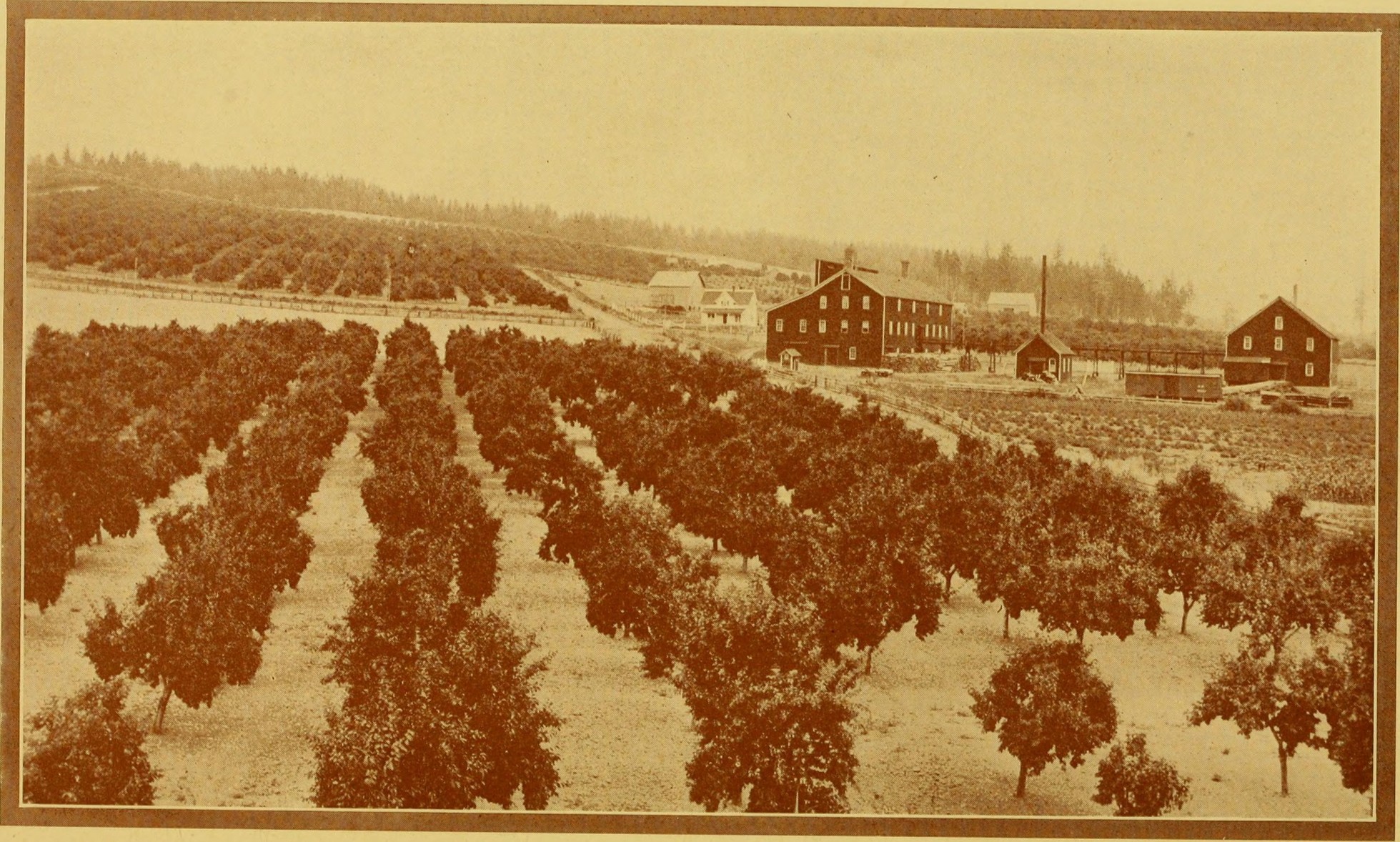
Where nut trees grew, households collected their own in autumn, which made the winter bowl a product of a day’s work months earlier.
Bought.
The gathering is what connected the bowl to the year and it was a scheduled occasion. Nuts fall within a short window and compete with wildlife for availability, so collecting them meant going at the right time and going in numbers.
10. They Had to Be Dried Before They Would Keep
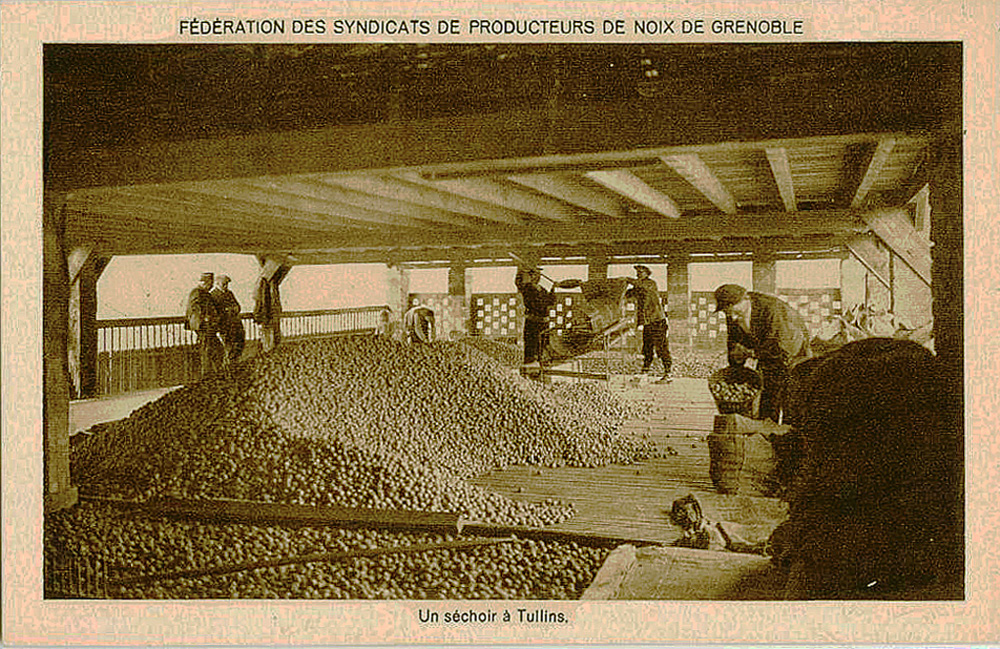
Freshly gathered nuts held moisture that caused mould, so they were spread out in a dry airy place for weeks before storage.
Not applicable.
The curing step is the part that gets skipped in the retelling and it was essential. A damp kernel inside a sealed shell is an ideal place for mould, so the moisture had to come out before the shell could do its job as a container.
11. A Squirrel Problem Was a Storage Problem
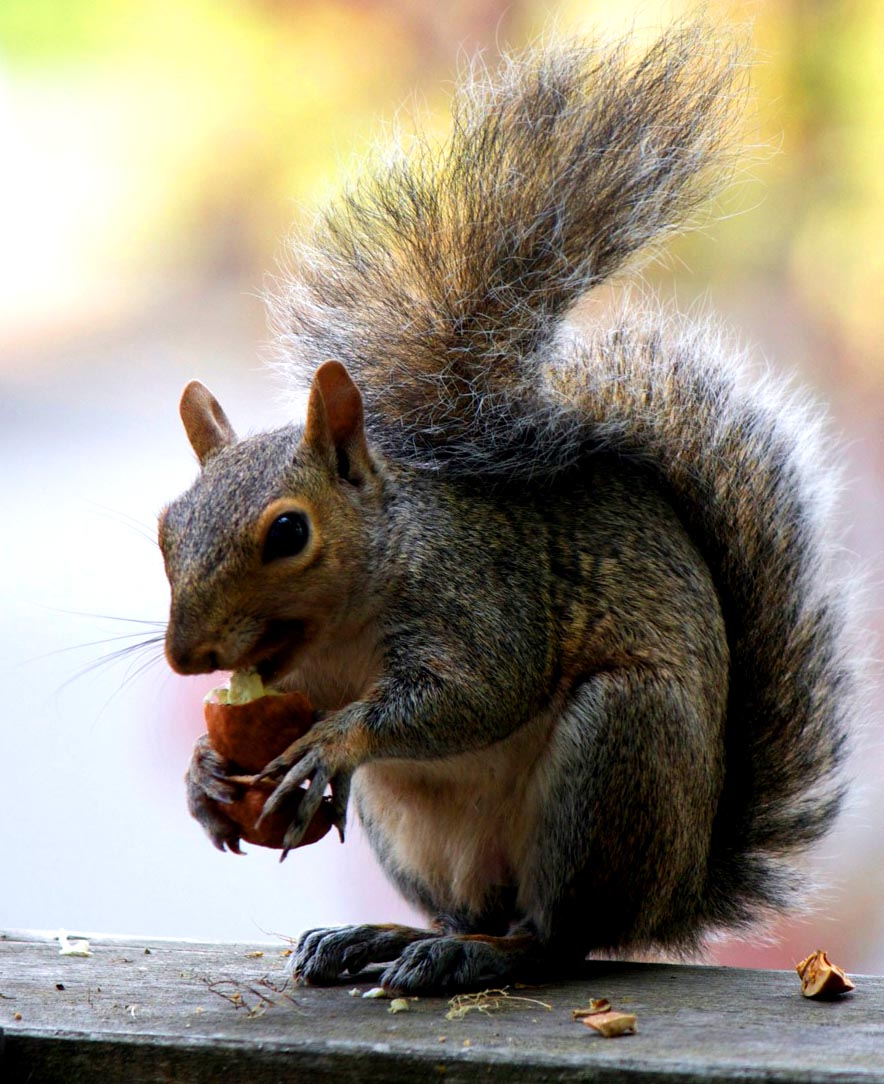
Stored nuts attracted animals, which meant containers that could not be chewed into and places that could not be reached.
Not applicable.
The competition for the stored crop was constant and it was taken seriously. Anything that is good food for a household is good food for everything else, so storage had to be a barrier rather than merely a container.
12. Cracking Nuts Was Something Done While Talking
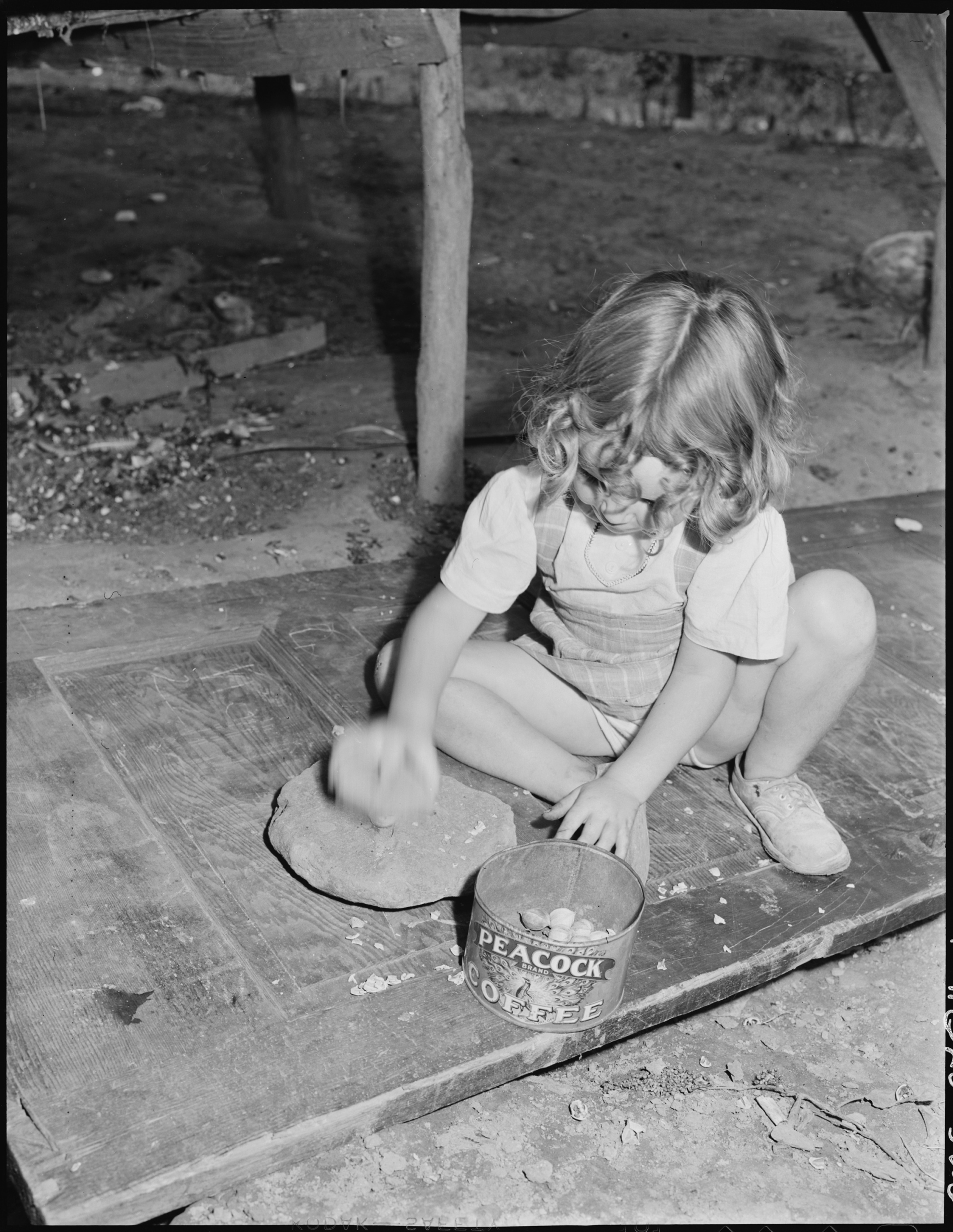
The work occupied the hands and almost none of the attention, which made it the natural accompaniment to conversation in the evening.
Not applicable.
This is the real social function of the whole arrangement and it explains the bowl’s position in the room. A task that requires hands but not thought gives people something to do while they talk, which is why it belonged in the parlour and not the kitchen.
13. Baking Was the Reason for the Serious Quantities
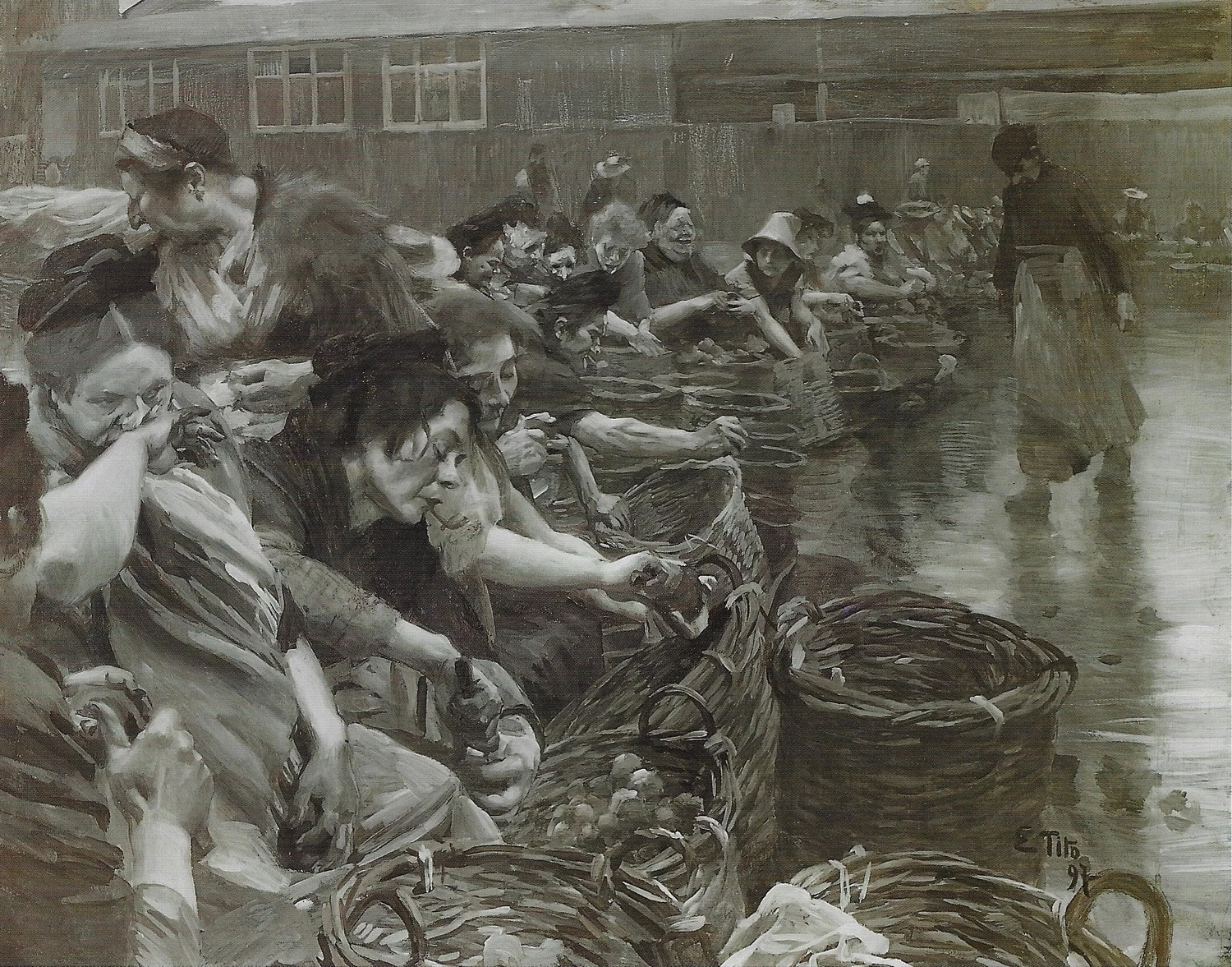
Large amounts of shelled kernels were needed for cakes and confections, which turned a pastime into a production job with a target.
Bought shelled.
The baking requirement changes the character of the task completely and it was a different kind of evening. Shelling to a quantity is tedious work against a deadline, and it was commonly done collectively precisely because one person would take far too long.
14. The Sets Were Given as Gifts and Kept on Display
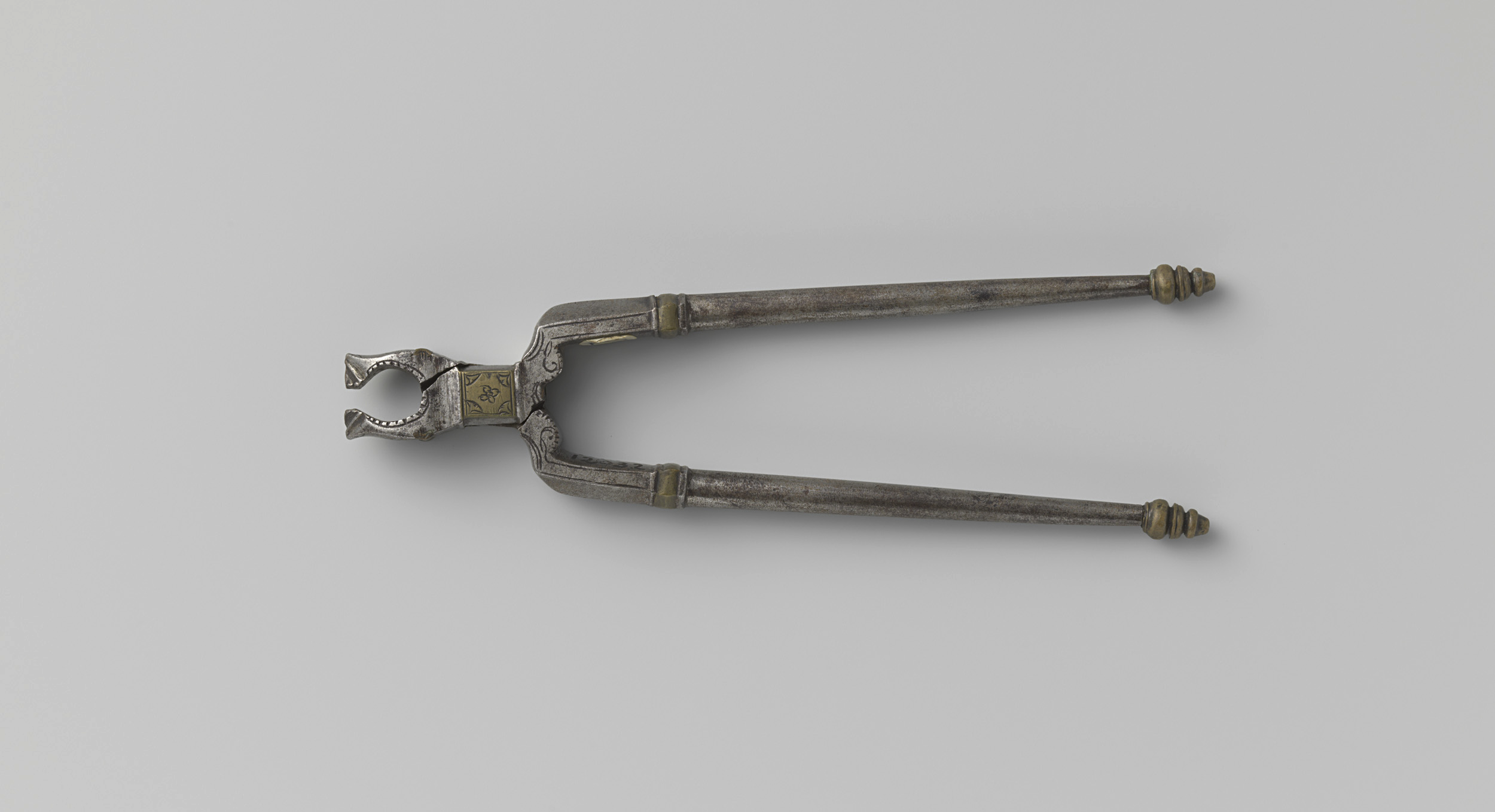
Cracker and pick sets were sold as presentable objects, often in a dish or a stand, which made them part of the room’s furnishing.
Not applicable.
Turning the tools into an ornament tells you how routine the activity was. Nobody makes a decorative version of a tool that is used twice a year, so the existence of presentation sets is evidence that this happened constantly.
15. Then Shelled Nuts in a Bag Ended the Entire Ritual
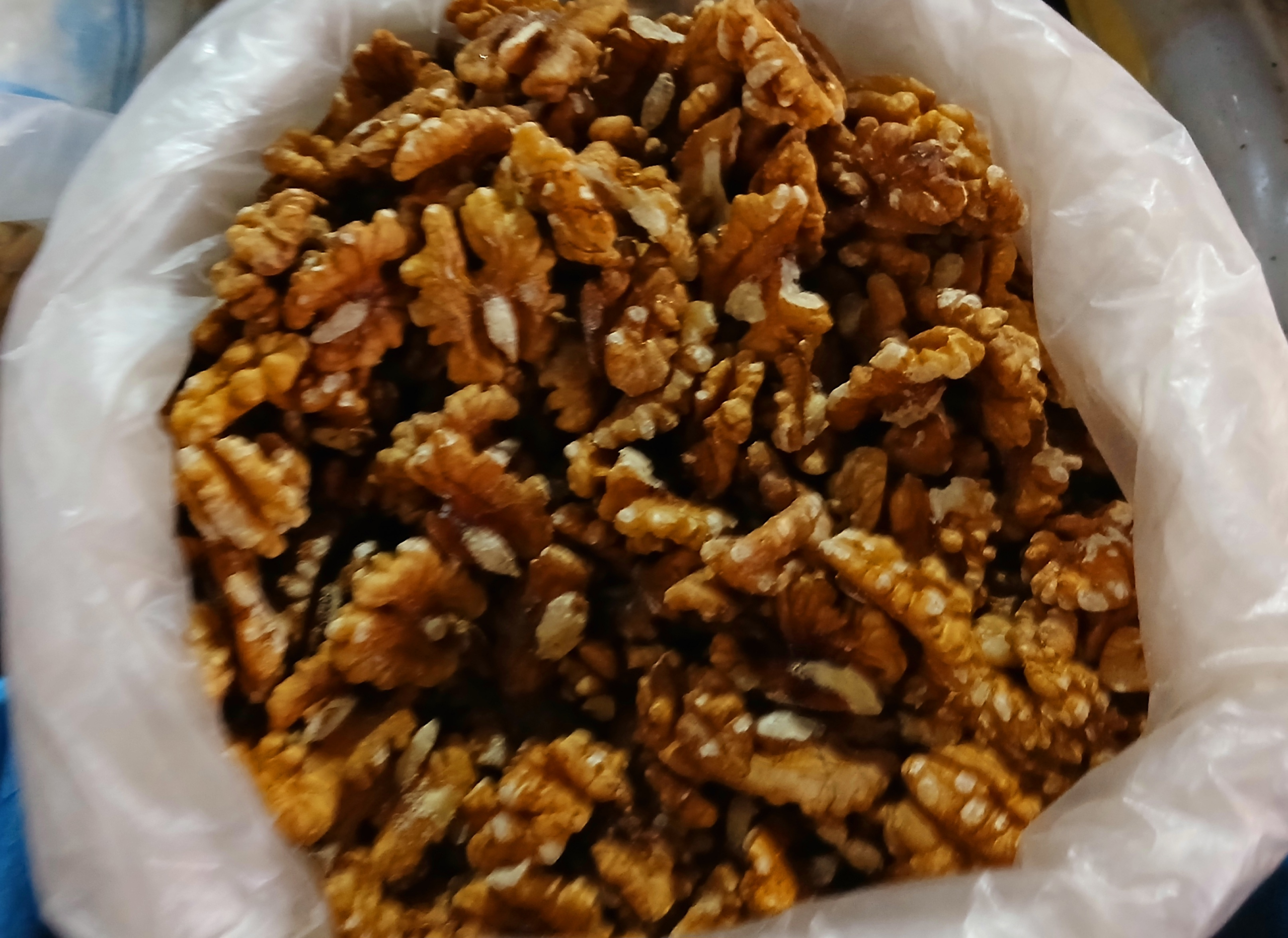
Once kernels could be bought already extracted and kept fresh, there was no reason for the bowl, the cracker, the picks or the evening.
Universal.
The replacement removed the labour and the occasion together, which is the pattern throughout all of this. The shelling was the tedious part and also the part that gathered people around a table – so eliminating it eliminated something nobody had thought of as valuable until it was gone.
16. And by 1964 the Crackers Were in a Drawer With the Picks
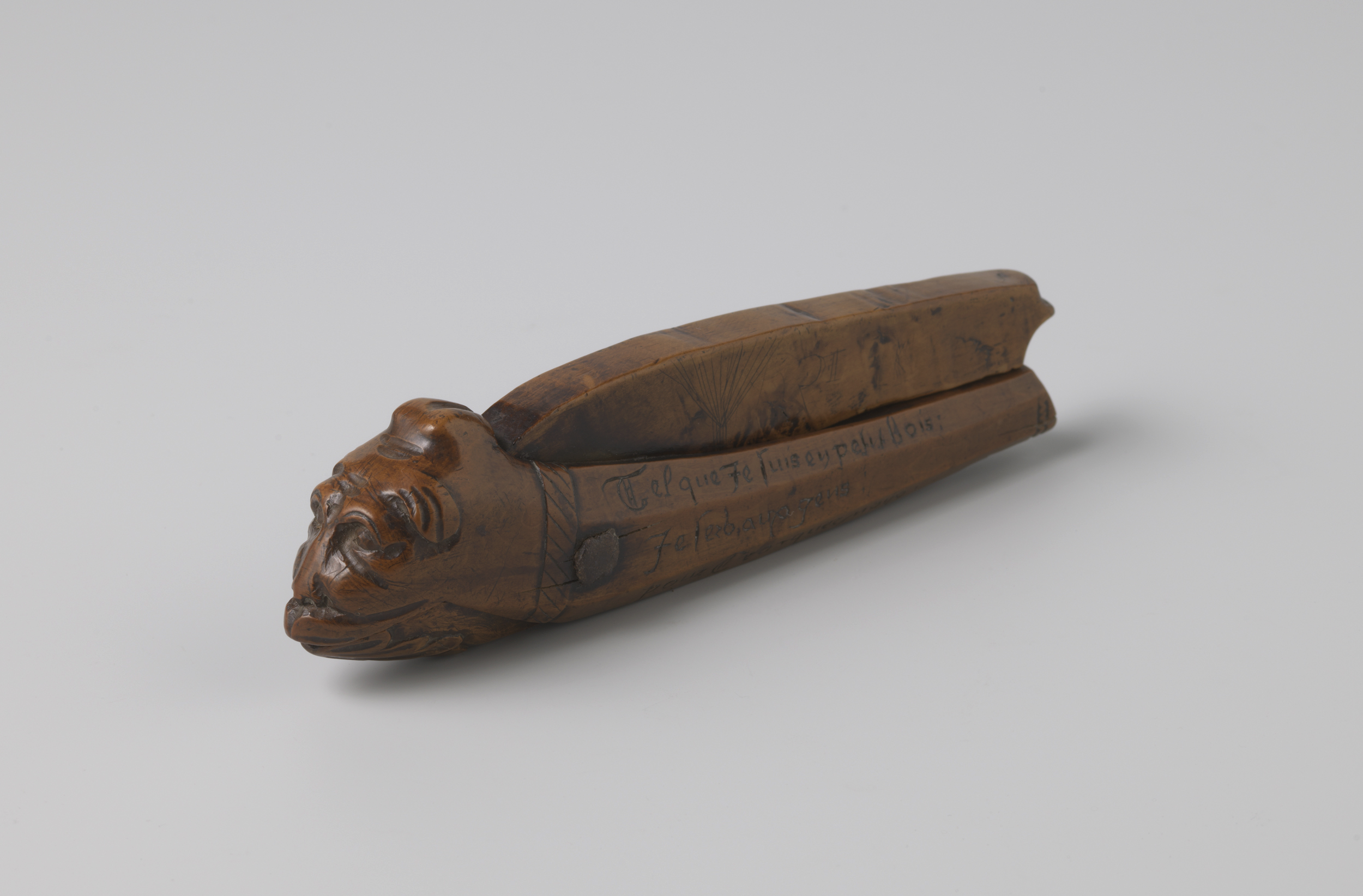
The sets survived, complete and unused, because they were too nice to discard and had nothing left to do.
Decorative.
And what deserves the last word is that the nut arrived in its own packaging, and it was excellent packaging. A rigid sealed shell excluding light, moisture and most air is exactly what a fatty kernel needs to survive months, and it comes attached to the product for nothing. The cracker was simply a lever with the cradle set close to the hinge so a hand’s effort was multiplied, and the skill was knowing when to stop, because the shell fails audibly while the kernel is still whole. The picks did the slow half of the work that nobody remembers, the shells went into the fire, the gathering happened in a short autumn window months before, and the curing had to happen or the whole store moulded. What was lost when kernels started arriving in bags was never the nuts – it was an evening’s worth of something to do with your hands while you talked to the people in the room.
The Packaging Came Attached and It Was Better Than Ours
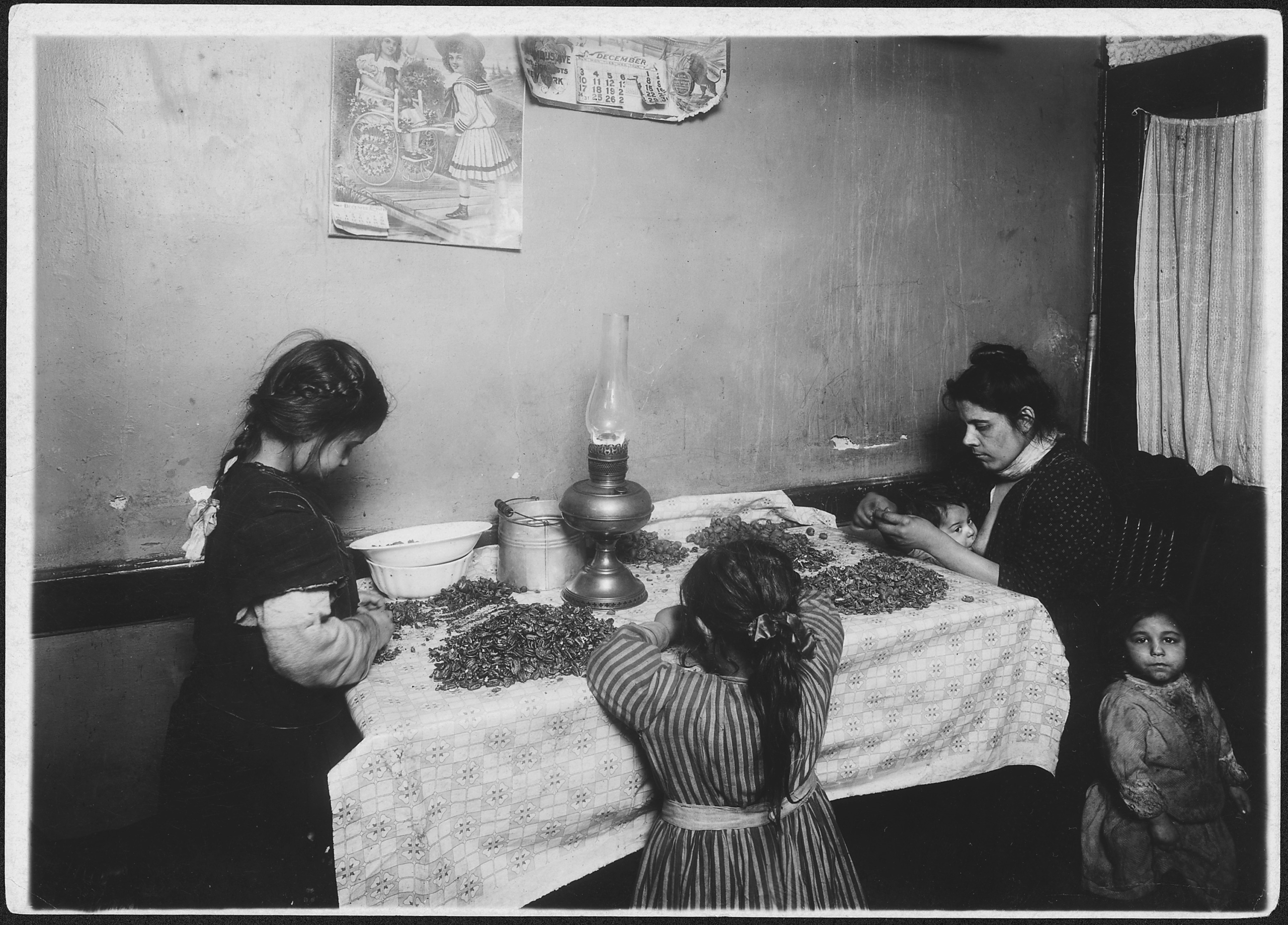
A bowl of nuts and a cracker is one of those arrangements that has disappeared so thoroughly that the reasoning behind it needs reconstructing.
Begin with the shell, which deserves recognition as a storage technology. An intact shell is a rigid sealed container excluding light, moisture and most air – precisely what a fatty kernel needs to survive months without refrigeration. And it arrives attached to the product at no cost, which is more than can be said for anything we have invented since.
The cracker is one principle and nothing else. Two arms pivoting at one end, with the nut held close to the hinge so the hand’s effort is multiplied by the ratio of the lengths. That is why the cradle sits near the pivot rather than at the tip, and it is the whole of the design.
The skill it demanded was auditory rather than visual. Too little force leaves the shell intact; too much reduces the kernel to fragments. But the shell fails suddenly and audibly while the kernel is still whole, so the right moment to stop announces itself – and anybody who kept squeezing past it got crumbs.
A bowl of mixed nuts was therefore a bowl of mixed difficulties. Thin shells split under almost nothing, thick ones needed a great deal of force, some separated cleanly and others had to be picked out of a chambered interior – so reaching into the bowl meant choosing a problem as well as a flavour.
Which brings in the forgotten half of the equipment. The picks are where the time actually went. Cracking takes a second; getting the fragments out of a divided shell takes minutes. The cracker was the quick part of the job, and the slim pointed tools lying beside it were the slow part.
Some shells defeated the lever entirely, and the honest answer was a hammer and a flat iron surface. A shell that resists a hand-powered lever needs impact rather than pressure, and impact produces a less controlled break and smaller pieces.
The shells then went into the stove, which closed the loop automatically. A dry fibrous material with nothing else to recommend it belongs in a firebox, so the evening’s waste went straight into the thing heating the room.
Behind the winter bowl was an autumn day’s work.
Where nut trees grew, households gathered their own, and that was a scheduled expedition rather than a stroll. Nuts fall within a short window and compete with wildlife for availability, so it meant going at the right time and going in numbers.
And then they had to be cured, which is the step that gets left out of the retelling and was absolutely essential. Freshly gathered nuts hold moisture, and a damp kernel inside a sealed shell is an ideal place for mould – so the nuts were spread in a dry airy place for weeks before they could be stored at all. The shell only works as a container once the water is out.
Storage was a contest. Anything that is good food for a household is good food for everything else, so a stored crop needed a barrier rather than merely a container – something that could not be chewed into, in a place that could not be reached.
Now the part that explains where the bowl sat.
Cracking nuts occupies the hands and almost none of the attention, which makes it the perfect accompaniment to conversation. That is why the bowl belonged in the parlour and not the kitchen: it was not food preparation, it was something to do while talking.
Baking was the other mode entirely. Cakes and confections needed shelled kernels in quantity, which turns the pastime into a production job against a target – tedious, and commonly done collectively because one person alone would take all night.
And the tools became ornaments, which is the best evidence of how routine all this was. Cracker and pick sets were sold as presentable objects in a dish or a stand, and nobody makes a decorative version of a tool used twice a year.
Then kernels became available already shelled and kept fresh, and the whole arrangement ended at once – the bowl, the cracker, the picks and the evening.
That is the pattern in all of this. The shelling was the tedious part, and it was also the part that put people around a table with their hands busy and their attention free.
Nobody values that until it is gone, and then the crackers sit in a drawer with the picks, complete and perfectly serviceable, with nothing left to do.
If you find a set in a drawer, notice the picks.
Those are the tools that did the slow part, and they are the reason it took all evening.
Like our content? Follow us for more.