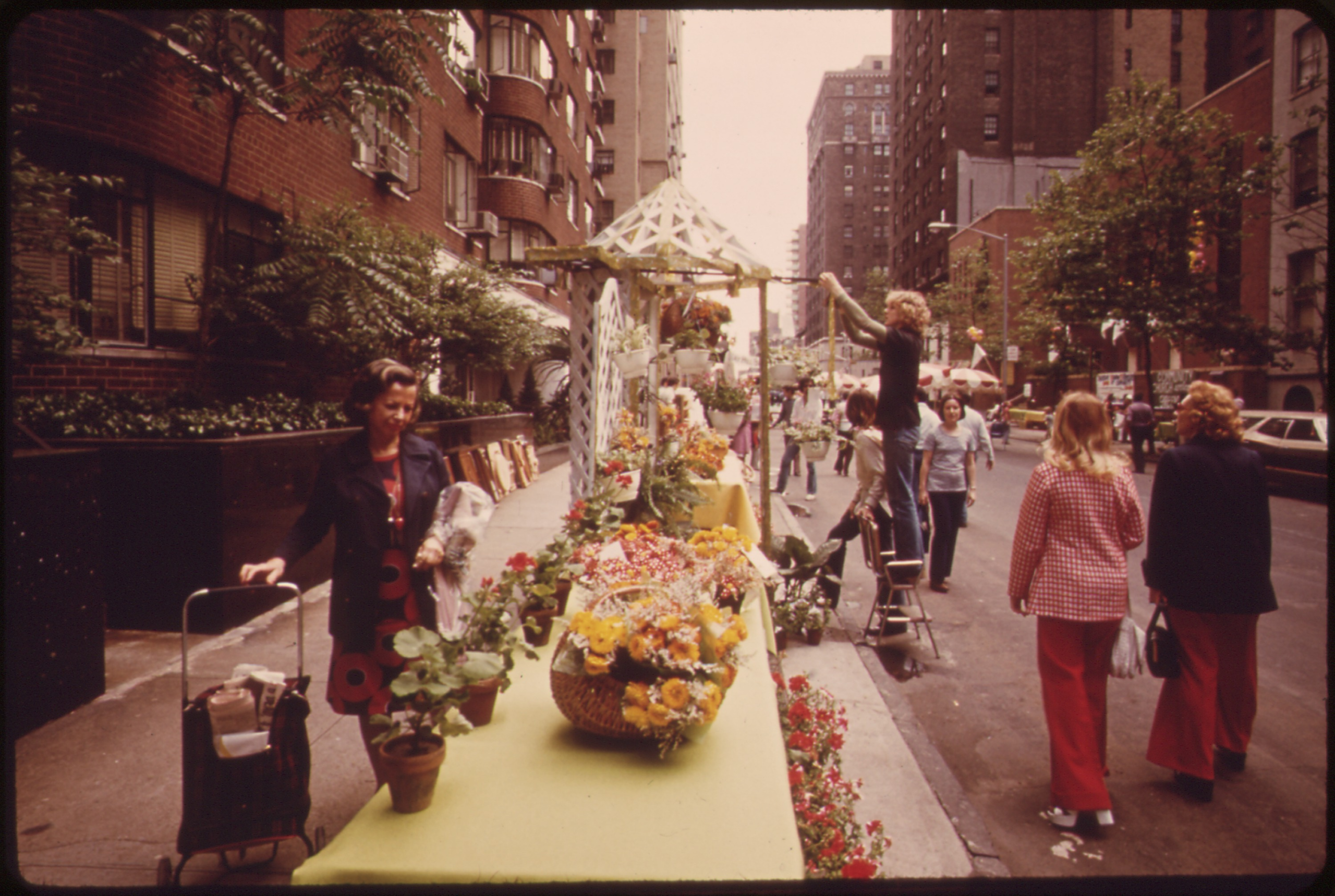
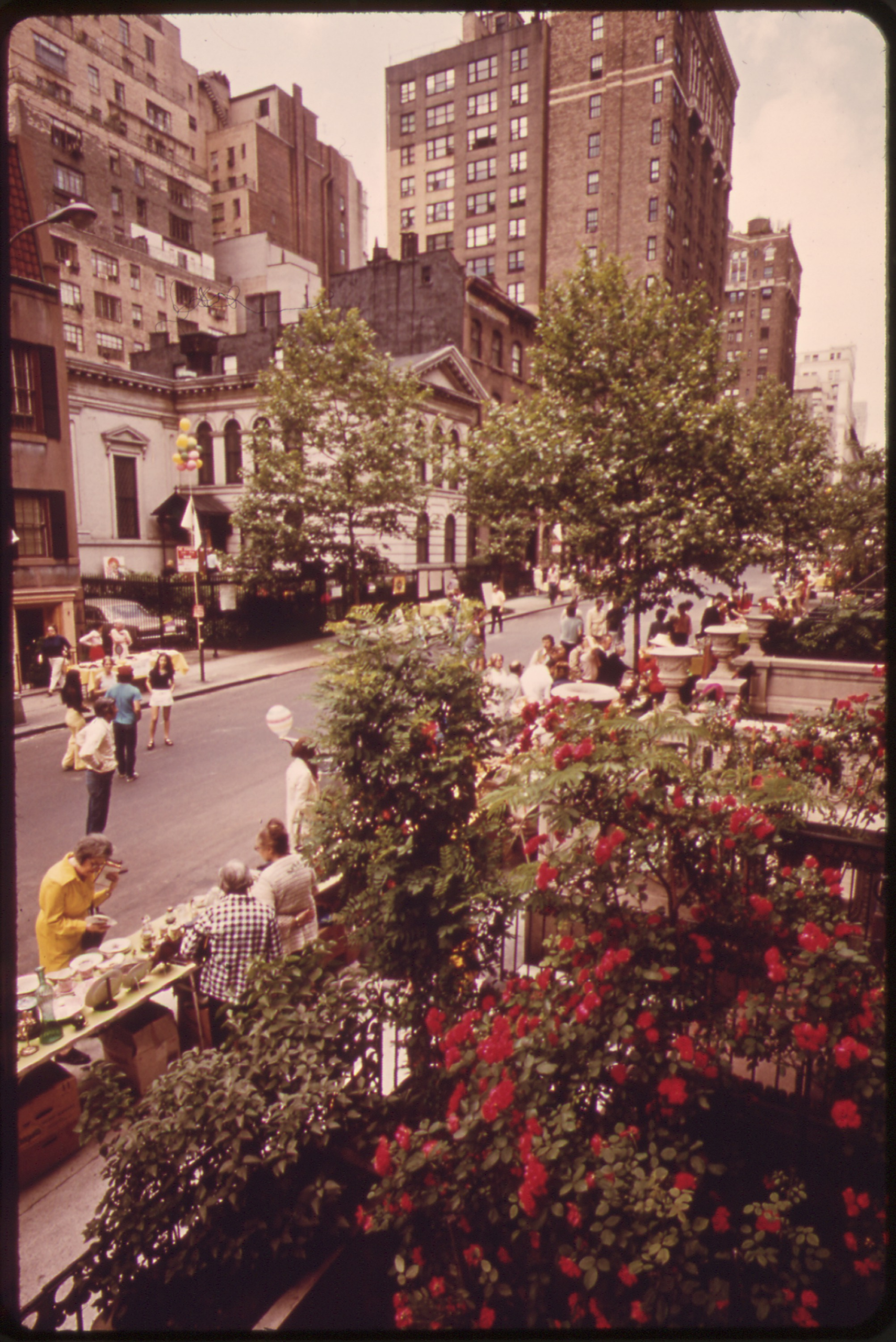
In 1974 an American block party happened because one household decided it would, went door to door, and borrowed some sawhorses.
The street was closed with whatever was available. Every household wheeled out its own charcoal grill and lined them up along the kerb. Eleven mismatched tables were pushed end to end down the centre line. The music came out of somebody’s window. And the children had a paved street with no cars in it for an entire evening.
Here are sixteen things every American block party had in 1974, and what happened to each of them.
1. Somebody Simply Blocked the Street Off
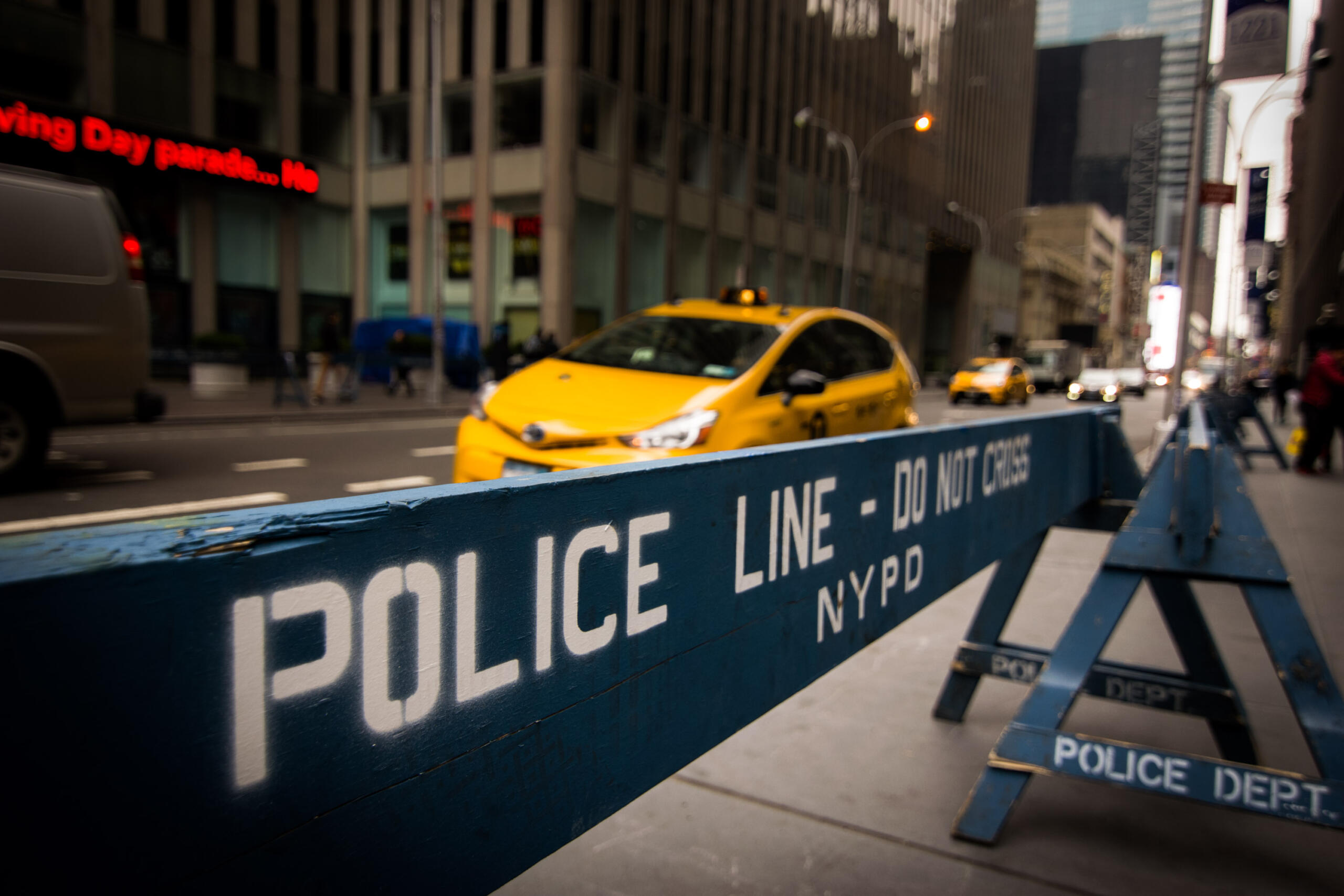
The street was closed with whatever was available – sawhorses borrowed from a neighbour, a couple of cars parked across the entrance, trash cans, or a rope between two mailboxes with a hand-lettered sign on it.
A permit application to the city, submitted weeks ahead, with a route plan, approved barricade types, insurance in many jurisdictions, and notification to emergency services and sometimes to transit.
The permit requirements are not bureaucratic obstruction and it is worth saying so. A closed street is a closed emergency route, and a fire department needs to know which streets it cannot drive down tonight. What the forms replaced was an arrangement in which nobody official knew the street was shut.
Like our content? Follow us for more.
2. The Grills Came Out of Every Garage and Lined the Kerb
Each household wheeled or carried its own charcoal grill into the street, lit it, and cooked its own food beside everybody else’s, in a row down the middle of the road.
Catering, a single large grill, food trucks in some places, or a potluck of things prepared indoors. The row of individual grills was the physical arrangement that defined the event.
And it worked because nobody was in charge of the food. There was no menu, no quantity planning and no budget – each household brought what it brought, cooked it where it stood, and the surplus moved along the row, which is how a street fed itself without anybody organising it.
3. Folding Tables Appeared From Nowhere and Formed One Long Table
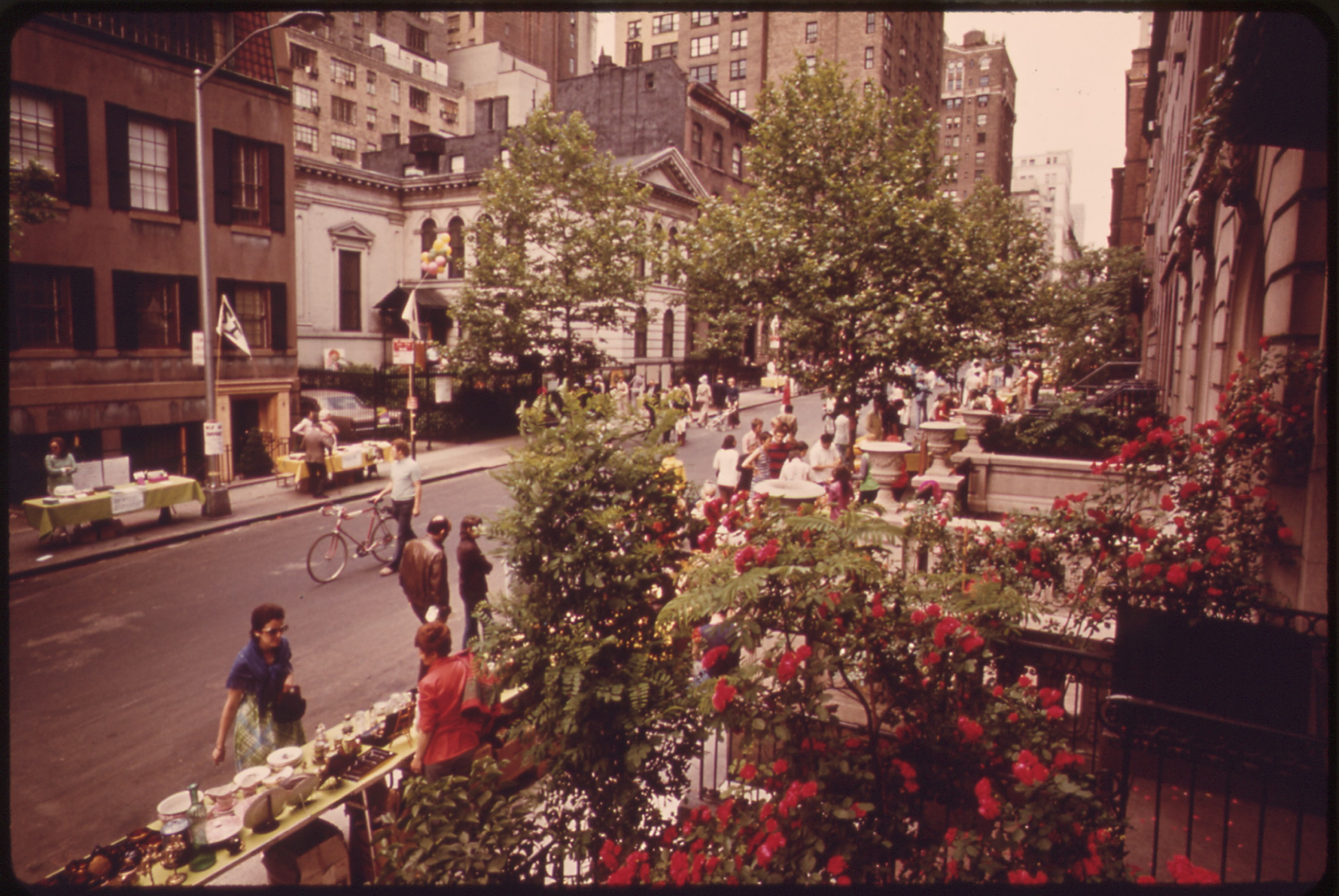
Card tables, picnic tables, trestle tables and kitchen tables were carried out and pushed end to end down the centre line of the road, covered with whatever cloths and oilcloths households owned.
Rented tables and chairs delivered on a truck, matched, in known quantities, set up by whoever is organising it. The old arrangement was a patchwork of mismatched household furniture.
The mismatch is what people remember and it was structurally important. A table made of eleven different tables, at four different heights, with four different cloths, is visibly the property of eleven households – which is a different object from a row of rented trestles and it said something the rented version cannot.
4. The Music Came Out of Somebody’s Window
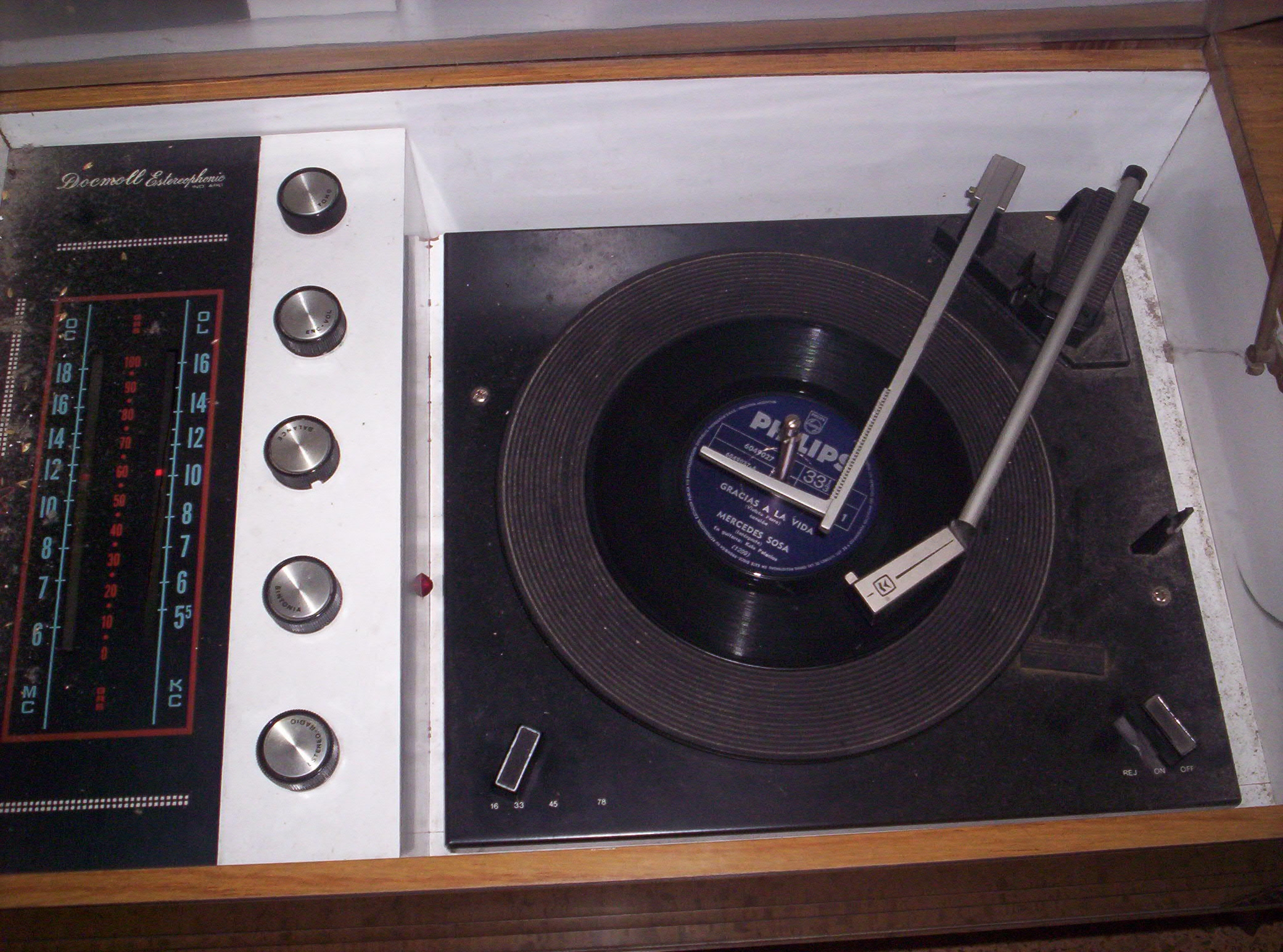
Sound was provided by a household turning its stereo towards an open window, or carrying a record player out onto a porch with an extension cord running back inside.
Portable powered speakers, or a hired band or system in larger events. The window arrangement meant one household’s taste governed the whole street for the evening.
Which was negotiated with varying success. The house with the loudest system supplied the music, the choice was theirs by default, and a street with two competing windows at either end was a known failure mode that everybody within earshot had opinions about.
5. Children Had the Whole Street and Nobody Was Watching Closely
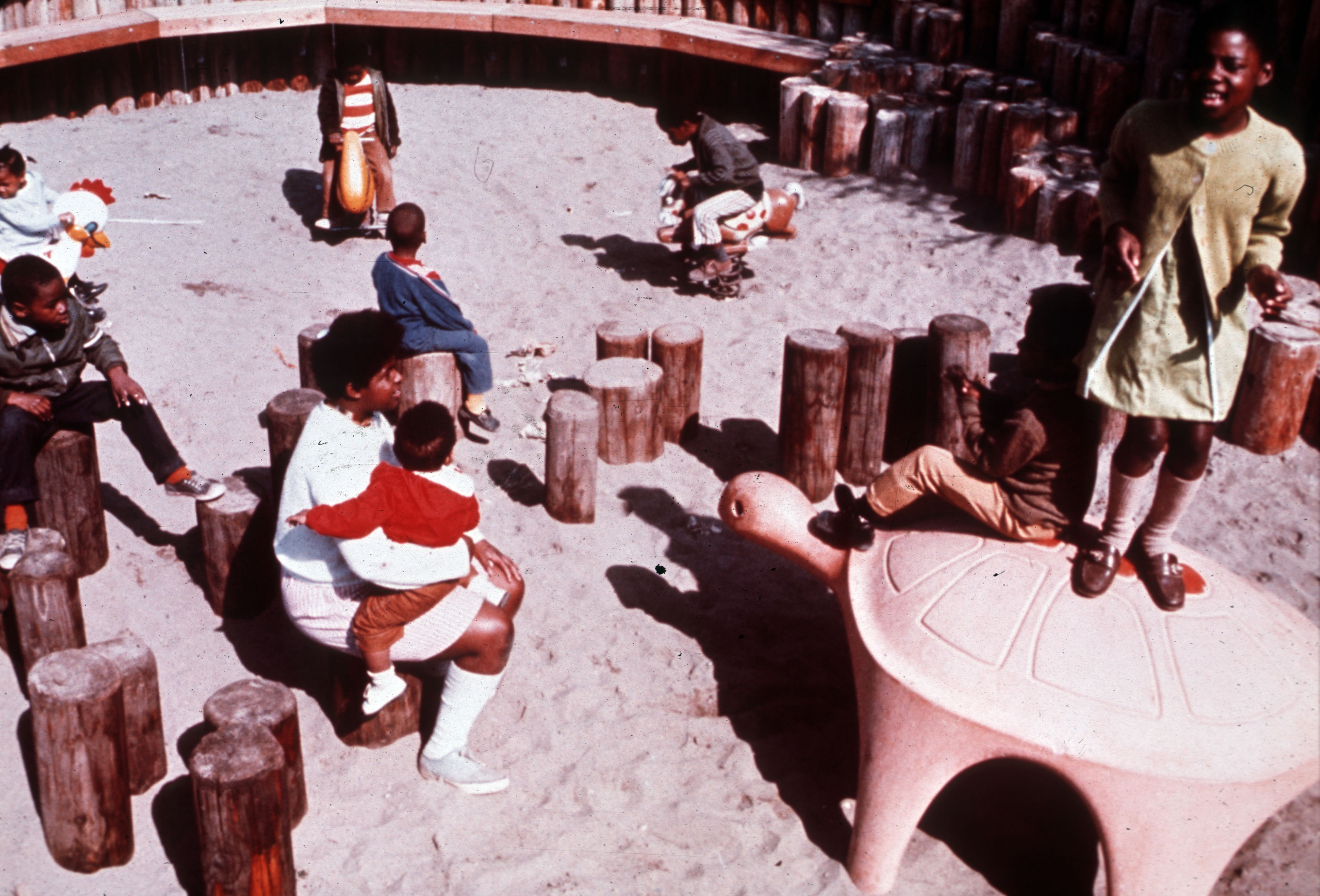
With the road closed to traffic, children had a long flat paved space with no cars in it, and they used it for bicycles, roller skates, ball games, chalk and running, for hours, largely unsupervised.
Scheduled activities, hired entertainment, bounce houses, supervised games and a general expectation that an adult knows where each child is.
The closed street was the entire point from a child’s perspective, and it is a specific kind of liberty that is now very rare. A paved surface normally forbidden, made safe for one evening, with every adult you knew present but none of them paying particular attention, is a combination that produced the memory most people actually retain.
6. Somebody Opened a Hydrant or Ran a Hose
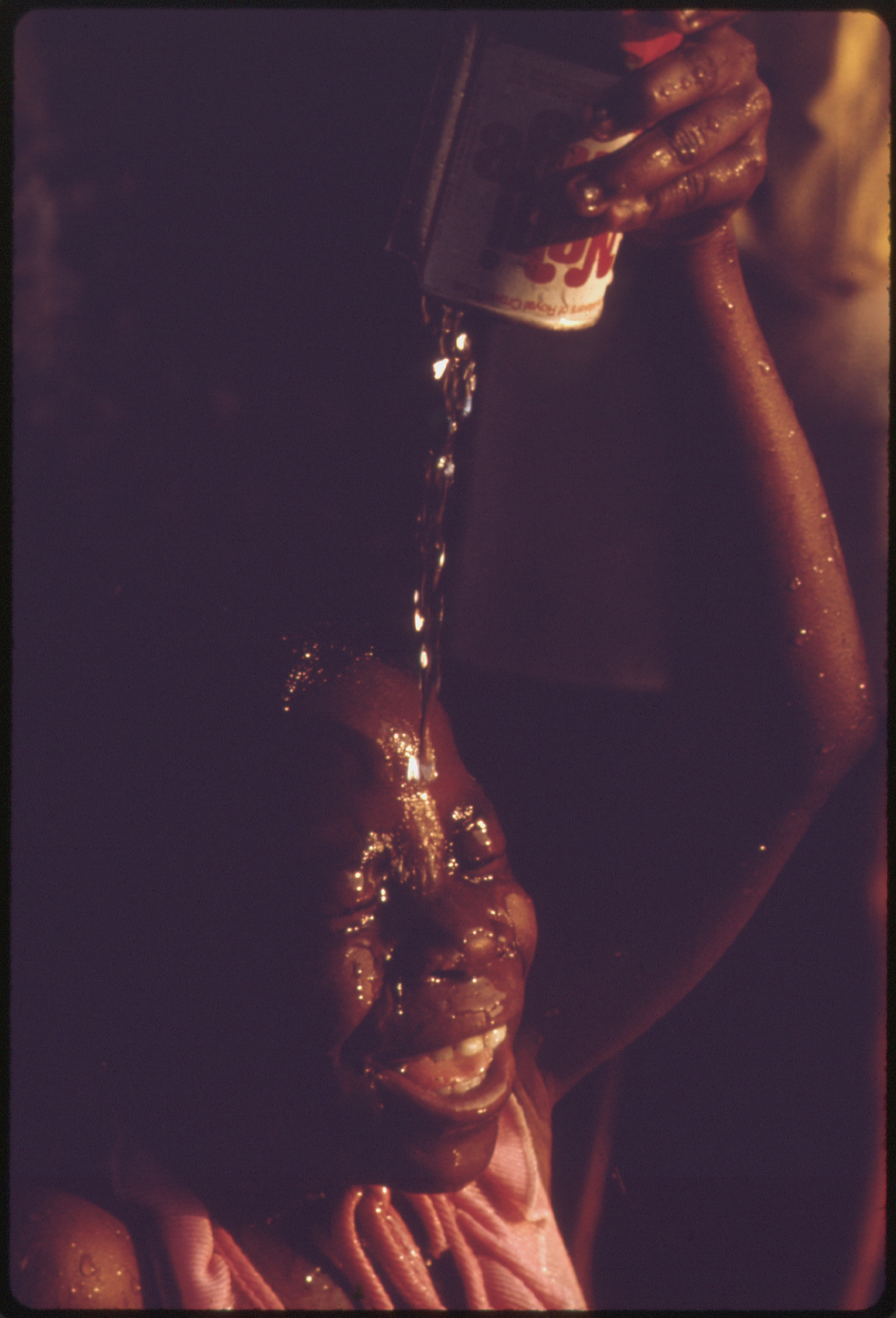
Water came from a garden hose run out to the street, a sprinkler set in the middle of the road, and in some cities a fire hydrant opened with a spray cap or simply a wrench.
Supervised water provision, sprinklers on private property, and firm restrictions on hydrant use – which is now treated as a serious matter rather than a summer tradition.
The hydrant case is worth stating accurately. Opening one drops water pressure across the surrounding mains, which is the pressure the fire department needs if something catches – so a street cooling off with an open hydrant was reducing the water available to fight a fire on the next block, and that is why it stopped.
7. The Games Were Organised Twenty Minutes Beforehand
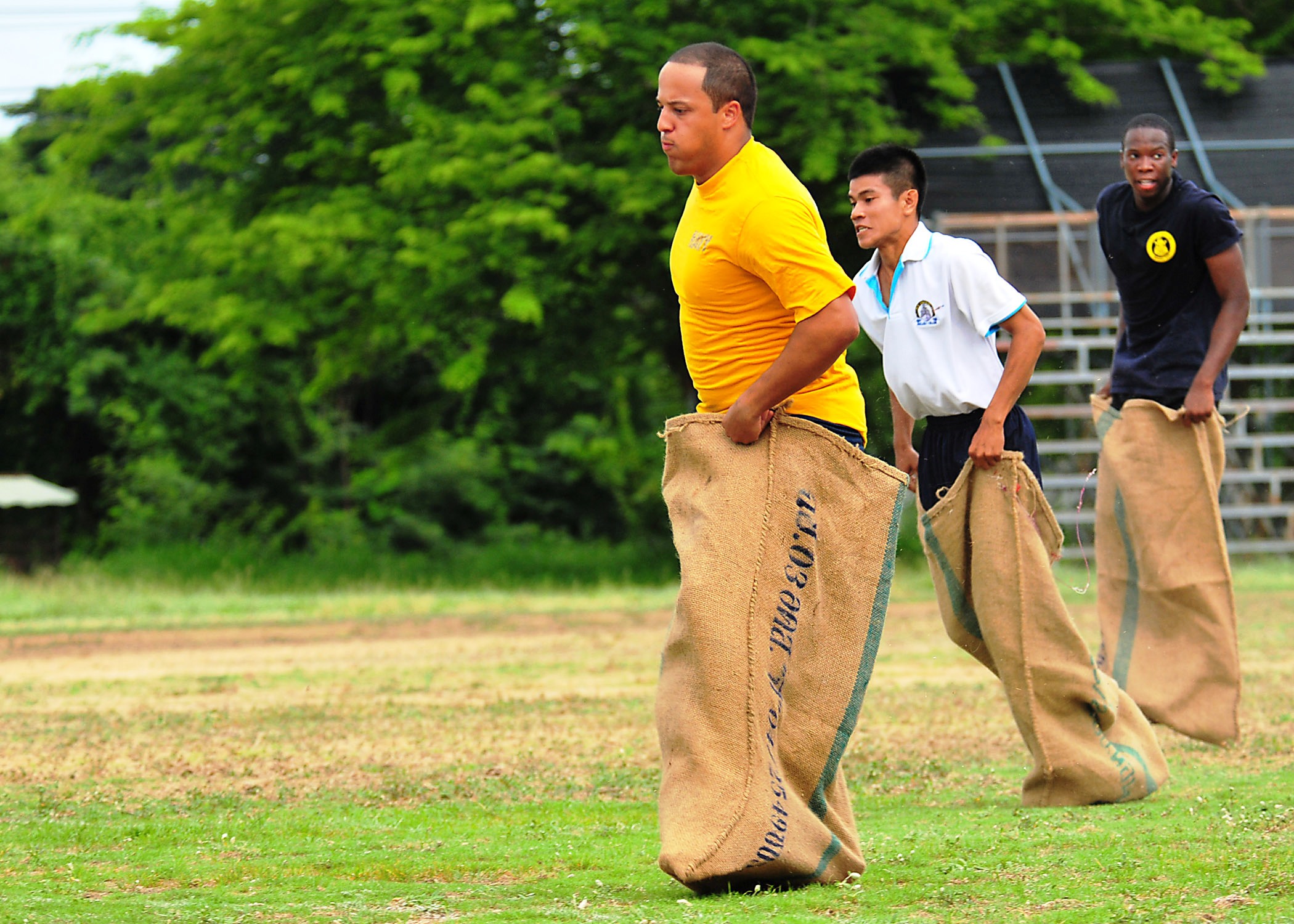
Competitions appeared spontaneously: sack races, three-legged races, egg-and-spoon, tug of war with a rope somebody owned, water balloon contests and a bicycle parade with crepe paper in the spokes.
Hired entertainers, inflatable structures, organised sports and planned activity schedules. The old games required almost no equipment and were invented or recalled on the spot.
Their defining feature was that they were cross-generational, which modern provision mostly is not. A tug of war has grandparents on it. A sack race has a nine-year-old beating a thirty-five-year-old in front of witnesses, which is a specific kind of social event that a bounce house cannot produce.
8. Everybody Brought a Dish and Nobody Coordinated
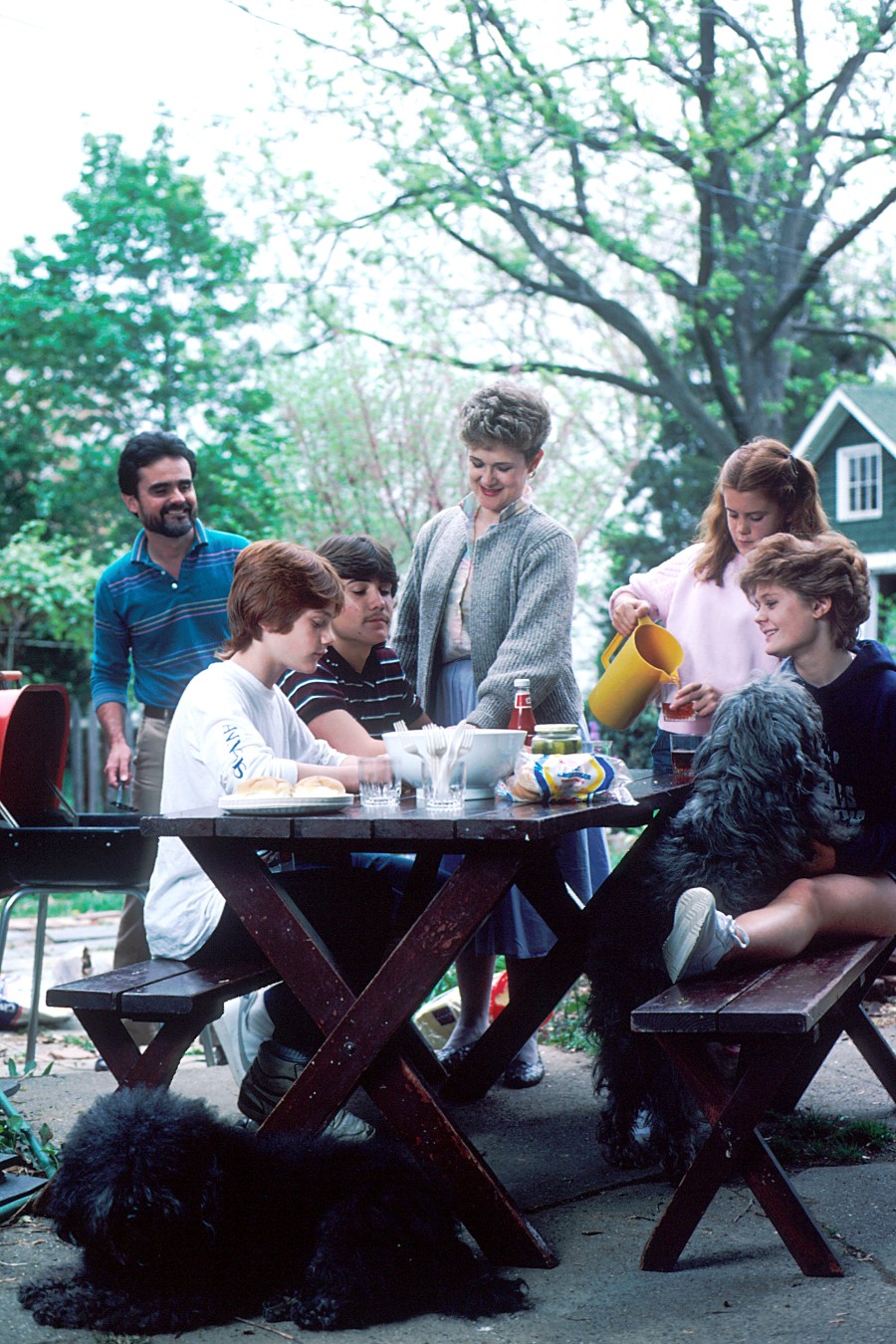
Households carried out whatever they had made – a salad, a casserole, a cake, a tray of something – and put it on the long table with a serving spoon in it and no label.
Sign-up sheets, shared documents, assigned categories and allergy labelling, which is a straightforward improvement on a table of unidentified dishes.
The lack of labelling was the system’s real weakness and the modern practice fixed something that genuinely needed fixing. But the surplus was the point: a street that always had far too much food meant nobody had to calculate anything, and a household that brought little was not conspicuous.
9. You Found Out Who Actually Lived on Your Street
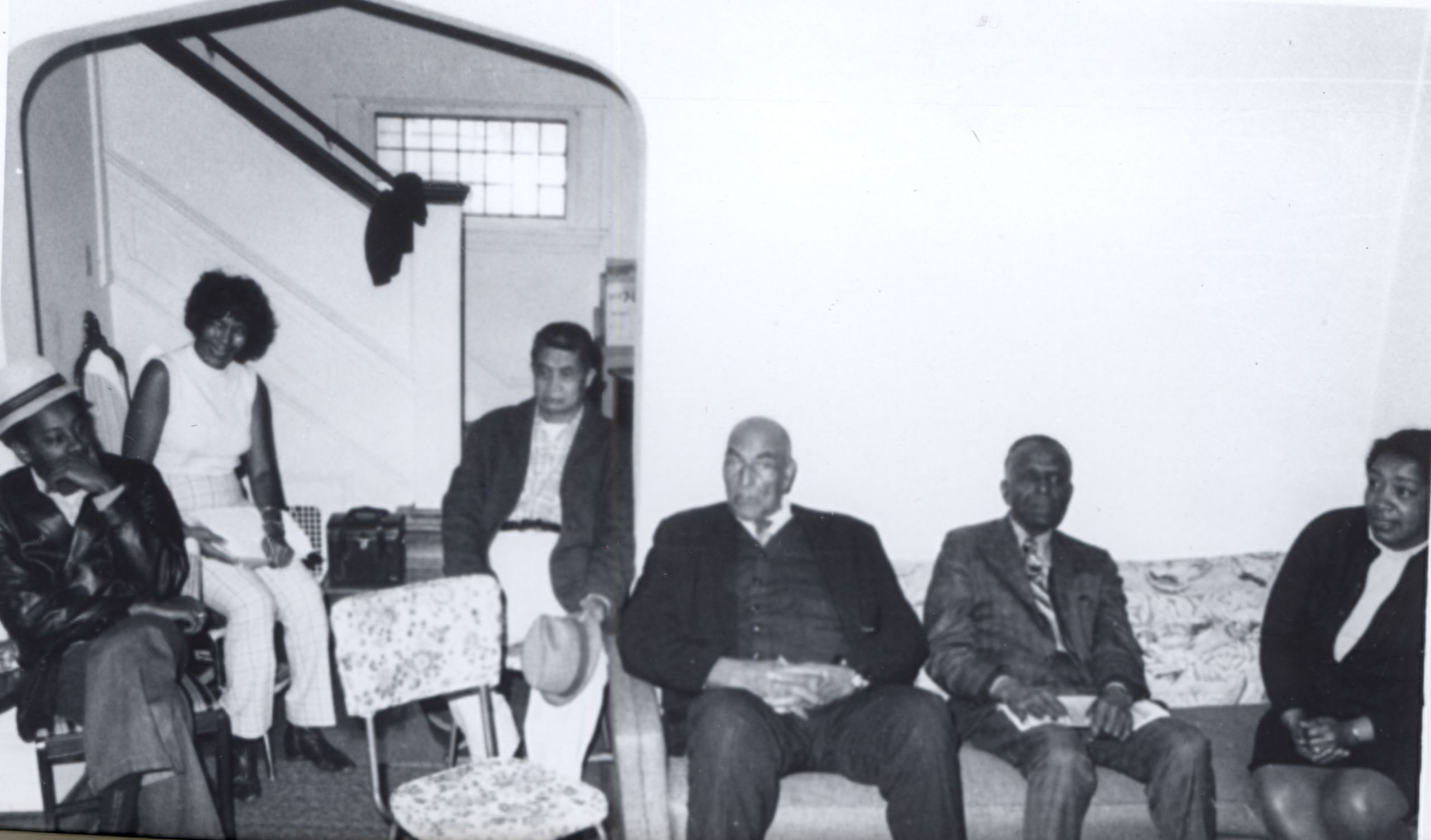
The event put every household on one street in the same place at the same time, which for a great many residents was the only occasion that happened all year.
The same function, where the event still occurs, alongside neighbourhood applications and group messaging that convey information without anybody meeting.
And the discovery was the genuine utility. People learned which house the dog belonged to, who had a truck, who was a nurse, who was recently widowed, and which couple had a new baby – all of which is the practical infrastructure of a neighbourhood and none of which transmits through a message group.
10. The Adults Drank in the Street and Nobody Thought About It
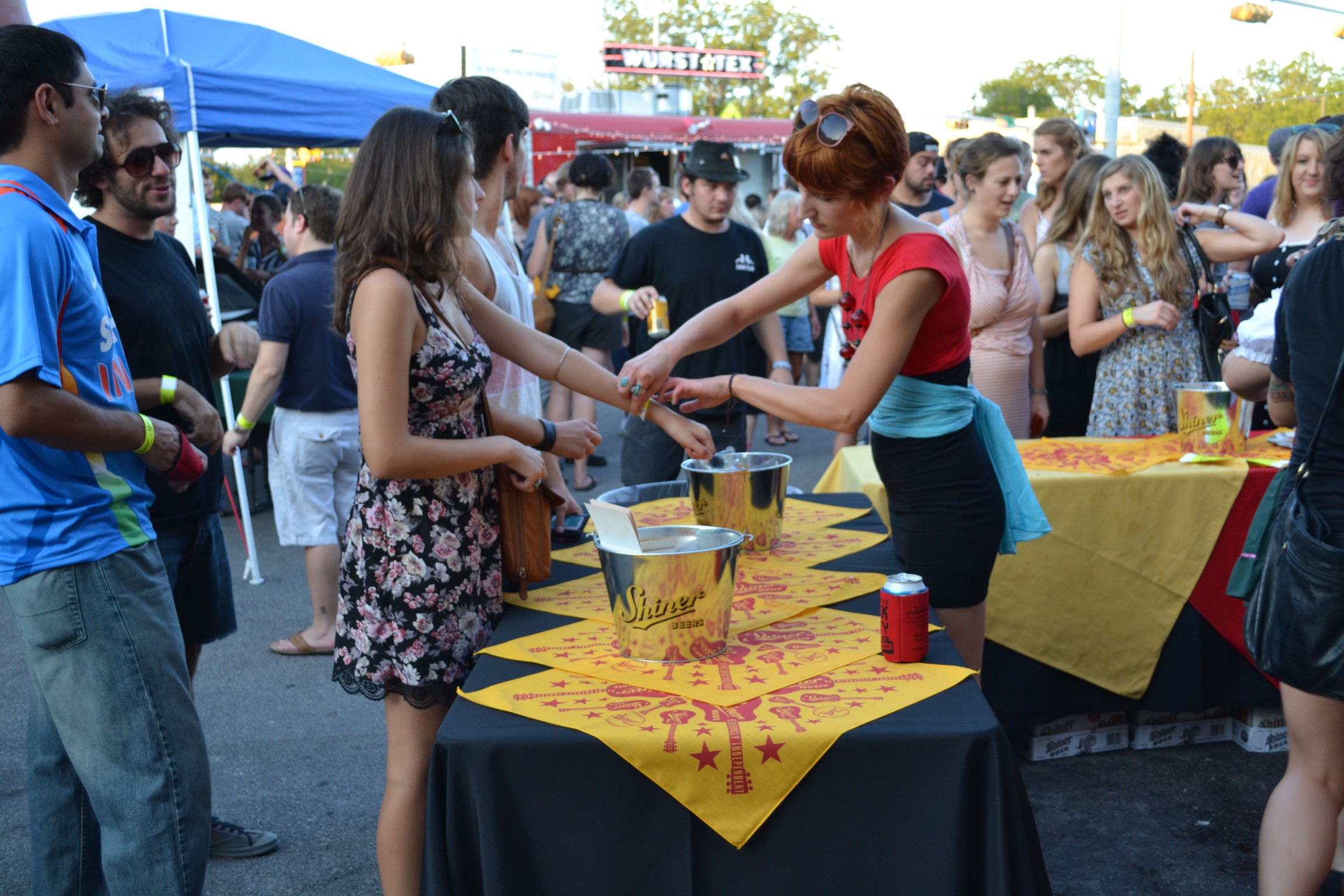
Beer coolers sat at the kerb, drinks were carried from house to house, and the whole thing happened in the public roadway without anybody considering the legal position.
Open-container rules enforced considerably more consistently, with many permits specifying whether alcohol is permitted and under what conditions.
The change is real and it is mostly about liability rather than about disapproval. A host, an organiser and in some cases a permit holder now carries exposure for what happens at an event they arranged, which is a question that simply did not occur to anybody dragging a cooler to the kerb in 1974.
11. It Ran Until It Stopped and There Was No End Time
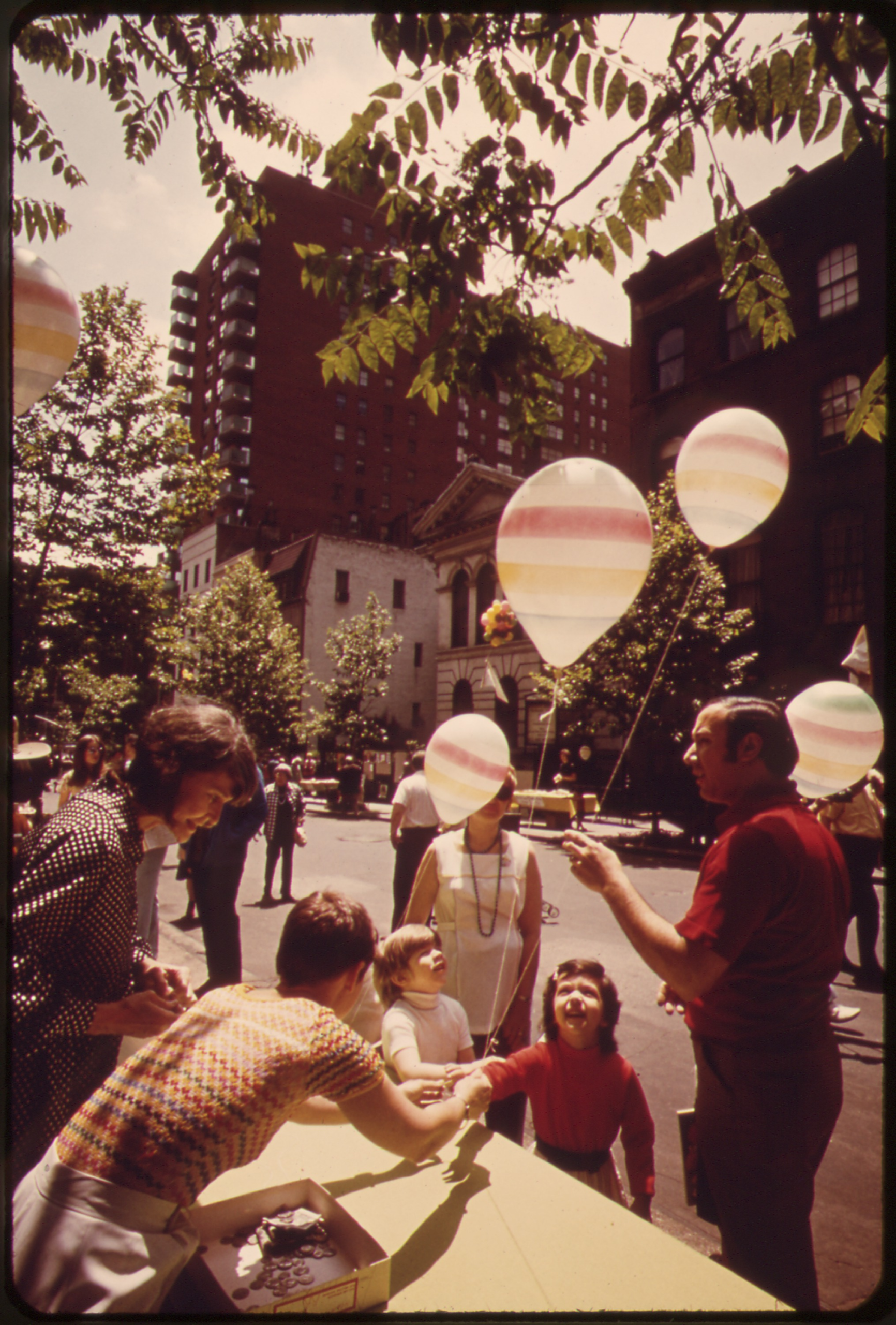
Nothing was scheduled. People arrived when they arrived, the food appeared through the afternoon, children were sent to bed and came back out, and the last adults were in folding chairs in the road after midnight.
Permitted hours, with a stated closing time in the application and noise ordinances that apply regardless. The event now has an end printed on a form.
The absence of a finish is what made it feel different from a party. There was no point at which it was over, so there was no leaving – people drifted in and out of their own houses all evening, which is only possible when the event is happening in the space between them.
12. Somebody’s Father Did Something Alarming With Fireworks
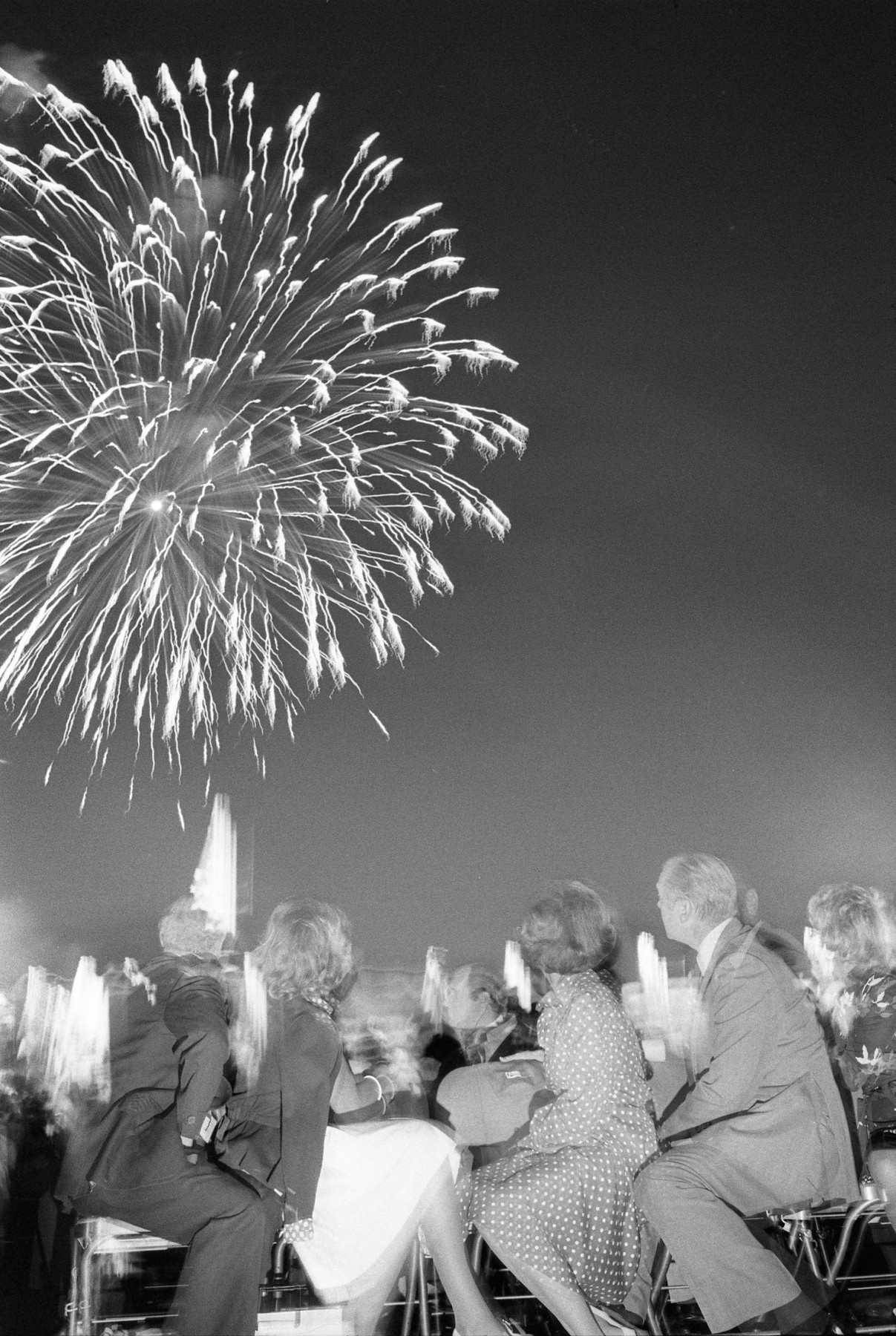
If the date was near the fourth of July, somebody produced fireworks and set them off in the street, from a hand, a bottle or a coffee can, with children standing considerably closer than anybody would now permit.
Tight legal restrictions on consumer fireworks that vary enormously by state and municipality, with organised public displays as the intended alternative and real penalties for the rest.
The restrictions came from injury data and the data was not ambiguous. Hand and eye injuries to children and to the adults lighting them were common enough and severe enough to drive legislation, and that is the whole of the reason – no method, device or practice is described here.
13. The Clean-Up Was Done by Whoever Was Still There
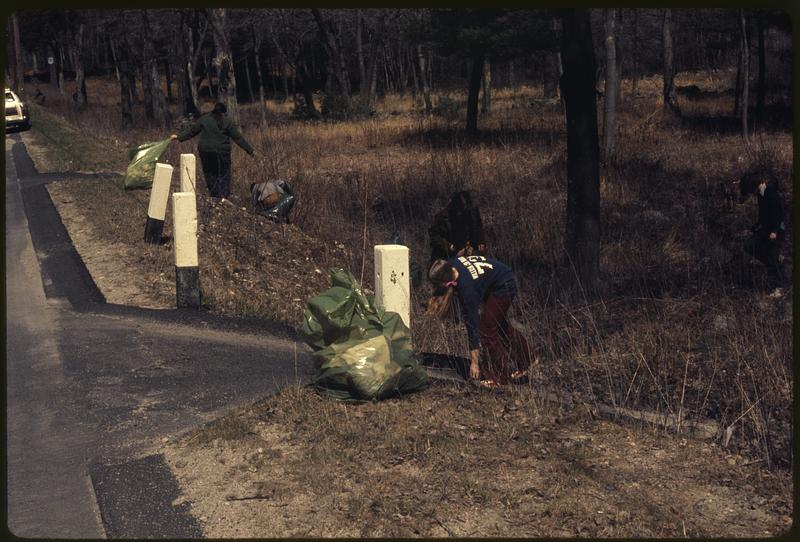
At the end, the tables went back to the houses they came from, the barricades came down, somebody swept, and the bins were filled by whoever had not gone to bed.
Contracted clean-up in larger events, or a condition of the permit requiring the street to be restored and inspected. The informal version depended entirely on goodwill at midnight.
And it generally happened, which is the part that is easy to be cynical about and should not be. A street that had just spent eight hours together produced four or five people who put it back in order without being asked, and everybody knew which four or five.
14. It Happened Because One Person Decided to Organise It
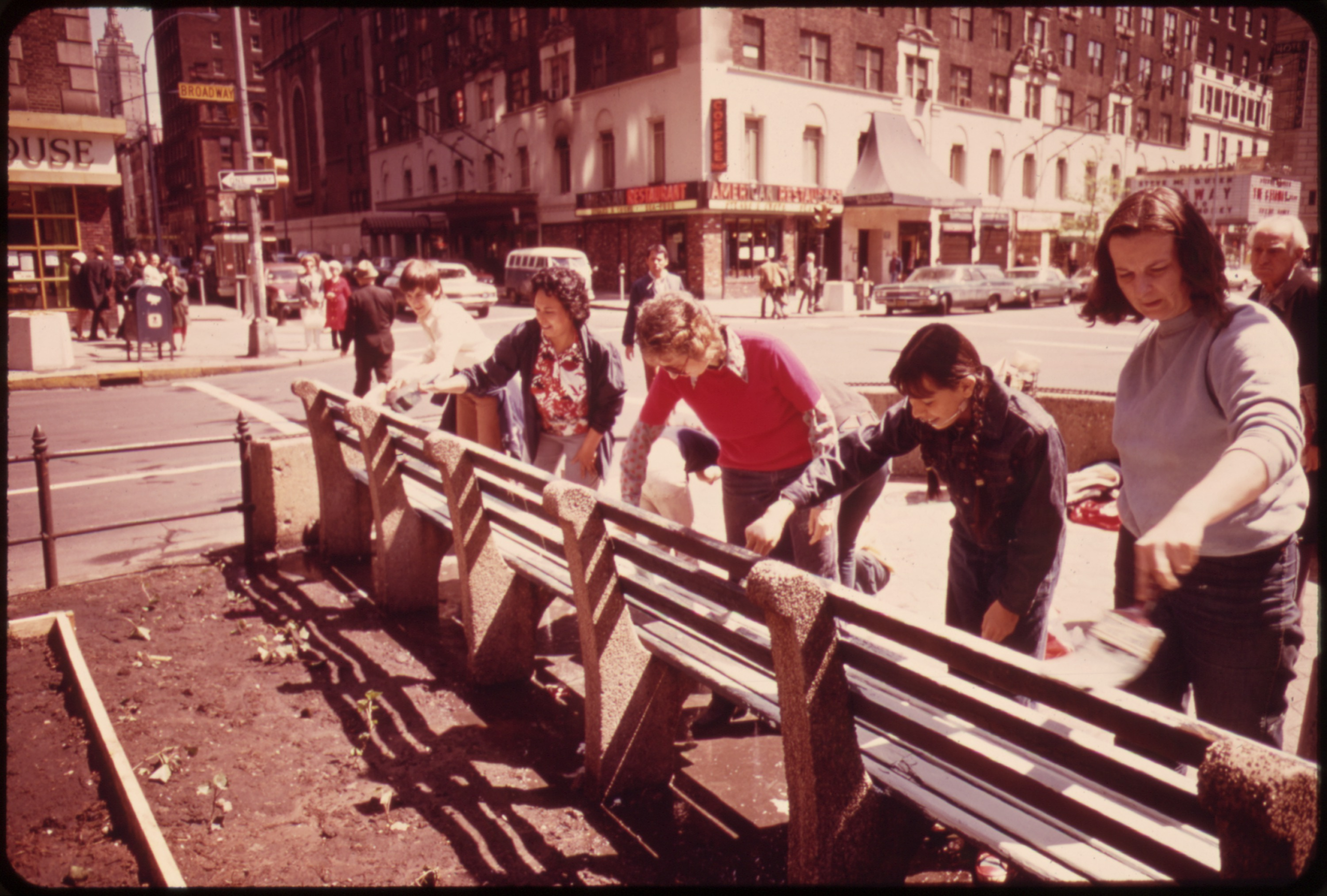
There was no committee. One household – and it was almost always the same household every year – decided to do it, went door to door to tell everybody, and borrowed the sawhorses.
Residents’ associations, neighbourhood groups and organised event committees where they exist, and nothing at all where they do not. The single-organiser model was fragile and it was also the entire mechanism.
Which is why so many streets stopped having them, and the reason is almost never a decision. The household that organised it moved away, or got older, or had a bad year, and nobody picked it up – and a tradition that depends on one person’s initiative ends the first year that person does not start it.
15. Then the Street Filled Up With Cars and Nobody Could Close It
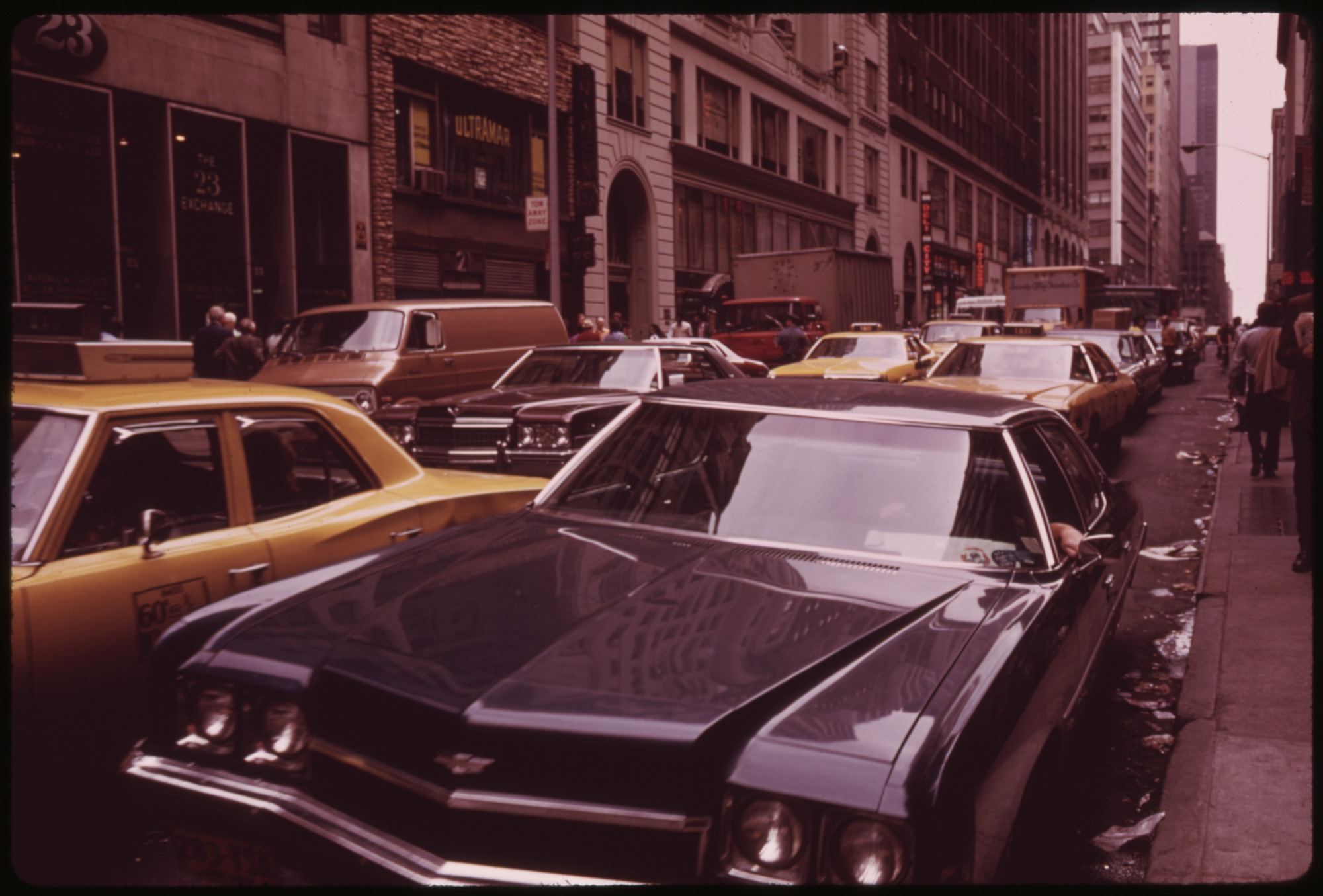
All of it rested on a residential street that could be closed without consequence, and on households that were home, knew each other and had a reason to be outside.
More vehicles per household parked along both kerbs, more through traffic on residential streets, more households where both adults work and arrive home after dark, and far more scheduled evening commitments for children.
The parking is the unglamorous mechanical obstacle and it gets overlooked entirely. A street that in 1974 had one car per household and a clear roadway now has two or three per household parked nose to tail down both sides, which leaves no space to put a table even if everybody wanted one – so the physical room the event occupied has been filled, permanently, by the vehicles of the people who would have attended it.
16. And the Permit Turned Out to Be the Thing That Saved Them
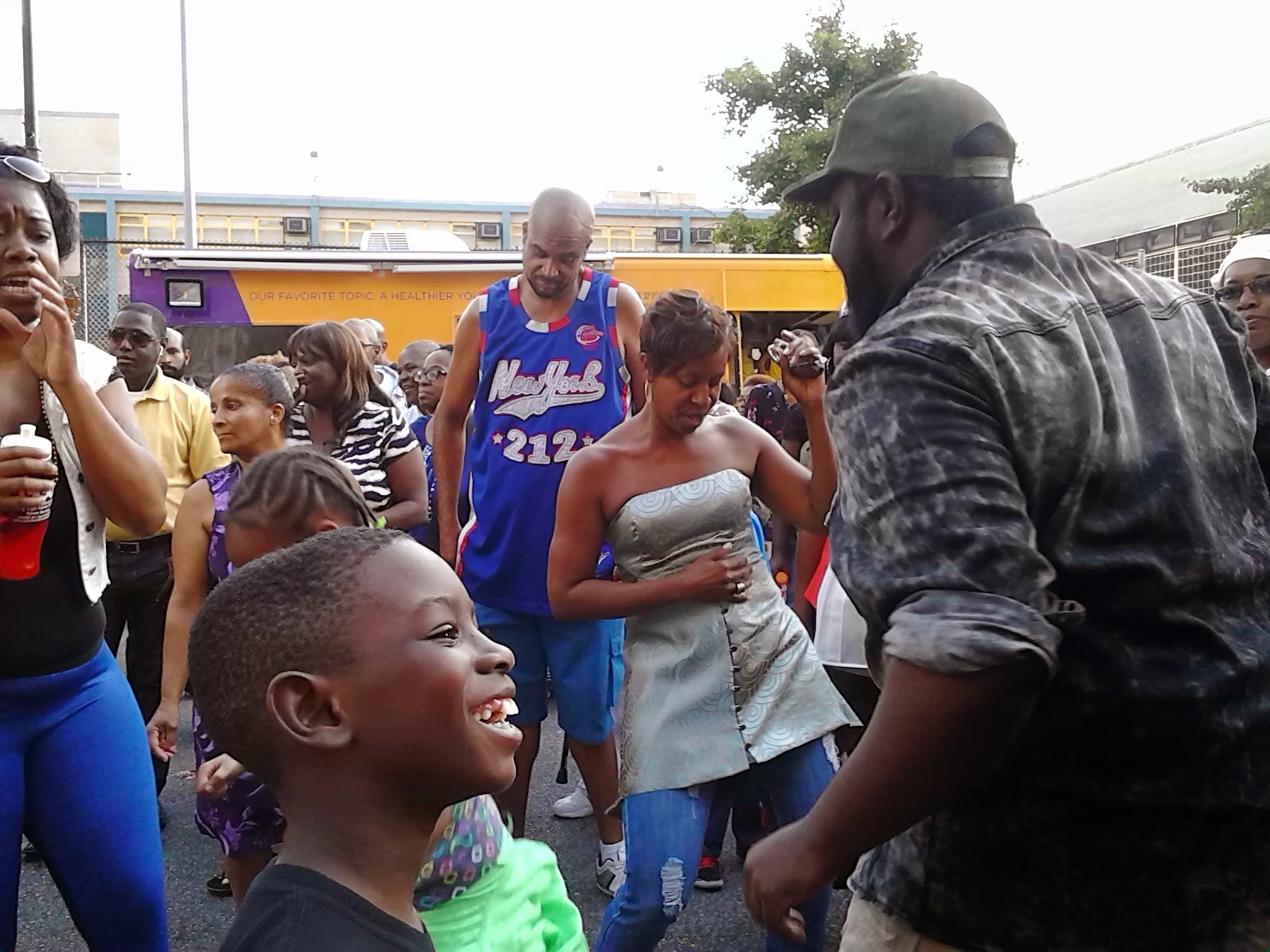
The informal version depended on a single volunteer, no paperwork, no insurance and nobody official knowing the street was shut – which made it both effortless and extremely fragile.
A documented process in most American cities: an application, a map, approved barricades, notification to emergency services, sometimes insurance, sometimes a fee – and in a great many places active municipal encouragement, with free barricade loans, waived fees, toolkits and staff whose job is to help residents do it.
Which is the genuinely surprising outcome and it is worth ending on. The paperwork reads like the thing that killed the block party, and in practice it is the thing keeping it alive. A street with an approved closure, a known organiser and the city’s involvement has a repeatable procedure that survives the original volunteer moving away – which is exactly what the 1974 version could not do. The old block party was effortless to hold once and impossible to institutionalise. The modern one takes a form, a map and six weeks, and it comes back next year.
The Paperwork Is Why They Still Exist
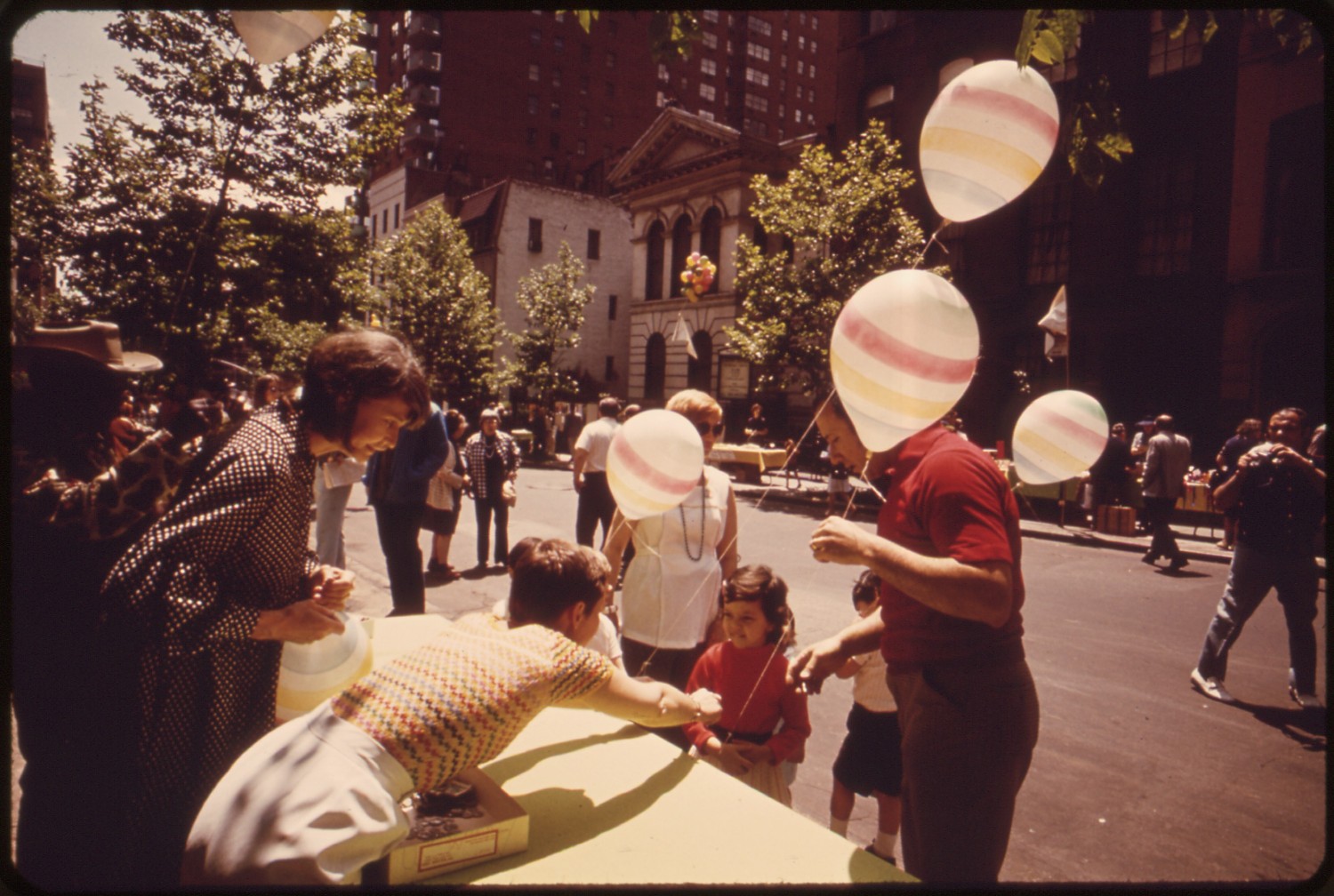
The block party is usually told as a casualty of regulation – a spontaneous neighbourly thing that was permitted and insured and fee’d out of existence by a city hall that did not understand it.
The sequence does not support that, and the opposite case is stronger.
Start with what actually stopped most of them, which is not a form. It is that the single household who organised it moved away, or got older, or had a bad year, and nobody else started. A tradition resting entirely on one person’s initiative, with no procedure, no records, no handover and nobody else knowing how it had been done, ends the first year that person does not do it. That is not a story about regulation. It is a story about an institution with no institutional memory.
Then the physical obstacle, which gets almost no attention and did a great deal of the work. A street in 1974 had roughly one car per household and a clear roadway. The same street now has two or three per household, parked nose to tail down both kerbs, all evening. There is nowhere to put a table. The space the block party occupied has been permanently filled by the vehicles of the people who would have come to it, and no amount of enthusiasm recovers it.
And set against that, look at what the permit system actually is in most American cities now. An application, a map, approved barricades, notice to the fire department – and in a great many places active encouragement: free barricade loans, waived fees, printed toolkits, and municipal staff whose job is specifically to help residents hold one.
That is not an obstacle. It is a procedure, and a procedure is the thing the 1974 version lacked.
A street with an approved closure has a documented process that somebody else can repeat next year. The map exists. The contact at the city exists. The neighbour who helped last time can do it when the original organiser moves. The knowledge is written down instead of living in one household’s head.
Which means the forms do the one thing the informal version could never do, which is survive a change of personnel.
The old block party was effortless to hold once and impossible to institutionalise. The modern one takes six weeks and a map, and it comes back the following summer.
And the notification requirement is not red tape either, which is worth saying plainly. A closed street is a closed emergency route. In 1974 nobody official knew the road was shut, and the only reason that never mattered is that it never had to.
If your street did this, one family organised it every single year and everybody knew which house.
And you remember having the whole road to ride a bike on, with no cars, and nobody telling you to come in.
Like our content? Follow us for more.