In 1974 a suitcase had a handle on top and nothing underneath, and the entire design assumed a person would pick it up and walk.
Luggage came in matched graduated sets, with a separate case for a hat. Your full home address was written on a tag hanging off the handle. Porters were paid to move it, which is why nobody wanted wheels. And how much you packed was decided by how far you could carry it.
Here are fifteen things every American packed for a trip in 1974, and what the wheel did to each of them.
1. The Suitcase Had No Wheels and That Was Simply How It Was
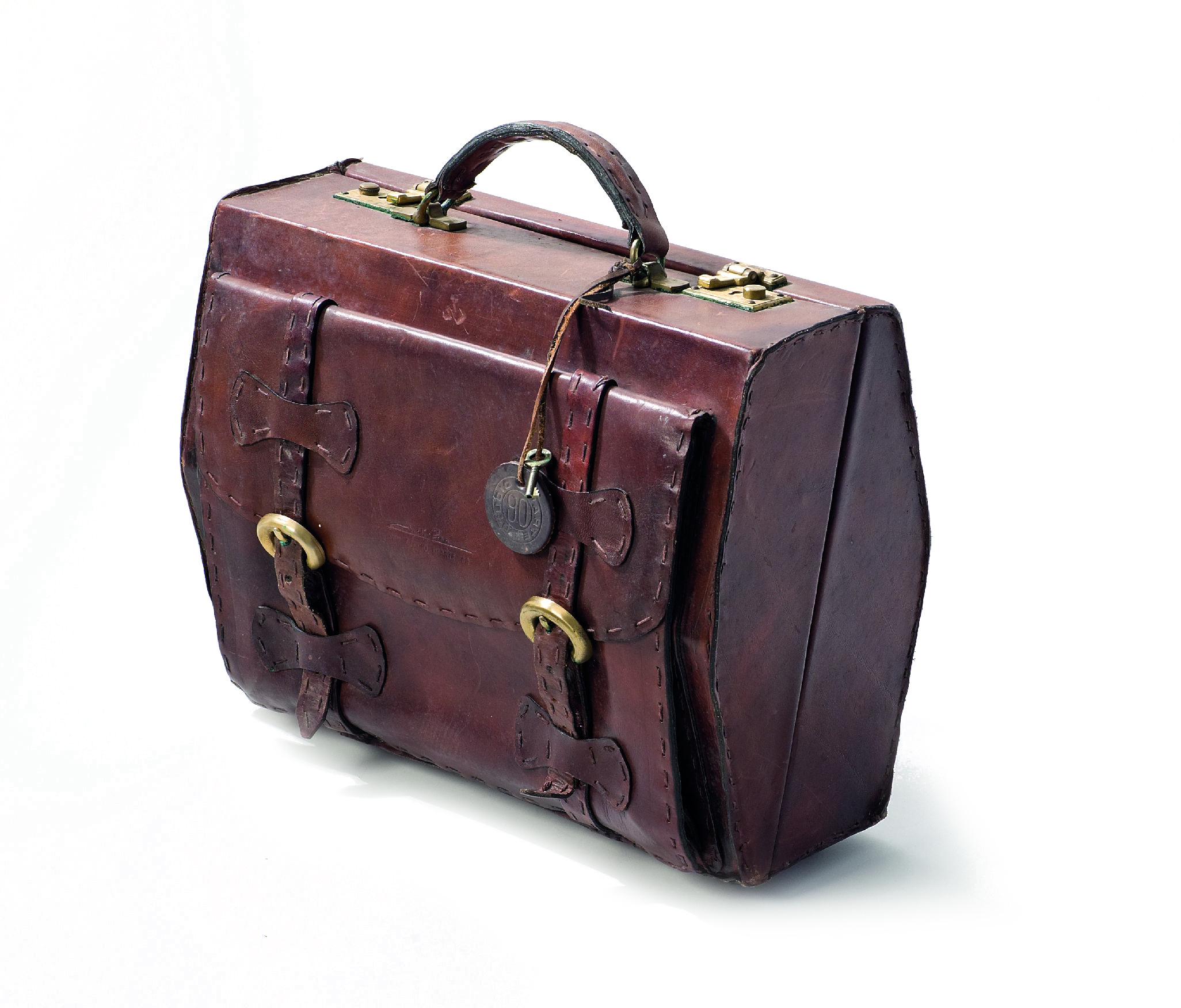
Luggage was a hard-sided case with a handle on top, carried in one hand at arm’s length, and the entire design assumed a human being would lift it and walk.
Wheeled cases with telescoping handles, which are now so universal that a wheel-less suitcase reads as a prop. The absence of wheels was not an oversight – it was the whole design premise.
Which means every decision about a trip started from how much a person could carry. Not how much would fit, not how much was allowed, but how far somebody could walk holding it – and that constraint did more to determine what Americans packed than any airline rule ever has.
Like our content? Follow us for more.
2. The Weight Was All in One Hand and You Swapped Constantly
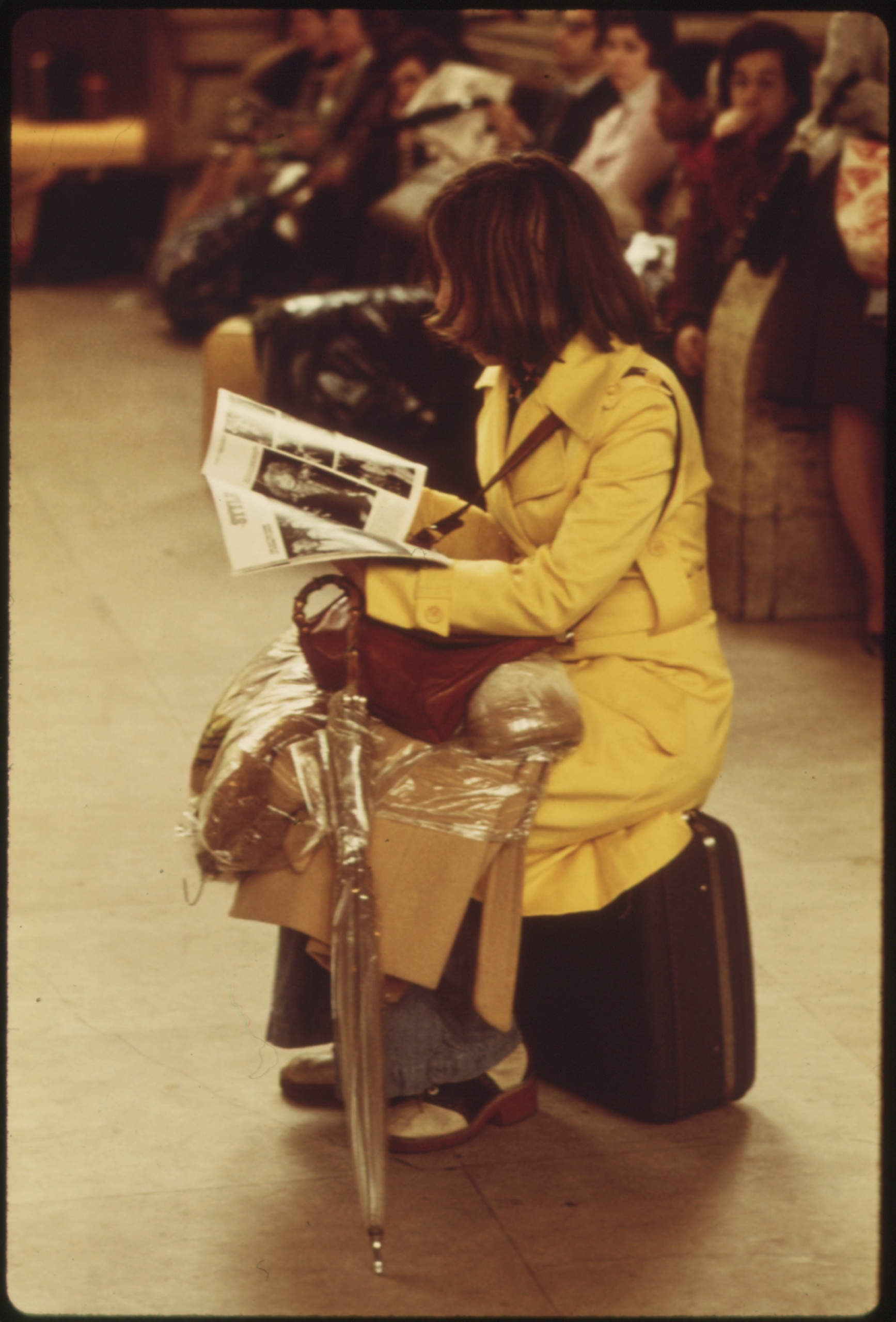
A loaded hard case carried by a top handle puts the entire load on one arm, offset to one side, which forces a compensating lean and an uneven gait.
Rolling weight on four wheels, where the arm supplies only direction. The one-handed carry is the specific physical memory of travel in this period.
Everybody developed the same technique and nobody was taught it. You walked a hundred feet, set it down, changed hands, and went again – and a long concourse or a station platform was measured not in distance but in how many changes it took.
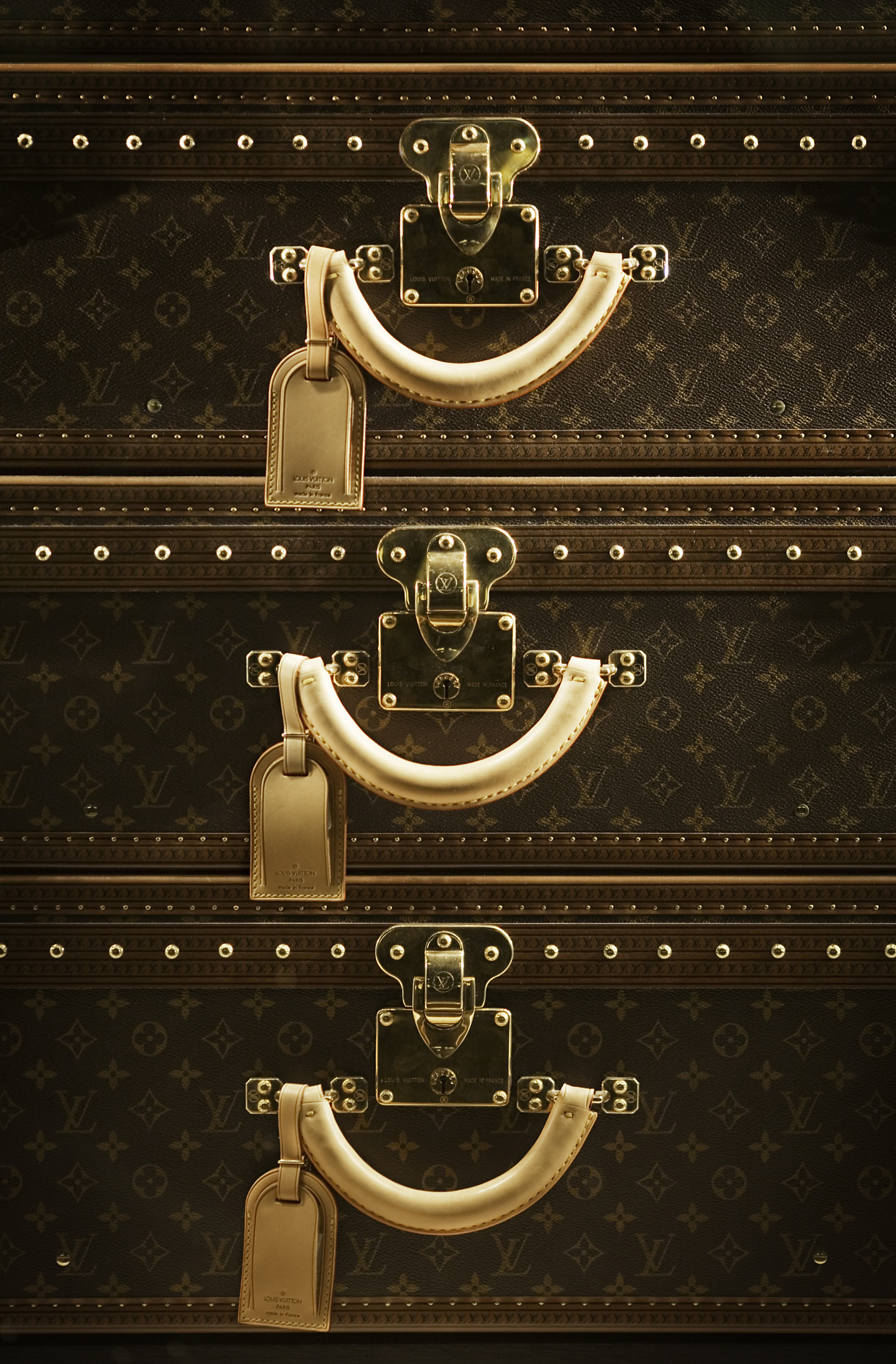
3. Luggage Came in Matched Sets and the Sizes Were Graduated
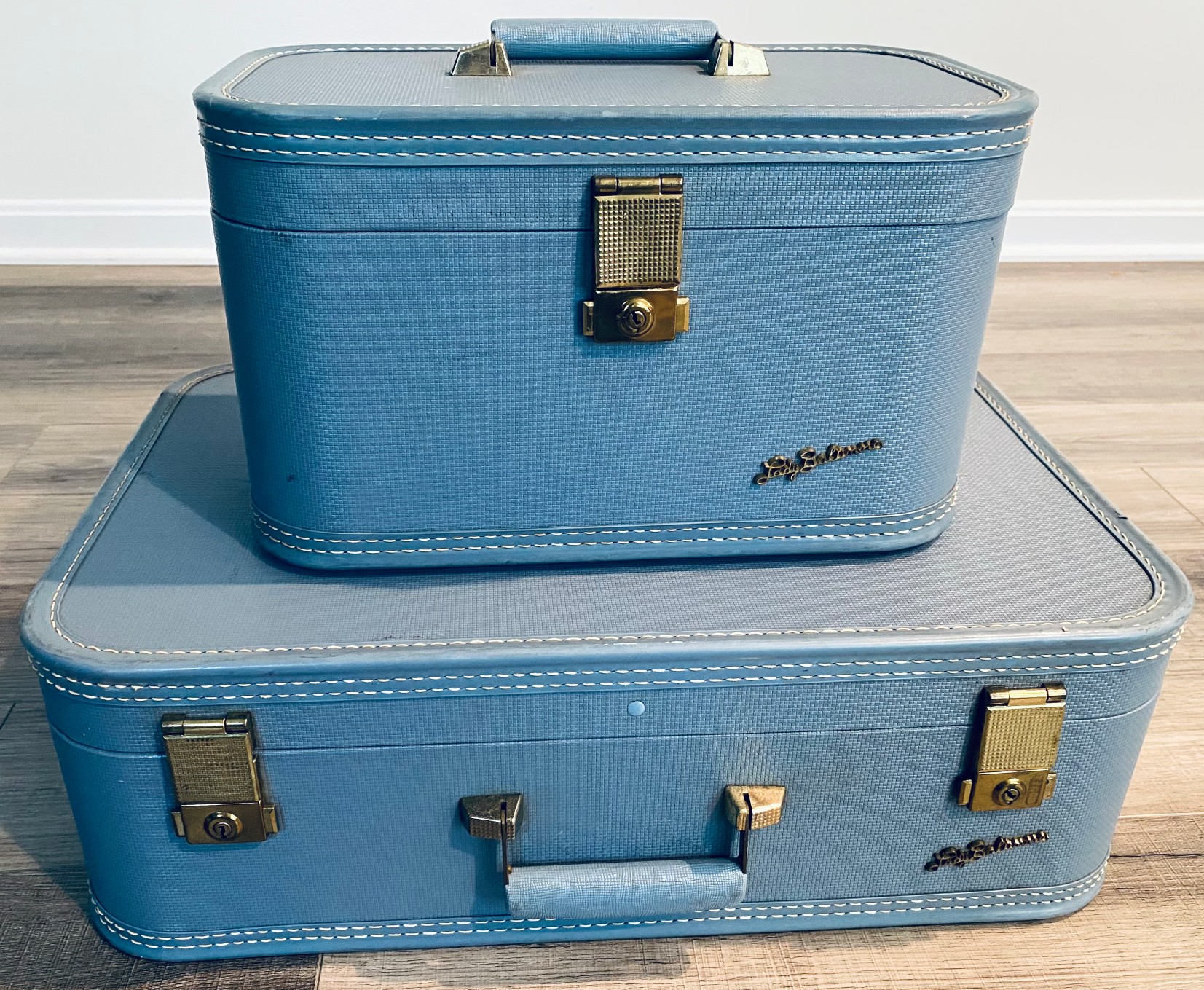
Sets were sold and given as gifts: a large case, a medium, a small, a train case for toiletries and cosmetics, and sometimes a hat box – all in the same material, colour and finish, in graduated sizes that stacked.
Pieces bought singly and sized to cabin or hold allowances, with matched sets a luxury market rather than the default way luggage was acquired.
The matched set was a milestone purchase and a standard present for a graduation, a wedding or a twenty-first birthday. It signalled that the recipient was now a person who would be travelling, and a household that owned one had it stacked in a closet in size order for twenty years.
4. There Was a Separate Case Just for a Hat

Hat boxes – round or oval, rigid, deep enough for a brim – existed because a hat was part of travelling clothing and a crushed hat was useless.
Nothing. Hats stopped being standard travel wear, and the specialised container went with the practice rather than with any change in luggage design.
It is a clean illustration of how luggage follows clothing. Every piece of specialised baggage from this period – the hat box, the garment bag, the shoe compartment, the train case – exists because something in the standard wardrobe could not survive being folded, and all of them disappeared when the wardrobe did.
5. The Garment Bag Went Over Your Arm and Defeated Everybody
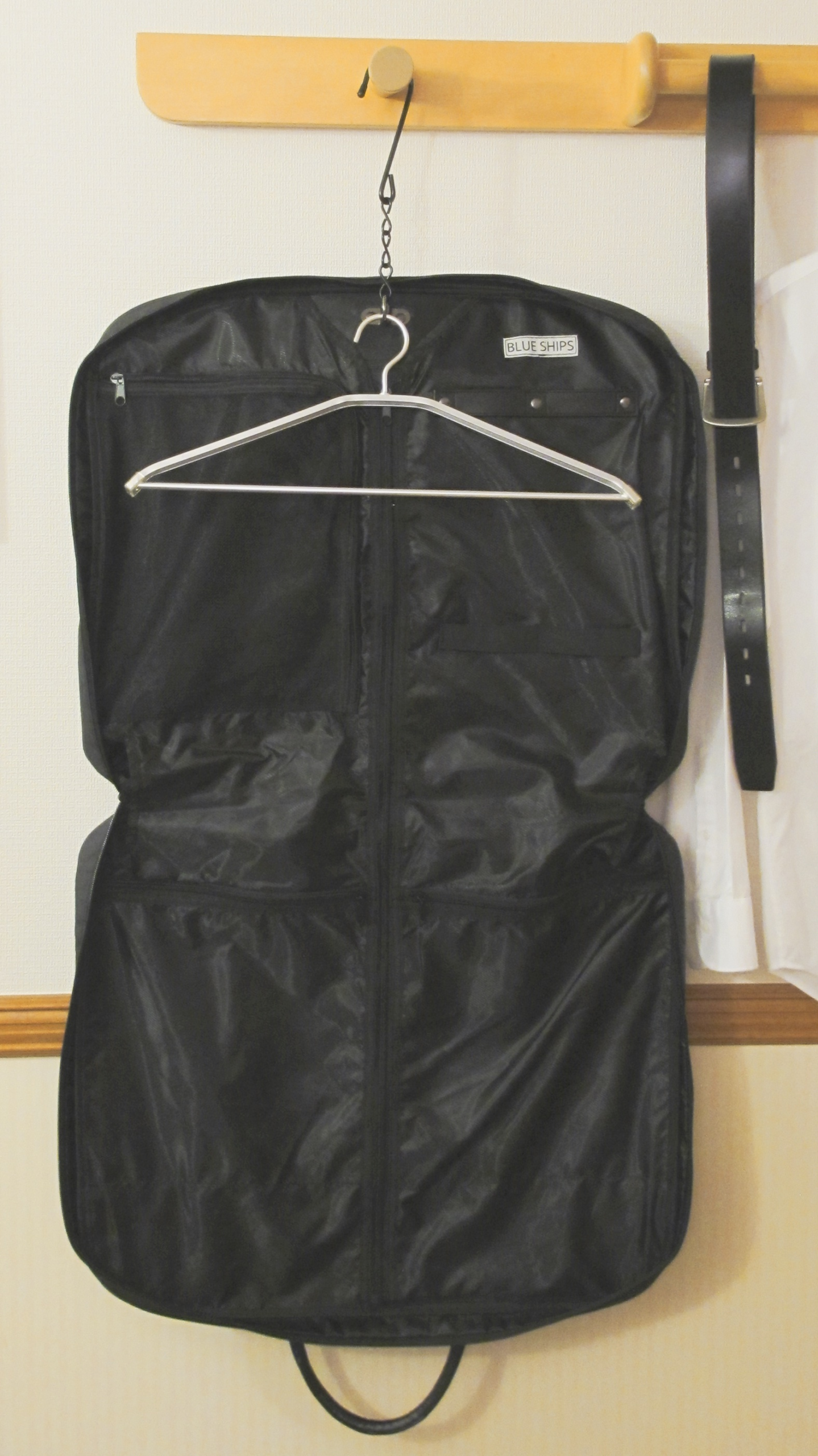
Suits and dresses travelled flat in a long zippered bag on a hanger, carried folded over an arm or a shoulder, in addition to whatever else you were carrying.
Garment compartments built into wheeled cases, and a general collapse in the number of journeys that require anything to arrive uncreased.
The garment bag is the item everybody who travelled this way complains about first. It had no good carrying position, it slid off a shoulder, it swung into other people, it could not be set down anywhere clean, and it had to be held in whichever hand was not holding the suitcase.
6. Your Address Was Written on a Tag Hanging Off the Handle
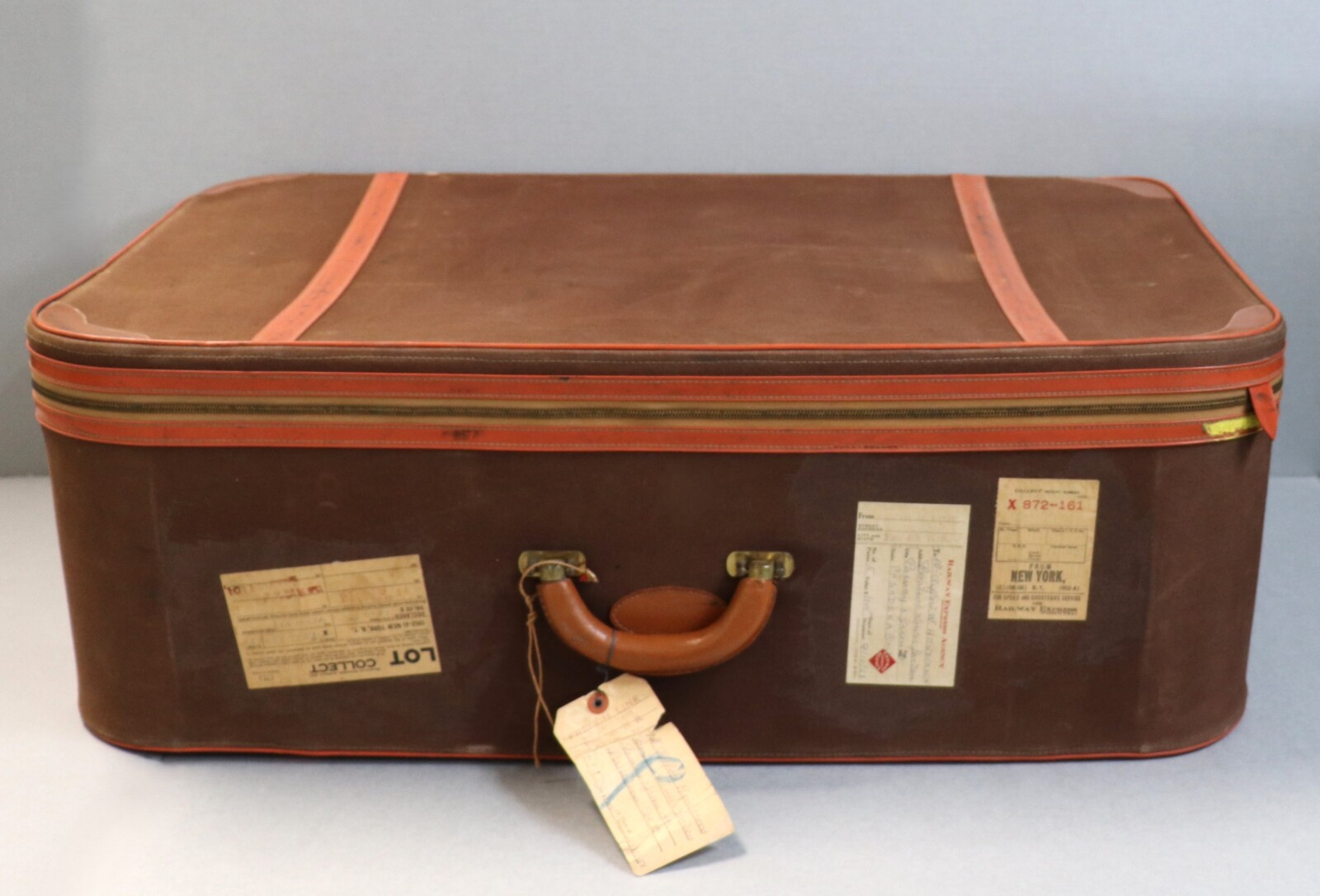
Identification was a leather or card tag on a strap, with your name and full home address written on it in ink, visible to anybody standing near your bag.
Printed barcode tags for routing, with privacy-conscious personal tags that commonly show a name and a telephone number rather than a residential address.
The change here is purely about what people now understand about information. A bag at a station announcing that its owner’s house is at a specific address, and that the owner is currently somewhere else, is an arrangement nobody would set up deliberately today – and in 1974 it was printed on the tag the manufacturer supplied.
7. The Locks Were Tiny and the Keys Were Immediately Lost
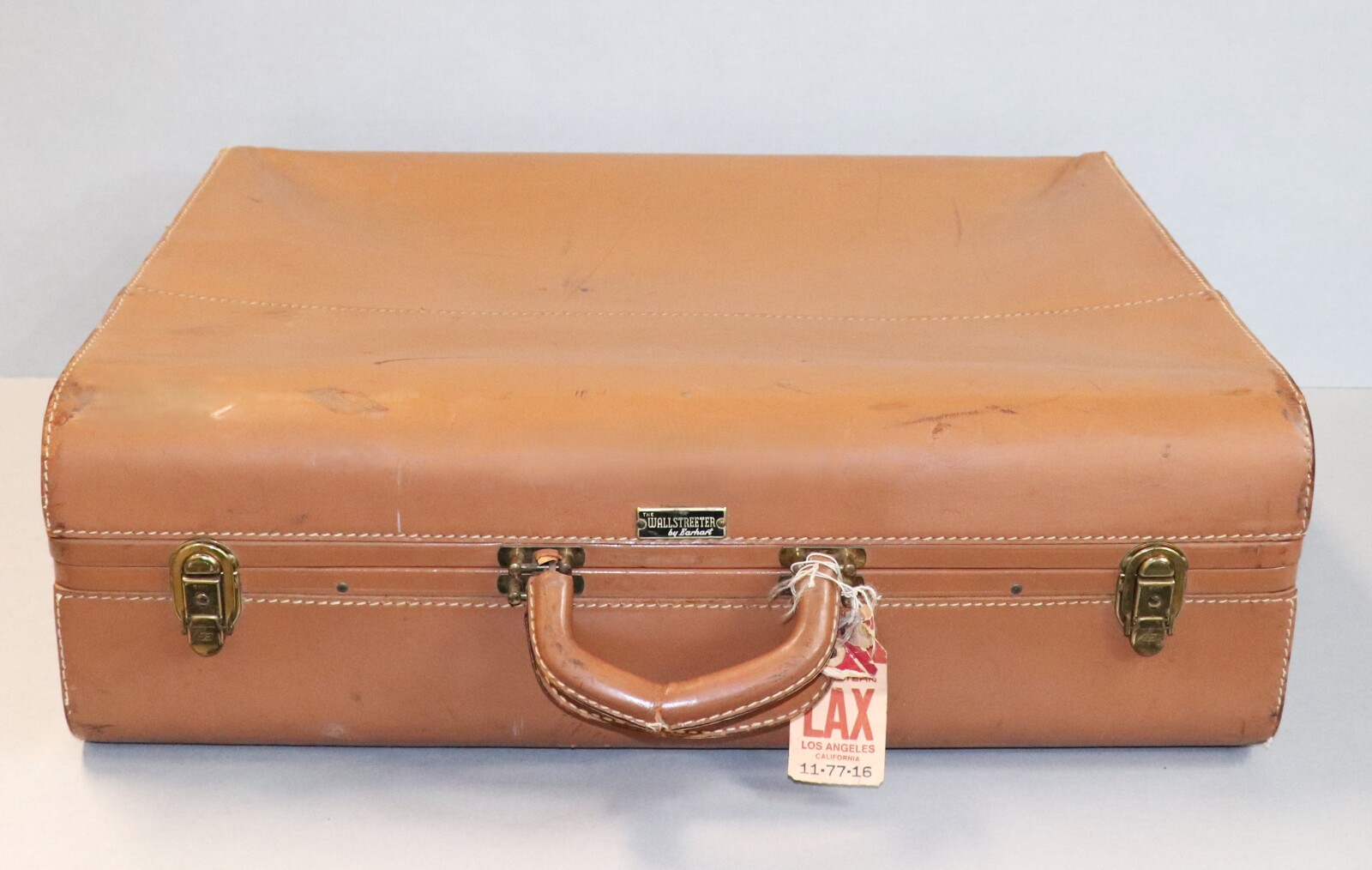
Cases had small built-in locks operated by a flat key about an inch long, supplied as a pair, and those keys were lost almost at once.
Combination locks built into the case, with no key to lose, and in the United States locks that an inspection agency can open with a master key.
The security value was close to zero and everybody knew it. A one-inch key on a mass-produced case meant a very small number of distinct keys across an enormous number of suitcases, so a lost key could frequently be replaced by a neighbour’s – which was common knowledge and said everything about what the lock was for.
8. Packing Was Governed by What You Could Lift, Not What Was Allowed
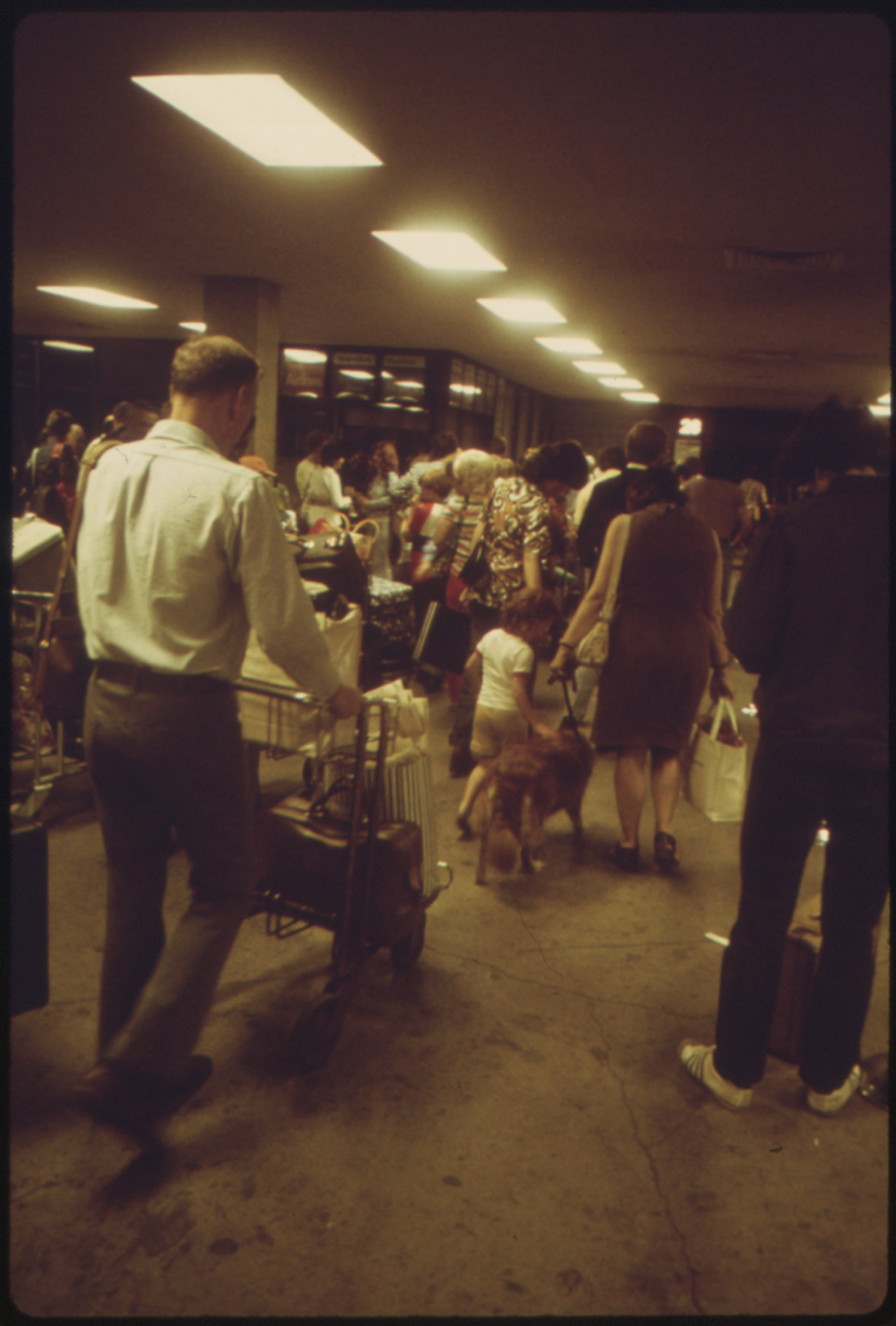
The limit on a trip’s baggage was physical. You packed what you could carry from a car to a platform, through a station, up steps, along a train and onto a rack – and then do again at the other end.
Published weight and dimension allowances enforced at a counter, with wheels meaning most people can move considerably more than they could lift.
The consequence is that people travelled lighter, and not for any virtuous reason. A family going away for two weeks took what four arms could manage, which produced the period’s packing discipline – the single pair of good shoes, the outfit worn twice, and the list written a week in advance.
9. Somebody Was Paid to Carry It, and That Was a Job
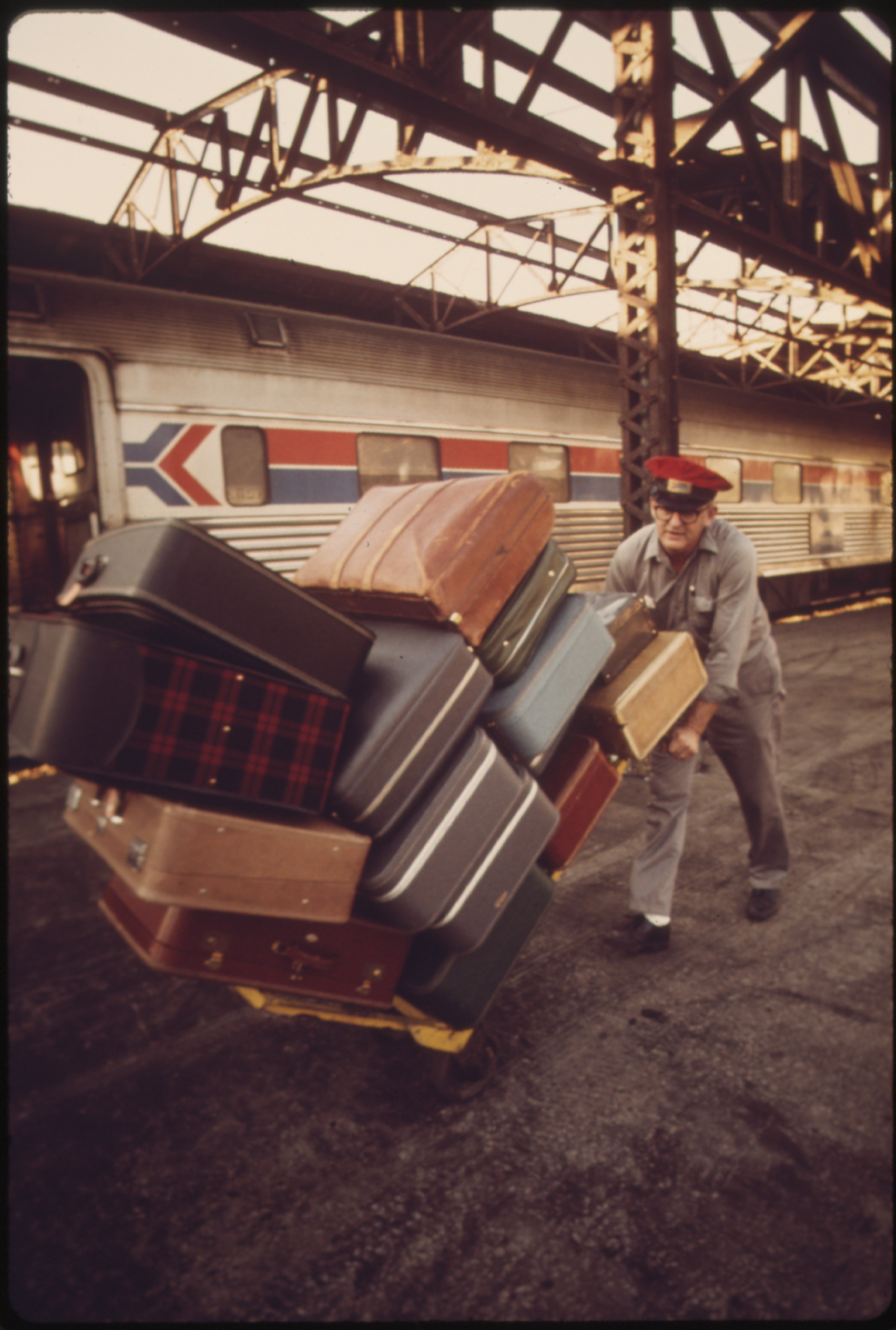
Stations, airports and hotels employed porters – redcaps at railroad stations, skycaps at airports, bellhops at hotels – who moved luggage on trolleys for a tip, and using them was ordinary rather than extravagant.
Self-service throughout, with porter assistance surviving mainly in expensive hotels and as a paid accessibility service at terminals.
This is the fact that explains why nobody wanted wheels. If a porter will move your bags for a small tip at every point where you would otherwise have to carry them, the problem the wheel solves is already handled – and the entire design of luggage assumed that service existed.
10. The Trunk Was Shipped Ahead as Freight
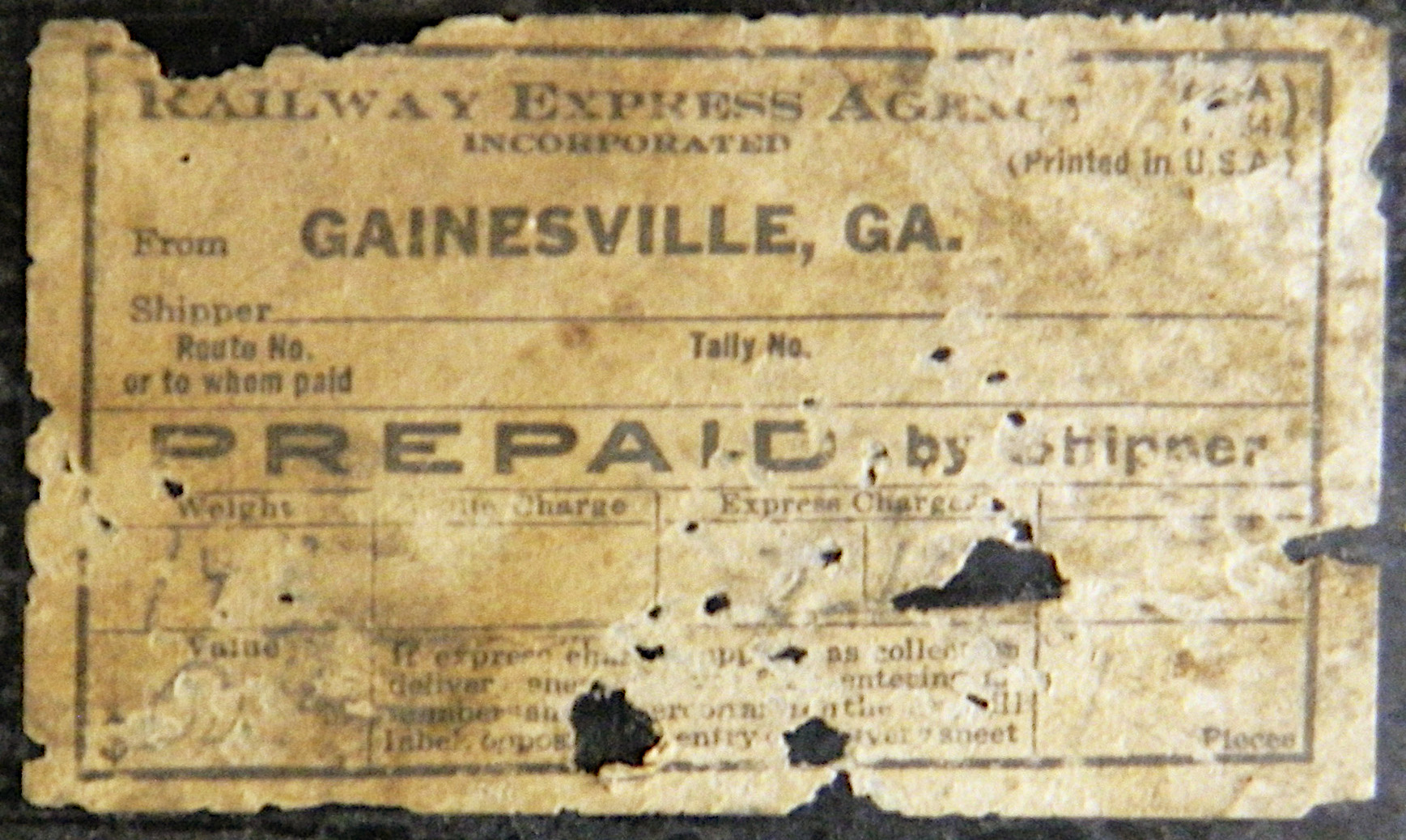
For long stays – college, a move, a season away – a steamer trunk or a large case was sent separately by railway express or freight, days or weeks in advance, and collected at the other end.
Parcel carriers and shipping services, used for the same purpose by students and movers, with next-day and tracked delivery.
The separation of the traveller from their belongings was the normal arrangement for any substantial journey, and it was a different mental model from the one we have. You did not take your luggage with you; you arranged for it to meet you, and you travelled with a small case in the meantime.
11. You Lifted It Onto an Overhead Rack Yourself

Train carriages and aircraft cabins had open racks above the seats, and a passenger raised their own case above their head and placed it there, in a confined space, among seated people.
Enclosed overhead bins with assist handles and staff available to help, on cases designed to be lifted – and a very large proportion of passengers now put a wheeled bag up rather than a hard case.
The lift is what caused the injuries and still does. Raising a loaded case above shoulder height while twisting in a narrow space is close to the worst possible movement for a back, and it is the single most common way people hurt themselves travelling – which was true then and is true now.
12. Hard Sides Meant Nothing Fitted Anywhere
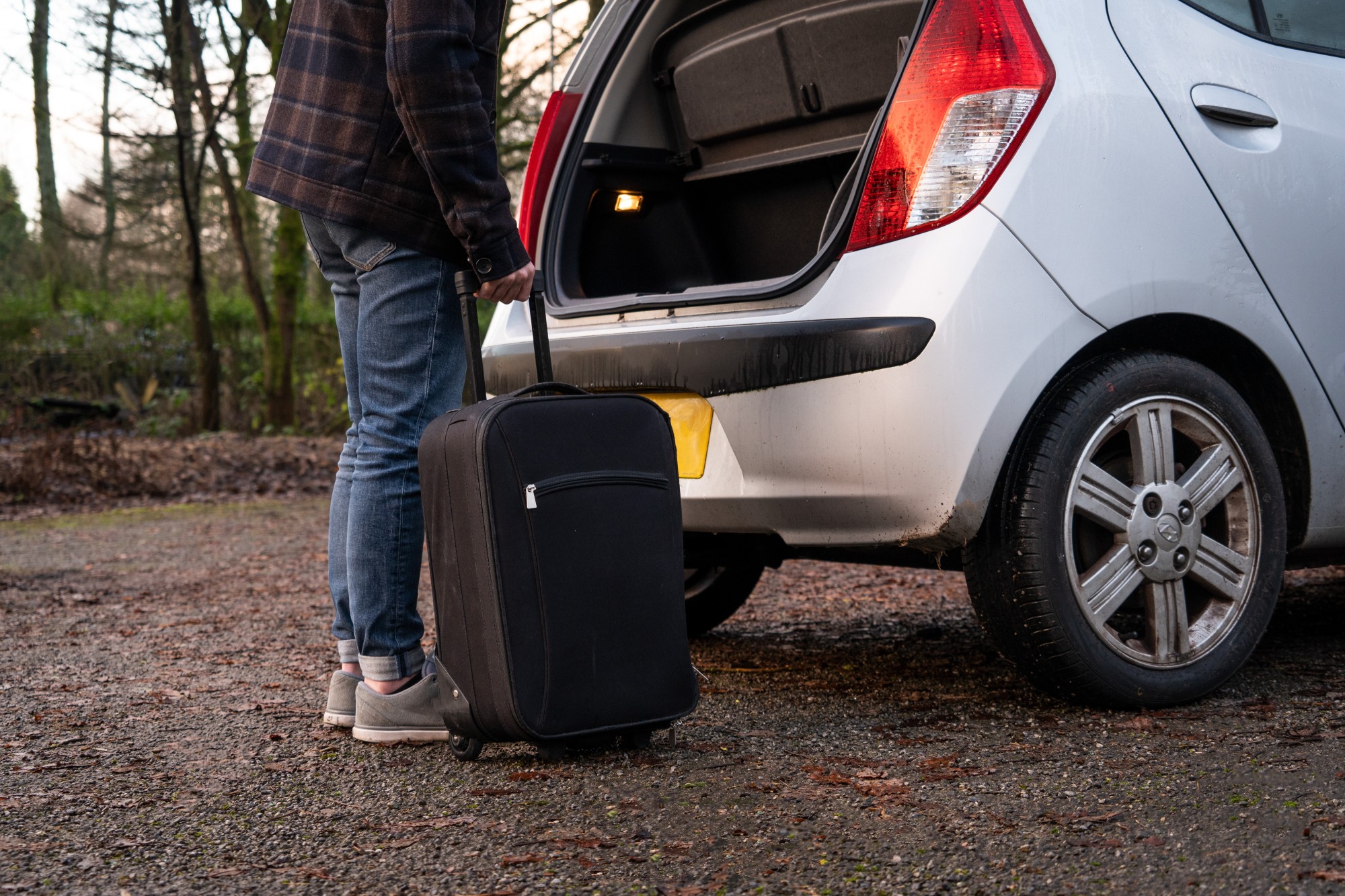
Cases were rigid – moulded plastic, leather over a frame, aluminium – which protected the contents and meant the case could not be squeezed into a space smaller than itself.
Soft-sided and semi-rigid cases that compress, with expansion zips, which is why cabin allowances work at all – a soft bag can be persuaded into a sizer and a hard case cannot.
Rigidity also fixed the shape of travel in cars. A hard case of a given size either goes in the boot or does not, there is no arranging it, and a family of five with five cases and a station wagon spent a genuine amount of time each departure solving a three-dimensional packing problem with no flexibility in it.
13. A Patent for Wheeled Luggage Existed in 1970 and Nothing Happened
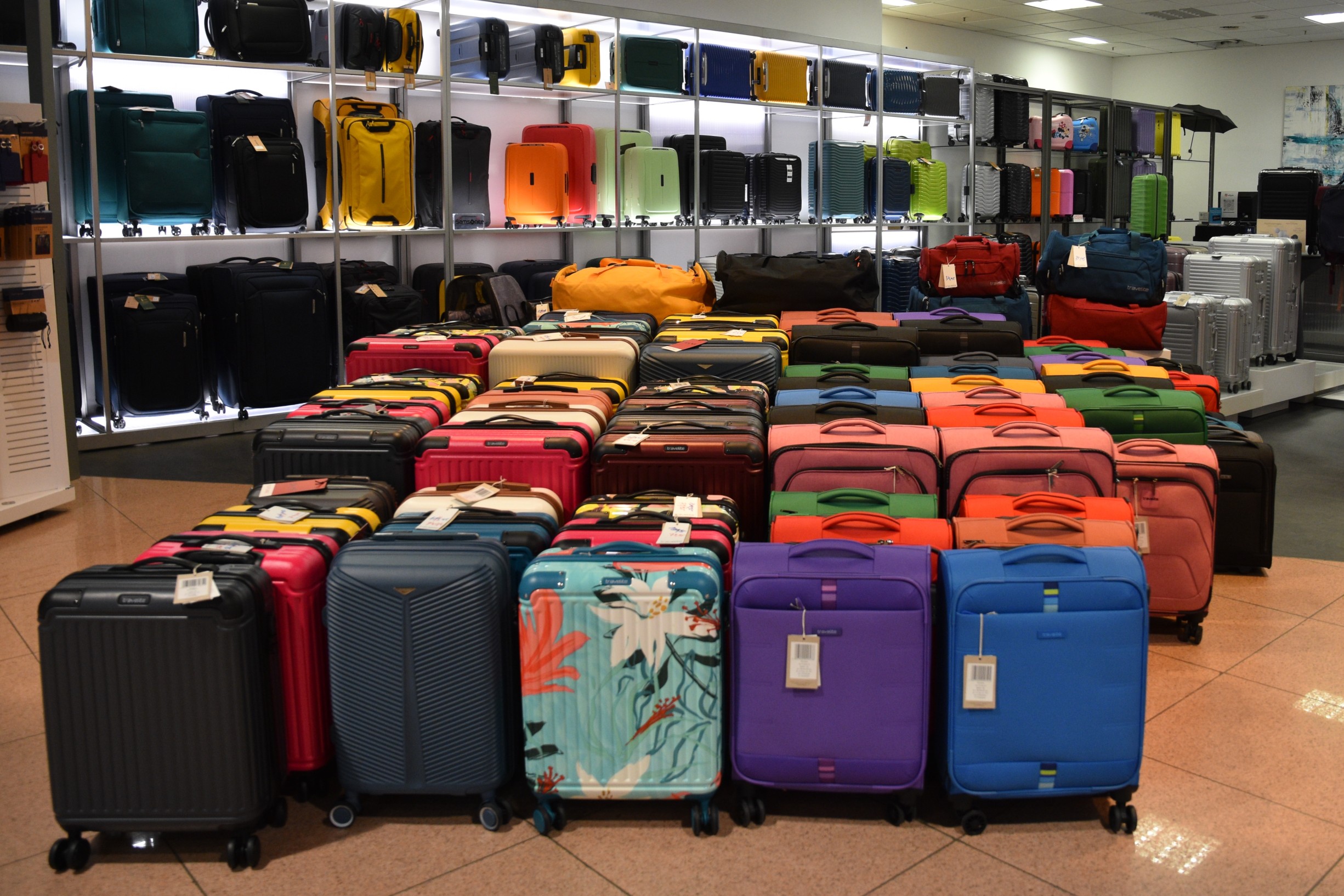
A workable wheeled suitcase was patented in the United States in 1970 – a case with four small casters on the long side, towed on a strap – and it was sold, and it did not catch on for years.
Universal adoption of wheeled luggage, to the point that cases without wheels are a specialist product. The seventeen-year gap between a working design and widespread use is the interesting part.
The obstacle was not technical. Retailers were reluctant, the strap-towed design tipped and tracked badly, and – by the inventor’s own account and by everything written since – there was a straightforward social problem: carrying luggage was something men were expected to do, and a man pulling a bag on a strap looked to a lot of people like a man who would not carry it.
14. Then an Airline Pilot Put Two Wheels and a Handle On It
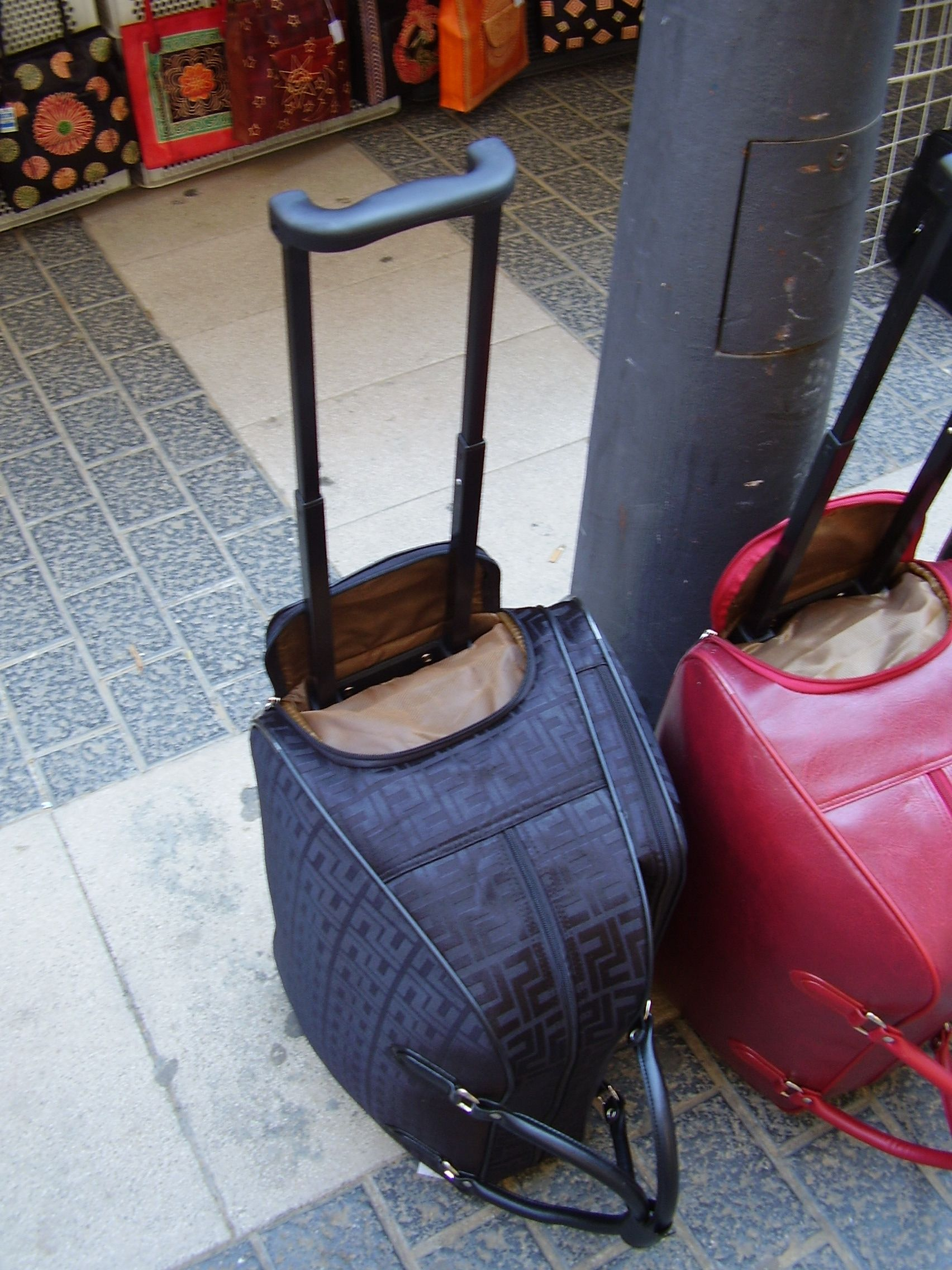
The design that actually won arrived in the later 1980s from an airline pilot: two wheels at one end, a telescoping handle at the other, so the case tilts and rolls on its edge rather than being dragged flat.
Exactly that, essentially unchanged, now with four-wheel spinner variants. The two-wheel-and-handle configuration is the single most successful luggage design in history.
It won because it fixed the tracking problem and because the world had changed around it. Terminals had become enormous, hub-and-spoke connections created long concourse transfers, porters had largely gone, and crews walking miles a day between gates were visible to every passenger doing the same thing – which turned a wheeled bag from undignified into obviously sensible in about five years.
15. What the Wheels Removed Was the Limit
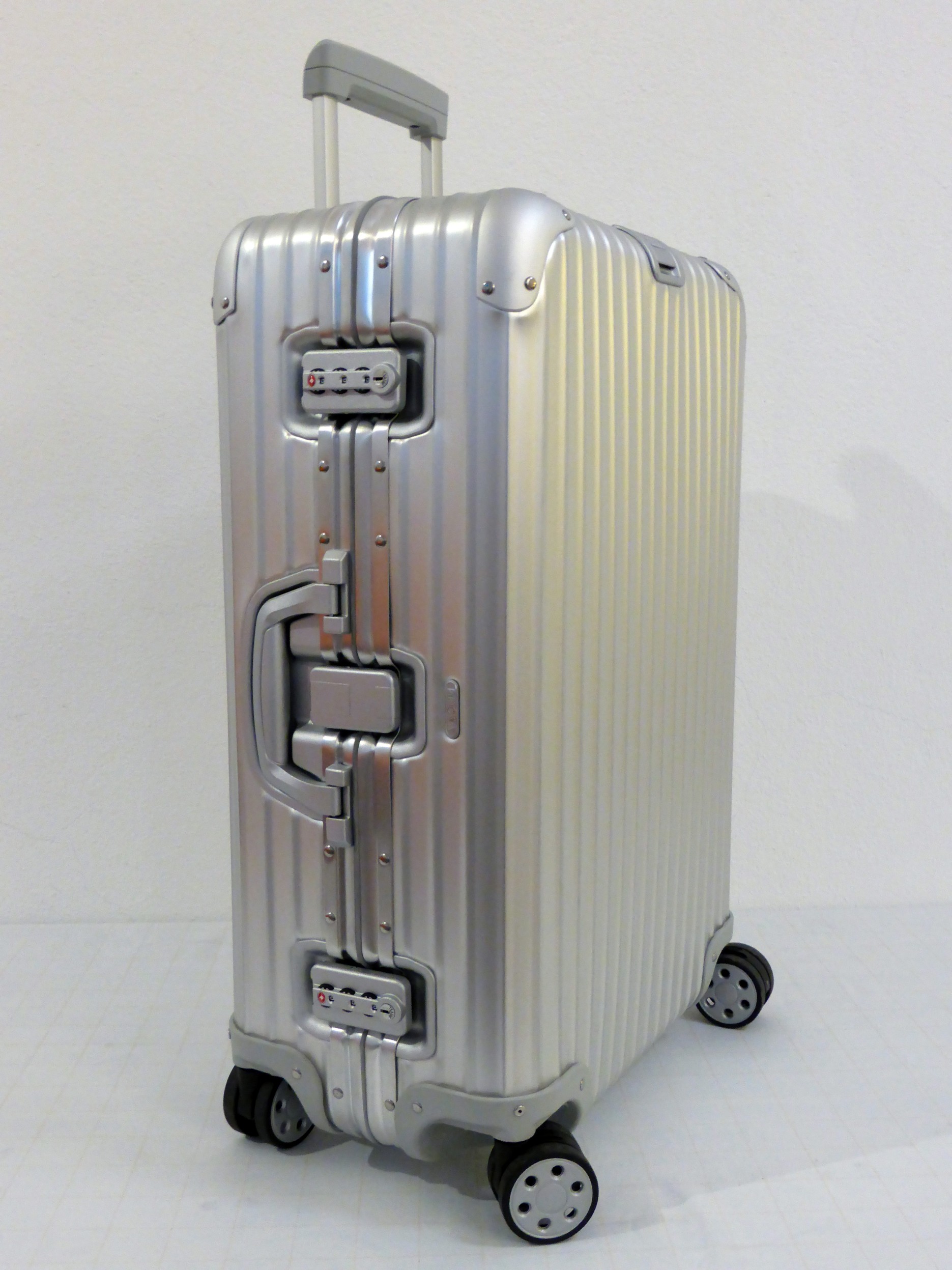
The whole arrangement rested on a single constraint: baggage had to be carried by the person travelling, which capped it at what two arms could manage over a distance.
Rolling luggage that lets almost anybody move two or three times what they could lift, with the airline’s published allowance rather than human strength as the binding limit.
Which produced a consequence nobody was aiming at. The wheel did not merely make travel easier; it removed the mechanism that had been keeping luggage small. For as long as a bag had to be carried, packing discipline was enforced by physics – you took what you could manage and the decision was made for you. Once a bag rolls, the only limit is what somebody will let you bring, which is why allowances, fees, sizers and cabin-bag arguments became a feature of travel at all. The old system needed no rules about baggage size because an arm is its own rule. We replaced that rule with a tape measure at a gate, and we have been arguing about it ever since.
The Arm Was the Rule, and We Replaced It With a Tape Measure
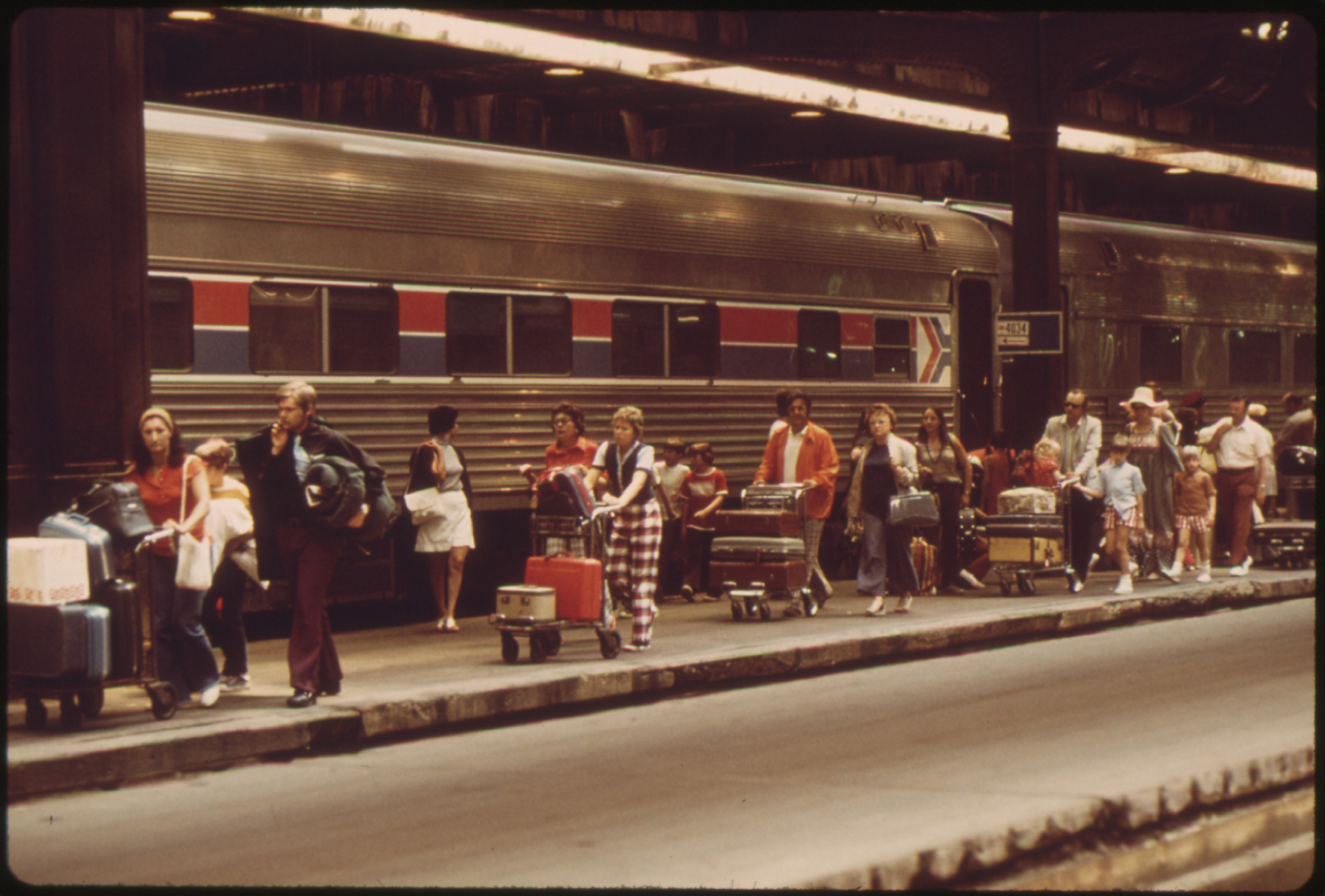
A wheeled suitcase was patented in the United States in 1970 and did not catch on for seventeen years, which is a long time for an obviously good idea.
The usual explanation is that the first design was poor, and it partly was – four casters on the long side, towed on a strap, which tipped over and tracked badly. The design that won arrived in the later 1980s from an airline pilot: two wheels at one end, a telescoping handle at the other, tilting the case onto its edge. That is a genuine engineering improvement and it is essentially unchanged today.
But the seventeen years is not really an engineering story, and the accounts from the period are consistent about why.
Carrying luggage was something men were expected to do. A man pulling a bag along on a strap looked, to a great many people in 1972, like a man unwilling to carry it – and retailers, who were overwhelmingly selling to men, were reluctant to stock something that implied that. The obstacle was a convention about who carries things, and conventions do not yield to a better product.
What shifted it was the world changing around the object. Porters largely disappeared, which removed the service that had made wheels unnecessary. Terminals became enormous. Hub-and-spoke networks created long connections through concourses rather than short walks to a gate. And airline crews – visibly, in uniform, walking miles a day – adopted the two-wheel case first, which made it read as professional rather than as feeble.
Then it took about five years to become universal.
And the consequence is the part nobody was aiming at.
For as long as a bag had to be carried, the limit on luggage was a human arm. You packed what you could manage from a car to a platform, through a station, up steps and onto a rack, and then do again at the other end. That was the whole constraint, and it required no rules, no allowances, no fees and no sizers, because physics enforced it automatically and made the decision for you.
A rolling bag removed that. Almost anybody can move two or three times what they can lift, which means the binding limit is no longer strength – it is whatever somebody at a counter will permit.
Which is exactly when baggage rules, weight allowances, cabin-bag sizers, fees and the entire modern apparatus of arguing about luggage became necessary. They did not exist in 1974 because they did not need to.
We swapped a rule enforced by our own arms for a rule enforced by a tape measure at a gate, and we have been fighting about it ever since.
If you travelled this way, you remember swapping hands every hundred feet.
And somebody in your family had the matched set, stacked in a closet in size order, that only came out twice.
Like our content? Follow us for more.