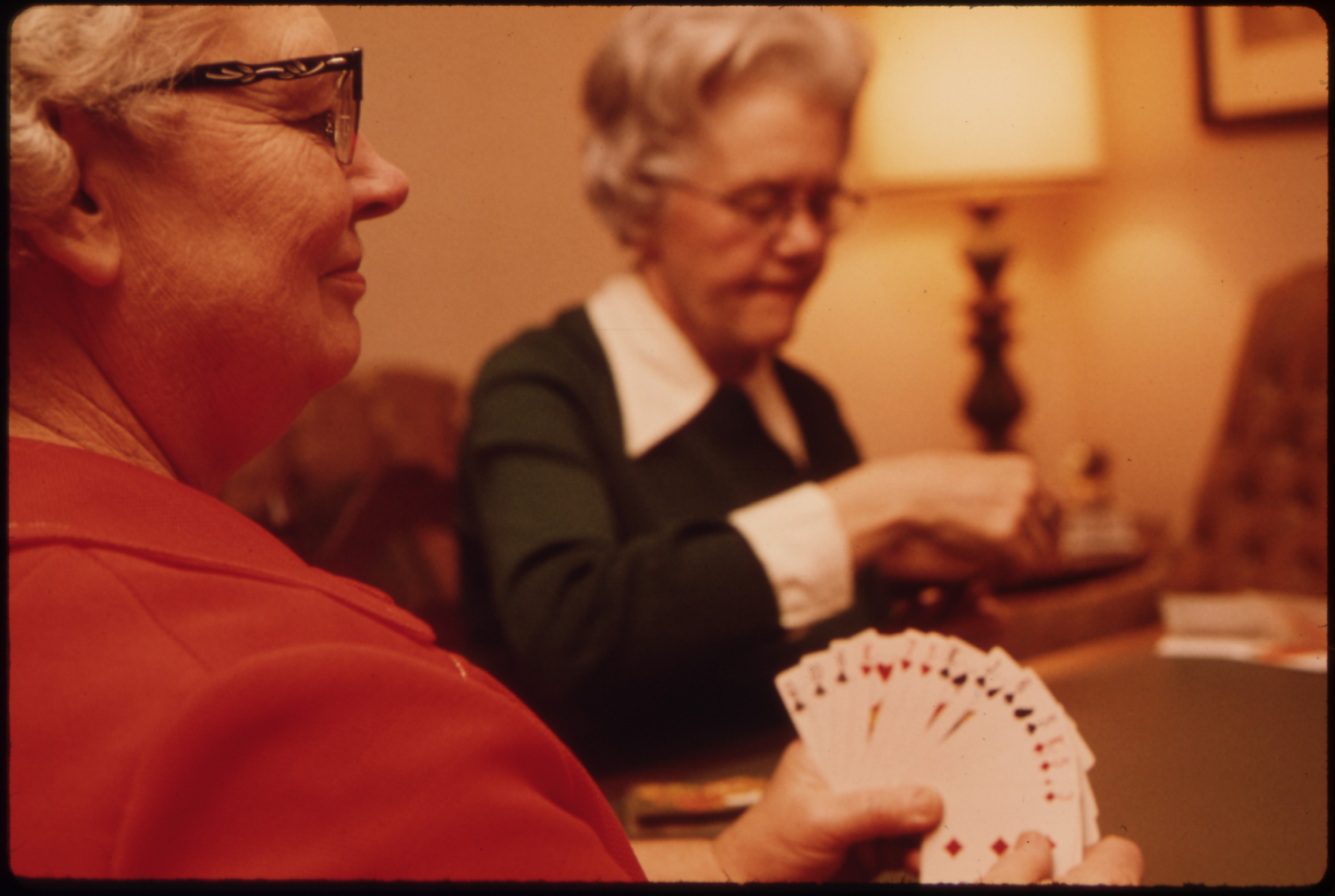
In 1974 a great many American adults had a standing monthly commitment to spend an evening in somebody else’s living room, at folding tables, with score pads and ashtrays.
It was a club with a membership and a fixed rotation. Households owned card tables and matching chairs that lived in a closet for the purpose. There were cloths made specifically for card tables, wrapped prizes for the high score, and a signature dish the host was known for. People dressed for it, and a teenager was paid to watch the children.
Here are fifteen things every living room hosted on card party night in 1974, and what happened to each of them.
1. It Was a Club With a Membership and a Rotation
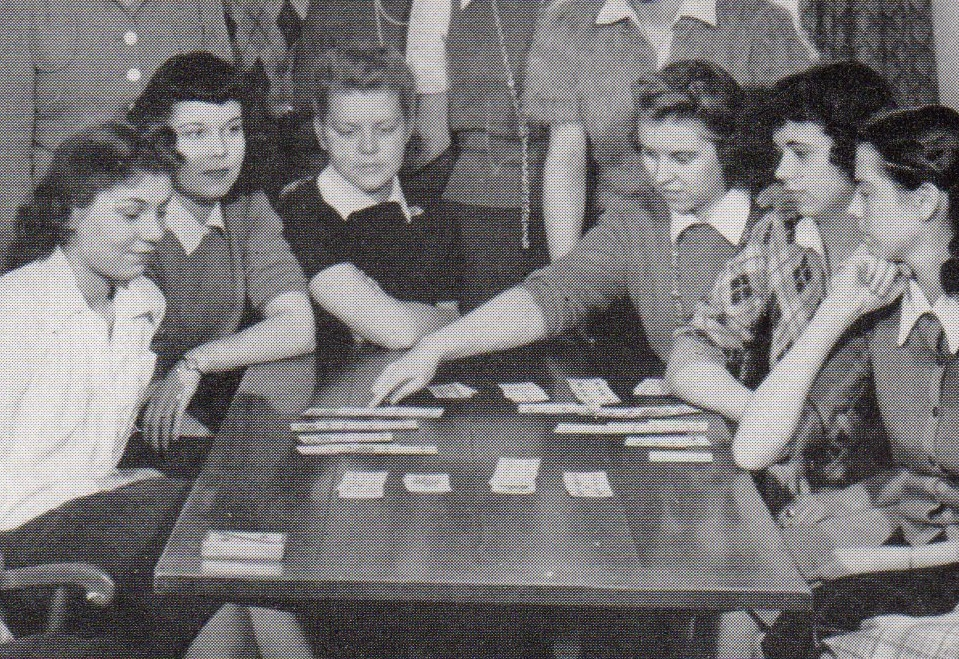
The card party was not an occasional evening. It was a standing club of a fixed number of couples or women who met on a set night – the second Thursday, the first Saturday – at a different member’s house each time, in an agreed order, for years.
Ad hoc socialising arranged by message when people happen to be free, with no fixed membership, no rotation and no calendar commitment.
The rotation is the mechanism that made the whole thing work and it is the part that has no modern equivalent. Your turn came round every eight or twelve months, you knew when, everybody else knew when, and declining to host was declining membership – so the evening happened whether or not anybody felt like it.
Like our content? Follow us for more.
2. The Card Tables Came Out of a Closet Where They Lived All Year
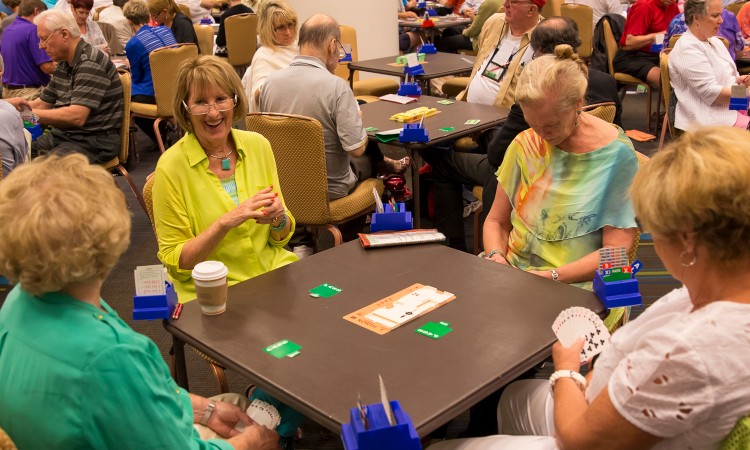
Households owned folding card tables and four matching folding chairs, stored flat in a closet or a basement, brought out for exactly this purpose and put away afterwards.
Nothing comparable in most houses. The dedicated card table set was standard furniture that existed for one specific recurring social function.
Owning them was effectively the entry requirement. A household in a card club needed to be able to seat eight or twelve people at tables of four, which means two or three sets – and acquiring them was one of the things a young couple did when they started being invited to things.
3. There Were Cloths Made Specifically for Card Tables
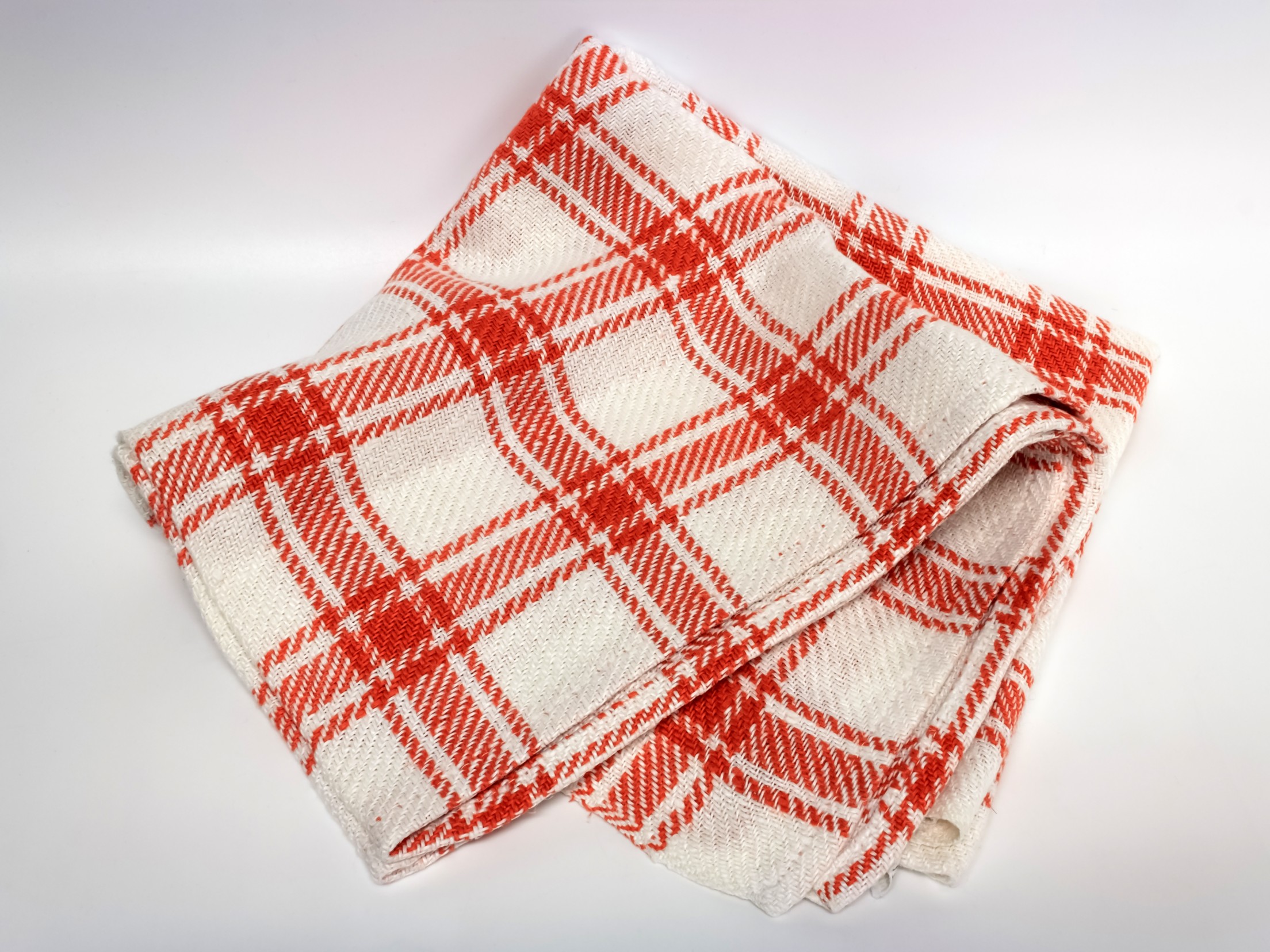
Square cloths sized to a card table, frequently with a printed card motif or in a plain colour with a decorated border, were sold and received as gifts and used only on these nights.
Nothing. The purpose-made card table cloth is a near-perfect index of how established the institution was, since a textile industry does not produce a product for an activity nobody does regularly.
They also indicate the formality level, which people consistently underestimate. This was not four people playing cards at the kitchen table. It was a dressed event in a prepared room, with cloths that came out for it, and the preparation was itself part of what was being offered.
4. Every Table Had a Score Pad and a Pencil
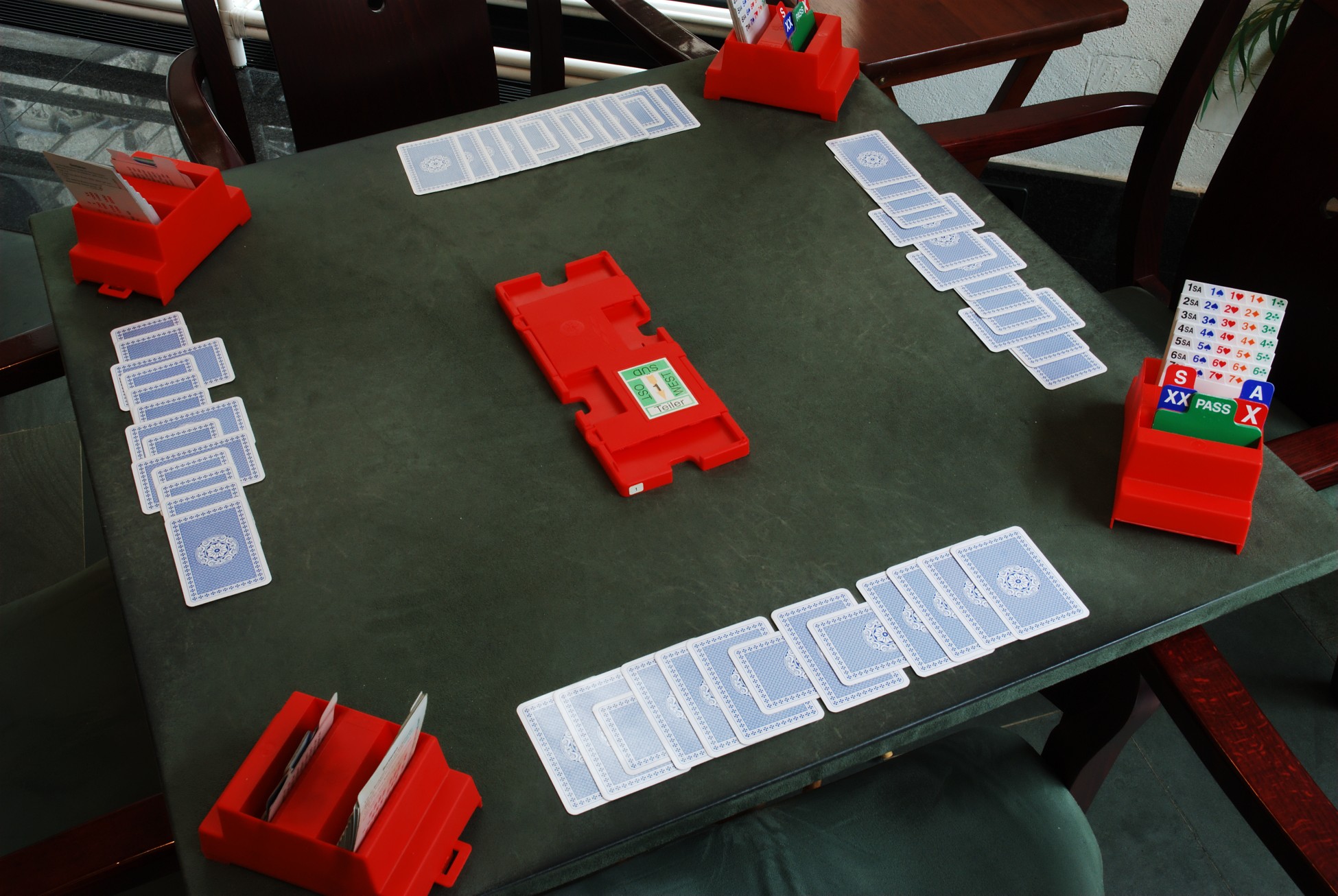
Printed score pads – sometimes in a leather or vinyl folder, sometimes as part of a boxed set – sat on each table with a sharpened pencil, and the scoring was kept by hand through the evening.
Scores kept on a phone, or not kept at all. The pad was a physical record, and in a club with a running season tally somebody was consolidating them afterwards.
The record-keeping is the detail that reveals how seriously it was taken. A club frequently ran a cumulative score across a whole season, with a standing somebody maintained, which turned a social evening into a competition with a history – and people knew where they stood in it.
5. There Was an Ashtray on Every Single Table
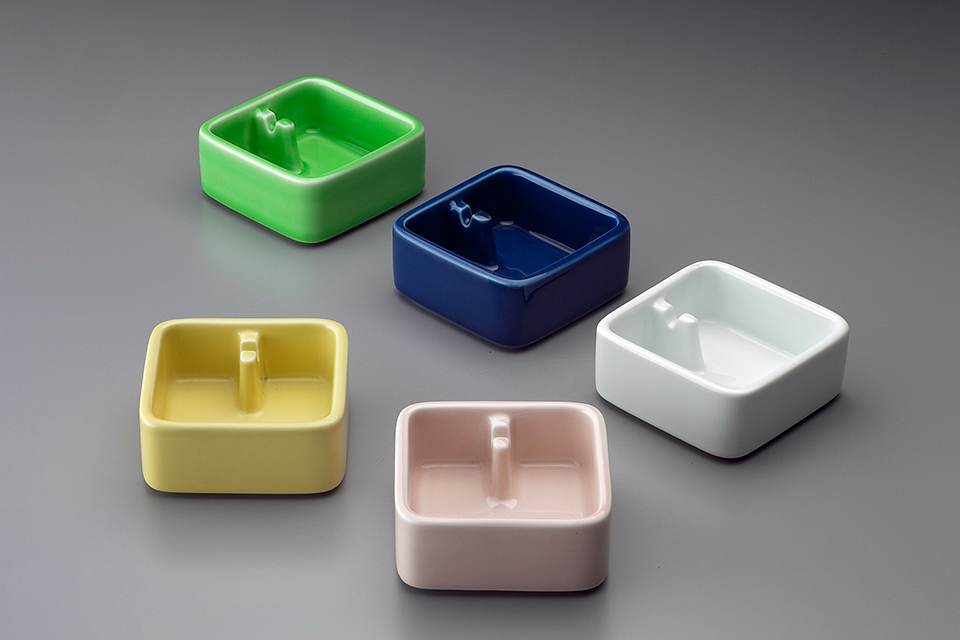
Ashtrays were part of the table setting, placed before guests arrived, in matched sets, and emptied during the evening by the host.
Nothing. Smoking in a private home is now the exception rather than the assumption, and nobody sets out ashtrays in advance for guests.
It is the single most dating detail of the whole institution. A prepared room for a card evening in 1974 had an ashtray at every seat as a matter of course, the host supplied them as they supplied the cloths and the pencils, and the air in the room by eleven o’clock is something people recall with considerable clarity.
6. Refreshments Came at a Fixed Point and Stopped the Play
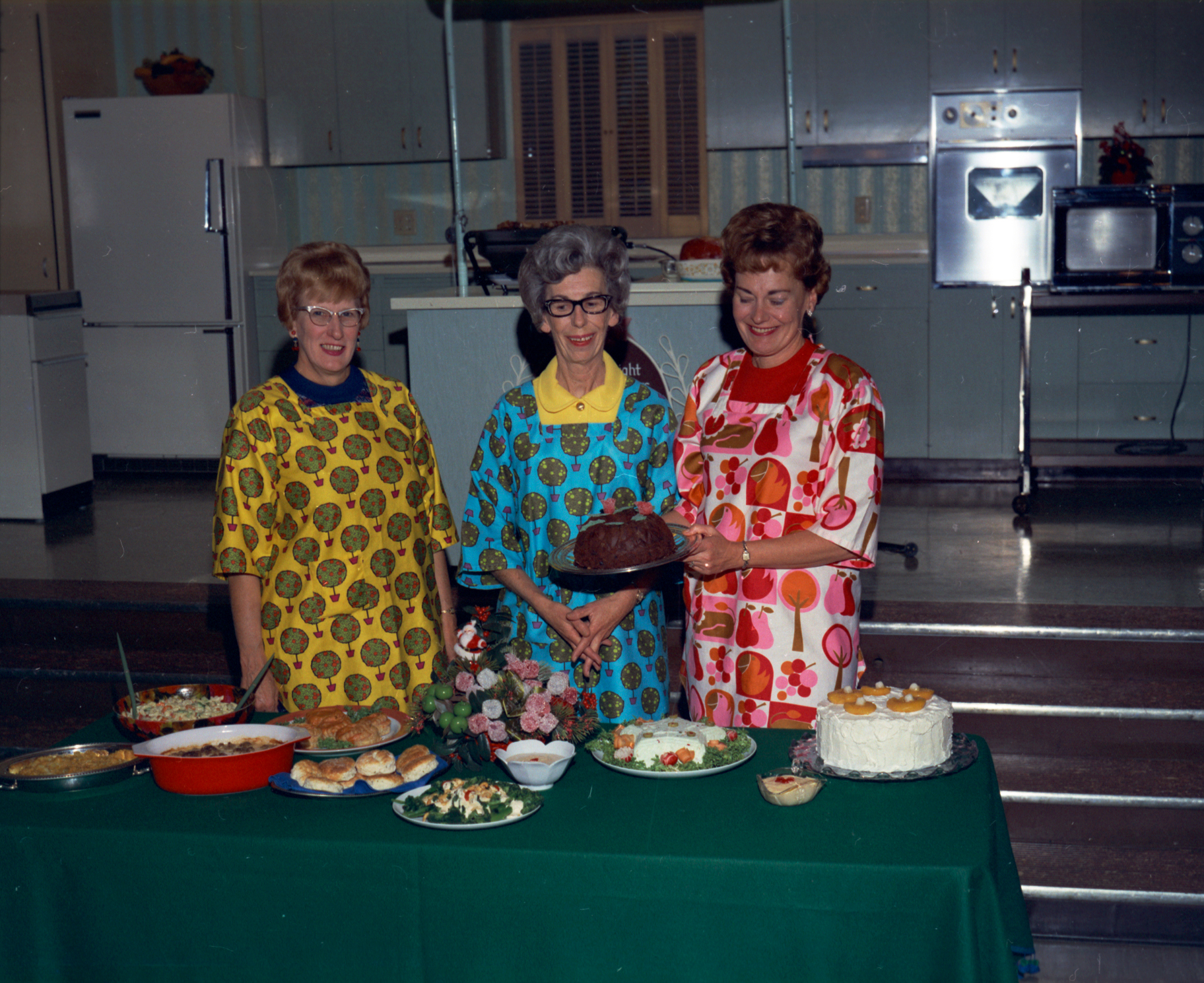
Food arrived at an appointed moment – usually between rounds or at a set hour – and play paused entirely while it was served and eaten, then resumed.
Continuous grazing from a table, or a meal that is the whole event. The scheduled interruption was structural and everybody knew roughly when it was coming.
Which gave the evening a shape that an open buffet does not. The first half was cards, the interval was conversation, the second half was cards again, and the interval was when the actual social business of the evening – the news, the gossip, the arrangements – got done.
7. The Good Dishes Came Out and the Food Was the Host’s Reputation
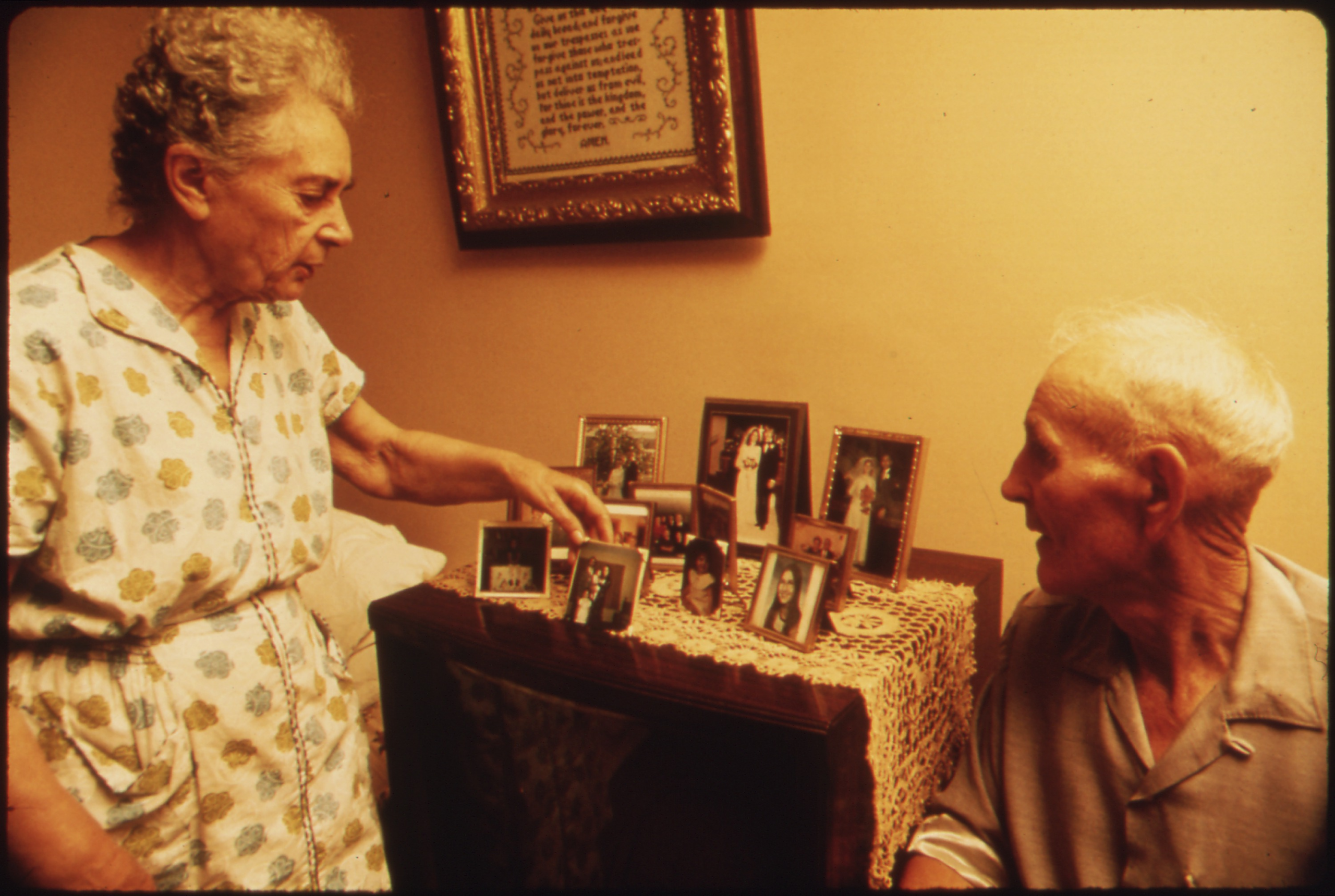
Refreshments were served on the household’s better china, with the hostess’s dish – the thing she was known for – as the centrepiece, prepared that afternoon.
Casual serving, catering, or a shop-bought contribution, with no expectation that the host has a signature dish or that anybody is keeping score.
And people absolutely were keeping score. A rotating host system means every household’s offering is directly comparable to every other household’s, on the same night of the month, in front of the same people – which created an unspoken standard that rose over a season and that everybody was aware of.
8. There Were Prizes, Wrapped, for the High Scores
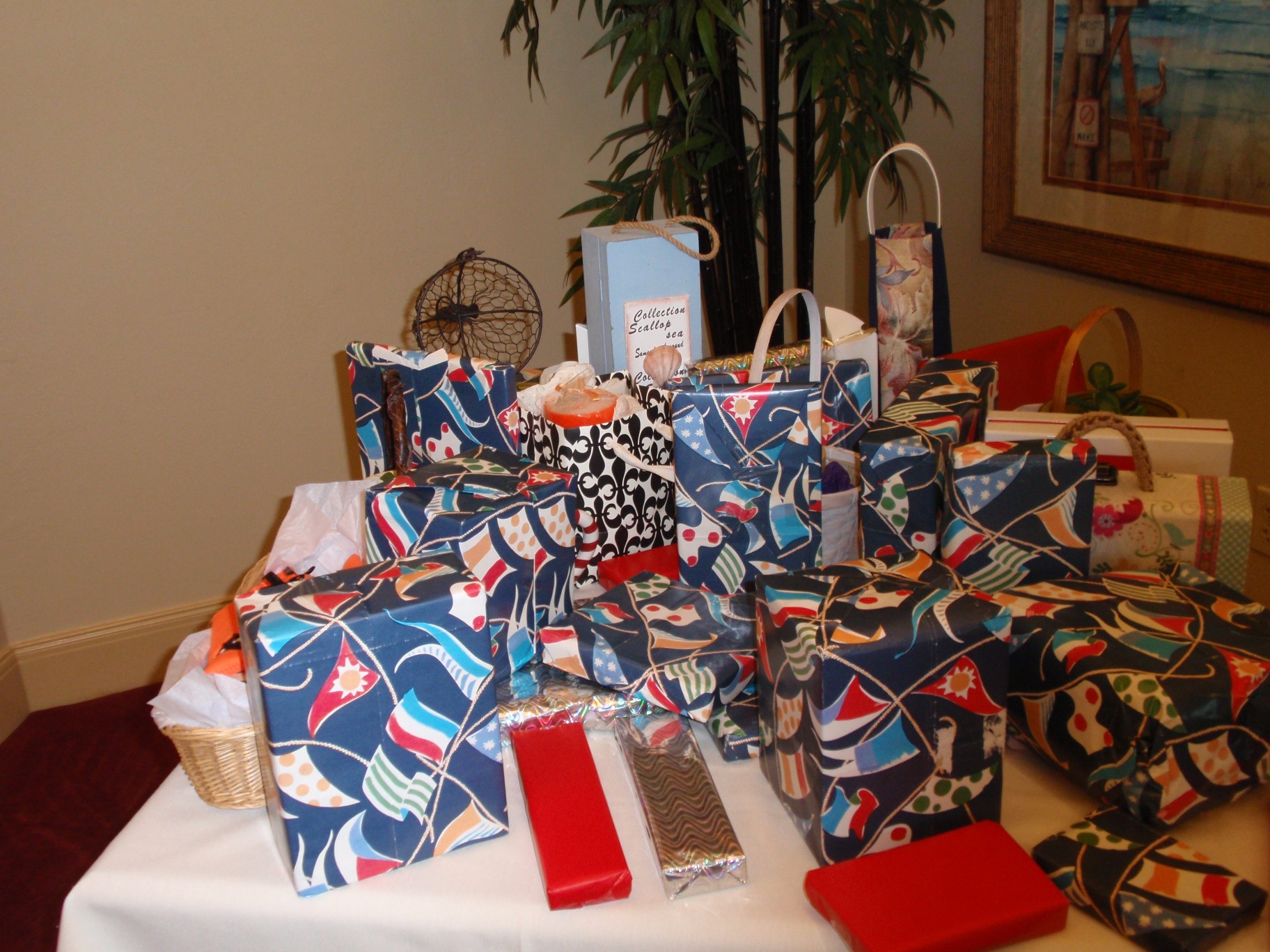
The host provided small wrapped gifts – a dish towel, a bar of good soap, a notepad, a box of candy, a pair of stockings – awarded at the end to the highest score and sometimes to the lowest.
Nothing. The prize was a modest object of a few dollars, wrapped, and its function was almost entirely ceremonial.
The booby prize for the lowest score is the part that tells you about the tone. It was not a humiliation, it was a joke with an object attached, and a club in which somebody went home with a wrapped bar of soap for coming last was a club that had settled into something comfortable.
9. People Dressed for It

Guests did not arrive in whatever they had been wearing. A card evening meant changing – a dress, a jacket, done hair – at a level below a formal occasion and distinctly above an ordinary evening at home.
Whatever people are wearing. The dressing requirement is the thing that most clearly separates this from a modern evening with friends.
And the effort was reciprocal rather than imposed. You dressed because the host had cleaned the house, pressed the cloths, made a dish and wrapped the prizes, and arriving in ordinary clothes would have been a comment on the trouble somebody else had gone to.
10. Somebody Was Paid to Watch the Children
Couples’ card nights required childcare, and the standard arrangement was a teenage babysitter from the neighbourhood, engaged for the evening at an hourly rate and collected or walked home afterwards.
Childcare that is considerably harder to arrange and much more expensive in real terms, which is one of the practical reasons recurring adult evenings became rarer.
The economics have changed more than anything else here. A neighbourhood full of teenagers available for a modest hourly sum made a monthly adult evening affordable and easy to organise, and both the supply and the price have moved against it decisively.
11. The Women Had Their Own Club and It Met in the Afternoon
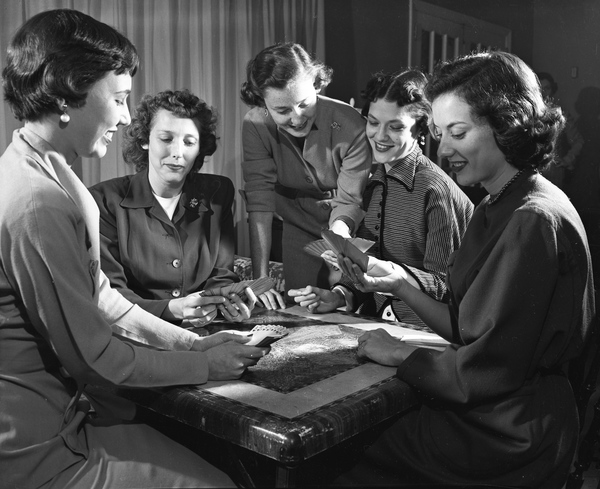
Alongside couples’ evenings ran daytime clubs – women meeting at one another’s houses in the early afternoon, with the same rotation, the same tables and the same refreshment structure.
Essentially nothing comparable, because the arrangement depended on a substantial number of adults being at home on a weekday afternoon.
That is the structural change underneath the whole institution. The daytime club presupposed a household pattern in which one adult was home during the day with discretionary afternoons – and as American women moved into paid work in large numbers across the following two decades, the afternoon club lost its members by definition rather than by preference.
12. The Invitation Came by Telephone and the Order Was Known

Hosting was announced by telephone, a week or two out, with a call to each member – and because the rotation was fixed, everybody already knew whose turn it was before the call came.
Group messaging, calendar invitations and shared documents, which make coordination almost free and make the commitment correspondingly easy to decline.
The telephone call did something a message does not, which is make declining awkward in real time. Answering a direct call from somebody whose turn it was, with no time to compose an excuse, is a meaningfully higher bar than ignoring a group thread – and the attendance rate reflected it.
13. It Was the Neighbourhood’s Information System
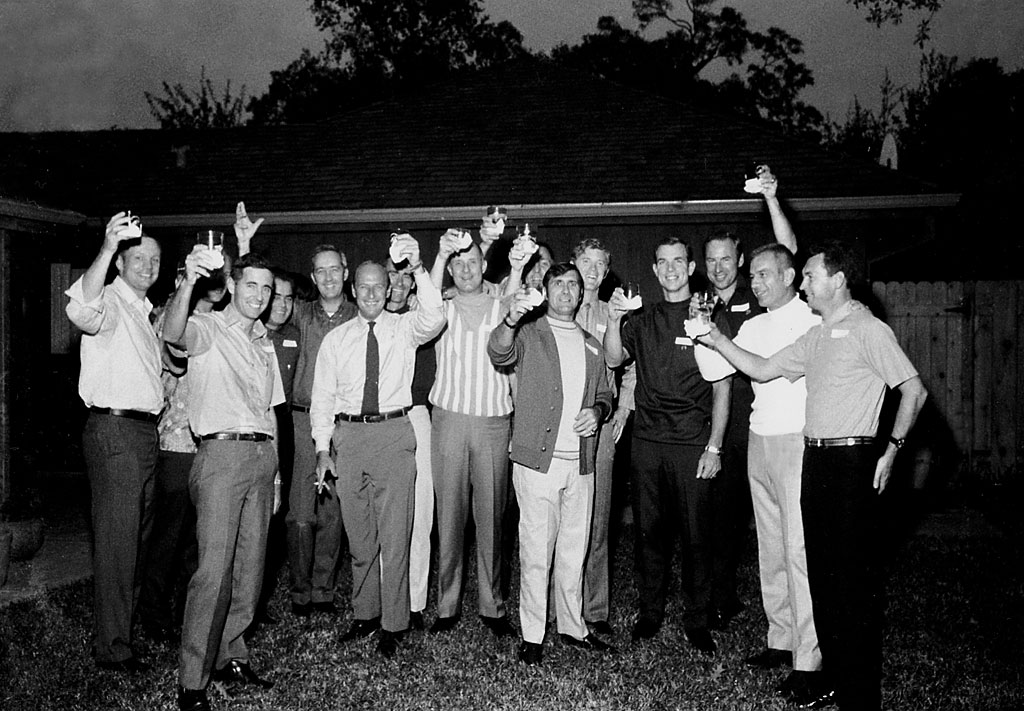
The club was where a defined group of households exchanged news every month: illnesses, jobs, children, prices, who was moving, who was in trouble and who needed help.
Social media, messaging groups and neighbourhood applications, which distribute information faster and far more widely with nobody having to be in a room.
The difference is in what the old arrangement required. Information arrived with a person attached to it, in a context where you would see that person again next month at their house or yours – which is a considerable constraint on what gets said and a considerable obligation to act on what you hear.
14. Then Television Took the Evening, and the Evening Never Came Back
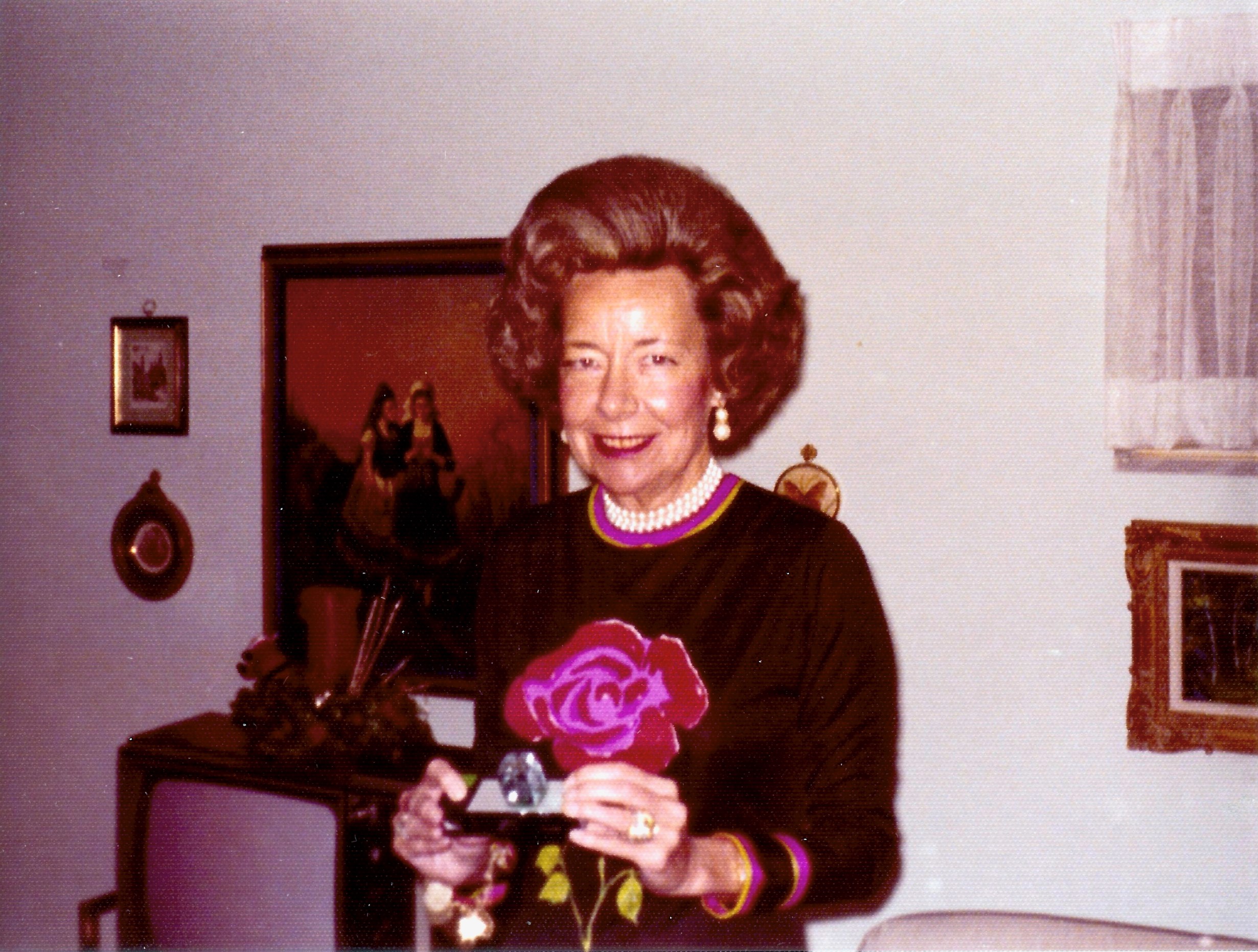
The whole institution rested on there being nothing else to do between seven and eleven on a Thursday – and on the alternative to company being a quiet house.
Television through the 1960s and 1970s, then cable, then on-demand viewing and personal screens, each of which made a satisfactory evening available at home with no preparation, no hosting, no cleaning and no reciprocation.
The cost comparison is what actually did it. Hosting cost an afternoon of cleaning, a prepared dish, wrapped prizes and a late night, in exchange for an evening’s company – and when an acceptable evening became available for no effort at all, the arithmetic inverted. Nobody decided to stop. Each household simply found, on a particular Thursday, that there was something on and that they were tired.
15. What Went With It Was the Obligation
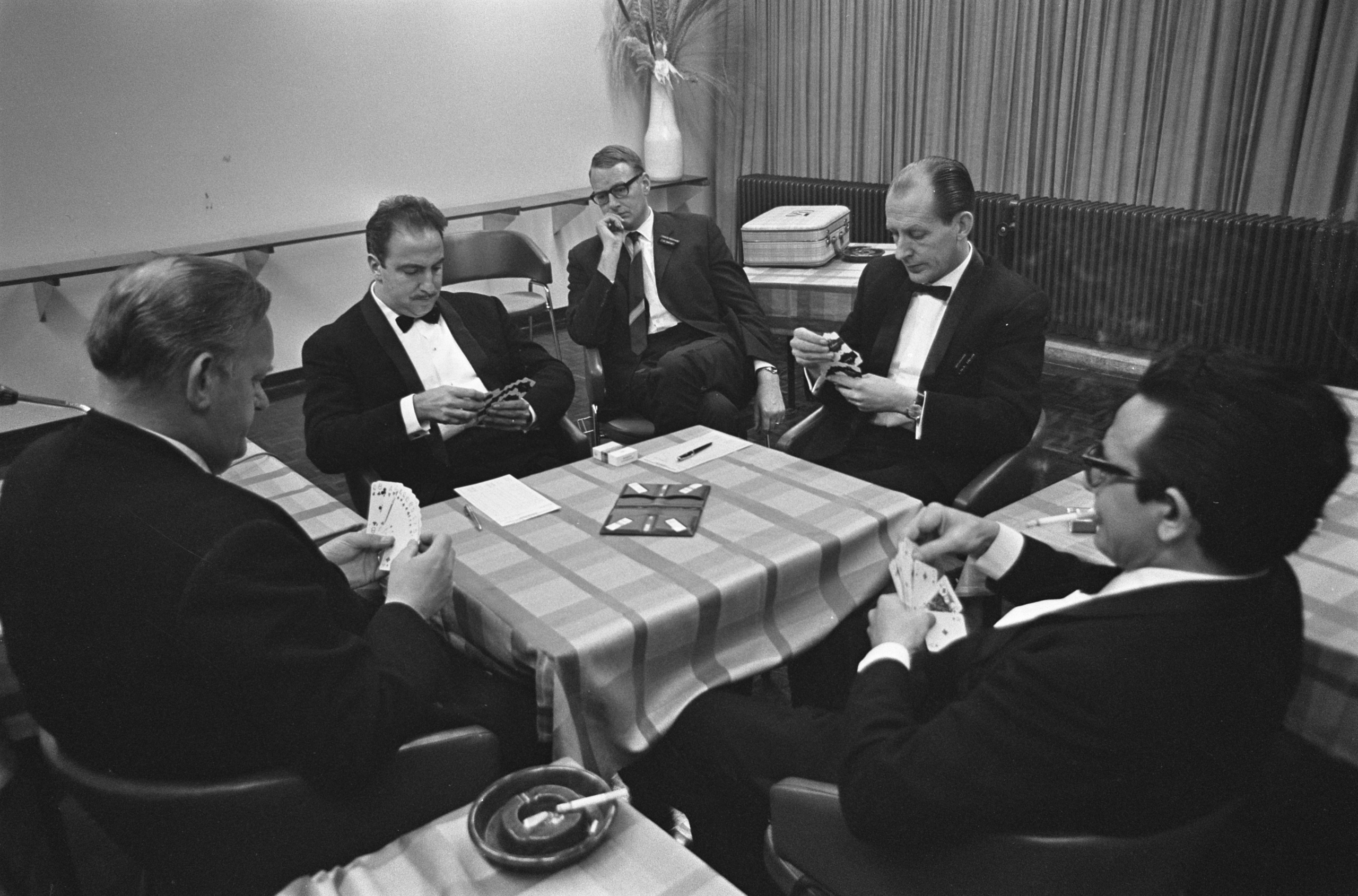
The card club’s defining feature was not the cards. It was that it was in the calendar, it recurred, and it was somebody’s turn – so it happened without anybody having to initiate it.
Socialising that requires somebody to propose it, everybody to be free, and a venue to be agreed, every single time – which means it happens when conditions are favourable rather than on a schedule.
And that is the thing people are describing when they say adults do not see each other any more. The barrier is not willingness; it is initiation. A rotating club removes the need for anybody to decide, because the date exists, the host is predetermined and the alternative to attending is a visible absence noticed by eleven people. Modern friendship has no such machinery – every occasion must be proposed, negotiated and scheduled from nothing, by somebody willing to do it, against everybody’s competing commitments. The card party was not better company. It was company that had been made automatic, by a rota and a telephone call, and nothing has replaced the rota.
The Rota Was the Whole Invention
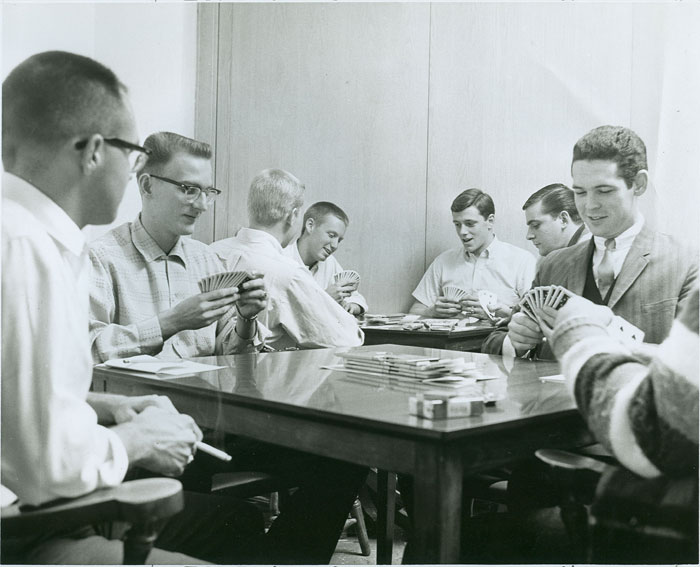
The card club is remembered as a thing people did for entertainment, and it was not primarily that. The cards were the occasion. The institution was the rota.
Consider what the rotation actually accomplished.
The date existed in advance – the second Thursday, every month, for years. The host was predetermined by a fixed order, so nobody had to volunteer, propose, or decide. The membership was closed and known, so the guest list required no thought. And attendance was effectively compulsory, because the alternative was a visible absence noticed by eleven people you would see again next month.
Which means an evening of adult company happened every month without a single person having to initiate anything.
That is the part that has no replacement, and it is what people are actually describing when they say adults no longer see each other.
The barrier now is not willingness and it is not affection. It is initiation. Every modern occasion has to be proposed by somebody, agreed by everybody, scheduled against competing commitments, and given a venue – from nothing, every time. That is real work, it falls on whoever is most willing to do it, and it fails at any one of four points. So evenings happen when conditions are favourable, which is to say considerably less often than anybody intends.
The things that killed the card club were all genuine. Television made an acceptable evening available for no effort, which inverted the cost comparison against an afternoon of cleaning and a prepared dish. Babysitting became expensive and hard to arrange. The daytime women’s clubs lost their members as American women moved into paid work in large numbers, which was a change nobody should regret. And the whole thing presupposed a settled neighbourhood of households who expected to be there in ten years.
But notice that none of those is about the company being unwelcome. Every one is about the machinery getting harder to operate.
The card party was not better friendship than people have now. It was friendship with the scheduling problem solved in advance, by a rota and a telephone call, so that nobody ever had to be the one who suggested it.
Nothing has taken that job on, and it is the only part worth wanting back.
If your parents did this, the card tables lived in a closet and came out four times a year.
And you were in bed upstairs listening to eight adults laughing, which is a sound a house does not make any more.
Like our content? Follow us for more.