

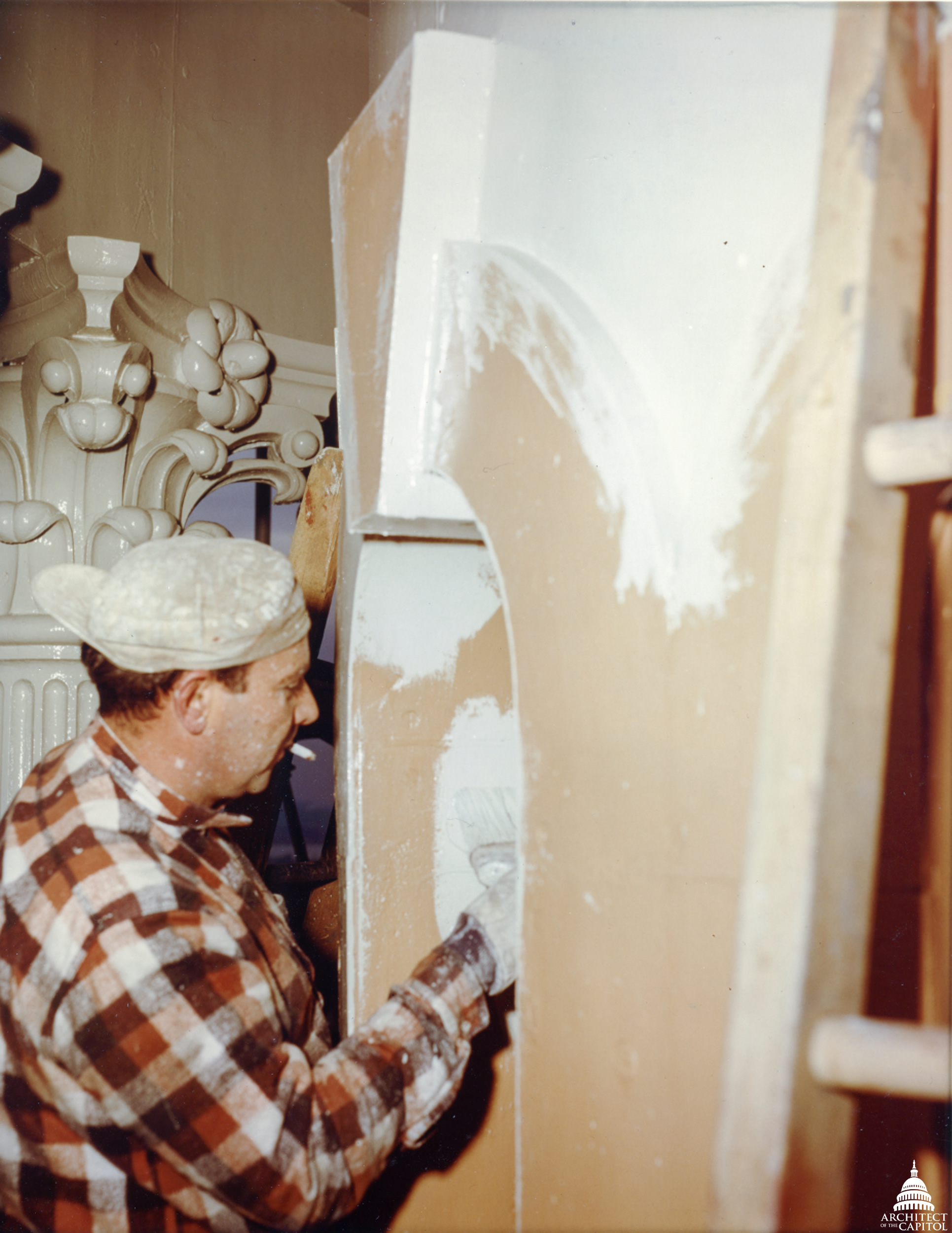
In 1960 nobody on a building site wore a hard hat, the scaffolding was lashed together with rope, there were no guard rails at any edge, and the ladders were leaned against the wall and climbed with both hands full.
Bricks went up on a man’s shoulder. Asbestos was cut on site by whoever needed it cut. Cement was handled bare-handed. And the site was wide open to anybody who walked onto it after the men went home.
Here are sixteen things that were ordinary on a building site in 1960, and what became of each one.
1. Nobody Wore a Hard Hat and Nobody Was Asked To
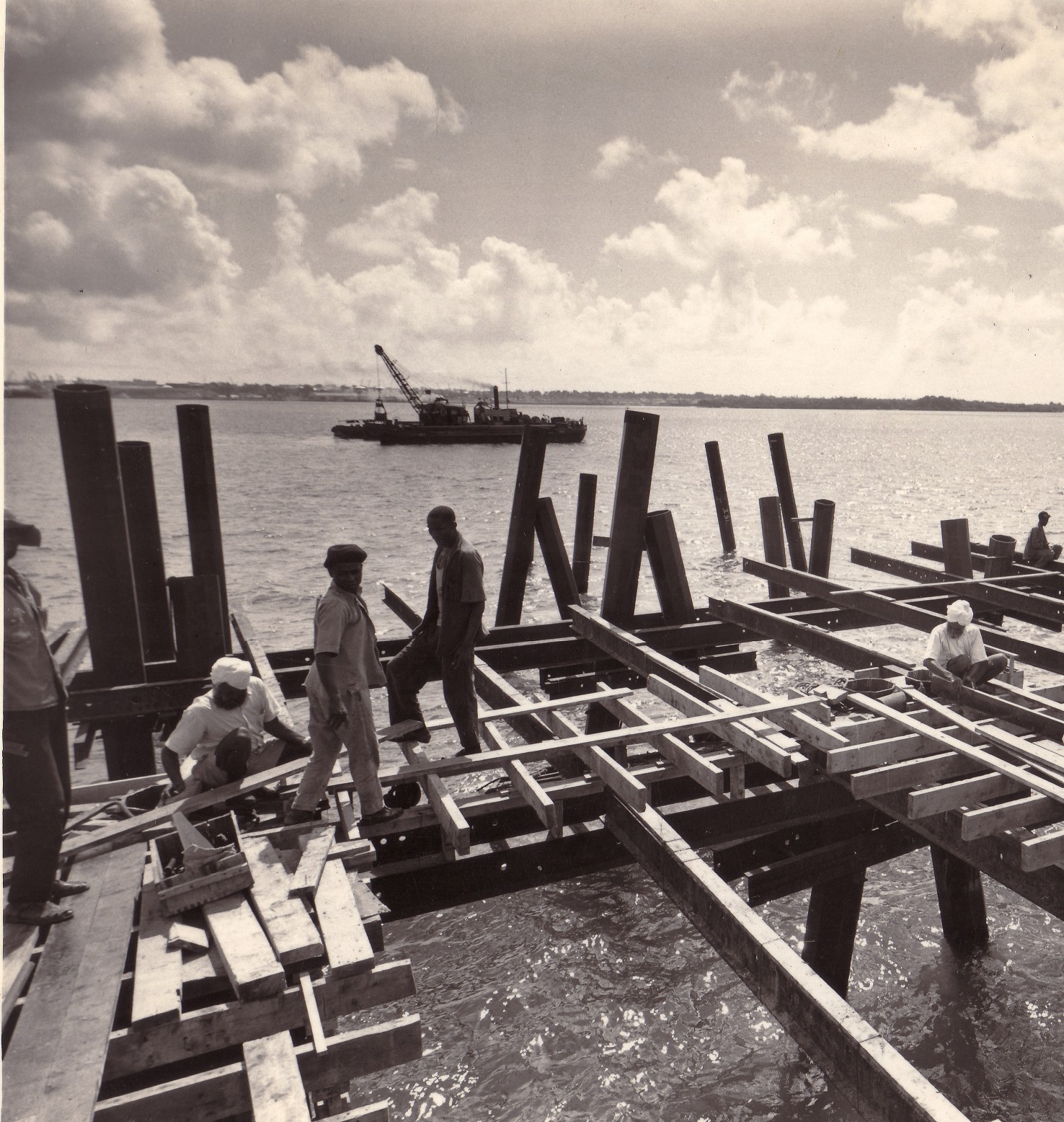
Head protection existed and was not required, not provided on most sites, and not worn. Men worked under other men working at height, with materials being lifted overhead, bare-headed.
Head protection is mandatory on construction sites and is enforced. It is the single most visible change in the industry and the one that most clearly divides photographs of a 1960 site from a modern one. This is stated as occupational history; anybody with concerns about their own work history should raise them with their own doctor.
Like our content? Follow us for more.
2. The Scaffolding Was Timber and Steel Lashed Together With Rope

Scaffolds were assembled from poles and boards, tied at the joints, with the stability of the whole structure depending on the quality of the ties and the judgement of the man who built it.
System scaffolding with engineered couplers, design calculations, inspection regimes, tagging and handover certificates replaced it. A tied scaffold built by a good scaffolder was sound and there was no way for anybody else to verify that it was, which is exactly the situation a certification system exists to resolve.
3. There Were No Edge Protections and No Harnesses
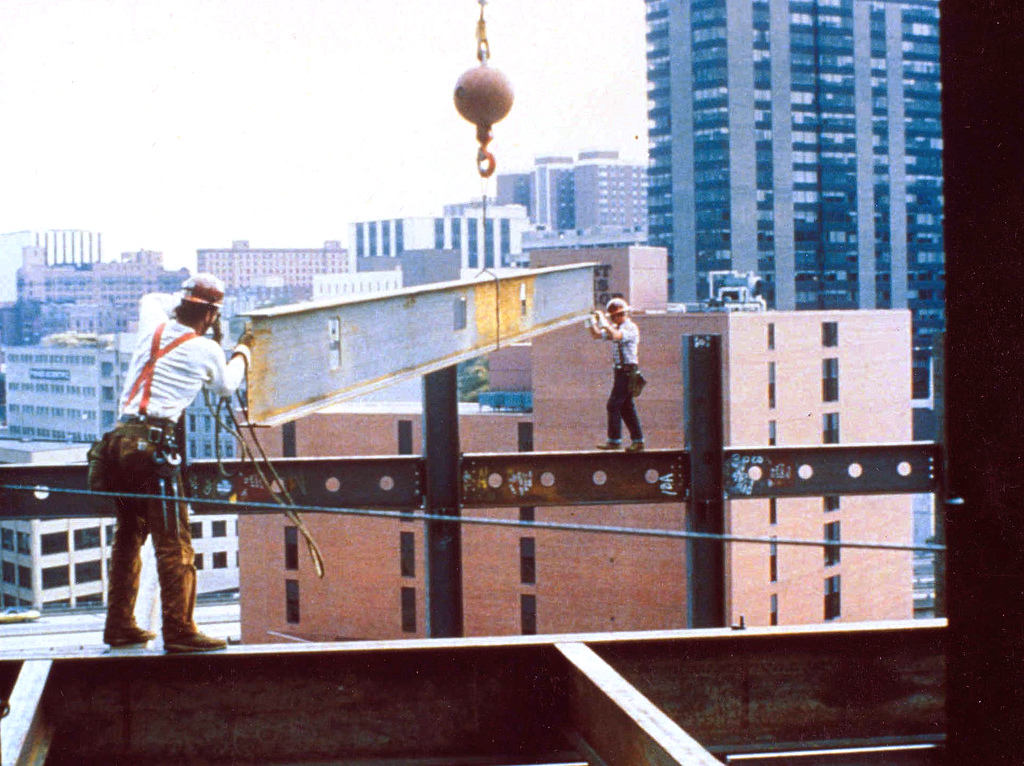
Men worked at the edges of floors, on roofs and on scaffolds with no guard rails, no toe boards, no nets and nothing attaching them to anything.
Guard rails, toe boards, nets, airbags, harnesses and anchor points, and a hierarchy that prefers removing the risk over protecting against it, now govern all work at height. Falls were the dominant cause of death in construction then and remain the largest single cause now, which indicates both how much work was needed and how much the problem resists solution.
4. The Ladders Were Not Tied and Were Climbed With Both Hands Full
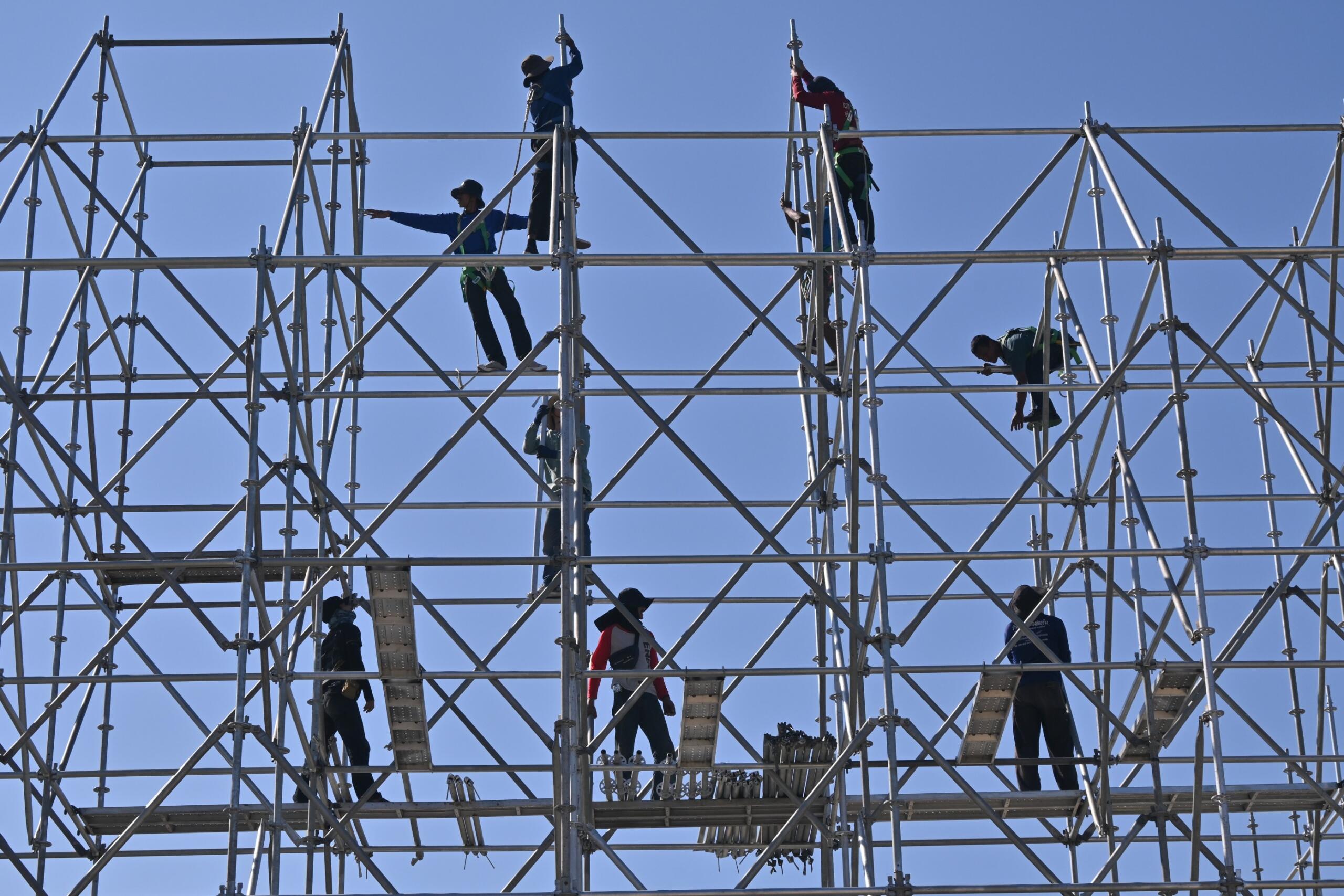
Ladders were leaned, not footed or tied, and were used as the normal route to any height, with materials carried up them by hand.
Ladder use is now restricted, tying or footing is required, and hoists, towers and platforms are preferred for anything other than brief access. Carrying a hod of bricks up an unsecured ladder was ordinary work and is the sort of thing nobody would now propose out loud.
5. The Bricks Went Up on Somebody’s Shoulder
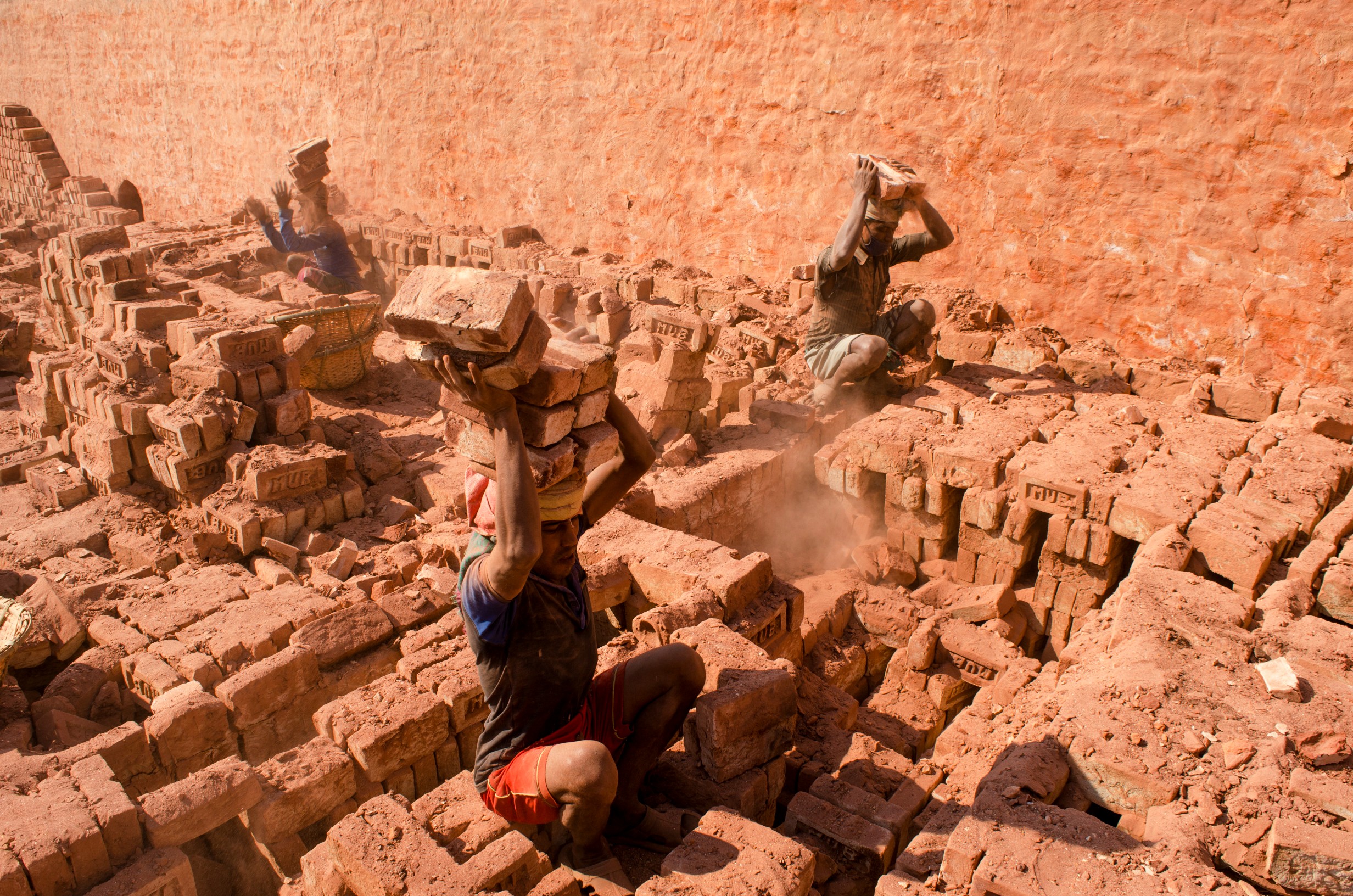
A hod carrier loaded bricks or mortar onto a V-shaped tray on a pole, lifted it onto his shoulder and climbed to the bricklayer, continuously, all day.
Forklifts, telehandlers, hoists and pallet delivery to the working level removed the job. Hod carrying is remembered across the trade as the hardest unskilled labour available, and the loads involved are difficult to credit from the arithmetic alone.
6. Asbestos Was Everywhere and Was Cut on Site
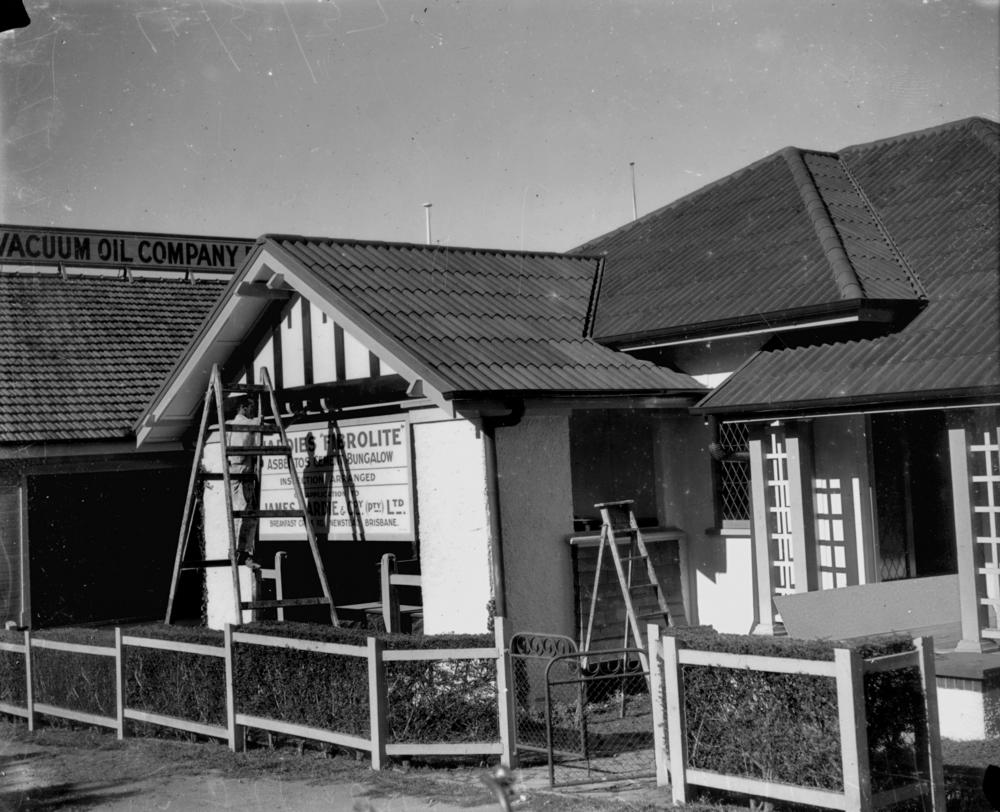
Asbestos cement sheet, insulation, boards, pipe lagging and sprayed coatings were standard building materials, cut, drilled and fitted on site by general trades with no controls.
Asbestos is prohibited in new construction, work on legacy material is licensed, and surveys are required before refurbishment or demolition. Stated here as occupational history only. Anybody who worked with these materials should discuss it with their own doctor rather than with an article.
7. Cement and Lime Were Handled With Bare Hands
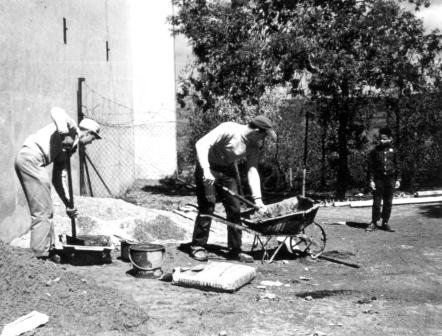
Mixing and handling cement and lime mortars was done without gloves, with wet cement in contact with skin all day, and the resulting damage was regarded as part of the trade.
Gloves, barrier protection, skin surveillance and awareness of wet cement’s effects are now standard. The chemistry has not changed – the material is strongly alkaline and remains so while wet – and this is one of the clearest examples of a hazard that was obvious, visible, affecting everybody, and simply accepted.
8. The Site Was Loud and Nobody Had Anything in Their Ears
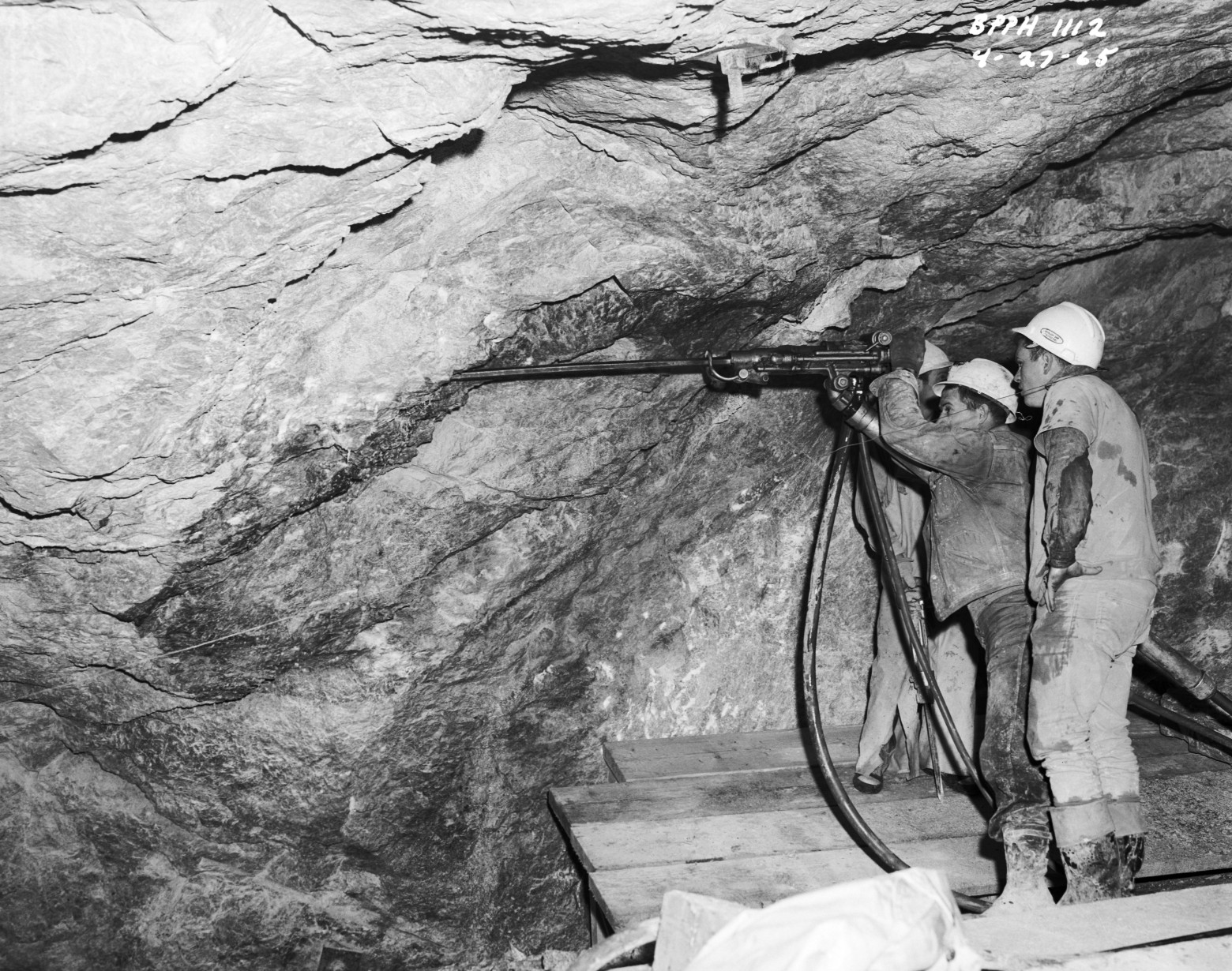
Breakers, saws, compressors, hammering and plant produced sustained noise, with no protection provided or expected.
Exposure limits, hearing protection zones, quieter equipment and monitoring are standard. Included as occupational history only; anybody with that work history should discuss it with their own doctor.
9. Scaffolders, Steel Erectors and Roofers Were Expected to Be Fearless
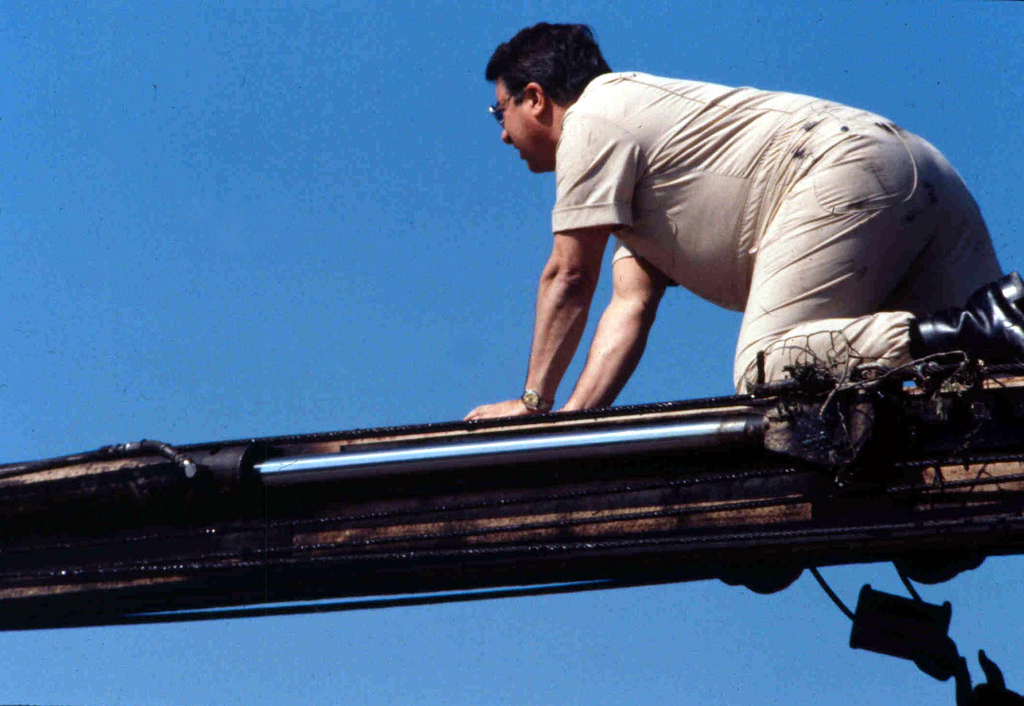
Working at height without protection was treated as a matter of nerve and skill rather than as a hazard to be engineered out, and the trades that did it took pride in the fact.
The entire framing changed: the modern position is that no amount of competence makes an unprotected edge acceptable, because the consequence of a single lapse is fatal regardless of skill. Replacing a culture of individual capability with one of systematic protection was slower and harder than installing any of the equipment.
10. Labour Was Hired by the Day at the Gate
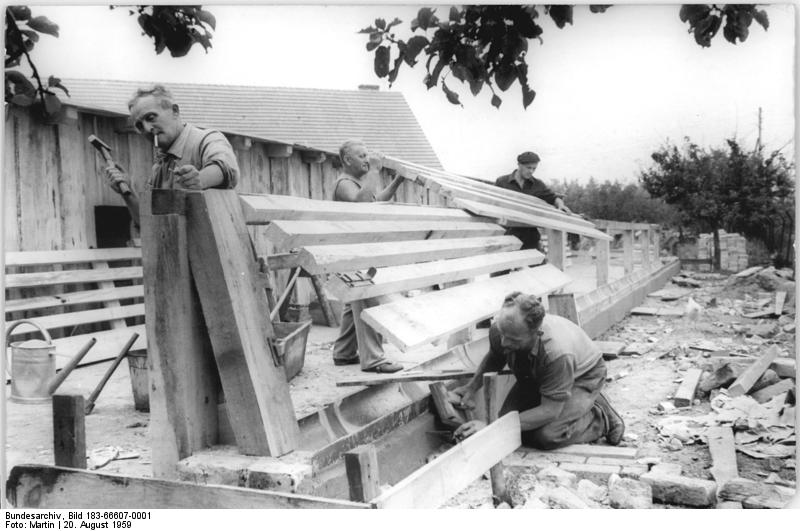
Casual engagement was normal – men turned up, were taken on for the day or the job, paid in cash, and let go when the work finished, with no contract and no record.
Employment status rules, payroll requirements, site registration, competence cards and health and safety duties attaching to the employer changed the arrangement substantially, though labour-only subcontracting and disputes about employment status remain live. The casual system gave flexibility to the employer and nothing at all to the worker.
11. Everything Was Measured, Cut and Fitted on Site
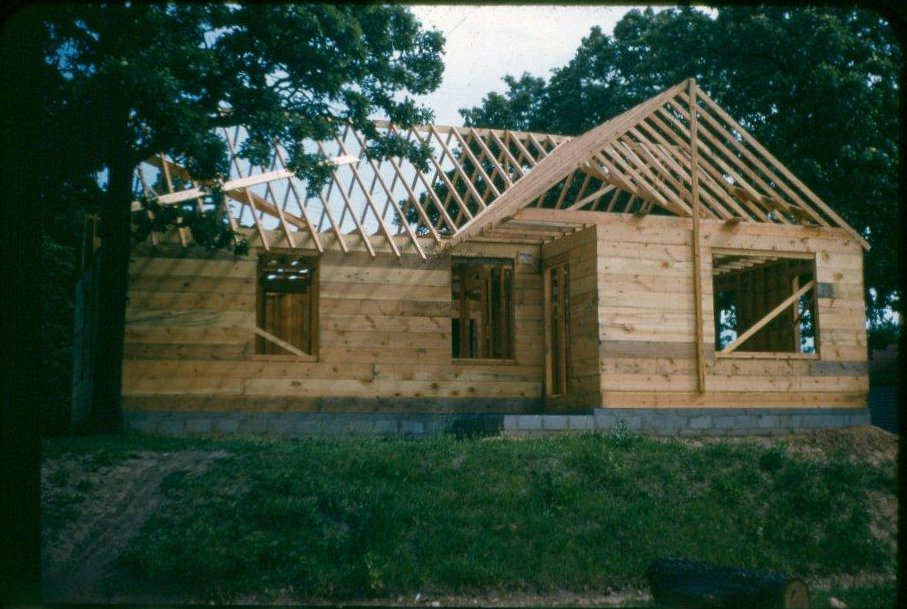
Components arrived as material rather than as parts. Timber was cut on site, steel was adjusted, brickwork accommodated whatever the previous trade had left, and every joint was resolved by the person making it.
Off-site manufacture, factory-made components and digital setting out have moved a large share of the work into controlled conditions. On-site resolution absorbed enormous tolerance and depended entirely on the skill of the individual trades, which is why the quality of a 1960 building varies so much between sites.
12. The Drawings Were Paper and Frequently Wrong
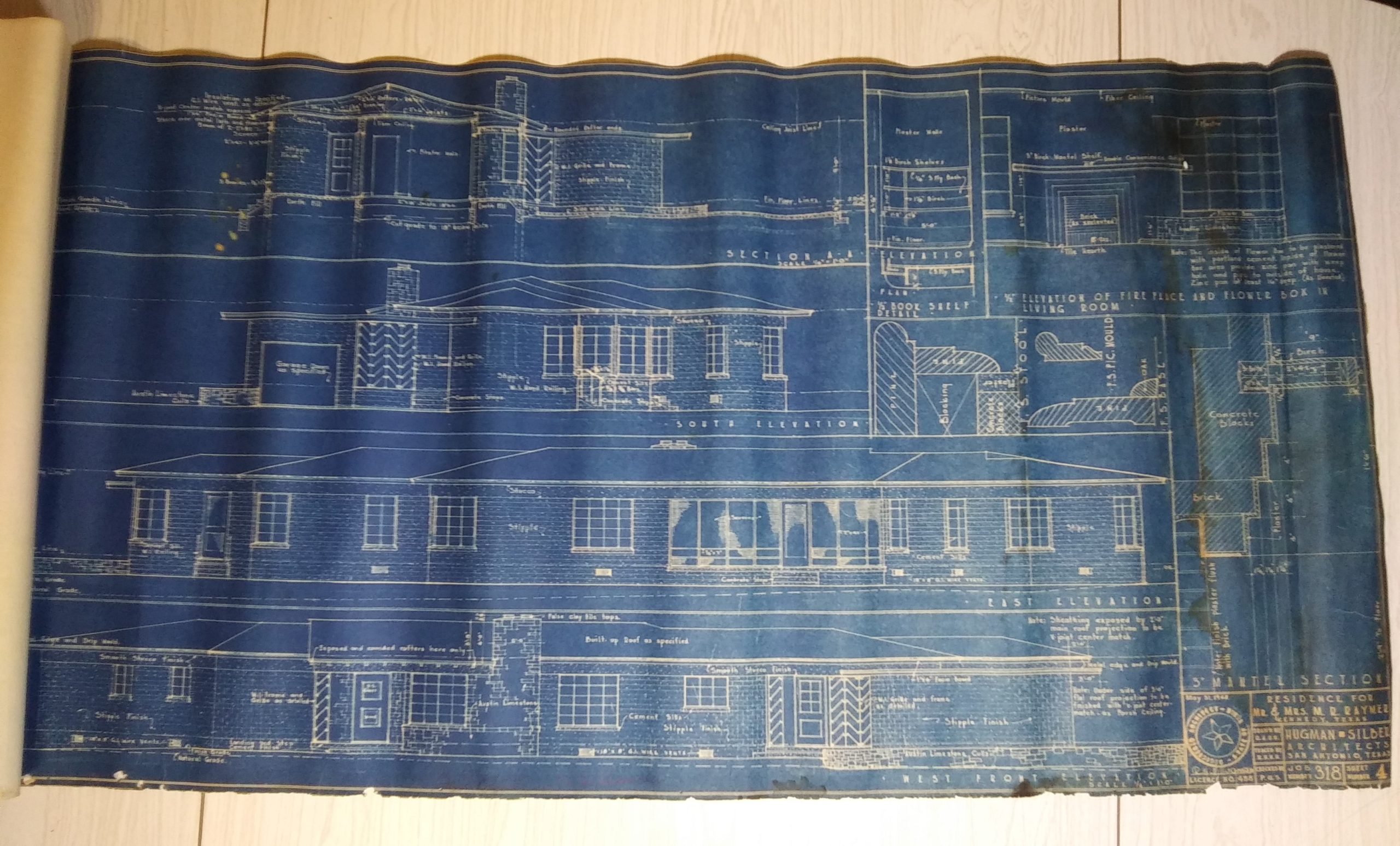
Drawings arrived on site as prints, were amended by hand, superseded without the old versions being removed, and discrepancies between trades were discovered when something did not fit.
Digital models that coordinate services, structure and architecture before anybody builds anything have removed a large proportion of that clash. Finding the conflict on site, in the material, with two trades standing there, was the normal way such problems were identified.
13. The Welfare Facilities Were a Hut and Sometimes Not That
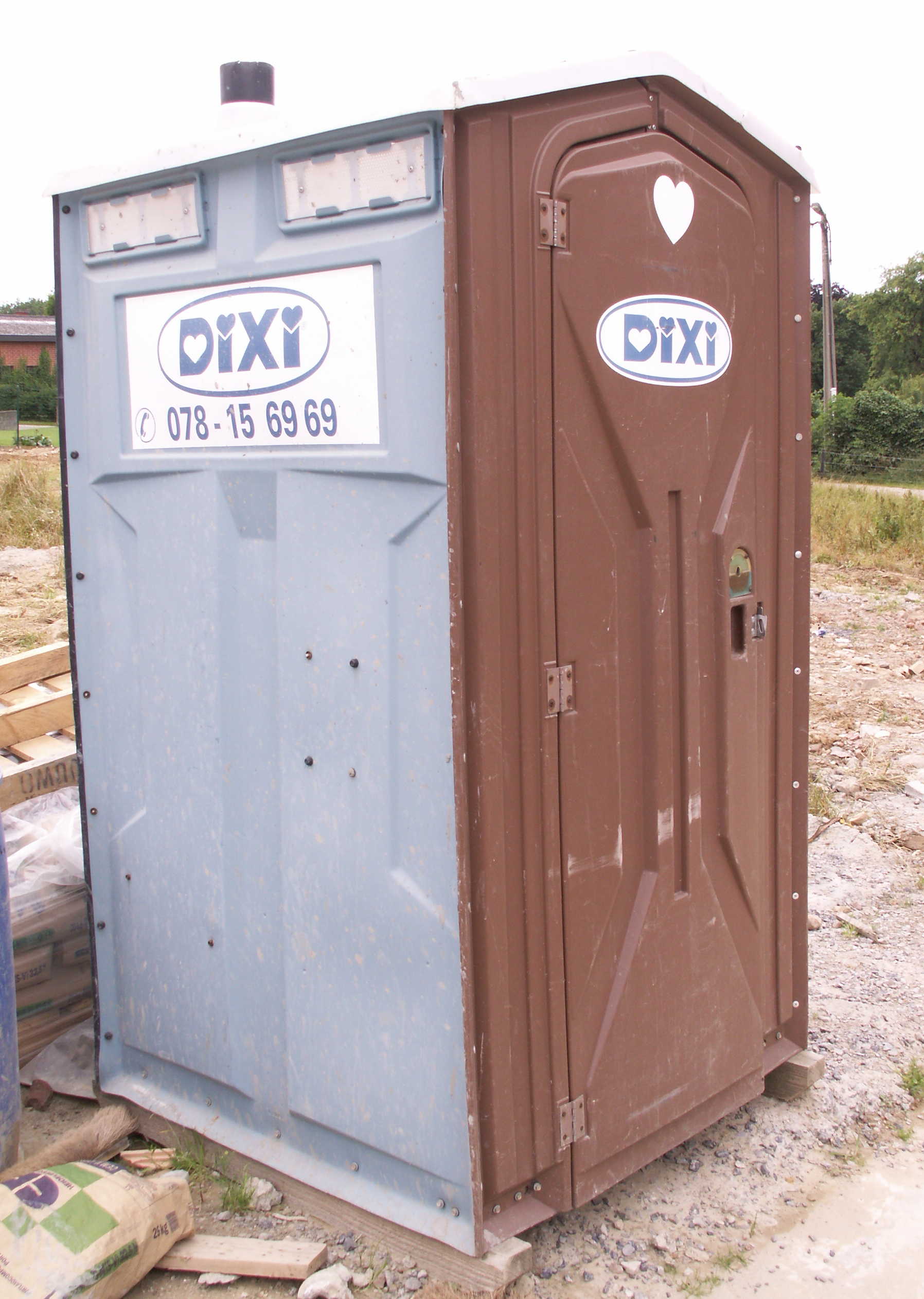
Provision for washing, eating, drying clothes and sanitation ranged from basic to absent, on sites where the work was dirty, wet and physically hard.
Welfare requirements covering toilets, washing, drinking water, changing, drying and rest facilities are now mandatory and inspected. It is an unglamorous area of regulation and it addressed conditions that were genuinely degrading, which is worth saying because welfare provision is the part of site regulation most frequently mocked.
14. Children Were on Site and So Was Everybody Else
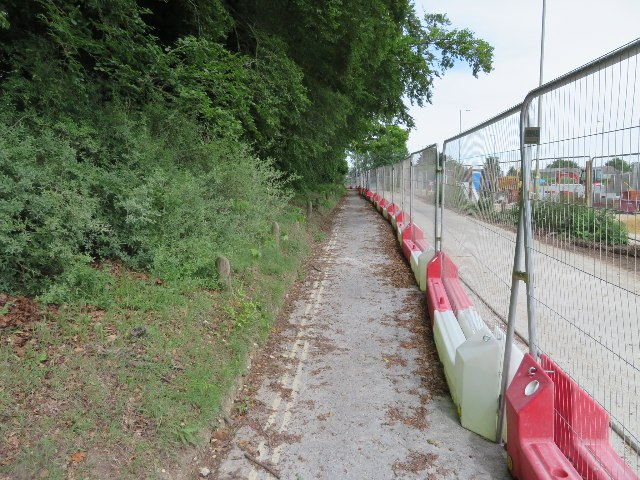
Sites were open, unfenced and unsecured outside working hours, and were a standard place for children to play, with the predictable consequences.
Hoardings, secure gates, site security and legal duties towards trespassers including children transformed it. Construction sites were a recognised and recurring cause of child deaths, which is the reason the duties are as strict as they are and is the part of this history least often mentioned.
15. The Men Moved Between Sites and Frequently Between Countries
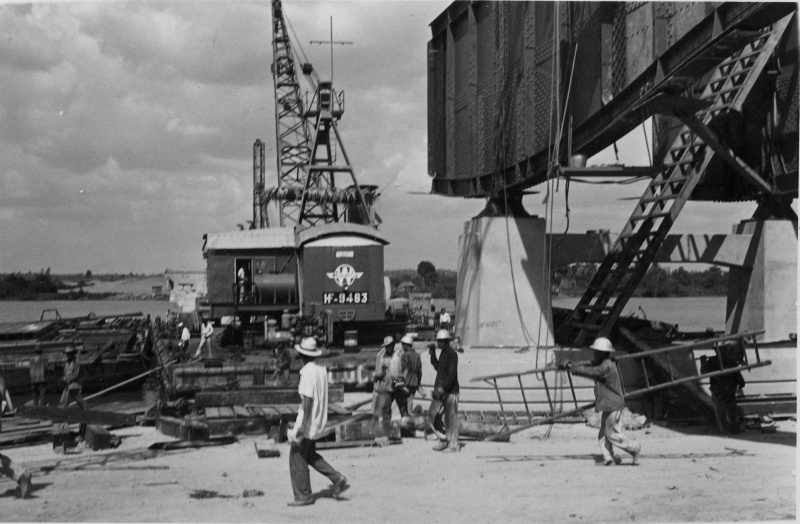
Construction labour was highly mobile, with workers travelling long distances for work, living in lodgings or on site, and sending money home.
The pattern has not changed and is now better documented and regulated. Much of the building stock of this period was built by people who had travelled a long way to do it, lived in poor accommodation while doing it, and are entirely absent from the record of what was built.
16. Nobody Thought the Buildings Would Be a Problem
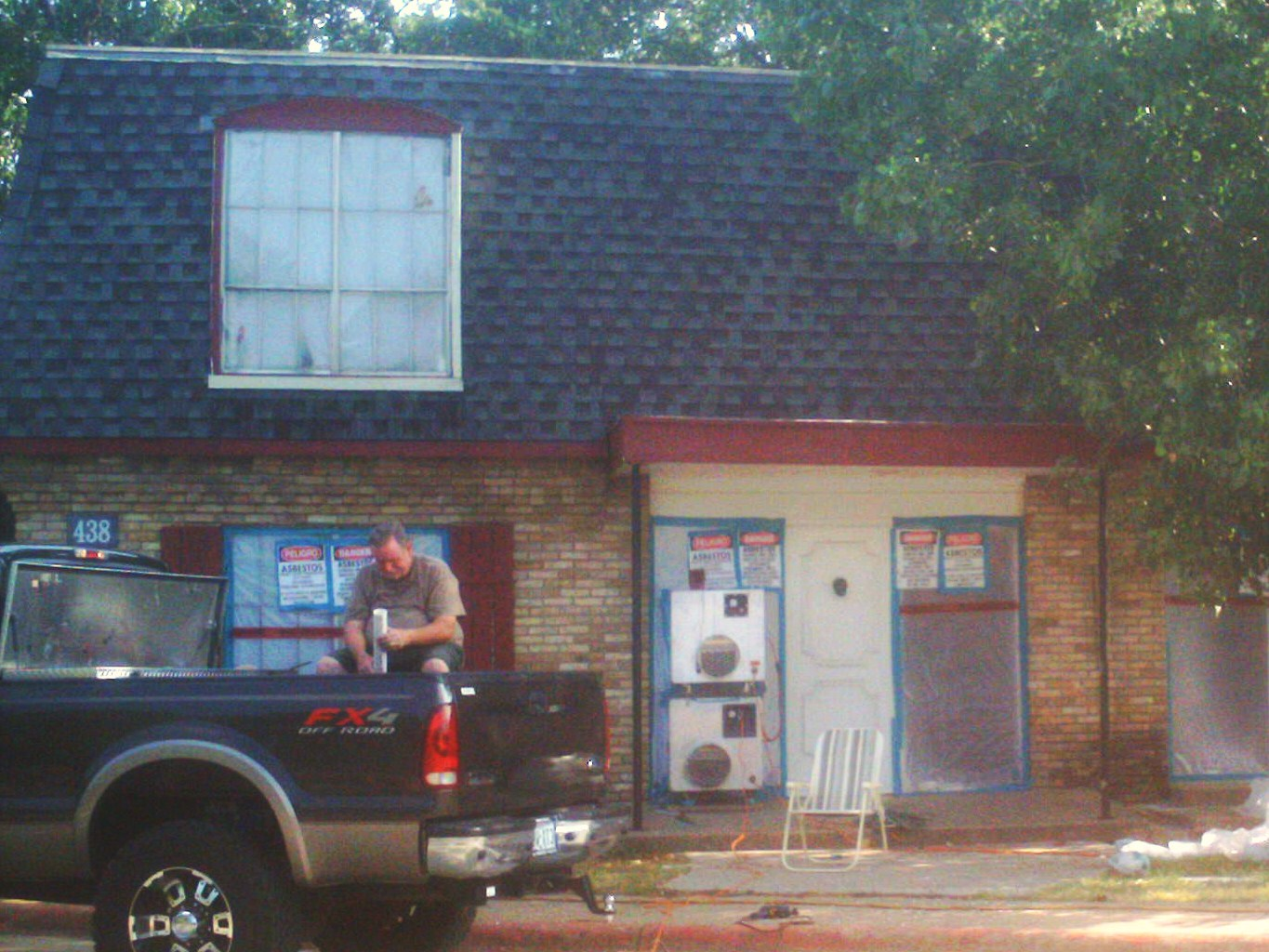
The construction methods, materials and detailing of the period were used with confidence, and the long-term performance of new systems was assumed rather than demonstrated.
A considerable proportion of the building stock from this era has since required substantial remediation – for asbestos, for structural systems that performed poorly, for thermal performance and for fire safety. The lesson that has been learned repeatedly and expensively is that a new building method’s real performance is only known after a few decades, which is precisely the period during which the most of it gets built.
Competence Was Never Going to Be Enough
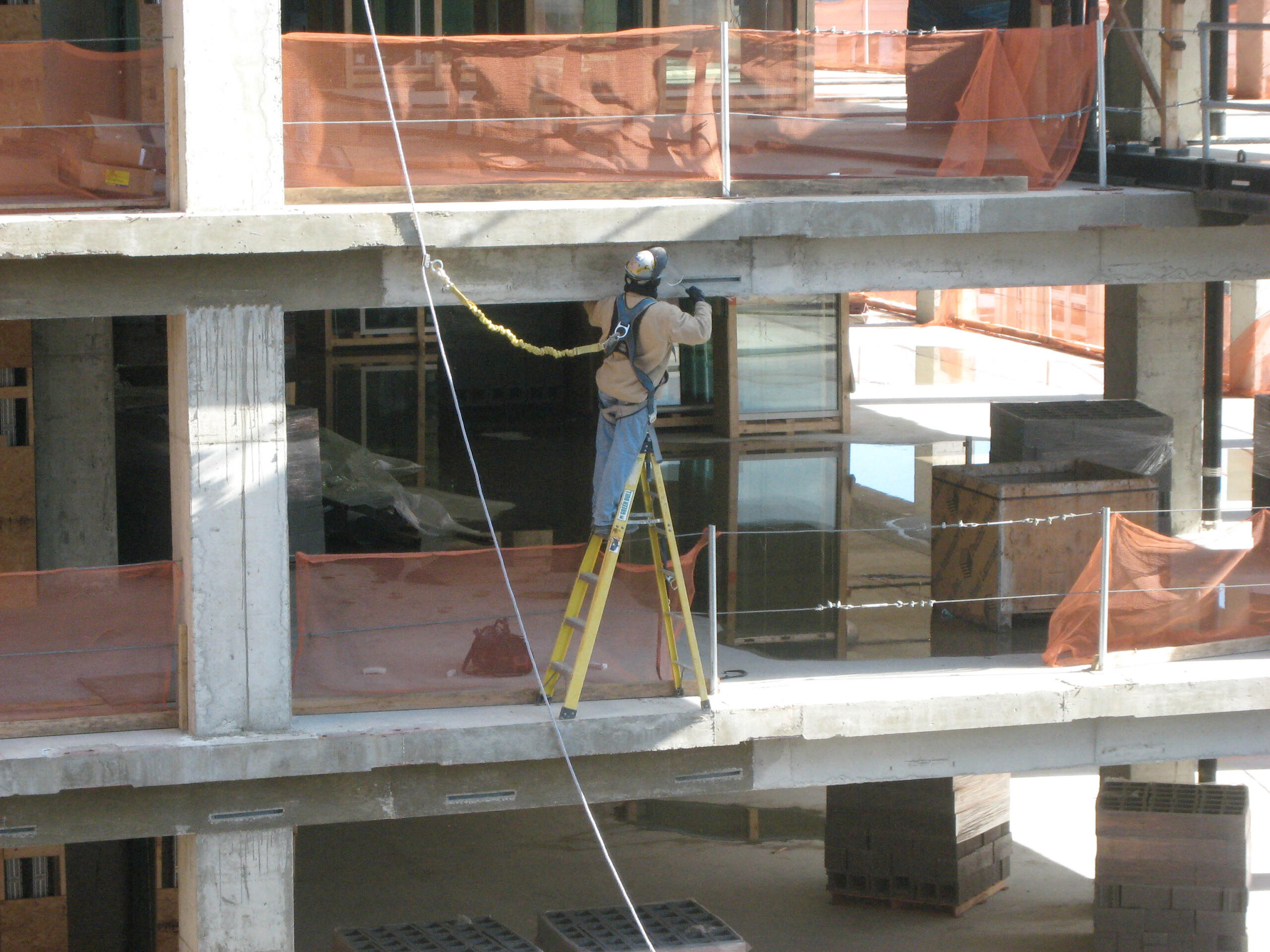
The hardest part of changing this industry was not buying equipment. It was replacing one idea with another.
The 1960 position was that working safely at height was a matter of skill and nerve. Scaffolders, steel erectors and roofers were good at it, took pride in being good at it, and regarded protection as something for people who were not. That belief was sincere, it was held by genuinely expert people, and it was not stupid – they really were skilled, and most of them really did work their whole lives without falling.
The problem is arithmetic. A man who is ninety-nine point nine per cent reliable on an unprotected edge, making a thousand movements a week, is not safe. He is accumulating exposure, and the outcome of the one failure is death rather than a stumble. No amount of competence changes the consequence, and competence has a bad day.
So the change required was not better training. It was accepting that the skill of the individual is the wrong thing to rely on, and that the edge itself has to be made survivable – which is an insult to a proud trade, and was received as one.
That is why the culture took longer to shift than the regulations, and why the generation who had worked the old way found the new rules so difficult. They were being told, in effect, that the thing they had been most proud of was never a safety measure.
Both things are true. They were extremely good at a dangerous job, and the job should not have been dangerous. The industry is substantially safer now and falls remain the largest single cause of death in it, which is the measure of how much work was needed and how much is left.
If you worked on sites then you will know what the welfare hut was like and whether there was one.
And you will know somebody the edge took.
Like our content? Follow us for more.

