Nobody numbered a house until somebody official wanted something. Here are eleven.
1. Numbering Was Imposed, Not Adopted
Systematic house numbering spread through Europe in the eighteenth century, introduced by authorities rather than by residents.
The usual purposes were taxation, military billeting and conscription, and it was frequently resented for that reason.
Like our content? Follow us for more.
2. Odds and Evens Facing Each Other Is Not the Only System
The familiar arrangement puts odd numbers on one side and even on the other, so the two sides run in step.
It is useful because a number tells you which side of the street to be on before you start looking.
3. Some Streets Run Consecutively Round the Outside
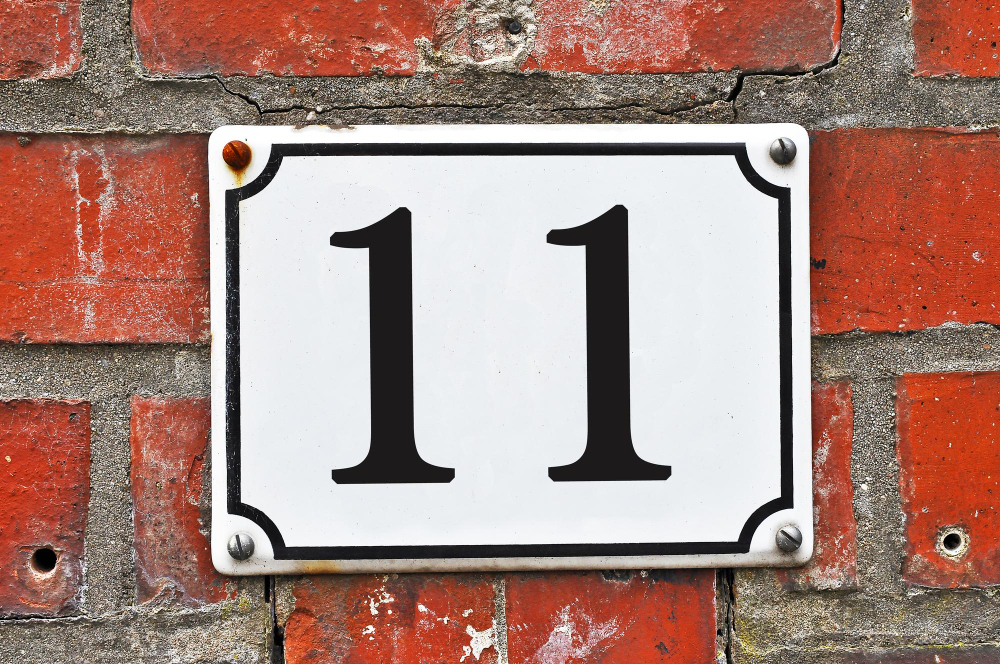
An older system numbers up one side to the end and back down the other, so the highest and lowest numbers are neighbours.
Squares and crescents often still use it, which is why a number you expect near the start can be at the far end.
4. Which End Numbering Starts From Is a Convention
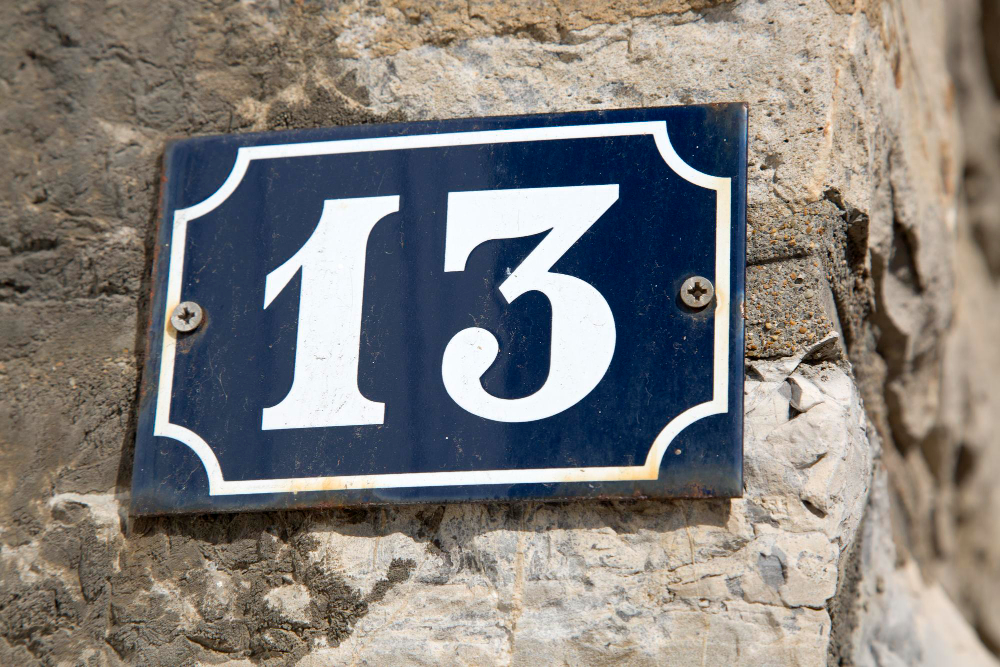
Some places number outward from the centre of the town; others begin at the end nearest a river, a gate or a main road.
Once you know the local rule, a number tells you roughly where in the town you are.
5. Blocks Can Be Encoded in the Number Itself
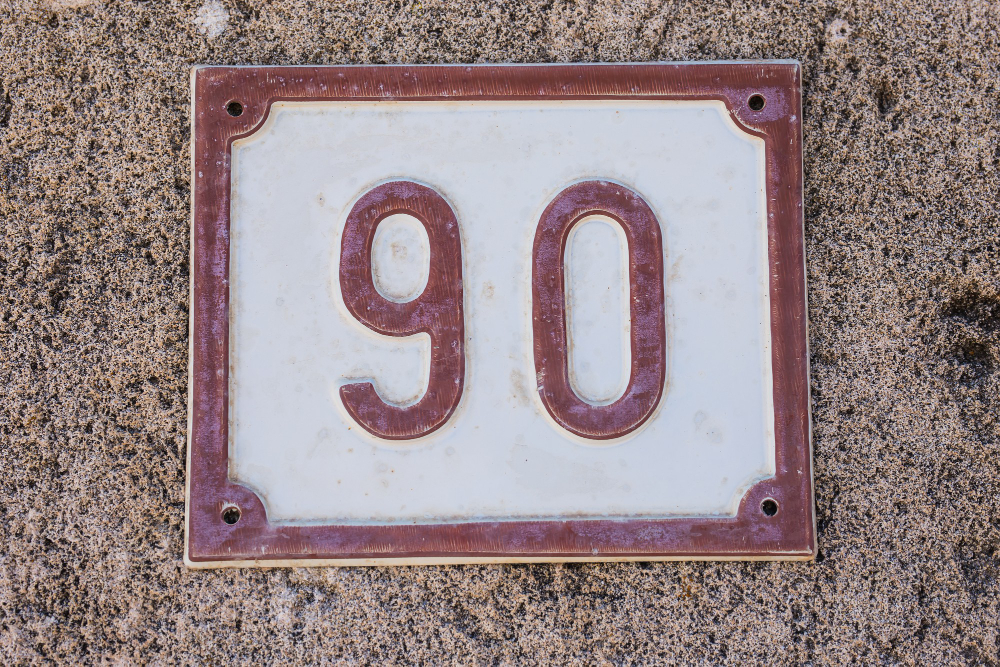
In grid cities the hundreds digit frequently indicates how many blocks you are from a defined origin.
That makes the number a coordinate rather than a position in a queue, and it is why numbers there run so high.
6. Distance Can Be Encoded Too
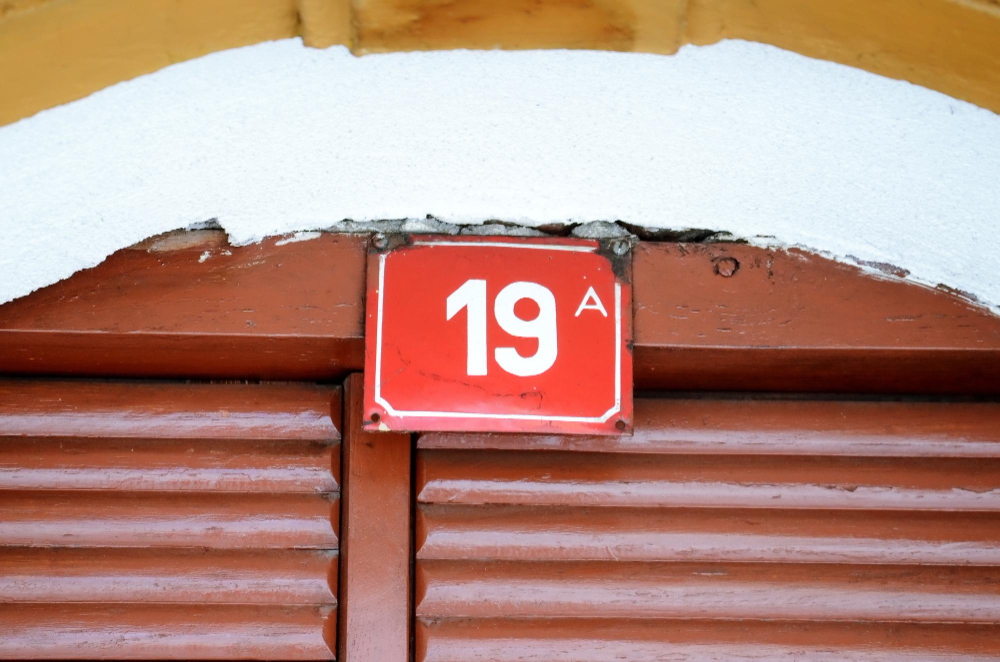
Rural systems in several countries derive the number from the distance along the road from a fixed point.
A very large number on an empty road is measuring, not counting.
7. Infill Is Why Half Numbers Exist
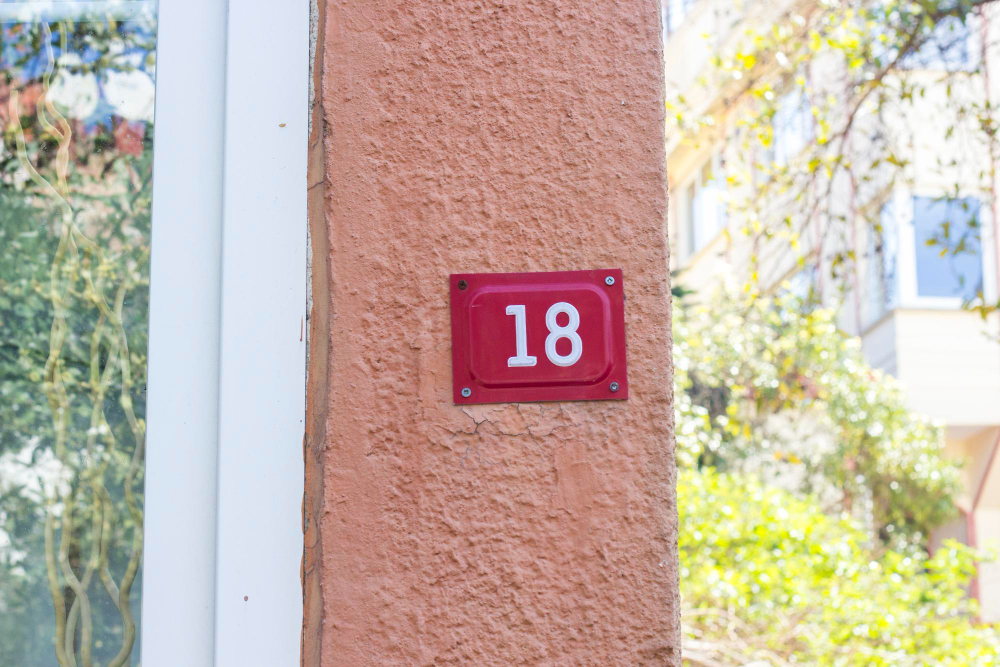
When a building is squeezed between two existing plots, the sequence has no room, so it becomes A, B or a half.
Every one of those marks a plot that was subdivided after the street was numbered.
8. Missing Numbers Are Usually Demolitions
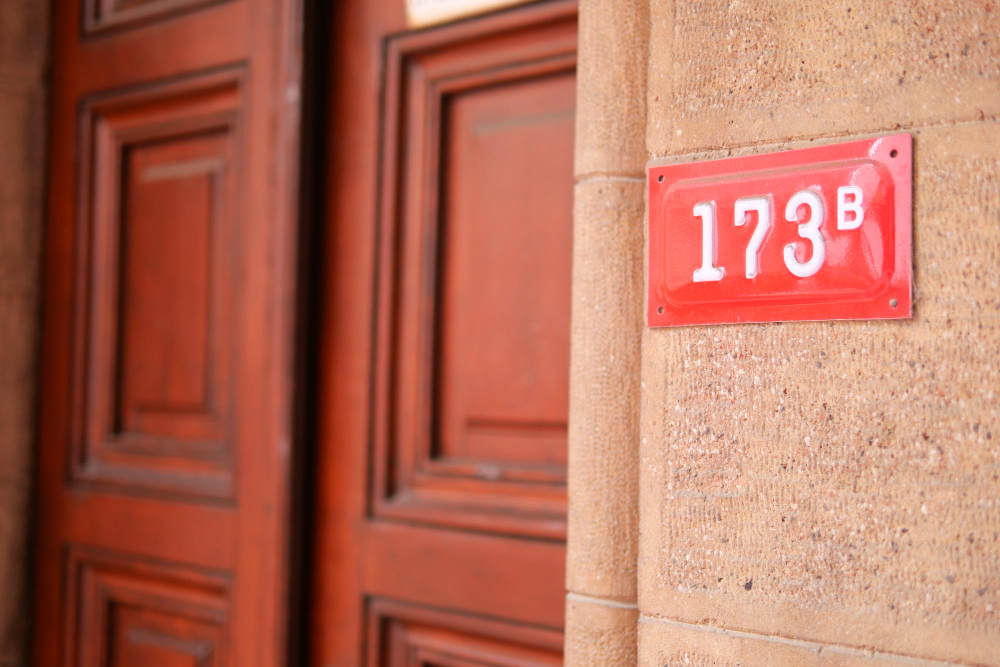
A gap in a sequence generally means a building was removed and the survivors kept their numbers.
Renumbering a street is disruptive enough that gaps are usually left alone.
9. Some Numbers Are Skipped Deliberately
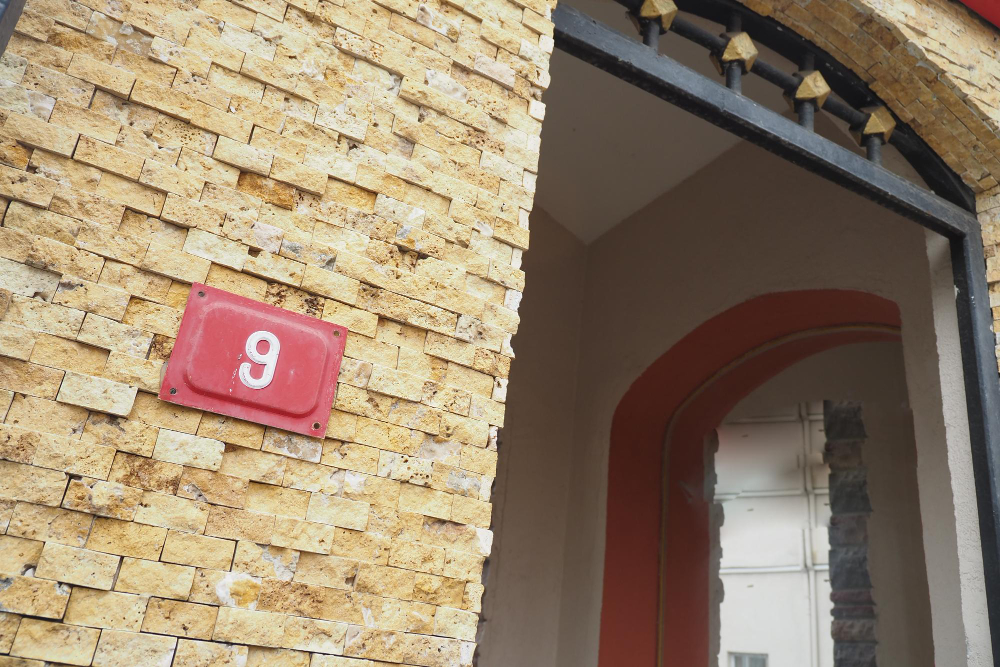
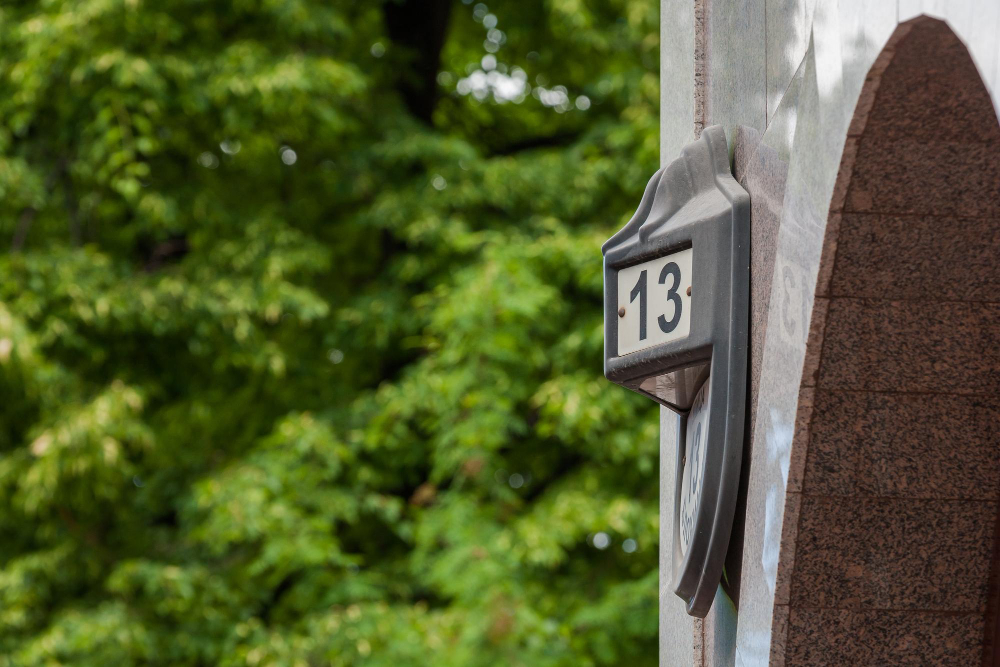
Thirteen is omitted in many places, and in parts of East Asia four is avoided for the same kind of reason.
The superstition is old and the omission is a commercial decision rather than a belief held by whoever built it.
10. Naming Instead of Numbering Survives Where It Was Never Imposed
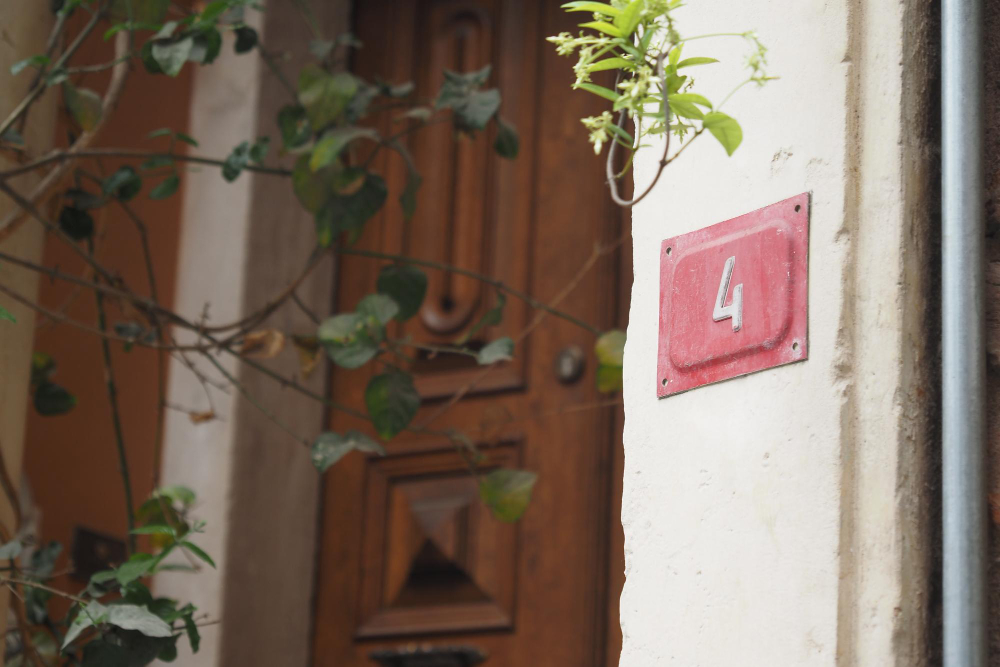
Houses with names rather than numbers are common where numbering arrived late or never fully applied.
Rural and older properties keep names precisely because there was no sequence to slot them into.
11. The Number Is Not the Address the Post Uses
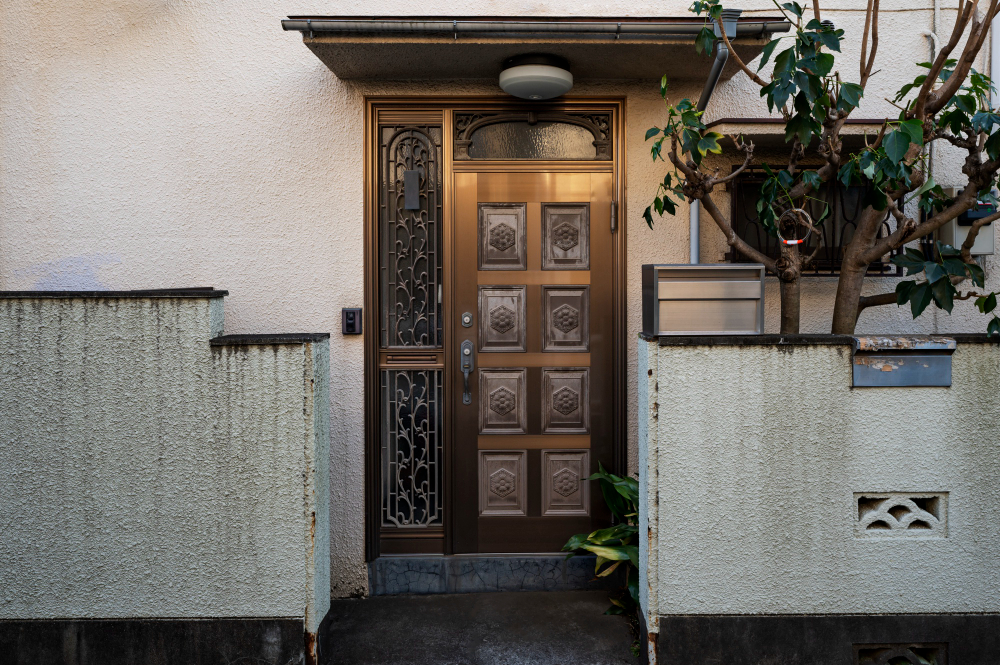
Modern delivery is organised around postal codes and route sequences, with the number as a final check.
The system that took two centuries to impose is now mostly a label on the last few metres.
A Sequence Somebody Was Made to Accept
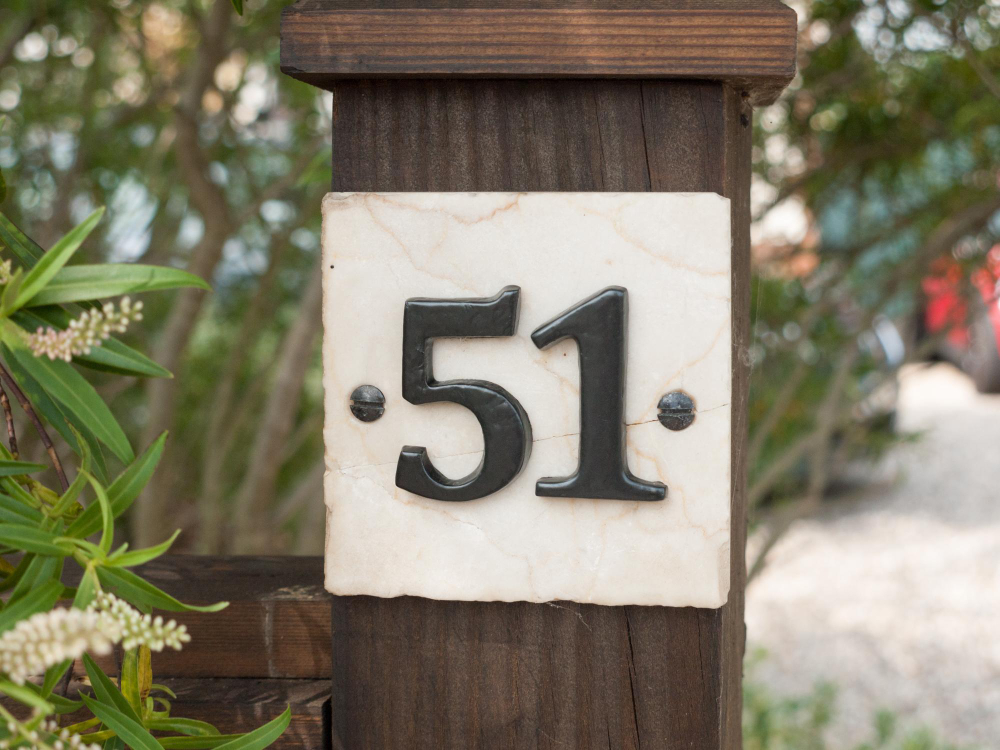
Numbering introduced for tax and billeting, odds and evens running in step, blocks and distances encoded into the digits, half numbers marking infill and gaps marking demolition.
The first item is the one that reframes the rest. House numbers were not invented to help anybody find an address; they were imposed so that authorities could tax a household, billet a soldier on it or find a man for the army – and the convenience everybody now relies on was a side effect of an administrative instrument that people at the time actively objected to.
Like our content? Follow us for more.